Teeth Crown: Complete Guide
Key Takeaways
- Imagine the confidence of a strong, healthy smile. Yet, for many Americans, dental issues like decay, cracks, or large fillings can compromise not just aesthetics, but also the vital function of their teeth. In fact, over 15 million Americans have undergone crown and bridge procedures, highlight
Teeth Crown: Complete Guide
Imagine the confidence of a strong, healthy smile. Yet, for many Americans, dental issues like decay, cracks, or large fillings can compromise not just aesthetics, but also the vital function of their teeth. In fact, over 15 million Americans have undergone crown and bridge procedures, highlighting the widespread need for effective restorative solutions. If you're experiencing dental discomfort, a weakened tooth, or simply seeking to restore your smile, understanding the role of a teeth crown is crucial. A dental crown acts as a protective cap, meticulously designed to cover a damaged tooth, restoring its shape, size, strength, and appearance. This comprehensive guide will delve into everything you need to know about teeth crowns, from their purpose and various types to the detailed placement process, associated costs, aftercare, and potential complications, empowering you to make informed decisions about your dental health.
Key Takeaways:
- A dental crown is a custom-made cap covering a damaged tooth, restoring its strength, shape, and appearance.
- Crowns are commonly needed for large cavities, cracked teeth, post-root canal treatment, or cosmetic enhancement.
- The process typically involves two appointments, though same-day crowns are increasingly available using CAD/CAM technology.
- Does getting a crown hurt? The procedure itself is pain-free thanks to local anesthesia; some sensitivity or mild discomfort may occur post-procedure.
- Tooth crown cost in the US generally ranges from $800 to $3,000 per tooth without insurance, varying significantly by material, location, and complexity.
- Crowns can last 5 to 15 years or more with proper care, including diligent oral hygiene and regular dental check-ups.
- Insurance typically covers 50-80% of the cost after deductibles, depending on your plan.
What It Is / Overview
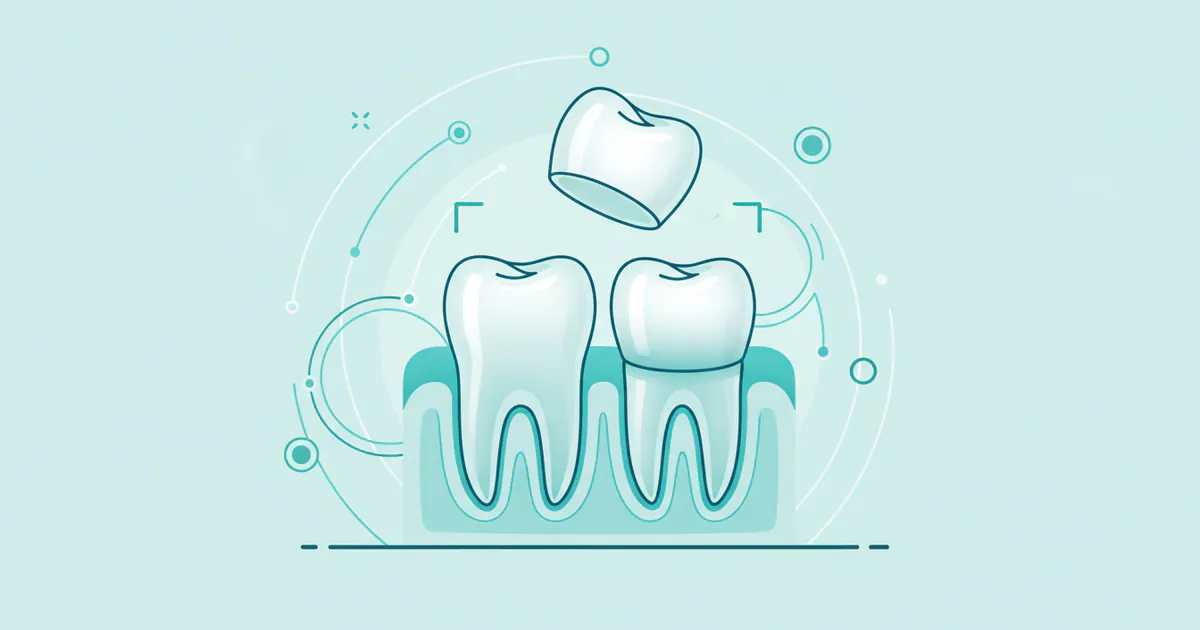
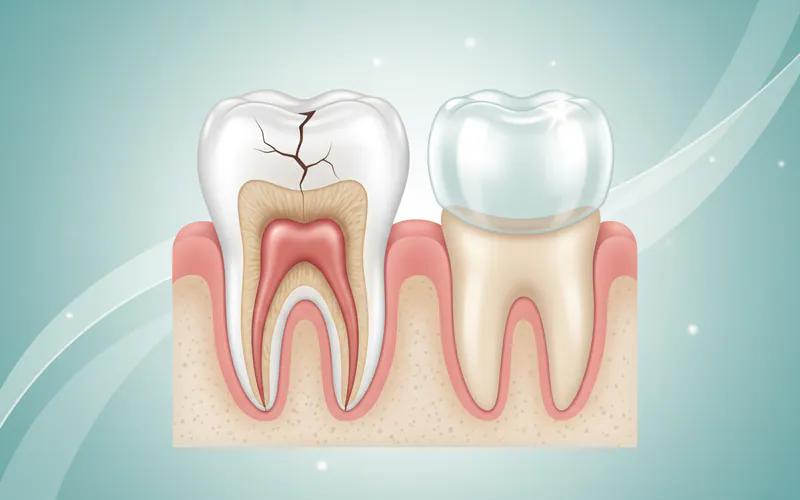
A dental crown, often referred to as a "tooth cap," is a custom-fabricated restoration that completely encases the entire visible portion of a tooth above the gum line. Think of it as a meticulously fitted helmet for your tooth. Its primary purpose is to restore a tooth's original strength, size, shape, and improve its appearance. When a tooth is severely damaged—whether by extensive decay, a fracture, or after a root canal procedure—a filling may not be sufficient to protect it. In such cases, a dental crown provides the necessary structural support, prevents further damage, and ensures the tooth can function normally for chewing and speaking. Crowns are custom-made to match the color, shape, and size of your natural teeth, ensuring a seamless integration with your smile. They are cemented onto the prepared tooth, providing a durable and long-lasting solution.
Why You Might Need a Dental Crown / Indications
Dental crowns are a versatile restorative treatment, recommended for a variety of dental conditions. Your dentist may suggest a crown for any of the following reasons:
Extensive Tooth Decay
When a cavity is too large for a traditional dental filling, a crown provides the necessary strength to prevent the tooth from fracturing. A filling might compromise the tooth's structural integrity, whereas a crown encompasses and protects the entire weakened structure.
Fractured or Cracked Teeth
Teeth can crack due to trauma, grinding (bruxism), or biting down on something hard. Even hairline fractures can lead to pain and sensitivity. A crown holds the fractured tooth together, preventing the crack from spreading and protecting the inner pulp from bacteria.
Severely Worn Teeth
Chronic teeth grinding or erosion can wear down the chewing surfaces of teeth, leading to sensitivity and an altered bite. Crowns can restore the tooth's original height and shape, improving function and protecting against further wear.
Weakened Teeth After a Root Canal
After a root canal treatment, a tooth often becomes brittle because the inner pulp (which contains blood vessels and nerves) is removed. This makes the tooth more susceptible to fracture. A crown is almost always recommended for posterior (back) teeth after a root canal to protect them from breaking under the forces of chewing. Front teeth may not always require a crown, depending on the extent of tooth structure remaining.
Large, Failing Fillings
Older, large amalgam (silver) fillings can sometimes weaken the surrounding tooth structure over time. If a large filling is failing or has compromised too much of the tooth, a crown is often the best solution to restore strength and prevent breakage.
Cosmetic Enhancement
While primarily a restorative treatment, crowns can also be used for cosmetic purposes. They can cover severely discolored or stained teeth that don't respond to whitening treatments, reshape misshapen teeth, or close small gaps between teeth, significantly improving the smile's aesthetics.
Anchoring a Dental Bridge
Crowns serve as anchors for dental bridges. When replacing one or more missing teeth, crowns are placed on the natural teeth on either side of the gap. These crowns then hold the artificial teeth (pontics) in place, forming a bridge structure.
Types of Dental Crowns / Variations
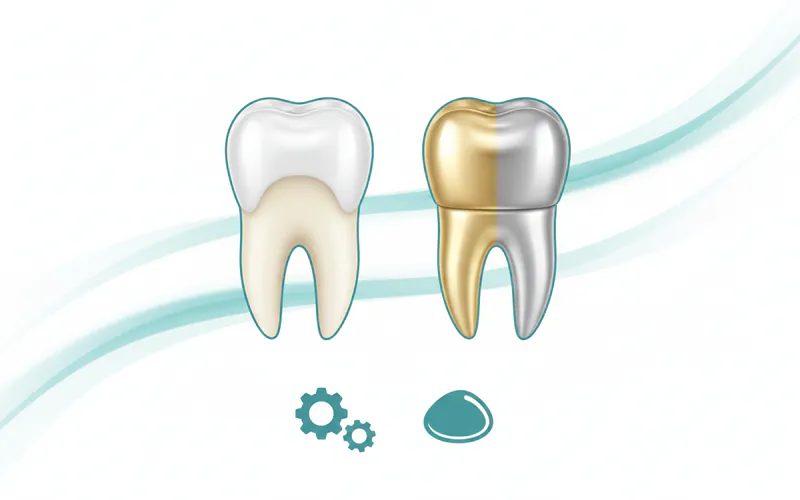
Dental crowns come in various materials, each offering a unique balance of aesthetics, durability, and cost. The choice of material depends on factors such as the tooth's location, bite forces, patient preference, and budget.
Porcelain (Ceramic) Crowns
- Description: Made entirely of ceramic material, offering the most natural appearance.
- Pros: Excellent aesthetics, matches natural tooth color, biocompatible, metal-free.
- Cons: Can be more brittle than metal or zirconia, prone to chipping or cracking under heavy bite forces, may cause wear on opposing natural teeth if not highly polished.
- Best For: Front teeth where aesthetics are paramount.
Porcelain Fused to Metal (PFM) Crowns
- Description: A metal substructure is covered with a layer of porcelain.
- Pros: Good strength from the metal base, good aesthetics from the porcelain, generally less expensive than all-ceramic.
- Cons: Can show a dark metal line at the gum line (especially as gums recede), porcelain can chip, requires more tooth reduction than all-metal.
- Best For: Back teeth where both strength and reasonable aesthetics are desired.
Metal Crowns (Gold Alloys, Base Metal Alloys)
- Description: Made from various alloys, including gold, palladium, nickel, or chromium.
- Pros: Extremely strong and durable, very kind to opposing teeth (less wear), requires minimal tooth reduction, rarely chips or fractures.
- Cons: Poor aesthetics (metallic color), can conduct temperature changes more readily.
- Best For: Back molars where strength and durability are crucial and visibility is low. Pro Tip: Gold crowns, while appearing more expensive upfront, can be the most cost-effective long-term due to their incredible durability and minimal wear on opposing teeth.
Zirconia Crowns
- Description: Made from zirconium dioxide, a very strong type of ceramic material.
- Pros: Exceptional strength and durability, highly biocompatible, good aesthetics (can be tooth-colored), metal-free, less abrasive than traditional porcelain.
- Cons: Can be more opaque than E-max or traditional porcelain, making it slightly less aesthetic in some cases.
- Best For: Both front and back teeth, particularly for patients who clench or grind, or need high strength with good aesthetics.
E-max Crowns (Lithium Disilicate)
- Description: A type of all-ceramic crown made from lithium disilicate glass-ceramic.
- Pros: Excellent aesthetics with high translucency, very strong for an all-ceramic material, can be milled chairside for same-day crowns.
- Cons: Not as strong as zirconia or metal for extreme bite forces.
- Best For: Front teeth and premolars where superior aesthetics are desired, or for single-unit crowns.
Temporary Crowns
- Description: Made from acrylic or composite resin, placed immediately after tooth preparation.
- Pros: Protects the prepared tooth, prevents sensitivity, maintains space, allows for normal chewing while the permanent crown is fabricated.
- Cons: Less durable, prone to fracture, can dislodge easily, not aesthetically perfect.
- Best For: Short-term use (typically 1-3 weeks) while awaiting the permanent crown.
Same-Day Crowns (CAD/CAM Crowns)
- Description: Milled in the dental office using computer-aided design and manufacturing (CAD/CAM) technology (e.g., CEREC). Often made from E-max or zirconia.
- Pros: Completed in a single visit, no temporary crown needed, convenient.
- Cons: Not all teeth or cases are suitable, limited material choices, requires specialized equipment in the dental office.
- Best For: Patients seeking convenience, single crown restorations where aesthetics and material strength align with same-day options.
The Dental Crown Process: Step-by-Step
Getting a dental crown typically involves a two-visit process, although same-day crown technology can condense this into a single appointment. Here’s what you can expect:
Visit 1: Preparation and Impression
- Initial Consultation and Diagnosis: Your dentist will first examine your tooth, take X-rays, and discuss your medical history to confirm that a crown is the appropriate treatment. They will explain the process and material options.
- Anesthesia: To ensure your comfort, the dentist will administer a local anesthetic to numb the tooth and surrounding gum tissue. This ensures you won't feel any pain during the preparation.
- Tooth Preparation (Shaping): The dentist will carefully reshape the tooth by removing a small amount of enamel and dentin from all surfaces (top, sides, and sometimes underneath the gum line). This creates enough space for the crown to fit over your natural tooth without being bulky and ensures a proper bite. The amount removed depends on the crown material chosen. If there is significant decay or damage, the dentist may need to build up the tooth with a filling material before shaping.
- Impressions: Once the tooth is prepared, the dentist will take a precise impression (mold) of your prepared tooth and the surrounding teeth. This can be done using a traditional putty-like material or, increasingly, with a digital scanner. A separate impression of your opposing arch (the teeth that bite against the prepared tooth) is also taken to ensure the crown fits perfectly with your bite. These impressions are then sent to a dental laboratory where your custom permanent crown will be fabricated.
- Temporary Crown Placement: While your permanent crown is being made, the dentist will place a temporary crown over your prepared tooth. This temporary crown protects the exposed tooth structure, prevents sensitivity, maintains the space, and allows you to chew and speak normally. It's usually made of acrylic or composite resin and is held in place with temporary cement.
``
Visit 2: Permanent Crown Placement
- Temporary Crown Removal: After approximately 1-3 weeks, your permanent crown will arrive from the dental laboratory. At your second appointment, the dentist will carefully remove the temporary crown.
- Cleaning and Inspection: The prepared tooth will be cleaned, and the new permanent crown will be meticulously inspected for fit, color match, and proper occlusion (how it bites against opposing teeth).
- Trial Placement: The dentist will temporarily place the crown on your tooth to check its fit, margins (where the crown meets the tooth), and bite. They may make minor adjustments to ensure it feels comfortable and natural. You'll be asked to bite down and articulate your jaw to confirm the fit.
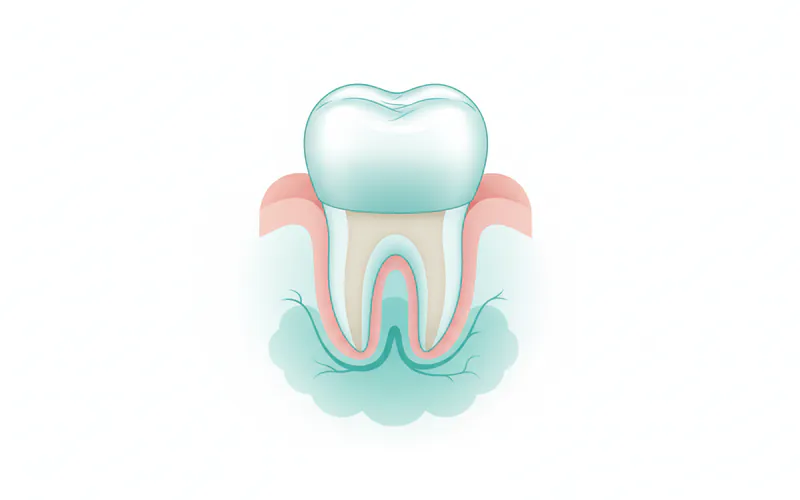
- Permanent Cementation: Once you and the dentist are satisfied with the fit and appearance, the crown will be permanently bonded to your tooth using a strong dental cement. Any excess cement will be carefully removed, and the fit will be checked one last time.
The Same-Day Crown Process (CAD/CAM)
For same-day crowns, the process is streamlined:
- Preparation and Digital Scan: The tooth is prepared as usual, but instead of traditional impressions, a sophisticated digital scanner creates a 3D image of your tooth.
- Design and Milling: Using specialized CAD/CAM software, your dentist designs the crown directly on a computer screen. This design is then sent to an in-office milling machine, which carves the crown from a block of ceramic material (like E-max or zirconia) right there in the office. This usually takes about 15-30 minutes.
- Finishing and Cementation: Once milled, the crown is polished and often stained/glazed to match your natural teeth. It's then cemented into place, completing the entire process in a single visit, typically lasting 1.5-2 hours.
Does Getting a Crown Hurt? Understanding Pain and Comfort
One of the most common concerns patients have is, "Does getting a crown hurt?" The good news is that the procedure itself is typically pain-free thanks to modern dental anesthetics.
During the Procedure
Before any tooth preparation begins, your dentist will administer a local anesthetic to thoroughly numb the tooth and surrounding gum tissue. This ensures you won't feel any pain or sharp sensations during the reshaping of the tooth, impression taking, or temporary crown placement. You might feel some pressure or vibration, but no pain. If you experience anxiety, discuss options like nitrous oxide (laughing gas) or oral sedation with your dentist beforehand.
After the Procedure (Temporary Crown)
It's normal to experience some mild sensitivity or discomfort after your first appointment, especially once the local anesthetic wears off. This is because the tooth has been prepared and is now covered by a temporary crown.
- Sensitivity: You might notice increased sensitivity to hot, cold, or air. This should subside within a few days.
- Gum Soreness: Your gums around the treated tooth might be slightly tender or sore from the manipulation during the procedure.
- Bite Discomfort: Occasionally, the temporary crown might feel slightly off in your bite. If this persists or causes significant discomfort, contact your dentist for an adjustment. Pro Tip: Avoid very sticky or hard foods with your temporary crown to prevent it from dislodging or breaking. Chew on the opposite side of your mouth if possible.
After the Procedure (Permanent Crown)
Once the permanent crown is cemented, most patients experience minimal to no discomfort.
- Residual Sensitivity: Some patients might have mild sensitivity to hot or cold for a few days or weeks, especially if the tooth was significantly prepared or close to the nerve. This usually resolves as the tooth settles.
- Gum Irritation: Minor gum irritation might occur from the cementation process, but this is typically short-lived.
- Bite Adjustment: It's crucial that your bite feels comfortable and natural. If your new crown feels too "high" or causes any discomfort when you bite down, contact your dentist immediately. An uneven bite can lead to pain, jaw issues, or damage to the crown or opposing teeth.
In summary, while the idea of getting a crown might seem daunting, the actual process is managed effectively with anesthesia. Any post-procedure discomfort is usually mild and temporary, easily managed with over-the-counter pain relievers like ibuprofen or acetaminophen. Persistent or severe pain should always prompt a call to your dentist.
Recovery and Aftercare: What to Expect Post-Crown
Proper care for your new dental crown is essential for its longevity and to prevent future complications.
Immediately After Cementation
- Numbness: The anesthesia will wear off gradually over a few hours. Be cautious not to bite your cheek or tongue while numb.
- Diet: You can usually eat once the anesthesia wears off, but avoid hard or sticky foods for the first 24 hours while the cement fully sets.
- Sensitivity: It's normal to experience some mild sensitivity to hot, cold, or pressure for a few days to a few weeks. This should gradually subside. Over-the-counter pain relievers can help manage any discomfort.
- Bite Check: Pay close attention to your bite. If the crown feels "high" or causes discomfort when you chew, contact your dentist promptly for an adjustment. An improper bite can lead to pain, jaw issues, or damage to the crown.
Long-Term Care
A well-maintained dental crown can last for many years, often between 5 and 15 years, and sometimes even longer, depending on the material, your oral hygiene habits, and your bite forces.
- Maintain Excellent Oral Hygiene: Treat your crowned tooth just like your natural teeth. Brush at least twice a day with fluoride toothpaste and floss daily, paying special attention to the gum line around the crown. This prevents plaque buildup and gum disease, which can compromise the crown's margins and the underlying tooth.
- Regular Dental Check-ups and Cleanings: Continue to see your dentist for routine check-ups and professional cleanings, typically every six months. Your dentist will monitor the crown's integrity, check the margins, and ensure no decay is forming around it.
- Avoid Hard and Sticky Foods: While crowns are strong, biting down on extremely hard foods (like ice, hard candies, or unpopped popcorn kernels) or chewing on sticky foods (like caramels) can potentially chip, crack, or dislodge the crown, especially with porcelain materials.
- Address Bruxism (Teeth Grinding): If you grind or clench your teeth (bruxism), inform your dentist. They may recommend a nightguard to protect your crown and natural teeth from excessive forces.
- Do Not Use Your Teeth as Tools: Avoid using your teeth to open packages, bite nails, or perform tasks they weren't designed for.
Preventing Issues That Lead to Crowns
While some dental issues are unavoidable, many can be prevented or mitigated with proactive measures:
- Consistent Oral Hygiene: Brush twice a day with fluoride toothpaste and floss daily. This is the cornerstone of preventing cavities and gum disease, two leading causes of tooth damage that may require crowns.
- Regular Dental Check-ups and Cleanings: Visit your dentist every six months for professional clean-ings and examinations. Early detection of small cavities or developing issues can often be addressed with fillings, preventing the need for a crown.
- Balanced Diet: Limit sugary and acidic foods and drinks, which contribute to tooth decay and erosion.
- Mouthguards for Sports: If you participate in contact sports, wear a custom-fitted mouthguard to protect your teeth from trauma and fractures.
- Address Bruxism: If you clench or grind your teeth (especially at night), talk to your dentist about a custom nightguard. This protects your teeth from excessive wear and potential fractures.
- Avoid Biting Hard Objects: Don't chew on ice, popcorn kernels, pens, or use your teeth to open packages.
Risks and Complications Associated with Dental Crowns
While dental crowns are generally safe and effective, like any medical procedure, there are potential risks and complications:
- Sensitivity or Discomfort: As mentioned, some temporary sensitivity to hot/cold can occur after the procedure. If it persists or becomes severe, it could indicate nerve inflammation or a poor crown fit.
- Allergic Reaction: Rarely, a patient might have an allergic reaction to the metal or ceramic materials in the crown. This is more common with certain base metal alloys.
- Chipped Crown: Porcelain or porcelain-fused-to-metal crowns can chip, especially if made thin or subjected to heavy biting forces. Small chips can sometimes be repaired; larger chips may require crown replacement.
- Loose Crown: The cement holding the crown in place can wash out over time, causing the crown to become loose. This can allow bacteria to leak in and cause decay underneath the crown. If your crown feels loose, see your dentist immediately.
- Crown Falls Off: This can happen if the cement fails or if there isn't enough tooth structure remaining for retention. If your crown falls off, clean it and the tooth, and call your dentist for an emergency appointment.
- Decay Under the Crown: Although the crown itself cannot decay, the tooth structure beneath it can. If decay forms at the margin of the crown (where it meets the natural tooth), it can compromise the crown's fit and necessitate a new crown or even extraction.
- Gum Disease: Poor oral hygiene around the crown can lead to gingivitis or periodontitis, affecting the health of the supporting tissues.
- Nerve Damage/Infection: In rare cases, the tooth preparation can irritate the nerve, leading to pulpitis (inflammation of the pulp). If the inflammation is severe or becomes infected, a root canal treatment may be necessary, sometimes even years after the crown placement.
- Aesthetic Issues: The crown may not perfectly match the color or shape of adjacent teeth, or the metal margin of a PFM crown might become visible if gums recede.
``
Comparison of Dental Crown Materials
| Material Type | Pros | Cons | Esthetics | Durability | Average Lifespan (Years) |
|---|---|---|---|---|---|
| All-Ceramic (Porcelain) | Excellent aesthetics, metal-free, biocompatible | Can be brittle, more prone to chipping, may wear opposing teeth | Excellent (matches natural tooth translucency) | Good, but can chip/fracture under heavy force | 5-10 |
| Porcelain Fused to Metal (PFM) | Good strength and aesthetics, less expensive than all-ceramic | Can show dark gum line, porcelain can chip | Good (less translucent than all-ceramic) | Very good (metal base is strong) | 10-15 |
| Metal (Gold, Base Metal) | Highly durable, strong, gentle on opposing teeth, minimal tooth reduction | Poor aesthetics (metallic color), can conduct temperature | Poor (metallic) | Excellent (resists fracture and wear) | 15-20+ |
| Zirconia | Exceptional strength, good aesthetics, biocompatible | Can be more opaque than E-max, can be abrasive to opposing teeth | Very Good (strong and tooth-colored) | Excellent (very fracture-resistant) | 10-15+ |
| E-max (Lithium Disilicate) | Superior aesthetics, strong for all-ceramic, good translucency | Not as strong as zirconia or metal for extreme bite forces | Excellent (high translucency and beauty) | Very good (stronger than traditional porcelain) | 10-15 |
Children / Pediatric Considerations
Dental crowns are not just for adults; they play a crucial role in pediatric dentistry, particularly for baby teeth. The most common type of crown used in children is the stainless steel crown (SSC).
Stainless Steel Crowns (SSCs)
- Indications: SSCs are often recommended for primary (baby) teeth that have extensive decay, have undergone pulpotomy (a partial root canal for baby teeth), or are fractured. They are also used when a child has difficulty maintaining oral hygiene, preventing further decay in susceptible teeth.
- Benefits: SSCs are durable, inexpensive, and quick to place (often in one visit). They provide full coverage protection, sealing the tooth from further bacterial invasion and maintaining space for the permanent tooth to erupt correctly.
- Process: Unlike adult crowns, SSCs are pre-fabricated and selected from various sizes to fit the prepared tooth. The dentist will remove the decay, slightly reshape the tooth, and then cement the appropriate-sized SSC onto the tooth. Anesthesia is used to ensure the child's comfort.
- Longevity: SSCs are designed to last until the permanent tooth erupts and naturally replaces the baby tooth, typically for several years.
- Aesthetics: While not tooth-colored (they are silver), aesthetics are generally less of a concern for posterior baby teeth. For anterior (front) baby teeth, tooth-colored composite strip crowns or zirconia crowns may be used for better aesthetics, though they are more expensive and technique-sensitive.
Using crowns on baby teeth is vital for maintaining the child's chewing function, proper speech development, and preventing premature tooth loss, which can lead to spacing issues and orthodontic problems later on.
Cost Breakdown: Understanding Tooth Crown Cost
The tooth crown cost in the United States can vary significantly based on several factors, making it challenging to provide an exact figure without a direct consultation. However, understanding the typical ranges and influencing factors can help you prepare.
Average US Costs (Without Insurance)
The general cost range for a single dental crown in the US, without insurance, is typically $800 to $3,000 per tooth. This wide range is influenced by:
- Material: As seen in the table above, different materials have different price points. Metal crowns are often on the lower end, while all-ceramic (especially E-max) and zirconia can be on the higher end due to material costs and fabrication complexity.
- Location: Dental costs can vary geographically. Practices in major metropolitan areas or upscale neighborhoods typically have higher fees than those in rural or less affluent regions.
- Dentist's Fees: The experience and specialization of the dentist, as well as the overhead of the practice, can influence the cost.
- Complexity of the Case: Factors like extensive tooth buildup required before the crown, or a tooth requiring a root canal first, will add to the overall cost.
- Laboratory Fees: If the crown is custom-fabricated by an external dental lab, their fees contribute to the total cost. Same-day crowns often absorb these lab fees into the dentist's overall charge.
Typical US Dental Crown Costs by Material (Without Insurance)
| Crown Material | Average Cost Range (Without Insurance) | Average Insurance Coverage (after deductible) |
|---|---|---|
| Metal (Gold, Base Metal) | $800 - $1,500 | 50-80% |
| Porcelain Fused to Metal (PFM) | $900 - $1,800 | 50-80% |
| All-Ceramic (Porcelain) | $1,000 - $2,000 | 50-80% |
| Zirconia | $1,200 - $2,500 | 50-80% |
| E-max / CAD/CAM (Same-Day) | $1,000 - $2,500 | 50-80% |
Note: These are average ranges. Actual costs may vary.
With Insurance Coverage
Most dental insurance plans consider crowns a "major restorative" procedure and typically cover a portion of the cost, often 50-80% after you've met your annual deductible.
- Deductible: This is the amount you must pay out-of-pocket before your insurance begins to cover costs.
- Co-insurance: This is the percentage of the cost you are responsible for after meeting your deductible.
- Annual Maximum: Most dental insurance plans have an annual maximum benefit, typically ranging from $1,000 to $2,000. Once you reach this limit, you will pay 100% of any further dental costs until the next plan year.
- Waiting Periods: Some plans have waiting periods (e.g., 6-12 months) before they will cover major procedures like crowns.
- Material Limitations: Some plans may only cover the cost of a PFM crown on back teeth, or only a specific percentage of the "UCR" (usual, customary, and reasonable) fee, which may be lower than your dentist's actual fee.
It's crucial to contact your insurance provider directly to understand your specific benefits, deductibles, co-insurance, and annual maximums before starting treatment. Your dental office can also help you submit a pre-treatment estimate to your insurance company to get a clearer picture of your out-of-pocket expenses.
Payment Plans and Financing Options
For those without insurance or facing significant out-of-pocket costs, several financing options are available:
- In-Office Payment Plans: Many dental practices offer their own interest-free payment plans, allowing you to pay for your crown in installments over several months.
- Third-Party Financing (e.g., CareCredit): Companies like CareCredit offer special healthcare financing with low-interest or no-interest options for a set period, provided you make payments on time.
- Dental Savings Plans: These are not insurance but membership plans where you pay an annual fee and receive discounted rates on dental procedures from participating dentists. Discounts can range from 10-60%.
- Flexible Spending Accounts (FSAs) / Health Savings Accounts (HSAs): If you have an FSA or HSA through your employer, you can use pre-tax dollars saved in these accounts to pay for dental treatments, including crowns.
Cost-Saving Tips
- Preventative Care: The most effective way to save money on crowns is to prevent the need for them! Regular brushing, flossing, and dental check-ups can catch issues early when they can be treated with less expensive fillings.
- Shop Around (with caution): While price comparison is wise, avoid choosing a dentist solely based on the lowest cost. Quality of care, materials used, and the dentist's experience are paramount.
- Dental Schools: Dental schools often offer treatments at a reduced cost, as procedures are performed by students under the supervision of experienced faculty. This can be a more affordable option, though it may take more time.
``
Frequently Asked Questions
What is the average lifespan of a dental crown?
The lifespan of a dental crown typically ranges from 5 to 15 years or more, but this can vary significantly. Factors influencing longevity include the crown material, oral hygiene habits, bite forces, whether you grind your teeth, and regular dental check-ups. Porcelain crowns might last 5-10 years, while gold or zirconia crowns can often last 15-20 years or longer with proper care.
Does getting a crown hurt during the procedure?
No, getting a crown should not hurt during the procedure. Your dentist will administer a local anesthetic to thoroughly numb the tooth and surrounding area, ensuring you are comfortable throughout the tooth preparation and impression-taking stages. You might feel pressure or vibration, but no pain.
Will I be without a tooth while waiting for my permanent crown?
No, you will not be without a tooth. After your tooth is prepared, your dentist will place a temporary crown on it. This temporary crown protects the prepared tooth, prevents sensitivity, helps you chew and speak normally, and maintains the space until your permanent crown is ready, usually in 1-3 weeks.
Can a crown get a cavity?
The crown itself cannot get a cavity because it's made of inert material like ceramic or metal. However, the natural tooth structure underneath or at the margin where the crown meets the tooth can still decay. This is why diligent oral hygiene, including brushing and flossing around the crown, is crucial to prevent secondary decay.
What are the alternatives to a dental crown?
Alternatives depend on the specific dental issue. For minor damage, a large filling, onlay, or inlay might suffice. If a tooth is extensively damaged beyond repair by a crown, extraction followed by a dental implant or bridge may be the only option. For cosmetic concerns, veneers or bonding could be considered if the tooth is structurally sound.
How much does a tooth crown cost without insurance?
Without insurance, the cost of a dental crown in the US typically ranges from $800 to $3,000 per tooth. This range is primarily influenced by the material chosen (e.g., metal, PFM, zirconia, E-max), the complexity of the case, and your geographic location. Always get a detailed estimate from your dentist.
Can I get a crown in one day?
Yes, it is possible to get a crown in one day. This is achieved through CAD/CAM technology, such as CEREC. Your dentist can prepare the tooth, digitally scan it, design the crown, and mill it from a block of ceramic right in the office, allowing for placement in a single appointment, typically lasting 1.5-2 hours.
What should I do if my temporary crown falls off?
If your temporary crown falls off, first, try to retrieve it if possible. Gently clean the temporary crown and your exposed tooth. You can often temporarily reattach it with a small dab of over-the-counter temporary dental cement or even toothpaste if needed. Contact your dentist immediately, as it's important to protect the prepared tooth and prevent shifting of adjacent teeth.
Is it normal to have sensitivity after getting a permanent crown?
Yes, it's fairly normal to experience some mild sensitivity to hot, cold, or pressure after the permanent crown is cemented. This usually subsides within a few days to a few weeks as the tooth and surrounding tissues heal and adjust. If sensitivity is severe, persistent, or accompanied by throbbing pain, contact your dentist.
Does dental insurance cover the cost of crowns?
Most dental insurance plans do cover a portion of the cost of dental crowns, typically considering them a "major restorative" procedure. Coverage often ranges from 50-80% after you've met your annual deductible. However, plans usually have annual maximums and may have waiting periods or specific limitations on material coverage. Always check with your insurance provider directly.
When to See a Dentist
It’s crucial to know when to seek professional dental care, especially concerning crowns. Ignoring warning signs can lead to more serious complications.
Immediate Attention (Emergency)
Contact your dentist immediately if you experience any of the following:
- Severe or Persistent Pain: If you have intense pain around your crowned tooth, especially if it's throbbing or keeps you awake at night, it could indicate an infection or nerve damage requiring urgent attention.
- Crown Falls Off: If your temporary or permanent crown completely dislodges, clean it and the tooth, and call your dentist right away. This leaves your prepared tooth exposed and vulnerable.
- Visible Crack or Chip in the Crown: A significant crack or chip in your permanent crown, especially if it causes sharp edges or exposes the underlying tooth, warrants immediate contact.
- Swelling, Pus, or Fever: These are signs of a severe infection and require emergency dental care.
- Difficulty Biting Down: If your bite feels drastically off, or you can't bite down without severe pain after crown placement, it needs immediate adjustment.
Scheduled Appointment (Routine Care or Minor Concerns)
Schedule a regular appointment with your dentist if you notice:
- Persistent Mild Sensitivity: If you have mild sensitivity to hot or cold that lasts longer than a few weeks after crown placement but isn't severe, mention it at your next routine check-up.
- Minor Discomfort: Any minor discomfort or a feeling that your bite is slightly "off" after the initial adjustment period should be discussed with your dentist.
- Food Trapping: If food consistently gets trapped under or around your crown, it could indicate an open margin or a poor fit, which needs to be addressed to prevent decay.
- Gum Recession: If you notice your gums receding around the crown, potentially exposing a dark line (with PFM crowns) or the tooth margin, your dentist should evaluate it.
- Worn or Old Crown: If your crown is very old and showing signs of wear, or if you're experiencing repeated issues with it, your dentist can assess if a replacement is needed.
Regular dental check-ups, typically every six months, are vital for monitoring the health of your crowns and overall oral health. Your dentist can identify potential problems early, often preventing them from escalating into painful and costly emergencies.
Frequently Asked Questions
Medically Reviewed Content
This article was written by our dental health editorial team and reviewed for medical accuracy. Our content follows strict editorial guidelines for reliability and trustworthiness.
Medical Disclaimer
This article is for informational purposes only and does not constitute medical advice. Always consult with a qualified dental professional for diagnosis and treatment. Do not delay seeking professional advice because of something you read on this website.
Related Articles
How Long Do Fillings Take
When you discover a cavity or experience tooth pain, one of the first questions that might come to mind is, how long do fillings take? Understanding the duration of a dental filling procedure is crucial for managing your schedule and expectations, but it's just one piece of the puzzle. Dental fi
February 22, 2026
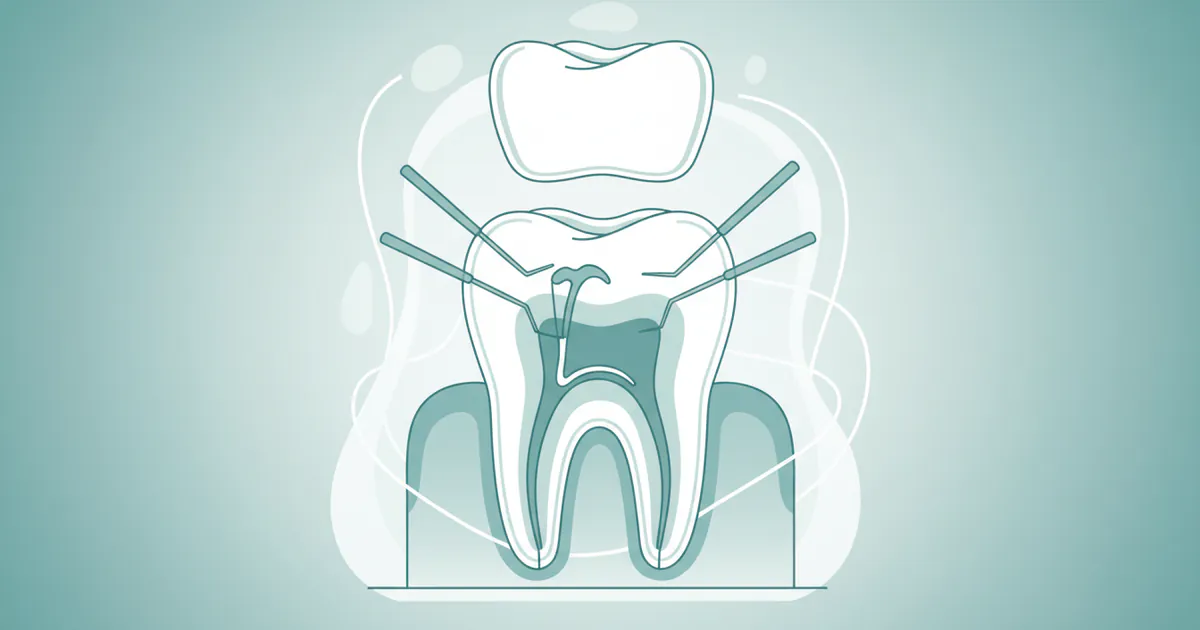
Root Canal and Crown: Complete Guide
When a tooth suffers from significant damage or infection, a combination of two powerful restorative dental procedures often becomes necessary to save it: a root canal and crown. This comprehensive approach not only eradicates infection and alleviates pain but also restores the tooth's structura
February 22, 2026
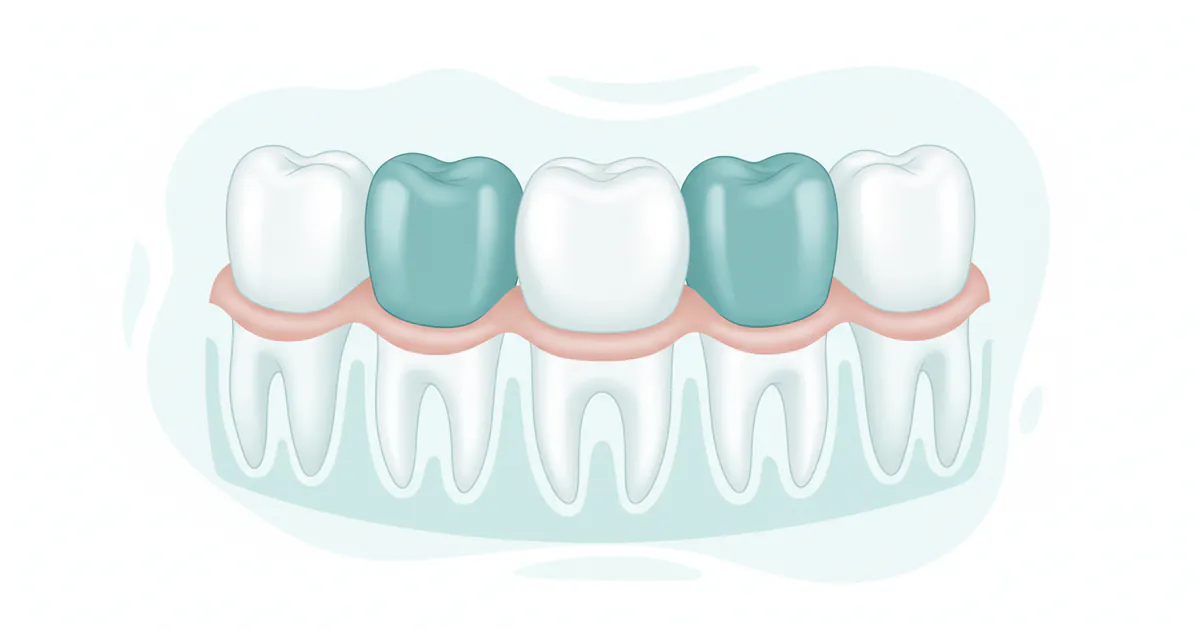
Bridge Teeth Cost: Complete Price Guide 2026
Losing a tooth can be more than just an aesthetic concern; it can impact your ability to chew, speak clearly, and even lead to shifting teeth, affecting your overall oral health. If you're considering solutions for missing teeth, a dental bridge is a common and effective restorative option. But what
February 22, 2026
Gold Crown Tooth: Complete Guide
The quest for a strong, durable, and long-lasting dental restoration often leads patients and dentists alike to consider the gold crown tooth. While modern dentistry offers a plethora of aesthetic options, the classic gold crown has maintained its esteemed position for centuries, revered for its
February 22, 2026