Natural Teeth: Complete Guide
Key Takeaways
- Maintaining the health of your natural teeth is paramount to overall well-being, influencing everything from digestion and speech to self-confidence. Did you know that according to the CDC, nearly 1 in 4 adults aged 20-64 in the United States has untreated dental caries (cavities)? This staggeri
Natural Teeth: Complete Guide
Maintaining the health of your natural teeth is paramount to overall well-being, influencing everything from digestion and speech to self-confidence. Did you know that according to the CDC, nearly 1 in 4 adults aged 20-64 in the United States has untreated dental caries (cavities)? This staggering statistic highlights the widespread challenges many face in preserving their original dentition. While modern dentistry offers incredible solutions for replacing lost teeth, nothing truly compares to the strength, sensation, and functionality of your own natural teeth. This comprehensive guide will delve into what it means to care for your natural teeth, exploring both conventional and holistic approaches, including popular methods like oil pulling, to empower you with the knowledge needed to safeguard your smile for life. We'll cover everything from the basic science of tooth preservation to effective daily routines, potential treatments, associated costs, and proactive prevention strategies to keep your smile healthy and vibrant.

Key Takeaways:
- Preserving Natural Teeth: Your own teeth offer superior functionality and sensation compared to prosthetics. Regular care is crucial for overall health.
- Daily Oral Hygiene: Brushing twice daily with fluoride toothpaste and flossing once daily is the cornerstone of preventing decay and gum disease, often costing less than $50-$100 annually for supplies.
- Holistic Approaches: Diet, stress management, and practices like oil pulling with coconut oil can complement conventional care. For effective oil pulling, use unrefined, virgin coconut oil, typically costing $10-$20 per jar for several months' supply.
- Oil Pulling Benefits (Evidence Varies): Users report benefits like reduced plaque, gingivitis, and bad breath. Studies suggest it may help reduce harmful bacteria, but it is not a substitute for brushing and flossing.
- Common Dental Treatments: Fillings for cavities range from $50-$250 per tooth (amalgam) to $90-$450 (composite). Root canals can cost $700-$2,000, and crowns $800-$2,500, depending on location and material.
- Insurance Coverage: Most dental insurance plans cover 80-100% of preventive care, 50-80% of basic procedures, and 0-50% of major procedures. Annual maximums typically range from $1,000-$2,000.
- Prevention is Key: A balanced diet low in sugar, regular dental check-ups (every 6 months, typically $100-$300 without insurance), and avoiding tobacco are vital for long-term natural tooth health.
What It Is / Overview: The Essence of Natural Teeth
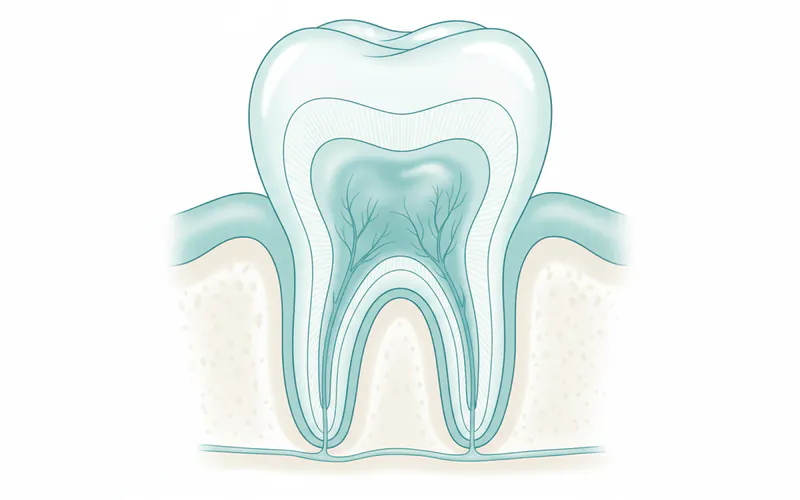
When we talk about natural teeth, we refer to the original, permanent teeth that erupt during childhood and adolescence. These teeth are complex biological structures, each consisting of a crown (the visible part above the gum line) and roots (anchored within the jawbone). Composed primarily of enamel (the hardest substance in the human body), dentin, pulp, and cementum, your natural teeth are marvels of biological engineering designed for chewing, speaking, and maintaining the structure of your face.
The concept of "natural teeth" also extends to their state of health. Ideally, natural teeth are free from decay (cavities), gum disease (gingivitis or periodontitis), and structural damage. The goal of comprehensive dental care, whether conventional or holistic, is to preserve these natural teeth for as long as possible, in their healthiest possible state. This preservation is not just about aesthetics; it's fundamental to proper nutrition, preventing bone loss in the jaw, and maintaining overall systemic health. For example, research continues to show links between oral health and conditions like heart disease, diabetes, and even certain types of dementia.
Approaches to Maintaining Natural Teeth: Conventional vs. Holistic
The journey to preserve natural teeth can be navigated through various philosophies.
Conventional Dentistry's Focus
Conventional dentistry primarily emphasizes:
- Preventive Care: Regular check-ups, cleanings, fluoride treatments, and dental sealants to prevent decay and gum disease.
- Restorative Care: Fillings, crowns, bridges, and root canal therapy to repair damaged teeth and prevent further deterioration or loss.
- Oral Hygiene: Recommending brushing with fluoride toothpaste and flossing daily.
- Intervention: Addressing issues aggressively through surgical and non-surgical means when problems arise.
Holistic & Alternative Dentistry's Perspective
Holistic dentistry, which SmilePedia.net often covers, views oral health as intrinsically linked to the entire body's health. While it does not reject conventional dentistry entirely, it often incorporates principles such as:
- Biocompatibility: Using materials that are compatible with the body and minimizing exposure to potentially harmful substances.
- Minimally Invasive Treatments: Prioritizing approaches that conserve natural tooth structure.
- Nutritional and Lifestyle Impact: Emphasizing diet, stress reduction, and detoxification as foundational to oral health.
- Natural Remedies: Exploring traditional or alternative practices to support oral health alongside or instead of certain conventional interventions.
- Oral Microbiome Balance: Focusing on fostering a healthy balance of bacteria in the mouth rather than solely eradicating "bad" bacteria.
This article, aligned with the Holistic & Alternative Dentistry category, will pay particular attention to these natural and holistic approaches while acknowledging the vital role of conventional care in severe cases.
Causes of Natural Teeth Deterioration
Understanding what compromises your natural teeth is the first step toward effective prevention.
1. Dental Caries (Cavities)
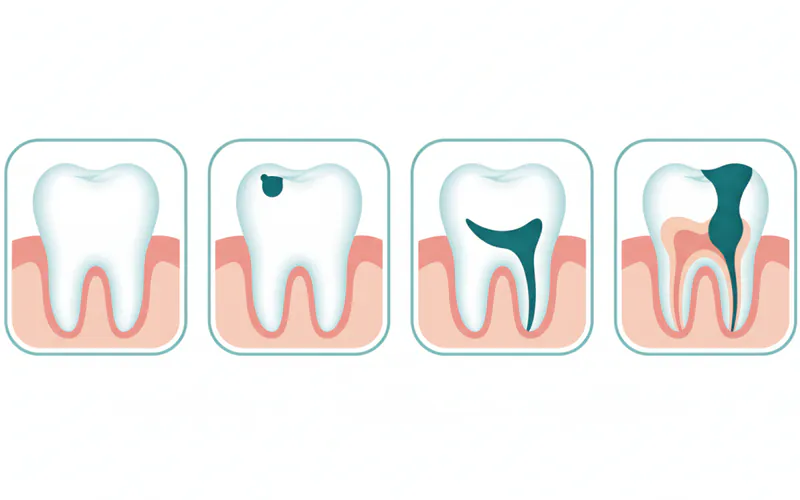
- What it is: Tooth decay, or cavities, is the breakdown of tooth enamel due to acids produced by bacteria in the mouth. These bacteria feed on sugars and starches from food and drinks, forming plaque.
- Contributing Factors:
- Poor Oral Hygiene: Inadequate brushing and flossing allow plaque to accumulate.
- Sugary and Acidic Diet: Frequent consumption of sugary drinks, candies, and acidic foods (like citrus fruits and sodas) fuels cavity-causing bacteria and directly erodes enamel.
- Dry Mouth (Xerostomia): Saliva helps wash away food particles, neutralize acids, and remineralize enamel. Reduced saliva flow (due to medications, medical conditions, or aging) increases cavity risk.
- Lack of Fluoride: Fluoride strengthens enamel and makes it more resistant to acid attacks.
- Deep Pits and Fissures: The chewing surfaces of molars have natural grooves that can trap food and bacteria, making them prone to decay.
2. Periodontal (Gum) Disease
- What it is: An infection of the tissues that support your teeth. It starts as gingivitis (inflammation of the gums) and can progress to periodontitis, which can destroy the bone supporting your teeth.
- Contributing Factors:
- Plaque and Tartar Buildup: The primary cause. If plaque isn't removed, it hardens into tartar (calculus), which can only be removed by a dental professional.
- Smoking/Tobacco Use: Significantly increases the risk and severity of gum disease.
- Hormonal Changes: Pregnancy, puberty, menopause can make gums more sensitive.
- Certain Medications: Can cause dry mouth or gum overgrowth.
- Systemic Diseases: Diabetes, autoimmune disorders, and compromised immune systems can worsen gum disease.
- Genetics: Some individuals are more predisposed.
3. Tooth Erosion
- What it is: The gradual loss of tooth enamel due to acid, not bacterial action.
- Contributing Factors:
- Acidic Foods and Drinks: Frequent consumption of sodas, fruit juices, sports drinks, and highly acidic foods.
- Gastroesophageal Reflux Disease (GERD): Stomach acid refluxes into the mouth.
- Bulimia and Anorexia: Frequent vomiting exposes teeth to stomach acid.
- Teeth Grinding (Bruxism): While primarily a physical abrasion, it can exacerbate erosion by thinning enamel.
4. Trauma and Injury
- What it is: Chips, cracks, fractures, or dislodged teeth due to accidents, falls, or sports injuries.
- Contributing Factors: Accidents, contact sports without mouthguards, biting hard objects.
5. Bruxism (Teeth Grinding and Clenching)
- What it is: Involuntary grinding or clenching of teeth, often during sleep or in stressful situations.
- Contributing Factors: Stress, anxiety, sleep disorders, misaligned teeth, certain medications. Can lead to enamel wear, fractures, and jaw pain.
Signs and Symptoms of Compromised Natural Teeth
Recognizing early warning signs can make a significant difference in preserving your natural teeth.
- Tooth Sensitivity: Sharp pain when consuming hot, cold, sweet, or acidic foods and drinks. Can indicate enamel erosion, receding gums, or a developing cavity.
- Persistent Toothache: A dull ache, sharp pain, or throbbing that doesn't go away. This often signals a deep cavity, pulp infection, or cracked tooth.
- Visible Holes or Pits (Cavities): Small dark spots or actual holes in the tooth surface.
- Stains on Tooth Surface: While some stains are cosmetic, dark spots can indicate decay.
- Bad Breath (Halitosis): Persistent bad breath, even after brushing, can be a sign of gum disease, active decay, or an oral infection.
- Red, Swollen, or Bleeding Gums: Gums that bleed easily when brushing or flossing are classic signs of gingivitis, the early stage of gum disease.
- Receding Gums: Gums pulling away from the teeth, making teeth appear longer. This is a sign of advancing gum disease or aggressive brushing.
- Loose Teeth: A major indicator of advanced periodontal disease where bone supporting the teeth has been lost.
- Pain When Chewing or Biting: Can indicate a cracked tooth, a deep cavity, gum disease, or an abscess.
- Pus Around Teeth or Gums: A sign of a serious infection or abscess.
- Jaw Pain or Stiffness: Often associated with bruxism or temporomandibular joint (TMJ) disorders, which can affect tooth health.
Treatment Options for Preserving Natural Teeth
When issues arise, a range of treatments are available to save and restore natural teeth. These options span from conventional restorative procedures to holistic supportive therapies.
1. Restorative Treatments (Conventional)
These are designed to repair damaged teeth and prevent further decay or loss.
-
Fillings:
- What it is: Used to repair cavities by removing decayed material and filling the space.
- Types: Amalgam (silver), composite (tooth-colored resin), ceramic, gold. Composite is favored for aesthetics and mercury-free approaches in holistic dentistry.
- Pros: Stops decay, restores tooth function.
- Cons: Can sometimes be sensitive post-procedure, amalgam fillings are visible.
- Cost: $50-$250 (amalgam), $90-$450 (composite) per tooth.
-
Crowns:
- What it is: A cap placed over a damaged or weakened tooth to restore its shape, size, strength, and appearance. Used for large cavities, fractured teeth, or after a root canal.
- Types: Porcelain, ceramic, metal, porcelain-fused-to-metal (PFM), zirconia.
- Pros: Protects and strengthens the tooth, excellent aesthetics (porcelain/ceramic).
- Cons: Requires significant tooth reduction, higher cost.
- Cost: $800-$2,500 per tooth.
-
Root Canal Therapy (Endodontics):
- What it is: Removes infected or inflamed pulp from inside a tooth, cleans and disinfects the internal chamber, and then fills and seals it.
- Pros: Saves a tooth that would otherwise need extraction, relieves pain.
- Cons: Can be a lengthy procedure, typically requires a crown afterward, can cause temporary sensitivity.
- Cost: $700-$1,400 (front tooth), $900-$2,000 (molar).
-
Scaling and Root Planing:
- What it is: A deep cleaning procedure to treat gum disease by removing plaque and tartar from below the gum line and smoothing root surfaces to prevent bacterial reattachment.
- Pros: Halts progression of gum disease, reduces inflammation.
- Cons: Can cause temporary sensitivity, may require multiple visits.
- Cost: $150-$300 per quadrant (often 4 quadrants total, so $600-$1,200).
2. Holistic & Supportive Therapies
These approaches aim to support the natural healing capabilities of the body and create an environment conducive to oral health.
-
Dietary Modifications:
- What it is: Emphasizing nutrient-dense, whole foods, significantly reducing refined sugars and processed foods. Focus on calcium, phosphorus, magnesium, and vitamins D and K2 for remineralization.
- Pros: Addresses root causes of decay and inflammation, improves overall health.
- Cons: Requires discipline and dietary changes.
-
Oil Pulling:
- What it is: An ancient Ayurvedic practice involving swishing oil (typically coconut oil) in the mouth for 10-20 minutes.
- "What kind of coconut oil for oil pulling?" It is generally recommended to use unrefined, virgin coconut oil. Virgin coconut oil is extracted from fresh coconut meat without chemical processing, retaining more nutrients and a pleasant taste. Organic options are often preferred by those following holistic practices to ensure no pesticide residues. Avoid refined or fractionated coconut oils, as they lack many of the beneficial compounds.
- "Benefits of oil pulling with coconut oil?"
- Reduced Harmful Bacteria: Coconut oil contains lauric acid, which has antimicrobial properties. Some studies suggest it can significantly reduce Streptococcus mutans, a primary bacteria in tooth decay.
- Plaque Reduction: Research indicates it may help reduce plaque buildup.
- Gingivitis Improvement: The anti-inflammatory effects of coconut oil, combined with bacterial reduction, may lead to decreased gum inflammation and bleeding.
- Fresher Breath: By reducing bacteria responsible for volatile sulfur compounds, it can combat bad breath.
- Detoxification (Claimed): Proponents suggest it "pulls" toxins from the mouth, though scientific evidence for systemic detoxification is limited.
- Pros: Natural, inexpensive, can be a pleasant addition to routine.
- Cons: Not a substitute for brushing/flossing, takes time, can cause jaw fatigue initially, requires proper disposal (don't spit in sink to avoid clogs).
- Cost: A jar of virgin coconut oil costs about $10-$20 and can last for months.
-
Ozone Therapy:
- What it is: Using ozonated water or gas to sterilize decayed tooth surfaces, disinfect root canals, or treat gum disease.
- Pros: Minimally invasive, antibacterial, can promote healing.
- Cons: Not widely available in all dental practices, more research needed for widespread acceptance.
- Cost: Highly variable, from $50-$200 per treatment session.
-
Nutritional Counseling:
- What it is: Guidance on optimizing diet for oral and overall health, focusing on minerals and vitamins essential for tooth remineralization and gum health.
- Pros: Addresses systemic factors impacting oral health.
- Cons: Requires commitment to dietary changes.
- Cost: $50-$200 per session with a holistic nutritionist.
-
Herbal Mouth Rinses/Toothpastes:
- What it is: Utilizing natural ingredients like essential oils (tea tree, peppermint), neem, or xylitol for antimicrobial and anti-inflammatory benefits.
- Pros: Avoids certain chemicals found in conventional products, natural.
- Cons: Efficacy varies, not all are ADA approved, may lack fluoride benefits for some individuals.
- Cost: $5-$20 per product.
Comparison of Oral Hygiene Practices
| Feature | Conventional Brushing & Flossing | Oil Pulling with Coconut Oil | Herbal/Natural Toothpaste & Rinses |
|---|---|---|---|
| Primary Mechanism | Mechanical removal of plaque, fluoride for enamel | Antimicrobial action (lauric acid), mechanical swishing | Antimicrobial, anti-inflammatory properties of herbs |
| Key Benefits | Proven plaque removal, cavity prevention, gum health | Reduced bacteria, plaque, gingivitis, bad breath | General oral hygiene, anti-inflammatory, specific concerns |
| Scientific Evidence | Extensive, ADA-endorsed | Limited but growing positive studies | Varies greatly by product and ingredients |
| Daily Time Commitment | 2-3 minutes brushing, 1-2 minutes flossing | 10-20 minutes swishing | 2-3 minutes brushing, 30-60 seconds rinsing |
| Cost (Annual Est.) | $50-$100 (toothbrush, paste, floss) | $40-$80 (virgin coconut oil) | $40-$150 (depending on brand/frequency) |
| Recommended Use | Essential daily practice | Complementary, NOT a substitute | Can be primary or complementary, check fluoride content |
Pro Tip: Always consult with your dentist before significantly altering your oral hygiene routine, especially if you have existing dental conditions. While holistic approaches offer benefits, they may not provide sufficient protection for everyone.
Step-by-Step Process: Daily Care for Natural Teeth
Maintaining your natural teeth effectively requires a consistent daily routine.
1. Brushing (Twice Daily)
- Choose Your Brush: Use a soft-bristled toothbrush (manual or electric) that fits comfortably in your mouth. Replace it every 3-4 months, or sooner if the bristles are frayed.
- Toothpaste: Apply a pea-sized amount of fluoride toothpaste. If you prefer a fluoride-free option, ensure it contains other beneficial ingredients like xylitol or nano-hydroxyapatite.
- Angle and Motion: Hold the brush at a 45-degree angle to your gums. Use gentle, short, back-and-forth strokes, or small circular motions. Brush all surfaces of your teeth: outer, inner, and chewing surfaces.
- Tongue and Gums: Gently brush your tongue to remove bacteria and freshen breath. Be mindful of your gum line.
- Duration: Brush for at least two minutes.
2. Flossing (Once Daily)
- Length: Break off about 18 inches of floss and wind most of it around your middle fingers, leaving a short section to work with.
- Technique: Hold the floss taut between your thumbs and index fingers. Gently slide it between your teeth, curving it around each tooth in a C-shape against the gum line.
- Up and Down: Move the floss gently up and down, scraping the side of the tooth. Don't snap the floss into your gums.
- New Section: Use a clean section of floss for each tooth.
3. Oil Pulling (Optional, Daily or Several Times a Week)
- Choose Your Oil: Use 1 tablespoon of unrefined, virgin coconut oil.
- Swish: Place the oil in your mouth. Gently swish it around, "pulling" it through your teeth and gums. Do not gargle or swallow the oil.
- Duration: Continue for 10-20 minutes. It may feel thick at first, but will thin as it mixes with saliva.
- Spit: When done, spit the oil into a trash can (not the sink, as it can clog pipes). The oil will be milky white.
- Rinse: Rinse your mouth thoroughly with warm water, and then brush your teeth as usual.
4. Mouthwash (Optional)
- After brushing: If using mouthwash, choose an alcohol-free, therapeutic rinse recommended by your dentist or a natural option with essential oils. Swish for 30-60 seconds.

Cost and Insurance for Natural Teeth Care in the US
The cost of maintaining and treating your natural teeth can vary significantly based on location, the dentist's fees, the complexity of the procedure, and whether you have dental insurance.
Average US Price Ranges (Without Insurance)
| Procedure | Average Low Cost | Average Mid Cost | Average High Cost | Notes |
|---|---|---|---|---|
| Preventive Care | ||||
| Routine Check-up & Cleaning | $75 | $150 | $300 | Varies by region and additional X-rays |
| Dental X-rays (full mouth) | $100 | $150 | $250 | Often included with check-up or billed separately |
| Fluoride Treatment | $20 | $40 | $70 | |
| Dental Sealants (per tooth) | $30 | $60 | $90 | Primarily for children/adolescents on molars |
| Basic Restorative Care | ||||
| Amalgam Filling (1-2 surfaces) | $50 | $120 | $250 | |
| Composite Filling (1-2 surfaces) | $90 | $200 | $450 | |
| Simple Tooth Extraction | $75 | $200 | $400 | Does not include wisdom teeth or surgical extractions |
| Major Restorative Care | ||||
| Root Canal (front tooth) | $700 | $1,000 | $1,400 | Excludes cost of crown |
| Root Canal (molar) | $900 | $1,400 | $2,000 | Excludes cost of crown |
| Dental Crown (porcelain/zirconia) | $800 | $1,500 | $2,500 | Varies by material, lab fees, and complexity |
| Scaling and Root Planing (per quadrant) | $150 | $225 | $300 | Typically 4 quadrants for full mouth treatment |
Dental Insurance Coverage
Dental insurance plays a crucial role in making natural tooth care affordable.
- Preventive Care: Most plans cover 80-100% of preventive services like exams, cleanings, and X-rays. This is a strong incentive for regular check-ups.
- Basic Procedures: Fillings, simple extractions, and scaling/root planing are typically covered at 50-80%.
- Major Procedures: Crowns, bridges, dentures, and root canals usually have the lowest coverage, often 0-50%.
- Waiting Periods: Many plans have waiting periods (e.g., 6 months for basic, 12 months for major) before certain procedures are covered.
- Annual Maximums: Most dental insurance plans have an annual maximum benefit, typically ranging from $1,000 to $2,000. Once this limit is reached, you are responsible for 100% of costs until the next plan year.
- Deductibles: An amount you must pay out-of-pocket before your insurance coverage begins, usually $50-$100 per year.
Payment Plans and Financing Options
For procedures not covered by insurance or for those without it, several options exist:
- In-house Payment Plans: Many dental offices offer installment plans directly.
- Third-Party Financing: Services like CareCredit or LendingClub offer specialized health care credit cards with interest-free periods or low-interest loans.
- Dental Discount Plans: Not insurance, but provide discounted rates on dental services from participating dentists for an annual fee.
- Dental Schools: Often offer lower-cost treatment performed by supervised students.
Recovery and Aftercare for Natural Teeth
Proper aftercare is crucial whether you've undergone a dental procedure or are simply maintaining daily oral hygiene for your natural teeth.
After Dental Procedures (Fillings, Crowns, Root Canals, Scaling)
- Anesthesia Effects: Numbness can last several hours. Avoid chewing hard foods until sensation returns to prevent biting your tongue or cheek.
- Sensitivity: It's common to experience some sensitivity to hot, cold, or pressure after restorative work or deep cleanings. This usually subsides within a few days to a few weeks. If it persists or worsens, contact your dentist.
- Pain Management: Over-the-counter pain relievers (e.g., ibuprofen, acetaminophen) are usually sufficient. For more intense pain, your dentist may prescribe medication.
- Eating: Follow your dentist's specific instructions. Generally, avoid sticky, hard, or overly chewy foods for a few days, especially on the treated side.
- Oral Hygiene: Continue gentle brushing and flossing, avoiding the treated area directly for the first 24 hours if advised by your dentist (e.g., after scaling and root planing).
- Instructions: Always follow your dentist's post-procedure instructions precisely to ensure proper healing and longevity of the restoration.
Ongoing Daily Care and Aftercare for Overall Health
- Consistent Oral Hygiene: Maintain your twice-daily brushing and daily flossing routine. Consistency is key to preventing new issues.
- Balanced Diet: Continue to limit sugary and acidic foods and drinks. Emphasize whole, nutrient-rich foods that support gum and bone health.
- Hydration: Drink plenty of water throughout the day. This helps wash away food particles and maintains saliva flow, crucial for neutralizing acids and remineralizing enamel.
- Avoid Harmful Habits: Refrain from tobacco use (smoking or chewing) and limit alcohol consumption, as both significantly increase the risk of oral diseases. Avoid using your teeth as tools (e.g., opening bottles, tearing packages).
- Regular Dental Check-ups: Schedule professional cleanings and examinations every six months, or as recommended by your dentist. These visits are essential for early detection and prevention.
- Address Bruxism: If you grind or clench your teeth, discuss it with your dentist. A nightguard can protect your natural teeth from excessive wear and potential fractures.
Prevention: Safeguarding Your Natural Teeth for Life
Prevention is undoubtedly the most effective strategy for preserving your natural teeth.
1. Excellent Oral Hygiene
- Brush Twice Daily: Use a soft-bristled brush and fluoride toothpaste (or a fluoride-free alternative like nano-hydroxyapatite) for at least two minutes. The ADA recommends brushing with fluoride toothpaste for its proven benefits in strengthening enamel.
- Floss Daily: Clean between your teeth once a day to remove plaque and food particles that brushing can't reach.
- Tongue Cleaning: Gently brush or scrape your tongue to remove bacteria that contribute to bad breath and can migrate to teeth and gums.
- Consider Mouthwash: Use an antimicrobial mouthwash, especially if recommended by your dentist for specific conditions like gingivitis.
2. Smart Dietary Choices
- Limit Sugars and Starches: Reduce intake of sugary drinks, candies, pastries, and highly processed carbohydrates that feed cavity-causing bacteria.
- Acidic Foods and Drinks: Consume acidic items (citrus, sodas, sports drinks) in moderation. Rinse your mouth with water afterward to neutralize acids, but avoid brushing immediately, as enamel is softened by acid and can be abraded.
- Nutrient-Rich Diet: Eat plenty of fruits, vegetables, lean proteins, and healthy fats. Foods rich in calcium (dairy, leafy greens), phosphorus (meat, fish, eggs), and Vitamin D (fatty fish, fortified foods, sunlight) are vital for strong teeth and bones. Vitamin K2 also plays a role in calcium regulation.
- Hydrate with Water: Water helps wash away food debris and keeps your mouth moist.
3. Regular Dental Check-ups and Professional Cleanings
- Every Six Months: Visit your dentist for routine examinations and professional cleanings. This allows for early detection of issues like cavities, gum disease, and other oral health concerns before they become serious.
- X-rays: Your dentist will take X-rays periodically to check for hidden decay, bone loss, and other problems not visible during a visual exam.
4. Protective Measures
- Mouthguards: If you play contact sports, wear a custom-fitted mouthguard to protect your teeth from trauma. If you grind your teeth (bruxism), a nightguard can prevent excessive wear and fractures.
- Dental Sealants: For children and adolescents, dental sealants can be applied to the chewing surfaces of molars to fill in deep grooves and prevent food and bacteria from getting trapped, effectively warding off cavities in these vulnerable areas.
5. Lifestyle Adjustments
- Quit Smoking/Tobacco: Tobacco use is a major risk factor for gum disease, oral cancer, and tooth staining. Quitting dramatically improves oral health.
- Manage Stress: Stress can contribute to bruxism and other health issues that indirectly affect oral health.
- Mindful Eating: Avoid constant snacking, which exposes your teeth to acids and sugars more frequently. Allow your mouth to recover between meals.
Pro Tip: Incorporate xylitol into your routine. Xylitol is a natural sugar alcohol found in many fruits and vegetables. It inhibits the growth of Streptococcus mutans, the primary bacteria responsible for cavities. Chewing xylitol gum or using xylitol-sweetened products several times a day can help reduce cavity risk.
Risks and Complications if Natural Teeth are Not Maintained
Neglecting the health of your natural teeth can lead to a cascade of problems, ranging from localized dental issues to systemic health complications.
1. Tooth Loss
- Direct Result: Uncontrolled cavities and advanced gum disease (periodontitis) are the leading causes of tooth loss. Once a tooth is lost, it requires prosthetic replacement (implants, bridges, dentures), which can be costly and never fully replicate a natural tooth.
2. Dental Abscesses and Infections
- Progression: Untreated decay can reach the pulp, leading to a painful infection and abscess formation. This can spread to surrounding bone and even to other parts of the body, potentially causing life-threatening conditions like sepsis if not treated promptly.
3. Systemic Health Issues
- Cardiovascular Disease: The inflammation and bacteria associated with severe gum disease are linked to an increased risk of heart attack and stroke.
- Diabetes: There's a bidirectional relationship; individuals with diabetes are more prone to gum disease, and gum disease can make it harder to control blood sugar levels.
- Respiratory Infections: Oral bacteria can be aspirated into the lungs, potentially causing pneumonia or exacerbating existing respiratory conditions, especially in the elderly or immunocompromised.
- Pregnancy Complications: Periodontal disease has been linked to adverse pregnancy outcomes, including preterm birth and low birth weight.
- Other Conditions: Emerging research suggests links to rheumatoid arthritis, certain cancers, and cognitive decline.
4. Impaired Chewing and Digestion
- Difficulty Eating: Damaged or missing natural teeth make chewing difficult, leading to food avoidance, poor nutrition, and digestive problems.
5. Speech Difficulties
- Articulation: Teeth play a vital role in forming sounds. Tooth loss can affect pronunciation and clarity of speech.
6. Jaw Bone Loss
- Consequence of Loss: When a tooth is lost, the jawbone in that area is no longer stimulated and begins to resorb (shrink). This can affect facial structure and make future tooth replacement more complex.

7. Reduced Quality of Life
- Pain and Discomfort: Chronic dental pain can severely impact daily life, sleep, and concentration.
- Self-Esteem: Missing or severely damaged teeth can lead to embarrassment, social anxiety, and reduced self-confidence.
Children / Pediatric Considerations for Natural Teeth
Caring for natural teeth begins in infancy. Establishing good oral hygiene habits early is crucial for lifelong dental health.
-
Infants (0-12 months):
- Gum Cleaning: Even before teeth erupt, gently wipe your baby's gums with a clean, damp cloth or a soft infant toothbrush twice a day, especially after feedings and before bedtime.
- First Tooth: The first tooth usually erupts around 6 months. Begin brushing twice daily with a tiny smear (rice-grain size) of fluoride toothpaste. The ADA supports the use of fluoride toothpaste from the first tooth.
- First Dental Visit: The ADA recommends scheduling the first dental visit by age one, or within six months of the first tooth erupting. This is to establish a "dental home" and get guidance on proper care.
-
Toddlers (1-3 years):
- Brushing: Continue brushing twice daily. Use a pea-sized amount of fluoride toothpaste once they can reliably spit it out (usually around age 2-3). Supervise brushing closely.
- Avoid Bedtime Bottles: Do not put your child to bed with a bottle containing milk, juice, or formula. This can lead to "baby bottle tooth decay" (severe early childhood caries).
- Diet: Limit sugary snacks and drinks. Encourage water consumption.
-
Preschoolers & School-Aged Children (3-12 years):
- Brushing Independence: Encourage children to brush independently but continue to supervise and assist until around age 7-8 to ensure thoroughness.
- Flossing: Introduce flossing once daily as soon as two teeth touch. Floss picks can be helpful for small hands.
- Sealants: Discuss dental sealants with your pediatric dentist. These are protective coatings applied to the chewing surfaces of permanent molars to prevent cavities, typically applied as soon as the permanent molars erupt (around age 6 and 12).
- Sports Mouthguards: If your child plays contact sports, ensure they wear a custom-fitted mouthguard to protect their natural teeth from injury.
-
Adolescents (13-18 years):
- Oral Hygiene: Emphasize consistent brushing and flossing, especially if they have braces.
- Diet: Awareness of the impact of sugary drinks, energy drinks, and snacking on dental health.
- Wisdom Teeth: Your dentist will monitor the development of wisdom teeth (third molars) and discuss potential extraction if they pose a risk to the existing natural teeth.
Pro Tip for Parents: Make brushing a fun routine! Use tooth-brushing apps, sing songs, or let children choose their own child-friendly toothbrush and toothpaste. Lead by example and brush your own teeth with them.
Cost Breakdown: Preserving Your Natural Teeth
Understanding the financial aspects of preserving your natural teeth is essential for planning.
Average US Costs (Without Insurance)
As detailed in the "Cost and Insurance" section, here's a quick recap of average costs:
- Preventive Care:
- Routine Exam & Cleaning: $150-$300
- X-rays: $100-$250
- Fluoride Treatment: $20-$70
- Dental Sealant: $30-$90 per tooth
- Basic Procedures:
- Amalgam Filling: $50-$250
- Composite Filling: $90-$450
- Simple Extraction: $75-$400
- Scaling & Root Planing: $150-$300 per quadrant
- Major Procedures:
- Root Canal (front): $700-$1,400
- Root Canal (molar): $900-$2,000
- Crown: $800-$2,500
With vs. Without Insurance
-
With Insurance:
- Preventive: Often 100% covered after deductible.
- Basic: 50-80% covered after deductible. You pay the remaining 20-50%.
- Major: 0-50% covered after deductible. You pay 50-100%.
- Annual Maximums: Crucial to remember. For costs exceeding your annual maximum (typically $1,000-$2,000), you'll pay 100% out-of-pocket.
-
Without Insurance: You are responsible for 100% of all costs. This is why preventive care is even more vital, as it's the least expensive.
Payment Plans and Financing Options
- CareCredit/LendingClub: Offer special financing for health care expenses. Many provide interest-free periods if the balance is paid within a specified time (e.g., 6, 12, or 18 months).
- In-Office Payment Plans: Discuss directly with your dental office. They may offer flexible payment schedules, especially for larger treatments.
- Dental Discount Plans: Annual membership fee (e.g., $99-$199 per year) provides discounts (typically 10-60%) on a wide range of procedures from participating dentists.
- Health Savings Accounts (HSAs) & Flexible Spending Accounts (FSAs): If you have an HSA or FSA through your employer, you can use pre-tax dollars to pay for eligible dental expenses, saving you money on taxes.
Cost-Saving Tips
- Prioritize Prevention: Regular check-ups and good home care are the most cost-effective strategies. Preventing a cavity costs far less than treating one.
- Compare Dentists: Fees can vary. Call different dental offices in your area for price estimates, especially for larger procedures.
- Ask for Cash Discounts: Some dentists offer discounts for patients paying in full with cash.
- Dental Schools: Consider seeking treatment at a dental school, where costs are often lower due to being teaching institutions.
- Utilize Your Insurance: Understand your benefits, deductibles, and annual maximums. Schedule major work strategically to maximize your coverage.
Frequently Asked Questions
What does "natural teeth" truly mean in the context of dental health?
"Natural teeth" refers to your original, permanent teeth, distinct from prosthetics like dentures or implants. In a broader sense, it also encapsulates the philosophy of preserving these original teeth in their healthiest possible state through proper care, whether conventional or holistic. The goal is to retain their superior functionality and sensation.
How often should I see a dentist to maintain my natural teeth?
The American Dental Association (ADA) generally recommends professional check-ups and cleanings every six months for most individuals. However, if you have specific dental conditions like gum disease, a history of frequent cavities, or other risk factors, your dentist might recommend more frequent visits.
Is oil pulling a proven alternative to brushing and flossing?
No. While oil pulling, especially with unrefined, virgin coconut oil, has shown some promise in reducing bacteria, plaque, and gingivitis in studies, it is not a substitute for conventional brushing and flossing. The ADA maintains that brushing with fluoride toothpaste and daily flossing are the most effective ways to remove plaque and prevent decay. Oil pulling should be considered a complementary practice.
What kind of coconut oil is best for oil pulling, and why?
For oil pulling, it is recommended to use unrefined, virgin coconut oil. Virgin coconut oil is extracted without high heat or chemical processing, preserving beneficial compounds like lauric acid, which has antimicrobial properties. Organic virgin coconut oil is also preferred by many for purity. Refined or fractionated coconut oils may lack these beneficial components.
What are the main benefits of oil pulling with coconut oil, according to those who practice it?
Users of oil pulling with coconut oil often report benefits such as fresher breath, reduced plaque and gingivitis (gum inflammation), and a general sense of oral cleanliness. The lauric acid in coconut oil is believed to help reduce harmful bacteria like Streptococcus mutans, which contribute to cavities. Some also claim systemic detoxification, though scientific evidence for this is limited.
Are there any risks or side effects associated with oil pulling?
Oil pulling is generally safe when done correctly. Potential minor side effects include jaw muscle soreness (especially initially from swishing for long periods) or mild nausea. It's crucial not to swallow the oil as it contains bacteria and toxins that have been "pulled" from the mouth. Always spit it into a trash can, not the sink, to prevent drain clogs.
How much does it cost to get a cavity filled to preserve a natural tooth?
The cost of a cavity filling in the US typically ranges from $50-$250 for an amalgam (silver) filling and $90-$450 for a composite (tooth-colored) filling, depending on the size of the cavity, the number of tooth surfaces affected, and the dental office's location. Insurance often covers 50-80% of basic procedures after your deductible.
What if my natural tooth needs a root canal or crown? How much does that cost?
A root canal procedure can cost between $700-$1,400 for a front tooth and $900-$2,000 for a molar. A dental crown, which is often needed after a root canal or for a severely damaged tooth, typically ranges from $800-$2,500. These are considered major procedures, and insurance coverage is usually lower, around 0-50%.
Can diet alone keep my natural teeth healthy?
While a nutrient-rich diet low in sugar is fundamental for supporting strong enamel and healthy gums, it is not sufficient on its own to maintain optimal oral health. Mechanical cleaning through brushing and flossing is essential to remove plaque and bacteria physically. Diet complements, but does not replace, physical oral hygiene.
What are some natural alternatives to fluoride toothpaste?
Natural alternatives to fluoride toothpaste often contain ingredients like xylitol, nano-hydroxyapatite, baking soda, or essential oils (such as tea tree or peppermint oil). Xylitol helps reduce cavity-causing bacteria, and nano-hydroxyapatite can aid in remineralizing enamel, offering a fluoride-free option for those who prefer it.
When to See a Dentist
While a consistent daily routine and holistic practices are powerful tools for preserving your natural teeth, knowing when to seek professional dental care is crucial. Ignoring warning signs can lead to more severe and costly problems down the line.
Immediate Attention (Emergency)
- Severe, Persistent Toothache: A sudden, throbbing, or unbearable pain that doesn't subside with over-the-counter pain relievers. This could indicate a deep infection (abscess) or a cracked tooth.
- Swelling in Your Gums or Face: Swelling, especially if accompanied by fever, indicates a serious infection that could spread rapidly.
- Knocked-Out Tooth: If a permanent tooth is completely dislodged, seeking immediate dental care (within 30 minutes to an hour) greatly increases the chance of saving the tooth. Keep the tooth moist in milk or a tooth-saving solution.
- Fractured or Chipped Tooth with Pain: A broken tooth that causes sharp pain or exposes the sensitive inner layers needs prompt evaluation to prevent infection or further damage.
- Bleeding that Won't Stop: After an injury or extraction, if bleeding continues excessively, contact your dentist or an emergency room.
- Signs of an Abscess: A small, painful, pus-filled bump on your gum, or a foul taste in your mouth accompanying a toothache.
Scheduled Appointment (Routine or Non-Emergency)
- Routine Check-ups and Cleanings: Schedule these every six months, or as recommended by your dentist, even if you feel no problems. This is the cornerstone of preventive care.
- Mild Tooth Sensitivity: If you experience sensitivity to hot, cold, or sweets that is manageable but persistent, it warrants a check-up to identify the cause (e.g., small cavity, receding gums).
- Red, Swollen, or Bleeding Gums: These are early signs of gingivitis. If left untreated, it can progress to more serious periodontal disease.
- Persistent Bad Breath: If bad breath doesn't improve with regular brushing and flossing, it could be a sign of underlying dental issues like gum disease or decay.
- Clicking or Pain in Your Jaw: This could indicate a temporomandibular joint (TMJ) disorder or bruxism, which can impact your teeth.
- Visible Stains or Discoloration: While some stains are cosmetic, significant discoloration or dark spots could indicate developing decay.
- Loose Fillings or Crowns: If a restoration feels loose or falls out, schedule an appointment to have it repaired or replaced to protect the underlying tooth.
- Changes in Bite: If your teeth suddenly feel like they don't fit together properly, it could be due to tooth shifting, new restorations, or a developing TMJ issue.
Always remember that your dentist is your primary partner in preserving your natural teeth. Regular communication and prompt attention to any concerns will ensure your smile remains healthy and functional for years to come.
Frequently Asked Questions
Medically Reviewed Content
This article was written by our dental health editorial team and reviewed for medical accuracy. Our content follows strict editorial guidelines for reliability and trustworthiness.
Medical Disclaimer
This article is for informational purposes only and does not constitute medical advice. Always consult with a qualified dental professional for diagnosis and treatment. Do not delay seeking professional advice because of something you read on this website.
Related Articles
What Coconut Oil to Use for Oil Pulling
For centuries, across various cultures, people have sought natural remedies to maintain oral health and enhance their smiles. One practice that has gained significant traction in the modern wellness landscape is oil pulling. While many are curious about its potential benefits, a common question aris
February 23, 2026
What Are the Benefits of Oil Pulling
More than 80% of American adults experience some form of periodontal (gum) disease, and a significant number struggle with issues like chronic bad breath or sensitivity. In the pursuit of optimal oral health, many people explore various practices beyond routine brushing and flossing. One such an
February 23, 2026
How Long to Do Oil Pulling
More than half of all American adults suffer from some form of periodontal disease, a condition that can lead to tooth loss and impact overall health. For those seeking complementary approaches to traditional oral care, ancient practices like oil pulling have garnered significant attention. But
February 23, 2026

Does Oil Pulling Actually Work
Imagine a simple, ancient practice capable of transforming your oral health – reducing bad breath, whitening teeth, and even preventing cavities, all with a spoonful of oil. This is the promise of oil pulling, an age-old tradition that has seen a significant resurgence in popularity across the Unite
February 23, 2026