What Coconut Oil to Use for Oil Pulling
Key Takeaways
- For centuries, across various cultures, people have sought natural remedies to maintain oral health and enhance their smiles. One practice that has gained significant traction in the modern wellness landscape is oil pulling. While many are curious about its potential benefits, a common question aris
For centuries, across various cultures, people have sought natural remedies to maintain oral health and enhance their smiles. One practice that has gained significant traction in the modern wellness landscape is oil pulling. While many are curious about its potential benefits, a common question arises: what coconut oil to use for oil pulling for the best results? This comprehensive guide from SmilePedia.net delves deep into the science and practice of oil pulling, helping you understand the different types of coconut oil available, how to perform the technique correctly, its purported benefits like teeth whitening, and crucial considerations for integrating it into your oral hygiene routine. We'll explore the historical roots of this ancient practice, detail the specific mechanisms through which it is believed to work, and address common misconceptions. By the end of this article, you will be equipped with all the necessary information to make informed decisions about using coconut oil for your oral health.
Key Takeaways:
- Virgin or Extra Virgin Coconut Oil is Recommended: Opt for unrefined, cold-pressed coconut oil for oil pulling due to its higher concentration of beneficial compounds and absence of chemical additives.
- Mechanism of Action: Coconut oil contains lauric acid, which forms a soap-like substance when mixed with saliva, emulsifying and binding to bacteria, plaque, and food debris in the mouth.
- Whitening Potential: While not a bleaching agent, oil pulling can contribute to a brighter smile by removing extrinsic stains and reducing plaque, which can make teeth appear yellower. Full whitening results are typically subtle and take 2-4 weeks of consistent use.
- Recommended Practice: Swish 1 tablespoon of coconut oil for 15-20 minutes daily, preferably on an empty stomach. Do not swallow the oil.
- Cost: A 16oz jar of organic virgin coconut oil typically costs $8-$15, lasting several months with daily use.
- ADA Stance: The American Dental Association (ADA) does not endorse oil pulling as a replacement for conventional oral hygiene practices like brushing and flossing, citing a lack of sufficient scientific evidence.
- Potential Risks: Improper technique (swallowing oil, prolonged pulling) can lead to digestive upset, lipoid pneumonia (rare), or jaw soreness.
What Oil Pulling Is and Its Oral Health Overview
Oil pulling, an ancient Ayurvedic dental technique, involves swishing a tablespoon of oil in your mouth for 15-20 minutes. Historically, sesame oil was the preferred choice in India, but coconut oil has become a popular modern alternative due to its specific composition and pleasant taste. The core principle behind oil pulling is that the oil "pulls" out bacteria, toxins, and other debris from your mouth, binding to them as you swish.

This practice is often touted for a range of oral health benefits, including reducing harmful bacteria, preventing cavities, alleviating bad breath (halitosis), and potentially contributing to a brighter smile. The mouth is a gateway to the body's overall health, harboring billions of microorganisms, many of which are beneficial, but some can contribute to dental issues like plaque buildup, gingivitis, and tooth decay. Oil pulling aims to reduce the population of these harmful pathogens without the use of harsh chemicals, working in synergy with your body's natural processes.
The concept might seem unconventional compared to modern dentistry, which primarily relies on fluoride toothpaste and antiseptics. However, proponents argue that oil pulling offers a gentle, natural way to support oral hygiene. It's crucial to understand that oil pulling is considered a complementary therapy and not a substitute for conventional oral care practices such as brushing twice daily with fluoride toothpaste and flossing once a day, as recommended by the American Dental Association (ADA). The ADA acknowledges that while some studies show potential benefits, more robust, peer-reviewed scientific research is needed to definitively establish its efficacy and safety as a standalone treatment or primary preventative measure.
Types of Coconut Oil for Oil Pulling: Making the Right Choice
When it comes to what coconut oil to use for oil pulling, the type you choose can influence your experience and the potential effectiveness of the practice. Not all coconut oils are created equal, and understanding the differences is key.
Virgin vs. Refined Coconut Oil
The primary distinction lies between virgin (or extra virgin) and refined coconut oil.
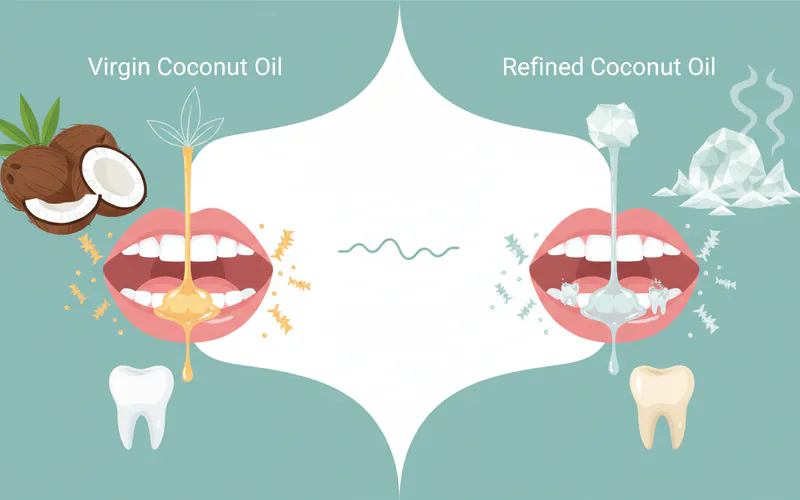
- Virgin Coconut Oil (VCO): This is the gold standard for oil pulling. Virgin coconut oil is extracted from fresh coconut meat through a "wet-milling" process, often involving fermentation or centrifugal separation, without the use of high heat or chemical solvents. "Extra virgin" is a marketing term and doesn't signify a higher quality than "virgin" in the coconut oil industry, unlike olive oil.
- Pros: Retains its natural flavor (mildly sweet, coconutty), aroma, and most importantly, its beneficial nutritional compounds. It has a higher concentration of antioxidants, vitamins, and medium-chain triglycerides (MCTs), particularly lauric acid, which is believed to be the primary active ingredient for oil pulling's antimicrobial effects.
- Cons: Generally more expensive than refined varieties. The stronger coconut flavor might not appeal to everyone, though many find it pleasant.
- Refined Coconut Oil (RCO): This type is made from dried coconut meat (copra) that has been bleached, deodorized, and often hydrogenated. This process removes impurities, but also strips away much of the oil's natural aroma, flavor, and some of its beneficial compounds.
- Pros: Flavorless and odorless, making it a good choice for those who dislike the taste of coconut. Often less expensive.
- Cons: Significantly lower in antioxidants and other beneficial compounds compared to virgin coconut oil. The refining process can involve chemicals that some prefer to avoid.
For oil pulling, the goal is to maximize the antimicrobial and anti-inflammatory properties of the oil. Therefore, virgin or extra virgin coconut oil is strongly recommended. Look for terms like "unrefined," "cold-pressed," and "organic" on the label. Cold-pressed ensures the oil was extracted without heat, preserving its nutrient integrity. Organic certification guarantees the coconuts were grown without pesticides or harmful chemicals.
Other Oils for Oil Pulling
While coconut oil is the most popular choice today, other oils have been traditionally used or explored for oil pulling.
- Sesame Oil: The traditional oil used in Ayurveda. It's rich in antioxidants like sesamol, sesamolin, and vitamin E. Some studies have shown it to be effective in reducing plaque and gingivitis. However, its taste is stronger and often less palatable for beginners than coconut oil.
- Sunflower Oil: Another option with some traditional use. It contains linoleic acid and oleic acid, which have anti-inflammatory properties.
- Olive Oil: While a healthy dietary oil, it's not commonly recommended for oil pulling. Its viscosity and taste make it less ideal for swishing, and its specific fatty acid profile is not as rich in lauric acid as coconut oil.
![A visually appealing infographic comparing Virgin Coconut Oil vs. Refined Coconut Oil for oil pulling(/holistic-dentistry/oil-pulling-saved-my-teeth-complete-guide), highlighting key differences in processing, nutrient content (especially lauric acid), taste, and cost. Include small icons representing cold-pressed, organic, chemicals, etc.]
| Feature | Virgin/Extra Virgin Coconut Oil (VCO) | Refined Coconut Oil (RCO) |
|---|---|---|
| Processing | Cold-pressed, unrefined, no chemicals/high heat | Dried, often bleached, deodorized, sometimes hydrogenated |
| Lauric Acid Content | High (approx. 50% or more), preserved | Moderate to low, can be degraded during refining |
| Taste/Aroma | Distinct coconut flavor and aroma, often pleasant | Flavorless, odorless |
| Antioxidants | High | Low |
| Cost (16oz) | $8 - $15 | $5 - $10 |
| Recommended for Oil Pulling? | Strongly Recommended | Not Recommended (less potent, chemical processing concern) |
Understanding How Oil Pulling Works (Causes/Mechanism)
The efficacy of oil pulling, particularly with coconut oil, is largely attributed to its unique composition and the mechanical action of swishing.
The Role of Lauric Acid
Virgin coconut oil is remarkably rich in lauric acid, a medium-chain fatty acid (MCFA). Lauric acid makes up about 45-55% of coconut oil's fatty acid content. When you swish coconut oil in your mouth, the lauric acid reacts with the enzymes in your saliva, particularly lipase. This reaction breaks down the lauric acid into a monoglyceride called monolaurin. Both lauric acid and monolaurin are known for their potent antimicrobial, antifungal, and antiviral properties.
Here's how this plays out in your mouth:
- Emulsification: As you swish, the oil mixes with saliva, creating an emulsion. This emulsion helps the oil penetrate the nooks and crannies of your mouth, between teeth, and along the gum line.
- Saponification (Soap-like Action): The lauric acid's interaction with saliva creates a soap-like substance. This substance has a natural affinity for fats, and the cell membranes of many bacteria are composed of lipids (fats).
- Binding and Trapping: The oil acts like a magnet, attracting and binding to bacteria, fungi, viruses, and other debris that have lipid outer layers. These microorganisms, along with food particles and toxins, get "pulled" into the oil.
- Physical Removal: The mechanical action of swishing physically dislodges and lifts plaque biofilm and other substances from the tooth surface and soft tissues. As you spit out the oil, you are expelling these trapped harmful elements from your mouth.
Impact on Oral Microbiome
The human mouth contains a complex ecosystem of bacteria, known as the oral microbiome. While many bacteria are harmless or even beneficial, an overgrowth of certain pathogenic bacteria, such as Streptococcus mutans (a primary contributor to tooth decay) and Porphyromonas gingivalis (linked to gum disease), can lead to significant dental problems.
Studies suggest that oil pulling, particularly with coconut oil, can significantly reduce the count of these harmful bacteria. By selectively disrupting the cell walls of these lipid-coated microbes, lauric acid helps to reduce their numbers without necessarily wiping out the entire oral flora, potentially helping to rebalance the oral microbiome.
Pro Tip: For optimal antimicrobial action, ensure you're using unrefined, cold-pressed virgin coconut oil, as its lauric acid content is preserved at its highest.
The Promise of Whitening: Can Oil Pulling Whiten Teeth?
One of the most frequently asked questions regarding this practice is, "does coconut oil pulling whiten teeth?" and more broadly, "can oil pulling whiten teeth?". The answer is nuanced, but generally, yes, it can contribute to a brighter, whiter smile, though not in the same way as chemical bleaching agents.
How Oil Pulling Contributes to Brighter Teeth
Oil pulling does not contain bleaching agents like hydrogen peroxide or carbamide peroxide, which chemically alter the tooth's intrinsic color. Instead, its whitening effect is primarily due to:
- Removal of Extrinsic Stains: Our teeth can accumulate surface stains from common culprits like coffee, tea, red wine, tobacco, and certain foods. These are known as extrinsic stains. Oil pulling, through its emulsifying and cleansing action, can help lift and remove these superficial stains from the enamel surface. By reducing the buildup of plaque and food debris, which can hold onto pigments, teeth naturally appear cleaner and brighter.
- Reduction of Plaque Buildup: Plaque is a sticky film of bacteria that constantly forms on your teeth. If not regularly removed, it can harden into calculus (tartar) and make your teeth appear dull and yellowish. By significantly reducing plaque, oil pulling can restore the natural translucency and brightness of your enamel.
- Improved Gum Health: Healthy gums frame your teeth better, making your smile appear more vibrant. By reducing bacteria that contribute to gingivitis, oil pulling can lead to healthier, less inflamed gums. This indirect effect can enhance the overall aesthetic of your smile.
Expectations vs. Reality
- Subtle, Gradual Results: Unlike professional in-office whitening treatments that can lighten teeth by several shades in a single visit, the whitening effects of oil pulling are typically subtle and gradual. It may take 2 to 4 weeks of consistent daily use to notice a difference.
- Not for Intrinsic Stains: Oil pulling will not affect intrinsic stains, which are deep discolorations within the tooth structure, often caused by genetics, medication (like tetracycline), trauma, or excessive fluoride intake. For these types of stains, professional dental whitening treatments or cosmetic procedures like veneers are necessary.
- Individual Variation: The degree of whitening will vary from person to person based on their diet, oral hygiene habits, genetic tooth color, and the initial level of staining.
In essence, oil pulling can help your teeth achieve their natural, optimal brightness by removing the factors that make them appear dull or stained. It cleans the surface rather than bleaching the internal structure. Many users report a noticeable improvement in tooth luster and a reduction in surface discoloration.
Step-by-Step Process: How to Oil Pull Effectively
To maximize the benefits of oil pulling and ensure it's a safe and pleasant experience, follow these steps carefully.
- Choose Your Oil: Select 1 tablespoon of organic, virgin coconut oil. If the oil is solid (which it often is at room temperature below 76°F or 24°C), you can spoon out a solid chunk and place it directly into your mouth. It will quickly melt with your body heat.
- Timing is Key: The best time to oil pull is first thing in the morning, on an empty stomach, before you brush your teeth or drink any liquids. This allows the oil to work on bacteria that have accumulated overnight.
- Swish Gently: Once the oil has melted in your mouth, begin to gently swish it around. Do not gargle or swallow. Push the oil through your teeth, pull it back, and let it cover all surfaces of your mouth.
- Pro Tip: Avoid vigorous swishing, as this can cause jaw fatigue or make you accidentally swallow the oil. The goal is a gentle, continuous movement.
- Duration: Continue swishing for 15 to 20 minutes. If you're new to oil pulling, start with 5 minutes and gradually increase the duration as you get comfortable. It's crucial not to exceed 20 minutes, as the oil becomes saturated with toxins after this point.
- Look for Color Change: When you're ready to spit, the oil should appear milky or foamy. This indicates that it has emulsified with saliva and has absorbed bacteria and debris.
- Dispose Properly: Crucially, do NOT spit the oil into your sink or toilet. The oil, especially coconut oil, can solidify and clog pipes over time. Instead, spit the used oil into a trash can lined with a paper towel or directly into a disposable bag.
- Rinse Thoroughly: After spitting, rinse your mouth thoroughly with warm water. Many proponents suggest rinsing with warm salt water to further cleanse the mouth and eliminate any residual oil or toxins.
- Brush Your Teeth: Finally, brush your teeth with your regular fluoride toothpaste and floss as usual. This removes any lingering bacteria or oil film and provides fluoride protection.
Consistency is vital. For noticeable benefits, oil pulling should be practiced daily. Incorporating it into your morning routine ensures regular removal of bacteria and maintenance of a cleaner oral environment.

Prevention: How Oil Pulling Can Enhance Your Oral Care Routine
While oil pulling isn't a standalone preventative measure against all dental issues, it can certainly contribute significantly to overall oral health and assist in preventing common problems when integrated into a comprehensive routine.
- Plaque and Tartar Buildup: By consistently reducing the bacterial load in the mouth, particularly Streptococcus mutans, oil pulling helps prevent the formation of plaque, the sticky film that adheres to teeth. Less plaque means less chance for it to harden into calculus (tartar), which requires professional removal.
- Gingivitis and Gum Inflammation: The antimicrobial and anti-inflammatory properties of coconut oil (especially lauric acid) can help reduce the bacteria that cause gingivitis, an early form of gum disease characterized by redness, swelling, and bleeding gums. Regular oil pulling can contribute to healthier, firmer gums.
- Bad Breath (Halitosis): The primary cause of bad breath is often bacteria accumulating on the tongue and between teeth, producing volatile sulfur compounds. By physically removing these bacteria and their byproducts, oil pulling can be highly effective in reducing and preventing halitosis, promoting fresher breath.
- Cavity Prevention (Indirectly): While oil pulling doesn't repair existing cavities or stop advanced decay, by reducing the bacteria that produce acids and erode tooth enamel, it can contribute to a less acidic oral environment and potentially lower the risk of new cavity formation.
- Overall Oral Cleanliness: Many users report feeling a cleaner mouth and smoother teeth after consistent oil pulling, similar to the fresh feeling after a dental cleaning. This enhanced cleanliness can motivate individuals to maintain other good oral hygiene habits.
It's important to reiterate the ADA's stance: oil pulling should supplement, not replace, traditional oral hygiene practices. Brushing with fluoride toothpaste and flossing remain the cornerstones of cavity and gum disease prevention. When combined, however, oil pulling can provide an additional layer of protection, particularly for those seeking natural ways to support their dental health.
Risks and Complications Associated with Oil Pulling
While generally considered safe for most individuals when performed correctly, oil pulling is not without potential risks and contraindications. Awareness of these is crucial for safe practice.
- Digestive Upset: The most common risk is accidentally swallowing the oil, especially during longer pulls or if you have a strong gag reflex. Since the oil contains trapped bacteria and toxins, ingesting it can lead to stomach upset, nausea, or diarrhea.
- Lipoid Pneumonia (Extremely Rare): This is a severe, though extremely rare, complication where oil is accidentally aspirated into the lungs. This is more likely to occur if you attempt to gargle with the oil, cough, or have conditions that impair swallowing reflexes. Symptoms include chronic cough, shortness of breath, and chest pain. If you experience any respiratory distress after oil pulling, seek immediate medical attention.
- Allergic Reactions: Although uncommon, some individuals may have an allergy to coconut. Symptoms could include itching, swelling of the mouth or throat, or skin rashes. If you suspect an allergic reaction, discontinue use immediately.
- Jaw Soreness/TMJ Issues: Swishing vigorously for extended periods, particularly 20 minutes, can strain the temporomandibular joint (TMJ) and jaw muscles, leading to soreness or discomfort, especially for individuals prone to TMJ disorders. Gentle swishing is key.
- Aggravation of Existing Dental Conditions: Oil pulling is not a cure for existing dental problems like advanced gum disease, large cavities, or abscesses. Attempting to use it as a substitute for professional dental care can delay necessary treatment and worsen conditions.
- No Fluoride Protection: Oil pulling does not provide fluoride to strengthen enamel, which is a critical component in preventing tooth decay according to mainstream dental science. This is why brushing with fluoride toothpaste after oil pulling is essential.
- Clogged Drains: As mentioned, spitting the oil into a sink or toilet can lead to significant plumbing issues over time as the oil solidifies and accumulates in pipes.
When to avoid or use caution:
- Pregnant or breastfeeding individuals: Consult a healthcare provider before starting any new health regimen.
- Individuals with compromised immune systems or serious oral infections: Seek professional dental care first.
- Children: Not recommended due to the risk of swallowing. (See Pediatric Considerations section).
Always listen to your body. If you experience any discomfort or adverse reactions, stop the practice and consult your dentist or physician.
Children / Pediatric Considerations for Oil Pulling
The practice of oil pulling is generally not recommended for children. There are several important considerations that make it unsuitable or potentially risky for pediatric oral health:
- Risk of Swallowing: The primary concern is the high risk of a child accidentally swallowing the oil. Children, especially younger ones, may struggle to understand and maintain the "do not swallow" instruction for 15-20 minutes. As discussed, swallowing the oil, which is laden with bacteria and toxins, can lead to digestive upset or, in rare severe cases, lipoid pneumonia if aspirated into the lungs.
- Choking Hazard: For very young children, the sheer volume of a tablespoon of oil could pose a choking hazard.
- Jaw Fatigue: Children's jaw muscles are still developing. Swishing for an extended period could cause discomfort or strain on their delicate temporomandibular joints.
- Lack of Fluoride: Children's developing teeth particularly benefit from fluoride, which strengthens enamel and prevents cavities. Relying on oil pulling, which does not provide fluoride, might lead parents to neglect fluoride toothpaste, which is a cornerstone of pediatric dental care.
- Limited Evidence in Children: While limited research exists for adults, there is virtually no scientific evidence to support the safety or efficacy of oil pulling in pediatric populations.
Age-Specific Guidance:
- Infants and Toddlers (0-3 years): Absolutely not recommended.
- Preschoolers and Young Children (3-8 years): Not recommended. The risk of swallowing is too high.
- Older Children and Pre-teens (9-12 years): Still generally not recommended. While some older children might be able to understand the instructions, the benefits are not proven enough to outweigh the potential risks.
- Teenagers (13+ years): A mature teenager who fully understands the process and risks, and who is committed to not swallowing, might consider it with parental and dental supervision. However, conventional brushing and flossing are far more critical.
The American Academy of Pediatric Dentistry (AAPD) and the ADA do not endorse oil pulling for children. Parents should focus on established, evidence-based oral hygiene practices for their children, including:
- Brushing twice daily with fluoride toothpaste (a pea-sized amount for children aged 3-6, a smear for younger children).
- Flossing daily once teeth are touching.
- Regular dental check-ups and cleanings.
- A balanced diet with limited sugary snacks and drinks.
If parents are interested in holistic approaches for their child's oral health, they should discuss this with a pediatric dentist who can provide safe and evidence-based recommendations.
Cost Breakdown of Coconut Oil for Oil Pulling
One of the attractive aspects of oil pulling is its relatively low cost. The primary expense is the coconut oil itself. Since insurance does not cover holistic oral care practices, this is an out-of-pocket expense.

Average US Costs
The cost of coconut oil can vary based on brand, quality (virgin vs. refined), organic certification, and purchase location (supermarket, health food store, online).
- Low End (Refined Coconut Oil): A 16oz (approximately 473ml) jar of generic refined coconut oil might cost $5-$7. However, as discussed, this is not the recommended type for oil pulling due to processing and reduced beneficial compounds.
- Mid-Range (Organic Virgin Coconut Oil): A 16oz jar of organic virgin, cold-pressed coconut oil, which is the ideal choice, typically ranges from $8-$15. Many popular brands fall into this category.
- High End (Premium Organic Virgin Coconut Oil): Larger jars (32oz or more) or specialty brands with unique sourcing or packaging might cost $15-$25+ for a 32oz jar. While the upfront cost is higher, the per-ounce cost can be lower for larger containers.
How Long Does a Jar Last? A 16oz jar of coconut oil contains approximately 32 tablespoons. If you use 1 tablespoon per day for oil pulling, a 16oz jar will last roughly one month. Therefore, the monthly cost for recommended virgin coconut oil ranges from $8-$15.
Cost-Saving Tips
- Buy in Bulk: Purchasing larger jars (e.g., 32oz or 54oz) or multi-packs can significantly reduce the per-ounce cost over time.
- Look for Sales: Keep an eye out for sales at grocery stores, health food stores, and online retailers.
- Store Brands: Many supermarkets offer their own organic virgin coconut oil brands, which can be slightly more affordable than national brands while still maintaining quality.
- Consider a Subscription: If you buy online, some retailers offer subscription services that provide a discount for recurring purchases.
Comparison Table: Coconut Oil Types & Typical Costs
| Coconut Oil Type | Key Characteristics | Typical US Cost (16oz jar) | Monthly Cost (daily use) |
|---|---|---|---|
| Refined Coconut Oil | Processed, neutral taste/smell, fewer nutrients | $5 - $7 | $5 - $7 |
| Organic Virgin Coconut Oil | Cold-pressed, unrefined, coconut taste, high nutrients | $8 - $15 | $8 - $15 |
| Premium Organic Virgin Coconut Oil | Specialty brands, unique sourcing, often larger size | $15 - $25+ (32oz) | ~$10 - $18 (for 32oz equivalent) |
Compared to other oral health products, coconut oil pulling is a very cost-effective practice. For example, a month's supply of coconut oil (around $10-$15) is comparable to or less than the cost of a high-quality mouthwash, and significantly less than professional whitening treatments, which can range from $300-$1,000+ per treatment.
Frequently Asked Questions About Oil Pulling
Here are answers to some of the most common questions regarding oil pulling with coconut oil.
H3: How long does it take to see results from oil pulling?
While some individuals report feeling a cleaner mouth almost immediately, noticeable benefits like reduced bad breath, healthier gums, and brighter teeth typically emerge after 2 to 4 weeks of consistent daily oil pulling. Significant changes in stain removal or gum health may take longer, often up to a few months.
H3: Can oil pulling replace brushing and flossing?
Absolutely not. The American Dental Association (ADA) is clear that oil pulling should not replace conventional oral hygiene practices. Brushing with fluoride toothpaste removes plaque and provides essential fluoride protection, while flossing reaches areas oil pulling cannot. Oil pulling is a complementary practice.
H3: Is it safe to do oil pulling every day?
Yes, for most healthy adults, daily oil pulling using the correct technique (15-20 minutes, not swallowing, proper disposal) is considered safe. However, if you experience any adverse effects like jaw soreness, stomach upset, or allergic reactions, discontinue use and consult a dentist or physician.
H3: What happens if I accidentally swallow the coconut oil?
Accidentally swallowing a small amount of oil during pulling is generally not harmful, but since the oil contains bacteria and toxins, swallowing a significant amount can lead to digestive upset, nausea, or diarrhea. If this happens, drink some water and observe how you feel.
H3: Does oil pulling make your teeth sensitive?
Unlike some chemical whitening agents that can cause temporary tooth sensitivity, oil pulling is not known to cause or increase tooth sensitivity. Its mechanism is gentle, focusing on surface cleaning rather than chemical alteration of tooth structure. If you experience sensitivity, it's likely due to an underlying dental issue and warrants a dental check-up.
H3: Can oil pulling remove cavities?
No, oil pulling cannot remove or reverse existing cavities. Once a cavity has formed, it requires professional dental intervention, such as a filling, to restore the tooth. While oil pulling can help reduce bacteria that contribute to cavity formation, it cannot repair structural damage to the tooth enamel.
H3: Why do some people say oil pulling is a "detox"?
Proponents of oil pulling often claim it "detoxifies" the body by drawing out toxins not just from the mouth, but systemically. While the practice undeniably removes bacteria and debris from the mouth, the scientific evidence for systemic detoxification through oil pulling is largely anecdotal and not supported by robust research.
H3: What should I do if my jaw gets tired during oil pulling?
If you experience jaw fatigue or soreness, you might be swishing too vigorously or for too long. Try reducing the swishing time to 5-10 minutes initially and focus on gentle, relaxed movements. Gradually increase the duration as your jaw muscles adapt. If soreness persists, consider reducing the frequency or discontinuing the practice.
H3: Can oil pulling help with dry mouth?
Some individuals with dry mouth (xerostomia) report that oil pulling helps moisturize their mouth and alleviate symptoms temporarily. The oil can coat the oral tissues, providing lubrication. However, it's not a cure for chronic dry mouth, which often requires addressing underlying causes or using specific treatments recommended by a dentist.
H3: Does the temperature of the coconut oil matter?
The temperature of the coconut oil itself doesn't significantly impact its efficacy. If the oil is solid, it will quickly melt to body temperature in your mouth. Some people prefer to slightly warm a solid chunk of oil (e.g., by placing the spoon under warm water) to make it melt faster, but this is a matter of personal preference and not a requirement.
When to See a Dentist
While oil pulling can be a beneficial addition to your oral hygiene routine, it is never a substitute for professional dental care. Regular dental check-ups are paramount for maintaining optimal oral health and catching potential issues early.
You should see a dentist for:
- Routine Check-ups and Cleanings: The ADA recommends visiting your dentist every six months for a comprehensive exam and professional cleaning. This allows your dentist to identify and address issues like cavities, gum disease, and other oral health concerns before they become severe.
- Persistent Tooth Pain or Sensitivity: If you experience toothache, sharp pain when eating hot or cold foods, or persistent sensitivity that doesn't resolve, it could indicate a cavity, cracked tooth, gum recession, or an infection.
- Bleeding, Swollen, or Red Gums: These are classic signs of gingivitis or more advanced periodontal disease. While oil pulling might help reduce symptoms, a dentist needs to diagnose the severity and recommend appropriate treatment.
- Persistent Bad Breath (Halitosis): If oil pulling and regular hygiene don't resolve bad breath, it might be due to a deeper issue like a severe infection, underlying medical condition, or impacted food debris that requires professional removal.
- Loose or Shifting Teeth: This is a serious sign of advanced gum disease and requires immediate dental attention to prevent tooth loss.
- Sores, Lumps, or Bumps in the Mouth: Any unusual growths, discolorations, or sores that don't heal within two weeks should be examined by a dentist to rule out oral cancer or other serious conditions.
- Signs of Infection: Swelling in the face or jaw, fever, pus around a tooth or gum, or severe pain could indicate an abscess or other serious infection requiring urgent care.
- Stains or Discoloration that Don't Improve: If your teeth remain significantly stained or discolored despite consistent oil pulling and good hygiene, a dentist can offer professional whitening treatments or investigate intrinsic causes.
- Jaw Pain or TMJ Discomfort: If you experience persistent pain in your jaw, difficulty chewing, or clicking/popping sounds in your temporomandibular joint, consult your dentist.
Red Flags (Emergency Situations):
Seek immediate dental care or visit an emergency room if you experience:
- Sudden, severe tooth pain
- Facial swelling that spreads to your eye or neck
- Difficulty swallowing or breathing
- Uncontrolled bleeding from the mouth due to trauma
- A knocked-out tooth or severe dental trauma
Remember, oil pulling is a self-care practice aimed at supporting oral hygiene. It is not a diagnostic tool or a treatment for dental diseases. Regular professional guidance from your dentist is the best way to ensure long-term oral health.
Frequently Asked Questions
Medically Reviewed Content
This article was written by our dental health editorial team and reviewed for medical accuracy. Our content follows strict editorial guidelines for reliability and trustworthiness.
Medical Disclaimer
This article is for informational purposes only and does not constitute medical advice. Always consult with a qualified dental professional for diagnosis and treatment. Do not delay seeking professional advice because of something you read on this website.
Related Articles

What Are the Benefits of Oil Pulling
More than 80% of American adults experience some form of periodontal (gum) disease, and a significant number struggle with issues like chronic bad breath or sensitivity. In the pursuit of optimal oral health, many people explore various practices beyond routine brushing and flossing. One such an
February 23, 2026

How Long to Do Oil Pulling
More than half of all American adults suffer from some form of periodontal disease, a condition that can lead to tooth loss and impact overall health. For those seeking complementary approaches to traditional oral care, ancient practices like oil pulling have garnered significant attention. But
February 23, 2026

Does Oil Pulling Actually Work
Imagine a simple, ancient practice capable of transforming your oral health – reducing bad breath, whitening teeth, and even preventing cavities, all with a spoonful of oil. This is the promise of oil pulling, an age-old tradition that has seen a significant resurgence in popularity across the Unite
February 23, 2026

Does Oil Pulling Really Work
When it comes to maintaining excellent oral health, many individuals in the United States seek a balance between traditional dental care and holistic approaches. In this quest, ancient remedies often resurface, sparking curiosity and discussion. One such practice, oil pulling, has garnered significa
February 23, 2026