How Long to Do Oil Pulling

Key Takeaways
- More than half of all American adults suffer from some form of periodontal disease, a condition that can lead to tooth loss and impact overall health. For those seeking complementary approaches to traditional oral care, ancient practices like oil pulling have garnered significant attention. But
More than half of all American adults suffer from some form of periodontal disease, a condition that can lead to tooth loss and impact overall health. For those seeking complementary approaches to traditional oral care, ancient practices like oil pulling have garnered significant attention. But as with any health regimen, understanding the proper technique and, crucially, how long to do oil pulling for optimal benefits and safety is paramount. This comprehensive guide from SmilePedia.net will delve into the origins, methods, and scientific perspectives surrounding oil pulling, providing you with the knowledge to integrate this practice effectively and safely into your daily routine. We'll explore various aspects, from the best types of oils to use and a detailed step-by-step process, to potential benefits like improved gum health and even insights into common questions such as "oil pulling acne" and "does oil pulling help gums."
Key Takeaways:
- Optimal Duration: Most proponents recommend oil pulling for 10 to 20 minutes per session to allow sufficient time for microbial binding without reabsorption of toxins.
- Frequency: Daily practice is generally suggested for best results, ideally in the morning on an empty stomach.
- Best Oils: Virgin coconut oil is most popular due to its lauric acid content, but sesame and sunflower oils are also traditional choices. Expect to pay $5-$15 for a bottle that lasts weeks.
- Mechanism: Oil pulling works by physically "pulling" bacteria, toxins, and debris from the mouth as the oil emulsifies and saponifies.
- Scientific Consensus: While anecdotal evidence is strong, the American Dental Association (ADA) considers oil pulling complementary and not a substitute for brushing, flossing, and regular dental check-ups.
- Potential Benefits: May reduce plaque, gingivitis, bad breath (halitosis), and improve overall oral hygiene when done correctly and consistently.
- Risks: Minor risks include jaw discomfort, allergic reactions, or, rarely, aspiration if not performed carefully.
What Is Oil Pulling? An Overview
Oil pulling, known as "Kavala Graha" or "Gandusha" in Ayurvedic medicine, is an ancient Indian folk remedy that involves swishing a tablespoon of oil in your mouth for a sustained period. This practice dates back thousands of years, with mentions in classical Ayurvedic texts like the Charaka Samhita and Sushruta Samhita, where it was described as beneficial for various systemic diseases in addition to oral health.
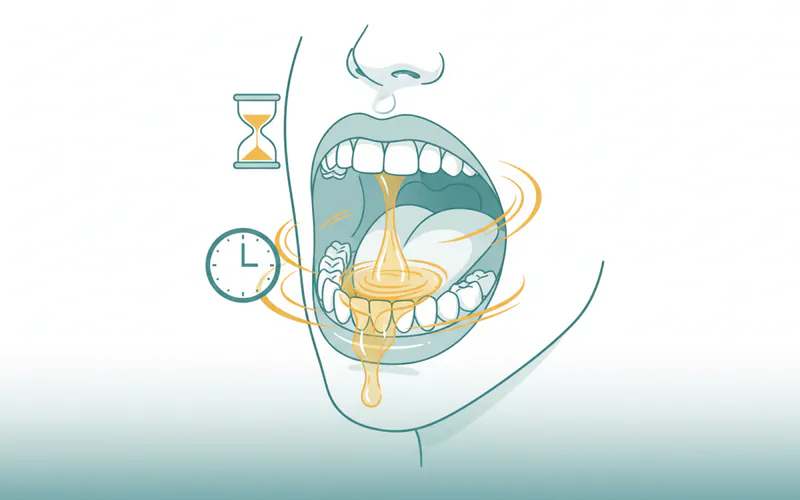
The core idea behind oil pulling is that the oil, when swished around the mouth, can "pull" or absorb harmful bacteria, fungi, viruses, and other toxins from the oral cavity. As the oil mixes with saliva, it emulsifies, creating a thin liquid that reaches into crevices and pockets where bacteria thrive. The lipids in the oil are believed to attract and dissolve lipid-coated microorganisms, effectively "washing" them away when the oil is expelled. It's important to understand that oil pulling is generally considered a complementary therapy and not a replacement for conventional oral hygiene practices like brushing and flossing.
Modern interest in oil pulling has surged due to its natural, inexpensive, and accessible nature, promising a holistic approach to oral wellness. Many users report noticeable improvements in breath freshness, gum health, and even teeth whitening, leading them to question the optimal duration for achieving these results.
Types of Oils and Their Variations for Pulling
While the concept of oil pulling remains consistent, the choice of oil can influence the experience and potential benefits. Three types of oils are most commonly used and recommended:
Coconut Oil
Virgin coconut oil is by far the most popular choice for oil pulling in the Western world, and for good reason. Its pleasant taste and widely researched antimicrobial properties make it a standout.
- Key Compounds: Coconut oil is rich in medium-chain triglycerides (MCTs), particularly lauric acid. Lauric acid is a fatty acid known for its potent antibacterial, antiviral, and antifungal properties. When ingested, lauric acid is converted into monolaurin, which can disrupt the cell membranes of many harmful microorganisms, including Streptococcus mutans, a primary bacterium responsible for tooth decay.
- Benefits: Many users find coconut oil to be more palatable than other options. Its strong antimicrobial action is often cited as a reason for its perceived effectiveness in reducing plaque and gingivitis.
- Texture: Solid at room temperature, it melts quickly in the mouth, providing a smooth swishing experience.
Sesame Oil
Historically, sesame oil is the most traditional oil used in Ayurvedic practices for oil pulling.
- Key Compounds: Sesame oil contains lignans like sesamin and sesamol, which possess antioxidant and anti-inflammatory properties. It also has a good fatty acid profile, including oleic and linoleic acids.
- Benefits: Traditional texts suggest sesame oil for strengthening gums and teeth and preventing various oral ailments. Studies have indicated its potential to reduce plaque and gingivitis and improve overall oral hygiene.
- Taste: Some find the taste of sesame oil to be strong or nutty, which might be a barrier for new users.
Sunflower Oil
Sunflower oil, particularly cold-pressed, unrefined varieties, is another option, though less common than coconut or sesame.
- Key Compounds: High in linoleic acid (an omega-6 fatty acid) and vitamin E, sunflower oil offers antioxidant benefits.
- Benefits: Proponents suggest it helps with gum health and reducing plaque. Its neutral flavor can be appealing to some.
- Accessibility: Widely available and often more affordable.
Other Oils
While less frequently recommended for daily oil pulling, some individuals experiment with other oils:
- Olive Oil: Rich in monounsaturated fats and antioxidants, it has a stronger flavor profile.
- Clary Sage, Peppermint, Clove Oil: Some users add a drop or two of essential oils to their primary pulling oil for added benefits like fresh breath or specific antimicrobial properties. Caution is advised when using essential oils internally, as many are very potent and not safe for ingestion in large quantities. Always ensure they are food-grade and used in extremely diluted amounts.
Pro Tip: Start with virgin coconut oil due to its widespread acceptance, pleasant taste for most, and well-documented benefits. If you find the solid texture challenging, simply let it melt in your mouth for a few seconds before swishing.
The Science Behind Oil Pulling: How It Works
Understanding how oil pulling is believed to work helps clarify its potential benefits and limitations. The primary mechanisms proposed by proponents and explored in some scientific studies include:
- Saponification and Emulsification: When oil is swished in the mouth, it mixes with saliva and creates a soapy, emulsified substance. This process, called saponification, means the oil is essentially acting like a detergent. The emulsified oil can then coat and penetrate the biofilm (plaque) that forms on teeth and gums.
- Microbial Binding: The lipids (fats) in the oil are believed to attract and bind to the lipid outer membranes of bacterial cells. Many oral bacteria, including those responsible for plaque, gingivitis, and bad breath, have lipid-based cell walls. The oil acts like a magnet, drawing these microbes into the oil solution. This is a core mechanism behind the "pulling" effect.
- Physical Removal: The mechanical action of swishing itself helps to dislodge food particles and loose bacteria from the teeth, gums, and tongue, similar to how rinsing with water or mouthwash works, but potentially with an added "binding" effect.
- Anti-inflammatory and Antioxidant Effects: Certain oils, particularly sesame and coconut oil, contain compounds with known anti-inflammatory and antioxidant properties. These may contribute to reducing gum inflammation (gingivitis) and supporting overall oral tissue health. For example, lauric acid in coconut oil is well-documented for its antimicrobial effects, while lignans in sesame oil have antioxidant properties.
- Detoxification (Claimed): Ayurvedic tradition suggests that oil pulling can draw toxins not just from the mouth but from the body as a whole. While direct scientific evidence for systemic detoxification via oral oil swishing is lacking in Western medicine, proponents believe the oral cavity serves as a gateway, and reducing oral microbial load can alleviate systemic burden.
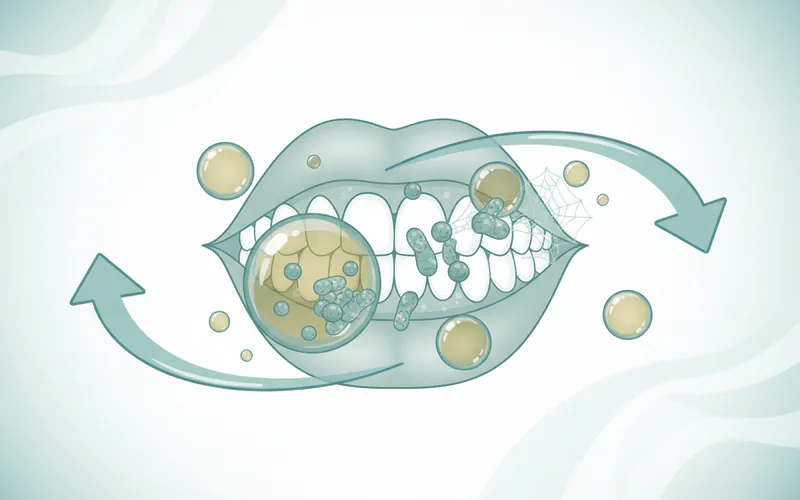
It's crucial to differentiate between scientific evidence and anecdotal claims. While studies have shown some promising results for reducing specific oral bacteria, plaque, and gingivitis, the broader claims of systemic "detoxification" require more rigorous scientific investigation. The American Dental Association (ADA) acknowledges that while some studies suggest oil pulling may reduce certain bacteria and improve oral hygiene, there is insufficient evidence to support these claims or to recommend it as a replacement for conventional oral hygiene practices.
The Claimed Benefits of Oil Pulling: What to Expect
Many individuals who practice oil pulling consistently report a range of oral and sometimes general health improvements. Here's a look at the most commonly cited benefits and what the science generally suggests:
Oral Health Benefits
- Reduced Plaque and Gingivitis: Several studies have indicated that regular oil pulling can significantly reduce plaque accumulation and improve markers of gingivitis (gum inflammation and bleeding). The antimicrobial action of oils like coconut oil, particularly against Streptococcus mutans (a primary cause of tooth decay) and Candida albicans (a common oral yeast), plays a role here. This directly addresses the question: does oil pulling help gums? The answer, based on available research, is potentially yes, by reducing bacterial load and inflammation.
- Fresher Breath (Halitosis Reduction): Bad breath is often caused by volatile sulfur compounds (VSCs) produced by bacteria in the mouth, particularly on the tongue. Oil pulling can significantly reduce these bacteria, leading to fresher breath.
- Whiter Teeth: While oil pulling doesn't chemically bleach teeth, it can remove extrinsic stains and surface discoloration caused by plaque and debris, making teeth appear naturally whiter and brighter. This is a physical effect, not a chemical one on the enamel.
- Moisturized Mouth and Lips: The oil can help lubricate oral tissues, which may be beneficial for individuals experiencing dry mouth (xerostomia).
- Stronger Gums and Jaw: The act of swishing may provide a gentle workout for the jaw muscles and stimulate gum tissue, though this claim requires more research.
Systemic Health Benefits (Anecdotal or Less Scientifically Supported)
- Reduced Inflammation Throughout the Body: Some proponents believe that by reducing the oral bacterial load, oil pulling can contribute to a decrease in systemic inflammation, as oral health is closely linked to overall health.
- Improved Skin Health (Oil Pulling Acne): This is a frequently asked question. The theory behind "oil pulling acne" suggests that if the oral cavity is a source of toxins, reducing these toxins through oil pulling could potentially lessen the burden on the body's detoxification systems, which might manifest as clearer skin. Some users report an initial "detox" breakout followed by clearer skin. However, there is no direct scientific evidence linking oil pulling to acne treatment. Skin issues are complex and influenced by many factors.
- Headache Relief, Improved Sleep, Energy Boost: These are largely anecdotal claims by long-term practitioners, often attributed to a general reduction in "toxin burden."
It's important to reiterate that while many experience positive results, individuals should approach oil pulling with realistic expectations and understand its role as a supplement to, not a replacement for, standard oral hygiene. Always consult with your dentist regarding any significant changes in your oral health routine.
Step-by-Step Process: How to Do Oil Pulling
Mastering the technique of oil pulling is simple, but consistency and correct execution are key to maximizing its potential benefits and avoiding pitfalls. Here's a detailed guide:
-
Choose Your Oil: Start with 1 tablespoon of virgin coconut oil. If it's solid, you can scoop it out and it will melt quickly in your mouth. If using liquid oil (sesame or sunflower), simply pour 1 tablespoon.
- Pro Tip: If you find a full tablespoon too much initially, start with a teaspoon and gradually increase the amount as you get comfortable.
-
Timing is Key: The ideal time to oil pull is first thing in the morning, on an empty stomach, before brushing your teeth or drinking any water. This ensures your mouth has the highest concentration of bacteria and that the oil can work most effectively.
-
Swish, Don't Gargle: Take the oil into your mouth. Do NOT swallow it. Begin gently swishing the oil around your mouth, pushing and pulling it through your teeth, over your tongue, and around your gums. The movement should be relaxed, not vigorous enough to cause jaw fatigue.
- Think of it like mouthwash, but gentler and for a longer duration.
- Avoid letting it go to the back of your throat, which can trigger the gag reflex.
-
How Long to Do Oil Pulling? Duration: This is the primary question. The recommended duration for oil pulling is between 10 to 20 minutes.
- Less than 10 minutes: May not be sufficient time for the oil to fully emulsify and effectively bind to bacteria and toxins.
- More than 20 minutes: While not inherently harmful, some believe that beyond this point, the oil may start to reabsorb some of the toxins it has collected, though this theory is not scientifically proven. For most people, 15-20 minutes is a good target.
- Start Small: If you're new to oil pulling, beginning with 5 minutes and gradually increasing by a minute or two each day can help you build tolerance and prevent jaw fatigue.
-
Observe the Transformation: As you swish, the oil will typically thicken and turn a milky white color. This indicates that it has mixed with saliva and collected toxins. If it remains clear and yellowish, you might not have swished long enough.
-
Spit It Out (Crucially, Do NOT Swallow!): Once your 10-20 minutes are up, spit the oil out completely. It is absolutely vital that you do not swallow the oil, as it is now laden with bacteria, toxins, and food debris.
- Disposal: Spit the oil into a trash can. Do NOT spit it into a sink or toilet, as the oil can solidify, especially coconut oil, and clog your plumbing over time.
-
Rinse Thoroughly: After expelling the oil, rinse your mouth thoroughly with warm water. Many people prefer warm salt water for added antimicrobial benefits and to help wash away any residual oil and toxins. Rinse several times until your mouth feels clean.
-
Resume Normal Oral Care: Proceed with your regular oral hygiene routine: brush your teeth thoroughly with toothpaste and floss.
Pro Tip: Incorporate oil pulling into an existing routine, like showering or getting ready, to make the 10-20 minutes pass more easily. You can read, meditate, or prepare breakfast while you swish.
Risks and Complications Associated with Oil Pulling
While oil pulling is generally considered safe for most healthy individuals, it's important to be aware of potential risks and complications, especially if not performed correctly or if you have pre-existing conditions.
- Aspiration: The most significant risk is accidentally aspirating (inhaling) the oil into the lungs. This can happen if you gag, talk, or breathe too deeply while swishing, particularly with a mouth full of liquid. Aspiration of lipids can lead to lipoid pneumonia, a serious lung condition. This risk is higher for individuals with impaired gag reflexes, swallowing difficulties, or respiratory issues.
- Jaw Strain/Fatigue: Swishing for extended periods, especially with vigorous motions, can lead to temporomandibular joint (TMJ) discomfort or jaw muscle fatigue. If you experience this, reduce the duration or intensity of your swishing.
- Allergic Reactions: While rare, some individuals may be allergic to certain oils (e.g., coconut, sesame). Symptoms could include itching, swelling, or rash in the mouth or throat. Discontinue use immediately if you suspect an allergic reaction.
- Digestive Upset: Accidentally swallowing small amounts of oil, particularly if it's heavily laden with bacteria, could potentially cause mild digestive upset, nausea, or diarrhea. This reinforces the importance of not swallowing the oil.
- Not a Replacement for Professional Dental Care: A major risk is that individuals might mistakenly believe oil pulling replaces conventional oral hygiene practices or professional dental care. This is a dangerous misconception. Delaying necessary dental treatments for cavities, gum disease, or other issues by relying solely on oil pulling can lead to worsening conditions and more severe problems down the line.
- Dental Work Dislodgement (Myth vs. Reality): A common concern is whether oil pulling can loosen fillings, crowns, or other dental work. There is no scientific evidence to support this claim. Modern dental restorations are bonded securely and are not typically affected by oil swishing. However, if you have loose or poorly fitted dental work, consult your dentist before starting.
- Initial "Detox" Symptoms: Some practitioners report experiencing temporary side effects such as increased mucus, clogged sinuses, or even skin breakouts (as discussed with "oil pulling acne") in the initial stages, attributing this to a "detoxification" process. These symptoms are usually mild and resolve quickly, but if they persist or are severe, discontinue the practice and consult a healthcare professional.
Pro Tip: Always be mindful while oil pulling. If you feel uncomfortable, experience a strong urge to swallow, or have difficulty breathing, spit out the oil immediately. Prioritize safety over duration.
Children / Pediatric Considerations
Oil pulling is generally not recommended for young children due to the significant risk of accidental swallowing or aspiration. Children typically lack the muscle control and understanding required to safely swish oil for an extended period without swallowing.
- Age Recommendation: Most dental professionals and Ayurvedic practitioners advise against oil pulling for children under the age of 5-7 years old. Even for older children, careful supervision is essential.
- Swallowing Risk: Children are more prone to swallowing the oil, which could lead to digestive upset or, more seriously, aspiration into the lungs.
- Jaw Development: Prolonged swishing could potentially strain developing jaw muscles or temporomandibular joints in very young children.
- Alternative for Children: For improving oral hygiene in children, focus on established practices:
- Brushing twice daily with fluoride toothpaste (pea-sized amount for ages 3+).
- Flossing daily once teeth touch.
- Regular dental check-ups (starting by age one or with the eruption of the first tooth).
- Limiting sugary foods and drinks.
If a parent is keen on introducing their older child (e.g., pre-teen or teenager) to oil pulling, it should be done under strict supervision, starting with very short durations (e.g., 2-3 minutes) and small amounts of oil (e.g., half a teaspoon), and with clear instructions not to swallow. Always discuss any alternative oral health practices with a pediatric dentist first.
Cost Breakdown of Oil Pulling
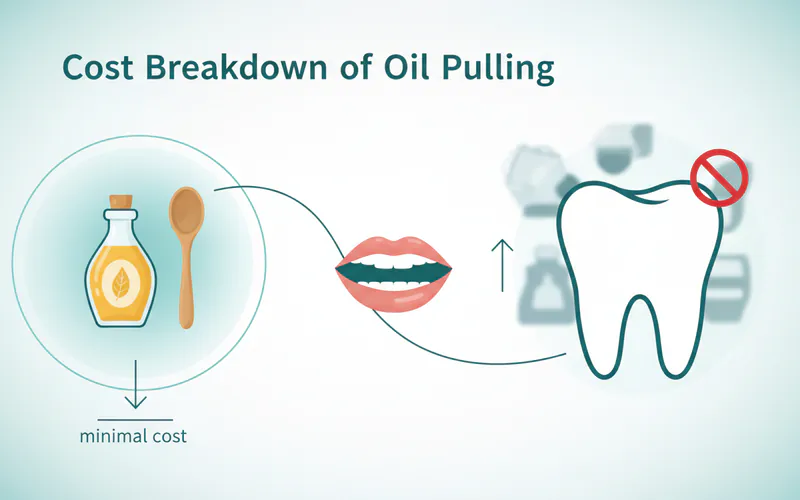
One of the attractive aspects of oil pulling is its minimal cost, making it an accessible oral hygiene adjunct for many. Unlike specialized dental procedures, the primary cost is the oil itself.
-
Cost of Oils (US Price Ranges):
- Virgin Coconut Oil:
- A 14-16 oz jar typically costs between $6 - $15.
- Organic, cold-pressed varieties might be on the higher end, up to $20.
- This amount can last anywhere from 1-3 months if used daily (assuming 1 tablespoon per day), depending on the jar size.
- Sesame Oil (Unrefined/Toasted):
- A 16-25 oz bottle usually costs $5 - $12.
- Specialty or organic varieties can be up to $15.
- Also lasts 1-3 months for daily use.
- Sunflower Oil (Cold-pressed/Organic):
- A 16-24 oz bottle can range from $4 - $10.
- Generally the most affordable option.
- Virgin Coconut Oil:
-
Monthly Cost Estimate:
- Low End: $3 - $5 per month (e.g., large value bottle of sunflower or sesame oil).
- Mid-Range: $5 - $10 per month (e.g., standard virgin coconut oil).
- High End: $10 - $15 per month (e.g., premium organic coconut oil).
-
Insurance Coverage: Oil pulling, as a complementary health practice, is not covered by dental or medical insurance plans. It is an out-of-pocket expense for the cost of the oil.
-
Payment Plans and Financing Options: Since the cost is minimal, payment plans or financing options are not applicable.
-
Cost-Saving Tips:
- Buy in Bulk: Larger containers of oil often offer a better per-ounce price. Look for 30 oz or larger tubs of coconut oil.
- Shop Sales: Keep an eye out for sales at grocery stores, health food stores, or online retailers.
- Generic/Store Brands: Many store brands offer good quality oils at a lower price point than name brands.
- Consider Alternatives: If coconut oil is too expensive, sesame or sunflower oil can be more budget-friendly options while still offering potential benefits.

| Oil Type | Average Cost (16 oz / 473 ml) | Key Benefits | Taste Profile | Common Uses Beyond Pulling |
|---|---|---|---|---|
| Virgin Coconut Oil | $8 - $15 | Antimicrobial (lauric acid), Anti-fungal | Mild, slightly sweet | Cooking, skin/hair moisturizer |
| Sesame Oil | $7 - $12 | Antioxidant, Anti-inflammatory (lignans) | Nutty, strong | Asian cuisine, massage oil |
| Sunflower Oil | $4 - $10 | High in Vitamin E, Antioxidant (linoleic acid) | Neutral | Frying, baking, salad dressing |
| Oil Pulling Timeline | Recommended Duration | Frequency | Reported Outcomes (Anecdotal/Studies) | Notes |
|---|---|---|---|---|
| Beginner Phase | 5-10 minutes | Daily | Acclimation to the process, slight freshening of breath. | Helps prevent jaw fatigue and gag reflex. |
| Maintenance Phase | 15-20 minutes | Daily | Reduced plaque & gingivitis, fresher breath, whiter teeth. | Optimal duration for most benefits. |
| Advanced Phase | 20+ minutes | Daily | Some report enhanced benefits, but risk of reabsorption debated. | Use with caution; not universally recommended. |
| Minimum Effective | 10 minutes | 3-4 times/week | Modest benefits for those short on time or new to the practice. | Consistency is more important than occasional long sessions. |
Frequently Asked Questions
### How long should I really swish the oil?
Most experts and practitioners recommend swishing the oil for 10 to 20 minutes. This duration is believed to be long enough for the oil to fully emulsify and effectively bind to bacteria and toxins in your mouth, but not so long that your body might reabsorb them. Starting with 5 minutes and gradually increasing is a good approach for beginners.
### What happens if I accidentally swallow the oil during oil pulling?
While it's crucial not to swallow the oil because it contains accumulated bacteria and toxins, accidentally ingesting a small amount is unlikely to cause serious harm. You might experience a mild stomach upset or nausea. If you swallow a significant amount, it's best to consult a healthcare professional, especially if you experience persistent discomfort.
### Can oil pulling replace brushing and flossing?
Absolutely not. The American Dental Association (ADA) and virtually all dental professionals emphasize that oil pulling is a complementary practice, not a substitute for standard oral hygiene. Brushing with fluoride toothpaste and flossing are essential for removing plaque and preventing cavities and gum disease. Oil pulling should be seen as an additional step to support your oral health.
### What type of oil is best for oil pulling?
Virgin coconut oil is the most popular choice due to its pleasant taste and antimicrobial properties, particularly its lauric acid content. However, traditional Ayurvedic practices often use sesame oil, and sunflower oil is another viable option. The "best" oil often comes down to personal preference and what works best for your oral health goals.
### Will oil pulling help with bad breath?
Yes, many users and some studies report that oil pulling can significantly reduce bad breath (halitosis). This is because bad breath is often caused by bacteria in the mouth that produce volatile sulfur compounds, and oil pulling helps to reduce this bacterial load.
### Does oil pulling help gums?
Yes, oil pulling may help improve gum health by reducing plaque and gingivitis (gum inflammation). The antimicrobial properties of the oil can decrease the number of harmful bacteria that contribute to gum disease, leading to less bleeding and healthier gum tissue.
### Can oil pulling whiten my teeth?
Oil pulling can contribute to brighter, whiter teeth by physically removing extrinsic stains and surface discoloration caused by plaque and food debris. It does not chemically bleach teeth or change the natural shade of your enamel, but it can make your teeth appear cleaner and more radiant.
### Can oil pulling cause acne or clear it up?
The relationship between oil pulling and acne is largely anecdotal. Some individuals report an initial "detox" breakout, followed by clearer skin, suggesting a connection to systemic detoxification. Others see no effect. There is currently no scientific evidence to directly link oil pulling with either causing or curing acne. Skin health is complex and influenced by many factors.
### How often should I do oil pulling?
For optimal results, most proponents recommend practicing oil pulling daily, ideally first thing in the morning on an empty stomach. Consistency is key to experiencing the potential benefits over time. Some individuals might opt for 3-4 times a week, which can still provide some benefits.
### Is it safe to do oil pulling if I have fillings, crowns, or other dental work?
Yes, oil pulling is generally considered safe for individuals with fillings, crowns, bridges, or other dental restorations. Modern dental materials are securely bonded and are not typically affected by the oil or the swishing action. If you have any concerns about loose or damaged dental work, it's always best to consult your dentist before starting.
When to See a Dentist
While oil pulling can be a beneficial complementary practice for oral hygiene, it is never a substitute for professional dental care. It's crucial to know when to seek a dentist's expertise.
You should see a dentist for:
- Persistent Tooth Pain: Any toothache that lasts more than a day or two, is severe, or is accompanied by swelling requires immediate attention. This could indicate a cavity, infection, cracked tooth, or other serious issue.
- Bleeding or Swollen Gums: While oil pulling may help with mild gingivitis, persistent gum bleeding, swelling, tenderness, or recession are signs of more advanced gum disease (periodontitis) that requires professional diagnosis and treatment.
- New or Worsening Cavities: Oil pulling cannot treat or reverse cavities. If you notice new sensitivity, dark spots, or holes in your teeth, you need a dentist to fill them.
- Persistent Bad Breath: If oil pulling doesn't resolve chronic bad breath, there might be underlying issues such as advanced gum disease, dry mouth, or even systemic health problems that a dentist or doctor needs to investigate.
- Loose Teeth or Changes in Bite: These are serious indicators of advanced gum disease or other underlying conditions that require urgent dental intervention to prevent tooth loss.
- Difficulty Swallowing or Jaw Pain: If you experience ongoing difficulty swallowing, chronic jaw pain (especially after starting oil pulling), or issues with your temporomandibular joint (TMJ), consult your dentist.
- Any Concerns About Oil Pulling: If you're experiencing any discomfort, unusual symptoms, or have questions about whether oil pulling is appropriate for your specific oral health needs (e.g., if you have certain medical conditions or extensive dental work), consult your dentist.
- Routine Check-ups and Cleanings: Even if your mouth feels perfectly healthy, regular dental check-ups (typically every six months) are vital. Dentists can detect problems early, provide professional cleanings to remove hardened plaque (calculus) that brushing and oil pulling cannot, and offer preventive advice tailored to your needs.
Remember, a holistic approach to dental health integrates effective home care, regular professional examinations, and, if desired, complementary practices like oil pulling, under the guidance of your dental care team.
Frequently Asked Questions
Medically Reviewed Content
This article was written by our dental health editorial team and reviewed for medical accuracy. Our content follows strict editorial guidelines for reliability and trustworthiness.
Medical Disclaimer
This article is for informational purposes only and does not constitute medical advice. Always consult with a qualified dental professional for diagnosis and treatment. Do not delay seeking professional advice because of something you read on this website.
Related Articles
What Coconut Oil to Use for Oil Pulling
For centuries, across various cultures, people have sought natural remedies to maintain oral health and enhance their smiles. One practice that has gained significant traction in the modern wellness landscape is oil pulling. While many are curious about its potential benefits, a common question aris
February 23, 2026

What Are the Benefits of Oil Pulling
More than 80% of American adults experience some form of periodontal (gum) disease, and a significant number struggle with issues like chronic bad breath or sensitivity. In the pursuit of optimal oral health, many people explore various practices beyond routine brushing and flossing. One such an
February 23, 2026

Does Oil Pulling Actually Work
Imagine a simple, ancient practice capable of transforming your oral health – reducing bad breath, whitening teeth, and even preventing cavities, all with a spoonful of oil. This is the promise of oil pulling, an age-old tradition that has seen a significant resurgence in popularity across the Unite
February 23, 2026

Does Oil Pulling Really Work
When it comes to maintaining excellent oral health, many individuals in the United States seek a balance between traditional dental care and holistic approaches. In this quest, ancient remedies often resurface, sparking curiosity and discussion. One such practice, oil pulling, has garnered significa
February 23, 2026