Complete Guide to Bad Breath (Halitosis): Everything You Need to Know

Key Takeaways
- Note: The title for the article is "Complete Guide to Bad Breath (Halitosis): Everything You Need to Know" and the category is "Bad Breath (Halitosis)".
Note: The title for the article is "Complete Guide to Bad Breath (Halitosis): Everything You Need to Know" and the category is "Bad Breath (Halitosis)".
Bad breath, medically known as halitosis, is a common and often embarrassing condition that affects millions of Americans. While a temporary bout of morning breath is normal, persistent bad breath can significantly impact your confidence, social interactions, and even signal underlying health issues. Estimates suggest that at least 50% of adults have experienced chronic halitosis at some point in their lives, making it one of the most widespread oral health concerns. Understanding the root causes of bad breath, from simple dietary choices to more complex medical conditions, is the first step toward effective treatment and lasting relief. This comprehensive guide from SmilePedia.net will demystify halitosis, exploring everything from its definition and diverse causes to the most effective treatment strategies, preventive measures, and when it’s crucial to seek professional dental or medical advice. We aim to equip you with all the knowledge needed to tackle bad breath head-on and restore your oral freshness.
Key Takeaways:
- Halitosis, or bad breath, affects at least 50% of adults chronically and is primarily caused by sulfur-producing bacteria in the mouth.
- Most cases (90%) originate in the mouth, stemming from poor oral hygiene, gum disease, dry mouth, or specific foods.
- Treatments range from simple oral hygiene improvements (brushing, flossing, tongue scraping) to professional dental cleanings or addressing underlying medical conditions.
- Professional dental cleanings typically cost between $75-$200 without insurance, while comprehensive gum disease treatment can range from $500-$4,000+ depending on severity.
- Daily prevention includes brushing twice a day for two minutes, flossing daily, and using a tongue scraper. Results can often be seen within 1-2 weeks of consistent, improved oral hygiene.
- Persistent bad breath (lasting more than 1-2 weeks despite good oral hygiene) warrants a dental visit, as it may indicate cavities, gum disease, or extra-oral medical issues.
- Many dental insurance plans cover preventive care like check-ups and cleanings, which are crucial for managing and preventing halitosis.
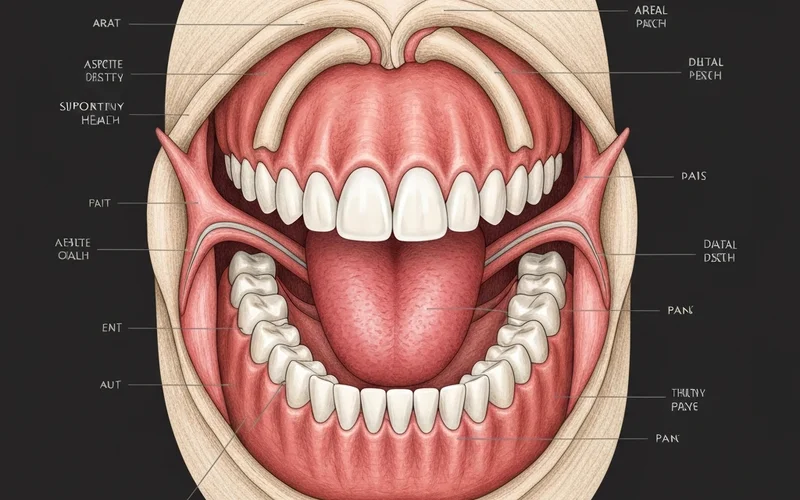
!A cross-section diagram of the mouth and throat, highlighting areas where odor-causing bacteria can accumulate, such as the back of the tongue, between teeth, and in gum pockets.
What Halitosis Is: An Overview
Halitosis, commonly known as bad breath, is a chronic or persistent unpleasant odor emanating from the mouth. It's not merely the temporary morning breath everyone experiences but an ongoing issue that can lead to significant social anxiety and impact an individual's quality of life. The primary culprits behind most cases of bad breath are volatile sulfur compounds (VSCs), such as hydrogen sulfide, methyl mercaptan, and dimethyl sulfide. These compounds are produced by anaerobic bacteria that thrive in oxygen-deprived environments, particularly in the mouth. These bacteria break down proteins found in food debris, dead tissue cells, and post-nasal drip, releasing the foul-smelling VSCs. While the sensation of bad breath can sometimes be subjective, a dentist or dental hygienist can objectively assess the odor using specialized instruments or by analyzing a breath sample. Understanding this fundamental mechanism is crucial for comprehending why certain treatments and preventive measures are effective.
Types and Variations of Halitosis
Halitosis is not a monolithic condition; it can be classified into several types based on its origin and persistence:
1. Transient Halitosis
This is the most common and least concerning type. It's often temporary and related to specific behaviors or conditions:
- Morning Breath: Occurs due to reduced saliva flow during sleep, which allows bacteria to multiply and produce VSCs.
- Food-Induced Halitosis: Caused by consuming strong-smelling foods like garlic, onions, or certain spices. The odor compounds are absorbed into the bloodstream and exhaled through the lungs.
- Smoking/Alcohol-Induced Halitosis: Tobacco and alcohol consumption directly contribute to dry mouth and foster bacterial growth, leading to a distinct, unpleasant odor.
2. Oral or Intra-oral Halitosis (Physiological or Pathological)
Approximately 90% of all halitosis cases originate within the mouth itself. This can be further divided:
- Physiological Halitosis: Arises from the normal breakdown of proteins by bacteria on the tongue's surface, particularly the back of the tongue. This is common and can usually be managed with good oral hygiene.
- Pathological Halitosis: Indicates an underlying oral health problem that needs professional attention. This includes conditions like:
- Periodontal Disease (Gum Disease): Inflammation and infection of the gums create deep pockets where bacteria thrive, producing VSCs.
- Dental Caries (Cavities): Food particles can get trapped in cavities, decomposing and releasing odors.
- Oral Infections: Abscesses or fungal infections (like thrush) can cause bad breath.
- Dry Mouth (Xerostomia): Reduced saliva flow prevents the natural cleansing of the mouth, leading to bacterial overgrowth.
- Oral Appliances: Dentures, bridges, or retainers that are not properly cleaned can harbor bacteria.
3. Extra-oral or Systemic Halitosis
This type accounts for about 10% of cases and stems from conditions outside the mouth, often related to the respiratory system, gastrointestinal tract, or systemic diseases.
- Nasal/Sinus Issues: Post-nasal drip, sinusitis, or nasal polyps can cause mucus to collect at the back of the throat, serving as a food source for bacteria.
- Tonsil Stones (Tonsilloliths): Calcified formations in the tonsil crypts can harbor bacteria and emit a strong, foul odor.
- Gastrointestinal Conditions: Acid reflux (GERD), hiatus hernia, or other digestive disorders can release stomach gases that are exhaled as bad breath.
- Systemic Diseases:
- Diabetes: Uncontrolled diabetes can lead to "ketoacidosis," producing a distinct fruity or acetone-like breath odor.
- Kidney Failure: Can result in a "fishy" or ammonia-like breath due to the buildup of waste products.
- Liver Disease: May cause a "musty" or "mousey" breath odor (fetor hepaticus).
- Respiratory Tract Infections: Bronchitis, pneumonia, or lung abscesses can produce strong, unpleasant breath.
- Metabolic Disorders: Rare genetic conditions can also manifest with specific breath odors.
- Medication-Induced Halitosis: Certain medications (e.g., antidepressants, antihistamines, diuretics) can cause dry mouth, which indirectly leads to bad breath.
Causes: Why Bad Breath Happens
Understanding the specific causes of bad breath is key to effective management. As established, the vast majority originate in the mouth.
Oral Causes
- Bacteria on the Tongue: The rough surface of the back of the tongue is a prime breeding ground for anaerobic bacteria. These bacteria feast on food particles, dead cells, and post-nasal drip, releasing VSCs. This is the most common oral cause, accounting for approximately 80-90% of all oral halitosis cases.
- Poor Oral Hygiene: Inadequate brushing and flossing allow food particles to remain between teeth and on the gums, leading to bacterial growth and plaque accumulation. This contributes significantly to halitosis definition.
- Gum Disease (Periodontal Disease): Gingivitis and periodontitis create pockets around the teeth where bacteria thrive, leading to inflammation, bleeding, and distinct odors. As gum disease progresses, these pockets deepen, making them harder to clean and exacerbating the smell.
- Dental Caries (Cavities): Untreated tooth decay creates areas where food can get trapped and decompose, releasing foul odors.
- Oral Infections/Abscesses: Bacterial infections in the mouth, such as dental abscesses or pericoronitis (inflammation around a wisdom tooth), can produce pus and a very strong, unpleasant odor.
- Dry Mouth (Xerostomia): Saliva naturally helps cleanse the mouth by washing away food particles and neutralizing acids. When saliva production is reduced, bacteria multiply rapidly, leading to what causes bad breath. Dry mouth can be caused by certain medications, systemic diseases (like Sjögren's syndrome), mouth breathing, or salivary gland issues.
- Oral Appliances: Dentures, retainers, and orthodontic appliances can trap food and bacteria if not cleaned regularly and thoroughly.
- Oral Cancer: Though less common, oral cancer and its treatments can sometimes contribute to bad breath.
Extra-Oral Causes
- Nasal and Sinus Conditions:
- Post-nasal Drip: Excess mucus dripping down the back of the throat provides a rich protein source for odor-producing bacteria.
- Sinusitis: Inflammation of the sinuses can cause thick, malodorous mucus.
- Foreign Bodies in the Nose: Particularly in children, a forgotten foreign object in a nostril can lead to foul-smelling discharge and breath.
- Tonsil Stones (Tonsilloliths): These small, whitish-yellow calcifications form in the crevices of the tonsils. They are composed of bacteria, food debris, and dead cells and can emit an extremely strong, putrid odor when dislodged or disturbed.
- Gastrointestinal Issues:
- Gastroesophageal Reflux Disease (GERD): Stomach acid and partially digested food can reflux into the esophagus and mouth, leading to sour breath.
- Hiatus Hernia: Similar to GERD, it allows stomach contents to easily move upward.
- H. pylori Infection: While controversial, some studies suggest a link between H. pylori (a bacteria causing stomach ulcers) and halitosis.
- Systemic Diseases:
- Diabetes: The sweet, fruity, or acetone-like smell of ketoacidosis is a classic sign of uncontrolled diabetes.
- Kidney Failure: Leads to a metallic, ammonia-like, or "fishy" odor.
- Liver Disease: Often associated with a musty, sweet, or "mousey" odor (fetor hepaticus).
- Respiratory Infections: Lung infections like bronchitis, pneumonia, or abscesses can produce a purulent, foul smell.
- Blood Disorders: Conditions affecting blood cell production can sometimes manifest as distinct breath odors.
- Medications: Many prescription and over-the-counter medications list dry mouth as a side effect, which indirectly contributes to halitosis. These include antihistamines, decongestants, diuretics, antidepressants, and high blood pressure medications.
Lifestyle Factors
- Diet: Foods like garlic, onions, certain spices, coffee, and alcohol contain volatile compounds that, once absorbed into the bloodstream, are exhaled through the lungs, causing temporary but potent bad breath.
- Smoking: Tobacco not only leaves its own distinct odor but also dries out the mouth, reduces saliva flow, and increases the risk of gum disease, all of which contribute to chronic halitosis. Smoking is a significant factor in what causes bad breath that is resistant to simple oral hygiene.
- Alcohol: Dehydrates the body and reduces saliva production, creating an ideal environment for odor-producing bacteria.
Signs and Symptoms
Recognizing the signs of bad breath can sometimes be challenging, as individuals can become accustomed to their own breath odor. However, there are several indicators:
- Unpleasant Taste in the Mouth: A persistent sour, bitter, or metallic taste, especially after waking up or between meals.
- Dry Mouth: A constant feeling of dryness, stickiness, or reduced saliva flow.
- White Coating on the Tongue: A visible white or yellowish film, especially towards the back of the tongue, where bacteria accumulate.
- Others' Reactions: People backing away when you speak, offering mints, or avoiding close conversation. This is often an unfortunate but clear sign.
- Self-Test:
- Wrist Lick Test: Lick the inside of your wrist, let it dry for a few seconds, then smell it. This can give you an idea of your breath odor.
- Floss Test: Floss between your back teeth, then smell the floss. A foul odor indicates trapped food particles or early gum disease.
- Spoon Test: Scrape the back of your tongue gently with a spoon, let the residue dry, and smell it.
- Bleeding Gums: A sign of gingivitis or periodontitis, which are major contributors to bad breath.
- Tonsil Stones: Visible white or yellow lumps on the tonsils, or a feeling of something stuck in your throat, accompanied by a foul smell when dislodged.
Treatment Options
Effective treatment for bad breath depends entirely on identifying its underlying cause. A comprehensive approach often involves a combination of improved oral hygiene, dental treatments, and addressing any systemic health issues. The goal is to learn how to get rid of bad breath.
1. Enhanced Oral Hygiene
This is the first line of defense and effective for most cases of oral halitosis.
- Brushing: Brush your teeth thoroughly twice a day for two minutes using a fluoride toothpaste. Pay attention to all surfaces of your teeth and along the gum line. Electric toothbrushes are often more effective at plaque removal.
- Flossing: Floss daily to remove food particles and plaque from between teeth and under the gum line, areas your toothbrush can't reach. This is critical for preventing gum disease, a major source of VSCs.
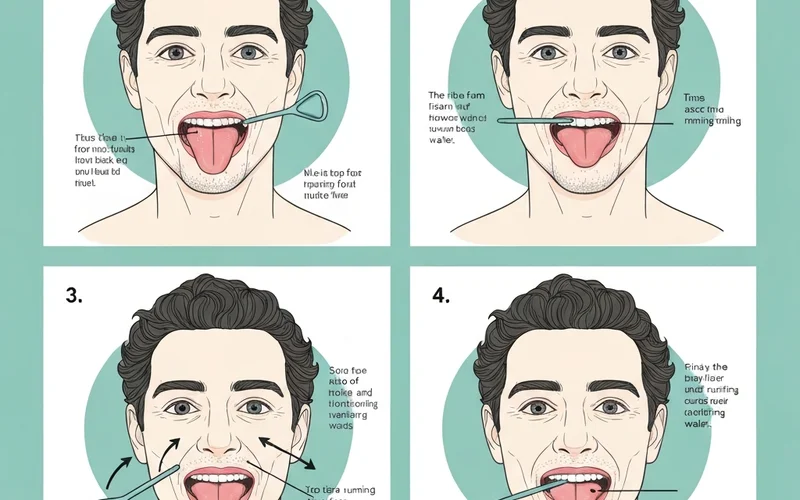
- Tongue Scraping: The back of the tongue is the primary breeding ground for odor-producing bacteria. Use a tongue scraper (available at most pharmacies) or the back of your toothbrush to gently scrape the white coating from your tongue twice daily. Start at the back and move forward, rinsing the scraper after each stroke. This is a highly effective step in how to get rid of bad breath permanently if the cause is primarily oral.
- Mouthwash: Therapeutic mouthwashes can provide temporary relief and some contain antibacterial agents.
- Antiseptic Mouthwashes: Containing ingredients like chlorhexidine (prescription-only), cetylpyridinium chloride (CPC), or essential oils (thymol, eucalyptol, menthol) can kill odor-causing bacteria. Note: Chlorhexidine can cause temporary tooth staining with prolonged use.
- Oxygenating Mouthwashes: Contain hydrogen peroxide or chlorine dioxide, which neutralize VSCs.
- Avoid alcohol-based mouthwashes as they can dry out the mouth, potentially worsening bad breath in the long run.
- Hydration: Drink plenty of water throughout the day to keep your mouth moist and stimulate saliva flow. Chew sugar-free gum or suck on sugar-free candies containing xylitol to further stimulate saliva.
2. Dental Treatments
When improved oral hygiene isn't enough, professional dental intervention is necessary.
- Professional Dental Cleaning: Regular cleanings (every 6 months, or more frequently if recommended by your dentist) remove plaque and tartar buildup that harbor bacteria.
- Treatment of Gum Disease: For gingivitis, deep cleaning (scaling and root planing) may be performed to remove plaque and tartar below the gum line. For advanced periodontitis, more extensive treatments like gum surgery might be needed.
- Cavity Fillings/Crowns: Repairing decayed teeth eliminates areas where food and bacteria can accumulate.
- Replacement of Faulty Restorations: Old, ill-fitting fillings or crowns can create traps for food particles, so replacing them can help.
- Removal of Oral Infections: Draining abscesses, treating fungal infections, or addressing pericoronitis.
- Tonsil Stone Removal: Dentists or ENT specialists can remove tonsil stones. Sometimes, gargling with salt water or using a water flosser can help dislodge them. In severe, recurrent cases, a tonsillectomy might be considered.
3. Medical Treatments
If your dentist determines that the bad breath is not originating from your mouth, you'll be referred to a medical doctor, likely an ENT specialist, gastroenterologist, or your primary care physician.
- Treatment of Sinusitis/Post-nasal Drip: This might involve antibiotics, antihistamines, decongestants, or nasal steroid sprays.
- Management of GERD: Lifestyle changes, antacids, or proton pump inhibitors (PPIs) may be prescribed.
- Control of Systemic Diseases: Managing diabetes, kidney disease, or liver disease through medication and lifestyle changes can significantly improve associated breath odors.
- Medication Review: Your doctor may adjust medications causing dry mouth or suggest strategies to mitigate this side effect.
Pro Tip: Always consult your dentist first for bad breath. They can diagnose the cause and either treat it or refer you to the appropriate medical specialist. Many people wonder how to get rid of bad breath permanently, and the answer almost always starts with a dental evaluation.
Step-by-Step Process: What to Expect During Diagnosis and Treatment
Addressing bad breath typically follows a systematic approach:
Step 1: Initial Dental Consultation and Examination
- Medical and Dental History: Your dentist will ask about your oral hygiene habits, diet, medications, general health, and when you first noticed the bad breath. They'll also inquire about your perceived odor and how others react.
- Oral Examination: The dentist will thoroughly examine your mouth for signs of gum disease, cavities, oral infections, dry mouth, and oral appliances. They will specifically check the tongue for coating and examine tonsils for stones.
- Breath Assessment: Your dentist may perform a professional breath odor evaluation by sniffing your breath from different distances or using specialized instruments like a halimeter (which measures VSCs) or a gas chromatograph for more precise analysis.
Step 2: Diagnosis and Identification of Cause
Based on the examination, the dentist will determine if the halitosis is oral or extra-oral.
- Oral Origin Confirmed: If oral issues like gum disease, large tongue coating, or cavities are found, the treatment plan will focus here.
- Extra-oral Origin Suspected: If the oral examination is clear, or if specific breath odors point to systemic issues, the dentist will likely refer you to a primary care physician or specialist (e.g., ENT, gastroenterologist) for further investigation.
Step 3: Treatment Implementation
- For Oral Halitosis:
- Improved Oral Hygiene Instruction: You'll receive detailed guidance on proper brushing, flossing, and especially tongue scraping techniques.
- Professional Cleaning: A dental hygienist will perform scaling to remove plaque and tartar.
- Specific Dental Treatments: This could include fillings for cavities, deep cleaning (scaling and root planing) for gum disease, or addressing faulty restorations.
- Mouthwash Recommendation: An antibacterial or oxygenating mouthwash may be recommended for temporary use.
- For Extra-oral Halitosis:
- You will follow up with the referred medical specialist, who will conduct their own diagnostic tests (e.g., blood tests, endoscopy, sinus imaging) to pinpoint the systemic cause.
- Treatment will then focus on managing the underlying medical condition.
Step 4: Follow-up and Maintenance
- Dental Follow-up: Your dentist will schedule follow-up appointments to assess the effectiveness of the oral treatments and reinforce good hygiene practices. This is crucial for how to get rid of bad breath permanently.
- Medical Follow-up: If referred to a specialist, regular check-ups will be necessary to manage the systemic condition.
- Ongoing Personal Care: Consistent daily oral hygiene, hydration, and dietary adjustments are essential for long-term fresh breath.
Cost and Insurance
The cost of treating bad breath varies significantly depending on the underlying cause and the required interventions. It's crucial for patients in the US market to understand these ranges and insurance implications.
Average US Costs (Without Insurance)
| Service/Treatment | Average Low Range | Average Mid Range | Average High Range | Notes |
|---|---|---|---|---|
| Initial Dental Exam & Consultation | $50 | $100 | $200 | Often includes X-rays. |
| Professional Dental Cleaning (Prophylaxis) | $75 | $120 | $200 | Routine cleaning, typically every 6 months. |
| Tongue Scraper | $5 | $10 | $15 | Over-the-counter item, highly effective for tongue bacteria. |
| Therapeutic Mouthwash | $8 | $15 | $25 | Over-the-counter, specialized formulas. |
| Fluoride Toothpaste | $3 | $7 | $12 | Essential daily item. |
| Cavity Filling (Amalgam) | $50 | $150 | $300 | Per filling, material dependent. |
| Cavity Filling (Composite/Tooth-Colored) | $90 | $250 | $450 | Per filling, typically more expensive. |
| Scaling and Root Planing (Deep Cleaning) | $200 (per quadrant) | $400 (per quadrant) | $600 (per quadrant) | For gum disease, typically 2-4 quadrants needed ($800-$2400+ total). |
| Gum Surgery (Periodontal Surgery) | $500 | $2,000 | $4,000+ | For advanced gum disease, highly variable. |
| Tonsillectomy (if tonsil stones severe) | $3,000 | $5,000 | $8,000+ | Surgical removal, typically performed by an ENT. |
| Medical Specialist Consultation (e.g., ENT, GI) | $100 | $250 | $500+ | Initial visit, varies by specialist and region. |
| Medications for Systemic Issues (e.g., GERD, Sinusitis) | $10 | $100 | $500+ | Monthly costs, varies widely based on prescription. |

Prices are estimates and can vary significantly based on geographic location (e.g., urban vs. rural), the specific dental or medical practice, and the complexity of the case.
Insurance Coverage
Most dental insurance plans in the US market offer coverage for preventive and basic restorative care, which are often key to treating oral halitosis.
- Preventive Care: Routine dental exams, X-rays, and cleanings are typically covered at 80-100%, often without needing to meet a deductible. This is excellent for addressing primary causes of bad breath.
- Basic Restorative Care: Fillings are usually covered at 70-80% after the deductible is met.
- Major Restorative Care: Procedures like crowns, bridges, and advanced periodontal treatments (like scaling and root planing or gum surgery) are typically covered at 50% after the deductible.
- Medical Insurance: If your bad breath is determined to be extra-oral and requires medical intervention (e.g., treatment for GERD, sinusitis, tonsillectomy), your medical insurance policy would apply. Coverage can vary widely based on your plan's deductibles, co-pays, and co-insurance.
Payment Plans and Financing Options
For more extensive treatments not fully covered by insurance, many dental and medical offices offer:
- In-house Payment Plans: Installment plans directly with the provider.
- Third-Party Financing: Options like CareCredit, which offers low or no-interest payment plans for healthcare expenses.
- Health Savings Accounts (HSAs) or Flexible Spending Accounts (FSAs): These tax-advantaged accounts allow you to save and pay for qualified medical and dental expenses.
Recovery and Aftercare
Once the specific cause of your halitosis has been addressed, maintaining fresh breath requires consistent aftercare and vigilance. This phase is critical for achieving lasting results and preventing recurrence.
Immediate Aftercare (Post-Treatment)
- Dental Treatments (e.g., Fillings, Deep Cleaning): Follow your dentist's post-procedure instructions, which may include avoiding certain foods, gentle brushing, or using specific rinses. Mild sensitivity is common after deep cleanings but usually subsides within a few days to weeks.
- Surgical Procedures (e.g., Gum Surgery, Tonsillectomy): Adhere strictly to post-operative care, including pain management, dietary restrictions, and wound care, to ensure proper healing and prevent complications.
- Medication Adjustment: If medications were prescribed for an underlying medical condition, take them as directed.
Long-Term Maintenance for Permanent Fresh Breath
- Commit to Excellent Oral Hygiene: This cannot be overstressed.
- Brush twice daily for two minutes with a fluoride toothpaste.
- Floss daily to remove interdental plaque and food debris.
- Scrape your tongue daily with a dedicated tongue scraper.
- Regular Dental Check-ups and Cleanings: Stick to your dentist's recommended schedule, typically every six months. These visits are crucial for early detection of new issues and professional removal of stubborn plaque and tartar.
- Stay Hydrated: Drink water frequently throughout the day. This helps wash away food particles and maintains optimal saliva flow, which is your body's natural breath freshener.
- Dietary Awareness: Be mindful of foods and beverages that can cause temporary bad breath. While you don't necessarily have to avoid them entirely, be prepared to rinse your mouth or brush after consuming them.
- Avoid Tobacco and Limit Alcohol: These are significant contributors to dry mouth and chronic halitosis. Quitting smoking is one of the most impactful steps you can take for your oral and overall health.
- Manage Underlying Health Conditions: If your bad breath is linked to a systemic disease (diabetes, GERD, sinus issues), continue to manage these conditions effectively with your medical doctor.
- Monitor Your Breath: Periodically perform self-tests. If bad breath returns despite consistent efforts, schedule another appointment with your dentist or doctor to re-evaluate the cause.
!A step-by-step infographic showing the correct technique for tongue scraping, demonstrating how to start from the back and move forward, and rinsing the scraper.
Prevention
Preventing bad breath largely involves consistent oral hygiene and healthy lifestyle choices. Many of the aftercare steps are also essential for prevention.
- Brush Twice a Day for Two Minutes: Use a soft-bristled brush and fluoride toothpaste. Ensure you're reaching all tooth surfaces and along the gum line. The American Dental Association (ADA) recommends this fundamental practice.
- Floss Daily: This removes food and plaque from areas a toothbrush can't reach, preventing decay and gum disease, which are major sources of odor.
- Clean Your Tongue Daily: Use a tongue scraper or your toothbrush to remove bacteria and dead cells from the tongue's surface. This is perhaps the single most effective preventive measure for oral halitosis stemming from the tongue.
- Stay Hydrated: Drink plenty of water throughout the day to encourage saliva flow and rinse away food particles and bacteria.
- Eat a Healthy Diet: Limit sugary foods and drinks, which feed odor-producing bacteria. Opt for crunchy fruits and vegetables like apples and carrots, which can help clean teeth naturally.
- Avoid Tobacco Products: Smoking is detrimental to oral health in numerous ways, including causing dry mouth and increasing the risk of gum disease and oral cancers.
- Limit Alcohol and Coffee: These can contribute to dry mouth.
- Regular Dental Check-ups and Cleanings: Visit your dentist every six months for professional cleanings and examinations. Early detection and treatment of oral issues can prevent bad breath from developing or worsening.
- Treat Underlying Medical Conditions: If you have conditions like GERD, diabetes, or chronic sinusitis, work with your doctor to manage them effectively.
- Chew Sugar-Free Gum with Xylitol: This stimulates saliva flow and xylitol has antibacterial properties that can help reduce odor-causing bacteria.
Risks and Complications
While bad breath itself isn't life-threatening, ignoring persistent halitosis can lead to several complications, both social and health-related.
Social and Psychological Risks
- Embarrassment and Self-Consciousness: Chronic bad breath can severely impact self-esteem, leading to social anxiety and withdrawal. Individuals may avoid close conversations, smiling, or public speaking.
- Impact on Relationships: Both personal and professional relationships can suffer due to perceived lack of hygiene.
- Depression: The constant worry and social isolation associated with halitosis can contribute to mental health issues like depression.
- Halitophobia: In some cases, individuals may develop an obsessive fear of having bad breath, even when objective measurements show their breath is normal. This can lead to excessive oral hygiene practices that might damage oral tissues.
Health-Related Complications
- Worsening Oral Health Conditions: If halitosis is caused by untreated gum disease or cavities, ignoring it means these conditions will progress, potentially leading to tooth loss, more extensive and costly treatments, and systemic inflammation.
- Undiagnosed Systemic Diseases: Persistent bad breath can be an early warning sign of serious underlying medical conditions like uncontrolled diabetes, kidney failure, or liver disease. Delaying diagnosis and treatment of these conditions can have severe health consequences.
- Oral Infections: Untreated infections like dental abscesses can spread to other parts of the body, potentially leading to serious, even life-threatening, systemic infections.
- Nutritional Deficiencies: In cases where oral pain or discomfort (due to severe gum disease or infections causing bad breath) makes eating difficult, nutritional deficiencies can arise.
Pro Tip: Do not self-diagnose your bad breath. A persistent odor is a signal from your body that something might be amiss. Seeking professional help promptly not only addresses the breath issue but also safeguards your overall health.
Comparison Tables
Here are two comparison tables to help illustrate key aspects of bad breath management.

Table 1: Common Bad Breath Causes and Their Typical Treatments
| Cause Type | Specific Examples | Typical Odor Description | Primary Treatment Approach | Average Time to Improvement |
|---|---|---|---|---|
| Oral (Physiological) | Tongue coating, food debris, morning breath | Mild, general "stale" or "sour" | Improved brushing, flossing, daily tongue scraping, hydration | 1-2 days to 1 week |
| Oral (Pathological) | Gum disease, cavities, oral infections, dry mouth | Putrid, rotten eggs, metallic, foul | Dental cleanings, fillings, gum disease treatment, saliva stimulants | 1 week to several months (for severe gum disease) |
| Extra-oral (ENT) | Tonsil stones, sinusitis, post-nasal drip | Sulfur-like, cheesy, mucus-like, foul | Tonsil stone removal, antibiotics, nasal sprays, saline rinses | 1 week to 1 month |
| Extra-oral (GI) | GERD, acid reflux | Sour, acidy, burp-like | Antacids, PPIs, dietary changes, lifestyle modification | 2 weeks to ongoing |
| Extra-oral (Systemic) | Diabetes (uncontrolled), Kidney/Liver disease | Fruity, acetone-like, fishy, musty | Medical management of underlying disease | Varies greatly, ongoing |
| Lifestyle | Smoking, strong foods (garlic/onion) | Tobacco, distinct food odors, stale | Avoidance, brushing/rinsing after consumption | Temporary for food; long-term for smoking cessation |
Table 2: Types of Mouthwash for Bad Breath
| Mouthwash Type | Key Active Ingredients | Primary Mechanism of Action | Pros | Cons | Average Cost Range |
|---|---|---|---|---|---|
| Antiseptic (Essential Oils) | Thymol, eucalyptol, menthol, methyl salicylate | Kills a broad spectrum of bacteria | Effective at reducing plaque and gingivitis | Can have a strong taste; some contain alcohol | $8-$15 |
| Antiseptic (CPC) | Cetylpyridinium Chloride (CPC) | Kills bacteria, disrupts bacterial cell membranes | Effective at killing bacteria | Can temporarily stain teeth or alter taste | $8-$15 |
| Oxygenating | Hydrogen peroxide, Chlorine dioxide | Neutralizes VSCs, oxygenates anaerobic bacteria | Directly targets odor-causing compounds | Can have a bitter taste; some can be abrasive over time | $10-$20 |
| Prescription (Chlorhexidine) | Chlorhexidine gluconate | Potent broad-spectrum antibacterial | Highly effective for severe gingivitis/periodontitis | Can cause significant tooth staining; temporary taste alteration | $20-$30+ (prescription) |
| Cosmetic | Flavoring agents | Masks odor temporarily | Freshens breath immediately | Does not address the root cause of bad breath | $5-$10 |
!A comparison chart showing different types of mouthwashes with their active ingredients and effectiveness ratings for bad breath control.
Children / Pediatric Considerations
Bad breath in children, while less common than in adults, can also be a cause for concern for parents. The causes are often similar to adults but with some unique considerations.
Common Causes of Bad Breath in Children:
- Poor Oral Hygiene: This is the most frequent culprit. Children may not brush or floss effectively, leading to plaque buildup, food debris, and bacteria on their teeth and tongue.
- Tongue Coating: Just like in adults, bacteria can accumulate on a child's tongue.
- Cavities and Gum Disease: Untreated tooth decay and gingivitis (early gum disease) can occur in children and cause bad breath.
- Dry Mouth: Children can experience dry mouth due to mouth breathing (often related to allergies or enlarged tonsils/adenoids), certain medications, or inadequate fluid intake.
- Tonsil Stones: While more common in teens and adults, younger children can also develop tonsil stones.
- Foreign Objects in the Nose: A small toy or object lodged in a child's nostril can lead to foul-smelling discharge and breath. This is a common cause specific to children.
- Sinusitis and Allergies: Chronic nasal congestion or post-nasal drip from colds, allergies, or sinus infections can lead to a protein source for bacteria in the back of the throat.
- Enlarged Tonsils and Adenoids: These can cause mouth breathing and become breeding grounds for bacteria.
- Systemic Conditions: Less common but possible, underlying conditions like diabetes can also manifest with specific breath odors.
Age-Specific Guidance for Parents:
- Infants and Toddlers: Bad breath is rare. If present, check for oral infections (like thrush, which presents as white patches in the mouth), dehydration, or a foreign object in the nose. Ensure teeth are being wiped or brushed gently after eating.
- Preschoolers and Young Children (3-6 years): Focus on teaching proper brushing techniques. Make it fun! Supervise brushing and flossing. Check for cavities or signs of gingivitis (red, swollen gums). Ensure they're drinking enough water.
- School-Aged Children (7-12 years): They should be capable of brushing and flossing independently but still benefit from supervision. Emphasize tongue cleaning. Discuss diet and potential for dry mouth from mouth breathing.
- Adolescents (13-18 years): Dental hygiene can sometimes slip during these years. Remind them about brushing, flossing, and tongue scraping. Address any concerns about smoking or vaping, which are major contributors to bad breath. Orthodontic appliances (braces, retainers) require diligent cleaning.
When to See a Dentist or Pediatrician for a Child:
- Persistent bad breath that doesn't improve with improved brushing and flossing for a few days.
- Visible cavities or inflamed/bleeding gums.
- Difficulty breathing through the nose, chronic mouth breathing, or frequent snoring (may indicate enlarged tonsils/adenoids or allergies).
- Unusual breath odors (e.g., very sweet/fruity, fishy, chemical).
- Visible foreign objects in the nose or mouth.
Pro Tip for Parents: Make oral hygiene a family activity. Brushing together can instill good habits and make it less of a chore. Regular dental check-ups, starting from the eruption of the first tooth, are paramount for preventing and addressing oral issues early.
Frequently Asked Questions
What is the most common cause of bad breath?
The most common cause of bad breath is the accumulation of odor-producing bacteria on the back of the tongue. These anaerobic bacteria break down proteins, releasing volatile sulfur compounds (VSCs) that have a distinct unpleasant odor. Poor oral hygiene, including inadequate brushing, flossing, and tongue cleaning, allows these bacteria to thrive.
Can bad breath be a sign of a serious health problem?
Yes, persistent bad breath that doesn't improve with diligent oral hygiene can be a sign of underlying serious health problems. These can range from gum disease and severe cavities to systemic conditions like uncontrolled diabetes, kidney or liver disease, chronic sinus infections, or gastroesophageal reflux disease (GERD). Always consult a dentist if bad breath persists.
How can I tell if I have bad breath myself?
You can try several self-tests: lick the back of your wrist, let it dry, and smell it; scrape your tongue with a spoon, let the residue dry, and smell it; or floss between your back teeth and smell the floss. Often, the most reliable indicator is when others subtly (or not so subtly) react to your breath, such as offering mints or leaning away during conversation.

What is the best way to get rid of bad breath permanently?
Achieving permanent relief from bad breath requires identifying and treating the root cause. For most people, this means a rigorous oral hygiene routine (brushing, flossing, tongue scraping), regular dental check-ups, and treating any existing oral health issues like gum disease or cavities. If the cause is extra-oral, treating the underlying medical condition is essential for lasting results.
Does mouthwash really help with bad breath?
Mouthwash can provide temporary relief by masking odors or killing some bacteria, but it's not a permanent solution for chronic halitosis. Therapeutic mouthwashes containing antiseptic agents (like CPC or essential oils) or oxygenating compounds (like hydrogen peroxide) can be beneficial, but they should be used as an adjunct to, not a replacement for, proper brushing, flossing, and tongue scraping. Avoid alcohol-based mouthwashes as they can cause dry mouth.
How much does it cost to get bad breath treated?
The cost varies widely based on the cause. Basic dental consultations and cleanings, often the first step, can range from $75-$200 without insurance, but may be 80-100% covered by dental plans. Treating cavities can cost $50-$450 per tooth, and deep cleanings for gum disease range from $200-$600 per quadrant. If the cause is medical, costs depend on specialist visits (e.g., ENT, GI, $100-$500+) and prescription medications.
Is bad breath painful to treat?
Treating bad breath is generally not painful. Improving oral hygiene is painless. Dental treatments like fillings or deep cleanings are performed under local anesthesia, so you won't feel pain during the procedure, although mild discomfort or sensitivity can occur afterward. If the cause is systemic, treatment involves managing the underlying medical condition, which may or may not involve painful procedures depending on the specific diagnosis.
Can diet affect bad breath?
Absolutely. Foods like garlic, onions, and certain spices contain volatile compounds that are absorbed into the bloodstream and then exhaled through the lungs, causing temporary bad breath. High-sugar diets can also contribute to bacterial growth in the mouth. Limiting these foods or practicing good oral hygiene immediately after consumption can help. A well-balanced diet and adequate hydration are generally beneficial.
Can braces or dentures cause bad breath?
Yes. Dental appliances like braces, retainers, and dentures can trap food particles and bacteria if not cleaned properly and regularly. This trapped debris becomes a breeding ground for odor-producing bacteria, leading to halitosis. It's crucial to follow specific cleaning instructions for all oral appliances to prevent this issue.
Is halitosis curable?
In most cases, yes, halitosis is curable or significantly manageable, especially when the cause is oral. Once the underlying cause—be it poor hygiene, gum disease, or an extra-oral condition—is identified and treated, fresh breath can be restored. Consistent maintenance and addressing any systemic health issues are key to preventing its recurrence.
When to See a Dentist
While a temporary bad breath episode is common, persistent or severe halitosis warrants professional attention. Knowing when to consult a dentist or medical professional is crucial for both your oral health and overall well-being.
Clear Warning Signs That Need Immediate Attention:
- Persistent Bad Breath Despite Diligent Oral Hygiene: If you've been consistently brushing twice daily, flossing, and scraping your tongue for more than 1-2 weeks and your bad breath shows no improvement, it's time to see a dentist.
- Visible Signs of Oral Health Issues: This includes red, swollen, or bleeding gums; loose teeth; painful chewing; visible cavities; or pus around your teeth or gums. These are strong indicators of gum disease or infection contributing to your bad breath.
- Unusual or Distinctive Breath Odors: If your breath has a fruity (acetone-like), fishy, ammonia-like, or distinctly musty smell, especially if accompanied by other symptoms, it could indicate an underlying systemic medical condition.
- Dry Mouth (Xerostomia) That Doesn't Improve: Chronic dry mouth can severely impact your breath and oral health. If you constantly feel parched, even with good hydration, consult your dentist or physician.
- Oral Pain, Swelling, or Difficulty Swallowing: These symptoms, when combined with bad breath, could signal a serious infection, abscess, or other oral pathology.
- Visible Tonsil Stones or Frequent Sore Throats: If you see small, white/yellow deposits on your tonsils or suffer from recurrent tonsil infections and bad breath, an ENT consultation might be needed.
Red Flags vs. Routine Care Guidance:
- Routine Care: If your bad breath is mild and intermittent, often relieved by brushing, flossing, and drinking water, it's likely manageable with routine oral hygiene and regular dental check-ups (every six months).
- Red Flags: Any of the "immediate attention" signs listed above are red flags. These indicate that simple hygiene may not be enough, and a professional diagnosis is required to uncover potential dental or medical issues.
Emergency vs. Scheduled Appointment Guidance:
- Emergency Appointment: If bad breath is accompanied by severe pain, swelling that hinders breathing or swallowing, a high fever, or any rapidly worsening symptoms, seek immediate dental or medical attention. This could indicate a spreading infection.
- Scheduled Appointment: For persistent bad breath without acute pain or life-threatening symptoms, a regular scheduled appointment with your dentist is the appropriate first step. They are best equipped to identify the oral source or refer you to the correct medical specialist if an extra-oral cause is suspected.
Remember, your dental professional is your primary resource for diagnosing and guiding the treatment of bad breath. Don't hesitate to reach out to SmilePedia.net's recommended dental professionals for a comprehensive evaluation.
Frequently Asked Questions
Medically Reviewed Content
This article was written by our dental health editorial team and reviewed for medical accuracy. Our content follows strict editorial guidelines for reliability and trustworthiness.
Medical Disclaimer
This article is for informational purposes only and does not constitute medical advice. Always consult with a qualified dental professional for diagnosis and treatment. Do not delay seeking professional advice because of something you read on this website.
Related Articles
What Cause Bad Breath
For many, a quick mint or a swig of mouthwash is the go-to solution for an unpleasant taste or odor in the mouth. But what if that bad breath, medically known as halitosis, is a persistent problem that no amount of peppermint can conquer? It’s a far more common issue than you might think, affecting
February 23, 2026

Dogs Bad Breath: Complete Guide
One whiff is all it takes: that distinctly unpleasant odor emanating from your beloved canine companion. If you've ever wondered, "Why does my dog's breath smell so bad?" you're not alone. It's a common concern among pet owners, with over 80% of dogs showing signs of oral disease by age three. W
February 23, 2026
Sudden Bad Breath in Toddlers: Complete Guide
When your toddler, who usually smells sweet and innocent, suddenly develops an unpleasant odor in their breath, it can be an alarming experience for any parent. Sudden bad breath in toddlers, also known as halitosis, is more common than you might think, affecting a significant number of young ch
February 23, 2026
Mouth Wash for Bad Breath: Complete Guide
Bad breath, medically known as halitosis, is an incredibly common and often embarrassing condition that affects a significant portion of the global population. In the United States alone, more than 80 million people suffer from chronic bad breath, impacting social interactions, professional conf
February 23, 2026