Mouth Wash for Bad Breath: Complete Guide
Key Takeaways
- Bad breath, medically known as halitosis, is an incredibly common and often embarrassing condition that affects a significant portion of the global population. In the United States alone, more than 80 million people suffer from chronic bad breath, impacting social interactions, professional conf
Mouth Wash for Bad Breath: Complete Guide
Bad breath, medically known as halitosis, is an incredibly common and often embarrassing condition that affects a significant portion of the global population. In the United States alone, more than 80 million people suffer from chronic bad breath, impacting social interactions, professional confidence, and overall quality of life. While many factors contribute to this pervasive issue, finding an effective mouth wash for bad breath is often a crucial step for many individuals seeking a solution. But with countless options lining pharmacy shelves, how do you choose the right one, and what role does it play in truly curing bad breath?
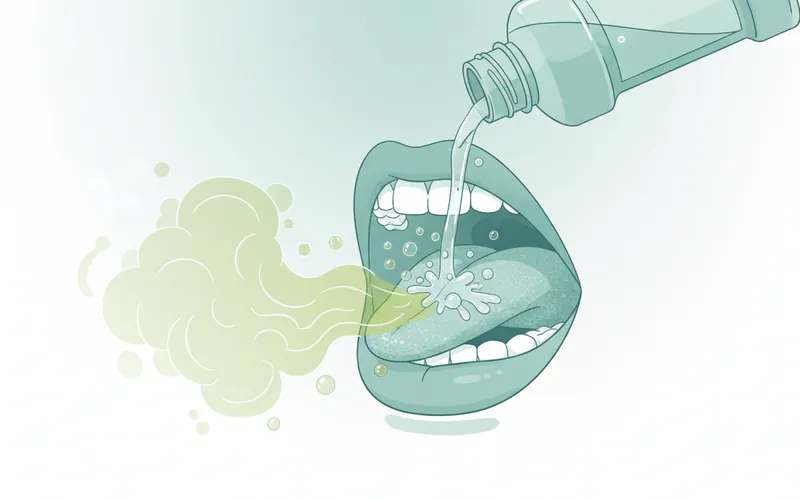
This comprehensive guide from SmilePedia.net will demystify the world of mouthwashes, explaining their different types, what causes bad breath in the first place, and how to integrate mouthwash into a holistic strategy for fresh breath. We’ll delve into the science behind common active ingredients, explore alternative treatments, provide detailed cost breakdowns, and arm you with the knowledge to make informed decisions about your oral health. Whether you're dealing with morning breath or more persistent halitosis, understanding the complete picture is essential for achieving lasting fresh breath.
Key Takeaways:
- Mouthwash is a temporary solution for bad breath, not a cure for underlying issues. It effectively masks odor but doesn't treat the root cause in many cases.
- Therapeutic mouthwashes containing ingredients like cetylpyridinium chloride (CPC), chlorhexidine, or zinc are most effective against bacteria causing halitosis. Cosmetic rinses primarily mask odors.
- Daily use of a therapeutic mouthwash, alongside brushing and flossing, can significantly reduce oral bacteria. Use twice daily after brushing for 30-60 seconds.
- Costs vary widely: Over-the-counter (OTC) mouthwashes range from $4 to $20 per bottle, while prescription options can be $15 to $35. Comprehensive treatment for underlying causes (e.g., gum disease) can range from $150 to $2,500+.
- Persistent bad breath despite good oral hygiene requires professional dental assessment. Underlying medical conditions or advanced gum disease might be the cause, which mouthwash cannot resolve.
- Avoid alcohol-based mouthwashes if you have dry mouth, as they can exacerbate the condition and potentially worsen bad breath.
What Bad Breath Is and How Mouthwash Helps
Bad breath, or halitosis, is characterized by an unpleasant odor emanating from the mouth. It’s primarily caused by volatile sulfur compounds (VSCs) – gases produced by anaerobic bacteria living on the tongue and in other areas of the mouth. These bacteria thrive in oxygen-deprived environments and break down proteins, releasing sulfur-containing gases that smell like rotten eggs, cabbage, or even feces. While bad breath can sometimes be a transient issue caused by certain foods, chronic halitosis often indicates an underlying oral health problem or, less commonly, a systemic medical condition.
A mouth wash for bad breath works in several ways to combat these odors. Most mouthwashes primarily function by:
- Masking Odor: Many cosmetic mouthwashes contain flavorings and scents that temporarily cover up unpleasant smells.
- Killing Bacteria: Therapeutic mouthwashes contain active antiseptic ingredients that reduce the population of odor-producing bacteria in the mouth.
- Neutralizing VSCs: Some formulations include agents like zinc that bind to sulfur compounds, rendering them odorless.
- Cleaning: Rinsing helps dislodge food particles and debris, which can contribute to bacterial growth and odor.
It's crucial to understand that while mouthwash can be an effective tool in managing bad breath, it is generally not a standalone cure. For true, long-lasting fresh breath, addressing the root cause is paramount.
Types of Mouthwash for Bad Breath
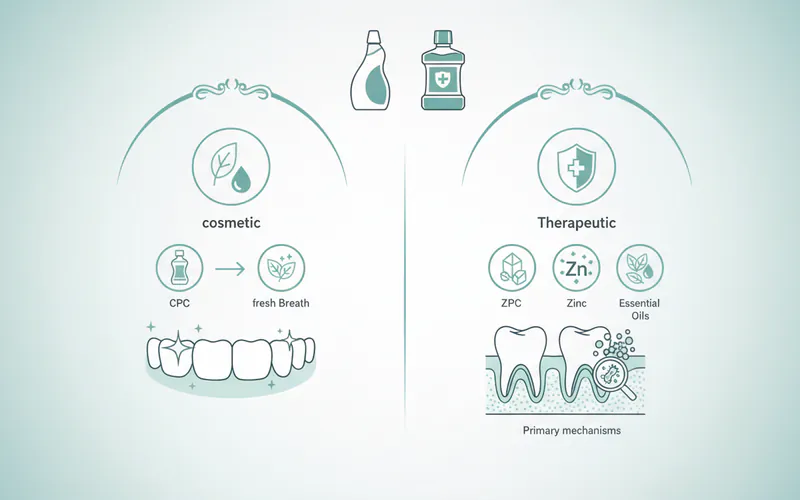
Not all mouthwashes are created equal, especially when it comes to tackling bad breath. They generally fall into two main categories: cosmetic and therapeutic. Knowing the difference is key to selecting an effective mouth wash for bad breath.
Cosmetic Mouthwashes
These rinses are designed primarily to mask bad breath temporarily and provide a fresh, clean feeling. They typically contain flavorings (like mint) and often alcohol, but lack significant antimicrobial ingredients that target the root cause of halitosis.
- Pros: Provide instant freshness, readily available, inexpensive.
- Cons: Short-lived effects, do not treat underlying bacterial issues, can contain alcohol which may dry out the mouth.
Therapeutic Mouthwashes
These are formulated with active ingredients that actively target the bacteria and compounds responsible for bad breath. They are recognized by the American Dental Association (ADA) Seal of Acceptance for their effectiveness in reducing plaque, gingivitis, or bad breath.
1. Antiseptic Mouthwashes
These contain antibacterial agents that kill or inhibit the growth of odor-producing bacteria.
- Chlorhexidine Gluconate (CHX): Often prescription-strength (e.g., Peridex, Periogard), CHX is highly effective in reducing plaque and gingivitis and is considered the gold standard for its sustained antimicrobial action. It binds to oral tissues and is slowly released, providing prolonged antibacterial effects.
- Pros: Highly effective against a broad spectrum of bacteria, long-lasting effect.
- Cons: Can cause temporary tooth staining (reversible), altered taste perception, may require a prescription, higher cost (typically $15-$35 per bottle). Not recommended for long-term daily use without professional guidance.
- Cetylpyridinium Chloride (CPC): A common OTC antiseptic (e.g., Crest Pro-Health, Scope). CPC helps kill bacteria and reduces plaque and gingivitis.
- Pros: Readily available, effective against many oral bacteria, does not cause significant staining.
- Cons: Shorter duration of action compared to CHX.
- Essential Oils: Formulations containing combinations of thymol, eucalyptol, menthol, and methyl salicylate (e.g., Listerine). These oils disrupt bacterial cell walls.
- Pros: Effective against bacteria, widely available, some formulations are alcohol-free.
- Cons: Can have a strong, burning sensation; some contain alcohol which can contribute to dry mouth.
2. Oxygenating Mouthwashes
These rinses use oxidizing agents like hydrogen peroxide, chlorine dioxide, or zinc to neutralize the volatile sulfur compounds (VSCs) directly. They work by breaking down the VSCs into non-odorous compounds.
- Pros: Directly neutralizes odor compounds, often gentle.
- Cons: Hydrogen peroxide can be irritating in high concentrations; effects might be temporary if underlying bacterial issues aren't addressed.
3. Zinc-Based Mouthwashes
Zinc ions (e.g., zinc chloride, zinc lactate) in mouthwash directly bind to VSCs, preventing them from being perceived as odor. Zinc also inhibits the enzymes that bacteria use to produce VSCs.
- Pros: Directly neutralizes VSCs, effective in reducing bad breath.
- Cons: May leave a metallic taste for some users.
4. Fluoride Mouthwashes
While primarily designed to strengthen tooth enamel and prevent cavities, some fluoride rinses are also alcohol-free and can contribute to overall oral health, which indirectly helps manage bad breath by reducing plaque and decay. They do not directly target bad breath bacteria or VSCs.
5. Dry Mouth Rinses
For individuals whose bad breath is linked to xerostomia (dry mouth), specialized rinses containing lubricants (e.g., xylitol, carboxymethylcellulose) can help stimulate saliva flow or provide moisture. Saliva is crucial for washing away food particles and neutralizing acids, thus preventing bacterial overgrowth.
- Pros: Addresses a common cause of bad breath, soothing.
- Cons: May not contain strong antibacterial agents for existing bacterial load.
Pro Tip: When selecting a mouth wash for bad breath, always look for the ADA Seal of Acceptance on the product label. This signifies that the product has been scientifically evaluated for safety and effectiveness according to strict ADA standards.
Causes of Bad Breath (Halitosis)
Understanding the origins of bad breath is crucial, as mouthwash alone often only provides a temporary fix. "Spongebob bad breath" might be a cartoon exaggeration, but it highlights that bad breath can sometimes be so severe it's noticeable from a distance, pointing to significant underlying issues. Here are the primary causes:
Oral Hygiene Issues (Most Common Cause)
- Bacteria on the Tongue: The tongue's rough surface is a prime breeding ground for anaerobic bacteria, especially at the back, where they break down food particles and proteins, releasing VSCs. A white or yellowish coating on the tongue is a common sign.
- Food Particles: Leftover food particles caught between teeth, on the tongue, or around gums decompose, providing fuel for bacteria.
- Plaque and Tartar Buildup: Inadequate brushing and flossing allow plaque (a sticky film of bacteria) to accumulate. If not removed, plaque hardens into tartar (calculus), which traps more bacteria and is difficult to remove with regular brushing.
- Gum Disease (Gingivitis and Periodontitis): Inflammation and infection of the gums create pockets where bacteria thrive, producing VSCs. Periodontitis, the advanced form, can lead to bone loss and tooth loss, and is a significant contributor to chronic bad breath.
- Cavities and Abscesses: Decaying teeth and infected tooth roots harbor bacteria and decaying tissue that produce foul odors.
- Ill-fitting or Unclean Dental Appliances: Dentures, bridges, or retainers that aren't properly cleaned can trap food and bacteria.
Dry Mouth (Xerostomia)
Saliva plays a vital role in rinsing away food particles and bacteria, and in neutralizing acids. When saliva flow is reduced, the mouth cannot naturally cleanse itself, leading to an accumulation of odor-causing bacteria. Causes of dry mouth include:
- Medications: Many prescription and OTC drugs list dry mouth as a side effect (antihistamines, decongestants, antidepressants, diuretics).
- Mouth breathing: Especially during sleep.
- Medical Conditions: Sjögren's syndrome, diabetes, nerve damage.
- Tobacco and Alcohol Use: Both can significantly reduce saliva production.
Foods and Beverages
Certain foods and drinks, once absorbed into the bloodstream, can release odors through the lungs.
- Garlic and Onions: Contain sulfur compounds that are released into the bloodstream and exhaled.
- Coffee and Alcohol: Both can dry out the mouth and promote bacterial growth.
- High-protein, low-carb diets: Can lead to ketosis, where the body burns fat for fuel, producing ketones that cause a distinctive fruity or ammonia-like breath.
Tobacco Products
Smoking and chewing tobacco not only leave their own characteristic odor but also contribute to dry mouth, gum disease, and an increased risk of oral cancer, all of which worsen halitosis.
Medical Conditions (Systemic Causes)
While less common than oral causes, certain medical conditions can lead to bad breath that mouthwash cannot resolve.
- Respiratory Tract Infections: Sinus infections, tonsillitis, bronchitis, and pneumonia can produce pus and mucus that harbor odor-causing bacteria. Tonsil stones (tonsilloliths) are calcified deposits in the tonsil crypts that smell particularly foul.
- Gastrointestinal Issues: Acid reflux (GERD), h. pylori infection, and certain digestive disorders can lead to odors emanating from the stomach or esophagus.
- Diabetes: Uncontrolled diabetes can lead to diabetic ketoacidosis, causing a fruity or acetone-like smell on the breath.
- Kidney or Liver Disease: Severe kidney or liver failure can cause a fishy or ammonia-like odor on the breath due to the buildup of toxins.
- Other Metabolic Conditions: Rare metabolic disorders can also manifest as distinctive breath odors.
Signs and Symptoms of Bad Breath
Identifying bad breath in yourself can be challenging because you become accustomed to your own smell. However, there are several signs and ways to check:
- Self-Assessment Tests:
- Wrist Lick Test: Lick the inside of your wrist, wait a few seconds for the saliva to dry, and then smell it. The odor on your wrist is a good indicator of your breath.
- Cupped Hand Test: Lick the back of your hand, let it dry for a few seconds, then smell it.
- Floss Test: Floss between your back teeth and smell the floss. This can indicate interdental food impaction and bacterial growth.
- Cotton Swab Test: Scrape the back of your tongue with a cotton swab and smell the residue.
- Others Noticing: A direct or indirect comment from a friend, family member, or colleague is a clear sign.
- Unpleasant Taste in Mouth: A persistent sour, bitter, or metallic taste.
- Dry Mouth: Feeling like your mouth is constantly dry.
- White Coating on the Tongue: A visible white or yellowish film, especially towards the back of the tongue.
- Frequent Throat Clearing or Post-Nasal Drip: Can be associated with tonsil stones or sinus issues.
Treatment Options for Bad Breath
Effective treatment for bad breath always starts with identifying and addressing its underlying cause. While mouth wash for bad breath can be a valuable tool, it's usually part of a broader strategy.
1. Improved Oral Hygiene (First Line of Defense)
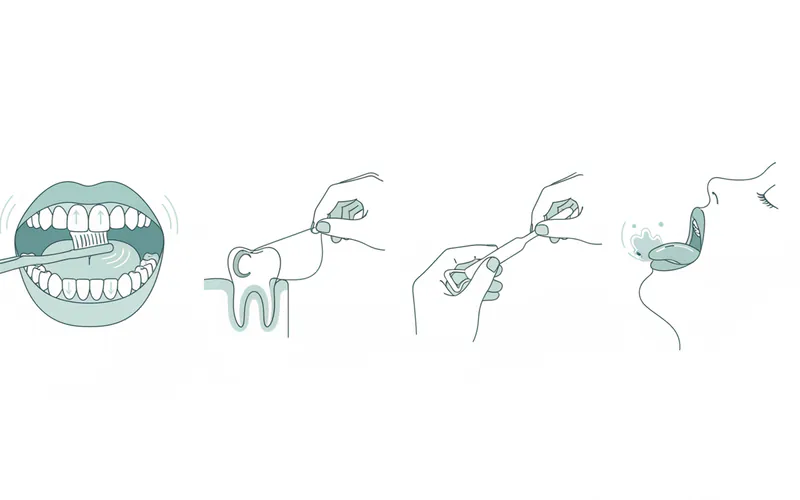
- Brushing: Brush your teeth at least twice a day for two minutes with a fluoride toothpaste. Pay attention to all surfaces of your teeth, including the gumline.
- Flossing: Floss daily to remove food particles and plaque from between teeth and under the gumline, areas your toothbrush can't reach.
- Tongue Cleaning: This is critical for removing odor-causing bacteria. Use a tongue scraper or the back of your toothbrush to gently scrape your tongue from back to front multiple times.
- Clean Dental Appliances: Thoroughly clean dentures, retainers, and other oral appliances daily as directed by your dentist.
2. Therapeutic Mouthwashes
As detailed above, a therapeutic mouth wash for bad breath should be incorporated into your daily routine. Look for ingredients like CPC, zinc, or essential oils. For more severe cases, your dentist might prescribe a chlorhexidine rinse for short-term use.
3. Professional Dental Care
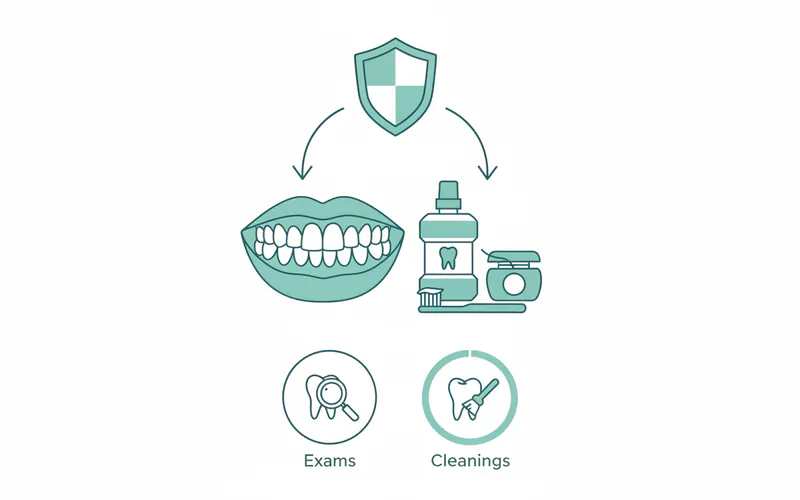
- Regular Dental Check-ups and Cleanings: Visiting your dentist every six months (or more frequently if recommended) is essential. Dental professionals can remove hardened plaque (tartar) that you can't remove at home and identify potential issues like cavities or gum disease.
- Treatment of Oral Conditions: Your dentist can treat cavities, gum disease, dental abscesses, and other oral infections that contribute to bad breath. This might involve fillings, root canals, or periodontal therapy (deep cleaning, scaling and root planing).
- Tonsil Stone Removal: If tonsil stones are a recurrent problem, a dentist or ENT specialist can discuss removal options.
4. Lifestyle Adjustments
- Stay Hydrated: Drink plenty of water throughout the day to keep your mouth moist and stimulate saliva flow.
- Avoid Odor-Causing Foods: Limit consumption of garlic, onions, and strong spices, or brush and rinse thoroughly after eating them.
- Quit Tobacco: Eliminating smoking and chewing tobacco will significantly improve breath and overall oral health.
- Limit Alcohol and Caffeine: These can contribute to dry mouth.
- Chew Sugar-Free Gum: This stimulates saliva flow, which helps wash away food particles and bacteria. Look for gum with xylitol.
5. Addressing Underlying Medical Conditions
If bad breath persists despite excellent oral hygiene and lifestyle changes, consult your physician. They can help diagnose and treat systemic conditions like sinus infections, GERD, diabetes, or liver/kidney disease. Treating the underlying medical condition is the definitive "cure" in these cases.
Comparison Table: Common Bad Breath Treatments
| Treatment Option | Mechanism | Effectiveness | Typical Duration | Average Cost (US) | Notes |
|---|---|---|---|---|---|
| Daily Oral Hygiene | Removes food particles, plaque, and bacteria from teeth and tongue. | High for common causes. Essential foundation. | Ongoing | Low ($5-$20/month for toothpaste, brush, floss, scraper) | Fundamental. Prevents most odor-causing bacterial buildup. |
| Therapeutic Mouthwash | Kills bacteria, neutralizes VSCs, masks odor. | Moderate to High. Good for managing odors and reducing bacterial load. | Short-term (hours) | Low-Mid ($4-$20/bottle OTC, $15-$35/bottle Rx) | Best as an adjunct to hygiene. Does not cure underlying issues. |
| Professional Dental Cleaning | Removes plaque and tartar, addresses early gum disease. | High for eliminating bacterial reservoirs and improving gum health. | Long-term (months) | Mid ($75-$200 per cleaning without insurance) | Crucial for maintaining oral health and preventing advanced gum disease. |
| Periodontal Treatment | Deep cleaning (scaling & root planing), gum surgery. | High for addressing advanced gum disease, a major source of bad breath. | Long-term | High ($150-$2,500+ depending on severity and procedures) | Necessary if gum disease is the primary cause. May involve multiple appointments. |
| Cavity Fillings/Root Canals | Removes decay and infection from teeth. | High for eliminating bacterial sources within teeth. | Permanent | High ($100-$3,000+ depending on procedure, tooth, and material) | Essential for treating infected teeth which are significant odor sources. |
| Treating Dry Mouth | Stimulates saliva, provides moisture, addresses underlying cause. | High for dry mouth-related halitosis. | Ongoing | Low-Mid ($10-$30/month for specialty rinses/gels; cost of medical consult) | Can involve specific rinses, gels, medications, or addressing systemic issues. |
| Dietary/Lifestyle Changes | Reduces odor-causing foods, stops tobacco, hydrates. | Moderate to High for specific dietary or habit-related bad breath. | Ongoing | None (savings from stopping tobacco/alcohol) | Complementary to all other treatments. |
| Treating Systemic Disease | Addresses medical conditions like sinus infections, GERD, diabetes. | High for conditions where the breath odor originates outside the oral cavity. | Long-term | Variable (cost of doctor visits, medications, specialized treatments) | Requires medical diagnosis and treatment from a physician. |
Step-by-Step Process for Using Mouthwash Effectively
Incorporating a mouth wash for bad breath into your daily routine is simple, but proper technique can maximize its effectiveness.
- Brush and Floss First: Always brush your teeth thoroughly for two minutes and floss before using mouthwash. This removes food particles and plaque, allowing the mouthwash to reach bacteria more effectively.
- Measure the Correct Amount: Refer to the product's instructions for the recommended dosage, typically 10-20 milliliters (about 2-4 teaspoons). Do not overfill.
- Rinse Thoroughly: Pour the measured mouthwash into your mouth. Swish it vigorously around your entire mouth, making sure it reaches all surfaces, including your gums, cheeks, and tongue.
- Gargle (Optional): If you suspect odor may be coming from your throat or tonsils (e.g., tonsil stones), a brief gargle may help. However, some mouthwashes are not recommended for gargling, so check the label.
- Rinse for the Recommended Time: Most therapeutic mouthwashes require 30 to 60 seconds of rinsing to be effective. Use a timer if necessary.
- Spit It Out: Expel the mouthwash into the sink. Do not swallow it.
- Avoid Rinsing with Water Immediately: For maximum benefit, especially with therapeutic rinses, avoid eating, drinking, or rinsing with water for at least 30 minutes after using mouthwash. This allows the active ingredients to continue working.
- Frequency: Most mouthwashes are recommended for twice-daily use, typically in the morning and before bed. Follow the specific instructions on your product.
Pro Tip: If you experience a burning sensation or discomfort, try an alcohol-free mouthwash. If irritation persists, consult your dentist.
Cost and Insurance Considerations for Bad Breath Treatment
The cost associated with treating bad breath can vary significantly, from inexpensive over-the-counter solutions to extensive dental or medical procedures.
Mouthwash Costs
- Over-the-Counter (OTC) Cosmetic Mouthwashes: Generally the cheapest, ranging from $4 to $12 per bottle (500ml-1L).
- Over-the-Counter (OTC) Therapeutic Mouthwashes: These often contain specific antibacterial agents or zinc and range from $8 to $20 per bottle (500ml-1L). Brands like Listerine, Crest Pro-Health, TheraBreath fall into this category.
- Prescription Mouthwashes (e.g., Chlorhexidine): These are typically more potent and can cost $15 to $35 per bottle (often smaller sizes, e.g., 480ml). They require a dentist's prescription.
Associated Dental Treatment Costs (Without Insurance, US Averages)
Since mouthwash is often just one part of the solution, it's important to consider other potential costs:
- Routine Dental Exam and Cleaning: $75 - $200
- Deep Cleaning (Scaling and Root Planing): For gum disease, $150 - $400 per quadrant (mouth is divided into 4 quadrants). A full mouth deep cleaning could be $600 - $1,600.
- Dental Fillings: $50 - $250 for amalgam (silver) fillings, $90 - $450 for composite (tooth-colored) fillings, depending on size and location.
- Root Canal Treatment: $700 - $1,500 for a front tooth, $900 - $2,000+ for a molar.
- Dental Crowns: If a tooth requires a crown after a root canal or extensive decay, $800 - $2,500+.
- Tonsil Stone Removal: May be covered under medical insurance if performed by an ENT, or may be a nominal fee at a dental office.
Insurance Coverage
- Dental Insurance: Most dental insurance plans cover a significant portion of preventive care (like exams and cleanings, often 80-100%). Basic restorative care (fillings) is typically covered at 50-80%, and major procedures (root canals, crowns, periodontal treatment) at 20-50% after a deductible. Mouthwash is generally NOT covered by dental insurance as it's considered an over-the-counter product or a minor supply. Prescription mouthwashes might be covered under some dental plans or medical plans with a prescription drug benefit.
- Medical Insurance: If bad breath is due to an underlying medical condition (e.g., sinus infection, GERD, diabetes), medical insurance would cover visits to a physician, diagnostic tests, and prescription medications for that condition.
Payment Plans and Financing Options
For more expensive dental treatments, many dental offices offer:
- In-house Payment Plans: Installment plans spread over several months.
- Third-Party Financing: Companies like CareCredit offer special healthcare credit cards with deferred interest options if paid within a certain timeframe.
- Dental Schools: May offer reduced costs for treatment performed by students under supervision.
- Community Dental Clinics: Provide services at a lower cost to those with limited income.
Recovery and Aftercare
Once you've identified and started treating the cause of your bad breath, consistent aftercare is key to maintaining fresh breath.
- Maintain Exemplary Oral Hygiene: This is non-negotiable. Continue brushing twice daily, flossing daily, and using a tongue scraper.
- Regular Dental Visits: Stick to your scheduled dental check-ups and cleanings, usually every six months. If you had gum disease, your dentist might recommend more frequent visits (e.g., every 3-4 months).
- Consistent Mouthwash Use: If using a therapeutic mouth wash for bad breath, continue as directed by your dentist or product instructions.
- Hydration: Keep drinking plenty of water throughout the day.
- Monitor Symptoms: Pay attention to any recurrence of bad breath or other symptoms like dry mouth, metallic taste, or gum bleeding. Report these to your dentist or physician.
- Follow Medical Advice: If your bad breath was linked to a systemic medical condition, diligently follow your physician's treatment plan.
Prevention of Bad Breath
Preventing bad breath largely mirrors the treatment strategies, focusing on consistent oral hygiene and healthy lifestyle choices.
- Brush and Floss Daily: This is the cornerstone of prevention. Brush for two minutes, twice a day, and floss once a day.
- Clean Your Tongue: Make tongue cleaning a part of your daily routine using a tongue scraper or toothbrush.
- Use a Therapeutic Mouthwash: Incorporate an ADA-accepted therapeutic mouth wash for bad breath (alcohol-free if preferred) daily.
- Stay Hydrated: Drink water throughout the day to keep your mouth moist and promote saliva production.
- Eat a Balanced Diet: Limit sugary foods and drinks, as they promote bacterial growth. Include plenty of fruits and vegetables.
- Avoid Odor-Causing Foods (when possible): Be mindful of foods like garlic and onions.
- Quit Tobacco Products: This is one of the most impactful steps you can take for overall oral and general health.
- Regular Dental Check-ups: Visit your dentist for professional cleanings and examinations at least twice a year.
- Address Dry Mouth: If you suffer from dry mouth, discuss solutions with your dentist or doctor, such as using saliva substitutes or medications that stimulate saliva flow.
- Treat Underlying Conditions: Promptly address any medical conditions that could contribute to bad breath.
Risks and Complications of Using Mouthwash
While generally safe, certain risks and complications can arise from mouthwash use, especially if misused or if it contains certain ingredients.
- Masking Serious Issues: The most significant risk is relying solely on mouthwash to cover up bad breath without addressing the underlying cause. This can delay diagnosis and treatment of conditions like gum disease, cavities, or serious medical illnesses, allowing them to worsen.
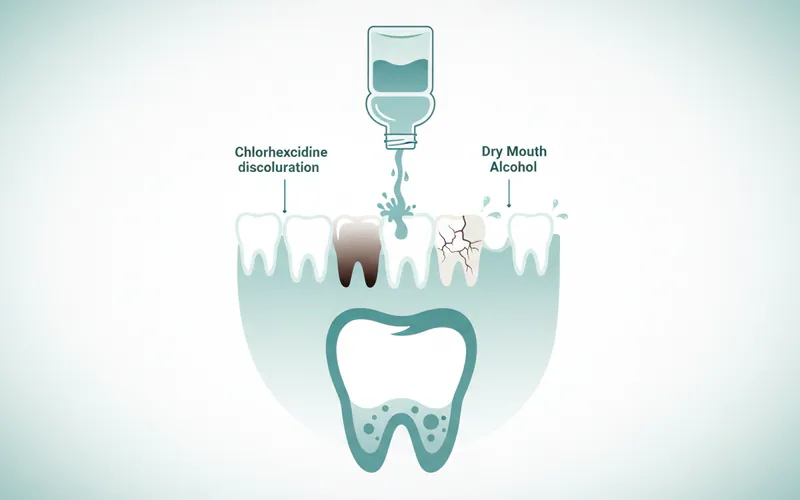
- Dry Mouth (Xerostomia): Many older mouthwash formulations contain high concentrations of alcohol (up to 27%). While alcohol is an antiseptic, it can severely dry out the mouth, leading to reduced saliva flow. Paradoxically, dry mouth is a major cause of bad breath, so alcohol-based rinses can exacerbate the problem in the long run.
- Tooth Staining: Chlorhexidine gluconate, a highly effective prescription antiseptic mouthwash, can cause temporary brown staining on teeth, tongue, and dental restorations. This staining is typically reversible with professional cleaning but can be aesthetically unpleasing.
- Taste Alteration: Chlorhexidine can also temporarily alter taste perception, particularly for salty or bitter foods.
- Burning Sensation/Irritation: Some mouthwashes, especially those with high alcohol content or strong essential oils, can cause a burning sensation or irritation in the mouth.
- Allergic Reactions: Though rare, some individuals may experience allergic reactions to specific ingredients in mouthwash, leading to swelling, rash, or itching.
- Accidental Ingestion: Swallowing mouthwash, especially in large quantities, can be harmful, particularly for children. Alcohol-containing mouthwashes can cause alcohol poisoning, and fluoride rinses can cause fluoride toxicity, leading to nausea, vomiting, or even more severe symptoms.
Pro Tip: Always read the label. If you have concerns about alcohol content, look for "alcohol-free" mouthwashes. If you experience any adverse reactions, discontinue use and consult your dentist.
Children / Pediatric Considerations
Bad breath in children is common and usually resolves with improved hygiene. However, it's essential to understand age-specific guidance for mouthwash use and when to seek professional help.
- Causes in Children:
- Poor Oral Hygiene: Most common, similar to adults (food particles, bacteria on tongue, plaque).
- Mouth Breathing: Due to allergies, enlarged tonsils/adenoids, or nasal congestion. Leads to dry mouth.
- Tonsil Stones: Can occur in children.
- Dental Issues: Cavities, gum inflammation.
- Foreign Objects: Small objects lodged in the nose can cause foul smell.
- Medical Conditions: Sinus infections, post-nasal drip, acid reflux.
- Mouthwash Use in Children:
- Not Recommended for Children Under 6: Younger children often lack the motor skills to spit out mouthwash effectively and may swallow it, posing a risk of fluoride toxicity or alcohol poisoning (if using alcohol-based rinses).
- Age 6 and Older: If a child consistently spits out rinse and doesn't swallow, a fluoride mouthwash (to prevent cavities) or a mild, alcohol-free therapeutic rinse may be considered. Always supervise your child to ensure they do not swallow.
- Alcohol-Free is Essential: Never use alcohol-containing mouthwashes for children.
- Fluoride Safety: If using a fluoride rinse, ensure it's age-appropriate and your child isn't ingesting too much fluoride from other sources (e.g., fluoridated water, fluoride toothpaste). Too much fluoride can cause fluorosis (staining of teeth).
- When to See a Pediatric Dentist: If a child's bad breath is persistent despite good brushing, flossing, and tongue cleaning, or if it's accompanied by other symptoms (fever, sore throat, difficulty breathing, nasal discharge), a pediatric dentist should be consulted. They can rule out dental issues and advise if a medical referral is needed.
Cost Breakdown for Comprehensive Bad Breath Treatment (US Averages)
A "cure" for bad breath is rarely a single product. It's often a combination of factors. Here's a broader cost breakdown considering various treatment scenarios:
Scenario 1: Mild, Hygiene-Related Bad Breath
- Cause: Poor brushing/flossing, tongue bacteria.
- Treatment: Improved oral hygiene routine, OTC therapeutic mouthwash, tongue scraper.
- Average Cost (Initial):
- Toothbrush, toothpaste, floss, tongue scraper: $15 - $30
- OTC Therapeutic Mouthwash (1-month supply): $8 - $20
- Total: $23 - $50
- Ongoing Monthly Cost: $10 - $25
Scenario 2: Moderate Bad Breath with Early Gum Disease/Plaque Buildup
- Cause: Plaque, tartar, gingivitis.
- Treatment: Improved hygiene, therapeutic mouthwash, professional dental cleaning, possibly a follow-up.
- Average Cost (Initial):
- Initial dental exam & cleaning: $75 - $200
- Hygiene supplies & mouthwash: $23 - $50
- Total: $98 - $250
- With Dental Insurance: May cover 80-100% of cleaning, so out-of-pocket could be $0 - $40.
- Ongoing: Routine cleanings every 6 months ($0 - $40 with insurance, $75 - $200 without).
Scenario 3: Persistent Bad Breath with Advanced Oral Issues (e.g., Periodontitis, Cavities)
- Cause: Advanced gum disease, multiple cavities, dental abscesses.
- Treatment: Deep cleaning (scaling & root planing), fillings, possibly root canals or extractions, prescription mouthwash.
- Average Cost:
- Comprehensive Exam & X-rays: $100 - $300
- Deep Cleaning (4 quadrants): $600 - $1,600
- 1-2 Fillings: $200 - $900
- Prescription Mouthwash: $15 - $35
- Total: $915 - $2,835+
- With Dental Insurance: Coverage highly variable (often 20-80% depending on procedure and plan). Out-of-pocket could still be substantial, $500 - $2,000+ after deductible.
- Payment Plans/Financing: Often necessary for these higher costs. Many clinics offer plans over 6-12 months.
Scenario 4: Bad Breath from Systemic Medical Condition
- Cause: Sinus infection, GERD, diabetes, kidney/liver disease.
- Treatment: Physician visit, diagnostic tests, prescription medication, specific medical treatments. Oral hygiene still important.
- Average Cost:
- Physician Visit (co-pay): $20 - $75 (with insurance); $100 - $300+ (without insurance)
- Diagnostic Tests (e.g., blood tests, endoscopy): $100 - $1,000+ (highly variable, largely covered by medical insurance)
- Prescription Medications: $10 - $200+ per month (co-pay with insurance, full cost without)
- Total: Highly variable, but generally covered under medical insurance for the underlying condition.
Cost-Saving Tips:
- Preventive Care: Regular brushing, flossing, and dental check-ups are the most cost-effective way to prevent serious issues.
- Shop Around: Compare prices for OTC mouthwashes.
- Generic Brands: Often just as effective as name brands for OTC products.
- Utilize Insurance: Understand your dental and medical benefits and use them.
- Dental School Clinics: Can offer significant savings on complex procedures.
- Flexible Spending Accounts (FSAs) / Health Savings Accounts (HSAs): Use pre-tax dollars for dental and medical expenses.
Frequently Asked Questions About Mouthwash for Bad Breath
What is the best mouth wash for bad breath?
The "best" mouthwash depends on the cause of your bad breath. For general bacterial reduction and VSC neutralization, look for therapeutic mouthwashes containing ingredients like cetylpyridinium chloride (CPC), zinc compounds, or essential oils that carry the ADA Seal of Acceptance. If dry mouth is an issue, choose an alcohol-free formula. For severe cases, your dentist might prescribe a chlorhexidine rinse.
How quickly does mouthwash work for bad breath?
Most mouthwashes provide immediate but temporary freshness, masking odors within seconds of rinsing. Therapeutic mouthwashes that target bacteria and VSCs can reduce bad breath for several hours (typically 3-6 hours). For lasting effects, consistent use as part of a complete oral hygiene routine is required.
Can mouthwash cure bad breath permanently?
No, mouthwash alone cannot permanently cure bad breath. It is a management tool that helps reduce odor and bacterial load. Permanent resolution requires addressing the root cause, which could be improved oral hygiene, treatment of gum disease or cavities, or managing an underlying medical condition.
Is alcohol-free mouthwash effective for bad breath?
Yes, alcohol-free mouthwashes are highly effective and often preferred, especially for individuals with dry mouth. They can contain the same active therapeutic ingredients (like CPC or zinc) that kill bacteria and neutralize odors without the drying or irritating effects of alcohol.
Why do some mouthwashes burn my mouth?
The burning sensation in some mouthwashes is often due to a high alcohol content or strong essential oils (like menthol or eucalyptol). While not necessarily harmful, it can be uncomfortable and indicates a potent formula. Alcohol-free options are available for those who find this sensation unpleasant.
How often should I use mouthwash for bad breath?
Most therapeutic mouthwashes are recommended for twice-daily use, usually after brushing and flossing in the morning and before bed. Always follow the specific instructions on the product label or as advised by your dentist. Overuse is generally not recommended and can sometimes lead to irritation.
Can mouthwash cause bad breath?
Paradoxically, some mouthwashes, particularly those with high alcohol content, can contribute to bad breath by drying out the mouth. A dry mouth reduces saliva flow, allowing odor-causing bacteria to thrive. Always choose an alcohol-free option if you experience dry mouth.
Is "Spongebob bad breath" a real condition?
"Spongebob bad breath" is a popular culture reference from the cartoon that humorously exaggerates extreme bad breath. While not a medical term, it implies severe, persistent halitosis that's noticeable to others. Such severe bad breath usually points to significant underlying issues like advanced gum disease, multiple deep cavities, severe dry mouth, or a serious systemic medical condition, requiring professional diagnosis and treatment beyond simple mouthwash.
When should I use mouthwash in my oral care routine?
The general recommendation from dental professionals like the ADA is to use mouthwash after brushing and flossing. This ensures that larger food particles and plaque are already removed, allowing the active ingredients in the mouthwash to better reach and act upon bacteria on tooth surfaces, gums, and tongue.
Does mouthwash help with tonsil stones?
Mouthwash can help manage the odor associated with tonsil stones by reducing oral bacteria. Some sources suggest gargling with an antiseptic or oxygenating mouthwash may dislodge small stones or reduce their formation by keeping the tonsil crypts cleaner. However, mouthwash is not a definitive treatment for existing large tonsil stones, which may require manual removal or, in recurrent severe cases, medical intervention.
When to See a Dentist
While a good mouth wash for bad breath and improved oral hygiene can resolve many cases of halitosis, there are clear warning signs that indicate you need to see a dentist:
- Persistent Bad Breath: If your bad breath doesn't improve after consistently brushing, flossing, tongue cleaning, and using a therapeutic mouthwash for at least two weeks, it's time for a professional evaluation. This is a primary red flag that an underlying issue might be at play.
- Sudden Onset of Severe Bad Breath: If you suddenly develop very strong, offensive breath that is significantly worse than typical morning breath, especially if accompanied by pain or swelling, it could indicate an acute infection like an abscess.
- Accompanying Symptoms: Seek dental attention if bad breath is accompanied by:
- Bleeding, swollen, or tender gums: Signs of gum disease.
- Loose teeth: A symptom of advanced periodontal disease.
- Persistent dry mouth: Especially if not related to medication.
- Pain in a tooth or jaw: Could indicate a cavity, infection, or other dental problem.
- Difficulty swallowing or moving your jaw.
- A metallic or persistent foul taste in your mouth.
- White spots or lesions in your mouth or on your tongue.
- Concerns about "Spongebob Bad Breath": If your bad breath is noticeably offensive to others despite your best efforts at home, it warrants a professional assessment. Your dentist can identify severe oral causes or refer you to a physician if a systemic condition is suspected.
An emergency visit is generally warranted if you experience severe pain, swelling, or signs of an acute infection. For persistent bad breath without acute symptoms, a scheduled appointment for a comprehensive dental exam and cleaning is the appropriate first step. Your dental professional is equipped to diagnose the root cause of your bad breath and recommend the most effective course of treatment, ensuring you achieve truly fresh breath and optimal oral health.
Frequently Asked Questions
Medically Reviewed Content
This article was written by our dental health editorial team and reviewed for medical accuracy. Our content follows strict editorial guidelines for reliability and trustworthiness.
Medical Disclaimer
This article is for informational purposes only and does not constitute medical advice. Always consult with a qualified dental professional for diagnosis and treatment. Do not delay seeking professional advice because of something you read on this website.
Related Articles
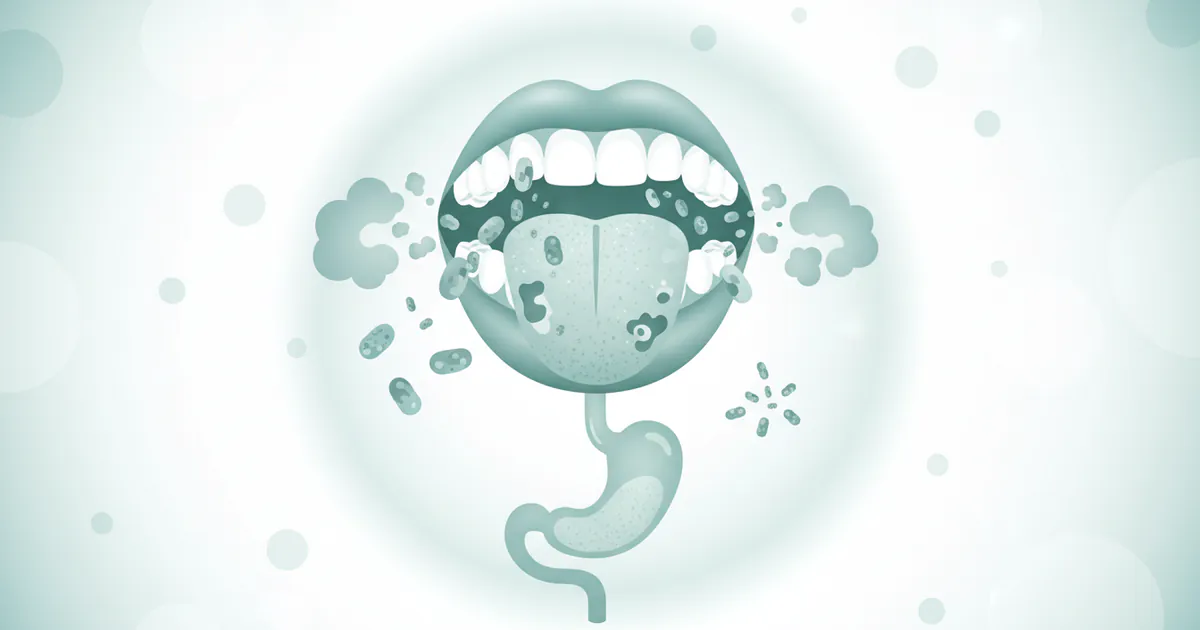
What Cause Bad Breath
For many, a quick mint or a swig of mouthwash is the go-to solution for an unpleasant taste or odor in the mouth. But what if that bad breath, medically known as halitosis, is a persistent problem that no amount of peppermint can conquer? It’s a far more common issue than you might think, affecting
February 23, 2026
Dogs Bad Breath: Complete Guide
One whiff is all it takes: that distinctly unpleasant odor emanating from your beloved canine companion. If you've ever wondered, "Why does my dog's breath smell so bad?" you're not alone. It's a common concern among pet owners, with over 80% of dogs showing signs of oral disease by age three. W
February 23, 2026
Sudden Bad Breath in Toddlers: Complete Guide
When your toddler, who usually smells sweet and innocent, suddenly develops an unpleasant odor in their breath, it can be an alarming experience for any parent. Sudden bad breath in toddlers, also known as halitosis, is more common than you might think, affecting a significant number of young ch
February 23, 2026
Home Remedies for Bad Breath: Complete Guide
Bad breath, clinically known as halitosis, is a common and often embarrassing condition that affects millions of Americans. Surveys suggest that up to 50% of adults experience chronic bad breath at some point in their lives, making it a significant concern for personal confidence and social inte
February 23, 2026