Dogs Bad Breath: Complete Guide
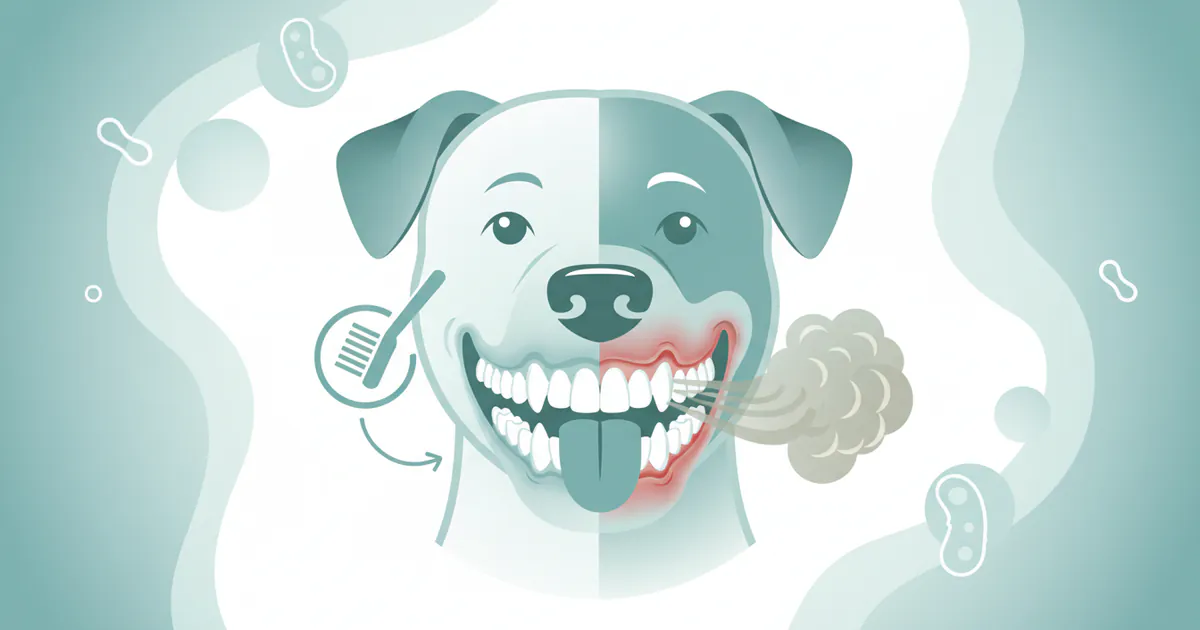
Key Takeaways
- One whiff is all it takes: that distinctly unpleasant odor emanating from your beloved canine companion. If you've ever wondered, "Why does my dog's breath smell so bad?" you're not alone. It's a common concern among pet owners, with over 80% of dogs showing signs of oral disease by age three. W
One whiff is all it takes: that distinctly unpleasant odor emanating from your beloved canine companion. If you've ever wondered, "Why does my dog's breath smell so bad?" you're not alone. It's a common concern among pet owners, with over 80% of dogs showing signs of oral disease by age three. While an occasional "doggy breath" might seem normal, persistent and foul dogs bad breath (medically known as halitosis) is a strong indicator of underlying health issues, most commonly dental disease. This isn't just a minor inconvenience; bad breath can signal serious problems that impact your dog's overall health and well-being, potentially shortening their lifespan and causing significant pain.
Understanding the causes of your dog's halitosis is the first step toward finding effective solutions. From easily remedied dietary factors to serious systemic diseases, the reasons can vary widely. Ignoring the problem won't make it go away; in fact, it often allows underlying conditions to worsen, leading to more complex and costly treatments down the line. This comprehensive guide will delve into everything you need to know about canine bad breath, exploring its causes, symptoms, a full spectrum of treatment options, preventive measures, and crucial information on costs and when to seek professional veterinary care. Our goal is to empower you with the knowledge to ensure your furry friend enjoys a long, healthy, and fresh-breathed life.
Key Takeaways:
- Dogs bad breath (halitosis) is rarely normal and often indicates an underlying health issue, with periodontal disease being the most common cause.
- Over 80% of dogs show signs of oral disease by age three, emphasizing the importance of early intervention and preventive care. Professional veterinary dental cleanings (COHAT) under anesthesia are the gold standard for treating established dental disease. Costs typically range from $500 to $3,000+ depending on the severity, extractions needed, and regional pricing.
- Daily at-home dental care, including brushing, dental chews, and water additives, is crucial for prevention and maintaining oral health after professional cleanings. This can cost $10-$50 per month.
- Untreated dental disease can lead to severe pain, tooth loss, jaw fractures, and systemic infections affecting the heart, kidneys, and liver.
- Early signs like excessive drooling, pawing at the mouth, reluctance to eat, or visible tartar warrant a prompt veterinary check-up.
What It Is: Understanding Canine Halitosis
Canine halitosis refers to an unpleasant odor emanating from a dog's mouth. While many dog owners might assume a certain level of "doggy breath" is normal, a truly foul, persistent odor is a sign of a health problem. In most cases, this odor originates from volatile sulfur compounds (VSCs) produced by bacteria accumulating in the mouth. These bacteria thrive on food particles and decaying tissue, leading to the characteristic smell.

Unlike occasional bad breath in humans that might be linked to a strong meal, persistent halitosis in dogs almost always points to an underlying medical condition. It's a crucial symptom that pet owners should never ignore, as it often signals dental disease, which, if left untreated, can have severe consequences for a dog's overall health.
Types of Dogs Bad Breath: Differentiating the Odors
Not all bad breath is created equal, and the specific odor can sometimes offer clues to its origin. While a definitive diagnosis always requires a veterinarian, understanding the nuances can help you provide better information.
1. Typical "Rotten Egg" or "Fishy" Odor (Most Common)
This is the classic, most frequent type of bad breath and is overwhelmingly associated with periodontal disease. The smell comes from the volatile sulfur compounds produced by anaerobic bacteria that proliferate in plaque and tartar buildup. As plaque hardens into tartar, it creates a rough surface for more bacteria to adhere to, leading to gingivitis (gum inflammation) and eventually periodontitis (destruction of the tooth-supporting structures). The decaying food particles, bacteria, and inflamed gum tissue contribute to this foul smell.
2. Sweetish, Fruity, or Acetone-Like Odor
This distinct smell can be a serious indicator of diabetes mellitus. If your dog's body isn't producing enough insulin or isn't using it effectively, it starts breaking down fat for energy, producing ketones. These ketones can give the breath a sweet or fruity aroma. This symptom, especially when accompanied by increased thirst, urination, and weight loss, requires immediate veterinary attention.
3. Urine-Like or Ammonia Odor
A breath that smells faintly of urine or ammonia is a strong sign of kidney disease. When the kidneys are failing, they cannot adequately filter waste products from the blood. These waste products, including urea, build up in the bloodstream and can be exhaled through the breath, producing a urine-like smell. Other symptoms might include increased thirst, urination, lethargy, and vomiting.
4. Extremely Foul, Putrid, or Decaying Odor
This intensely unpleasant smell could indicate a severe oral infection, an abscessed tooth, oral tumors (which can become necrotic), or even the ingestion of something particularly foul. In some cases, foreign bodies lodged in the mouth or throat can also cause this kind of smell due to tissue decay. This warrants an urgent veterinary visit.
5. Fecal Odor
If your dog's breath smells distinctly like feces, it could be due to coprophagia (eating poop), either their own or another animal's. While unpleasant, this is usually a behavioral issue rather than a medical one, though it's worth discussing with your vet to rule out nutritional deficiencies or underlying anxieties that might contribute to the behavior.
Causes: Why Your Dog's Breath Smells Bad
Identifying the root cause of dogs bad breath is paramount to effective treatment. While dental disease is the most common culprit, other serious health issues can also manifest as halitosis.
The Primary Culprit: Periodontal Disease
Periodontal disease is the most prevalent cause of bad breath in dogs, affecting the majority of adult dogs. It's a progressive disease that begins with plaque formation and can lead to severe systemic health problems.
Plaque and Tartar Accumulation
- Plaque: A sticky, colorless film of bacteria, food particles, and saliva that constantly forms on teeth. If not removed, it hardens within 24-48 hours.
- Tartar (Calculus): Hardened plaque that adheres firmly to the tooth surface. Tartar provides a rough surface for more bacteria to attach and cannot be removed by brushing alone; it requires professional dental cleaning. The bacteria within plaque and tartar produce volatile sulfur compounds (VSCs), which are responsible for the foul odor.
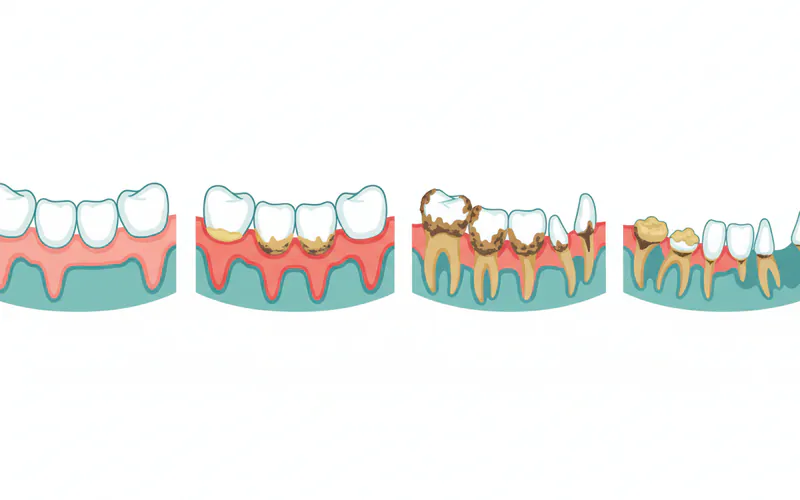
Stages of Periodontal Disease:
- Gingivitis (Stage 1): The earliest stage, characterized by red, swollen, and sometimes bleeding gums due to inflammation caused by bacteria in plaque. This stage is reversible with professional cleaning and good home care.
- Early Periodontitis (Stage 2): Plaque and tartar extend below the gumline, causing mild bone loss around the teeth. The gums may recede, and pockets form between the gums and teeth. This stage is irreversible, but progression can be halted.
- Moderate Periodontitis (Stage 3): Significant bone loss occurs, and deep periodontal pockets form. The supporting structures of the tooth are visibly compromised. This often requires extractions.
- Severe Periodontitis (Stage 4): Extensive bone loss, severe gum recession, and pus formation are evident. Teeth become loose, painful, and often require extraction. Infection can spread to the jawbone and beyond.
Other Oral Causes
Beyond general periodontal disease, specific oral conditions can also cause severe halitosis:
- Oral Tumors (Cancers): Both benign and malignant growths can develop in the mouth. These masses can become infected, ulcerated, or necrotic, leading to a putrid smell.
- Oral Abscesses: Pockets of pus caused by bacterial infection, often resulting from a fractured tooth or severe periodontal disease. They are extremely painful and emit a foul odor.
- Foreign Bodies: Objects lodged in the mouth (e.g., bone fragments, sticks, string, plant material) can cause irritation, infection, and tissue decay, leading to bad breath.
- Stomatitis: Severe inflammation of the mucous membranes throughout the mouth. This can be idiopathic (unknown cause) or associated with specific immune reactions. It's very painful and contributes to significant halitosis.
- Fractured Teeth: A broken tooth, especially one exposing the pulp cavity, can become infected, leading to an abscess and foul odor.
- Malocclusion (Misaligned Teeth): Overcrowded or misaligned teeth create areas where food and bacteria can accumulate easily and are difficult to clean, predisposing to periodontal disease.
Systemic (Non-Oral) Causes
Sometimes, bad breath is a symptom of an underlying disease elsewhere in the body:
- Kidney Disease: As mentioned, failing kidneys can't filter toxins, leading to a buildup of waste products in the blood, which manifests as an ammonia-like or urine-like odor on the breath.
- Liver Disease: A failing liver can lead to a musty, pungent, or sometimes sweet smell on the breath, as it struggles to metabolize toxins. Other signs might include jaundice, vomiting, and lethargy.
- Diabetes Mellitus: Uncontrolled diabetes can cause a sweet, fruity, or acetone-like breath due to the production of ketones.
- Gastrointestinal Issues: Severe acid reflux, megaesophagus (enlarged esophagus), or other digestive problems can cause odors to rise from the stomach.
- Respiratory Problems: Infections in the nasal passages, sinuses, or lungs can sometimes contribute to bad breath, especially if there's discharge or pus.
Dietary and Behavioral Causes
- Diet: Certain strong-smelling foods, especially those high in fish or offal, can temporarily affect breath.
- Coprophagia: Eating feces (their own or other animals') is a common behavioral issue that can cause very foul breath. While unpleasant, it's usually not a medical emergency unless linked to nutritional deficiencies or underlying anxiety.
Pro Tip: Always remember that your dog's bad breath is a symptom, not a diagnosis. A thorough examination by a veterinarian is essential to identify the true cause.
Signs and Symptoms: What to Look For Beyond Just Bad Breath
While a foul odor is the most obvious sign, several other symptoms can accompany dogs bad breath and indicate oral disease or other underlying health issues. Recognizing these early can help prevent progression and improve treatment outcomes.
Oral Symptoms:
- Visible Tartar and Plaque Buildup: Yellow, brown, or green deposits on the teeth, especially near the gumline.
- Red, Swollen, or Bleeding Gums (Gingivitis): Inflamed gums are a clear sign of infection and discomfort.
- Receding Gums: Gums pulling away from the teeth, exposing the tooth roots.
- Loose or Missing Teeth: A sign of advanced periodontal disease where the supporting structures are severely compromised.
- Excessive Drooling (Ptyalism): Especially if the saliva is thick, bloody, or discolored, which can indicate pain or infection.
- Pawing at the Mouth or Rubbing Face: Your dog may be trying to relieve discomfort.
- Reluctance to Eat or Difficulty Chewing: Especially hard food or treats. Your dog might drop food, chew only on one side, or show pain signals when eating.
- Changes in Eating Habits: Eating slower, preferring soft food, or showing less interest in mealtime.
- Swelling Around the Muzzle or Below the Eye: This can indicate a tooth root abscess, particularly common with the upper fourth premolar.
- Pus or Discharge: Visible pus from the gums or around teeth.
- Oral Masses or Growths: Lumps or bumps inside the mouth, on the gums, tongue, or palate.
Systemic Symptoms (Indicating Non-Oral Causes):
If bad breath is due to a systemic disease, you might observe other general health changes:

- Increased Thirst (Polydipsia) and Urination (Polyuria): Common with kidney disease and diabetes.
- Weight Loss: Can be a sign of diabetes, kidney disease, liver disease, or chronic pain making eating difficult.
- Lethargy or Weakness: General unwellness associated with various systemic diseases.
- Vomiting or Diarrhea: Can accompany kidney or liver disease, or severe gastrointestinal issues.
- Changes in Appetite: Either decreased or increased appetite depending on the underlying condition.
- Jaundice (Yellowing of Gums, Skin, or Eyes): A sign of liver disease.
Pro Tip: Never assume these symptoms are just "aging." Any change in your dog's health or behavior warrants a visit to your veterinarian. Early detection and treatment can dramatically improve outcomes.
Treatment Options: How to Fix Dogs Bad Breath
Addressing dogs bad breath effectively requires a multi-pronged approach tailored to the underlying cause. While home care is vital for prevention and maintenance, professional veterinary intervention is often necessary for existing problems.
1. Professional Veterinary Dental Cleaning (COHAT)
For most cases of bad breath caused by periodontal disease, a professional dental cleaning under anesthesia, known as a Comprehensive Oral Assessment and Treatment (COHAT), is the gold standard.
What it Involves:
- Pre-anesthetic Blood Work: To ensure your dog is a good candidate for anesthesia and to identify any underlying health issues.
- Anesthesia: General anesthesia is crucial for safety and efficacy. It allows for a thorough examination, cleaning above and below the gumline, and imaging without causing pain or stress to the dog.
- Full Oral Exam: While anesthetized, the veterinarian performs a detailed visual examination of every tooth and the entire oral cavity.
- Dental Radiographs (X-rays): Essential for assessing the health of tooth roots and bone structures below the gumline, which are invisible during a visual exam. Up to 60% of dental disease lies below the gumline.
- Scaling: Using ultrasonic and hand scalers to remove plaque and tartar from both above (supragingival) and below (subgingival) the gumline. This is critical for preventing the progression of periodontal disease.
- Polishing: After scaling, the teeth are polished to smooth the enamel surface, making it harder for plaque to adhere.
- Fluoride Treatment/Oral Rinse: To strengthen enamel and reduce bacterial growth.
- Extractions: Severely diseased or fractured teeth that cannot be saved are extracted. This provides pain relief and removes a source of infection.
Pros:
- Most effective treatment for existing periodontal disease.
- Provides a clean slate for ongoing home care.
- Relieves pain and removes sources of infection.
- Prevents systemic complications from oral bacteria.
Cons:
- Requires general anesthesia, which carries inherent, though minimal, risks.
- Costly compared to home care.
- Not a permanent fix; requires ongoing home care to prevent recurrence.
2. At-Home Dental Care
Once your dog's mouth is healthy (either naturally or after a professional cleaning), consistent at-home care is crucial for prevention and maintenance. This is where "what can i give my dog for bad breath" becomes highly relevant.
a. Daily Tooth Brushing
- Gold Standard of Home Care: The most effective way to remove plaque before it hardens into tartar.
- Technique: Use a pet-specific toothbrush and toothpaste (human toothpaste is toxic due to fluoride and xylitol). Focus on the outside surfaces of the upper teeth, where plaque accumulates most. Aim for at least 2-3 minutes daily.
- Start Early: Begin brushing when your dog is a puppy to acclimate them. Even older dogs can learn with patience and positive reinforcement.
b. Veterinary Oral Health Council (VOHC) Approved Products
The VOHC stamp of approval signifies that a product (chews, diets, water additives, rinses) has met specific standards for efficacy in reducing plaque and/or tartar.
- Dental Chews: Designed to physically scrape plaque from teeth. Choose appropriate sizes and consult your vet. Examples include Greenies, OraVet Chews.
- Dental Diets: Specially formulated kibble that has a larger, more fibrous texture to clean teeth as the dog chews. Some also contain ingredients to reduce plaque mineralization. Examples include Hill's t/d, Royal Canin Dental.
- Water Additives: Contain antimicrobials or ingredients that prevent plaque formation. Simply add to your dog's drinking water daily. Examples include HealthyMouth, VetOne Enzadent.
- Oral Rinses/Wipes: Can help reduce bacteria and freshen breath, especially for dogs that resist brushing.
Pros:
- Cost-effective prevention and maintenance.
- Reduces frequency of professional cleanings (for mild cases).
- Improves breath and overall oral health.
- Strengthens bond with your pet through interaction.
Cons:
- Requires consistency and patience.
- Less effective on established tartar or severe disease.
- Some dogs resist, making it challenging.
Pro Tip: Look for the VOHC Accepted seal on dental products. This ensures they have undergone rigorous testing and are proven to reduce plaque and/or tartar.
3. Treating Underlying Systemic Diseases
If the bad breath is due to a non-oral condition (kidney, liver, diabetes), the primary treatment focuses on managing that specific disease.
- Kidney Disease: Dietary changes (low protein, low phosphorus), fluid therapy, medications to manage symptoms (e.g., blood pressure, nausea).
- Liver Disease: Dietary modifications, specific medications to support liver function, antibiotics for secondary infections.
- Diabetes: Insulin injections, dietary management, careful monitoring of blood glucose levels.
- Gastrointestinal/Respiratory Issues: Specific medications, antibiotics, or dietary changes as prescribed by your vet.
Pros:
- Addresses the root cause of the bad breath.
- Improves overall health and prognosis.
Cons:
- May involve lifelong management and ongoing veterinary visits.
- Treatment can be complex and expensive.
4. Addressing Other Oral Issues
- Oral Tumors: Surgical removal (biopsy first), possibly radiation or chemotherapy depending on the type of tumor.
- Abscesses/Fractured Teeth: Often require extraction of the affected tooth. Root canal therapy is an alternative for saving certain fractured teeth but is more specialized and costly.
- Foreign Body Removal: Manual removal, sometimes requiring sedation or anesthesia.
Step-by-Step Process: What to Expect During a COHAT
Understanding the procedure for a professional dental cleaning can ease any anxieties you have about anesthesia for your pet.
- Initial Veterinary Examination: Your vet will perform a full physical exam, listen to your dog's heart and lungs, and discuss their medical history to assess their suitability for anesthesia.
- Pre-Anesthetic Blood Work (Optional but Highly Recommended): Blood tests assess organ function (kidneys, liver), blood cell counts, and clotting ability. This helps tailor the anesthetic protocol for your dog and identifies any hidden risks.
- Day of Procedure:
- Fasting: You'll typically be asked to withhold food for 8-12 hours and water for a few hours before the appointment.
- Admission: Your dog will be admitted to the clinic, and staff will review consent forms.
- Pre-Medication and IV Catheter: Your dog will receive sedatives to reduce anxiety and allow for smoother induction of anesthesia. An intravenous (IV) catheter will be placed for administering fluids and medications, and for quick access in case of an emergency.
- Anesthesia Induction and Monitoring:
- Anesthesia is induced, and an endotracheal tube is placed in the windpipe to maintain an open airway and deliver anesthetic gas and oxygen.
- Your dog's vital signs (heart rate, respiration, blood pressure, oxygen saturation, temperature) will be continuously monitored by trained veterinary staff throughout the procedure.
- IV fluids are typically administered to maintain hydration and blood pressure.
- Comprehensive Oral Assessment:
- The vet will perform a thorough visual examination of the teeth, gums, tongue, and entire oral cavity, charting any abnormalities (missing teeth, gum recession, pockets).
- Dental Radiographs (X-rays): A full set of dental X-rays is taken to evaluate the health of the tooth roots, jawbone, and surrounding structures beneath the gumline.
- Scaling and Polishing:
- Ultrasonic Scaling: A specialized instrument vibrates at high frequency to break down and remove plaque and tartar from the tooth surfaces, both above and below the gumline.
- Hand Scaling: Fine hand instruments are used to remove stubborn deposits and clean delicate areas.
- Polishing: The teeth are polished with a prophylactic paste to smooth the enamel, making it more resistant to plaque buildup.
- Irrigation: The mouth is rinsed to remove debris and bacteria.
- Extractions (If Necessary): If X-rays or the oral exam reveal severely diseased, fractured, or painful teeth that cannot be saved, the veterinarian will perform extractions. This involves local nerve blocks for pain control and careful surgical removal of the tooth, followed by suturing the gum.
- Post-Operative Care:
- Your dog will be carefully monitored during recovery from anesthesia.
- Pain medication and antibiotics (if extractions or severe infection were present) will be administered.
- Most dogs go home the same day once they are fully awake and stable.
- At-Home Recovery and Aftercare: You will receive detailed instructions on post-procedure care, including dietary recommendations (soft food for a few days), medication administration, and resuming at-home dental hygiene.
Cost and Insurance: Understanding the Financial Aspect
The cost of addressing dogs bad breath can vary significantly depending on the underlying cause, the severity of the condition, and your geographical location in the US.
Average US Price Ranges for Professional Dental Care (COHAT):
- Basic Cleaning (no extractions, minimal disease): $500 - $1,200
- Includes exam, blood work, anesthesia, scaling, polishing, dental X-rays.
- Typically for younger dogs or those with early gingivitis.
- Moderate Cleaning (some extractions, moderate disease): $1,200 - $2,500
- Includes all basic services plus the removal of 1-3 moderately diseased teeth.
- Often involves more complex monitoring due to longer anesthesia time.
- Extensive Cleaning (multiple extractions, severe disease, specialist referral): $2,500 - $5,000+
- Includes extensive extractions, potentially complex oral surgery, bone grafting, or referral to a veterinary dental specialist.
- Can involve longer anesthesia times, advanced pain management, and specialized equipment.
Regional Variations:
- Urban areas (e.g., NYC, LA, Boston): Generally 20-30% higher than national averages.
- Suburban areas: Typically align with national averages.
- Rural areas: May be slightly 10-15% lower.
Factors Influencing Cost:
- Anesthesia Time: Longer procedures (e.g., multiple extractions) increase anesthesia costs.
- Number and Complexity of Extractions: Surgical extractions (requiring bone removal and sutures) are more expensive than simple extractions.
- Dental Radiographs: Usually included, but extensive imaging may add to the cost.
- Pre-anesthetic Blood Work: Typically $100-$300.
- Medications: Post-operative pain relief and antibiotics typically $50-$200.
- Clinic Type: Specialty veterinary dental clinics usually charge more than general practices due to specialized equipment and expertise.
Pet Insurance Coverage:
- Accident & Illness Plans: Most standard pet insurance plans do not cover routine dental cleanings unless it's a covered wellness add-on. However, they will typically cover dental disease treatment (e.g., extractions due to periodontal disease, root canals for fractured teeth, treatment for abscesses) if the condition is not pre-existing.
- Wellness Plans/Add-ons: Many insurance providers offer optional "wellness" or "preventative care" add-ons that do include coverage for routine dental cleanings (often with a yearly allowance or reimbursement percentage).
- Important Note: Insurance companies typically require you to keep up with preventative dental care. If you neglect dental care and your dog develops severe periodontal disease, they may deny claims, considering it a pre-existing condition or a result of negligence.
- Deductibles and Reimbursement: Most plans have a deductible you must meet before coverage kicks in, and they reimburse a percentage (e.g., 70-90%) of covered veterinary costs.
Pro Tip: If you have pet insurance, thoroughly review your policy's dental coverage, specifically for both routine cleanings and treatment of dental diseases. If you don't have insurance, consider setting up a dedicated "pet emergency fund" for unexpected veterinary expenses.
Recovery and Aftercare: Post-Treatment Guidance
After a professional dental cleaning, particularly if extractions were performed, proper recovery and aftercare are crucial for your dog's comfort and to prevent complications.
Immediately After the Procedure:
- Anesthesia Recovery: Your dog may be groggy, disoriented, or nauseous for 12-24 hours. Keep them in a quiet, comfortable space.
- Diet: Offer soft food (canned food, moistened kibble, prescription dental diet) for 3-7 days, especially if extractions were done. Avoid hard kibble, chew toys, or bones that could irritate healing gum tissue.
- Medication: Administer all prescribed pain medications (NSAIDs, opioids) and antibiotics exactly as directed. Pain control is paramount for comfort and healing.
- Activity Restriction: Limit strenuous activity, jumping, and rough play for a few days to a week.
- Monitor: Watch for signs of excessive bleeding from the mouth, persistent refusal to eat or drink, lethargy, or swelling. Contact your vet immediately if these occur.
Long-Term Aftercare (Prevention of Recurrence):
Once your dog's mouth is healthy, the focus shifts to preventing the recurrence of bad breath and dental disease. This is where consistent at-home dental care becomes your most powerful tool.
- Daily Brushing: This is the cornerstone of effective home dental care. Aim to brush your dog's teeth daily using pet-specific toothpaste and a soft-bristled brush.
- VOHC-Approved Dental Products: Incorporate dental chews, water additives, or specialized dental diets into your routine, but remember they are adjuncts to brushing, not replacements.
- Regular Oral Checks: Periodically lift your dog's lips and check for any signs of redness, swelling, tartar buildup, or unusual odors.
- Routine Veterinary Check-ups: Schedule annual or bi-annual veterinary visits. Your vet will perform an oral exam during these visits and recommend when another professional cleaning might be necessary, often every 1-2 years depending on your dog's individual needs and your commitment to home care.
Pro Tip: Establish a consistent daily dental routine that works for both you and your dog. Patience, positive reinforcement (treats, praise), and starting slowly are key to making dental care a pleasant experience.
Prevention: How to Keep Your Dog's Breath Fresh and Healthy
Prevention is truly the best medicine when it comes to dogs bad breath and dental disease. A proactive approach can save your dog from pain and you from significant veterinary bills. "How to fix dogs bad breath" often starts with preventing it in the first place.
1. Daily Tooth Brushing
- Frequency: Daily brushing is ideal. If daily isn't feasible, aim for at least 3-4 times a week.
- Tools: Use a soft-bristled dog toothbrush or a finger brush, and a toothpaste specifically formulated for dogs (enzymatic toothpastes are particularly effective). Never use human toothpaste.
- Technique: Gently lift your dog's lips and brush in small circular motions, focusing on the gumline, especially on the outside surfaces of the back teeth (where plaque accumulates most). Praise and reward your dog.

2. Veterinary Oral Health Council (VOHC) Accepted Products
Incorporate VOHC-approved products as part of your daily routine. These are proven to help reduce plaque and tartar accumulation.
- Dental Chews: Choose chews that are appropriate for your dog's size and chewing habits. Ensure they are digestible and don't pose a choking hazard or risk of tooth fracture.
- Dental Diets: Prescription dental diets (e.g., Hill's t/d, Royal Canin Dental) are specifically designed to clean teeth as your dog eats.
- Water Additives & Oral Rinses: These can help reduce bacterial load and refresh breath.
3. Regular Veterinary Check-ups and Professional Cleanings
- Annual Exams: Your vet will perform an oral exam during your dog's annual wellness visit. They can identify early signs of dental disease.
- Scheduled COHATs: Your vet will recommend the frequency of professional dental cleanings (usually every 1-3 years) based on your dog's breed, genetics, diet, and effectiveness of home care. Small breeds are often more prone to dental disease and may require more frequent cleanings.
4. Appropriate Diet
- Avoid Table Scraps: Many human foods can contribute to plaque formation or are simply unhealthy for dogs.
- High-Quality Commercial Pet Food: A balanced diet supports overall health, including oral health.
- Avoid Hard Bones and Antlers: While some advocate for recreational chewing, very hard items like raw bones, antlers, or nylon bones can cause slab fractures of teeth, leading to pain and infection. Stick to softer, VOHC-approved dental chews.
5. Hydration
- Ensure your dog always has access to fresh, clean water. Good hydration helps with saliva production, which naturally aids in rinsing food particles from teeth.
Comparison Table: At-Home Dental Care Options
| Method | Efficacy (Plaque/Tartar Reduction) | Cost (Monthly Estimate) | Pros | Cons |
|---|---|---|---|---|
| Daily Tooth Brushing | High (Gold Standard) | $10-$25 (toothpaste, brushes) | Most effective; removes plaque before it hardens. | Requires commitment; some dogs resist. |
| VOHC Dental Chews | Moderate | $20-$60 | Dogs usually enjoy them; provides physical abrasion. | Not a substitute for brushing; some chews can be high in calories. |
| VOHC Dental Diets | Moderate | $60-$100+ (as food) | Easy to implement (just feed); cleans teeth during meals. | Can be expensive; requires switching primary diet; not for all dogs. |
| VOHC Water Additives | Low to Moderate | $10-$30 | Very easy to use; helps freshen breath and reduce bacteria. | Least effective at physical plaque removal; taste aversion possible. |
| VOHC Oral Wipes | Low | $15-$25 | Good for quick touch-ups; less invasive than brushing for some dogs. | Limited reach; primarily targets front teeth and gumline. |
Risks and Complications: What Can Go Wrong with Untreated Bad Breath
Ignoring persistent dogs bad breath is not just about tolerating an unpleasant smell; it's about allowing a potentially serious health problem to fester. The risks and complications associated with untreated dental disease are significant and can impact a dog's overall health and quality of life.
1. Chronic Pain and Discomfort
- Gingivitis and Periodontitis: Inflamed gums, exposed tooth roots, and deep periodontal pockets are chronically painful. Dogs are stoic and often hide pain, but imagine having a constant toothache.
- Abscesses: Tooth root abscesses are extremely painful, causing swelling, pus, and severe discomfort.
- Fractured Teeth: Untreated fractures, especially those exposing the pulp, lead to infection and intense pain.
- Difficulty Eating: Painful mouths make eating difficult, leading to weight loss and malnutrition.
2. Tooth Loss and Jaw Fractures
- Tooth Loss: As periodontal disease progresses, the bone and ligaments supporting the teeth are destroyed, leading to loose teeth that eventually fall out or need extraction.
- Jaw Fractures: In severe cases, especially in small breeds, chronic infection can weaken the jawbone (particularly the mandible) to the point where a simple fall or even chewing can cause a pathological jaw fracture. This is a very serious and painful complication requiring complex surgery.
3. Systemic Infections and Organ Damage (Periodontal-Systemic Link)
The bacteria from the mouth don't stay confined to the mouth. They can enter the bloodstream and travel throughout the body, leading to systemic health problems:
- Heart Disease (Endocarditis): Bacteria can attach to the heart valves, causing inflammation and damage, leading to a serious condition called endocarditis.
- Kidney Disease: Chronic inflammation and bacterial toxins can put a strain on the kidneys, contributing to or worsening kidney disease.
- Liver Disease: Similar to kidneys, the liver can be affected by the constant influx of bacteria and inflammatory mediators from chronic oral infection.
- Respiratory Infections: Bacteria can spread to the lungs, especially if your dog has an underlying respiratory condition.
- Ocular Issues: In some cases, severe upper canine tooth abscesses can affect the eye or tear duct.
4. Behavioral Changes
- Chronic pain can lead to changes in behavior, such as irritability, aggression when touched near the mouth, lethargy, decreased playfulness, or withdrawal.
- Dogs may become less active or lose interest in their favorite toys or activities due to discomfort.
5. Increased Anesthetic Risk for Future Procedures
If dental disease is left untreated for years, your dog's overall health can decline. This can make future anesthetic procedures (for other issues) riskier due to compromised organ function. Addressing dental disease earlier can actually reduce anesthetic risks in the long run by keeping your dog healthier.
Cost Breakdown: A Deeper Dive into Expenses
While we touched on costs earlier, here’s a more detailed breakdown to help you budget for addressing your dog's bad breath.
Average US Costs (Low, Mid, High Estimates):
| Service/Item | Low Estimate | Mid Estimate | High Estimate | Notes |
|---|---|---|---|---|
| Veterinary Exam (Initial) | $50 | $80 | $150 | Consultation fee to assess oral health. |
| Pre-Anesthetic Blood Work | $100 | $200 | $300 | Essential for safety, especially in older dogs or those with health concerns. |
| Basic COHAT (no extractions) | $500 | $850 | $1,200 | Includes anesthesia, monitoring, scaling, polishing, full mouth X-rays. |
| COHAT with 1-3 Simple Extractions | $1,200 | $1,800 | $2,500 | Includes basic COHAT plus extraction fees and potentially longer anesthesia. |
| COHAT with Multiple/Complex Extractions | $2,500 | $3,500 | $5,000+ | Extensive surgical extractions, bone removal, sutures, nerve blocks. |
| Oral Surgery (e.g., tumor removal) | $1,000 | $2,500 | $5,000+ | Can vary widely based on size, location, and complexity. |
| Post-Operative Medications (Pain/Antibiotics) | $50 | $100 | $200 | Depending on the extent of the procedure. |
| At-Home Dental Care (Annual) | $120 ($10/month) | $300 ($25/month) | $600 ($50/month) | Toothpaste, brushes, VOHC dental chews/additives. |
With vs. Without Pet Insurance:
- Without Insurance: You are responsible for 100% of the costs. A comprehensive dental procedure could easily range from $500 for a basic cleaning to well over $3,000 for complex extractions and diagnostics.
- With Insurance (Accident & Illness):
- Routine Cleaning: May be covered by a separate wellness add-on (often $200-$500 annual allowance or 70-90% reimbursement up to a limit).
- Disease Treatment: If a covered condition (e.g., periodontal disease requiring extractions, abscesses, fractured teeth, oral tumors) is not pre-existing, your plan will typically reimburse 70-90% of the covered amount after your deductible is met. For example, on a $2,000 procedure with a $250 deductible and 80% reimbursement, you'd pay $250 (deductible) + $350 (20% of remaining $1,750) = $600.
- Savings: Pet insurance can save you hundreds to thousands of dollars on unexpected dental health crises, but it requires consistent premium payments.
Payment Plans and Financing Options:
- Veterinary Clinic Payment Plans: Some clinics offer in-house payment plans, especially for established clients. These typically require a down payment and regular installments.
- Third-Party Medical Credit (e.g., CareCredit, ScratchPay): These are popular options that offer special financing, often with deferred interest for a set period (e.g., 6 or 12 months) if the balance is paid in full within that time. You apply and get approved for a credit line specifically for healthcare expenses.
- Personal Loans: Banks or credit unions may offer personal loans for larger expenses.
- Emergency Funds: Having a dedicated savings account for pet emergencies is always recommended.

Cost-Saving Tips:
- Prioritize Prevention: Daily home dental care is the most cost-effective way to reduce the need for expensive professional cleanings and extractions.
- Early Intervention: Address bad breath and early dental disease promptly. Waiting only allows the disease to progress, making treatment more extensive and costly.
- Shop Around (Carefully): While cost shouldn't be the only factor, call several reputable veterinary clinics in your area for estimated costs. Ensure estimates include blood work, X-rays, and anesthesia monitoring.
- Consider Pet Insurance: Invest in pet insurance early, before any pre-existing conditions develop, and consider a wellness add-on for routine dental care.
Frequently Asked Questions
What can I give my dog for bad breath?
For immediate relief and long-term prevention, the best options include daily tooth brushing with pet-specific toothpaste, VOHC-approved dental chews, and water additives. For severe cases or if the bad breath persists, your veterinarian can recommend professional dental cleaning or address underlying health issues.
How can I fix my dog's bad breath naturally?
While natural remedies aren't a substitute for veterinary care, you can support oral health with diet changes (e.g., adding fresh carrots or apples for mechanical cleaning), ensuring plenty of water, and using coconut oil (some claim it has antimicrobial properties, though scientific evidence is limited for dogs). However, these won't fix established dental disease.
Is my dog's bad breath a sign of a serious illness?
Yes, persistent and foul bad breath is often a sign of a serious underlying condition. While most commonly periodontal disease, it can also indicate systemic diseases like kidney disease, liver disease, or diabetes. It's crucial to consult a veterinarian to determine the exact cause.
How often should I brush my dog's teeth?
Ideally, you should brush your dog's teeth daily. If daily isn't feasible, aim for at least 3-4 times per week to effectively remove plaque before it hardens into tartar. Consistency is key for preventing dental disease.
What is the average cost of a professional dental cleaning for dogs?
A basic professional dental cleaning (COHAT) for a dog, including anesthesia, blood work, scaling, polishing, and X-rays, typically ranges from $500 to $1,200. If extractions or more extensive procedures are needed, the cost can easily rise to $2,500 to $5,000+.
Does dog food cause bad breath?
Certain types of dog food, especially those with strong odors or very soft textures that don't provide any abrasive action, can contribute to bad breath. High-quality dental diets (VOHC-approved) are designed to help reduce plaque and tartar buildup.
Can bad breath in dogs be contagious to humans?
While bacteria from a dog's mouth can transfer to humans through licking, the specific bacteria that cause periodontal disease in dogs are generally different from those causing human gum disease. However, good hygiene and avoiding mouth-to-mouth contact are always recommended.
My dog is old; is anesthesia safe for dental cleaning?
Anesthesia always carries some risk, but modern veterinary anesthesia protocols, including pre-anesthetic blood work, tailored drug choices, and vigilant monitoring by trained staff, make it very safe even for older dogs. The benefits of pain relief and improved health from addressing dental disease often far outweigh the minimal risks.
How long does it take to get rid of a dog's bad breath?
If the cause is dietary, relief can be immediate. For dental disease, bad breath should resolve immediately after a professional cleaning. If the cause is a systemic illness, the breath will improve as the underlying condition is successfully managed, which can take days to weeks.
Are dental treats enough to prevent bad breath?
No, dental treats alone are usually not enough to prevent bad breath or serious dental disease. While VOHC-approved dental treats can be a helpful adjunct, they are not a substitute for daily tooth brushing and regular professional veterinary dental cleanings.
When to See a Veterinarian
You should schedule an appointment with your veterinarian for your dog's bad breath in the following situations:
- Persistent Foul Odor: If your dog's bad breath is constant and doesn't improve with a few days of increased home dental care.
- Visible Oral Changes: If you notice red, swollen, or bleeding gums, significant tartar buildup, loose or missing teeth, swelling around the mouth or face, or any unusual growths.
- Behavioral Changes: If your dog is reluctant to eat, drooling excessively, pawing at their mouth, or showing signs of pain or lethargy.
- Changes in Thirst/Urination: If the bad breath is accompanied by increased drinking or urinating, which could signal kidney disease or diabetes.
- Unusual Breath Odors: If the breath smells sweet/fruity, urine-like, or intensely putrid, as these can indicate serious systemic health issues.
Red Flags for Immediate Attention (Emergency vs. Scheduled Appointment):
While most bad breath appointments are scheduled, certain signs warrant more urgent attention:
- Sudden, Severe Pain: If your dog suddenly cries out when eating, can't close their mouth, or seems to be in extreme distress.
- Facial Swelling: Rapidly developing swelling, especially under the eye or on the jaw, could indicate a severe abscess.
- Excessive Bleeding: Profuse bleeding from the mouth not stopping on its own.
- Extreme Lethargy or Collapse: If your dog is severely lethargic, weak, or collapses, especially with a sweet/fruity or ammonia smell, this indicates a critical systemic issue needing emergency care.
For any persistent or concerning change in your dog's breath or oral health, prompt veterinary consultation is key. Early diagnosis and intervention can prevent significant pain for your pet and lead to more effective and less costly treatments.
Frequently Asked Questions
Medically Reviewed Content
This article was written by our dental health editorial team and reviewed for medical accuracy. Our content follows strict editorial guidelines for reliability and trustworthiness.
Medical Disclaimer
This article is for informational purposes only and does not constitute medical advice. Always consult with a qualified dental professional for diagnosis and treatment. Do not delay seeking professional advice because of something you read on this website.
Related Articles
What Cause Bad Breath
For many, a quick mint or a swig of mouthwash is the go-to solution for an unpleasant taste or odor in the mouth. But what if that bad breath, medically known as halitosis, is a persistent problem that no amount of peppermint can conquer? It’s a far more common issue than you might think, affecting
February 23, 2026
Sudden Bad Breath in Toddlers: Complete Guide
When your toddler, who usually smells sweet and innocent, suddenly develops an unpleasant odor in their breath, it can be an alarming experience for any parent. Sudden bad breath in toddlers, also known as halitosis, is more common than you might think, affecting a significant number of young ch
February 23, 2026
Mouth Wash for Bad Breath: Complete Guide
Bad breath, medically known as halitosis, is an incredibly common and often embarrassing condition that affects a significant portion of the global population. In the United States alone, more than 80 million people suffer from chronic bad breath, impacting social interactions, professional conf
February 23, 2026
Home Remedies for Bad Breath: Complete Guide
Bad breath, clinically known as halitosis, is a common and often embarrassing condition that affects millions of Americans. Surveys suggest that up to 50% of adults experience chronic bad breath at some point in their lives, making it a significant concern for personal confidence and social inte
February 23, 2026