What Cause Bad Breath
Key Takeaways
- For many, a quick mint or a swig of mouthwash is the go-to solution for an unpleasant taste or odor in the mouth. But what if that bad breath, medically known as halitosis, is a persistent problem that no amount of peppermint can conquer? It’s a far more common issue than you might think, affecting
For many, a quick mint or a swig of mouthwash is the go-to solution for an unpleasant taste or odor in the mouth. But what if that bad breath, medically known as halitosis, is a persistent problem that no amount of peppermint can conquer? It’s a far more common issue than you might think, affecting an estimated one in four people globally, with a significant percentage experiencing chronic bad breath. This isn't just a minor annoyance; persistent bad breath can impact your confidence, social interactions, and even signal underlying health problems. Understanding what cause bad breath is the crucial first step toward effective management and a fresher, healthier smile.
This comprehensive guide from SmilePedia.net will delve deep into the various origins of halitosis, from the mundane daily habits to more serious medical conditions. We’ll explore the different types of bad breath, examine the tell-tale signs, and provide a thorough overview of treatment options, preventative strategies, and crucial considerations for children. Our aim is to equip you with the knowledge to identify the root cause of your bad breath and confidently pursue a lasting solution, ensuring your dental health and overall well-being.
Key Takeaways:
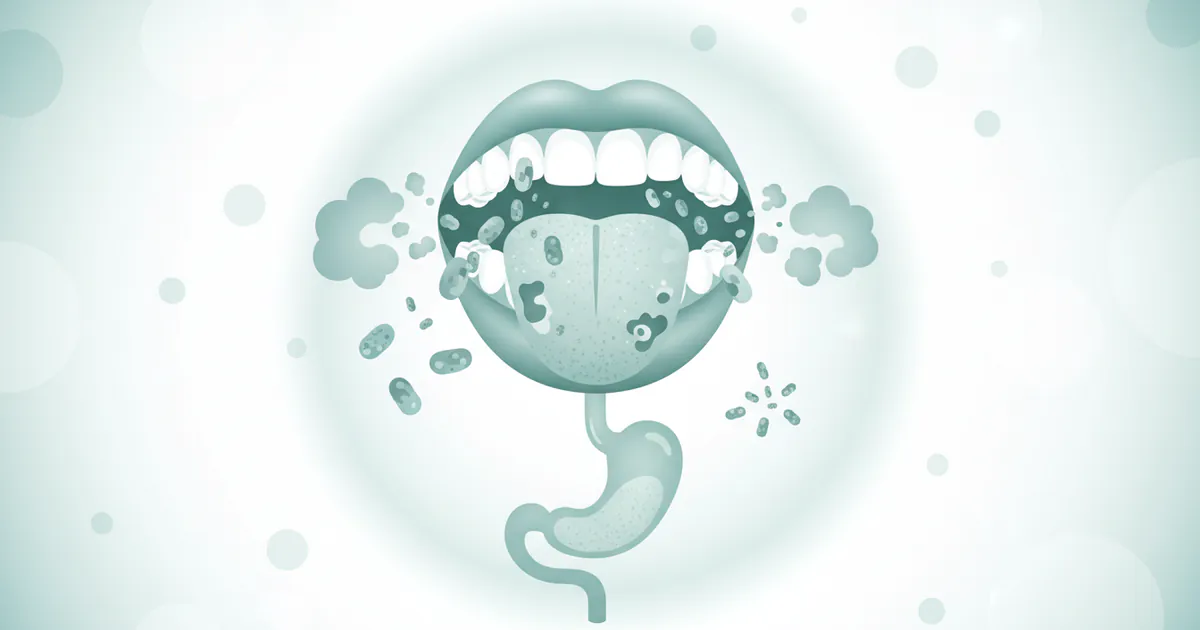
- Primary Cause: Approximately 85-90% of bad breath originates in the mouth, primarily due to bacteria producing volatile sulfur compounds (VSCs).
- Oral Hygiene is Key: Inadequate brushing, flossing, and tongue cleaning allow bacteria to thrive, leading to persistent odor. Investing in an electric toothbrush and tongue scraper (combined cost: $50-$200) can significantly improve results within 1-2 weeks.
- Gum Disease & Dry Mouth: Untreated gum disease (gingivitis or periodontitis) and chronic dry mouth (xerostomia) are significant contributors, requiring professional dental intervention.
- Systemic Links: Bad breath can also be a symptom of underlying medical conditions like diabetes, kidney failure, or sinus infections, warranting a medical check-up.
- Pediatric Concerns: For a baby bad breath 1 year old or young child, common causes include formula residue, pacifier use, mouth breathing, or a foreign object in the nostril. A dental check-up is recommended.
- Treatment Costs: Professional dental cleanings range from $75-$200 (without insurance), while treating gum disease can cost $500-$4,000+ depending on severity. Most dental insurance covers routine cleanings.
- Fast Relief: For temporary relief, good oral hygiene, staying hydrated, and sugar-free gum can help immediately. For chronic issues, consult a dentist for a tailored plan, which may take 2-4 weeks to show significant improvement.
What It Is / Overview
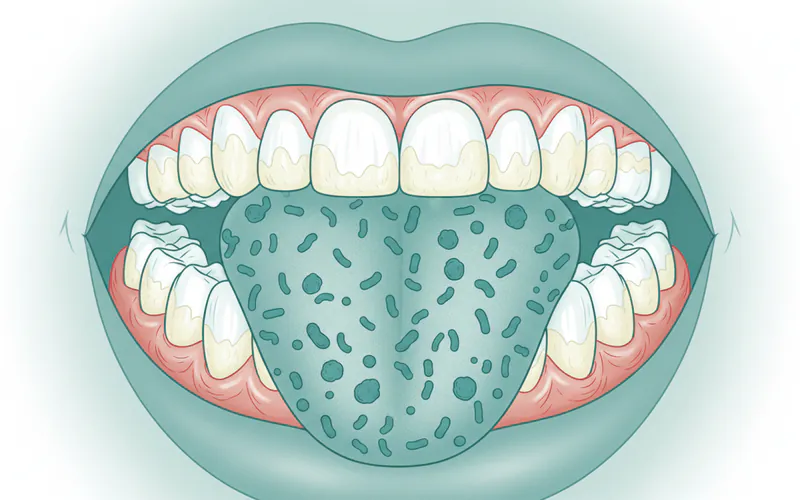
Bad breath, or halitosis, is an oral health condition characterized by an unpleasant odor emanating from the mouth. While occasional bad breath is common, particularly after consuming certain foods or upon waking (known as "morning breath"), chronic halitosis is a persistent problem that can cause significant distress and social anxiety. It’s important to distinguish between transient bad breath, which can be easily remedied, and chronic halitosis, which often indicates an underlying issue.
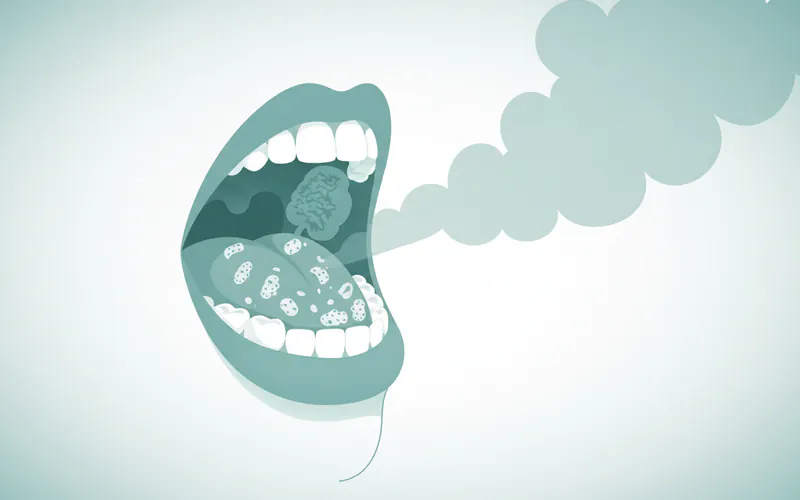
The primary mechanism behind most bad breath is the activity of anaerobic bacteria that reside in the mouth. These bacteria break down proteins found in food debris, dead cells, and blood, releasing a range of odorous compounds, the most notable being Volatile Sulfur Compounds (VSCs) like hydrogen sulfide, methyl mercaptan, and dimethyl sulfide. These VSCs are responsible for the characteristic "rotten egg" or "fecal" smell associated with bad breath. While the mouth is the source for about 85-90% of all halitosis cases, some cases originate from non-oral factors, such as systemic diseases or respiratory tract infections.
Types / Variations
Bad breath isn't a monolithic condition; it can manifest in different forms, each with its own specific characteristics and causes:
Transient Halitosis
This is the most common type, typically temporary and easily resolved.
- Morning Breath: Occurs due to reduced saliva flow during sleep, allowing bacteria to multiply and produce VSCs. Usually dissipates after brushing and eating breakfast.
- Food-Induced Halitosis: Results from consuming strong-smelling foods like garlic, onions, spices, or certain cheeses. The odors can linger in the mouth and also enter the bloodstream, being exhaled through the lungs for up to 72 hours.
- Lifestyle-Induced Halitosis: Caused by habits such as smoking or alcohol consumption.
Chronic Halitosis
This is persistent bad breath that does not go away with routine oral hygiene and often points to a more significant underlying issue. It can be further categorized by its origin:
- Oral Halitosis: The vast majority of chronic cases stem from within the mouth. This includes issues like periodontal disease, extensive tooth decay, fungal infections, or poorly maintained dental appliances. The odor profile is typically rich in VSCs.
- Extra-Oral Halitosis (Systemic Halitosis): This type originates from outside the mouth, indicating underlying medical conditions. The odors are often distinct:
- Fruity/Sweet Odor: Associated with uncontrolled diabetes (diabetic ketoacidosis).
- Fishy Odor: Can indicate kidney failure.
- Mousy/Musty Odor: May be a sign of liver disease.
- Foul/Putrid Odor: Often linked to respiratory infections (sinusitis, tonsillitis, lung infections) or gastroesophageal reflux disease (GERD).
- Ammonia-like Odor: Can be present in some kidney disorders.
- Halitophobia (Pseudo-halitosis and Delusional Halitosis): In some cases, individuals may believe they have bad breath even when no objective evidence exists.
- Pseudo-halitosis: The patient is convinced they have bad breath, despite reassurance from others and professional assessment. They might exaggerate minor or transient odors.
- Delusional Halitosis: A more severe psychological condition where the patient falsely believes they have a strong, offensive breath odor, often to the point of social isolation, without any actual physical basis. This requires psychological intervention.
Causes / Why It Happens
Understanding what cause bad breath is critical for effective treatment. The causes are diverse, ranging from simple hygiene oversights to complex medical conditions.
Oral Causes (Approx. 85-90% of Cases)
The vast majority of bad breath cases originate in the mouth, primarily due to bacterial activity.
1. Poor Oral Hygiene
- Food Particles: When food debris remains in the mouth, especially between teeth or on the tongue, bacteria feed on it, producing foul-smelling VSCs.
- Plaque and Tartar: Plaque is a sticky film of bacteria that constantly forms on teeth. If not removed by daily brushing and flossing, it hardens into tartar (calculus). Both plaque and tartar provide ideal breeding grounds for odor-producing bacteria.
- Lack of Tongue Cleaning: The tongue, particularly its rough surface, can harbor a significant amount of bacteria, dead cells, and food debris. A thick white or yellow coating on the tongue is a common source of bad breath. Pro Tip: Invest in a tongue scraper and use it daily after brushing.
2. Gum Disease (Gingivitis and Periodontitis)
- Bacterial Accumulation: Inflammation of the gums (gingivitis) and more advanced gum disease (periodontitis) create pockets between the teeth and gums. These pockets are deep, often anaerobic (low oxygen) environments where odor-producing bacteria thrive, leading to significant VSC production.
- Tissue Breakdown: In periodontitis, the destruction of gum tissue and bone further contributes to the foul odor.
- ADA Guidelines: The American Dental Association (ADA) emphasizes that regular dental check-ups and cleanings are crucial for preventing and managing gum disease, which is a major contributor to halitosis.
3. Dry Mouth (Xerostomia)
- Saliva's Role: Saliva is a natural mouth cleanser. It helps wash away food particles, neutralize acids, and contains antimicrobial agents. When saliva flow is reduced, the mouth cannot effectively cleanse itself, allowing bacteria and food debris to accumulate.
- Causes of Dry Mouth:
- Medications: Many prescription and over-the-counter drugs, including antihistamines, decongestants, diuretics, antidepressants, and pain medications, can cause dry mouth as a side effect.
- Medical Conditions: Conditions like Sjogren's syndrome, diabetes, and certain autoimmune diseases can reduce saliva production.
- Mouth Breathing: Breathing through the mouth, especially during sleep (often due to nasal congestion or sleep apnea), dries out the oral tissues.
- Radiation Therapy: Head and neck radiation can damage salivary glands.
- Dehydration: Insufficient fluid intake.
4. Oral Infections and Decay
- Tooth Decay (Cavities): Deep cavities can trap food particles and allow bacteria to proliferate, leading to strong odors.
- Abscesses: Dental abscesses, which are localized collections of pus, often produce a very foul smell and taste.
- Oral Thrush (Candidiasis): A fungal infection in the mouth can sometimes contribute to bad breath.
- Impacted Wisdom Teeth: Food and bacteria can easily get trapped around partially erupted wisdom teeth, leading to infection and odor.
5. Oral Appliances
- Dentures, Bridges, Retainers: If not cleaned properly, these appliances can harbor bacteria, plaque, and food particles, leading to bad breath. They need to be cleaned daily with specific cleaners.
6. Tobacco Products
- Smoking and Chewing Tobacco: Tobacco itself leaves a distinct, unpleasant odor in the mouth. It also contributes to dry mouth, gum disease, and staining, all of which worsen bad breath.
7. Certain Foods and Drinks
- Odorous Compounds: Foods like garlic, onions, coffee, and alcohol contain volatile compounds that can linger in the mouth and also be absorbed into the bloodstream, exhaled through the lungs.
- Acidic Foods: Highly acidic foods can alter the pH balance in the mouth, favoring the growth of odor-producing bacteria.
Extra-Oral Causes (Approx. 10-15% of Cases)
When the dentist rules out oral causes, the source of bad breath may lie outside the mouth.
1. Respiratory Tract Infections
- Sinusitis and Post-Nasal Drip: Mucus from nasal and sinus infections can drip down the back of the throat, providing a food source for bacteria and creating a foul odor.
- Tonsillitis and Tonsil Stones (Tonsilloliths): Bacteria can accumulate in the crevices of the tonsils. When food debris, dead cells, and bacteria harden into small, calcified "stones" (tonsilloliths), they can release highly offensive odors.
- Bronchitis, Pneumonia, Lung Abscesses: Infections in the lower respiratory tract can produce distinct, often very strong, odors that are exhaled.
2. Systemic Diseases
- Diabetes (Uncontrolled): Diabetic ketoacidosis, a serious complication of type 1 diabetes, produces ketones, which are exhaled as a distinct "fruity" or "sweet" odor.
- Kidney Failure: When kidneys fail to remove waste products from the blood, these toxins can accumulate and be exhaled, leading to a "fishy" or ammonia-like smell.
- Liver Disease (Cirrhosis): Severe liver dysfunction can result in "fetor hepaticus," a distinct musty or mousy odor, due to the presence of mercaptans.
- Gastroesophageal Reflux Disease (GERD): The reflux of stomach acids and partially digested food into the esophagus and mouth can cause a sour taste and foul breath.
- Other Metabolic Disorders: Rare genetic metabolic disorders can also produce unique breath odors.
3. Medications
- Beyond causing dry mouth, some medications directly release chemicals that are exhaled, contributing to bad breath. Examples include nitrates, chemotherapy drugs, and certain tranquilizers.
4. Foreign Objects
- Children: Young children, especially toddlers, may insert small objects (like beads or toys) into their nostrils, leading to infection, discharge, and a very strong, localized foul odor.
5. Dieting / Fasting (Ketosis)
- When the body burns fat for energy instead of carbohydrates (as in low-carb diets or fasting), it produces ketones. These ketones can be exhaled, resulting in a distinct, often sweet or metallic, "keto breath."
Signs and Symptoms
Identifying bad breath can sometimes be challenging because our own noses tend to adapt to our body's odors. Here's what to look for:
- Self-Assessment:
- The "Wrist Lick" Test: Lick your inner wrist, let it dry for a few seconds, then smell it. This can give you an idea of your breath odor, though it only reflects the front of the tongue.
- The "Spoon Scrape" Test: Scrape the back of your tongue with a clean plastic spoon. Let the residue dry and smell it. This can often reveal a more accurate odor from the primary source of oral halitosis.
- Floss Test: Smell your used dental floss immediately after flossing, especially between back teeth.
- Others' Observations: Often, the most reliable indicator is when a close friend or family member discreetly (or not so discreetly) mentions it.
- Persistent Unpleasant Taste: A sour, bitter, or metallic taste that doesn't go away, even after brushing.
- Dry Mouth Sensation: A feeling of stickiness or dryness in your mouth.
- White or Yellow Coating on the Tongue: A visible layer of film, especially towards the back of the tongue.
- Red, Swollen, or Bleeding Gums: Signs of gingivitis or periodontitis.
- Chronic Post-Nasal Drip or Sore Throat: Can be a sign of sinus issues contributing to bad breath.
Treatment Options
Effective treatment for bad breath always begins with identifying the underlying cause. Once the cause is pinpointed, a targeted approach can be implemented.
1. Improved Oral Hygiene (For Oral Causes)
This is the cornerstone of managing most cases of bad breath.
- Thorough Brushing: Brush at least twice a day for two minutes, using a fluoride toothpaste. Pay attention to all tooth surfaces, including the gum line. An electric toothbrush is often more effective than a manual one.
- Daily Flossing: Floss at least once a day to remove food particles and plaque from between teeth and under the gum line, where toothbrushes can't reach.
- Tongue Cleaning: Use a tongue scraper or the back of your toothbrush to gently scrape your tongue daily, from back to front. This removes bacteria, food debris, and dead cells that contribute significantly to odor.
- Mouthwash: Therapeutic mouthwashes can help kill bacteria or neutralize odor-causing compounds. Look for alcohol-free rinses containing antiseptic agents like chlorhexidine (prescription), cetylpyridinium chloride (CPC), or essential oils.
- Pros: Can provide temporary relief, some kill bacteria.
- Cons: Cosmetic rinses only mask odor; therapeutic rinses should be used as directed and not as a substitute for brushing/flossing. Chlorhexidine can stain teeth with prolonged use.
2. Professional Dental Treatments
- Routine Dental Cleanings: Regular check-ups and professional cleanings (prophylaxis) remove plaque and tartar buildup that you can't remove at home. The ADA recommends these every 6 months.
- Pros: Removes hardened plaque and tartar, essential for gum health.
- Cons: Not a cure for systemic bad breath; discomfort for sensitive individuals.
- Treatment of Gum Disease: If gingivitis or periodontitis is present, a deeper cleaning called scaling and root planing may be necessary to remove plaque and tartar below the gum line. More advanced cases may require periodontal surgery.
- Pros: Addresses the root cause of odor from gum disease, improves overall oral health.
- Cons: Can be invasive, involves multiple appointments, may require local anesthesia.
- Restorative Dentistry: Filling cavities, replacing faulty fillings, treating abscesses, or removing impacted teeth (like wisdom teeth) eliminates sites where bacteria can thrive and cause odor.
- Pros: Resolves specific sources of infection and odor.
- Cons: Cost and time commitment for procedures.
3. Addressing Dry Mouth (Xerostomia)
- Increased Water Intake: Sip water frequently throughout the day to keep your mouth moist.
- Saliva Stimulants: Your dentist may recommend over-the-counter artificial saliva substitutes, oral moisturizers, or prescription medications (like pilocarpine or cevimeline) that stimulate saliva flow.
- Sugar-Free Gum/Mints: Chewing sugar-free gum or sucking on sugar-free candies can stimulate saliva production.
- Humidifier: Using a humidifier in your bedroom can help, especially if mouth breathing is an issue.
4. Lifestyle and Dietary Adjustments
- Tobacco Cessation: Quitting smoking and other tobacco products is one of the most effective steps to improve breath and overall health.
- Dietary Modifications: Limit strong-smelling foods (garlic, onions) and beverages (coffee, alcohol) or brush immediately after consuming them.
- Stay Hydrated: Drinking plenty of water helps flush food particles and keeps saliva flowing.
5. Medical Treatment for Extra-Oral Causes
If oral causes are ruled out, your dentist will likely refer you to a physician for further investigation.
- Treating Underlying Conditions: Managing diabetes, kidney disease, liver conditions, or GERD will typically resolve the associated bad breath.
- Addressing Respiratory Issues: Treatment for sinus infections, tonsillitis, or lung infections will eliminate their contribution to bad breath. This might involve antibiotics, decongestants, or, in severe cases of tonsillitis, a tonsillectomy.
- Medication Review: Discuss any medications you are taking with your doctor, as some may contribute to dry mouth or breath odor. Adjustments might be possible.
Step-by-Step Process for Diagnosis and Treatment
If you're concerned about persistent bad breath, here's what to expect:
- Initial Dental Consultation:
- Your dentist will take a detailed medical history and ask about your oral hygiene habits, diet, medications, and when you first noticed the bad breath.
- They may perform a "smell test" by asking you to breathe into a mask or cup, or by smelling your breath directly. They might also use a halimeter, a device that detects VSCs in the breath.
- Comprehensive Oral Examination:
- The dentist will thoroughly examine your teeth for decay, your gums for signs of disease (gingivitis or periodontitis), and your tongue for any coating or abnormalities.
- They will check for dry mouth symptoms, oral infections, and assess any existing dental work (fillings, crowns, dentures).
- They might also examine your tonsils for stones or signs of infection.
- Diagnosis:
- Based on the examination, the dentist will determine if the bad breath is primarily oral in origin.
- If no oral cause is found, or if there are signs suggesting a systemic issue, they will refer you to a physician for further evaluation.
- Treatment Plan Development (if oral cause):
- Phase 1: Immediate Action: Your dentist will likely recommend a professional dental cleaning. They will also provide detailed instructions on proper brushing, flossing, and tongue cleaning techniques. You may be advised to use a specific therapeutic mouthwash.
- Phase 2: Addressing Underlying Issues:
- If gum disease is present, scaling and root planing will be scheduled.
- Cavities will be filled, and faulty restorations repaired or replaced.
- Any oral infections will be treated (e.g., antibiotics for an abscess).
- If dry mouth is a factor, strategies to stimulate saliva or manage symptoms will be discussed.
- Follow-up and Maintenance:
- You'll likely have follow-up appointments to monitor your progress and ensure the bad breath has resolved.
- Consistent daily home care, including brushing, flossing, and tongue cleaning, is crucial for long-term success. Regular dental check-ups (every 6 months, or more frequently if gum disease is present) are essential for prevention.

Cost and Insurance
The cost of treating bad breath varies widely depending on its cause and the necessary interventions. Here's a general breakdown of US price ranges:
General Costs (Without Insurance)
- Dental Consultation & Exam: $50 - $150
- Routine Dental Cleaning (Prophylaxis): $75 - $200
- Tongue Scraper: $5 - $20
- Therapeutic Mouthwash: $10 - $30 per bottle (prescription strength can be higher)
- Fillings:
- Amalgam (silver): $50 - $150 per filling
- Composite (tooth-colored): $90 - $250 per filling
- Scaling and Root Planing (Deep Cleaning): $200 - $600 per quadrant (mouth is divided into 4 quadrants), so a full mouth can be $800 - $2,400.
- Periodontal Surgery: $500 - $4,000+ per quadrant, depending on the procedure.
- Tooth Extraction: $75 - $300 for a simple extraction; $200 - $600 for a surgical extraction (e.g., impacted wisdom tooth).
- Saliva Stimulants (Prescription): $50 - $200 per month, depending on the medication.
Insurance Coverage Details
- Routine Care: Most standard dental insurance plans cover 80-100% of preventive care, including two routine cleanings and check-ups per year, which are often sufficient to address basic bad breath causes.
- Basic Restorative Care: Fillings are typically covered at 50-80% after a deductible.
- Major Restorative Care: Procedures like scaling and root planing or periodontal surgery usually fall under "major" services and are covered at 20-50% after a deductible. Many plans have annual maximums (e.g., $1,000 - $2,000) that you'll need to consider.
- Medical Conditions: If your bad breath is diagnosed as a symptom of a medical condition (e.g., diabetes, sinus infection), the diagnostic tests and treatments for that condition would typically be covered by your medical insurance, not dental insurance.
Payment Plans and Financing Options
Many dental offices offer:
- In-house payment plans: Often interest-free for a short period.
- Third-party financing: Companies like CareCredit or LendingClub provide healthcare credit cards with low or no-interest options for qualifying patients.
- Dental schools: Can offer reduced costs for treatments performed by students under supervision.
- Community dental clinics: Often provide care at a lower cost for those with financial hardship.
Recovery and Aftercare
Recovery from bad breath treatment is largely about maintaining consistent oral hygiene and addressing any underlying medical conditions.
- Immediate Aftercare (Post-Dental Cleaning/Procedure):
- For routine cleanings, there's no specific recovery beyond temporary tooth sensitivity.
- After deep cleanings (scaling and root planing), you might experience gum soreness, sensitivity, or mild bleeding for a few days. Follow your dentist's instructions regarding soft foods, pain management (OTC pain relievers), and special rinses.
- Long-Term Maintenance:
- Consistent Oral Hygiene: This is paramount. Brush twice daily, floss once daily, and clean your tongue every day. This routine must become second nature.
- Regular Dental Visits: Continue with your recommended schedule for dental check-ups and cleanings, usually every 6 months. If you have gum disease, your dentist might recommend more frequent periodontal maintenance cleanings (every 3-4 months).
- Hydration: Keep your mouth moist by drinking plenty of water throughout the day.
- Dietary Awareness: Be mindful of foods and drinks that contribute to bad breath.
- Address Systemic Issues: If medical conditions are contributing factors, diligent management of those conditions with your physician is crucial.
Prevention
Preventing bad breath is largely about establishing and maintaining excellent oral hygiene habits and a healthy lifestyle.
- Brush Thoroughly and Regularly: Brush your teeth for two minutes, twice a day, using a fluoride toothpaste. Pay attention to the gum line and all tooth surfaces. Consider an electric toothbrush for enhanced plaque removal.
- Floss Daily: This removes food particles and plaque from between your teeth and under the gum line, areas where bacteria thrive.
- Clean Your Tongue: Use a tongue scraper or your toothbrush to clean your tongue daily. This significantly reduces the bacterial load in your mouth.
- Hydrate Consistently: Drink plenty of water throughout the day to keep your mouth moist and stimulate saliva flow.
- Eat a Balanced Diet: Limit sugary foods and drinks, which feed oral bacteria. Reduce intake of strong-smelling foods like garlic and onions, or brush soon after eating them.
- Avoid Tobacco Products: Quitting smoking and other tobacco use is one of the most impactful steps you can take for your breath and overall health.
- Limit Alcohol and Coffee: Both can contribute to dry mouth and specific breath odors.
- Regular Dental Check-ups: Visit your dentist every six months for professional cleanings and examinations. This allows for early detection and treatment of issues like cavities and gum disease.
- Address Dry Mouth: If you suffer from chronic dry mouth, discuss strategies with your dentist, including saliva substitutes or medications.
- Clean Dental Appliances: If you wear dentures, retainers, or other oral appliances, clean them thoroughly every day as instructed by your dentist.
Risks and Complications
While bad breath itself isn't life-threatening, ignoring it, particularly if it's chronic, can lead to several risks and complications:
- Social and Psychological Impact: Persistent bad breath can severely impact self-confidence, leading to social anxiety, embarrassment, self-consciousness, and even isolation. This psychological distress is a significant complication.
- Worsening Oral Health Conditions: Untreated bad breath often signals underlying oral issues like gum disease or extensive tooth decay. If left unaddressed, these conditions can progress:
- Periodontal Disease: Can lead to bone loss, loose teeth, and eventually tooth loss.
- Tooth Decay: Can lead to severe pain, infection, abscess formation, and necessitates root canals or extractions.
- Delayed Diagnosis of Systemic Diseases: If bad breath is a symptom of a serious medical condition (e.g., diabetes, kidney failure, liver disease), delaying investigation can mean delaying critical medical treatment, potentially leading to more severe health outcomes.
- Oral Infections: Untreated infections (like abscesses) can spread to other parts of the body, leading to more serious, systemic infections.
- Chronic Dry Mouth Complications: If dry mouth is the cause, it also increases the risk of rampant tooth decay, gum disease, and oral candidiasis due to the lack of protective saliva.
Comparison Tables
Table 1: Common Bad Breath Treatments & Their Effectiveness
| Treatment Option | Primary Cause Addressed | Effectiveness Level | Typical Improvement Timeline | Cost Range (US, without insurance) |
|---|---|---|---|---|
| Daily Brushing & Flossing | Food particles, plaque | High | 1-2 weeks | $10-$30/month (supplies) |
| Tongue Scraping | Tongue coating, bacteria | High | Immediate to 1-2 days | $5-$20 (scraper) |
| Therapeutic Mouthwash | Oral bacteria, masking | Moderate-High | Immediate to hours | $10-$30/bottle |
| Professional Dental Cleaning | Plaque, tartar, gingivitis | High | 1-3 days post-cleaning | $75-$200 |
| Scaling & Root Planing | Gum disease (periodontitis) | Very High | 2-4 weeks post-treatment | $800-$2,400 (full mouth) |
| Cavity Fillings | Tooth decay, food traps | Very High | Immediately post-filling | $50-$250 per filling |
| Dry Mouth Management | Xerostomia | Moderate-High | Varies (daily use) | $10-$200/month (products/meds) |
| Medical Treatment (e.g., Sinus) | Extra-oral systemic issues | Very High | Varies by condition | Covered by medical insurance |
Table 2: US Cost Comparison of Key Dental Procedures Related to Bad Breath
| Procedure | Low Cost (USD) | Mid Cost (USD) | High Cost (USD) | Insurance Coverage (Typical) |
|---|---|---|---|---|
| Initial Exam & X-rays | $50 | $120 | $250 | 80-100% |
| Routine Cleaning (Prophylaxis) | $75 | $120 | $200 | 80-100% |
| Composite Filling (1 surface) | $90 | $150 | $250 | 50-80% |
| Scaling & Root Planing (per quad) | $200 | $400 | $600 | 20-50% |
| Simple Tooth Extraction | $75 | $150 | $300 | 50-80% |
| Surgical Wisdom Tooth Ext. | $200 | $400 | $600 | 20-50% |
| Periodontal Maintenance | $100 | $175 | $250 | 50-80% |
Children / Pediatric Considerations
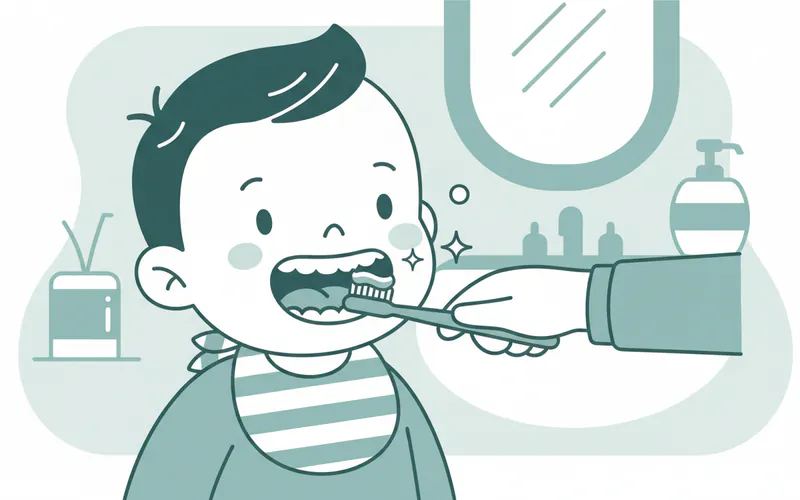
Bad breath in children, including a baby bad breath 1 year old, is a common concern for parents, and while often harmless, it can sometimes signal underlying issues.
Common Causes in Infants and Young Children:
- Poor Oral Hygiene: Just like adults, if food particles (especially from milk, formula, or solid foods) are not effectively removed from teeth, gums, and tongue, bacteria will feast and produce odor. This is particularly common in babies as parents might not be cleaning their mouths regularly.
- Mouth Breathing: Children who breathe through their mouths (due to allergies, enlarged tonsils/adenoids, or nasal congestion) often experience dry mouth, which leads to bad breath.
- Pacifiers and Bottles: If pacifiers or bottle nipples aren't cleaned regularly, they can harbor bacteria and transfer them to the child's mouth. Formula or juice residue in bottles can also become a bacterial breeding ground.
- Dietary Factors: Certain foods, especially garlic and onions, can cause temporary bad breath in children just as they do in adults.
- Tonsillitis/Tonsil Stones: Enlarged or infected tonsils, or the presence of tonsil stones, can be a source of foul odor.
- Cavities and Oral Infections: Untreated tooth decay or oral infections can certainly cause bad breath in children. Even in a baby bad breath 1 year old, early childhood caries (baby bottle tooth decay) can occur.
- Foreign Object in the Nostril: This is a surprisingly common cause of very foul, often localized, bad breath in toddlers. If a child inserts a small object (e.g., a bead, a small toy part) into their nose, it can lead to infection, discharge, and a noticeable unilateral (one-sided) foul smell. This requires immediate medical attention.
- GERD/Acid Reflux: Acid reflux can affect infants and children, causing stomach contents to come back up into the mouth, leading to sour breath.
- Teething: While not a direct cause, the inflammation and increased saliva during teething might alter the oral environment slightly, though it's rarely a primary cause of strong, persistent bad breath.
When to Be Concerned and What to Do:
- Establish Oral Hygiene Early: Start cleaning your baby's gums with a soft cloth even before teeth erupt. Once teeth appear, brush twice daily with a tiny smear (rice-grain size) of fluoride toothpaste. As they grow, teach them to brush and encourage tongue cleaning.
- Hydration: Ensure your child drinks plenty of water, especially if they are mouth breathing.
- Check for Foreign Objects: If your toddler has sudden, very strong, foul-smelling breath, especially with unilateral nasal discharge, check for a foreign object and seek immediate medical attention if suspected.
- Pediatric Dental Visits: Schedule your child's first dental visit by their first birthday or when their first tooth erupts. Regular check-ups are crucial for catching cavities or gum issues early.
- Consult a Pediatrician/Dentist: If bad breath is persistent, accompanied by fever, nasal discharge, difficulty breathing, or changes in eating habits, consult a pediatrician or pediatric dentist to rule out underlying medical or dental conditions. They can assess for allergies, enlarged tonsils, sinus infections, or other issues.
- Clean Pacifiers/Bottles: Ensure all feeding and comfort items are cleaned regularly.
Cost Breakdown
As discussed, the cost of treating bad breath is highly dependent on its origin. Here's a more consolidated cost breakdown for common interventions in the US, considering various scenarios.
Average US Costs (Without Insurance)
- Initial Assessment (Exam & Basic X-rays): $50 - $250
- This is typically the starting point to determine the cause.
- Prevention & Maintenance:
- Routine Professional Cleaning (Prophylaxis): $75 - $200 per visit.
- At-Home Oral Hygiene Supplies: $10 - $30 per month (toothbrush, toothpaste, floss, tongue scraper, mouthwash).
- Addressing Oral Causes:
- Dental Fillings:
- Amalgam (silver, 1-2 surfaces): $50 - $150
- Composite (tooth-colored, 1-2 surfaces): $90 - $250
- Deep Cleaning (Scaling & Root Planing): $200 - $600 per quadrant (totaling $800 - $2,400 for a full mouth).
- Periodontal Maintenance: $100 - $250 per visit (more frequent than routine cleanings).
- Tooth Extractions (simple): $75 - $300. (Surgical/impacted wisdom teeth: $200 - $600+).
- Treatment of Oral Infections (e.g., Abscess): May include antibiotics ($20-$50) plus root canal therapy ($700-$2,000) or extraction.
- Dental Fillings:
- Addressing Dry Mouth:
- Over-the-counter products (saliva substitutes): $10 - $30 per month.
- Prescription medications: $50 - $200 per month.
- Addressing Extra-Oral Causes:
- Medical Doctor Visit: $100 - $300 for a general practitioner visit (without insurance).
- Specialist Consultations (e.g., ENT, Gastroenterologist): $200 - $500+.
- Medications for systemic conditions: Highly variable ($10 - $500+ per month).
With Insurance
- Preventive Care: Most dental insurance plans cover 80-100% of routine exams and cleanings, often with no or minimal co-pay, especially after a deductible is met.
- Basic Restorative Care (e.g., Fillings): Typically covered at 50-80%, subject to a deductible.
- Major Restorative/Periodontal Care (e.g., Scaling & Root Planing, Surgery, Extractions): Usually covered at 20-50%, after a deductible, and often subject to annual maximums (e.g., $1,000-$2,000 per year).
- Medical Insurance: Treatments for non-oral causes (e.g., sinus infections, GERD, diabetes) fall under medical insurance coverage, subject to your plan's deductibles, co-pays, and co-insurance.
Payment Plans and Financing Options
- In-Office Payment Plans: Many dental practices offer structured payment plans for larger treatments, often interest-free for shorter periods.
- Third-Party Medical Financing: Companies like CareCredit are widely used for dental and medical expenses, offering deferred interest or low-interest financing options based on creditworthiness.
- Dental Schools: University dental schools often provide services at significantly reduced rates, performed by supervised students.
- Community Health Centers/Low-Cost Clinics: These centers aim to provide affordable care to underserved populations and can be an excellent option for those without insurance or with limited financial resources.
Cost-Saving Tips
- Prioritize Prevention: The single best way to save money on dental care is consistent daily oral hygiene and regular preventive check-ups.
- Use Your Insurance: Understand your dental and medical insurance benefits and utilize them for covered services.
- Ask About Discounts: Some dental offices offer discounts for paying in cash or for new patients.
- Consider a Dental Savings Plan: These are not insurance but offer discounted rates on dental services from participating providers for an annual fee.
- Don't Delay Treatment: Small problems become big, expensive problems. A small cavity is much cheaper to fill than treating an abscess or needing a root canal later.
Frequently Asked Questions
Is bad breath a sign of a serious health problem?
In most cases, bad breath originates in the mouth and is due to poor oral hygiene or gum disease. However, persistent bad breath that doesn't improve with excellent oral care can indeed be a sign of underlying systemic health issues like diabetes, kidney failure, liver disease, or chronic sinus infections. If you've addressed oral causes and the problem persists, it's crucial to consult a medical professional.
How can I get rid of bad breath fast?
For fast, temporary relief, brush your teeth, floss thoroughly, and clean your tongue with a scraper. Drink plenty of water to moisten your mouth, and chew sugar-free gum to stimulate saliva. However, for chronic bad breath, these are temporary fixes, and identifying the root cause is necessary for a lasting solution.
What is the best mouthwash for bad breath?
For temporary relief, an alcohol-free antiseptic mouthwash containing ingredients like cetylpyridinium chloride (CPC) or essential oils can help. For more persistent issues, your dentist might prescribe a therapeutic mouthwash like chlorhexidine. Always choose alcohol-free options to avoid exacerbating dry mouth.
Can diet affect bad breath?
Yes, absolutely. Strong-smelling foods like garlic, onions, and certain spices can cause temporary bad breath. These odors can linger in the mouth and also enter the bloodstream, being exhaled through the lungs for hours. High-protein, low-carb diets can also lead to "keto breath" due to ketone production.
What causes baby bad breath at 1 year old?
For a 1-year-old, common causes include poor oral hygiene (food particles, milk/formula residue), mouth breathing, enlarged tonsils/adenoids, pacifier use (if not cleaned), or even a foreign object lodged in the nostril. Dental check-ups are essential to rule out cavities or other oral issues.
How much does it cost to treat bad breath?
The cost varies significantly depending on the cause. Simple solutions like improved oral hygiene supplies may cost $10-$30 per month. Professional dental cleanings range from $75-$200. Treating gum disease can cost $800-$2,400 (full mouth deep cleaning), and addressing cavities can be $50-$250 per filling. Medical treatments for systemic causes are covered by medical insurance.
Is bad breath painful?
Bad breath itself is not painful. However, the underlying conditions that cause bad breath, such as severe tooth decay, gum disease, or oral infections (like abscesses), can be very painful and may require urgent dental treatment.
How long does it take to get rid of chronic bad breath?
Once the cause is identified and treated, improvement can be seen relatively quickly. For oral hygiene improvements, you might notice a difference within a few days to two weeks. Treating gum disease or dental infections might take several weeks for the full effect. If the cause is systemic, improvement depends on how effectively the underlying medical condition is managed.
Are there home remedies for bad breath?
Yes, some home remedies can help temporarily: chewing sugar-free gum, rinsing with salt water, chewing on fresh parsley, or drinking green tea. However, these are palliative measures and do not address underlying causes like gum disease or medical conditions. They should be used in conjunction with, not as a replacement for, professional dental and medical advice.
What if I think I have bad breath, but others say I don't?
This is known as pseudo-halitosis or delusional halitosis. If a dentist confirms there's no objective bad breath despite your persistent belief, it's important to understand this. A dentist can often demonstrate the absence of odor. If the distress remains, psychological counseling may be beneficial to address the anxiety.
When to See a Dentist
It's natural to have occasional bad breath, but persistent or worsening breath odor warrants a visit to your dental professional.
You should schedule a routine appointment with your dentist if:
- Your bad breath is chronic: It doesn't go away after diligent brushing, flossing, and tongue cleaning for more than a week or two.
- You notice a persistent foul taste in your mouth: A sour, bitter, or metallic taste that won't dissipate.
- You have signs of gum disease: Red, swollen, tender, or bleeding gums.
- You have visible signs of tooth decay: Dark spots on teeth or holes.
- You experience chronic dry mouth: A persistent feeling of stickiness or lack of saliva.
- You are concerned about a baby bad breath 1 year old or older child whose bad breath is persistent.
You should seek more immediate attention (call your dentist for guidance) if:
- Bad breath is accompanied by severe tooth pain, swelling of the face or gums, or fever: These could indicate a serious infection or abscess requiring urgent treatment.
- You have difficulty swallowing or persistent sore throat along with bad breath: This could point to a severe infection or tonsil issues.
- You suspect a foreign object in your child's nose or mouth: Especially if there's a very foul, localized smell.
When to consult a medical doctor (after dental causes are ruled out):
- If your dentist determines that your bad breath is not originating from your mouth, they will refer you to a physician. This is crucial for diagnosing and treating underlying systemic conditions like diabetes, kidney problems, liver disease, or chronic respiratory issues. Do not delay seeking medical advice if referred.
Frequently Asked Questions
Medically Reviewed Content
This article was written by our dental health editorial team and reviewed for medical accuracy. Our content follows strict editorial guidelines for reliability and trustworthiness.
Medical Disclaimer
This article is for informational purposes only and does not constitute medical advice. Always consult with a qualified dental professional for diagnosis and treatment. Do not delay seeking professional advice because of something you read on this website.
Related Articles
Dogs Bad Breath: Complete Guide
One whiff is all it takes: that distinctly unpleasant odor emanating from your beloved canine companion. If you've ever wondered, "Why does my dog's breath smell so bad?" you're not alone. It's a common concern among pet owners, with over 80% of dogs showing signs of oral disease by age three. W
February 23, 2026
Sudden Bad Breath in Toddlers: Complete Guide
When your toddler, who usually smells sweet and innocent, suddenly develops an unpleasant odor in their breath, it can be an alarming experience for any parent. Sudden bad breath in toddlers, also known as halitosis, is more common than you might think, affecting a significant number of young ch
February 23, 2026
Mouth Wash for Bad Breath: Complete Guide
Bad breath, medically known as halitosis, is an incredibly common and often embarrassing condition that affects a significant portion of the global population. In the United States alone, more than 80 million people suffer from chronic bad breath, impacting social interactions, professional conf
February 23, 2026
Home Remedies for Bad Breath: Complete Guide
Bad breath, clinically known as halitosis, is a common and often embarrassing condition that affects millions of Americans. Surveys suggest that up to 50% of adults experience chronic bad breath at some point in their lives, making it a significant concern for personal confidence and social inte
February 23, 2026