How to Get Rid of Tonsil Stones
Key Takeaways
- It’s a common scenario: you brush your teeth meticulously, floss regularly, and yet you still find yourself battling persistent bad breath. Or perhaps you’ve experienced a nagging feeling of something stuck in your throat, a chronic sore throat, or even spat out small, foul-smelling white or yellow
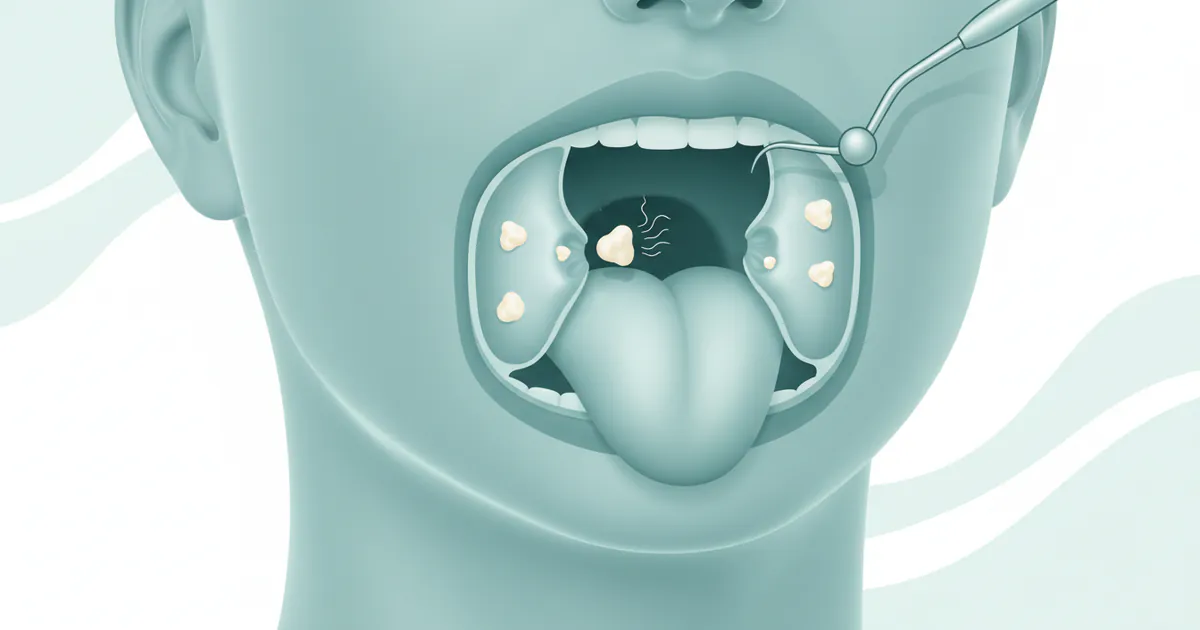
It’s a common scenario: you brush your teeth meticulously, floss regularly, and yet you still find yourself battling persistent bad breath. Or perhaps you’ve experienced a nagging feeling of something stuck in your throat, a chronic sore throat, or even spat out small, foul-smelling white or yellow chunks. If this sounds familiar, you might be dealing with tonsil stones, medically known as tonsilloliths. Affecting an estimated 6-10% of the adult population at some point, tonsil stones are more than just a nuisance; they can significantly impact your oral health, confidence, and quality of life. The good news is that understanding how to get rid of tonsil stones is the first step toward effective management and lasting relief.
This comprehensive guide from SmilePedia.net will equip you with all the knowledge you need, from understanding what tonsil stones are and why they form, to exploring a range of at-home remedies and professional treatment options. We'll delve into step-by-step processes, discuss typical costs and insurance considerations in the US, and provide crucial advice on prevention and when to seek dental or medical attention. Prepare to uncover actionable insights that can help you banish tonsil stones for good and restore your oral comfort and fresh breath.
Key Takeaways:
- What they are: Tonsil stones (tonsilloliths) are calcified deposits of bacteria, food debris, and mucus that form in the crypts of your tonsils.
- Primary symptom: Persistent bad breath (halitosis) is the most common indicator, often accompanied by a sore throat, difficulty swallowing, or a foreign body sensation.
- Home remedies: Mild cases can often be managed with vigorous gargling (saltwater, non-alcoholic mouthwash), using a low-pressure water flosser, or careful manual removal with a cotton swab.
- Professional treatments: For stubborn or recurrent tonsil stones, a dentist or ENT specialist may recommend manual extraction, laser tonsil cryptolysis (LTC), coblation cryptolysis, or, in severe cases, a tonsillectomy.
- Cost ranges: Home remedies are typically low-cost (under $50). Professional cryptolysis can range from $300 to $1,500 per session, while a tonsillectomy can cost anywhere from $4,000 to over $10,000 in the US, depending on factors like location, facility, and insurance coverage.
- Prevention is key: Maintaining excellent oral hygiene, addressing dry mouth, and staying well-hydrated are crucial steps to prevent recurrence.
- When to see a dentist: If home remedies are ineffective, tonsil stones are large, cause significant pain, or are accompanied by signs of infection, professional evaluation is essential.
What Are Tonsil Stones? An Overview
Tonsil stones, scientifically known as tonsilloliths, are small, hard, often irregularly shaped masses that form in the nooks and crannies of your tonsils. Your tonsils, located at the back of your throat, are part of your immune system. They are covered with crypts, folds, and pockets that are designed to trap bacteria, viruses, and other foreign particles entering your mouth.
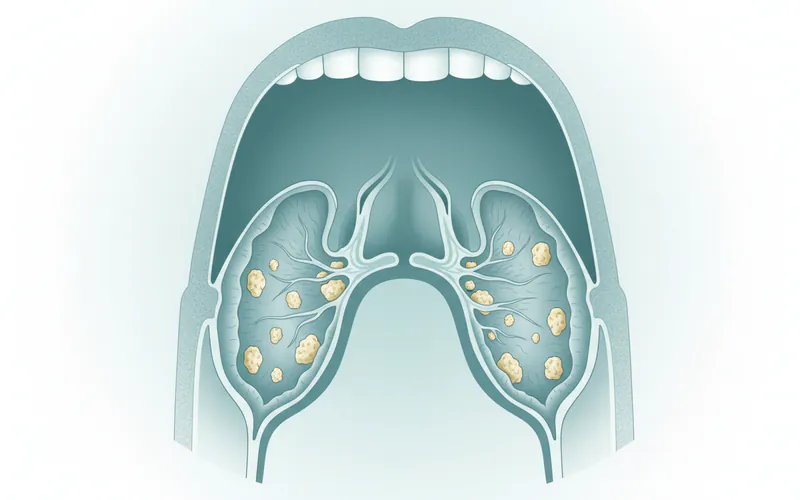
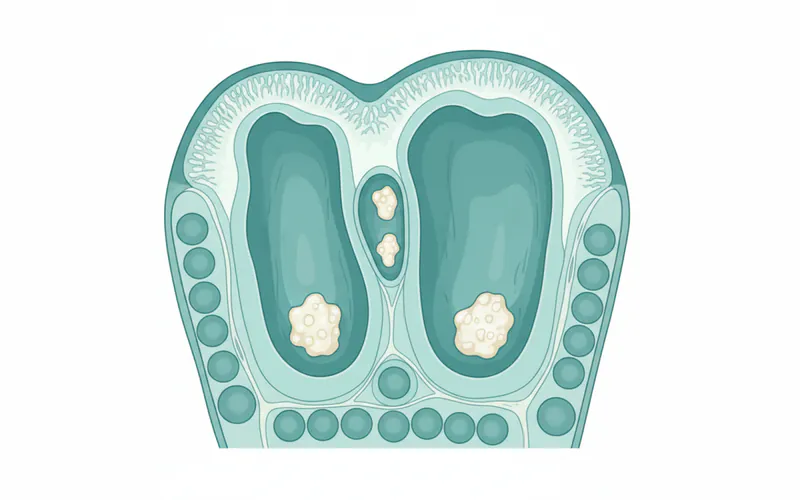
However, these crypts can sometimes become a breeding ground for problems. When trapped food particles, dead cells, mucus, and bacteria accumulate in these crypts, they can combine to form soft debris. Over time, this debris can harden or calcify, much like plaque on teeth, creating the distinct white or yellowish lumps we call tonsil stones. While they can vary significantly in size, from tiny specks barely visible to the naked eye to larger masses over a centimeter, even small ones can cause noticeable symptoms.
Types and Variations
While tonsil stones aren't categorized into distinct "types" in the same way diseases are, their presentation can vary, influencing how they are managed:
By Size
- Micro-tonsilloliths: These are tiny, often unnoticed stones that may only be discovered during a dental exam or when a patient experiences mild, unexplained bad breath. They are usually easily dislodged with gargling.
- Macro-tonsilloliths: These are larger, more noticeable stones that can cause significant discomfort, a feeling of something stuck in the throat, and persistent halitosis. They often require more targeted removal methods.
By Composition
All tonsil stones are essentially composed of the same materials (calcium, magnesium, ammonia, carbonate, and phosphate), but the exact balance can influence their hardness. Some are softer and crumbly, while others are incredibly dense and difficult to dislodge.
By Location
Most tonsil stones form in the palatine tonsils (the ones you see at the back of your throat). Less commonly, they can form in the lingual tonsils, which are located at the base of your tongue and are harder to see without specialized instruments.
Causes: Why Do Tonsil Stones Happen?
The formation of tonsil stones is a multi-factorial process, usually stemming from a combination of anatomical, hygienic, and physiological factors. Understanding these causes is crucial for effective prevention and treatment.
1. Deep Tonsil Crypts
This is perhaps the most significant anatomical predisposition. Individuals with naturally larger tonsils or tonsils that have many deep, irregular crypts are more prone to tonsil stone formation. These crypts provide ideal pockets for debris to accumulate and become trapped.
2. Poor Oral Hygiene
Insufficient brushing and flossing allow food particles, bacteria, and dead cells to accumulate in the mouth. These particles can then migrate to the tonsil crypts, initiating stone formation. Bacteria, especially anaerobic bacteria, thrive in these oxygen-deprived pockets and contribute to the foul odor associated with tonsil stones.
3. Chronic Inflammation or Infection
Repeated bouts of tonsillitis (inflammation of the tonsils) can enlarge the tonsil crypts and increase the amount of inflammatory exudate (pus, dead cells) available for stone formation. Chronic inflammation also contributes to an environment conducive to bacterial growth.
4. Post-Nasal Drip
Mucus dripping down the back of the throat from allergies, colds, or sinusitis can accumulate in the tonsil crypts. This mucus is rich in protein, providing a food source for bacteria and a matrix for calcification.
5. Dry Mouth (Xerostomia)
Saliva plays a crucial role in naturally cleansing the mouth and washing away food particles and bacteria. When you experience dry mouth, whether due to medications, systemic diseases (like Sjögren's syndrome), or simply inadequate hydration, the mouth's self-cleaning mechanism is compromised. Reduced saliva flow means more debris lingers, increasing the likelihood of particles becoming trapped in tonsil crypts and calcifying into tonsil stones. Addressing dry mouth is a key component of preventing tonsil stone recurrence.
6. Certain Foods and Drinks
While not a direct cause, diets high in sugary or processed foods can contribute to an increase in oral bacteria, indirectly fostering an environment where tonsil stones are more likely to form. Acidic drinks can also irritate tonsils and contribute to inflammation.
7. Tobacco and Alcohol Use
Smoking and excessive alcohol consumption can irritate the oral tissues, contribute to dry mouth, and disrupt the healthy oral microbiome, making individuals more susceptible to tonsil stone development.
Pro Tip:** If you frequently experience dry mouth, consult your dentist or physician to identify the underlying cause. Staying well-hydrated and using over-the-counter saliva substitutes can help mitigate dry mouth symptoms and reduce tonsil stone risk.
Signs and Symptoms: What to Look For
Tonsil stones can be tricky because their symptoms often mimic other conditions. However, a combination of these signs usually points towards tonsilloliths:
- Halitosis (Bad Breath): This is by far the most common and often the most distressing symptom. The anaerobic bacteria trapped within the stones produce sulfur compounds, leading to an extremely foul odor that often cannot be resolved with brushing or mouthwash alone.
- Sore Throat: The presence of a stone, especially a larger one, can irritate the tonsil tissue, leading to localized pain or discomfort in the throat.
- Difficulty Swallowing (Dysphagia): Larger tonsil stones can create a physical obstruction, making swallowing food or even liquids uncomfortable or challenging.
- Foreign Body Sensation: Many individuals report feeling like something is stuck in the back of their throat, even if they can't see anything. This sensation is often due to the stone itself or the inflammation it causes.
- Ear Pain: Because the tonsils and ears share common nerve pathways (referred pain via the glossopharyngeal nerve), tonsil stones can sometimes manifest as an ache or discomfort in the ear, particularly on the same side as the stone.
- Tonsil Swelling: The affected tonsil may appear red, inflamed, or noticeably swollen.
- Visible White or Yellow Debris: In many cases, you might be able to see white, yellow, or grayish specks or lumps on your tonsils. These are the tonsil stones themselves. They might be small and hidden deep within the crypts or large and protruding.
- Coughing or Gagging: The irritation or foreign body sensation can trigger a persistent cough or gag reflex in an attempt to dislodge the stone.
It's important to note that sometimes tonsil stones can be asymptomatic, discovered only incidentally during a dental exam or imaging for another condition.
Treatment Options: Getting Rid of Tonsil Stones
The approach to getting rid of tonsil stones ranges from simple home remedies for mild cases to advanced medical procedures for persistent or severe situations.
A. At-Home Remedies (For Mild to Moderate Cases)
For many individuals, tonsil stones can be effectively managed with methods you can perform yourself. These options are generally low-risk and low-cost.
-
Vigorous Gargling:
- Description: Gargling with various solutions can help dislodge stones and clean tonsil crypts.
- Methods:
- Warm Saltwater: Mix 1/2 teaspoon of salt in 8 ounces of warm water. Saltwater acts as a natural antiseptic and can help reduce inflammation.
- Non-Alcoholic Mouthwash: Using an antiseptic, non-alcoholic mouthwash can help kill bacteria and freshen breath without causing further irritation or contributing to dry mouth.
- Diluted Apple Cider Vinegar: Some individuals find a diluted apple cider vinegar rinse helpful, but be cautious as acidity can erode tooth enamel over time.
- Pros: Inexpensive, easily accessible, often effective for smaller stones, promotes overall oral hygiene.
- Cons: Not always effective for larger or deeply embedded stones.
- Frequency: Several times a day, especially after meals.
-
Manual Removal (Cautiously!):
- Description: Gently dislodging visible tonsil stones using a soft, blunt object.
- Methods:
- Cotton Swab: Moisten a clean cotton swab and gently press around the visible stone. Avoid sharp objects like toothpicks.
- Clean Finger: A clean finger can sometimes be used to apply gentle pressure.
- Pros: Direct removal, immediate relief if successful.
- Cons: Significant risk of injury, infection, and discomfort if not done correctly. Can push stones deeper. Should be done with extreme caution.
- Pro Tip: If attempting manual removal, stand in front of a mirror with good lighting. Use a flashlight if needed. Never use excessive force. If you experience pain or bleeding, stop immediately.
-
Low-Pressure Water Flosser (Water Pik):
- Description: A water flosser can be used on its lowest setting to gently flush out tonsil crypts.
- Pros: Less invasive than manual scraping, effective at flushing out debris from deep crypts.
- Cons: Can be uncomfortable, risk of gagging, requires careful aim.
- Frequency: Use once daily on the lowest setting, aiming carefully at the crypts.
-
Sucking on Lozenges:
- Description: Lozenges (sugar-free) can help stimulate saliva production, which can naturally help dislodge stones and cleanse the throat, especially beneficial for those with dry mouth.
- Pros: Soothes throat, stimulates saliva.
- Cons: Not a primary removal method, more for adjunctive relief.
B. Professional Treatment Options (For Persistent or Severe Cases)
When home remedies are insufficient, or tonsil stones are recurrent, large, or cause significant symptoms, a dentist or an Ear, Nose, and Throat (ENT) specialist can offer more definitive solutions.
-
Manual Extraction by a Professional:
- Description: A dental professional or ENT uses specialized instruments (e.g., curettes, suction devices) to carefully and safely remove tonsil stones.
- Pros: Safe, effective for many cases, immediate relief.
- Cons: Does not prevent recurrence, some discomfort during the procedure.
- Cost: Usually falls under a standard office visit, $50-$200 without insurance, depending on complexity.
-
Tonsil Cryptolysis (Laser or Coblation):
- Description: These minimally invasive procedures aim to smooth out or reduce the depth of tonsil crypts, making them less likely to trap debris.
- Types:
- Laser Tonsil Cryptolysis (LTC): Uses a CO2 laser to vaporize the outer layer of the tonsils, effectively reducing the size and depth of the crypts. Performed under local anesthesia.
- Coblation Cryptolysis: Uses radiofrequency energy to gently ablate (remove tissue) at a lower temperature than laser, which can lead to less post-operative pain and faster recovery. Also performed under local anesthesia.
- Pros: Minimally invasive, preserves tonsil tissue, significantly reduces or eliminates tonsil stones, shorter recovery than tonsillectomy.
- Cons: May require multiple sessions, recurrence is still possible but less likely, potential for discomfort, bleeding, or infection.
- Cost: Typically ranges from $300 to $1,500 per session without insurance, often not fully covered by medical insurance as it's sometimes considered elective.
- ADA Recommendation: While not directly an ADA guideline, the ADA generally supports minimally invasive procedures to address chronic oral conditions when conservative treatments fail.
-
Tonsillectomy:
- Description: Surgical removal of the tonsils. This is considered the most definitive treatment for recurrent, large, or symptomatic tonsil stones that do not respond to other therapies.
- Pros: Permanent solution, eliminates tonsil stones entirely, also treats recurrent tonsillitis.
- Cons: Invasive surgery, requires general anesthesia, significant post-operative pain and recovery time (typically 1-2 weeks), risks associated with any surgery (bleeding, infection, anesthesia complications).
- Cost: One of the most expensive options, ranging from $4,000 to over $10,000 in the US, depending on the facility, surgeon's fees, and anesthesia. Often covered by insurance if deemed medically necessary (e.g., severe, recurrent tonsil stones causing chronic infection or airway obstruction).
Comparison of Treatment Options
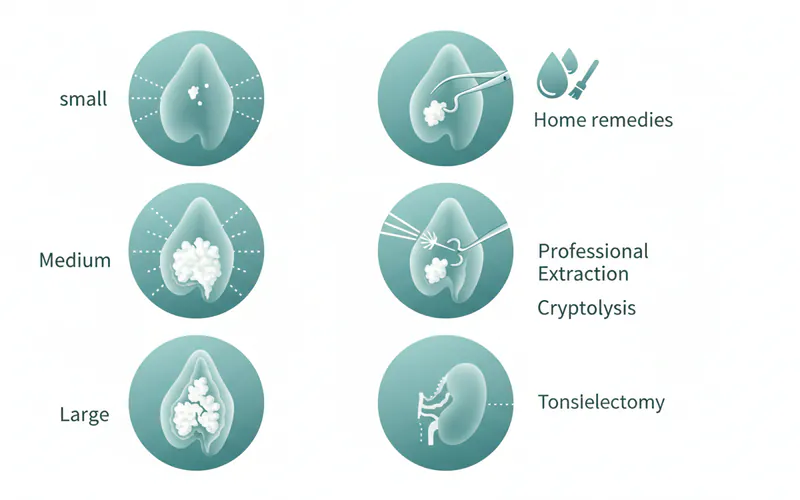
Here's a detailed comparison to help you weigh your options:
| Treatment Option | Effectiveness for Tonsil Stones | Invasiveness | Typical Cost (US, without insurance) | Recovery Time | Recurrence Risk |
|---|---|---|---|---|---|
| Warm Saltwater Gargle | Moderate (small stones) | Very Low | Low (under $10) | None | High |
| Manual Removal (Home) | Moderate (visible stones) | Low | Low (under $20) | Minor | High |
| Water Flosser (Low-Pres) | Moderate (small/medium stones) | Low | Low ($50-$100 for device) | None | High |
| Professional Extraction | High (for existing stones) | Low | $50 - $200 | Minimal | High |
| Tonsil Cryptolysis (LTC/Coblation) | High (reduces recurrence) | Moderate | $300 - $1,500 per session | 1-3 days | Low-Moderate |
| Tonsillectomy | Very High (eliminates stones) | High | $4,000 - $10,000+ | 1-2 weeks | Very Low |
Step-by-Step Process: What to Expect
The process for getting rid of tonsil stones varies significantly based on the chosen treatment method.
For At-Home Remedies:
- Self-Assessment: Gently examine your tonsils in a well-lit mirror. Identify any visible stones.
- Gargle: Start with warm saltwater gargles. Tilt your head back and gargle vigorously for 30-60 seconds. Repeat 2-3 times, multiple times a day.
- Water Flosser (if applicable): If you have a water flosser, fill it with warm water. Set it to the lowest pressure. Carefully aim the stream at the tonsil crypts where stones are visible. Do NOT aim directly at the stone with high pressure, as this can cause injury.
- Gentle Manual Removal (if necessary and cautious): If stones are still visible and easily accessible, gently use a moistened cotton swab to apply pressure to the tissue surrounding the stone, trying to "pop" it out. Stop immediately if you feel pain or see blood.
- Rinse: Follow any removal attempt with another gargle to flush out loosened debris.
- Prevention: Continue with good oral hygiene, hydrate, and address underlying issues like dry mouth.
For Professional Cryptolysis (Laser or Coblation):
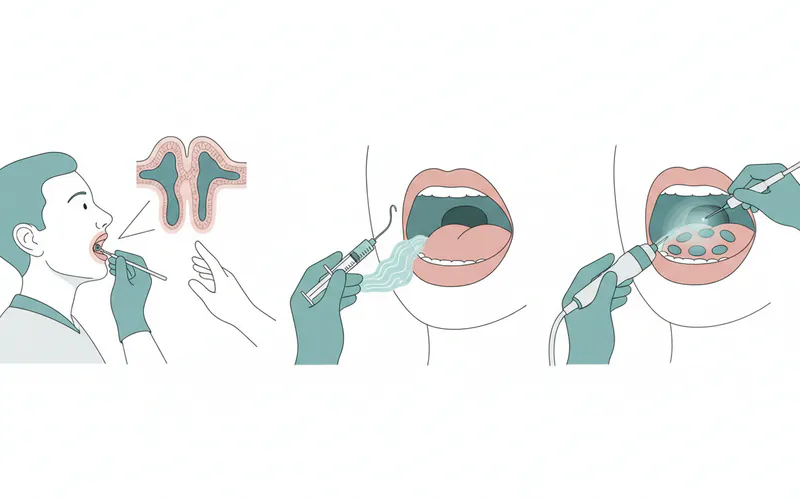
- Consultation: You'll meet with an ENT specialist. They will examine your tonsils, discuss your symptoms, and determine if cryptolysis is suitable. They'll explain the procedure, risks, and expected outcomes.
- Preparation: On the day of the procedure, you'll receive local anesthesia, usually a spray or injection, to numb your tonsils and the surrounding area. You'll be awake but comfortable.
- Procedure:
- LTC: The ENT will use a handheld CO2 laser device to vaporize the surface of your tonsils, effectively widening and shallowing the crypts.
- Coblation: A specialized wand that emits radiofrequency energy is used to gently dissolve and remove tissue, reducing crypt depth.
- Duration: The procedure typically takes 20-30 minutes per side.
- Post-Procedure: You may experience mild discomfort, similar to a sore throat, for a few days. You'll receive instructions on pain management and aftercare. Multiple sessions might be recommended.
For Tonsillectomy:
- Consultation: An ENT specialist will thoroughly evaluate your condition, review your medical history, and determine if tonsillectomy is medically necessary. They will discuss the surgical approach, general anesthesia, potential risks, and recovery.
- Pre-Operative Instructions: You'll be given guidelines regarding fasting before surgery, medications to avoid, and what to expect on the day of surgery.
- Surgery Day:
- You will arrive at the surgical facility (hospital or outpatient clinic).
- You'll be prepared for surgery, including an IV line for fluids and medication.
- General anesthesia will be administered, putting you into a deep sleep throughout the procedure.
- The surgeon will remove both tonsils using one of several techniques (e.g., scalpel, electrocautery, coblation).
- Post-Operative Care:
- You'll wake up in the recovery room.
- Pain management will begin immediately.
- You'll likely be discharged the same day for adults, or possibly an overnight stay for children or complex cases.
- Detailed recovery instructions will be provided.
Cost and Insurance in the US
The cost of getting rid of tonsil stones can vary significantly based on the treatment approach, geographic location, facility fees, and the specific healthcare provider. Insurance coverage is also a major factor.
Cost Ranges Without Insurance (Out-of-Pocket):
- Home Remedies:
- Warm Saltwater: Negligible (cost of salt)
- Mouthwash: $5 - $15
- Cotton Swabs: $3 - $10
- Water Flosser: $50 - $100+
- Total for DIY supplies: $10 - $125
- Professional Manual Extraction:
- Dentist or ENT office visit: $50 - $200 (this typically includes the extraction itself if minor).
- Tonsil Cryptolysis (Laser or Coblation):
- Per session: $300 - $1,500. Some patients may need 2-3 sessions for optimal results, totaling $600 - $4,500.
- This usually includes the procedure fee, local anesthesia, and follow-up.
- Tonsillectomy:
- Total Cost (Surgeon's fee, anesthesia, facility fee): $4,000 - $10,000+.
- Outpatient surgery centers are generally less expensive than hospital settings.
- Complications can add to the cost.
Insurance Coverage Details:
- Home Remedies: Not covered by insurance.
- Professional Manual Extraction: Often covered by dental insurance (as part of a general exam or minor procedure) or medical insurance (if performed by an ENT). Check your plan for co-pays and deductibles.
- Tonsil Cryptolysis: This is a tricky area. Some medical insurance plans may cover it, especially if tonsil stones are causing chronic symptoms like infection or severe halitosis affecting quality of life. However, many consider it an elective cosmetic procedure or an "alternative" treatment, and coverage can be partial or denied. It's crucial to get pre-authorization from your insurance provider.
- Tonsillectomy: Generally well-covered by medical insurance if deemed "medically necessary." Criteria for medical necessity typically include:
- Recurrent tonsil stones causing persistent infection, chronic bad breath, or difficulty swallowing.
- Frequent bouts of tonsillitis (e.g., 7 times in 1 year, 5 times per year for 2 years, or 3 times per year for 3 years).
- Airway obstruction, sleep apnea, or other severe complications related to tonsil enlargement.
- You will still be responsible for co-pays, deductibles, and co-insurance as per your plan.
Pro Tip:** Always contact your insurance provider directly before undergoing any professional procedure. Ask for specific coverage details, required pre-authorizations, and estimated out-of-pocket costs. Get everything in writing if possible.
Recovery and Aftercare
Recovery varies greatly depending on the treatment method.
For Home Remedies & Professional Manual Extraction:
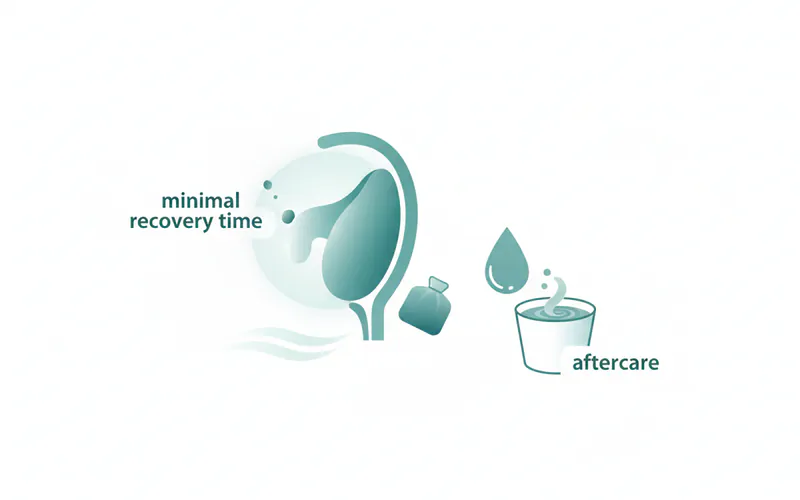
- Recovery: Minimal to no recovery time. You might have a slightly sore throat for a few hours if the tonsil was irritated.
- Aftercare: Continue with good oral hygiene, warm saltwater gargles, and hydrate well. Monitor for recurrence.
For Tonsil Cryptolysis:
- Recovery: Typically 1-3 days of mild to moderate sore throat. You can usually return to normal activities quickly.
- Aftercare:
- Pain Management: Over-the-counter pain relievers (acetaminophen, ibuprofen) are usually sufficient.
- Diet: Soft, cool foods and liquids for the first 24-48 hours. Avoid hot, spicy, or crunchy foods.
- Hydration: Drink plenty of fluids to keep the throat moist and aid healing.
- Oral Hygiene: Continue gentle oral hygiene. Your doctor may recommend specific gargles.
- Follow-up: A follow-up appointment is often scheduled to assess healing and results.
For Tonsillectomy:
- Recovery: This is the most challenging recovery period, typically lasting 1 to 2 weeks for adults, and often slightly shorter for children.
- Aftercare:
- Pain Management: Prescription pain medication is usually necessary for the first few days, followed by over-the-counter options. Pain can be severe and may radiate to the ears.
- Diet: Critical for healing. Start with clear liquids, then soft, cool foods (e.g., popsicles, ice cream, mashed potatoes, applesauce). Gradually introduce solid foods as tolerated. Avoid citrus, spicy, crunchy, or hot foods for at least 1-2 weeks.
- Hydration: Extremely important to prevent dehydration and aid healing. Drink fluids constantly.
- Rest: Significant rest is required for at least a week. Avoid strenuous activity.
- Bleeding: Minor bleeding or blood-tinged saliva is common. Significant bleeding (more than a few drops) is an emergency and requires immediate medical attention.
- White Patches: White patches may appear on the tonsil beds as part of the normal healing process; this is not infection unless accompanied by fever or increasing pain.
- Follow-up: A post-operative check-up is scheduled, usually within 1-2 weeks.
Prevention: How to Keep Tonsil Stones Away
Prevention is always better than cure, especially when it comes to recurrent tonsil stones. A multi-pronged approach targeting the root causes is most effective.
-
Maintain Excellent Oral Hygiene:
- Brush twice daily: Use a soft-bristled toothbrush and fluoride toothpaste. Brush your teeth, gums, and tongue thoroughly.
- Floss daily: Remove food particles and plaque from between teeth and below the gumline.
- Scrape your tongue: Use a tongue scraper to remove bacteria and debris from the surface of your tongue, significantly reducing overall oral bacteria that can contribute to tonsil stones and bad breath.
- Gargle regularly: Incorporate a daily regimen of gargling with warm saltwater or an oxygenating, non-alcoholic mouthwash. This helps dislodge any forming debris and washes out crypts.
-
Stay Hydrated:
- Drink plenty of water: Water helps keep your mouth moist and flushes away food particles and bacteria. Aim for at least 8 glasses (64 ounces) of water daily.
- Address Dry Mouth: If you suffer from chronic dry mouth, identify and treat the underlying cause. This might involve adjusting medications with your doctor, using saliva substitutes, or incorporating sugar-free chewing gum or lozenges to stimulate saliva flow. Consistent dry mouth can create an ideal environment for tonsil stone formation.
-
Manage Post-Nasal Drip and Allergies:
- If you have chronic post-nasal drip due to allergies or sinusitis, manage these conditions effectively.
- Use nasal rinses (e.g., saline solutions, neti pots) to clear nasal passages.
- Consult an allergist or ENT for appropriate allergy medications or treatments for sinusitis.
-
Avoid or Limit Certain Foods and Drinks:
- Sugary and Processed Foods: These can promote bacterial growth in the mouth.
- Dairy Products: Some individuals find that excessive dairy consumption can increase mucus production, potentially contributing to tonsil stones. Monitor your own response.
- Alcohol and Tobacco: Both can cause dry mouth and irritate oral tissues. Quitting or significantly reducing consumption is highly beneficial.
-
Consider an Oral Irrigator:
- A low-pressure water flosser can be a valuable tool for daily prevention, gently flushing out tonsil crypts before debris has a chance to harden.
Comparison of Prevention Methods
| Prevention Method | Effectiveness (Reduction in Recurrence) | Ease of Implementation | Cost (Typical Annual) | Key Benefit |
|---|---|---|---|---|
| Excellent Oral Hygiene | High | Easy | Low ($50-$100) | Reduces bacterial load & debris |
| Hydration/Dry Mouth Mgmt | High | Easy | Low (water) - Medium | Promotes natural cleansing, washes away debris |
| Gargling (Daily) | Moderate-High | Easy | Low ($10-$50) | Dislodges nascent debris, antiseptic |
| Manage Post-Nasal Drip | Moderate | Medium | Medium ($50-$300+) | Reduces mucus accumulation |
| Dietary/Lifestyle Mod. | Moderate | Medium | Low (cost-saving) | Reduces bacterial food sources, irritation |
| Water Flosser (Preventative) | Moderate | Medium | Low ($0-$10/yr supplies) | Flushes crypts gently |
Risks and Complications
While tonsil stones are generally not dangerous, improper handling or neglect can lead to complications.
A. Risks Associated with Tonsil Stones Themselves:
- Chronic Halitosis: Persistent bad breath can lead to social anxiety and reduced quality of life.
- Chronic Sore Throat/Discomfort: Constant irritation and inflammation.
- Difficulty Swallowing: Can interfere with eating and drinking, potentially leading to weight loss in severe cases.
- Tonsil Infections (Tonsillitis): Tonsil stones can harbor bacteria and contribute to recurrent infections.
- Tonsil Abscess: In rare cases, severe infection associated with tonsil stones can lead to an abscess (pus collection) requiring drainage.
- Psychological Impact: The embarrassment of bad breath or the constant foreign body sensation can cause significant stress.
B. Risks of At-Home Removal:
- Injury to Tonsil Tissue: Using excessive force or sharp objects can cause bleeding, lacerations, or bruising to the delicate tonsil tissue.
- Infection: Introducing unsterile objects into the mouth can lead to secondary infections.
- Pushing Stones Deeper: Improper technique can force stones further into the tonsil crypts, making them harder to remove and potentially causing more irritation.
- Gagging/Aspiration: Gagging during removal attempts can be unpleasant and, in rare instances, lead to aspiration (inhaling) of the dislodged stone.
C. Risks of Professional Treatments:
- Tonsil Cryptolysis (LTC/Coblation):
- Pain and Swelling: Common post-procedure discomfort.
- Bleeding: Minor bleeding is possible.
- Infection: Low risk, usually managed with antibiotics if necessary.
- Incomplete Removal/Recurrence: While significantly reduced, recurrence is still possible.
- Tonsillectomy: This is a major surgery with higher risks:
- Anesthesia Risks: Reactions to general anesthesia (nausea, vomiting, breathing problems, heart problems).
- Post-Operative Bleeding: The most serious complication, especially 5-10 days after surgery when scabs fall off. Can be life-threatening and require emergency intervention.
- Infection: Risk of bacterial infection at the surgical site.
- Pain: Severe and prolonged pain, often radiating to the ears.
- Dehydration: Due to difficulty swallowing and pain.
- Voice Change: Temporary or, rarely, permanent changes in voice quality.
- Swelling: Of the uvula or tongue, potentially affecting breathing.
Children / Pediatric Considerations
Tonsil stones are less common in very young children but can occur in older children and adolescents, especially those with large tonsils or a history of recurrent tonsillitis.
- Symptoms in Children: Children may not articulate their symptoms clearly. Look for:
- Persistent bad breath that doesn't improve with brushing.
- Frequent complaints of a sore throat.
- Difficulty swallowing.
- Earaches (without signs of ear infection).
- Visible white spots on the tonsils.
- Causes: Similar to adults, deep tonsil crypts, poor oral hygiene, post-nasal drip, and chronic tonsillitis are common causes.
- Treatment:
- Home Remedies: Start with regular, gentle gargling with warm saltwater. Encourage good hydration. Manual removal by a parent is strongly discouraged due to the high risk of injury and fear in children.
- Professional Care: If tonsil stones are problematic, a pediatric dentist or ENT specialist should be consulted. They can gently remove visible stones.
- Tonsillectomy: This is a more common consideration for children with chronic tonsil problems (including stones) or recurrent infections. The criteria for tonsillectomy in children are well-established by the American Academy of Otolaryngology—Head and Neck Surgery.
- Parental Guidance: Educate children on proper brushing and flossing techniques. Ensure they drink plenty of water. If you suspect tonsil stones, always seek professional medical advice rather than attempting removal at home.
Cost Breakdown (Detailed)
Understanding the financial aspect is crucial for making informed decisions. Here’s a detailed breakdown of average US costs.
1. Initial Consultation/Diagnosis
- General Dentist/Family Doctor: $75 - $200 (without insurance). This may be covered by your dental or medical insurance with a co-pay.
- ENT Specialist: $150 - $400 (without insurance). Often requires a referral from your primary care physician.
2. At-Home Treatment Supplies
- Salt: Negligible
- Antiseptic Mouthwash (non-alcoholic): $5 - $15 per bottle.
- Water Flosser Device: $50 - $150 (one-time purchase).
- Tongue Scraper: $5 - $15.
3. Professional Removal Procedures
- Manual Extraction (in-office):
- Usually included in an office visit: $50 - $200.
- Tonsil Cryptolysis (Laser/Coblation):
- Total Cost Per Session: $300 - $1,500.
- This typically covers: Anesthesia (local), Surgeon's fee, Facility fee.
- As mentioned, insurance coverage is highly variable. If considered elective, you pay out-of-pocket.
- Tonsillectomy:
- Surgeon's Fee: $1,500 - $4,000+
- Anesthesia Fee: $500 - $1,500+ (depends on duration and type)
- Facility Fee (Hospital/Outpatient Center): $2,000 - $6,000+
- Total Estimated Cost (Without Insurance): $4,000 - $10,000+. This does not include post-operative medications or potential follow-up visits.
- With Insurance (Medically Necessary): Your out-of-pocket will be your deductible (often $1,000 - $5,000+ for PPO plans), co-insurance (e.g., 10-30% of remaining cost until you hit your out-of-pocket maximum), and co-pays.
Payment Plans and Financing Options
- Dental/Medical Credit Cards: Companies like CareCredit offer special financing options with deferred interest for specific periods.
- Payment Plans: Many dental and ENT offices offer in-house payment plans, allowing you to pay the cost over several months.
- Health Savings Accounts (HSAs) / Flexible Spending Accounts (FSAs): These tax-advantaged accounts can be used to pay for qualified medical expenses, including tonsil stone treatments.
- Negotiation: For uninsured patients, it's sometimes possible to negotiate a lower cash price with the provider or facility.
Cost-Saving Tips
- Check Insurance: Thoroughly understand your dental and medical insurance benefits before any procedure. Get pre-authorizations for cryptolysis or tonsillectomy.
- Compare Providers: Costs can vary significantly between different dentists, ENTs, and surgical facilities. Get multiple quotes if possible.
- Outpatient vs. Hospital: If tonsillectomy is recommended, an outpatient surgical center is generally less expensive than a hospital.
- Preventive Care: The best cost-saving measure is prevention. Consistent oral hygiene and addressing underlying factors like dry mouth can save you significant money and discomfort in the long run.
Frequently Asked Questions
What are tonsil stones made of?
Tonsil stones are primarily composed of a combination of oral bacteria (especially anaerobic bacteria), dead cells, mucus, and food particles. Over time, these materials calcify, meaning they harden due to the accumulation of minerals like calcium, magnesium, ammonia, and phosphate, forming the characteristic white or yellowish stones.
Are tonsil stones contagious?
No, tonsil stones are not contagious. They are a localized phenomenon resulting from the accumulation of debris in the tonsil crypts and are not caused by an infectious agent that can be passed from person to person. However, if they contribute to an underlying bacterial infection, that infection itself could potentially be spread.
Do tonsil stones go away on their own?
Small tonsil stones can sometimes dislodge and go away on their own during coughing, sneezing, or eating. However, larger or deeply embedded stones often persist and may even grow in size if left untreated. Regular good oral hygiene and gargling can help prevent their formation and encourage dislodgement.
Are tonsil stones painful?
Tonsil stones can be painful, especially if they are large or cause significant inflammation of the tonsils. Pain may manifest as a sore throat, discomfort when swallowing, or even earaches due to referred pain. Smaller stones, however, may be asymptomatic or only cause a mild foreign body sensation.
Can dry mouth cause tonsil stones?
Yes, dry mouth (xerostomia) is a significant contributing factor to tonsil stone formation. Saliva plays a crucial role in naturally cleansing the mouth and washing away food particles and bacteria. Reduced saliva flow due to dry mouth allows more debris to accumulate in the tonsil crypts, increasing the likelihood of calcification and stone development.
Is it safe to remove tonsil stones at home?
Manual removal of tonsil stones at home can be done cautiously for visible, easily accessible stones using a soft, moistened cotton swab or a low-pressure water flosser. However, it carries risks such as injury to the tonsils, infection, or pushing the stones deeper. Always use extreme gentleness and stop if you experience pain or bleeding.
How long does it take for tonsil stones to form?
The time it takes for tonsil stones to form can vary widely. Small debris can accumulate in crypts over days or weeks. The calcification process, where these soft deposits harden into stones, can take weeks to months. Regular oral hygiene helps prevent this hardening process.
Can tonsil stones lead to more serious conditions?
While generally benign, chronic tonsil stones can lead to persistent bad breath, chronic sore throat, recurrent tonsillitis, and in rare cases, tonsil abscesses. They do not directly cause life-threatening conditions but can significantly impact oral health and quality of life.
What is the difference between tonsil stones and strep throat?
Tonsil stones are calcified debris in the tonsil crypts, causing bad breath and sometimes discomfort. Strep throat is a bacterial infection (Streptococcus pyogenes) of the throat and tonsils, characterized by sudden onset sore throat, fever, difficulty swallowing, and sometimes white spots/streaks of pus on the tonsils. Strep throat is contagious and requires antibiotic treatment.
Does insurance cover tonsillectomy for tonsil stones?
Medical insurance often covers tonsillectomy if it is deemed medically necessary. This usually means recurrent, severe tonsil stones causing chronic symptoms (e.g., frequent infections, debilitating bad breath, airway issues) that have not responded to conservative treatments. You will still be responsible for deductibles, co-pays, and co-insurance.
When to See a Dentist or ENT Specialist
While many mild cases of tonsil stones can be managed with home remedies, there are clear instances when professional medical attention is warranted.
See a dentist or an Ear, Nose, and Throat (ENT) specialist if you experience:
- Persistent Symptoms: If your tonsil stones cause chronic bad breath, a persistent sore throat, or difficulty swallowing that doesn't improve with consistent home remedies over several weeks.
- Large or Deeply Embedded Stones: If you can see large tonsil stones that you cannot safely dislodge yourself, or if you suspect stones are present but cannot see them.
- Frequent Recurrence: If tonsil stones return frequently despite diligent oral hygiene and preventive measures.
- Severe Pain: If you experience significant or worsening pain in your throat or ear.
- Signs of Infection:
- Fever
- Increased Swelling and Redness of the tonsils or surrounding area.
- Difficulty opening your mouth (trismus).
- Difficulty breathing or severe changes in your voice.
- Bleeding: Any significant bleeding from the tonsil area, especially after attempting home removal.
- Impact on Quality of Life: If tonsil stones are causing you significant social anxiety due to bad breath, interfering with eating, or affecting your sleep.
A dental professional can provide safe, effective removal and offer strategies for prevention. An ENT specialist is particularly well-suited for evaluating chronic tonsil issues, diagnosing underlying conditions, and performing procedures like tonsil cryptolysis or tonsillectomy if necessary. Early intervention can prevent minor issues from escalating into more complicated problems, ensuring your oral and overall health.
Frequently Asked Questions
Medically Reviewed Content
This article was written by our dental health editorial team and reviewed for medical accuracy. Our content follows strict editorial guidelines for reliability and trustworthiness.
Medical Disclaimer
This article is for informational purposes only and does not constitute medical advice. Always consult with a qualified dental professional for diagnosis and treatment. Do not delay seeking professional advice because of something you read on this website.
Related Articles
Oral Candidiasis Symptoms: Complete Guide
Oral candidiasis, commonly known as oral thrush, is a fungal infection of the mouth caused by an overgrowth of Candida yeast, most often Candida albicans. While Candida is a normal inhabitant of the human mouth in small amounts, an imbalance can lead to uncomfortable and sometimes painful symptoms
February 23, 2026
Are Cold Sores Contagious
In the United States, an estimated 67% of the population under age 50 carries the herpes simplex virus type 1 (HSV-1), the primary cause of cold sores. This means millions of Americans are susceptible to these often painful and highly visible oral lesions. Beyond the discomfort and cosmetic conc
February 23, 2026
How Long Does Hand Foot and Mouth Last
Hand, Foot, and Mouth Disease (HFMD) is a common, often uncomfortable, viral illness that can affect anyone but is particularly prevalent among young children. If you or a loved one has ever experienced the tell-tale rash or painful mouth sores, you've likely wondered: **how long does Hand Foot and
February 23, 2026
Cold Sore vs Pimple on Lip: Complete Comparison Guide
When you notice an unexpected bump or lesion on your lip, your mind might immediately jump to questions of what it is, how long it will last, and most importantly, if it's contagious. The confusion between a cold sore vs pimple on lip is incredibly common, yet the distinction is crucial for prop
February 23, 2026