Oral Candidiasis Symptoms: Complete Guide
Key Takeaways
- Oral candidiasis, commonly known as oral thrush, is a fungal infection of the mouth caused by an overgrowth of Candida yeast, most often Candida albicans. While Candida is a normal inhabitant of the human mouth in small amounts, an imbalance can lead to uncomfortable and sometimes painful symptoms
Oral Candidiasis Symptoms: Complete Guide
Oral candidiasis, commonly known as oral thrush, is a fungal infection of the mouth caused by an overgrowth of Candida yeast, most often Candida albicans. While Candida is a normal inhabitant of the human mouth in small amounts, an imbalance can lead to uncomfortable and sometimes painful symptoms. Estimates suggest that oral candidiasis affects up to 60% of healthy infants and up to 20% of adults undergoing cancer treatment, highlighting its widespread impact across different populations. Understanding oral candidiasis symptoms is crucial for early detection and effective treatment, preventing potential complications and improving overall oral health.

This comprehensive guide will delve into the various facets of oral candidiasis, from its underlying causes and different types to detailed symptom identification, available treatment options, and crucial prevention strategies. We will explore what to expect during diagnosis and recovery, discuss associated costs and insurance considerations, and address specific concerns for children and other vulnerable groups. Our aim is to provide you with the definitive resource to recognize, manage, and prevent oral thrush, ensuring you maintain a healthy and comfortable mouth.
Key Takeaways:
- Oral candidiasis (thrush) is a fungal infection caused by Candida yeast overgrowth in the mouth.
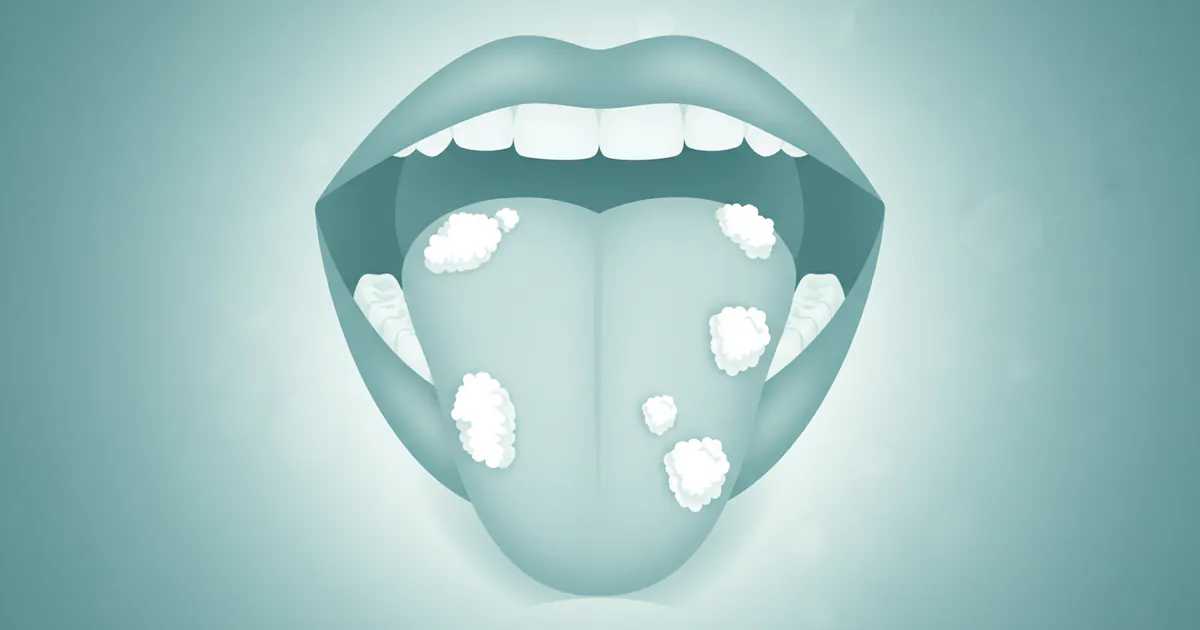
- Common oral candidiasis symptoms include white, creamy lesions on the tongue, inner cheeks, roof of the mouth, gums, and tonsils, often accompanied by soreness, burning, and difficulty swallowing.
- Risk factors include weakened immune systems, antibiotic use, steroid inhalers, diabetes, dry mouth, and ill-fitting dentures.
- Treatment typically involves antifungal medications (topical or systemic), with costs ranging from $30-$200 for medications and $75-$250 for a dental visit, often covered by dental or medical insurance.
- Symptoms usually improve within 7-14 days with appropriate treatment, but recurrence is possible if underlying causes aren't addressed.
- Good oral hygiene, proper denture care, and managing underlying health conditions are key to prevention.
- Unlike oral thrush, canker sores are typically painful, open sores, not white, creamy patches, and are not caused by a fungus.
What Is Oral Candidiasis? An Overview
Oral candidiasis, commonly referred to as oral thrush, is a fungal infection that develops in the mouth. It is primarily caused by an overgrowth of yeast belonging to the Candida genus, most frequently Candida albicans. While Candida is a normal commensal organism found in the mouths of approximately 50% of healthy individuals, it usually coexists harmlessly with other microorganisms. However, when the delicate balance of the oral microbiome is disrupted, or when the body's immune defenses are compromised, Candida can proliferate uncontrollably, leading to the characteristic signs and symptoms of thrush.
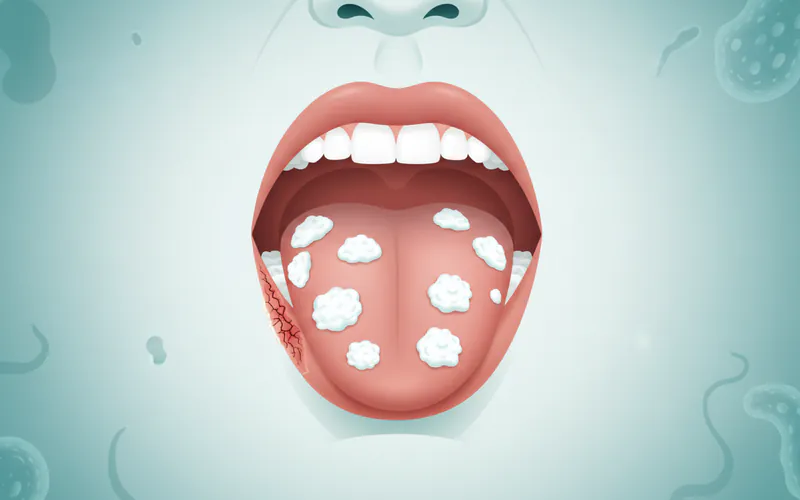
This infection typically manifests as creamy white lesions, often resembling cottage cheese, on the tongue, inner cheeks, roof of the mouth, gums, and tonsils. These lesions can be scraped off, revealing reddened, inflamed, and sometimes bleeding tissue underneath. While it can affect anyone, oral candidiasis is particularly common in infants, the elderly, and individuals with compromised immune systems. It is generally not contagious but indicates an underlying health issue or predisposing factor that has allowed the yeast to flourish. Early diagnosis and treatment are important to alleviate discomfort and prevent the infection from spreading.
Types of Oral Candidiasis
Oral candidiasis is not a single entity but can present in several distinct forms, each with unique clinical characteristics and implications. Recognizing these variations is key to accurate diagnosis and targeted treatment.
Pseudomembranous Candidiasis (Classic Thrush)
This is the most common and recognizable form of oral candidiasis, often simply referred to as "thrush."
- Appearance: Characterized by creamy white or yellowish-white patches or plaques that resemble cottage cheese or milk curds. These lesions are loosely adherent and can be easily wiped away or scraped off, revealing an underlying reddened, inflamed, and sometimes bleeding mucosa.
- Location: Most frequently found on the tongue, inner cheeks (buccal mucosa), palate, and throat.
- Symptoms: Often accompanied by soreness, burning sensation, altered taste (metallic or unpleasant), and difficulty eating or swallowing, especially if the lesions are widespread. In infants, it can cause feeding difficulties and irritability.
Erythematous Candidiasis (Atrophic Candidiasis)
Also known as atrophic candidiasis, this type is less obvious but can be more painful. It often occurs after a course of antibiotics or prolonged use of steroid inhalers.
- Appearance: Instead of white patches, this form presents as flat, red, and sometimes raw-looking areas. The white layer of yeast has been shed, leaving behind the inflamed tissue.
- Location: Commonly seen on the hard or soft palate (often under dentures, known as "denture stomatitis") or on the dorsum of the tongue, where it may appear as a depapillated (smooth) red patch.
- Symptoms: Severe burning sensation, generalized soreness, and sensitivity to hot or spicy foods are typical. Patients might report a "raw" feeling in their mouth. Denture stomatitis specifically causes redness, swelling, and sometimes pinpoint bleeding beneath ill-fitting or poorly cleaned dentures.
Chronic Hyperplastic Candidiasis (Candidal Leukoplakia)
This is a less common and more persistent form, sometimes considered premalignant, especially if it doesn't resolve with antifungal treatment.
- Appearance: Characterized by firm, persistent white patches or plaques that cannot be easily scraped off, distinguishing it from pseudomembranous candidiasis. These lesions are often rough or nodular.
- Location: Typically found on the buccal mucosa (inner cheek) or tongue.
- Symptoms: Often asymptomatic or may cause mild discomfort. Due to its chronic nature and inability to be scraped off, it can be confused with other white lesions like leukoplakia (which is why it's sometimes called candidal leukoplakia). A biopsy is often required for definitive diagnosis.
Angular Cheilitis (Perleche)
While not exclusively an oral condition, angular cheilitis is a form of candidiasis that affects the corners of the mouth.
- Appearance: Presents as painful, red, inflamed, fissured, or cracked lesions at the angles of the lips. The cracks can sometimes develop a yellowish crust.
- Location: Specifically at the commissures (corners) of the mouth, often extending slightly onto the skin.
- Symptoms: Soreness, itching, burning, and difficulty opening the mouth widely. It is frequently caused by a combination of Candida and bacterial (often Staphylococcus aureus) infection, often exacerbated by saliva pooling at the corners of the mouth due to factors like ill-fitting dentures, vitamin deficiencies (B vitamins, iron), or chronic lip licking.
These distinct presentations of oral candidiasis underscore the importance of a thorough oral examination by a dental professional to ensure correct identification and appropriate management.
Causes and Contributing Factors
Oral candidiasis doesn't just appear out of nowhere; it's the result of an imbalance that allows Candida yeast to multiply beyond its normal limits. Several factors can disrupt the oral environment and compromise the body's defenses, paving the way for infection.
Disruption of the Oral Microbiome
The human mouth is home to a diverse community of bacteria and other microorganisms. Beneficial bacteria typically keep Candida in check. When this balance is disturbed, Candida can seize the opportunity to overgrow.
- Antibiotic Use: Broad-spectrum antibiotics kill not only harmful bacteria but also beneficial ones, including those that naturally suppress Candida. This reduction in bacterial competition allows Candida to proliferate.
- Antiseptic Mouthwashes: Excessive or prolonged use of strong antiseptic mouthwashes can similarly disrupt the oral microbiome, creating an environment favorable for fungal growth.
Weakened Immune System
A robust immune system is the primary defense against infections, including fungal ones. When the immune system is compromised, the body struggles to control Candida growth.
- HIV/AIDS: Individuals with HIV or AIDS are highly susceptible to oral candidiasis, which is often one of the earliest signs of immune system decline.
- Cancer Treatments: Chemotherapy and radiation therapy can severely weaken the immune system and damage oral mucosa, making patients vulnerable.
- Organ Transplant Recipients: Medications used to suppress the immune system to prevent organ rejection significantly increase the risk.
- Systemic Steroid Use: Long-term use of corticosteroids (e.g., prednisone) can suppress immune function.
- Infancy and Elderly Age: Infants have underdeveloped immune systems, and the elderly often have declining immune function, making both groups more susceptible.
Certain Medical Conditions
Several underlying health conditions can create an environment conducive to Candida overgrowth.
- Diabetes: Uncontrolled diabetes leads to high sugar levels in saliva, providing a rich food source for Candida. Poorly managed diabetes also impairs immune function.
- Dry Mouth (Xerostomia): Saliva plays a crucial role in washing away microbes and containing antimicrobial components. Conditions or medications that cause dry mouth reduce this protective effect, allowing Candida to thrive. Common causes include Sjögren's syndrome, radiation to the head and neck, and certain medications (antihistamines, antidepressants).
- Hypothyroidism: Can contribute to dry mouth and altered immune response.
- Nutritional Deficiencies: Deficiencies in iron, vitamin B12, or folic acid can affect the health of oral tissues and immune function.
Oral Factors and Habits
Local conditions within the mouth can also contribute to the development of candidiasis.
- Denture Use: Ill-fitting or poorly cleaned dentures (especially upper dentures) can trap Candida against the oral mucosa, creating a warm, moist, anaerobic environment perfect for yeast growth, leading to denture stomatitis.
- Poor Oral Hygiene: Inadequate brushing and flossing allow plaque and food debris to accumulate, providing nutrients for Candida.
- Steroid Inhaler Use: Inhaled corticosteroids (for asthma or COPD) can deposit yeast in the mouth and throat. Without rinsing the mouth after use, the risk of developing candidiasis (often erythematous) increases significantly.
- Smoking: Tobacco use is associated with a higher incidence of oral candidiasis, possibly due to changes in oral pH and immune response.
- High-Sugar Diet: Frequent consumption of sugary foods and drinks can provide Candida with ample fuel for growth.
Understanding these multifaceted causes is vital for effective management, as treating the underlying predisposing factor is often as important as administering antifungal medication to prevent recurrence.
Signs and Symptoms of Oral Candidiasis
Recognizing oral candidiasis symptoms early is key to prompt and effective treatment. While the exact presentation can vary based on the type of candidiasis, there are common indicators that should prompt a visit to your dentist or doctor.
Primary Symptoms of Pseudomembranous Candidiasis (Classic Thrush)
- White, Creamy Lesions: These are the hallmark oral thrush symptoms. They appear as raised, cottage cheese-like patches on the inner cheeks, tongue, roof of the mouth (palate), gums, and tonsils. They might also extend into the throat.
- Redness and Inflammation: If you try to scrape off the white patches, you'll often reveal red, raw, and sometimes bleeding tissue underneath.
- Soreness and Burning Sensation: The affected areas can feel tender, sore, or have a persistent burning sensation, especially when eating or drinking.
- Altered Taste: Many individuals report a metallic taste in their mouth or a general loss of taste.
- Difficulty Eating and Swallowing: Pain or soreness can make chewing and swallowing uncomfortable, potentially leading to reduced food intake.
- Cracking at the Corners of the Mouth (Angular Cheilitis): While a distinct type, angular cheilitis often co-occurs with other forms of oral candidiasis. It presents as painful cracks, redness, and inflammation at the labial commissures.
Symptoms of Erythematous (Atrophic) Candidiasis
- Red, Smooth Patches: Instead of white, this form shows flat, red, sometimes shiny or "bald" areas, particularly on the tongue (where papillae may be lost) or under dentures.
- Severe Burning and Soreness: Often more intensely painful than pseudomembranous candidiasis, with a sensation of rawness or scalding.
- Sensitivity: Increased sensitivity to hot, cold, or spicy foods.
Symptoms in Specific Populations
- Infants: White patches in the mouth, fussiness, difficulty feeding (sucking or swallowing may be painful), reduced appetite. A breastfeeding infant can pass the infection to the mother's nipples, causing them pain, redness, and sensitivity.
- Denture Wearers: Redness, inflammation, and sometimes small bleeding spots under the denture (denture stomatitis), particularly on the palate.
Differentiating from Canker Sores
It's important to note the difference between oral candidiasis and canker sores, which is a common point of confusion reflected in the target keyword "how long do canker sores last".
- Oral Candidiasis: A fungal infection appearing as white, creamy patches (pseudomembranous) or red, inflamed areas (erythematous). It often spreads and can be scraped off (classic thrush). It is not caused by physical trauma.
- Canker Sores (Aphthous Ulcers): These are typically small, painful, round or oval ulcers with a white or yellowish center and a red border. They usually occur individually or in small clusters on movable tissues like the inner lips, cheeks, or under the tongue. They are not fungal infections and are not contagious. They often last 7-14 days and resolve on their own, though larger ones can take longer.
If you observe any of these oral thrush symptoms, especially if they persist for more than a few days, it's crucial to consult a dental professional or physician for an accurate diagnosis and appropriate treatment. Self-diagnosis and treatment can lead to delays in managing potential underlying conditions.
Treatment Options
Effective treatment for oral candidiasis focuses on eliminating the fungal overgrowth and addressing any underlying predisposing factors. The approach depends on the severity of the infection, the patient's immune status, and the presence of any comorbidities.
1. Antifungal Medications
The mainstay of treatment involves antifungal agents, available in topical and systemic forms.
a. Topical Antifungals
These are typically used for mild to moderate cases, especially in individuals with intact immune systems.
- Nystatin:
- Forms: Oral suspension (rinse and swallow) or lozenges (pastilles).
- Mechanism: Works by binding to ergosterol in the fungal cell membrane, leading to leakage and cell death.
- Usage: Suspension is usually swished in the mouth for several minutes and then swallowed (especially for infants or if esophageal involvement is suspected), 4-5 times a day. Lozenges are allowed to dissolve slowly in the mouth.
- Pros: Generally well-tolerated, minimal systemic absorption, safe for infants and pregnant women.
- Cons: Can have a chalky or unpleasant taste, requires frequent application, less effective for widespread or severe infections.
- Clotrimazole:
- Forms: Oral troches (lozenge).
- Mechanism: Inhibits ergosterol synthesis, impairing fungal cell membrane function.
- Usage: Troche allowed to dissolve slowly in the mouth 5 times a day for 14 days.
- Pros: Good patient compliance, localized action.
- Cons: Contains sugar (caution for diabetics or those prone to cavities), can cause mild nausea or abnormal liver function tests (rare).
- Miconazole:
- Forms: Oral gel or buccal tablets (applied to the gum).
- Mechanism: Similar to clotrimazole, inhibits ergosterol synthesis.
- Usage: Gel applied to the affected areas; buccal tablet adheres to the gum line.
- Pros: Effective, can be easier to administer in some cases.
- Cons: Can interact with certain medications (e.g., warfarin), taste can be an issue.
b. Systemic Antifungals
These are reserved for more severe, widespread, recurrent, or refractory cases, or in immunocompromised patients.
- Fluconazole:
- Forms: Oral tablet or suspension.
- Mechanism: Inhibits a fungal enzyme (cytochrome P450) essential for ergosterol synthesis.
- Usage: Typically a single daily dose, often for 7-14 days.
- Pros: Highly effective, convenient once-daily dosing, good tissue penetration.
- Cons: Potential for drug interactions (e.g., warfarin, phenytoin), can cause liver enzyme elevation, less suitable for pregnant women.
- Itraconazole / Posaconazole:
- Forms: Oral solution or capsules.
- Mechanism: Broader spectrum than fluconazole, inhibits ergosterol synthesis.
- Usage: Used for fluconazole-resistant cases or in severely immunocompromised patients.
- Pros: Effective against a wider range of fungi.
- Cons: More complex pharmacokinetics, higher risk of drug interactions, can cause gastrointestinal side effects.
2. Addressing Underlying Factors
Treating the infection is only half the battle. Identifying and managing the underlying cause is crucial for preventing recurrence.
- Denture Care: For denture stomatitis, proper denture hygiene is paramount. This includes brushing dentures daily, removing them at night, and soaking them in an antifungal solution (e.g., chlorhexidine or nystatin solution) or diluted bleach (check denture material compatibility) as recommended by your dentist. Ill-fitting dentures may need adjustment or replacement.
- Steroid Inhaler Use: Rinse your mouth thoroughly with water after using steroid inhalers to wash away residual medication.
- Dry Mouth Management: Use saliva substitutes, oral rinses designed for dry mouth, and maintain good hydration. Address the cause of dry mouth if possible.
- Diabetes Control: Better management of blood glucose levels can significantly reduce the risk of candidiasis.
- Immune System Support: For immunocompromised individuals, optimizing their underlying condition (e.g., antiretroviral therapy for HIV) is vital.
- Dietary Adjustments: Reducing sugar intake can help limit Candida's food source.
- Pro Tip: Always complete the full course of antifungal medication, even if symptoms improve quickly. Stopping early can lead to recurrence and drug resistance.
Comparison Table of Common Oral Candidiasis Treatments
| Treatment Type | Example Drug | Form | Duration (Typical) | Pros | Cons | Average Cost (US, without insurance) |
|---|---|---|---|---|---|---|
| Topical | Nystatin | Suspension, Lozenge | 7-14 days | Safe for infants/pregnant, localized | Frequent dosing, less effective for severe cases, taste | $30 - $70 |
| Clotrimazole | Troche | 7-14 days | Effective, good compliance | Contains sugar, rare liver issues | $50 - $100 | |
| Miconazole | Oral Gel, Buccal Tablet | 7-14 days | Effective, convenient | Drug interactions (e.g., warfarin) | $60 - $120 | |
| Systemic | Fluconazole | Tablet, Suspension | 7-14 days | Highly effective, once daily | Drug interactions, liver effects, not for pregnant women | $40 - $150 (generic) |
| Itraconazole / Posaconazole | Solution, Capsule | 14-28 days | Broad spectrum, for resistant cases | More complex, higher drug interaction risk, more side effects | $100 - $300+ |
Note: Costs are estimates for a typical course of medication and can vary widely based on pharmacy, generic vs. brand, and insurance coverage.

Step-by-Step Process: What to Expect During Treatment
Understanding the typical journey from diagnosis to recovery can help alleviate anxiety and ensure you follow your treatment plan effectively.
1. Initial Consultation and Diagnosis
- Dental Visit: You'll schedule an appointment with your dentist or physician, describing your oral candidiasis symptoms (white patches, soreness, burning, etc.).
- Oral Examination: The dental professional will conduct a thorough examination of your mouth, looking for characteristic lesions. They will assess their appearance, location, and whether they can be scraped off.
- Confirmation (Optional but Recommended): In some cases, especially if the diagnosis is uncertain or the infection is recurrent, your dentist might take a sample (oral swab or scraping) from the lesions. This sample is sent to a lab to confirm the presence of Candida and sometimes to identify the specific species and test for antifungal resistance.
- Identification of Underlying Causes: The dental professional will inquire about your medical history, medications, and lifestyle habits to identify any predisposing factors (e.g., antibiotic use, diabetes, dry mouth, denture hygiene).

2. Prescription and Instructions
- Antifungal Medication: Based on the diagnosis and severity, your dentist will prescribe an appropriate antifungal medication (e.g., Nystatin suspension, Clotrimazole troches, or Fluconazole tablets).
- Detailed Instructions: You will receive specific instructions on how to use the medication: dosage, frequency, duration, and any special techniques (e.g., swishing and swallowing Nystatin, letting troches dissolve slowly). It's crucial to follow these instructions precisely.
- Addressing Underlying Factors: You'll also receive advice on managing contributing factors, such as improving denture hygiene, rinsing after inhaler use, or better controlling blood sugar levels if you have diabetes.
3. During Treatment (What to Expect)
- Symptom Improvement: You should start to notice an improvement in your oral thrush symptoms within a few days of starting treatment. White patches may begin to diminish, and soreness should lessen.
- Consistency is Key: Continue the medication for the entire prescribed duration, even if your symptoms completely disappear. Stopping early is a common reason for recurrence.
- Side Effects: Most topical antifungals have minimal side effects. Systemic antifungals like fluconazole are generally well-tolerated but can sometimes cause mild nausea, headache, or stomach upset. Report any severe or unusual side effects to your dentist.
- Denture/Oral Appliance Care: If you wear dentures or other oral appliances, follow the specific cleaning and soaking instructions provided to prevent reinfection.
4. Follow-up and Aftercare
- Follow-up Appointment: Your dentist may schedule a follow-up appointment after you complete your medication to ensure the infection has cleared and to review prevention strategies.
- Oral Hygiene: Maintain excellent oral hygiene practices, including regular brushing, flossing, and using a non-antiseptic mouthwash if desired.
- Managing Predisposing Conditions: Continue to manage any underlying health conditions (e.g., diabetes, dry mouth) as advised by your medical doctor.
- Monitoring for Recurrence: Be vigilant for any return of oral candidiasis symptoms. If they reappear, contact your dental professional promptly.
Pro Tip: If you use a steroid inhaler, always rinse your mouth thoroughly with water and spit after each use to minimize the risk of oral thrush.
Cost and Insurance Considerations in the US
The cost of oral candidiasis treatment in the United States can vary depending on the severity of the infection, the type of medication prescribed, whether a specialist visit is required, and your insurance coverage.
Average Costs Without Insurance
- Dental/Medical Consultation:
- General Dentist/PCP Visit: An initial exam and diagnosis can range from $75 to $250. This might be higher for an emergency or after-hours visit.
- Specialist Visit (e.g., Oral Medicine Specialist): If your case is complex or recurrent, a specialist visit could range from $150 to $400+.
- Medications:
- Topical Antifungals (Nystatin suspension, Clotrimazole troches, Miconazole gel): Generic versions typically cost between $30 and $120 for a full course of treatment. Brand-name versions can be significantly more expensive.
- Systemic Antifungals (Fluconazole tablets): Generic fluconazole is relatively inexpensive, ranging from $40 to $150 for a typical 7-14 day course. More potent or broader-spectrum systemic antifungals (like Itraconazole or Posaconazole) can range from $100 to $500+.
- Laboratory Tests:
- If a swab or biopsy is taken to confirm the diagnosis, the lab processing fees can range from $50 to $200, depending on the tests performed and the lab.
Total Estimated Cost (without insurance): For a straightforward case treated by a general dentist with generic topical medication, expect to pay roughly $105 - $370. For more complex cases involving specialists, systemic drugs, or lab tests, the cost could range from $300 to $1000+.
Insurance Coverage Details
Oral candidiasis treatment is typically covered by either medical or dental insurance, or a combination of both, as it is a medical condition affecting oral tissues.
- Medical Insurance:
- Most medical insurance plans (PPO, HMO, EPO, POS) will cover the diagnostic visit to a physician or dentist (if they bill medical insurance) and the prescription medications.
- Co-pays and Deductibles: You will likely be responsible for your standard co-pay for the office visit (e.g., $15-$50) and any applicable deductible before your insurance starts covering a larger percentage of the cost.
- Prescription Coverage: Your prescription drug plan will cover the medication, typically with a tiered co-pay system (e.g., $10-$20 for generics, $30-$60+ for brand names).
- Dental Insurance:
- Some dental insurance plans (especially PPO) may cover parts of the diagnostic visit if it's billed as an oral examination. However, they typically focus on preventive and restorative dental care.
- Limited Medical Coverage: Dental insurance usually does not cover prescription medications, as that falls under medical benefits.
- Medicaid/Medicare:
- Medicaid: Generally covers doctor visits and prescription medications, though specific benefits vary by state. You may have low or no out-of-pocket costs.
- Medicare: Medicare Part B covers physician services (including some dental services deemed medically necessary) and some lab tests. Medicare Part D covers prescription drugs, with varying premiums, deductibles, and co-pays depending on the chosen plan.
- Prior Authorization: For more expensive systemic antifungals or specialist referrals, your insurance company might require prior authorization.
Cost-Saving Tips:
- Inquire About Generics: Always ask your prescribing doctor or pharmacist if a generic version of the medication is available, as generics are substantially cheaper.
- Shop Around: Prescription drug prices can vary significantly between pharmacies. Use online tools or call pharmacies to compare prices.
- Patient Assistance Programs: For higher-cost medications, inquire about patient assistance programs offered by pharmaceutical companies.
- Community Health Clinics: These clinics often offer services on a sliding scale fee based on income, which can significantly reduce costs for uninsured individuals.
- Preventive Care: Adhering to good oral hygiene and managing underlying conditions can prevent recurrence, saving you future treatment costs.
Recovery and Aftercare
Once treatment for oral candidiasis begins, your focus shifts to promoting healing, preventing recurrence, and maintaining optimal oral health.
What to Expect During Recovery
- Initial Improvement: You should typically start noticing an improvement in your oral candidiasis symptoms within 2-3 days of starting antifungal medication. White patches may begin to recede, and soreness should lessen.
- Full Resolution: Most mild to moderate cases of oral candidiasis resolve completely within 7 to 14 days with consistent treatment. More severe or chronic cases, especially in immunocompromised individuals, may take longer.
- Lingering Soreness: Even after the visible signs of thrush disappear, some lingering soreness or sensitivity might persist for a few extra days as the inflamed tissues heal.
- Taste Restoration: Your sense of taste should gradually return to normal as the infection clears.
Essential Aftercare Instructions
- Complete the Full Course of Medication: This is paramount. Even if symptoms disappear, Candida may still be present. Stopping medication prematurely is the leading cause of relapse and can contribute to antifungal resistance.
- Maintain Excellent Oral Hygiene:
- Brush Regularly: Brush your teeth and tongue gently but thoroughly at least twice a day with a soft-bristled toothbrush.
- Floss Daily: Floss once a day to remove plaque and food debris from between teeth.
- Change Toothbrush: Replace your toothbrush after a few days of treatment and again once the infection has completely cleared to prevent reinfection from residual yeast.
- Pro Tip: Consider using a new toothbrush head for electric toothbrushes once the infection resolves.
- Denture Care (If Applicable):
- Remove Dentures Nightly: Never sleep with your dentures in.
- Clean and Disinfect Daily: Brush dentures thoroughly to remove food particles and biofilm. Soak them nightly in an antimicrobial solution recommended by your dentist (e.g., an antifungal denture cleanser, dilute chlorhexidine, or a very dilute bleach solution – ensure compatibility with denture material).
- Regular Dental Checks: Have your dentures professionally cleaned and checked for fit annually.
- Manage Underlying Health Conditions:
- Diabetes Control: If you have diabetes, diligently monitor and manage your blood glucose levels.
- Dry Mouth: If you suffer from xerostomia, continue using saliva substitutes, hydrating frequently, and addressing the root cause with your doctor.
- Immune Suppression: Work with your medical team to optimize the management of any immune-compromising conditions.
- Dietary Considerations:
- Limit Sugar and Yeast-Rich Foods: While not a primary treatment, reducing sugary foods and drinks, as well as highly processed foods, may help create an less hospitable environment for Candida.
- Soft, Bland Diet: During the initial recovery phase, stick to soft, bland foods to avoid irritating sensitive oral tissues.
- Rinse After Steroid Inhaler Use: If you use a steroid inhaler, continue to rinse your mouth thoroughly with water and spit immediately after each dose.
- Monitor for Recurrence: Pay attention to any return of oral thrush symptoms. If they reappear, contact your dentist or doctor promptly. Recurrent infections often require a re-evaluation of underlying causes and potentially a different treatment approach.
By diligently following these aftercare instructions, you can significantly reduce the risk of oral candidiasis returning and promote long-term oral health.
Prevention
Preventing oral candidiasis primarily involves addressing the risk factors that allow Candida to overgrow. Proactive measures can greatly reduce your chances of developing this uncomfortable infection.
1. Maintain Excellent Oral Hygiene
- Brush and Floss Regularly: Brush your teeth at least twice a day with a fluoride toothpaste and floss daily to remove food particles and plaque, which can serve as a food source for Candida.
- Tongue Cleaning: Gently brush or scrape your tongue daily to remove bacteria, fungi, and food debris.
- Regular Dental Check-ups: Visit your dentist every six months for professional cleanings and examinations. Early detection of oral issues can prevent complications.
2. Proper Denture Care (for Denture Wearers)
- Remove Dentures Overnight: Always take out your dentures before going to bed to give your oral tissues a chance to rest and be exposed to air.
- Clean Dentures Daily: Brush your dentures thoroughly with a denture brush and non-abrasive cleanser to remove food and plaque.
- Disinfect Dentures: Soak your dentures nightly in an antimicrobial denture cleansing solution as recommended by your dentist.
- Regular Professional Checks: Have your dentures checked by your dentist annually to ensure a proper fit, as ill-fitting dentures can traumatize tissues and create areas for Candida to thrive.
3. Manage Underlying Health Conditions
- Diabetes Control: If you have diabetes, work closely with your physician to maintain optimal blood glucose levels. Well-controlled diabetes significantly reduces the risk of oral candidiasis.
- Dry Mouth Management: If you suffer from dry mouth (xerostomia), take steps to manage it. This includes drinking plenty of water, using over-the-counter saliva substitutes, chewing sugar-free gum, and addressing the root cause with your medical doctor.
- Immune System Support: For individuals with compromised immune systems (e.g., HIV/AIDS, organ transplant recipients, cancer patients), adherence to prescribed medical regimens is crucial for overall health and infection prevention.
4. Adjust Medication Usage (with professional guidance)
- Rinse After Steroid Inhalers: If you use a corticosteroid inhaler for asthma or COPD, rinse your mouth thoroughly with water and spit after each use. Using a spacer device with your inhaler can also help reduce medication deposition in the mouth.
- Antibiotic Prudence: Use antibiotics only when necessary and exactly as prescribed. Avoid self-medicating or requesting antibiotics for viral infections, as this can disrupt the oral microbiome.
5. Lifestyle and Dietary Choices
- Limit Sugar Intake: Candida thrives on sugar. Reducing your consumption of sugary foods and drinks can help inhibit its growth.
- Avoid Smoking: Smoking alters the oral environment and suppresses local immunity, increasing the risk of thrush. Quitting smoking is beneficial for overall oral and systemic health.
- Balanced Diet: Consume a well-balanced diet rich in fruits, vegetables, and lean proteins to support a healthy immune system. Ensure adequate intake of B vitamins and iron.
By incorporating these preventive strategies into your daily routine, you can significantly lower your risk of developing oral candidiasis and maintain a healthy oral environment.
Risks and Complications
While oral candidiasis is generally a manageable condition, especially in otherwise healthy individuals, certain risks and complications can arise, particularly if left untreated or in vulnerable populations.
1. Spread of Infection
- Esophageal Candidiasis: One of the most common complications is the spread of the infection down the esophagus (the tube connecting the mouth to the stomach). This can cause painful swallowing (odynophagia), difficulty swallowing (dysphagia), and a sensation of food getting stuck in the throat. This is particularly concerning in immunocompromised individuals.
- Systemic Candidiasis (Invasive Candidiasis): In rare and severe cases, especially in individuals with severely compromised immune systems (e.g., advanced HIV/AIDS, cancer patients undergoing intensive chemotherapy, premature infants), Candida can enter the bloodstream and spread throughout the body. This is a life-threatening condition that can affect major organs like the brain, heart, eyes, and kidneys, leading to severe illness, septic shock, and even death.
- Spread to Other Areas: Less commonly, Candida can spread to other moist areas of the body, such as the skin folds, genitals (vaginal yeast infection), or fingernails.
2. Recurrence
Even after successful treatment, oral candidiasis can recur if the underlying predisposing factors are not identified and managed. This is a common issue for individuals with chronic dry mouth, uncontrolled diabetes, or persistent immune suppression. Frequent recurrence can be frustrating and may necessitate long-term antifungal management or more aggressive investigation into the root cause.
3. Nutritional Deficiencies
For infants or individuals with severe or painful oral candidiasis, the discomfort can make eating and drinking difficult, potentially leading to reduced caloric intake, weight loss, and nutritional deficiencies if the condition persists for an extended period. In infants, this can manifest as failure to thrive.
4. Impact on Quality of Life
Chronic or severe oral candidiasis can significantly impair a person's quality of life. The constant soreness, burning, altered taste, and difficulty eating can lead to:
- Pain and discomfort.
- Social embarrassment due to visible lesions.
- Anxiety and stress about the condition.
- Impaired social interactions involving eating or speaking.
5. Antifungal Resistance
Prolonged or repeated use of antifungal medications, especially when treatment courses are not completed, can contribute to the development of antifungal resistance. This means that Candida strains may become less susceptible to commonly used drugs, making future infections harder to treat and requiring stronger, potentially more toxic, or more expensive medications.
Pro Tip: If you experience any new or worsening symptoms, particularly difficulty swallowing or fever, during or after treatment for oral candidiasis, seek immediate medical attention. These could be signs of a spreading or more serious infection.
Children / Pediatric Considerations
Oral candidiasis is remarkably common in infants and young children, often appearing as "baby thrush." While typically benign, it's important for parents and caregivers to understand its unique aspects in this age group.

Prevalence and Causes in Children
- Infants: Up to 60% of healthy infants can experience oral thrush. Their developing immune systems are not yet robust enough to keep Candida in check. They can acquire Candida during birth from the mother's vaginal canal or through contaminated bottles, pacifiers, or unsterilized feeding equipment.
- Toddlers and Young Children: Less common than in infants, but can occur if they are on antibiotics, use steroid inhalers for asthma, or have a weakened immune system due to other illnesses.
Specific Symptoms in Children
- White Patches: The most common sign is the characteristic creamy white, cottage cheese-like lesions on the tongue, inner cheeks, gums, and roof of the mouth. These patches may be difficult to wipe away, or if they do, they may leave a red, tender area.
- Feeding Difficulties: Infants with thrush may become fussy during feeding, refuse to nurse or take a bottle, or pull away from the breast/bottle due to pain and discomfort in their mouth. This can lead to reduced weight gain.
- Irritability: General fussiness and crying, especially around feeding times.
- Diaper Rash: Candida can also cause a bright red, often bumpy, diaper rash that doesn't respond to regular diaper cream. This is due to the yeast spreading through the digestive tract.
- Mother-to-Child Transmission: A breastfeeding mother can contract thrush on her nipples from her infant, leading to painful, red, shiny, or itchy nipples. This can become a cycle of reinfection if both are not treated simultaneously.
Treatment for Children
- Antifungal Suspension: The primary treatment for infants and children is a topical antifungal suspension, typically Nystatin oral suspension. The liquid is applied directly to the lesions in the mouth using a dropper or a clean finger, usually 4 times a day for 7-14 days. It's important to apply it after feedings.
- Fluconazole: For more severe or persistent cases, or in immunocompromised children, systemic antifungals like oral fluconazole may be prescribed by a pediatrician.
- Treating the Mother: If a breastfeeding mother has symptoms of nipple thrush, she will also need to be treated with an antifungal cream (e.g., miconazole or clotrimazole) on her nipples to prevent reinfection of the baby.
- Sterilization: Thoroughly sterilize all pacifiers, bottle nipples, teething toys, and breast pump parts to kill any Candida organisms and prevent reinfection.
- Dental Hygiene: For toddlers and older children, encourage good oral hygiene, including regular brushing.
When to See a Dentist/Pediatrician
- If you notice white patches in your baby's mouth that don't wipe away easily with feeding or persist for more than a few days.
- If your baby is fussy during feedings or refusing to eat.
- If a breastfeeding mother experiences nipple pain, redness, or itching.
Oral candidiasis in children is usually easily treatable, but early intervention prevents prolonged discomfort and potential complications.
Cost Breakdown (Summary)
Understanding the financial aspect of treating oral candidiasis can help you prepare. Here's a concise breakdown of potential costs in the US.
Average US Costs
- Low End (Mild Case, Generic Meds, Insurance):
- Dentist/PCP Co-pay: $15 - $50
- Generic Antifungal Medication (Nystatin/Fluconazole): $10 - $30
- Total: $25 - $80
- Mid-Range (Moderate Case, Some Insurance, or Discounted):
- Dentist/PCP Visit (without insurance/deductible): $75 - $200
- Mid-range Antifungal Medication (Clotrimazole/Miconazole): $50 - $120
- Total: $125 - $320
- High End (Severe/Recurrent, Specialist, No Insurance, Lab Tests):
- Specialist Visit (Oral Medicine): $150 - $400+
- Systemic Antifungal (e.g., higher dose Fluconazole or Itraconazole): $100 - $300+
- Lab Swab/Culture: $50 - $200
- Total: $300 - $900+
With vs. Without Insurance
- With Insurance (Medical or Dental): Most medical plans cover doctor visits and prescription medications. You'll typically pay a co-pay for the visit (e.g., $15-$50) and a co-pay for the prescription (e.g., $10-$60 for generics). If you haven't met your deductible, costs may be higher.
- Without Insurance: You are responsible for the full cost of the consultation, any diagnostic tests, and the prescribed medications. This is where costs can quickly add up, making the "High End" estimate more likely.
Payment Plans and Financing Options
- Dental Office Payment Plans: Many dental offices offer in-house payment plans for larger bills, allowing you to pay in installments.
- Medical Bill Negotiation: If you're uninsured, don't hesitate to negotiate with the billing department for a lower cash price or a payment plan.
- Healthcare Credit Cards: Services like CareCredit offer special financing options for health-related expenses, often with interest-free periods if paid on time.
- Community Health Centers: These centers often provide medical and dental care on a sliding scale fee based on income, which can be a significant cost-saving option for low-income or uninsured individuals.
Cost-Saving Tips
- Always Ask for Generics: Generic medications are therapeutically equivalent but significantly cheaper than brand names.
- Check Pharmacy Prices: Use apps or websites (e.g., GoodRx) or call different pharmacies to compare prescription drug prices.
- Preventive Care: Adhering to good oral hygiene and managing underlying health conditions (like diabetes or dry mouth) is the best long-term cost-saving strategy, preventing recurrent infections.
Frequently Asked Questions
What are the first signs of oral candidiasis?
The earliest oral candidiasis symptoms often include the appearance of creamy white or yellowish patches on the tongue, inner cheeks, or roof of the mouth. These patches may resemble cottage cheese and might be accompanied by a burning sensation, soreness, or an altered taste in the mouth. In some cases, redness and inflammation might be the primary initial sign.
How long does it take for oral thrush to go away with treatment?
With appropriate antifungal treatment, most mild to moderate cases of oral candidiasis show significant improvement within 2-3 days, and symptoms typically resolve completely within 7 to 14 days. It's crucial to complete the entire course of medication to prevent recurrence, even if symptoms disappear earlier.
Is oral candidiasis contagious?
Generally, oral candidiasis is not considered contagious for healthy individuals. It's caused by an overgrowth of yeast already present in the mouth due to an underlying imbalance or weakened immunity, not typically spread through casual contact. However, infants with thrush can pass the infection to their breastfeeding mothers' nipples.
Can oral candidiasis resolve on its own?
In healthy individuals with mild cases and transient risk factors (e.g., after a short course of antibiotics), oral candidiasis might sometimes resolve on its own as the body's natural defenses re-establish balance. However, relying on spontaneous resolution is risky, especially if underlying causes persist. It's always best to consult a dental professional for diagnosis and treatment to prevent complications and recurrence.
Are oral thrush and canker sores the same thing?
No, oral thrush and canker sores (aphthous ulcers) are distinctly different oral conditions. Oral thrush is a fungal infection characterized by white, creamy patches or red, inflamed areas. Canker sores, on the other hand, are painful, open ulcers with a white or yellowish center and a red border, typically caused by trauma, stress, or other non-fungal factors. They are not caused by Candida yeast.
What foods should I avoid with oral candidiasis?
While not a primary treatment, limiting certain foods can support recovery. It's generally advised to reduce the intake of sugary foods and drinks, as sugar feeds Candida. Some also suggest temporarily avoiding yeast-containing foods, though evidence for its direct impact on oral candidiasis is limited. Focus on a bland, soft diet to avoid irritating sensitive oral tissues during active infection.
What if oral candidiasis keeps coming back?
Recurrent oral candidiasis is a sign that the underlying predisposing factors have not been fully addressed. Your dentist or physician will need to thoroughly investigate potential causes, such as uncontrolled diabetes, persistent dry mouth, poorly maintained dentures, or a compromised immune system. They may also consider antifungal resistance and prescribe a different medication or a longer course of treatment.
Does insurance cover oral candidiasis treatment?
Yes, oral candidiasis treatment is typically covered by medical insurance plans (for doctor visits and prescription medications) or sometimes by dental insurance for the diagnostic portion. You will likely be responsible for co-pays, deductibles, and co-insurance as per your specific plan. Always check with your insurance provider for detailed coverage information.
Can oral candidiasis affect areas other than the mouth?
Yes, while it primarily affects the mouth, oral candidiasis can spread. The most common spread is to the esophagus, causing painful swallowing. In severely immunocompromised individuals, Candida can enter the bloodstream, leading to a life-threatening systemic infection affecting various organs. It can also cause angular cheilitis (cracked mouth corners) and, less commonly, skin or genital infections.
Is oral candidiasis painful?
Yes, oral candidiasis symptoms often include pain and discomfort. Patients commonly report a burning sensation in the mouth, soreness, and tenderness, especially when eating or drinking. The pain can range from mild irritation to severe discomfort, significantly impacting the ability to eat and speak.
When to See a Dentist
Recognizing when to seek professional help for oral candidiasis symptoms is crucial for timely and effective treatment, preventing unnecessary discomfort and potential complications.
Schedule a Routine Appointment If:
- You notice persistent white patches or redness in your mouth that don't go away after a few days, even if they aren't severely painful.
- You experience a burning sensation or altered taste that lasts for more than a few days.
- You suspect oral thrush and have never been diagnosed or treated for it before.
- You are a denture wearer and notice persistent redness or irritation under your dentures.
- You are using a steroid inhaler and develop any oral symptoms.
Seek Prompt Dental or Medical Attention (Within a Day or Two) If:
- Your symptoms are moderate to severe, causing significant pain, making it difficult to eat, drink, or swallow.
- You have a weakened immune system (e.g., due to HIV/AIDS, cancer treatment, organ transplant, uncontrolled diabetes) and develop oral candidiasis symptoms. These individuals are at higher risk for complications like esophageal or systemic spread.
- Your existing oral candidiasis symptoms worsen despite home care or initial treatment.
- You are a breastfeeding mother and suspect you or your baby has thrush, causing nipple pain or feeding difficulties.
Seek Emergency Medical Attention (Immediately) If:
- You develop difficulty breathing or severe pain when swallowing, especially if it feels like food is getting stuck. This could indicate esophageal involvement, which requires urgent medical care.
- You have a high fever, chills, or feel generally unwell in addition to your oral symptoms, particularly if you are immunocompromised. This could be a sign of a systemic infection.
Always err on the side of caution when it comes to oral health. Your dental professional can accurately diagnose oral candidiasis, differentiate it from other conditions (like canker sores), and prescribe the most appropriate treatment to ensure your comfort and prevent serious health issues.
Frequently Asked Questions
Medically Reviewed Content
This article was written by our dental health editorial team and reviewed for medical accuracy. Our content follows strict editorial guidelines for reliability and trustworthiness.
Medical Disclaimer
This article is for informational purposes only and does not constitute medical advice. Always consult with a qualified dental professional for diagnosis and treatment. Do not delay seeking professional advice because of something you read on this website.
Related Articles
Are Cold Sores Contagious
In the United States, an estimated 67% of the population under age 50 carries the herpes simplex virus type 1 (HSV-1), the primary cause of cold sores. This means millions of Americans are susceptible to these often painful and highly visible oral lesions. Beyond the discomfort and cosmetic conc
February 23, 2026
How Long Does Hand Foot and Mouth Last
Hand, Foot, and Mouth Disease (HFMD) is a common, often uncomfortable, viral illness that can affect anyone but is particularly prevalent among young children. If you or a loved one has ever experienced the tell-tale rash or painful mouth sores, you've likely wondered: **how long does Hand Foot and
February 23, 2026
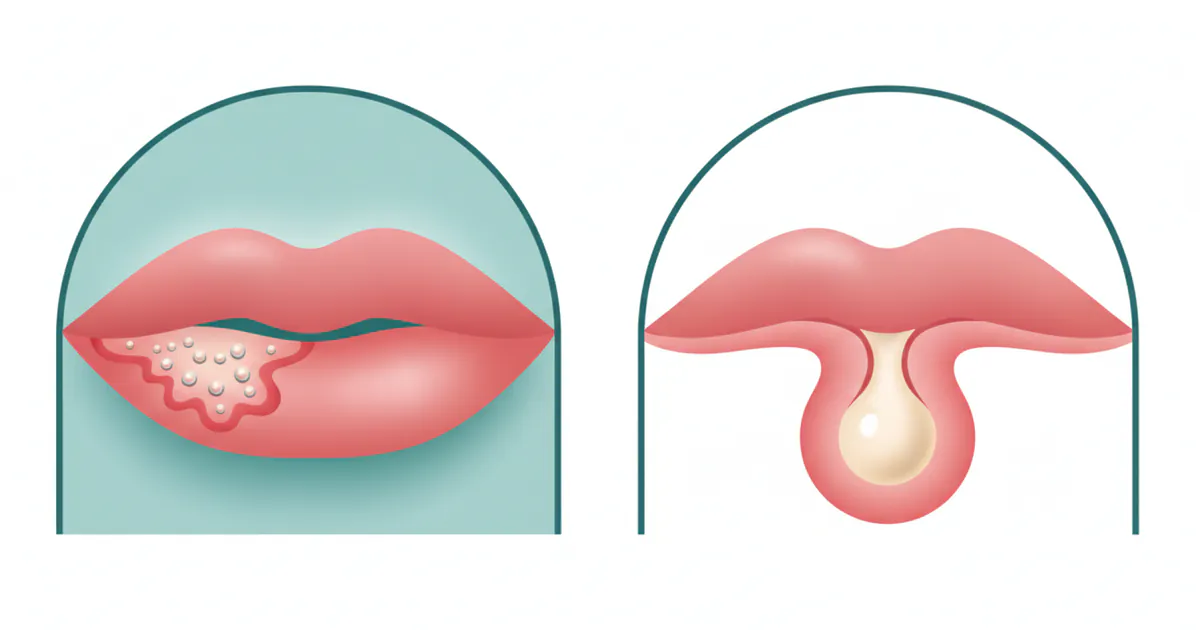
Cold Sore vs Pimple on Lip: Complete Comparison Guide
When you notice an unexpected bump or lesion on your lip, your mind might immediately jump to questions of what it is, how long it will last, and most importantly, if it's contagious. The confusion between a cold sore vs pimple on lip is incredibly common, yet the distinction is crucial for prop
February 23, 2026
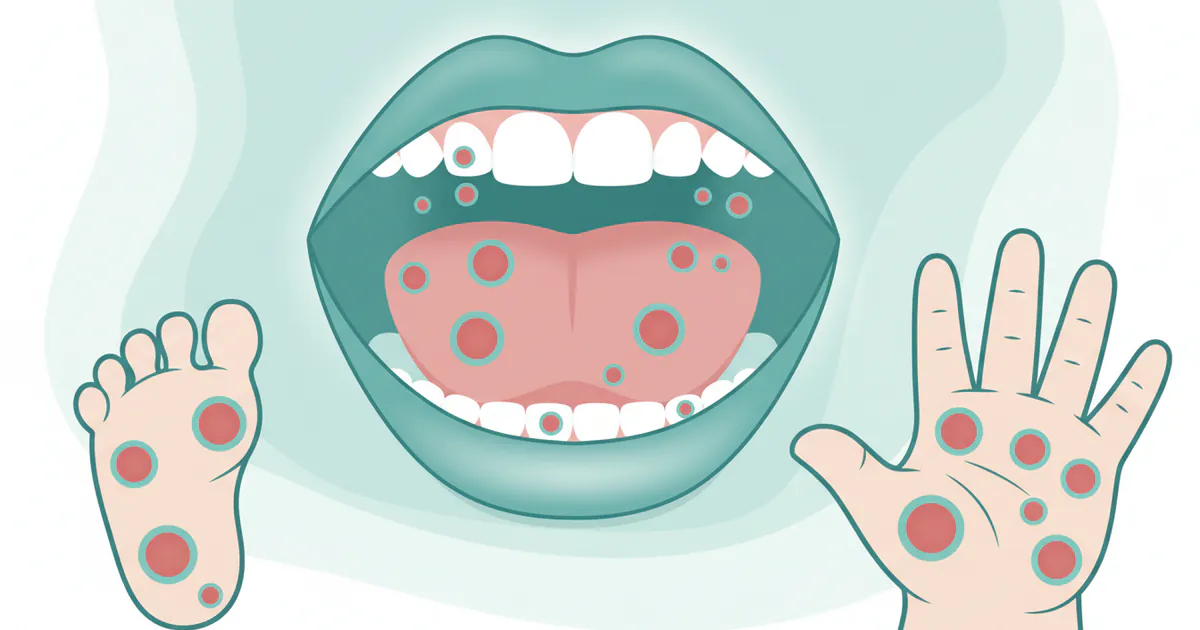
Hand Foot and Mouth Symptoms: Complete Guide
Imagine your child wakes up with a fever, feels a little off, and then you spot painful sores appearing in their mouth, followed by a tell-tale rash on their hands and feet. This scenario, unfortunately common, is often the first encounter with Hand Foot and Mouth Disease (HFMD). Affecting millions
February 23, 2026