Snap in Dentures Cost: Complete Price Guide 2026
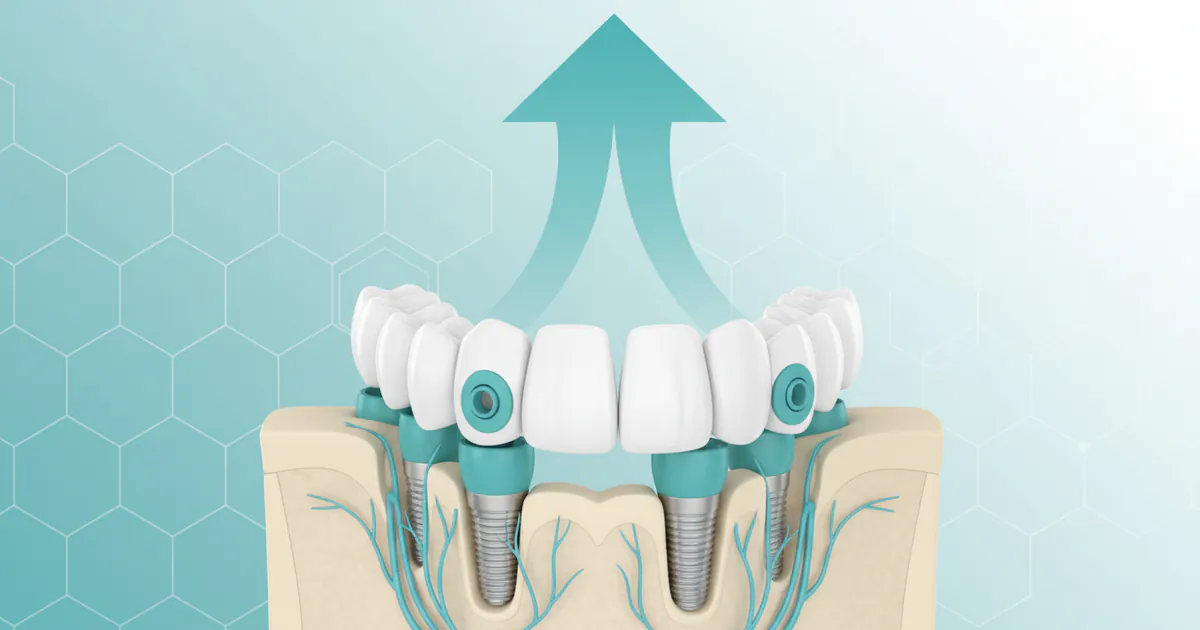
Key Takeaways
- The journey to a confident, comfortable smile can often involve navigating complex dental solutions. For millions of Americans experiencing significant tooth loss, snap-in dentures have emerged as a life-changing option, offering enhanced stability and functionality compared to traditional removable
The journey to a confident, comfortable smile can often involve navigating complex dental solutions. For millions of Americans experiencing significant tooth loss, snap-in dentures have emerged as a life-changing option, offering enhanced stability and functionality compared to traditional removable dentures. However, a common barrier for many considering this innovative solution is understanding the financial commitment. What exactly is the snap in dentures cost? Is it an investment within reach, and what factors truly influence the final price tag in 2026?
This comprehensive guide from SmilePedia.net aims to demystify the financial landscape of snap-in dentures, providing a complete price guide for 2026. We'll break down the various components that contribute to the overall cost, explore different types of snap-in dentures, delve into insurance coverage, and offer strategies for making this vital dental treatment more affordable. Our goal is to equip you with all the information needed to make an informed decision about restoring your smile, health, and quality of life.
Key Takeaways:
- Average Cost: Snap-in dentures typically range from $6,000 to $25,000 per arch in the US, with significant variations based on implant count, materials, and geographic location.
- Implant Count is Key: Costs largely depend on the number of dental implants needed per arch, with 2-4 implants being the most common for stability.
- Timeline: The entire process, from implant placement to final denture delivery, can take 3 to 12 months, including healing periods.
- Insurance Coverage: Most dental insurance plans offer limited coverage for snap-in dentures, often classifying implants as major restorative care. Expect to pay a significant portion out-of-pocket.
- Financing Options: Dental offices often provide payment plans, and third-party medical financing (e.g., CareCredit) is widely available to spread out costs.
- Maintenance: Beyond initial costs, budget for ongoing maintenance, including relines, repairs, and professional cleaning, typically $200-$500 annually.
- Avoid DIY: Attempting DIY dentures is strongly discouraged due to severe health risks, poor fit, and potential for irreversible damage to oral structures, and will ultimately cost more in corrective dental work.
What Are Snap-In Dentures? An Overview
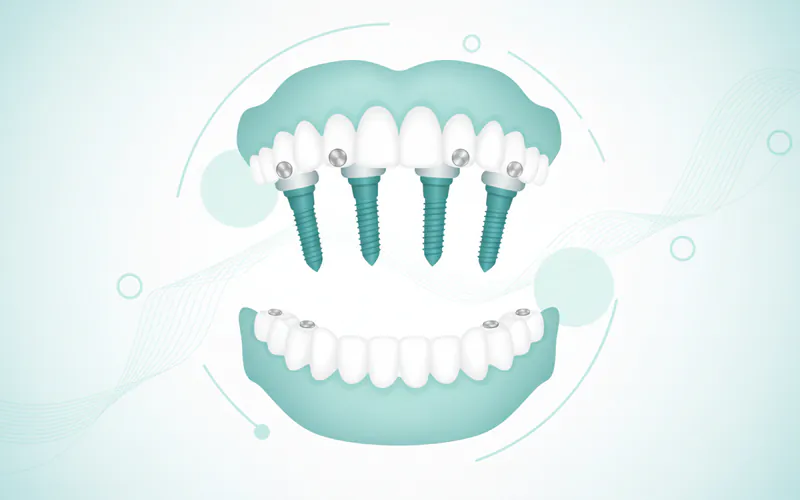
Snap-in dentures, also known as implant-retained overdentures or implant-supported dentures, are a revolutionary dental prosthetic designed to provide superior stability and comfort compared to traditional full dentures. Unlike conventional dentures that rest solely on the gums and rely on suction and adhesives, snap-in dentures are secured onto a small number of dental implants surgically placed into the jawbone.
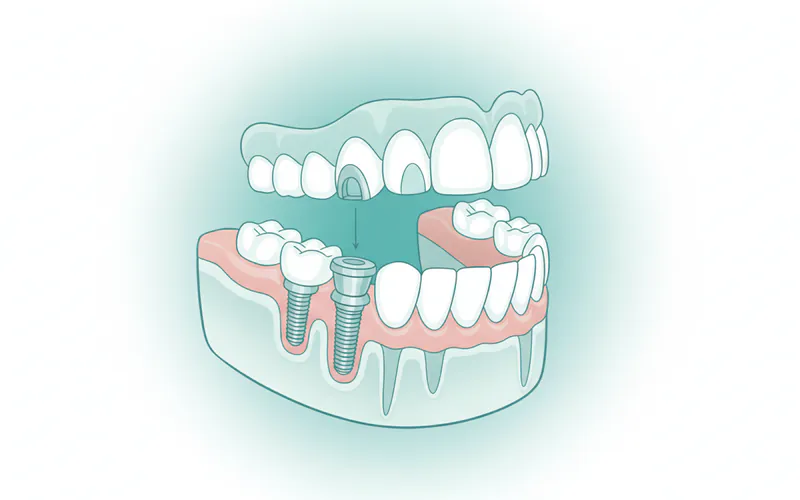
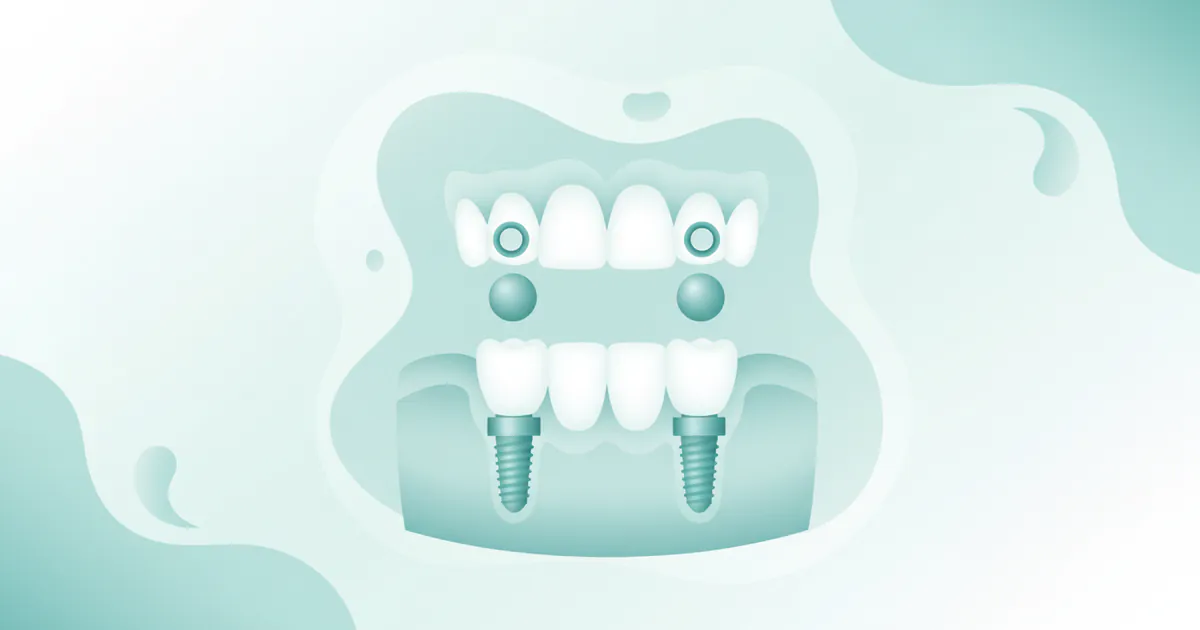
These implants act as anchors, featuring special attachments (such as ball, bar, or locator attachments) that "snap" securely into corresponding components on the underside of the denture. This mechanism provides a much stronger hold, preventing the denture from slipping, wobbling, or falling out during speaking or eating. While still removable for cleaning, the secure fit significantly enhances chewing efficiency, speech clarity, and overall confidence for the wearer.
The primary goal of snap-in dentures is to combine the affordability and relative ease of denture fabrication with the stability and bone preservation benefits of dental implants. They are an excellent middle-ground solution for individuals who have lost most or all of their teeth in an arch but are not candidates for a full arch of fixed dental implants (like All-on-4® or traditional bridges) due to cost or bone density limitations.
![A cross-section diagram showing a snap-in denture(/glossary/glossary-denture) secured to two dental implants embedded in the jawbone, highlighting the ball/socket attachment mechanism.]
Types of Snap-In Dentures and Their Variations
The world of snap-in dentures offers several variations, primarily distinguished by the number of implants used and the type of attachment system. These choices directly impact the cost, stability, and long-term prognosis.
Implant-Retained vs. Implant-Supported
While often used interchangeably, there's a subtle but important distinction:
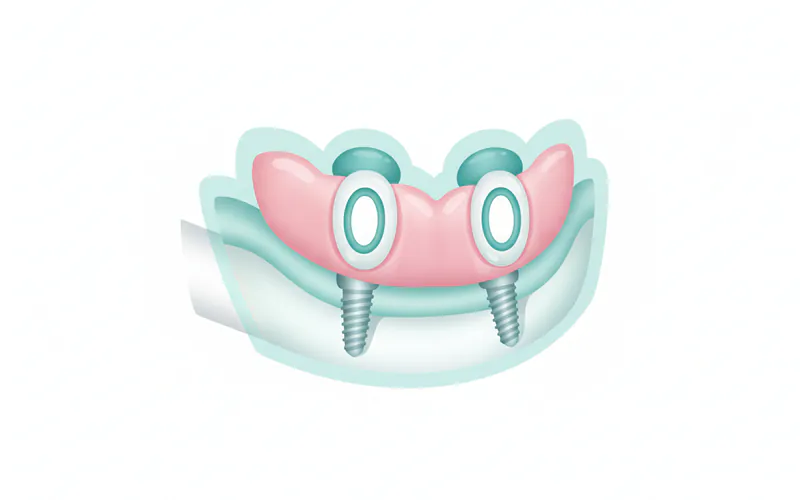
- Implant-Retained Dentures: These dentures primarily rely on the implants for retention (holding them in place) but still derive some support from the underlying gum tissue. They typically use fewer implants (2-4 per arch) and are designed to be removed daily for cleaning.
- Implant-Supported Dentures: These are more robust, using a greater number of implants (often 4-6 or more) and a bar-like substructure that provides the primary support for the denture. Little to no pressure is placed on the gum tissue. They offer even greater stability and chewing power, often feeling more like natural teeth. While still technically removable, they provide a very high level of fixation.
Attachment Systems
The way the denture connects to the implants is crucial for its function and longevity.
- Ball Attachments: One of the simplest and most cost-effective methods. A ball-shaped abutment screws onto the implant, and a corresponding rubber O-ring or nylon cap is embedded in the denture, creating a "snap" fit.
- Locator® Attachments: A popular, low-profile attachment system. Locators offer superior retention, can compensate for implants that are not perfectly parallel, and are relatively easy to maintain. They consist of a male component on the implant and a female component within the denture.
- Bar-Retained Attachments: For more significant stability, a custom-fabricated metal bar (usually titanium) is securely fastened to multiple implants. The denture then clips onto this bar using clips or other retaining devices. This offers maximum support and retention, distributing chewing forces more evenly across the implants. Bar-retained systems generally provide the highest level of stability for removable overdentures.
Number of Implants Per Arch
The number of implants is a critical factor influencing both cost and functional outcome:
- Two Implants: Often the minimum recommended for a lower snap-in denture, providing significantly more stability than traditional dentures. Less common for the upper jaw due to bone quality and greater chewing forces. This is typically the lowest-cost snap-in option.
- Three or Four Implants: Offers improved stability and better distribution of chewing forces, particularly for the lower arch. Four implants are usually the minimum for a stable upper snap-in denture, as the upper jawbone (maxilla) is generally less dense and has more chewing surface area.
- Six or More Implants: While possible, at this number, the cost and complexity approach that of a fixed implant bridge (like All-on-4® or traditional full-arch implants), which are permanently cemented and not removed by the patient. For snap-in dentures, 4-6 implants typically strike a good balance between cost and exceptional stability.
Pro Tip: Your dental professional, often a prosthodontist or oral surgeon, will assess your specific needs, bone density, and budget to recommend the optimal number of implants and attachment system for your unique situation.
Why Snap-In Dentures Happen (Tooth Loss & Contributing Factors)
While snap-in dentures aren't a "condition," they are a solution to significant tooth loss or complete edentulism (lacking all natural teeth). Understanding the common causes of tooth loss highlights the critical need for effective prosthetic solutions like snap-in dentures.
- Periodontal Disease (Gum Disease): This is the leading cause of tooth loss in adults. Untreated gum disease leads to inflammation, infection, and destruction of the bone and tissues supporting the teeth, eventually causing teeth to loosen and fall out.
- Severe Tooth Decay: Extensive and untreated cavities can destroy tooth structure beyond repair, necessitating extraction.
- Trauma or Injury: Accidents, falls, or sports injuries can result in teeth being knocked out or fractured beyond salvation.
- Genetic Factors: Some individuals are predisposed to weaker enamel or greater susceptibility to dental issues.
- Medical Conditions: Certain systemic diseases like diabetes, osteoporosis, and some autoimmune disorders can affect oral health and contribute to tooth loss. Medications for these conditions can also have oral side effects (e.g., dry mouth).
- Lifestyle Factors: Poor oral hygiene, smoking, and inadequate nutrition can accelerate tooth decay and gum disease.
- Aging: While not a direct cause, the cumulative effect of wear and tear, along with potential decline in oral hygiene practices and medical conditions, often contributes to tooth loss in older adults.
For individuals who have experienced significant tooth loss, traditional dentures are one option, but their instability often leads to discomfort, difficulty eating, and social apprehension. This is where snap-in dentures offer a superior alternative, providing stability and restoring function that positively impacts overall health and quality of life.
Risks and Complications of Snap-In Dentures
While highly successful, snap-in dentures, like any dental procedure involving surgery, carry potential risks and complications. Understanding these can help patients make informed decisions and take necessary precautions.
Implant-Related Risks
- Implant Failure: Although rare (success rates are 95-98%), an implant might not properly integrate with the bone (osseointegration). This can be due to infection, poor bone quality, excessive smoking, certain medical conditions, or early loading of the implant.
- Infection (Peri-implantitis): Similar to gum disease, bacteria can accumulate around the implant, leading to inflammation and bone loss, potentially compromising the implant.
- Nerve Damage: During implant placement, especially in the lower jaw, there's a small risk of nerve damage, which can cause numbness, tingling, or pain in the lip, chin, or tongue. This is rare with careful planning using imaging like CBCT scans.
- Sinus Perforation (Upper Jaw): If implants are placed in the upper jaw, there's a risk of perforating the sinus cavity. This is usually managed by a sinus lift procedure beforehand.
- Bone Loss: While implants help preserve bone, long-term bone loss around the implants can occur, potentially reducing their stability.
Denture-Related Risks
- Denture Stomatitis: A common issue, especially with poorly fitting or improperly cleaned dentures. It's an inflammatory condition affecting the tissues beneath the denture, often caused by Candida albicans (yeast) overgrowth. Symptoms include redness, swelling, and discomfort. This is where the target keyword denture stomatitis becomes relevant.
- Denture Breakage or Chipping: Dentures, particularly those made of acrylic, can break, crack, or chip if dropped or subjected to excessive force.
- Attachment Wear: The retaining attachments (e.g., O-rings, locator caps) can wear out over time and need replacement, usually every 6-12 months, depending on use.
- Poor Fit/Discomfort: While snap-in dentures offer superior fit to traditional dentures, changes in gum tissue over time may necessitate relining or rebasing for optimal comfort and stability.
- Food Impaction: Food particles can sometimes get trapped under the denture, requiring thorough cleaning.
General Risks
- Allergic Reactions: Though rare, some individuals may have allergic reactions to materials used in implants (titanium) or dentures (acrylic).
- Pain and Swelling: Post-surgical pain and swelling are common but usually manageable with medication and subside within a few days to a week.
Pro Tip: Meticulous daily oral hygiene, regular dental check-ups, and professional cleanings are paramount in preventing many of these complications, especially implant failure and denture stomatitis. Adhering to your dentist's aftercare instructions is crucial for long-term success.
The Step-by-Step Process: What to Expect
Getting snap-in dentures is a multi-stage process that typically spans several months. Understanding each phase can help you prepare for the journey.
Phase 1: Planning and Assessment
- Initial Consultation: Your dentist, prosthodontist, or oral surgeon will evaluate your oral health, discuss your goals, and determine if snap-in dentures are the right solution for you.
- Comprehensive Examination: This involves a thorough review of your medical and dental history, a visual examination, X-rays, and often 3D imaging (CBCT scan) to assess bone quality and quantity, nerve locations, and sinus cavities.
- Treatment Plan Development: Based on the assessment, a detailed treatment plan is created, outlining the number of implants, attachment type, prosthetic materials, timeline, and a precise cost estimate. This is also when bone grafting or sinus lift procedures, if needed, will be planned.
Phase 2: Surgical Placement of Dental Implants
- Tooth Extractions (if needed): Any remaining unhealthy teeth in the arch are extracted. This can sometimes be done concurrently with implant placement, or a healing period may be required first.
- Bone Grafting/Sinus Lift (if needed): If there isn't sufficient bone density, a bone graft procedure may be necessary to build up the jawbone, adding several months to the overall timeline for healing. A sinus lift may be performed for the upper jaw.
- Implant Surgery: Under local anesthesia, often with sedation, the dentist or surgeon makes small incisions in the gum tissue, drills small pilot holes into the jawbone, and carefully places the titanium dental implants. The gums are then sutured closed.
- Healing Period (Osseointegration): This critical phase allows the implants to fuse with the jawbone, a process called osseointegration. This typically takes 3 to 6 months, during which you may wear a temporary traditional denture (without attachments) or go without a denture, depending on your situation.
Phase 3: Abutment Placement and Denture Fabrication
- Abutment Placement: Once osseointegration is complete, a minor surgical procedure (often just a gum incision) exposes the top of the implants, and healing abutments are placed. After a short healing period (1-2 weeks), the final abutments (ball, locator, or bar) are attached.
- Impressions: Detailed impressions of your mouth, implants, and opposing arch are taken. These impressions are sent to a dental lab where your custom snap-in denture will be fabricated.
- Denture Try-ins: You will attend several try-in appointments where the lab-fabricated denture is tested for fit, bite, esthetics, and comfort. Adjustments are made as necessary to ensure a perfect fit.
Phase 4: Final Placement and Adjustments
- Denture Delivery: Once the denture is finalized, it is snapped onto your implants. Your dentist will provide detailed instructions on insertion, removal, and cleaning.
- Follow-up Appointments: Several follow-up appointments will be scheduled to check the fit, address any sore spots, and ensure proper function and comfort. Minor adjustments are common and expected.
The entire process, from initial consultation to the final fit of your snap-in dentures, can range from 3 months to over a year, depending on individual healing rates, the need for preparatory procedures like bone grafting, and the complexity of your case.
Cost and Insurance: US Price Ranges by Region
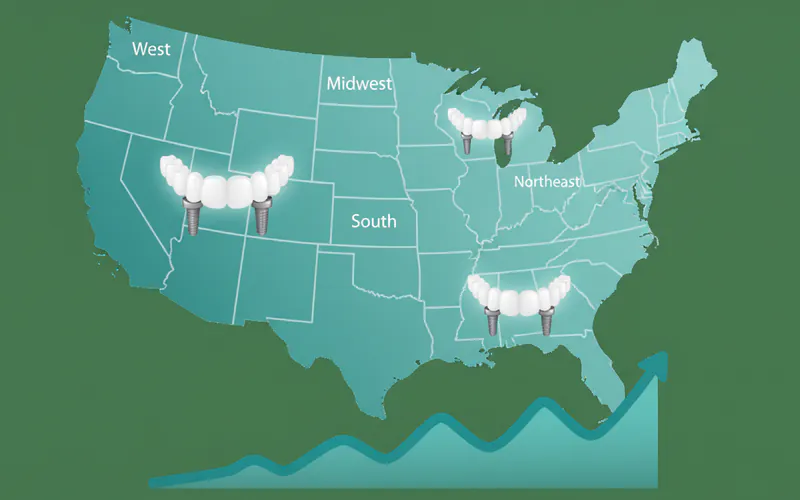
Understanding the snap in dentures cost is paramount for planning. The price for snap-in dentures can vary significantly across the United States, typically ranging from $6,000 to $25,000 per arch. This wide range is influenced by numerous factors, including the number of implants, type of attachments, materials used, the dentist's or specialist's experience, geographic location, and whether additional procedures (like extractions or bone grafts) are necessary.
Factors Influencing Snap-In Denture Cost:
- Number of Implants: This is often the biggest cost driver.
- 2 Implants per arch: Generally the most affordable option, providing basic stability.
- 3-4 Implants per arch: Offers enhanced stability and better load distribution.
- 5-6+ Implants per arch: Provides maximum stability, nearing the cost of fixed implant solutions.
- Type of Attachments:
- Ball attachments: Often the least expensive.
- Locator® attachments: Mid-range cost, highly popular.
- Bar-retained systems: Usually the most expensive due to custom fabrication.
- Denture Material:
- Acrylic: Standard, most common, and least expensive.
- Higher-impact acrylics or metal-reinforced acrylics: Offer increased durability at a higher cost.
- Preliminary Procedures: Costs dramatically increase if you need:
- Tooth extractions: $75 - $600 per tooth, depending on complexity.
- Bone grafting: $200 - $3,000 per site, highly variable based on graft material and extent.
- Sinus lift: $1,500 - $3,000 per sinus for internal lifts, $2,500 - $5,000 per sinus for external lifts.
- Geographic Location: Dental costs tend to be higher in major metropolitan areas and coastal regions (e.g., New York, California) compared to rural areas or the Midwest.
- Provider's Expertise: A highly experienced prosthodontist or oral surgeon may charge more than a general dentist, reflecting their specialized training and expertise.
- Diagnostic Imaging: CBCT scans (3D X-rays) can cost $300 - $600.
Average US Cost Ranges by Arch (per arch, excluding major preliminary work)
| Number of Implants | Type of Attachment | Estimated Cost Range (Lower Arch) | Estimated Cost Range (Upper Arch) |
|---|---|---|---|
| 2 Implants | Ball or Locator | $6,000 - $12,000 | $8,000 - $15,000 |
| 4 Implants | Locator | $12,000 - $18,000 | $15,000 - $22,000 |
| 4 Implants | Bar-Retained | $15,000 - $22,000 | $18,000 - $25,000 |
| 6+ Implants | Bar-Retained | $18,000 - $25,000+ | $22,000 - $30,000+ |
Note: These ranges are estimates for 2026 and can fluctuate. They generally include the implants, abutments, and the final denture, but may not include extractions, bone grafts, or temporary dentures.
Insurance Coverage Details
Dental insurance coverage for snap-in dentures can be complex and often limited. Here's what to expect:
- Medical vs. Dental: Dental implants are sometimes considered a medical procedure, but most often, they fall under major restorative dental benefits. Check your specific medical and dental policies.
- Limited Coverage: Many dental insurance plans classify implants as a "major restorative" procedure, which typically means lower coverage percentages (e.g., 20-50%) and annual maximums (e.g., $1,000 - $2,500).
- Separate Components: Insurance might cover parts of the procedure differently:
- Extractions: Often covered at a higher percentage (e.g., 50-80%).
- Bone Grafts/Sinus Lifts: Coverage is highly variable; some plans may not cover these at all.
- Dental Implants: Often covered as "major restorative" at a lower percentage, or sometimes not at all if deemed "cosmetic."
- Denture (the prosthetic part): Usually covered as "major restorative" at 50%.
- Waiting Periods: Many plans have waiting periods (6-12 months) for major procedures.
- Deductibles and Coinsurance: You'll be responsible for your deductible before benefits kick in, and then a coinsurance percentage of the remaining cost.
Pro Tip: Always have your dental office submit a pre-treatment estimate to your insurance company. This will give you a clear understanding of what your policy will cover and your out-of-pocket expenses before you begin treatment.
Recovery and Aftercare for Snap-In Dentures
Proper recovery and diligent aftercare are crucial for the long-term success of your snap-in dentures and the health of your dental implants.
Immediate Post-Surgery Care (Implant Placement)
- Pain Management: Expect some discomfort, swelling, and possibly minor bruising. Your dentist will prescribe pain medication and recommend over-the-counter options.
- Swelling Reduction: Apply ice packs to the outside of your face for 15-20 minutes on, 15-20 minutes off, for the first 24-48 hours.
- Diet: Stick to soft foods and liquids for the first few days, gradually reintroducing firmer foods as comfort allows. Avoid hot liquids and spicy foods immediately after surgery.
- Oral Hygiene: Follow your dentist's instructions carefully. This usually involves gentle rinsing with a prescribed antimicrobial mouthwash (like chlorhexidine) and avoiding brushing the surgical site for a few days.
- Activity: Avoid strenuous activity for several days to a week to prevent dislodging blood clots and minimize bleeding.
- Avoid Smoking: Smoking significantly hinders healing and increases the risk of implant failure. It should be avoided entirely during the healing phase.
Denture Aftercare and Maintenance
- Daily Removal and Cleaning: Snap-in dentures must be removed daily (preferably overnight) for thorough cleaning. Use a soft-bristled denture brush and non-abrasive denture cleanser to clean all surfaces.
- Clean Implants and Gums: Use a soft toothbrush and special interdental brushes or floss recommended by your dentist to gently clean around the implant abutments and massage your gum tissue. This is vital to prevent peri-implantitis and denture stomatitis.
- Soaking: Soak your dentures in a recommended denture cleaning solution (not hot water) overnight or for the recommended duration. This helps to kill bacteria and fungus.
- Regular Dental Check-ups: Schedule regular check-ups (typically every 6 months) with your dentist or prosthodontist. They will:
- Inspect your implants and surrounding tissues for health.
- Check the fit and stability of your denture.
- Clean your implants professionally.
- Check for wear on the denture attachments (O-rings, locator caps) and replace them as needed (usually annually or semi-annually).
- Perform relines or rebases if your gum tissue changes over time.
- Handle with Care: Always remove and insert your dentures over a soft towel or basin filled with water to prevent breakage if accidentally dropped.
- Report Issues Promptly: If you experience any pain, swelling, loosening of implants or denture, or difficulty chewing, contact your dentist immediately.
Pro Tip: Just like natural teeth, proper oral hygiene and regular professional care are non-negotiable for the longevity and success of your snap-in dentures and the health of your dental implants. Neglecting care can lead to implant failure and costly complications.
Prevention: Maintaining Oral Health & Longevity of Your Dentures
While snap-in dentures are a restorative solution, there are crucial steps to take both before and after treatment to prevent further oral health issues and ensure the longevity of your investment.
Preventing Further Tooth Loss (If Some Teeth Remain)
- Excellent Oral Hygiene: Brush twice daily with fluoride toothpaste, floss daily, and use an antimicrobial mouthwash.
- Regular Dental Check-ups: Visit your dentist for professional cleanings and examinations at least twice a year.
- Healthy Diet: Limit sugary and acidic foods and drinks that contribute to decay.
- Quit Smoking: Smoking is a major risk factor for gum disease and tooth loss.
- Manage Systemic Diseases: Keep conditions like diabetes under control, as they can significantly impact oral health.
Preventing Complications with Snap-In Dentures
- Strict Denture Hygiene: This is paramount. As discussed in the aftercare section, daily removal, cleaning of the denture and implant sites, and overnight soaking prevent bacterial and fungal buildup, thus actively preventing denture stomatitis and peri-implantitis.
- Regular Professional Maintenance: Annual or semi-annual visits to your prosthodontist are essential for:
- Professional cleaning of implants and dentures.
- Checking the fit and stability of the denture.
- Replacing worn attachments (e.g., O-rings, locator caps), which typically cost $50 - $150 per attachment to replace.
- Identifying and addressing any issues with the implants or surrounding tissues early.
- Avoid DIY Dentures: Never attempt to repair or adjust your dentures yourself, or consider DIY dentures from online kits. These solutions are often poorly fitting, made from inferior materials, and can cause significant damage to your gums, jawbone, and remaining teeth, leading to severe discomfort, infection, and potentially irreversible harm. The initial "cost savings" are invariably dwarfed by the expenses required to correct the damage.
- Protect Against Damage: Avoid chewing on excessively hard foods (e.g., ice, hard candies) that can crack or break your denture. Use a night guard if you grind your teeth.
- Address Bone Loss: While implants help stimulate the bone, some bone resorption can still occur. Your dentist will monitor this and recommend interventions if necessary.
By diligently following these preventive measures, you can maximize the lifespan of your snap-in dentures and enjoy a healthy, functional smile for many years to come.
Cost Breakdown: Making Snap-In Dentures Affordable
The investment in snap-in dentures is substantial, but numerous strategies can help make them more affordable. Here's a deeper look into cost breakdown, financing, and cost-saving tips.
Average US Costs (Low, Mid, High)
For a single arch (upper or lower):
- Low-End (2 implants, basic acrylic denture): $6,000 - $12,000
- Mid-Range (4 implants, Locator attachments, quality acrylic denture): $12,000 - $18,000
- High-End (4-6 implants, bar-retained system, premium denture materials, complex case): $18,000 - $25,000+
These costs typically include the surgical placement of implants, the abutments, and the final denture. They often do not include preparatory work like extractions, bone grafts, or temporary dentures, which can add thousands of dollars to the total.
With vs. Without Insurance
- Without Insurance: You will be responsible for 100% of the cost, often negotiating a cash discount with the provider.
- With Insurance: As discussed, dental insurance will likely cover a portion, typically 20-50% of the "major restorative" components (implants and dentures), up to your annual maximum. For example, if your total cost is $15,000 and your insurance covers 50% of $10,000 (after your deductible) with an annual max of $2,000, your out-of-pocket would still be around $13,000. It’s crucial to understand your specific plan’s limitations.
Payment Plans and Financing Options
- In-Office Payment Plans: Many dental practices offer their own payment plans, allowing patients to spread the cost over several months or even a year. These are often interest-free if paid within a certain timeframe.
- Third-Party Medical Financing: Services like CareCredit, LendingClub, or Alphaeon Credit specialize in healthcare financing. They offer various plans, including interest-free options for shorter terms (6-24 months) or low-interest plans for longer durations (up to 60 months). Approval depends on your credit score.
- Personal Loans: Banks and credit unions offer personal loans that can be used for dental work. Interest rates vary widely.
- Health Savings Accounts (HSAs) & Flexible Spending Accounts (FSAs): If you have an HSA or FSA through your employer, you can use pre-tax dollars to pay for dental treatments, effectively saving you money on taxes.
- Credit Cards: While an option, high-interest credit cards can quickly make the treatment much more expensive if not paid off quickly.
Cost-Saving Tips
- Shop Around (Carefully): Get quotes from a few different reputable dentists or specialists in your area. Don't base your decision solely on price; consider experience, technology, and patient reviews.
- Ask for Discounts: Many offices offer discounts for paying in cash or paying for the entire treatment upfront.
- Dental Schools: University dental schools often provide services at a reduced cost, as procedures are performed by students under the supervision of experienced faculty. The trade-off may be a longer treatment time.
- Dental Tourism (Use Extreme Caution): Traveling to other countries for dental work can offer lower prices. However, this carries significant risks, including language barriers, differences in sterilization standards, lack of legal recourse, and difficulty with follow-up care if complications arise. It is generally not recommended for complex procedures like implant placement.
- Understand What's Included: Ensure your cost estimate is comprehensive and includes all phases: extractions, bone grafts, temporary dentures, implant surgery, abutments, and the final prosthetic. Hidden fees can quickly inflate the total.
- Phased Treatment: Sometimes, a dentist can phase out your treatment over a longer period, allowing you to use annual insurance maximums across multiple years or save up between stages.
By exploring these options and openly discussing your financial concerns with your dental provider, you can create a realistic plan to achieve your desired smile within your budget.
Frequently Asked Questions
What is the average total cost for snap-in dentures for both upper and lower arches?
The average total cost for both upper and lower snap-in dentures can range from $12,000 to $50,000+, depending on the number of implants (e.g., 2-4 per arch), the type of attachments (ball, locator, or bar-retained), the materials of the denture, and any necessary preliminary procedures like bone grafting or extractions. Each arch is priced individually, and costs can vary widely.
How painful is the snap-in denture procedure?
The implant placement surgery is performed under local anesthesia, often with sedation, so you should experience no pain during the procedure itself. Afterward, you can expect some discomfort, swelling, and bruising, which is typically managed with prescribed pain medication and over-the-counter anti-inflammatories. Most patients report manageable post-operative pain for a few days to a week.
How long do snap-in dentures last?
With proper care and regular maintenance, the dental implants themselves can last 20 years to a lifetime. The snap-in denture prosthetic typically lasts 5-10 years before needing replacement or significant repair, similar to traditional dentures, due to wear and tear, and changes in oral structures. The retaining attachments usually need replacement every 6-12 months.
Are snap-in dentures a permanent solution?
Snap-in dentures are a highly durable and long-lasting solution, but they are technically removable for daily cleaning, unlike fixed implant bridges. The implants themselves are a permanent fixture in your jawbone, providing a stable foundation for the denture, but the denture component will eventually need maintenance or replacement.
Can I get snap-in dentures if I have bone loss?
Yes, often. Many individuals who have experienced significant tooth loss also have some degree of bone loss. Modern dentistry offers solutions like bone grafting or sinus lifts to augment the jawbone, making it suitable for implant placement. Your dentist will perform a detailed assessment to determine if these preparatory procedures are necessary.
What are the risks of attempting DIY dentures?
Attempting DIY dentures carries severe risks, including permanent damage to your gums and underlying bone, chronic pain, severe infections (including denture stomatitis due to ill-fitting appliances), inability to chew or speak properly, and allergic reactions to non-medical grade materials. These often lead to much more extensive and costly professional dental interventions down the line. It is strongly advised against.
How do snap-in dentures compare to traditional dentures in terms of cost and function?
Traditional dentures are significantly less expensive (typically $1,000 - $3,000 per arch) but offer less stability, relying on suction and adhesives. Snap-in dentures, while more costly, provide superior stability, improved chewing function, better speech, enhanced comfort, and help preserve jawbone, making them a more functional and health-benefiting investment.
Can I convert my existing dentures into snap-in dentures?
In some cases, yes. If your existing denture is relatively new, in good condition, and meets certain criteria, it might be possible to convert it to a snap-in denture by retrofitting it with the necessary attachments. However, a new denture is often recommended to ensure optimal fit and esthetics with the implants. Your dentist will assess if conversion is a viable option.
What is denture stomatitis and how is it prevented with snap-in dentures?
Denture stomatitis is an inflammation of the tissues underneath a denture, often appearing as redness or irritation, and is commonly caused by poor denture hygiene leading to fungal overgrowth (Candida). With snap-in dentures, it's prevented by diligently removing and cleaning the denture daily, cleaning around the implant sites, and soaking the denture in an antimicrobial solution, as well as regular professional check-ups.
Are snap-in dentures covered by Medicare?
Generally, Medicare does not cover routine dental care, including snap-in dentures or dental implants. However, Medicare Advantage plans (Part C) sometimes offer supplemental dental benefits that might provide limited coverage for these procedures. It is essential to check the specifics of your individual Medicare Advantage plan.
When to See a Dentist
Navigating tooth loss and the options for replacement can be overwhelming. Knowing when to consult a dental professional is the first and most critical step towards a healthier, more confident smile.
Clear Warning Signs That Need Immediate Attention:
- Severe Pain: Intense or throbbing pain in your jaw, gums, or around existing teeth could indicate infection, implant complications, or other serious issues.
- Sudden Swelling: Rapid swelling in your face, jaw, or gums, especially if accompanied by fever, could signal a severe infection requiring immediate medical attention.
- Loose or Failing Implant: If an implant feels loose, painful, or you notice pus or significant inflammation around it, contact your dentist or oral surgeon right away.
- Denture Damage Causing Pain: A broken, cracked, or ill-fitting snap-in denture causing sharp pain, cuts, or sores on your gums needs prompt professional repair or adjustment.
- Signs of Infection (e.g., Denture Stomatitis): Persistent redness, burning, or discomfort under your denture, especially if accompanied by white patches, could indicate a fungal infection (denture stomatitis) that requires professional treatment.
Red Flags vs. Routine Care Guidance:
- Red Flag: Persistent bad breath despite diligent cleaning, which could indicate infection around an implant or severe gum disease.
- Routine Care: Minor discomfort after getting a new denture (often resolves with adjustments), minor wear on denture attachments (to be addressed at routine maintenance appointments), or a desire to explore options for replacing missing teeth.
Emergency vs. Scheduled Appointment Guidance:
- Emergency: Any situation involving uncontrolled bleeding, severe pain, facial swelling, or trauma that results in a broken jaw or dislodged implant. Call your dentist immediately or go to an emergency room if your dentist is unavailable.
- Scheduled Appointment: Consulting about tooth loss, exploring snap-in denture options, discussing financing, experiencing minor discomfort with an existing denture, or needing routine maintenance like attachment replacements or a denture reline.
Don't wait until a small issue becomes a major problem. Early intervention can save you discomfort, preserve your oral health, and potentially reduce treatment costs in the long run. If you are experiencing significant tooth loss or are unhappy with your current denture solution, schedule a consultation with a qualified dental professional, such as a prosthodontist or oral surgeon, to discuss if snap-in dentures are the right choice for you.
Frequently Asked Questions
Medically Reviewed Content
This article was written by our dental health editorial team and reviewed for medical accuracy. Our content follows strict editorial guidelines for reliability and trustworthiness.
Medical Disclaimer
This article is for informational purposes only and does not constitute medical advice. Always consult with a qualified dental professional for diagnosis and treatment. Do not delay seeking professional advice because of something you read on this website.
Related Articles
Cheap Dentures: Complete Guide
Facing the prospect of tooth loss can be daunting, and the thought of replacing missing teeth often brings financial concerns to the forefront. Did you know that an estimated 36 million Americans are completely edentulous (missing all their teeth), and another 120 million are missing at leas
February 23, 2026
Full Mouth Reconstruction Near Me: Complete Guide
You've been living with dental pain, difficulty eating, or a smile you're too embarrassed to share. Perhaps years of neglect, trauma, or disease have taken a toll on your oral health, leaving you wondering if there's any hope for a complete restoration. You're not alone. **Millions of Americans face
February 23, 2026
$99 Dentures Near Me: Complete Guide
Losing teeth can significantly impact your quality of life, affecting everything from your ability to chew and speak to your self-confidence. For many, the high cost of dental care can feel like an insurmountable barrier to regaining a healthy smile. This often leads people to search for "affordable
February 23, 2026
Snap-in Dentures Cost Near Me: Complete Price Guide 2026
For many Americans navigating the challenges of significant tooth loss, the search for a stable, comfortable, and aesthetically pleasing dental solution often leads to implant-supported dentures. Unlike traditional dentures that rely on suction and adhesives, snap-in dentures offer a remarkable impr
February 23, 2026