$99 Dentures Near Me: Complete Guide
Key Takeaways
- Losing teeth can significantly impact your quality of life, affecting everything from your ability to chew and speak to your self-confidence. For many, the high cost of dental care can feel like an insurmountable barrier to regaining a healthy smile. This often leads people to search for "affordable
$99 Dentures Near Me: Complete Guide
Losing teeth can significantly impact your quality of life, affecting everything from your ability to chew and speak to your self-confidence. For many, the high cost of dental care can feel like an insurmountable barrier to regaining a healthy smile. This often leads people to search for "affordable dentures," with the promise of "$99 dentures near me" capturing significant attention. While the idea of obtaining a full set of dentures for such a low price is appealing, it’s crucial to understand what this figure typically represents and the realities of budget-friendly dental prosthetics. This comprehensive guide from SmilePedia.net will demystify the world of economy dentures, clarify what to expect regarding costs, quality, and the overall process, ensuring you make informed decisions about your oral health.
![A diverse group of smiling people wearing well-fitted, natural-looking dentures(/dentures/complete-guide-to-prosthodontics-dentures-everything-you-need-to-know), showcasing confidence and comfort.]
Key Takeaways:
- "$99 Dentures" are typically misinterpretations: This price usually refers to a down payment, a single tooth repair, a reline service, or a promotional consultation fee, not a complete set of new dentures.
- True Economy Dentures Cost More: A full set of economy dentures in the US typically ranges from $300 to $600 per arch (upper or lower), or $600 to $1,200 for a complete set.
- Quality Varies Significantly: Economy dentures use basic materials and simplified impression processes, potentially leading to a less precise fit, faster wear, and a less natural appearance compared to conventional or premium options.
- Fit is Paramount: A poorly fitting denture can cause pain, sores, difficulty eating, and accelerated bone loss. Prioritize fit over the lowest possible price.
- Consider Financing and Assistance: Medicaid, Medicare Advantage plans, dental schools, and payment plans can significantly reduce out-of-pocket costs for affordable dentures for seniors and individuals with limited incomes.
- Timeline: The process for conventional economy dentures can take 4-8 weeks (after extractions, if needed), involving several appointments for impressions and fittings.
- Maintenance is Key: Proper cleaning and regular dental check-ups are essential for the longevity of your dentures and the health of your remaining oral tissues.
What Are Dentures? An Overview
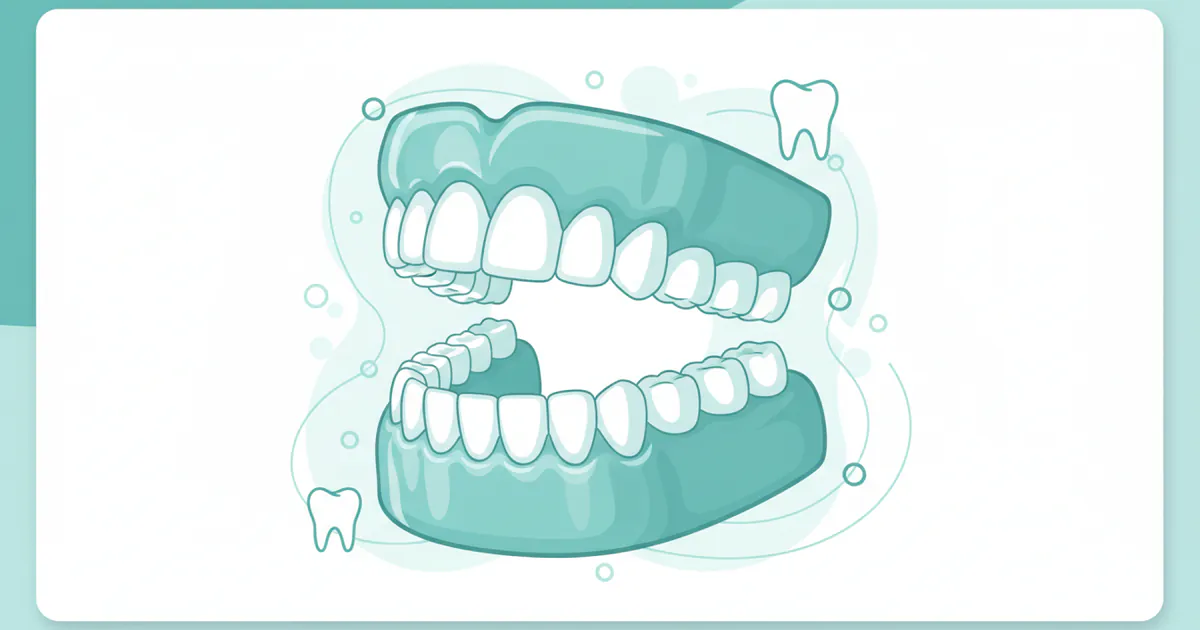
Dentures are removable dental appliances designed to replace missing teeth and the surrounding tissues. They are custom-made to fit comfortably in your mouth and are supported by the remaining soft and hard tissues of the oral cavity. For individuals who have lost most or all of their natural teeth due to decay, gum disease, or trauma, dentures restore essential functions like chewing, speaking, and smiling. Beyond practical uses, dentures play a vital role in maintaining the structure of your face, preventing the sunken appearance that often accompanies tooth loss.
The concept of "economy dentures" refers to a category of dentures designed to be highly affordable, often utilizing more basic materials and a streamlined fabrication process. While they serve the same fundamental purpose as more expensive options, there are distinct differences in their construction, fit, appearance, and longevity, which we will explore in detail.
Types of Dentures and Their Variations
Understanding the different types of dentures is crucial, especially when evaluating budget-friendly options. The term "denture" encompasses several variations, each suited to different needs and financial considerations.
Complete (Full) Dentures
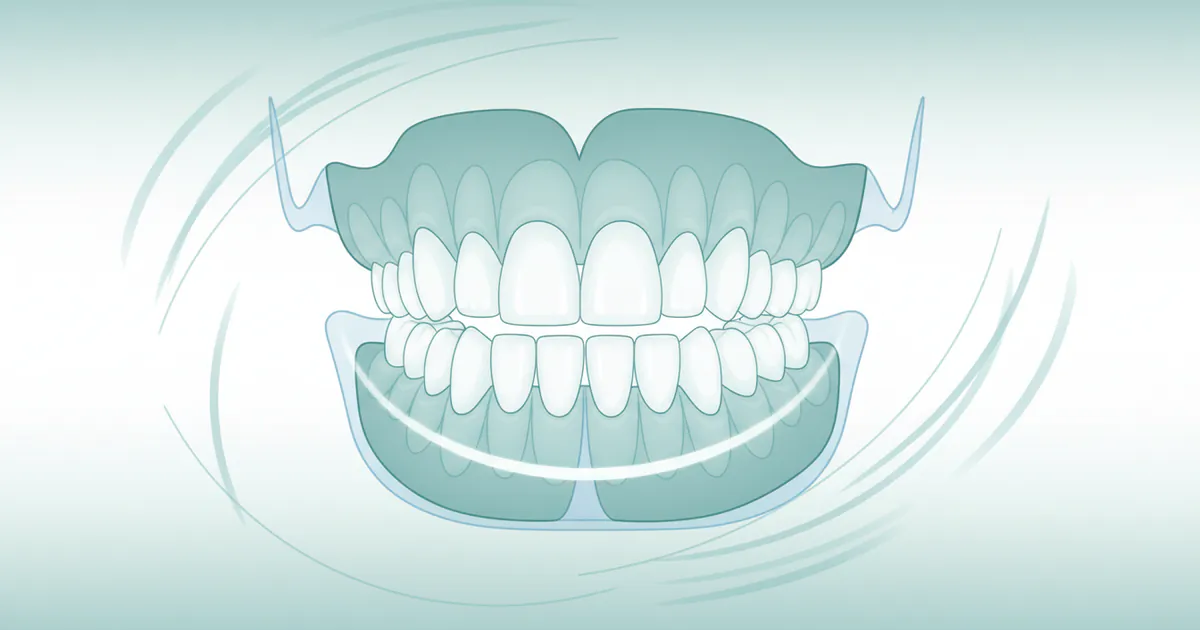
Complete dentures are used when all teeth in an arch (either the upper or lower jaw, or both) are missing.
- Conventional Full Dentures: These are made after all remaining teeth are extracted, and the gum tissues have had sufficient time to heal (typically 8-12 weeks). This healing period allows for a more stable and precise fit as the gums will have shrunk to their final size.
- Immediate Full Dentures: These dentures are fabricated in advance and can be inserted immediately after the removal of the remaining natural teeth. The primary advantage is that the patient doesn't have to be without teeth during the healing period. However, as the gums and bone heal and shrink over time, immediate dentures will require relining or even replacement to maintain a proper fit. They are often considered a temporary solution until conventional dentures can be made.
Partial Dentures
Partial dentures are used when some natural teeth remain in the upper or lower jaw. They consist of replacement teeth attached to a gum-colored plastic base, which is connected by a metal framework or flexible plastic material that clasps onto your existing natural teeth.
- Removable Partial Dentures: These are the most common type, offering a non-surgical solution for multiple missing teeth. They are designed to be easily removed by the wearer for cleaning.
- Flexible Partial Dentures: Made from a thermoplastic material, these are often more comfortable and less noticeable than traditional metal-framed partials. They are metal-free and can be a good option for those with allergies to metals.
Overdentures (Implant-Supported Dentures)
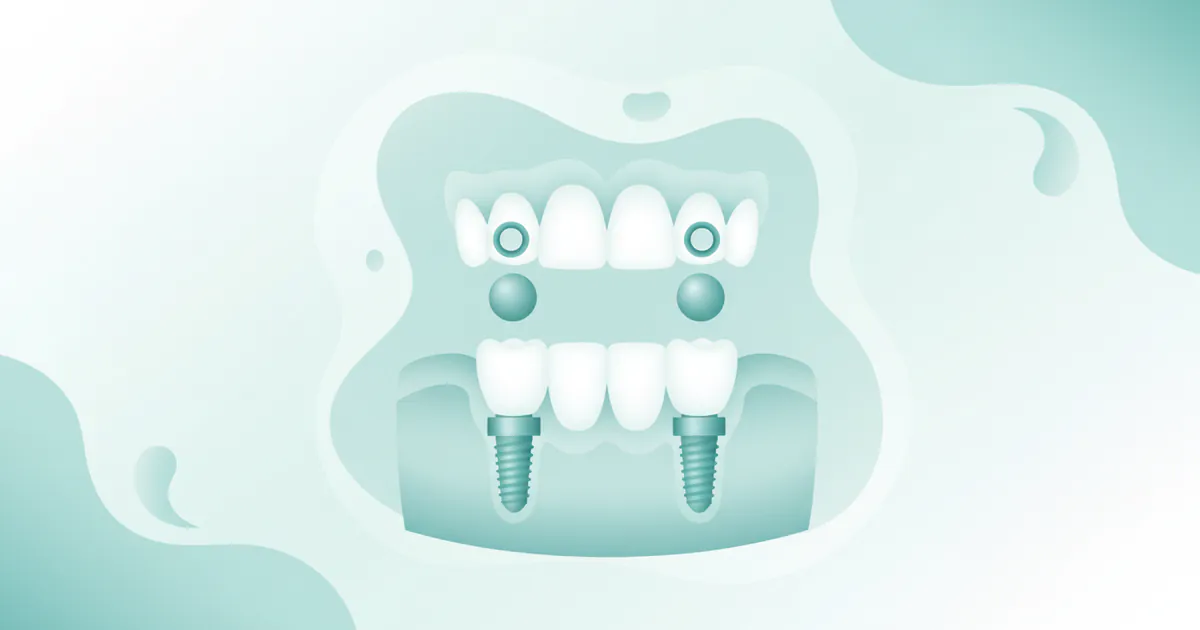
Overdentures are a hybrid solution that combines the stability of dental implants with the affordability of traditional dentures. Instead of resting entirely on the gums, these dentures snap onto a few strategically placed dental implants, providing superior retention and stability.
- Locator-Retained Overdentures: The denture has attachments that snap onto ball- or bar-shaped connectors on the implants.
- Bar-Retained Overdentures: A thin metal bar is attached to two to five implants that have been placed in the jawbone. Clips or other attachments are fitted to the bar, and the denture then snaps onto the bar.
While implant-supported dentures offer significant advantages in terms of comfort, function, and preservation of jawbone, they are considerably more expensive than conventional dentures due to the cost of the implants and surgical procedures. However, they can be an excellent long-term investment, providing a fixed, stable solution.
Economy Dentures vs. Conventional vs. Premium
This is where the "$99 dentures near me" query becomes most relevant. It's essential to understand the distinctions in quality and cost.
- Economy Dentures: These are the most basic and least expensive options. They typically use a simplified impression process, standard-sized artificial teeth (often plastic), and less durable acrylic for the base. While they provide a functional replacement for missing teeth, their fit may be less precise, leading to potential discomfort or accelerated bone loss over time. The aesthetic result might also be less natural, and they may wear out faster, requiring more frequent adjustments or replacement. This is the category where promotions around "$99" might appear, though rarely for a complete set.
- Conventional Dentures: These represent a mid-range option. They involve more precise impressions, higher quality acrylics, and often a broader selection of tooth shades and molds to better match your natural appearance. The fabrication process allows for more customization, leading to a better fit, improved comfort, and increased longevity compared to economy dentures.
- Premium Dentures: These are custom-crafted using advanced techniques, the highest quality materials, and extensive customization. They offer the most natural appearance, mimicking the individual characteristics of natural teeth and gums. Premium dentures provide the best fit, maximum comfort, and superior durability, often using porcelain or higher-grade acrylic teeth that resist wear and staining. They also involve more artistic input from the denturist or lab technician for an optimal aesthetic outcome.
Pro Tip: When comparing denture options, always ask your dentist or prosthodontist about the materials used, the impression process, and the expected longevity and maintenance requirements for each tier. A seemingly small upfront saving on economy dentures could lead to higher costs in the long run due to frequent repairs, adjustments, or premature replacement.
Why Do People Need Dentures? Causes of Tooth Loss
The primary reason people need dentures is significant tooth loss. Understanding the root causes of this loss can sometimes help in prevention.
- Severe Tooth Decay (Cavities): Untreated cavities can progress, destroying tooth structure and eventually leading to infection, pain, and the need for extraction.
- Periodontal Disease (Gum Disease): This is a chronic bacterial infection that affects the gums and bone supporting the teeth. If left untreated, it can lead to bone loss, loosening of teeth, and ultimately, tooth loss. According to the Centers for Disease Control and Prevention (CDC), nearly half of adults aged 30 years or older have periodontal disease.
- Trauma or Injury: Accidents, sports injuries, or falls can result in knocked-out teeth or severe damage requiring extraction.
- Age-Related Wear and Tear: Over many years, teeth can become worn, fractured, or weakened, making them susceptible to damage and loss.
- Certain Medical Conditions: Diseases like diabetes, osteoporosis, or cancer (especially with radiation therapy to the head and neck) can increase the risk of tooth loss.
- Poor Oral Hygiene: Inconsistent or ineffective brushing and flossing allow plaque and tartar to build up, leading to decay and gum disease.
Signs and Symptoms You Might Need Dentures
If you are experiencing any of the following signs, it might be time to discuss denture options with your dental professional:
- Missing Multiple Teeth: The most obvious sign is the presence of several gaps in your smile.
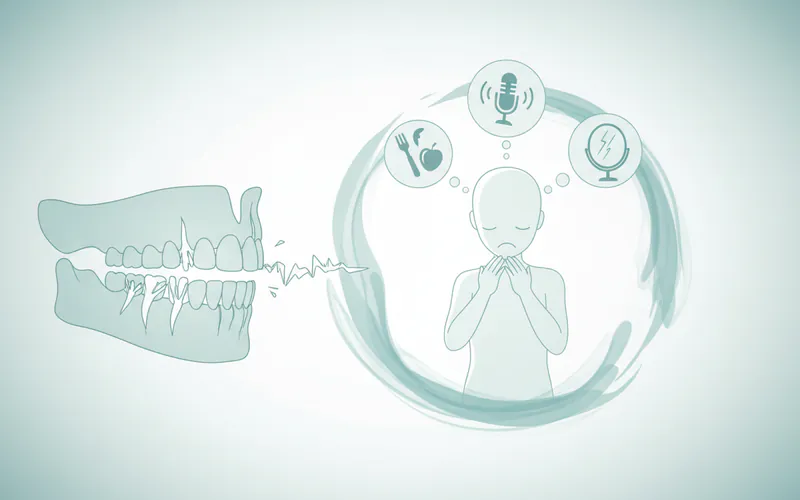
- Difficulty Chewing or Eating: You find it hard to bite into or chew certain foods, especially tough or fibrous ones.
- Speech Impairment: Missing teeth can affect your ability to pronounce certain words clearly.
- Shifting or Loose Teeth: Your remaining teeth feel unstable or have started to drift out of alignment.
- Pain and Discomfort: Chronic toothaches, gum pain, or recurring infections that cannot be resolved through other treatments.
- Receding Gums and Bone Loss: Visible signs of gum recession or changes in your facial structure due to jawbone atrophy.
- Chronic Bad Breath (Halitosis): Often a symptom of extensive decay, gum disease, or severe infection.
- Facial Sagging: A sunken appearance around the mouth and cheeks, which occurs when there are no teeth to support the facial muscles.
Treatment Options for Missing Teeth
While dentures are a popular and effective solution, it's important to be aware of other treatment options for missing teeth, even if they are not the focus of a "$99 dentures" search. Your dentist will help you determine the best course of action based on your oral health, budget, and preferences.
1. Dentures (as detailed above)
- Pros: Most affordable option for multiple missing teeth; non-invasive (no surgery needed for conventional); can be completed relatively quickly.
- Cons: Can be less stable than implants; may require adjustments and relines; takes time to adapt to; potential for discomfort, speech issues, or food restrictions if fit is poor.
2. Dental Implants
Dental implants are small, screw-shaped posts, typically made of titanium, that are surgically placed into the jawbone beneath the gum line. Once integrated with the bone, they serve as artificial tooth roots to which crowns, bridges, or dentures can be attached.
- Pros: Highly stable and durable; preserve jawbone, preventing facial collapse; feel and function like natural teeth; do not rely on adjacent teeth for support.
- Cons: Most expensive option; requires surgical procedure; longer treatment time (healing period); not suitable for everyone (e.g., those with insufficient bone density or certain health conditions).
3. Dental Bridges
A dental bridge is a fixed prosthetic device used to bridge the gap created by one or more missing teeth. It consists of artificial teeth (pontics) held in place by dental crowns cemented onto the natural teeth adjacent to the gap (abutment teeth) or by implants.
- Pros: More stable than removable dentures; non-surgical (if natural teeth are used as abutments); can be a good aesthetic solution.
- Cons: Requires alteration (shaping) of adjacent healthy teeth; may put stress on abutment teeth; not ideal for multiple missing teeth in different areas; potential for decay under crowns.
4. No Treatment
Choosing no treatment for missing teeth can have significant negative consequences.
- Pros: No upfront cost.
- Cons: Adjacent teeth may shift and drift into the empty space, leading to misalignment and bite problems; opposing teeth may super-erupt; difficulty chewing; speech issues; accelerated bone loss in the jaw; negative impact on facial aesthetics and self-esteem. The American Dental Association (ADA) strongly recommends replacing missing teeth to maintain overall oral health and function.
| Feature | Economy Dentures | Conventional Dentures | Premium Dentures | Implant-Supported Dentures | Dental Implants (Single) | Dental Bridge |
|---|---|---|---|---|---|---|
| Initial Cost (US) | $600 - $1,200 (full set) | $1,500 - $3,000 (full set) | $4,000 - $8,000+ (full set) | $6,000 - $15,000+ (per arch) | $3,000 - $6,000 (per tooth) | $2,000 - $5,000 (per unit) |
| Fit & Comfort | Basic, often less precise, may cause sores | Good, custom-fit, generally comfortable | Excellent, highly custom, superior comfort | Superior, stable, secure, prevents movement | Excellent, feels like a natural tooth | Good, stable, non-removable |
| Aesthetics | Standardized, less natural | Good, natural-looking | Excellent, highly natural, customized | Excellent, natural appearance, supports facial structure | Excellent, indistinguishable from natural teeth | Good, natural appearance |
| Durability | 1-3 years (may require frequent repairs/relines) | 5-7 years (with proper care) | 7-10+ years (with proper care) | 10-20+ years (implants can last a lifetime) | 10-20+ years (implant can last a lifetime, crown may need replacement) | 5-15 years |
| Bone Preservation | Does not prevent bone loss (can accelerate over time) | Does not prevent bone loss (can accelerate over time) | Does not prevent bone loss (can accelerate over time) | Preserves jawbone structure | Preserves jawbone structure | Does not prevent bone loss |
| Maintenance | Daily cleaning, frequent relines/adjustments | Daily cleaning, occasional relines/adjustments | Daily cleaning, occasional relines/adjustments | Daily cleaning, professional checks for implants | Daily cleaning like natural teeth | Daily cleaning, special flossing tools |
| Procedure Time | 4-8 weeks (after extractions) | 6-12 weeks (after extractions) | 8-16 weeks (after extractions) | 3-9 months (including implant healing) | 3-9 months (including implant healing) | 2-4 weeks |
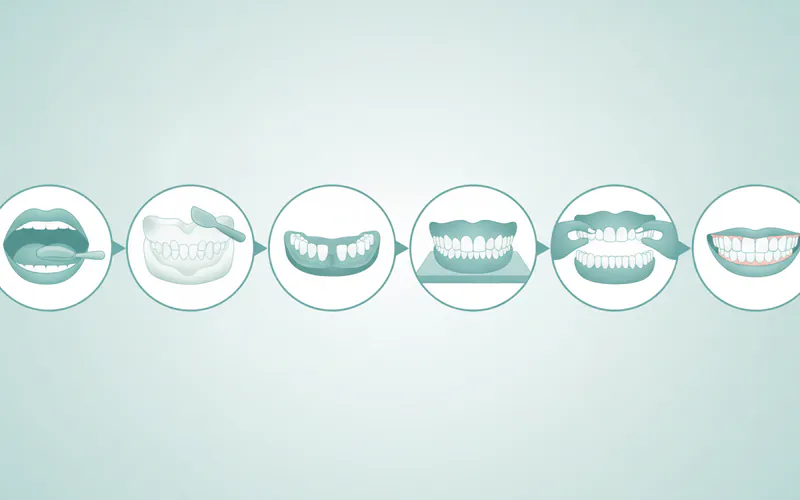
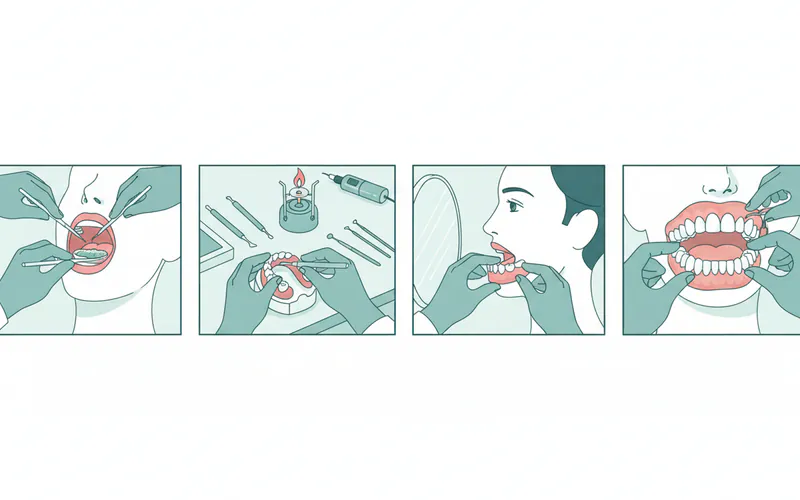
The Step-by-Step Denture Process
Whether you opt for economy, conventional, or premium dentures, the general process involves several key stages to ensure a proper fit and function. The primary difference lies in the number of appointments, the precision of impressions, and the quality of materials used.
1. Initial Consultation and Examination
Your journey begins with a comprehensive dental examination. Your dentist will:
- Assess your overall oral health.
- Review your medical history.
- Take X-rays to evaluate the bone structure of your jaw.
- Discuss your needs, expectations, and budget.
- Present suitable denture options and alternatives.
- If extractions are needed, a plan will be established.
2. Tooth Extractions (If Necessary)
If you have remaining teeth that are decayed, damaged, or otherwise compromised, they will need to be extracted.
- For Conventional Dentures: After extractions, there is a healing period of approximately 8-12 weeks. This allows your gums and underlying bone to fully heal and shrink to their stable size, ensuring a more accurate and long-lasting fit for your dentures.
- For Immediate Dentures: Extractions are performed, and the pre-fabricated immediate dentures are inserted on the same day. This means you won't be without teeth. However, as healing occurs, these dentures will require multiple adjustments or relines.
3. Impression Taking
This is a critical step for creating custom dentures.
- Preliminary Impressions: Your dentist will take an initial impression of your mouth using a soft, moldable material. This provides a basic model of your oral anatomy.
- Custom Trays & Final Impressions: For conventional and premium dentures, a custom impression tray is often made from the preliminary model. This tray allows for a more precise final impression, capturing the exact contours of your gums and underlying bone. For economy dentures, this step might be simplified or even skipped, using a more generic tray, which can compromise the fit.
- Bite Registration: You'll bite down on a special wax block or device to record the relationship between your upper and lower jaws, ensuring your dentures align properly when you chew.
4. Wax Try-In (for Conventional/Premium Dentures)
Based on the impressions, a wax model of your dentures is created. This model contains the artificial teeth set in wax.
- You will try in this wax model. This is a crucial appointment where you and your dentist can evaluate the fit, bite, appearance, and comfort before the final dentures are processed.
- Adjustments can be made to the tooth placement, color, and shape at this stage, ensuring you are happy with the aesthetic outcome.
- For economy dentures, this step might be streamlined or involve less customization, moving directly to a processed acrylic try-in.
5. Fabrication and Processing
Once you approve the wax model (or if you bypass the wax try-in for immediate/economy options), the dental lab will process the dentures.
- The wax is replaced with a durable, gum-colored acrylic material.
- The artificial teeth are permanently set into the acrylic base.
- This process takes several days to a week, depending on the lab and the complexity.
6. Final Placement and Adjustments
Your finished dentures are ready!
- Your dentist will fit the dentures into your mouth, checking for comfort, fit, and bite.
- Minor adjustments will be made to ensure they seat properly and don't create pressure spots.
- You will receive instructions on how to insert, remove, clean, and care for your new dentures.
- It's common to require several follow-up appointments over the next few weeks for further adjustments as your mouth adapts and any sore spots develop. This is especially true for immediate and economy dentures.
Cost of Dentures and Insurance Coverage
The search for "$99 dentures near me" highlights a significant concern for many: affordability. It's vital to clarify that a complete, brand-new set of quality dentures for $99 is generally not a realistic expectation. This price point is almost always a marketing tactic or refers to a partial service.
What Does "$99 Dentures" Usually Mean?
When you see promotions for "$99 dentures," it's typically referring to one of the following:
- A Down Payment: This is the most common interpretation. It might be the initial fee to start the denture process, with the remaining balance due in installments or at completion.
- A Reline Service: Dentures often need a reline every few years to refit them to your changing gum contours. A soft or hard reline can sometimes cost in the range of $99-$300.
- A Denture Repair: Simple repairs, like reattaching a tooth or fixing a small crack, might be priced around $99-$250.
- A Single Tooth Partial Denture: In very rare cases, a very basic single-tooth partial denture (a "flipper") might be offered at an introductory price.
- A Consultation Fee: Some dental offices may advertise a $99 consultation or exam, which is a separate cost from the dentures themselves.
- A Promotional Discount: An extremely low introductory price for a very basic, often pre-fabricated (not custom-fit) economy denture, which might still have hidden costs or require significant upgrades.
Average US Costs for Dentures
The cost of dentures varies widely based on geographic location, the complexity of your case, the type of denture chosen (economy, conventional, premium), the materials used, and the experience of your dental professional.
| Denture Type | Average Cost Range (Per Arch) | Average Cost Range (Full Set - Upper & Lower) | Typical Materials & Features |
|---|---|---|---|
| Economy Dentures | $300 - $600 | $600 - $1,200 | Standard plastic teeth, basic acrylic base, simplified impressions, less custom fit |
| Conventional Dentures | $750 - $1,500 | $1,500 - $3,000 | Higher quality plastic teeth, better acrylic, custom impressions, improved fit & aesthetics |
| Premium Dentures | $2,000 - $4,000+ | $4,000 - $8,000+ | High-grade acrylic/porcelain teeth, advanced acrylic base, highly custom fit, superior aesthetics & durability |
| Partial Dentures (Removable) | $700 - $2,000 | N/A (depends on number of teeth and type) | Metal framework or flexible plastic, acrylic teeth |
| Immediate Dentures | $800 - $2,500 | $1,600 - $5,000 | Similar to conventional but require more adjustments/relines post-extraction |
| Implant-Retained Overdenture | $3,000 - $7,000 (per arch, not including implants) | $6,000 - $14,000 (plus implant costs) | Denture with attachments that snap onto 2-4 implants (implants usually $3,000-$6,000 each) |
Additional Potential Costs:
- Extractions: $75 - $450 per tooth, depending on complexity.
- Relines: $150 - $450 (every 1-3 years).
- Repairs: $100 - $350.
- Soft Liners: $200 - $500.
- Adjustments: Many initial adjustments are included, but extensive or prolonged adjustments may incur fees.
Cost Variations by Region in the US
Dental costs, including dentures, can vary significantly across the United States. Generally, metropolitan areas and regions with a higher cost of living (e.g., California, New York, Northeast) tend to have higher prices than rural areas or states with a lower cost of living (e.g., Midwest, Southern states). For example, a full set of conventional dentures might cost $2,500 in Alabama but $4,000 in New York City.
Insurance Coverage Details
Navigating insurance for dentures can be complex.
- Private Dental Insurance: Most private dental insurance plans offer some coverage for dentures, as they are considered a major restorative procedure. Coverage typically ranges from 30% to 50% of the cost, often after a deductible is met. There's usually an annual maximum benefit, which can range from $1,000 to $2,000. If your denture cost exceeds this, you will pay the remainder out-of-pocket. Always check your specific plan's details regarding coverage percentages, deductibles, waiting periods, and annual maximums.
- Medicare: Original Medicare (Part A and Part B) generally does not cover routine dental care, including dentures. However, some Medicare Advantage (Part C) plans do offer supplemental dental benefits. These plans are offered by private companies approved by Medicare and often include coverage for preventive care, fillings, extractions, and sometimes dentures. Coverage levels vary widely by plan, so it's crucial for seniors to research specific Medicare Advantage plans in their area.
- Medicaid: Medicaid is a joint federal and state program that helps with medical costs for people with limited income and resources. Coverage for dental services, including dentures, varies significantly by state. Some states offer comprehensive dental benefits for adults, while others only cover emergency care or have very limited coverage. Check your state's Medicaid guidelines or contact your state's Medicaid office for specific details.
- Veterans Affairs (VA): The VA provides dental care, including dentures, to eligible veterans. Eligibility often depends on service-connected disabilities or other specific criteria.
- Dental Discount Plans: These are not insurance but membership programs where you pay an annual fee to get reduced rates on dental services from participating providers. Discounts for dentures can range from 10% to 50%.
Payment Plans and Financing Options
If you don't have insurance or still face high out-of-pocket costs, several financing options can make dentures more accessible:
- In-House Payment Plans: Many dental offices offer their own payment plans, allowing you to pay for your dentures in monthly installments directly to the practice.
- Third-Party Medical Financing: Companies like CareCredit or LendingClub offer specialized healthcare credit cards or loans with various interest rates and repayment terms, including interest-free periods if paid in full within a certain timeframe.
- Dental Schools: Dental schools often have clinics where students provide care under the supervision of experienced faculty. Services are typically offered at a significantly reduced cost (sometimes 30-50% less) compared to private practices. The trade-off might be longer appointment times due to the educational environment.
- Community Health Centers/Non-Profit Clinics: Many communities have health centers that offer reduced-cost dental services to low-income individuals or those without insurance.
- State and Local Programs: Some states or local communities have specific programs or grants to assist seniors or low-income individuals with dental care costs.
Pro Tip: When researching affordable dentures, ask your chosen dental provider for a complete written estimate that itemizes all costs, including extractions, impressions, laboratory fees, and follow-up adjustments. This will help you avoid unexpected expenses.
Recovery and Aftercare for Dentures
Adjusting to new dentures takes time and patience. Proper aftercare is crucial for both the longevity of your dentures and the health of your oral tissues.
Initial Adjustment Period
- Sore Spots: It's very common to develop sore spots, especially in the first few days or weeks. These are typically due to pressure points. Schedule an adjustment appointment with your dentist promptly, but avoid trying to adjust them yourself.
- Increased Saliva: Your mouth may produce more saliva initially as it perceives the dentures as a foreign object. This usually subsides.
- Difficulty Speaking: Certain sounds may be challenging to pronounce. Practice reading aloud and speaking in front of a mirror to re-train your tongue and lips.
- Difficulty Chewing: Start with soft foods cut into small pieces. Gradually introduce more varied textures. Chew slowly and evenly on both sides of your mouth to prevent the dentures from tipping. Avoid sticky or very hard foods initially.
- Feeling Loose: New dentures might feel bulky or loose at first. Your facial muscles will learn to hold them in place over time.
Daily Cleaning and Maintenance
Adhering to a strict cleaning routine is essential to prevent stains, bad odor, and oral infections.
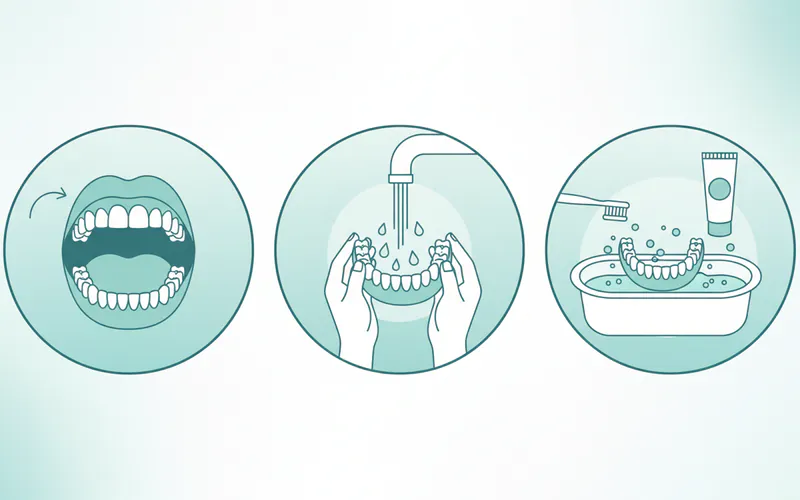
- Remove and Rinse After Eating: After every meal, remove your dentures and rinse them thoroughly under running water to remove food particles.
- Brush Your Dentures Daily: Use a soft-bristled denture brush and a non-abrasive denture cleanser (never regular toothpaste, which can scratch the acrylic) to clean all surfaces of your dentures.
- Clean Your Mouth: Before reinserting your dentures, gently brush your gums, tongue, and the roof of your mouth with a soft toothbrush. If you have any remaining natural teeth, brush and floss them as usual.
- Soak Overnight: Most dentures need to stay moist to retain their shape. Place them in a denture cleanser solution or plain water overnight. Follow the manufacturer's instructions for any specific soaking solution.
- Handle with Care: Always remove and clean your dentures over a basin of water or a folded towel to cushion them if they accidentally fall.
- Avoid Hot Water: Never use hot or boiling water, as it can warp the denture material.
Regular Dental Check-ups
Even with full dentures, regular dental check-ups are vital.
- Your dentist will check the fit of your dentures, examine your gums and oral tissues for any signs of irritation, infection, or oral cancer, and assess for any bone changes.
- Over time, your jawbone naturally shrinks (resorbs) when teeth are missing. This can cause dentures to become loose and require relines or replacement. The ADA recommends annual check-ups for denture wearers.
Prevention of Tooth Loss
The best "treatment" is always prevention. By adopting good oral hygiene habits and making healthy lifestyle choices, you can significantly reduce your risk of tooth loss and the need for dentures.
- Brush Twice Daily: Use a soft-bristled toothbrush and fluoride toothpaste to brush for at least two minutes, twice a day. Focus on gently cleaning all tooth surfaces and along the gum line.
- Floss Daily: Flossing removes plaque and food particles from between your teeth and under the gum line where a toothbrush can't reach.
- Regular Dental Check-ups and Cleanings: Visit your dentist for professional cleanings and examinations at least once a year, or more frequently if recommended. Early detection of decay or gum disease can prevent serious problems.
- Balanced Diet: Limit sugary foods and drinks, which contribute to tooth decay. Eat a diet rich in fruits, vegetables, and lean proteins for overall health and strong teeth and bones.
- Avoid Tobacco Products: Smoking and chewing tobacco are major risk factors for gum disease, oral cancer, and tooth loss.
- Limit Alcohol Consumption: Excessive alcohol intake can also contribute to oral health issues.
- Wear a Mouthguard: If you play contact sports or grind your teeth at night (bruxism), wear a custom-fitted mouthguard to protect your teeth from trauma and excessive wear.
- Address Dental Issues Promptly: Don't ignore tooth pain, bleeding gums, or sensitivity. Seek dental care immediately to address problems before they worsen.
Risks and Complications of Dentures
While dentures can dramatically improve quality of life, it's important to be aware of potential risks and complications, especially with lower-cost economy options.
- Poor Fit: This is the most common and problematic complication, particularly with less customized economy dentures. A poor fit can lead to:
- Sore Spots and Ulcers: Chronic irritation of the gums.
- Difficulty Chewing and Speaking: Instability makes it hard to eat certain foods or pronounce words clearly.
- Accelerated Bone Loss: An ill-fitting denture can put uneven pressure on the jawbone, speeding up bone resorption and leading to a "sunken" facial appearance.
- Denture Stomatitis: An inflammation of the tissues beneath the denture, often caused by fungal infections (like Candida) due to poor hygiene or continuous denture wear.
- Gagging Sensation: Especially with upper dentures that cover the palate, some individuals experience a persistent gag reflex. This often subsides with adaptation but can be a problem for some.
- Speech Changes: While dentures can improve speech if missing teeth were affecting it, new dentures can temporarily alter pronunciation.
- Altered Taste Sensation: Upper dentures covering the palate can sometimes reduce the ability to taste food fully.
- Bone Resorption (Shrinkage): The jawbone naturally shrinks over time when teeth are missing, as it no longer receives the stimulation from chewing. This process is continuous and makes dentures loosen over time, requiring relines or replacement.
- Damage to Remaining Teeth (with Partial Dentures): If not properly designed, partial dentures can place undue stress on the natural teeth they clasp onto, potentially leading to decay or loosening of these anchor teeth.
- Allergic Reactions: Rarely, individuals can be allergic to the acrylic material used in dentures.
- Breakage: Dentures can break or crack if dropped or subjected to excessive force. Economy dentures, made with more basic materials, might be more prone to this.
Pro Tip: If you experience persistent pain, sores that don't heal, or difficulty eating/speaking with your dentures, contact your dentist immediately. Don't try to adjust or repair your dentures yourself, as this can cause irreversible damage.
Frequently Asked Questions
Are $99 dentures real, or is it a scam?
"$99 dentures" typically refers to a down payment, a specific repair, a reline service, or a heavily discounted single partial tooth, not a complete set of new dentures. While the promotional offer itself isn't necessarily a "scam," it's often misleading if interpreted as the full cost for a quality full denture. Always read the fine print and ask for a detailed cost breakdown.
How much do economy dentures actually cost in the US?
A full set of economy dentures (upper and lower) generally costs between $600 to $1,200 in the US. The price can vary by location and the clinic. This is for the most basic model, which may offer a less precise fit and natural appearance compared to higher-priced options.
How long does it take to get economy dentures?
The process for conventional economy dentures, after any necessary extractions and healing (which takes 8-12 weeks), typically involves several appointments over 4-8 weeks for impressions, try-ins, and final fitting. Immediate economy dentures can be placed on the same day as extractions but will require frequent adjustments during the healing period.
Do economy dentures hurt?
Initially, all new dentures can cause some discomfort, including sore spots, pressure points, and difficulty chewing, as your mouth adjusts. Economy dentures, due to less precise customization, might be more prone to creating persistent sore spots or an uncomfortable fit, potentially leading to more pain or the need for frequent adjustments and relines.
What are the main differences between economy and conventional dentures?
Economy dentures use simpler materials, fewer customization options, and a less precise impression process, resulting in a more generic fit and appearance. Conventional dentures use higher quality materials, more detailed impressions, and allow for better customization of tooth shade, shape, and gum contour, leading to a better fit, improved comfort, and more natural aesthetics.
Can I eat normally with economy dentures?
You can eat most foods with economy dentures, but you may experience more difficulty with hard, sticky, or tough foods compared to conventional or premium dentures due to a less stable fit. It takes practice and adjustment to learn how to chew effectively, and certain foods may always remain challenging.
How often do economy dentures need to be replaced?
Economy dentures typically have a shorter lifespan than higher-quality options, often needing replacement every 1-3 years. This is due to the use of less durable materials and the natural changes in your jawbone over time, which can lead to a poorer fit and increased wear.
Are there alternatives to economy dentures for seniors on a budget?
Yes, seniors on a budget can explore options like Medicaid (state-dependent), Medicare Advantage plans with dental benefits, dental schools, community health clinics, and dental discount plans. Some dentists also offer in-house payment plans or work with third-party financing like CareCredit.
Can I get implant-supported dentures on a budget?
While implant-supported dentures are generally more expensive due to the cost of implants and surgery, some practices may offer more affordable packages using fewer implants (e.g., 2 implants per arch for a removable overdenture) or budget-friendly implant systems. This is still a significantly higher investment than traditional economy dentures but offers vastly superior stability and bone preservation.
What should I do if my economy dentures feel loose?
If your economy dentures feel loose, it's crucial to schedule an appointment with your dentist. They can assess if a reline is needed (to refit the denture base to your gums) or if adjustments can improve the fit. Using over-the-counter adhesives excessively or trying to fix them yourself is not recommended and can worsen the problem.
When to See a Dentist
Your oral health is a critical component of your overall well-being. Knowing when to seek professional dental care, especially when dealing with dentures, is essential.
Schedule a routine appointment if you experience:
- General discomfort with your dentures: Mild soreness or a feeling that they're not as comfortable as they once were.
- Difficulty with chewing or speaking that slowly worsens: This might indicate your dentures are starting to lose their fit.
- Minor chips or cracks in your dentures: Small damage that can be repaired before it becomes a major issue.
- It's been more than a year since your last denture check-up: Regular evaluations are crucial for maintaining the fit of your dentures and the health of your oral tissues.
- You're considering a new set of dentures or exploring alternative options: A consultation can provide valuable insights into current technologies and costs.
See a dentist promptly (within a few days) if you notice:
- Persistent sore spots or ulcers in your mouth that don't heal within a few days: These could be signs of an ill-fitting denture, fungal infection (denture stomatitis), or more serious issues.
- Significant loosening of your dentures: If they are consistently slipping or moving, affecting your ability to eat or speak comfortably.
- Sudden difficulty chewing or significant changes in your bite.
- Visible changes in the appearance of your gums, such as redness, swelling, or bleeding under your dentures.
- Foul odor from your dentures or mouth that persists despite cleaning.
- Visible breakage of your denture, such as a fractured base or a missing tooth.
Seek immediate dental attention (emergency) if you have:
- Severe, unbearable pain from your dentures or oral tissues.
- A broken denture that makes it impossible to eat or speak, especially if it's causing sharp pain or injury.
- Signs of an acute infection, such as pus, fever, or swelling in your face or jaw.
- An allergic reaction to denture materials, characterized by widespread rash, swelling, or difficulty breathing (though rare, seek medical attention immediately).
Your dentist is your best resource for maintaining healthy oral function with dentures. Do not hesitate to contact them with any concerns, big or small. Regular professional care helps extend the life of your dentures and, most importantly, protects your oral and overall health.
Frequently Asked Questions
Medically Reviewed Content
This article was written by our dental health editorial team and reviewed for medical accuracy. Our content follows strict editorial guidelines for reliability and trustworthiness.
Medical Disclaimer
This article is for informational purposes only and does not constitute medical advice. Always consult with a qualified dental professional for diagnosis and treatment. Do not delay seeking professional advice because of something you read on this website.
Related Articles
Cheap Dentures: Complete Guide
Facing the prospect of tooth loss can be daunting, and the thought of replacing missing teeth often brings financial concerns to the forefront. Did you know that an estimated 36 million Americans are completely edentulous (missing all their teeth), and another 120 million are missing at leas
February 23, 2026
Full Mouth Reconstruction Near Me: Complete Guide
You've been living with dental pain, difficulty eating, or a smile you're too embarrassed to share. Perhaps years of neglect, trauma, or disease have taken a toll on your oral health, leaving you wondering if there's any hope for a complete restoration. You're not alone. **Millions of Americans face
February 23, 2026
Snap-in Dentures Cost Near Me: Complete Price Guide 2026
For many Americans navigating the challenges of significant tooth loss, the search for a stable, comfortable, and aesthetically pleasing dental solution often leads to implant-supported dentures. Unlike traditional dentures that rely on suction and adhesives, snap-in dentures offer a remarkable impr
February 23, 2026
Full Dentures: Complete Guide
Approximately 36 million Americans are missing all of their teeth, a condition known as edentulism. For many, this significant health challenge profoundly impacts daily life, affecting everything from nutrition and speech to self-confidence. If you're facing complete tooth loss or struggling wit
February 23, 2026