Full Dentures: Complete Guide
Key Takeaways
- Approximately 36 million Americans are missing all of their teeth, a condition known as edentulism. For many, this significant health challenge profoundly impacts daily life, affecting everything from nutrition and speech to self-confidence. If you're facing complete tooth loss or struggling wit
Approximately 36 million Americans are missing all of their teeth, a condition known as edentulism. For many, this significant health challenge profoundly impacts daily life, affecting everything from nutrition and speech to self-confidence. If you're facing complete tooth loss or struggling with failing teeth, the prospect of restoring your smile and oral function can feel overwhelming. However, modern dentistry offers highly effective solutions, and full dentures stand out as a time-tested and continuously evolving option. This comprehensive guide from SmilePedia.net aims to demystify full dentures, providing you with all the medically accurate information you need to make informed decisions about your oral health. We’ll delve into the different types of full dentures, the step-by-step process of getting them, their costs, essential aftercare, and what to expect on your journey to a restored smile. Understanding your options is the first step towards regaining your quality of life, and this article will serve as your definitive resource.
Key Takeaways:
- Full dentures are removable dental appliances that replace all missing teeth in an arch (upper, lower, or both), restoring function and aesthetics.
- Average cost for a conventional full denture in the US ranges from $1,500 to $4,000 per arch, with premium options reaching $8,000 or more.
- The process typically takes 3-6 weeks for conventional dentures after extractions, or several months for implant-supported options.
- Good oral hygiene, regular dental check-ups, and proper denture care are crucial for longevity and preventing complications.
- Implant-supported overdentures offer enhanced stability and comfort compared to traditional removable dentures, often at a higher initial investment.
- Most dental insurance plans offer partial coverage (typically 15-50%) for full dentures, but specific benefits vary greatly.
What It Is: An Overview of Full Dentures
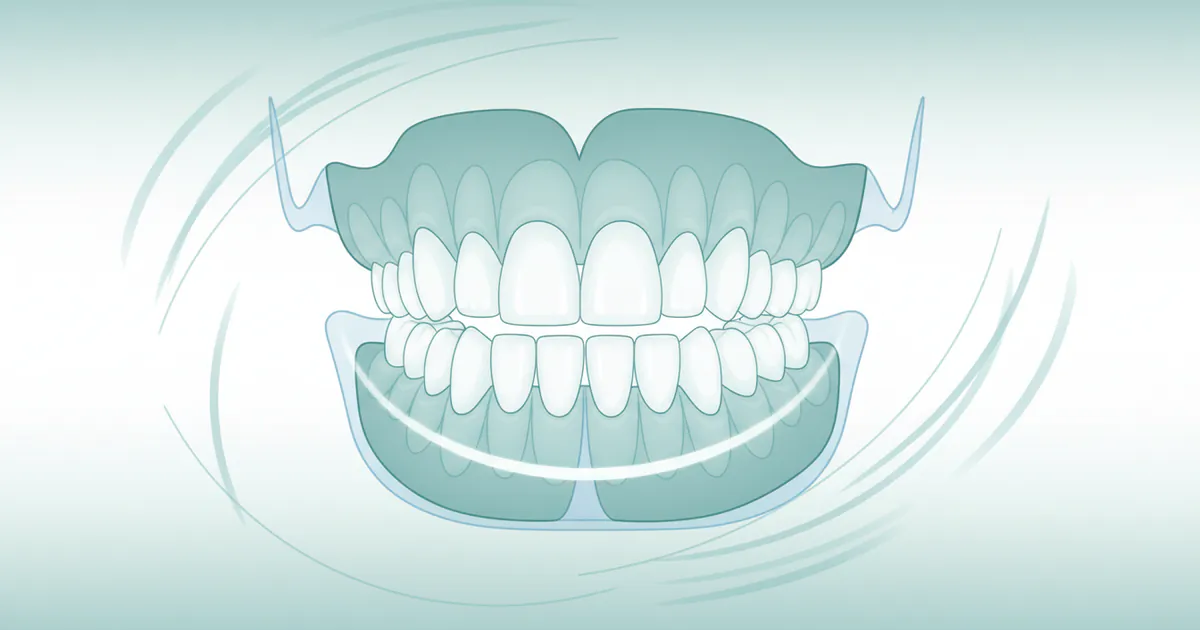
Full dentures, also known as complete dentures, are prosthetic devices specifically designed to replace all of the natural teeth in either the upper jaw, the lower jaw, or both. They are custom-made to fit comfortably over your gums and the underlying bone structure, mimicking the appearance of natural teeth and gums. The primary purpose of full dentures is to restore essential oral functions such as chewing, speaking, and maintaining the structural integrity of your facial muscles, which can sag and change shape in the absence of teeth.
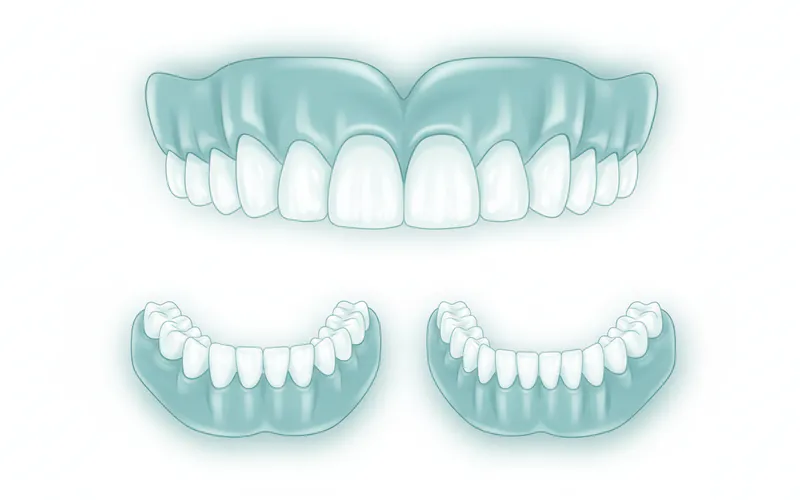
The concept of replacing missing teeth dates back centuries, but modern full dentures are far more sophisticated, offering improved fit, aesthetics, and comfort. They are typically fabricated from a combination of acrylic resin for the gum-colored base and high-quality, durable acrylic or porcelain for the artificial teeth. Unlike partial dentures, which replace only a few missing teeth while natural teeth remain, full dentures are for individuals who have lost all teeth in an entire arch. They are a common and effective solution for complete edentulism, a condition that can arise from various factors including severe dental decay, periodontal (gum) disease, trauma, or certain systemic health conditions.
Types and Variations of Full Dentures
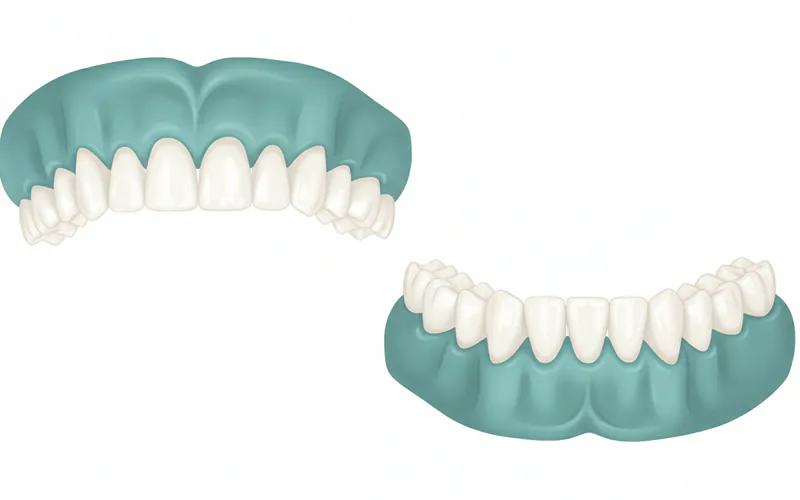
While the term "full dentures" often conjures an image of a traditional removable appliance, modern dentistry offers several variations, each with distinct advantages and suitability for different patient needs. Understanding these types is crucial when considering your options.
1. Conventional Full Dentures
These are the most common type of full dentures. They are made and placed in your mouth after all remaining teeth have been extracted and the gum tissues have had sufficient time to heal. This healing process typically takes 6 to 8 weeks, sometimes longer. During this period, you would be without teeth unless a temporary solution is provided.
- Pros:
- Generally the most affordable option.
- Custom-made for a precise fit after tissue healing, leading to stable results.
- Improved aesthetics and function once fabricated.
- Cons:
- Requires a period of being toothless during the healing phase.
- May require periodic relining or adjustments as the jawbone continues to resorb (shrink) over time.
- Can sometimes feel less stable than implant-supported options, particularly the lower denture.
2. Immediate Full Dentures
Immediate dentures are fabricated in advance and can be placed in your mouth immediately after the remaining teeth are extracted. This means you do not have to go through a period without teeth. Your dentist will take impressions of your mouth and measurements while your natural teeth are still present.
- Pros:
- You never have to be without teeth, maintaining aesthetics and some chewing ability immediately after extractions.
- Protects the extraction sites and can act as a bandage, potentially aiding in initial healing.
- Helps you adapt to speaking and chewing with dentures sooner.
- Cons:
- Because the gums and bone will change shape significantly during the healing process, immediate dentures often require multiple adjustments, relines (soft or hard), or even a completely new conventional denture after about 6-12 months.
- The initial fit may not be as precise as conventional dentures since they are made before healing.
- Can be slightly more expensive than conventional dentures due to the need for multiple adjustments.
3. Overdentures (Implant-Supported Dentures)
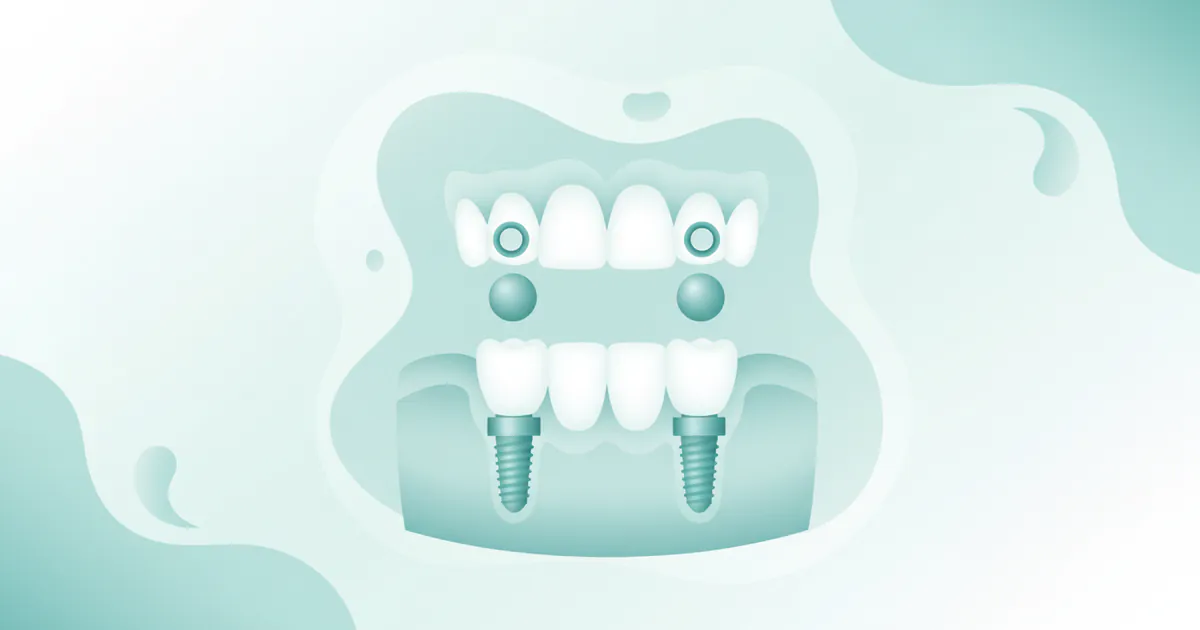
Overdentures are a revolutionary advancement in denture technology. Instead of resting solely on the gums, they are supported by a small number of dental implants (typically 2-4 implants in the lower jaw, and 4-6 in the upper jaw) that are surgically placed into the jawbone. The dentures then snap onto these implants, providing significantly greater stability and retention.
- Pros:
- Significantly improved stability and retention: This dramatically reduces movement, making chewing and speaking much easier and more comfortable.
- Enhanced chewing efficiency: Patients can often eat a wider variety of foods.
- Preservation of jawbone: Dental implants stimulate the jawbone, preventing the bone loss that naturally occurs when teeth are missing. This helps maintain facial structure.
- Increased comfort and confidence: Less worry about dentures slipping or falling out.
- Can be removable (snapped onto implants) or fixed (screwed onto implants).
- Cons:
- Higher initial cost: Involves surgical placement of implants, making it a more significant investment.
- Longer treatment timeline: Requires time for implant surgery and osseointegration (implants fusing with the bone), usually 3-6 months.
- Surgical procedure carries inherent risks, though generally low.
4. Hybrid Dentures / All-on-4® (Fixed Implant Dentures)
While technically not "removable full dentures," hybrid dentures, often exemplified by the All-on-4® concept, are a fixed prosthetic solution for complete tooth loss. They are permanently secured to a minimal number of dental implants (typically four to six) and are not removable by the patient.
- Pros:
- Maximum stability and comfort: Functions almost exactly like natural teeth.
- Superior chewing efficiency and aesthetics.
- Bone preservation.
- No palate coverage for the upper arch, enhancing taste and sensation.
- Cons:
- Highest cost: Requires extensive surgical and restorative work.
- Irreversible: Requires surgical implant placement.
- More complex cleaning and maintenance than traditional dentures, similar to cleaning around natural bridges.
Pro Tip: When discussing options with your dentist, ask to see examples of each type of denture. This can help you visualize the differences and understand the potential aesthetic and functional outcomes.
Causes: Why Complete Tooth Loss Occurs
Complete tooth loss, or edentulism, is not an instantaneous event but rather the cumulative result of various oral health issues that lead to the eventual extraction or loss of all teeth in an arch. Understanding these underlying causes is key to prevention and choosing the right restorative path.
- Severe Periodontal (Gum) Disease: This is the leading cause of tooth loss in adults. Chronic bacterial infection damages the gum tissue and the bone supporting the teeth. As the disease progresses, teeth loosen and eventually fall out or require extraction.
- Extensive Dental Caries (Tooth Decay): Uncontrolled and widespread cavities can destroy tooth structure to the point where teeth become non-restorable. This is particularly prevalent in individuals with poor oral hygiene, limited access to dental care, or conditions like dry mouth (xerostomia).
- Trauma or Injury: Accidents, falls, or sports-related injuries can lead to the loss of multiple teeth, necessitating full dentures if enough teeth are affected.
- Systemic Diseases and Medications: Certain medical conditions, such as uncontrolled diabetes, osteoporosis, and some autoimmune disorders, can increase the risk of tooth loss. Medications that cause dry mouth can also contribute to rampant decay and gum disease.
- Age-Related Factors: While not a direct cause, the cumulative effect of wear and tear, coupled with a lifetime of dental issues, can make older adults more susceptible to complete tooth loss. The Centers for Disease Control and Prevention (CDC) reports that approximately 1 in 6 adults aged 65 or older have lost all of their teeth.
- Congenital Conditions: Rarely, individuals may be born with conditions that result in missing or poorly formed teeth, leading to early tooth loss.
Signs and Symptoms Indicating a Need for Full Dentures
The "signs and symptoms" for full dentures aren't about the dentures themselves, but rather the indicators that someone needs full dentures. These are the problems that lead a person to seek a solution for complete tooth replacement.
- Widespread Tooth Loss or Mobility: You have lost most or all of your teeth in an arch, or the remaining teeth are severely loose and deemed non-restorable by a dentist.
- Difficulty Chewing and Eating: Inability to properly chew food, leading to a restricted diet and potential nutritional deficiencies. You might find yourself avoiding certain foods entirely.
- Speech Impairment: Missing teeth can affect your ability to pronounce words clearly, leading to slurred speech or whistling sounds.
- Facial Sagging or Changes: The absence of teeth can cause the facial muscles to sag, making the face appear older, with sunken cheeks and a more prominent jawline.
- Chronic Oral Pain or Infection: Persistent pain, abscesses, or infections from severely decayed or diseased teeth.
- Low Self-Confidence: Embarrassment about your smile or the inability to interact socially due to missing teeth.
Treatment Options: Beyond Traditional Full Dentures
When facing complete tooth loss, full dentures are a prominent solution, but it's important to understand the broader landscape of tooth replacement options. Your dentist will help you determine the most suitable path based on your oral health, bone structure, lifestyle, and budget.
1. Traditional Removable Full Dentures (Conventional and Immediate)
- Pros: Most economical, non-invasive (no surgery needed once teeth are out), relatively quick fabrication for conventional.
- Cons: Can be less stable, may affect taste (upper denture covers palate), requires removal for cleaning, can accelerate bone loss over time.
2. Dental Implants and Fixed Prostheses (e.g., All-on-4®)
- Pros: Most stable and natural-feeling, prevents bone loss, no need for adhesives, superior chewing function and aesthetics, no palate coverage for upper arch.
- Cons: Highest cost, requires surgery, longer treatment time, not all patients are candidates (bone density, health conditions).
3. Implant-Retained Overdentures
- Pros: Significantly improved stability over traditional dentures, helps preserve jawbone, removable for easy cleaning, more affordable than full arch fixed implants.
- Cons: Higher cost than traditional dentures, requires surgery, still removable (some may prefer fixed options), minor movement compared to fixed options.
Pro Tip: For many patients, implant-retained overdentures strike an excellent balance between cost, stability, and bone preservation, offering a significant upgrade from conventional dentures without the full investment of a completely fixed implant prosthesis.
Comparison Table: Full Denture Options
| Feature | Conventional Full Dentures | Immediate Full Dentures | Implant-Retained Overdentures | Fixed Implant Dentures (e.g., All-on-4®) |
|---|---|---|---|---|
| Stability | Lowest (relies on suction/adhesives) | Low (due to changing gum contours) | High (snaps onto implants) | Highest (permanently fixed) |
| Bone Preservation | None, bone loss continues | None, bone loss continues | Good (implants stimulate bone) | Excellent (implants stimulate bone) |
| Chewing Efficiency | Moderate | Moderate | Good | Excellent |
| Aesthetics | Good | Good | Excellent | Excellent |
| Cost (per arch) | $1,500 - $4,000 | $2,000 - $5,000 (incl. adjustments) | $6,000 - $15,000 (incl. 2-4 implants) | $15,000 - $30,000+ (incl. 4-6 implants) |
| Treatment Time | 3-6 weeks (after healing) | Immediate placement, then 6-12 months of adjustments | 4-9 months (implants + denture) | 4-12 months (implants + bridge) |
| Removable? | Yes | Yes | Yes (by patient) | No (only by dentist) |
| Surgery? | No (after extractions) | No (after extractions) | Yes (for implants) | Yes (for implants) |
| Palate Covered? | Yes (upper denture) | Yes (upper denture) | Yes (upper overdenture, sometimes smaller) | No (upper arch typically leaves palate open) |
Step-by-Step Process for Getting Full Dentures
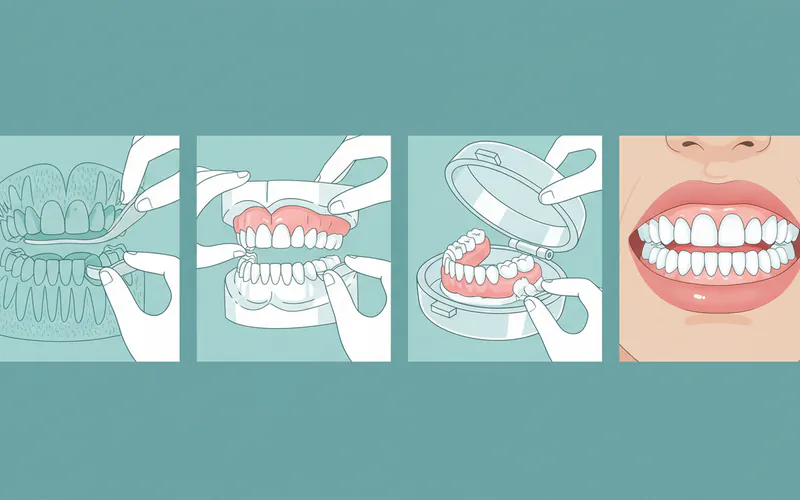
The journey to a new smile with full dentures involves several carefully planned stages, ensuring a precise fit and optimal function. While timelines vary slightly depending on the type of denture and individual healing, the general process remains consistent.
1. Initial Consultation and Assessment
Your dentist will conduct a thorough oral examination, including X-rays, to assess the condition of any remaining teeth, gum health, and the underlying jawbone structure. They will discuss your medical history, lifestyle, and aesthetic preferences. This is when you'll explore the different types of full dentures and decide which option is best for you.
2. Treatment Planning and Extractions
If you have remaining teeth that need to be removed, your dentist will develop an extraction plan. For conventional dentures, all extractions are performed first, and the gums are allowed to heal for 6-8 weeks. For immediate dentures, impressions are taken before extractions so the dentures can be fabricated in advance.
3. Impression Taking
Precise impressions of your mouth are crucial. Your dentist will take molds of your jaw and existing oral structures using special dental materials. These impressions are sent to a dental laboratory, where skilled technicians will custom-craft your dentures. For immediate dentures, these impressions are taken while natural teeth are still present.
4. Creating a Wax Try-In
Based on the impressions, the dental lab creates a wax model of your future dentures. This model includes the artificial teeth set in a wax base. During this crucial appointment, you'll "try on" the wax dentures. This allows your dentist to evaluate the fit, bite, and aesthetics. You'll have the opportunity to provide feedback on the tooth shade, shape, and how your new smile looks and feels. Adjustments are easily made at this stage.
5. Final Denture Fabrication
Once you and your dentist are satisfied with the wax try-in, the dental lab will convert the wax model into the final, durable acrylic full dentures. This involves replacing the wax with high-quality, gum-colored acrylic and securely embedding the artificial teeth.
6. Placement of Final Dentures
- Conventional Dentures: Once your gums have fully healed (if extractions were needed), your custom-made conventional dentures will be delivered. Your dentist will ensure the fit is snug and comfortable, make any minor adjustments, and provide detailed instructions on care and adaptation.
- Immediate Dentures: These are placed immediately after your remaining teeth are extracted. This avoids a period of being without teeth, but necessitates follow-up adjustments as your gums and bone heal and shrink over the following months.
- Implant-Supported Dentures: This process begins with surgical placement of dental implants. After a healing period of 3-6 months for osseointegration, the abutments are attached, and then the custom-made overdenture is fabricated and secured onto the implants.
7. Adjustment Appointments
Regardless of the type, initial adjustment appointments are common and essential. Your mouth and jaw will undergo changes as you adapt to the dentures, and minor sore spots or pressure points may develop. Your dentist will make necessary modifications to ensure comfort and proper function. Several adjustment appointments may be required during the first few weeks or months.
Cost and Insurance for Full Dentures in the US
The cost of full dentures in the United States can vary significantly based on the type of denture, the materials used, the complexity of your case, the geographic location of the dental practice, and the dentist's experience. Understanding these factors and your insurance coverage is vital for financial planning.
Average US Cost Ranges (Per Arch)
| Denture Type | Low Range | Mid Range | High Range |
|---|---|---|---|
| Conventional Full Denture | $1,500 - $2,500 | $2,500 - $4,000 | $4,000 - $8,000+ |
| Immediate Full Denture | $2,000 - $3,000 | $3,000 - $5,000 | $5,000 - $9,000+ |
| Implant-Retained Overdenture | $6,000 - $10,000 | $10,000 - $15,000 | $15,000 - $25,000+ |
| Fixed Implant Denture (All-on-4® concept) | $15,000 - $20,000 | $20,000 - $30,000 | $30,000 - $40,000+ |
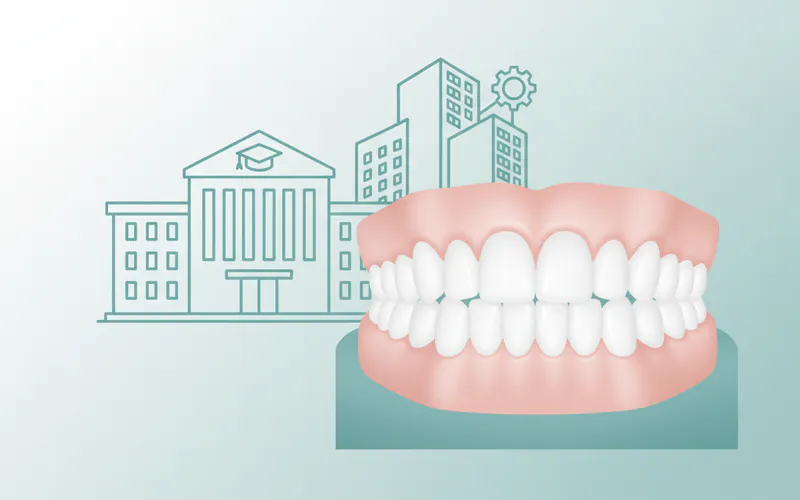
- Low Range: Often includes basic materials and fewer customization options. May be found at dental schools or larger corporate clinics.
- Mid Range: Represents good quality materials, custom shading, and a balance of aesthetics and durability from most private practices.
- High Range: Features premium materials, highly aesthetic results, advanced techniques, and extensive customization by prosthodontists (dental specialists in prosthetics).
Additional Costs to Consider:
- Extractions: If you have remaining teeth, extractions can cost anywhere from $75 to $300 per tooth for simple extractions, and more for surgical extractions.
- Bone Grafting: If jawbone density is insufficient for implants, bone grafting may be required, adding $250 - $1,500 per site.
- Temporary Dentures/Flippers: If not getting immediate dentures, a temporary acrylic "flipper" can cost $300 - $600.
- Relines and Repairs: Over time, dentures may need relines ($200 - $500) or repairs ($100 - $400).
Dental Insurance Coverage
Most dental insurance plans offer some level of coverage for full dentures, as they are considered a major restorative procedure. However, the extent of coverage varies significantly:
- Coverage Percentage: Typically, dental insurance plans cover 15% to 50% of the cost of full dentures. Some plans might cover up to 80% for basic dentures, while others have a lower percentage or only cover a portion of the lab fees.
- Annual Maximums: Most dental insurance plans have an annual maximum benefit, often ranging from $1,000 to $2,000. If the cost of your dentures exceeds this, you will be responsible for the remainder. For expensive implant-supported options, the annual maximum will likely be reached quickly.
- Waiting Periods: Many plans impose waiting periods (e.g., 6-12 months) for major restorative services like dentures. You must have been enrolled in the plan for this duration before benefits apply.
- Deductibles: You will typically need to meet an annual deductible (e.g., $50 - $150) before your insurance starts covering costs.
- Pre-Authorization: It's highly recommended to get a pre-authorization from your insurance company before starting treatment. This will give you a clear estimate of what your plan will cover.
With vs. Without Insurance
- Without Insurance: You will be responsible for 100% of the cost. This can be a substantial out-of-pocket expense, especially for premium or implant-supported options.
- With Insurance: While insurance helps, it rarely covers the full cost. You should anticipate paying a significant portion out-of-pocket, particularly if your treatment plan includes more advanced denture types or numerous extractions.
Payment Plans and Financing Options
Many dental offices understand the financial burden of dentures and offer various payment solutions:
- In-Office Payment Plans: Some practices allow you to pay for treatment in installments over several months, often without interest.
- Third-Party Financing: Companies like CareCredit or LendingClub offer specialized healthcare credit cards with low or no-interest promotional periods for qualifying applicants.
- Dental Schools: Dental schools often provide services at a reduced cost, as treatment is performed by students under the supervision of experienced faculty. This can be a cost-effective option, though appointment times may be longer.
- Community Dental Clinics: Some community health centers offer sliding scale fees or discounted services based on income.
Pro Tip: Don't let cost deter you from exploring your options. Discuss all financial aspects openly with your dental office. They can often help you navigate insurance benefits and financing solutions to make treatment more affordable.
Recovery and Aftercare for Full Dentures
Adapting to full dentures is a process that requires patience and diligent care. Proper recovery and consistent aftercare are essential for your comfort, oral health, and the longevity of your dentures.
Initial Adaptation Phase (First Few Weeks)
- Soreness and Discomfort: It's normal to experience some soreness, irritation, or even minor pressure spots as your mouth adjusts. Your dentist will schedule follow-up appointments to make adjustments. Do not attempt to adjust your dentures yourself.
- Increased Saliva Flow: Your mouth may produce more saliva initially as it senses a foreign object. This typically subsides within a few days to weeks.
- Difficulty Speaking: Pronouncing certain words may be challenging at first. Practice reading aloud and speaking in front of a mirror to help your tongue and lips adapt.
- Eating Challenges: Start with soft foods cut into small pieces. Chew slowly and evenly on both sides of your mouth to prevent the dentures from tipping. Gradually introduce firmer foods as you gain confidence. Avoid very sticky or hard foods initially.
- Wearing Schedule: Your dentist will provide specific instructions. For immediate dentures, you'll likely wear them continuously for the first 24-48 hours, even while sleeping, to help control swelling and aid healing. After this initial period, conventional and immediate dentures should generally be removed at night to allow your gums to rest and breathe.
Long-Term Care and Maintenance
- Daily Cleaning: This is paramount. Remove your dentures and rinse them under running water after every meal to remove loose food particles. Brush your dentures daily with a soft-bristled denture brush and a non-abrasive denture cleanser (never use regular toothpaste, which can scratch the acrylic). Pay attention to all surfaces, including the part that contacts your gums.
- Soaking: Most dentures should be soaked overnight in a denture cleansing solution or plain water to keep them moist and prevent warping. Follow the manufacturer's instructions for your specific denture cleanser.
- Oral Hygiene for Your Mouth: Even without natural teeth, it's crucial to brush your gums, tongue, and the roof of your mouth daily with a soft toothbrush. This removes plaque and food debris, stimulates circulation, and keeps your mouth fresh.
- Handling Dentures: Always handle your dentures over a soft towel or a basin of water to prevent breakage if they are accidentally dropped.
- Regular Dental Check-ups: Schedule annual check-ups with your dentist. They will examine your dentures for fit, wear, and tear, and check the health of your oral tissues for any signs of irritation, infection, or oral cancer. They may also recommend professional denture cleaning or relines.
- Denture Adhesives: While not always necessary for well-fitting dentures, adhesives can provide extra security and confidence. Use them sparingly and according to instructions. Clean off all adhesive residue daily.
- Relining and Re-basing: Over time, your jawbone naturally changes shape and shrinks (resorbs) when teeth are missing. This can cause dentures to loosen and fit poorly. Your dentist may recommend a reline (adding new acrylic to the denture base) or a re-base (creating an entirely new base for the existing teeth) every 2-5 years to restore the fit.
Pro Tip: Even if you have implant-supported overdentures, you still need to clean both the dentures and the implant sites daily. Your dentist or hygienist will show you specific brushes and techniques for cleaning around implants.
Prevention: Avoiding Complete Tooth Loss
While full dentures offer an excellent solution for complete tooth loss, the best approach is always prevention. Maintaining good oral hygiene and addressing dental issues promptly can significantly reduce your risk of needing full dentures.
- Maintain Excellent Oral Hygiene: Brush your teeth at least twice a day with fluoride toothpaste and floss daily. This is the foundation for preventing cavities and gum disease.
- Regular Dental Check-ups and Cleanings: Visit your dentist every six months for professional cleanings and examinations. Early detection of cavities, gum disease, or other issues can prevent them from escalating to tooth loss.
- Healthy Diet: Limit sugary and acidic foods and drinks, which contribute to tooth decay. Emphasize a diet rich in fruits, vegetables, and lean proteins.
- Avoid Tobacco Products: Smoking and chewing tobacco are major risk factors for severe gum disease, oral cancer, and tooth loss. Quitting tobacco is one of the most impactful steps you can take for your oral and overall health.
- Manage Systemic Health Conditions: Conditions like diabetes can significantly impact oral health. Work with your physician to manage any chronic diseases effectively.
- Wear a Mouthguard: If you participate in contact sports or grind your teeth at night (bruxism), wear a custom-fitted mouthguard to protect your teeth from trauma or excessive wear.
- Address Dry Mouth: If you experience dry mouth, discuss it with your dentist or physician. It can increase the risk of decay. Strategies include using saliva substitutes, fluoride rinses, and sugar-free gum.
Risks and Complications Associated with Full Dentures
While full dentures are generally safe and effective, like any dental prosthesis, they come with potential risks and complications. Being aware of these can help you identify issues early and seek appropriate care.
- Poor Fit and Discomfort: This is the most common complaint. Dentures can become loose over time due to natural jawbone changes, leading to sore spots, rubbing, and difficulty eating. Poorly fitting dentures can also accelerate bone loss.
- Difficulty Speaking and Eating: Initial adaptation challenges are normal, but persistent difficulty may indicate a fit issue or require additional speech therapy.
- Oral Irritations and Sores: Constant rubbing can lead to chronic irritation, inflammation, and ulcerations on the gums.
- Denture Stomatitis: A common fungal infection (Candida albicans) that causes inflammation, redness, and discomfort under the denture, often due to poor hygiene or continuous wear.
- Accelerated Jawbone Resorption: Without the stimulation of natural tooth roots, the jawbone beneath conventional dentures will gradually shrink. This leads to a constantly changing fit and can alter facial aesthetics over time.
- Denture Breakage or Damage: Dentures can crack, chip, or break if dropped or subjected to excessive force.
- Gagging Reflex: Some patients, particularly those with a sensitive gag reflex, may initially struggle with upper dentures that cover the palate.
- Allergic Reactions: Rarely, individuals may have an allergic reaction to the acrylic material in the dentures.
- Infection at Implant Sites (for Overdentures): While rare, peri-implantitis (infection around an implant) can occur, potentially leading to implant failure. Good hygiene and regular check-ups minimize this risk.
If you experience persistent pain, significant difficulty with your dentures, or any signs of infection, it's crucial to contact your dentist immediately.
Children / Pediatric Considerations
Full dentures are designed for individuals who have experienced complete tooth loss in an arch. This condition, known as edentulism, is overwhelmingly an adult issue, most commonly affecting older adults. Therefore, full dentures are generally not applicable to children.
Children might require partial dentures (often called "space maintainers" or "pediatric partial dentures") if they lose primary teeth prematurely due to trauma or extensive decay. These appliances help preserve space for permanent teeth and aid in speech and chewing. However, these are fundamentally different from full dentures, which are designed to replace an entire set of adult teeth. In very rare cases of congenital conditions resulting in agenesis (absence) of most or all permanent teeth, a child might eventually need extensive prosthodontic work, but this would be a highly specialized and individualized treatment plan, distinct from typical adult full denture scenarios.
Frequently Asked Questions
What are full dentures made of?
Full dentures are typically made from a durable, medical-grade acrylic resin for the gum-colored base and the artificial teeth. The teeth themselves can also be made from porcelain for enhanced aesthetics, though acrylic teeth are more common due to their lighter weight and ability to withstand impact better than porcelain.
How long does it take to get used to full dentures?
The initial adjustment period for full dentures typically ranges from a few weeks to several months. During this time, you may experience soreness, increased saliva flow, and some difficulty with speaking and chewing. Patience and consistent practice, along with follow-up adjustments from your dentist, are key to comfortable adaptation.
Do dentures feel like natural teeth?
No, traditional full dentures do not feel exactly like natural teeth. While they restore function and aesthetics, they are removable prosthetics that rest on your gums. You will feel them as a foreign object in your mouth, and their stability will differ from natural teeth. Implant-supported dentures, however, offer a much closer experience to natural teeth in terms of stability and comfort.
How often do full dentures need to be replaced or relined?
Conventional full dentures typically need to be replaced every 5 to 10 years, depending on wear and tear, and changes in your jawbone structure. Relining (resurfacing the underside of the denture for a better fit) is often recommended every 2 to 5 years as your gums and bone naturally resorb over time.
Can I sleep with my full dentures in?
While some immediate dentures are worn continuously for the first 24-48 hours post-extraction to aid healing, most conventional and immediate dentures should generally be removed at night. This allows your gums to rest, promotes circulation, and prevents the accumulation of bacteria and fungi, reducing the risk of denture stomatitis and other oral irritations.
Will full dentures affect my speech?
Yes, full dentures can initially affect your speech. You may find yourself lisping, whistling, or having difficulty pronouncing certain sounds. This is normal and usually improves with practice. Reading aloud, speaking slowly, and repeating challenging words can help your tongue and lips adapt to the new shapes in your mouth.
How do I clean my full dentures?
You should clean your full dentures daily by brushing them with a soft-bristled denture brush and a non-abrasive denture cleaner. Avoid regular toothpaste, as it can scratch the acrylic. After brushing, rinse them thoroughly and soak them overnight in water or a denture cleaning solution to keep them moist and prevent warping.
What are the alternatives to full dentures?
The primary alternatives to traditional removable full dentures include implant-retained overdentures, which are supported by dental implants and offer much greater stability, and fixed implant prostheses (like the All-on-4® concept), which are permanently attached to implants and function most like natural teeth. Each option has different costs, timelines, and benefits.
Can I get implant-supported full dentures after having traditional dentures for years?
Yes, many individuals who have worn traditional full dentures for years are excellent candidates for implant-supported overdentures. However, long-term denture wear can lead to significant jawbone loss. Your dentist will evaluate your current bone density to determine if bone grafting is necessary before implant placement.
Are full dentures covered by insurance?
Most dental insurance plans provide some coverage for full dentures, typically classifying them as a major restorative service. Coverage usually ranges from 15% to 50%, often subject to annual maximums, deductibles, and waiting periods. It's crucial to confirm your specific benefits with your insurance provider prior to treatment.
When to See a Dentist
Regular dental check-ups are always important, but certain signs warrant an immediate or prompt visit to your dentist, especially when you wear full dentures or are considering them.
- Persistent Pain or Sore Spots: If you experience ongoing pain, redness, or open sores under your dentures that don't resolve within a few days, it's a sign that your dentures may not fit properly or you may have an infection. This needs immediate attention to prevent further irritation or more serious issues.
- Loose or Ill-Fitting Dentures: If your dentures suddenly become very loose, click when you talk, or move excessively when you eat, they may need a reline or adjustment. Poorly fitting dentures can lead to discomfort, difficulty chewing, and accelerate jawbone loss.
- Denture Breakage, Cracks, or Chips: Any damage to your dentures should be addressed promptly by your dentist. Attempting to repair them yourself can cause further damage and make professional repair more difficult or impossible.
- Difficulty Chewing or Speaking: If you continue to struggle significantly with eating or clear speech after the initial adjustment period, it could indicate a fit issue with your dentures or a need for professional guidance.
- Swelling, Pus, or Foul Odor: These are signs of a potential infection in your mouth or under your dentures. This is particularly critical if you have dental implants supporting your overdentures.
- Changes in Your Bite: If your upper and lower dentures no longer align correctly or your bite feels off, it could be due to changes in your jawbone structure or denture wear.
- Visible Jawbone Changes: If you notice your facial structure changing (e.g., sunken appearance) or feel sharp ridges in your jaw, it indicates significant bone resorption, which your dentist should evaluate.
Red Flags vs. Routine Care:
- Emergency (see a dentist immediately): Severe pain, uncontrolled bleeding, facial swelling, difficulty breathing or swallowing, a denture that is completely broken and unusable.
- Scheduled Appointment (as soon as possible): Persistent sore spots, loose dentures, minor chips or cracks, difficulty speaking/eating that isn't improving, signs of oral infection (redness, tenderness).
Always err on the side of caution. Your dentist is the best resource for addressing any concerns related to your oral health and full dentures.
Frequently Asked Questions
Medically Reviewed Content
This article was written by our dental health editorial team and reviewed for medical accuracy. Our content follows strict editorial guidelines for reliability and trustworthiness.
Medical Disclaimer
This article is for informational purposes only and does not constitute medical advice. Always consult with a qualified dental professional for diagnosis and treatment. Do not delay seeking professional advice because of something you read on this website.
Related Articles
Cheap Dentures: Complete Guide
Facing the prospect of tooth loss can be daunting, and the thought of replacing missing teeth often brings financial concerns to the forefront. Did you know that an estimated 36 million Americans are completely edentulous (missing all their teeth), and another 120 million are missing at leas
February 23, 2026
Full Mouth Reconstruction Near Me: Complete Guide
You've been living with dental pain, difficulty eating, or a smile you're too embarrassed to share. Perhaps years of neglect, trauma, or disease have taken a toll on your oral health, leaving you wondering if there's any hope for a complete restoration. You're not alone. **Millions of Americans face
February 23, 2026
$99 Dentures Near Me: Complete Guide
Losing teeth can significantly impact your quality of life, affecting everything from your ability to chew and speak to your self-confidence. For many, the high cost of dental care can feel like an insurmountable barrier to regaining a healthy smile. This often leads people to search for "affordable
February 23, 2026
Snap-in Dentures Cost Near Me: Complete Price Guide 2026
For many Americans navigating the challenges of significant tooth loss, the search for a stable, comfortable, and aesthetically pleasing dental solution often leads to implant-supported dentures. Unlike traditional dentures that rely on suction and adhesives, snap-in dentures offer a remarkable impr
February 23, 2026