Free Dentures for Low-income Adults: Complete Guide
Key Takeaways
- Access to affordable dental care is a significant challenge for many Americans, particularly low-income adults. In fact, approximately one in five adults aged 65 and older have untreated tooth decay, and many face edentulism (complete tooth loss) which profoundly impacts their quality of life, n
Access to affordable dental care is a significant challenge for many Americans, particularly low-income adults. In fact, approximately one in five adults aged 65 and older have untreated tooth decay, and many face edentulism (complete tooth loss) which profoundly impacts their quality of life, nutrition, and overall health. For individuals struggling financially, the prospect of replacing missing teeth with dentures often feels out of reach due to the substantial cost. However, a range of programs and resources exists to help eligible individuals obtain free dentures for low-income adults, or at significantly reduced prices. This comprehensive guide from SmilePedia.net will demystify the process, exploring various avenues for assistance, detailing the different types of dentures available, explaining the treatment process, and providing crucial information on aftercare and potential costs. We aim to equip you with the knowledge needed to navigate the system and regain your smile and oral health.
Key Takeaways:
- Multiple Pathways Exist: Low-income adults can access free or low-cost dentures through dental schools, community health clinics, state-funded programs (like Medicaid), non-profit organizations, and clinical trials.
- Eligibility Varies: Each program has specific income, residency, and health criteria. Thorough research and application are crucial.
- Types of Dentures: Options include conventional full dentures, partial dentures, immediate dentures, and sometimes even implant-supported dentures, with varying costs and benefits.
- Immediate Dentures: These are placed immediately after tooth extractions, allowing you to avoid being without teeth, but require subsequent relines and adjustments.
- Reline Dentures are Essential: Dentures require periodic relining (typically every 1-2 years) to maintain a proper fit as your jawbone changes, preventing discomfort and complications. Soft relines average $150-$300, hard relines $250-$500.
- Costs Aren't Always Zero: Even "free" programs might involve small co-pays, application fees, or charges for advanced materials. Conventional dentures can range from $300 to $5,000 per arch without assistance.
- Time Commitment: The process, especially with extractions, can take several weeks to months, including healing periods and multiple fitting appointments.
What It Is: Understanding Dentures and Low-Income Access
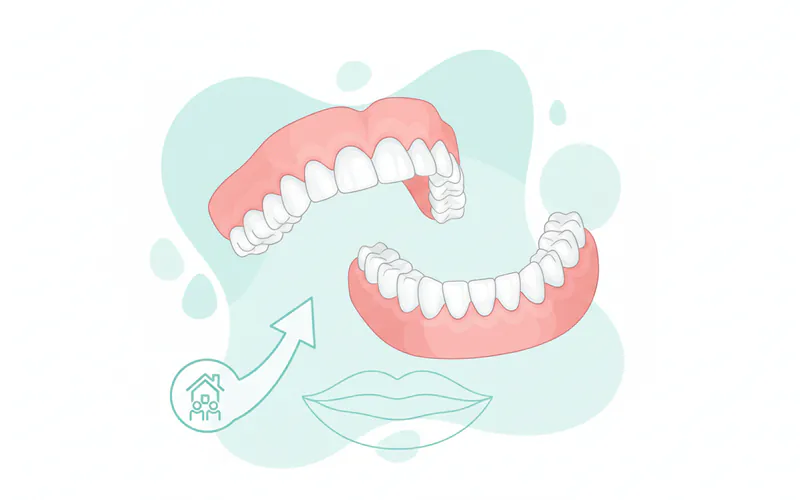
Dentures are removable prosthetic devices designed to replace missing teeth and surrounding tissues. They are custom-made to fit your mouth, restoring function for eating and speaking, and improving the aesthetics of your smile. For low-income adults, the primary barrier to accessing this essential oral health solution is often financial. "Free dentures for low-income adults" refers to a variety of programs, initiatives, and institutions that offer dentures at no cost, or at a substantially reduced cost, to individuals who meet specific income and eligibility criteria. These programs are vital for improving the health and quality of life for millions who would otherwise go without.
Types of Dentures and Their Variations
Understanding the different types of dentures is crucial when considering treatment, as each has distinct advantages, disadvantages, and cost implications.
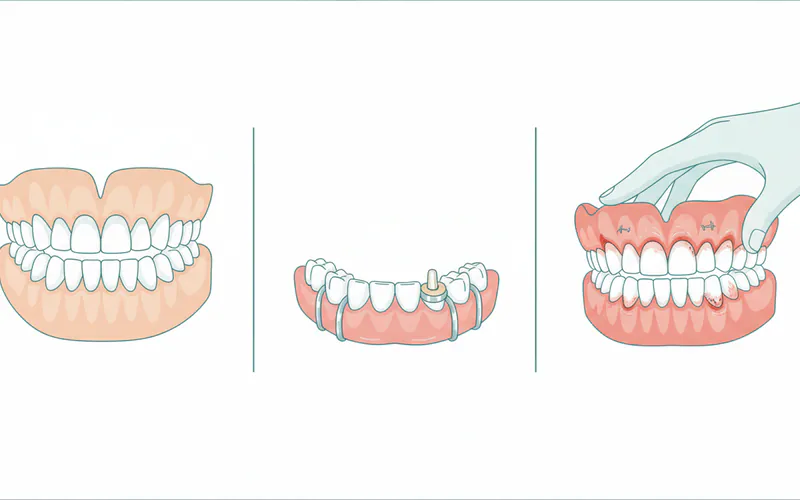
1. Complete (Full) Dentures
Complete dentures are used when all teeth in an arch (upper or lower, or both) are missing.
- Conventional Full Dentures: These are made after any remaining teeth are extracted, and the gum tissues have had sufficient time to heal (typically 8-12 weeks). During this healing period, you would be without teeth. Once the gums have healed, impressions are taken, and the dentures are fabricated for a precise fit.
- Pros: Stable fit after healing, precise fabrication.
- Cons: Period without teeth, multiple appointments.
- Immediate Dentures: As a target keyword, immediate dentures deserve special attention. These are fabricated before any remaining teeth are extracted and are inserted immediately after the teeth are removed. This ensures you never have to go without teeth.
- Pros: You leave the dental office with teeth, helps protect the surgical sites, maintains facial aesthetics during healing.
- Cons: Requires more adjustments and relines as the gums and bone heal and shrink over the next several months. This often means the initial fit will not be as stable as conventional dentures, and a "temporary" soft reline or even a completely new conventional denture might be needed after healing.
- Pro Tip: If considering immediate dentures, budget for potential additional costs related to future relines or adjustments, which are almost always necessary.
2. Partial Dentures
Partial dentures are used when one or more natural teeth remain in the upper or lower jaw. They consist of replacement teeth attached to a gum-colored plastic base, which is connected by a metal framework or flexible material that clasps onto your natural teeth.
- Pros: Preserves remaining natural teeth, less invasive than full extractions, often more stable.
- Cons: Can put stress on natural teeth, requires excellent oral hygiene for both natural teeth and the denture.
- Types of Partial Dentures:
- Cast Metal Partial Dentures: Most common, durable, strong, provide a good fit.
- Acrylic Partial Dentures (Flippers): Less expensive, often used as a temporary solution, bulkier and less stable.
- Flexible Partial Dentures: Made from a flexible, thermoplastic material, often metal-free, comfortable, and aesthetically pleasing, but can be more expensive.
- Types of Partial Dentures:
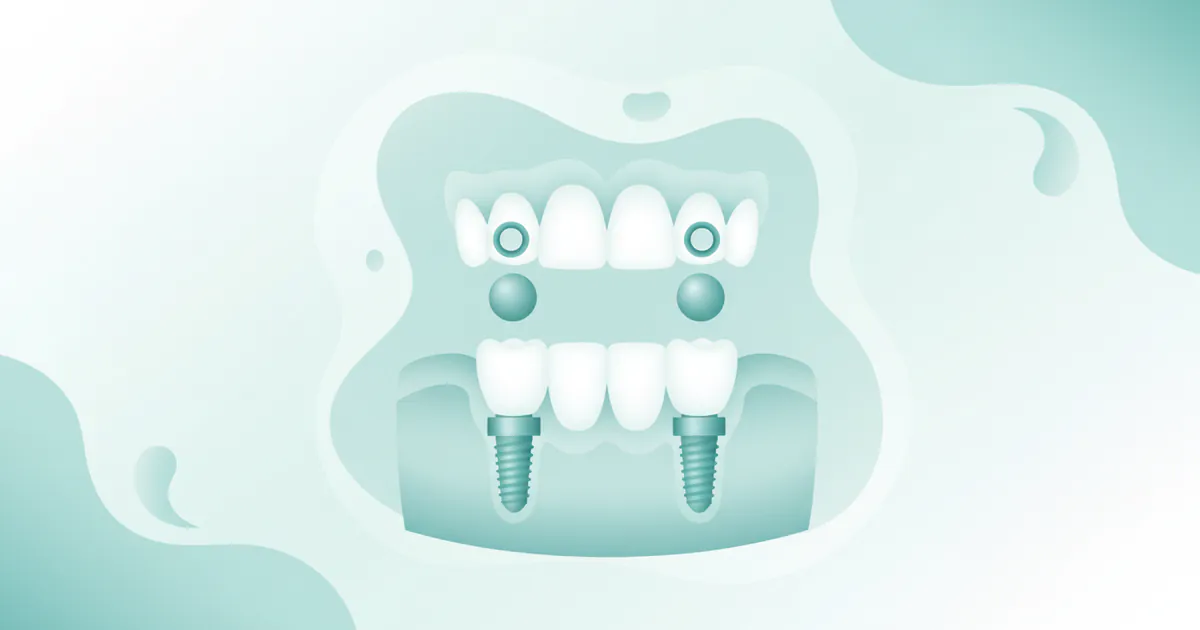
3. Overdentures (Implant-Supported Dentures)
Overdentures are a type of removable denture that rests on top of a few remaining natural tooth roots or, more commonly, on dental implants placed in the jawbone.
- Pros: Significantly improved stability, retention, and chewing power compared to conventional dentures, helps preserve jawbone, reduces sore spots.
- Cons: More complex procedure, higher initial cost due to implant placement, not always covered by low-income programs unless it's a specific trial or specialized grant.
4. Reline Dentures
While not a type of denture, the target keyword "reline dentures" is crucial for denture longevity and comfort. A denture reline is a procedure that reshapes the underside of a denture to conform to the current contours of your gums. This is necessary because the jawbone and gum tissue naturally shrink and change over time, especially after extractions.
- Why it's needed: Prevents loose dentures, sore spots, difficulty chewing, and potential infections.
- Types of Relines:
- Soft Reline: Uses a soft, pliable material that stays soft for a period (weeks to months). Often used after immediate denture placement to accommodate ongoing tissue changes during healing, or for patients with sensitive gums. Cost: $150-$300 per arch.
- Hard Reline: Uses a rigid, acrylic material. More durable than a soft reline, providing a long-term solution for loose dentures. Typically done in a dental lab. Cost: $250-$500 per arch.
- Frequency: Denture relines are typically recommended every 1-2 years, or sooner if you experience significant changes in fit or comfort.
Why Dentures Become Necessary: Causes of Tooth Loss
Tooth loss, leading to the need for dentures, is a complex issue often stemming from a combination of factors, disproportionately affecting low-income populations due to limited access to preventive and restorative care.
- Severe Tooth Decay (Cavities): Untreated cavities can progress deep into the tooth, destroying pulp and surrounding bone, often leading to extraction if the tooth is beyond repair. Poor diet, lack of fluoride, and infrequent dental visits contribute significantly.
- Advanced Gum Disease (Periodontitis): This is a chronic bacterial infection that damages the soft tissue and bone supporting the teeth. Without treatment, teeth can become loose and eventually fall out or require extraction. Periodontitis is a leading cause of tooth loss in adults.
- Trauma or Injury: Accidents, sports injuries, or falls can lead to fractured or knocked-out teeth, necessitating replacement.
- Lack of Regular Dental Care: Without routine check-ups and cleanings, dental issues like decay and gum disease can go unnoticed and untreated until they become severe.
- Systemic Health Conditions: Diseases such as diabetes, certain autoimmune disorders, and some cancers (and their treatments like radiation or chemotherapy) can compromise oral health, increasing the risk of tooth loss.
- Lifestyle Factors: Smoking and excessive alcohol consumption can contribute to gum disease and hinder the healing process, increasing the risk of tooth loss.
- Financial Barriers: The inability to afford regular dental visits, preventive care, or necessary restorative treatments often results in the escalation of minor dental problems into irreversible tooth loss.
Signs and Symptoms Indicating the Need for Dentures
Identifying the need for dentures early can help prevent further complications. Look out for these signs:
- Multiple Missing Teeth: Obvious gaps in your smile.
- Difficulty Chewing and Eating: Inability to properly chew food, leading to dietary restrictions and potential nutritional deficiencies.
- Speech Impediments: Missing teeth can affect your ability to pronounce certain words clearly.
- Sagging Facial Appearance: Missing teeth, especially in the front, can cause facial muscles to sag, leading to a sunken or aged look.
- Shifting of Remaining Teeth: When teeth are lost, adjacent teeth may shift into the empty spaces, leading to misalignment and bite problems.
- Chronic Tooth Pain or Infection: Persistent pain, swelling, or repeated infections in remaining teeth that are beyond saving.
- Receding Gums and Bone Loss: These are signs of advanced gum disease or long-term tooth loss.
- Clicking or Popping Jaw: Can be related to an imbalanced bite due to missing teeth.
Treatment Options: Pathways to Free or Low-Cost Dentures
For low-income adults seeking dentures, the "treatment" isn't just about the dental procedure itself, but also about navigating the various programs and organizations designed to make dentures accessible.
1. State and Federal Programs (Medicaid, CHIP, Veteran Benefits)
- Medicaid: This federal and state program provides health coverage to low-income adults, children, pregnant women, elderly adults, and people with disabilities. While it generally covers routine dental care for children, adult dental benefits vary significantly by state. Some states offer comprehensive adult dental benefits that include dentures, while others offer limited or emergency-only coverage.
- Pros: Can cover significant costs, including extractions and dentures.
- Cons: Eligibility is strict based on income and family size, benefits vary greatly by state, and finding providers who accept Medicaid can sometimes be challenging.
- Action: Check your specific state's Medicaid dental benefits program.
- Children's Health Insurance Program (CHIP): Primarily for children and pregnant women, but some states may offer limited benefits for young adults depending on specific criteria.
- Veterans Affairs (VA) Dental Benefits: Eligible veterans can receive comprehensive dental care, including dentures, through the VA. Eligibility criteria apply, often based on service-connected disabilities, POW status, or being fully disabled.
- Pros: Comprehensive care for eligible veterans.
- Cons: Strict eligibility, potential waiting lists.
- Action: Contact your local VA medical center.
2. Dental Schools and University Clinics
Dental schools often operate clinics where dental students provide care under the direct supervision of experienced, licensed dentists and faculty.
- Pros: Significantly reduced costs (often 30-50% less than private practice), high-quality care with multiple layers of supervision, access to advanced techniques and technology.
- Cons: Longer appointment times (due to student learning and faculty checks), potential waiting lists, and not all procedures are available.
- Pro Tip: This is an excellent option for complex cases or if you're not in a hurry, offering very competitive pricing for a "free dentures for low-income adults" alternative.
3. Community Health Centers and Federally Qualified Health Centers (FQHCs)
These centers provide primary medical and dental care to underserved populations, often on a sliding fee scale based on income.
- Pros: Affordable care based on your ability to pay, comprehensive services, convenient locations in many communities.
- Cons: May have waiting lists, services can vary by clinic.
- Action: Search online for "community dental clinics near me" or "FQHC dental services."
4. Non-Profit Organizations and Charitable Programs
Several national and local organizations aim to help low-income individuals access dental care.
- Dental Lifeline Network (DLN): Through its "Donated Dental Services (DDS)" program, DLN provides comprehensive dental treatment to individuals with disabilities, medical conditions, or who are elderly and cannot afford care. Volunteers (dentists and labs) donate their services.
- Pros: Truly free, comprehensive care.
- Cons: Strict eligibility criteria, very long waiting lists due to high demand, not available in all areas.
- America's Dentists Care Foundation (ADCF) / Mission of Mercy (MOM) Events: These programs host large-scale, temporary clinics providing free dental care (including extractions and sometimes partial dentures) on a first-come, first-served basis.
- Pros: Free services, no eligibility screening prior to the event.
- Cons: Often involves long waits, limited services, and are usually one-off events. You might get extractions but not a full set of dentures at the event.
- Local Charities and Foundations: Check with local churches, United Way chapters, or community foundations for potential dental assistance programs.
- Pro Tip: Contacting your local health department can often provide a list of local resources and programs.
5. Clinical Trials
Sometimes, universities or research institutions conduct clinical trials for new dental materials or techniques. Participants may receive treatment, including dentures, at no cost or reduced cost.
- Pros: Free or low-cost cutting-edge treatment.
- Cons: Limited availability, strict criteria, experimental nature of treatment.
6. Payment Plans and Financing
Even if dentures aren't "free," many private practices offer in-house payment plans or work with third-party financing companies (e.g., CareCredit).
- Pros: Allows immediate treatment, manageable monthly payments.
- Cons: Involves interest, requires credit approval.
Step-by-Step Process for Obtaining Dentures
The process for getting dentures can vary slightly depending on the type and whether extractions are involved, but generally follows these steps:
Phase 1: Initial Assessment and Planning
- Consultation and Examination: The dentist will conduct a thorough oral examination, take X-rays, and discuss your oral health history, lifestyle, and financial situation. This is where you'd discuss options for free dentures for low-income adults.
- Treatment Plan Development: Based on the assessment, a customized treatment plan is created. This plan will specify the type of denture, whether extractions are needed, the timeline, and estimated costs (or how the chosen program covers them).
- Referrals/Applications: If pursuing low-cost or free options, this phase involves applying to programs, getting referrals to dental schools, or making appointments at community clinics.
Phase 2: Extractions (if necessary)
- Tooth Removal: Any remaining diseased or damaged teeth will be extracted. This is a crucial step for achieving a proper fit for complete dentures.
- Immediate Dentures Track: If you're getting immediate dentures, impressions for your dentures will be taken before extractions. The dentures will be ready to insert immediately after the extractions.
- Conventional Dentures Track: After extractions, a healing period of 8-12 weeks (or longer) is required for the gums and jawbone to heal and reshape. This is essential for the stability and fit of conventional dentures.
Phase 3: Denture Fabrication
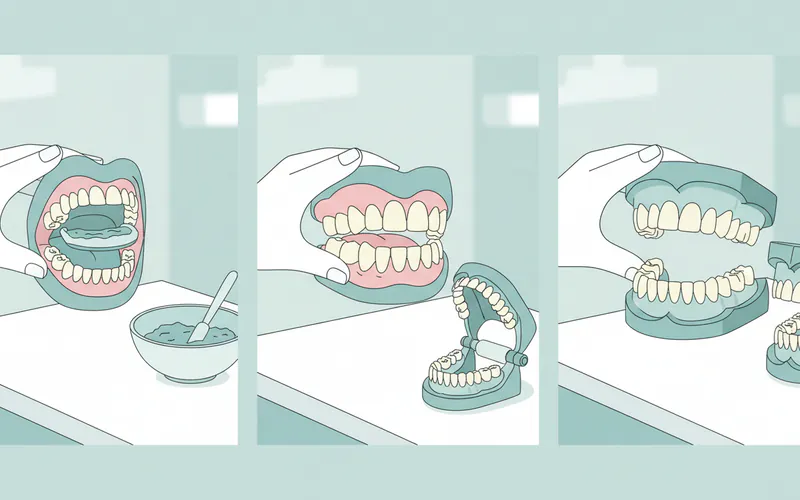
- Impressions: Once the mouth is ready (either before extractions for immediate dentures, or after healing for conventional dentures), the dentist takes precise impressions (molds) of your mouth.
- Wax Bite and Models: Using these impressions, a dental lab creates models of your mouth. The dentist will use a wax rim to determine your bite registration, desired vertical dimension, and how your jaws relate to each other.
- Try-in Appointments: Several "try-in" appointments are common. You'll try on wax models of your dentures, allowing you and the dentist to evaluate the fit, appearance (tooth shade, shape, arrangement), and comfort. Adjustments can be made at this stage.
- Final Denture Fabrication: Once you're satisfied with the try-in, the lab will process the final acrylic dentures.
Phase 4: Placement and Adjustments
- Denture Delivery: Your new dentures are placed. The dentist will ensure the fit is snug and make any initial minor adjustments. You'll receive instructions on how to insert and remove them, and how to care for them.
- Follow-up and Adjustments: This is especially critical for immediate dentures. As your gums and jawbone continue to heal and shrink, your dentures will likely become loose. Multiple follow-up appointments will be necessary for adjustments.
- Reline Procedures: Within 6-12 months of immediate denture placement, a soft reline or even a hard reline will almost certainly be needed to improve the fit. For conventional dentures, relines are typically needed every 1-2 years.
Cost and Insurance: Breaking Down the Financial Aspect
The cost of dentures varies significantly based on the type of denture, the materials used, the complexity of the case (e.g., number of extractions), and the geographic location. For low-income adults, understanding these costs and how assistance programs mitigate them is key.
Average US Cost Ranges (without assistance):
| Denture Type | Cost per Arch (Upper or Lower) | Notes |
|---|---|---|
| Conventional Full Denture | $800 - $3,000 | Can be higher for premium materials and labs. |
| Immediate Full Denture | $900 - $3,500 | Often includes initial relines/adjustments, but major reline/new denture might be additional later. |
| Partial Denture (Acrylic) | $300 - $1,000 | Most basic, often temporary. |
| Partial Denture (Cast Metal) | $900 - $2,500 | Durable and comfortable, most common. |
| Partial Denture (Flexible) | $1,000 - $3,000 | Metal-free, aesthetic, and comfortable. |
| Implant-Supported Overdenture | $4,000 - $15,000+ | This includes 2-4 implants plus the denture itself; significantly higher. Often not covered by low-income programs. |
Additional potential costs include extractions ($75-$450 per tooth), X-rays ($25-$200), and initial consultations ($50-$200).
Cost with Assistance for Low-Income Adults:
This is where the "free" aspect comes in, but it's important to understand the nuances.
- Medicaid: In states with comprehensive adult dental benefits, Medicaid can cover 100% of the cost of extractions and conventional dentures. Some states may cover immediate dentures and relines. Patient cost: $0 - minimal co-pay.
- Dental Schools: Often reduce costs by 30-50% compared to private practice. A full set of dentures might cost $800-$2,000 instead of $1,600-$6,000. Patient cost: Reduced fee.
- Community Health Centers: Use a sliding fee scale based on income, meaning you pay a percentage of the total cost, potentially as low as $50-$500 for a full denture depending on your income level. Patient cost: Sliding scale fee.
- Non-Profit Organizations (e.g., DLN): If accepted, the services are completely donated. Patient cost: $0.
- Clinical Trials: Often $0 patient cost for the specific treatment being studied.
Insurance Coverage:
- Private Dental Insurance: Many private dental insurance plans offer some coverage for dentures (often 50% of the cost after a deductible), but comprehensive plans can be expensive and may have annual maximums of $1,000-$2,000, which may not cover the full cost.
- Medicare: Original Medicare (Parts A & B) generally does not cover routine dental care, including dentures. Some Medicare Advantage (Part C) plans may offer limited dental benefits, but these vary greatly and often have limitations.
- No Insurance: For low-income adults without any insurance, the programs listed above are often the most viable path.
Comparison Table: Pathways to Low-Cost/Free Dentures
| Pathway | Patient Cost Estimate | Eligibility | Pros | Cons |
|---|---|---|---|---|
| Medicaid (State Specific) | $0 - Minimal Co-pay | Low income, specific state residency and health criteria | Potentially 100% coverage, comprehensive for eligible states | Variable state benefits, limited provider network, strict income |
| Dental Schools | 30-70% of Market Rate | Generally open to all, some income verification may occur | High-quality, supervised care, often advanced techniques | Longer appointments, potential waiting lists |
| Community Health Centers | Sliding Scale ($50-$500) | Income-based, often for uninsured/underinsured individuals | Affordable, comprehensive services, local access | Waiting lists, services vary by clinic |
| Non-Profit Organizations | $0 (if accepted) | Elderly, disabled, medically fragile, very low income | Truly free, comprehensive care | Very strict eligibility, long waiting lists, limited availability |
| Clinical Trials | $0 - Reduced Cost | Specific health/dental conditions, commitment to study | Cutting-edge treatment, free/low cost | Limited availability, experimental, strict participant criteria |
Recovery and Aftercare: Living with Dentures
Proper recovery and diligent aftercare are essential for comfort, oral health, and the longevity of your dentures.
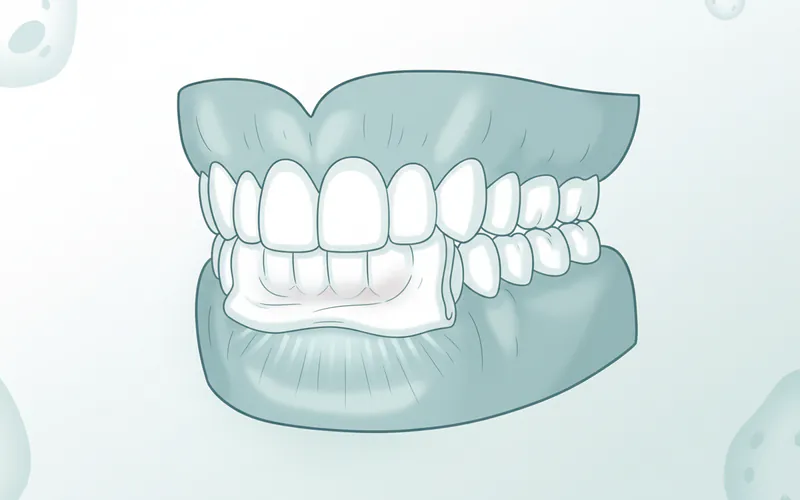
Immediate Post-Extraction Care (if applicable):
- Bleeding Control: Bite firmly on gauze pads for 30-60 minutes.
- Pain Management: Take prescribed or over-the-counter pain relievers.
- Swelling: Apply ice packs to the outside of your face.
- Diet: Stick to soft foods and liquids initially. Avoid hot liquids and alcohol.
- Immediate Dentures: Keep them in for the first 24 hours as instructed by your dentist, even while sleeping, as they act as a bandage to reduce swelling.
Adjusting to New Dentures:
- Initial Discomfort: It's normal to experience some soreness, awkwardness, and increased saliva production. This usually subsides as your mouth adjusts.
- Speaking: Practice reading aloud to adapt to speaking with your new dentures. Certain sounds might be challenging initially.
- Eating: Start with soft, non-sticky foods cut into small pieces. Chew slowly and evenly on both sides of your mouth to prevent tipping. Gradually introduce firmer foods. Avoid very hard or sticky foods.
- Sore Spots: If you develop persistent sore spots, contact your dentist for an adjustment. Do not try to adjust your dentures yourself, as this can damage them.
Daily Denture Care:
- Remove and Clean Daily: Remove your dentures nightly (or as advised) and clean them thoroughly with a soft-bristled denture brush and a non-abrasive denture cleanser. Do NOT use regular toothpaste, which can be too abrasive.
- Clean Your Mouth: Gently brush your gums, tongue, and the roof of your mouth with a soft toothbrush. This removes plaque and stimulates circulation.
- Soak Overnight: Store your dentures in water or a mild denture soaking solution to keep them moist and prevent warping.
- Handle with Care: Dentures are fragile; always handle them over a towel or basin of water to cushion them if dropped.
- Regular Dental Check-ups: Continue seeing your dentist regularly (at least annually) for denture evaluations, oral cancer screenings, and checks on your gum and bone health.
The Importance of Reline Dentures in Aftercare:
As discussed, your jawbone and gum ridges naturally shrink over time. This process is accelerated after extractions, making relines critical for immediate dentures.
- Soft Relines: Temporary fix, often used during the initial healing phase of immediate dentures, typically lasting a few months.
- Hard Relines: More permanent, usually done every 1-2 years for both immediate (after initial healing) and conventional dentures. This maintains the intimate fit of the denture base to your gums, preventing food traps, discomfort, and further bone loss.
- Rebasing: If a denture is very old or the fit is severely compromised, a "rebase" might be needed. This involves replacing the entire acrylic base of the denture while keeping the original teeth, effectively creating a "new" denture base. This is more extensive than a reline.
Pro Tip: Even if your dentures feel fine, regular check-ups with your dentist are crucial to monitor the fit and ensure your oral tissues remain healthy. Early detection of issues can prevent more serious complications.
Prevention: Maintaining Oral Health to Avoid Dentures
While this article focuses on obtaining dentures, prevention is always the best strategy. For low-income adults, preventative care can be challenging but is paramount.
- Regular Dental Check-ups and Cleanings: Aim for at least once a year, ideally twice. Many community health centers offer affordable preventive care.
- Daily Oral Hygiene: Brush twice a day with fluoride toothpaste and floss daily.
- Healthy Diet: Limit sugary foods and drinks, which contribute to tooth decay.
- Quit Smoking/Reduce Alcohol: Both tobacco and excessive alcohol significantly increase the risk of gum disease and oral cancers.
- Address Issues Early: Don't wait until a small cavity becomes a major infection. Seek treatment for pain or discomfort promptly.
Risks and Complications Associated with Dentures
While dentures significantly improve quality of life, it's important to be aware of potential risks and complications:
- Ill-fitting Dentures: The most common complication. Can lead to chronic sore spots, ulcers, difficulty eating and speaking, and accelerate bone loss. This is why reline dentures are so important.
- Increased Bone Loss: Dentures do not stimulate the jawbone like natural teeth or implants, leading to gradual bone resorption over time. This makes dentures looser and may require more frequent relines or eventually new dentures.
- Denture Stomatitis: An inflammation of the tissues under the denture, often caused by fungal infection (Candida albicans), poor hygiene, or ill-fitting dentures.
- Difficulty Chewing and Speaking: Some individuals never fully adapt, especially if the dentures are not well-fitted.
- Allergic Reactions: Rare, but some individuals may have an allergic reaction to the acrylic material.
- Damage to Remaining Natural Teeth (with partials): Improperly designed or ill-fitting partial dentures can put undue stress on the supporting natural teeth, leading to damage or loosening.
- Fractures or Breakage: Dentures can break if dropped or if the material is old and brittle.
Cost Breakdown: Navigating Finances for Dentures
While the goal is often "free dentures for low-income adults," a precise cost breakdown helps in understanding what to expect and budget for.
Average US Costs (without assistance, per arch):
- Economy Dentures (Basic): $300 - $600 (often pre-fabricated or made with lower-quality materials, less custom fit).
- Mid-Range/Standard Dentures: $800 - $1,500 (custom-made, good quality materials, better fit and aesthetics).
- Premium Dentures: $1,500 - $3,000+ (highest quality materials, superior aesthetics, precise fit, often includes more detailed measurements and try-ins).
With vs. Without Insurance:
- Without Insurance: You pay 100% of the costs, potentially thousands per arch. This is where low-income programs are critical.
- With Insurance: Most dental insurance plans cover 50% of the cost of dentures after a deductible. If a full denture costs $1,500, you might pay $750 plus your deductible (e.g., $50-$100). However, many plans have annual maximums, which can be reached quickly with denture costs.
Payment Plans and Financing Options:
Even if a program isn't completely free, there are ways to manage costs:
- In-house Payment Plans: Many private dental offices offer interest-free payment plans, allowing you to pay for your dentures over several months.
- Third-Party Financing (e.g., CareCredit, LendingClub): These companies offer specialized healthcare credit cards with various repayment options, including interest-free periods if paid off on time.
- Dental Savings Plans: These are not insurance but membership programs where you pay an annual fee and receive discounted rates (typically 10-50%) on dental services from participating providers. This might be beneficial if you don't qualify for other assistance but still need a cost reduction.
Cost-Saving Tips:
- Explore ALL Low-Income Programs: Don't assume you won't qualify. Research Medicaid, dental schools, FQHCs, and non-profits thoroughly.
- Get Multiple Quotes: If paying privately or through a savings plan, compare prices from several dentists.
- Consider Basic Denture Options: While premium dentures offer better aesthetics and durability, a basic conventional denture can still restore function effectively at a lower cost.
- Preventive Care is Key: Even if you need dentures now, prioritizing preventive care for remaining natural teeth or for the health of your gums under dentures will save money long-term by avoiding future complications.
- Inquire About Reline Costs Upfront: When planning for immediate dentures, ask about the cost of future relines, as these are almost always necessary.
Frequently Asked Questions
### Q1: Am I eligible for free dentures if I'm on a fixed income?
Eligibility for free or low-cost dentures depends on specific program criteria, which typically include income thresholds, residency requirements, and sometimes medical necessity. Programs like Medicaid vary by state, and non-profit organizations often prioritize individuals with disabilities, chronic medical conditions, or those who are elderly. It's crucial to research the specific requirements of each program you are considering.
### Q2: How long does the process of getting dentures usually take?
The timeline varies significantly. If you need extractions and opt for conventional dentures, the process can take 3-6 months (including healing time). If you choose immediate dentures, you'll have teeth immediately, but numerous adjustment appointments and possibly a reline will be needed over the first 6-12 months.
### Q3: Are immediate dentures more expensive than conventional dentures?
Immediate dentures often have a slightly higher upfront cost due to the complexity of pre-fabrication and the increased number of follow-up adjustments. Additionally, they almost always require soft or hard relines within the first year as your gums heal and shrink, adding to the overall expense. Conventional dentures, made after healing, usually require fewer adjustments initially.
### Q4: Will getting new dentures be painful?
The process itself, especially extractions, is done under local anesthesia to minimize pain. After extractions, some discomfort, swelling, and soreness are normal and can be managed with prescribed or over-the-counter pain relievers. Adjusting to new dentures can also cause initial soreness and pressure points, but these should resolve with adjustments from your dentist.
### Q5: How often do dentures need to be replaced or relined?
Dentures typically need to be relined every 1-2 years to maintain a proper fit due to ongoing changes in your jawbone and gum tissues. A full replacement of conventional dentures is usually recommended every 5-10 years, depending on wear, oral changes, and the quality of the initial denture.
### Q6: Can I get partial dentures through these low-income programs?
Yes, many programs that offer full dentures also provide partial dentures for eligible low-income adults. The availability and specific types of partial dentures covered (e.g., acrylic, cast metal, flexible) may vary by program and your specific dental needs.
### Q7: What if I don't qualify for free dentures? Are there other affordable options?
If you don't qualify for completely free dentures, consider options like dental schools or community health centers that offer services on a sliding fee scale. These providers can significantly reduce the cost. Additionally, dental savings plans, private practice payment plans, or third-party financing can help make dentures more affordable.
### Q8: What are the alternatives to dentures for missing teeth?
The primary alternative to removable dentures is dental implants. Implants are surgically placed into the jawbone and can support crowns, bridges, or even full implant-supported dentures (overdentures). Implants offer superior stability, chewing efficiency, and bone preservation, but they are significantly more expensive and generally not covered by low-income assistance programs unless for specific clinical trials or extreme medical necessity.
### Q9: How can I make my dentures last longer?
To maximize the lifespan of your dentures, practice diligent daily cleaning, handle them with care, remove them overnight for proper tissue rest, store them in water to prevent warping, and attend regular dental check-ups. Regular relines are also crucial to maintain a good fit and prevent complications.
### Q10: Does Medicaid cover reline dentures?
Coverage for reline dentures under Medicaid varies by state. In states with comprehensive adult dental benefits, relines are typically covered as a necessary maintenance procedure. It's important to check your specific state's Medicaid dental program details or contact your dental provider to confirm coverage.
When to See a Dentist
Even with new dentures, ongoing dental care is crucial. Knowing when to seek professional attention can prevent minor issues from becoming major problems.
Schedule a Routine Appointment If:
- Your dentures feel loose: This is a common sign that a reline dentures procedure may be needed.
- You develop persistent sore spots or discomfort: This could indicate an ill-fitting denture or an adjustment is required.
- You notice changes in your bite or how your dentures feel.
- It's been over a year since your last denture check-up.
- You want to discuss options for improved comfort or stability.
- You suspect your dentures are damaged or worn.
Seek Immediate Dental Attention (Red Flags) If:
- You experience severe, sharp, or throbbing pain that doesn't subside.
- You have persistent bleeding or signs of infection (swelling, pus, fever) under or around your dentures.
- You develop lesions, ulcers, or white/red patches in your mouth that don't heal within two weeks.
- Your denture breaks or cracks, preventing you from wearing it or causing irritation.
- You have difficulty breathing or swallowing.
- Your denture causes a severe allergic reaction.
Remember, maintaining good oral health, even with dentures, is a lifelong commitment. With the right resources and diligent care, low-income adults can successfully obtain and maintain dentures, restoring their smile, function, and overall well-being. SmilePedia.net encourages you to take the first step by contacting a community dental clinic, dental school, or your state's Medicaid office to inquire about eligible programs and services.
Frequently Asked Questions
Medically Reviewed Content
This article was written by our dental health editorial team and reviewed for medical accuracy. Our content follows strict editorial guidelines for reliability and trustworthiness.
Medical Disclaimer
This article is for informational purposes only and does not constitute medical advice. Always consult with a qualified dental professional for diagnosis and treatment. Do not delay seeking professional advice because of something you read on this website.
Related Articles
Cheap Dentures: Complete Guide
Facing the prospect of tooth loss can be daunting, and the thought of replacing missing teeth often brings financial concerns to the forefront. Did you know that an estimated 36 million Americans are completely edentulous (missing all their teeth), and another 120 million are missing at leas
February 23, 2026
Full Mouth Reconstruction Near Me: Complete Guide
You've been living with dental pain, difficulty eating, or a smile you're too embarrassed to share. Perhaps years of neglect, trauma, or disease have taken a toll on your oral health, leaving you wondering if there's any hope for a complete restoration. You're not alone. **Millions of Americans face
February 23, 2026
$99 Dentures Near Me: Complete Guide
Losing teeth can significantly impact your quality of life, affecting everything from your ability to chew and speak to your self-confidence. For many, the high cost of dental care can feel like an insurmountable barrier to regaining a healthy smile. This often leads people to search for "affordable
February 23, 2026
Snap-in Dentures Cost Near Me: Complete Price Guide 2026
For many Americans navigating the challenges of significant tooth loss, the search for a stable, comfortable, and aesthetically pleasing dental solution often leads to implant-supported dentures. Unlike traditional dentures that rely on suction and adhesives, snap-in dentures offer a remarkable impr
February 23, 2026