Snap-in Dentures Cost Near Me: Complete Price Guide 2026
Key Takeaways
- For many Americans navigating the challenges of significant tooth loss, the search for a stable, comfortable, and aesthetically pleasing dental solution often leads to implant-supported dentures. Unlike traditional dentures that rely on suction and adhesives, snap-in dentures offer a remarkable impr
For many Americans navigating the challenges of significant tooth loss, the search for a stable, comfortable, and aesthetically pleasing dental solution often leads to implant-supported dentures. Unlike traditional dentures that rely on suction and adhesives, snap-in dentures offer a remarkable improvement in stability, function, and confidence. If you're currently researching snap-in dentures cost near me, you're likely looking for more than just a price tag; you need a complete understanding of what this life-changing prosthetic involves, from the initial consultation to long-term care. This comprehensive guide from SmilePedia.net aims to provide you with all the crucial information, helping you make informed decisions about restoring your smile, chewing ability, and overall quality of life. We'll delve into the various factors influencing cost, different types available, the treatment process, and essential aftercare, giving you a clear picture of what to expect in 2026 and beyond.
Key Takeaways:
- Snap-in dentures are removable dentures that securely attach to dental implants in your jawbone, offering superior stability compared to traditional dentures.
- The average cost for snap-in dentures in the US can range from $6,000 to $20,000 per arch (upper or lower), primarily depending on the number of implants (typically 2 to 6).
- Costs are influenced by geographic location, the complexity of your case, the type of implant materials, and any necessary preparatory procedures like bone grafting or extractions.
- Many dental insurance plans may cover a portion of the denture or implant components, but full coverage for the entire procedure is rare; financing and payment plans are often available.
- The entire process, from initial consultation to final denture placement, typically spans 4 to 9 months, allowing for implant osseointegration (fusion with bone).
- Proper daily cleaning and regular dental check-ups (at least annually) are crucial for the longevity and hygiene of both your snap-in dentures and dental implants.
- Snap-in dentures significantly improve chewing efficiency, speech clarity, and confidence compared to conventional dentures, representing a wise investment in your oral health.
What Are Snap-In Dentures? An Overview
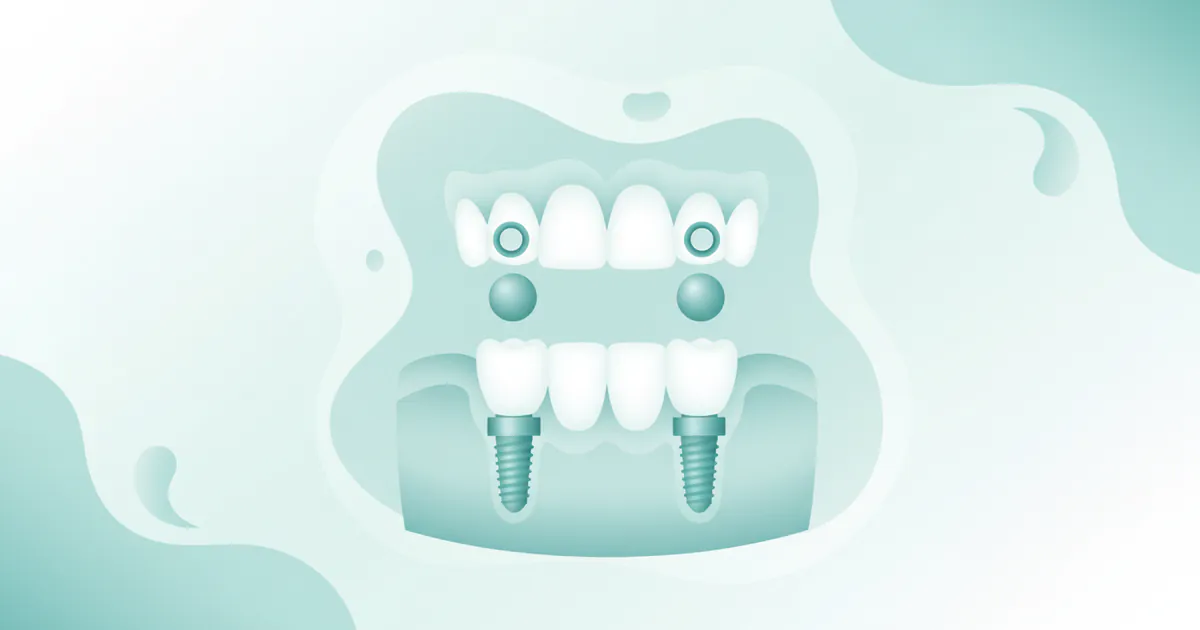
Snap-in dentures, also often referred to as implant-retained overdentures or implant-supported dentures, represent a significant advancement in prosthetic dentistry. Unlike conventional dentures that rest on the gums and are held in place by suction and adhesives, snap-in dentures utilize dental implants surgically placed into the jawbone. These implants act as anchors, featuring attachments (like balls, bars, or locators) that connect to corresponding fittings on the underside of the denture. The result is a denture that "snaps" securely into place, offering dramatically improved stability, retention, and chewing efficiency.
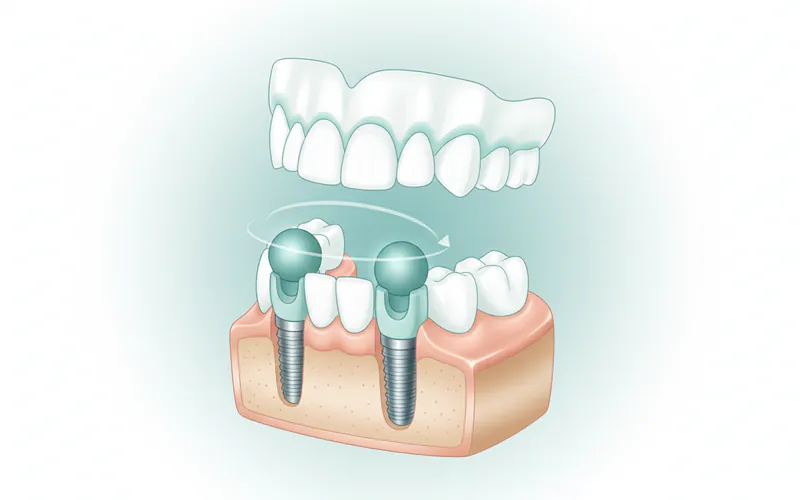
This enhanced stability prevents the slipping, rocking, and discomfort commonly associated with traditional dentures, allowing you to speak, eat, and laugh with far greater confidence. While snap-in dentures are removable for daily cleaning, their secure attachment to implants provides a feeling much closer to natural teeth than conventional options. They are an excellent solution for individuals who have lost all or most of their teeth but still possess sufficient jawbone density to support dental implants.
Why Snap-In Dentures Matter for Your Health
Beyond just aesthetics, the stability provided by snap-in dentures has profound implications for your overall health. When teeth are lost, the jawbone naturally begins to resorb or shrink due due to lack of stimulation. Traditional dentures do little to prevent this bone loss and can even accelerate it by putting pressure on the gums and underlying bone. Dental implants, however, stimulate the jawbone much like natural tooth roots, helping to preserve bone volume and facial structure. This means preventing the "sunken" facial appearance often associated with long-term traditional denture wear.
Furthermore, improved chewing ability translates directly to better digestion and nutrition. With the ability to eat a wider variety of foods, including firmer fruits, vegetables, and meats, you can maintain a healthier, more balanced diet. The psychological benefits are equally significant, as renewed confidence in your smile and speaking abilities can greatly enhance social interactions and quality of life.
Types and Variations of Implant-Supported Dentures
While "snap-in dentures" often refers to a specific type, it's important to understand the broader spectrum of implant-supported prosthetics. The primary distinction lies in whether the denture is fully removable or permanently fixed, and the mechanism of attachment.
1. Implant-Retained (Snap-In) Overdentures (Removable)
This is the classic "snap-in" denture. It's a full denture that attaches to two or more dental implants via special attachments.
- Mechanism: The implants feature small connector posts (e.g., ball, bar, or locator attachments) that snap into corresponding receptacles on the underside of the denture.
- Number of Implants: Typically requires 2 to 4 implants per arch. The lower jaw often fares well with 2 implants due to denser bone, while the upper jaw (which has less dense bone and covers the palate) often benefits from 4 or more implants for maximum stability.
- Removability: The patient can easily remove the denture for cleaning and maintenance.
- Advantages: More affordable than fixed options, easy to clean, excellent stability compared to traditional dentures, helps preserve jawbone.
- Disadvantages: Still removable, can accumulate food debris underneath if not cleaned regularly, may require relining over time.
2. Implant-Supported (Hybrid) Dentures (Fixed/Permanent Dentures)
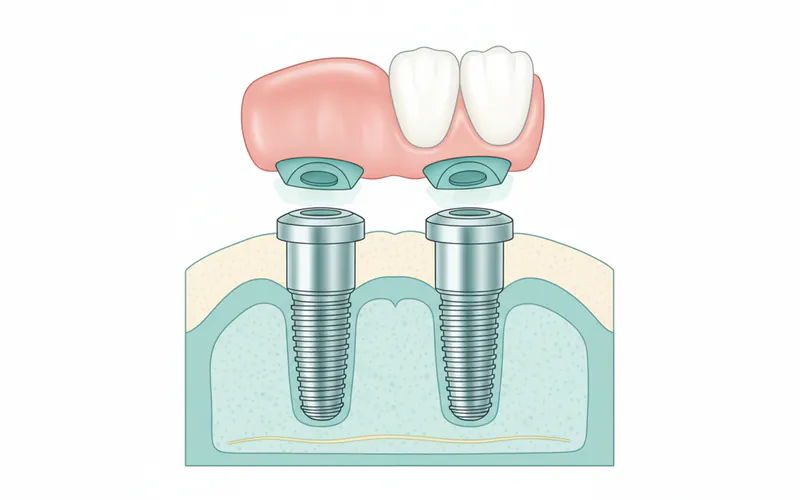
While "permanent dentures near me" might lead you to traditional snap-ins, true permanent dentures often refer to hybrid dentures or fixed implant bridges. These are not removable by the patient.
- Mechanism: These prosthetics are securely screwed or cemented onto 4 to 6 dental implants (often referred to as "All-on-4" or "All-on-6" systems) per arch. They are designed to be a permanent fixture in your mouth.
- Number of Implants: Requires a minimum of 4 implants (All-on-4) up to 6 or 8 implants (All-on-6/8) per arch.
- Removability: Only a dentist can remove them for professional cleaning or maintenance.
- Advantages: Superior stability and chewing power, feels most like natural teeth, no palate coverage (for the upper jaw), helps preserve jawbone, prevents food from getting underneath.
- Disadvantages: More expensive and invasive than removable snap-in dentures, more difficult for the patient to clean under the prosthetic, requires excellent oral hygiene from the patient.
Comparison Table: Snap-In Dentures vs. Fixed Implant Dentures vs. Traditional Dentures
| Feature | Traditional Dentures | Snap-In (Implant-Retained) Dentures | Fixed (Implant-Supported) Dentures |
|---|---|---|---|
| Stability | Poor (relies on suction/adhesive) | Excellent (snaps onto implants) | Superior (screwed onto implants) |
| Removability | Yes (patient) | Yes (patient) | No (dentist only) |
| Chewing Efficiency | Limited (20-30% of natural teeth) | Good (60-80% of natural teeth) | Excellent (80-90% of natural teeth) |
| Bone Preservation | None (can accelerate bone loss) | Good (implants stimulate bone) | Excellent (implants stimulate bone) |
| Palate Coverage (Upper) | Full palate coverage | Variable (can be palate-free) | Usually no palate coverage |
| Maintenance | Daily cleaning, relines, adhesives | Daily cleaning, annual check-ups | Daily meticulous cleaning, professional cleanings |
| Initial Cost (per arch) | $1,500 - $5,000 | $6,000 - $20,000 | $15,000 - $35,000+ |
| Feel Like Natural Teeth | No | Somewhat | Closest to natural teeth |
| Common Uses | Temporary, budget-conscious | Good balance of cost & stability | Ultimate stability & function |
Signs and Symptoms Indicating a Need for Dentures
While this article focuses on snap-in dentures, it's crucial to understand the underlying issues that lead individuals to seek this solution. The primary "symptom" is tooth loss, but its impact extends beyond just missing teeth.
- Extensive Tooth Loss: You've lost most or all of your natural teeth in one or both arches due to decay, gum disease, or trauma.
- Difficulty Chewing: Inability to properly chew food, leading to dietary restrictions, digestive issues, and nutrient deficiencies.
- Speech Impairment: Missing teeth or poorly fitting traditional dentures can affect articulation and cause slurred speech.
- Shifting Remaining Teeth: Gaps from missing teeth can cause adjacent teeth to drift, leading to bite problems and further dental issues.
- Jawbone Deterioration: Visible or palpable shrinking of the jawbone, leading to a "collapsed" facial appearance, especially around the mouth and chin. This is a critical indicator that needs addressing, and implants are key to prevention.
- Chronic Discomfort with Traditional Dentures: Sore spots, friction, constant need for adhesives, and general instability with conventional dentures.
- Embarrassment or Self-Consciousness: Feeling hesitant to smile, talk, or eat in public due to the appearance or instability of teeth/dentures.
If you experience any of these signs, a consultation with a prosthodontist or experienced general dentist is highly recommended to explore all your options, including snap-in dentures.
The Step-by-Step Process for Snap-In Dentures
Getting snap-in dentures is a multi-stage process that requires careful planning and healing time. Understanding each phase will help manage your expectations.
Phase 1: Initial Consultation and Planning
- Comprehensive Examination: Your dentist will conduct a thorough oral exam, including digital X-rays, 3D cone-beam computed tomography (CBCT) scans, and possibly impressions of your mouth. They'll assess your oral health, jawbone density, and overall health to determine if you're a suitable candidate for dental implants.
- Treatment Plan Development: Based on the assessment, a personalized treatment plan will be created. This plan will detail the number of implants, their precise placement, the type of snap-in denture, and the estimated cost and timeline.
- Preparatory Procedures (If Needed): If you have existing teeth that need to be extracted, insufficient bone density, or gum disease, these issues must be addressed first. This might involve tooth extractions, bone grafting (to augment bone volume), or periodontal treatment. These procedures will add to the overall cost and timeline.
Phase 2: Dental Implant Placement
- Surgical Placement: During a minor surgical procedure, the dental implants (small, titanium screw-like posts) are precisely inserted into your jawbone at predetermined locations. This is typically performed under local anesthesia, often with sedation options available for comfort.
- Healing (Osseointegration): After implant placement, a crucial healing period of 3 to 6 months begins. During this time, the implants gradually fuse with the surrounding jawbone in a process called osseointegration. This creates a strong, stable foundation for your snap-in dentures. You may wear a temporary traditional denture during this period.
Phase 3: Abutment Placement and Denture Fabrication
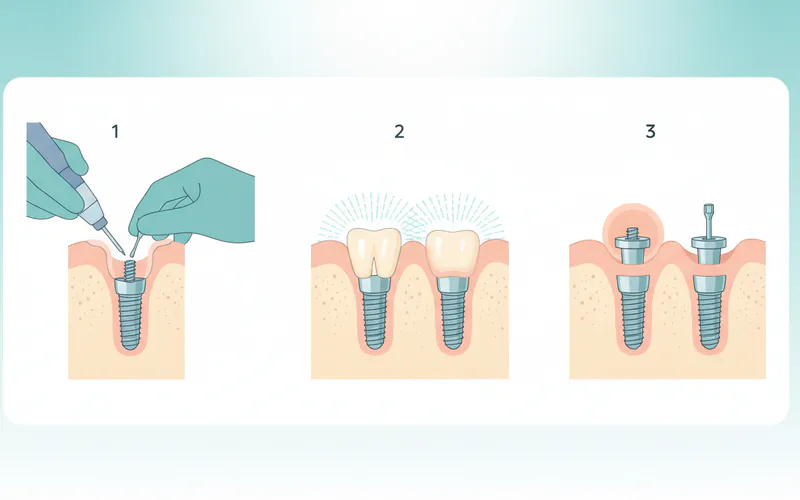
- Abutment Placement: Once osseointegration is complete, a second, minor surgical procedure may be required to expose the top of the implants and attach healing caps or abutments. These are the connector pieces that will protrude from the gum line and link the implant to the denture. In some cases, abutments can be placed during the initial implant surgery.
- Impressions and Wax Try-in: Your dentist will take new impressions of your mouth and the now-exposed abutments. These impressions are sent to a dental lab, where skilled technicians will custom-fabricate your snap-in dentures. A "wax try-in" appointment allows you to see and approve the shape, size, and shade of the denture teeth before the final prosthetic is made. This is your chance to provide feedback on aesthetics and fit.
- Final Denture Placement: Once the custom denture is ready, you'll return to the dental office for final placement. The denture is carefully adjusted to ensure a comfortable and secure fit, snapping firmly onto the implant abutments. Your dentist will provide detailed instructions on how to insert, remove, and care for your new snap-in dentures.
Pro Tip: Be patient during the healing phases. Rushing the process can compromise the success of your implants. Follow all post-operative instructions diligently.
Cost and Insurance: Snap-In Dentures Cost Near Me
Understanding the financial investment is critical when considering snap-in dentures. The cost can vary significantly based on numerous factors, making it challenging to provide a single, definitive price. However, we can offer robust ranges for snap-in dentures cost near me in 2026.
Average US Price Ranges (per Arch)
- Low-End (2 implants, basic denture material): $6,000 - $10,000
- Mid-Range (4 implants, good quality denture material): $10,000 - $15,000
- High-End (4-6 implants, premium denture material, complex case): $15,000 - $20,000+
It's important to reiterate that these are general ranges for one arch (either upper or lower). If you require both upper and lower snap-in dentures, the total cost will be roughly double these figures. For fixed implant-supported dentures (All-on-4/6), the cost is significantly higher, typically ranging from $15,000 to $35,000+ per arch.
Factors Influencing the Cost
- Number of Implants: This is the most significant factor. More implants mean more surgical time, materials, and lab fees. Two implants are the minimum for a snap-in lower denture, while four are generally recommended for the upper.
- Type of Implants: Standard titanium implants are common, but specialized implants (e.g., mini-implants, zirconia implants) or specific brands can influence cost.
- Materials of the Denture: Dentures can be made from various acrylics and resins. Higher-quality, more durable, and aesthetically pleasing materials will increase the overall price.
- Preliminary Procedures:
- Tooth Extractions: If you have remaining teeth that need to be removed before implant placement, this will add to the cost (typically $150 - $400 per tooth).
- Bone Grafting: If you have insufficient jawbone density, a bone graft may be necessary to create enough bone to support the implants. This can add $200 - $3,000 per site, depending on the complexity and material used.
- Gum Disease Treatment: Periodontal treatment, if required, will also be an additional expense.
- Geographic Location: Dental costs vary significantly by region. Major metropolitan areas and coastal cities in the US (e.g., New York, California) tend to have higher prices than rural areas or the Midwest.
- Dentist's Experience and Specialization: Highly experienced prosthodontists or oral surgeons may charge more than general dentists, reflecting their specialized training and expertise.
- Sedation Options: The type of anesthesia or sedation used during implant surgery (e.g., local anesthetic, oral sedation, IV sedation, general anesthesia) will impact the total cost.
- Diagnostic Imaging: X-rays and 3D CBCT scans are necessary for planning and will be part of the initial consultation fees (often $150 - $600).
- Lab Fees: The cost of the dental lab fabricating your custom denture is a significant component.
Insurance Coverage for Snap-In Dentures
Navigating insurance can be complex, as coverage often varies wildly.
- Medical vs. Dental Insurance: Dental implants are sometimes classified as a medical procedure by insurance companies, especially if they are deemed medically necessary (e.g., due to injury or a specific medical condition). However, most often, they fall under dental insurance.
- Typical Coverage:
- Dental Implants: Many dental insurance plans offer some coverage for dental implants, often classifying them under "major restorative care." However, this coverage is rarely 100% and often comes with annual maximums (typically $1,000 - $2,500). You might find coverage for 10-50% of the implant post cost.
- Dentures: The denture component itself is more likely to be covered by dental insurance, usually at a percentage (e.g., 50%) after a deductible.
- Preparatory Procedures: Extractions or bone grafts might have separate coverage percentages.
- Waiting Periods: Be aware that many dental insurance plans have waiting periods (e.g., 6-12 months) for major restorative procedures like implants and dentures.
- Pre-Authorization: Always seek pre-authorization from your insurance provider before starting treatment. This will clarify what specifically is covered and what your out-of-pocket expenses will be.
Pro Tip: If you're considering snap-in dentures, review your dental and medical insurance policies thoroughly. Call both providers directly to understand your benefits for dental implants and prosthetics. Some plans might cover implants, others the denture, and some a combination.
Cost Breakdown: Payment Plans and Cost-Saving Tips
Given the significant investment, exploring various payment options and potential cost savings is crucial.
Average US Costs (Low, Mid, High) – Revisited for Clarity
| Component | Low Estimate (Per Arch) | Mid Estimate (Per Arch) | High Estimate (Per Arch) |
|---|---|---|---|
| 2-4 Dental Implants | $3,000 - $6,000 | $6,000 - $12,000 | $12,000 - $18,000 |
| Abutments | $1,000 - $2,000 | $2,000 - $4,000 | $4,000 - $6,000 |
| Snap-In Denture | $2,000 - $4,000 | $3,000 - $6,000 | $5,000 - $8,000 |
| Total Estimated Cost | $6,000 - $12,000 | $11,000 - $22,000 | $21,000 - $32,000+ |
| Add-ons (e.g., bone graft, extractions, sedation) | +$500 - $5,000 | +$1,000 - $8,000 | +$2,000 - $10,000+ |
Note: These estimates are highly variable and reflect the total cost for the entire process, including professional fees for surgery and prosthetics.
With vs. Without Insurance
- Without Insurance: You will be responsible for 100% of the costs. This is where payment plans and financing become essential.
- With Insurance: As discussed, insurance might cover a portion, reducing your out-of-pocket expense. For example, if your total cost is $15,000 and your insurance covers $2,500, your personal cost is $12,500.
Payment Plans and Financing Options
Many dental practices understand the financial commitment involved and offer various options:
- In-House Payment Plans: Some dentists offer their own interest-free payment plans, allowing you to pay in installments over several months.
- Third-Party Medical Financing: Companies like CareCredit or LendingClub specialize in healthcare financing. They offer credit cards or loans with various interest rates and payment terms, including 0% APR promotional periods for qualified applicants.
- Personal Loans: You may consider a personal loan from a bank or credit union, though these typically have higher interest rates.
- Health Savings Accounts (HSAs) & Flexible Spending Accounts (FSAs): If you have an HSA or FSA through your employer, you can use pre-tax dollars to pay for dental implant procedures, effectively saving you money on taxes.
Cost-Saving Tips
- Shop Around (Carefully): Obtain consultations and quotes from 2-3 different dentists or prosthodontists. Compare their proposed treatment plans, materials, and overall costs. However, prioritize experience and reputation over the lowest price.
- Dental Schools: University dental schools often offer procedures at a reduced cost because they are performed by students under the close supervision of experienced faculty. This can be a significantly more affordable option, though it might take longer.
- Negotiate: Don't be afraid to discuss pricing with your dental office. Sometimes, they may offer a discount for upfront payment or be willing to work with you on a payment schedule.
- Maximize Insurance Benefits: Understand your plan's maximums and waiting periods. Plan your treatment around your benefit year to potentially utilize two annual maximums if the treatment spans across years.
- Consider Options: While more implants offer greater stability, sometimes two implants for a lower snap-in denture might be sufficient for your needs and budget compared to four. Discuss these trade-offs with your dentist.
- Travel for Treatment (with caution): Some patients consider traveling to countries with lower healthcare costs for major dental work. While this can offer significant savings, it comes with risks regarding quality, follow-up care, and legal recourse. Research thoroughly and proceed with extreme caution if considering this option.
Recovery and Aftercare for Snap-In Dentures
Proper recovery and diligent aftercare are essential for the long-term success and comfort of your snap-in dentures and the health of your dental implants.
Immediate Post-Surgery Recovery (Implant Placement)
- Pain and Swelling: Expect some discomfort, swelling, and possibly minor bruising around the implant sites for a few days. Your dentist will prescribe pain medication and recommend ice packs to reduce swelling.
- Diet: Stick to a soft diet for the first few days, gradually reintroducing firmer foods as discomfort subsides. Avoid hot liquids and alcohol.
- Oral Hygiene: Follow specific instructions from your dentist. You'll likely need to avoid brushing the surgical sites directly for a period, instead using a prescribed antimicrobial mouthwash.
- Activity: Avoid strenuous activity for 24-48 hours post-surgery to prevent bleeding and aid healing.
- Follow-Up Appointments: Attend all scheduled follow-up appointments to allow your dentist to monitor healing and remove sutures.
Long-Term Aftercare for Snap-In Dentures
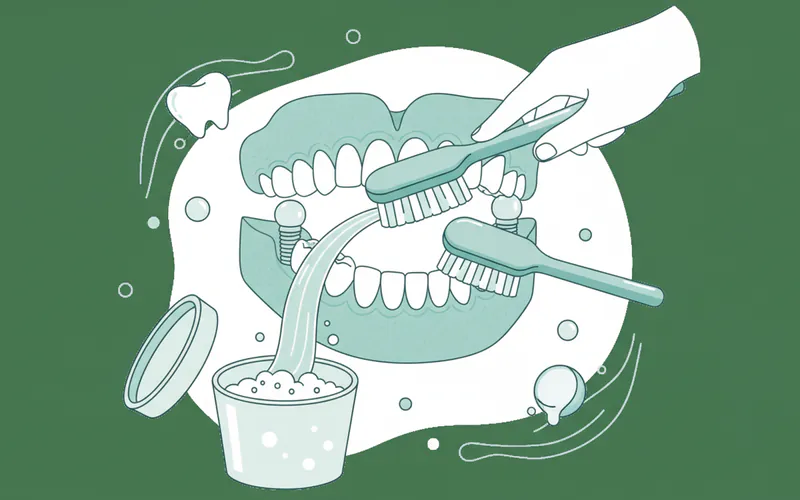
This is where the target keyword "how to clean dentures" becomes highly relevant. Maintaining excellent oral hygiene for both your dentures and the implants themselves is paramount.
-
Daily Denture Cleaning:
- Remove Daily: Always remove your snap-in dentures every night.
- Brush Gently: Use a soft-bristled denture brush and a non-abrasive denture cleaner (not regular toothpaste, which can be too abrasive and scratch the denture material). Gently brush all surfaces of the denture, paying special attention to the areas around the attachments.
- Rinse Thoroughly: Rinse the denture under cool running water to remove loose food particles.
- Soak Overnight: Place your dentures in a special denture-cleaning solution (following manufacturer instructions) or in plain water overnight. This helps keep them moist and prevents warping.
- Inspect Attachments: Periodically check the O-rings or other retaining clips within your denture attachments for wear. These may need to be replaced by your dentist every 6-12 months as part of routine maintenance.
-
Cleaning Around Implants and Gums:
- Brush Implants: Gently brush around the implant abutments (the parts sticking out of your gums) with a soft-bristled toothbrush.
- Interdental Brushes/Water Flosser: Use interdental brushes, specialized floss, or a water flosser (like Waterpik) to clean around the implant posts and under the denture thoroughly. This is critical for preventing peri-implantitis (gum disease around implants).
- Antimicrobial Rinse: Your dentist might recommend a specific antimicrobial mouthwash.
-
Regular Dental Check-ups:
- Annual Visits (Minimum): Schedule regular check-ups with your dentist at least once a year, or more frequently if recommended. These visits are crucial for:
- Professional cleaning of your implants and dentures.
- Inspection of your oral tissues, implants, and denture for any issues.
- Checking the fit and stability of your dentures.
- Replacement of worn attachments (O-rings, locator caps) on your dentures.
- Screening for oral cancer.
- Annual Visits (Minimum): Schedule regular check-ups with your dentist at least once a year, or more frequently if recommended. These visits are crucial for:
Pro Tip: Treat your snap-in dentures and implants like your natural teeth. Consistent, meticulous daily hygiene is the best way to ensure their longevity and prevent complications.
Prevention: Maintaining Oral Health
While snap-in dentures are a treatment for tooth loss, preventing severe tooth loss in the first place is always the ideal scenario. For those with snap-in dentures, prevention shifts to maintaining the health of the implants and surrounding tissues.
Preventing Tooth Loss (for those with remaining natural teeth):
- Brush Twice Daily: Use a fluoride toothpaste and a soft-bristled brush.
- Floss Daily: Clean between your teeth to remove plaque and food particles.
- Regular Dental Check-ups: Visit your dentist every six months for professional cleanings and examinations.
- Balanced Diet: Limit sugary foods and drinks that contribute to tooth decay.
- Avoid Tobacco: Smoking and chewing tobacco significantly increase the risk of gum disease and tooth loss.
- Protective Gear: Wear a mouthguard during sports to prevent dental trauma.
Preventing Complications with Snap-In Dentures:
- Adhere to Aftercare: The cleaning regimen detailed above is your primary preventative measure.
- Regular Professional Maintenance: Annual or bi-annual visits to your dentist allow for early detection and intervention of any issues with your implants or dentures.
- Avoid Overloading: Do not use your dentures to open packages or chew on extremely hard items that could damage the prosthetic or implants.
- Report Issues Promptly: Any discomfort, looseness, or changes in your snap-in dentures should be reported to your dentist immediately.
Risks and Complications Associated with Snap-In Dentures
While highly successful, snap-in dentures and the underlying dental implants are not without potential risks or complications.
Implant-Related Risks:
- Infection (Peri-implantitis): This is a serious gum disease around the implant, similar to periodontitis around natural teeth. It can lead to implant failure if not treated promptly. Symptoms include redness, swelling, bleeding, pain, and pus.
- Implant Failure: The implant may not properly integrate with the bone (osseointegration failure), or it may loosen over time. Factors like smoking, uncontrolled diabetes, poor oral hygiene, and insufficient bone can increase this risk.
- Nerve Damage: Though rare, implant placement can sometimes affect nearby nerves, leading to numbness, tingling, or pain in the lips, tongue, or gums.
- Sinus Perforation: For upper jaw implants, there's a slight risk of piercing the sinus cavity. This is usually managed by careful planning and sometimes a sinus lift procedure.
- Fractured Implants: Extremely rare but possible, especially with excessive force or faulty implants.
Denture-Related Complications:
- Attachment Wear: The O-rings, locator caps, or bar clips within the denture that snap onto the implants will wear down over time and need to be replaced. This is normal maintenance.
- Denture Fracture: Like any prosthetic, the denture itself can chip, crack, or break if dropped or subjected to excessive force.
- Poor Fit/Discomfort: While far more stable than traditional dentures, minor adjustments may be needed over time due to natural changes in gum tissue or if the attachments wear down unevenly.
- Hygiene Issues: If not cleaned properly, food debris and plaque can accumulate under the denture and around the implants, leading to inflammation and potential infection.
General Risks:
- Allergic Reaction: Rare, but some individuals might react to the materials used (e.g., titanium, acrylic).
- Delayed Healing: Factors like smoking, certain medications, and systemic health conditions can impede healing.
Pro Tip: Choose an experienced and reputable prosthodontist or oral surgeon for your implant placement. Their expertise significantly minimizes risks. Always follow post-operative instructions carefully.
Children / Pediatric Considerations
Snap-in dentures, or any form of conventional dentures or dental implants, are rarely (if ever) considered for children or adolescents. The primary reasons for this include:
- Developing Jaws: A child's jawbones are still growing and developing. Placing dental implants prematurely could interfere with natural growth patterns, leading to improper positioning of the implants and potential complications later in life.
- Bone Density: Children and teens typically do not have the mature bone density required for successful osseointegration of dental implants.
- Extensive Tooth Loss is Uncommon: While children can suffer from severe tooth decay or trauma, extensive tooth loss requiring full dentures is highly uncommon in this age group. When it does occur, other solutions, such as space maintainers, pediatric partial dentures, or even temporary fixed prosthetics, are explored until skeletal maturity.
- Focus on Natural Dentition: Pediatric dentistry prioritizes preserving natural primary and permanent teeth and guiding the eruption of permanent teeth.
In extremely rare cases of severe anodontia (congenital absence of all teeth) or major trauma in adolescents nearing skeletal maturity, a prosthodontist might consider implant options, but this would be a highly specialized and individualized treatment plan, usually deferring until late teenage years or early adulthood. For the vast majority of children, snap-in dentures are not a relevant treatment option.
Frequently Asked Questions
What is the average snap-in dentures cost near me?
The average cost for snap-in dentures in the US typically ranges from $6,000 to $20,000 per arch (upper or lower). This broad range accounts for variables like the number of implants (2-6), type of materials, geographic location, and the complexity of any preparatory procedures. Fixed implant-supported dentures (All-on-4/6) are significantly more, often $15,000-$35,000+ per arch.
Are snap-in dentures considered "permanent dentures near me"?
Snap-in dentures are removable by the patient for daily cleaning, but they offer significantly more stability and a "permanent" feel compared to traditional dentures. True "permanent dentures" usually refer to fixed implant-supported dentures (like All-on-4/6), which are screwed into the implants and can only be removed by a dentist.
How do you clean snap-in dentures and the implants?
To clean snap-in dentures, remove them daily and brush with a soft denture brush and non-abrasive denture cleaner. Soak them overnight in a cleaning solution or water. For the implants, gently brush around the abutments with a soft toothbrush, and use interdental brushes or a water flosser to clean under the denture and around the posts to prevent plaque buildup and infection.
Is getting snap-in dentures painful?
The implant placement surgery is performed under local anesthesia, so you shouldn't feel pain during the procedure. Post-operative discomfort, swelling, and bruising are common but manageable with prescribed pain medication. Once healed and the dentures are in place, they should be comfortable and stable, significantly reducing the sore spots often associated with traditional dentures.
How long does the entire snap-in denture process take?
The entire process, from initial consultation to the final placement of your snap-in dentures, typically takes 4 to 9 months. This timeline includes the crucial healing period of 3-6 months for the dental implants to fuse with your jawbone (osseointegration) before the permanent dentures can be fabricated and attached.
What are the main advantages of snap-in dentures over traditional dentures?
Snap-in dentures offer superior stability, retention, and chewing efficiency compared to traditional dentures, preventing slipping and discomfort. They also help preserve jawbone structure by stimulating the bone through the implants, which traditional dentures do not. This leads to better oral health, nutrition, and increased confidence.
Can I get snap-in dentures if I have bone loss?
It depends on the extent of bone loss. If there isn't enough jawbone to securely support the dental implants, your dentist may recommend a bone grafting procedure first. This surgery augments the bone volume, creating a suitable foundation for implant placement, though it will add to the overall cost and treatment time.
How long do snap-in dentures last?
With proper care and regular dental check-ups, the dental implants themselves can last for 20 years or even a lifetime. The snap-in dentures themselves, being subject to daily wear and tear, typically last 5 to 10 years before needing replacement or significant adjustments, while the attachments (O-rings, locator caps) usually need replacement annually.
Are there alternatives to snap-in dentures?
Yes, alternatives include traditional full dentures (removable, lower cost but less stable), fixed implant-supported dentures (permanent, higher cost, maximum stability), or if only partial tooth loss, dental bridges or single dental implants. The best option depends on your specific needs, oral health, and budget.
Will my insurance cover snap-in dentures?
Many dental insurance plans offer some coverage for snap-in dentures, usually classifying implants under "major restorative care" and the denture under prosthetics. Coverage percentages vary widely (e.g., 10-50% for implants), and there are often annual maximums (e.g., $1,000-$2,500). Always get a pre-authorization from your provider to understand your specific benefits and out-of-pocket costs.
When to See a Dentist
It's crucial to know when to seek professional dental attention, especially if you're considering or already have snap-in dentures.
Immediate Attention (Red Flags):
- Severe or Persistent Pain: If you experience intense, throbbing pain around your implants or a constant, sharp pain that doesn't subside with over-the-counter pain relievers, it could indicate an infection or other serious complication.
- Swelling or Pus: Swelling, redness, or the presence of pus around your implant sites or under your dentures are strong indicators of infection (peri-implantitis or a general infection) and require immediate evaluation.
- Loose Implant or Abutment: If an implant feels wobbly or an abutment (the connector part) becomes loose, contact your dentist immediately. This is not normal and needs urgent professional assessment.
- Difficulty Chewing or Speaking Suddenly: A sudden change in your ability to chew or speak comfortably could signal a broken denture, a loose implant, or an issue with the attachments.
- Fever or Chills: These systemic symptoms combined with oral pain or swelling could indicate a spreading infection that needs prompt medical and dental attention.
- Numbness or Tingling: Persistent numbness or tingling in your lips, tongue, or chin after implant surgery, beyond the initial recovery period, should be reported to your dentist or oral surgeon.
Routine or Scheduled Appointments:
- Annual Check-ups: Schedule regular check-ups with your dentist at least once a year for professional cleaning, implant and denture inspection, and general oral health assessment. This is critical for preventative maintenance.
- Worn Attachments: If you notice your snap-in dentures are becoming less secure or "snapping" less firmly, it's likely time for your dentist to replace the O-rings or locator caps, which wear down with normal use.
- Denture Discomfort: Any persistent sore spots, rubbing, or discomfort from your snap-in dentures, even if minor, should be addressed with your dentist to prevent more serious issues.
- Cracked or Damaged Denture: If your denture chips, cracks, or breaks, contact your dentist for repair or replacement. Do not attempt to fix it yourself.
- Questions About Cleaning or Care: If you have any doubts about how to clean dentures or maintain your oral hygiene, don't hesitate to schedule an appointment for guidance.
Your oral health is integral to your overall well-being. By being proactive and seeking professional care when needed, you can ensure the longevity and success of your snap-in dentures and enjoy a confident, functional smile for years to come.
Frequently Asked Questions
Medically Reviewed Content
This article was written by our dental health editorial team and reviewed for medical accuracy. Our content follows strict editorial guidelines for reliability and trustworthiness.
Medical Disclaimer
This article is for informational purposes only and does not constitute medical advice. Always consult with a qualified dental professional for diagnosis and treatment. Do not delay seeking professional advice because of something you read on this website.
Related Articles
Cheap Dentures: Complete Guide
Facing the prospect of tooth loss can be daunting, and the thought of replacing missing teeth often brings financial concerns to the forefront. Did you know that an estimated 36 million Americans are completely edentulous (missing all their teeth), and another 120 million are missing at leas
February 23, 2026
Full Mouth Reconstruction Near Me: Complete Guide
You've been living with dental pain, difficulty eating, or a smile you're too embarrassed to share. Perhaps years of neglect, trauma, or disease have taken a toll on your oral health, leaving you wondering if there's any hope for a complete restoration. You're not alone. **Millions of Americans face
February 23, 2026
$99 Dentures Near Me: Complete Guide
Losing teeth can significantly impact your quality of life, affecting everything from your ability to chew and speak to your self-confidence. For many, the high cost of dental care can feel like an insurmountable barrier to regaining a healthy smile. This often leads people to search for "affordable
February 23, 2026
Full Dentures: Complete Guide
Approximately 36 million Americans are missing all of their teeth, a condition known as edentulism. For many, this significant health challenge profoundly impacts daily life, affecting everything from nutrition and speech to self-confidence. If you're facing complete tooth loss or struggling wit
February 23, 2026