Full Mouth Reconstruction Near Me: Complete Guide
Key Takeaways
- You've been living with dental pain, difficulty eating, or a smile you're too embarrassed to share. Perhaps years of neglect, trauma, or disease have taken a toll on your oral health, leaving you wondering if there's any hope for a complete restoration. You're not alone. **Millions of Americans face
You've been living with dental pain, difficulty eating, or a smile you're too embarrassed to share. Perhaps years of neglect, trauma, or disease have taken a toll on your oral health, leaving you wondering if there's any hope for a complete restoration. You're not alone. Millions of Americans face complex dental challenges that impact their quality of life. If you're searching for "full mouth reconstruction near me," it means you're ready to explore a comprehensive solution that can transform your oral health, function, and aesthetics. This extensive guide from SmilePedia.net will demystify full mouth reconstruction, providing you with everything you need to know to make informed decisions and embark on your journey to a healthier, more confident smile. We'll cover what it entails, the various treatment options, costs, recovery, and much more, ensuring you have the knowledge to find the right path for your unique needs.
Key Takeaways:
- Full mouth reconstruction is a comprehensive, multi-disciplinary dental process to restore oral health, function, and aesthetics for individuals with extensive dental issues.
- Common causes include severe decay, gum disease, trauma, erosion, and TMJ disorders affecting multiple teeth.
- Treatment options range from crowns, bridges, and veneers to dental implants, gum therapy, orthodontics, and even specialized denture teeth solutions, including implant-supported and removable dentures.
- Cost in the US can vary significantly, typically ranging from $25,000 to $80,000+, depending on complexity, materials, and location. Insurance coverage is often partial, and financing options are widely available.
- Timelines for full mouth reconstruction can span several months to over a year, involving multiple appointments and healing periods.
- Recovery involves adapting to new restorations, meticulous oral hygiene, and regular follow-up appointments to ensure long-term success.
- Finding the right prosthodontist or general dentist experienced in complex cases is crucial for a successful outcome.
What It Is / Overview
Full mouth reconstruction, also known as full mouth rehabilitation or restoration, is a highly individualized and comprehensive treatment plan designed to rebuild and restore nearly every tooth in a patient's mouth. Unlike a "smile makeover," which primarily focuses on cosmetic improvements to healthy teeth, full mouth reconstruction addresses both functional and aesthetic problems arising from extensive damage to the teeth, gums, and bite. It aims to correct structural issues, alleviate pain, improve chewing ability, and restore a natural-looking, healthy smile.

This complex process often involves multiple dental specialists working in collaboration, including prosthodontists (specialists in restoring and replacing teeth), periodontists (gum specialists), orthodontists (for bite correction), endodontists (root canal specialists), and oral surgeons. The goal is not just to fix individual teeth but to re-establish proper occlusion (how your upper and lower teeth meet), jaw function, and overall oral health.
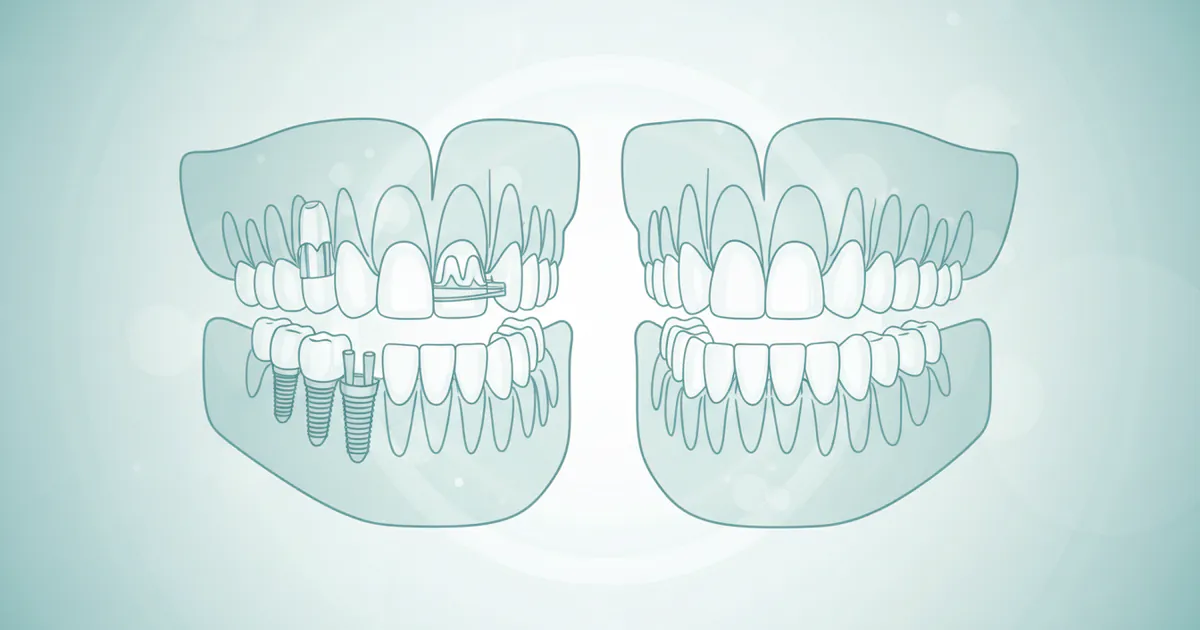
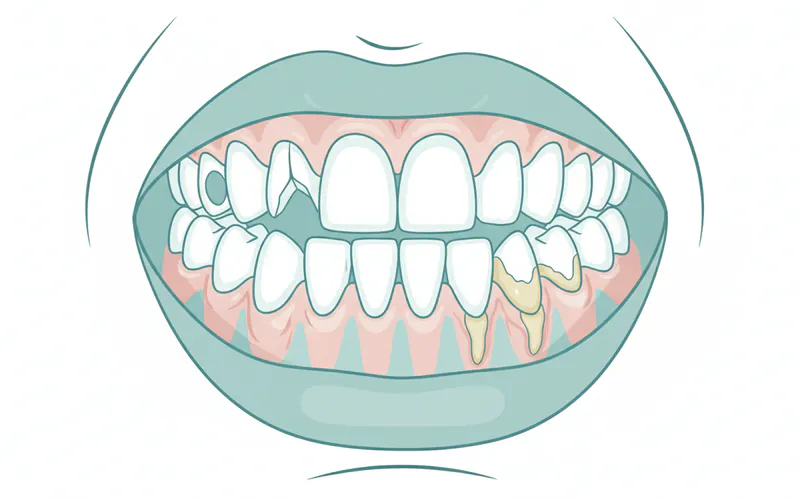
![Illustration showing a patient with various dental issues (missing teeth, broken teeth, gum disease(/glossary/glossary-gum-disease)) before full mouth reconstruction, with an overlay of healthy teeth representing the 'after' state.]
Causes / Why It Happens
Extensive dental damage requiring full mouth reconstruction doesn't happen overnight. It's typically the result of long-term issues or significant acute events. Understanding the root causes is crucial for prevention and successful treatment planning.
Common Causes:
- Severe Tooth Decay (Cavities): Widespread, untreated cavities can compromise the structure of multiple teeth, leading to fractures, infections, and eventual tooth loss.
- Advanced Gum Disease (Periodontitis): Chronic gum infections can destroy the supporting bone and tissues around teeth, causing them to loosen, shift, or fall out. This often necessitates gum grafting, bone regeneration, and tooth replacement.
- Trauma or Injury: Accidents, sports injuries, or falls can result in fractured, chipped, or knocked-out teeth, requiring extensive repair or replacement.
- Extensive Tooth Erosion: The wearing away of tooth enamel due to acid exposure (e.g., from acidic foods/drinks, acid reflux, or bulimia) can severely diminish tooth structure, leading to sensitivity, aesthetic concerns, and bite problems.
- Bruxism (Chronic Teeth Grinding/Clenching): Persistent grinding or clenching can wear down tooth enamel, flatten chewing surfaces, cause cracks, and contribute to jaw pain and headaches. Over time, it can lead to significant loss of tooth height and necessitate restoration to re-establish proper bite.
- Congenital Defects: Some individuals are born with conditions like amelogenesis imperfecta (abnormal enamel development) or dentinogenesis imperfecta (abnormal dentin development), leading to widespread weak, discolored, or malformed teeth from an early age.
- Malocclusion (Bad Bite): While orthodontics can correct many bite issues, severe malocclusion can lead to uneven wear, excessive stress on certain teeth, and TMJ disorders, potentially requiring reconstruction to optimize the bite.
- Multiple Missing Teeth: If numerous teeth have been lost due to any of the above causes, the remaining teeth may drift, tilt, or super-erupt, further complicating the bite and requiring a comprehensive approach to replace the missing structures.
- Failed Restorations: Old, failing fillings, crowns, or bridges can contribute to further decay or structural damage, necessitating a complete overhaul of the dental work.
Contributing Factors:
- Poor Oral Hygiene: Inadequate brushing and flossing significantly contribute to decay and gum disease.
- Diet: High consumption of sugary and acidic foods and beverages accelerates enamel erosion and cavity formation.
- Medical Conditions: Certain systemic diseases (e.g., diabetes, autoimmune disorders) and medications can negatively impact oral health, increasing the risk of dental problems.
- Smoking/Tobacco Use: Tobacco products are major risk factors for gum disease, tooth loss, and oral cancer, compounding existing dental issues.
Signs and Symptoms
Recognizing the signs that you might need full mouth reconstruction is the first step towards seeking appropriate care. These symptoms often indicate widespread dental issues that a single filling or crown cannot adequately address.
What to Look For:
- Chronic Tooth Pain or Sensitivity: Persistent pain in multiple teeth, especially when chewing or exposed to hot/cold, indicates underlying decay, infection, or exposed dentin.
- Multiple Missing Teeth: Gaps in your smile can affect speech, chewing, and cause remaining teeth to shift.
- Severely Worn or Shortened Teeth: Teeth that appear flat, chipped, or significantly shorter than they once were are a strong indicator of chronic grinding (bruxism) or erosion.
- Broken, Chipped, or Cracked Teeth: Numerous fractured teeth can compromise biting force and open pathways for infection.
- Loose or Shifting Teeth: A sign of advanced gum disease or severe bone loss.
- Persistent Gum Bleeding, Swelling, or Recession: Indicators of periodontitis, which can jeopardize the foundation of your teeth.
- Difficulty Chewing or Biting: Inability to eat certain foods due to pain, missing teeth, or an improper bite.
- Jaw Pain, Headaches, or Facial Discomfort (TMJ Disorders): An unbalanced bite can strain the temporomandibular joints, leading to a range of uncomfortable symptoms.
- Chronic Bad Breath (Halitosis): Often linked to severe decay, gum disease, or dental infections.
- Unsatisfactory Aesthetics: A smile that looks uneven, discolored, or severely damaged, impacting self-confidence.
- Repeated Dental Issues: If you're constantly getting new cavities, broken fillings, or needing individual tooth repairs, it might be a sign that a more comprehensive approach is needed to address the underlying systemic problems.
If you experience several of these symptoms, it's crucial to consult a dentist experienced in complex restorative cases.
Treatment Options
Full mouth reconstruction is not a single procedure but a customized combination of various dental treatments tailored to your specific needs. The goal is to restore health, function, and aesthetics across your entire dentition.
Components of Full Mouth Reconstruction:
-
Restorative Dentistry:
- Dental Crowns: Custom-made caps that cover and restore the entire surface of a damaged or weakened tooth. Used for heavily decayed, fractured, or worn teeth. Can be made from porcelain, ceramic, metal, or a combination.
- Dental Bridges: Used to replace one or more missing teeth by spanning the gap. They are anchored to adjacent natural teeth (or implants) with crowns.
- Dental Fillings: For addressing individual cavities, often as a preliminary step.
- Inlays/Onlays: Partial crowns used when a tooth is too damaged for a filling but not enough for a full crown.
-
Prosthodontics:
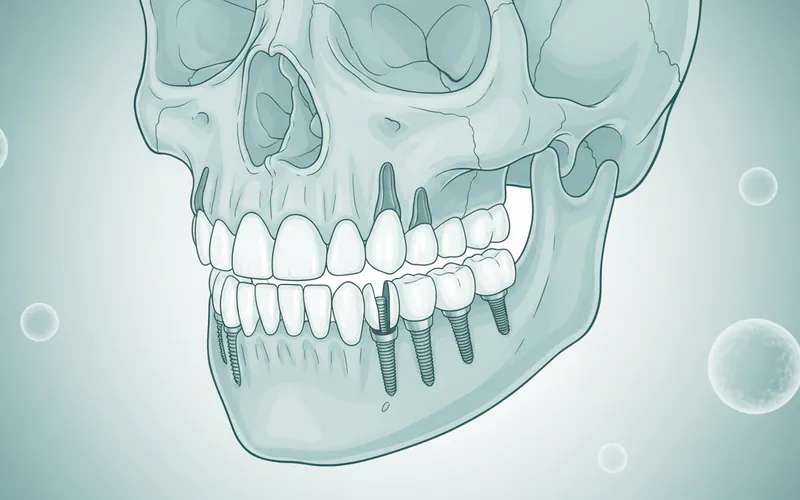
- Dental Implants: Titanium posts surgically placed into the jawbone to replace missing tooth roots. They provide a stable foundation for crowns, bridges, or specialized denture teeth. Implants are often considered the gold standard for tooth replacement due to their longevity and ability to preserve bone.
- Implant-Supported Dentures (All-on-4/6): For patients missing all or most teeth in an arch, a full arch of denture teeth can be securely attached to a few strategically placed implants, offering superior stability and chewing power compared to traditional removable dentures.
- Removable Dentures: Conventional full or partial removable dentures replace missing teeth and surrounding gum tissue. While less stable than implant-supported options, they are a viable solution for those who cannot receive implants or prefer a more economical approach.
-
Periodontics (Gum Treatment):
- Scaling and Root Planing: Deep cleaning to remove plaque and tartar from below the gum line and smooth root surfaces to help gums reattach.
- Gum Grafting: To address gum recession, where gum tissue is taken from another area of your mouth (or a donor source) and attached to the areas where the gum has receded.
- Bone Grafting: If significant bone loss has occurred, bone material (synthetic, donor, or from your own body) is used to rebuild the jawbone, often necessary before implant placement.
-
Orthodontics:
- Braces or Clear Aligners (e.g., Invisalign): Used to correct misaligned teeth and bite issues, creating proper spacing and alignment before final restorations are placed. This can be a crucial preliminary step to ensure the longevity of new restorations.
-
Endodontics (Root Canal Therapy):
- Root Canals: To treat infected or inflamed tooth pulp, saving teeth that would otherwise need extraction. This is often necessary before placing crowns on severely compromised teeth.
-
Oral Surgery:
- Tooth Extractions: Removing severely damaged, infected, or non-restorable teeth.
- Jaw Surgery: In rare, severe cases of malocclusion or jaw deformities, surgical correction may be needed to achieve proper bite alignment.
Comparison of Key Tooth Replacement Options:
| Feature | Dental Implants (Single/Multiple) | Implant-Supported Dentures (All-on-4/6) | Traditional Removable Dentures | Dental Bridge (Fixed) |
|---|---|---|---|---|
| Stability/Security | Excellent, mimics natural tooth root; prevents bone loss. | Very good, securely attached to implants; significantly more stable than removable. | Fair, relies on suction/adhesives; can shift, cause sore spots. | Good, cemented to adjacent teeth or implants. |
| Bone Preservation | Excellent, stimulates jawbone, preventing deterioration. | Very good, implants maintain bone density. | Poor, does not prevent bone loss; jawbone shrinks over time. | Poor to Fair, does not stimulate bone under missing tooth; can contribute to adjacent bone loss if not implant-supported. |
| Chewing Efficiency | Excellent, nearly natural chewing power. | Very good, allows for eating most foods with confidence. | Fair, significantly reduced chewing efficiency (20-30% of natural). | Good, restores chewing ability in the area. |
| Comfort | Excellent, feels like natural teeth. | Very good, no movement, comfortable. | Fair to Poor, can rub, cause irritation, require adjustments. | Good, feels stable and natural. |
| Maintenance | Brush, floss like natural teeth; regular dental check-ups. | Special cleaning tools for around implants; regular check-ups. | Requires daily removal for cleaning; often needs periodic relining/adjustments. | Brush, floss around and under bridge; regular dental check-ups. |
| Cost (per tooth/arch) | High (Single: $3,000-$6,000+; Full arch: $20,000-$50,000+) | High (Full arch: $20,000-$40,000+ per arch) | Low to Moderate (Full: $1,500-$5,000+ per arch) | Moderate (per tooth: $2,000-$5,000+) |
| Longevity | 15+ years to a lifetime with proper care. | 10-20+ years, often with restorative component replacement. | 5-10 years, often requires replacement due to bone changes. | 5-15 years, can fail if supporting teeth decay. |
| Invasiveness | Surgical procedure required. | Surgical procedure required. | Non-invasive, impression-based. | Involves preparing (shaping) adjacent teeth. |
Step-by-Step Process
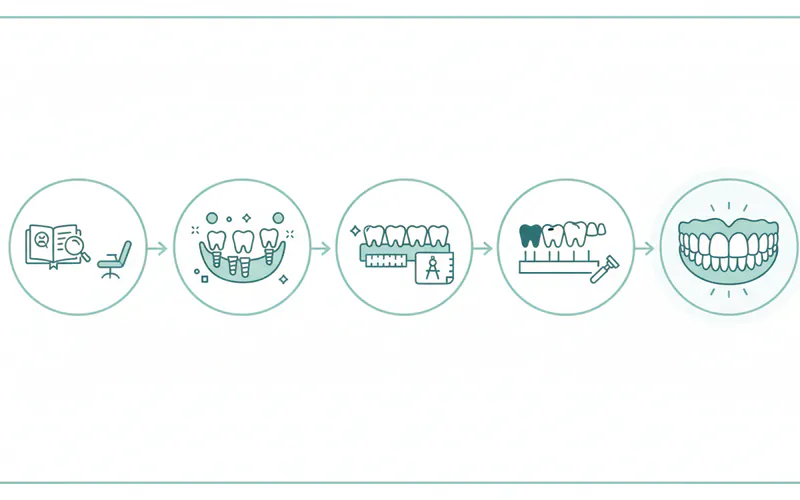
Full mouth reconstruction is a lengthy process, often spanning several months to over a year, depending on the complexity of your case. It typically involves distinct phases.
Phase 1: Comprehensive Examination and Treatment Planning (Initial 1-3 appointments)
- Initial Consultation: Your dentist will discuss your concerns, medical history, and goals.
- Thorough Examination: This includes a visual inspection of your teeth, gums, and bite, assessment of your jaw joints (TMJ), and oral cancer screening.
- Diagnostic Records:
- X-rays: Full mouth series, panoramic X-rays, and often 3D cone-beam computed tomography (CBCT) scans to assess bone density, nerve pathways, and existing infections.
- Intraoral and Extraoral Photos: To document your initial state and aid in planning.
- Impressions: To create models of your teeth and bite for analysis and wax-ups (a wax model showing the proposed final result).
- Bite Registration: To record how your upper and lower teeth meet.
- Diagnosis and Treatment Plan Development: Based on all diagnostic information, your dental team will develop a detailed, multi-phase treatment plan. This plan will outline every procedure, the order of treatment, estimated timelines, and costs. You will have a chance to review and discuss this plan thoroughly.
Phase 2: Foundation and Preparatory Treatments (Varies greatly: Weeks to Months)
This phase addresses underlying issues to create a healthy foundation for final restorations.
- Disease Control:
- Gum Disease Treatment: Scaling and root planing, gum surgery, or bone grafting to stabilize gum health and bone support.
- Tooth Extractions: Removal of any non-restorable teeth.
- Root Canal Therapy: Treatment for infected teeth that can be saved.
- Orthodontic Treatment: If necessary, braces or clear aligners will be used to correct bite problems, align teeth, and create adequate space for future restorations. This can take 6-24 months.
- Jaw Alignment (Occlusal Splint Therapy): For patients with severe bite issues or TMJ disorders, a custom-made nightguard or splint may be used to stabilize the bite and jaw joints before definitive restorative work begins.
- Bone Grafting: If dental implants are planned and there isn't sufficient jawbone, bone grafting procedures will be performed. This requires several months for healing and bone integration.
Phase 3: Restorative Procedures (Varies greatly: Weeks to Months)
This is where the actual reconstruction of teeth takes place.
- Dental Implant Placement: If implants are part of your plan, titanium posts are surgically placed into the jawbone. A healing period (osseointegration) of 3-6 months is typically required for the implants to fuse with the bone.
- Tooth Preparation: For teeth receiving crowns, veneers, or bridges, the teeth will be carefully shaped, and impressions will be taken to fabricate the custom restorations. Temporary restorations are usually placed to protect the prepared teeth.
- Wax-Ups and Provisional Restorations: Often, provisional (temporary) crowns, bridges, or denture teeth are fabricated based on the wax-up models. These temporaries allow you and your dentist to evaluate the proposed bite, aesthetics, and comfort before the final restorations are made. This "test drive" is critical for success.
- Fabrication of Final Restorations: Dental labs custom-create your crowns, bridges, veneers, and denture teeth using high-quality materials (e.g., porcelain, zirconia, gold). This process can take several weeks.
- Placement of Final Restorations: Once fabricated, the temporary restorations are removed, and the final crowns, bridges, veneers, or implant-supported denture teeth are meticulously fitted and permanently cemented or screwed into place. Adjustments are made to ensure proper bite and comfort.
Phase 4: Recovery and Follow-up (Ongoing)
- Initial Adjustment: It's normal to experience some sensitivity, soreness, and a feeling of "newness" as you adjust to your reconstructed bite and teeth.
- Follow-up Appointments: Regular check-ups are essential to monitor your bite, oral hygiene, and the long-term success of your restorations. Adjustments may be made as needed.
- Maintenance: Adhering to a strict oral hygiene routine and attending regular professional cleanings are crucial for the longevity of your investment.
Pro Tip: Don't hesitate to ask your dental team for a detailed timeline breakdown for each phase. Understanding the duration will help you plan and manage your expectations throughout the process.
Cost and Insurance
The cost of full mouth reconstruction in the US is substantial due to its complexity, the specialized skills required, and the high-quality materials used. It's a significant investment in your long-term health and well-being.
Average US Cost Ranges:
Full mouth reconstruction typically ranges from $25,000 to $80,000, but can exceed $100,000 for the most complex cases involving extensive surgery, numerous implants, and premium materials.
Factors Influencing Cost:
- Severity of Damage: The more teeth needing treatment, the more extensive the procedures, and thus, the higher the cost.
- Number and Type of Restorations: A plan involving many dental implants and porcelain crowns will be significantly more expensive than one using more removable dentures or fewer high-end restorations.
- Materials Used: Porcelain, zirconia, and gold are more expensive than composite resin or base metals.
- Need for Adjunctive Procedures: Bone grafts, gum grafts, root canals, and orthodontic treatment add to the overall cost.
- Specialist Fees: If multiple specialists (oral surgeon, periodontist, endodontist, orthodontist, prosthodontist) are involved, their individual fees will contribute.
- Geographic Location: Dental costs can vary significantly by region and even within cities. Major metropolitan areas generally have higher costs.
Cost Breakdown Example (Highly Variable):
| Procedure/Component | Average US Cost (Range) | Notes |
|---|---|---|
| Initial Exam & Planning | $300 - $1,000+ | Includes X-rays, scans, models, consultation. |
| Tooth Extractions | $150 - $400 per tooth (simple) | Can be higher for surgical extractions or wisdom teeth. |
| Bone Grafting | $400 - $3,000 per site | Varies by material and complexity. |
| Gum Grafts | $600 - $2,500 per site | Varies by technique and extent. |
| Root Canal Therapy | $700 - $1,500 per tooth | Varies by tooth (front vs. molar) and complexity. |
| Dental Implants (single) | $3,000 - $6,000+ per implant | Does not include crown. Includes post, abutment, surgery. |
| Dental Crowns | $800 - $2,500+ per crown | Varies by material (porcelain, zirconia, metal) and complexity. |
| Dental Bridges | $2,000 - $5,000+ per unit | 3-unit bridge can be $6,000 - $15,000+. |
| Porcelain Veneers | $900 - $2,500+ per veneer | Often used for aesthetic enhancement on front teeth. |
| Orthodontics (Braces/Aligners) | $3,000 - $8,000+ | Full treatment may or may not be covered by a FMR plan, often separate. |
| Implant-Supported Dentures | $20,000 - $40,000+ per arch | All-on-4/6. |
| Removable Dentures | $1,500 - $5,000+ per arch | Conventional full removable dentures. |
| Temporary Restorations | Included in overall plan / $500 - $2,000+ | Essential for function and aesthetics during treatment. |
Insurance Coverage:
Most dental insurance plans consider full mouth reconstruction to be a "major restorative" procedure, meaning they typically cover only a portion of the costs, often 50-80% of the allowed amount after deductibles are met. However, many plans have annual maximums, typically ranging from $1,000 to $2,500. This means that even with good insurance, you will likely incur significant out-of-pocket expenses.
- Medical Insurance: In some cases, if the reconstruction is due to a severe accident or a medical condition (e.g., congenital defect, trauma requiring surgery), a portion of the cost, especially surgical components, might be covered by your medical insurance. This is rare and requires specific documentation.
- Coordination of Benefits: If you have both dental and medical insurance, your providers may be able to coordinate benefits to maximize coverage.
Payment Plans and Financing Options:
Given the high cost, most dental practices offer or work with third-party financing options:
- In-Office Payment Plans: Some practices allow you to pay in installments over the course of treatment.
- Dental Credit Cards (e.g., CareCredit, LendingClub): These offer special financing options, including interest-free periods if paid in full within a certain timeframe.
- Personal Loans: Banks and credit unions offer personal loans that can be used for dental expenses.
- Health Savings Accounts (HSAs) & Flexible Spending Accounts (FSAs): These tax-advantaged accounts allow you to save and pay for qualified medical and dental expenses with pre-tax dollars.
Pro Tip: Ask your dental office for a detailed cost estimate and assistance in navigating your insurance benefits. Many offices have financial coordinators dedicated to helping patients understand their options.
Recovery and Aftercare
Recovery from full mouth reconstruction is a gradual process that involves adapting to new oral structures, meticulous hygiene, and diligent follow-up.
Immediate Post-Treatment:
- Soreness and Sensitivity: It's common to experience some discomfort, swelling, or sensitivity, especially after surgical procedures (extractions, implants, bone grafts). Pain medication will be prescribed or recommended.
- Diet: You'll likely be advised to stick to soft foods for a period, gradually reintroducing harder foods as healing progresses and you adjust to your new bite. Avoid extremely hot, cold, or chewy foods initially.
- Speech: You might notice temporary changes in your speech, especially if you've received new anterior restorations or denture teeth. Practice reading aloud to help your tongue and lips adjust.
- Bite Adjustment: Your bite may feel "different" initially. Your dentist will perform precise adjustments to ensure it's comfortable and stable.
Long-Term Aftercare:
- Meticulous Oral Hygiene: This is paramount for the longevity of your reconstruction.
- Brushing: Brush at least twice a day with a soft-bristled toothbrush and fluoride toothpaste. Your dentist may recommend an electric toothbrush.
- Flossing: Floss daily, ensuring to clean around crowns, bridges, and especially implants. Special floss (e.g., superfloss) or interdental brushes may be recommended for certain areas.
- Mouthwash: An antimicrobial mouthwash may be advised, especially if you had gum disease.
- Cleaning Implant-Supported Dentures: If you have implant-supported denture teeth, specific cleaning protocols will be taught, including the use of water flossers and special brushes to clean under the prosthetic.
- Dietary Modifications: While you'll regain significant chewing function, it's wise to avoid excessively hard, sticky, or crunchy foods that could damage restorations.
- Nightguard/Splint: If you grind or clench your teeth (bruxism), a custom-made nightguard is often recommended to protect your new restorations from wear and fracture.
- Regular Dental Check-ups and Cleanings: Crucial for monitoring the health of your gums, teeth, and restorations. Your dentist will check for any signs of wear, decay, or gum disease and provide professional cleanings. This should be done every 3-6 months as advised by your prosthodontist.
- Address Issues Promptly: If you experience any pain, looseness, or damage to your restorations, contact your dental office immediately.
Pro Tip: View your reconstructed mouth as an investment. Just like a high-performance car, it requires regular maintenance and care to perform optimally and last for many years.
Prevention
While full mouth reconstruction addresses severe problems, many of these issues are preventable. Proactive oral hygiene and regular dental care can significantly reduce your risk.
- Maintain Excellent Oral Hygiene:
- Brush twice daily with fluoride toothpaste for at least two minutes.
- Floss daily to remove plaque and food particles from between teeth and under the gum line.
- Use an antimicrobial mouthwash if recommended by your dentist.
- Regular Dental Check-ups and Professional Cleanings: Visit your dentist every six months for exams and cleanings. This allows for early detection and treatment of issues before they become extensive.
- Healthy Diet:
- Limit sugary foods and drinks that fuel cavity-causing bacteria.
- Reduce consumption of highly acidic foods and beverages (e.g., sodas, citrus, sports drinks) to prevent enamel erosion.
- Stay hydrated by drinking plenty of water, especially after meals.
- Protect Your Teeth:
- Wear a mouthguard during sports activities to prevent dental trauma.
- If you grind or clench your teeth (bruxism), use a custom-fitted nightguard to protect against wear and damage.
- Avoid using your teeth as tools (e.g., opening bottles, tearing packages).
- Address Issues Early: Don't ignore tooth pain, bleeding gums, or sensitivity. Early intervention for cavities, gum disease, or bite problems can prevent the need for more extensive reconstruction later.
- Avoid Tobacco Products: Smoking and chewing tobacco are major risk factors for gum disease, tooth loss, and oral cancer. Quitting significantly improves oral and overall health.
- Manage Systemic Health: Control conditions like diabetes, which can impact oral health, and discuss any medications you are taking with your dentist.
Risks and Complications
While full mouth reconstruction boasts a high success rate when performed by skilled professionals, like any extensive medical procedure, it carries potential risks and complications.

- Temporary Discomfort: Post-operative pain, swelling, and bruising are common, especially after surgical procedures.
- Sensitivity: Teeth may be sensitive to hot and cold for a period after restorations are placed.
- Bite Issues/TMJ Dysfunction: Adjusting the bite is complex. In some cases, patients may experience persistent bite discomfort, jaw pain, or exacerbation of TMJ symptoms, requiring further adjustments or treatment.
- Restoration Failure: Crowns, bridges, or veneers can chip, fracture, or debond. Dental implants can fail to integrate with the bone (osseointegration failure), especially in patients with poor bone quality, uncontrolled diabetes, or who smoke. This may necessitate removal and re-placement.
- Infection: Any surgical procedure carries a risk of infection. This can be managed with antibiotics.
- Gum Problems: Recession around crowns or implants, or persistent inflammation (peri-implantitis around implants) if hygiene is not maintained.
- Nerve Damage: A rare but serious complication, particularly with implant placement or extractions, which can lead to numbness, tingling, or pain.
- Allergic Reactions: To materials used (e.g., metals in restorations).
- Extended Treatment Time: Unexpected complications or slower healing can prolong the overall treatment timeline.
- Cost Overruns: While thorough planning aims to provide accurate estimates, unforeseen issues may arise, leading to additional costs.
Choosing an experienced prosthodontist or a general dentist highly skilled in comprehensive cases, along with meticulous adherence to post-operative instructions, significantly minimizes these risks.
Children / Pediatric Considerations
Full mouth reconstruction, as traditionally defined, is primarily an adult procedure. The term implies rebuilding a fully developed dentition that has suffered extensive damage over time. However, children can experience severe dental issues that require extensive restorative care, sometimes referred to as "full mouth rehabilitation" in a pediatric context.
When Extensive Care Might Be Needed for Children:
- Severe Early Childhood Caries (ECC): Widespread decay in baby teeth, often due to prolonged bottle feeding with sugary liquids or poor oral hygiene. This can necessitate multiple fillings, crowns (often stainless steel), or even extractions.
- Congenital Conditions: Children born with conditions like amelogenesis imperfecta or dentinogenesis imperfecta have genetically flawed enamel or dentin, leading to weak, discolored, and easily fractured teeth. These children often require a lifetime of restorative care, starting with protective crowns and potentially evolving into adult full mouth reconstruction.
- Trauma: Severe accidents can result in multiple fractured or avulsed (knocked-out) teeth, requiring immediate and long-term restorative solutions.
- Developmental Anomalies: Conditions like hypomineralization (MIH - Molar Incisor Hypomineralization) can lead to weak and sensitive enamel on permanent molars and incisors, requiring early intervention with sealants, fillings, or crowns.
Pediatric Approach to Extensive Dental Needs:
The approach for children differs significantly from adults:
- Focus on Preservation: Priority is given to preserving baby teeth to maintain space for permanent teeth and aid in speech and chewing.
- Growth and Development: Treatments must consider the child's ongoing growth and development of the jaws and eruption of permanent teeth. Definitive, adult-style restorations like implants are typically deferred until skeletal maturity (late teens/early twenties).
- Material Choices: Materials used are often different, with stainless steel crowns being common for severely decayed baby teeth due to their durability and cost-effectiveness.
- Behavior Management: Extensive procedures in children often require specialized behavior management techniques, including sedation dentistry or general anesthesia, to ensure safety and comfort.
Parents observing widespread dental issues, significant decay, or unusual tooth development in their child should seek immediate consultation with a pediatric dentist or a general dentist experienced in pediatric care. Early intervention is critical to mitigate long-term damage and guide healthy dental development.
Cost Breakdown
To reiterate and provide further detail on the financial aspects, understanding the cost breakdown is paramount for planning full mouth reconstruction.
Average US Costs (Recap and Detail):
- Low-End Reconstruction ($25,000 - $40,000): This might involve a combination of strategic extractions, bone grafting, a few dental implants with crowns, numerous traditional crowns, and possibly conventional removable dentures for one or both arches. It relies on more economical material choices and fewer specialists.
- Mid-Range Reconstruction ($40,000 - $80,000): This typically involves a more significant number of dental implants, high-quality porcelain or zirconia crowns and bridges, potentially some gum and bone grafting, and limited orthodontics. It often involves a prosthodontist leading the team.
- High-End Reconstruction ($80,000 - $100,000+): These cases are highly complex, often involving a full arch of implant-supported denture teeth (e.g., All-on-4/6) for both upper and lower jaws, extensive bone and gum grafting, orthodontics, TMJ therapy, and premium aesthetic materials. Multiple specialists are typically involved, delivering a highly customized and aesthetic outcome.
With vs. Without Insurance:
- Without Insurance: You will be responsible for the full cost. This makes payment plans and financing options critical. Many dentists offer a discount for upfront payment in full without insurance.
- With Insurance: Your insurance will likely cover a small percentage of the total cost (e.g., 50-80% of specific procedure costs, up to an annual maximum of $1,000 - $2,500). For a $50,000 reconstruction, even with 80% coverage up to a $2,000 maximum, your out-of-pocket could still be $48,000. It's crucial to understand your plan's annual maximums, deductibles, and waiting periods for major procedures.
Payment Plans and Financing Options (Detailed):
- Dental Credit Cards (e.g., CareCredit, Alphaeon Credit, LendingClub Patient Solutions): These work like regular credit cards but are specifically for healthcare expenses. They often offer promotional periods with 0% interest if the balance is paid within 6, 12, 18, or 24 months. Be aware of deferred interest, which means if you don't pay the full balance by the end of the promotional period, you'll be charged interest from the original purchase date.
- In-Office Installment Plans: Many dental practices offer internal payment plans, especially for long-term treatments. You might pay a percentage upfront and then regular installments over the treatment period. Discuss this directly with the practice manager.
- Personal Loans from Banks/Credit Unions: These offer fixed interest rates and terms, providing predictable monthly payments. The interest rate will depend on your credit score.
- Home Equity Loans/Lines of Credit (HELOCs): If you own a home, you might consider using your home's equity. These often have lower interest rates but put your home at risk if you default.
- Health Savings Accounts (HSAs) & Flexible Spending Accounts (FSAs): These accounts allow you to set aside pre-tax money for qualified medical expenses. HSAs are available with high-deductible health plans, while FSAs are typically employer-sponsored. Maxing out these accounts annually can provide significant tax savings for your dental expenses.
Cost-Saving Tips:
- Get Multiple Opinions: While consistency is good, getting a second opinion (especially for very complex or expensive plans) can ensure you understand all viable options and cost differences.
- Phased Treatment: Discuss with your dentist if the reconstruction can be broken down into phases over time. This can spread out the financial burden, aligning with insurance annual maximums or allowing you to save between phases.
- Explore Different Material Options: For example, opting for less expensive materials where appropriate (e.g., PFM crowns on back teeth vs. all-zirconia). Discuss the pros and cons with your dentist.
- Dental Schools: University dental schools often provide treatment at a reduced cost, as procedures are performed by students under the close supervision of experienced faculty. The trade-off can be longer appointment times and a longer overall treatment duration.
- Negotiate: Some practices may offer a small discount for upfront payment in cash. It never hurts to ask about options.
- Prevention, Prevention, Prevention: The ultimate cost-saving tip is to prevent the need for extensive reconstruction in the first place by maintaining excellent oral hygiene and regular dental care.
Frequently Asked Questions
What is the difference between a smile makeover and full mouth reconstruction?
A smile makeover primarily focuses on improving the aesthetics of healthy teeth, often involving cosmetic procedures like veneers, teeth whitening, or bonding. Full mouth reconstruction, however, is a comprehensive process that addresses both functional and aesthetic issues, rebuilding and restoring damaged teeth, gums, and bite to improve overall oral health.
How long does full mouth reconstruction take?
The timeline is highly variable, depending on the complexity of your case and the specific treatments involved. It can range from several months for simpler cases to over a year or even two years for extensive reconstructions involving orthodontics, multiple surgeries, and healing periods for dental implants. Your dentist will provide a detailed estimated timeline during your treatment planning.
Is full mouth reconstruction painful?
The procedures themselves are performed under local anesthesia, so you should not feel pain during treatment. For extensive or anxious patients, sedation options (nitrous oxide, oral sedation, or IV sedation) are often available. You will experience some discomfort, swelling, and soreness during recovery periods, which can be managed with prescribed pain medication and over-the-counter anti-inflammatories.
Can full mouth reconstruction be done with removable dentures?
Yes, full mouth reconstruction can incorporate removable dentures as a cost-effective solution, especially for patients who are not candidates for or prefer not to get dental implants. However, for enhanced stability and chewing function, implant-supported denture teeth (like All-on-4/6) are often recommended as a superior alternative to conventional removable dentures.
How long do the results of full mouth reconstruction last?
With proper care, meticulous oral hygiene, and regular dental check-ups, the results of full mouth reconstruction can last for many years, often 10-20 years or even a lifetime for components like dental implants. Restorations like crowns and bridges typically last 5-15 years before needing replacement, similar to natural teeth.
What are the alternatives to full mouth reconstruction?
For extensive damage, there are often no direct "alternatives" that achieve the same comprehensive results. However, depending on the specific issues, alternatives to individual components might include: traditional removable dentures instead of implants, selective extractions instead of saving teeth, or treating only symptomatic teeth instead of a full rehabilitation. These partial solutions may not address underlying bite issues or provide long-term stability.
Will my insurance cover full mouth reconstruction?
Most dental insurance plans provide partial coverage for restorative procedures involved in full mouth reconstruction, usually around 50-80% of the allowed cost up to an annual maximum (typically $1,000-$2,500). Full coverage for the entire cost is rare due to these limitations. It's essential to check with your insurance provider and dental office for a detailed benefits breakdown.
What kind of dentist performs full mouth reconstruction?
While a highly skilled general dentist may lead a full mouth reconstruction, often a prosthodontist (a dental specialist in restoring and replacing teeth) is the primary provider. They frequently collaborate with other specialists like oral surgeons, periodontists, and orthodontists to ensure the best possible outcome for complex cases. When searching for "full mouth reconstruction near me," look for providers with extensive experience in comprehensive restorative dentistry.
Will I be able to eat normally after full mouth reconstruction?
One of the primary goals of full mouth reconstruction is to restore normal chewing function. After an initial adjustment period, most patients find they can eat a much wider variety of foods with comfort and confidence, often surpassing their pre-treatment capabilities.
Is full mouth reconstruction worth the cost?
For individuals suffering from severe dental problems that impact their health, comfort, speech, and self-esteem, full mouth reconstruction is often considered a life-changing investment. The long-term benefits of improved function, pain relief, enhanced aesthetics, and renewed confidence typically outweigh the significant financial commitment.
When to See a Dentist
Recognizing the signs that warrant a visit to a dental professional, especially one experienced in complex cases, is crucial for timely intervention.
Clear Warning Signs That Need Immediate Attention:
- Acute, severe, or throbbing toothache that doesn't subside.
- Sudden onset of swelling in your gums, face, or jaw, which could indicate a serious infection.
- Traumatic injury resulting in a knocked-out tooth, severe fracture, or jaw pain after an accident.
- Persistent bleeding from your gums that doesn't stop with gentle brushing or flossing.
- Difficulty breathing or swallowing accompanied by dental pain or swelling, indicating a potentially life-threatening infection.
Red Flags for Full Mouth Reconstruction vs. Routine Care Guidance:
If you experience any of the following, it's time to seek a comprehensive evaluation, likely beyond a routine check-up:
- Multiple missing teeth: If you have lost several teeth, or are facing the loss of multiple teeth.
- Widespread tooth damage: If many of your teeth are severely worn down, chipped, cracked, or extensively decayed.
- Chronic jaw pain, headaches, or facial discomfort: Especially if accompanied by tooth wear or bite problems.
- Significant difficulty chewing or speaking clearly due to dental issues.
- Uncontrolled gum disease affecting multiple teeth, leading to looseness or recession.
- Repeated failures of dental work: If you're constantly needing new fillings, crowns, or repairs on multiple teeth.
- General dissatisfaction with the function and appearance of your entire mouth, extending beyond just one or two teeth.
Don't wait until pain becomes unbearable or problems become irreversible. If you suspect you might need full mouth reconstruction, or if you're experiencing multiple, persistent dental issues, contact a dental professional specializing in prosthodontics or comprehensive restorative dentistry. Searching for "full mouth reconstruction near me" is the right first step toward finding an expert who can accurately diagnose your condition and guide you through your treatment options. Early consultation can often lead to more conservative, less expensive, and more predictable outcomes.
Frequently Asked Questions
Medically Reviewed Content
This article was written by our dental health editorial team and reviewed for medical accuracy. Our content follows strict editorial guidelines for reliability and trustworthiness.
Medical Disclaimer
This article is for informational purposes only and does not constitute medical advice. Always consult with a qualified dental professional for diagnosis and treatment. Do not delay seeking professional advice because of something you read on this website.
Related Articles
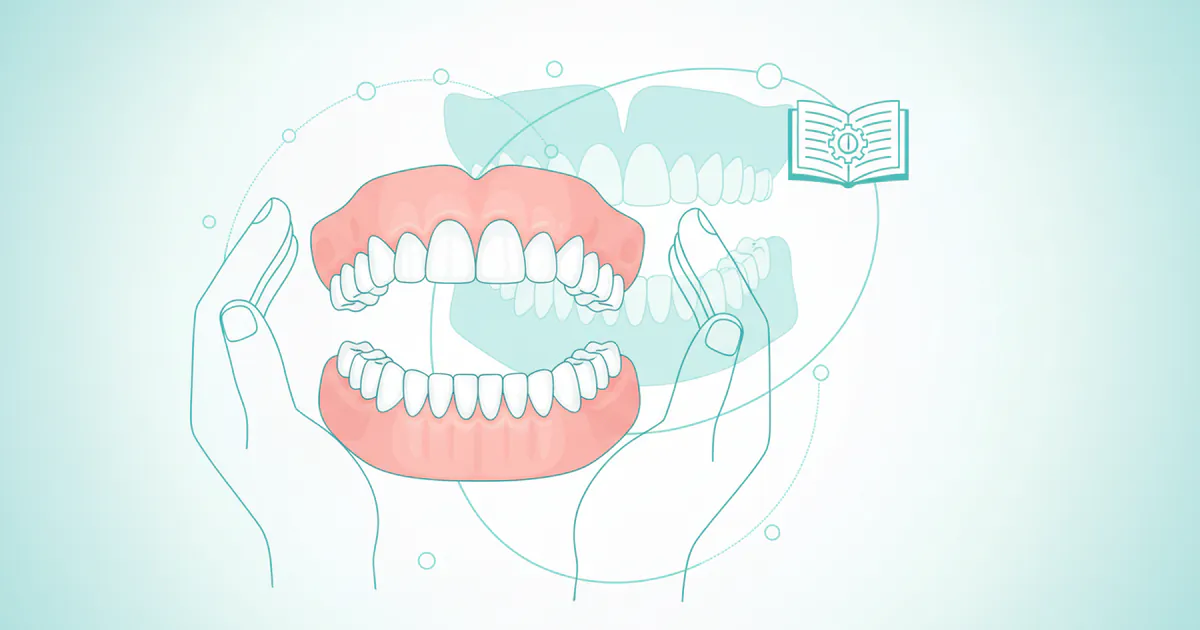
Cheap Dentures: Complete Guide
Facing the prospect of tooth loss can be daunting, and the thought of replacing missing teeth often brings financial concerns to the forefront. Did you know that an estimated 36 million Americans are completely edentulous (missing all their teeth), and another 120 million are missing at leas
February 23, 2026
$99 Dentures Near Me: Complete Guide
Losing teeth can significantly impact your quality of life, affecting everything from your ability to chew and speak to your self-confidence. For many, the high cost of dental care can feel like an insurmountable barrier to regaining a healthy smile. This often leads people to search for "affordable
February 23, 2026
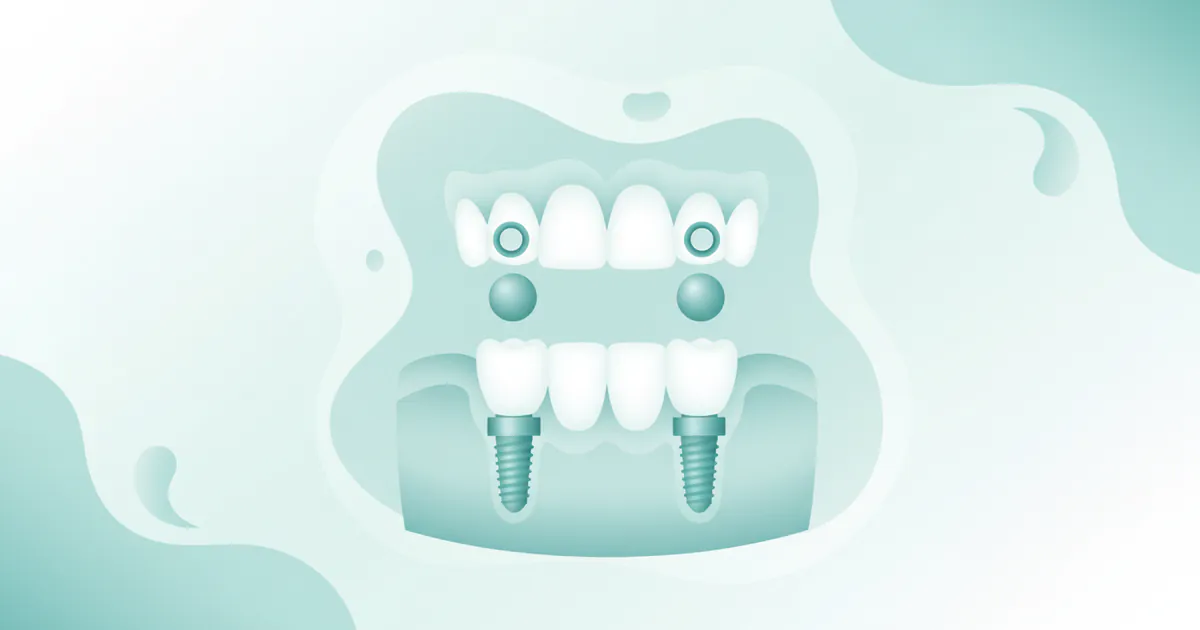
Snap-in Dentures Cost Near Me: Complete Price Guide 2026
For many Americans navigating the challenges of significant tooth loss, the search for a stable, comfortable, and aesthetically pleasing dental solution often leads to implant-supported dentures. Unlike traditional dentures that rely on suction and adhesives, snap-in dentures offer a remarkable impr
February 23, 2026
Full Dentures: Complete Guide
Approximately 36 million Americans are missing all of their teeth, a condition known as edentulism. For many, this significant health challenge profoundly impacts daily life, affecting everything from nutrition and speech to self-confidence. If you're facing complete tooth loss or struggling wit
February 23, 2026