Smile Makeover: Complete Guide
Key Takeaways
- Unlocking a confident, radiant smile is a desire for many. In fact, studies suggest that over a third of Americans are unhappy with their smile, often citing issues like discoloration, misalignment, or missing teeth. This dissatisfaction can significantly impact self-esteem, social interactions,
Unlocking a confident, radiant smile is a desire for many. In fact, studies suggest that over a third of Americans are unhappy with their smile, often citing issues like discoloration, misalignment, or missing teeth. This dissatisfaction can significantly impact self-esteem, social interactions, and even professional opportunities. This is where a smile makeover comes into play – a transformative journey in cosmetic dentistry designed to address multiple aesthetic concerns simultaneously, leading to not just a beautiful smile but often, a renewed sense of self.
A smile makeover is more than just a single dental procedure; it's a personalized, comprehensive treatment plan that combines various cosmetic and restorative techniques to achieve your ideal smile. Whether your concerns range from wanting to whiten teeth and straighten alignment to replacing missing teeth or repairing chips, a smile makeover offers a holistic approach. This complete guide will walk you through everything you need to know about smile makeovers, from understanding what they entail and the diverse treatment options available, including the effectiveness of popular methods like whitening teeth and a deep dive into do whitening strips work, to detailed cost breakdowns, recovery expectations, and how to maintain your dazzling new smile for years to come.
Key Takeaways:
- A smile makeover is a customized treatment plan combining multiple cosmetic dental procedures to enhance your smile's aesthetics and function.
- Common procedures include porcelain veneers, teeth whitening, dental bonding, crowns, orthodontics (like Invisalign), and dental implants.
- The cost of a smile makeover in the US can range from $5,000 to over $50,000, depending on the complexity, number of procedures, and your geographic location.
- Most dental insurance plans do not cover purely cosmetic procedures, though some restorative components might receive partial coverage. Financing options like CareCredit are widely available.
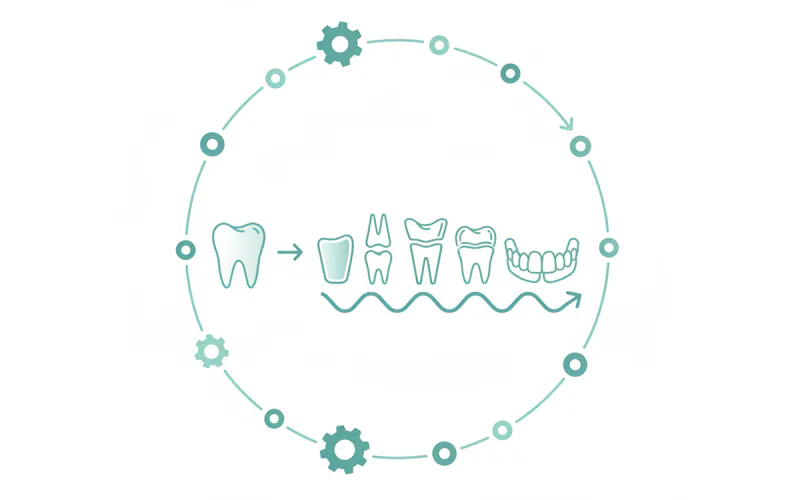
- The timeline for a complete smile makeover can vary from a few weeks for minor enhancements to several months or even a year for extensive treatments involving orthodontics or implants.
- Maintaining excellent oral hygiene, regular dental check-ups, and protective measures like nightguards are crucial for the longevity of your smile makeover.
- While whitening strips can provide noticeable results for mild surface stains, professional in-office or custom take-home whitening systems offer superior, faster, and more controlled whitening for deeper discoloration.
What is a Smile Makeover?
A smile makeover is a highly individualized cosmetic dentistry process that aims to improve the overall appearance of your smile through one or more cosmetic and restorative procedures. Unlike a single treatment, a smile makeover considers your unique facial features, skin tone, hair color, gum tissue, and even lip shape to create a harmonious and aesthetically pleasing result. It's about achieving symmetry, balance, and natural beauty.
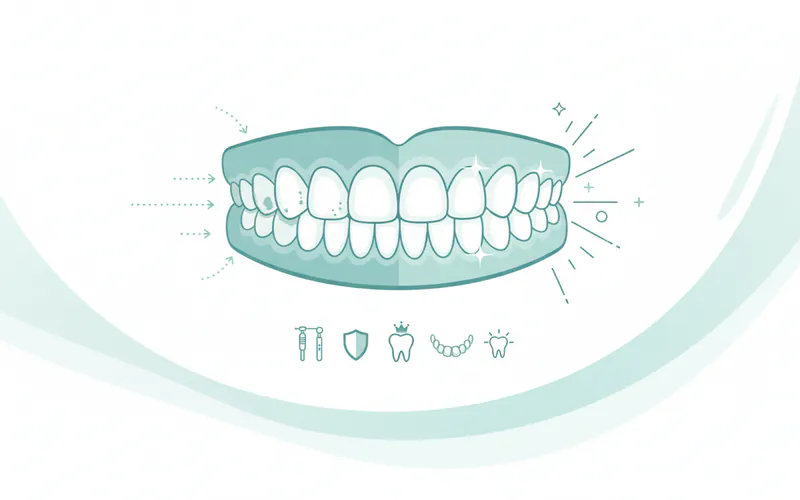
The process often involves a collaboration between you and your cosmetic dentist, utilizing advanced technologies like digital smile design (DSD) to visualize the potential outcomes before any treatment even begins. The goal is not just to fix isolated problems but to create a cohesive, beautiful smile that complements your entire face and boosts your confidence.
Why Consider a Smile Makeover? Addressing Your Concerns
People seek smile makeovers for a multitude of reasons, driven by a desire to correct various aesthetic imperfections and improve their self-perception. Understanding the "why" often clarifies the "what" in terms of treatment options.
Common Concerns Leading to a Smile Makeover:
- Discolored or Stained Teeth: One of the most common complaints, teeth can become discolored due to age, diet (coffee, tea, red wine), tobacco use, certain medications, or trauma. A smile makeover frequently includes whitening teeth to achieve a brighter shade.
- Chipped, Cracked, or Worn Teeth: Accidents, teeth grinding (bruxism), or simply aging can lead to teeth that are chipped, cracked, or worn down, affecting both aesthetics and function.
- Gaps or Spaces Between Teeth (Diastema): These spaces can be genetic or caused by habits, and while charming to some, many desire to close them for a more uniform smile.
- Misaligned or Crowded Teeth: Teeth that are crooked, overlapping, or poorly aligned can detract from a smile's appeal and also make proper oral hygiene more challenging.
- Missing Teeth: Gaps from missing teeth due to extraction, injury, or disease are not only unsightly but can also lead to bone loss and shifting of adjacent teeth.
- Uneven Gum Line (Gummy Smile): When the gum tissue covers too much of the teeth, or the gum line is asymmetrical, it can make teeth appear short or uneven.
- Old, Failing, or Unattractive Restorations: Worn-out silver fillings, discolored composite bonding, or ill-fitting crowns can compromise the overall appearance of your smile.
- Uneven Tooth Lengths or Shapes: Teeth that are inconsistently sized or shaped can disrupt the visual flow and symmetry of a smile.
Addressing these concerns through a tailored smile makeover can significantly enhance not just your appearance, but also your comfort, oral health, and overall quality of life.
``
Core Components and Treatment Options for a Smile Makeover
A successful smile makeover often involves a combination of several cosmetic and restorative dental procedures. The specific treatments chosen will depend on your individual needs, goals, and the dentist's assessment. Here are the most common components:
1. Teeth Whitening (Bleaching)
Purpose: To lighten the shade of natural teeth, removing stains and discoloration. Overview: A cornerstone of many smile makeovers, professional teeth whitening can dramatically brighten your smile. There are generally two main approaches:
- In-Office Whitening: Performed by your dentist, this method uses a high-concentration bleaching gel, often activated by a special light or laser, to achieve significant whitening in a single appointment (typically 60-90 minutes).
- Professional Take-Home Whitening: Your dentist provides custom-fitted trays and a professional-grade whitening gel for you to use at home over several days or weeks. This allows for gradual, controlled whitening.
Pros: Effective for most types of stains, relatively quick results (especially in-office), non-invasive. Cons: Can cause temporary tooth sensitivity and gum irritation. Not effective on existing restorations (crowns, veneers, fillings). Results are not permanent and require maintenance. Cost: Varies from $300 to $800 for professional treatments.
Do Whitening Strips Work? A Closer Look
Many people wonder about the effectiveness of over-the-counter (OTC) options like whitening strips. How They Work: Whitening strips contain a peroxide-based bleaching gel applied to a thin plastic strip that adheres to your teeth. Effectiveness:
- Yes, whitening strips do work for many individuals, particularly for mild to moderate extrinsic (surface) stains. They can lighten teeth by a few shades over several days or weeks of consistent use.
- However, their effectiveness is generally less pronounced and slower than professional whitening treatments. This is due to lower concentrations of active bleaching agents and the difficulty of achieving uniform coverage compared to custom-fitted trays or dentist-supervised applications.
- Strips may also lead to uneven whitening if they don't cover the entire tooth surface evenly, especially between teeth or on irregularly shaped teeth. Pros: Convenient, relatively inexpensive ($20-$60 per box), accessible without a dental visit. Cons: Less effective than professional options, potential for gum irritation if strips contact soft tissue, can cause temporary sensitivity, may not whiten uniformly, results are less dramatic and durable. Recommendation: While whitening strips can be a good starting point for minor staining, for significant or persistent discoloration, or if you desire dramatic and predictable results, professional whitening teeth treatments from your dentist are superior.
2. Porcelain Veneers
Purpose: To improve the appearance of discolored, chipped, misaligned, or irregularly shaped teeth. Overview: Veneers are thin, custom-made shells of tooth-colored material (usually porcelain) designed to cover the front surface of teeth. They are meticulously crafted to fit perfectly over your natural teeth, creating a new, flawless surface. Indications: Excellent for correcting permanent stains, minor gaps, chips, cracks, slight misalignment, and disproportionate tooth sizes. Process: Typically involves minimal tooth preparation (removal of a small amount of enamel), taking impressions, temporary veneer placement, and finally, bonding the custom porcelain veneers. Pros: Highly aesthetic, durable, stain-resistant, natural-looking, can correct multiple issues simultaneously. Cons: Irreversible (due to enamel removal), higher cost, potential for temporary sensitivity. Cost: $800 to $2,500 per tooth, depending on material, complexity, and region.
``
3. Dental Bonding
Purpose: To repair chipped or cracked teeth, fill small gaps, or change the shape or color of teeth. Overview: Dental bonding involves applying a tooth-colored composite resin material directly to the tooth, which is then sculpted, hardened with a special light, and polished. It's a less invasive and often more affordable alternative to veneers. Indications: Ideal for minor cosmetic issues like small chips, cracks, filling small spaces between teeth, or covering discolored spots. Pros: Less expensive than veneers or crowns, typically completed in a single visit, minimal to no tooth preparation required, reversible. Cons: Less durable and stain-resistant than porcelain, may need to be repaired or replaced sooner than veneers. Cost: $300 to $600 per tooth.
4. Dental Crowns (Caps)
Purpose: To restore severely damaged, decayed, or weakened teeth, while also improving their aesthetic appearance. Overview: A dental crown is a custom-made cap that completely covers the entire visible portion of a tooth above the gum line. While primarily restorative, modern all-ceramic crowns are highly aesthetic and blend seamlessly with natural teeth, making them a key component in smile makeovers. Indications: Teeth with extensive decay, large fillings, fractures, after root canal treatment, or to correct severe aesthetic issues like misshapen or severely discolored teeth where veneers aren't sufficient. Materials: Porcelain, porcelain-fused-to-metal, zirconia, gold. For cosmetic makeovers, all-porcelain or zirconia crowns are preferred for their natural look. Pros: Restores strength and function, highly durable, can dramatically improve appearance, protects remaining tooth structure. Cons: Requires significant tooth reduction, higher cost than bonding, typically takes two visits. Cost: $800 to $2,500 per tooth, depending on material and complexity.
5. Orthodontics (Braces or Clear Aligners like Invisalign)
Purpose: To correct misaligned teeth and bite issues, creating a straight, harmonious smile. Overview: While often a standalone treatment, orthodontics can be an integral part of a smile makeover, especially for moderate to severe alignment problems. Straightening teeth first can significantly enhance the final aesthetic results of other procedures. Indications: Crooked teeth, overcrowding, gaps, overbites, underbites, crossbites. Types:
- Traditional Braces: Metal or ceramic brackets and wires.
- Clear Aligners (e.g., Invisalign): A series of clear, removable trays that gradually shift teeth into position. Often preferred for adults due to their discreet nature. Pros: Addresses the root cause of misalignment, improves oral health (easier to clean straight teeth), results are long-lasting with proper retention. Cons: Longer treatment time (months to years), can be uncomfortable initially, higher cost. Cost: $3,000 to $8,000 for comprehensive treatment.
6. Dental Implants
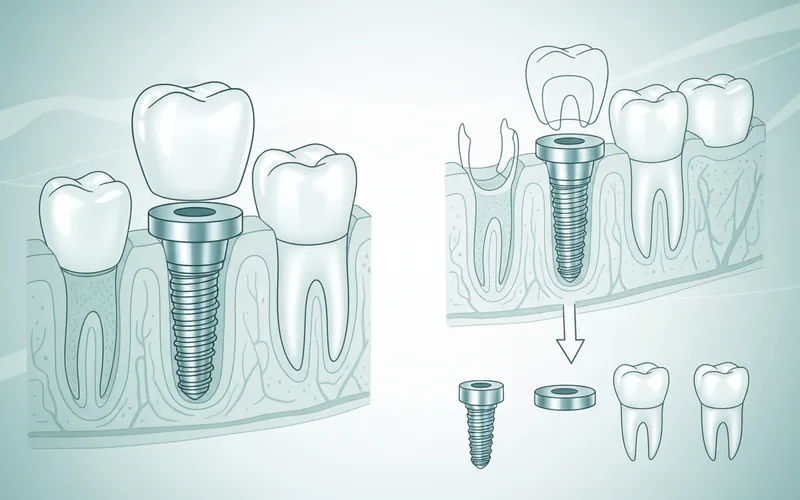
Purpose: To replace missing teeth with a durable, natural-looking, and functional solution. Overview: Dental implants are titanium posts surgically placed into the jawbone, acting as artificial tooth roots. Once integrated with the bone, a custom-made crown is attached to the implant, restoring both appearance and chewing function. Indications: Single or multiple missing teeth. Considered the gold standard for tooth replacement due to their stability and ability to preserve jawbone. Process: Involves surgical placement of the implant, a healing period (osseointegration), placement of an abutment, and finally, attachment of the crown. Pros: Permanent solution, feels and functions like natural teeth, prevents bone loss, doesn't rely on adjacent teeth for support, highly aesthetic. Cons: Invasive surgical procedure, longer treatment time (several months), highest cost among tooth replacement options. Cost: $3,000 to $6,000 per tooth for the implant and crown, not including potential ancillary procedures like bone grafting.
7. Gum Contouring (Gingivectomy/Gingivoplasty)
Purpose: To reshape the gum line for a more even, aesthetically pleasing appearance, often addressing a "gummy smile." Overview: This procedure involves carefully removing excess gum tissue and/or reshaping the bone to expose more of the natural tooth structure, creating a balanced gum-to-tooth ratio. Indications: Gummy smiles, uneven gum lines, or short-appearing teeth due to excessive gum tissue. Methods: Often performed with a soft tissue laser for precision, minimal bleeding, and faster healing. Traditional surgical methods are also used. Pros: Can dramatically improve smile aesthetics, relatively quick procedure, permanent results. Cons: Potential for temporary soreness and sensitivity. Cost: $500 to $3,000, depending on the extent of contouring.
Pro Tip:
When considering multiple procedures, your dentist may suggest addressing foundational oral health issues first, such as gum disease or cavities, before proceeding with cosmetic enhancements. A healthy foundation is essential for a lasting, beautiful smile.
The Smile Makeover Journey: Step-by-Step Process
Embarking on a smile makeover is a detailed process that prioritizes your unique needs and desires. While the exact steps can vary based on the complexity of your plan, here’s a general outline of what you can expect:
1. Initial Consultation & Comprehensive Assessment
This crucial first step involves a thorough discussion about your aesthetic goals, what you dislike about your current smile, and what you hope to achieve.
- Oral Examination: Your dentist will conduct a comprehensive examination of your teeth, gums, and bite. This includes taking X-rays, digital photographs, and possibly dental impressions.
- Facial Aesthetics Analysis: The dentist will also consider your facial symmetry, lip line, skin tone, and other features to ensure the proposed smile complements your overall appearance.
- Medical History Review: A review of your general health and any medications is essential to ensure treatment safety.
2. Treatment Planning & Digital Smile Design (DSD)
Based on the assessment and your input, your dentist will develop a personalized treatment plan.
- Option Presentation: You'll be presented with various treatment options, discussing the pros, cons, costs, and timelines for each.
- Digital Smile Design (DSD): Many modern cosmetic dentists use DSD technology to create a virtual preview of your potential new smile. This allows you to visualize the outcome before committing.
- Wax-Ups and Mock-Ups: For more extensive makeovers (e.g., veneers), your dentist might create physical wax models or temporary "mock-ups" in your mouth, allowing you to try on your new smile and provide feedback. This ensures you're fully satisfied with the proposed changes.
3. Preparatory Procedures & Foundational Health
Before cosmetic procedures, any underlying oral health issues must be addressed.
- Hygiene: Professional cleaning and scaling to ensure your gums are healthy.
- Restorative Work: Treatment of cavities, gum disease, or old failing restorations (e.g., root canals, replacement of old fillings) that could compromise the success of your makeover.
- Orthodontic Pre-Treatment: If your plan includes orthodontics (like Invisalign), this phase can last several months to a year or more.
4. Cosmetic & Restorative Procedures
This is where the actual transformation begins, following the sequence outlined in your personalized plan.
- Phased Treatment: Procedures are often staggered over several appointments. For example, whitening teeth might be done first to establish a brighter baseline color before matching veneers or crowns.
- Multi-procedure Appointments: Some procedures, like dental bonding or minor gum contouring, might be completed in a single visit. Others, such as veneers, crowns, or implants, require multiple appointments for preparation, impressions, temporary placements, and final bonding/placement.
5. Final Adjustments & Review
Once all components are in place, your dentist will perform final checks.
- Aesthetics & Function: Ensuring the bite is comfortable, the aesthetics are precisely what you envisioned, and the restorations fit perfectly.
- Patient Approval: Your complete satisfaction is the ultimate goal.
6. Maintenance & Aftercare
The journey doesn't end with the final appointment. Ongoing care is crucial for the longevity of your smile makeover.
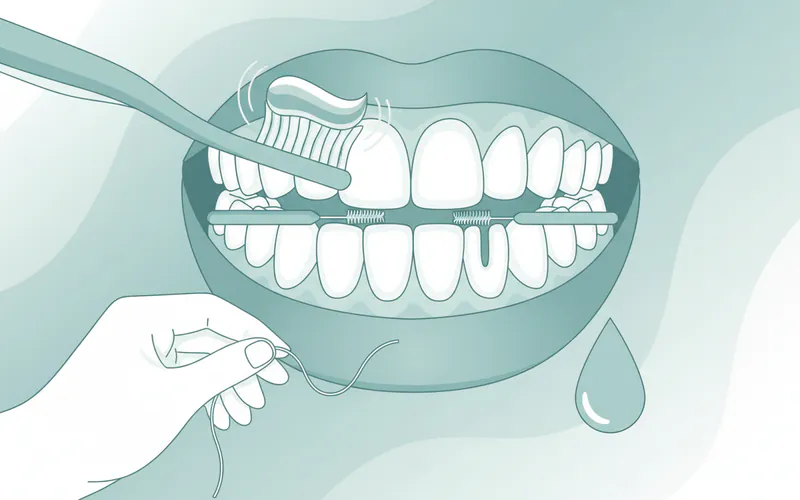
- Oral Hygiene Education: You'll receive specific instructions on how to care for your new smile, including proper brushing, flossing, and potentially special tools for cleaning around implants or veneers.
- Protective Appliances: Your dentist might recommend a nightguard if you grind your teeth to protect your new restorations.
- Regular Check-ups: Consistent dental check-ups and professional cleanings are vital to monitor your oral health and the integrity of your makeover components.
``
Cost of a Smile Makeover and Insurance Coverage
The cost of a smile makeover can vary significantly, reflecting the highly customized nature of the treatment. It's not a fixed price package but rather the sum of individual procedures, material choices, the complexity of your case, and your geographic location in the US.
Average US Costs for Common Procedures:
Here’s a general breakdown of costs for individual procedures that often comprise a smile makeover:
| Procedure | Average Cost Range (Per Unit/Treatment) | Notes |
|---|---|---|
| Teeth Whitening | $300 - $800 | Professional in-office or custom take-home trays. |
| Whitening Strips (OTC) | $20 - $60 | Over-the-counter options, less effective than professional. |
| Dental Bonding | $300 - $600 per tooth | Less expensive, less durable than veneers. |
| Porcelain Veneers | $800 - $2,500 per tooth | Highly aesthetic, durable, requires tooth preparation. |
| Dental Crowns | $800 - $2,500 per tooth | Restorative and cosmetic, material choice impacts cost. |
| Orthodontics (Invisalign) | $3,000 - $8,000 (full treatment) | Can take months to years, often a significant component. |
| Dental Implants | $3,000 - $6,000 per tooth | Implant post + abutment + crown, may require bone grafting. |
| Gum Contouring | $500 - $3,000 | Varies by extent, often done with laser. |
Total Smile Makeover Cost: Given the combination of these procedures, a full smile makeover can range from $5,000 for minor enhancements to $50,000 or even upwards of $70,000 for extensive transformations involving multiple implants, veneers, and significant orthodontic work.
Regional Cost Variations:
Costs can fluctuate based on where you live. For example, procedures in major metropolitan areas like New York City or Los Angeles typically command higher prices than in smaller towns or rural areas. The expertise and reputation of the cosmetic dentist also play a role.
Insurance Coverage Details:
This is a critical consideration for many patients.
- Cosmetic vs. Restorative: Dental insurance typically differentiates between procedures performed for purely cosmetic reasons and those that are medically necessary to restore function or health.
- Limited Cosmetic Coverage: Most standard dental insurance plans do not cover purely cosmetic procedures like teeth whitening, veneers (if solely for aesthetics), or elective gum contouring.
- Partial Restorative Coverage: If a procedure is deemed to have a restorative component, your insurance might cover a portion of the cost. For instance:
- A crown needed to protect a severely damaged tooth after a root canal might be partially covered.
- A dental implant replacing a missing tooth might be covered if it's considered medically necessary to restore function, prevent bone loss, or maintain alignment.
- Orthodontics might have partial coverage, especially for children and teens, and sometimes for adults if there's a significant bite issue.
- Pre-Authorization: Always inquire with your dentist's office about obtaining a pre-authorization from your insurance company. This provides a clear estimate of what your plan will cover before treatment begins.
Payment Plans and Financing Options:
Since smile makeovers can be a significant investment, most dental offices offer or partner with various financing solutions:
- In-Office Payment Plans: Some practices provide flexible payment schedules directly, allowing you to pay for your treatment in installments.
- Third-Party Medical Financing: Companies like CareCredit are widely used in dental practices. They offer special financing options, often with deferred interest for specific periods, allowing you to pay for your treatment over time.
- Personal Loans: Banks and credit unions offer personal loans that can be used for medical or dental expenses.
- Health Savings Accounts (HSAs) and Flexible Spending Accounts (FSAs): If you have an HSA or FSA through your employer, you can use these tax-advantaged accounts to pay for qualified dental expenses, potentially saving you money.
Cost-Saving Tips:
- Phased Treatment: Discuss with your dentist if your treatment can be spread out over a longer period, allowing you to budget for each phase.
- Alternatives: Explore less expensive alternatives. For example, dental bonding for minor chips instead of veneers, or professional take-home whitening instead of in-office.
- Multiple Consultations: Get consultations from a few different reputable cosmetic dentists. While cost shouldn't be the sole deciding factor, comparing treatment plans and pricing can be beneficial.
- Prioritize: If a full makeover isn't immediately feasible, prioritize the procedures that bother you most or are most critical for your oral health.
Recovery and Aftercare
The recovery and aftercare instructions for your smile makeover will largely depend on the specific procedures you underwent. However, general principles apply to ensure comfort, promote healing, and protect your new smile.
Immediate Post-Procedure Care:
- Anesthesia: If local anesthesia was used, your mouth might remain numb for a few hours. Avoid eating or drinking hot beverages until the numbness wears off to prevent accidental biting or burns.
- Sensitivity: It’s common to experience temporary tooth sensitivity, especially after whitening teeth, veneers, or gum contouring. This usually subsides within a few days to a week. Your dentist might recommend special toothpaste or gels for sensitivity.
- Discomfort: Mild discomfort or soreness is possible, particularly after more invasive procedures like gum contouring or implant placement. Over-the-counter pain relievers (e.g., ibuprofen, acetaminophen) are usually sufficient. For surgical procedures, prescription pain medication might be provided.
- Diet: For the first 24-48 hours, a soft diet is often recommended, especially after veneers, bonding, or gum surgery. Avoid hard, sticky, or chewy foods that could dislodge temporaries or damage new restorations. If you had teeth whitening, avoid highly colored foods and drinks (coffee, tea, red wine, berries) for at least 48 hours to prevent re-staining.
- Swelling/Bruising: Minimal swelling or bruising can occur after surgical procedures (implants, extensive gum work). Applying a cold compress to the outside of your face can help reduce this.
Long-Term Aftercare and Maintenance:
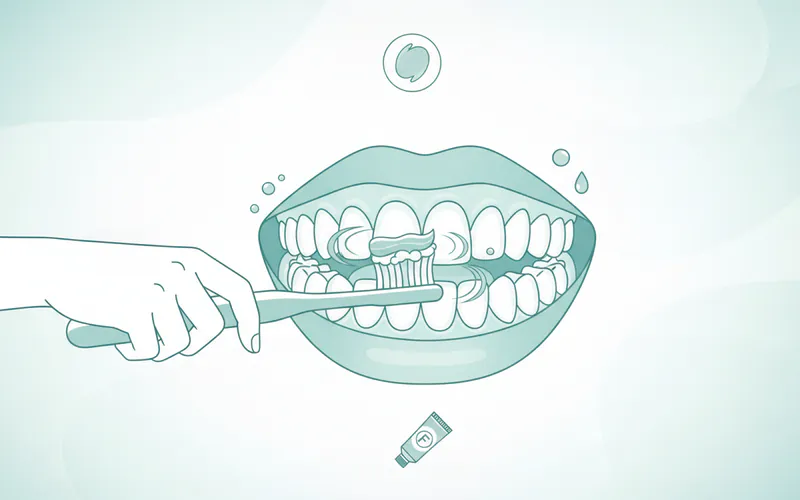
- Oral Hygiene: This is paramount. Maintain meticulous oral hygiene with twice-daily brushing using a soft-bristled toothbrush and fluoride toothpaste, and daily flossing. Pay special attention to the margins of crowns, veneers, and around implants. Your dentist may recommend specific interdental cleaners or a water flosser.
- Regular Dental Check-ups: Adhere to your dentist's recommendations for follow-up appointments and routine check-ups (typically every six months). These visits allow your dentist to monitor the health of your gums, the integrity of your restorations, and perform professional cleanings.
- Protect Your Investment:
- Avoid Biting Hard Objects: Don't use your teeth to open packages, bite nails, or chew on ice, nuts, or hard candies, as this can chip or fracture veneers, bonding, or even natural teeth.
- Nightguard for Bruxism: If you grind or clench your teeth (bruxism), your dentist will likely recommend a custom-fitted nightguard to protect your restorations from excessive force.
- Mouthguards for Sports: If you participate in contact sports, a custom athletic mouthguard is essential to protect your teeth and dental work from injury.
- Dietary Habits: While your new restorations are stain-resistant, porcelain is not entirely impervious. Limiting highly staining foods and drinks and practicing good oral hygiene can help maintain brightness. If you've had whitening teeth, periodic touch-ups might be recommended.
- Address Issues Promptly: If you notice any discomfort, chipping, loosening of a restoration, or changes in your bite, contact your dentist immediately. Prompt attention can prevent minor issues from becoming major problems.
Maintaining Your New Smile: Prevention and Longevity
The longevity of your smile makeover is directly linked to your commitment to proper care and preventive measures. Think of it as protecting a valuable investment.
- Consistent and Thorough Oral Hygiene: The foundation of all dental health. Brush twice daily for at least two minutes with a soft-bristled toothbrush and fluoride toothpaste. Floss daily to remove plaque and food particles from between teeth and around restorations.
- Regular Professional Dental Cleanings and Check-ups: Visit your dentist every six months, or as recommended, for professional cleanings and examinations. This allows the dental team to remove stubborn plaque and tartar, polish your teeth, and identify any potential issues with your natural teeth or restorations early. The ADA (American Dental Association) strongly advocates for these regular visits as crucial for maintaining oral health.
- Protective Appliances:
- Nightguards: If you suffer from bruxism (teeth grinding or clenching), a custom-fitted nightguard is invaluable. Grinding can exert immense pressure, potentially chipping veneers, fracturing crowns, or even damaging natural teeth and jaw joints. A nightguard protects your investment.
- Sports Mouthguards: For anyone participating in contact sports, a custom-fitted athletic mouthguard is a non-negotiable item. It shields your teeth, gums, and restorations from traumatic injuries.
- Mindful Eating and Drinking Habits:
- Limit Staining Foods and Drinks: While porcelain is stain-resistant, natural teeth and bonding can still pick up stains. Reduce consumption of coffee, tea, red wine, dark sodas, and berries. If consumed, rinse your mouth with water afterward.
- Avoid Hard and Sticky Foods: Biting into very hard foods (like ice, hard candies, popcorn kernels, unpitted olives) can chip or fracture veneers and crowns. Sticky foods can pull at restorations or dislodge temporaries.
- Refrain from Using Teeth as Tools: Never use your teeth to open bottles, tear packages, or hold objects. This can cause significant damage to natural teeth and expensive restorations.
- Tobacco Cessation: Smoking and using other tobacco products not only stain teeth but also significantly increase the risk of gum disease, impact healing, and can lead to implant failure. Quitting tobacco is one of the best things you can do for your oral and overall health.
- Touch-up Whitening: If whitening teeth was part of your makeover, your natural teeth may gradually darken over time due to diet and lifestyle. Your dentist can provide touch-up kits with custom trays to maintain your bright smile as needed.
Risks and Complications
While a smile makeover can deliver incredible results, it's important to be aware of potential risks and complications, though these are generally minimal with a skilled and experienced cosmetic dentist.
- Tooth Sensitivity: A common temporary side effect, especially after teeth whitening, veneer preparation, or gum contouring. It usually subsides within a few days to weeks.
- Gum Irritation: Temporary inflammation or tenderness of the gums can occur, particularly after procedures involving gum tissue or when placing new restorations.
- Allergic Reactions: While rare, some individuals may have an allergic reaction to materials used (e.g., composite resin, bonding agents).
- Restoration Issues:
- Chipping or Fracture: Veneers, bonding, and crowns can chip or fracture, especially if subjected to excessive force (e.g., biting hard objects, teeth grinding).
- Debonding: Restorations can occasionally come loose or fall off.
- Marginal Gaps: If restorations don't fit perfectly, tiny gaps can form, making them susceptible to decay or staining at the margins.
- Dissatisfaction with Results: Despite digital smile design and mock-ups, there's always a slight risk that the final aesthetic outcome might not perfectly align with the patient's expectations. This emphasizes the importance of clear communication with your dentist throughout the planning phase.
- Infection: Any surgical procedure (like dental implants or gum surgery) carries a small risk of infection. Your dentist will prescribe antibiotics if necessary and provide post-operative care instructions to minimize this risk.
- Nerve Damage (Rare): In very rare cases, extensive procedures or aggressive tooth preparation can lead to nerve irritation or damage, potentially requiring root canal treatment.
- Changes in Bite: While cosmetic dentists aim to improve bite harmony, some patients may experience temporary or, rarely, persistent bite discomfort or changes.
- Reversibility: Procedures like veneers and crowns are irreversible because they require removal of some natural tooth enamel. Bonding is more reversible as it involves less alteration of the natural tooth.
Pro Tip: Choose a cosmetic dentist with extensive experience and verifiable results. Look at before-and-after photos, read patient testimonials, and ensure they utilize modern techniques and technologies like digital smile design to minimize risks and maximize predictable outcomes.
Comparison Tables
Table 1: Common Smile Makeover Procedures at a Glance
| Procedure | Primary Purpose | Average US Cost (Per Unit/Treatment) | Typical Longevity |
|---|---|---|---|
| Teeth Whitening | Brighten natural teeth, remove stains | $300 - $800 | 6 months - 2 years |
| Dental Bonding | Repair chips, close small gaps, reshape teeth | $300 - $600 per tooth | 5 - 10 years |
| Porcelain Veneers | Correct severe discoloration, chips, gaps, alignment | $800 - $2,500 per tooth | 10 - 15+ years |
| Dental Crowns | Restore severely damaged/decayed teeth, improve aesthetics | $800 - $2,500 per tooth | 10 - 15+ years |
| Invisalign | Straighten misaligned teeth, correct bite | $3,000 - $8,000 (full treatment) | Permanent with retainers |
| Dental Implants | Replace missing teeth, restore function & aesthetics | $3,000 - $6,000 per tooth | 20+ years, often lifetime |
| Gum Contouring | Reshape gum line, correct "gummy smile" | $500 - $3,000 | Permanent |
Table 2: At-Home vs. Professional Teeth Whitening
| Feature | OTC Whitening Strips/Trays | Professional Take-Home Whitening | Professional In-Office Whitening |
|---|---|---|---|
| Active Ingredient | Lower concentration peroxide | Moderate concentration peroxide | High concentration peroxide |
| Effectiveness | Mild to moderate stain removal, few shades lighter | Significant lightening, several shades | Dramatic lightening, 5-8+ shades |
| Speed of Results | Weeks of consistent use | Days to 2-3 weeks | 1-2 hours (single visit) |
| Cost Range (US) | $20 - $60 | $200 - $400 | $400 - $800 |
| Application | Pre-packaged strips/boil-and-bite trays | Custom-fitted trays, dentist-provided gel | Dentist applies, often with light |
| Uniformity | Can be uneven | Excellent, custom trays ensure coverage | Excellent, controlled application |
| Side Effects | Mild sensitivity, gum irritation | Moderate sensitivity, gum irritation | Moderate to high sensitivity |
| Dentist Supervision | None | Yes, initial consultation & custom trays | Yes, full supervision |
``
Children / Pediatric Considerations
Smile makeovers, as described in this comprehensive guide, are primarily designed for adults and older teenagers whose teeth and jaws have finished developing. The focus of a "smile makeover" for young children and even most adolescents is fundamentally different, prioritizing foundational oral health and functional development.
- Pediatric Dental Focus: For children, the emphasis is on preventive care, early detection and treatment of cavities, proper oral hygiene education, and monitoring jaw and tooth development.
- Orthodontic Intervention: Many aesthetic concerns in pre-teens and teenagers, such as misaligned teeth or gaps, are addressed through early orthodontic treatment (braces or clear aligners). Correcting these issues at a younger age can prevent more complex problems later and is often a proactive step toward a beautiful adult smile.
- Trauma Management: Chipped or fractured primary (baby) teeth or permanent teeth in children are treated restoratively, often with dental bonding or crowns, to restore function and prevent further damage, rather than for purely cosmetic "makeover" purposes.
- No "Cosmetic" Veneers/Implants: Procedures like porcelain veneers and dental implants are typically not performed on growing jaws or developing teeth. Veneers require minimal tooth reduction, which is generally avoided on young teeth, and implants need a fully developed jawbone for stability.
- Teeth Whitening: Professional teeth whitening is generally not recommended for children and adolescents under 16, as their dental pulp (the nerve inside the tooth) is larger and more susceptible to sensitivity. Over-the-counter products are also usually discouraged due to lack of supervision and potential misuse.
If parents have aesthetic concerns about their child's smile, the first step should always be a consultation with a pediatric dentist or an orthodontist. They can determine the underlying cause and recommend age-appropriate treatments that prioritize health and development.
Frequently Asked Questions
Is a smile makeover painful?
Most smile makeover procedures are performed under local anesthesia, so you should not feel pain during the treatment. Some temporary discomfort, soreness, or sensitivity after the anesthesia wears off is common, especially after procedures like veneers, gum contouring, or implant surgery. Your dentist can recommend or prescribe pain medication to manage any post-treatment discomfort.
How long does a smile makeover take?
The duration of a smile makeover varies significantly depending on the complexity of your personalized plan. Minor makeovers involving only teeth whitening and bonding might be completed in as little as 1-2 appointments over a few weeks. More extensive makeovers that include orthodontics, multiple veneers, crowns, or dental implants could take several months to over a year to complete.
Can anyone get a smile makeover?
While many people are good candidates, a smile makeover requires good underlying oral health. Your dentist will first address issues like gum disease, cavities, or active infections. Individuals who grind their teeth heavily (bruxism) might need to wear a nightguard to protect their new restorations. Those with significant bone loss might require bone grafting before dental implant placement. Your dentist will conduct a thorough assessment to determine if you are a suitable candidate.
What are the alternatives to a full smile makeover?
If a full smile makeover isn't feasible or desired, you can opt for individual cosmetic procedures to address specific concerns. For example, professional teeth whitening for discoloration, dental bonding for minor chips, or clear aligners for straightening. Your dentist can help you prioritize treatments based on your budget and goals, or phase the treatments over time.
How much does a full smile makeover cost?
A full smile makeover in the US can range from approximately $5,000 to $50,000 or more. This wide range is due to the customization involved; the final cost depends on the number and type of procedures, the materials used, the complexity of your case, and the fees of your chosen dental practice and location. Most cosmetic procedures are not covered by dental insurance.
How long do the results of a smile makeover last?
The longevity of your smile makeover depends on the specific procedures performed and your commitment to proper oral hygiene and maintenance. Porcelain veneers and crowns can last 10-15+ years, dental implants can last 20+ years or a lifetime, and bonding typically lasts 5-10 years. Regular dental check-ups, excellent home care, and protecting your teeth (e.g., with a nightguard) are crucial for maximizing the lifespan of your results.
Will my new teeth look natural?
A skilled cosmetic dentist focuses on creating results that look natural and harmonize with your facial features. Modern dental materials, especially porcelain, are highly aesthetic and mimic the translucency and texture of natural teeth. Digital smile design and mock-ups allow you to visualize and approve the design before treatment, ensuring your new smile meets your aesthetic expectations for natural beauty.
Do whitening strips really work as well as professional whitening?
Whitening strips can provide noticeable results for mild surface stains and are a good option for minor brightening. However, they generally do not work as well or as quickly as professional in-office or custom take-home whitening systems. Professional treatments use higher concentrations of bleaching agents and ensure more even coverage, leading to more dramatic, predictable, and longer-lasting results, especially for deeper discoloration.
Will I need to miss work for my smile makeover?
Many smile makeover procedures are minimally invasive and may not require significant downtime. Procedures like teeth whitening or dental bonding are often completed in a single, relatively short appointment. More extensive treatments like multiple veneers, crowns, or implant surgery might require local anesthesia and some recovery time, potentially meaning you might take a day or two off work, depending on your comfort level and the extent of the treatment. Your dentist will discuss the expected recovery for your specific plan.
Can I choose the shade of my new teeth?
Yes, absolutely! The shade of your new teeth is a crucial decision in a smile makeover. Your dentist will work closely with you, using shade guides and considering factors like your skin tone and personal preferences, to select a shade that looks natural and complements your overall appearance. Digital smile design can also help visualize different shades.
When to See a Dentist
If you're considering a smile makeover or have specific concerns about your smile, a consultation with a cosmetic dentist is the first step.
You should see a dentist for a smile makeover consultation if:
- You are unhappy with the appearance of your teeth due to discoloration, chips, gaps, misalignment, or old dental work.
- You feel self-conscious when you smile or speak.
- You want to explore options to improve your dental aesthetics and overall confidence.
You should see a dentist promptly (scheduled appointment, not necessarily emergency) if:
- You experience persistent tooth sensitivity or discomfort that doesn't subside.
- You notice any changes in your bite or jaw comfort.
- A crown, veneer, or filling feels loose or falls out.
- You have a chipped or fractured tooth that causes sharp edges or discomfort.
- Your gums are bleeding, swollen, or tender.
Seek immediate emergency dental care if:
- You experience severe, sudden pain in your teeth or jaw.
- You have knocked out a tooth due to trauma.
- You have a dental abscess (swelling, fever, pus) or severe infection.
- You experience facial swelling that rapidly worsens or affects breathing/swallowing.
Remember, routine dental check-ups and cleanings are vital for everyone, typically every six months, to maintain optimal oral health and ensure any potential issues are caught and addressed early, whether or not you've had a smile makeover.
Frequently Asked Questions
Medically Reviewed Content
This article was written by our dental health editorial team and reviewed for medical accuracy. Our content follows strict editorial guidelines for reliability and trustworthiness.
Medical Disclaimer
This article is for informational purposes only and does not constitute medical advice. Always consult with a qualified dental professional for diagnosis and treatment. Do not delay seeking professional advice because of something you read on this website.
Related Articles
Before and After Dentures: Complete Guide
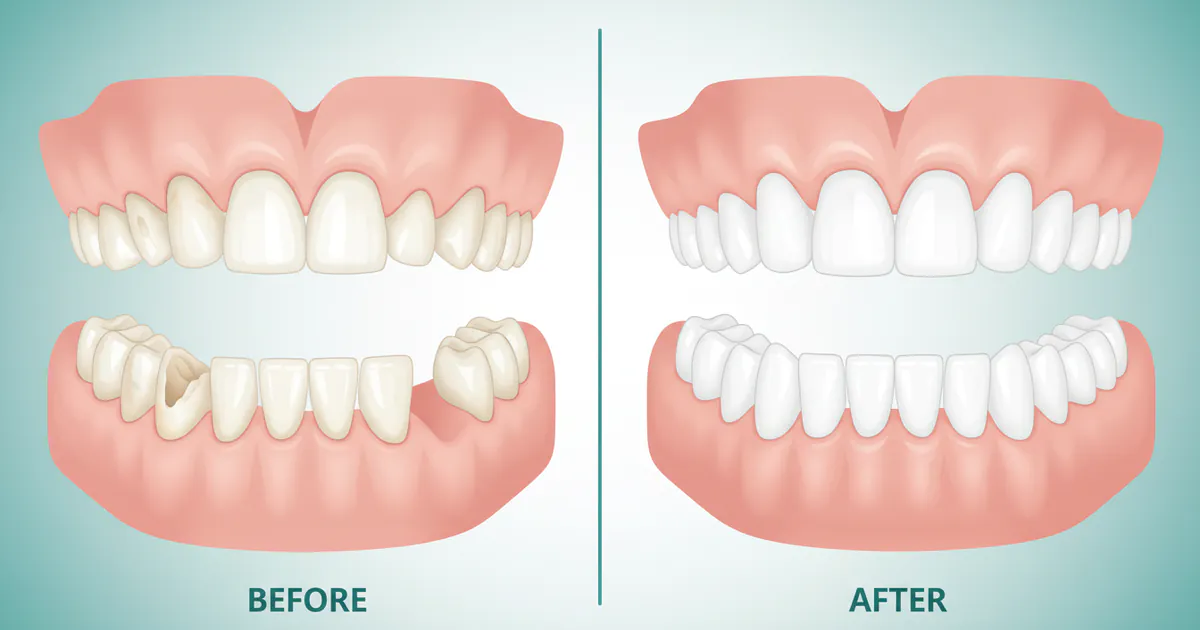
For many Americans, a vibrant smile isn't just about aesthetics; it's fundamental to speaking clearly, enjoying favorite foods, and maintaining self-confidence. Yet, over 36 million Americans are completely edentulous (have no natural teeth), and millions more suffer from significant tooth loss,
February 22, 2026
Teeth Whitening Cost: Complete Price Guide 2026
Brighter smiles are more than just a fleeting trend; they're a significant confidence booster and a common aesthetic goal for many Americans. In fact, a recent survey indicated that over 80% of adults aged 18-49 believe a beautiful smile is important for success, and teeth whitening remains one
February 22, 2026
Braces Before and After: Complete Guide
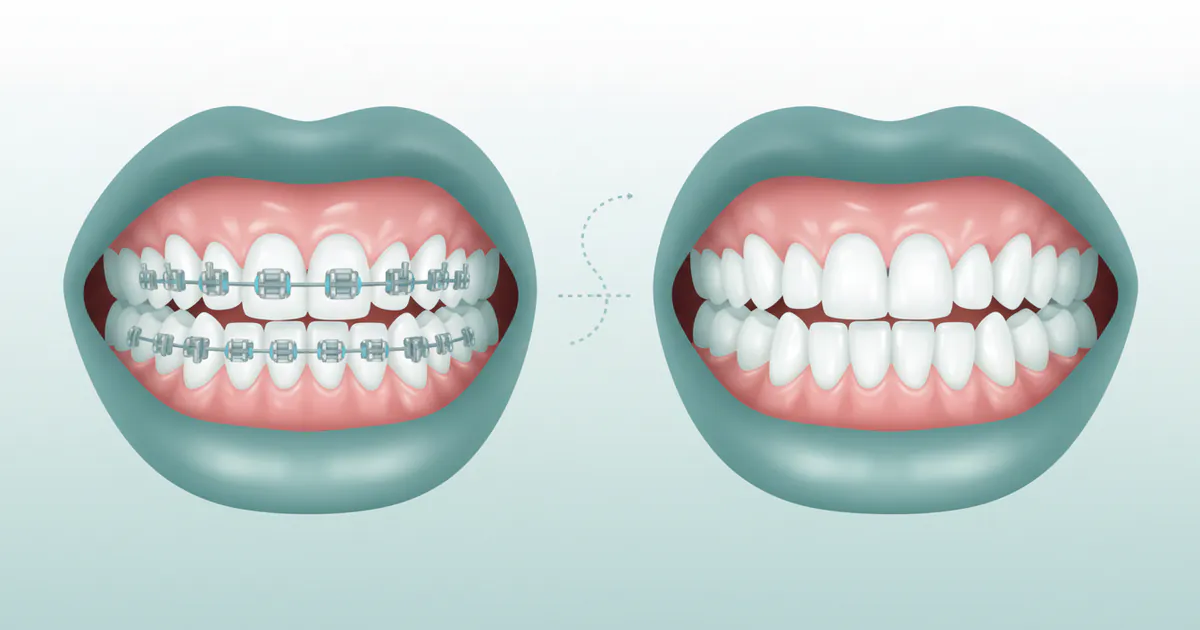
For many, the journey to a confident, healthy smile begins with orthodontics. The transformation seen in braces before and after photos isn't just cosmetic; it represents improved oral health, function, and self-esteem. Crooked teeth, misaligned bites, and gaps can lead to a host of problems, fr
February 22, 2026
Natural Teeth Whitening: Complete Guide
A radiant smile is often considered a sign of health and confidence, which is why teeth whitening has become one of the most popular cosmetic dental procedures in the United States. In fact, surveys suggest that a significant majority of Americans, around 80%, desire whiter teeth, and the teeth
February 22, 2026