Natural Teeth Whitening: Complete Guide
Key Takeaways
- A radiant smile is often considered a sign of health and confidence, which is why teeth whitening has become one of the most popular cosmetic dental procedures in the United States. In fact, surveys suggest that a significant majority of Americans, around 80%, desire whiter teeth, and the teeth
A radiant smile is often considered a sign of health and confidence, which is why teeth whitening has become one of the most popular cosmetic dental procedures in the United States. In fact, surveys suggest that a significant majority of Americans, around 80%, desire whiter teeth, and the teeth whitening market is projected to reach billions globally. While professional treatments offer dramatic results, many individuals are curious about natural teeth whitening methods, seeking gentler, more accessible, or chemical-free alternatives. This comprehensive guide from SmilePedia.net will explore the science, safety, efficacy, and potential pitfalls of various natural approaches to achieving a brighter smile, helping you understand whether these methods are truly effective and when it's best to consult a dental professional. We will delve into what causes tooth discoloration, examine popular home remedies, discuss their pros and cons, and provide essential guidance on maintaining optimal oral health.
Key Takeaways:
- Efficacy Varies Widely: Most natural teeth whitening methods lack strong scientific evidence to support significant, long-lasting whitening effects comparable to professional treatments.
- Potential Risks: Some natural methods, particularly abrasive ones like baking soda or activated charcoal, can damage tooth enamel, leading to increased sensitivity, gum irritation, and even permanent damage.
- Professional Consultation is Key: Always consult your dentist before trying any natural whitening method, especially if you have existing dental conditions, sensitive teeth, or restorations.
- Cost-Effectiveness: Natural methods are generally very inexpensive, often using common household ingredients, but they typically offer minimal results. Professional treatments range from $300 to $1,500+, while over-the-counter kits are $20 to $150.
- Focus on Prevention: Maintaining excellent oral hygiene, avoiding staining foods/drinks, and regular dental check-ups are the most effective and safest ways to prevent discoloration and keep teeth looking their best.
- Timeframe for Results: Natural methods, if any results are observed, often take weeks to months of consistent use, whereas professional treatments can show significant changes in a single one-hour session.
What Is Natural Teeth Whitening?
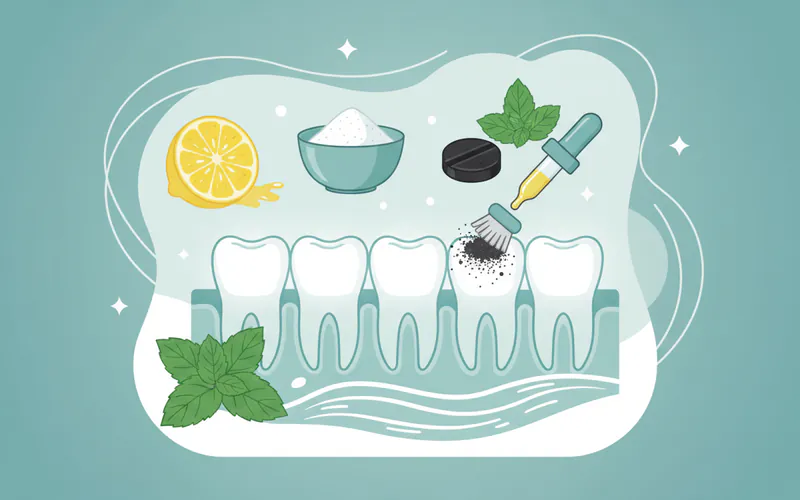
Natural teeth whitening refers to a range of at-home remedies and practices that aim to lighten the color of teeth using ingredients or methods found in nature, without relying on chemical bleaching agents like hydrogen peroxide or carbamide peroxide typically used in professional or over-the-counter products. The appeal of natural methods often stems from a desire for a more holistic approach, avoidance of synthetic chemicals, and generally lower costs.
Understanding natural teeth whitening first requires an understanding of what causes teeth to appear discolored. The outermost layer of your tooth is enamel, which is naturally white or off-white. Beneath the enamel lies dentin, a yellowish tissue that can show through the enamel, especially as enamel thins with age. Discoloration can be broadly categorized into two types:
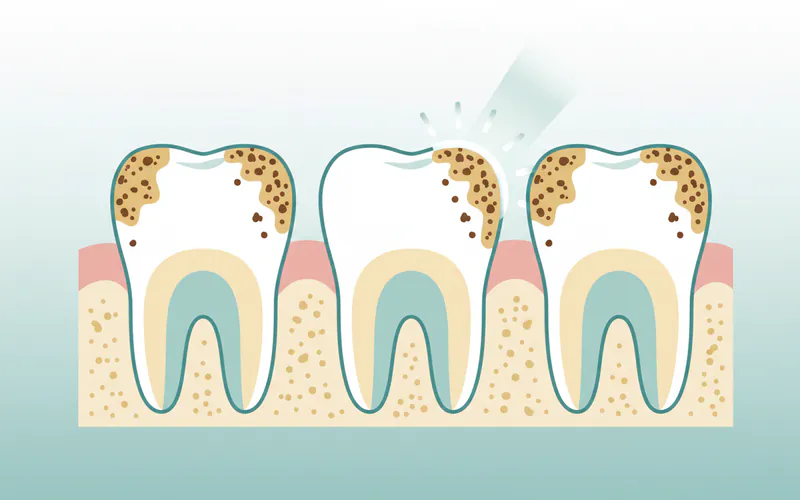
- Extrinsic Stains: These are surface stains that accumulate on the enamel, often caused by exposure to colored foods and beverages (coffee, tea, red wine, berries), tobacco products, and certain medications. These are the types of stains that natural methods might have some minor effect on, primarily through abrasive action.
- Intrinsic Stains: These stains occur within the tooth structure, either in the enamel or dentin. They can result from aging, trauma to the tooth, certain antibiotics (like tetracycline taken during tooth development), excessive fluoride intake (fluorosis), or genetic factors. Intrinsic stains are much harder, if not impossible, to address with natural or even many professional whitening methods, often requiring cosmetic dental procedures like veneers or crowns.
Most natural teeth whitening techniques attempt to either gently abrade surface stains away or use natural compounds thought to have stain-lifting properties. It's important to set realistic expectations: while some methods may offer a slight improvement in surface brightness, they rarely achieve the dramatic, long-lasting results of professional dental whitening procedures.
Types of Natural Teeth Whitening Methods
Many natural remedies have gained popularity for their purported teeth whitening abilities. While some have a theoretical basis, most lack robust scientific evidence supporting their effectiveness and, in some cases, can even pose risks to your dental health. Here's a look at the most common natural approaches:
Baking Soda (Sodium Bicarbonate)
Baking soda is a mild abrasive that can help remove superficial stains from tooth enamel. It also creates an alkaline environment in your mouth, which some proponents suggest may be beneficial for oral health.
- How it's used: Typically mixed with water to form a paste, or sometimes with lemon juice or hydrogen peroxide (which adds chemical whitening but also increases risks).
- Pros: Inexpensive, readily available, mildly abrasive (can remove surface stains), may help neutralize acids.
- Cons: Overuse or aggressive scrubbing can erode enamel and irritate gums. It only addresses surface stains and doesn't change the intrinsic color of the tooth. Long-term safety data is limited.
- Scientific Backing: Some studies show baking soda toothpastes are effective at removing surface stains due to their mild abrasive properties. However, using pure baking soda might be too abrasive for daily use.
Activated Charcoal
Activated charcoal is a highly porous substance known for its ability to absorb toxins and impurities. The theory behind its use for teeth whitening is that it can bind to surface stains and toxins on the teeth, pulling them away.
- How it's used: Applied as a paste mixed with water, or found in specialized charcoal toothpastes.
- Pros: Inexpensive, popular trend.
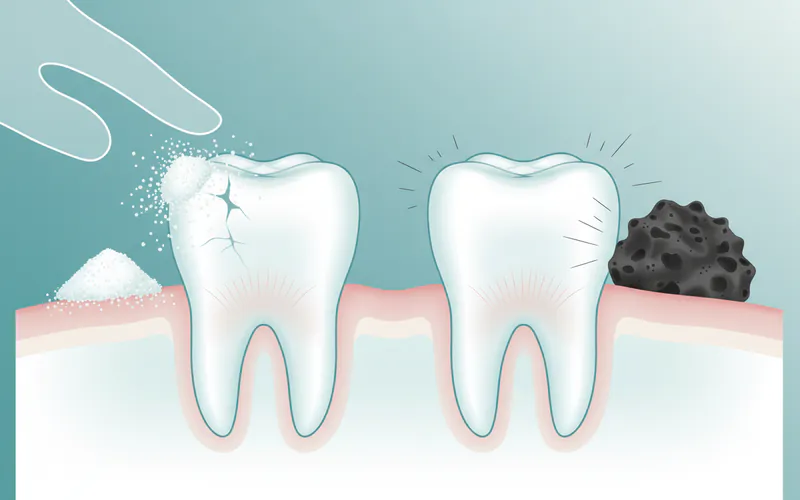
- Cons: Highly abrasive, can cause significant enamel erosion over time, leading to increased sensitivity and a more yellow appearance as dentin becomes exposed. It can also get lodged in gum tissue, causing irritation. No scientific evidence supports its ability to actually whiten teeth beyond surface stain removal, and the ADA does not recommend it.
- Scientific Backing: The ADA has stated there is insufficient evidence to show that charcoal toothpaste is safe or effective for whitening or other oral health claims. Research indicates its abrasive nature is a primary concern.
Oil Pulling (Coconut Oil)
Oil pulling is an ancient Ayurvedic practice that involves swishing a tablespoon of oil (typically coconut, sesame, or sunflower oil) in your mouth for 15-20 minutes. Proponents claim it "pulls" toxins and bacteria from the mouth, leading to healthier gums and whiter teeth. Coconut oil is popular due to its pleasant taste and lauric acid content, which is believed to have antimicrobial properties.
- How it's used: Swish 1 tablespoon of oil for 15-20 minutes, then spit out and rinse.
- Pros: May improve gum health by reducing bacteria, relatively safe if done correctly.
- Cons: Time-consuming, no scientific evidence directly supporting teeth whitening. Any perceived whitening is likely due to better oral hygiene and removal of some surface debris, not actual bleaching.
- Scientific Backing: While some studies suggest oil pulling may reduce oral bacteria and improve gum health, there is no reliable scientific evidence that it whitens teeth. The ADA considers it unproven for whitening.
Fruit Enzymes (Papain, Bromelain from Papaya and Pineapple)
Some fruits, particularly papaya and pineapple, contain enzymes (papain and bromelain, respectively) that are proteases, meaning they break down proteins. It's theorized that these enzymes can break down the protein pellicle on the tooth surface where stains attach, thereby helping to remove stains.
- How it's used: Some commercial toothpastes incorporate these enzymes. Home remedies might involve rubbing fruit directly on teeth, which is highly discouraged.
- Pros: Non-abrasive (when used topically, not directly applied as fruit).
- Cons: Direct application of fruit can expose teeth to high levels of acid, leading to enamel erosion. The concentration of enzymes in natural fruits is too low to have a significant whitening effect.
- Scientific Backing: Some lab studies show promise for these enzymes in removing stains, and they are used in some whitening toothpastes. However, simply eating the fruit or rubbing it on teeth is ineffective and potentially harmful due to acidity.
Apple Cider Vinegar (ACV)
Apple cider vinegar is another popular natural remedy with claims of teeth whitening properties. Its acetic acid content is thought to help remove stains.
- How it's used: Diluted as a mouth rinse, or sometimes rubbed directly on teeth.
- Pros: Inexpensive, readily available.
- Cons: Highly acidic (pH 2.5-3.0), which can severely erode tooth enamel, leading to irreversible damage, sensitivity, and increased susceptibility to decay. It does not actually whiten teeth but rather strips away the outermost layer.
- Scientific Backing: Dentists strongly advise against using ACV for teeth whitening due to its highly acidic nature and proven enamel damage. Any perceived "whitening" is temporary and comes at a high cost to dental health.
Hydrogen Peroxide (Diluted)
While technically a chemical, dilute hydrogen peroxide is often considered a "natural" method due to its availability as a household antiseptic. It's the active ingredient in many professional and over-the-counter whitening products, but in much higher concentrations.
- How it's used: Rinsing with a highly diluted solution (e.g., 3% hydrogen peroxide mixed with water), or making a paste with baking soda.
- Pros: Can provide mild bleaching effect for surface stains, inexpensive.
- Cons: Overuse or using too high a concentration can irritate gums, cause tooth sensitivity, and damage soft tissues. It's less effective than professional treatments due to lower concentration and shorter contact time.
- Scientific Backing: Hydrogen peroxide is a proven whitening agent. However, its effectiveness and safety are concentration and contact-time dependent. Home use of low concentrations provides minimal results and carries risks if not used carefully. The ADA recommends using products with an ADA Seal of Acceptance.
``
Causes of Tooth Discoloration
Understanding the culprits behind tooth discoloration is crucial for both prevention and selecting the most appropriate "treatment." Teeth become discolored for a variety of reasons, falling into two main categories: extrinsic (surface) and intrinsic (internal) stains.
Extrinsic Stains
These stains affect the outer layer of the tooth, the enamel. They are typically easier to remove and are the primary target of most whitening methods, including natural approaches.
- Diet: Frequent consumption of darkly colored foods and beverages is a major contributor.
- Coffee and Tea: Chromogens (color-producing compounds) in these drinks can adhere to enamel.
- Red Wine: Contains chromogens, tannins, and acids that can stain and erode enamel.
- Dark-colored Sodas: High sugar and acid content contribute to erosion and staining.
- Berries and Other Fruits: Blueberries, blackberries, cherries, and pomegranates have strong pigments.
- Sauces: Soy sauce, tomato sauce, balsamic vinegar are common culprits.
- Tobacco Use: Nicotine and tar in cigarettes, cigars, chewing tobacco, and vaping liquids can cause significant brown or yellowish-brown stains that are notoriously difficult to remove.
- Poor Oral Hygiene: Infrequent or improper brushing and flossing allow plaque and stain-producing particles to accumulate on the enamel surface.
- Certain Medications: Some prescription mouth rinses, like chlorhexidine, can cause extrinsic staining.
Intrinsic Stains
These stains develop within the tooth structure (dentin) or are incorporated into the enamel during tooth development. They are much more challenging to remove and often require more advanced cosmetic dental solutions.
- Aging: As we age, the enamel naturally thins due to wear and tear, allowing the yellowish dentin beneath to show through more prominently. Dentin also continues to grow, making the tooth appear darker.
- Trauma: A blow to the tooth can cause internal bleeding, leading to a dark, often grayish or brownish, discoloration.
- Medications:
- Tetracycline Antibiotics: When taken by children during tooth development (before age 8) or by pregnant women, tetracycline can cause permanent gray-blue or brownish bands on developing teeth.
- Minocycline: A tetracycline derivative used to treat acne, can cause tooth discoloration in adults.
- Excessive Fluoride (Fluorosis): Overexposure to fluoride during tooth formation can result in white spots, streaks, or, in severe cases, brown pits and stains on the enamel.
- Dental Restorations: Old fillings, particularly amalgam (silver) fillings, can leach metallic ions into the tooth structure over time, causing a grayish discoloration.
- Genetics: Some individuals naturally have thicker, whiter enamel, while others have naturally thinner enamel or more yellowish dentin, predisposing them to darker-looking teeth.
- Dental Conditions: Conditions like dentinogenesis imperfecta or amelogenesis imperfecta, which affect tooth development, can lead to severe discoloration and abnormal tooth structure.
Understanding whether your discoloration is extrinsic or intrinsic is the first step in determining if natural methods – or any whitening method – might be effective. For intrinsic stains, natural methods are almost universally ineffective.
Signs of Tooth Discoloration
The primary sign of tooth discoloration is a change in the color of your teeth from their natural white or off-white hue. This can manifest in several ways:
- Yellowish Tint: This is the most common form of discoloration, often associated with extrinsic stains from food, drink, and aging where dentin starts to show through.
- Brown Spots or Streaks: Frequently caused by tobacco use, specific dark foods/drinks, or certain medications.
- Grayish Hue: Can indicate intrinsic staining from trauma, certain antibiotics (like tetracycline), or silver fillings.
- White Spots or Streaks (Fluorosis): If caused by excessive fluoride intake during tooth development, these can range from subtle to noticeable, and ironically, can sometimes be more visible after general whitening because the surrounding enamel lightens more evenly.
- Black Spots: While sometimes a stain, black spots can also indicate dental decay and require immediate professional evaluation.
It's important to differentiate between general discoloration that affects multiple teeth and isolated discoloration on a single tooth, which could signal underlying issues like decay, trauma, or an old restoration. If you notice any sudden or unusual changes in tooth color, especially accompanied by pain or sensitivity, it's always best to consult your dentist.
Treatment Options: Natural vs. Professional vs. Cosmetic
When it comes to achieving a brighter smile, there's a spectrum of options available, from home remedies to advanced dental procedures.
Natural Teeth Whitening Methods (Reviewed Above)
- Efficacy: Generally low, primarily targeting superficial extrinsic stains. They do not change the inherent color of the tooth.
- Safety: Varies widely; some (like oil pulling) are relatively safe but ineffective for whitening, while others (like activated charcoal or highly acidic substances) pose significant risks of enamel erosion, sensitivity, and gum irritation.
- Cost: Very low, using common household ingredients.
- Pro Tip: If considering any natural method, always prioritize safety. Opt for less abrasive options and use them sparingly, if at all. Dilution is key for any acidic substances.
Professional Teeth Whitening
These are performed or prescribed by a dentist and utilize higher concentrations of bleaching agents (hydrogen peroxide or carbamide peroxide) for more significant and predictable results.
- In-Office Whitening:
- Process: A high-concentration whitening gel is applied to the teeth, often activated by a special light or laser. The gums and soft tissues are protected.
- Pros: Fastest results (often 2-8 shades lighter in one visit), supervised by a dental professional, customized treatment.
- Cons: Highest cost, potential for temporary sensitivity.
- Cost: Typically ranges from $400 to $1,000, sometimes up to $1,500 in high-cost-of-living areas.
- Custom Take-Home Whitening Trays:
- Process: Dentist takes impressions to create custom-fitted trays. You apply a professional-strength whitening gel into the trays and wear them for a specified duration daily for 1-2 weeks.
- Pros: More affordable than in-office, allows for gradual whitening, trays can be reused for touch-ups.
- Cons: Requires daily compliance, takes longer than in-office, potential for temporary sensitivity.
- Cost: Generally $300 to $600.
Over-the-Counter (OTC) Whitening Products
These are readily available at pharmacies and stores and contain lower concentrations of bleaching agents than professional products.
- Whitening Strips:
- Process: Thin, flexible strips coated with a peroxide-based gel are applied directly to the teeth for a set time, usually once or twice a day for 1-2 weeks.
- Pros: Convenient, relatively affordable, can provide noticeable results for mild to moderate staining.
- Cons: Not custom-fitted, so coverage can be uneven, leading to patchy results; can cause temporary sensitivity.
- Cost: $20 to $60 for a kit.
- Whitening Toothpastes:
- Process: Contain mild abrasives or low concentrations of chemical whitening agents to remove surface stains.
- Pros: Daily use, no extra steps required.
- Cons: Primarily effective for extrinsic stain removal, minimal actual "whitening" beyond cleaning.
- Cost: Similar to regular toothpaste, $5 to $15.
- Whitening Rinses:
- Process: Swished in the mouth for a minute or two daily.
- Pros: Convenient.
- Cons: Short contact time means very limited efficacy.
- Cost: $5 to $15.
``
Permanent Cosmetic Dental Solutions for Severe Discoloration (Including Veneers vs. Crowns)
For intrinsic stains that don't respond to any form of whitening, or for individuals seeking a complete smile makeover, more extensive cosmetic dental procedures may be necessary. This is where the discussion of veneers vs crowns becomes relevant.
- Dental Veneers:
- What they are: Thin, custom-made shells, usually porcelain or composite resin, that are bonded to the front surface of teeth.
- When used: Ideal for addressing severe intrinsic discoloration, minor chips, gaps, or uneven tooth size/shape.
- Pros: Highly aesthetic, durable, stain-resistant, minimal tooth reduction compared to crowns.
- Cons: Irreversible (a small amount of enamel is usually removed), can be costly, may need replacement after 10-15 years.
- Cost: $900 - $2,500 per tooth for composite resin veneers; $1,000 - $3,000+ per tooth for porcelain veneers.
- Dental Crowns:
- What they are: A cap that covers the entire visible portion of a damaged or severely discolored tooth.
- When used: Primarily used to restore a tooth's strength, shape, and appearance after significant decay, large fillings, fracture, or root canal treatment. They are also used for severe discoloration, especially if the tooth needs structural reinforcement.
- Pros: Restores strength and function, highly durable, covers all surfaces of the tooth, can last 10-15 years or more.
- Cons: Requires significant tooth reduction, more invasive than veneers, higher cost per tooth.
- Cost: $800 - $2,000+ per tooth, depending on material (porcelain, ceramic, metal, porcelain-fused-to-metal) and location.
| Feature | Natural Whitening Methods (e.g., Baking Soda, Charcoal) | OTC Whitening Products (Strips, Pastes) | Professional Whitening (In-Office/Trays) | Dental Veneers/Crowns (for severe cases) |
|---|---|---|---|---|
| Target Stains | Primarily superficial extrinsic stains (abrasion) | Superficial extrinsic & some light intrinsic | Extrinsic & moderate intrinsic stains | All types of discoloration, structural issues |
| Effectiveness | Very Low / Minimal | Moderate | High / Significant | Excellent / Complete Transformation |
| Speed of Results | Weeks to Months (if any) | Weeks | Hours (in-office) / 1-2 Weeks (trays) | 2-3 appointments over 2-3 weeks |
| Cost (US Average) | $0 - $10 | $20 - $150 | $300 - $1,500+ | $900 - $3,000+ per tooth |
| Safety | Variable, potential for enamel damage / gum irritation | Generally safe, temporary sensitivity | Generally safe, temporary sensitivity | Safe when performed by qualified dentist |
| Longevity | Very short-lived, requires constant effort | 6 months - 1 year | 1-3 years (with proper maintenance) | 10-15+ years |
Step-by-Step Process for Natural Teeth Whitening (with Caution)
While we advocate for professional guidance, if you choose to explore natural methods, it's crucial to proceed with extreme caution and awareness of the risks. Below is a general guide for a relatively safer natural method (baking soda), emphasizing careful application.
Important Pre-Step: Consult Your Dentist. Before attempting any natural whitening, speak with your dentist. They can assess your oral health, identify the cause of your discoloration, and advise if a particular method is safe for you, especially if you have sensitive teeth, gum disease, or dental restorations.
Method: Baking Soda Paste (Mild Abrasive)
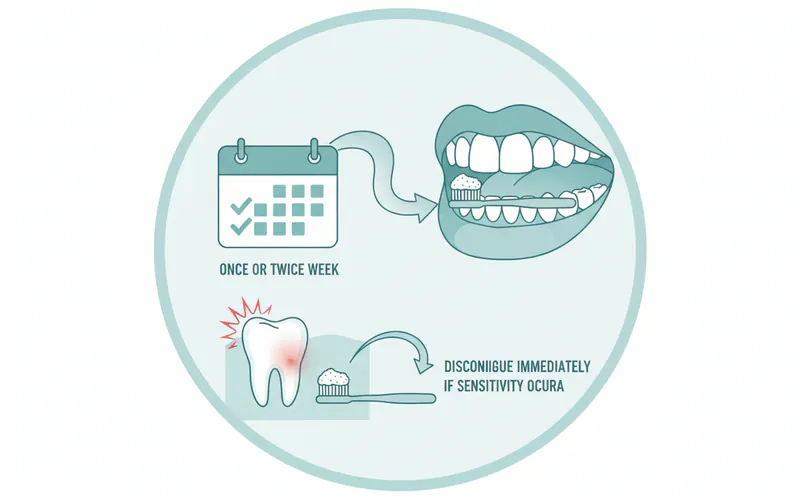
Frequency: Use no more than once or twice a week, and discontinue immediately if you experience sensitivity or irritation. This is not intended for daily use.
- Gather Ingredients:
- 1 teaspoon of pure baking soda (sodium bicarbonate)
- 1 teaspoon of water (to create a paste consistency)
- A soft-bristled toothbrush (separate from your regular toothbrush if you prefer)
- Prepare the Paste: In a small, clean bowl, mix the baking soda and water thoroughly until a smooth paste forms. Adjust water slightly if too thick or too runny.
- Apply to Toothbrush: Dip your clean, soft-bristled toothbrush into the paste, ensuring an even coating.
- Gentle Brushing: Gently brush your teeth with the baking soda paste for about 30 seconds to 1 minute. Focus on the surfaces where stains are present. Do NOT scrub vigorously, as this is where enamel damage can occur. Think of it more as applying the paste and very lightly polishing.
- Rinse Thoroughly: Spit out the paste and rinse your mouth thoroughly with water to remove all residue.
- Brush with Regular Toothpaste: Follow up by brushing your teeth with your regular fluoride toothpaste to ensure complete cleaning and to re-mineralize enamel.
- Monitor for Side Effects: Pay close attention to any signs of increased tooth sensitivity, gum irritation, or changes in the texture of your enamel. If any adverse effects occur, stop immediately.
Pro Tip: To minimize potential harm, consider using baking soda-containing toothpastes rather than pure baking soda. These formulations are designed to be less abrasive and often include fluoride for enamel protection. Look for products with the ADA Seal of Acceptance.
Cost and Insurance Considerations for Teeth Whitening
The cost of teeth whitening varies dramatically depending on the method chosen. Insurance coverage is also a significant factor.
Natural Teeth Whitening
- Cost: Negligible. Most natural methods involve ingredients readily available in your home or purchased for a few dollars (e.g., a box of baking soda, a jar of coconut oil).
- Insurance: Not applicable, as there are no professional fees involved.
Professional and Over-the-Counter Whitening
| Whitening Method | Average US Cost Range (Low-Mid-High) | Insurance Coverage |
|---|---|---|
| In-Office Whitening | $400 - $1,500+ | Rarely covered |
| Custom Take-Home Trays | $300 - $600 | Rarely covered |
| Over-the-Counter Whitening Strips | $20 - $60 | Never covered |
| Whitening Toothpastes/Rinses | $5 - $15 | Never covered |
Why Insurance Rarely Covers Whitening: Dental insurance typically categorizes teeth whitening as a purely cosmetic procedure. Most plans are designed to cover treatments deemed medically necessary for maintaining oral health (e.g., fillings, extractions, crowns for damaged teeth, periodontal care). Since whitening is considered elective and for aesthetic purposes, it is almost never covered by standard dental insurance policies.
Payment Plans and Financing Options: For professional whitening procedures, especially the higher-cost in-office treatments, many dental offices offer:
- In-house Payment Plans: Monthly installment plans directly through the dental practice.
- Third-Party Financing: Companies like CareCredit or LendingClub offer specialized healthcare credit cards with deferred interest options if paid within a certain timeframe.
- Flexible Spending Accounts (FSAs) / Health Savings Accounts (HSAs): You can often use pre-tax dollars from an FSA or HSA to pay for eligible dental expenses, which sometimes can include cosmetic procedures if prescribed by a dentist for specific reasons (though less common for pure whitening). Check with your plan administrator.
Cost-Saving Tips:
- Start with OTC: For mild discoloration, try an ADA-approved whitening strip or toothpaste first.
- Prevent New Stains: The most cost-effective "whitening" is preventing stains in the first place through good oral hygiene and avoiding staining agents.
- Discuss Options with Your Dentist: Your dentist can recommend the most appropriate and cost-effective professional solution for your specific needs. Sometimes, a custom take-home tray offers great value.
- Look for Promotions: Dental offices sometimes offer seasonal discounts or package deals on whitening services.
Recovery and Aftercare for Whitened Teeth
Regardless of the method used (natural or professional), maintaining your results and caring for your newly whitened smile is crucial.
Immediate Aftercare (Especially for Professional Whitening)
- Sensitivity: It's common to experience temporary tooth sensitivity to hot and cold temperatures for 24-48 hours after professional whitening. Your dentist may recommend a desensitizing toothpaste or gel.
- "White Diet": For the first 24-48 hours, teeth are more porous and susceptible to re-staining. Dentists often recommend a "white diet," avoiding highly pigmented foods and drinks such as:
- Coffee, tea, red wine, dark sodas
- Berries, tomato sauce, soy sauce, dark juices
- Tobacco products
- Avoid Extreme Temperatures: Limit very hot or very cold foods and beverages during the sensitive period.
Long-Term Maintenance
- Excellent Oral Hygiene: This is the cornerstone of keeping your teeth bright.
- Brush twice daily with a fluoride toothpaste (consider a whitening toothpaste for surface stain removal).
- Floss daily to remove plaque and food particles between teeth.
- Use an antiseptic mouthwash, but avoid colored rinses immediately after whitening.
- Dietary Habits:
- Limit consumption of highly staining foods and beverages.
- If you do consume them, rinse your mouth with water immediately afterward, or brush your teeth (wait at least 30 minutes after acidic foods to avoid brushing acid into enamel).
- Use a straw for dark-colored drinks to minimize contact with front teeth.
- Avoid Tobacco: Quitting smoking or chewing tobacco will significantly prevent new stains and improve your overall oral and systemic health.
- Regular Dental Check-ups: Visit your dentist every six months for professional cleanings. This removes plaque and surface stains that accumulate over time.
- Touch-Ups: For professional whitening, periodic touch-up treatments (e.g., using custom trays for a few nights every 6-12 months) can help maintain your desired shade. Natural methods, if used, would require continuous, cautious application, but their long-term safety and efficacy are questionable.
Prevention of Tooth Discoloration
Preventing stains from forming in the first place is the safest and most effective strategy for maintaining a bright smile.
- Practice Excellent Oral Hygiene:
- Brush your teeth at least twice a day for two minutes each time, using a fluoride toothpaste.
- Floss daily to remove plaque and food particles from between teeth.
- Consider an electric toothbrush for more effective plaque and stain removal.
- Watch Your Diet:
- Limit consumption of known staining agents: coffee, tea, red wine, dark sodas, berries, highly pigmented sauces.
- Rinse your mouth with water immediately after consuming staining foods or drinks.
- Use a straw for beverages that can stain.
- Quit Tobacco Products: Smoking and chewing tobacco are major causes of severe tooth discoloration. Quitting is the single most impactful step you can take.
- Regular Dental Check-ups and Cleanings: Professional cleanings every six months remove plaque and extrinsic stains that your toothbrush can't reach, helping to keep your teeth looking their best.
- Stay Hydrated: Drinking plenty of water helps wash away food particles and bacteria, promoting oral health.
- Consider Foods That Clean: Crunchy fruits and vegetables like apples, carrots, and celery can act as natural toothbrushes, helping to scrub away surface debris.
Risks and Complications of Natural Teeth Whitening
While the term "natural" often implies safety, many home remedies for teeth whitening carry significant risks and potential complications for your oral health.
- Enamel Erosion: This is the most serious and irreversible risk.
- Abrasive Methods: Activated charcoal, pure baking soda (especially with vigorous scrubbing), and salt can physically wear down the enamel over time. Enamel doesn't regenerate.
- Acidic Methods: Lemon juice, apple cider vinegar, and other acidic fruits directly applied to teeth can chemically erode enamel. This makes teeth more sensitive, more susceptible to cavities, and ironically, appear more yellow as the underlying dentin becomes exposed.
- Tooth Sensitivity: Damage to enamel or irritation of gum tissue can lead to increased sensitivity to hot, cold, or sweet stimuli.
- Gum Irritation/Recession: Abrasive particles (like charcoal) can get lodged in the gums, causing inflammation, pain, or even gum recession, exposing sensitive tooth roots. Acidic substances can burn gum tissue.
- Ineffectiveness: Many natural methods simply don't work or provide such minimal results that the risks outweigh any perceived benefits. They don't contain the active bleaching ingredients necessary to change the intrinsic color of your teeth.
- Uneven Whitening: Without custom-fitted trays or professional application, any whitening (natural or OTC) can be uneven, leading to patchy results.
- Damage to Restorations: Natural methods can abrade, scratch, or even loosen dental fillings, crowns, or veneers. They also do not whiten existing dental work, leading to a mismatched smile.
- Delayed Professional Treatment: Relying solely on ineffective natural methods might delay seeking professional dental care for underlying issues causing discoloration (e.g., decay, intrinsic stains), potentially allowing problems to worsen.
- Harmful Additives: Some DIY recipes involve mixing ingredients like baking soda with lemon juice, creating a powerful abrasive and acidic combination that is highly detrimental to enamel.
Pro Tip: Always prioritize the long-term health of your teeth and gums over short-term aesthetic desires from unproven natural remedies. A healthy smile is inherently a beautiful smile.
Children / Pediatric Considerations
Teeth whitening, whether natural or professional, is generally not recommended for children or adolescents. Here's why:
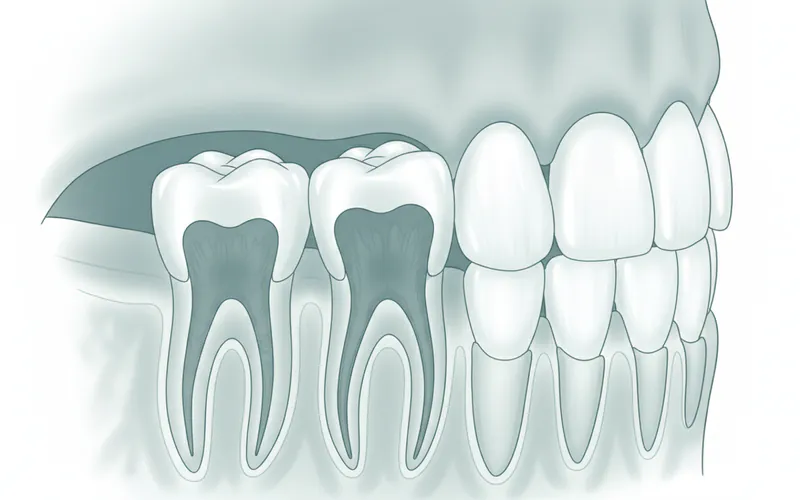
- Developing Teeth: Children's teeth (both primary and newly erupted permanent teeth) have larger pulp chambers and more porous enamel compared to adult teeth, making them more susceptible to sensitivity and potential damage from whitening agents or abrasive natural methods.
- Enamel Thinness: Their enamel is typically thinner, making it easier for harsh abrasives or acids to cause irreversible damage.
- Sensitivity: Children are more prone to tooth sensitivity, and whitening can exacerbate this.
- No Medical Necessity: Discoloration in children is often due to extrinsic stains easily removed by regular brushing and professional cleanings, or intrinsic stains that require dental evaluation (e.g., fluorosis, tetracycline stains).
- Fluorosis Risk: If a child has fluorosis (white or brown spots from excessive fluoride), whitening can sometimes make these areas more prominent because the surrounding, less affected enamel lightens, increasing the contrast.
- Swallowing Risk: Children are more likely to accidentally swallow whitening products or natural pastes, which can cause digestive upset or other issues.
When to Consult a Pediatric Dentist:
If you are concerned about your child's tooth discoloration, it's crucial to consult a pediatric dentist. They can:
- Identify the cause of the discoloration (e.g., diet, hygiene, trauma, medication, genetic factors).
- Recommend safe and appropriate interventions, which might include thorough professional cleaning, dietary counseling, or monitoring.
- Address specific issues like fluorosis or hypomineralization with appropriate dental treatments, which are rarely whitening-related in children.
Cost Breakdown of Professional Whitening (for context)
While natural methods are virtually free, understanding the true costs of effective teeth whitening can help manage expectations and budgets.
Average US Costs
- In-Office Whitening:
- Low: $400 - $600 (e.g., smaller dental practices, promotional offers)
- Mid: $700 - $1,000 (most common range)
- High: $1,200 - $1,500+ (e.g., cosmetic dentistry specialists, high-cost-of-living areas, advanced laser systems)
- Custom Take-Home Whitening Trays:
- Low: $300 - $400
- Mid: $450 - $550
- High: $600+
- Over-the-Counter Products:
- Whitening Strips: $20 - $60 per kit (multiple applications)
- Whitening Toothpastes/Rinses: $5 - $15 (ongoing purchase)
With vs. Without Insurance
As mentioned, dental insurance rarely covers cosmetic teeth whitening. Therefore, you should anticipate paying the full cost out-of-pocket for professional treatments. The "with insurance" column effectively remains the "without insurance" column for these procedures.
Payment Plans and Financing Options
Many dental offices recognize that cosmetic procedures are an investment and offer various payment solutions:
- In-house Payment Plans: Your dentist's office may allow you to pay in monthly installments, often interest-free for a short period.
- Third-Party Financing (e.g., CareCredit, LendingClub): These healthcare-specific credit lines offer financing options, some with promotional periods of 0% APR if the balance is paid within a specified time (e.g., 6, 12, or 18 months). Interest rates can be high if the balance isn't paid off in time.
- Flexible Spending Accounts (FSAs) / Health Savings Accounts (HSAs): If you have one of these accounts through your employer, you can use pre-tax dollars to pay for eligible dental expenses, which might include professional whitening if your dentist deems it medically necessary in rare cases, or if your plan's rules allow for elective procedures. Always check with your plan administrator for specific eligibility.
Cost-Saving Tips for Professional Whitening
- Consult for the Best Option: Discuss with your dentist which method will give you the most "bang for your buck" given your type of staining and desired results. Sometimes, take-home trays are a more economical choice than in-office.
- Maintain Results: Diligent oral hygiene and avoiding staining foods/drinks can extend the life of your whitening results, reducing the frequency and cost of touch-ups.
- Look for Promotions: Keep an eye out for seasonal specials, new patient offers, or package deals at local dental practices.
- Preventative Care: Investing in regular cleanings and good daily oral hygiene is the best long-term cost-saver, as it prevents new stains and maintains overall dental health.
Frequently Asked Questions
Is natural teeth whitening really effective?
Most natural teeth whitening methods lack strong scientific evidence to support significant, long-lasting whitening effects. While some mild abrasives like baking soda may remove surface stains, they do not change the intrinsic color of the tooth and are unlikely to achieve dramatic results comparable to professional treatments. Many popular remedies like activated charcoal or acidic fruit juices can also be harmful to enamel.
How long does it take to see results from natural methods?
If any results are seen with natural methods, they are typically minimal and gradual, often taking weeks to months of consistent, cautious use. This contrasts sharply with professional in-office whitening, which can deliver significant results in a single one-hour session, or custom take-home trays that show noticeable changes within 1-2 weeks.
Is it safe to use baking soda or activated charcoal on my teeth?
While baking soda can be a mild abrasive, using pure baking soda excessively or aggressively can erode tooth enamel and irritate gums. Activated charcoal is highly abrasive and poses a significant risk of enamel erosion, increased sensitivity, and gum irritation. The American Dental Association (ADA) does not endorse activated charcoal for teeth whitening due to lack of evidence and potential harm. Always consult your dentist before using such methods.
Can natural teeth whitening damage my teeth or gums?
Yes, absolutely. Many natural methods, especially those involving abrasive substances (like charcoal, coarse salts) or highly acidic ingredients (like lemon juice, apple cider vinegar), can cause irreversible damage. This includes enamel erosion, increased tooth sensitivity, gum irritation, and damage to existing dental restorations like fillings or crowns.
How much does professional teeth whitening cost, and is it covered by insurance?
Professional teeth whitening typically costs between $300 and $1,500+ in the US, depending on the method (in-office vs. take-home trays) and location. Dental insurance rarely covers cosmetic procedures like teeth whitening, considering them elective rather than medically necessary. You should expect to pay for professional whitening out-of-pocket.
What are the alternatives if natural methods don't work for me?
If natural methods prove ineffective, safer and more effective alternatives include over-the-counter whitening products (e.g., ADA-approved strips or toothpastes), professional custom take-home whitening trays from your dentist, or in-office professional whitening treatments. For severe intrinsic discoloration unresponsive to whitening, cosmetic dental solutions like dental veneers or crowns may be considered.
How often can I use natural whitening methods?
Given the potential risks, it's generally advised to use even the milder natural methods like baking soda no more than once or twice a week, and only for short durations. Continuous or daily use of most natural remedies is strongly discouraged due to the risk of enamel damage and gum irritation. Always prioritize safety over perceived whitening.
Will natural whitening work on crowns, veneers, or fillings?
No. Natural teeth whitening methods, like all whitening treatments, only work on natural tooth structure. They will not whiten or change the color of existing dental restorations such as crowns, veneers, bonding, or fillings. These materials are color-matched at the time of placement and will remain their original shade, potentially creating a mismatched appearance if your natural teeth whiten.
Can pregnant or breastfeeding women use natural teeth whitening?
It is generally advised that pregnant or breastfeeding women avoid any form of teeth whitening, including natural methods and professional treatments, due to a lack of sufficient research on their safety for fetal or infant development. It's always best to consult with your obstetrician and dentist before considering any cosmetic dental procedures during this time.
Why do my teeth look darker after trying a natural remedy?
If your teeth appear darker after attempting a natural remedy, it could be due to several reasons. Highly abrasive methods like activated charcoal can remove the outermost layer of enamel, exposing the naturally yellower dentin underneath. Additionally, acidic remedies can damage and demineralize enamel, making it more porous and susceptible to future staining, or even dissolving the enamel to reveal darker underlying structures. This indicates damage, and you should stop immediately and see a dentist.
When to See a Dentist
While the allure of natural teeth whitening is strong, knowing when to seek professional dental advice is paramount for your oral health.
You should see a dentist if:
- You're considering any teeth whitening: Before starting any at-home whitening, whether natural or over-the-counter, a dental check-up is essential. Your dentist can determine the cause of your discoloration, assess your oral health (e.g., cavities, gum disease), and advise on the safest and most effective options.
- You experience new or increased tooth sensitivity: If you try a natural method and notice sensitivity to hot, cold, or sweets, or gum irritation, stop immediately and contact your dentist. This could indicate enamel damage or gum recession.
- Your discoloration is uneven or affects only one tooth: Isolated discoloration can be a red flag for underlying issues like decay, trauma, or nerve damage within a single tooth, which requires professional diagnosis and treatment, not just whitening.
- You have existing dental restorations: If you have fillings, crowns, veneers, or bonding, a dentist can explain that whitening won't affect these materials, potentially leading to a mismatched smile, and discuss safe options for your specific situation.
- Your teeth are severely discolored or don't respond to at-home methods: For deep intrinsic stains or discoloration resistant to over-the-counter or mild natural methods, a dentist can offer stronger professional treatments or discuss more permanent cosmetic solutions like veneers or crowns.
- You have signs of gum disease or cavities: Whitening should never be attempted on unhealthy teeth or gums. Addressing these issues first is crucial for your overall oral health.
- You are pregnant or breastfeeding: As a precaution, it's best to avoid any whitening procedures during these periods and consult with your dentist and obstetrician.
A bright, healthy smile is a beautiful asset. However, achieving it safely and effectively often requires professional guidance. While natural methods may seem appealing, their potential risks often outweigh their limited benefits. Consulting your dentist is always the safest first step toward your desired smile.
Frequently Asked Questions
Medically Reviewed Content
This article was written by our dental health editorial team and reviewed for medical accuracy. Our content follows strict editorial guidelines for reliability and trustworthiness.
Medical Disclaimer
This article is for informational purposes only and does not constitute medical advice. Always consult with a qualified dental professional for diagnosis and treatment. Do not delay seeking professional advice because of something you read on this website.
Related Articles
Before and After Dentures: Complete Guide
For many Americans, a vibrant smile isn't just about aesthetics; it's fundamental to speaking clearly, enjoying favorite foods, and maintaining self-confidence. Yet, over 36 million Americans are completely edentulous (have no natural teeth), and millions more suffer from significant tooth loss,
February 22, 2026
Teeth Whitening Cost: Complete Price Guide 2026
Brighter smiles are more than just a fleeting trend; they're a significant confidence booster and a common aesthetic goal for many Americans. In fact, a recent survey indicated that over 80% of adults aged 18-49 believe a beautiful smile is important for success, and teeth whitening remains one
February 22, 2026
Braces Before and After: Complete Guide
For many, the journey to a confident, healthy smile begins with orthodontics. The transformation seen in braces before and after photos isn't just cosmetic; it represents improved oral health, function, and self-esteem. Crooked teeth, misaligned bites, and gaps can lead to a host of problems, fr
February 22, 2026
How Much Is Teeth Whitening
Understanding how much is teeth whitening is a common question for anyone dreaming of a brighter, more confident smile. In the United States, the quest for pearly whites has surged, with countless individuals seeking solutions to combat stains and discoloration. From professional treatments offe
February 22, 2026