How Much Is Teeth Whitening
Key Takeaways
- Understanding how much is teeth whitening is a common question for anyone dreaming of a brighter, more confident smile. In the United States, the quest for pearly whites has surged, with countless individuals seeking solutions to combat stains and discoloration. From professional treatments offe
Understanding how much is teeth whitening is a common question for anyone dreaming of a brighter, more confident smile. In the United States, the quest for pearly whites has surged, with countless individuals seeking solutions to combat stains and discoloration. From professional treatments offered by your dentist to convenient at-home kits, the options are varied, as are their price tags. This comprehensive guide from SmilePedia.net aims to demystify the costs associated with teeth whitening, explore the different methods available, and provide you with all the essential information needed to make an informed decision for your oral health and aesthetic goals. We’ll delve into the nuances of professional versus over-the-counter solutions, discuss the factors influencing cost, and provide a clear picture of what you can expect financially and medically.
Key Takeaways:
- Cost Varies Widely: Professional in-office teeth whitening typically costs $400 to $1,500, while take-home professional kits range from $200 to $600. Over-the-counter options can be as low as $20 to $100.
- Insurance Rarely Covers: Teeth whitening is almost exclusively considered a cosmetic procedure, meaning dental insurance will typically not cover the cost.
- Efficacy & Speed: Professional treatments offer the fastest and most dramatic results, often lightening teeth by several shades in a single visit. OTC options provide more gradual, subtle changes.
- Potential Side Effects: Temporary tooth sensitivity and gum irritation are common, especially with higher-concentration bleaching agents. These usually subside within a few days.
- Longevity: Results typically last from 6 months to 2-3 years, depending on the method, your diet, and oral hygiene habits. Maintenance treatments may be necessary.
- Alternatives Exist: For severe discoloration unresponsive to whitening, or for structural issues, cosmetic alternatives like dental veneers may be considered, though these come at a significantly higher cost.
- Consult Your Dentist: Always consult with a dental professional before starting any whitening regimen to ensure it's appropriate for your oral health and to discuss realistic expectations.
What Is Teeth Whitening? An Overview
Teeth whitening, also known as dental bleaching, is a popular cosmetic dental procedure designed to lighten the natural color of your teeth without removing any of the tooth surface. It's a non-invasive way to improve the appearance of your smile, making teeth look brighter and often leading to increased self-confidence. The process primarily involves the use of peroxide-based bleaching agents, typically hydrogen peroxide or carbamide peroxide. These agents penetrate the porous enamel of the tooth to break down stain compounds into smaller, less concentrated particles, effectively making the tooth appear lighter.
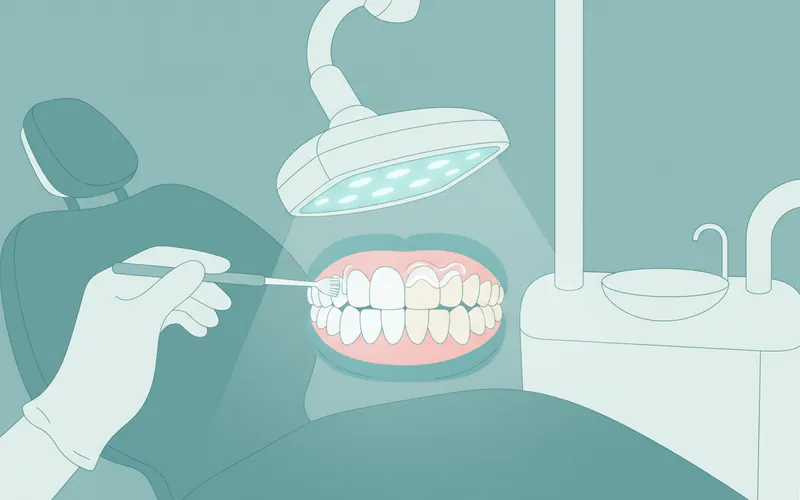
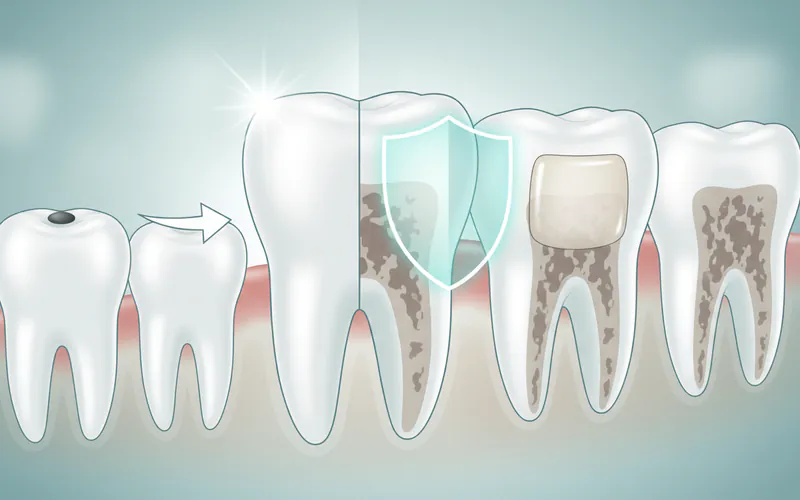
The efficacy and safety of teeth whitening have been extensively studied, with the American Dental Association (ADA) recognizing it as a safe and effective procedure when performed under the supervision of a dental professional or using ADA-accepted products. However, it's crucial to understand that whitening only works on natural tooth enamel and will not change the color of existing crowns, veneers, fillings, or other dental restorations. This distinction is vital for managing expectations and planning comprehensive cosmetic dental work.
Types of Teeth Whitening
The world of teeth whitening offers a spectrum of options, catering to different needs, budgets, and desired speeds of results. These can broadly be categorized into professional treatments, prescribed take-home kits, and over-the-counter (OTC) products.
Professional In-Office Teeth Whitening
This is the fastest and most effective method for achieving significant whitening results. Performed in a dental office, it involves the use of high-concentration bleaching gels, typically 15-43% hydrogen peroxide, that are applied directly to the teeth.
- Process: Your dentist or a dental hygienist will first clean your teeth. Then, they will apply a protective barrier to your gums and other soft tissues to prevent irritation from the strong bleaching agent. The whitening gel is carefully applied to the teeth. Often, a special light, laser, or heat is used to activate the gel and accelerate the whitening process. This light-activated process, sometimes referred to as "power bleaching," can achieve dramatic results, often several shades lighter, in a single one-hour appointment.
- Pros: Fastest results, most dramatic shade improvement, professional supervision ensures safety and addresses any immediate sensitivity, tailored to your specific needs.
- Cons: Highest cost, potential for temporary sensitivity.
Professional Take-Home Whitening Kits
These kits are prescribed by your dentist but used in the comfort of your home. They offer a middle ground between in-office treatments and OTC products in terms of cost and efficacy.
- Process: Your dentist will take impressions of your teeth to create custom-fitted whitening trays. These trays are crucial because they ensure the bleaching gel (typically 10-22% carbamide peroxide) stays in contact with your teeth and minimizes contact with your gums, reducing irritation. You'll be given professional-grade whitening gel and specific instructions on how much to apply, how long to wear the trays (usually 30 minutes to a few hours per day, or overnight), and for how many days or weeks.
- Pros: More affordable than in-office, supervised treatment, custom trays ensure even application and reduce gum irritation, more effective than OTC products due to higher concentration gels and better delivery.
- Cons: Slower results than in-office (typically 1-2 weeks), requires consistent compliance, potential for temporary sensitivity.
Over-the-Counter (OTC) Whitening Products
These products are readily available at pharmacies, supermarkets, and online, offering the most accessible and budget-friendly options for teeth whitening. Their peroxide concentrations are lower than professional products, typically 3-20% hydrogen peroxide or 10-22% carbamide peroxide.
- Whitening Strips: Thin, flexible plastic strips coated with a peroxide-based gel. They are applied directly to the front surfaces of the teeth and worn for a specified period, usually 30 minutes, once or twice a day for 1-2 weeks.
- Pros: Very convenient, relatively inexpensive, widely available.
- Cons: Less dramatic results, may not reach all tooth surfaces (especially curved teeth), can cause sensitivity.
- Whitening Gels and Pens: Gels are typically applied with a small brush directly onto the teeth, while pens allow for precise application. Both dry quickly and are left on for a specified period.
- Pros: Good for touch-ups, convenient, relatively affordable.
- Cons: Less uniform application than strips or trays, results can be subtle.
- Whitening Toothpastes and Mouthwashes: These products contain mild abrasive or chemical polishing agents (like blue covarine) to remove surface stains rather than bleaching the tooth itself. Some may contain low concentrations of peroxide for very minimal whitening effect.
- Pros: Part of daily oral hygiene routine, very low cost.
- Cons: Primarily remove surface stains, very minimal true whitening, results are often negligible.
- LED Whitening Kits (e.g., hismile whitening strips): Many OTC kits now include an LED light, claiming to accelerate the whitening process, similar to in-office treatments. These kits often include a mouth tray that holds the gel and incorporates an LED light. While these products, including popular brands like hismile whitening strips, are easy to use at home, the efficacy of the LED light in OTC settings is a subject of debate among dental professionals. The lights used in professional settings are typically much stronger and used in conjunction with significantly higher concentrations of peroxide.
- Pros: Convenient at-home use, perceived enhanced effectiveness due to LED light.
- Cons: Efficacy of LED component in OTC kits is often questionable compared to professional systems, results are generally less dramatic than professional treatments, potential for misuse.
[IMAGE: A collage showing different types of teeth whitening: a dentist applying gel in-office, a person inserting a custom whitening tray, and a hand holding a whitening strip.
Causes of Tooth Discoloration
Understanding why teeth become discolored is crucial for prevention and choosing the most effective whitening method. Discoloration can be broadly categorized into extrinsic (external) and intrinsic (internal) stains.
Extrinsic Stains
These stains appear on the outer surface of the tooth enamel and are typically caused by contact with pigmented foods and drinks, as well as certain lifestyle habits.
- Foods and Beverages: Coffee, tea, red wine, dark sodas, berries, soy sauce, and highly pigmented foods can leave residue that accumulates on the enamel.
- Tobacco Use: Smoking or chewing tobacco is a significant cause of stubborn yellow and brown extrinsic stains.
- Poor Oral Hygiene: Inadequate brushing and flossing allow plaque and tartar to build up, which can absorb stains more easily.
- Certain Medications: Some mouth rinses, particularly those containing chlorhexidine, can cause extrinsic staining over prolonged use.
Intrinsic Stains
These stains develop within the tooth structure, either in the dentin (the layer beneath the enamel) or within the enamel itself. They are often more challenging to remove with conventional whitening.
- Aging: As we age, the enamel layer naturally thins, revealing more of the yellowish dentin underneath. The dentin itself also darkens over time.
- Trauma: A blow to a tooth can cause internal bleeding or changes within the pulp, leading to a single tooth darkening.
- Medications:
- Tetracycline Antibiotics: If taken during tooth development (in childhood or during pregnancy), tetracycline and doxycycline can cause severe intrinsic staining, ranging from gray to brown bands on the teeth.
- Minocycline: An antibiotic used for acne and other conditions, can cause staining in adults.
- Excessive Fluoride (Fluorosis): Overexposure to fluoride during tooth development can lead to white spots or, in severe cases, brown pitting and discoloration.
- Genetics: Some individuals naturally have brighter or darker tooth enamel than others.
- Dental Restorations: Old amalgam (silver) fillings can cast a gray shadow on the tooth over time. Composite fillings, crowns, and veneers do not whiten and may appear discolored against newly whitened natural teeth.
- Dental Diseases: Certain rare dental conditions can affect tooth color.
Signs and Symptoms of Discolored Teeth
The primary "sign" of discolored teeth is simply visual observation of a change in tooth shade. This can range from a subtle yellowing or browning over time to more noticeable gray, black, or mottled white spots.
- Yellowish or Brownish Hue: Most common, often due to aging, diet, and tobacco.
- Grayish Tint: Can be indicative of intrinsic stains from tetracycline, trauma, or old amalgam fillings.
- White Spots/Streaks: Often associated with fluorosis or enamel hypoplasia.
- Uneven Coloration: Sometimes one or a few teeth might be darker than others, indicating trauma or specific intrinsic issues.
- Impact on Self-Esteem: While not a clinical "symptom," the psychological impact of discolored teeth on an individual's confidence and willingness to smile is a significant reason people seek whitening.
If you notice any significant or sudden changes in tooth color, especially accompanied by pain or sensitivity, it's always best to consult your dentist to rule out underlying dental issues.
Treatment Options for Tooth Discoloration
While teeth whitening is the focus, it's important to understand that not all discoloration responds to bleaching. For certain types of intrinsic stains or structural issues, alternative cosmetic treatments may be necessary.
Primary Whitening Treatments (as discussed above)
- Professional In-Office Whitening: Best for rapid, significant results.
- Professional Take-Home Kits: Good for gradual, controlled whitening with dentist supervision.
- Over-the-Counter Products: Suitable for mild staining, maintenance, or budget-conscious individuals.
Alternatives for Severe Discoloration or Structural Issues
For intrinsic stains that are severe (e.g., deep tetracycline stains) or for teeth that have structural irregularities, chips, or gaps, teeth whitening may not be sufficient or appropriate. In such cases, your dentist might recommend other cosmetic dentistry procedures.
- Dental Veneers: Veneers are thin, custom-made shells, usually crafted from porcelain or composite resin, that are bonded to the front surface of teeth. They are an excellent solution for permanently altering the color, shape, size, or length of teeth. For those exploring veneers process as an alternative to whitening, it involves tooth preparation (minimal enamel removal), impression taking, and then bonding the veneers. Veneers can provide a uniform, bright white smile that is resistant to future staining. However, they are a more invasive and significantly more expensive option than whitening.
- Dental Bonding: Also known as composite bonding, this procedure involves applying a tooth-colored resin material to the tooth and hardening it with a special light, bonding the material to the tooth. It can effectively mask discoloration, repair chips, close gaps, and change the shape of teeth. Bonding is less expensive and less invasive than veneers but may not be as durable or stain-resistant.
- Crowns: For severely damaged, discolored, or weakened teeth, a dental crown (a cap that covers the entire visible portion of a tooth) may be necessary. Crowns provide both aesthetic improvement and structural reinforcement but are the most invasive and costly option.
Pros and Cons of Treatment Options
| Treatment Option | Pros | Cons |
|---|---|---|
| Professional In-Office | Fastest, most dramatic results (multiple shades lighter in 1-2 hours), safest with professional supervision, customized treatment. | Highest cost, potential for temporary sensitivity, not suitable for all types of stains (e.g., very deep intrinsic). |
| Professional Take-Home | More affordable than in-office, supervised and safer than OTC, custom trays for even application, good results over time. | Slower results (1-2 weeks), requires patient compliance, potential for temporary sensitivity. |
| OTC Whitening Strips/Gels | Most affordable, convenient, easily accessible, good for mild stains and maintenance. | Less dramatic/consistent results, potential for uneven whitening, can cause gum irritation if misused, lower peroxide concentration. |
| Whitening Toothpaste/Rinse | Very low cost, integrated into daily routine, good for surface stain removal. | Minimal to no true whitening effect, only removes extrinsic stains. |
| Dental Veneers | Permanent change to color/shape, highly aesthetic, stain-resistant, covers severe intrinsic stains/structural issues. | Most expensive, irreversible (requires enamel removal), not suitable for everyone, maintenance/replacement may be needed over time. |
| Dental Bonding | More affordable than veneers/crowns, less invasive, good for minor discoloration/repairs, reversible to some extent. | Less durable than veneers, can stain over time, not as aesthetically dramatic as veneers for widespread issues. |
Step-by-Step Process for Teeth Whitening
The process varies significantly depending on the method chosen. Here’s a look at what to expect for the most common whitening approaches.
Professional In-Office Whitening
- Initial Consultation & Examination: Your dentist will examine your teeth and gums, review your medical history, and discuss your whitening goals. They'll determine if you're a good candidate for whitening and identify the cause of your discoloration. They'll also take a baseline shade measurement.
- Preparation: Your teeth will be thoroughly cleaned to remove plaque and tartar. A protective barrier (often a liquid dam or rubber shield) will be applied to your gums, lips, and other soft tissues to protect them from the high-concentration bleaching gel.
- Gel Application: The professional-strength hydrogen peroxide gel is carefully applied to the front surfaces of your teeth.
- Activation (Optional): Many in-office systems use a special light, laser, or heat lamp to activate the whitening gel and accelerate the chemical reaction, enhancing the speed and depth of whitening. This process typically involves several 15-20 minute cycles.
- Rinsing & Evaluation: After the specified time, the gel is removed, and your mouth is rinsed. Your dentist will evaluate the new shade of your teeth and discuss aftercare instructions.
- Follow-up (Optional): Some dentists may provide a take-home kit for touch-ups or to continue whitening for a few more days to reach the desired shade.
Professional Take-Home Whitening Kits
- Initial Consultation & Impressions: Similar to in-office, your dentist will assess your oral health. Impressions (molds) of your upper and lower teeth will be taken to fabricate custom-fitted whitening trays.
- Tray Fabrication: Dental lab technicians create precise, clear plastic trays that fit snugly over your teeth, ensuring even contact with the whitening gel and minimizing gum exposure.
- Dispensing Gel & Instructions: You'll receive your custom trays and a supply of professional-grade whitening gel (e.g., 10-22% carbamide peroxide). Your dentist or hygienist will provide detailed instructions on:
- How to apply the correct amount of gel into the trays.
- How to properly seat the trays in your mouth.
- How long to wear the trays each day (e.g., 30 minutes, 1-2 hours, or overnight).
- For how many days or weeks to continue treatment (typically 1-2 weeks).
- How to clean and care for your trays.
- What to do if you experience sensitivity.
- At-Home Application: You will follow these instructions diligently at home.
- Follow-up Appointment: A follow-up visit may be scheduled to assess your results, address any concerns, and provide further guidance.
Over-the-Counter Whitening Strips (e.g., hismile whitening strips)
- Read Instructions Carefully: Always start by thoroughly reading the product's instructions, as application methods and wear times can vary.
- Preparation: Brush your teeth gently before application, but avoid brushing too vigorously right before to prevent gum irritation.
- Apply Strips: Peel a strip from its backing. Apply the gel side to the front of your teeth, aligning it with your gum line. Fold the excess strip behind your teeth. Repeat for the lower teeth.
- Wear Time: Leave the strips on for the duration specified in the instructions (typically 30 minutes). Avoid eating, drinking, or smoking during this time.
- Remove & Rinse: After the wear time, remove the strips and discard them. Rinse your mouth thoroughly to remove any residual gel.
- Repeat: Continue using the strips daily as directed, usually for a course of 7-14 days.
``
Cost and Insurance
Understanding how much is teeth whitening is often the deciding factor for many individuals. The cost varies significantly based on the type of treatment, geographic location, and the specific dental practice.
Average US Price Ranges
- Professional In-Office Whitening: Expect to pay anywhere from $400 to $1,500 per session. This higher cost reflects the immediate dramatic results, the use of professional-grade materials, the dentist's time, and the specialized equipment involved. Some practices offer packages for multiple sessions or include a take-home kit for maintenance, which can influence the total cost.
- Professional Take-Home Whitening Kits: These typically range from $200 to $600. This includes the cost of custom-made trays and professional-strength whitening gel refills. This is a very popular option because it provides professional results at a more accessible price point than in-office treatments.
- Over-the-Counter (OTC) Products:
- Whitening Strips/Gels/Pens: Generally cost between $20 and $100 per kit or box. Brands like hismile whitening strips usually fall within this range.
- Whitening Toothpastes/Mouthwashes: These are the least expensive, usually $5 to $20.
- OTC LED Kits: While varying widely, these often range from $50 to $200.
Geographic Variations
Costs can also vary by region. For instance, dental services in major metropolitan areas (e.g., New York City, Los Angeles) tend to be higher than in smaller towns or rural areas.
Insurance Coverage
In almost all cases, dental insurance does not cover teeth whitening. This is because whitening is classified as an elective cosmetic procedure, not a medically necessary one for oral health. Therefore, you should be prepared to pay the full cost out-of-pocket. It's always a good idea to confirm with your insurance provider, but direct coverage for whitening is extremely rare.
Recovery and Aftercare
After any teeth whitening procedure, proper aftercare is crucial for managing potential side effects and prolonging your results.
Managing Sensitivity
- Temporary Sensitivity: It's very common to experience temporary tooth sensitivity to hot and cold temperatures, especially after professional in-office whitening. This usually subsides within 24-48 hours.
- Desensitizing Toothpaste: Your dentist might recommend using a desensitizing toothpaste (containing ingredients like potassium nitrate or strontium chloride) for a few weeks before and after treatment.
- Fluoride Treatments: Your dentist may apply a fluoride varnish or prescribe a high-fluoride toothpaste to help reduce sensitivity and strengthen enamel.
- Avoid Extreme Temperatures: For the first 24-48 hours, avoid very hot or very cold foods and drinks.
The "White Diet"
For the first 24-48 hours after whitening, your teeth are more porous and susceptible to re-staining. Dentists often recommend following a "white diet":
- Avoid: Coffee, tea, red wine, dark sodas, berries, ketchup, mustard, soy sauce, chocolate, tobacco products, and highly acidic foods.
- Consume: Water, milk, chicken, fish, white rice, pasta (without dark sauce), bananas, apples (peeled), potatoes, and clear spirits.
Maintaining Your Results
- Excellent Oral Hygiene: Brush twice a day, floss daily, and use an antiseptic mouthwash to prevent plaque and stain buildup.
- Regular Dental Cleanings: Schedule professional dental cleanings every six months to remove surface stains and tartar.
- Minimize Staining Habits: Reduce consumption of staining foods and beverages. If you do consume them, rinse your mouth with water immediately afterward, or drink through a straw.
- Quit Smoking/Tobacco: This is one of the most impactful steps to maintain white teeth and improve overall health.
- Touch-Up Treatments: Depending on the method used, your dentist might recommend periodic touch-up treatments with a take-home kit (e.g., every 6-12 months) to maintain your desired shade.
Pro Tip: For those who frequently consume staining beverages, consider drinking through a straw to minimize contact with the front teeth.
Prevention of Tooth Discoloration
Preventing stains is often easier and more cost-effective than removing them.
- Diligent Oral Hygiene: Brush your teeth at least twice a day for two minutes with fluoride toothpaste, and floss daily. This removes plaque and food debris before they can cause significant staining.
- Regular Dental Check-ups and Cleanings: Visiting your dentist every six months for professional cleanings will remove accumulated plaque and extrinsic stains that regular brushing can miss.
- Limit Staining Foods and Beverages: Reduce consumption of coffee, tea, red wine, dark sodas, berries, and highly pigmented sauces.
- Rinse After Staining Foods: If you consume staining items, rinse your mouth with water immediately afterward to wash away pigments before they can set.
- Quit Tobacco: Eliminating tobacco use is one of the most effective ways to prevent severe staining and significantly benefits overall oral and systemic health.
- Use a Straw: When drinking staining beverages, use a straw to minimize contact with your teeth.
- Consider Whitening Toothpaste: While they don't deeply whiten, ADA-accepted whitening toothpastes can help remove surface stains and maintain brightness between professional treatments.
Risks and Complications of Teeth Whitening
While generally safe, teeth whitening isn't without potential side effects or complications, especially if not performed correctly or under professional guidance.
- Tooth Sensitivity: The most common side effect. Bleaching agents can temporarily open the dentinal tubules, leading to increased sensitivity to hot, cold, or pressure. This is usually transient and resolves within a few days.
- Gum Irritation: If the bleaching gel comes into contact with the gums, it can cause temporary irritation, redness, or even chemical burns. This is more common with ill-fitting trays (OTC or improperly used professional kits) or in-office procedures where the gum barrier isn't perfectly sealed.
- Uneven Whitening: This can occur if the whitening product isn't applied evenly, or if teeth have pre-existing variations in enamel thickness or structure. For instance, the edges of teeth may whiten more due to thinner enamel.
- Damage to Existing Restorations: Crowns, veneers, bridges, and composite fillings will not whiten. If your natural teeth are whitened, these restorations may stand out as being darker, requiring their replacement for a uniform smile, which adds significant cost.
- Blue or Translucent Appearance: Over-whitening, especially of teeth with thin enamel, can lead to a translucent or bluish appearance, which can look unnatural.
- Chemical Burns: In rare cases of extreme misuse or accident with high-concentration gels, more severe chemical burns to soft tissues can occur.
- Rebound Effect: After the initial whitening, there can be a slight "rebound" where teeth may darken by about half a shade as they rehydrate and the peroxide fully dissipates. This is normal.
Comparison Tables
Here are two tables to help compare various teeth whitening options and their characteristics.
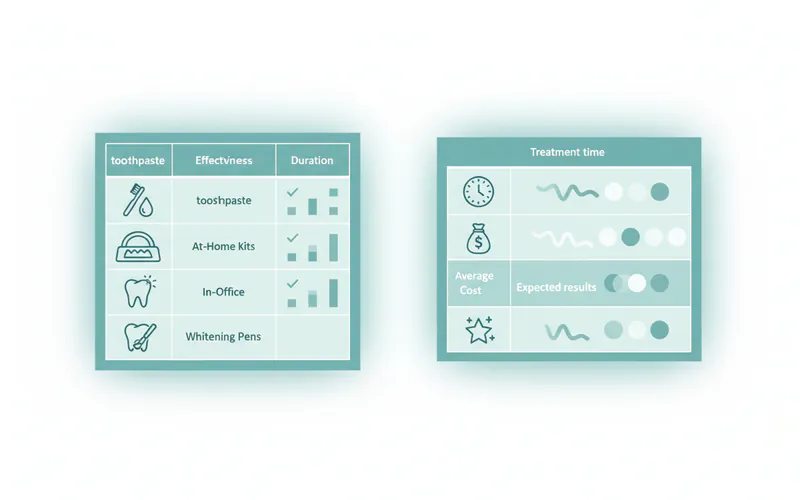
Table 1: Professional vs. Over-the-Counter Whitening
| Feature | Professional In-Office Whitening | Professional Take-Home Whitening Kits | Over-the-Counter Products (Strips, Gels, Pens) |
|---|---|---|---|
| Cost Range (US) | $400 - $1,500 per session | $200 - $600 | $20 - $100 per kit/box |
| Efficacy | Most dramatic, fastest results (3-8 shades lighter) | Excellent, significant results (2-6 shades lighter) | Moderate to subtle results (1-3 shades lighter) |
| Speed of Results | 1-2 hours (single session) | 1-2 weeks of daily use | 1-3 weeks of daily use |
| Peroxide Conc. | High (15-43% hydrogen peroxide) | Moderate (10-22% carbamide peroxide) | Low (3-20% hydrogen peroxide or 10-22% carbamide peroxide) |
| Supervision | Full dental professional supervision | Dental professional oversight, at-home application | Self-application, no direct dental supervision |
| Customization | Highly customized treatment plan & protection | Custom-fitted trays for optimal gel delivery & protection | One-size-fits-all, may not fit perfectly |
| Sensitivity Risk | Moderate to High (due to high concentration) | Low to Moderate (can be managed with dentist guidance) | Low to Moderate (risk of gum irritation if ill-fitting or misused) |
| Best For | Individuals seeking immediate, significant results; deep stains | Individuals seeking good results at a lower cost; controlled whitening | Mild surface stains; touch-ups; budget-conscious; those new to whitening |
Table 2: Cosmetic Alternatives to Whitening
| Feature | Dental Veneers | Dental Bonding | Dental Crowns |
|---|---|---|---|
| Cost Range (US) | $900 - $2,500 per tooth (composite) $1,000 - $3,000 per tooth (porcelain) |
$300 - $600 per tooth | $800 - $3,000 per tooth |
| Efficacy | Excellent, permanent color change, covers severe stains & defects | Good, covers minor discoloration & repairs | Excellent, covers severe discoloration, significant structural repair |
| Durability | Porcelain: 10-15+ years Composite: 5-7 years |
3-10 years (less stain resistant than porcelain veneers) | 5-15+ years |
| Invasiveness | Moderate (requires enamel removal) | Minimal (adds material to tooth) | High (requires significant tooth reduction) |
| Timeframe | 2-3 appointments over 2-3 weeks | 1 appointment | 2-3 appointments over 2-3 weeks |
| Stain Resistance | High (especially porcelain) | Moderate (can stain over time) | High |
| Best For | Severe intrinsic stains, aesthetic defects, smile makeovers | Minor chips/cracks, small gaps, minor discoloration | Severely damaged/weakened teeth, extensive discoloration |
Children / Pediatric Considerations
Teeth whitening is generally not recommended for children or adolescents. There are several important reasons for this:
- Developing Teeth: Children's teeth (both primary/baby teeth and newly erupted permanent teeth) have larger pulp chambers and thinner enamel than adult teeth. This makes them more susceptible to sensitivity and potential damage from bleaching agents.
- Unknown Long-Term Effects: The long-term effects of bleaching agents on developing tooth pulp and gum tissues in children are not fully understood.
- Cause of Discoloration: Discoloration in children is often due to different factors, such as trauma to a developing tooth, certain medications, or fluorosis. Whitening may not be effective for these intrinsic stains, and identifying the underlying cause is crucial.
- Unrealistic Expectations: Children and parents may have unrealistic expectations about whitening, and the focus should primarily be on maintaining excellent oral hygiene and preventing stains.
If a child has noticeable tooth discoloration that is a concern, it is imperative to consult a pediatric dentist. The dentist can diagnose the cause of the discoloration and recommend appropriate, age-specific treatments, which may include simple professional cleanings, fluoride treatments, or, in some cases, conservative cosmetic bonding once adult teeth have fully matured. Prevention through good oral hygiene and limiting sugary/staining drinks is always the best approach for children.
Cost Breakdown
As established, how much is teeth whitening depends heavily on the method. Let's delve deeper into payment and financing options.
Average US Costs (Recap)
- Low End (OTC): As low as $20 - $50 for a box of strips or a tube of whitening toothpaste.
- Mid-Range (Professional Take-Home): Typically $200 - $600 for custom trays and professional gel.
- High End (Professional In-Office): Usually $400 - $1,500 per session.
With vs. Without Insurance
- Without Insurance: Since whitening is almost always considered cosmetic, you will pay the full amount out-of-pocket, regardless of whether you have dental insurance.
- With Insurance: Your dental insurance policy is highly unlikely to cover any portion of teeth whitening costs. Some plans might offer a discount if the procedure is performed by an in-network provider, but this is rare and usually minimal. Always contact your insurance provider directly for clarification if you believe there's a possibility of coverage, though expectations should be low.
Payment Plans and Financing Options
Many dental practices understand that even cosmetic procedures can be a significant investment, and they offer various payment solutions:
- In-Office Payment Plans: Some dentists offer their own interest-free payment plans, allowing you to pay for the treatment over several months.
- Third-Party Financing (e.g., CareCredit): Companies like CareCredit specialize in healthcare financing. They offer credit cards specifically for health and dental expenses, often with promotional periods of interest-free financing if paid in full within a certain timeframe.
- Flexible Spending Accounts (FSAs) and Health Savings Accounts (HSAs): If you have an FSA or HSA through your employer, you can typically use these tax-advantaged accounts to pay for qualified medical expenses, which sometimes includes cosmetic dental procedures if recommended by a dentist for therapeutic reasons, though this is rare for whitening alone. Always check with your plan administrator.
- Credit Cards: Standard credit cards are always an option, though interest rates can be high if not paid off quickly.
Cost-Saving Tips
- Inquire About Package Deals: Some dental offices offer discounted rates if you purchase a combination of in-office and take-home whitening treatments, or if you whiten multiple times.
- Dental School Clinics: Dental schools often provide services at a reduced cost because procedures are performed by students under the supervision of experienced faculty. The quality of care is typically high, but appointments may take longer.
- Look for Promotions: Many dental practices offer seasonal promotions or discounts on teeth whitening services. Check their websites or social media, or ask during your initial consultation.
- Start with Professional Take-Home Kits: If cost is a major concern, starting with a professional take-home kit is often the most cost-effective way to achieve good results, as it's typically much less expensive than in-office treatments.
- Focus on Prevention: The best way to save money on whitening is to prevent stains in the first place through excellent oral hygiene and dietary habits.
Frequently Asked Questions
Is teeth whitening safe?
Yes, when performed under the supervision of a dental professional or with ADA-accepted products and used as directed, teeth whitening is considered safe. The most common side effects are temporary tooth sensitivity and gum irritation.
How long does teeth whitening last?
The longevity of whitening results varies greatly depending on the method used, your diet, and oral hygiene habits. Professional in-office whitening results typically last from 6 months to 2-3 years, while take-home kits may require touch-ups every few months. OTC products have the shortest duration of noticeable effects.
Does teeth whitening hurt?
While the procedure itself isn't typically painful, many individuals experience temporary tooth sensitivity during or after the treatment. This sensation usually subsides within 24-48 hours. Your dentist can recommend desensitizing products or adjust the treatment plan to minimize discomfort.
Can I whiten crowns, veneers, or fillings?
No, teeth whitening agents only work on natural tooth enamel. They will not change the color of existing dental restorations such as crowns, veneers, bridges, or composite fillings. If you have these, they may appear darker against your newly whitened natural teeth, and you might need to consider replacing them for a uniform smile.
What are the alternatives to teeth whitening for severely discolored teeth?
For severe intrinsic stains (e.g., tetracycline stains) or teeth with structural issues, alternatives like dental veneers, dental bonding, or even dental crowns can effectively mask discoloration and improve overall aesthetics. These options are more invasive and significantly more expensive.
How often can I whiten my teeth?
The frequency depends on the method and your individual needs. Your dentist will provide specific guidance for professional treatments. For OTC products, follow the manufacturer's instructions, but generally, it's not advisable to use them continuously. Over-whitening can lead to an unnatural translucent appearance or increased sensitivity.
Can teeth whitening damage my tooth enamel?
When used correctly and under professional guidance, teeth whitening does not permanently damage tooth enamel. The active ingredients temporarily alter the enamel's surface to remove stains, but the enamel remineralizes and recovers. Misuse or overuse of highly concentrated products without supervision can potentially lead to enamel erosion or increased sensitivity.
Why do some people's teeth whiten more than others?
The degree of whitening achieved depends on several factors, including the initial shade of your teeth, the type and cause of the stains, the concentration of the bleaching agent, the duration of treatment, and your individual tooth structure. Some teeth inherently respond better to whitening than others.
Is professional whitening worth the extra cost compared to OTC products?
For many, the increased cost of professional whitening is justified by the significantly more dramatic, faster, and longer-lasting results. Professional treatments also offer the benefit of dental supervision, which ensures safety, minimizes side effects, and provides customized solutions tailored to your specific needs, often proving more effective for stubborn stains.
What should I do if my gums become irritated after using a whitening product?
If you experience gum irritation, stop using the product immediately. Rinse your mouth with warm salt water to soothe the tissues. If the irritation persists for more than a day or worsens, contact your dentist for advice and examination.
When to See a Dentist
While many over-the-counter whitening products are available, consulting a dental professional before starting any whitening regimen is always the safest and most effective approach. Here are clear indicators of when to see a dentist:
- Before Any Whitening Treatment: A dentist can assess your oral health, determine the cause of your discoloration, and advise whether whitening is appropriate for you. They can also identify any underlying issues (like cavities or gum disease) that need to be addressed first.
- If You Have Existing Dental Work: If you have crowns, veneers, fillings, or other restorations on your front teeth, a dentist's consultation is crucial. As these will not whiten, your dentist can discuss how whitening natural teeth will affect the overall appearance of your smile and explore alternatives if needed.
- If You Experience Persistent or Severe Sensitivity: While some temporary sensitivity is normal, if it becomes severe, prolonged, or interferes with eating and drinking, see your dentist immediately.
- If You Notice Gum Irritation, Bleeding, or Pain: These could be signs of the whitening gel irritating your soft tissues, or an underlying gum issue. A dentist can provide appropriate treatment and adjust your whitening plan.
- If You Have Uneven Whitening or Unsatisfactory Results: If your teeth are whitening inconsistently, or you're not achieving the desired results with an OTC product, your dentist can offer professional solutions or stronger treatments.
- For Deep or Intrinsic Stains: If your discoloration is severe (e.g., tetracycline stains, single dark tooth from trauma), a dentist can diagnose the cause and recommend effective treatments, which may go beyond conventional whitening.
- When Considering Significant Aesthetic Changes: If you're looking for a dramatic smile transformation that involves more than just whitening (e.g., changing tooth shape, closing gaps), a consultation about options like the veneers process or bonding is essential.
- Red Flags: Any sudden change in tooth color, unexplained dark spots, or if a single tooth appears significantly darker than others, warrants a dental visit to rule out underlying issues like trauma or infection.
By prioritizing professional guidance, you ensure that your journey to a brighter smile is safe, effective, and tailored to your unique dental health needs.
Frequently Asked Questions
Medically Reviewed Content
This article was written by our dental health editorial team and reviewed for medical accuracy. Our content follows strict editorial guidelines for reliability and trustworthiness.
Medical Disclaimer
This article is for informational purposes only and does not constitute medical advice. Always consult with a qualified dental professional for diagnosis and treatment. Do not delay seeking professional advice because of something you read on this website.
Related Articles
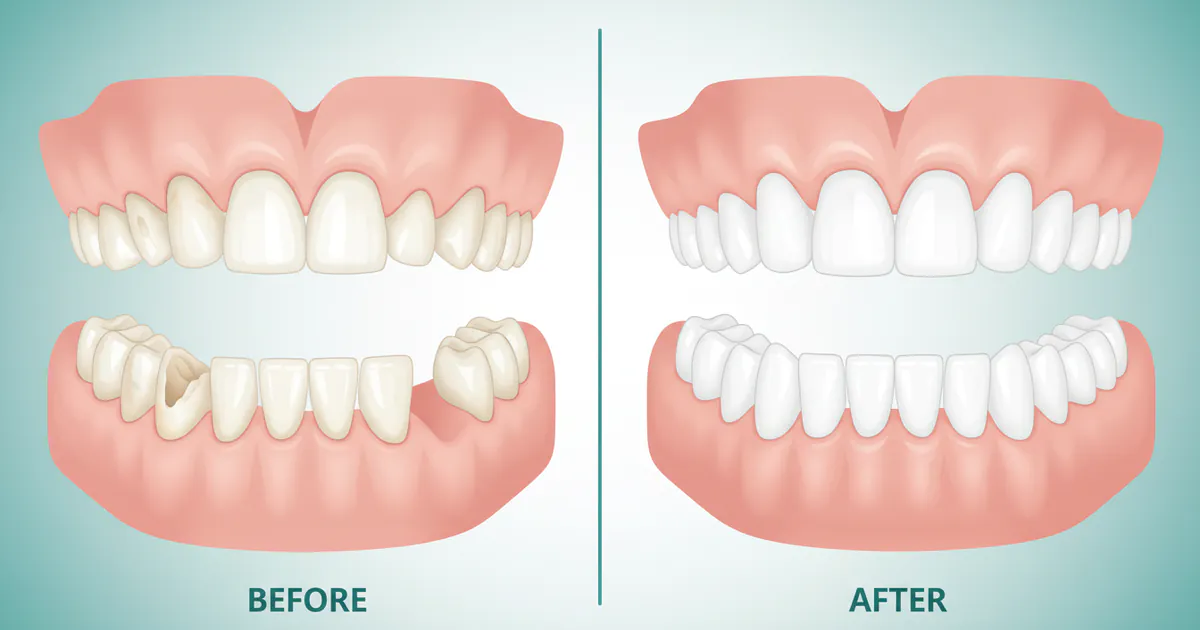
Before and After Dentures: Complete Guide
For many Americans, a vibrant smile isn't just about aesthetics; it's fundamental to speaking clearly, enjoying favorite foods, and maintaining self-confidence. Yet, over 36 million Americans are completely edentulous (have no natural teeth), and millions more suffer from significant tooth loss,
February 22, 2026
Teeth Whitening Cost: Complete Price Guide 2026
Brighter smiles are more than just a fleeting trend; they're a significant confidence booster and a common aesthetic goal for many Americans. In fact, a recent survey indicated that over 80% of adults aged 18-49 believe a beautiful smile is important for success, and teeth whitening remains one
February 22, 2026
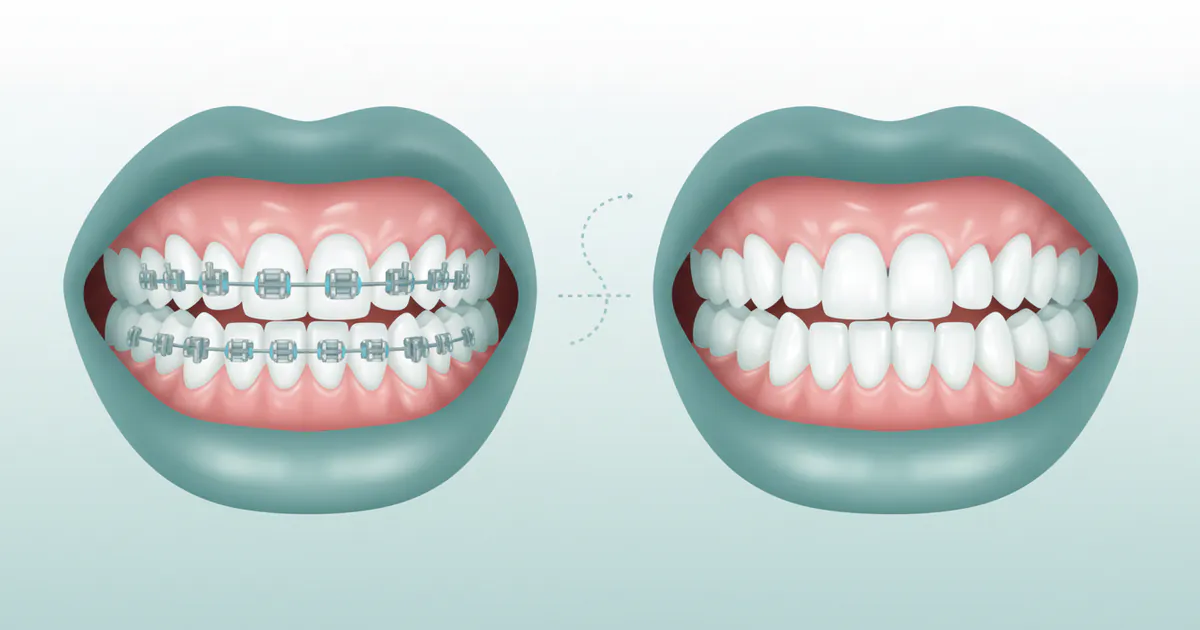
Braces Before and After: Complete Guide
For many, the journey to a confident, healthy smile begins with orthodontics. The transformation seen in braces before and after photos isn't just cosmetic; it represents improved oral health, function, and self-esteem. Crooked teeth, misaligned bites, and gaps can lead to a host of problems, fr
February 22, 2026
Natural Teeth Whitening: Complete Guide
A radiant smile is often considered a sign of health and confidence, which is why teeth whitening has become one of the most popular cosmetic dental procedures in the United States. In fact, surveys suggest that a significant majority of Americans, around 80%, desire whiter teeth, and the teeth
February 22, 2026