Teeth Whitening Cost: Complete Price Guide 2026
Key Takeaways
- Brighter smiles are more than just a fleeting trend; they're a significant confidence booster and a common aesthetic goal for many Americans. In fact, a recent survey indicated that over 80% of adults aged 18-49 believe a beautiful smile is important for success, and teeth whitening remains one
Brighter smiles are more than just a fleeting trend; they're a significant confidence booster and a common aesthetic goal for many Americans. In fact, a recent survey indicated that over 80% of adults aged 18-49 believe a beautiful smile is important for success, and teeth whitening remains one of the most sought-after cosmetic dental procedures. If you're considering enhancing your smile, understanding the complete teeth whitening cost is crucial. This comprehensive guide from SmilePedia.net will demystify the expenses involved, outlining everything from professional in-office treatments to at-home kits, helping you make an informed decision for your oral health and budget. We’ll delve into various treatment options, what influences pricing, potential insurance coverage, and strategies to make your dream smile achievable in 2026.
Key Takeaways:
- Teeth whitening cost varies significantly, from $25-$100 for at-home kits to $300-$1,200 for professional in-office treatments.
- Professional in office teeth whitening offers the fastest, most dramatic results, often achieving several shades lighter in a single appointment.
- Dental insurance typically does not cover cosmetic teeth whitening, classifying it as an elective procedure.
- At-home dentist-supervised trays generally cost $200-$600 and provide a gradual, controlled whitening process over 1-2 weeks.
- Over-the-counter options are the most affordable but often yield less dramatic or inconsistent results.
- Maintaining results requires good oral hygiene and avoiding stain-causing foods/drinks, potentially with touch-up treatments every 6-12 months.
- Alternatives like veneers teeth may be necessary for severe intrinsic stains, costing significantly more (e.g., $1,000-$3,000 per tooth).
What It Is: Understanding Teeth Whitening
Teeth whitening, also known as dental bleaching, is a cosmetic dental procedure designed to lighten the natural color of your teeth. It effectively removes stains and discoloration, resulting in a brighter, more aesthetically pleasing smile. The process typically involves using a bleaching agent, most commonly hydrogen peroxide or carbamide peroxide, which breaks down into oxygen molecules. These molecules penetrate the enamel and dentin layers of the tooth, oxidizing the stained molecules and making them appear colorless. This process does not alter the actual structure of the tooth but rather changes how light reflects off its surface, making it appear whiter.
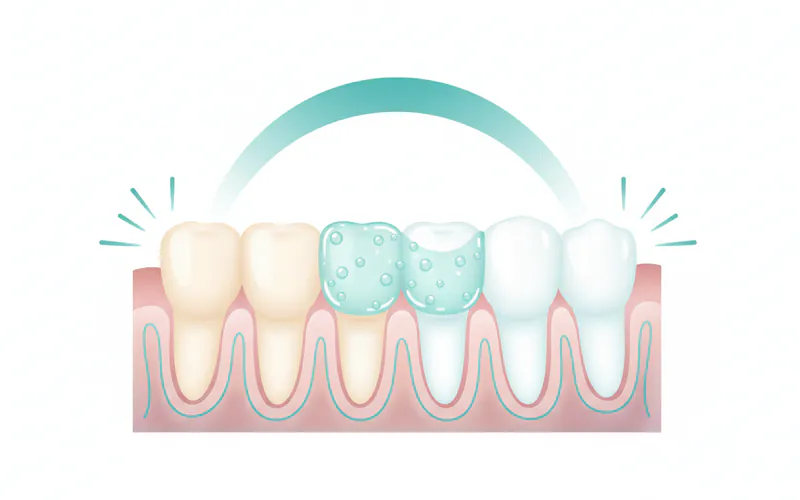
The appeal of teeth whitening lies in its ability to address common aesthetic concerns without invasive procedures. It’s a relatively quick and straightforward way to rejuvenate your smile, making it a popular choice for individuals looking for noticeable improvements in their dental appearance.
Types and Variations of Teeth Whitening
The world of teeth whitening offers a spectrum of options, catering to different budgets, desired results, and convenience levels. These can generally be categorized into professional treatments administered by a dentist and at-home solutions, which can be either dentist-supervised or over-the-counter.
Professional Teeth Whitening Options
Professional teeth whitening methods offer the safest and most effective results, as they are performed under the direct supervision of a dental professional.
1. In-Office Teeth Whitening (Chairside Whitening)
This is the fastest and most potent method for achieving dramatic results. An in office teeth whitening procedure typically involves:
- High-Concentration Bleaching Gel: Your dentist applies a professional-grade peroxide gel (often 25-40% hydrogen peroxide) directly to your teeth.
- Light/Laser Activation: A special light (LED, UV, or laser) is often used to activate the bleaching agent, accelerating the chemical reaction and enhancing the whitening effect. While the effectiveness of light activation is debated in some dental circles, many patients report improved and quicker results.
- Gum and Soft Tissue Protection: Your gums and other soft tissues are carefully protected with a barrier (e.g., a liquid dam or resin) to prevent irritation from the strong bleaching agent.
- Multiple Applications: The gel is typically applied in 15-20 minute intervals, with multiple applications within a single appointment, which usually lasts about 60-90 minutes.
Pros: Fastest and most dramatic results, performed by a professional, custom-tailored to your needs. Cons: Highest initial cost, potential for temporary tooth sensitivity.
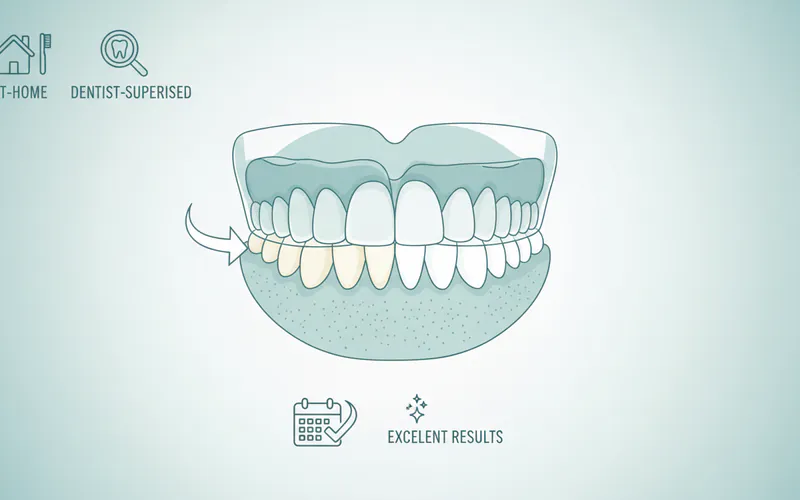
2. Dentist-Supervised At-Home Whitening Kits
This option combines professional oversight with the convenience of at-home application.
- Custom-Made Trays: Your dentist takes impressions of your teeth to create custom-fitted whitening trays. These trays ensure the bleaching gel makes even contact with your teeth and minimizes contact with your gums.
- Professional-Grade Gel: You receive a supply of professional-strength whitening gel (typically 10-22% carbamide peroxide or 6-10% hydrogen peroxide) that is stronger than over-the-counter products.
- Detailed Instructions: Your dentist provides specific instructions on how to apply the gel to the trays and how long to wear them (e.g., 30 minutes twice a day or overnight for 1-2 weeks).
Pros: Excellent results, professional guidance, convenience of home use, more affordable than in-office treatment, less chance of gum irritation than OTC trays. Cons: Requires consistent use over days or weeks, still carries a cost.
Over-the-Counter (OTC) Whitening Products
These products are widely available at pharmacies and supermarkets and offer the most budget-friendly options.
1. Whitening Strips
These are thin, flexible plastic strips coated with a peroxide-based whitening gel. They are applied directly to the teeth for a specified duration, typically once or twice a day for 1-2 weeks.
Pros: Inexpensive, easy to use, widely available. Cons: Less dramatic results, may not whiten evenly (especially between teeth or on irregularly shaped teeth), potential for gum irritation if strips aren't applied correctly, limited effectiveness on severe stains.
2. Whitening Toothpastes
These toothpastes contain mild abrasives or chemical agents (like blue covarine) that help remove surface stains. They do not change the intrinsic color of the teeth.
Pros: Part of daily routine, very affordable. Cons: Only removes superficial stains, minimal whitening effect, results are often temporary or unnoticeable for deeper discoloration.
3. Whitening Rinses
Similar to whitening toothpastes, these mouthwashes contain mild bleaching agents or stain removers. They are used for a minute or two, usually twice a day.
Pros: Easy to incorporate, helps maintain oral hygiene. Cons: Very limited whitening power, takes a long time to show any subtle results.
4. Whitening Gels with Trays (Non-Custom)
These kits include a tube of whitening gel and generic, boil-and-bite trays that can be slightly molded to your teeth.
Pros: More affordable than professional trays, potentially more effective than strips or pastes. Cons: Generic trays may not fit well, leading to uneven whitening or gum irritation, lower concentration of active ingredient than professional gels, results vary greatly.
Causes of Tooth Discoloration
Understanding why your teeth change color is key to choosing the right whitening treatment and preventing future stains. Tooth discoloration can be broadly categorized into extrinsic and intrinsic stains.
Extrinsic Stains
These are surface stains that affect the enamel, the outermost layer of your teeth. They are typically caused by:
- Food and Beverages: Coffee, tea, red wine, dark sodas, berries, soy sauce, and highly pigmented foods can deposit chromogens (color-producing compounds) onto the enamel.
- Tobacco Use: Smoking or chewing tobacco is a major culprit for tenacious yellow and brown stains due to nicotine and tar.
- Poor Oral Hygiene: Inadequate brushing and flossing allow plaque and tartar to accumulate, which can absorb stains and make teeth appear dull or yellow.
- Certain Medications: Chlorhexidine mouthwash, used for gum disease, can sometimes cause temporary extrinsic staining.
Intrinsic Stains
These stains originate from within the tooth structure, affecting the dentin (the layer beneath the enamel). Intrinsic stains are often more challenging to remove with conventional whitening and may require stronger treatments or alternative cosmetic solutions.
- Aging: As we age, the enamel naturally thins, revealing more of the yellowish dentin beneath. Dentin itself also darkens over time.
- Trauma: An injury to a tooth can cause internal bleeding and discoloration, often appearing as a single darkened tooth.
- Medications:
- Tetracycline Antibiotics: If taken during tooth development (childhood or in utero), tetracycline can cause permanent gray, blue, or brown intrinsic staining.
- Minocycline: A derivative of tetracycline, can cause discoloration in adults.
- Antihistamines, Antipsychotics, and Blood Pressure Medications: Some can also contribute to tooth discoloration.
- Excessive Fluoride Exposure (Fluorosis): High levels of fluoride intake during tooth formation can lead to white, brown, or pitted spots on the enamel.
- Genetics: Some individuals naturally have brighter or darker tooth enamel than others.
- Dental Restorations: Old amalgam (silver) fillings can leach metallic ions into the tooth structure, causing a gray or blue tint. Composite fillings, crowns, and veneers themselves do not whiten and may need replacement if they no longer match whitened natural teeth.
Signs You Might Benefit from Teeth Whitening
The most obvious sign that you might benefit from teeth whitening is visible discoloration of your teeth. However, beyond the aesthetic, consider these points:
- Loss of Confidence: If you find yourself hesitant to smile, cover your mouth when you laugh, or feel self-conscious about your teeth's appearance, whitening can significantly boost your self-esteem.
- Yellowish or Brownish Tinge: This is the most common form of discoloration and is highly responsive to whitening treatments.
- Stains from Food/Drink/Tobacco: If you frequently consume stain-causing substances, you'll likely accumulate surface stains over time.
- Special Occasions: Many people opt for whitening before weddings, graduations, job interviews, or other significant events where they want to look their best.
- Desire for a Brighter Smile: Sometimes, it's simply a personal preference to achieve a more radiant smile, even if your teeth aren't severely stained.
It's important to consult with a dental professional before pursuing any whitening treatment to ensure your teeth and gums are healthy and to determine the most effective and safest method for your specific needs. They can also identify the cause of your discoloration and advise if whitening is the appropriate solution.
Treatment Options: A Deeper Dive into Pros and Cons
Choosing the right teeth whitening treatment involves weighing various factors, including cost, desired speed of results, efficacy, and potential side effects.
1. In-Office Professional Whitening
- Pros:
- Fastest Results: Often 5-8 shades lighter in just one visit. Ideal for immediate results.
- Most Effective: Highest concentration of bleaching agent for maximum impact.
- Safest: Performed under dental supervision, minimizing risks of gum irritation or tooth damage.
- Even Whitening: Professional application ensures comprehensive coverage.
- Cons:
- Highest Cost: Typically ranges from $300 to $1,200 per session.
- Temporary Sensitivity: Most common side effect, usually resolves within 24-48 hours.
- Chair Time: Requires a dedicated appointment of 60-90 minutes.
2. Dentist-Supervised At-Home Whitening with Custom Trays
- Pros:
- Excellent Results: Can achieve similar whitening levels to in-office treatments, just over a longer period (1-2 weeks).
- Cost-Effective: More affordable than in-office, typically $200-$600.
- Convenience: Whiten at home on your schedule.
- Custom Fit: Trays protect gums and ensure even gel distribution.
- Controlled Process: Lower concentration gel means less sensitivity than in-office.
- Cons:
- Time Commitment: Requires daily application for 1-2 weeks.
- Initial Visit: Still requires an office visit for impressions.
- Discipline Required: Consistency is key for optimal results.
3. Over-the-Counter Whitening Products
- Pros:
- Most Affordable: Ranging from $25 to $100.
- Highly Accessible: Available at most pharmacies and online.
- Convenience: Use at home without a dental visit.
- Cons:
- Variable Effectiveness: Results are often less dramatic and consistent than professional options.
- Potential for Uneven Whitening: Generic trays or strips may not cover all tooth surfaces evenly.
- Gum Irritation: Improper application can lead to gel contact with gums, causing soreness.
- Limited Strength: Lower peroxide concentrations mean less profound changes.
Comparison Table: Teeth Whitening Options
| Feature | In-Office Whitening | Dentist-Supervised At-Home | Over-the-Counter Products |
|---|---|---|---|
| Cost Range (US) | $300 - $1,200 | $200 - $600 | $25 - $100 |
| Result Speed | Immediate (1-2 hours) | Gradual (1-2 weeks) | Gradual (2-4 weeks) |
| Effectiveness | Most dramatic (5-8+ shades) | Very effective (3-6+ shades) | Mild-Moderate (1-3 shades) |
| Supervision | Dentist | Dentist | None |
| Customization | High (professional application) | High (custom trays) | Low (generic strips/trays) |
| Sensitivity Risk | Moderate (temporary) | Low-Moderate | Low-Moderate |
| Longevity | 6-12 months | 6-12 months | 3-6 months |
Step-by-Step Process: What to Expect During Treatment
The step-by-step process varies depending on the type of whitening you choose.
For In-Office Teeth Whitening:
- Initial Consultation & Examination: Your dentist will first examine your teeth and gums to ensure you are a good candidate for whitening. They will discuss your aesthetic goals, identify the causes of your staining, and address any existing dental issues (cavities, gum disease) that need to be resolved before whitening. This is also when they'll likely record your current tooth shade.
- Preparation: Before applying the whitening gel, your dental hygienist or dentist will clean your teeth thoroughly to remove plaque and tartar.
- Gum Protection: A protective barrier (often a liquid dam or rubber dam) is carefully applied to your gums and soft tissues to prevent irritation from the high-concentration bleaching agent. This step is critical for safety.
- Gel Application: The professional-strength whitening gel (containing hydrogen peroxide) is meticulously applied to the front surfaces of your teeth.
- Light Activation (Optional): If your chosen system uses light activation, a special light (LED, UV, or laser) will be positioned over your teeth to enhance the whitening process.
- Repeat Applications: The gel is typically left on for 15-20 minutes, then suctioned off, and a fresh layer is applied. This process is usually repeated 2-3 times within the same appointment.
- Rinsing & Final Assessment: After the final application, the protective barrier is removed, and your mouth is rinsed. Your dentist will then evaluate your new tooth shade and provide aftercare instructions.
For Dentist-Supervised At-Home Whitening:
- Initial Consultation & Impressions: Similar to in-office, an initial check-up is performed. If suitable, impressions of your upper and lower teeth are taken to create your custom-fitted whitening trays.
- Tray Fabrication: The dental lab uses your impressions to fabricate clear, thin plastic trays that precisely fit your teeth. This usually takes a few days to a week.
- Tray Delivery & Instructions: You'll return to the dental office to pick up your custom trays and receive your professional-grade whitening gel. Your dentist or hygienist will provide detailed instructions on:
- How to load the correct amount of gel into the trays (a small bead per tooth).
- How to properly seat the trays onto your teeth.
- Recommended wear time (e.g., 30 minutes twice a day or overnight).
- How to clean the trays after use.
- What to do if you experience sensitivity.
- At-Home Application: You follow the instructions, consistently wearing your trays for the recommended duration over 1-2 weeks.
- Follow-Up (Optional): Some dentists may schedule a follow-up appointment to check your progress and address any concerns.
Cost and Insurance: Breaking Down the Price Tag in the US
The teeth whitening cost is a significant factor for most individuals. Prices can vary widely based on the type of treatment, geographic location, the dentist's experience, and the extent of discoloration.
Average US Price Ranges (2026 Estimates)
- In-Office Professional Whitening:
- Low End: $300 - $500 (e.g., smaller cities, introductory offers)
- Mid-Range: $500 - $800 (most common for standard procedures)
- High End: $800 - $1,200+ (e.g., major metropolitan areas, premium services, multiple sessions)
- Dentist-Supervised At-Home Whitening (Custom Trays & Gel):
- Low End: $200 - $350
- Mid-Range: $350 - $500
- High End: $500 - $600+
- Over-the-Counter Products:
- Whitening Strips: $25 - $60 per kit
- Whitening Toothpastes/Rinses: $5 - $20 (per tube/bottle)
- OTC Gel Kits with Generic Trays: $30 - $80
Factors Influencing Cost
- Geographic Location: Dental services in major metropolitan areas (e.g., New York City, Los Angeles, San Francisco) generally have higher costs than in rural areas or smaller towns.
- Dentist's Expertise and Reputation: Highly experienced cosmetic dentists or those with specialized training may charge more for their services.
- Type of Whitening System Used: Different professional systems (e.g., Zoom!, Philips NiteWhite, Opalescence Boost) have varying costs for the practice, which can be reflected in patient fees.
- Number of Sessions: While most in office teeth whitening procedures aim for results in one session, severe stains might require follow-up appointments, increasing the total cost.
- Severity of Staining: More stubborn or extensive discoloration might require more intensive treatment or a longer course of at-home whitening, which can add to the overall expense.
- Included Extras: Some practices include a take-home whitening kit for maintenance after an in-office treatment, which can justify a slightly higher initial price.
Insurance Coverage Details
It's important to understand that dental insurance typically does not cover teeth whitening. This is because teeth whitening is almost universally classified as a cosmetic procedure by insurance companies, meaning it's elective and not medically necessary for oral health.
- No Coverage: Expect to pay the full teeth whitening cost out-of-pocket for all types of whitening, whether in-office or at-home.
- Health Savings Accounts (HSAs) and Flexible Spending Accounts (FSAs): While standard insurance won't cover it, you may be able to use funds from your HSA or FSA to pay for professional teeth whitening procedures. These accounts allow you to use pre-tax dollars for eligible health expenses. Check with your plan administrator for specific eligibility requirements.
Pro Tip: Always confirm pricing with your dental office directly during your consultation. They can provide an exact quote based on your individual needs and location. Don't be afraid to ask about payment plans or financing options.
Recovery and Aftercare: Maintaining Your Brighter Smile
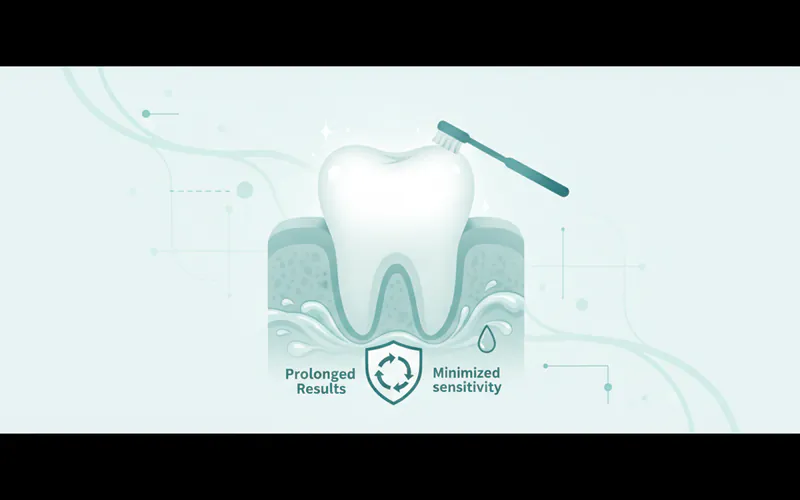
Once you've achieved your desired whiteness, proper aftercare and maintenance are essential to prolong your results and minimize sensitivity.
Immediate Post-Treatment Care (First 24-48 Hours)
The first 24-48 hours after whitening are crucial because your teeth are more porous and susceptible to staining. This period is often referred to as the "white diet" phase.
- Avoid Stain-Causing Foods and Drinks: Strictly avoid coffee, tea, red wine, dark sodas, berries, soy sauce, chocolate, and acidic foods. Opt for "white" foods like chicken, fish, rice, pasta (with white sauce), potatoes, milk, and clear beverages.
- No Smoking: Tobacco products will immediately re-stain your newly whitened teeth.
- Manage Sensitivity:
- Use a desensitizing toothpaste (containing potassium nitrate or strontium chloride) for a few days to a week.
- Avoid extremely hot or cold foods and drinks.
- Your dentist might provide a fluoride varnish or a desensitizing gel to apply at home.
- Over-the-counter pain relievers like ibuprofen can help if discomfort is significant.
Long-Term Aftercare and Maintenance
- Excellent Oral Hygiene: Brush twice a day with a fluoride toothpaste and floss daily. Consider an electric toothbrush for more effective plaque and stain removal.
- Regular Dental Cleanings: Schedule professional dental cleanings every six months. Your hygienist can remove surface stains before they penetrate deeply.
- Mindful Consumption: While you don't have to eliminate all stain-causing foods forever, consume them in moderation. Rinse your mouth with water after consuming coffee, tea, or red wine.
- Use a Straw: When drinking stain-causing beverages, using a straw can help minimize contact with your front teeth.
- Touch-Up Treatments: The brightness of your whitened teeth will gradually fade over time due to new staining. Your dentist may recommend periodic touch-up treatments using your custom trays or an in-office booster session every 6-12 months. The cost for touch-up kits is significantly less than initial treatment, typically $50-$150 for a gel refill.
- Avoid Abrasive Products: Do not use abrasive toothpastes or DIY remedies like baking soda and lemon juice, which can damage enamel and increase sensitivity.
Prevention: Keeping Your Smile Bright
Preventing stains is often easier and more cost-effective than removing them.
- Limit Stain-Causing Foods & Drinks: Reduce consumption of coffee, tea, red wine, dark sodas, and highly pigmented foods. If you do consume them, rinse your mouth with water immediately afterward.
- Quit Smoking/Tobacco: This is the single most impactful step you can take to prevent severe staining and improve your overall oral and general health.
- Maintain Impeccable Oral Hygiene: Brush thoroughly twice a day and floss daily to remove plaque and food debris before they can cause stains.
- Regular Dental Check-ups and Cleanings: Professional cleanings every six months remove extrinsic stains that accumulate over time and prevent them from becoming more stubborn.
- Use Whitening Toothpaste (Judiciously): While they don't change intrinsic color, some whitening toothpastes can help remove surface stains, maintaining your brightness between professional treatments. Look for ADA-accepted products.
- Consider Whitening Maintenance: If you've had professional whitening, periodically using your custom trays with a low-concentration gel as recommended by your dentist can keep your results fresh.
Risks and Complications
While teeth whitening is generally safe, it's not without potential risks, especially if not done correctly or under professional supervision.
- Tooth Sensitivity: This is the most common side effect. The bleaching agents can temporarily make your teeth more sensitive to hot, cold, or pressure. This usually subsides within 24-48 hours after treatment. For those with pre-existing sensitivity, professional oversight is crucial.
- Gum Irritation: If the whitening gel comes into contact with your gums or other soft tissues, it can cause temporary irritation, redness, or burning. This is more common with ill-fitting over-the-counter trays or improper application of strips. Professional treatments use barriers to prevent this.
- Uneven Whitening: If your teeth have existing dental work (crowns, veneers, composite fillings), these materials will not whiten. This can lead to a noticeable color mismatch between your natural teeth and restorations, making the latter appear darker. Whitening also doesn't affect intrinsic stains caused by trauma or certain medications as effectively as extrinsic stains.
- Over-Whitening (Blue/Translucent Appearance): While rare, excessive or prolonged whitening can potentially lead to an unnatural, translucent, or blueish tint, especially if enamel is thin. This emphasizes the importance of professional guidance.
- Damage to Enamel: Using highly acidic whitening agents or abrasive DIY methods can erode tooth enamel over time, leading to increased sensitivity and susceptibility to decay. Stick to ADA-approved methods.
- Allergic Reactions: Though uncommon, some individuals may be allergic to components of the whitening gel.
Pro Tip: Always discuss your medical history, any existing dental work, and your sensitivity levels with your dentist before starting any whitening treatment. They can assess your risk and recommend the safest approach.
Children / Pediatric Considerations
Teeth whitening is generally not recommended for children or adolescents. Here's why:
- Developing Teeth: Children's teeth (both primary and permanent) have larger pulp chambers and thinner enamel compared to adult teeth. This makes them more susceptible to sensitivity and potential damage from bleaching agents.
- Enamel Development: The enamel of permanent teeth is not fully calcified until around age 16-18. Whitening before this stage could interfere with natural development or cause unnecessary sensitivity.
- Unnecessary: Most tooth discoloration in children is extrinsic and can be resolved with thorough brushing and regular professional cleanings.
- Underlying Issues: If a child has significant tooth discoloration, it's crucial for a pediatric dentist to investigate the underlying cause. It could indicate trauma, developmental issues, or certain medical conditions that need professional diagnosis and treatment, rather than just cosmetic whitening.
- Mental Maturity: Children may not have the maturity to consistently follow instructions for at-home whitening or tolerate potential sensitivity.
When to See a Pediatric Dentist: If you notice significant discoloration in your child's teeth, especially if it's new or rapidly progressing, consult a pediatric dentist immediately. They can rule out serious issues like decay, trauma, or developmental problems and advise on appropriate, safe interventions.
Cost Breakdown: Making Whitening Affordable
Understanding the overall teeth whitening cost is one thing; navigating how to pay for it is another. Since insurance rarely covers cosmetic procedures, knowing your payment options is key.
Average US Costs (Low, Mid, High Summary)
To reiterate, here’s a quick summary of average costs you can expect:
| Whitening Method | Low Estimate | Mid Estimate | High Estimate |
|---|---|---|---|
| In-Office Professional | $300 | $650 | $1,200 |
| Dentist-Supervised At-Home | $200 | $400 | $600 |
| OTC Strips/Gels (avg kit) | $25 | $40 | $100 |
These figures are for the initial treatment. Remember, maintenance and touch-ups will incur additional, but generally lower, costs over time.
With vs. Without Insurance
As mentioned, assume teeth whitening cost will be 100% out-of-pocket. Dental insurance plans are designed to cover treatments that are medically necessary to maintain or restore oral health, not elective cosmetic enhancements.
- "With Insurance": Still means you pay full price, as your insurance will likely deny the claim.
- "Without Insurance": This is the standard scenario for teeth whitening.
However, there are exceptions or alternative financing methods:
- Health Savings Accounts (HSAs) & Flexible Spending Accounts (FSAs): These are pre-tax savings accounts for healthcare expenses. You can often use funds from an HSA or FSA to pay for professional teeth whitening, as it falls under eligible medical expenses (check with your specific plan). This effectively gives you a discount by using tax-free money.
- Dental Discount Plans: These are not insurance but membership programs where you pay an annual fee (e.g., $100-$200) to get discounts on various dental procedures, including some cosmetic ones. Discounts typically range from 10-50%. This can be a viable option if you plan to have other treatments not covered by insurance.
Payment Plans and Financing Options
Many dental practices recognize that cosmetic procedures are an investment and offer various payment solutions to make them more accessible.
- In-House Payment Plans: Some dental offices offer interest-free payment plans, allowing you to pay for your whitening treatment in installments over a few months (e.g., 3-6 months). This is typically arranged directly with the practice.
- Third-Party Medical Financing: Services like CareCredit or LendingClub partner with dental providers to offer specialized healthcare financing. These options often come with introductory periods of 0% interest, followed by standard interest rates if the balance isn't paid off. They can be particularly useful for larger procedures, but can also be applied to teeth whitening.
- Credit Cards: Standard credit cards offer a straightforward way to pay, though interest rates can be high if the balance is carried for an extended period. Look for cards with introductory 0% APR offers if you plan to pay it off quickly.
Cost-Saving Tips
- Shop Around: Get quotes from a few different dental offices in your area. Prices can vary.
- Ask About Promotions: Many dental practices run seasonal or new patient promotions for teeth whitening. Don't hesitate to ask if any discounts are available.
- Combination Packages: Sometimes, dentists offer packages that combine an in-office treatment with a take-home kit for maintenance at a reduced overall price.
- Consider Dentist-Supervised At-Home Whitening: If the in office teeth whitening cost is too high, the dentist-supervised at-home option provides excellent results at a lower price point.
- Preventive Care: The best cost-saving tip is prevention. Regular brushing, flossing, and professional cleanings can minimize the accumulation of stains, potentially delaying or reducing the need for intensive whitening.
Frequently Asked Questions
What is the average cost of professional teeth whitening in 2026?
The average cost for professional in office teeth whitening in the US in 2026 typically ranges from $500 to $800. However, prices can go as low as $300 or as high as $1,200 depending on factors like geographic location, the specific whitening system used, and the dentist's fees.
Is teeth whitening painful?
Most people experience little to no pain during teeth whitening. However, temporary tooth sensitivity to hot and cold is a common side effect, especially with in-office treatments using higher concentration gels. This sensitivity usually subsides within 24-48 hours and can be managed with desensitizing toothpaste.
How long do teeth whitening results last?
Professional teeth whitening results typically last between 6 to 12 months. The longevity depends heavily on your lifestyle habits, such as consumption of stain-causing foods and drinks, smoking, and your oral hygiene routine. Regular touch-up treatments can extend the brightness of your smile.
Can teeth whitening damage my teeth or enamel?
When performed correctly under professional supervision, teeth whitening is safe and does not damage tooth enamel. Misuse of over-the-counter products, excessive use of high-concentration gels, or abrasive DIY methods can potentially lead to enamel erosion or increased sensitivity, which is why dental guidance is recommended.
Does dental insurance cover teeth whitening?
No, dental insurance typically does not cover teeth whitening. It is classified as an elective cosmetic procedure rather than a medically necessary treatment. Therefore, you should expect to pay the full teeth whitening cost out-of-pocket, although HSAs or FSAs may be utilized.
How quickly will I see results from teeth whitening?
With professional in office teeth whitening, you can see dramatic results immediately after a single 60-90 minute session, often 5-8 shades lighter. Dentist-supervised at-home kits provide gradual results over 1-2 weeks of consistent use, while over-the-counter products may take 2-4 weeks for subtle changes.
What if teeth whitening doesn't work for my stains?
If traditional teeth whitening doesn't achieve your desired results, especially for severe intrinsic stains (e.g., from tetracycline or trauma), your dentist may suggest alternative cosmetic solutions. These can include dental bonding, crowns, or more commonly, what are veneers teeth? Veneers are thin, custom-made shells typically crafted from porcelain or composite resin, bonded to the front surface of your teeth to improve their color, shape, size, and length. They offer a comprehensive aesthetic transformation but come at a higher cost, often $1,000 to $3,000 per tooth.
Are there any foods I should avoid after whitening?
Yes, for the first 24-48 hours after whitening, it's crucial to follow a "white diet," avoiding stain-causing foods and drinks like coffee, tea, red wine, dark sodas, berries, and soy sauce. Your teeth are more porous immediately after treatment and highly susceptible to re-staining.
Can I whiten a single tooth?
Yes, it's possible to whiten a single discolored tooth, especially if the discoloration is due to trauma or an internal issue. This is typically done through a procedure called internal bleaching, where the bleaching agent is placed inside the tooth. This is a specialized treatment performed by a dentist, not a general whitening solution.
How old do you have to be to get your teeth whitened?
Most dental professionals recommend that individuals wait until their permanent teeth are fully developed, usually around the age of 16-18, before undergoing professional teeth whitening. Whitening is generally not recommended for children due to their developing tooth structure and larger pulp chambers.
When to See a Dentist
While over-the-counter whitening products are readily available, there are specific situations where a professional consultation with a dentist is not just recommended, but essential.
- Before Any Whitening Treatment: It's always advisable to consult your dentist before starting any form of teeth whitening, even over-the-counter products. Your dentist can:
- Assess the cause of your discoloration.
- Check for underlying dental issues like cavities, gum disease, or exposed root surfaces, which need to be addressed before whitening.
- Determine if you are a suitable candidate for whitening or if an alternative treatment (like what are veneers teeth) would be more appropriate.
- Advise on the safest and most effective whitening method for your specific situation.
- Persistent Tooth Sensitivity: If you experience prolonged or severe tooth sensitivity during or after using any whitening product, stop immediately and contact your dentist.
- Gum Irritation or Bleeding: Any signs of significant gum irritation, redness, or bleeding after whitening indicate a problem and warrant a dental visit.
- Uneven Whitening Results: If you notice blotchy results, unwhitened spots, or a stark contrast between natural teeth and existing dental restorations, a dentist can help identify the cause and recommend solutions.
- Previous Dental Work: If you have crowns, bridges, veneers, or large composite fillings on your front teeth, these will not whiten. A dentist can explain how whitening your natural teeth will affect the appearance of your restorations and discuss options for matching.
- Intrinsic Stains: For severe intrinsic stains (e.g., from tetracycline or trauma), over-the-counter products are unlikely to be effective. A dentist can offer stronger professional treatments or discuss alternative cosmetic solutions.
- Unexplained Discoloration: If you notice sudden or unusual discoloration of one or more teeth, especially if accompanied by pain or swelling, it could be a sign of an underlying issue that requires immediate dental attention, not just whitening. This could indicate trauma, infection, or decay.
For most people considering a brighter smile, starting with a conversation with their dental professional is the safest and most effective path to achieving their aesthetic goals responsibly.
Frequently Asked Questions
Medically Reviewed Content
This article was written by our dental health editorial team and reviewed for medical accuracy. Our content follows strict editorial guidelines for reliability and trustworthiness.
Medical Disclaimer
This article is for informational purposes only and does not constitute medical advice. Always consult with a qualified dental professional for diagnosis and treatment. Do not delay seeking professional advice because of something you read on this website.
Related Articles
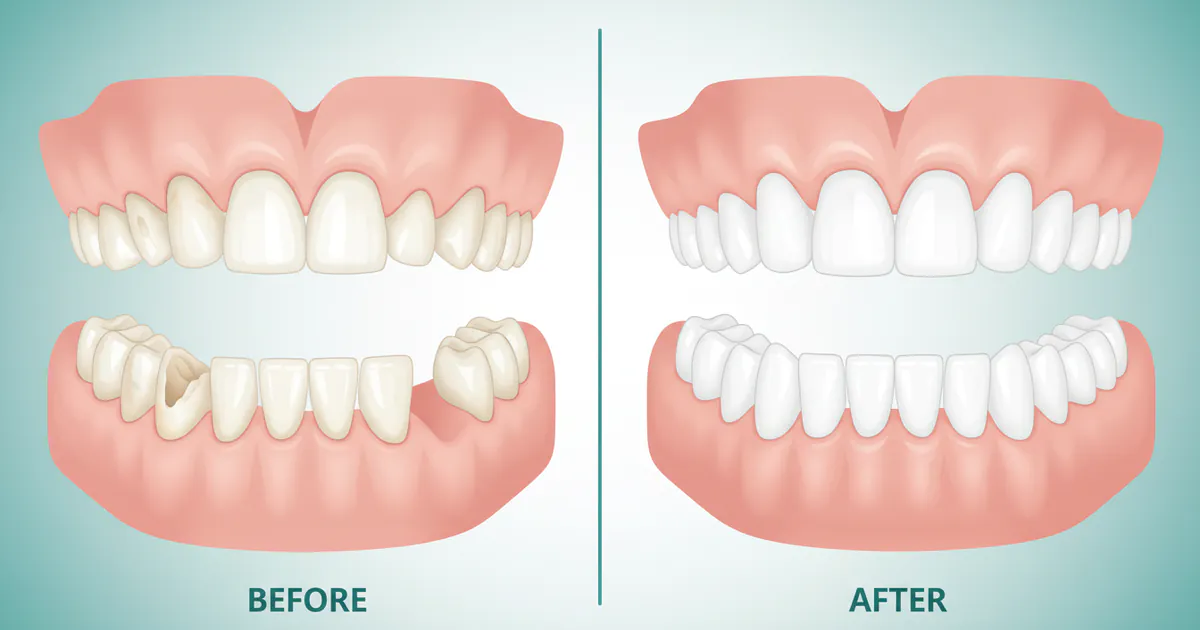
Before and After Dentures: Complete Guide
For many Americans, a vibrant smile isn't just about aesthetics; it's fundamental to speaking clearly, enjoying favorite foods, and maintaining self-confidence. Yet, over 36 million Americans are completely edentulous (have no natural teeth), and millions more suffer from significant tooth loss,
February 22, 2026
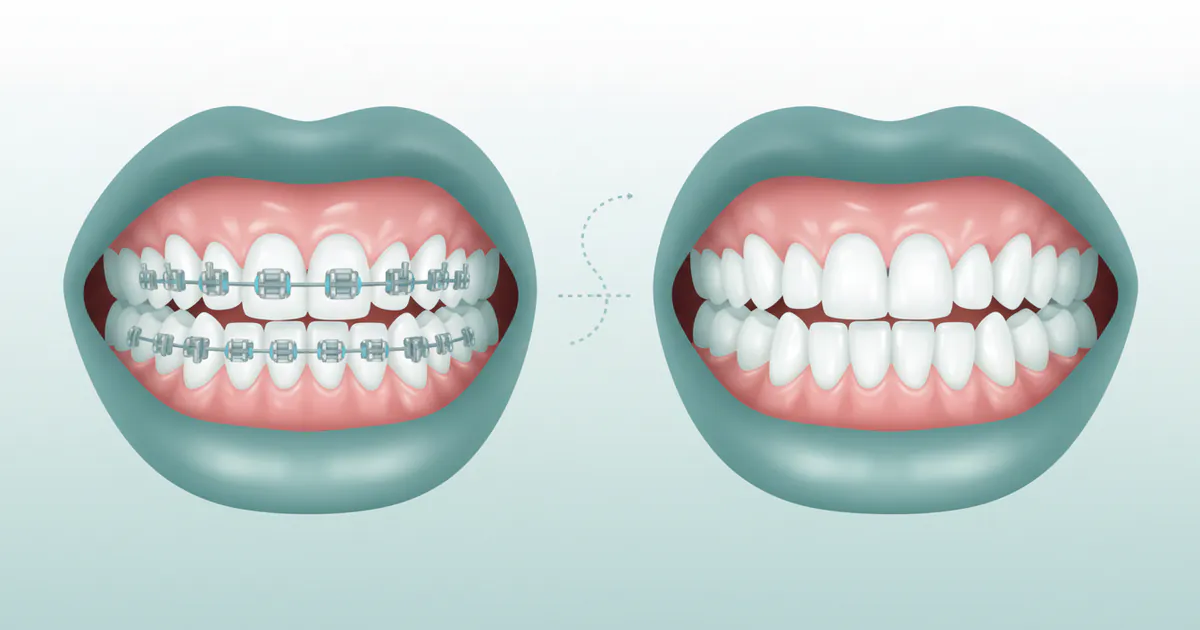
Braces Before and After: Complete Guide
For many, the journey to a confident, healthy smile begins with orthodontics. The transformation seen in braces before and after photos isn't just cosmetic; it represents improved oral health, function, and self-esteem. Crooked teeth, misaligned bites, and gaps can lead to a host of problems, fr
February 22, 2026
Natural Teeth Whitening: Complete Guide
A radiant smile is often considered a sign of health and confidence, which is why teeth whitening has become one of the most popular cosmetic dental procedures in the United States. In fact, surveys suggest that a significant majority of Americans, around 80%, desire whiter teeth, and the teeth
February 22, 2026
How Much Is Teeth Whitening
Understanding how much is teeth whitening is a common question for anyone dreaming of a brighter, more confident smile. In the United States, the quest for pearly whites has surged, with countless individuals seeking solutions to combat stains and discoloration. From professional treatments offe
February 22, 2026