Complete Guide to Cosmetic Dentistry: Everything You Need to Know
Key Takeaways
- Your smile is often the first thing people notice about you, a powerful expression that conveys confidence, happiness, and even a youthful vibrancy. Yet, for many Americans, cosmetic dental concerns like discolored teeth, gaps, chips, or misalignments can lead to self-consciousness, impacting social
Complete Guide to Cosmetic Dentistry: Everything You Need to Know
Your smile is often the first thing people notice about you, a powerful expression that conveys confidence, happiness, and even a youthful vibrancy. Yet, for many Americans, cosmetic dental concerns like discolored teeth, gaps, chips, or misalignments can lead to self-consciousness, impacting social interactions and professional opportunities. In fact, studies show that a significant percentage of adults feel insecure about their teeth. This is where cosmetic dentistry-complete-guide "Pediatric Dentist: Complete Guide") steps in, offering a transformative suite of procedures designed to enhance the aesthetics of your smile, often with ripple effects on your overall well-being.
Cosmetic dentistry is more than just vanity; it's about restoring confidence and improving oral health functionality in some cases. It encompasses a wide range of treatments, from simple color corrections like teeth whitening to more comprehensive smile makeovers involving veneers or orthodontic adjustments. Understanding the options available, their processes, costs, and potential outcomes is crucial for anyone considering enhancing their smile. This comprehensive guide from SmilePedia.net will demystify the world of cosmetic dentistry, exploring popular treatments, what to expect, and how to achieve the dazzling smile you've always dreamed of.
Key Takeaways:
- Cosmetic dentistry focuses on enhancing the appearance of teeth, gums, and bite, transforming smiles and boosting confidence.
- Popular treatments include teeth whitening (professional: $300-$1,000; at-home kits: $50-$200), veneers (porcelain: $1,000-$2,500 per tooth; composite: $250-$1,500 per tooth), dental bonding ($250-$1,500 per tooth), and gum contouring ($500-$3,000+).
- Most cosmetic procedures are elective and generally not covered by dental insurance, requiring out-of-pocket payment or financing.
- Porcelain veneers offer durable, long-lasting aesthetic improvements, typically lasting 10-15 years with proper care.
- Achieving optimal and lasting results requires careful consideration of treatment options, a skilled dental professional, and diligent at-home maintenance.
- While generally safe, all procedures carry potential risks like sensitivity, damage to existing teeth, or needing replacement over time.
- The choice between professional and at-home teeth whitening kits or whitening strips depends on desired speed, intensity, and budget.
What Is Cosmetic Dentistry? An Overview
Cosmetic dentistry is a specialized field of dental practice focused on improving the appearance of your teeth, gums, and overall smile. Unlike general dentistry, which primarily addresses oral hygiene, disease prevention, and treatment of dental problems, cosmetic dentistry centers on aesthetics. However, the lines often blur, as many cosmetic procedures also offer restorative or protective benefits, contributing to better oral health and function.
The scope of cosmetic dentistry is broad, addressing various aesthetic concerns such as:
- Tooth discoloration or staining: Lightening teeth for a brighter smile.
- Gaps between teeth: Closing spaces for a more uniform look.
- Chipped, cracked, or uneven teeth: Repairing and reshaping for symmetry.
- Missing teeth: Replacing them with aesthetically pleasing options.
- Misaligned or crowded teeth: Straightening for a more harmonious appearance.
- Gummy smiles: Reshaping gum lines to expose more tooth structure.
A skilled cosmetic dentist understands the nuances of facial aesthetics, bite function, and the artistry required to create a natural-looking, beautiful smile that complements your unique features. They combine scientific principles with artistic vision to deliver personalized treatment plans.
Types of Cosmetic Dentistry Procedures
The world of cosmetic dentistry offers a diverse array of treatments, ranging from simple, non-invasive procedures to complex full-mouth reconstructions. Here, we'll delve into the most popular and impactful options, including those frequently searched for by individuals like you.
1. Teeth Whitening (Bleaching)
Teeth whitening is one of the most popular and accessible cosmetic dental procedures. It effectively lightens the shade of your teeth, removing stains and discoloration caused by food, drinks, tobacco, and aging. It's important to distinguish between intrinsic (internal) stains and extrinsic (surface) stains, as whitening agents are most effective on extrinsic stains.
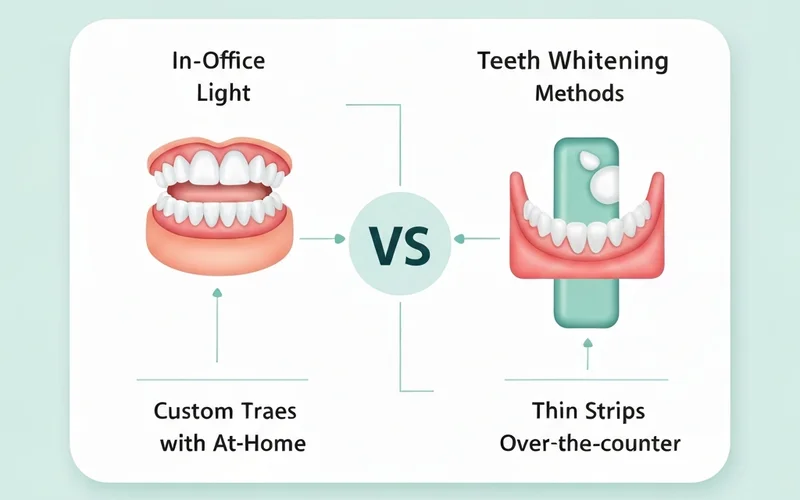
a. In-Office Professional Teeth Whitening
This method provides the fastest and most dramatic results, often in a single appointment. Your dentist applies a high-concentration peroxide gel to your teeth, sometimes activating it with a special light (LED or laser) to accelerate the whitening process.
- Pros: Immediate, significant results; professionally supervised, ensuring safety and efficacy; customized to your sensitivity levels.
- Cons: Higher cost; potential for temporary tooth sensitivity and gum irritation.
b. At-Home Professional Whitening Kits
Your dentist can provide a professional-grade take-home kit. This typically includes custom-fitted trays made from impressions of your teeth, along with a lower-concentration whitening gel. You wear the trays for a specified period each day (e.g., 30 minutes to a few hours) or overnight, usually for 1-2 weeks.
- Pros: More affordable than in-office; results are still professionally guided and stronger than over-the-counter options; convenient for use on your own schedule.
- Cons: Takes longer to achieve results; still potential for sensitivity if not used correctly.
c. Over-the-Counter (OTC) Whitening Products
These are readily available at pharmacies and supermarkets and include whitening strips, gels, pens, and toothpaste. While convenient, their effectiveness is generally less dramatic and takes longer to achieve compared to professional options due to lower concentrations of active ingredients (typically hydrogen peroxide or carbamide peroxide).
- Pros: Most affordable; easily accessible; good for maintaining results or for minor staining.
- Cons: Less potent results; one-size-fits-all products may not be as effective or comfortable; can cause uneven whitening if not applied correctly. Whitening strips, for example, may not cover the full tooth surface of those with larger or irregularly shaped teeth.
Pro Tip: Always consult your dentist before starting any whitening regimen, especially if you have sensitive teeth, gum disease, or existing dental work like crowns or fillings (as these will not whiten).
2. Dental Veneers
Veneers are thin, custom-made shells designed to cover the front surface of teeth, improving their appearance. They are bonded to the natural tooth structure, instantly transforming the color, shape, size, and length of teeth. Veneers are an excellent option for addressing a variety of cosmetic concerns.
a. Porcelain Veneers
Porcelain veneers are highly durable, stain-resistant, and mimic the natural translucency of tooth enamel, making them incredibly aesthetic. They are custom-fabricated in a dental lab based on precise impressions of your teeth.
- Pros: Exceptional aesthetics; highly resistant to staining; long-lasting (10-15+ years); minimal tooth preparation compared to crowns.
- Cons: Higher cost; irreversible procedure (requires removal of a small amount of enamel); takes multiple appointments.
b. Composite Veneers (Bonding)
Also known as dental bonding or composite resin veneers, this procedure involves applying a tooth-colored composite resin material directly to the tooth, which is then sculpted, hardened with a special light, and polished by the dentist.
- Pros: More affordable than porcelain; typically completed in a single visit; minimal to no removal of tooth enamel, making it reversible; can repair chips, cracks, and close small gaps.
- Cons: Less durable and more prone to staining than porcelain (typically last 5-7 years); may require touch-ups; not as strong.
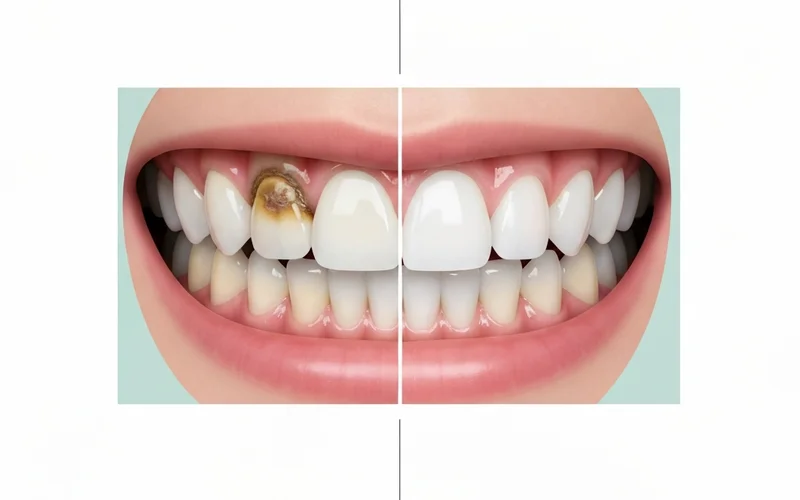
!A side-by-side comparison image showing a smile before and after porcelain veneers, highlighting the transformation in tooth shape, color, and alignment.
3. Dental Bonding
As mentioned above, dental bonding (often synonymous with composite veneers when applied broadly to multiple teeth) uses a tooth-colored resin material to improve the appearance of teeth. It's a versatile, cost-effective solution for various minor cosmetic issues.
- Best for: Repairing chipped or cracked teeth, closing small gaps, changing the shape of teeth, and masking discoloration.
- Process: The tooth surface is lightly etched, a conditioning liquid is applied, and the resin is bonded and sculpted directly onto the tooth, then cured with a light.
4. Dental Crowns (Caps)
While often considered a restorative procedure, dental crowns can also be used for cosmetic purposes, especially when a tooth is severely damaged, discolored, or misshapen. A crown covers the entire visible portion of a tooth above the gum line, restoring its shape, size, strength, and appearance.
- Types: Porcelain, porcelain-fused-to-metal (PFM), zirconia, or all-ceramic crowns are chosen for their aesthetic qualities.
- Cosmetic uses: To cover severely discolored or misshapen teeth, protect a weak tooth from breaking, or cover a dental implant.
5. Inlays and Onlays
Also known as partial crowns, inlays and onlays are used to restore teeth with mild to moderate decay or damage that is too extensive for a filling but not severe enough for a full crown. They are custom-made in a dental lab and then bonded to the tooth.
- Inlays: Fit within the cusps (points) of the tooth.
- Onlays: Cover one or more cusps.
- Cosmetic benefits: Preserve more natural tooth structure than crowns while providing strength and an aesthetic restoration.
6. Gum Contouring (Gingival Sculpting)
Gum contouring is a procedure that reshapes the gum line. It's ideal for individuals who have a "gummy smile" (where excess gum tissue covers too much of the teeth) or uneven gum lines. This procedure can dramatically improve the balance and symmetry of a smile.
- Process: Excess gum tissue is removed and reshaped using a scalpel or laser.
- Benefits: Creates a more proportionate tooth-to-gum ratio, reveals more of the tooth surface.
7. Orthodontic Treatments (e.g., Invisalign)
While traditionally falling under orthodontics, treatments like Invisalign are increasingly sought after for their cosmetic benefits. They straighten teeth without traditional metal braces, using a series of clear, removable aligners.
- Benefits: Corrects misaligned teeth, gaps, and bite issues, leading to a more aesthetically pleasing and functional smile. Often chosen for adults who desire a discreet way to improve their smile.
8. Smile Makeover
A smile makeover is a comprehensive approach that combines several cosmetic and restorative dental procedures to achieve an ideal smile. This is highly personalized and based on your unique needs and aesthetic goals. It can involve any combination of the treatments listed above, such as whitening, veneers, bonding, and gum contouring. The dentist will consider your facial features, skin tone, hair color, tooth dimensions, gum tissue, and lip characteristics to create a customized treatment plan.
Step-by-Step Process: What to Expect
Let's look at the general process for two of the most common cosmetic procedures: Teeth Whitening and Dental Veneers.
The Teeth Whitening Process (In-Office)
- Consultation & Examination: Your dentist will examine your teeth and gums to ensure you're a good candidate for whitening. They'll discuss your desired shade and potential for sensitivity.
- Preparation: Your gums and lips will be protected with a barrier (e.g., a liquid dam or resin) to prevent irritation from the whitening gel.
- Gel Application: A high-concentration whitening gel (typically hydrogen peroxide) is carefully applied to the front surfaces of your teeth.
- Activation (Optional): Some systems use a special light or laser to accelerate the chemical reaction of the gel.
- Rinse & Reapply: The gel is left on for 15-20 minutes, then suctioned off, and a fresh layer is applied. This cycle is typically repeated 2-3 times during a single appointment.
- Final Rinse & Assessment: After the last application, all gel is removed, and your teeth are rinsed. Your dentist will then assess the new shade of your teeth.
- Aftercare Instructions: You'll receive guidance on post-whitening care to minimize sensitivity and maintain your results.
The Dental Veneers Process (Porcelain)
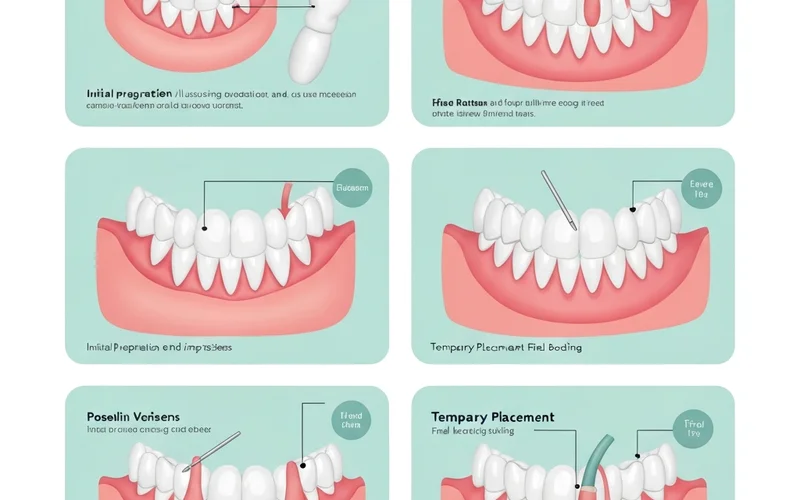
- Initial Consultation: Discuss your aesthetic goals, examine your teeth, and determine if porcelain veneers are the right option for you. Digital imaging or wax-ups might be used to show you potential outcomes.
- Preparation: A small amount of enamel (approximately 0.5 mm, about the thickness of a fingernail) is carefully removed from the front surface of the teeth to be veneered. This creates space for the veneer and ensures a natural fit. For some prepless veneers, this step may be minimal or omitted.
- Impressions: Accurate impressions (molds) of your prepared teeth are taken. These impressions are sent to a dental laboratory where skilled ceramists will custom-fabricate your veneers.
- Temporary Veneers (Optional): While your permanent veneers are being made (which can take 1-2 weeks), your dentist may place temporary veneers to protect your prepared teeth and maintain aesthetics.
- Bonding Appointment: Once your custom veneers arrive from the lab, your dentist will first temporarily place them on your teeth to check the fit, color, and shape. Any minor adjustments can be made.
- Bonding: The teeth are thoroughly cleaned and etched to create a strong bonding surface. The veneers are then cemented onto your teeth using a special dental adhesive, which is cured with a light.
- Final Adjustments: Excess cement is removed, and your bite is checked. Any final polishing or contouring is performed to ensure a comfortable and beautiful result.
!A multi-panel infographic illustrating the step-by-step process of getting porcelain veneers, from initial preparation and impressions to temporary placement and final bonding.
Cost and Insurance Considerations
Understanding the financial aspect of cosmetic dentistry is crucial, as most procedures are considered elective and typically not covered by dental insurance.
Average US Costs (Ranges)
Costs can vary significantly based on your geographic location (major cities often have higher prices), the dentist's experience, the complexity of the case, and the materials used. The following are general US averages:
- Teeth Whitening:
- In-Office Professional Whitening: $300 - $1,000 per session.
- At-Home Professional Whitening Kit (dentist-provided): $200 - $600.
- Over-the-Counter Whitening Strips/Gels: $20 - $100.
- Veneers Cost:
- Porcelain Veneers: $1,000 - $2,500 per tooth. This can go higher for highly complex cases or ultra-premium materials.
- Composite Veneers (Bonding): $250 - $1,500 per tooth.
- Dental Bonding (per tooth): $250 - $1,500.
- Dental Crowns (esthetic, all-porcelain/zirconia): $800 - $3,000 per tooth. (Note: May have some insurance coverage if medically necessary).
- Inlays and Onlays: $650 - $1,200 per tooth. (May have partial insurance coverage if medically necessary).
- Gum Contouring: $500 - $3,000+ depending on the number of teeth and complexity.
- Orthodontics (e.g., Invisalign): $3,000 - $8,000. (Some plans offer partial coverage for orthodontics, especially for children/teens).
- Smile Makeover: Highly variable, ranging from $5,000 to $50,000+ depending on the number and type of procedures involved.
Insurance Coverage
As a general rule, dental insurance plans prioritize restorative and preventative care. This means:
- Cosmetic procedures like teeth whitening, veneers (for purely aesthetic reasons), and gum contouring are almost never covered. You will be responsible for 100% of the cost.
- Procedures that also have a restorative or functional benefit might receive partial coverage. For example:
- A crown placed on a severely damaged tooth might be partially covered, even if an aesthetic material like porcelain is chosen.
- Inlays and onlays to repair decay may receive partial coverage.
- Orthodontics might have a separate orthodontic benefit, often with age limitations or specific criteria.
Pro Tip: Always have a detailed discussion with your dental office's financial coordinator. They can help you understand your estimated costs and check with your insurance provider for any potential benefits.
Payment Plans and Financing Options
Many dental offices understand the significant investment involved in cosmetic dentistry and offer various payment solutions:
- In-Office Payment Plans: Some practices allow you to pay in installments directly to the office.
- Third-Party Financing: Companies like CareCredit or LendingClub offer specialized healthcare credit cards with deferred interest or low-interest payment plans.
- Personal Loans: Banks and credit unions offer personal loans that can be used for dental expenses.
- Health Savings Accounts (HSAs) and Flexible Spending Accounts (FSAs): If you have an HSA or FSA through your employer, you can use these tax-advantaged accounts to pay for qualified dental expenses, including many cosmetic procedures.
Recovery and Aftercare
Proper recovery and diligent aftercare are essential for maintaining the results and longevity of your cosmetic dental procedures.
Teeth Whitening Aftercare
- Avoid Staining Foods/Drinks: For the first 24-48 hours after professional whitening, your teeth are more porous and susceptible to staining. Avoid coffee, tea, red wine, dark sodas, berries, soy sauce, and tobacco. Follow a "white diet."
- Manage Sensitivity: Temporary sensitivity is common. Use a desensitizing toothpaste, avoid extremely hot or cold foods, and take over-the-counter pain relievers if needed. Sensitivity usually subsides within a few days.
- Maintain Oral Hygiene: Brush and floss regularly to prevent new stain buildup.
- Touch-Ups: To maintain brightness, periodic touch-ups with at-home whitening trays or strips may be recommended by your dentist.
Veneers and Bonding Aftercare
- Gentle Oral Hygiene: Brush and floss daily, paying attention to the gum line around the veneers. Use a non-abrasive toothpaste.
- Avoid Hard/Sticky Foods: While porcelain veneers are strong, avoid biting into extremely hard foods (like ice, hard candies, nuts) or sticky foods that could potentially dislodge them.
- Address Bruxism (Teeth Grinding): If you grind or clench your teeth, your dentist may recommend a nightguard to protect your veneers from excessive force and potential chipping or cracking.
- Regular Dental Check-ups: Continue routine dental visits for cleanings and examinations. Your dentist can check the integrity of your veneers.
- Avoid Staining: While porcelain veneers are stain-resistant, composite bonding can stain over time. Limit consumption of heavily pigmented foods and drinks, and practice good oral hygiene.
Prevention and Maintenance
Many cosmetic concerns, particularly discoloration, can be minimized with good habits. For procedures like veneers and bonding, prevention shifts to maintenance to maximize their lifespan.
Preventing Stains and Discoloration
- Excellent Oral Hygiene: Brush twice daily and floss once daily to remove plaque and surface stains.
- Limit Staining Foods/Drinks: Reduce consumption of coffee, tea, red wine, dark sodas, and richly colored berries. If you do consume them, rinse your mouth with water immediately afterward, or use a straw for beverages.
- Quit Smoking: Tobacco is a major culprit for stubborn tooth stains and other serious oral health issues.
- Regular Dental Cleanings: Professional cleanings every six months remove plaque, tartar, and surface stains that at-home brushing can't.
Maintaining Cosmetic Results
- Follow Aftercare Instructions: Adhere strictly to your dentist's post-procedure guidance.
- Protect Your Teeth: If you play contact sports, wear a mouthguard. If you grind your teeth, wear a nightguard to protect veneers, bonding, and natural teeth.
- Avoid Using Teeth as Tools: Don't use your teeth to open packages, bite nails, or chew on pens.
- Routine Dental Check-ups: Regular visits allow your dentist to monitor the condition of your cosmetic work and address any potential issues early.
Risks and Complications
While cosmetic dental procedures are generally safe and effective, it's important to be aware of potential risks and complications:
- Tooth Sensitivity: Common after teeth whitening, but usually temporary. Can also occur after veneers or bonding due to tooth preparation.
- Gum Irritation: Whitening gels can irritate gums if they come into contact.
- Uneven Whitening: Over-the-counter products might not cover all tooth surfaces evenly.
- Damage to Existing Dental Work: Whitening agents do not lighten existing fillings, crowns, or veneers, which can result in mismatched shades.
- Chipping/Cracking: Veneers, especially composite, can chip or crack, requiring repair or replacement. Porcelain veneers, while strong, can also fracture under extreme pressure.
- Debonding: Veneers or bonding can occasionally detach from the tooth, requiring re-bonding.
- Tooth Structure Removal: Porcelain veneer preparation is irreversible as a small amount of enamel is removed.
- Infection/Pain: Rare but possible with any dental procedure, especially if proper sterilization or post-care is neglected.
- Allergic Reactions: Rare reactions to materials used (e.g., bonding agents, metals in crowns).
- "Chalky" or "Too White" Appearance: Can occur with aggressive whitening or poorly chosen veneer shades if patient expectations aren't managed well.
It is crucial to choose an experienced and reputable cosmetic dentist who prioritizes patient safety and provides realistic expectations.
Comparison Tables
To help you make informed decisions, here are two comparison tables outlining key aspects of popular cosmetic dental treatments.
Table 1: Teeth Whitening Options
| Feature | In-Office Professional Whitening | At-Home Professional Whitening Kit | Over-the-Counter Whitening Strips / Gels |
|---|---|---|---|
| Active Ingredient | High concentration peroxide (e.g., 25-40% hydrogen peroxide) | Moderate concentration peroxide (e.g., 10-22% carbamide peroxide) | Low concentration peroxide (e.g., 3-10% hydrogen peroxide) |
| Cost Range (US) | $300 - $1,000 per session | $200 - $600 for trays & gel supply | $20 - $100 per kit/pack |
| Speed of Results | Immediate, noticeable results in 1-2 hours | Gradual, over 1-2 weeks | Very gradual, over 2-4 weeks or longer |
| Efficacy | Most dramatic and uniform results | Very good, custom trays ensure even coverage | Fair to good, best for minor stains, can be uneven |
| Professional Input | Yes, fully supervised by dentist | Yes, prescribed and monitored by dentist | No, self-administered |
| Sensitivity Risk | Moderate to high (managed by dentist) | Low to moderate (with dentist guidance) | Low (but can occur with overuse or improper application) |
| Maintenance | Touch-ups typically needed every 6-12 months | Periodic refills of gel needed | Frequent re-purchase and application for sustained results |
!A diagram comparing different teeth whitening methods, showing in-office with a light, custom trays for at-home, and thin strips for over-the-counter, with labels for pros and cons of each.
Table 2: Veneers, Bonding, and Crowns Comparison
| Feature | Porcelain Veneers | Composite Bonding (Veneers) | Dental Crowns |
|---|---|---|---|
| Material | High-strength dental porcelain | Tooth-colored composite resin | Porcelain, zirconia, PFM (porcelain-fused-to-metal) |
| Cost Range (US) | $1,000 - $2,500 per tooth | $250 - $1,500 per tooth | $800 - $3,000 per tooth |
| Durability | Excellent, 10-15+ years | Good, 5-7 years (more prone to wear/stains) | Excellent, 10-15+ years |
| Stain Resistance | Highly resistant | Moderate, can stain over time | Highly resistant |
| Tooth Prep | Requires removal of 0.5-1 mm of enamel (irreversible) | Minimal to no enamel removal (often reversible) | Significant enamel reduction (entire tooth surface) |
| Treatment Time | 2-3 appointments over 1-3 weeks | Usually 1 appointment | 2-3 appointments over 1-3 weeks |
| Aesthetics | Superior, natural translucency and luster | Good, but may not match porcelain's natural look perfectly | Excellent for full coverage |
| Best For | Significant cosmetic changes, severe discoloration, gaps, minor misalignments, chips | Minor chips, cracks, small gaps, slight reshaping, short-term solutions | Severely damaged, fractured, or weak teeth; large fillings, post-root canal |
Children / Pediatric Considerations
While most cosmetic dentistry procedures are elective and generally performed on adults once their permanent dentition is fully developed, there are some considerations for children and adolescents:
- Orthodontic Assessment: The American Association of Orthodontists recommends a first orthodontic evaluation by age 7. Addressing misaligned teeth early can prevent more complex issues and significantly improve smile aesthetics and function long-term.
- Dental Trauma Repair: Children are prone to dental injuries (chipped or fractured front teeth). Composite bonding is a common and excellent solution for restoring these teeth aesthetically and functionally. It's minimally invasive and can be easily repaired or replaced as the child grows.
- Enamel Defects: Some children may have developmental enamel defects (e.g., hypoplasia) that cause white or brown spots. Depending on the severity, these can sometimes be improved with remineralizing agents, microabrasion, or bonding as they approach adulthood.
- Teeth Whitening: Generally, teeth whitening is not recommended for children or adolescents. Their tooth enamel is thinner, and the pulp is larger, making them more susceptible to sensitivity. It's usually advised to wait until permanent teeth are fully erupted and mature, typically around 16 years of age, and only under professional guidance.
- Preventative Care: Emphasizing excellent oral hygiene from an early age, along with proper fluoride exposure, is the best "cosmetic prevention" for children, ensuring healthy, naturally beautiful teeth.
Parents considering any aesthetic dental treatment for their child should consult a pediatric dentist or a general dentist experienced in treating children to discuss the most appropriate and safest options.
Frequently Asked Questions
### 1. Is cosmetic dentistry painful?
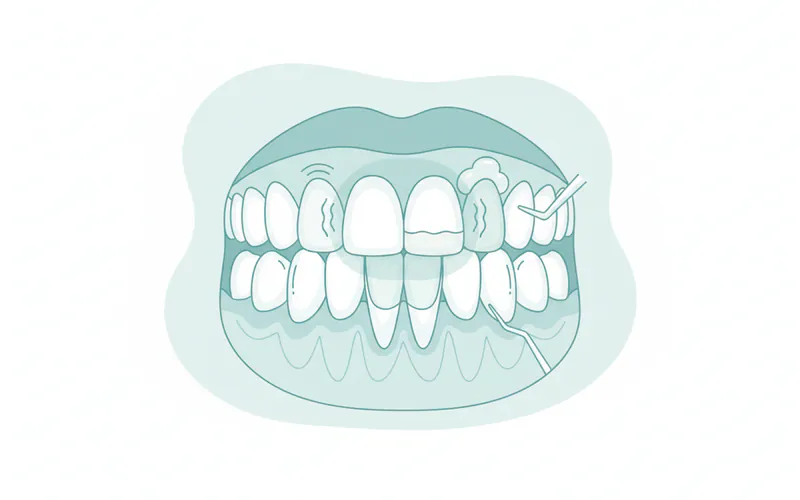
Most cosmetic dentistry procedures are minimally painful. Local anesthesia") is commonly used for procedures like veneers, bonding, and gum contouring to ensure comfort. Teeth whitening can cause temporary sensitivity, but this is usually mild and manageable with desensitizing products. Your dentist will discuss pain management options tailored to your specific procedure and comfort level.
### 2. How long do cosmetic dental procedures last?
The longevity varies significantly by procedure. Teeth whitening results typically last from 6 months to 2 years, depending on your diet and oral hygiene, and can be maintained with touch-ups. Composite bonding usually lasts 5-7 years, while porcelain veneers and dental crowns can last 10-15 years or even longer with proper care and maintenance. Orthodontic results are permanent with consistent retainer wear.
### 3. Can dental insurance cover cosmetic dentistry?
Generally, dental insurance does not cover purely elective cosmetic procedures like teeth whitening, veneers for aesthetic purposes, or gum contouring. However, if a procedure also has a restorative or functional component (e.g., a crown for a fractured tooth, or orthodontics for a misaligned bite affecting chewing), your insurance may provide partial coverage. It's essential to check with your specific plan and dental office.
### 4. What is the difference between porcelain veneers and composite bonding?
Porcelain veneers are custom-made in a lab from durable, stain-resistant porcelain, requiring two or more visits and removal of a small amount of enamel. They offer superior aesthetics and longevity (10-15+ years). Composite bonding uses a tooth-colored resin applied and sculpted directly onto the tooth in a single visit, is less expensive, and is more reversible, but less durable and more prone to staining (5-7 years).
### 5. Can I get a full "smile makeover" in one day?
While some procedures like composite bonding can be done in a single visit, a full "smile makeover" typically involves multiple treatments that may require several appointments over weeks or months. For instance, porcelain veneers involve preparation, impression-taking, and a separate bonding appointment. Your dentist will create a personalized treatment plan outlining the necessary steps and timeline.
### 6. Are there any age restrictions for cosmetic dentistry?
While there are no strict upper age limits, certain procedures are generally recommended once the jaw and permanent teeth are fully developed. For instance, professional teeth whitening is usually advised for individuals 16 years and older. Orthodontic treatment can be performed at almost any age. Your dentist will assess your oral health and development to determine the most appropriate time for any cosmetic procedure.
### 7. What if I'm unhappy with my cosmetic dental results?
Reputable cosmetic dentists prioritize patient satisfaction. During the planning stages, digital imaging or wax-ups can help visualize the outcome. With procedures like veneers, you often have a chance to approve the shape and shade before final bonding. If you have concerns after treatment, communicate them immediately to your dentist. Most issues can be addressed through adjustments, repairs, or, in rare cases, redoing the work.
### 8. How do I choose the best at home teeth whitening kit?
The "best" kit depends on your specific needs. Look for products with the American Dental Association (ADA) Seal of Acceptance, indicating they meet safety and efficacy standards. Consider the active ingredient (hydrogen peroxide or carbamide peroxide), application method (strips, gel trays, pens), and concentration. Always follow product instructions carefully and consult your dentist, especially if you have sensitive teeth or existing dental work.
### 9. Can I find "teeth whitening near me" easily?
Yes, most general dental practices offer professional teeth whitening services. You can easily find options by searching online for "teeth whitening near me" or "cosmetic dentist [your city/zip code]". It's recommended to choose a dental office with good reviews and a dentist you trust for professional whitening.
### 10. Does whitening strips damage enamel?
When used as directed, ADA-approved whitening strips are generally safe for enamel. The peroxide concentration is low enough not to cause permanent damage. However, overuse, exceeding recommended wear times, or applying them to exposed root surfaces can lead to temporary tooth sensitivity and gum irritation.
When to See a Dentist
While cosmetic dentistry is primarily elective, it's important to know when a visit to the dentist transitions from aesthetic desire to a necessary health check.
Schedule a Consultation for Cosmetic Concerns If:
- You are unhappy with the color, shape, or alignment of your teeth and want to explore options.
- You have minor chips, cracks, or gaps that bother you aesthetically.
- You desire a brighter, more confident smile.
- You're considering a smile makeover and want to understand all available treatments.
See Your Dentist Promptly (Red Flags) If:
- You experience sudden, severe tooth sensitivity or pain that wasn't there before.
- A cosmetic restoration (like a veneer, crown, or filling) becomes loose, fractured, or falls out.
- You notice swelling, redness, or bleeding around your gums, particularly after a cosmetic procedure.
- You experience persistent bad breath or a strange taste in your mouth.
- You have a chipped or fractured tooth that causes sharp edges, pain, or difficulty eating.
- Any cosmetic dental work is causing discomfort, interfering with your bite, or appears damaged.
Regular dental check-ups every six months are essential not only for maintaining good oral health but also for discussing any evolving cosmetic concerns or monitoring the longevity of your existing cosmetic work. Your dentist can help you distinguish between routine aesthetic desires and issues that require immediate dental attention to prevent further complications.
Frequently Asked Questions
Medically Reviewed Content
This article was written by our dental health editorial team and reviewed for medical accuracy. Our content follows strict editorial guidelines for reliability and trustworthiness.
Medical Disclaimer
This article is for informational purposes only and does not constitute medical advice. Always consult with a qualified dental professional for diagnosis and treatment. Do not delay seeking professional advice because of something you read on this website.
Related Articles
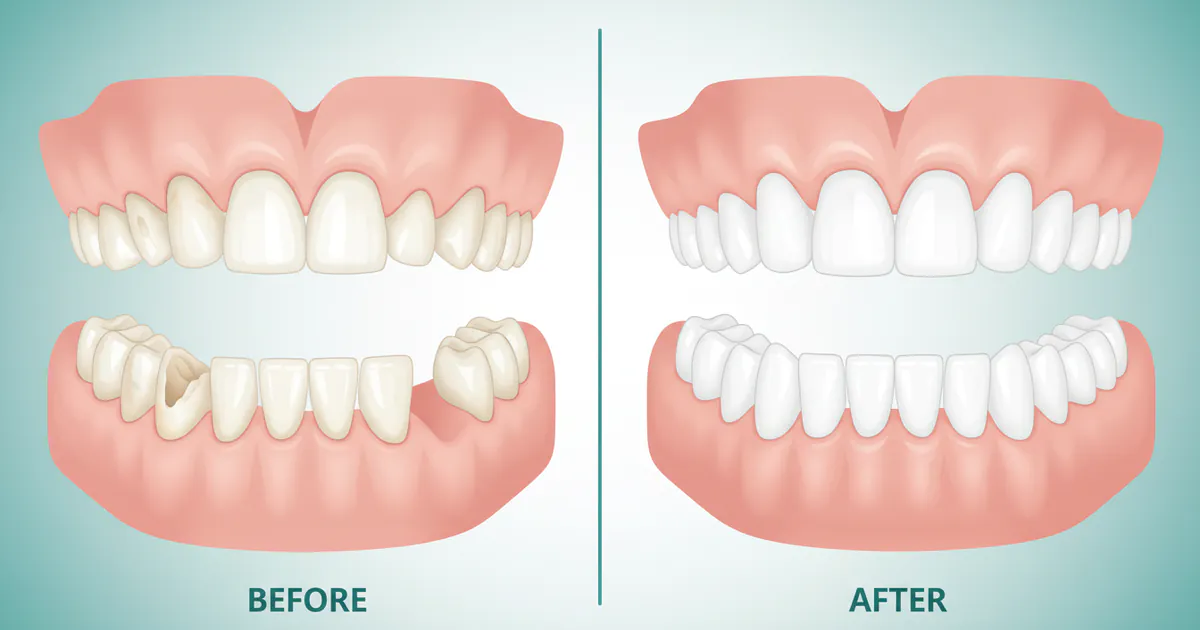
Before and After Dentures: Complete Guide
For many Americans, a vibrant smile isn't just about aesthetics; it's fundamental to speaking clearly, enjoying favorite foods, and maintaining self-confidence. Yet, over 36 million Americans are completely edentulous (have no natural teeth), and millions more suffer from significant tooth loss,
February 22, 2026
Teeth Whitening Cost: Complete Price Guide 2026
Brighter smiles are more than just a fleeting trend; they're a significant confidence booster and a common aesthetic goal for many Americans. In fact, a recent survey indicated that over 80% of adults aged 18-49 believe a beautiful smile is important for success, and teeth whitening remains one
February 22, 2026
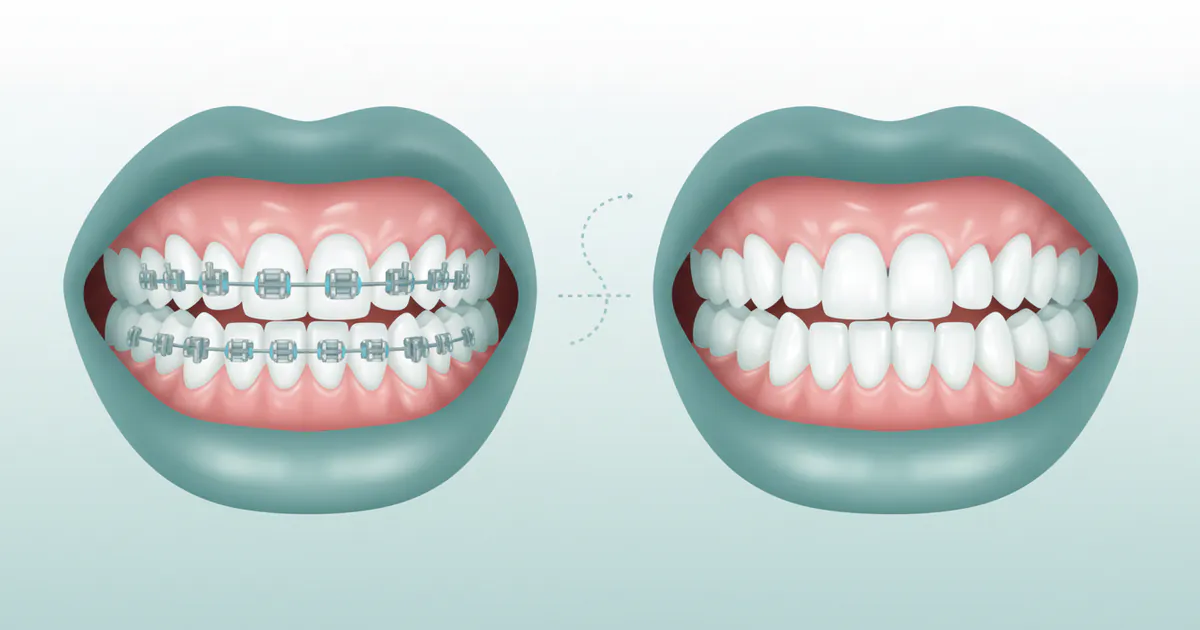
Braces Before and After: Complete Guide
For many, the journey to a confident, healthy smile begins with orthodontics. The transformation seen in braces before and after photos isn't just cosmetic; it represents improved oral health, function, and self-esteem. Crooked teeth, misaligned bites, and gaps can lead to a host of problems, fr
February 22, 2026
Natural Teeth Whitening: Complete Guide
A radiant smile is often considered a sign of health and confidence, which is why teeth whitening has become one of the most popular cosmetic dental procedures in the United States. In fact, surveys suggest that a significant majority of Americans, around 80%, desire whiter teeth, and the teeth
February 22, 2026