Composite Veneers: Complete Guide
Key Takeaways
- According to a recent survey by the American Academy of Cosmetic Dentistry (AACD), an astounding 86% of adults believe a beautiful smile makes a person more attractive, and 78% believe adults with an unattractive smile are less likely to be successful. If you've ever felt self-conscious abou
According to a recent survey by the American Academy of Cosmetic Dentistry (AACD), an astounding 86% of adults believe a beautiful smile makes a person more attractive, and 78% believe adults with an unattractive smile are less likely to be successful. If you've ever felt self-conscious about your smile, you're not alone. Many individuals dream of enhancing their teeth's appearance, and thanks to advancements in cosmetic dentistry, achieving that dream is more accessible than ever. Among the most popular and versatile solutions available are composite veneers, offering a minimally invasive, cost-effective, and efficient way to transform your smile.
This comprehensive guide from SmilePedia.net will delve deep into the world of composite veneers, exploring what they are, who can benefit from them, the detailed step-by-step process, typical costs, essential aftercare, and how they compare to other cosmetic options. Whether you're considering a subtle enhancement or a dramatic smile makeover, understanding composite veneers is your first step toward a more confident you.
Key Takeaways:
- What they are: Composite veneers are thin layers of tooth-colored resin material applied directly to the surface of teeth to improve their appearance.
- Cost-Effective: Generally range from $250 to $1,500 per tooth in the US, making them significantly more affordable than porcelain veneers.
- Minimally Invasive: Often require little to no removal of natural tooth enamel, preserving more of your original tooth structure.
- Quick Procedure: Can often be completed in a single dental visit, unlike porcelain veneers which require multiple appointments.
- Lifespan: Typically last 5 to 7 years with proper care, though some can last up to 10 years, requiring maintenance or replacement over time.
- Repairable: Chipped or damaged composite veneers can often be repaired directly in the dental office, rather than requiring full replacement.
- Ideal Candidates: Best for those with minor cosmetic concerns like discoloration, small chips, gaps, or slightly misaligned teeth, seeking a noticeable improvement without extensive treatment.
What Are Composite Veneers? An Overview
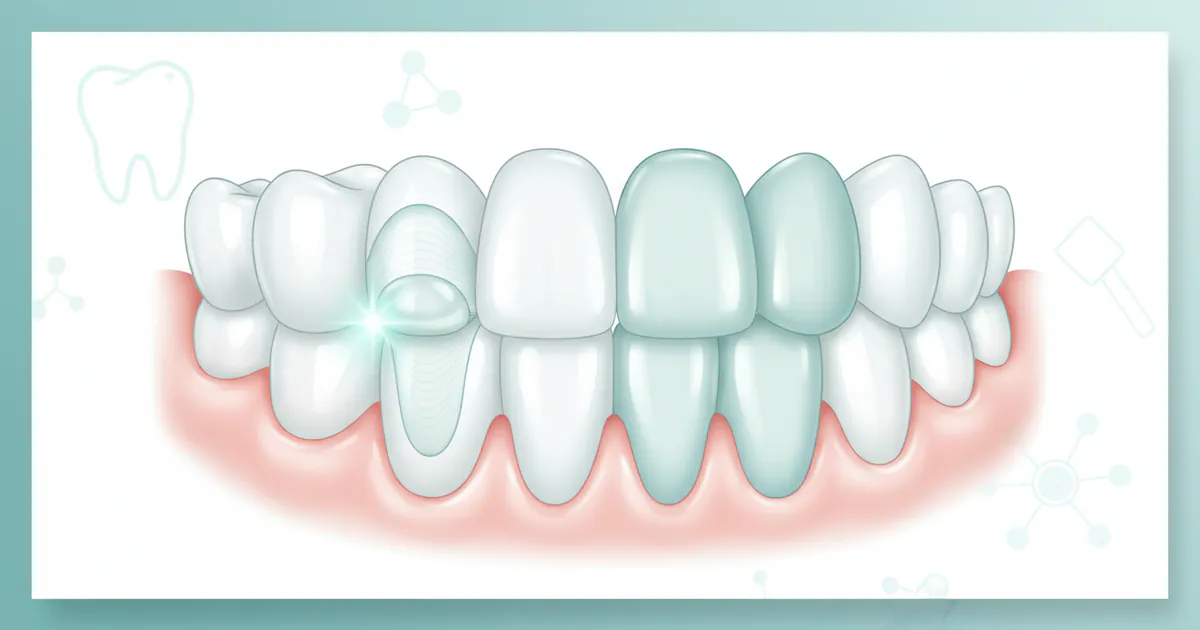
Composite veneers, often referred to as direct veneers or dental bonding, are a cosmetic dental treatment designed to improve the appearance of your teeth. They involve the direct application of a tooth-colored composite resin material to the front surface of your teeth. This resin, a blend of plastic and fine glass particles, is carefully sculpted by a skilled dentist to achieve the desired shape, size, and color, effectively masking imperfections and enhancing the overall aesthetics of your smile.

Unlike porcelain veneers, which are custom-fabricated in an external dental laboratory and then bonded to the teeth, composite veneers are typically built up directly on the tooth surface during a single dental visit. The material is similar to that used for white fillings, but when used for veneers, it is applied over a larger surface area to change the entire visible portion of the tooth. The resin is then hardened with a special curing light and meticulously polished to create a natural-looking, durable finish that blends seamlessly with your existing teeth. This direct application method makes composite veneers a more time-efficient and often less expensive option for smile enhancement.
Direct vs. Indirect Composite Veneers
While most people refer to direct composite bonding when discussing composite veneers, there are two main approaches to their application:
- Direct Composite Veneers: This is the most common method, performed directly by your dentist in one appointment. The composite resin is applied and sculpted chairside, then cured and polished. This approach is favored for its immediacy and preservation of tooth structure.
- Indirect Composite Veneers: In some cases, composite veneers can be fabricated indirectly. This involves taking impressions of your teeth, similar to porcelain veneers. A dental laboratory or the dentist in-house then creates the composite veneers, which are later bonded onto your teeth in a second appointment. This method can offer a slightly stronger, more polished result, as the lab can achieve a higher level of finish outside the mouth. However, it combines some of the benefits of direct veneers (repairability, cost) with the multi-visit process of porcelain. For the purpose of this guide, we will primarily focus on the more common direct composite veneer application.
Why People Choose Composite Veneers: Addressing Dental Concerns
Composite veneers are not a treatment for an underlying disease, but rather a versatile cosmetic solution chosen by individuals looking to improve various aspects of their smile. People opt for composite veneers for a range of aesthetic concerns that affect their confidence and overall appearance.
Dental Concerns Composite Veneers Can Address:
- Discoloration and Stains: Even with professional teeth whitening, some deep or intrinsic stains (caused by medications, excessive fluoride, or trauma) may persist. Composite veneers can effectively cover these stubborn discolorations, offering a uniformly brighter smile.
- Chipped or Cracked Teeth: Minor chips or cracks on the enamel can make teeth appear uneven and detract from a flawless smile. Composite resin can be precisely applied to repair these imperfections, restoring the tooth's original contour and strength.
- Gaps Between Teeth (Diastema): Small to moderate spaces between teeth, especially the front teeth, can be a common cosmetic concern. Composite veneers can be used to subtly widen the teeth and close these gaps, creating a more harmonious smile without the need for orthodontics.
- Irregularly Shaped or Sized Teeth: Some individuals have teeth that are naturally too small (microdontia), oddly shaped, or have uneven edges. Composite veneers allow the dentist to reshape and resize teeth, creating a more symmetrical and aesthetically pleasing appearance.
- Mild Misalignment: For very minor instances of crookedness or slightly rotated teeth, composite veneers can offer a "instant orthodontic" effect by masking the misalignment, thereby improving the visual alignment of the smile. It's crucial to note that this is a cosmetic correction, not a functional one, and severe misalignment still requires orthodontic treatment.
- Worn-Down Teeth: Over time, teeth can become worn down due to grinding (bruxism) or acidic erosion, making them appear shorter or older. Composite veneers can restore the length and youthful appearance of these teeth.
- Enhancing Overall Smile Aesthetics: Beyond specific issues, many choose composite veneers simply to achieve a brighter, more uniform, and aesthetically pleasing smile that they feel proud to show off.
By addressing these common dental concerns, composite veneers empower individuals to achieve a smile that better reflects their inner confidence and personality.
Treatment Options: Composite Veneers vs. Alternatives
When considering a smile makeover, it's essential to understand that composite veneers are just one of several excellent options available. Each treatment has its own set of advantages, disadvantages, and ideal applications. Comparing composite veneers to other popular alternatives, such as porcelain veneers, teeth whitening, and dental bonding, can help you make an informed decision with your dentist.
Understanding the Spectrum of Cosmetic Treatments:
-
- Description: A non-invasive procedure that lightens the shade of natural tooth enamel, removing surface stains and some deeper discolorations.
- Pros: Most affordable, non-invasive, quick results.
- Cons: Only changes shade, does not alter tooth shape or cover chips/gaps, results are temporary and require maintenance. Not effective on all types of stains (e.g., tetracycline stains).
- Best For: Individuals primarily concerned with tooth color and who have healthy, well-shaped teeth.
-
Dental Bonding (Direct Composite Bonding):
- Description: This is essentially what composite veneers are, but often "bonding" refers to addressing smaller, more localized issues (like a single chip or small gap) rather than covering the entire front surface of multiple teeth for a full smile makeover.
- Pros: Inexpensive, quick, minimally invasive, repairable.
- Cons: Less durable and more prone to staining than porcelain, shorter lifespan than porcelain veneers.
- Best For: Minor aesthetic corrections, small chips, closing tiny gaps, restoring single teeth.
-
Porcelain Veneers:
- Description: Custom-made, thin shells of medical-grade ceramic that are permanently bonded to the front surface of teeth. They are fabricated in a dental lab.
- Pros: Highly durable, extremely stain-resistant, very natural-looking (mimic natural tooth translucency), long lifespan (10-15+ years).
- Cons: Significantly more expensive, requires removal of a small amount of tooth enamel (irreversible), typically requires multiple appointments. Not easily repairable; usually requires full replacement if damaged.
- Best For: Patients seeking the most aesthetic and durable long-term solution, those with more significant discoloration, chips, or shape irregularities who are comfortable with the higher cost and irreversible nature.
-
Dental Crowns:
- Description: A tooth-shaped cap that is placed over an entire tooth, covering it down to the gum line. Crowns are used when a tooth is extensively damaged, weakened, or requires significant structural or aesthetic alteration.
- Pros: Provides full coverage and significant structural reinforcement, very durable, long-lasting. Can correct severe shape, size, and color issues.
- Cons: Requires significant removal of tooth structure, more expensive than veneers, typically involves multiple visits.
- Best For: Severely damaged, fractured, or weakened teeth; teeth that have undergone root canal therapy; or when a veneer is insufficient to cover the damage or achieve the desired aesthetic.
-
Orthodontics (Braces/Aligners):
- Description: Treatments like traditional braces or clear aligners (e.g., Invisalign) that gradually move teeth into proper alignment over months or years.
- Pros: Addresses the underlying issue of misalignment, improves bite function, offers permanent correction of tooth position.
- Cons: Long treatment time, can be more expensive, temporary discomfort.
- Best For: Patients with moderate to severe misalignment, bite problems, or significant gaps where simply masking the issue with veneers would be inadequate or compromise function.
Comparison Table: Composite vs. Porcelain Veneers
To help you visualize the key differences, here's a detailed comparison between composite veneers and their porcelain counterparts:
| Feature | Composite Veneers | Porcelain Veneers |
|---|---|---|
| Material | Composite resin (plastic and glass particles) | Medical-grade ceramic (porcelain) |
| Application | Direct, sculpted chairside by dentist | Indirect, custom-fabricated in a lab, then bonded |
| Number of Visits | Typically 1 visit | Usually 2-3 visits |
| Enamel Removal | Minimal to none (highly conservative) | Moderate (often requires some enamel removal) |
| Cost Per Tooth | $250 - $1,500 | $900 - $2,500+ |
| Lifespan | 5-7 years (can be up to 10 with excellent care) | 10-15+ years (with proper maintenance) |
| Stain Resistance | Moderate (can stain over time, similar to natural teeth) | Excellent (highly resistant to stains) |
| Durability | Good (can chip or fracture) | Excellent (very strong, resistant to chipping) |
| Repairability | Easily repairable chairside | Not easily repairable; often requires full replacement |
| Aesthetics | Very good (natural appearance, but less translucency than natural enamel) | Superior (highly mimics natural tooth translucency and luster) |
| Reversibility | More reversible (less enamel removal) | Irreversible (due to enamel removal) |
Pro Tip: Your dentist will evaluate your specific needs, oral health, and aesthetic goals to recommend the most suitable treatment. For instance, if you have severe staining or significant bite issues, porcelain veneers or orthodontics might be a more appropriate long-term solution than composite veneers.
The Step-by-Step Process for Composite Veneers
One of the most appealing aspects of composite veneers is the relative simplicity and speed of the procedure. While individual experiences may vary slightly, the process generally follows a predictable sequence.
1. Initial Consultation and Smile Design
Your journey begins with a thorough consultation with your cosmetic dentist.
- Discussion of Goals: You'll discuss your aesthetic concerns, desired outcomes (e.g., brighter shade, closing gaps, correcting shape), and what you hope to achieve with composite veneers.
- Oral Health Assessment: The dentist will conduct a comprehensive examination of your teeth and gums, including X-rays, to ensure you have good oral health. Any underlying issues like cavities, gum disease, or severe bite problems must be addressed before cosmetic procedures.
- Smile Analysis: Your dentist will evaluate your facial features, lip line, and existing tooth structure to design a smile that complements your overall appearance. They may take photos and discuss different shades and shapes.
- Treatment Planning: Based on the assessment, the dentist will confirm if composite veneers are the best option for you and outline the treatment plan. This is your opportunity to ask questions about how much are veneers and the entire process.
2. Tooth Preparation (Minimal or None)
One of the significant advantages of composite veneers is their conservative nature.
- Enamel Preservation: In many cases, little to no tooth reduction is required. This means more of your natural tooth structure is preserved.
- Light Etching: To ensure a strong bond, the dentist will typically "etch" the front surface of the teeth with a mild acid solution. This creates microscopic pores on the enamel, allowing the bonding agent to adhere effectively.
- Shade Selection: The dentist will work with you to select the precise shade of composite resin that matches your natural teeth or achieves your desired level of brightness.

3. Application and Sculpting of Composite Resin
This is the core of the composite veneers procedure and requires significant artistic skill from your dentist.
- Bonding Agent: A thin layer of a bonding agent is applied to the etched tooth surface, which acts as an adhesive.
- Layering the Resin: The tooth-colored composite resin is applied in small increments onto the tooth surface. The dentist meticulously sculpts and shapes the material, building up the desired contours, length, and width to correct imperfections and create the ideal tooth form. They pay close attention to the incisal edge (biting surface) and the natural anatomy of the tooth.
- Curing: After each layer or increment of resin is applied and shaped, a special high-intensity blue curing light is used to harden or "cure" the composite material almost instantly. This process is repeated until the veneer is fully formed.
- Repeat for Multiple Teeth: If you are getting multiple composite veneers, this process is repeated for each tooth. ``
4. Finishing and Polishing
Once the composite resin has been fully applied and cured, the dentist will refine the veneers.
- Shaping and Contouring: The veneers are carefully shaped and contoured with various dental instruments to ensure they blend seamlessly with your natural teeth and that your bite (occlusion) is correct and comfortable.
- Fine-Tuning: The dentist will check for any rough spots, adjust the edges, and make sure the shape is symmetrical and aesthetically pleasing.
- High-Gloss Polish: The final and crucial step is extensive polishing. The veneers are buffed to a high-gloss finish, which not only enhances their appearance but also helps to make them more resistant to staining and plaque accumulation. This polishing process can take a significant amount of time to achieve the best possible result, mimicking the natural luster of tooth enamel.
5. Final Review and Aftercare Instructions
Before you leave, your dentist will perform a final check.
- Bite Check: You'll be asked to bite down and move your jaw to ensure there are no high spots or discomfort.
- Aesthetic Approval: You'll have a chance to review your new smile and confirm you are happy with the results.
- Aftercare Guidance: Your dentist will provide detailed instructions on how to care for your new composite veneers, what to expect, and schedule any follow-up appointments.
The entire process for direct composite veneers on a few teeth can often be completed in a single appointment, typically ranging from 2 to 4 hours, depending on the number of teeth being treated and the complexity of the case. For a full smile makeover involving 6-8 teeth, it might be split into two longer appointments.
Cost and Insurance: Understanding "How Much Are Veneers?"
The question of "how much are veneers" is a primary concern for most individuals considering a smile enhancement. Composite veneers are a popular choice partly due to their more accessible price point compared to porcelain options. Understanding the cost breakdown and insurance coverage is crucial for financial planning.
Average US Costs for Composite Veneers
The cost of composite veneers in the United States can vary significantly based on several factors, including:
- Geographic Location: Dental costs tend to be higher in major metropolitan areas (e.g., New York, Los Angeles) and on the coasts compared to rural areas or the Midwest.
- Dentist's Experience and Reputation: Highly experienced cosmetic dentists, especially those with specialized training or a strong portfolio of veneers before and after cases, may charge more.
- Number of Teeth Treated: The total cost will directly correlate with how many teeth receive veneers.
- Complexity of the Case: More challenging cases requiring extensive reshaping or additional prep work might incur higher fees.
- Materials Used: While all are composite resin, variations in brand or specific properties of the resin can slightly influence cost.
Generally, you can expect the following ranges for direct composite veneers per tooth in the US:
- Low Range: $250 - $600 per tooth (often in less expensive regions or for very minor applications)
- Mid Range: $600 - $1,000 per tooth (most common average)
- High Range: $1,000 - $1,500 per tooth (for highly skilled cosmetic dentists in high-cost-of-living areas)
For a full smile makeover, which might involve 6-8 teeth, the total cost could range from $1,500 to $12,000 or more, depending on the individual tooth cost.
``
Composite Veneers Cost Comparison Table:
| Procedure | Average Cost Per Tooth (US) | Total for 6 Front Teeth (US) | Lifespan | Insurance Coverage |
|---|---|---|---|---|
| Composite Veneer | $250 - $1,500 | $1,500 - $9,000 | 5-7 years | Rarely covered |
| Porcelain Veneer | $900 - $2,500+ | $5,400 - $15,000+ | 10-15+ years | Rarely covered |
| Dental Bonding | $200 - $1,000 | N/A (usually 1-2 teeth) | 3-10 years | Limited coverage |
| Dental Crown | $800 - $2,000+ | N/A (usually 1-2 teeth) | 5-15+ years | Often covered |
Insurance Coverage for Cosmetic Procedures
The unfortunate reality for most cosmetic dental procedures, including composite veneers, is that they are rarely covered by dental insurance.
- Aesthetic vs. Medically Necessary: Insurance companies typically classify veneers as a purely cosmetic treatment, meaning they are not considered "medically necessary" to restore function or health.
- Limited Exceptions: In some rare cases, if the veneer is needed to repair a severely fractured or chipped tooth due to trauma, and it is deemed restorative rather than purely aesthetic, a portion of the cost might be covered. This is highly dependent on your specific insurance plan and requires pre-authorization.
- Consult Your Provider: Always contact your dental insurance provider directly before treatment to understand your policy's specifics and inquire about any potential coverage for restorative aspects of veneers.
Payment Plans and Financing Options
Because insurance rarely covers composite veneers, many dental practices offer various payment solutions to make the treatment more affordable:
- In-Office Payment Plans: Some dentists offer interest-free or low-interest payment plans that allow you to spread the cost over several months.
- Third-Party Financing: Companies like CareCredit or LendingClub provide healthcare-specific credit cards with special financing options, often including interest-free periods if paid in full within a certain timeframe.
- Dental Savings Plans: These are not insurance but membership plans where you pay an annual fee and receive discounted rates on dental services from participating dentists.
- Health Savings Accounts (HSAs) / Flexible Spending Accounts (FSAs): If you have an HSA or FSA through your employer, you can use pre-tax dollars to pay for dental treatments, including cosmetic ones, which can offer significant savings.
Pro Tip: Don't let upfront costs deter you from exploring composite veneers. Discuss financing options with your dental office during your consultation. They are often able to help you find a plan that fits your budget.
Recovery and Aftercare for Composite Veneers
After getting your composite veneers, immediate recovery is usually minimal. There's typically no downtime, and you can resume most normal activities right away. However, proper aftercare is crucial for maintaining their appearance and extending their lifespan.

Immediate Post-Procedure Care:
- Sensitivity: You might experience some mild tooth sensitivity to hot or cold temperatures for a few days, especially if any enamel was removed during preparation. This is usually temporary and resolves on its own. Over-the-counter pain relievers can help if needed.
- Anesthesia Effects: If local anesthesia was used, your lips, tongue, and gums might feel numb for a few hours. Be cautious not to bite your cheek or tongue.
- Adjusting to New Shape: Your bite might feel slightly different initially. This is normal as your mouth adjusts to the new shape and contour of your teeth. If your bite feels "off" or uncomfortable after a few days, contact your dentist for an adjustment.
Long-Term Aftercare and Maintenance:
To maximize the life and aesthetics of your composite veneers, follow these guidelines:
-
Maintain Excellent Oral Hygiene:
- Brush Regularly: Brush at least twice a day with a soft-bristled toothbrush and a non-abrasive fluoride toothpaste. The ADA recommends brushing for two minutes each time.
- Floss Daily: Flads between your teeth and around the gum line of your veneers to remove plaque and food particles.
- Mouthwash: Use an antimicrobial mouthwash as recommended by your dentist.
-
Be Mindful of Staining Foods and Drinks:
- Avoid or Limit: Composite resin is more porous than natural enamel or porcelain, making it susceptible to staining. Limit consumption of highly pigmented foods and drinks such as coffee, tea, red wine, dark sodas, berries, and curries.
- Rinse After Consumption: If you do consume these items, rinse your mouth with water immediately afterward.
- Straws: Use a straw for pigmented beverages to minimize contact with the veneers.
-
Protect Your Veneers from Damage:
- Avoid Hard Foods: Do not bite directly into extremely hard foods like ice, hard candies, nuts, or bones. Cut hard fruits and vegetables into smaller pieces.
- No Non-Food Items: Never use your teeth as tools to open packages, bite nails, or chew on pens.
- Wear a Nightguard: If you grind or clench your teeth (bruxism) at night, your dentist may recommend a custom-fitted nightguard to protect your veneers from excessive force and wear.
- Mouthguard for Sports: If you play contact sports, always wear a protective mouthguard to prevent chips or fractures.
-
Regular Dental Check-ups and Professional Cleanings:
- Schedule Biannual Visits: Visit your dentist for regular check-ups and professional cleanings every six months, or as advised.
- Special Polishing: Your dental hygienist should be informed that you have composite veneers. They may use special polishing pastes that are less abrasive to avoid scratching the resin during cleanings.
- Monitor Condition: Your dentist will assess the condition of your veneers, checking for chips, stains, or signs of wear.
Pro Tip: While composite veneers can be repaired, consistent good oral hygiene and protective habits will significantly extend their lifespan, potentially reaching or even exceeding the typical 5-7 year expectation.
Prevention of Damage and Longevity of Composite Veneers
While composite veneers offer a fantastic cosmetic improvement, their longevity largely depends on how well you care for them. Prevention strategies focus on protecting the veneers from staining, chipping, and excessive wear.
Strategies to Maximize the Lifespan of Your Composite Veneers:
- Oral Hygiene is Paramount: As detailed in the Aftercare section, diligent brushing and flossing are essential to prevent plaque buildup and gum inflammation, which can compromise the bond of your veneers.
- Dietary Awareness: Be conscious of foods and beverages that can stain or damage your veneers.
- Staining Agents: Coffee, tea, red wine, tobacco products, dark berries, and highly pigmented sauces (e.g., soy sauce, tomato sauce) are common culprits. Minimize exposure or rinse thoroughly after consuming.
- Hard/Sticky Foods: Avoid foods that can chip or dislodge veneers, such as hard candies, ice, popcorn kernels, and sticky caramels.
- Say No to Destructive Habits:
- Nail Biting: A common habit that puts undue stress on front teeth and can chip veneers.
- Chewing on Pens/Pencils: Similar to nail biting, these habits can cause micro-fractures or larger chips.
- Using Teeth as Tools: Opening bottles, tearing packages, or cutting thread with your teeth is a recipe for disaster for natural teeth and veneers alike.
- Address Bruxism (Teeth Grinding): If you grind or clench your teeth, especially at night, discuss this with your dentist. A custom-fitted nightguard acts as a protective barrier, absorbing the forces that could otherwise chip or crack your composite veneers. The ADA strongly recommends nightguards for bruxism sufferers.
- Sports Protection: For athletes, especially those in contact sports, a custom mouthguard is indispensable. It protects not only your veneers but also your natural teeth from traumatic injury.
- Regular Dental Visits: Adhere to your bi-annual dental check-ups and cleanings. Your dentist can spot early signs of wear or damage and perform necessary touch-ups or repairs, often extending the life of your veneers.
- Avoid Abrasive Toothpastes: Some "whitening" toothpastes contain abrasive particles that can scratch the polished surface of your composite veneers, making them more prone to staining and reducing their luster. Opt for a non-abrasive fluoride toothpaste.
By adopting these preventative measures, you can significantly enhance the longevity of your composite veneers and keep your smile looking brilliant for years to come.
Risks and Complications Associated with Composite Veneers
While composite veneers are a safe and generally low-risk cosmetic procedure, like any dental treatment, they are not entirely without potential complications. Being aware of these risks can help you make an informed decision and prepare for proper aftercare.
Common Risks and Complications:
-
Chipping and Fracturing:
- Cause: Composite resin is not as strong as natural enamel or porcelain. Biting on hard foods, trauma, teeth grinding (bruxism), or even extreme temperature changes can cause the veneer to chip or fracture.
- Management: Minor chips can often be repaired directly by adding more composite resin. Larger fractures might require replacement of the entire veneer.
-
Staining and Discoloration:
- Cause: Composite resin is more porous than natural tooth enamel or porcelain, making it susceptible to absorbing pigments from highly colored foods and drinks (coffee, tea, red wine, berries) and tobacco products over time.
- Management: Regular professional cleanings can help reduce surface stains. Avoiding staining agents and maintaining good oral hygiene can prevent severe discoloration. Unlike natural teeth, composite veneers cannot be whitened; if staining is significant, replacement may be necessary.
-
Debonding (Veneer Falling Off):
- Cause: Although rare with proper technique, the adhesive bond between the veneer and your tooth can sometimes fail, causing the veneer to detach. This can happen due to trauma, excessive biting forces, or an issue with the bonding process.
- Management: If a veneer debonds, keep it and contact your dentist immediately. Often, it can be re-bonded to the tooth.
-
Marginal Discoloration:
- Cause: Over time, the margins (edges) where the composite veneer meets the natural tooth can become discolored. This can be due to staining, leakage, or micro-gaps developing.
- Management: Good oral hygiene helps. Sometimes the margin can be polished or touched up; otherwise, replacement might be needed.
-
Tooth Sensitivity:
- Cause: Some individuals may experience temporary sensitivity to hot or cold temperatures after the procedure, especially if there was any enamel preparation. This usually subsides within a few days to weeks.
- Management: Using desensitizing toothpaste can help. Persistent sensitivity should be reported to your dentist.
-
Gum Irritation:
- Cause: If the veneer extends too far below the gum line or has an uneven margin, it can irritate the gum tissue, leading to inflammation or gingivitis.
- Management: Proper contouring by the dentist is crucial. Good oral hygiene helps resolve mild irritation. In some cases, the veneer might need adjustment or replacement.
-
Allergic Reaction:
- Cause: Extremely rare, but some individuals might have an allergic reaction to the composite resin materials.
- Management: Symptoms like persistent irritation, itching, or swelling should be immediately reported to your dentist.
-
Requires Replacement/Maintenance:
- Cause: Unlike porcelain veneers that can last 10-15+ years, composite veneers typically need replacement or significant touch-ups every 5-7 years due to wear, staining, or chipping.
- Management: Factor this into your long-term financial and time planning for maintaining your smile.
Pro Tip: Choosing an experienced and skilled cosmetic dentist is the best way to minimize risks and ensure a high-quality outcome for your composite veneers. Their expertise in material selection, application technique, and contouring is paramount.
Children / Pediatric Considerations
When it comes to composite veneers, pediatric considerations are generally limited. Cosmetic veneers, whether composite or porcelain, are typically recommended for permanent adult teeth, not primary (baby) teeth. The decision to place veneers on adolescent permanent teeth is also made with significant caution.
- Developing Jaw and Teeth: A child's jaw and teeth are still developing and shifting. Placing permanent cosmetic restorations like veneers on young, developing teeth can lead to issues as the jaw grows and the bite changes.
- Pulp Size: Young permanent teeth have larger pulp chambers (the living tissue inside the tooth), making them more susceptible to sensitivity or nerve damage if significant enamel reduction is required, which is less common with composite but still a factor.
- Patient Maturity: Maintaining veneers requires diligence in oral hygiene and avoiding destructive habits. Younger children may not have the maturity or discipline to care for veneers properly, increasing the risk of damage.
When Might Composite Bonding Be Considered for Children?
While full composite veneers are rare, dental bonding (using the same composite resin material) is sometimes used in pediatric dentistry for restorative rather than purely cosmetic reasons:
- Trauma Repair: To repair a chipped or fractured permanent front tooth in an older child or adolescent, particularly if the damage affects appearance or function. This is often a conservative and repairable option.
- Closing Small Gaps: In older adolescents, if minor gaps or tooth shape issues are causing significant self-consciousness and orthodontic treatment isn't immediately feasible or desired, very conservative bonding might be considered, with the understanding that it may need to be redone as the child grows.
Recommendation: For children and adolescents, the primary focus is always on preserving natural tooth structure and ensuring healthy dental development. Any decision regarding cosmetic bonding or veneers for younger patients should be made in close consultation with a pediatric dentist or a general dentist experienced in treating adolescents, taking into account the child's age, dental maturity, and specific needs.
Cost Breakdown (for Composite Veneers)
While covered in the main "Cost and Insurance" section, it's worth reiterating and expanding on the financial aspects to provide a clear picture of how much are veneers for the average US consumer.
Average US Costs for Composite Veneers:
As established, the range is typically $250 to $1,500 per tooth. Let's break down what might influence where you fall within that range:

- Low End ($250-$600): This might be for a single, straightforward veneer in a lower cost-of-living area, performed by a general dentist. It could also represent a minor repair or touch-up to an existing veneer.
- Mid-Range ($600-$1,000): This is the most common price point for a new composite veneer from a reputable general dentist in an average-cost area. It reflects fair compensation for the dentist's skill, time, and quality materials.
- High End ($1,000-$1,500+): These prices are usually found with highly experienced cosmetic dentists, often in major metropolitan areas, for complex cases or multiple veneers where extensive artistic skill and time are required. The use of premium composite materials might also contribute to the higher cost.
With vs. Without Insurance:
As previously noted, composite veneers are almost universally considered a cosmetic procedure by insurance companies, meaning they are typically not covered.
- Without Insurance: The vast majority of patients will pay the full out-of-pocket cost for their composite veneers.
- With Insurance (Rare Exceptions): If the veneer is applied for a restorative purpose (e.g., repairing a tooth severely damaged by trauma) and your plan specifically allows for some coverage for "dental bonding for restoration," you might see a portion covered. This is rare and requires prior approval. Do not assume coverage without explicit confirmation from your insurer.
Payment Plans and Financing Options:
Given the lack of insurance coverage, understanding financing options is critical:
- In-House Payment Plans: Many dental offices understand the financial burden of cosmetic dentistry and offer internal financing plans, often interest-free for a certain period, allowing you to pay in installments.
- Third-Party Healthcare Lenders: Companies like CareCredit, Ally Lending, and GreenSky specialize in financing medical and dental procedures. They offer various plans, including deferred interest options if paid within a promotional period, or fixed low-interest rates over longer terms.
- Personal Loans: Banks and credit unions offer personal loans that can be used for any purpose, including dental work. Interest rates vary based on creditworthiness.
- Health Savings Accounts (HSAs) & Flexible Spending Accounts (FSAs): These tax-advantaged savings accounts allow you to set aside pre-tax money for qualified medical expenses. Cosmetic dental procedures, including veneers, often qualify. Using these funds can effectively reduce your total cost by saving on taxes.
Cost-Saving Tips:
- Shop Around (Carefully): While you shouldn't choose a dentist based solely on price, getting consultations from 2-3 reputable cosmetic dentists in your area can give you a better idea of average costs and allow you to compare approaches and expertise.
- Discuss Alternatives: Your dentist might suggest simpler, less expensive alternatives like professional teeth whitening or localized dental bonding if your concerns are minor.
- Phased Treatment: If you need multiple veneers, discuss whether treatment can be phased over time, allowing you to manage the cost gradually.
- Negotiate: For extensive treatments, some practices might be open to a slight discount if paying in full upfront. It never hurts to ask politely.
- Travel (Within Reason): If you live in a very high-cost city, sometimes traveling to a nearby suburb or smaller town for treatment can result in significant savings, provided you research the dentist thoroughly.
Understanding how much are veneers and the financing options available can help you confidently plan for your smile transformation with composite veneers.
Frequently Asked Questions
What are composite veneers, and how are they different from porcelain veneers?
Composite veneers are tooth-colored resin material applied directly and sculpted onto your teeth in a single visit to improve their appearance. Porcelain veneers, on the other hand, are custom-made ceramic shells fabricated in a lab and bonded to your teeth in multiple visits. Composite veneers are generally less expensive, less invasive, and repairable, but less durable and more prone to staining than porcelain.
How long do composite veneers typically last?
With proper care and maintenance, composite veneers typically last 5 to 7 years. Some individuals may experience them lasting up to 10 years, but they generally require touch-ups or replacement sooner than porcelain veneers, which can last 10-15 years or more.
Is getting composite veneers a painful procedure?
The procedure for composite veneers is generally not painful. Most patients describe it as comfortable. A local anesthetic may be used to numb the area, especially if minimal tooth preparation is required. You might experience some mild, temporary sensitivity after the procedure, which usually subsides within a few days.
How much do composite veneers cost per tooth in the US?
The cost of composite veneers in the US typically ranges from $250 to $1,500 per tooth. This price varies based on factors such as geographic location, the dentist's experience, and the complexity of the case. They are considerably more affordable than porcelain veneers.
Can composite veneers be whitened or changed in color after placement?
No, composite veneers cannot be whitened with traditional teeth whitening treatments. The bleaching agents used for natural teeth will not affect the composite resin material. If your veneers become stained or you desire a brighter shade, they would typically need to be professionally polished, repaired, or replaced entirely.

What are the main benefits of choosing composite veneers over other options?
The main benefits of composite veneers include their affordability, the minimally invasive nature of the procedure (often requiring little to no enamel removal), the speed of treatment (usually completed in one visit), and their repairability. They offer a significant aesthetic improvement without the higher cost and irreversible commitment of porcelain veneers.
Are composite veneers reversible?
Yes, composite veneers are considered more reversible than porcelain veneers. Because they require minimal to no removal of natural tooth enamel, the procedure can often be undone, and your original tooth structure largely remains intact if you decide to remove them.
What kind of maintenance do composite veneers require?
Maintaining composite veneers requires excellent oral hygiene, including brushing twice daily with non-abrasive toothpaste and daily flossing. You should also avoid biting on hard foods, minimize consumption of staining agents, and wear a nightguard if you grind your teeth. Regular dental check-ups and professional cleanings are also essential.
Who is a good candidate for composite veneers?
Good candidates for composite veneers are individuals with minor cosmetic concerns such as slight discoloration, small chips, minor gaps between teeth, or irregularly shaped teeth. They are ideal for those seeking a noticeable smile enhancement with a more conservative, cost-effective, and quicker treatment compared to porcelain veneers.
Can composite veneers fix severely crooked teeth?
No, composite veneers are not a solution for severely crooked or misaligned teeth. While they can mask very minor alignment issues for cosmetic purposes (sometimes called "instant orthodontics"), they do not correct the underlying bite problems or tooth position. For significant misalignment, orthodontic treatment with braces or clear aligners is the appropriate solution.
When to See a Dentist
While composite veneers offer a durable and aesthetic solution, it's crucial to know when professional dental attention is needed, both for routine care and potential issues.
Routine Care and Check-ups:
- Bi-Annual Check-ups: Even with veneers, adhering to the ADA recommendation of dental check-ups and professional cleanings every six months is vital. These visits allow your dentist to monitor the health of your natural teeth and gums, as well as assess the condition of your veneers. They can catch potential issues early, perform necessary maintenance, and ensure the longevity of your investment.
- Annual X-rays: Regular X-rays help your dentist identify any problems developing beneath your veneers or within your tooth structure that aren't visible during a visual exam.
Warning Signs that Need Attention:
Contact your dentist promptly if you experience any of the following with your composite veneers:
- Chipping, Cracking, or Fracture: Even a small chip can compromise the integrity of the veneer and potentially lead to further damage or sensitivity. Early repair can prevent larger issues.
- Veneer Feels Loose or Falls Off (Debonding): While rare, if your veneer feels wobbly or detaches completely, collect the veneer (if possible) and schedule an immediate appointment. It might be able to be re-bonded.
- Increased or Persistent Sensitivity: While some initial sensitivity is normal, if it persists for more than a few weeks, becomes severe, or develops suddenly, it warrants a dental evaluation. It could indicate a problem with the veneer or the underlying tooth.
- Rough Spots or Sharp Edges: If your veneer feels rough to your tongue or has a sharp edge that irritates your mouth, it needs to be polished or adjusted by your dentist to prevent discomfort or injury.
- Significant Staining or Discoloration: If your veneers become noticeably discolored or stained despite your best efforts, discuss this with your dentist. They can assess if professional polishing is sufficient or if repair/replacement is needed.
- Gum Irritation or Swelling Around the Veneer: Red, swollen, or bleeding gums around a veneered tooth could indicate gum inflammation (gingivitis) or an improperly fitted veneer that is irritating the tissue.
- Change in Bite or Discomfort While Chewing: If your bite feels "off" or you experience pain when biting or chewing, it could mean the veneer needs adjustment or there's an underlying dental issue.
Remember, early detection and intervention are key to preserving your smile and ensuring the long-term success of your composite veneers. Don't hesitate to reach out to your dental professional with any concerns.
Frequently Asked Questions
Medically Reviewed Content
This article was written by our dental health editorial team and reviewed for medical accuracy. Our content follows strict editorial guidelines for reliability and trustworthiness.
Medical Disclaimer
This article is for informational purposes only and does not constitute medical advice. Always consult with a qualified dental professional for diagnosis and treatment. Do not delay seeking professional advice because of something you read on this website.
Related Articles
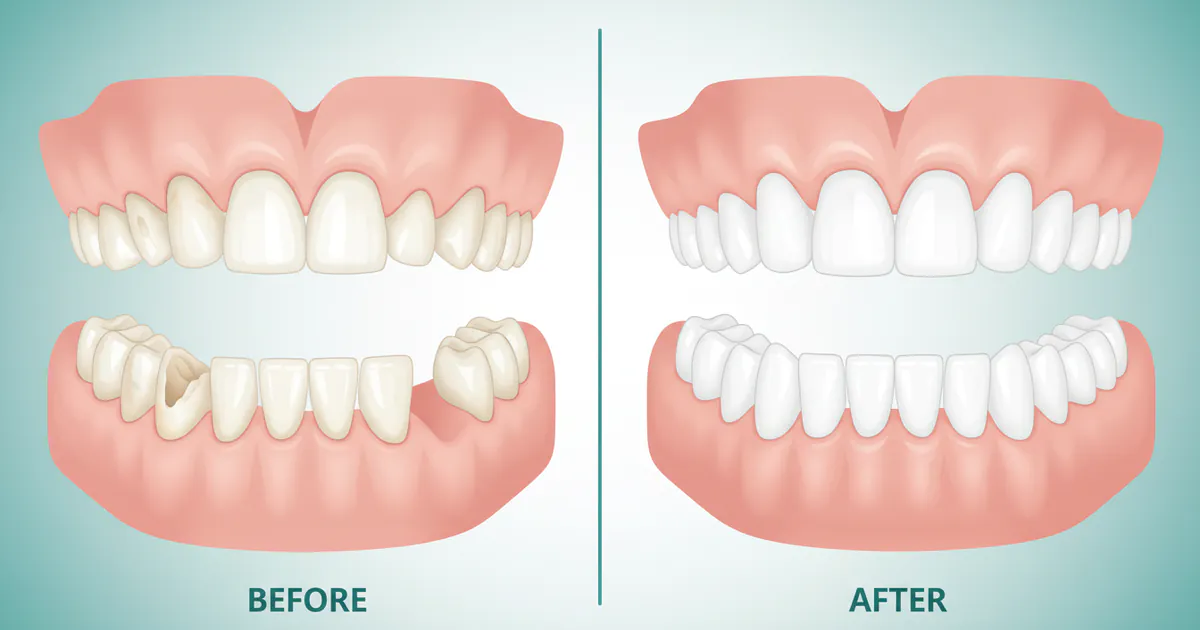
Before and After Dentures: Complete Guide
For many Americans, a vibrant smile isn't just about aesthetics; it's fundamental to speaking clearly, enjoying favorite foods, and maintaining self-confidence. Yet, over 36 million Americans are completely edentulous (have no natural teeth), and millions more suffer from significant tooth loss,
February 22, 2026
Teeth Whitening Cost: Complete Price Guide 2026
Brighter smiles are more than just a fleeting trend; they're a significant confidence booster and a common aesthetic goal for many Americans. In fact, a recent survey indicated that over 80% of adults aged 18-49 believe a beautiful smile is important for success, and teeth whitening remains one
February 22, 2026
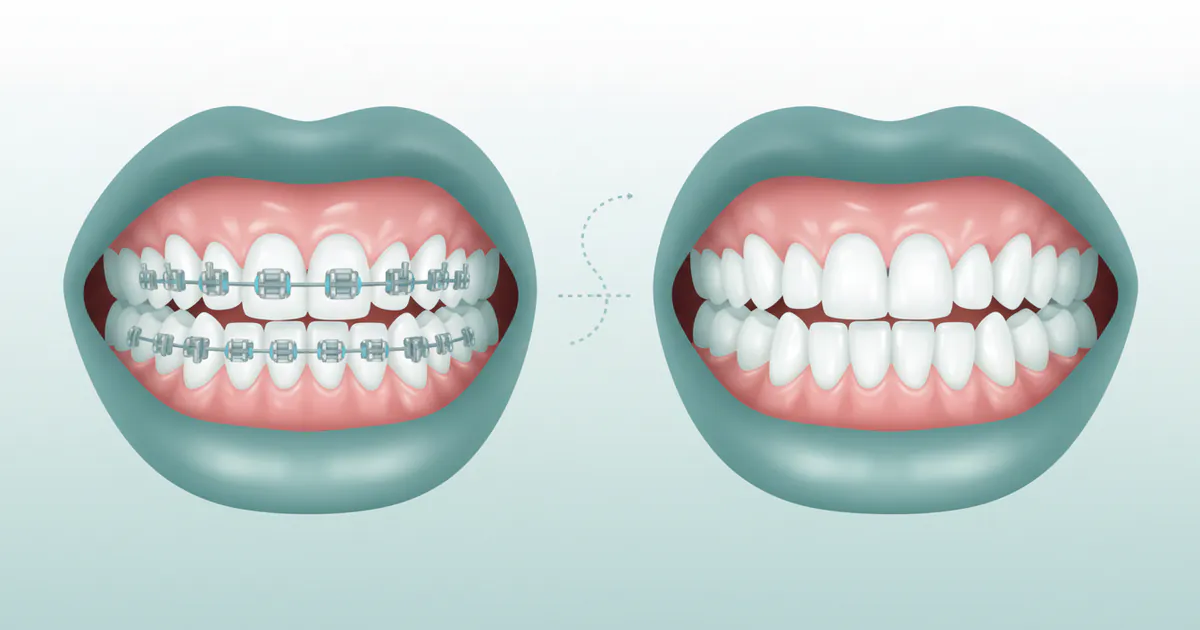
Braces Before and After: Complete Guide
For many, the journey to a confident, healthy smile begins with orthodontics. The transformation seen in braces before and after photos isn't just cosmetic; it represents improved oral health, function, and self-esteem. Crooked teeth, misaligned bites, and gaps can lead to a host of problems, fr
February 22, 2026

Natural Teeth Whitening: Complete Guide
A radiant smile is often considered a sign of health and confidence, which is why teeth whitening has become one of the most popular cosmetic dental procedures in the United States. In fact, surveys suggest that a significant majority of Americans, around 80%, desire whiter teeth, and the teeth
February 22, 2026