Clear Braces Near Me: Complete Guide
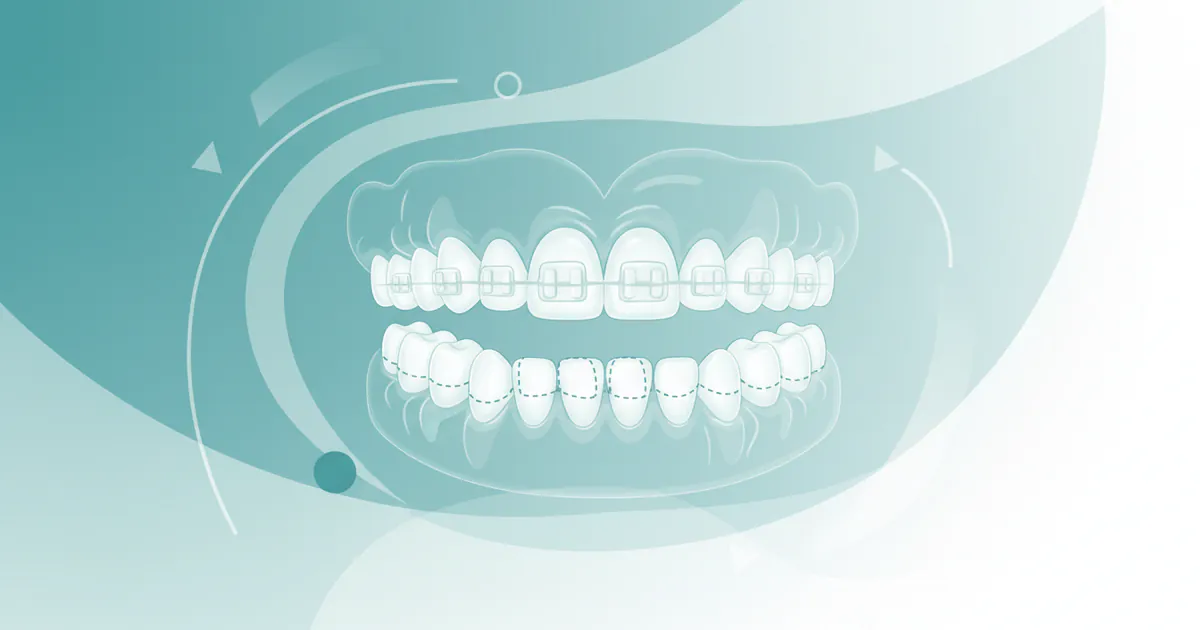
Key Takeaways
- A radiant, straight smile isn't just about aesthetics; it's a cornerstone of excellent oral health, impacting everything from chewing efficiency to speech clarity and even confidence. For many adults and teenagers, the thought of traditional metal braces can be a deterrent, leading them to search fo
Clear Braces Near Me: Complete Guide
A radiant, straight smile isn't just about aesthetics; it's a cornerstone of excellent oral health, impacting everything from chewing efficiency to speech clarity and even confidence. For many adults and teenagers, the thought of traditional metal braces can be a deterrent, leading them to search for less conspicuous alternatives. If you've been wondering, "Where can I find clear braces near me?" or exploring options like Invisalign near me, you're joining a growing number of individuals seeking effective yet discreet orthodontic solutions. Modern orthodontics offers a range of clear options that can straighten teeth without the visual impact of metal brackets and wires. This comprehensive guide from SmilePedia.net will delve into everything you need to know about clear braces, including their types, benefits, treatment processes, costs, and how to find the right orthodontics specialist for your journey to a perfect smile.

Key Takeaways:
- Clear braces, including clear aligners (like Invisalign) and ceramic braces, offer discreet alternatives to traditional metal braces.
- Treatment duration typically ranges from 12 to 24 months, though simple cases can be shorter and complex cases longer.
- The average cost for clear aligners in the US is $3,000 to $8,000, while ceramic braces usually fall between $4,000 to $7,000.
- Dental insurance often covers a portion of orthodontic treatment, typically 10-50% up to a lifetime maximum of $1,000-$3,000.
- Consistency is key for clear aligners, requiring 20-22 hours of wear per day for optimal results.
- A consultation with a certified orthodontist is crucial to determine the most suitable clear brace option for your specific needs.
- Proper aftercare, especially consistent retainer wear, is vital to maintain your straightened smile long-term.
What It Is / Overview
Clear braces refer to a category of orthodontic appliances designed to straighten teeth and correct bite issues with minimal visibility compared to traditional metal braces. The primary goal remains the same: to gradually shift teeth into their optimal positions, improving both oral function and aesthetics. However, the method and materials used make them a preferred choice for many adults and adolescents who are self-conscious about their appearance during treatment.
Historically, orthodontic treatment was synonymous with highly visible metal brackets and wires. While incredibly effective, this visual aspect often led to hesitation. The innovation of clear braces has revolutionized the field, providing aesthetic solutions that integrate more seamlessly into daily life. These solutions address various malocclusions (bad bites), including crowding, spacing, overbites, underbites, and crossbites, ensuring comprehensive dental health benefits alongside cosmetic improvements.
Types / Variations
When considering clear braces near me, it's important to understand the primary types available: clear aligners and ceramic braces. Each offers unique advantages and considerations.
1. Clear Aligners (e.g., Invisalign, ClearCorrect, Spark)
Clear aligners are custom-made, removable trays crafted from a transparent, medical-grade plastic material. They are the most popular form of "invisible" orthodontics.
- How They Work: A series of aligners is created based on a precise 3D digital model of your teeth. Each aligner is worn for approximately 1-2 weeks before progressing to the next in the series. Each new aligner applies subtle pressure to specific teeth, gradually moving them into their desired positions.
- Key Brands:
- Invisalign: The pioneering and most widely recognized brand of clear aligners. Invisalign has treated over 15 million people worldwide, known for its extensive research and development.
- ClearCorrect: Another popular clear aligner system, often seen as a direct competitor to Invisalign, offering similar results and technology.
- Spark Aligners: A newer contender in the market, known for its clearer material and potentially more comfortable fit.
- Other Brands: Many other reputable brands exist, and your orthodontist will determine which system is best suited for your case.
- Advantages:
- Virtually Invisible: Their transparency makes them very discreet, often unnoticeable to others.
- Removable: You can remove them for eating, drinking (anything other than water), brushing, and flossing, which significantly eases oral hygiene and allows for a less restricted diet.
- Comfort: Made from smooth plastic, they typically cause less irritation to the gums and cheeks compared to traditional braces.
- Predictable Results: Advanced 3D imaging and treatment planning software allow you to visualize your treatment outcome before starting.
- Disadvantages:
- Compliance is Crucial: They must be worn 20-22 hours per day to be effective. Failure to do so can prolong treatment or compromise results.
- Attachments: Small, tooth-colored "attachments" (bumps of dental composite) may be bonded to your teeth to help the aligners grip and move teeth more effectively. While small, they can be slightly visible.
- Dietary Restrictions (when worn): While you remove them to eat, sugary drinks or hot beverages can stain or warp the aligners if consumed while wearing them.
- Cost: Generally comparable to or slightly higher than traditional braces.
2. Ceramic Braces
Ceramic braces function similarly to traditional metal braces but use clear or tooth-colored ceramic brackets instead of metal ones.
- How They Work: Small ceramic brackets are bonded to the front surface of your teeth. A thin, clear or tooth-colored wire (and sometimes clear elastic ties) runs through these brackets, applying continuous pressure to gradually shift teeth.
- Advantages:
- Less Noticeable: The ceramic material blends in with the natural color of your teeth, making them far less conspicuous than metal braces.
- Fixed Appliance: Unlike aligners, they are permanently affixed for the duration of treatment, eliminating the need for patient compliance with wear time.
- Effective for Complex Cases: Ceramic braces can often handle more complex orthodontic issues than clear aligners due to their fixed nature and strong anchorage.
- Cost-Effective: Often a more budget-friendly clear option than clear aligners.
- Disadvantages:
- Staining: The clear elastic ties (ligatures) used to hold the wire can stain from foods and drinks like coffee, tea, red wine, and curries, though they are changed at each appointment. The ceramic brackets themselves are stain-resistant.
- Durability: Ceramic can be more brittle than metal, making the brackets slightly more prone to chipping or breaking.
- Friction: The ceramic material can create more friction with the archwire, potentially leading to slightly longer treatment times in some cases.
- Oral Hygiene: Requires diligent brushing and flossing around the brackets and wires, as they can trap food particles.
- Discomfort: Similar to metal braces, they can cause initial discomfort, and wires may occasionally poke or irritate the cheeks and lips.
Other Aesthetic Orthodontic Options (Briefly)
While not strictly "clear braces," other discreet options exist:
- Lingual Braces: Custom-made metal brackets and wires are placed on the inside (tongue side) of the teeth, making them completely invisible from the outside. They are highly effective but generally the most expensive and can initially affect speech and tongue comfort.
- Self-Ligating Braces: Can be metal or clear (ceramic). These braces use a specialized clip mechanism to hold the archwire, eliminating the need for elastic ties. This can reduce friction, potentially speeding up treatment and requiring fewer appointments. Clear self-ligating braces offer an aesthetic advantage over traditional ligated ceramic braces.
``
Causes / Why It Happens (Malocclusion)
The need for clear braces, or any orthodontic treatment, stems from malocclusion – a misalignment of teeth and/or jaws. While genetics play a significant role, several other factors can contribute to these issues:
- Genetics and Heredity: This is the most common cause. You might inherit jaw size, tooth size, or bite patterns from your parents. If parents have crowded teeth or specific bite issues, their children are more likely to experience similar problems.
- Jaw-to-Tooth Size Discrepancy:
- Crowding: Occurs when there isn't enough space in the jaw for all teeth to erupt properly, leading to overlapping, rotated, or crooked teeth.
- Spacing: Occurs when there is too much space, resulting in gaps between teeth.
- Specific Malocclusion Types:
- Overbite (Deep Bite): The upper front teeth significantly overlap the lower front teeth.
- Underbite: The lower front teeth extend beyond the upper front teeth.
- Crossbite: One or more upper teeth bite on the inside of the lower teeth. This can affect single teeth or entire sections of the jaw.
- Open Bite: The front teeth don't meet when the back teeth are biting together, leaving an open space.
- Protrusion (Overjet): The upper front teeth stick out too far forward relative to the lower teeth.
- Early Tooth Loss: Premature loss of primary (baby) teeth due to decay or injury can lead to adjacent teeth shifting into the empty space, preventing permanent teeth from erupting in their correct positions.
- Thumb Sucking and Pacifier Use: Prolonged habits beyond age 4-5 can affect jaw development and tooth alignment, particularly creating open bites or protrusion of the upper front teeth.
- Tongue Thrusting: A swallowing pattern where the tongue pushes against the front teeth, which can contribute to an open bite.
- Impacted Teeth: Teeth that are blocked from erupting into their correct position, often due to crowding.
- Injury or Trauma: Accidents can shift teeth out of alignment or damage jaw structures, requiring orthodontic correction.
- Poor Dental Hygiene: While not a direct cause of malocclusion, poor hygiene leading to cavities and gum disease can exacerbate existing issues or complicate orthodontic treatment.
Understanding the root cause is essential, as it helps the orthodontist develop a precise and effective treatment plan using clear braces or other methods.
Signs and Symptoms That May Require Clear Braces
Many people seek clear braces for cosmetic reasons, desiring a straighter, more attractive smile. However, misalignment (malocclusion) can also lead to a variety of functional and health issues that necessitate orthodontic intervention. Here are the common signs and symptoms:
- Visibly Crooked or Overlapping Teeth: This is the most obvious sign and a primary motivator for many seeking clear braces. Teeth may appear rotated, overlapping, or out of line.
- Gaps or Spaces Between Teeth (Diastema): Excessive spacing can be aesthetically unpleasing and lead to food getting trapped, increasing the risk of gum disease.
- Difficulty Chewing or Biting: Misaligned teeth can make it challenging to properly bite and chew food, potentially leading to digestive issues or uneven wear on certain teeth.
- Speech Difficulties: Certain malocclusions, especially open bites or severe crowding, can affect the ability to form specific sounds, leading to lisps or other speech impediments.
- Jaw Pain or TMJ Disorders: An improper bite can place undue stress on the temporomandibular joints (TMJ), leading to chronic jaw pain, headaches, clicking or popping sounds in the jaw, and difficulty opening or closing the mouth.
- Uneven Wear on Tooth Surfaces: When teeth don't meet correctly, some teeth may bear more biting force than others, leading to accelerated wear, chipping, or sensitivity.
- Frequent Biting of the Cheeks or Tongue: A misaligned bite can cause the teeth to inadvertently bite the soft tissues inside the mouth during chewing or speaking.
- Difficulty Maintaining Oral Hygiene: Crowded or overlapping teeth create tight spaces that are difficult to brush and floss effectively. This increases the risk of plaque buildup, cavities, and gum disease (gingivitis and periodontitis).
- Breathing Issues (particularly at night): Severe malocclusions, especially those involving jaw discrepancies, can sometimes contribute to mouth breathing or obstruct airways, potentially linking to sleep apnea.
- Self-Consciousness About Your Smile: Beyond the functional aspects, if you feel uncomfortable or embarrassed about your smile, clear braces can significantly boost your self-confidence and overall well-being.
If you experience any of these signs, particularly chronic jaw pain or difficulty with basic oral functions, it's advisable to consult an orthodontist. They can accurately diagnose the issue and recommend the appropriate treatment, which may include clear braces.
Treatment Options
When you search for "clear braces near me," your orthodontist will evaluate your specific needs and present a tailored treatment plan. The main aesthetic options are clear aligners and ceramic braces, with lingual braces as a less common but completely invisible alternative.

1. Clear Aligners (e.g., Invisalign)
- Mechanism: As discussed, a series of custom-fit, removable clear plastic trays gently guide teeth into alignment.
- Pros: Highly aesthetic, removable for eating and hygiene, generally comfortable, predictable results with digital planning.
- Cons: Requires strict patient compliance (20-22 hours/day), can be more expensive than ceramic braces, not suitable for all complex cases without additional aids (e.g., attachments, elastics).
- Ideal Candidates: Patients with mild to moderate crowding, spacing, overbites, underbites, and crossbites who prioritize aesthetics and are committed to consistent wear. Also great for those who want to avoid dietary restrictions common with fixed braces.
2. Ceramic Braces
- Mechanism: Tooth-colored or clear ceramic brackets bonded to the teeth, connected by a clear or tooth-colored wire.
- Pros: More discreet than metal braces, fixed appliance eliminates compliance issues, effective for a wide range of malocclusions, generally more cost-effective than clear aligners.
- Cons: Brackets can be bulkier than metal, ligatures can stain, more brittle than metal, requires diligent oral hygiene around brackets and wires.
- Ideal Candidates: Patients with moderate to severe malocclusions who desire a less noticeable fixed appliance and are diligent with oral hygiene. Good for those who might struggle with the compliance needed for clear aligners.
3. Lingual Braces (Not "Clear," but Invisible)
- Mechanism: Brackets and wires are placed on the inside (lingual side) of the teeth, making them completely hidden from view.
- Pros: Completely invisible from the outside, fixed appliance, highly effective for complex cases.
- Cons: Most expensive option, can cause initial discomfort to the tongue, may affect speech temporarily, more challenging to clean, fewer orthodontists offer this specialty.
- Ideal Candidates: Patients who demand absolute invisibility, have complex orthodontic needs, and are prepared for the higher cost and potential initial adjustment period.
Comparison Table: Clear Aligner vs. Ceramic Braces
| Feature | Clear Aligners (e.g., Invisalign) | Ceramic Braces |
|---|---|---|
| Visibility | Virtually invisible | Less noticeable than metal, blends with tooth color |
| Removability | Removable for eating, drinking, brushing | Fixed appliance |
| Compliance | High patient compliance (20-22 hours/day) required | No patient compliance required for wear time |
| Comfort | Generally smooth, less irritation to soft tissues | Can cause initial irritation to cheeks/lips, periodic soreness |
| Oral Hygiene | Easy to brush and floss normally after removal | Requires meticulous brushing and flossing around brackets |
| Dietary Limits | None when removed; avoid staining/hot drinks when worn | Avoid sticky, hard, crunchy foods; ligatures can stain |
| Treatment Range | Mild to moderate cases; increasingly effective for complex cases | Wide range of cases, including complex malocclusions |
| Average Cost | $3,000 - $8,000 | $4,000 - $7,000 |
| Treatment Time | Typically 12-24 months (can vary) | Typically 18-30 months (can vary) |
Pro Tip: Always discuss all available options with your orthodontist. They will help you weigh the pros and cons based on your specific orthodontic needs, lifestyle, and budget. What works best for one person may not be the ideal solution for another.
Step-by-Step Process for Clear Braces
The journey to a straighter smile with clear braces typically follows a structured process, ensuring precision and optimal results.
1. Initial Consultation and Examination
- First Appointment: This is where you meet the orthodontist. They will discuss your concerns, assess your oral health, and determine if you are a candidate for clear braces.
- Comprehensive Examination: The orthodontist will perform a thorough visual examination of your teeth, gums, and bite.
- Diagnostic Records: This typically includes:
- Digital Scans/Impressions: State-of-the-art 3D intraoral scanners (like iTero) are often used to create a precise digital model of your teeth and bite. This is much more comfortable than traditional messy putty impressions.
- X-rays: Panoramic and cephalometric X-rays provide detailed images of your teeth roots, jawbones, and facial structure.
- Photographs: Clinical photos of your face and teeth are taken for documentation and progress tracking.
2. Treatment Planning
- Personalized Plan: Using the diagnostic records, the orthodontist develops a highly customized treatment plan. For clear aligners, this involves sophisticated 3D software (e.g., ClinCheck for Invisalign) that maps out the precise movements of each tooth throughout the treatment. You can often see a digital simulation of your predicted final smile.
- Discussion: The orthodontist will review the proposed plan with you, explaining the expected duration, the number of aligners (if applicable), and what results you can anticipate. This is your opportunity to ask any questions.
3. Appliance Fabrication (Aligners) or Placement (Ceramic Braces)
- For Clear Aligners: Once you approve the digital treatment plan, your custom series of aligners are manufactured. This usually takes a few weeks.
- For Ceramic Braces:
- Preparation: Your teeth are thoroughly cleaned and dried.
- Bonding: A dental adhesive is applied, and the ceramic brackets are precisely positioned on each tooth and cured with a special light.
- Archwire Placement: A clear or tooth-colored archwire is threaded through the brackets, and clear elastic ties (or self-ligating clips) are used to secure it.
4. Beginning Treatment
- For Clear Aligners: You will receive your first set of aligners and detailed instructions on how to wear and care for them. The orthodontist will explain when to switch to the next aligner in the series (typically every 1-2 weeks). You'll also learn how to insert and remove them properly.
- For Ceramic Braces: Your orthodontist will provide instructions on oral hygiene with braces, dietary restrictions, and what to expect regarding initial discomfort.
``
5. Regular Check-ups and Adjustments
- Periodic Appointments: You'll have scheduled check-ups with your orthodontist every 4-8 weeks (or as advised).
- For Clear Aligners: The orthodontist will monitor your progress, ensure the aligners are fitting correctly, and address any issues. You'll typically pick up your next sets of aligners during these visits.
- For Ceramic Braces: During these appointments, the orthodontist will adjust the archwire, replace elastic ties, and make any necessary changes to continue guiding your teeth effectively.
- Attachments/Elastics: For both types of clear braces, small, tooth-colored attachments may be bonded to certain teeth, or elastic bands may be prescribed to help achieve specific tooth movements or correct bite issues.
6. Retention Phase
- Completion of Active Treatment: Once your teeth have reached their final, desired positions, the active treatment phase concludes.
- Retainers: This is a critical step. To prevent your teeth from shifting back to their original positions (a phenomenon known as relapse), retainers are essential. You will be fitted for custom retainers.
- Removable Retainers: Clear plastic retainers (similar to aligners) or Hawley retainers (wire and acrylic) are common.
- Fixed Retainers: A thin wire bonded to the back of your front teeth, usually in the lower arch, sometimes the upper.
- Lifelong Wear: Retainers must be worn as instructed by your orthodontist, often full-time for a period, then transitioning to nighttime wear for many years, sometimes even lifelong, to maintain your beautiful new smile.
Cost and Insurance
Understanding the financial aspects of clear braces is a crucial step when looking for "clear braces near me." The cost can vary significantly based on several factors, including the type of clear brace, the complexity of your case, the duration of treatment, your geographical location, and the orthodontist's fees.
Average US Cost Ranges:
It's important to remember these are averages, and a precise quote can only be given after a comprehensive consultation.
- Clear Aligners (e.g., Invisalign, ClearCorrect):
- Average: $3,000 - $8,000
- Minor cases (e.g., small adjustments, "Invisalign Express"): $2,000 - $4,000
- Moderate to complex cases: $5,000 - $8,000+
- Ceramic Braces:
- Average: $4,000 - $7,000
- Lingual Braces:
- Average: $8,000 - $12,000+ (Often the most expensive option due to customization and specialized placement)
Factors Influencing Cost:
- Case Complexity: More severe crowding, bite issues, or longer treatment times will incur higher costs.
- Geographical Location: Orthodontic fees can be higher in major metropolitan areas or regions with a higher cost of living.
- Orthodontist's Experience/Reputation: Highly experienced or specialized orthodontists may charge higher fees.
- Included Services: Some quotes include retainers, follow-up appointments, and even a certain number of refinement aligners (for clear aligners), while others may charge separately for these.
Dental Insurance Coverage:
Many dental insurance plans offer an orthodontic benefit, but coverage for clear braces can vary widely.
- Orthodontic Benefit: This is usually a separate benefit with a lifetime maximum. Standard orthodontic benefits typically cover a percentage of the total cost (e.g., 10-50%) up to a lifetime maximum, commonly ranging from $1,000 to $3,000.
- Medical Necessity vs. Cosmetic: Some insurance plans only cover orthodontics if deemed "medically necessary" (e.g., to correct severe bite issues impacting function). While clear braces are generally considered an aesthetic option, they often address underlying functional problems.
- Age Limits: Some plans have age limitations for orthodontic coverage, often covering only patients under 18, although adult orthodontic coverage is becoming more common.
- Waiting Periods: Many plans have waiting periods (e.g., 6-12 months) before orthodontic benefits become active.
- Filing Claims: Your orthodontist's office staff typically assists with verifying your insurance benefits and filing claims on your behalf.
Pro Tip: Always contact your dental insurance provider directly to understand your specific orthodontic coverage, lifetime maximums, waiting periods, and any exclusions before starting treatment. Bring this information to your initial consultation.
Payment Plans and Financing Options:
Even with insurance, the out-of-pocket cost can be substantial. Most orthodontic practices offer flexible payment solutions:
- In-House Payment Plans: Many offices offer interest-free payment plans, allowing you to pay a down payment and then spread the remaining balance over the course of treatment with monthly installments.
- Third-Party Financing: Companies like CareCredit or LendingClub offer specialized healthcare financing with various interest rates and repayment terms, including some interest-free promotional periods.
- Flexible Spending Accounts (FSAs) and Health Savings Accounts (HSAs): If you have an FSA or HSA through your employer, you can use pre-tax dollars to pay for orthodontic treatment, saving you money on taxes.
- Discount Plans: Some dental discount plans offer reduced fees for orthodontic treatment from participating providers.
Recovery and Aftercare
The active phase of clear brace treatment concludes when your teeth are perfectly aligned. However, the journey isn't over. The recovery and aftercare phase, primarily involving retainer wear, is just as crucial for maintaining your results long-term.
Initial Adjustment After Braces Removal/Last Aligner
- Braces Removal (for Ceramic Braces): The process is generally quick and painless. The brackets are gently debonded, and any remaining adhesive is polished off your teeth. You may feel a slight sensitivity or roughness initially.
- Last Aligner (for Clear Aligners): Once you've completed your last aligner tray, your teeth are in their final positions.
- Sensitivity: Your teeth may feel a bit sensitive immediately after active treatment, as they've been under constant movement. This typically subsides within a few days.
- Gum Health: With crowded teeth now straightened, your gums may look healthier, and any previous inflammation should reduce with improved hygiene.
The Critical Role of Retainers
Teeth have a natural tendency to shift back to their original positions – this is called relapse. Retainers are designed to prevent this by holding your teeth in their new, corrected alignment until the bones and ligaments around them stabilize. The American Dental Association (ADA) and orthodontists universally emphasize the lifelong necessity of retainers.
There are two main types of retainers:
-
Removable Retainers:
- Hawley Retainers: Made of acrylic and a thin wire, custom-molded to fit the roof of your mouth (upper) or inside your lower teeth. They are durable but can be bulky.
- Essix Retainers (Clear Retainers): These are clear, plastic trays, similar in appearance to clear aligners. They are custom-made to fit snugly over your teeth and are virtually invisible.
- Wear Schedule: Initially, removable retainers are typically worn full-time (20-22 hours a day) for a period, usually 3-6 months, transitioning to nighttime wear indefinitely. Your orthodontist will provide a specific schedule.
- Care: Clean daily with a toothbrush and mild soap or a specialized retainer cleaner. Avoid hot water, which can warp the plastic. Store them in their case when not wearing them.
-
Fixed (Bonded) Retainers:
- Description: A thin, custom-fit wire is permanently bonded to the back (lingual side) of your front teeth, usually from canine to canine in the lower jaw, and sometimes the upper.
- Advantages: They are invisible, always in place (no compliance issues), and highly effective at preventing relapse in the bonded area.
- Disadvantages: Requires diligent flossing under the wire with a floss threader or water flosser, as food particles can get trapped. If the bond breaks, it needs immediate repair.
- Wear Schedule: Designed for long-term or lifelong wear.
Pro Tip: Losing or breaking a retainer can quickly lead to tooth movement. If this happens, contact your orthodontist immediately to have it replaced or repaired. Delaying can result in significant relapse, potentially requiring further orthodontic treatment.
Ongoing Oral Hygiene
Maintaining excellent oral hygiene is paramount after clear braces treatment:
- Brush Twice Daily: Use a soft-bristled brush and fluoride toothpaste.
- Floss Daily: Clean between all teeth. If you have a fixed retainer, use a floss threader or water flosser.
- Regular Dental Check-ups: Continue seeing your general dentist for professional cleanings and check-ups every six months.
- Protective Gear: If you participate in contact sports, continue to wear a mouthguard to protect your newly straightened teeth.
By diligently following your orthodontist's instructions for retainer wear and maintaining rigorous oral hygiene, you can ensure your beautiful, healthy smile lasts a lifetime.
Prevention
While genetics play a significant role in malocclusion, certain preventive measures and early interventions can help minimize the severity of orthodontic issues or even prevent some from developing. For parents, understanding these considerations is key to potentially avoiding complex treatments for their children.
1. Early Orthodontic Assessment:
The American Association of Orthodontists (AAO) recommends that children have their first orthodontic evaluation by age 7. At this age, the orthodontist can identify subtle problems with jaw growth and emerging teeth while baby teeth are still present.
- Why Age 7? The first permanent molars and incisors have usually erupted, allowing the orthodontist to assess the developing bite, crowding, and facial symmetry.
- Benefits of Early Detection: Early assessment doesn't always mean early treatment. It allows the orthodontist to monitor development and intervene only if necessary, potentially with Phase I (interceptive) treatment. This might involve simple appliances to:
- Correct harmful oral habits (e.g., thumb sucking).
- Guide jaw growth.
- Make space for erupting permanent teeth.
- Reduce the severity of future issues, sometimes making comprehensive treatment shorter or less complex later on.
2. Managing Oral Habits:
Certain habits, particularly if prolonged, can significantly influence jaw development and tooth alignment:
- Thumb/Finger Sucking: If continued past ages 4-5, this habit can lead to open bites (front teeth don't meet), flaring of upper front teeth, and changes in jaw shape. Encouraging cessation early is crucial.
- Prolonged Pacifier Use: Similar to thumb sucking, extended pacifier use can contribute to malocclusion.
- Tongue Thrusting: An atypical swallowing pattern where the tongue pushes against the front teeth. Speech therapy or specialized appliances might be needed to retrain the tongue.
3. Good Oral Hygiene and Timely Dental Care:
- Preventing Premature Tooth Loss: Decay in baby teeth can lead to premature loss. When a baby tooth is lost too soon, the adjacent teeth can drift into the empty space, blocking the eruption of the permanent tooth and leading to crowding.
- Space Maintainers: If a baby tooth is lost prematurely, a dentist may recommend a space maintainer to hold the space open for the permanent tooth.
- Regular Dental Check-ups: Routine visits to the general dentist ensure good oral health, catch potential problems early, and allow for appropriate referrals to an orthodontist when needed.
4. Protecting Teeth from Trauma:
- Mouthguards: For children and adults participating in sports or recreational activities, wearing a custom-fitted mouthguard can prevent dental injuries, including fractured teeth or displacement, which can lead to orthodontic problems.
By being proactive with early assessments, addressing harmful habits, and maintaining consistent dental care, you can significantly contribute to better oral health and potentially reduce the need for extensive orthodontic treatment later in life.
Risks and Complications Associated with Clear Braces
While clear braces are safe and effective, like any medical treatment, they carry potential risks and complications. Being aware of these can help you make informed decisions and manage expectations.

-
Treatment Non-Compliance (Primarily for Clear Aligners):
- Risk: The most common complication for clear aligners. If aligners are not worn for the prescribed 20-22 hours per day, teeth will not move as planned.
- Consequence: Delayed treatment, unsatisfactory results, or the need for additional aligners (which may incur extra costs) or switching to fixed braces.
- Prevention: Strict adherence to your orthodontist's wear instructions.
-
Discomfort and Soreness:
- Risk: It's normal to experience mild discomfort or soreness when you switch to a new set of aligners or after an adjustment with ceramic braces.
- Consequence: Temporary pain that usually subsides within a few days.
- Prevention/Management: Over-the-counter pain relievers (e.g., ibuprofen), soft foods, and orthodontic wax for ceramic braces to alleviate irritation.
-
Gum Irritation or Sensitivity:
- Risk: The edges of clear aligners can occasionally rub against gums, or ceramic brackets/wires can irritate cheeks and lips.
- Consequence: Minor sores or inflammation.
- Prevention/Management: Orthodontic wax for ceramic braces; if aligner edges are sharp, your orthodontist can trim or smooth them. Good oral hygiene prevents gum inflammation.
-
Allergic Reactions:
- Risk: Rare, but some individuals might be sensitive to the materials used (e.g., plastics in aligners, nickel in wires, bonding agents).
- Consequence: Swelling, itching, or rash.
- Prevention/Management: Discuss any known allergies with your orthodontist before starting treatment. Different materials can often be sourced.
-
Root Resorption:
- Risk: A rare but serious complication where the roots of the teeth shorten during orthodontic treatment. Its cause isn't fully understood, but some individuals are more prone to it.
- Consequence: In severe cases, it can compromise tooth stability.
- Prevention/Management: Your orthodontist will monitor root health with X-rays during treatment. If identified, treatment might be modified or paused.
-
Decalcification (White Spots) or Cavities:
- Risk: Poor oral hygiene with fixed clear braces can lead to plaque buildup around brackets, resulting in white spots (decalcification) or cavities once the braces are removed. Even with aligners, not brushing thoroughly after eating before reinserting can trap food particles.
- Consequence: Permanent white marks on teeth, tooth decay.
- Prevention: Meticulous brushing and flossing, regular dental check-ups, and fluoride treatments.
-
Relapse (Teeth Shifting Back):
- Risk: If retainers are not worn as prescribed after active treatment, teeth will likely shift back towards their original positions.
- Consequence: Loss of achieved results, potentially requiring retreatment.
- Prevention: Lifelong adherence to your retainer wear schedule is paramount.
-
Changes in Speech:
- Risk: Especially with lingual braces or sometimes clear aligners (due to the thin plastic covering teeth), there can be a temporary lisp or slight speech impediment.
- Consequence: Usually temporary, resolving within a few weeks as the tongue adapts.
- Management: Practice speaking and reading aloud.
-
Damage to Appliances:
- Risk: Ceramic brackets can be more brittle than metal and may chip or break. Clear aligners can crack or warp if not handled properly or exposed to excessive heat.
- Consequence: Requires repair or replacement, potentially delaying treatment.
- Prevention: Follow care instructions, avoid hard/sticky foods with ceramic braces, and handle aligners gently.
Your orthodontist will discuss these potential risks with you during your consultation and take all necessary precautions to minimize their occurrence. Adhering to their instructions is the best way to ensure a smooth and successful treatment outcome.
Children / Pediatric Considerations for Clear Braces
While clear aligners like Invisalign were initially designed for adults and teens, advancements have made them suitable for younger patients too. However, specific considerations apply to pediatric orthodontics, particularly regarding growth and development.
Early Orthodontic Assessment (Age 7)
As mentioned in prevention, the American Association of Orthodontists (AAO) recommends a first orthodontic visit by age 7. At this age, a child has a mix of baby and permanent teeth, allowing the orthodontist to evaluate:
- Jaw Growth: Is the upper and lower jaw developing proportionally?
- Emerging Teeth: Are permanent teeth erupting correctly? Is there enough space?
- Harmful Habits: Are habits like thumb sucking or tongue thrusting affecting development?
- Bite Problems: Are there existing crossbites, overbites, or underbites that could worsen?
Two-Phase Orthodontic Treatment
For some children, especially those with more complex issues involving jaw discrepancies, a two-phase treatment approach might be recommended:
-
Phase One (Interceptive Treatment):
- When: Typically between ages 7 and 10, while the child is still growing.
- Goal: To correct significant jaw problems, make space for permanent teeth, reduce the severity of malocclusions, or eliminate harmful habits. This phase often uses traditional appliances like palatal expanders, partial braces, or habit appliances.
- Clear Braces in Phase One: Clear aligners designed for younger patients (e.g., Invisalign First) can be used to address minor crowding, spacing, or narrow arches, particularly for erupting permanent teeth. They are designed with features like eruption compensation to accommodate growing teeth.
-
Resting Period: After Phase One, a resting period allows the remaining permanent teeth to erupt naturally. Retainers might be worn during this time.
-
Phase Two (Comprehensive Treatment):
- When: Typically during adolescence, once most or all permanent teeth have erupted.
- Goal: To precisely align all permanent teeth and achieve a stable, aesthetic bite.
- Clear Braces in Phase Two: Many teens are excellent candidates for clear aligners (like traditional Invisalign) or ceramic braces, especially if they are compliant and motivated to wear their aligners consistently. The benefits of discreet treatment are highly appealing to this age group.
Compliance for Children and Teens
- Motivation: While clear aligners offer significant aesthetic advantages, compliance is paramount. Younger children might struggle with remembering to wear their aligners for the required 20-22 hours per day. Parents play a crucial role in monitoring this.
- Built-in Features: Some aligner systems for teens include "compliance indicators" – small blue dots that fade with wear time, allowing parents and orthodontists to gauge adherence.
- Responsibility: Clear aligners can be easily lost or misplaced, especially by younger, less responsible patients. The cost of replacement aligners can add up. Ceramic braces, being fixed, remove this concern.
Pro Tip for Parents: Discuss your child's maturity level and commitment with the orthodontist. For highly compliant teens, clear aligners are an excellent option. For those who might be less diligent, ceramic braces offer a fixed, discreet solution that doesn't rely on daily removal and reinsertion.
Cost Breakdown
Building on the previous "Cost and Insurance" section, let's detail the typical breakdown of costs for clear braces in the US and explore payment strategies.
Average US Costs (Recap and Detail):
- Clear Aligners (e.g., Invisalign, ClearCorrect):
- Low End: $2,000 - $4,000 (For very minor cases, often called "express" or "lite" treatments, typically involving fewer aligners and shorter treatment times, sometimes only 6-12 months.)
- Mid-Range: $4,000 - $6,500 (Most common for moderate cases, 12-18 months of treatment.)
- High End: $6,500 - $8,000+ (For complex cases requiring extensive tooth movement, longer treatment durations, and potentially more aligner refinements, often 18-24+ months.)
- Ceramic Braces:
- Low End: $3,500 - $5,000
- Mid-Range: $5,000 - $6,500
- High End: $6,500 - $7,500+ (Comparable to metal braces, but the ceramic material adds a slight premium.)
What's Typically Included in the Cost:
When you receive a quote, it usually encompasses:
- Initial Consultation and Diagnostic Records: Sometimes free, or a small fee that's credited towards treatment.
- Treatment Planning: The orthodontist's expertise in designing your smile.
- Appliance Fabrication/Placement: The cost of the aligners or ceramic brackets and wires.
- All Orthodontic Appointments: Regular check-ups, adjustments, and monitoring throughout treatment.
- Retention Phase: Often includes one set of retainers (fixed, removable, or both).
- Post-Treatment Follow-up: A few check-ups after retainers are delivered.
Note: Replacement retainers, additional aligner refinements beyond a certain number, or repairs to broken appliances might incur extra charges.
With vs. Without Insurance:
- Without Insurance (Self-Pay): You are responsible for the full cost. This is where payment plans and financing become crucial.
- With Insurance: If your plan has an orthodontic benefit, it will typically cover a portion of the total cost, reducing your out-of-pocket expense.
- Example: A $6,000 treatment with an insurance plan that covers 50% up to a $2,000 lifetime maximum. Your insurance would pay $2,000, leaving you with $4,000 to pay.
- Impact on monthly payments: This insurance contribution reduces the principal amount you need to finance, lowering your monthly payments if you opt for an in-house plan.
Payment Plans and Financing Options (Detailed):
-
Orthodontist's In-House Payment Plans:
- Mechanism: Most practices offer interest-free payment options. You typically make an initial down payment (e.g., 10-25% of the total cost), and the remaining balance is divided into monthly installments over the estimated treatment duration (e.g., 12-24 months).
- Benefit: No interest, simple arrangement with the provider.
-
Third-Party Healthcare Financing (e.g., CareCredit, LendingClub):
- Mechanism: These companies offer lines of credit specifically for healthcare expenses. You apply, and if approved, you can use the credit to pay your orthodontist.
- Benefit: Often provides short-term (e.g., 6, 12, 18, 24 months) interest-free promotional periods if the balance is paid in full within that time. Longer-term plans (e.g., 36, 48, 60 months) are also available with competitive interest rates.
- Consideration: Requires a credit check.
-
Health Savings Accounts (HSAs) & Flexible Spending Accounts (FSAs):
- Mechanism: These are tax-advantaged savings accounts. You contribute pre-tax income, which reduces your taxable income, and then use the funds to pay for qualified medical and dental expenses, including orthodontics.
- Benefit: Tax savings can effectively reduce the cost of treatment by 20-30% depending on your tax bracket.
- Consideration: FSAs have a "use-it-or-lose-it" rule annually (though some allow rollovers or grace periods), while HSAs roll over year to year and are portable.
Cost-Saving Tips:
- Shop Around: Get consultations from 2-3 different orthodontists. While costs may be similar, variations exist, and finding the right fit is crucial. Some may offer competitive pricing.
- Ask About Promotions: Orthodontic practices sometimes offer seasonal discounts or promotions.
- Utilize Insurance Benefits: Understand your plan fully and maximize your lifetime maximum.
- Pre-Tax Savings: Maximize contributions to your FSA or HSA.
- Referral Programs: Some practices offer discounts for patient referrals.
- Dental Schools: University dental schools with orthodontic residency programs often offer treatment at a reduced cost, as it's performed by residents under the supervision of experienced faculty orthodontists. This can be a significant saving, but may involve longer appointment times.
- Early Intervention: For children, addressing issues early (Phase I) can sometimes prevent more complex and costly treatment later.
Pro Tip: Don't let cost deter you from seeking treatment. Discuss all financial options openly with your chosen orthodontist's office. They are often willing to work with you to make treatment affordable.
Frequently Asked Questions
When searching for "clear braces near me," many common questions arise. Here are detailed answers to help you navigate your orthodontic journey.
Can I get clear braces if I have missing teeth?
Yes, in many cases, clear braces can still be an effective option even if you have missing teeth. The orthodontist will assess your specific situation during the consultation. They might use the clear aligners or ceramic braces to close small gaps, create space for a dental implant or bridge, or to ensure that the surrounding teeth are properly aligned before prosthetic replacement.
How long does treatment with clear braces typically take?
The duration of treatment with clear braces varies significantly based on the complexity of your case and the type of clear brace. For clear aligners like Invisalign, minor adjustments might take as little as 6-12 months, while moderate to complex cases typically range from 18-24 months. Ceramic braces usually fall within 18-30 months, similar to traditional metal braces.

Are clear braces painful?
While "painful" is a strong word, you can expect some discomfort and soreness. When you switch to a new set of clear aligners or after an adjustment with ceramic braces, your teeth will feel pressure, and this can lead to mild soreness for a few days as the teeth begin to move. This discomfort is usually manageable with over-the-counter pain relievers and typically subsides quickly.
Can clear braces fix all types of orthodontic problems?
Clear aligners can effectively treat a wide range of orthodontic issues, including crowding, spacing, overbites, underbites, and crossbites. For very complex cases involving severe bite discrepancies or significant jaw alignment issues, ceramic braces might be a more suitable fixed option, or clear aligners might be used in conjunction with other appliances (like elastics or temporary anchorage devices). An orthodontist will determine the best approach for you.
How often do I need to visit the orthodontist with clear braces?
For clear aligners, appointments are typically scheduled every 6-8 weeks, where your orthodontist will check your progress and provide you with your next sets of aligners. For ceramic braces, visits are usually every 4-6 weeks for adjustments to the wires and elastic ties. These regular check-ups are essential for ensuring your treatment is on track.
Can I eat anything with clear braces?
With clear aligners, you remove them to eat and drink, meaning there are no dietary restrictions once the aligners are out. However, remember to brush your teeth before reinserting them. With ceramic braces, you'll need to avoid hard, sticky, and crunchy foods that can damage brackets or wires, similar to traditional metal braces. Also, avoid foods that can stain the clear elastic ties, such as coffee, tea, and dark berries.
How do I clean my clear braces and maintain oral hygiene during treatment?
For clear aligners, you remove them to brush and floss your teeth normally. You should also brush and rinse your aligners with lukewarm water daily. For ceramic braces, meticulous oral hygiene is crucial. You'll need to brush carefully around brackets and wires after every meal and use floss threaders or an interdental brush to clean between teeth and under the archwire. A water flosser can also be very beneficial.

Is there an age limit for clear braces?
No, there is generally no upper age limit for orthodontic treatment with clear braces. As long as your teeth and gums are healthy, adults of any age can benefit from clear braces. Many adults pursue treatment to correct issues they've had since childhood or to address shifting that occurs later in life.
What happens if I lose my clear aligner?
If you lose a clear aligner, contact your orthodontist immediately. They might advise you to wear your previous aligner, try to move to your next aligner if you are close to the change date, or order a replacement. Delaying action can lead to teeth shifting out of alignment, potentially prolonging your treatment.
Are clear braces more expensive than traditional metal braces?
The cost of clear braces, particularly clear aligners, can sometimes be slightly higher than traditional metal braces due to the advanced technology and materials involved. Ceramic braces are often comparable to or slightly more expensive than metal braces. However, cost varies significantly by case complexity and location, so it's essential to get a personalized quote during a consultation.
When to See a Dentist
Knowing when to seek professional dental advice is key to maintaining optimal oral health and addressing orthodontic issues effectively. Here's a guide on when to see a dentist or, more specifically, an orthodontist:
For Orthodontic Concerns (When to See an Orthodontist):
It's advisable to schedule an orthodontic consultation if you or your child experience any of the following, even if you're just exploring "clear braces near me" options:
- Aesthetic Concerns: You are unhappy with the appearance of your smile due to crooked, crowded, or gapped teeth.
- Bite Irregularities: You notice an overbite, underbite, crossbite, or open bite where your teeth don't meet properly.
- Difficulty Chewing or Biting: You struggle to chew food efficiently, or certain teeth seem to take excessive force.
- Jaw Pain or TMJ Issues: Persistent jaw pain, clicking/popping sounds in the jaw, or difficulty opening/closing your mouth fully could indicate a bite problem.
- Speech Problems: A lisp or other speech impediments that you suspect are related to tooth alignment.
- Frequent Biting of Cheeks or Tongue: If your teeth often catch the soft tissues inside your mouth.
- Protruding Teeth: Upper front teeth that stick out significantly, increasing the risk of injury.
- Early or Late Loss of Baby Teeth: For children, losing baby teeth much earlier or later than expected can signal a developing orthodontic issue. The American Association of Orthodontists (AAO) recommends a first visit by age 7.
- Sucking Habits: If thumb or pacifier sucking continues past age 4-5, an evaluation is warranted.
Red Flags Requiring Prompt Attention (See Your Dentist First):
While an orthodontist specializes in alignment, certain symptoms require immediate attention from your general dentist before orthodontic treatment can commence or continue:
- Severe Toothache: Persistent, throbbing pain that doesn't subside. This could indicate a cavity, infection, or nerve damage.
- Swelling in Gums or Jaw: Swelling, especially with pain, can be a sign of infection (abscess) that needs urgent treatment.
- Bleeding Gums: While some bleeding during initial brushing with braces might occur, persistent or heavy bleeding indicates gum disease.
- Loose Tooth (Non-Orthodontic Related): If a tooth feels unusually loose and you're not undergoing active orthodontic treatment, it could be a sign of gum disease or trauma.
- Chipped, Cracked, or Broken Tooth: Any injury to a tooth needs prompt assessment to prevent further damage or infection.
- Lost Filling or Crown: These need to be replaced quickly to protect the underlying tooth.
Emergency vs. Scheduled Appointment Guidance:
- Emergency (See your general dentist immediately or an emergency dentist): Severe pain, uncontrolled bleeding, facial swelling, significant trauma to teeth or jaw, signs of infection.
- Urgent Orthodontic Concern (Call your orthodontist within 24 hours): A broken bracket (ceramic braces) causing irritation, a poking wire, a lost or badly broken aligner (clear aligners) that prevents wear. While uncomfortable, these usually aren't life-threatening but need prompt attention to keep treatment on track.
- Routine Care (Schedule a regular appointment): Any of the orthodontic concerns listed above that aren't causing severe pain or immediate functional issues.
Pro Tip: Your general dentist and orthodontist work together. If you're unsure whether to see your dentist or orthodontist, call your general dentist's office first. They can assess the situation and direct you to the appropriate specialist. Regular check-ups with your general dentist are crucial even during orthodontic treatment to ensure overall oral health.
Frequently Asked Questions
Medically Reviewed Content
This article was written by our dental health editorial team and reviewed for medical accuracy. Our content follows strict editorial guidelines for reliability and trustworthiness.
Medical Disclaimer
This article is for informational purposes only and does not constitute medical advice. Always consult with a qualified dental professional for diagnosis and treatment. Do not delay seeking professional advice because of something you read on this website.
Related Articles
Retainer Fee: Complete Guide
The journey to a perfectly aligned smile doesn't end when your braces come off or your last clear aligner tray is discarded. In fact, a crucial phase, often overlooked but absolutely essential for maintaining your results, begins: retention. For many, the idea of a retainer fee can be an unexpec
February 22, 2026
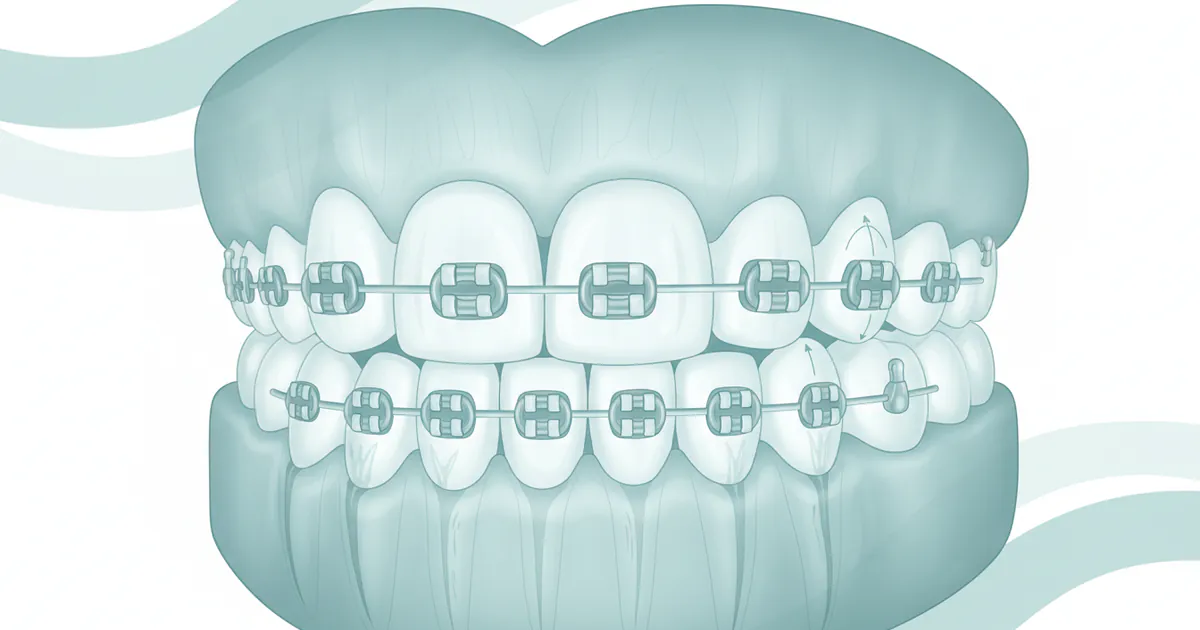
Braces for Adults: Complete Guide
Braces for Adults: Complete Guide Category: Orthodontics
February 22, 2026
Invisalign Braces: Complete Guide
A radiant, perfectly aligned smile is more than just aesthetically pleasing; it's a gateway to improved oral health, enhanced confidence, and even better overall well-being. For millions of Americans seeking to correct misaligned teeth, the thought of traditional metal braces can be daunting, often
February 22, 2026
Adult Braces: Complete Guide
Adult Braces: Complete Guide
February 22, 2026