Complete Guide to Orthodontics: Everything You Need to Know
Key Takeaways
- A confident smile can transform lives, but beyond aesthetics, properly aligned teeth and jaws are fundamental to overall oral health. In the United States, an estimated 4 million people are wearing braces or other orthodontic appliances at any given time, with adults making up a significant
Complete Guide to Orthodontics: Everything You Need to Know
A confident smile can transform lives, but beyond aesthetics, properly aligned teeth and jaws are fundamental to overall oral health. In the United States, an estimated 4 million people are wearing braces or other orthodontic appliances at any given time, with adults making up a significant and growing percentage of this group. Whether you're considering treatment for yourself or your child, understanding the world of orthodontics, from traditional braces to modern clear aligners like Invisalign, is your first step towards a healthier, more beautiful smile. This comprehensive guide will demystify the orthodontic process, explain various treatment options, discuss costs, and empower you with the knowledge to make informed decisions about your dental future.
Key Takeaways:
- Orthodontics is a specialized branch of dentistry focused on correcting misaligned teeth and jaws, improving oral health, function, and aesthetics.
- Treatment options range from traditional braces (metal, ceramic, lingual) to clear aligners like Invisalign, each with distinct pros, cons, and cost implications.
- Average costs in the US vary significantly: Braces typically range from $3,000 to $7,500, while Invisalign cost can be $3,500 to $8,500, depending on case complexity and location.
- The retention phase, involving wearing a retainer long-term, is crucial for maintaining results and preventing orthodontic relapse.
- The American Dental Association (ADA) recommends an initial orthodontist evaluation for children by age 7 to assess for potential early intervention.
- An orthodontist is a dental specialist with 2-3 years of additional training beyond dental school, specifically focused on tooth and jaw alignment.
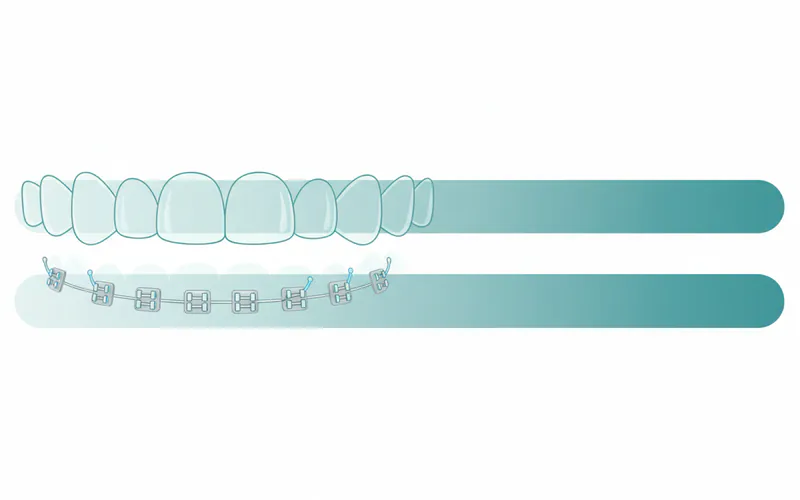
!Illustration showing a patient with traditional metal braces vs. Invisalign aligners on teeth
What is Orthodontics?
Orthodontics is a specialized field of dentistry that focuses on diagnosing, preventing, and treating dental and facial irregularities. These irregularities, collectively known as malocclusions (meaning "bad bite"), can include crowded teeth, excessive spacing, overbites, underbites, crossbites, and other jaw alignment issues. The primary goal of orthodontic treatment extends far beyond just achieving a perfectly straight smile; it aims to optimize oral function, improve chewing and speech, enhance oral hygiene, and ultimately contribute to long-term dental health. By correcting misalignments, orthodontics can prevent future problems such as tooth wear, gum disease, tooth decay, and even temporomandibular joint (TMJ) disorders.
Why Do People Need Orthodontics? Common Malocclusions
Orthodontic treatment addresses a wide array of conditions that can affect both the appearance and function of your teeth and jaws. Understanding these common issues is the first step in identifying if you or a loved one might benefit from seeing an orthodontist.
Causes of Malocclusion
Malocclusion can be influenced by a combination of factors, often genetic, but also environmental:
- Genetics: Heredity plays a significant role in jaw size, tooth size, and the general pattern of how teeth erupt. If parents had crowded teeth or an overbite, their children are more likely to inherit similar traits.
- Developmental Factors: Certain habits during childhood can contribute to malocclusion. These include:
- Thumb-sucking or pacifier use beyond age 3-4: Can lead to an open bite or flared front teeth.
- Tongue thrusting: Where the tongue pushes against the front teeth during swallowing, potentially causing an open bite.
- Premature loss of primary (baby) teeth: Can cause adjacent teeth to drift, blocking the eruption path of permanent teeth and leading to crowding.
- Delayed eruption of permanent teeth: Can also lead to spacing issues or impaction.
- Trauma: Injuries to the face or mouth can shift teeth or damage developing jawbones.
- Poor Dental Hygiene: Untreated cavities or gum disease can lead to tooth loss, causing remaining teeth to shift.
- Nutritional Deficiencies or Illnesses: While less common, certain systemic conditions can affect tooth and jaw development.
Common Conditions Treated by an Orthodontist
An orthodontist is equipped to diagnose and treat a variety of dental irregularities:
- Crowding: When there isn't enough space in the jaw for all teeth to erupt properly, causing them to overlap, rotate, or push against each other. This is one of the most frequent reasons people seek braces or Invisalign.
- Spacing: Gaps between teeth, often due to missing teeth, small teeth, or a large jaw. While sometimes cosmetic, excessive spacing can affect speech and cause food impaction.
- Overbite (Protrusion): Occurs when the upper front teeth significantly overlap the lower front teeth. A deep overbite can cause wear on the lower teeth, gum irritation, and jaw pain.
- Underbite: The opposite of an overbite, where the lower front teeth extend out in front of the upper front teeth. This can lead to difficulty chewing and speaking, as well as premature tooth wear.
- Crossbite: Occurs when some upper teeth bite inside the lower teeth. This can affect a single tooth or an entire segment of teeth (anterior or posterior). Untreated crossbites can lead to uneven tooth wear, gum recession, and asymmetrical jaw growth.
- Open Bite: Characterized by a space between the upper and lower front teeth when the mouth is closed. This often results from prolonged thumb-sucking or tongue thrusting and can impact chewing and speech.
- Deep Bite (Impinging Overbite): A severe overbite where the upper front teeth completely cover the lower front teeth, sometimes causing the lower teeth to bite into the roof of the mouth (palate). This can lead to gum damage and excessive tooth wear.
- Rotated Teeth: Teeth that are twisted out of their normal alignment.
!Diagram illustrating different common malocclusions such as overbite, underbite, crossbite, and crowding
Who is an Orthodontist?
It's common to wonder about the difference between a general dentist and an orthodontist. While both are crucial for your oral health, their training and focus differ significantly.
An orthodontist is a dental specialist who has completed standard dental school and earned a Doctor of Dental Surgery (DDS) or Doctor of Dental Medicine (DMD) degree, just like a general dentist. However, after dental school, an orthodontist undergoes an additional two to three years of rigorous, full-time postgraduate education in an accredited orthodontic residency program. This specialized training focuses exclusively on orthodontics and dentofacial orthopedics – the study of tooth and jaw movement and guidance.
During this residency, they delve deep into subjects like:
- Craniofacial anatomy and growth
- Biomechanics of tooth movement
- Diagnosis and treatment planning for all types of malocclusions
- Advanced techniques for using braces, clear aligners like Invisalign, and other appliances
- Surgical orthodontics and complex interdisciplinary cases
Choosing an orthodontist for orthodontic treatment ensures that you are receiving care from a specialist who has dedicated years to mastering the science and art of straightening teeth and aligning jaws. They possess the expertise to diagnose complex issues, develop personalized treatment plans, and skillfully manage your progress from start to finish. When searching for an "orthodontist near me," prioritize those who are board-certified or members of the American Association of Orthodontists (AAO), as this signifies a commitment to the highest standards of care.
Types of Orthodontic Treatment Options
Modern orthodontics offers a diverse range of treatment options, each designed to address specific needs, lifestyles, and aesthetic preferences. The choice between them often depends on the complexity of your case, your budget, and your desire for discreteness.
Traditional Metal Braces
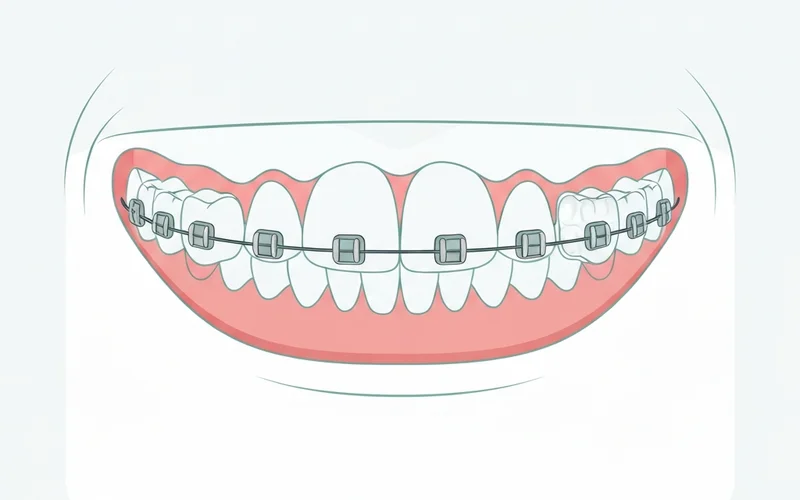
Traditional metal braces are the most common and historically proven method for correcting malocclusions. They consist of high-grade stainless steel brackets, which are bonded to the front surface of each tooth, connected by an archwire. Small elastic ties (ligatures) hold the wire in place, and these are often changed at each appointment, allowing for color customization.
- Pros: Highly effective for severe and complex cases, very durable, often the most cost-effective option, and results are highly predictable.
- Cons: Most noticeable type of braces, require dietary restrictions, can cause initial discomfort and sores, and oral hygiene can be more challenging.
- Treatment Process: Brackets are bonded to teeth, and the archwire is threaded through. Regular adjustments (every 4-8 weeks) involve changing the wire and/or elastics to apply continuous, gentle pressure to gradually move teeth into position.
Ceramic Braces
Ceramic braces function similarly to metal braces but are made from translucent or tooth-colored ceramic material, making them much less noticeable. They are a popular choice for adults and older teens who desire a more discreet option than metal braces but may not be candidates for Invisalign or prefer a fixed appliance.

- Pros: Significantly less visible than metal braces, effective for a wide range of cases.
- Cons: Can be more expensive than metal braces (typically $1,000 - $2,000 more), ceramic material is more fragile and prone to chipping, elastic ties can stain over time (requiring careful food choices), and they can be slightly bulkier.
- Treatment Process: Identical to metal braces, with regular adjustments to change wires and elastics.
Lingual Braces
Lingual braces are the ultimate discreet option, as they are custom-made and bonded to the back (lingual) surface of the teeth, making them completely invisible from the outside. These are often custom-fabricated using CAD/CAM technology for a precise fit.
- Pros: Completely invisible, ideal for professionals or individuals who want to hide their orthodontic treatment.
- Cons: Highest cost among all braces options (often $8,000 - $12,000+), can cause initial speech impediments (lisp), more difficult to clean, can be more uncomfortable for the tongue, and not all orthodontists offer this specialized treatment.
- Treatment Process: Custom brackets are bonded to the inside of teeth, and adjustments are more complex due to their placement.
Clear Aligners (e.g., Invisalign)
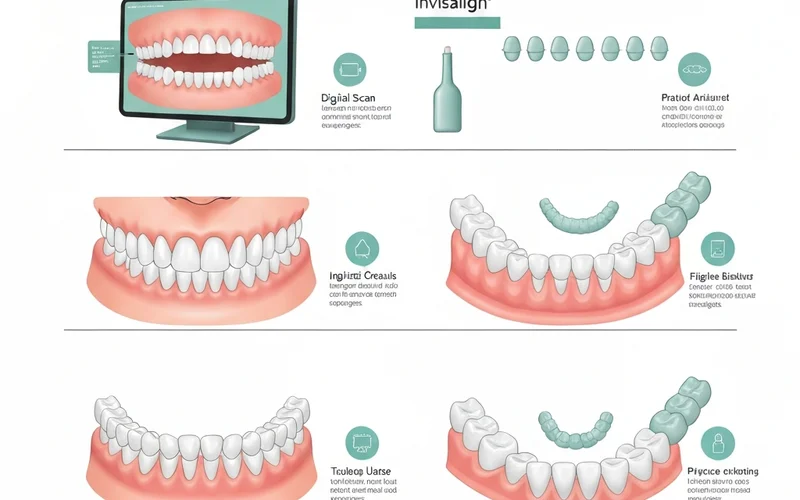
Invisalign is the pioneering and most well-known brand of clear aligner systems. It involves a series of custom-made, removable clear plastic trays that gradually shift teeth into their desired positions. Each aligner tray is worn for about 1-2 weeks before moving to the next in the series.
- Pros: Nearly invisible, removable for eating and cleaning (no dietary restrictions), generally more comfortable than braces, easier oral hygiene, fewer emergency appointments.
- Cons: Requires significant patient compliance (must be worn 20-22 hours per day), not suitable for all complex cases (though capabilities are expanding), Invisalign cost can be comparable to or slightly higher than traditional braces. Attachments (small, tooth-colored bumps bonded to teeth) are often necessary and can reduce the "invisibility" somewhat.
- Treatment Process: Digital scans (no messy impressions) are taken, and a 3D treatment plan is created. Patients receive a series of aligners and switch them out at home. Regular check-ups with the orthodontist (every 6-10 weeks) monitor progress. You can find qualified providers on the Invisalign doctor site.
Other Orthodontic Appliances
Beyond braces and clear aligners, orthodontists utilize various specialized appliances, particularly in pediatric cases or for specific jaw correction:
- Palatal Expanders: Used to widen the upper jaw, especially beneficial for correcting crossbites or creating space for crowded teeth in growing children.
- Headgear: An external appliance worn primarily at night to guide jaw growth or reinforce anchorage.
- Herbst Appliance: An internal appliance that encourages lower jaw growth, often used for correcting severe overbites in growing adolescents.
- Space Maintainers: Custom-made appliances used after premature loss of a baby tooth to prevent adjacent teeth from drifting into the empty space, thus preserving room for the permanent tooth.
The Orthodontic Journey: What to Expect
Embarking on orthodontic treatment is a significant commitment, but understanding the typical steps can help ease any anxieties and prepare you for a smoother journey towards a perfect smile.
Initial Consultation
Your orthodontic journey begins with a comprehensive initial consultation with an orthodontist. This appointment typically includes:
- Thorough Oral Examination: The orthodontist will visually inspect your teeth, gums, and bite.
- Diagnostic Records: This usually involves:
- X-rays: Panoramic and cephalometric X-rays provide detailed views of your teeth, roots, jawbones, and facial structure.
- Digital Scans or Impressions: 3D digital scans (using an intraoral scanner) or traditional putty impressions are taken to create a precise model of your teeth and bite.
- Photographs: Intraoral and extraoral photos document your initial condition.
- Discussion of Findings and Treatment Options: Based on the diagnostic records, your orthodontist will explain your specific malocclusion, discuss potential treatment goals, and present the most suitable options (e.g., braces, Invisalign). They will outline the estimated treatment duration, cost, and answer all your questions. This is also where you might get information about finding a specific Invisalign doctor site if that's your chosen path.
Treatment Phase
Once you and your orthodontist agree on a treatment plan, the active phase begins.
- Appliance Placement:
- For Braces: The orthodontist will carefully bond the brackets to your teeth, then thread the archwires through them. This process is painless, though your teeth may feel sensitive or sore for a few days afterward as they begin to move.
- For Invisalign: You will receive your first set of custom aligners, along with detailed instructions on how to wear them, clean them, and when to switch to the next set. Small, tooth-colored attachments may be bonded to certain teeth to help the aligners grip and move them more effectively.
- Regular Adjustment Appointments:
- For Braces: You'll visit your orthodontist every 4-8 weeks for adjustments. During these appointments, the wires may be tightened or changed, and elastics replaced. These adjustments apply new forces to continue tooth movement.
- For Invisalign: Check-up appointments are typically less frequent, every 6-10 weeks, to monitor progress, ensure aligners are tracking correctly, and provide your next series of aligners.
- Oral Hygiene and Dietary Advice: Your orthodontist and their team will provide comprehensive instructions on how to maintain excellent oral hygiene with your specific appliance. With braces, this includes special brushing and flossing techniques. With Invisalign, it involves removing aligners to brush and floss normally. You'll also receive guidance on foods to avoid (sticky, hard foods with braces; no restrictions with Invisalign when removed).
- Treatment Duration: The length of treatment varies widely depending on the complexity of the case, age, and patient compliance. On average, active treatment with braces or Invisalign lasts 18 to 36 months. Simpler cases might be resolved in less than a year, while very complex ones could take longer.
!Step-by-step visual of the Invisalign treatment process, from digital scan to wearing aligners
Retention Phase
The retention phase is arguably the most critical stage of orthodontic treatment. Once your teeth have moved into their ideal positions, the appliances are removed. However, without proper retention, teeth have a natural tendency to shift back to their original spots – a phenomenon known as relapse.
- Importance of Retainers: A retainer is essential to stabilize the teeth in their new positions while the bone and tissues around them solidify. Your orthodontist will emphasize that wearing your retainer as directed, often for life, is the only way to guarantee the longevity of your beautiful, straight smile.
- Types of Retainers:
- Removable Retainers:
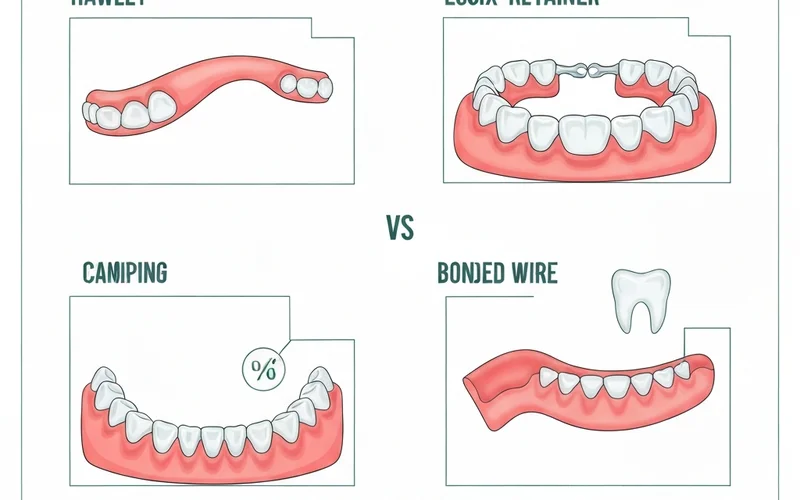
- Hawley Retainer: Made of acrylic and wire, it fits over the roof of the mouth or under the tongue and has a wire that wraps around the front teeth.
- Essix Retainer (Clear Retainer): A clear, thin, plastic tray that looks similar to an Invisalign aligner, custom-fitted over the entire arch of teeth. These are very popular due to their nearly invisible appearance.
- Fixed (Bonded) Retainers: A thin, braided wire custom-fit and bonded to the back surface of the front teeth, usually from canine to canine. It stays in place permanently, offering continuous retention without patient compliance issues.
- Removable Retainers:
- Retention Schedule: Initially, you'll likely wear your removable retainer full-time (except for eating and brushing) for several months. Gradually, your orthodontist will advise you to transition to nighttime wear, and eventually, a few nights a week for life. Fixed retainers remain in place indefinitely.
!Diagram showing different types of retainers (Hawley, Essix, Bonded wire)
Children and Orthodontics: Early Intervention
Orthodontic issues can begin to develop long before all permanent teeth have erupted. The American Dental Association (ADA) and the American Association of Orthodontists (AAO) recommend that all children have their first orthodontic evaluation by age 7. This recommendation stems from the fact that by age 7, enough permanent teeth have emerged for an orthodontist to accurately assess jaw growth and tooth alignment.
When to See an Orthodontist (Age 7 Rule)
This early visit doesn't necessarily mean immediate treatment. For many children, no intervention is needed, and the orthodontist will simply monitor their dental development periodically. For others, it's an opportunity for early intervention, often called Phase I orthodontics or interceptive orthodontics.
Benefits of Phase I Treatment:
- Guiding Jaw Growth: Correcting jaw discrepancies while a child is still growing can prevent more severe problems that might later require complex treatment or even surgery. For example, a palatal expander can widen a narrow upper jaw.
- Creating Space: Early removal of certain baby teeth or the use of space maintainers can ensure enough room for permanent teeth to erupt properly, reducing the need for permanent tooth extractions later.
- Correcting Harmful Habits: Addressing habits like thumb-sucking or tongue thrusting that can impact tooth and jaw development.
- Reducing Treatment Complexity: Early intervention can make subsequent Phase II (full braces or Invisalign) treatment shorter and less complicated.
- Improving Self-Esteem: Addressing noticeable dental issues early can boost a child's confidence.
Common Pediatric Orthodontic Issues
An orthodontist evaluating a 7-year-old will look for:
- Early or late loss of baby teeth.
- Difficulty chewing or biting.
- Mouth breathing.
- Thumb sucking or pacifier habits past age 3-4.
- Crowding, misplaced, or blocked-out teeth.
- Jaws that shift or make sounds.
- Speech difficulties.
- Biting the cheek or roof of the mouth.
- Teeth that don't meet at all or meet in an abnormal way (e.g., crossbite, underbite, overbite).
- Facial asymmetry.
If early treatment is recommended, it typically lasts for 6-18 months and is followed by a resting period before full comprehensive treatment (Phase II) might begin once all permanent teeth have erupted. Not all children will need Phase I treatment, but an evaluation provides valuable insight and allows for timely action if necessary.
Understanding the Cost of Orthodontics
The cost of orthodontic treatment is a significant consideration for most patients. It's important to understand that prices can vary widely based on several factors, and getting a detailed consultation and written estimate from an orthodontist is always recommended.
Average US Costs (Ranges)
Here are typical average ranges for common orthodontic treatments in the United States, keeping in mind these are estimates:
- Traditional Metal Braces: $3,000 - $7,500
- Ceramic Braces: $4,000 - $8,500
- Lingual Braces: $8,000 - $12,000+ (due to customization and specialized training required)
- Invisalign Cost: $3,500 - $8,500 (can vary based on the number of aligners and complexity, sometimes lower for very minor cases like Invisalign Express)
- Retainers: Often included in the total treatment fee. If purchased separately or replaced, they typically cost $300 - $800 per set.
- Phase I (Interceptive) Treatment for Children: $2,000 - $4,000 (often a partial payment towards total treatment if Phase II is needed).
Factors Influencing Cost
The final price tag for your orthodontic treatment is influenced by multiple variables:
- Severity and Complexity of the Case: More severe malocclusions, such as complex overbites, significant crowding, or multiple missing teeth, require longer treatment times and more intricate planning, leading to higher costs.
- Type of Appliance Chosen: As seen above, metal braces are generally the most affordable, while lingual braces are the most expensive due to their custom nature and placement. Invisalign cost falls in the mid to high range.
- Location (US Region/City): Orthodontic fees can vary significantly from one state or city to another. Practices in major metropolitan areas or regions with higher costs of living typically charge more.
- Orthodontist's Experience and Reputation: Highly experienced or renowned orthodontists may charge slightly more for their expertise.
- Treatment Duration: Longer treatment plans generally incur higher costs due to more appointments and materials.
- Included Services: Always clarify what the quoted price includes (e.g., initial records, adjustments, final retainers, emergency visits, follow-up appointments).
Insurance Coverage
Dental insurance plans often provide some coverage for orthodontic treatment, especially for dependents under 18. However, coverage varies widely:
- Orthodontic Rider: Many standard dental plans do not include orthodontics unless you have an specific "orthodontic rider" or supplemental plan.
- Lifetime Maximums: Most plans that cover orthodontics have a "lifetime maximum" benefit, which is a fixed amount (e.g., $1,000 - $2,500) that the insurance company will pay over the entire course of treatment, regardless of the total cost.
- Age Limits: Coverage for adults is less common or may be limited.
- Medical vs. Cosmetic: Insurance typically covers treatment deemed medically necessary (e.g., correcting an overbite that causes chewing issues) but may not cover purely cosmetic alignment.
- HMO/PPO Differences: HMO plans usually require you to choose from a limited network of providers, while PPO plans offer more flexibility but may pay less for out-of-network orthodontists.
Pro Tip: Always contact your insurance provider directly or have your orthodontist's office help you verify your specific orthodontic benefits before starting treatment.
Payment Plans and Financing Options
Even with insurance, the out-of-pocket cost can be substantial. Fortunately, most orthodontists understand this and offer various financing solutions:
- In-House Payment Plans: Many practices offer interest-free payment plans, allowing you to pay a down payment and then spread the remaining balance over the course of treatment with monthly installments.
- Third-Party Financing: Companies like CareCredit or LendingClub offer specialized healthcare financing with various interest rates and repayment terms.
- Flexible Spending Accounts (FSAs) and Health Savings Accounts (HSAs): If you have an FSA or HSA through your employer, you can use these tax-advantaged accounts to pay for orthodontic expenses.
- Discounts: Some orthodontists offer discounts for paying the full fee upfront or for multiple family members undergoing treatment.
Pro Tip: Don't let the initial cost deter you from seeking treatment. Discuss all payment options with your orthodontist's financial coordinator to find a plan that fits your budget.
Risks and Complications of Orthodontic Treatment
While orthodontic treatment is generally safe and highly effective, it's important to be aware of potential risks and complications. Your orthodontist will discuss these with you during your consultation.
- Tooth Decay and Gum Disease: Orthodontic appliances, especially braces, create more surfaces for food particles and plaque to accumulate. If oral hygiene is not meticulous, there's an increased risk of cavities, gingivitis (gum inflammation), and periodontal disease.
- Prevention: Rigorous brushing after every meal, daily flossing (with floss threaders or special floss for braces), and regular dental check-ups and cleanings are crucial.
- Root Resorption: In some individuals, the roots of the teeth may shorten slightly during orthodontic treatment. While often minor and clinically insignificant, severe root resorption can weaken teeth. It's usually unpredictable but closely monitored with X-rays.
- Relapse: The natural tendency for teeth to shift back towards their original positions after braces or Invisalign are removed.
- Prevention: Consistent and lifelong wear of a retainer is the single most important factor in preventing relapse.
- Discomfort and Soreness: It's normal to experience some discomfort or soreness after initial appliance placement or adjustment appointments. This usually subsides within a few days and can be managed with over-the-counter pain relievers.
- Soft Tissue Irritation: Brackets and wires can rub against the cheeks, lips, and tongue, causing temporary sores. Orthodontic wax can be applied to alleviate irritation.
- Speech Changes: Some patients, particularly with lingual braces or new Invisalign aligners, may experience a temporary lisp or difficulty with certain sounds. This usually resolves as the tongue adapts.
- Decalcification (White Spots): If plaque is allowed to remain around brackets for extended periods, it can lead to decalcification, leaving permanent white spots on the enamel even after braces are removed.
- Prevention: Excellent oral hygiene and fluoride use.
- Allergic Reactions: Though rare, some individuals may have an allergic reaction to nickel (a common component in some metal braces), latex (in some elastics), or acrylic (in retainers). Orthodontists can use alternative materials if necessary.
- Non-Vital Teeth: Very rarely, the trauma of tooth movement can cause a tooth to lose its vitality (nerve damage), which may require root canal treatment: Everything You Need to Know"). This is more common in teeth that have previously experienced trauma.
- Temporomandibular Joint (TMJ) Issues: While orthodontics often helps alleviate TMJ symptoms, some patients may experience new or worsening TMJ pain during treatment. Your orthodontist will monitor your jaw health throughout the process.
Pro Tip: Open communication with your orthodontist is key. Report any unusual pain, persistent irritation, or concerns immediately. Adhering strictly to oral hygiene instructions and retainer wear schedules significantly reduces the likelihood of complications.
Recovery and Aftercare: Life After Braces or Invisalign
The day your braces come off or you finish your last Invisalign aligner is a momentous occasion! However, the journey isn't truly over. The recovery and aftercare phase, primarily involving retainer wear, is essential to preserve your orthodontic investment.
The Importance of Retainers
Without a retainer, your teeth will inevitably begin to shift back towards their original positions. This is due to several factors:
- Elasticity of Periodontal Ligaments: The ligaments that hold your teeth in place have a "memory" and will try to pull teeth back.
- Pressure from Lips, Cheeks, and Tongue: These soft tissues exert constant pressure that can influence tooth position.
- Growth and Aging: Natural facial and jaw growth continues throughout life, subtly affecting tooth alignment.
Your orthodontist will prescribe a retainer wear schedule. Initially, this often involves full-time wear for several months, gradually transitioning to nighttime wear. For many, lifelong nighttime retainer wear is recommended to maintain optimal results indefinitely.
Post-Treatment Oral Hygiene
Even after your appliances are removed, maintaining excellent oral hygiene is paramount. Your newly straightened teeth are easier to clean, but consistent brushing and flossing are still necessary to prevent cavities and gum disease.
- Brush twice daily with fluoride toothpaste.
- Floss daily to clean between teeth.
- Clean your removable retainer daily with a soft toothbrush and mild soap or a specialized retainer cleaner. Never use hot water, as it can warp plastic retainers.
- If you have a fixed retainer, pay extra attention when flossing around it to ensure no plaque buildup. Your hygienist can show you how to use a floss threader or water flosser for this area.
Regular Dental Check-ups
Continue with your regular dental check-ups and cleanings with your general dentist every six months. Your dentist will monitor your overall oral health, check for any signs of decay, and ensure your retainer is fitting correctly and your bite remains stable.
Prevention: Maintaining a Healthy Smile
While some orthodontic issues are genetic and unavoidable, certain preventative measures can contribute to better oral health and potentially reduce the severity of malocclusions.
- Good Oral Hygiene: Regular and thorough brushing and flossing are fundamental. Preventing tooth decay and gum disease means you're less likely to lose teeth prematurely, which can cause other teeth to shift and create orthodontic problems.
- Regular Dental Check-ups: Visiting your general dentist every six months allows for early detection of potential issues. Your dentist can identify early signs of crowding or bite problems and recommend a timely orthodontic evaluation.
- Addressing Harmful Oral Habits Early: For children, discouraging thumb-sucking, finger-sucking, or prolonged pacifier use beyond recommended ages (typically 3-4 years old) can prevent open bites or flared front teeth. A pediatric dentist or orthodontist can offer strategies to break these habits.
- Monitoring Tooth Eruption: Your dentist will keep an eye on how your child's permanent teeth are erupting. If a baby tooth is lost too early, a space maintainer might be recommended to ensure adequate room for the permanent tooth.
- Healthy Diet: A balanced diet that minimizes sugary snacks and drinks helps prevent cavities, which can lead to tooth loss and subsequent orthodontic issues.
- Protective Sports Gear: For children and adults involved in contact sports, wearing a custom-fitted mouthguard can prevent dental injuries that might otherwise necessitate orthodontic treatment.
Comparison Tables
To help you visualize the differences between common orthodontic options and their associated costs, here are two comparison tables:
Orthodontic Treatment Options Comparison
| Feature | Traditional Metal Braces | Ceramic Braces | Lingual Braces | Clear Aligners (e.g., Invisalign) |
|---|---|---|---|---|
| Visibility | Highly visible | Less visible (tooth-colored) | Completely invisible (behind teeth) | Nearly invisible (clear plastic) |
| Cost Range (US) | $3,000 - $7,500 | $4,000 - $8,500 | $8,000 - $12,000+ | $3,500 - $8,500 |
| Treatment Time | 18-36 months | 18-36 months | 18-36 months | 12-24 months (can vary) |
| Removability | Fixed | Fixed | Fixed | Removable |
| Oral Hygiene | More challenging | More challenging | Most challenging | Easier (remove to brush/floss) |
| Dietary Needs | Restrictions on hard/sticky foods | Restrictions on hard/sticky/staining foods | Restrictions on hard/sticky foods | No restrictions (remove to eat) |
| Comfort | Moderate discomfort, can cause sores | Moderate discomfort, can cause sores | Initial discomfort for tongue, speech issues | Generally comfortable, initial pressure |
| Best For | All complex cases, budget-conscious, reliable results | Adults/teens seeking discretion, moderate to complex cases | Complete invisibility, aesthetic priority | Adults/teens seeking discretion, moderate cases, active lifestyle |
Average Cost Breakdown by Treatment Type (US)
| Treatment Type | Low End (USD) | Average (USD) | High End (USD) |
|---|---|---|---|
| Traditional Metal Braces | $3,000 | $5,500 | $7,500 |
| Ceramic Braces | $4,000 | $6,250 | $8,500 |
| Lingual Braces | $8,000 | $10,000 | $12,000+ |
| Invisalign Cost | $3,500 | $6,000 | $8,500 |
| Phase I (Interceptive) Treatment | $2,000 | $3,000 | $4,000 |
| Replacement Retainer | $300 | $550 | $800 |
Note: These are average ranges. Actual costs will vary based on individual circumstances, location, and the specific orthodontist.
Frequently Asked Questions
Are braces painful?
While braces themselves don't cause pain during placement, you can expect some discomfort and soreness for a few days after they are initially put on and after adjustment appointments. This is due to the pressure applied to your teeth as they begin to move. Over-the-counter pain relievers can typically manage this discomfort, which usually subsides within a few days.
How long do I need to wear Invisalign or braces?
The average treatment time for both Invisalign and traditional braces ranges from 18 to 36 months. However, this can vary significantly. Simple cases of minor crowding or spacing might be completed in under a year, while complex issues like severe overbites or significant jaw misalignment could take three years or more. Your orthodontist will provide a personalized estimate during your consultation.
Can adults get braces or Invisalign?
Absolutely! There's no age limit for orthodontic treatment. A growing number of adults are seeking braces or Invisalign to improve their smiles and oral health. Modern appliances are more discreet and comfortable, making treatment accessible and appealing for adult lifestyles.
What's the difference between an orthodontist and a general dentist?
A general dentist practices all aspects of dentistry, including cleanings, fillings, and crowns. An orthodontist is a specialist who, after completing dental school, undergoes an additional 2-3 years of intensive training focused exclusively on the diagnosis, prevention, and treatment of misaligned teeth and jaws. They are experts in tooth movement and facial growth.
How do I find a good orthodontist near me?
To find a reputable "orthodontist near me," you can ask your general dentist for a referral, search online directories (like the American Association of Orthodontists' website), or use location-based searches on platforms like the Invisalign doctor site. Look for an orthodontist with excellent reviews, a welcoming office, and who offers a thorough consultation.
What is the typical Invisalign cost?
The Invisalign cost in the US generally ranges from $3,500 to $8,500. This range depends on the complexity of your case (how many aligners are needed), your geographical location, and the experience of your orthodontist. While often comparable to traditional braces, specific pricing can be determined only after a personalized consultation.
Do I have to wear a retainer forever?
For most patients, wearing a retainer long-term, often for life, is crucial. Teeth have a natural tendency to shift back to their original positions even years after active treatment. Your orthodontist will prescribe a wear schedule, typically full-time initially, then transitioning to nighttime wear, to maintain your beautiful results indefinitely.
Can Invisalign fix an overbite?
Yes, Invisalign can effectively treat many cases of overbite, ranging from mild to moderate. Advanced Invisalign techniques, sometimes involving attachments or elastics worn with aligners, allow for precise tooth movements and can even help correct certain jaw discrepancies. For severe skeletal overbites, a combination of Invisalign and other appliances, or even surgery, might be required.
What foods should I avoid with braces?
If you have traditional braces, you'll need to avoid hard, sticky, or chewy foods that can break brackets or bend wires. This includes hard candies, nuts, popcorn, caramel, chewing gum, whole apples (cut into pieces), and tough meats. With Invisalign, you simply remove your aligners to eat, so there are no dietary restrictions.
How often do I need appointments during treatment?
For traditional braces, you'll typically need to visit your orthodontist every 4-8 weeks for adjustments. With Invisalign, appointments are generally less frequent, usually every 6-10 weeks, to monitor progress and pick up your next series of aligners. The frequency can vary based on the complexity of your case and your orthodontist's specific protocol.
When to See an Orthodontist
Deciding when to seek orthodontic care can sometimes feel uncertain, but there are clear indicators that suggest it's time for a professional evaluation.
- For Children: The American Dental Association (ADA) recommends that all children have their first orthodontic screening by age 7. At this age, the orthodontist can assess emerging permanent teeth and jaw development to identify potential problems early, even if immediate treatment isn't necessary. Look for signs like early or late loss of baby teeth, difficulty chewing, mouth breathing, thumb-sucking habits, or visible crowding.
- For Teenagers and Adults:
- Visible Misalignment: If you notice teeth that are crowded, crooked, gapped, or protruding.
- Bite Problems: If your teeth don't fit together properly when you close your mouth (e.g., you have an overbite, underbite, crossbite, or open bite).
- Difficulty Chewing or Biting: Misaligned teeth can make it hard to bite and chew food efficiently.
- Speech Difficulties: Some bite issues can affect speech patterns, leading to lisps or other impediments.
- Jaw Pain or Discomfort: Persistent pain in your jaw, clicking or popping sounds when you move your jaw, or frequent headaches can sometimes be related to an improper bite.
- Uneven Tooth Wear: If some of your teeth show excessive wear compared to others, it could indicate a malocclusion causing uneven forces.
- Increased Risk of Oral Health Issues: Severely crowded teeth are harder to clean, increasing the risk of cavities and gum disease.
- Self-Consciousness: If you feel self-conscious about your smile and it impacts your confidence.
Red Flags vs. Routine Care: While jaw pain or significant difficulty chewing warrants a prompt visit, most orthodontic concerns are not emergencies. However, early consultation allows for the most effective and often less invasive treatment. Don't hesitate to schedule a consultation with an orthodontist if you have any concerns about your or your child's bite or smile. A consultation is typically comprehensive and will provide you with a clear understanding of your needs and options without obligation.
Frequently Asked Questions
Medically Reviewed Content
This article was written by our dental health editorial team and reviewed for medical accuracy. Our content follows strict editorial guidelines for reliability and trustworthiness.
Medical Disclaimer
This article is for informational purposes only and does not constitute medical advice. Always consult with a qualified dental professional for diagnosis and treatment. Do not delay seeking professional advice because of something you read on this website.
Related Articles
Retainer Fee: Complete Guide
The journey to a perfectly aligned smile doesn't end when your braces come off or your last clear aligner tray is discarded. In fact, a crucial phase, often overlooked but absolutely essential for maintaining your results, begins: retention. For many, the idea of a retainer fee can be an unexpec
February 22, 2026
Braces for Adults: Complete Guide
Braces for Adults: Complete Guide Category: Orthodontics
February 22, 2026
Invisalign Braces: Complete Guide
A radiant, perfectly aligned smile is more than just aesthetically pleasing; it's a gateway to improved oral health, enhanced confidence, and even better overall well-being. For millions of Americans seeking to correct misaligned teeth, the thought of traditional metal braces can be daunting, often
February 22, 2026
Adult Braces: Complete Guide
Adult Braces: Complete Guide
February 22, 2026