Invisalign Braces: Complete Guide
Key Takeaways
- A radiant, perfectly aligned smile is more than just aesthetically pleasing; it's a gateway to improved oral health, enhanced confidence, and even better overall well-being. For millions of Americans seeking to correct misaligned teeth, the thought of traditional metal braces can be daunting, often
Invisalign Braces: Complete Guide
A radiant, perfectly aligned smile is more than just aesthetically pleasing; it's a gateway to improved oral health, enhanced confidence, and even better overall well-being. For millions of Americans seeking to correct misaligned teeth, the thought of traditional metal braces can be daunting, often bringing to mind discomfort, dietary restrictions, and a noticeable change in appearance. This is where Invisalign braces have revolutionized orthodontics, offering a discreet, comfortable, and highly effective alternative that seamlessly integrates into your lifestyle.
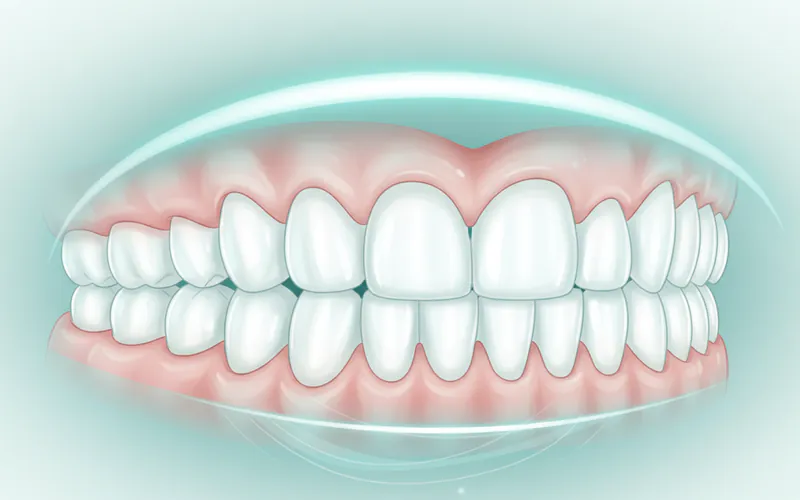
Invisalign, a pioneering system of clear, removable aligners, has helped over 15 million people worldwide achieve their desired smile since its inception. Whether you're an adult looking to subtly straighten your teeth without impacting your professional image, or a teenager hoping to avoid a "metal mouth," Invisalign presents a compelling solution. This comprehensive guide from SmilePedia.net will demystify the entire Invisalign journey, from what it is and how it works, to its costs, care, and what to expect every step of the way. We'll delve into the science behind these innovative aligners, explore who is a candidate, and arm you with all the information you need to make an informed decision about your orthodontic future.
Key Takeaways:
- Invisalign uses a series of custom-made, clear, removable aligners to gradually shift teeth.
- Treatment duration typically ranges from 6 to 24 months, averaging 12-18 months, but can vary based on complexity.
- The average cost for Invisalign in the US ranges from $3,000 to $8,000, with severe cases potentially exceeding this.
- Many dental insurance plans cover a portion of orthodontic treatment, including Invisalign, similar to traditional braces.
- Compliance is crucial: aligners must be worn 20-22 hours per day for optimal results.
- Invisalign effectively treats a wide range of orthodontic issues, from mild crowding to complex bite problems.
- Retention with retainers is mandatory after treatment to prevent teeth from shifting back.
What Are Invisalign Braces? An Overview
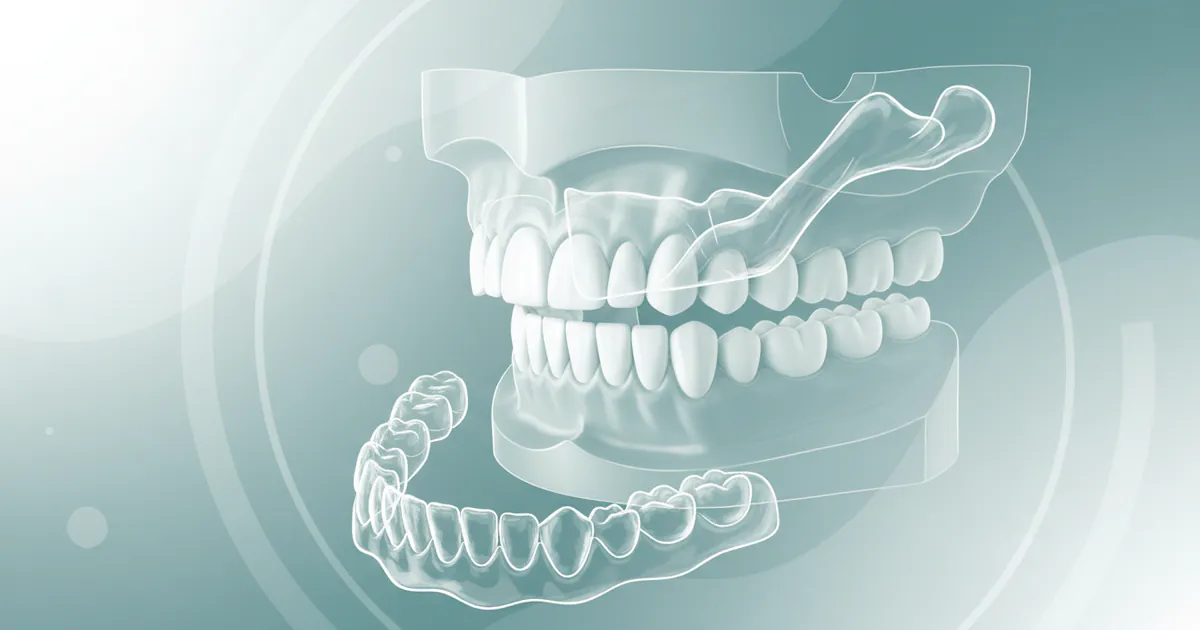
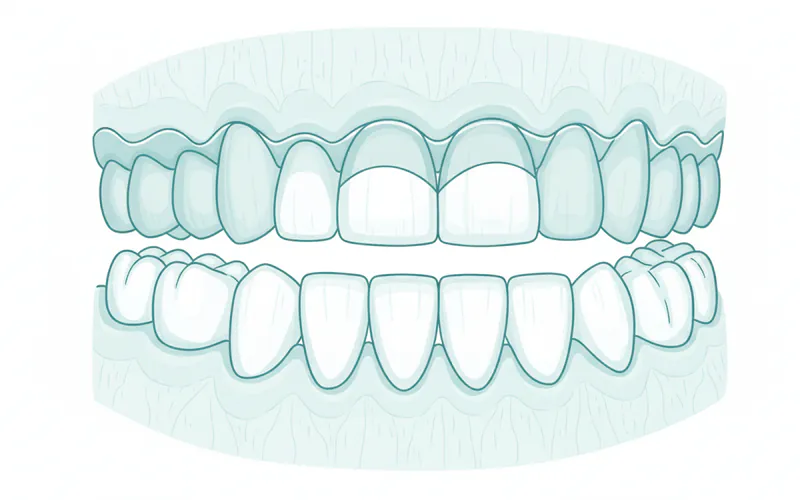
Invisalign is a sophisticated orthodontic treatment system that utilizes a series of custom-made, clear plastic aligners to gradually move teeth into their desired positions. Unlike traditional metal braces, which use brackets and wires fixed to the teeth, Invisalign aligners are virtually invisible and removable. The term "braces" is often used colloquially to describe Invisalign due to its tooth-straightening function, though technically, they are clear aligners, not conventional braces.
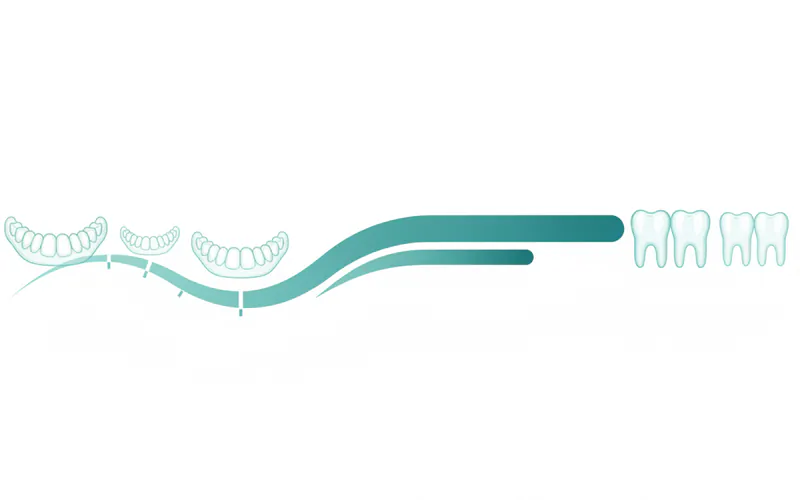
The technology behind Invisalign is rooted in advanced 3D computer imaging. After an initial consultation and digital scans of your mouth, a personalized treatment plan is developed by your orthodontist. This plan maps out the precise movements of your teeth from their current position to their final, corrected alignment. A series of aligner trays are then fabricated, each designed to achieve specific, small shifts in tooth position. You wear each set of aligners for approximately 1-2 weeks before moving on to the next set in the series, incrementally guiding your teeth into place.
Invisalign aligners are made from a proprietary, multi-layer SmartTrack® material, which is specifically engineered to provide gentle, consistent pressure on your teeth. This material is comfortable, BPA-free, and designed for optimal tooth movement. The removability of the aligners is a major advantage, allowing you to eat, brush, and floss normally, without the dietary restrictions or cleaning challenges associated with traditional braces.
Conditions Invisalign Braces Can Treat
While highly effective, Invisalign is not suitable for every single orthodontic case. However, its capabilities have significantly expanded over the years, making it a viable option for a broad spectrum of malocclusions (improper bites) and alignment issues.
Common Issues Corrected by Invisalign:
- Crowded Teeth: When there isn't enough space in the jaw for all teeth to fit normally, causing them to overlap, twist, or push each other out of alignment. Crowding can lead to plaque buildup, gum disease, and difficulty chewing.
- Spaced Teeth (Gaps): Excessive space between teeth, often caused by abnormal jaw growth, missing teeth, or genetics. Gaps can affect speech and lead to food getting trapped, increasing the risk of gum issues.
- Overbite (Deep Bite): When the upper front teeth significantly overlap the lower front teeth. A severe overbite can lead to wear on the lower teeth, gum irritation, and jaw pain.
- Underbite: When the lower front teeth extend out beyond the upper front teeth. This can cause uneven wear on teeth, jaw problems, and difficulty chewing.
- Crossbite: When some upper teeth sit inside the lower teeth, either at the front or sides of the mouth. Crossbites can lead to uneven tooth wear, gum recession, and asymmetrical jaw growth.
- Open Bite: When the upper and lower front teeth do not meet when the mouth is closed, leaving a gap. This can interfere with biting into certain foods and affect speech.
- Edge-to-Edge Bite: When the biting surfaces of the upper and lower front teeth meet precisely, rather than the upper teeth slightly overlapping the lower. This can cause excessive wear.
Pro Tip: Even if you think your case is complex, it's worth consulting an experienced orthodontist. Many issues that once required traditional braces can now be effectively treated with Invisalign.
Types and Variations of Invisalign Systems
Invisalign has evolved to offer several specialized systems designed to address different age groups and varying levels of orthodontic complexity. Each system utilizes the same core technology of clear aligners but is tailored to specific needs.
1. Invisalign Comprehensive (Formerly Invisalign Full)
This is the standard, most widely used Invisalign treatment, designed for moderate to severe orthodontic cases. It offers an unlimited number of aligners for a specified period (typically 5 years from the start of treatment), allowing for extensive tooth movement and bite correction. It addresses complex issues like significant crowding, spacing, and intricate bite problems.
2. Invisalign Lite
Invisalign Lite is designed for patients with mild to moderate orthodontic issues, such as minor crowding or spacing. It involves a limited number of aligners, usually up to 14 pairs, making the treatment shorter and often less expensive than Comprehensive. It's suitable for minor adjustments or cosmetic corrections.
3. Invisalign Express
For very minor aesthetic corrections or touch-ups, Invisalign Express offers an even shorter treatment duration, typically with 5 to 7 aligner sets. This option is ideal for individuals who have experienced slight relapse after previous orthodontic treatment or have very minimal alignment concerns.
4. Invisalign Teen
Recognizing the unique needs of adolescents, Invisalign Teen incorporates several features tailored for younger patients:
- Compliance Indicators: Small blue dots on the back of the aligners fade with wear, allowing parents and orthodontists to monitor compliance.
- Eruption Tabs: Spaces built into the aligners accommodate the eruption of permanent molars, which is common in teenage development.
- Six Free Replacement Aligners: Acknowledging that teenagers can be prone to losing aligners, this benefit provides peace of mind.
5. Invisalign First
This early interceptive orthodontic treatment is designed for children aged 6 to 10 years old who have a mix of primary (baby) and permanent teeth. Invisalign First aims to correct existing problems, guide jaw growth, and make space for erupting permanent teeth, potentially simplifying or reducing the need for more extensive treatment later. It addresses issues like arch development, space creation, and certain bite problems.
6. Invisalign with Mandibular Advancement
A specialized option for growing teens with class II malocclusions (overbites). This system integrates "precision wings" on the aligners to gradually move the lower jaw forward while simultaneously correcting tooth alignment. It offers a more comfortable and aesthetic alternative to traditional Herbst appliances or headgear.
``
The Step-by-Step Invisalign Treatment Process
Embarking on your Invisalign journey is a structured process, carefully managed by your orthodontist to ensure optimal results.
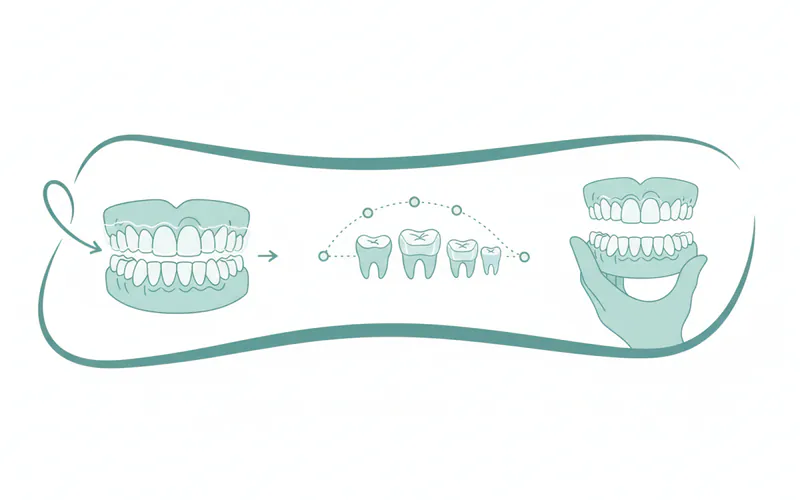
Step 1: Initial Consultation and Examination
Your journey begins with a comprehensive consultation with an orthodontist experienced in Invisalign. During this visit, the orthodontist will:
- Review your dental and medical history.
- Perform a thorough oral examination of your teeth, gums, and bite.
- Take digital X-rays (panoramic, cephalometric) to assess bone structure and root positions.
- Capture highly accurate 3D digital scans of your teeth using an iTero® Element scanner. This eliminates the need for messy traditional impressions.
- Discuss your aesthetic goals and what you hope to achieve with treatment.
Step 2: Custom Treatment Plan Development
Using the 3D scans and your orthodontist's expertise, a sophisticated software program (ClinCheck®) is used to create a precise, customized treatment plan. This digital plan shows:
- A 3D simulation of your teeth's current position and how they will move over time.
- The exact sequence of tooth movements.
- The projected final position of your teeth.
- The estimated duration of your treatment.
- You'll be able to visualize your future smile before even starting treatment.
Step 3: Aligner Fabrication and Delivery
Once your treatment plan is approved, your custom aligners are fabricated using advanced manufacturing techniques. Typically, you will receive several sets of aligners at a time during your office visits.
- During your first aligner delivery appointment, your orthodontist will ensure the initial set fits comfortably.
- Attachments: Small, tooth-colored bumps called SmartForce® attachments are often bonded to certain teeth. These are made of dental composite material and act as handles for the aligners to grip, facilitating more complex tooth movements. They are discreet and removed at the end of treatment.
- Interproximal Reduction (IPR): In some cases, a small amount of enamel may be gently removed between teeth to create space for movement. This is a common and safe procedure.
Step 4: Wearing Your Aligners
This is the core of your treatment. You will wear each set of aligners for 1-2 weeks, as instructed by your orthodontist, before switching to the next set.
- Compliance is key: Aligners must be worn for 20-22 hours per day, removing them only for eating, drinking anything other than water, brushing, and flossing.
- You will feel some pressure or mild discomfort for the first day or two after switching to a new set, indicating that your teeth are starting to move. This is normal and subsides quickly.
- Oral Hygiene: It's critical to brush your teeth after every meal or snack before putting your aligners back in to prevent food particles and bacteria from getting trapped. Clean your aligners daily with a soft toothbrush and mild soap or specialized cleaning tablets.
Step 5: Regular Check-ups
You'll have periodic check-up appointments with your orthodontist, usually every 6-8 weeks. These visits are shorter than traditional braces adjustments and involve:
- Monitoring your progress.
- Ensuring the aligners are tracking correctly.
- Making any necessary adjustments or refinements.
- Providing you with your next sets of aligners.
``
Step 6: Refinements (If Needed)
Towards the end of your initial series of aligners, if some teeth haven't moved exactly as planned, or if you and your orthodontist desire further corrections, a "refinement" stage may be initiated. This involves taking new scans and ordering additional sets of aligners to fine-tune your results. Refinements are common and are typically included within the overall treatment cost for Invisalign Comprehensive.
Step 7: Retention
Once your active treatment is complete and your teeth are in their ideal positions, the final crucial step is retention. This prevents your teeth from shifting back to their original positions, a phenomenon known as orthodontic relapse.
- Retainers: You will be fitted for custom-made retainers, which can be either clear, removable Vivera® retainers (similar to Invisalign aligners) or fixed (bonded) retainers that are thin wires permanently attached to the back of your front teeth.
- Lifelong Wear: Your orthodontist will prescribe a retainer wear schedule, which often starts with full-time wear and gradually transitions to nighttime wear. Retainer wear is generally lifelong to maintain your beautiful new smile.
Cost and Insurance for Invisalign Braces
Understanding the financial aspect of Invisalign is a critical part of your decision-making process. The cost of Invisalign braces can vary significantly based on several factors, but generally falls within a predictable range across the United States.
Average US Cost Ranges
On average, the cost for Invisalign treatment in the US ranges from $3,000 to $8,000.
- Mild Cases (e.g., Invisalign Lite/Express): May range from $3,000 to $5,000.
- Moderate to Complex Cases (e.g., Invisalign Comprehensive/Teen): Typically range from $5,000 to $8,000.
- Very Complex Cases: Could potentially exceed $8,000, especially if additional procedures like extractions or surgery are required.
Factors Influencing Cost:
- Complexity of Your Case: The more significant the misalignment or bite issue, the longer the treatment duration and the greater number of aligners required, leading to higher costs.
- Treatment Duration: Longer treatments naturally incur higher costs due to more aligner sets and extended orthodontist oversight.
- Orthodontist's Experience and Location: Highly experienced orthodontists or those in metropolitan areas with higher overhead may charge more. Costs can vary regionally; for example, treatment in New York City or Los Angeles might be higher than in a smaller Midwestern town.
- Number of Aligners and Refinements: Comprehensive plans often include unlimited aligners and refinements, while Lite or Express plans have limits, impacting their initial cost.
- Inclusions: Some quotes include retainers, initial consultations, and follow-up appointments, while others may list them separately. Always clarify what is included.
Insurance Coverage Details
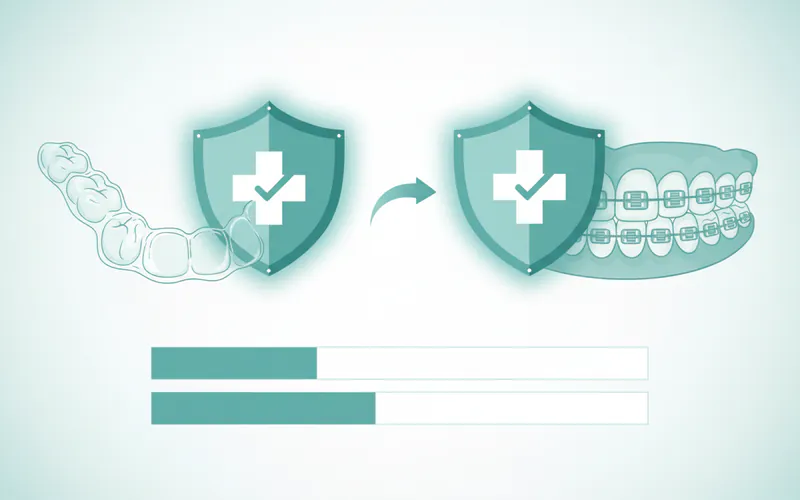
Many dental insurance plans that include orthodontic benefits will cover a portion of Invisalign treatment, often at the same level as traditional braces.
- Check Your Policy: Review your dental insurance policy or contact your provider directly to understand your specific orthodontic coverage. Look for terms like "orthodontic lifetime maximum" or "adult orthodontic coverage."
- Typical Coverage: Insurance might cover anywhere from $500 to $2,500 of the total cost. Some plans might cover up to 50% of the cost, up to a certain maximum.
- Orthodontic Lifetime Maximum: Most plans have a lifetime maximum benefit for orthodontics, meaning once that amount is paid out, your benefits are exhausted for any orthodontic treatment.
- Age Limits: Some plans have age restrictions for orthodontic coverage, often covering only those under 18 or 19. However, many plans now extend coverage to adults.
- Pre-Authorization: Your orthodontist's office will typically help you with insurance claims and can often get a pre-authorization to determine your exact coverage before treatment begins.
Payment Plans and Financing Options
Even with insurance, you'll likely have an out-of-pocket expense. Most orthodontic practices offer flexible payment solutions:
- In-Office Payment Plans: Many offices offer interest-free monthly payment plans spread out over the course of your treatment. This can significantly reduce the immediate financial burden.
- Third-Party Financing: Options like CareCredit® allow you to finance your treatment with low or no-interest plans for a specified period, depending on your credit.
- Health Savings Accounts (HSAs) and Flexible Spending Accounts (FSAs): These tax-advantaged accounts allow you to set aside pre-tax money for qualified medical expenses, including orthodontic treatment, making Invisalign more affordable.
- Discount Plans: Some dental discount plans may offer a percentage off orthodontic treatment from participating providers.
Recovery and Aftercare for Invisalign Braces
The "recovery" phase for Invisalign isn't like surgical recovery; it primarily refers to the transition period and the crucial maintenance required after your active aligner treatment is complete. The key focus here is retention.
Post-Treatment Retention: Preventing Relapse
The most critical aspect of aftercare is wearing your retainers. Your teeth have a natural tendency to shift back to their original positions, a process called "relapse." Retainers prevent this.
- Vivera® Retainers: These are clear, custom-made retainers similar in appearance to your Invisalign aligners. They are durable and often recommended for nightly wear initially, gradually reducing to a few nights a week, or as instructed by your orthodontist.
- Fixed (Bonded) Retainers: A thin wire is custom-fitted and permanently bonded to the back surface of your front teeth (upper or lower, or both). These are invisible from the front and offer continuous retention. They require diligent oral hygiene to clean around them.
- Duration of Wear: Your orthodontist will provide a specific schedule, but generally, retainers are worn full-time for a period (e.g., 3-6 months) and then transition to nighttime wear for many years, often for life. Lifelong retention is the gold standard for maintaining a perfect smile.
Pro Tip: Treat your retainers like your aligners – clean them daily, keep them in their case when not wearing them, and avoid hot water, which can warp the plastic. If you lose or break a retainer, contact your orthodontist immediately. Delays can lead to relapse.
Oral Hygiene After Invisalign
Maintaining excellent oral hygiene is essential both during and after Invisalign treatment.
- Brushing and Flossing: Continue to brush at least twice a day and floss daily. This is even more critical if you have a bonded retainer, as food particles can easily get trapped around the wire.
- Regular Dental Check-ups: Continue with your routine dental cleanings and check-ups every six months. Your general dentist can monitor the health of your teeth and gums, especially around any fixed retainers.
Long-Term Considerations
- Monitoring: Your orthodontist may schedule follow-up appointments annually for a few years post-treatment to ensure your bite remains stable and your retainers are functioning correctly.
- Wisdom Teeth: If you haven't had your wisdom teeth removed, your orthodontist might recommend their extraction, as erupting wisdom teeth can sometimes exert pressure that contributes to shifting.
- Minor Adjustments: Over a lifetime, minor tooth movement can occur naturally. If you notice slight shifts many years down the line, consult your orthodontist. Sometimes a "booster" aligner or new retainer can address these small changes.
Preventing Orthodontic Issues (Pre-Invisalign) and Relapse (Post-Invisalign)
While preventing the need for orthodontics entirely can be challenging due to genetic factors, there are steps to promote good oral health that can minimize the severity of issues and, more importantly, prevent relapse after treatment.
Preventing Orthodontic Issues (General Guidance):
- Early Orthodontic Assessment: The American Association of Orthodontists (AAO) recommends a first orthodontic check-up by age seven. Early assessment allows orthodontists to identify potential issues like jaw growth problems, crowding, or harmful habits (e.g., thumb-sucking) and intervene with interceptive orthodontics (like Invisalign First) if necessary. This can often prevent more complex problems later.
- Address Oral Habits: Persistent thumb-sucking, pacifier use, tongue thrusting, or mouth breathing can negatively impact jaw development and tooth alignment. Early intervention and habit correction are crucial.
- Good Oral Hygiene: While not directly preventing misalignment, good hygiene prevents cavities and gum disease, which can complicate any necessary orthodontic treatment.
- Balanced Nutrition: A healthy diet supports overall growth and development, including jaw and tooth development.
Preventing Relapse (Post-Invisalign):
This is where true "prevention" applies directly to Invisalign. The hard work you put into straightening your teeth can be undone without proper aftercare.
- Commitment to Retainer Wear: This is the single most important preventative measure. Your teeth are not "set in stone" after active treatment. Bone and ligaments around your teeth need time to stabilize in their new positions. Skipping retainer wear, especially in the first few years, is the primary cause of relapse.
- Regular Dental and Orthodontic Check-ups: Attending your scheduled follow-up appointments allows your orthodontist to monitor the stability of your bite and the condition of your retainers.
- Prompt Repair/Replacement of Retainers: If your retainer breaks, cracks, or is lost, contact your orthodontist immediately. Wearing a damaged retainer can be ineffective or even harmful, and delaying replacement increases the risk of tooth movement.
- Beware of Habits that Push Teeth: Habits like nail-biting, chewing on pens, or even resting your chin on your hand can exert subtle forces that, over time, can contribute to minor tooth movement.
Risks and Complications Associated with Invisalign
While Invisalign is generally very safe and effective, like any medical treatment, there are potential risks and complications you should be aware of. Your orthodontist will discuss these thoroughly during your consultation.
Common and Minor Issues:
- Discomfort/Soreness: It's normal to feel some pressure or mild pain for a day or two after switching to a new set of aligners. This indicates that your teeth are moving and usually subsides quickly. Over-the-counter pain relievers can help.
- Speech Impediments: A temporary lisp can develop when you first start wearing aligners. This typically resolves within a few days as your tongue adjusts to the presence of the aligners.
- Allergic Reactions: Though rare, some individuals may have a sensitivity or allergic reaction to the SmartTrack material.
- Attachment Issues: Attachments (the small, tooth-colored bumps) can sometimes fall off or become dislodged. If this happens, contact your orthodontist, as they may need to be re-bonded to ensure proper tooth movement.
- Temporary Tooth Sensitivity: Some teeth might become temporarily more sensitive to hot or cold due to tooth movement.
- Gum Irritation: The edges of the aligners can occasionally irritate the gums. Your orthodontist can trim or smooth any rough edges.
Less Common or More Significant Complications:
- Tracking Issues: If aligners don't fit snugly or aren't worn consistently, teeth may not move as planned ("tracking issues"). This often requires refinements or a switch to traditional braces in rare, severe cases.
- Root Resorption: This is a rare complication where the roots of the teeth shorten during orthodontic treatment. It can occur with any form of orthodontics, including Invisalign, and its cause is not fully understood, but careful monitoring through X-rays helps detect it.
- Black Triangles: After teeth move from being crowded, small gaps can sometimes appear at the gum line between teeth, forming "black triangles." This is often due to the shape of the teeth or gum recession and is not a direct complication of Invisalign but rather a consequence of the underlying anatomy being revealed. IPR or bonding can sometimes address this.
- Non-Compliance: The biggest "risk" with Invisalign is lack of patient compliance. If aligners are not worn for the prescribed 20-22 hours per day, treatment will be prolonged, results will be suboptimal, or teeth may not move at all, potentially requiring a switch to traditional braces to complete treatment.
- TMJ Discomfort: While orthodontics can sometimes alleviate TMJ (temporomandibular joint) symptoms, in rare cases, changes in bite during treatment can temporarily cause or exacerbate jaw joint discomfort.
- Changes in Tooth Shape/Color: Rarely, teeth might appear slightly different in shape or color after treatment due to previous wear patterns becoming more apparent.
- Nerve Damage: Extremely rare, but aggressive tooth movement or pre-existing conditions could theoretically impact tooth vitality.
Pro Tip: Always communicate any discomfort, concerns, or aligner fit issues with your orthodontist promptly. Early intervention can prevent minor issues from becoming bigger problems.
Comparison Tables: Invisalign vs. Alternatives
To help you make an informed decision, let's compare Invisalign with its most common orthodontic alternative: traditional metal braces. We'll also touch upon clear braces and lingual braces for a complete picture.
``
Table 1: Invisalign vs. Traditional Metal Braces
| Feature | Invisalign Braces | Traditional Metal Braces | Clear Braces (Ceramic) | Lingual Braces |
|---|---|---|---|---|
| Aesthetics | Nearly invisible, clear aligners. | Highly visible metal brackets and wires. | Less noticeable than metal, but brackets are ceramic. | Completely hidden behind teeth. |
| Removability | Removable for eating, brushing, flossing. | Fixed to teeth, not removable by patient. | Fixed to teeth, not removable by patient. | Fixed to teeth, not removable by patient. |
| Comfort | Smooth plastic, generally comfortable; initial pressure. | Can cause irritation from wires/brackets; sores. | Similar to metal, but ceramic can be bulkier. | Can be uncomfortable for the tongue; speech issues. |
| Oral Hygiene | Easy to brush and floss normally. | More challenging; special tools needed to clean around. | Similar to metal, requires careful cleaning. | Very challenging; requires specific hygiene tools. |
| Dietary Restrictions | None (remove aligners to eat). | Significant (avoid sticky, hard, crunchy foods). | Similar to metal; ceramic can stain/chip. | Similar to metal. |
| Treatment Time | 6-24 months (avg. 12-18). | 18-36 months (avg. 24). | Similar to metal, sometimes slightly longer. | Can be longer due to custom fabrication. |
| Cost (US Avg) | $3,000 - $8,000 | $3,000 - $7,000 | $3,500 - $8,000 | $8,000 - $12,000+ |
| Effectiveness | Highly effective for many cases; continuous innovation. | Highly effective for all complexities. | Highly effective for most cases. | Highly effective for most cases. |
| Maintenance | Daily cleaning of aligners. | Regular adjustments; may require wax for comfort. | Regular adjustments; staining can be an issue. | Regular adjustments; more complex cleanings. |
| Target Keyword Integration | Naturally utilizes invisalign braces. | Often referred to as "traditional braces". | Sometimes chosen for better aesthetics. | A discreet option. |
Table 2: Invisalign System Variations Overview
| Invisalign System | Target Patient Group | Complexity Treated | Typical Aligner Sets | Estimated Treatment Time (Avg.) | Cost Considerations (Relative) |
|---|---|---|---|---|---|
| Invisalign Comprehensive | Teens & Adults | Moderate to Severe (e.g., significant crowding, complex bites) | Unlimited | 12-24+ months | Higher ($5,000-$8,000+) |
| Invisalign Lite | Teens & Adults | Mild to Moderate (e.g., minor crowding, spacing) | Up to 14 | 6-8 months | Medium ($3,000-$5,000) |
| Invisalign Express | Teens & Adults | Very Minor (e.g., cosmetic adjustments, relapse touch-ups) | 5-7 | 3-6 months | Lower ($2,000-$4,000) |
| Invisalign Teen | Adolescents (typically 11-19) | Moderate to Severe (includes features for teens) | Unlimited | 12-24 months | Similar to Comprehensive |
| Invisalign First | Children (6-10 years old) | Early interceptive, jaw growth, space creation | Varies | 6-18 months (Phase 1) | Varies, often part of 2-phase |
| Invisalign with Mandibular Advancement | Growing Teens with Overbites (Class II Malocclusion) | Correcting overbite and tooth alignment simultaneously | Unlimited | 12-24 months | Similar to Comprehensive |
Target Keyword Integration Note: While power chains braces and light blue braces are more relevant to traditional orthodontics, it's useful to understand their context when comparing options. Power chains are elastic ligatures used with traditional braces to close spaces more aggressively, while the "light blue" aesthetic is a common color choice for elastic ties on metal braces, highlighting the visibility contrast with clear aligners. These terms typically do not apply to Invisalign.
Children and Pediatric Considerations for Invisalign Braces
Orthodontic treatment for children has seen significant advancements, moving beyond the traditional notion that all treatment must wait until all permanent teeth have erupted. Invisalign now offers specific solutions for younger patients.
Early Orthodontic Assessment: The Age of Seven
The American Association of Orthodontists (AAO) recommends that children have their first orthodontic evaluation by age seven. At this age, a mix of primary and permanent teeth are present, and the orthodontist can identify existing or potential problems with jaw growth and tooth eruption. Early intervention, often called Phase 1 or interceptive orthodontics, can guide jaw development, make space for permanent teeth, and correct harmful oral habits.
Invisalign First: Addressing Early Needs
Invisalign First is specifically designed for children aged 6 to 10 years old. It's a two-phase treatment approach often used to address a range of issues in growing children:
- Phase 1 (Interceptive Treatment): Focuses on issues like:
- Arch Development: Guiding the growth of the jaw to create enough space for permanent teeth.
- Space Management: Addressing crowding or significant gaps.
- Bite Correction: Correcting crossbites, underbites, or open bites that could worsen over time.
- Harmful Habits: Correcting habits like thumb-sucking or tongue thrusting.
- Phase 2 (Comprehensive Treatment): If needed, after most permanent teeth have erupted, a second phase (which could be Invisalign Comprehensive, Teen, or traditional braces) fine-tunes the alignment and bite. Often, successful Phase 1 treatment can simplify or shorten the duration of Phase 2.
Benefits of Invisalign First for Children:
- Comfort: Smooth plastic aligners are often more comfortable than metal appliances.
- Removability: Allows for normal eating and easy brushing/flossing, promoting better oral hygiene from a young age.
- Discretion: Less noticeable than traditional expanders or partial braces, potentially boosting a child's confidence.
- Predictability: The digital treatment planning allows orthodontists to precisely map out tooth movements.
Key Considerations for Parents:
- Compliance: While Invisalign Teen has compliance indicators, younger children require parental oversight to ensure aligners are worn 20-22 hours a day.
- Lost Aligners: Children are more prone to losing aligners. Discuss replacement policies with your orthodontist.
- Oral Hygiene: Emphasize the importance of brushing after every meal and cleaning aligners to prevent cavities and gum issues.
- Diet: While aligners are removed for eating, encourage a healthy diet and limit sugary drinks to protect developing teeth.
Consulting a certified orthodontist is crucial to determine if Invisalign First or any other orthodontic treatment is appropriate for your child.
Frequently Asked Questions (FAQs) About Invisalign Braces
How painful are Invisalign braces compared to traditional braces?
Most patients report that Invisalign is less painful than traditional braces. You'll experience some pressure and mild discomfort for the first day or two after switching to a new set of aligners, indicating that your teeth are moving. This sensation is generally described as a dull ache rather than sharp pain, and it subsides quickly. Traditional braces, in contrast, can cause more significant pain, especially after adjustments, due to tightening of wires and irritation from brackets rubbing against soft tissues.
How long does Invisalign treatment typically take?
The average Invisalign treatment duration ranges from 6 to 24 months, with many cases falling within the 12-18 month range. However, treatment time can vary significantly based on the complexity of your case, the type of Invisalign system used (e.g., Lite, Comprehensive), and your compliance with wearing the aligners for 20-22 hours per day. Minor adjustments might take as little as 3-6 months.
Can Invisalign treat all orthodontic problems?
While Invisalign has significantly expanded its capabilities, it cannot treat every single orthodontic problem. Very severe malocclusions, complex bite issues requiring significant jaw repositioning, or cases needing extensive tooth extractions might still be better suited for traditional braces. Your orthodontist will assess your individual case and determine if you are a good candidate for Invisalign.
Are there any dietary restrictions with Invisalign?
One of the major advantages of Invisalign is that there are virtually no dietary restrictions. You simply remove your aligners before eating or drinking anything other than water. This means you can continue to enjoy all your favorite foods without worrying about damaging brackets or wires, unlike traditional braces where hard, sticky, or chewy foods must be avoided. Remember to brush your teeth before putting your aligners back in.
How often do I need to visit the orthodontist during Invisalign treatment?
During Invisalign treatment, you'll typically visit your orthodontist every 6 to 8 weeks. These appointments are generally shorter than those for traditional braces, as there are no wires to tighten. Your orthodontist will monitor your progress, ensure your aligners are tracking correctly, address any concerns, and provide you with your next sets of aligners.
What happens if I don't wear my Invisalign aligners for 20-22 hours a day?
If you don't wear your Invisalign aligners for the prescribed 20-22 hours per day, your treatment will likely be prolonged, your teeth may not move as expected, or they might even revert to their previous positions. In severe cases of non-compliance, you may not achieve your desired results, potentially requiring a return to traditional braces to complete your orthodontic treatment. Consistency is crucial for success.
Can Invisalign aligners get stained?
Yes, Invisalign aligners can get stained, particularly if you drink colored beverages like coffee, tea, red wine, or dark sodas while wearing them. It's best to remove your aligners when consuming anything other than water. Smoking can also cause significant staining. To keep your aligners clear, clean them regularly with a soft toothbrush and mild soap, or use specialized aligner cleaning crystals.
Are power chains braces or light blue braces options for Invisalign?
Power chains braces and light blue braces are terms primarily associated with traditional metal or clear (ceramic) braces. Power chains are elastic chains used to connect multiple brackets and exert continuous force to close gaps or consolidate teeth, and they are not used with Invisalign aligners. Similarly, "light blue braces" typically refers to the color of elastic ties (ligatures) used to hold the archwire to the brackets on traditional braces, chosen for aesthetic preference. Invisalign uses clear aligners and attachments, not brackets, wires, or colored elastic ties.
What should I do if I lose an Invisalign aligner?
If you lose an Invisalign aligner, contact your orthodontist's office immediately. They will advise you on whether to wear your previous set of aligners, move to the next set prematurely, or order a replacement aligner. It's important to act quickly, as delays can allow teeth to shift, impacting your treatment progress. Some Invisalign systems, like Invisalign Teen, include free replacement aligners.
Will I need to wear a retainer after Invisalign treatment?
Absolutely. Wearing a retainer after Invisalign treatment is crucial and non-negotiable for maintaining your newly straightened smile. Without retention, your teeth have a natural tendency to shift back to their original positions (relapse). Your orthodontist will provide you with custom-made retainers (either clear removable Vivera® retainers or fixed bonded retainers) and instruct you on a lifelong wear schedule to preserve your results.
When to See an Orthodontist
Deciding when to seek orthodontic advice, especially regarding Invisalign braces, can sometimes be unclear. Here’s a guide on when it's appropriate to consult a dental professional.
Routine Orthodontic Assessment:
- Children by Age 7: As recommended by the American Association of Orthodontists (AAO), all children should have an orthodontic check-up by age seven. This allows for early detection of potential issues with jaw growth and erupting permanent teeth, even if immediate treatment isn't necessary.
- Adults Considering Aesthetic Improvements: If you're an adult unhappy with the appearance of your smile due to crooked teeth, gaps, or mild crowding, a consultation with an orthodontist is warranted to explore options like Invisalign.
- Persistent Bite Issues: If you notice your teeth aren't meeting correctly, leading to chewing difficulties, excessive wear on certain teeth, or jaw discomfort, an orthodontic assessment can identify the underlying cause and potential solutions.
Warning Signs that Need Attention (Not Necessarily Immediate Emergency, but Schedule Soon):
- Developing Gaps or Crowding: If you observe new spaces appearing between your teeth, or existing spaces widening, or if teeth are becoming noticeably more crowded or misaligned.
- Difficulty Chewing or Biting: If your bite feels off, or you have trouble biting into certain foods, it could indicate a developing malocclusion.
- Speech Changes: If misaligned teeth begin to affect your speech patterns (e.g., a lisp).
- Chronic Jaw Pain or Headaches: While many factors can contribute to TMJ issues, sometimes a misaligned bite can be a contributing factor. An orthodontist can assess this.
- Uneven Tooth Wear: If some teeth show excessive wear compared to others, it can be a sign of an improper bite.
- You've Had Braces Before and Noticed Shifting: If you've had orthodontic treatment in the past and your teeth have started to shift back, especially if you haven't been wearing your retainer diligently.
Red Flags Requiring Prompt Orthodontic/Dental Care:
- Severe Pain: Intense, persistent pain in your teeth, gums, or jaw.
- Trauma to Teeth or Jaw: Any injury that affects the alignment of your teeth or jaw.
- Broken or Dislodged Aligner/Retainer Causing Pain: If a sharp edge is cutting your mouth, or if you're unable to remove a broken piece.
- Significant Swelling or Infection: Swelling in the gums, face, or jaw, especially if accompanied by fever or pus, warrants immediate dental attention.
- Difficulty Opening/Closing Mouth: If you suddenly find it difficult or painful to open or close your mouth fully.
In any of these situations, whether you suspect you need Invisalign braces or are experiencing a dental emergency, consulting a qualified orthodontist or dentist is the best course of action. They can accurately diagnose the issue and recommend the most appropriate treatment plan for your oral health needs.
Frequently Asked Questions
Medically Reviewed Content
This article was written by our dental health editorial team and reviewed for medical accuracy. Our content follows strict editorial guidelines for reliability and trustworthiness.
Medical Disclaimer
This article is for informational purposes only and does not constitute medical advice. Always consult with a qualified dental professional for diagnosis and treatment. Do not delay seeking professional advice because of something you read on this website.
Related Articles
Retainer Fee: Complete Guide
The journey to a perfectly aligned smile doesn't end when your braces come off or your last clear aligner tray is discarded. In fact, a crucial phase, often overlooked but absolutely essential for maintaining your results, begins: retention. For many, the idea of a retainer fee can be an unexpec
February 22, 2026
Braces for Adults: Complete Guide
Braces for Adults: Complete Guide Category: Orthodontics
February 22, 2026
Adult Braces: Complete Guide
Adult Braces: Complete Guide
February 22, 2026
Orthodontia: Complete Guide
Orthodontia: Complete Guide
February 22, 2026