Underbite: Complete Guide
Key Takeaways
- When you look in the mirror, do you notice that your lower jaw protrudes beyond your upper jaw, making your lower front teeth appear to overlap your upper front teeth? If so, you may have an underbite, a common form of malocclusion that can affect more than just your smile. Often genetically inh
When you look in the mirror, do you notice that your lower jaw protrudes beyond your upper jaw, making your lower front teeth appear to overlap your upper front teeth? If so, you may have an underbite, a common form of malocclusion that can affect more than just your smile. Often genetically inherited, an underbite can impact your ability to chew efficiently, articulate certain sounds, and even influence your facial appearance and self-confidence. Addressing an underbite is crucial for long-term oral health, preventing issues like excessive tooth wear, jaw pain, and potential difficulty with oral hygiene. This comprehensive guide will delve into what an underbite is, its various types, causes, symptoms, and the full spectrum of treatment options available, from early intervention in children to orthodontic and surgical solutions for adults, including the vital role of retainers and permanent retainer use in maintaining your results. We'll also explore costs, recovery, and what you can expect on your journey to a healthier, more balanced smile.
Key Takeaways:
- An underbite (Class III malocclusion) occurs when the lower jaw or teeth protrude beyond the upper jaw or teeth, affecting approximately 5-10% of the US population.
- Early intervention in children, often starting around age 7-10, can prevent severe underbites and potentially avoid jaw surgery later in life.
- Common early treatments include facemasks and palatal expanders, costing anywhere from $1,500 to $5,000.
- Adult treatment options range from orthodontics (braces, clear aligners) for dental underbites, typically costing $3,000 to $9,000, to orthognathic surgery for skeletal underbites, which can range from $20,000 to $50,000+.
- Retainers are absolutely essential after underbite correction to prevent relapse. Lifelong wear, especially with a permanent retainer, is often recommended.
- Untreated underbites can lead to significant dental problems like premature tooth wear, TMJ disorders, speech difficulties, and compromised facial aesthetics.
- Consult a qualified orthodontist for an early evaluation, ideally by age 7, to determine the most effective and timely course of action.
What It Is / Overview
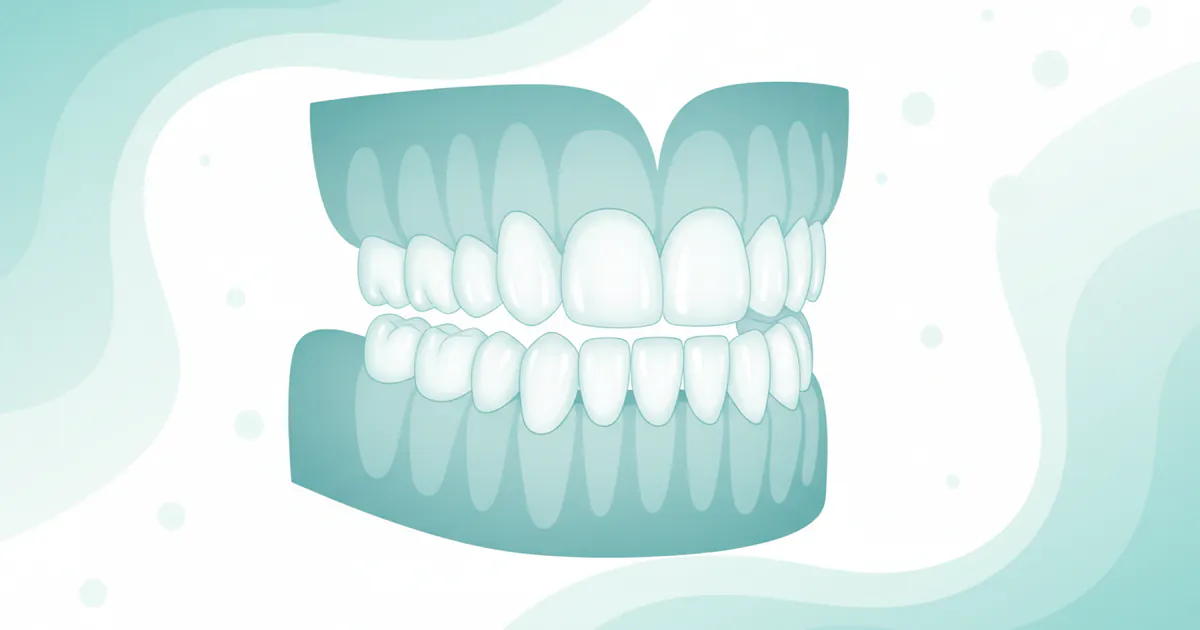
An underbite, clinically known as a Class III malocclusion, is an orthodontic condition characterized by the lower jaw and/or teeth extending forward beyond the upper jaw and/or teeth. In a normal, healthy bite (Class I occlusion), the upper front teeth slightly overlap the lower front teeth, with the upper molars fitting perfectly into the grooves of the lower molars. With an underbite, this relationship is reversed: the lower front teeth bite in front of the upper front teeth, creating what's sometimes called a "reverse overjet."

This condition isn't merely a cosmetic concern; it signifies a fundamental imbalance in the bite. The lower jaw might appear more prominent, giving the chin a forward-thrust appearance, a condition known as mandibular prognathism. Conversely, the upper jaw (maxilla) might be underdeveloped or set back, a condition called maxillary retrognathia. Often, it's a combination of both.
The prevalence of underbites varies globally, but within the United States, it affects approximately 5-10% of the population, making it one of the more common types of malocclusion requiring orthodontic intervention. Its impact extends beyond aesthetics, influencing oral function, overall dental health, and even self-esteem.
The Importance of Correcting an Underbite
Correcting an underbite is vital for several reasons:
- Improved Chewing Function: A misaligned bite can make it difficult to properly chew food, potentially affecting digestion and nutrient absorption.
- Reduced Tooth Wear: When teeth don't meet correctly, certain teeth can experience excessive pressure and friction, leading to premature wear, chipping, or even fractures. This is particularly common on the front teeth in underbite cases.
- Enhanced Speech: Severe underbites can interfere with the tongue's ability to articulate certain sounds, leading to speech impediments like a lisp.
- Alleviated Jaw Pain: The misalignment can strain the temporomandibular joints (TMJ), leading to chronic jaw pain, headaches, clicking or popping sounds, and difficulty opening and closing the mouth.
- Better Oral Hygiene: Crowded or misaligned teeth can be harder to brush and floss effectively, increasing the risk of cavities and gum disease.
- Improved Facial Aesthetics: A prominent lower jaw can significantly alter facial balance and harmony, impacting an individual's confidence. Correcting an underbite can dramatically improve facial symmetry and profile.
Understanding the implications of an underbite is the first step toward seeking appropriate treatment and safeguarding your long-term dental and overall health.
Types / Variations
Underbites are not all the same; they can vary in severity and underlying cause. Identifying the specific type of underbite is crucial for determining the most effective treatment strategy.
1. Skeletal Underbite
This is the most common and often most severe type of underbite. A skeletal underbite occurs when there is a discrepancy in the growth or size of the upper and lower jaws.
- Mandibular Prognathism: The lower jaw (mandible) is overgrown or positioned too far forward.
- Maxillary Hypoplasia/Retrognathia: The upper jaw (maxilla) is underdeveloped or positioned too far backward.
- Combination: Often, it's a combination of both an oversized lower jaw and an undersized or retruded upper jaw. Skeletal underbites typically have a strong genetic component and often require more extensive treatment, potentially including jaw surgery (orthognathic surgery) in severe adult cases, especially when growth is complete.
2. Dental Underbite
A dental underbite refers to a misalignment where the teeth themselves are positioned incorrectly, even if the jaw relationship is relatively normal.
- Lingually Tipped Maxillary Incisors: The upper front teeth are angled inward towards the tongue.
- Facially Tipped Mandibular Incisors: The lower front teeth are angled outward towards the lips. This type is generally less severe and is often correctable with traditional orthodontic treatments like braces or clear aligners, as it primarily involves repositioning the teeth within the dental arches.
3. Pseudo Underbite
A pseudo underbite is a functional issue, not a true skeletal or dental problem. It occurs when a child shifts their lower jaw forward to achieve a more comfortable bite, often due to an obstruction or premature contact of certain teeth. This can mimic the appearance of a skeletal underbite.
- Cause: Often linked to habits like thumb sucking or early loss of primary teeth, or even just habit.
- Correction: Can sometimes be corrected with simple orthodontic appliances or by addressing the underlying habit, and typically does not involve jaw surgery. Early diagnosis is key to distinguish it from a true skeletal underbite.
Orthodontists use various diagnostic tools, including X-rays (cephalometric and panoramic), dental impressions, and facial photographs, to accurately classify the type and severity of an underbite. This precise diagnosis guides the development of a personalized treatment plan.
Causes / Why It Happens
Understanding the root causes of an underbite is essential for both prevention and effective treatment. While sometimes multifactorial, the primary driver is often genetic.
1. Genetics and Heredity
Genetics is the most significant contributing factor to underbites. If one or both parents have an underbite or a prominent lower jaw, there's a considerably higher likelihood that their children will also develop the condition. This inheritance pattern often dictates the size and relationship of the jaws, determining whether the lower jaw grows excessively or the upper jaw is underdeveloped. Studies suggest that up to 70% of underbite cases have a genetic link.
2. Developmental Issues
Problems during jaw development can also lead to an underbite:
- Mandibular Overgrowth: The lower jaw may grow more than expected during childhood and adolescence, continuing even after the upper jaw's growth has slowed.
- Maxillary Underdevelopment: The upper jaw may not grow enough, remaining smaller or set back relative to the lower jaw.
- Hormonal Imbalances: Rarely, certain hormonal conditions, such as acromegaly (excess growth hormone), can lead to an overgrowth of the mandible in adults, resulting in an acquired underbite.
3. Childhood Habits
While less common as a direct cause of severe skeletal underbites, certain prolonged childhood habits can contribute to the development or exacerbation of a dental underbite or a pseudo underbite:
- Thumb Sucking or Pacifier Use: Persistent thumb sucking beyond the age of 4-5 can affect jaw development and tooth eruption, potentially influencing bite alignment.
- Tongue Thrusting: An abnormal swallowing pattern where the tongue pushes forward against the front teeth can exert pressure that shifts teeth, though this is more commonly associated with an open bite.
- Prolonged Bottle Feeding: Similar to pacifier use, extended bottle feeding can sometimes influence dental alignment.
4. Trauma or Injury
Severe facial trauma, especially during childhood when the jawbones are still developing, can sometimes result in an underbite. Fractures or injuries to the jaw can alter its growth pattern or healing, leading to a misaligned bite.
5. Tumors or Cysts
Although rare, benign or malignant growths in the jawbones can sometimes lead to localized overgrowth or displacement, potentially causing an acquired underbite.
It's important to note that most true skeletal underbites are largely beyond an individual's control due to their strong genetic predisposition. However, early detection and intervention can significantly mitigate their impact and improve outcomes.
Signs and Symptoms
Identifying an underbite often begins with noticing visible signs, but accompanying symptoms can indicate functional problems that require attention.

Visible Signs
- Protruding Lower Jaw: The most defining characteristic is when the lower jaw extends noticeably beyond the upper jaw, making the chin appear prominent.
- Lower Teeth Overlapping Upper Teeth: The lower front teeth will bite in front of the upper front teeth, rather than behind them.
- Concave Facial Profile: When viewed from the side, the middle of the face (cheeks, upper lip) may appear sunken, while the lower face (chin, lower lip) protrudes, creating a concave or "dish-face" profile.
- Difficulty Closing Lips: In more severe cases, individuals may struggle to bring their lips together comfortably without strain, especially when the lower jaw is very far forward.
Functional Symptoms
- Chewing Difficulties: An underbite can make it challenging to incise food properly with the front teeth or to chew efficiently with the back teeth, leading to improper food breakdown.
- Speech Difficulties: The abnormal relationship between the jaws and teeth can interfere with tongue placement, making it hard to pronounce certain sounds, particularly "s" and "f" sounds, resulting in a lisp or muffled speech.
- Jaw Pain and TMJ Disorders: The constant strain on the temporomandibular joints (TMJ) due to the misaligned bite can lead to pain in the jaw, clicking or popping sounds when opening or closing the mouth, headaches, earaches, and muscle spasms.
- Excessive Tooth Wear: Specific teeth, especially the front teeth, may bear the brunt of an abnormal bite, leading to premature wear, chipping, or sensitivity.
- Difficulty with Oral Hygiene: Misaligned and crowded teeth can create hard-to-reach areas, making effective brushing and flossing more challenging and increasing the risk of cavities and gum disease.
- Psychological Impact: The aesthetic implications of an underbite can significantly affect self-esteem, confidence, and social interactions, especially during formative years.
If you or your child exhibit any of these signs or symptoms, it's advisable to seek a consultation with an orthodontist. Early diagnosis and intervention are key to achieving the best possible outcomes.
Treatment Options
Treating an underbite is a complex process that depends heavily on the patient's age, the severity of the underbite, and whether it's skeletal or dental in nature. A qualified orthodontist will develop a personalized treatment plan.
A. Early Interceptive Treatment (For Children & Adolescents)
Early intervention, ideally between ages 7 and 10, is often recommended for children with developing underbites. The goal is to guide jaw growth and prevent the condition from worsening, potentially avoiding the need for surgery later.
1. Palatal Expander with Facemask (Reverse-Pull Headgear)
- What it is: A palatal expander is an appliance cemented to the upper back teeth to gradually widen the upper jaw. Once the upper jaw is widened, a facemask is used. This external appliance attaches to the expander with elastic bands and applies gentle, forward and downward pressure to the upper jaw.
- How it works: The facemask encourages forward growth of the underdeveloped upper jaw and can inhibit the forward growth of the lower jaw.
- Pros: Highly effective for mild to moderate skeletal underbites in growing children. Can significantly reduce or eliminate the need for future jaw surgery. Relatively short treatment duration (6-18 months).
- Cons: Requires significant patient and parent compliance (worn for 12-14 hours daily). The facemask is visible.
- Cost: Typically $1,500 - $4,000.
2. Chin Cap (Chin Cup Headgear)
- What it is: An external appliance that fits over the chin and attaches to a head cap with straps.
- How it works: Applies backward and upward pressure to the lower jaw, aiming to restrict its forward growth.
- Pros: Can be effective in cases where the lower jaw is growing excessively.
- Cons: Requires excellent patient compliance. Less commonly used than facemasks due to varying efficacy and compliance issues.
- Cost: Typically $1,000 - $3,000.
3. Orthodontic Braces/Aligners (Phased Treatment)
- What it is: Sometimes, early orthodontics (Phase 1) involving limited braces or clear aligners can be used to reposition specific teeth, especially in cases of dental underbite or pseudo underbite.
- How it works: Aligns teeth to correct the bite discrepancy.
- Pros: Can address dental aspects of the underbite without invasive surgery.
- Cons: May not be sufficient for significant skeletal discrepancies. Often followed by a second phase of comprehensive orthodontics.
- Cost: Varies widely, $1,000 - $5,000 for Phase 1.
B. Comprehensive Orthodontic Treatment (For Adolescents & Adults)
Once facial growth is complete, orthodontic treatment focuses on tooth movement and can address dental underbites or mild skeletal discrepancies.
1. Braces (Metal, Ceramic, Lingual)
- What it is: Brackets are bonded to the teeth and connected by archwires, which are adjusted periodically to move teeth into their correct positions.
- How it works: Can be used with elastics (rubber bands) to apply specific forces that help correct the bite, including Class III elastics to pull the upper teeth forward and lower teeth backward.
- Pros: Highly effective for correcting dental underbites and mild skeletal discrepancies. Modern braces are smaller and more comfortable.
- Cons: Visible (especially metal), can cause some discomfort, requires strict oral hygiene. Treatment duration is typically 18-36 months.
- Cost: Metal braces: $3,000 - $7,500. Ceramic braces: $4,000 - $8,000. Lingual braces: $8,000 - $12,000.
2. Clear Aligners (e.g., Invisalign)
- What it is: A series of custom-made, clear plastic trays worn sequentially to gradually shift teeth.
- How it works: Each aligner tray is worn for about 1-2 weeks before moving to the next, slowly pushing teeth into alignment. Can be combined with attachments and elastics for more complex movements, including correcting an underbite.
- Pros: Nearly invisible, removable for eating and cleaning, generally more comfortable than traditional braces.
- Cons: Requires exceptional patient compliance (worn 20-22 hours/day). May not be suitable for very severe skeletal underbites without adjunct treatment.
- Cost: Typically $3,500 - $9,000.
C. Orthognathic Surgery (Jaw Surgery)
For severe skeletal underbites in adults where growth is complete, orthodontics alone cannot correct the underlying jaw discrepancy. Jaw surgery, performed by an oral and maxillofacial surgeon, is often necessary. This is usually combined with orthodontics before and after surgery.
- What it is: Surgical repositioning of the upper jaw (maxilla), lower jaw (mandible), or both, to achieve proper alignment.
- How it works:
- Maxillary Advancement (Le Fort I Osteotomy): The upper jaw is cut, moved forward, and secured with plates and screws.
- Mandibular Setback (Bilateral Sagittal Split Osteotomy - BSSO): The lower jaw is cut, a section removed, and the remaining parts repositioned backward and secured.
- Bi-Maxillary Surgery: Both upper and lower jaws are repositioned simultaneously, often in severe cases.
- Pros: Provides a definitive and stable correction for severe skeletal underbites, dramatically improving facial aesthetics and function.
- Cons: Major surgery with associated risks (nerve damage, infection, bleeding). Requires significant recovery time. High cost. Involves a pre-surgical orthodontic phase (typically 12-18 months) and a post-surgical orthodontic phase (6-12 months).
- Cost: Jaw surgery alone can range from $20,000 - $50,000+, depending on complexity and location. This does not include the cost of accompanying orthodontics.
D. Retention Phase: The Critical Role of Retainers
Regardless of the treatment method, the retention phase is non-negotiable for preventing relapse. Teeth have a natural tendency to shift back to their original positions.
1. Removable Retainers
- Hawley Retainers: Made of acrylic and wire, these fit the roof of your mouth (upper) or inside of your lower arch (lower) with a wire running across the front of your teeth. Durable and adjustable.
- Essix Retainers (Clear Retainers): Vacuum-formed clear plastic retainers that fit snugly over the entire arch of teeth, similar to clear aligners. Less visible than Hawley retainers.
- Wear Schedule: Initially worn full-time (except for eating and brushing), gradually transitioning to nighttime wear, often for life.
- Cost: Included in overall orthodontic treatment or $200 - $500 per arch for replacements.
2. Permanent Retainer (Fixed or Bonded Retainer)
- What it is: A thin, custom-fitted wire bonded to the back (lingual side) of your front teeth (typically canine to canine).
- How it works: Provides continuous retention, preventing those specific teeth from shifting.
- Pros: Invisible, always in place (no compliance issues), very effective at preventing relapse of the front teeth.
- Cons: Can make flossing more challenging (requires a floss threader), can accumulate plaque if not cleaned properly, can break or debond and require repair/replacement.
- Cost: Included in overall orthodontic treatment or $250 - $700 per arch for installation/repair.
Pro Tip: For optimal long-term stability, many orthodontists recommend a combination of a permanent retainer on the lower arch (where relapse is most common) and a removable retainer for the upper arch, to be worn nightly for life. Adhering to your retainer protocol is the single most important factor in maintaining your corrected underbite.
Step-by-Step Process: What to Expect During Underbite Treatment
The journey to correct an underbite can be lengthy, often spanning several years, especially if it involves multiple phases or surgery. Here's a general overview of the steps involved:
Step 1: Initial Consultation and Diagnosis
- First Visit: Your first step is to consult an orthodontist. They will conduct a thorough oral examination.
- Diagnostic Records: This typically includes a series of X-rays (panoramic, cephalometric to assess jaw relationships), digital scans or physical impressions of your teeth, and clinical photographs of your face and teeth. These records allow the orthodontist to precisely identify the type of underbite (skeletal vs. dental) and its severity.
- Treatment Planning: Based on these records, your orthodontist will develop a personalized treatment plan, explaining the recommended approach, estimated timeline, costs, and potential outcomes.
Step 2: Pre-Treatment Preparation (If Applicable)
- Dental Cleanings/Restorations: Any existing dental issues like cavities or gum disease must be addressed before orthodontic treatment begins.
- Extractions: In some cases, to create space or improve bite alignment, extraction of certain teeth (usually premolars) might be recommended, though this is less common for underbites unless severe crowding is also present.
Step 3: Active Treatment Phase
This phase varies significantly based on the chosen treatment.
For Children (Early Intervention):
- Appliance Placement: If an expander or facemask is used, the appliance will be fitted and instructions for use and activation (e.g., turning an expander screw) will be provided.
- Regular Appointments: You'll have periodic check-ups (e.g., every 4-8 weeks) to monitor progress and make adjustments.
- Duration: This phase can last from 6 months to 1.5 years.
For Adolescents/Adults (Orthodontics Only):
- Braces Placement: If choosing braces, brackets are bonded to your teeth, and archwires are inserted.
- Aligner Provision: If opting for clear aligners, you'll receive a series of trays and instructions on how to wear them.
- Adjustment/Check-up Appointments: For braces, you'll visit the orthodontist every 4-8 weeks for adjustments and wire changes. For aligners, check-ups are less frequent, often every 8-12 weeks, to ensure proper tracking.
- Elastic Wear: You'll likely be instructed to wear specific elastic bands to help correct the bite. Compliance is critical.
- Duration: This phase typically lasts 18-36 months, but can be longer for complex cases.
For Combined Orthodontic-Surgical Treatment:
- Pre-Surgical Orthodontics: Braces or aligners are worn to align the teeth within each jaw, preparing them for the correct bite after surgery. This phase can take 12-18 months.
- Surgical Planning: Detailed planning involves sophisticated imaging and virtual surgery to precisely map out jaw movements.
- Jaw Surgery: Performed by an oral and maxillofacial surgeon in a hospital setting. This is a major procedure.
- Post-Surgical Healing: Initial recovery involves a soft diet, managing swelling and pain, and restricted jaw movement.
- Post-Surgical Orthodontics: After initial healing (typically 4-8 weeks), braces or aligners are re-engaged to fine-tune the bite. This phase usually lasts 6-12 months.
- Duration: The entire orthodontic-surgical process can take 2-4 years from start to finish.
Step 4: Retention Phase
- Debonding/Removal: Once the active treatment is complete and your bite is corrected, your braces will be removed, or you'll wear your final aligner.
- Retainer Fitting: Impressions will be taken for your retainers (removable and/or permanent).
- Lifelong Wear: You will be instructed on how to wear your retainers. Initially, this often means full-time wear, transitioning to nighttime wear, often for life, to prevent relapse.
- Follow-up: Periodic check-ups will be scheduled to ensure your retainers are fitting correctly and your bite remains stable.

Pro Tip: Your commitment to wearing retainers as prescribed is paramount. The years of effort and investment in correcting your underbite can be undone in a matter of months if retainers are neglected.
Cost and Insurance
The cost of underbite treatment in the US can vary significantly based on the severity of the condition, the chosen treatment method, the duration, and geographical location.
Average US Price Ranges by Treatment Type:
| Treatment Type | Average Cost Range (USD) | Notes |
|---|---|---|
| Early Interceptive Treatment (Children) | ||
| Palatal Expander + Facemask | $1,500 - $4,000 | Often a "Phase 1" treatment, may not include comprehensive braces later. |
| Chin Cap | $1,000 - $3,000 | Less common, may be part of a larger plan. |
| Comprehensive Orthodontics (Adolescents/Adults) | ||
| Traditional Metal Braces | $3,000 - $7,500 | Most common and often most affordable full orthodontic treatment. |
| Ceramic Braces | $4,000 - $8,000 | Similar to metal but less visible; brackets may stain. |
| Clear Aligners (e.g., Invisalign) | $3,500 - $9,000 | Popular for aesthetics; price varies with case complexity and duration. |
| Lingual Braces | $8,000 - $12,000 | Placed on the inside of teeth, virtually invisible but more complex and costly. |
| Orthognathic Surgery (Jaw Surgery) | ||
| Surgical Fees (surgeon, anesthesia, hospital) | $20,000 - $50,000+ | This is the surgical component only, not including pre/post-surgical orthodontics. Highly variable based on complexity and location. |
| Retainers (if separate) | ||
| Removable (Hawley, Essix) | $200 - $500 per arch | Typically included in total orthodontic cost, but replacements are extra. |
| Permanent Retainer (Bonded) | $250 - $700 per arch | Also often included, but repairs/replacements are extra. |
Regional Variations:
Costs can be higher in major metropolitan areas (e.g., New York, Los Angeles) and lower in rural or less expensive regions. For instance, comprehensive braces in NYC might start at $6,000, while in a smaller Midwestern city, they might begin at $4,500.
Insurance Coverage Details:
1. Dental Insurance for Orthodontics:
- Orthodontic Benefits: Many dental insurance plans offer orthodontic coverage, but it's often a separate benefit with lifetime maximums.
- Lifetime Maxima: Common lifetime maximums for orthodontic benefits range from $1,000 to $3,000. Once this amount is paid out, the benefit is exhausted.
- Age Limits: Some plans only cover orthodontics for children under 18. However, an increasing number of plans now offer adult orthodontic benefits.
- Waiting Periods: Be aware of waiting periods before orthodontic coverage kicks in, which can be 6-12 months.
- Medical Necessity: For severe cases, especially those requiring surgery, sometimes a portion of the orthodontic treatment may be considered medically necessary, potentially increasing coverage.
- Percentage Coverage: Plans often cover a percentage of the total cost (e.g., 50%), up to the lifetime maximum.
2. Medical Insurance for Jaw Surgery:
- Medical Necessity: Orthognathic surgery for a severe skeletal underbite is typically considered a medical procedure rather than a cosmetic one, especially if it impairs function (chewing, speech, TMJ issues).
- Coverage: Your medical insurance will likely cover a significant portion of the surgical fees, hospital stay, and anesthesia. However, you will still be responsible for deductibles, co-pays, and potentially a percentage of the remaining cost after insurance.
- Pre-authorization: It's crucial to get pre-authorization from your medical insurance provider well in advance of any surgery. The oral surgeon's office will typically assist with this process.
- Orthodontic Portion: The orthodontic phases (pre- and post-surgery) are generally still covered by dental insurance (if available) or paid out-of-pocket, as medical insurance rarely covers routine orthodontics.
Pro Tip: Always contact your dental and medical insurance providers directly to understand your specific benefits, limitations, deductibles, and out-of-pocket maximums for both orthodontic and surgical procedures related to underbite correction. Don't rely solely on information from the dental or surgical office; confirm it yourself.
Recovery and Aftercare
The recovery and aftercare process for underbite correction depends heavily on the chosen treatment method. Whether it's early intervention, comprehensive orthodontics, or jaw surgery, consistent follow-up and diligent self-care are crucial for successful, long-lasting results.
Post-Orthodontic Treatment (Braces, Aligners, Early Appliances)
The primary focus after active orthodontic treatment is preventing relapse.
-
Retainer Wear is Paramount:
- Lifelong Commitment: This cannot be stressed enough. Teeth have a "memory" and will try to shift back. Your orthodontist will provide a specific schedule, often full-time wear for several months, transitioning to nightly wear indefinitely.
- Types: You might receive removable retainers (Hawley or Essix) and/or a permanent retainer (bonded wire behind your front teeth).
- Cost of Replacement: If you lose or break a removable retainer, expect to pay $200-$500 per arch for a replacement. This is a common oversight that leads to relapse.
-
Oral Hygiene with Retainers:
- Removable Retainers: Clean daily with a toothbrush and mild soap or a specialized retainer cleaner. Never use hot water, which can warp them.
- Permanent Retainer: Requires careful flossing with a floss threader or water flosser to clean under the wire and prevent plaque buildup, which can lead to gum inflammation and cavities. Regular dental check-ups are essential to monitor its integrity.
-
Regular Dental Check-ups: Continue seeing your general dentist for cleanings and check-ups every six months. Your orthodontist will also want to see you periodically after treatment to monitor your bite and retainers.
Post-Surgical Recovery (Orthognathic Surgery)
Jaw surgery involves a more intensive recovery period.
-
Immediate Post-Op (First Few Days - 2 Weeks):
- Hospital Stay: Typically 1-3 nights in the hospital.
- Swelling and Bruising: Significant facial swelling and bruising are common and peak around 2-3 days post-op. Cold compresses help.
- Pain Management: Prescription pain medication will be provided.
- Diet: You will be on a strict liquid diet, gradually advancing to a soft, non-chewing diet for 4-8 weeks. Think smoothies, pureed soups, mashed potatoes, yogurt. Chewing is strictly prohibited to allow the bones to heal.
- Jaw Immobilization: Your jaws may be gently wired or banded together, but full immobility is less common now, allowing for some speaking and breathing.
- Oral Hygiene: Gentle rinsing with prescribed mouthwash is crucial to prevent infection.
- Rest: Ample rest is vital for healing.
-
Weeks 2-8: Continued Healing:
- Diet Progression: Gradually introduce softer foods that require minimal chewing. Follow your surgeon's specific guidelines.
- Physical Activity: Avoid strenuous activities. Light walking is usually fine.
- Swelling Reduction: Swelling will gradually subside, but some residual swelling can last for several months.
- Numbness: Numbness in the lips, chin, or cheeks is common due to nerve manipulation during surgery. It can take weeks, months, or in rare cases, be permanent.
- Orthodontic Readjustment: Your orthodontist will typically resume adjustments to your braces (if you have them) a few weeks post-surgery to fine-tune the bite.
-
Long-Term Aftercare:
- Retainer Use: Just like with orthodontics alone, lifelong retainer wear is absolutely critical after jaw surgery to maintain the new jaw position and bite.
- Follow-up Appointments: Regular check-ups with both your surgeon and orthodontist are necessary to monitor healing and stability.
- Oral Hygiene: Maintain meticulous oral hygiene.
Pro Tip: For post-surgical recovery, prepare your home with soft foods, straws, and any recommended cleaning supplies beforehand. Having a support system is incredibly helpful during the initial recovery phase.
Prevention
While many underbites have a strong genetic component and are difficult to prevent entirely, particularly skeletal underbites, certain measures can help mitigate their severity or identify them early for timely intervention.
-
Early Orthodontic Evaluation (ADA Recommendation):
- Age 7 is Key: The American Dental Association (ADA) and the American Association of Orthodontists (AAO) recommend that children have their first orthodontic evaluation by age 7. At this age, a child's jaw and facial bones are still developing, and baby teeth are being replaced by permanent teeth.
- Why it Matters: An orthodontist can identify early signs of an underbite or developing jaw discrepancies. While not all children need early treatment, this evaluation allows for monitoring and timely intervention if needed, potentially avoiding more complex and invasive treatments later.
-
Addressing Deleterious Oral Habits:
- Thumb Sucking/Pacifier Use: If persistent beyond age 4-5, these habits can sometimes influence jaw growth and tooth position, potentially contributing to a dental underbite or pseudo underbite. Encourage cessation through positive reinforcement or dental intervention.
- Tongue Thrusting: If identified, a myofunctional therapist can help retrain the tongue to proper resting and swallowing positions, which can sometimes influence dental alignment.
-
Monitoring Jaw Growth:
- Parents, in conjunction with their pediatrician and dentist, should be observant of their child's facial development. Any noticeable protrusion of the lower jaw or unusual bite should prompt an orthodontic consultation.
-
Prompt Treatment of Dental Issues:
- Regular dental check-ups and prompt treatment of any issues like premature loss of baby teeth or severe crowding can contribute to overall oral health, which indirectly supports proper jaw and tooth development.
Pro Tip: Don't wait for all permanent teeth to erupt or for the underbite to become severe. Early detection by an experienced orthodontist is your best preventative strategy against a complex and costly treatment path for underbite correction.
Risks and Complications
While underbite treatment is generally safe and effective, like any medical procedure, it carries potential risks and complications. Being aware of these helps in making informed decisions and managing expectations.
Risks of Orthodontic Treatment (Braces, Aligners, Early Appliances)
- Relapse: The most common complication. Teeth and jaws have a tendency to return to their original positions if retainers are not worn diligently as prescribed. This highlights the importance of lifelong retainer use, especially a permanent retainer.
- Root Resorption: Shortening of the tooth roots. This is usually minor and clinically insignificant, but in rare cases, it can be moderate to severe, potentially affecting tooth longevity. It's monitored with X-rays.
- Decalcification/White Spots: Poor oral hygiene during braces treatment can lead to plaque buildup around brackets, resulting in demineralization of enamel (white spots) or cavities.
- Gum Inflammation (Gingivitis): Difficulty cleaning around appliances can lead to swollen, bleeding gums.
- Discomfort/Pain: While temporary, soreness is common after adjustments or when new aligners are worn.
- Allergic Reactions: Rare, but some individuals can be allergic to nickel in metal braces or latex in some elastics.
- TMJ Discomfort: While correcting an underbite often improves TMJ issues, some individuals may experience temporary discomfort during treatment.
Risks of Orthognathic Surgery (Jaw Surgery)
Jaw surgery is a major procedure and carries more significant risks:
- Nerve Damage:
- Temporary Numbness: Very common, especially in the lower lip and chin, due to manipulation of the inferior alveolar nerve. This usually resolves within weeks to months.
- Permanent Numbness: A rare but possible complication, where sensation does not fully return to certain areas.
- Infection: As with any surgery, there's a risk of infection at the surgical sites, requiring antibiotics.
- Excessive Bleeding: While controlled during surgery, there's a risk of post-operative bleeding.
- Relapse/Unfavorable Healing: The jaws can sometimes shift back towards their original position, or healing may not be optimal, requiring further intervention.
- Non-Union/Malunion: In rare cases, the bone segments may not heal together properly (non-union) or may heal in an incorrect position (malunion), potentially requiring a second surgery.
- TMJ Issues: While often improved, new or persistent TMJ pain or dysfunction can occur.
- Anesthesia Risks: General anesthesia carries its own set of risks, though serious complications are rare.
- Aesthetic Dissatisfaction: Despite surgical correction, some patients may not be fully satisfied with the aesthetic outcome, highlighting the importance of thorough pre-surgical discussions.
- Hardware Issues: The small plates and screws used to stabilize the jaw can sometimes become loose, infected, or palpable, requiring removal.
Pro Tip: Always discuss all potential risks and complications thoroughly with your orthodontist and oral surgeon before committing to any treatment plan. Ask specific questions and ensure you understand the likelihood and management of these risks.
Children / Pediatric Considerations
Addressing an underbite in children presents a unique opportunity for highly effective intervention, often referred to as Phase 1 or interceptive orthodontics. The developing nature of a child's jaws means an orthodontist can guide growth, rather than just move teeth.

Why Early Intervention is Critical
The American Dental Association (ADA) and the American Association of Orthodontists (AAO) recommend that children have their first orthodontic screening by age 7. Here's why this is especially important for underbites:
-
Guiding Jaw Growth: In children, the jawbones are still growing and malleable. Early treatment can capitalize on this growth to:
- Promote Maxillary Growth: Encourage the underdeveloped upper jaw to grow forward.
- Restrict Mandibular Growth: Gently slow down the forward growth of an overgrowing lower jaw. This "growth modification" can correct skeletal discrepancies that would be much harder, or impossible, to address without surgery once growth is complete.
-
Avoiding Future Jaw Surgery: For many children with skeletal underbites, early intervention can significantly reduce the severity of the underbite, potentially eliminating the need for complex and invasive orthognathic surgery in adulthood. This is a major benefit of early treatment.
-
Improved Facial Development: By establishing a more balanced jaw relationship, early treatment contributes to more harmonious facial development and symmetry as the child grows.
-
Addressing Functional Issues Early: Correcting an underbite early can alleviate issues like chewing difficulties, speech impediments, and abnormal tooth wear before they become chronic problems.
Age-Specific Guidance for Parents
-
Ages 7-10 (Early Childhood): This is the prime window for interceptive treatment.
- Appliances: Common appliances include:
- Facemask (Reverse-Pull Headgear): An external appliance worn primarily at night or at home, designed to pull the upper jaw forward. Requires good compliance.
- Palatal Expander: Often used in conjunction with a facemask to widen a narrow upper jaw, creating space and facilitating forward movement.
- Chin Cap: Less common, but may be used to gently restrict forward growth of the lower jaw.
- Parental Role: Parental involvement is crucial for ensuring the child wears the appliances as directed and maintains good oral hygiene.
- Appliances: Common appliances include:
-
Ages 10-14 (Adolescence): If an underbite wasn't caught or fully corrected with early intervention, or if it's a dental underbite, comprehensive orthodontics may be initiated during this period.
- Appliances: Full braces (metal or ceramic) or clear aligners are typically used to align teeth and correct the bite.
- Growth Spurts: Orthodontists can still utilize remaining growth spurts to a lesser extent, particularly in boys who grow later than girls.
What Parents Should Look For:
- A lower jaw that sticks out beyond the upper jaw.
- Lower front teeth that sit in front of the upper front teeth.
- Difficulty closing lips comfortably.
- Chewing problems or specific speech issues.
- A concave facial profile.
Pro Tip: Trust your instincts. If you notice anything unusual about your child's bite or jaw development, schedule an appointment with a board-certified orthodontist. A simple evaluation can provide clarity and peace of mind.
Cost Breakdown
As discussed, underbite treatment costs vary widely. Here's a more detailed breakdown of average US costs and payment considerations.
Average US Costs (Low, Mid, High)
| Treatment Type | Low End (USD) | Mid Range (USD) | High End (USD) | Notes |
|---|---|---|---|---|
| Early Intervention (Phase 1) | $1,500 | $3,000 | $5,000 | May only address jaw growth, with a second phase of orthodontics later. |
| Comprehensive Braces | $3,000 | $5,500 | $8,000 | Includes metal, ceramic, or clear braces; total treatment often 18-36 months. |
| Clear Aligners (Invisalign) | $3,500 | $6,500 | $9,000 | For full, complex cases. Simpler cases ("Invisalign Lite") may be $2,500-$5,000. |
| Lingual Braces | $8,000 | $10,000 | $12,000+ | Most expensive due to custom fabrication and placement complexity. |
| Orthognathic Surgery (Surgical Fees Only) | $20,000 | $35,000 | $50,000+ | Does NOT include pre/post-surgical orthodontics, anesthesia, or hospital stay. Varies significantly by surgeon/region. |
| Retainers (Replacements) | $200 | $350 | $700 | Per arch. Often included in initial treatment. |
With vs. Without Insurance
- Without Insurance: If you have no dental insurance or no orthodontic benefits, you will be responsible for 100% of the costs. This is where payment plans and financing become crucial.
- With Dental Insurance:
- Orthodontic Benefits: Many plans have a lifetime maximum benefit for orthodontics, typically ranging from $1,000 to $3,000.
- Coverage Percentage: After deductibles, your insurance might cover 50% of the cost up to that lifetime maximum.
- Example: For a $6,000 braces treatment with a $2,000 lifetime max, insurance might pay $2,000, leaving you with $4,000 out-of-pocket.
- With Medical Insurance (for Surgery):
- For medically necessary orthognathic surgery, medical insurance can cover a substantial portion of the surgical, anesthesia, and hospital fees.
- Deductibles and Co-pays: You will still be responsible for your medical insurance deductible (e.g., $1,000-$5,000) and potentially co-insurance (e.g., 10-20% of the bill) until you reach your out-of-pocket maximum.
- Example: A $30,000 surgery might leave you with $5,000 - $10,000 out-of-pocket, depending on your plan.
Payment Plans and Financing Options
Most orthodontic and surgical offices understand the financial commitment and offer various options:
- In-House Payment Plans: Many practices offer interest-free payment plans, allowing you to pay the balance over the course of treatment (e.g., 18-36 months) after an initial down payment.
- Third-Party Financing: Companies like CareCredit or LendingClub provide specialized healthcare financing with various interest rates and payment terms, including 0% interest for shorter periods.
- Flexible Spending Accounts (FSAs) / Health Savings Accounts (HSAs): These tax-advantaged accounts allow you to set aside pre-tax money for qualified medical and dental expenses, including orthodontics.
- Credit Cards: A straightforward but potentially high-interest option if not paid off quickly.
Cost-Saving Tips
- Early Evaluation: As emphasized, early intervention in children can often prevent the need for more expensive and complex treatments, including surgery, later on.
- Compare Orthodontists: Get consultations from 2-3 different orthodontists. While prices are often similar, variations exist. Ensure they are board-certified.
- Dental Schools: University dental schools often offer orthodontic treatment at a reduced cost. While treatment might take slightly longer and be performed by residents, it's supervised by experienced faculty.
- Negotiate: For cash payments (without insurance), sometimes offices are open to a slight discount or more flexible payment terms.
- Maximize Insurance: Understand your benefits fully and ensure you use them before they expire (e.g., annual maximums for dental cleanings while in braces). If your plan has an age limit, ensure treatment starts before that cut-off.
Frequently Asked Questions
Is an underbite always genetic?
While genetics is the strongest predictor, accounting for a majority of cases, not all underbites are strictly genetic. Developmental issues, prolonged childhood habits (like thumb sucking), or facial trauma can also contribute to its development, particularly for dental or pseudo underbites.
How long does underbite treatment take?
The duration varies greatly. Early interceptive treatment in children might last 6-18 months. Comprehensive orthodontics (braces or aligners) typically takes 18-36 months. Combined orthodontic-surgical treatment is the longest, often spanning 2-4 years, including pre- and post-surgical orthodontics.
Is underbite correction painful?
Discomfort is common, but severe pain is rare. With braces or aligners, you might experience soreness after adjustments or when changing aligners, which typically subsides within a few days. Jaw surgery involves a more significant recovery with swelling and discomfort managed by pain medication.

Can an adult underbite be corrected without surgery?
Yes, but it depends on the type and severity. Dental underbites or mild skeletal underbites in adults can often be corrected with orthodontics (braces or clear aligners) alone. However, moderate to severe skeletal underbites, where the jaws themselves are significantly misaligned, typically require orthognathic surgery for a stable and aesthetically pleasing result.
What happens if an underbite is left untreated?
Untreated underbites can lead to a range of issues, including accelerated wear and tear on teeth, chronic jaw pain (TMJ disorders), headaches, difficulty chewing and speaking, increased risk of gum disease and cavities due to difficult cleaning, and significant impacts on facial aesthetics and self-esteem.
How much do retainers cost, and do I need them forever?
The cost of retainers is often included in the overall orthodontic treatment fee. If you need replacements, removable retainers typically cost $200-$500 per arch, and permanent retainers $250-$700 per arch. Yes, lifelong retainer wear, especially for an underbite, is almost always recommended to prevent relapse and maintain your corrected bite.
Are there alternatives to braces for underbites?
For dental underbites, clear aligners (like Invisalign) are a popular alternative to traditional braces, offering a less visible and often more comfortable option. For severe skeletal underbites, there are no effective non-surgical alternatives once jaw growth is complete; surgery combined with orthodontics is usually the only definitive solution.
Can an underbite come back after treatment?
Yes, an underbite can relapse (come back) if retainers are not worn as prescribed. Teeth and jaws naturally tend to shift back towards their original positions over time. Consistent and lifelong retainer wear is the most critical factor in preventing relapse and maintaining your treatment results.
Does insurance cover underbite treatment?
Dental insurance often provides limited orthodontic benefits, typically with a lifetime maximum ranging from $1,000-$3,000. For medically necessary orthognathic (jaw) surgery for severe skeletal underbites, medical insurance usually covers a significant portion of the surgical and hospital fees, but not the orthodontic components. Always verify your specific plan.
Can an underbite affect speech?
Yes, a significant underbite can interfere with the proper positioning of the tongue and lips, making it difficult to form certain sounds correctly. This can lead to speech impediments, such as a lisp, which often improve significantly after the underbite is corrected.
When to See a Dentist
Recognizing when to seek professional dental advice for an underbite is crucial for timely intervention and optimal outcomes.
Clear Warning Signs That Need Attention:
- Visible Lower Jaw Protrusion: If your lower jaw noticeably extends beyond your upper jaw, or if your lower front teeth bite in front of your upper front teeth. This is the most obvious sign of an underbite.
- Difficulty Chewing or Biting: If you or your child struggle to bite into food or chew efficiently, indicating a functional problem with the bite.
- Speech Difficulties: Development of a lisp or other speech impediments that seem related to jaw or tooth position.
- Chronic Jaw Pain or Discomfort: Persistent pain in the jaw joints (TMJ), clicking or popping sounds when opening/closing the mouth, or frequent headaches that might be related to jaw strain.
- Premature Tooth Wear: Noticing that certain front teeth are wearing down unusually fast, chipping, or becoming sensitive, suggesting an improper bite force distribution.
- Facial Asymmetry: If the underbite is causing a noticeable imbalance or concavity in the facial profile.
Red Flags vs. Routine Care Guidance:
- Red Flag - Early Detection in Children: If you observe an underbite developing in your child, particularly before they reach puberty, it's a red flag indicating the need for an early orthodontic evaluation. Intervening during growth offers the best chance to avoid surgery. The ADA recommends a first orthodontic visit by age 7 for this exact reason.
- Red Flag - Worsening Symptoms: If any of the above symptoms are worsening over time, or significantly impacting daily life (eating, speaking, comfort), seek an orthodontist promptly.
- Routine Care - Ongoing Monitoring: For adults with a mild underbite that isn't causing significant symptoms, your general dentist might monitor it during routine check-ups. However, even for mild cases, an orthodontic consultation is valuable to understand potential future risks.
Emergency vs. Scheduled Appointment Guidance:
- Emergency: A true dental emergency related to an underbite is rare. However, if you experience sudden, severe, and debilitating jaw pain, lockjaw, or an injury that dramatically alters your bite, seek immediate dental or medical attention.
- Scheduled Appointment: For all other concerns related to an underbite (visible signs, chewing/speech difficulties, mild jaw pain, or just curiosity about treatment options), a scheduled appointment with an orthodontist is the appropriate course of action. You do not need a referral from your general dentist to see an orthodontist.
Taking proactive steps and seeking professional evaluation for an underbite can prevent future complications and significantly improve your long-term oral health and quality of life.
Frequently Asked Questions
Medically Reviewed Content
This article was written by our dental health editorial team and reviewed for medical accuracy. Our content follows strict editorial guidelines for reliability and trustworthiness.
Medical Disclaimer
This article is for informational purposes only and does not constitute medical advice. Always consult with a qualified dental professional for diagnosis and treatment. Do not delay seeking professional advice because of something you read on this website.
Related Articles
Retainer Fee: Complete Guide
The journey to a perfectly aligned smile doesn't end when your braces come off or your last clear aligner tray is discarded. In fact, a crucial phase, often overlooked but absolutely essential for maintaining your results, begins: retention. For many, the idea of a retainer fee can be an unexpec
February 22, 2026
Braces for Adults: Complete Guide
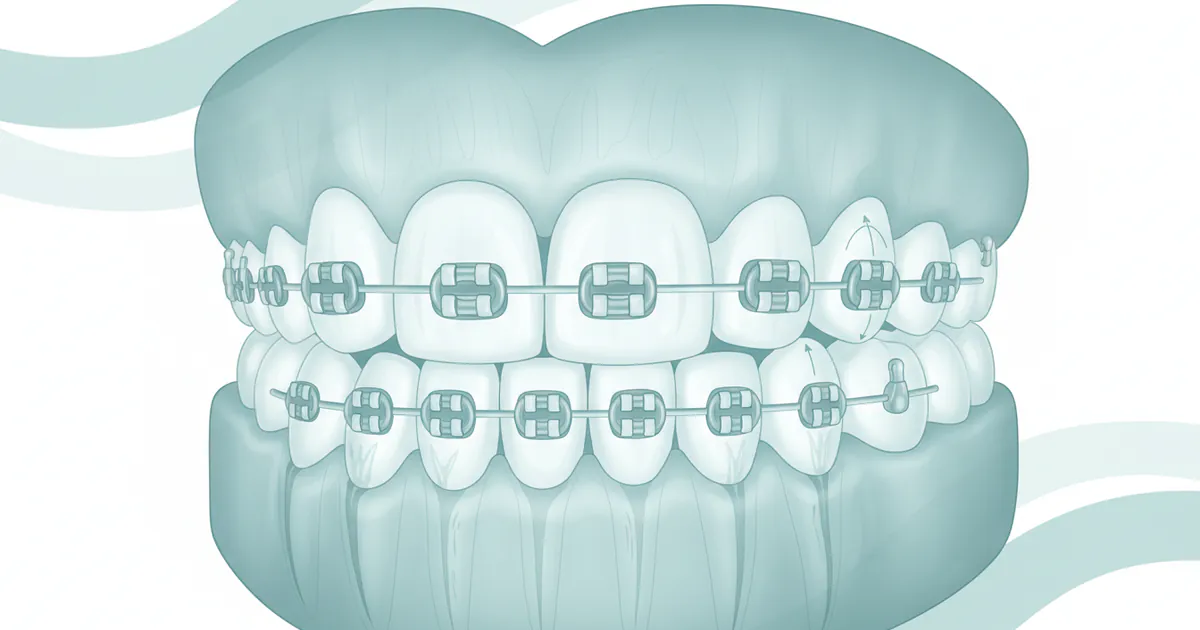
Braces for Adults: Complete Guide Category: Orthodontics
February 22, 2026
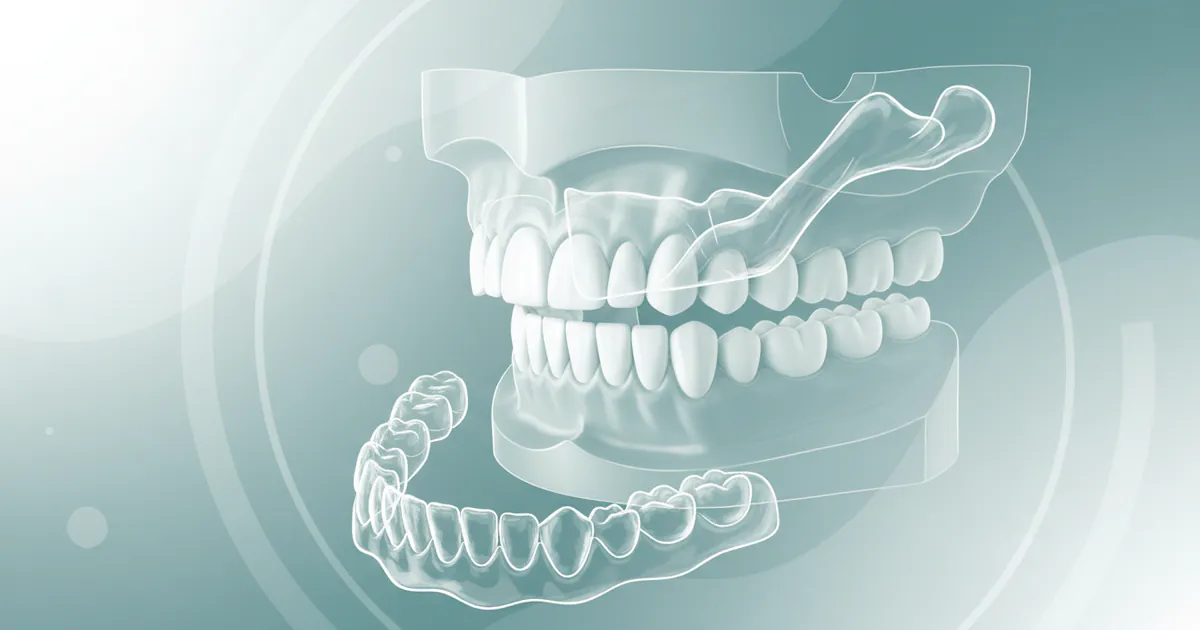
Invisalign Braces: Complete Guide
A radiant, perfectly aligned smile is more than just aesthetically pleasing; it's a gateway to improved oral health, enhanced confidence, and even better overall well-being. For millions of Americans seeking to correct misaligned teeth, the thought of traditional metal braces can be daunting, often
February 22, 2026
Adult Braces: Complete Guide
Adult Braces: Complete Guide
February 22, 2026