How Much Is Invisalign
Key Takeaways
- Considering a straighter smile but dreading the thought of traditional metal braces? You're not alone. Millions of Americans are exploring modern orthodontic solutions, and Invisalign often tops the list. But as you envision a discreet path to a confident smile, a crucial question invariably ari
How Much Is Invisalign: A Comprehensive Guide to Clear Aligner Costs and Value
Considering a straighter smile but dreading the thought of traditional metal braces? You're not alone. Millions of Americans are exploring modern orthodontic solutions, and Invisalign often tops the list. But as you envision a discreet path to a confident smile, a crucial question invariably arises: how much is Invisalign? The answer, while not a single fixed price, is surprisingly accessible for many, ranging typically from $3,000 to $8,000, with various factors influencing the final cost.

Beyond the aesthetics, correctly aligned teeth contribute significantly to overall oral health, preventing issues like uneven wear, gum disease, and difficulties with chewing or speaking. This comprehensive guide from SmilePedia.net will demystify the cost of clear aligners, detailing what influences the price, how insurance can help, and what the entire process entails, ensuring you have all the information needed to make an informed decision for your smile and your health. We'll explore everything from the types of Invisalign treatments available to financing options and crucial aftercare, helping you understand the true value of this innovative orthodontic solution.
Key Takeaways:
- Average Cost: Invisalign treatment typically ranges from $3,000 to $8,000 in the US, comparable to traditional braces.
- Factors Influencing Cost: Complexity of your case, treatment duration, your location, and the experience of your orthodontist significantly impact the final price. Insurance Coverage: Many dental insurance plans offer orthodontic benefits that can cover 10-50% of Invisalign costs, often up to a lifetime maximum of $1,000-$3,000.
- Payment Options: Most providers offer flexible payment plans, and financing options like CareCredit, FSA/HSA accounts, and discounts can make treatment more affordable.
- Treatment Duration: Average treatment time is 12-18 months, but can range from 6 months for minor corrections to over 24 months for complex cases.
- Compliance is Key: Wearing aligners for 20-22 hours per day is critical for successful and timely results.
- Retainers are Essential: Post-treatment retainer wear (Vivera retainers are common) is crucial to prevent relapse and protect your investment.
What Is Invisalign? An Overview of Clear Aligner Technology
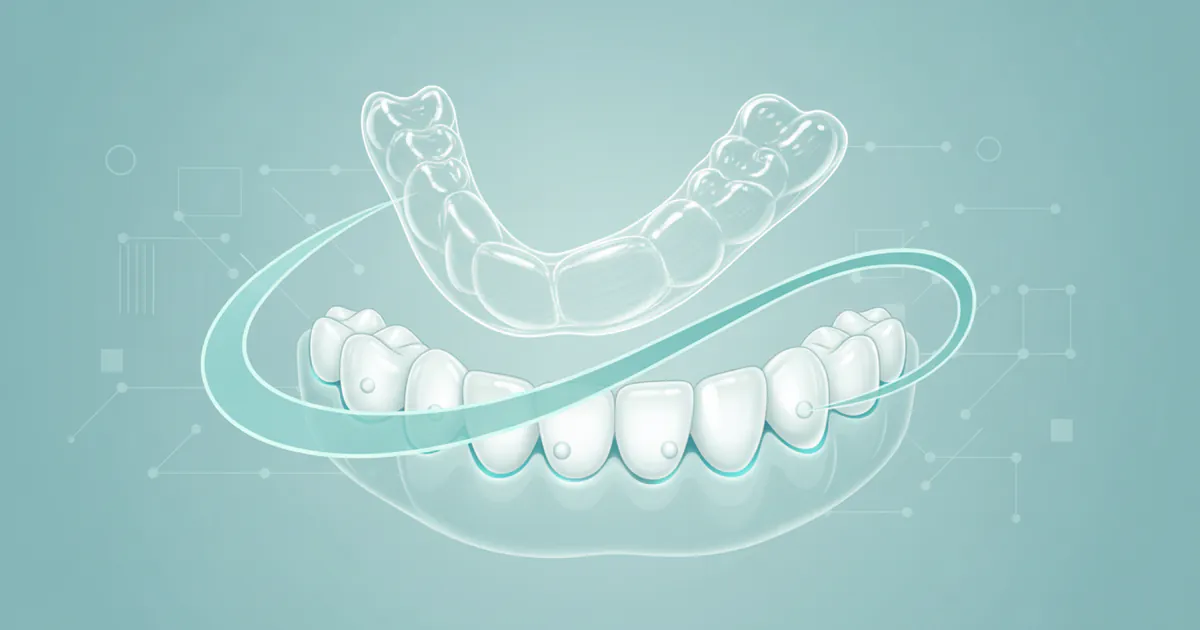
Invisalign is a revolutionary orthodontic treatment system that straightens teeth using a series of custom-made, clear, removable aligners. Unlike traditional metal braces that use brackets and wires, Invisalign aligners are virtually invisible, offering a discreet and often more comfortable alternative for correcting a wide range of orthodontic issues. Developed by Align Technology, Inc., the system uses advanced 3D computer imaging to map out the entire treatment plan, from the initial position of your teeth to their desired final position.
Each set of aligners is worn for about 1-2 weeks before moving on to the next set in the series. Gradually, over time, these aligners gently shift your teeth into the correct position. The greatest advantage of these clear aligners is their removability. You can take them out to eat, brush, and floss, allowing for better oral hygiene and no dietary restrictions typically associated with traditional braces. This blend of discretion, comfort, and convenience has made Invisalign a popular choice for adults and teenagers seeking a straighter smile.
Types of Invisalign Treatments and Variations
Invisalign isn't a one-size-fits-all solution. Align Technology offers several variations designed to address different levels of orthodontic complexity and patient needs. Understanding these types can help clarify why treatment costs vary.
Invisalign Full (Comprehensive)
This is the most common and comprehensive Invisalign treatment. It addresses a wide range of moderate to complex orthodontic issues, including significant crowding, spacing, overbites, underbites, and crossbites. Invisalign Full treatments often involve a larger number of aligners and a longer treatment duration, reflecting its ability to make extensive tooth movements.
- Ideal for: Moderate to severe cases.
- Typical Duration: 12-24 months, or longer for very complex cases.
Invisalign Lite
Invisalign Lite is designed for patients with less severe orthodontic issues, requiring minor corrections. It typically involves a limited number of aligners (often up to 14 sets) and a shorter treatment duration. This option is suitable for correcting mild crowding, minor spacing, or slight relapse after previous orthodontic treatment.
- Ideal for: Mild cases, minor aesthetic adjustments, or relapses.
- Typical Duration: 6-12 months.
Invisalign Express
This is the shortest and most affordable Invisalign option, ideal for very minor cosmetic corrections. Invisalign Express typically uses 5 to 7 aligner sets to address extremely minor issues like slight rotations or small gaps.
- Ideal for: Very minor aesthetic corrections.
- Typical Duration: 3-6 months.
Invisalign Teen
Specifically designed for teenagers, Invisalign Teen incorporates features that cater to the unique needs of adolescents. These include:
- Compliance Indicators: Small blue dots on the aligners that fade with wear, allowing parents and orthodontists to monitor compliance.
- Eruption Tabs: Space built into the aligners to accommodate erupting permanent teeth.
- Six Free Replacement Aligners: Acknowledging that teenagers can be forgetful, this allowance provides peace of mind. Invisalign Teen can treat the same range of issues as Invisalign Full.
- Ideal for: Teenagers with active lifestyles who want a discreet orthodontic solution.
- Typical Duration: Similar to Invisalign Full, 12-24 months.
Invisalign First (Phase 1 Orthodontics for Children)
Invisalign First is an early interceptive orthodontic treatment for children aged 6 to 10. It's used to address developing orthodontic issues, such as crowding, spacing, narrow arches, or jaw growth discrepancies, while the child still has a mix of baby and permanent teeth. This "Phase 1" treatment aims to guide jaw growth and create space for permanent teeth, potentially reducing the need for more complex treatment later on.
- Ideal for: Children with early orthodontic issues.
- Typical Duration: 6-18 months.
What Orthodontic Issues Can Invisalign Address?
Invisalign is highly effective at treating a wide array of malocclusions (misalignment of teeth and jaws). Understanding the specific issues it can correct helps contextualize the "why" behind the treatment.
Common Malocclusions Corrected by Invisalign:
- Overbite: When the upper front teeth significantly overlap the lower front teeth.
- Underbite: When the lower front teeth extend out in front of the upper front teeth.
- Crossbite: When some upper teeth sit inside the lower teeth.
- Open Bite: When the upper and lower front teeth do not meet when the mouth is closed, leaving a gap.
- Gaps (Diastema): Spaces between teeth.
- Crowding: When there isn't enough space in the jaw for all teeth to fit normally, causing them to overlap or rotate.
- Protrusion: When teeth, especially front teeth, jut outward.
Signs You Might Need Orthodontic Treatment
Recognizing the signs that you or your child might benefit from orthodontic treatment is the first step toward a healthier smile. These signs often go beyond just cosmetic concerns, impacting chewing, speech, and overall oral health.
What to Look For:
- Visibly Crooked or Crowded Teeth: The most obvious sign, indicating insufficient space or improper eruption.
- Gaps Between Teeth: Spaces can be aesthetic concerns and trap food, leading to gum issues.
- Difficulty Chewing or Biting: Misaligned teeth can make it hard to bite into or chew certain foods effectively.
- Jaw Pain or Clicking: An improper bite can strain the temporomandibular joint (TMJ), leading to pain or clicking sounds.
- Speech Difficulties: Certain bite problems can affect speech clarity, causing lisps or other impediments.
- Mouth Breathing: Chronic mouth breathing can be associated with certain jaw development issues and an open bite.
- Early or Late Loss of Baby Teeth: This can be an indicator of underlying developmental issues that may affect the eruption of permanent teeth.
- Grinding or Clenching Teeth (Bruxism): While often stress-related, it can be exacerbated by or contribute to bite problems.
- Excessive Wear on Teeth: An improper bite can lead to uneven wear patterns on tooth enamel.
If you notice any of these signs, an orthodontic consultation is recommended. Early detection and intervention can often simplify treatment and prevent more serious problems down the line.
Treatment Options: Invisalign vs. Alternatives
When considering teeth straightening, Invisalign is a prominent option, but it's important to be aware of other available treatments. Each has its own pros, cons, and cost implications.
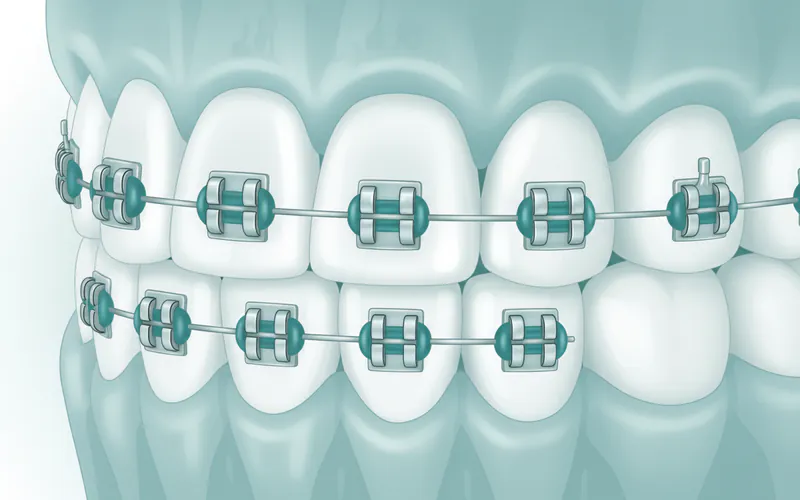
Traditional Metal Braces
These are the classic orthodontic appliance, consisting of metal brackets bonded to the teeth, connected by archwires.
- Pros: Highly effective for all types of malocclusions, including very complex cases; generally durable.
- Cons: Highly visible; can cause discomfort and irritation; dietary restrictions; more difficult oral hygiene; fixed appliance.
- Cost: Typically ranges from $3,000 to $7,000.
- "Braces colors" consideration: While Invisalign offers clear aligners, traditional braces allow for customization with various elastic band colors, which can be appealing to younger patients. This is one of the few aesthetic advantages traditional braces have, offering a different form of personalization.
Ceramic Braces
Similar to metal braces, but with clear or tooth-colored brackets that are less noticeable.
- Pros: Less visible than metal braces; effective for most cases.
- Cons: Can stain over time (especially with coffee, tea, smoking); slightly more brittle than metal; can be more expensive than metal braces.
- Cost: Typically ranges from $4,000 to $8,000.
Lingual Braces
These are traditional braces placed on the inside (lingual) surface of the teeth, making them virtually invisible from the outside.
- Pros: Completely discreet; effective for all types of malocclusions.
- Cons: Most expensive option; can be uncomfortable initially (affecting tongue and speech); more challenging to clean; not all orthodontists offer them.
- Cost: Typically ranges from $8,000 to $12,000.
DIY Clear Aligners (e.g., SmileDirectClub, Byte)
These direct-to-consumer aligner systems promise a lower-cost, at-home solution.
- Pros: Significantly lower cost; convenience of at-home treatment.
- Cons: Lack of in-person supervision by an orthodontist (potential for improper diagnosis or treatment complications); limited to very mild cases; not suitable for complex bite issues; potential for poor outcomes if not a good candidate. The American Dental Association (ADA) and American Association of Orthodontists (AAO) advise caution with these services due to the absence of direct professional oversight.
- Cost: Typically ranges from $1,500 to $2,500.
Comparison Table: Invisalign vs. Traditional Braces
| Feature | Invisalign (Clear Aligners) | Traditional Metal Braces |
|---|---|---|
| Appearance | Nearly invisible, discreet | Visible metal brackets and wires (can choose "braces colors") |
| Comfort | Smooth plastic, generally less irritation | Metal can cause cuts/sores, more initial discomfort |
| Removability | Removable for eating, brushing, flossing | Fixed to teeth, not removable |
| Oral Hygiene | Easier to maintain, no special tools needed | Requires special brushes, floss threaders; prone to food traps |
| Dietary Restrictions | None (remove aligners to eat) | Significant restrictions (no sticky, hard, crunchy foods) |
| Treatment Duration | 6-24 months (average 12-18 months) | 18-36 months (average 24 months) |
| Effectiveness | Very effective for most common malocclusions; requires compliance | Highly effective for all types of malocclusions, including complex |
| Cost Range (US) | $3,000 - $8,000 | $3,000 - $7,000 |
| Maintenance | Clean aligners daily, wear retainers post-treatment | Regular adjustments, diligent cleaning, wear retainers post-treatment |
Pro Tip: Always consult with a certified orthodontist to determine the best treatment option for your specific needs. While the cost of Invisalign might seem higher initially than some basic braces, its benefits often outweigh the difference, especially for adults concerned with aesthetics and convenience.
The Invisalign Step-by-Step Process: What to Expect
Embarking on your Invisalign journey involves several distinct stages, from initial consultation to long-term retention. Understanding this process can ease any anxieties and help you know what to expect.
Step 1: Initial Consultation
Your journey begins with a visit to a certified Invisalign provider, usually an orthodontist. During this appointment, the orthodontist will perform a thorough examination of your teeth and jaws. This includes:
- Oral Exam: Visual inspection of your teeth, gums, and bite.
- Digital X-rays: To assess bone structure and tooth roots.
- 3D Digital Scans: Using an iTero Element scanner, a precise 3D image of your teeth is created. This eliminates the need for messy traditional dental impressions.
- Discussion of Goals: You'll discuss your aesthetic and functional goals for your smile. The orthodontist will determine if Invisalign is the right treatment for your case and discuss the estimated treatment duration and how much Invisalign costs for your specific needs.
Step 2: Treatment Planning and Customization
Using the 3D scans and X-rays, your orthodontist will create a personalized treatment plan using Invisalign's proprietary ClinCheck software. This software allows you to visualize the entire treatment process, from the current position of your teeth to the final desired outcome, even before treatment begins. It also estimates the number of aligners needed and the total treatment time.
- Attachments/Buttons: Small, tooth-colored composite resin "attachments" or "buttons" may be bonded to certain teeth. These provide leverage points for the aligners to grip, allowing for more complex tooth movements. They are virtually invisible and removed at the end of treatment.
- IPR (Interproximal Reduction): In some cases, tiny amounts of enamel may be gently filed away between teeth (known as "stripping" or IPR) to create space for movement, especially in crowded arches.
``
Step 3: Aligner Production
Once you approve the digital treatment plan, your custom aligners are fabricated using Invisalign's patented SmartTrack material. This material is designed for optimal comfort and precise tooth movement.
Step 4: Starting Treatment and Regular Check-ups
You'll receive your first sets of aligners and detailed instructions on how to wear and care for them.
- Wear Time: You must wear your aligners for 20-22 hours per day, removing them only to eat, drink anything other than plain water, brush, and floss.
- Aligner Changes: You'll typically switch to a new set of aligners every 1-2 weeks as directed by your orthodontist.
- Orthodontist Visits: You'll have periodic check-ups with your orthodontist, usually every 6-8 weeks, to monitor your progress, ensure the aligners are tracking correctly, and make any necessary adjustments. These visits are usually quicker than traditional braces adjustments.
Step 5: Refinements (If Needed)
Towards the end of your initial treatment plan, your orthodontist will assess your progress. If minor adjustments are still needed to achieve the ideal result, additional aligners, called "refinement aligners," may be prescribed. This is a common part of the Invisalign process and is often included in the overall treatment cost.
Step 6: Retention Phase
Once your teeth have reached their desired positions, your active treatment is complete. However, the retention phase is critical to prevent your teeth from shifting back to their original positions (relapse).
- Vivera Retainers: Invisalign offers Vivera retainers, which are custom-made, clear retainers similar in appearance to your aligners but thicker and more durable.
- Wearing Schedule: You'll typically wear retainers full-time for the first few months, gradually transitioning to nighttime wear indefinitely. This lifelong commitment is essential to maintain your beautiful new smile.
Pro Tip: Consistency is paramount with Invisalign. Failing to wear your aligners for the recommended 20-22 hours per day can extend your treatment time and potentially increase the overall cost if new aligners or modifications are needed.
Cost of Invisalign and Insurance Coverage in the US
Understanding how much Invisalign costs is often the primary concern for prospective patients. As established, there isn't a single price, but a range influenced by several key factors.
Average US Cost Ranges for Invisalign:
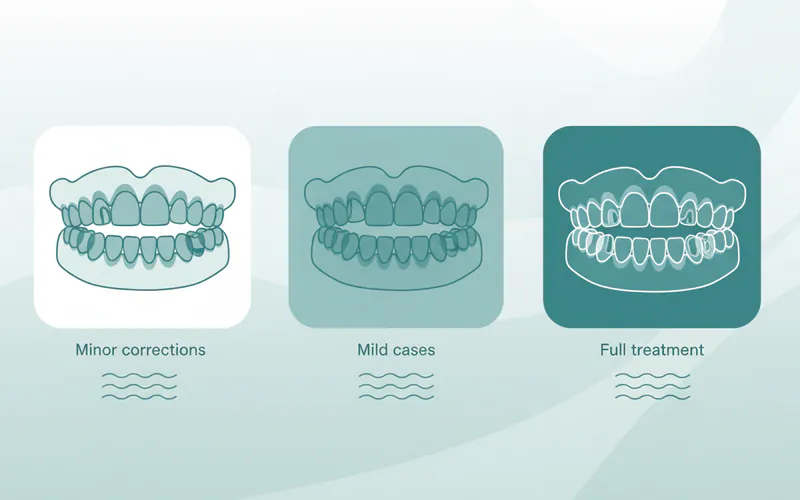
- Invisalign Express (Minor Corrections): $1,800 - $3,500
- Invisalign Lite (Mild Cases): $3,000 - $5,000
- Invisalign Full/Comprehensive (Moderate to Complex Cases): $4,000 - $8,000
- Invisalign Teen: Similar to Invisalign Full, typically $4,000 - $8,000
- Invisalign First (Phase 1 for Children): Can range from $2,500 - $4,500, but this is often a first phase, with a second phase potentially needed later.
Note: These figures are general averages. Urban areas, highly experienced orthodontists, and more complex cases will typically fall on the higher end of these ranges.
Factors Influencing Invisalign Cost:
- Complexity of Your Case: This is the most significant factor. More severe malocclusions (e.g., significant overbites, crossbites, severe crowding) require more aligners, longer treatment times, and more intricate planning, driving up the cost.
- Treatment Duration: Longer treatment plans generally cost more due to the increased number of aligners and appointments.
- Orthodontist's Experience and Location: Highly experienced, board-certified orthodontists in metropolitan areas may charge more than general dentists offering Invisalign or practices in less expensive regions.
- Included Services: The total cost often includes initial consultations, 3D scans, all aligner sets, refinement aligners, and the first set of retainers. Always clarify what's included in the quoted price.
- Retainers: While the first set of retainers might be included, replacement retainers (which are necessary over time) are an additional cost, typically $200 - $500 per set.
Dental Insurance and Orthodontic Benefits:
Many dental insurance plans, especially those with orthodontic benefits, can help offset the cost of Invisalign.
- Orthodontic Coverage: Look for "orthodontic coverage" in your plan details. Most plans that offer it treat Invisalign similarly to traditional braces.
- Lifetime Maximum: Insurance plans often have a "lifetime maximum" for orthodontic benefits, typically ranging from $1,000 to $3,000. Once this maximum is reached, you are responsible for the remaining costs.
- Percentage Covered: Some plans cover a percentage of the cost, often 10% to 50%, up to the lifetime maximum.
- Waiting Periods: Be aware that many orthodontic benefits come with waiting periods (e.g., 6-12 months) before coverage kicks in.
- Employer Plans: Check with your employer's HR department for details on your specific dental plan's orthodontic coverage.
Pro Tip: Before starting treatment, ask your orthodontist's office to help you verify your insurance benefits. They often have experienced staff who can communicate directly with your insurance provider to give you an accurate estimate of your out-of-pocket expenses.
Flexible Spending Accounts (FSAs) and Health Savings Accounts (HSAs):
These employer-sponsored accounts allow you to set aside pre-tax money for qualified medical expenses, including orthodontic treatment like Invisalign.
- FSA: "Use it or lose it" typically within the plan year.
- HSA: Funds roll over year to year and are portable, making them a powerful long-term savings tool for healthcare. Using an FSA or HSA can effectively reduce your Invisalign cost by saving you money on taxes.
Recovery and Aftercare: Protecting Your Investment
Finishing your active Invisalign treatment is a huge milestone, but it's not the end of your orthodontic journey. The aftercare phase, primarily focused on retainer wear, is crucial for maintaining your results and protecting your investment.
The Importance of Retainers:
Without retainers, your teeth will inevitably shift back towards their original positions. This phenomenon, known as orthodontic relapse, is a natural biological process as the bone and ligaments around your teeth need time to stabilize in their new positions.
- Types of Retainers:
- Removable Retainers: The most common are clear plastic retainers (like Invisalign's Vivera retainers) or Hawley retainers (acrylic with a metal wire). These are custom-made to fit your newly straightened teeth.
- Fixed/Bonded Retainers: A thin wire bonded to the back of your front teeth. These are permanent and not visible, offering continuous retention.
- Wearing Schedule: Your orthodontist will provide a specific schedule, but generally, you'll wear removable retainers full-time (except for eating and brushing) for the first few months, transitioning to nighttime wear. Lifelong nightly wear is often recommended for the best long-term stability.
Oral Hygiene Post-Treatment:
Even with straight teeth, diligent oral hygiene remains critical.
- Brushing and Flossing: Continue to brush twice daily and floss once a day.
- Retainer Cleaning: Clean your removable retainers daily with a soft toothbrush and mild soap or a special retainer cleaning solution. Avoid hot water, which can warp plastic retainers.
Risks and Potential Complications of Invisalign
While Invisalign is generally safe and effective, it's important to be aware of potential risks and complications, though they are rare for most patients.
- Temporary Discomfort: It's normal to experience some pressure or mild discomfort when switching to a new set of aligners. This usually subsides within a day or two.
- Attachments Issues: Attachments can sometimes fall off and need to be re-bonded. Rarely, they can irritate the inside of your mouth.
- Speech Changes: A slight lisp or changes in speech can occur initially as your tongue adjusts to the aligners in your mouth. This typically resolves within a few days or weeks.
- Allergic Reactions: Though rare, some individuals may experience an allergic reaction to the aligner material.
- Difficulty Removing Aligners: Especially initially, some aligners can be snug and difficult to remove. Orthodontists can provide tools for easier removal.
- Compliance Failure: The greatest risk with Invisalign is non-compliance. If aligners are not worn for the recommended 20-22 hours per day, treatment will be prolonged, results may be compromised, and additional costs may be incurred for new aligners or revisions.
- Black Triangles: In some cases, especially when teeth were severely crowded, spaces (known as "black triangles") can appear at the gum line between teeth once they are straightened. These are areas where the gums don't fill the entire space between the teeth. IPR or minor cosmetic bonding can sometimes address this.
- Root Resorption: In rare instances, orthodontic treatment can lead to shortening of the tooth roots, though this is also a known risk with traditional braces and is usually mild and clinically insignificant.
- Tooth Sensitivity: Some patients may experience temporary tooth sensitivity during treatment.
- Relapse: As mentioned, failure to wear retainers as prescribed will lead to relapse, negating the treatment's results.
Your orthodontist will discuss these potential risks in detail during your consultation and monitor your progress closely throughout treatment to mitigate complications.
Children and Pediatric Considerations for Invisalign
Orthodontic treatment isn't just for adults and teens; early intervention can be highly beneficial for younger children. Invisalign First addresses these specific needs.
Invisalign First for Early Orthodontics (Phase 1)
- Age Range: Typically for children aged 6 to 10 who still have a mix of primary (baby) and permanent teeth.
- Purpose: Invisalign First is part of "Phase 1" or interceptive orthodontics. Its goal is not to straighten all teeth definitively, but rather to:
- Guide jaw growth and development.
- Create space for erupting permanent teeth.
- Correct significant bite issues (e.g., crossbites, underbites) early.
- Address habits like thumb-sucking.
- Benefits for Children: Early intervention can prevent more severe problems from developing, potentially simplifying or shortening the duration of "Phase 2" treatment (usually with comprehensive Invisalign or braces) in adolescence. It can also improve self-esteem by addressing visible issues early.
- Parental Involvement: Parents play a crucial role in ensuring their child wears the aligners diligently for the prescribed hours. Invisalign Teen's compliance indicators can be helpful here, though Invisalign First aligners do not typically have them.
- Cost: As noted, Invisalign First typically ranges from $2,500 - $4,500. This is often considered a separate phase of treatment, and if a second phase is needed later, that will incur additional costs.
Pro Tip: The American Dental Association (ADA) recommends that children have their first orthodontic evaluation by age 7. This allows an orthodontist to identify potential problems early and determine if interceptive treatment like Invisalign First is appropriate.
Cost Breakdown: Making Invisalign Affordable
Beyond the average cost ranges, let's delve deeper into how you can manage the financial aspect of your Invisalign treatment.
Average US Costs (Low, Mid, High Estimates):
| Case Complexity | Estimated Low Cost (USD) | Estimated Mid Cost (USD) | Estimated High Cost (USD) |
|---|---|---|---|
| Express/Minor | $1,800 | $2,500 | $3,500 |
| Lite/Mild | $3,000 | $4,000 | $5,000 |
| Full/Complex | $4,000 | $6,000 | $8,000 |
| Teen | $4,000 | $6,000 | $8,000 |
| First (Child) | $2,500 | $3,500 | $4,500 |
With vs. Without Insurance:
- Without Insurance: You are responsible for the full cost. This is where payment plans and financing become crucial.
- With Insurance: If your plan has a lifetime orthodontic maximum of, for example, $2,000, and your treatment costs $6,000, your insurance would cover $2,000, leaving you with $4,000 out-of-pocket. This significantly reduces your financial burden.
Payment Plans and Financing Options:
Most orthodontic practices understand that the full cost of Invisalign can be substantial and offer various flexible payment solutions:
- In-House Payment Plans: Many orthodontists offer interest-free payment plans, allowing you to pay a down payment and then spread the remaining balance over the course of your treatment (e.g., 12-24 months).
- Third-Party Financing (e.g., CareCredit): CareCredit is a popular healthcare credit card that offers promotional financing options, often with 0% interest for a specified period (e.g., 6, 12, 18, or 24 months), provided you pay the full balance within that timeframe. After the promotional period, standard interest rates apply.
- Credit Cards: While an option, this can be expensive due to high interest rates if not paid off quickly.
Cost-Saving Tips:
- Shop Around (But Choose Wisely): Get consultations from a few different Invisalign providers. While cost is a factor, prioritize experience and reputation over the lowest price. A cheaper initial price might not include refinements or retainers, or come from a less experienced provider.
- Verify Insurance Benefits: As mentioned, a thorough understanding of your dental insurance's orthodontic benefits is key.
- Utilize FSAs/HSAs: Maximize contributions to these pre-tax accounts.
- Ask About Discounts: Some orthodontists offer discounts for paying in full upfront, or for multiple family members receiving treatment. Military discounts or student discounts may also be available.
- Consider Dental Schools: Dental schools with orthodontic programs often offer treatment at a reduced cost, as it's performed by supervised residents.
- Prevent Relapse: The best cost-saving tip after treatment? Wear your retainers! Needing retreatment due to relapse will incur significant additional costs.
``
Frequently Asked Questions About Invisalign
How much is Invisalign typically compared to braces?
The cost of Invisalign is often comparable to traditional metal braces, typically ranging from $3,000 to $8,000. While metal braces might sometimes be on the lower end of that spectrum, Invisalign's advanced technology and aesthetic benefits place its cost firmly within the same general range for most cases.
Is Invisalign treatment painful?
Most patients report experiencing some mild discomfort or pressure when switching to a new set of aligners, which usually lasts for a day or two. This sensation indicates that the aligners are actively shifting your teeth. Compared to traditional braces, which can cause irritation from wires and brackets, many find Invisalign to be a more comfortable experience overall.
How long does Invisalign treatment take?
The average Invisalign treatment duration is 12-18 months. However, it can range from as little as 6 months for very minor corrections (e.g., Invisalign Express) to over 24 months for complex cases involving significant tooth movement or bite correction. Your orthodontist will provide a personalized estimate during your consultation.
Can I eat and drink anything with Invisalign?
Yes, one of the biggest advantages of Invisalign is that you can remove the aligners to eat and drink. This means there are no dietary restrictions like those associated with traditional braces. However, you should always brush your teeth before reinserting your aligners to prevent food particles and sugars from getting trapped and causing cavities. Only plain water should be consumed while wearing your aligners.
Are there any alternatives to Invisalign that are cheaper?
Yes, traditional metal braces can sometimes be slightly cheaper, and direct-to-consumer clear aligner brands (like SmileDirectClub or Byte) are significantly cheaper. However, DIY aligners lack in-person orthodontic supervision, which can lead to improper treatment and potential complications. Always discuss all options with a qualified orthodontist.
How do I clean my Invisalign aligners?
You should clean your aligners daily. You can rinse them with lukewarm water and brush them gently with a soft toothbrush and a non-abrasive toothpaste or a mild clear soap. Special aligner cleaning crystals or effervescent tablets are also available for a deeper clean. Avoid hot water, as it can warp the aligner plastic.
What happens if I don't wear my Invisalign aligners for 20-22 hours a day?
Failing to wear your aligners for the recommended 20-22 hours per day will significantly prolong your treatment time and can lead to aligners not fitting correctly. If teeth don't track as planned, you might need additional aligners or even new scans, which could potentially increase the overall cost and duration of your treatment. Consistency is crucial for success.
Do I need to wear a retainer after Invisalign?
Absolutely. Wearing a retainer after Invisalign treatment is essential to maintain your straightened smile. Without a retainer, your teeth will naturally try to shift back to their original positions (relapse). Your orthodontist will prescribe a specific retainer wearing schedule, often starting full-time and transitioning to nightly wear indefinitely, to protect your investment.
Can Invisalign fix severe bite issues?
Yes, Invisalign can effectively correct many severe bite issues, including complex overbites, underbites, crossbites, and open bites. However, the success depends heavily on the orthodontist's expertise and the patient's compliance. In some very rare and extreme cases, traditional braces or even surgical orthodontics might be a more appropriate or combined treatment approach.
Is Invisalign covered by my dental insurance?
Many dental insurance plans offer orthodontic benefits that can cover a portion of Invisalign treatment, typically between 10-50% up to a lifetime maximum, often ranging from $1,000 to $3,000. It's crucial to contact your insurance provider or have your orthodontist's office verify your specific coverage before starting treatment.
When to See a Dentist or Orthodontist for Invisalign
Deciding to pursue orthodontic treatment is a significant step, and knowing when to seek professional advice is paramount.
When to Schedule an Initial Orthodontic Consultation:
- Visible Misalignment: If you notice crooked, crowded, or gapped teeth, an evaluation is warranted.
- Bite Problems: If your upper and lower teeth don't meet properly (e.g., overbite, underbite, crossbite, open bite), or if you experience difficulty chewing.
- Jaw Pain or Discomfort: Persistent jaw pain, clicking, or popping sounds can indicate underlying bite issues affecting the temporomandibular joint (TMJ).
- Speech Issues: If misaligned teeth contribute to speech impediments.
- Aesthetic Concerns: If you are simply unhappy with the appearance of your smile and desire a straighter, more confident look.
- ADA Recommendation for Children: The American Dental Association recommends a first orthodontic evaluation for children by age 7, even if baby teeth are still present. This helps identify and address potential developmental issues early.
Red Flags During Invisalign Treatment (When to Contact Your Orthodontist Immediately):
- Severe Pain: While mild discomfort is normal, severe or persistent pain that doesn't subside after a few days should be reported.
- Aligner Not Fitting: If a new aligner doesn't seem to fit correctly after a day or two, or if it feels significantly loose or tight in a way that prevents proper seating, contact your orthodontist.
- Broken or Damaged Aligner: A cracked or broken aligner can hinder proper tooth movement and may need to be replaced.
- Lost Aligner: If you lose an aligner, your orthodontist will advise whether to wear the previous set, move to the next set, or order a replacement.
- Lost or Broken Attachment/Button: If one of the small, tooth-colored attachments comes off, it often needs to be re-bonded to ensure effective tooth movement.
- Allergic Reaction: Any signs of an allergic reaction (e.g., rash, swelling) should be reported immediately.
Your orthodontist's office is your primary resource for any concerns during your Invisalign treatment. Don't hesitate to reach out if you have questions or experience anything out of the ordinary. Regular scheduled appointments are crucial for monitoring progress, but proactive communication regarding issues can prevent complications and keep your treatment on track.
Frequently Asked Questions
Medically Reviewed Content
This article was written by our dental health editorial team and reviewed for medical accuracy. Our content follows strict editorial guidelines for reliability and trustworthiness.
Medical Disclaimer
This article is for informational purposes only and does not constitute medical advice. Always consult with a qualified dental professional for diagnosis and treatment. Do not delay seeking professional advice because of something you read on this website.
Related Articles
Retainer Fee: Complete Guide
The journey to a perfectly aligned smile doesn't end when your braces come off or your last clear aligner tray is discarded. In fact, a crucial phase, often overlooked but absolutely essential for maintaining your results, begins: retention. For many, the idea of a retainer fee can be an unexpec
February 22, 2026
Braces for Adults: Complete Guide
Braces for Adults: Complete Guide Category: Orthodontics
February 22, 2026
Invisalign Braces: Complete Guide
A radiant, perfectly aligned smile is more than just aesthetically pleasing; it's a gateway to improved oral health, enhanced confidence, and even better overall well-being. For millions of Americans seeking to correct misaligned teeth, the thought of traditional metal braces can be daunting, often
February 22, 2026
Adult Braces: Complete Guide
Adult Braces: Complete Guide
February 22, 2026