Braces Before and After: Complete Guide
Key Takeaways
- For many, the journey to a confident, healthy smile begins with orthodontics. The transformation seen in braces before and after photos isn't just cosmetic; it represents improved oral health, function, and self-esteem. Crooked teeth, misaligned bites, and gaps can lead to a host of problems, fr
Braces Before and After: Complete Guide
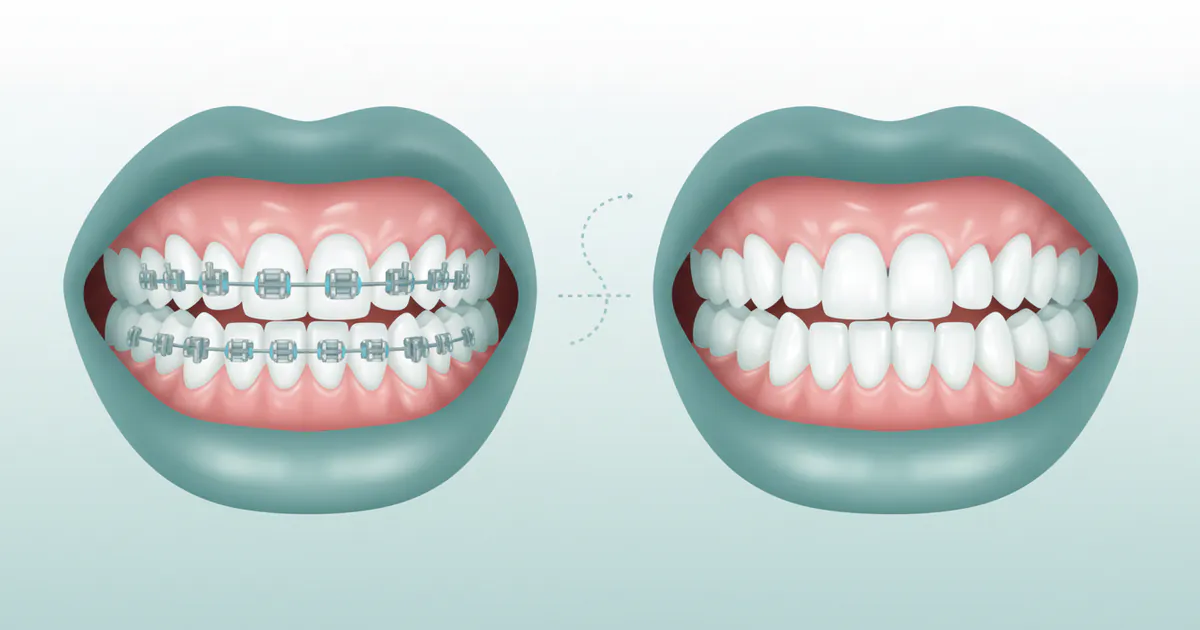
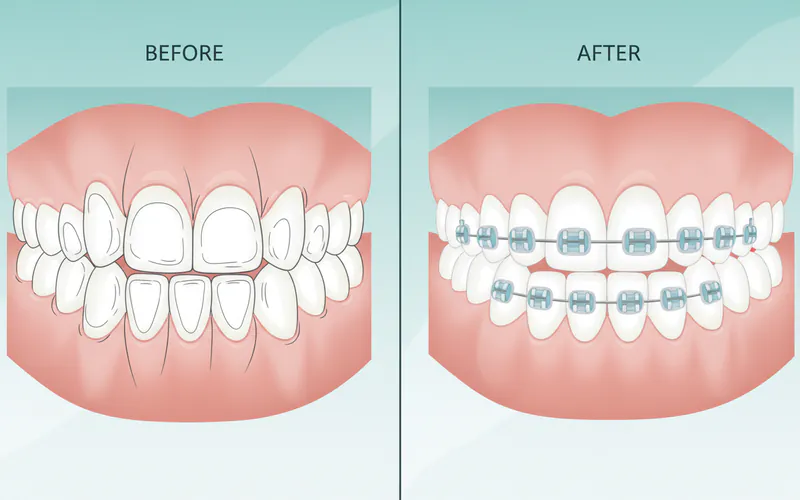
For many, the journey to a confident, healthy smile begins with orthodontics. The transformation seen in braces before and after photos isn't just cosmetic; it represents improved oral health, function, and self-esteem. Crooked teeth, misaligned bites, and gaps can lead to a host of problems, from difficulty chewing and speaking to increased risk of cavities and gum disease. Understanding the process, the options available, and what to expect on the other side is crucial for anyone considering orthodontic treatment. This comprehensive guide will walk you through everything from the initial consultation to the radiant smile you've always dreamed of, covering treatment types, costs, care, and the incredible results that await.
Key Takeaways:
- Braces correct misalignment, improving both aesthetics and oral health, potentially preventing future dental issues.
- Treatment options range from traditional metal braces (most affordable, typically $3,000-$7,500) to ceramic, lingual, and clear aligners like Invisalign (often $3,500-$9,000+).
- The average treatment duration for braces is 18-30 months, followed by a critical retention phase with retainers.
- Orthodontic consultations are often free or low-cost; full treatment costs vary significantly based on case complexity, brace type, and geographic location.
- Many dental insurance plans offer some coverage for orthodontics, typically 10-50% of the cost, often with a lifetime maximum benefit.
- Post-braces care, particularly consistent retainer wear, is vital to prevent orthodontic relapse and maintain your results long-term.
- Early orthodontic evaluation by age 7, as recommended by the ADA, can identify and potentially prevent more severe issues in adulthood.
What It Is / Overview: The Orthodontic Transformation
Orthodontics is a specialized branch of dentistry focused on diagnosing, preventing, and treating dental and facial irregularities. The primary goal of orthodontic treatment, often involving braces before and after the intervention, is to achieve proper tooth alignment and bite function. This isn't merely about aesthetics; correctly aligned teeth are easier to clean, reducing the risk of plaque buildup, cavities, and gum disease. A properly aligned bite also reduces undue stress on the jaw joints, improving chewing efficiency and preventing issues like temporomandibular joint (TMJ) disorders.
Misaligned teeth, also known as malocclusion, can manifest in various ways:
- Crowding: Not enough space in the jaw for teeth to erupt properly.
- Spacing: Gaps between teeth, often due to missing teeth or a large jaw.
- Overbite: Upper front teeth significantly overlap the lower front teeth.
- Underbite: Lower front teeth extend too far forward, beyond the upper front teeth.
- Crossbite: Upper teeth bite inside the lower teeth.
- Open Bite: A space between the upper and lower front teeth when the mouth is closed.
Correcting these issues with braces involves applying continuous, gentle pressure over time to gradually shift teeth into their ideal positions. The result is a healthier mouth, a more comfortable bite, and a significantly improved smile, which is vividly captured in those transformative braces before and after comparisons.
``
Types / Variations of Braces and Orthodontic Treatments
The field of orthodontics has evolved significantly, offering a range of options to suit different needs, lifestyles, and budgets. Each type of treatment has unique characteristics regarding visibility, cost, and effectiveness.
Traditional Metal Braces
These are the most common and often the most affordable type of braces. Modern metal braces are smaller, flatter, and more comfortable than their predecessors. They consist of high-grade stainless steel brackets attached to the front of the teeth, connected by an archwire and secured with elastic ligatures (bands).
- Pros: Highly effective for complex cases, durable, typically the most cost-effective.
- Cons: Most noticeable option.
- Average US Cost: $3,000 - $7,500
Ceramic Braces
Similar in design to traditional metal braces, ceramic braces use clear or tooth-colored brackets that are much less noticeable. They blend in with the natural color of your teeth, making them a popular choice for adults and teenagers concerned about aesthetics.
- Pros: Less visible than metal braces, strong and effective.
- Cons: Can be more expensive than metal, brackets can stain, may extend treatment time slightly.
- Average US Cost: $4,000 - $8,500
Lingual Braces
Lingual braces are custom-made and placed on the inside (tongue side) of the teeth, making them virtually invisible from the outside. They are an excellent option for individuals who want discreet treatment but are not candidates for clear aligners or prefer fixed appliances.
- Pros: Completely hidden, highly effective for all types of malocclusion.
- Cons: Most expensive option, can be uncomfortable for the tongue initially, may affect speech temporarily, more challenging to clean.
- Average US Cost: $8,000 - $12,000+
Clear Aligners (e.g., Invisalign)
Clear aligners are a popular alternative to traditional braces, particularly for adults and teenagers with mild to moderate orthodontic issues. They consist of a series of custom-made, removable, clear plastic trays that gradually shift teeth. Patients switch to a new set of aligners every 1-2 weeks.
- Pros: Nearly invisible, removable for eating and cleaning, generally more comfortable than traditional braces.
- Cons: Requires strong patient compliance (must be worn 20-22 hours/day), not suitable for all complex cases, can be misplaced, often comparable in cost or slightly more expensive than ceramic braces.
- Average US Cost: $3,500 - $9,000
Other Orthodontic Appliances
In some cases, especially in children, other appliances may be used in conjunction with or prior to braces:
- Palatal Expanders: Widen the upper jaw to create more space.
- Space Maintainers: Hold space for permanent teeth when primary teeth are lost prematurely.
- Headgear: Used to correct severe overbites or underbites by guiding jaw growth.
- Retainers: Crucial for maintaining the braces before and after results, worn after braces are removed.
``
Causes / Why People Need Braces
The need for braces often stems from a combination of genetic and environmental factors that contribute to malocclusion (bad bite) or misaligned teeth.
- Genetics: This is a primary factor. If parents or grandparents had crooked teeth or jaw discrepancies, there's a higher likelihood that their children will too. Inherited traits can include jaw size (too small or too large), tooth size, spacing issues, or specific bite problems.
- Early Tooth Loss: Losing baby teeth too early due to decay or injury can lead to adjacent teeth shifting into the empty space, preventing permanent teeth from erupting in their correct positions.
- Prolonged Oral Habits: Certain habits during childhood can influence jaw development and tooth alignment:
- Thumb Sucking/Pacifier Use: If continued past age 3-4, these habits can push front teeth forward, create an open bite, or alter jaw shape.
- Tongue Thrusting: The tongue pushes against the front teeth during swallowing, which can lead to an open bite.
- Mouth Breathing: Chronic mouth breathing can affect jaw development and facial structure over time.
- Accidents/Trauma: Injuries to the face or mouth can shift teeth or jaw position.
- Nutritional Deficiencies: In rare cases, severe nutritional deficiencies during critical growth periods can impact dental development.
- Dental Disease: Advanced gum disease can cause teeth to loosen and shift.
- Impacted or Missing Teeth: Sometimes, permanent teeth fail to erupt (impacted) or are congenitally absent, leading to spacing issues or requiring space creation for prosthetics.
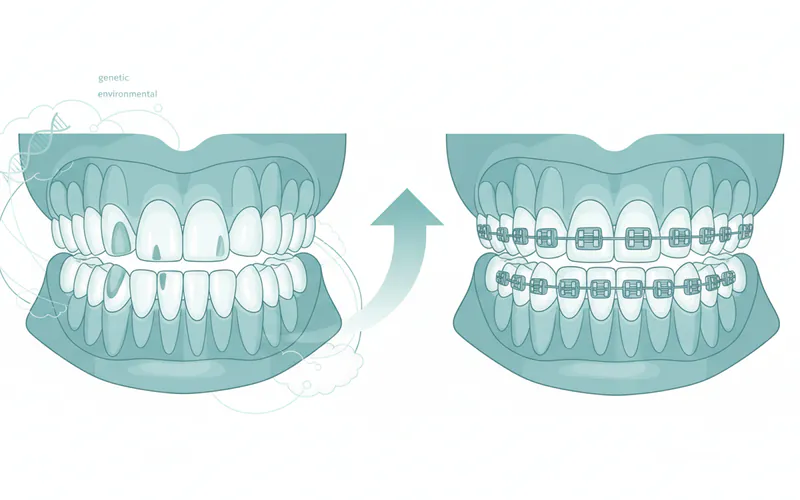
Understanding these underlying causes helps orthodontists develop personalized treatment plans, aiming for comprehensive correction that addresses both the symptoms and the root issues, ultimately leading to those stunning braces before and after transformations.
Signs and Symptoms Indicating a Need for Braces
While some orthodontic issues are evident from an early age, others develop or become more noticeable over time. Recognizing these signs is key to seeking timely intervention.
- Visible Misalignment: Crooked, crowded, or overlapping teeth are often the most obvious indicators.
- Gaps Between Teeth: Noticeable spaces, particularly between front teeth, can be a concern.
- Bite Problems:
- Overbite/Underbite: When your top front teeth significantly overlap your bottom teeth (overbite) or vice versa (underbite).
- Crossbite: When some of your top teeth bite inside your bottom teeth.
- Open Bite: When your front teeth don't meet when your mouth is closed.
- Difficulty Chewing or Biting: Inefficient chewing can lead to digestive issues or discomfort.
- Speech Difficulties: Lisping or other speech impediments can sometimes be attributed to misaligned teeth or jaw positioning.
- Jaw Pain or Discomfort: Persistent jaw pain, clicking or popping sounds, or difficulty opening/closing the mouth can be signs of TMJ issues related to malocclusion.
- Breathing Difficulties: Chronic mouth breathing, especially during sleep, can be linked to orthodontic issues and jaw development.
- Tooth Grinding (Bruxism): While often stress-related, some bite issues can exacerbate or contribute to tooth grinding, leading to wear and tear.
- Premature or Late Loss of Baby Teeth: This can disrupt the natural eruption path of permanent teeth.
- Protruding Teeth: Front teeth that stick out, making them more vulnerable to injury.
The American Dental Association (ADA) recommends that children have their first orthodontic evaluation by age 7. At this age, the orthodontist can identify subtle problems with jaw growth and erupting teeth while baby teeth are still present. Early detection allows for interceptive treatment, potentially simplifying or shortening later treatment with full braces.
Treatment Options: Beyond Just Braces
While "braces" is often used as an umbrella term, there are several advanced treatment options available to address various orthodontic needs.
Comprehensive Orthodontic Treatment
This typically involves full fixed braces (metal, ceramic, or lingual) or clear aligners to correct significant malocclusion. The goal is to align teeth, correct the bite, and improve overall oral function and aesthetics.
- Pros: Addresses a wide range of issues, highly effective.
- Cons: Can be lengthy, requires consistent cooperation.
Interceptive/Phase I Treatment
For children, often started between ages 7 and 10, this treatment aims to address specific issues early, such as severe crowding, crossbites, or harmful oral habits. It might involve expanders, partial braces, or habit appliances.
- Pros: Can prevent more severe problems, reduce the need for extractions, or shorten Phase II treatment.
- Cons: Requires two phases of treatment, adding to overall cost and duration.
Surgical Orthodontics (Orthognathic Surgery)
For severe jaw discrepancies that cannot be corrected with orthodontics alone, oral surgery may be required to realign the jaws. Braces are typically worn before and after surgery to move the teeth into their ideal positions.
- Pros: Corrects severe skeletal issues, dramatically improves facial aesthetics and function.
- Cons: Invasive, significant recovery period, higher cost, longer overall treatment time.
Adjunctive Orthodontics
Orthodontic treatment used in conjunction with other dental procedures, such as preparing teeth for veneers (think celebrity veneers for a perfect final look), crowns, or implants. Braces can create optimal spacing and alignment for restorative work.
- Pros: Enhances outcomes of other dental treatments.
- Cons: Adds to the complexity and duration of overall dental care.
Pro Tip: Always consult with a board-certified orthodontist for an accurate diagnosis and a personalized treatment plan. They are uniquely qualified to determine the most effective approach for your specific needs, guiding you to the best braces before and after outcome.
Step-by-Step Process: Your Journey to a New Smile
The orthodontic journey is a carefully planned process, typically spanning several months to a few years.
-
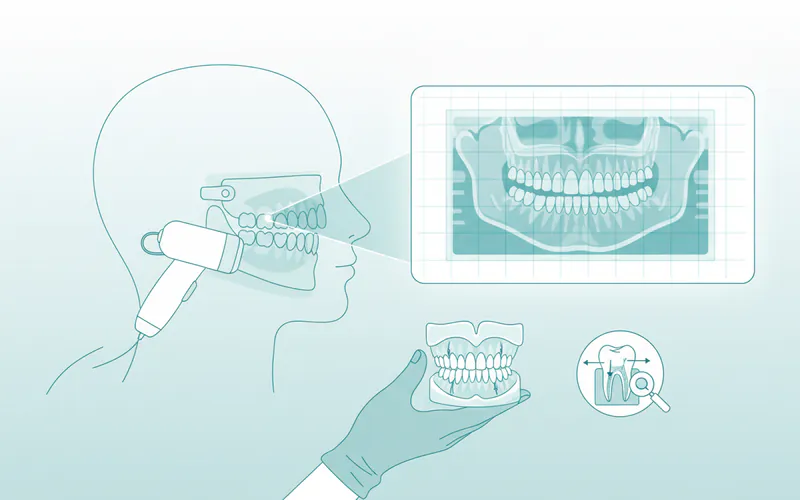
Initial Consultation and Examination (Weeks 1-2):
- Your first visit involves a thorough examination by the orthodontist. This includes reviewing your medical and dental history.
- Diagnostic records are taken: X-rays (panoramic, cephalometric), digital scans or impressions of your teeth, and clinical photographs of your face and teeth.
- The orthodontist will discuss your concerns, explain the findings, and outline potential treatment options, timelines, and estimated costs. Many clinics offer complimentary initial consultations.
-
Treatment Planning (Weeks 2-4):
- Based on the diagnostic records, the orthodontist develops a detailed, customized treatment plan. This plan will specify the type of braces or aligners, the anticipated duration, and specific mechanics to achieve your desired braces before and after results.
- You'll have an opportunity to ask questions and finalize your treatment choice.
-
Braces Placement / Aligner Delivery (Month 1):
- For Braces: The orthodontist cleans and dries your teeth, then bonds the brackets to each tooth using a special adhesive. The archwire is then threaded through the brackets and secured with elastic bands (ligatures). This appointment typically takes 1-2 hours.
- For Clear Aligners: You will receive your first several sets of custom-made aligners and instructions on how to wear and care for them. Attachments (small, tooth-colored bumps) may be bonded to certain teeth to help the aligners grip and move them more effectively.
-
Regular Adjustment Appointments (Every 4-8 Weeks):
- These appointments are crucial for treatment progression.
- For Braces: The orthodontist will adjust the archwire, change elastic bands, and make any necessary modifications to continue moving your teeth towards their target positions. These are usually quick appointments (15-30 minutes).
- For Clear Aligners: The orthodontist will check your progress, ensure the aligners are fitting correctly, and provide you with your next sets of aligners.
-
Treatment Completion (18-30 Months, Varies):
- Once your teeth have reached their optimal positions and your bite is corrected, the active treatment phase ends.
- For Braces: The brackets and wires are removed, and your teeth are thoroughly cleaned and polished. This is a momentous occasion, revealing your new smile!
- For Clear Aligners: You will complete your final set of aligners.
-
Retention Phase (Ongoing):
- This is arguably the most critical stage for maintaining your braces before and after results. Teeth have a natural tendency to shift back to their original positions (relapse).
- You will be fitted for retainers, which can be removable (Hawley or Essix) or fixed (bonded behind your front teeth).
- Initially, retainers are worn full-time (except for eating and brushing), gradually transitioning to nighttime wear for many years, or even indefinitely, as recommended by your orthodontist.
``
Cost and Insurance: Making Orthodontics Affordable
The investment in a healthy, aligned smile can vary significantly based on the complexity of your case, the type of treatment chosen, geographic location within the US, and the orthodontist's fees.
Average US Costs for Orthodontic Treatment:
- Traditional Metal Braces: $3,000 - $7,500
- Ceramic Braces: $4,000 - $8,500
- Clear Aligners (e.g., Invisalign): $3,500 - $9,000
- Lingual Braces: $8,000 - $12,000+
- Phase I (Interceptive) Treatment: $1,500 - $4,500 (often followed by a separate Phase II cost)
- Retainers (after treatment): Included in total cost, but replacement retainers can cost $100 - $500 per arch.
Cost Variations by Region: Costs tend to be higher in major metropolitan areas and coastal states (e.g., California, New York) compared to more rural or lower cost-of-living regions. For example, traditional braces might start at $6,000 in New York City, while the same treatment could be $4,000 in a smaller Midwestern city.
Insurance Coverage:
Many dental insurance plans offer some coverage for orthodontic treatment, especially for children under 18.
- Typical Coverage: Insurance might cover 10-50% of the total cost.
- Lifetime Maximum: Most plans have a lifetime maximum benefit for orthodontics, often ranging from $1,000 to $3,000. Once this limit is reached, you are responsible for the remaining balance.
- Medical Necessity: Some plans require orthodontics to be deemed "medically necessary" rather than purely cosmetic to qualify for coverage. This is more common for severe malocclusions impacting health or function.
- Waiting Periods: Be aware that some plans have waiting periods (e.g., 6-12 months) before orthodontic benefits become active.
- Employer-Sponsored Plans: These often offer the best orthodontic benefits. Review your policy thoroughly or contact your insurance provider directly.
Pro Tip: If you're looking into complementary aesthetic treatments after your braces, such as professional teeth whitening, remember to budget separately. How much does teeth whitening cost? In-office professional whitening typically ranges from $400-$800, while at-home kits from your dentist are usually $200-$400.
Recovery and Aftercare: Preserving Your Perfect Smile
The moment your braces come off is exciting, but the journey isn't over. The retention phase is critically important to maintain the beautiful braces before and after results you've worked so hard for.
Immediately After Braces Removal:
- Your teeth will feel incredibly smooth and might be a little sensitive.
- You'll likely notice minor white spots on your teeth if you weren't diligent with hygiene around the brackets. Your orthodontist might discuss options like remineralization treatments or professional whitening.
- Your orthodontist will take impressions or scans for your custom retainers immediately.
The Role of Retainers:
Retainers are essential to prevent relapse, which is the natural tendency for teeth to shift back to their original positions. Bone and tissues around your teeth need time to stabilize after orthodontic forces.
- Removable Retainers:
- Hawley Retainers: Made of acrylic and wire, these are durable and adjustable.
- Essix (Clear) Retainers: Transparent plastic trays that fit snugly over your teeth, similar to clear aligners. They are less noticeable but may not be as durable as Hawley retainers.
- Wear Schedule: Initially, you'll typically wear removable retainers full-time (20-22 hours a day) for several months, transitioning to nighttime wear for many years, or often, indefinitely.
- Fixed (Bonded/Permanent) Retainers:
- A thin, custom-fit wire is permanently bonded to the back of your upper and/or lower front teeth.
- Pros: Always working, requires no compliance from you.
- Cons: Can be challenging to clean around (requiring special flossers), can break or debond, making regular dental check-ups essential.
Oral Hygiene After Braces:
- Continue diligent brushing twice a day and flossing daily. Consider an electric toothbrush for optimal cleaning.
- Clean your removable retainers daily with a soft toothbrush and mild soap or retainer cleaning solution. Do not use hot water, as it can warp plastic retainers.
- Visit your general dentist for regular check-ups and professional cleanings (every 6 months) to monitor your oral health and retainer integrity.
Pro Tip: Treat your retainers like gold. Losing or breaking them can lead to tooth movement and require costly replacement, potentially undoing months of hard work. The ADA stresses the importance of lifetime retention to maintain orthodontic results.
Prevention: Early Intervention and Healthy Habits
While not all orthodontic issues can be prevented, especially those with a strong genetic component, early intervention and good oral habits can significantly mitigate their severity or even prevent the need for extensive treatment.
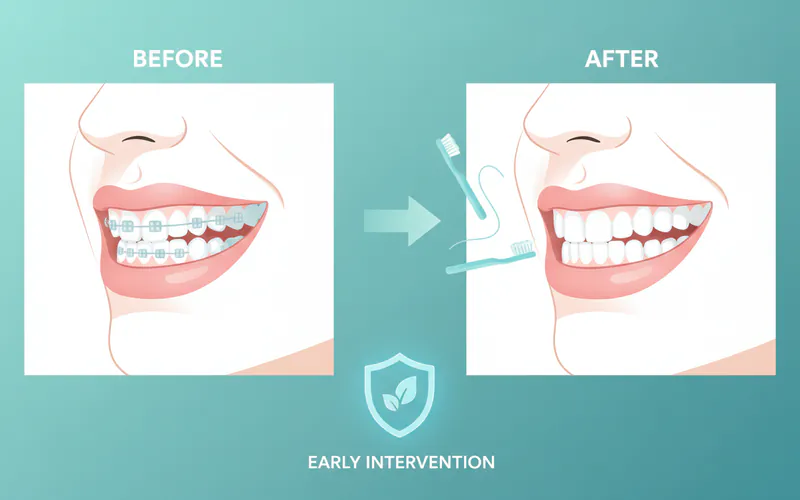
Early Orthodontic Evaluation:
- The American Association of Orthodontists (AAO) recommends a first orthodontic visit by age 7. At this age, a child's jaw is still developing, and a mix of baby and permanent teeth are present, allowing the orthodontist to:
- Detect subtle problems with jaw growth and emerging permanent teeth.
- Address issues like crossbites, severe crowding, or harmful oral habits.
- Guide jaw development and erupting teeth, potentially reducing the need for extractions or complex treatment later.
- Phase I (Interceptive) Treatment: For some children, limited treatment at this stage (e.g., expanders, partial braces) can correct issues that would otherwise worsen, potentially leading to a shorter or less complex Phase II treatment.
Promoting Healthy Oral Habits:
- Limit Pacifier Use and Thumb Sucking: Discourage these habits past age 3-4, as prolonged use can impact jaw development and tooth alignment.
- Good Oral Hygiene: Consistent brushing and flossing prevent premature tooth loss due to decay, which can disrupt the alignment of emerging permanent teeth.
- Balanced Diet: A diet rich in calcium and other essential nutrients supports healthy tooth and bone development.
- Protect Teeth During Sports: Use a custom-fit mouthguard to prevent dental injuries that can lead to misaligned teeth.
- Regular Dental Check-ups: Routine visits to the general dentist allow for early detection of potential orthodontic issues, cavities, and gum disease.
Risks and Complications: What Can Go Wrong
While orthodontic treatment is generally safe and highly effective, it's important to be aware of potential risks and complications, though most are rare and manageable.
- Tooth Decalcification/White Spots: Poor oral hygiene during braces wear can lead to mineral loss around brackets, leaving white spots on the enamel after braces removal. This is preventable with meticulous brushing and fluoride.
- Root Resorption: In some individuals, the roots of the teeth may shorten slightly during orthodontic treatment. This is usually minor and doesn't affect tooth longevity, but severe cases are rare.
- Relapse: Teeth shifting back to their original positions after treatment is the most common "complication" and is almost always due to inconsistent or insufficient retainer wear.
- Temporomandibular Joint (TMJ) Pain: While orthodontics often helps alleviate TMJ issues, some patients may experience new or exacerbated jaw pain during or after treatment.
- Periodontal Issues: Poor oral hygiene with braces can lead to gum inflammation (gingivitis) or, if left untreated, more severe gum disease (periodontitis).
- Discomfort/Pain: Mild discomfort and soreness are common after adjustments or when starting new aligners, but severe or persistent pain is rare.
- Allergic Reactions: Rare reactions to nickel in metal braces or latex in some elastic components can occur.
- Breakage of Appliances: Brackets can debond, wires can break, or aligners can crack, requiring prompt repair or replacement.
- Speech Changes: Lingual braces or new aligners can temporarily affect speech due to the tongue's adjustment.
- Non-Achievement of Desired Results: In some complex cases or with poor patient compliance, the final outcome may not perfectly match the initial treatment plan.
Your orthodontist will discuss these potential risks with you during your consultation and take all necessary precautions to minimize them, emphasizing the importance of your cooperation in achieving successful braces before and after results.
Comparison Tables
To help you make an informed decision, here are two comparison tables: one for different types of braces and another for various smile correction options, including those often considered after braces, such as celebrity veneers or teeth whitening.
Table 1: Comparison of Common Braces Types
| Feature | Traditional Metal Braces | Ceramic Braces | Clear Aligners (e.g., Invisalign) | Lingual Braces |
|---|---|---|---|---|
| Visibility | Most visible | Less visible (tooth-colored) | Nearly invisible | Completely hidden (behind teeth) |
| Material | High-grade stainless steel | Ceramic or porcelain | Clear thermoplastic plastic | Gold alloy or customized metals |
| Removable | No | No | Yes (for eating/cleaning) | No |
| Comfort | Can cause initial irritation | Similar to metal, may be bulkier | Generally comfortable, initial pressure | Can affect tongue/speech, most adjustments |
| Maintenance | Requires careful brushing/flossing | Careful brushing, prone to staining | Remove to clean, clean aligners | Difficult to clean due to placement |
| Effectiveness | Excellent for all cases | Excellent for most cases | Excellent for mild-moderate, some complex | Excellent for all cases |
| Treatment Time | 18-30 months (average) | 18-36 months (can be slightly longer) | 6-24 months (average) | 18-36 months (can be longer) |
| Average US Cost | $3,000 - $7,500 | $4,000 - $8,500 | $3,500 - $9,000 | $8,000 - $12,000+ |
Table 2: Smile Correction Options: Braces vs. Cosmetic Treatments
| Feature | Braces/Aligners (Orthodontics) | Veneers (e.g., Celebrity Veneers) | Teeth Whitening (e.g., How Much Does Teeth Whitening Cost) |
|---|---|---|---|
| Primary Goal | Straighten teeth, correct bite, improve oral health | Cosmetic enhancement (shape, color, alignment) | Lighten tooth shade |
| What It Fixes | Crowding, gaps, overbite, underbite, crossbite | Stains, chips, gaps, minor misalignment, uneven shape | Extrinsic and some intrinsic stains |
| Invasiveness | Non-invasive (fixed/removable appliances) | Minimally invasive (removes thin layer of enamel) | Non-invasive |
| Permanence | Permanent results with proper retainer wear | Permanent (material lasts 10-15+ years) | Temporary (needs touch-ups) |
| Treatment Time | 6-36 months (active treatment) | 2-3 appointments over 2-4 weeks | 1-2 hours (in-office) or 2-4 weeks (at-home) |
| Average US Cost | $3,000 - $12,000+ | $1,000 - $2,500 per tooth | $200 - $800 (full treatment) |
| Ideal For | Functional and aesthetic alignment for healthy teeth | Significant cosmetic changes, resistant stains, minor alignment | Brightening dull or stained teeth |
| Considerations | Requires commitment, retainer wear vital | Irreversible, high cost per tooth, can chip | Can cause sensitivity, not for all stains |
Children / Pediatric Considerations
Orthodontic treatment for children is often approached differently than for adults, primarily due to their ongoing growth and development. The ADA recommends an initial orthodontic evaluation for children by age 7.
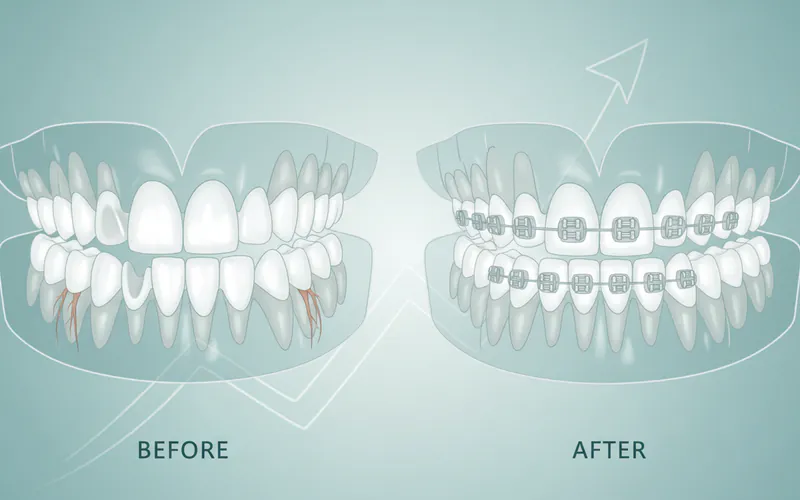
Early Evaluation (Age 7):
At this age, the orthodontist can identify:
- Developing bite problems (e.g., crossbites, severe overbites).
- Crowding or spacing issues before all permanent teeth erupt.
- Harmful oral habits like prolonged thumb sucking or tongue thrusting.
- Asymmetrical jaw growth.
Phase I (Interceptive) Treatment (Ages 7-10):
If significant issues are detected, a limited course of treatment may be recommended. This "Phase I" or interceptive treatment aims to:
- Correct severe crossbites.
- Address harmful oral habits.
- Guide jaw growth.
- Make space for erupting permanent teeth.
- Reduce the need for extractions in the future.
- Improve aesthetics and self-esteem early on.
Phase I often uses appliances like palatal expanders, habit breakers, or partial braces, typically lasting 6-18 months. After Phase I, there's usually a resting period where the child is monitored, allowing permanent teeth to erupt.
Phase II (Comprehensive) Treatment (Ages 11-14+):
Once most or all permanent teeth have erupted, a child may proceed to "Phase II" treatment, which involves full braces or aligners. This phase aims to:
- Refine tooth alignment.
- Correct the final bite relationship.
- Achieve the ideal braces before and after smile.
Pro Tip for Parents: Early evaluation doesn't automatically mean early treatment. It simply allows the orthodontist to monitor your child's development and intervene at the most opportune time, potentially simplifying or shortening later treatment. Encouraging good oral hygiene habits from a young age is also crucial, especially if braces are eventually needed.
Cost Breakdown: A Deeper Dive into Orthodontic Investment
Beyond the average ranges, understanding the components of orthodontic costs and financing options is essential.
Factors Influencing Total Cost:
- Case Complexity: Simple crowding or spacing will cost less than severe malocclusion requiring extractions or jaw surgery.
- Type of Braces: As shown in the comparison table, different materials and methods have different price points.
- Treatment Duration: Longer treatment times can sometimes incur higher fees.
- Geographic Location: Orthodontic fees vary by state, city, and even neighborhood, often reflecting the cost of living and practice overhead.
- Orthodontist's Experience: Highly experienced or renowned orthodontists may charge slightly higher fees.
- Included Services: Some quotes are all-inclusive (initial records, placement, adjustments, retainers), while others itemize. Clarify what's included.
Average US Costs (Low, Mid, High):
- Low Complexity (e.g., minor crowding, short treatment): $3,000 - $5,000 (often with traditional metal braces or limited clear aligner treatment)
- Mid Complexity (e.g., moderate crowding, bite correction): $5,000 - $8,000 (most common range for metal or ceramic braces, standard clear aligner cases)
- High Complexity (e.g., severe malocclusion, extractions, long treatment): $8,000 - $12,000+ (often for lingual braces, complex clear aligner cases, or cases requiring surgery)
With vs. Without Insurance:
- Without Insurance: You will be responsible for the full cost. Many orthodontists offer cash discounts for upfront payment or in-house financing.
- With Insurance: As discussed, insurance typically covers 10-50% up to a lifetime maximum ($1,000 - $3,000). For a $6,000 treatment with a $2,000 lifetime maximum, you would pay $4,000. Always confirm your specific benefits.
Payment Plans and Financing Options:
- In-House Payment Plans: Most orthodontic offices offer interest-free monthly payment plans, spreading the cost over the duration of treatment (e.g., a $6,000 treatment paid over 24 months would be $250/month).
- Third-Party Financing: Options like CareCredit allow you to finance medical expenses with low or no-interest plans for a specified period (e.g., 6, 12, 18 months), after which interest accrues.
- Flexible Spending Accounts (FSAs) and Health Savings Accounts (HSAs): These tax-advantaged accounts allow you to set aside pre-tax money for healthcare expenses, including orthodontics, significantly reducing your out-of-pocket costs.
- Dental Schools: University dental schools often provide orthodontic treatment at a reduced cost, as it's performed by supervised residents.
Cost-Saving Tips:
- Shop Around: Get consultations and quotes from 2-3 different orthodontists.
- Inquire About Discounts: Ask about discounts for upfront payment, multiple family members, or military personnel.
- Maximize Insurance Benefits: Understand your policy's lifetime maximum and waiting periods.
- Consider Traditional Metal Braces: Often the most budget-friendly option.
- Utilize FSAs/HSAs: Plan your contributions to cover orthodontic expenses.
Frequently Asked Questions
1. How long do braces take to work?
The average active treatment time for braces or clear aligners is typically 18 to 30 months, but this can vary significantly. Simple cases might be resolved in 6-12 months, while complex cases involving severe bite issues or jaw discrepancies could take 36 months or even longer. Your orthodontist will provide a personalized estimate based on your specific needs.
2. Do braces hurt?
While braces don't "hurt" constantly, you should expect some discomfort. You'll likely experience soreness or pressure for a few days after placement and after each adjustment appointment, as your teeth begin to move. Over-the-counter pain relievers like ibuprofen can help manage this discomfort, and any irritation from brackets or wires can usually be eased with orthodontic wax.
3. What are the visible changes in braces before and after photos?
The most obvious change is the alignment of teeth, transforming crowded, gapped, or crooked smiles into straight, harmonious ones. Beyond straight teeth, you'll often see improved facial symmetry, a broader smile arc, and better lip support, contributing to an overall more confident and balanced facial aesthetic.
4. Can adults get braces, and is the process different?
Absolutely! A significant percentage of orthodontic patients are adults. The basic biological process of tooth movement is the same, but adult treatment can sometimes take slightly longer due to denser bone structure and the absence of growth. Adults also frequently seek orthodontics as a prelude to other dental work like celebrity veneers or dental implants.
5. Are clear aligners as effective as traditional braces?
For many common orthodontic issues, clear aligners like Invisalign are highly effective. However, for very complex cases involving severe rotations, significant bite correction, or certain jaw discrepancies, traditional braces may still be the more efficient and predictable option. Your orthodontist will assess which treatment is best suited for your specific needs.
6. How much do retainers cost, and how long do I need to wear them?
The initial set of retainers is usually included in the overall cost of your orthodontic treatment. However, if you lose or break a retainer, replacement costs can range from $100 to $500 per arch. Retainer wear is a lifetime commitment. Initially, they are worn full-time, then typically transition to nighttime wear for many years, often indefinitely, to prevent relapse.
7. What happens if I don't wear my retainers after braces?
Failing to wear your retainers consistently is the primary reason for orthodontic relapse. Your teeth have a "memory" and will naturally try to shift back to their original positions if not held in place. This can lead to your teeth becoming crooked again, potentially requiring a second course of orthodontic treatment.
8. Can I get teeth whitening with braces?
It's generally not recommended to get professional teeth whitening while you have braces. The whitening agent won't be able to reach the enamel under the brackets, leading to uneven whitening and potentially noticeable white spots after your braces are removed. It's best to wait until your braces are off to undergo teeth whitening.
9. What are the alternatives to braces for minor issues?
For very minor cosmetic concerns like small gaps or slightly uneven edges, options like dental bonding, porcelain veneers, or even minor tooth re-contouring can be considered. However, these are primarily aesthetic solutions and do not correct bite issues or significantly move teeth like braces do. For example, celebrity veneers can completely redesign a smile without orthodontic movement, but at a higher cost per tooth.
10. How much does teeth whitening cost after braces?
The cost of professional teeth whitening can vary. In-office "power whitening" treatments typically range from $400-$800, offering immediate and dramatic results. Custom take-home whitening kits provided by your dentist usually cost $200-$400 and are used over a couple of weeks for gradual brightening.
When to See a Dentist (or Orthodontist)
Understanding when to seek professional dental or orthodontic care is crucial for maintaining oral health and ensuring timely intervention.
Routine Orthodontic Evaluation:
- Children: The ADA recommends a first orthodontic evaluation by age 7. This is not necessarily for immediate treatment but for early detection and monitoring of developing issues.
- Adults: If you notice any signs of misalignment, bite problems, or dissatisfaction with your smile, schedule an orthodontic consultation. It's never too late to consider treatment.
When to See an Orthodontist Promptly (Red Flags):
- Persistent Jaw Pain: Chronic pain, clicking, or difficulty moving your jaw could indicate a bite problem contributing to TMJ issues.
- Difficulty Chewing or Biting: If chewing food is consistently uncomfortable or inefficient, your bite may need correction.
- Speech Difficulties: New or worsening speech impediments, such as a lisp, might be related to tooth alignment or jaw position.
- Loose or Shifting Teeth: While normal in children, in adults, this could indicate gum disease or bite trauma requiring immediate attention.
- Impacted Teeth: If a permanent tooth has not erupted long after it should have, an orthodontist can determine if it's impacted and plan for its eruption.
When to See a General Dentist (Emergency vs. Scheduled):
- Emergency (Contact Dentist Immediately):
- Severe Toothache: Intense, throbbing pain that doesn't subside.
- Swelling: Facial swelling, especially around the jaw or gums, could indicate infection.
- Trauma: A knocked-out tooth, fractured tooth, or severe cut to the mouth.
- Broken Braces/Wires Causing Injury: A sharp wire poking your cheek or gum that you can't relieve with wax.
- Lost Crown or Filling: Exposing a sensitive tooth or leaving a sharp edge.
- Scheduled Appointment (Routine Care):
- Annual Check-ups and Cleanings: Essential for preventing cavities and gum disease.
- Cavity Concerns: If you notice sensitivity to hot/cold or visible holes in your teeth.
- Gum Bleeding: While it can be a sign for the orthodontist, your general dentist can assess for gingivitis or periodontitis.
- Post-Braces Aesthetic Concerns: After your braces are removed, if you're considering aesthetic enhancements like how much does teeth whitening cost or celebrity veneers, your general dentist can discuss these options.
Remember, early detection and intervention for both general dental and orthodontic issues lead to more successful outcomes, preserving your health and the longevity of your beautiful braces before and after smile.
Frequently Asked Questions
Medically Reviewed Content
This article was written by our dental health editorial team and reviewed for medical accuracy. Our content follows strict editorial guidelines for reliability and trustworthiness.
Medical Disclaimer
This article is for informational purposes only and does not constitute medical advice. Always consult with a qualified dental professional for diagnosis and treatment. Do not delay seeking professional advice because of something you read on this website.
Related Articles
Before and After Dentures: Complete Guide
For many Americans, a vibrant smile isn't just about aesthetics; it's fundamental to speaking clearly, enjoying favorite foods, and maintaining self-confidence. Yet, over 36 million Americans are completely edentulous (have no natural teeth), and millions more suffer from significant tooth loss,
February 22, 2026
Teeth Whitening Cost: Complete Price Guide 2026
Brighter smiles are more than just a fleeting trend; they're a significant confidence booster and a common aesthetic goal for many Americans. In fact, a recent survey indicated that over 80% of adults aged 18-49 believe a beautiful smile is important for success, and teeth whitening remains one
February 22, 2026
Natural Teeth Whitening: Complete Guide
A radiant smile is often considered a sign of health and confidence, which is why teeth whitening has become one of the most popular cosmetic dental procedures in the United States. In fact, surveys suggest that a significant majority of Americans, around 80%, desire whiter teeth, and the teeth
February 22, 2026
How Much Is Teeth Whitening
Understanding how much is teeth whitening is a common question for anyone dreaming of a brighter, more confident smile. In the United States, the quest for pearly whites has surged, with countless individuals seeking solutions to combat stains and discoloration. From professional treatments offe
February 22, 2026