Best Teeth Whitening Products: Complete Guide
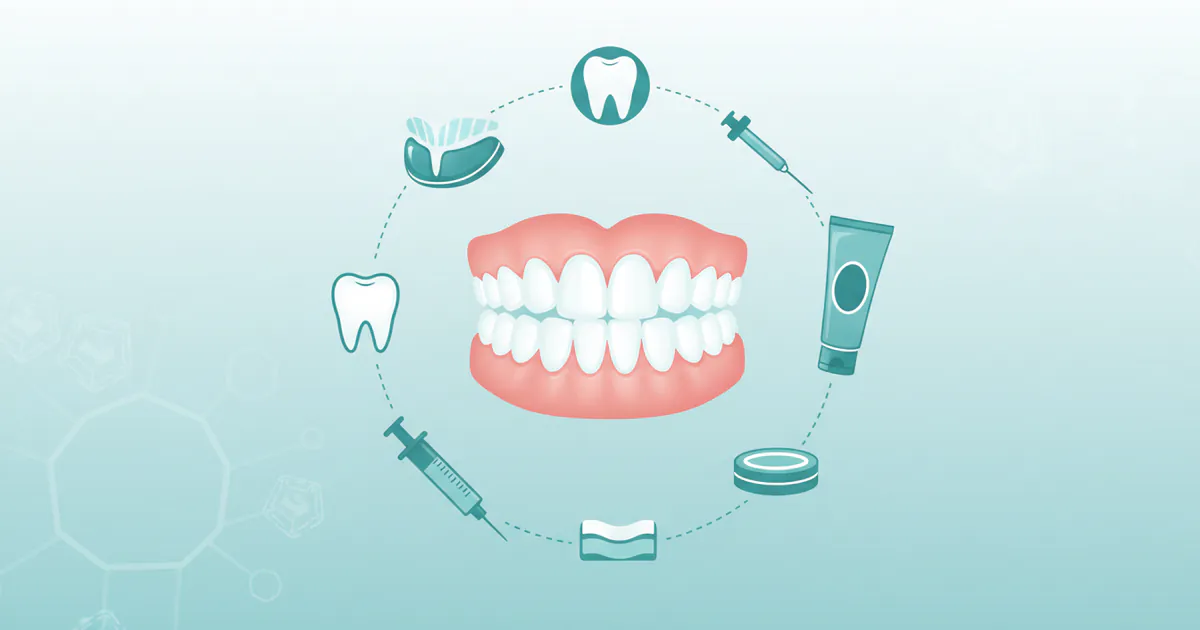
Key Takeaways
- Brushing twice daily, flossing, and regular dental check-ups are cornerstones of oral health, yet many Americans find themselves wishing for a brighter, whiter smile. In fact, a recent survey revealed that 80% of adults aged 18-49 want whiter teeth, highlighting the widespread desire for a spark
Brushing twice daily, flossing, and regular dental check-ups are cornerstones of oral health, yet many Americans find themselves wishing for a brighter, whiter smile. In fact, a recent survey revealed that 80% of adults aged 18-49 want whiter teeth, highlighting the widespread desire for a sparkling smile. Whether it's the natural yellowing that comes with age, or persistent stains from coffee, tea, and red wine, discolored teeth can significantly impact confidence and self-perception. But with an overwhelming array of options available, how do you choose among the best teeth whitening products?
This comprehensive guide from SmilePedia.net aims to demystify the world of teeth whitening. We'll explore everything from professional in-office treatments to effective at-home solutions, diving deep into their mechanisms, effectiveness, safety, and costs. You'll gain a clear understanding of what causes tooth discoloration, the different types of whitening methods, what to expect during treatment, and crucial aftercare to maintain your radiant results. Our goal is to equip you with the knowledge to make an informed decision, ensuring you achieve a brighter smile safely and effectively.
Key Takeaways:
- Teeth whitening uses hydrogen or carbamide peroxide to lighten tooth shade, targeting both extrinsic and intrinsic stains.
- Professional in-office whitening offers the fastest, most dramatic results (typically 2-8 shades in one hour) but is the most expensive, costing $400-$1,000+ per session.
- Dentist-prescribed at-home trays are a highly effective, customized option, costing $200-$600 for results over several weeks.
- Over-the-counter products like strips and gels are affordable ($20-$60) and convenient but offer less dramatic or uniform results.
- Tooth sensitivity and gum irritation are common, temporary side effects; always consult a dentist before starting treatment.
- Existing dental work (fillings, crowns, veneers) will not whiten and may require replacement for a uniform smile.
- Maintaining results requires good oral hygiene, avoiding stain-causing foods, and occasional touch-ups.
``
What It Is: Understanding Teeth Whitening
Teeth whitening, often referred to as dental bleaching, is a cosmetic dental procedure designed to lighten the shade of your teeth and remove stains, resulting in a brighter smile. It's a non-invasive process that uses chemical agents, primarily hydrogen peroxide or carbamide peroxide, to break down the complex organic molecules that cause discoloration.
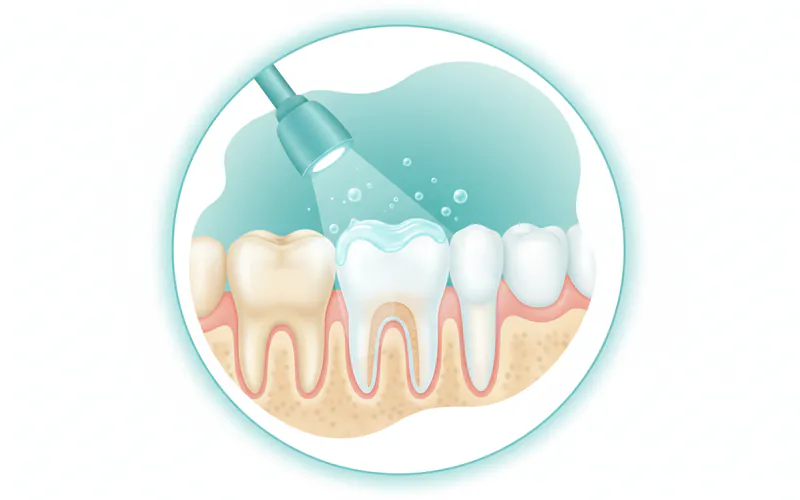
When these peroxides come into contact with your tooth surface, they penetrate the enamel and reach the dentin layer underneath. The active oxygen molecules from the peroxide react with the chromogens (stain-causing molecules) within the tooth, breaking the bonds that hold them together. This process makes the stains smaller and less concentrated, leading to a lighter, whiter appearance.
It's important to differentiate between "whitening" and "bleaching." According to the American Dental Association (ADA), products that merely remove surface stains through abrasive action are generally called "whiteners." Bleaching products, on the other hand, contain peroxide and actually lighten the internal color of the tooth. When we discuss "teeth whitening" in this comprehensive guide, we are primarily referring to professional and effective at-home treatments that involve bleaching agents to significantly change tooth shade.
Causes of Tooth Discoloration: Why Your Teeth Change Color
Understanding why your teeth change color is the first step in determining the most effective whitening strategy. Tooth discoloration can be broadly categorized into two main types: extrinsic stains (on the surface) and intrinsic stains (within the tooth structure).
Extrinsic Stains
These are stains that accumulate on the outer surface of the tooth, primarily on the enamel. They are typically easier to remove with good oral hygiene and professional cleanings, and respond well to many whitening treatments.
- Food and Beverages: The most common culprits include dark-colored drinks like coffee, tea, red wine, cola, and certain fruit juices (cranberry, grape). Foods with strong pigments such as berries, soy sauce, curry, and highly acidic items can also contribute to staining. These substances contain chromogens that adhere to the tooth enamel.
- Tobacco Use: Smoking or chewing tobacco is a significant cause of stubborn yellow-brown extrinsic stains. Nicotine and tar create tenacious deposits that are highly resistant to removal.
- Poor Oral Hygiene: Inadequate brushing and flossing allow plaque and tartar to build up. This sticky biofilm readily absorbs stains from food and drinks, making teeth appear dull and discolored.
- Certain Medications: Some medicated mouthwashes, particularly those containing chlorhexidine, can cause extrinsic staining over prolonged use.
Intrinsic Stains
Intrinsic stains occur within the tooth structure, specifically in the dentin layer beneath the enamel. These stains are often more challenging to treat and may require professional-grade whitening products for noticeable results.
- Aging: As we age, the outer layer of enamel naturally thins, revealing more of the yellowish dentin underneath. The dentin itself also gradually darkens over time.
- Trauma: An injury to a tooth can cause internal bleeding, leading to a dark gray, brown, or black discoloration. This often occurs when the blood supply to the pulp is damaged.
- Medications:
- Tetracycline and Doxycycline: These antibiotics, when taken during tooth development (in childhood or during pregnancy), can cause severe gray-blue or brown banding on the teeth that is very difficult to whiten.
- Antihistamines, Antipsychotics, and High Blood Pressure Medications: Some of these drugs can cause discoloration, though typically less severe than tetracycline stains.
- Excessive Fluoride (Fluorosis): Overexposure to fluoride during tooth development can lead to fluorosis, characterized by white streaks, spots, or sometimes brown pitting on the enamel. Mild cases might improve with whitening, but severe cases require restorative treatments.
- Genetics: Some individuals naturally have brighter or darker tooth shades due to inherited enamel thickness and dentin color.
- Dental Restorations: Old amalgam (silver) fillings can cast a gray hue on the tooth structure around them. Additionally, composite fillings, crowns, and veneers are made to match your existing tooth shade and will not whiten with bleaching agents.
Types of Teeth Whitening Products & Treatments
The market offers a wide spectrum of teeth whitening solutions, ranging from quick professional procedures to convenient at-home kits. Choosing the best teeth whitening products depends on your desired results, budget, and tolerance for treatment time.
Professional Teeth Whitening Options
For the most dramatic, fastest, and safest results, professional teeth whitening administered or prescribed by a dentist is generally the superior choice.
In-Office/Chairside Whitening
This is the fastest method, often yielding significant results in a single visit.
- What it is: Your dentist applies a high-concentration hydrogen peroxide gel (typically 15-40%) directly to your teeth. To accelerate the chemical reaction, a special light, laser, or heat source may be used, though the efficacy of light activation beyond placebo is debated by some studies, with the peroxide agent being the primary active ingredient.
- Process Overview:
- Your gums and soft tissues are carefully protected with a barrier (rubber dam or liquid resin).
- The whitening gel is applied to the front surfaces of your teeth.
- A light, if used, is positioned over your mouth.
- The gel is left on for 15-20 minute intervals, often for 2-3 sessions within a single appointment.
- The gel is rinsed off, and results are immediately visible.
- Pros:
- Fastest Results: Significant whitening (often 2-8 shades lighter) in about one hour.
- Maximum Effectiveness: Uses the highest concentration of whitening agents for dramatic changes.
- Dentist Supervision: Ensures safety, proper application, and management of sensitivity.
- Controlled Application: Protects gums and soft tissues from irritation.
- Cons:
- Highest Cost: Typically ranges from $400 to $1,000 or more per session.
- Potential Sensitivity: Higher chance of temporary tooth sensitivity due to the strong agents.
- Results Vary: While dramatic, individual results depend on the type and severity of stains.
Custom-Fit Whitening Trays (Dentist-Prescribed)
This method combines professional oversight with the convenience of at-home application.
- What it is: Your dentist takes impressions of your teeth to create custom-made, clear plastic trays that fit your mouth precisely. You are given a professional-grade whitening gel (typically 10-22% carbamide peroxide or 6-10% hydrogen peroxide) to apply to the trays at home.
- Process Overview:
- Initial consultation and impressions for the trays.
- You receive the custom trays and gel, along with detailed instructions.
- You fill the trays with a small amount of gel and wear them for a specified duration each day (e.g., 30 minutes to a few hours, or overnight) for 1-2 weeks, depending on the concentration and desired results.
- Follow-up appointments may be scheduled to monitor progress and address any concerns.
- Pros:
- Effective Results: Achieves significant, lasting whitening over a few weeks.
- Custom Fit: Trays ensure even gel distribution and minimize gum irritation.
- Dentist Guidance: Professional instruction and monitoring enhance safety and results.
- Cost-Effective: Less expensive than in-office whitening, with comparable long-term results.
- Flexibility: Can be done at your convenience at home.
- Cons:
- Longer Treatment Time: Results develop gradually over days or weeks.
- Compliance Required: Requires consistent daily use for optimal outcomes.
- Potential for Sensitivity: Can still cause temporary tooth sensitivity or gum irritation if gel contacts soft tissues.
- Cost: Typically ranges from $200 to $600.
``
Over-the-Counter (OTC) Teeth Whitening Products
These products are readily available at pharmacies and supermarkets, offering convenience and affordability. While generally less potent than professional options, they can be effective for mild to moderate extrinsic stains.
Whitening Strips
- What it is: Thin, flexible plastic strips coated with a low concentration of hydrogen peroxide or carbamide peroxide.
- Pros:
- Convenient and Easy to Use: Simply apply to teeth.
- Affordable: A 1-2 week supply typically costs $20 - $60.
- Widely Available: Found in most drugstores.
- Cons:
- Uneven Whitening: Strips may not cover all tooth surfaces, especially between teeth or on irregularly shaped teeth.
- Lower Concentration: Less dramatic results compared to professional treatments.
- Potential for Gum Irritation: Strips can slide and expose gums to the whitening agent.
- Brand Variations: Efficacy varies significantly between brands.
Whitening Gels and Pens
- What it is: Peroxide-based gels applied directly to the teeth with a small brush or pen applicator.
- Pros:
- Targeted Application: Good for specific stains or touch-ups.
- Portable: Pens are convenient for on-the-go use.
- Affordable: Typically $15 - $40.
- Cons:
- Saliva Dilution: Saliva can dilute the gel, reducing contact time and effectiveness.
- Less Effective: Generally provide less significant whitening than strips or trays due to lower concentration and shorter contact time.
Whitening Toothpastes and Mouthwashes
- What it is: Toothpastes contain mild abrasives (e.g., silica, baking soda) or low concentrations of chemical agents (e.g., hydrogen peroxide) to polish away surface stains. Mouthwashes may contain peroxide.
- Pros:
- Daily Maintenance: Helps remove new surface stains.
- Easy to Integrate: Part of your regular oral hygiene routine.
- Very Affordable: Costs are similar to regular oral care products ($5 - $15).
- Cons:
- No True Bleaching: Primarily remove extrinsic stains; do not significantly lighten intrinsic tooth color.
- Minimal Results: Whitening effect is often negligible compared to other methods.
- Abrasive Concerns: Overuse of highly abrasive toothpastes can potentially wear down enamel over time.
LED Whitening Kits (at-home)
- What it is: These kits usually include a peroxide gel (applied via universal trays or painted on) and an LED light device, similar in concept to in-office treatments but with much lower gel concentrations and less powerful lights.
- Pros:
- Convenient: Can be used at home.
- Relatively Affordable: Typically $50 - $200.
- May enhance results for some: Some users report better results than strips alone.
- Cons:
- Debatable Efficacy of LED: Many dental professionals question the true effectiveness of consumer-grade LED lights in significantly accelerating or enhancing whitening results beyond the peroxide gel itself.
- Universal Trays: Often do not fit perfectly, leading to uneven whitening and potential gum irritation.
- Lower Concentration: Less potent than professional gels, meaning less dramatic results.
Choosing the Best Teeth Whitening Product for You
Selecting the right whitening solution requires careful consideration of several factors tailored to your individual needs and circumstances.
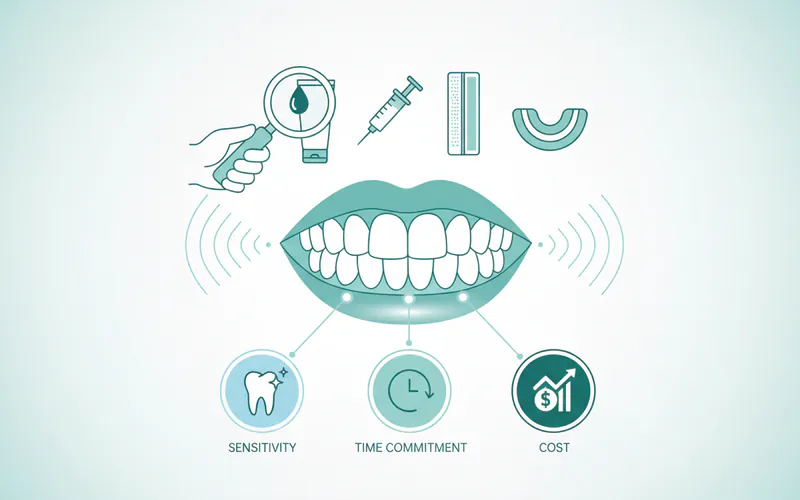
- Type and Severity of Stains: For deep, intrinsic stains or significant discoloration, professional treatments (in-office or custom trays) are far more effective. For mild extrinsic stains, OTC products might suffice.
- Desired Results and Timeline: If you need rapid, dramatic whitening for an event, in-office treatment is ideal. If you're patient and prefer gradual changes, custom trays or even high-quality strips can work.
- Budget: Costs vary widely from under $50 for OTC products to over $1,000 for professional in-office procedures.
- Existing Dental Work: Remember that crowns, veneers, and composite fillings will not whiten. If you have visible restorations, whitening your natural teeth may create a color mismatch that necessitates replacing the restorations for a uniform smile.
- Tooth Sensitivity: If you have naturally sensitive teeth, professional guidance is crucial. Your dentist can recommend desensitizing products or choose a whitening agent that is less likely to cause discomfort.
- Overall Oral Health: Whitening should only be performed on healthy teeth and gums. Any untreated cavities, gum disease, or exposed roots must be addressed first.
Pro Tip: Always consult your dentist before starting any teeth whitening regimen, especially if you have existing dental concerns, sensitive teeth, or specific aesthetic goals. Your dentist can assess the cause of your discoloration, recommend the most appropriate and safest option, and set realistic expectations for your results. They can also advise on how to manage any potential side effects.
The Teeth Whitening Process: What to Expect
No matter which method you choose, understanding the general process can help you prepare and optimize your results.
Before Whitening
- Dental Examination and Cleaning: This is a crucial first step for any whitening procedure, especially professional ones. Your dentist will check for cavities, gum disease, and other oral health issues that need to be addressed before whitening. A professional cleaning will remove plaque and tartar, allowing the whitening agent to contact your tooth surface effectively.
- Discussion of Expectations: Your dentist will assess your current tooth shade and discuss realistic outcomes. They can show you a shade guide to help you visualize potential results. They will also identify any existing restorations (fillings, crowns) that will not whiten.
- Sensitivity Assessment: If you have sensitive teeth, your dentist may recommend using a desensitizing toothpaste for a few weeks prior to treatment.
During Whitening (In-Office)
- Preparation: You'll be given protective eyewear. Your dentist or hygienist will carefully place a retractor to hold your lips and cheeks away from your teeth, and then apply a protective barrier (often a liquid resin that hardens) to your gums to shield them from the high-concentration whitening gel.
- Gel Application: The whitening gel, typically a hydrogen peroxide solution, is meticulously applied to the front surfaces of your teeth.
- Activation (Optional): If a light or laser is used, it will be positioned over your teeth to supposedly accelerate the whitening process. You'll sit comfortably while the gel works.
- Repeat Cycles: The gel is usually left on for 15-20 minute intervals, then suctioned off and reapplied. Most in-office treatments involve 2-3 such cycles in a single appointment, lasting approximately 45-90 minutes in total.
- Completion: After the final cycle, the gel is removed, and the gum barrier is peeled away. You'll rinse your mouth, and your dentist will assess your new, brighter shade.
During Whitening (At-Home with Custom Trays)
- Tray Fitting: After your initial dental visit where impressions are taken, you'll return to pick up your custom-fitted trays. Your dentist will ensure they fit properly and provide detailed instructions.
- Gel Application: You'll be shown how to apply a small bead of the whitening gel (carbamide or hydrogen peroxide) into each tooth compartment of the tray. It's important not to overfill, as excess gel can irritate gums.
- Wear Time: You'll wear the trays for the recommended duration, typically from 30 minutes to a few hours once or twice a day, or even overnight, depending on the gel concentration and your dentist's instructions.
- Cleaning: After each use, you'll remove the trays, rinse your mouth, and brush off any residual gel from your teeth. The trays should also be cleaned with cold water and a soft toothbrush.
- Treatment Duration: The full treatment course usually lasts 1-2 weeks, but can be longer for more stubborn stains. Your dentist may schedule a follow-up to check your progress.
Risks, Side Effects, and Complications
While teeth whitening is generally safe when performed correctly, it's important to be aware of potential side effects and risks.
- Tooth Sensitivity: This is the most common side effect, especially with professional, higher-concentration gels. It manifests as a sharp, temporary pain, often in response to cold, hot, or sweet stimuli. It typically subsides within 24-48 hours after treatment. Your dentist can recommend desensitizing toothpastes (containing potassium nitrate or strontium chloride) or fluoride treatments to help alleviate this.
- Gum Irritation: If the whitening gel comes into contact with your gums or other soft tissues, it can cause temporary inflammation, soreness, or even chemical burns. This is more common with ill-fitting over-the-counter trays or strips, or if too much gel is used. Professional treatments use protective barriers to prevent this.
- Uneven Whitening: Existing dental work such as composite fillings, crowns, veneers, or bonding will not whiten. This can lead to a noticeable color difference between your natural teeth and restorations. Areas around old fillings or teeth with internal discoloration (like those from trauma) may also whiten unevenly.
- Over-Whitening (Too White): While rare with professional guidance, excessive whitening can lead to an unnatural, chalky-white appearance. This is why discussing your aesthetic goals with your dentist is crucial.
- Damage to Enamel: When used correctly, whitening products do not damage healthy enamel. However, misuse, overuse, or using products with extremely high acidity can potentially lead to enamel erosion or increased porosity over time. Always follow instructions carefully.
- Ineffectiveness on Certain Stains: Tetracycline stains or severe fluorosis are often very resistant to traditional whitening and may require more advanced cosmetic procedures like veneers or bonding for satisfactory results.
- Not Suitable For:
- Pregnant or nursing women (due to lack of research on effects).
- Individuals with gum disease, exposed root surfaces, or cavities (must be treated first).
- Those with allergies to peroxide.
- Children under 16 (developing pulp is closer to the surface, increasing sensitivity).
``
Cost of Teeth Whitening in the US
The cost of teeth whitening can vary significantly based on the method chosen, geographic location, and the dental professional's fees. Here's a breakdown of average US costs:
Professional Teeth Whitening Costs
- In-Office/Chairside Whitening: This is the most premium option.
- Average Range: $400 - $1,000 per session. Some high-end practices or specific brands might charge up to $1,500.
- Average US Cost: Approximately $650.
- Factors Influencing Cost:
- Geographic Location: Prices tend to be higher in metropolitan areas and on the coasts.
- Dentist's Expertise/Practice: Specialists or practices with state-of-the-art equipment may charge more.
- Brand of Whitening System: Different professional systems (e.g., Zoom!, Philips NiteWhite/DayWhite, Opalescence Boost) have varying costs.
- Number of Sessions: While many achieve significant results in one session, some require touch-ups or additional sessions.
- Dentist-Prescribed At-Home Trays:
- Average Range: $200 - $600.
- Average US Cost: Approximately $350.
- This cost typically includes the impressions, custom tray fabrication, and several syringes of professional-grade whitening gel. Refill gels are much cheaper, usually $30 - $70 per syringe.
Over-the-Counter (OTC) Teeth Whitening Product Costs
- Whitening Strips (e.g., Crest 3D Whitestrips):
- Average Range: $20 - $60 per kit (typically a 1-2 week supply).
- Whitening Gels and Pens:
- Average Range: $15 - $40.
- Whitening Toothpastes and Mouthwashes:
- Average Range: $5 - $15 (similar to regular oral care products).
- At-Home LED Whitening Kits:
- Average Range: $50 - $200.
Insurance Coverage and Payment Options
- Insurance: Teeth whitening is almost universally considered a cosmetic procedure and is generally NOT covered by dental insurance. This applies to both professional and over-the-counter options. Your insurance plan might cover diagnostic exams or cleanings that precede whitening, but not the whitening itself.
- Payment Plans and Financing: Many dental offices offer:
- In-house payment plans: Spreading the cost over several months.
- Third-party financing: Companies like CareCredit offer low-interest or interest-free payment plans for medical and dental procedures.
- Health Savings Accounts (HSAs) or Flexible Spending Accounts (FSAs): You may be able to use funds from these accounts for teeth whitening, as it's often considered a medical expense for cosmetic enhancement. Always check with your plan administrator.
- Cost-Saving Tips:
- Inquire about package deals or promotions from your dental office.
- Consider custom-fit trays over in-office whitening for similar long-term results at a lower initial cost.
- Check if local dental schools offer supervised teeth whitening services at reduced rates.
Recovery and Aftercare: Maintaining Your Brighter Smile
Achieving a whiter smile is just the first step; maintaining those results requires diligent aftercare and smart lifestyle choices.
- "White Diet" Immediately After Whitening: For the first 24-48 hours after a professional or intensive at-home whitening session, your teeth can be more porous and susceptible to re-staining. It's highly recommended to stick to a "white diet" during this period, avoiding any foods or drinks that could stain a white shirt.
- Foods to Eat: Chicken, turkey, fish, white rice, pasta (with white sauce), potatoes (without skin), cauliflower, bananas, white bread (no crust), milk, yogurt.
- Foods/Drinks to Avoid: Coffee, tea, red wine, dark sodas, berries, dark sauces (soy sauce, tomato sauce), chocolate, tobacco products.
- Excellent Oral Hygiene: Continue (or start!) brushing your teeth twice a day with a fluoride toothpaste and flossing daily. This removes plaque and surface stains before they can set.
- Regular Dental Check-ups and Cleanings: Schedule routine cleanings every six months. Your dental hygienist can remove extrinsic stains and polish your teeth, helping to preserve your whitening results.
- Touch-Up Treatments: No whitening treatment is permanent. The longevity of results varies (from 6 months to 2 years) depending on your habits. Your dentist may recommend periodic touch-up treatments, often using your custom trays and a few syringes of gel, or an occasional in-office boost.
- Manage Sensitivity: If you experience post-whitening sensitivity, use a desensitizing toothpaste as recommended by your dentist. Avoid extremely hot or cold foods and drinks for a few days. Over-the-counter pain relievers can also help.
- Limit Stain-Causing Habits: Reduce consumption of coffee, tea, and red wine. If you do indulge, consider drinking through a straw to minimize contact with your front teeth, and rinse your mouth with water immediately afterward. Quitting tobacco use is the single most impactful step for preventing future staining.
Teeth Whitening and Existing Dental Work / Orthodontics
This is a critical area of consideration before embarking on any teeth whitening journey. The key principle to remember is that whitening agents only work on natural tooth structure.
Fillings, Crowns, Veneers, and Bonding
- No Whitening: Any existing dental restorations, such as composite (tooth-colored) fillings, porcelain crowns, veneers, or dental bonding, will not change color with teeth whitening agents. They are made from materials that are impervious to peroxide.
- Color Mismatch: If you whiten your natural teeth, these restorations will stand out as they will remain their original, often darker, shade. This can create an undesirable color mismatch, especially if the restorations are in highly visible areas.
- Solution: To achieve a uniformly white smile, you may need to replace existing restorations after your desired whitening shade has been achieved. This allows your dentist to match the new restorations to your newly whitened teeth. This adds significantly to the overall cost and treatment time.
Invisalign Before and After
Many patients considering cosmetic improvements ask about the timing of teeth whitening with orthodontics. For those undergoing Invisalign treatment, there are specific considerations:
- Best Time to Whiten: The general recommendation is to complete your Invisalign treatment before you undergo teeth whitening. Whitening your teeth after your teeth are in their final, straight position ensures that the whitening agent reaches all surfaces evenly and that your final smile is uniformly bright.
- Whitening During Invisalign: Some dentists may offer the option to whiten your teeth during Invisalign treatment. This is typically done by placing a small amount of low-concentration whitening gel directly into your aligners and wearing them for a specified period each day.
- Pros: Combines treatment, potentially saving time.
- Cons:
- The aligners are designed for tooth movement, not as precise whitening trays, so gel distribution might be less even than with custom-fit trays.
- The whitening process could temporarily increase tooth sensitivity, which might already be present from tooth movement.
- While unlikely to significantly affect aligner fit, drastic changes in tooth color before all aligners are made could, in theory, impact the appearance of subsequent aligners if they were color-matched (though aligners are clear).
- Considerations: If you plan to whiten, discuss this with your orthodontist and general dentist. They can advise on the best timing and method to integrate whitening into your overall treatment plan for the most aesthetic and healthy outcome.
- Internal Link: To delve deeper into straightening your smile, explore our comprehensive guide on Invisalign on SmilePedia.net.
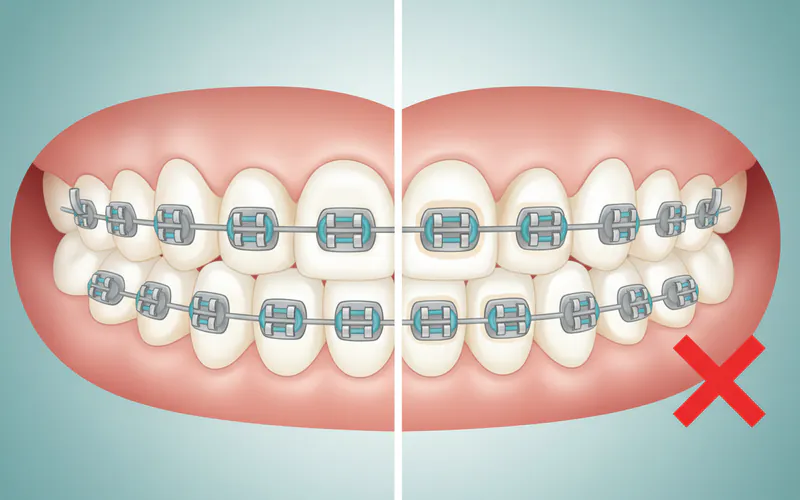
Traditional Braces
- Teeth whitening is generally not recommended for individuals with traditional metal or ceramic braces.
- The brackets and wires cover portions of the tooth surface, preventing the whitening agent from reaching those areas. This would result in an uneven, splotchy appearance with darker "squares" once the braces are removed.
- It is best to wait until your braces are completely removed and your teeth have settled into their final positions before considering any whitening treatments.
Prevention: Keeping Stains at Bay
While whitening treatments can restore brightness, preventing future stains is key to maintaining your results and overall oral health.
- Mindful Dietary Habits:
- Limit Stain-Causing Foods & Drinks: Reduce consumption of coffee, tea, red wine, dark sodas, highly pigmented fruits (berries), and dark sauces.
- Rinse with Water: After consuming stain-producing items, rinse your mouth vigorously with water to wash away residual pigments.
- Use a Straw: For beverages like coffee, tea, and soda, using a straw can minimize contact with the front surfaces of your teeth.
- Quit Tobacco Use: This is one of the most effective ways to prevent severe tooth discoloration. Tobacco products cause stubborn yellow-brown stains that are difficult to remove.
- Maintain Excellent Oral Hygiene:
- Brush Twice Daily: Use a fluoride toothpaste and a soft-bristled brush to remove plaque and surface stains.
- Floss Daily: Flossing removes food particles and plaque from between teeth, preventing staining in these often-overlooked areas.
- Consider a Whitening Toothpaste: While not true bleaches, these can help remove surface stains and maintain brightness between professional cleanings.
- Regular Dental Visits: Schedule professional cleanings and check-ups every six months. Your hygienist can remove accumulated plaque and extrinsic stains that daily brushing might miss, keeping your teeth looking their best.
- Address Dental Issues Promptly: Treat cavities and gum disease without delay. Healthy teeth and gums are less prone to discoloration and are essential before any cosmetic procedures.
Comparison Tables
Here are two tables to help you compare popular teeth whitening options and typical costs.
Table 1: Professional vs. Over-the-Counter Teeth Whitening
| Feature | Professional In-Office Whitening | Dentist-Prescribed At-Home Trays | Over-the-Counter Whitening Strips/Gels |
|---|---|---|---|
| Active Ingredient | High-concentration Hydrogen Peroxide (15-40%) | Carbamide Peroxide (10-22%) or Hydrogen Peroxide (6-10%) | Low-concentration Hydrogen/Carbamide Peroxide (3-10%) |
| Cost (Avg. US) | $400 - $1,000+ per session | $200 - $600 (initial kit, refills cheaper) | $20 - $60 per kit |
| Speed of Results | Fastest: 2-8 shades in 1 hour | Gradual: 1-2 weeks for significant results | Slowest: Noticeable results after 1-2 weeks, less dramatic |
| Effectiveness | Most dramatic, uniform results for most stain types | Very effective, especially for intrinsic stains | Mild to moderate, best for extrinsic stains |
| Safety | Highest: Dentist supervision, gum protection, controlled agents | High: Dentist-guided, custom trays protect gums | Moderate: Risk of uneven whitening, gum irritation |
| Tooth Sensitivity | Highest potential (temporary) | Moderate potential (temporary) | Lower potential (but still possible) |
| Convenience | Done in-office, one visit | At-home, daily wear for prescribed period | At-home, easy application |
| Longevity | 6 months - 2 years (with touch-ups) | 6 months - 2 years (with touch-ups) | 3-6 months (requires frequent touch-ups) |
Table 2: Popular At-Home Whitening Products Overview
| Product Type | Common Examples | Average Cost (US) | Pros | Cons |
|---|---|---|---|---|
| Whitening Strips | Crest 3D Whitestrips, Lumineux | $20 - $60 | Convenient, affordable, widely available, noticeable results | Uneven whitening, can cause gum irritation, less dramatic than pro |
| Brush-On Gels/Pens | AuraGlow Whitening Pen, GLO Science POP | $15 - $40 | Targeted application, portable, good for touch-ups | Saliva dilution reduces efficacy, less overall whitening |
| Whitening Toothpastes | Colgate Optic White, Crest 3D White | $5 - $15 | Part of daily routine, removes surface stains, very affordable | Minimal impact on intrinsic color, abrasive concerns with overuse |
| At-Home LED Kits | Hismile, Snow Teeth Whitening, AuraGlow Kit | $50 - $200 | Can enhance results for some users, convenient home use | Efficacy of LED debated, universal trays can cause unevenness/irritation |
| Mouthwashes | Listerine Healthy White, ACT Whitening | $5 - $10 | Easy addition to routine, helps maintain freshness | Very limited whitening ability, mainly surface stain prevention |
``
Children / Pediatric Considerations
Teeth whitening is generally not recommended for children and adolescents under the age of 16. There are several important reasons for this guideline:
- Developing Enamel: A child's tooth enamel is still developing and is often more porous than adult enamel. This makes it more susceptible to sensitivity and potential damage from whitening agents.
- Larger Pulp Chambers: Children's teeth have larger pulp chambers (the innermost part of the tooth containing nerves and blood vessels). Whitening agents can more easily reach the pulp, leading to increased sensitivity, discomfort, and potentially irreversible damage to the developing nerve tissue.
- Temporary vs. Permanent Teeth: Whitening is typically only considered for permanent teeth. Whitening primary (baby) teeth is rarely necessary and not advised.
- Unrealistic Expectations: Children and parents may have unrealistic expectations about the results.
- Unknown Long-Term Effects: The long-term effects of teeth whitening on developing teeth and oral structures are not fully understood.
When It Might Be Considered (Under Strict Dental Supervision): In very rare cases, a pediatric dentist might consider teeth whitening for a child if they have severe intrinsic staining (e.g., from tetracycline or trauma) that significantly impacts their self-esteem and psychological well-being. This would only be done under strict professional supervision, using very low-concentration gels, and with careful monitoring to minimize risks.
Pro Tip: If you are concerned about your child's tooth discoloration, schedule an appointment with a pediatric dentist. They can diagnose the cause of the staining and recommend appropriate, safe solutions, which may include simple professional cleanings, dietary changes, or other non-whitening cosmetic options.
Frequently Asked Questions
Is teeth whitening safe?
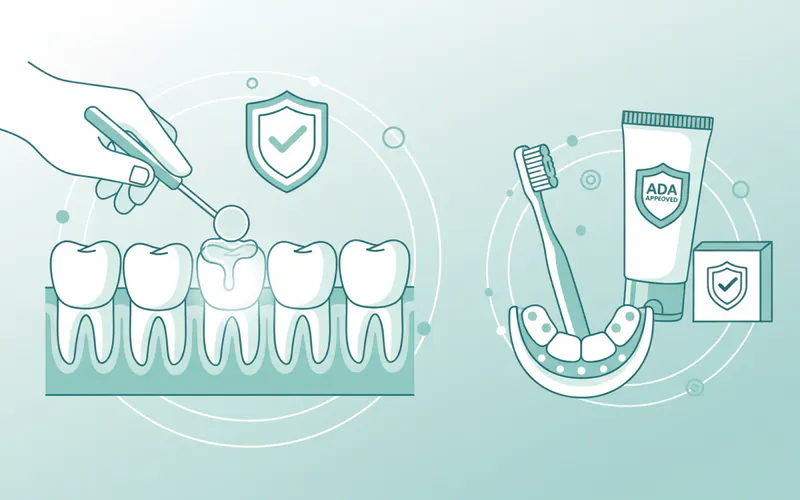
Yes, teeth whitening is generally safe when performed under the guidance of a dental professional or when following directions for ADA-approved over-the-counter products. The active ingredients, hydrogen peroxide and carbamide peroxide, have been extensively studied and are safe for oral use. Potential side effects like temporary sensitivity and gum irritation are usually mild and resolve quickly.
How long do teeth whitening results last?
The longevity of teeth whitening results varies widely, typically lasting from six months to two years. Factors influencing duration include your diet (consumption of stain-causing foods/drinks), oral hygiene habits, use of tobacco, and whether you perform regular touch-up treatments. Professional treatments generally offer longer-lasting results than over-the-counter options.
Does teeth whitening hurt?
Most people experience little to no pain during teeth whitening. However, temporary tooth sensitivity to cold, heat, or pressure is a common side effect, especially with higher-concentration professional treatments. This sensitivity is usually mild and subsides within 24-48 hours. Your dentist can provide desensitizing products or adjust your treatment plan to minimize discomfort.
Can I whiten my teeth if I have sensitive teeth?
Yes, but with caution and ideally under dental supervision. Your dentist can recommend specific low-concentration gels, shorter treatment times, or the use of desensitizing toothpastes or gels before and after whitening. They can also ensure there are no underlying dental issues contributing to your sensitivity.
What's the difference between teeth whitening and bleaching?
According to the American Dental Association (ADA), "whitening" generally refers to restoring a tooth's natural color by removing surface stains (e.g., with abrasive toothpastes). "Bleaching" refers to lightening the tooth's intrinsic color beyond its natural shade, using peroxide-based agents. In common usage, the terms are often used interchangeably.
Can natural remedies effectively whiten teeth?
Many natural remedies like baking soda, activated charcoal, or oil pulling are often touted for whitening. While some (like baking soda) can offer mild abrasive action to remove surface stains, they do not contain bleaching agents to lighten the internal tooth color. Moreover, improper use of abrasive remedies can actually damage enamel, making teeth more susceptible to staining and sensitivity. Always consult your dentist before trying natural remedies.
How often can I whiten my teeth?
The frequency of whitening depends on the method and concentration used. Professional in-office treatments are typically done infrequently, perhaps once a year or as needed for touch-ups. At-home trays can be used for periodic touch-ups (e.g., a few days every 3-6 months) with lower concentration gels. Over-the-counter products usually specify treatment cycles and should not be used more often than directed, to avoid excessive sensitivity or potential enamel issues.
Will teeth whitening work on crowns or veneers?
No, teeth whitening agents only work on natural tooth structure. Crowns, veneers, composite fillings, and dental bonding are made from materials that do not respond to bleaching. If you whiten your natural teeth, these restorations will maintain their original color, potentially creating a noticeable mismatch. You may need to replace these restorations after whitening to achieve a uniform shade.
What is the best age to start teeth whitening?
Teeth whitening is generally not recommended for individuals under 16 years old. This is because the tooth pulp is larger and closer to the surface in younger teeth, making them more susceptible to sensitivity and potential damage from whitening agents. It's best to wait until tooth development is complete, and always consult with a dentist first.
How much does professional teeth whitening cost?
Professional in-office teeth whitening typically costs between $400 and $1,000 per session in the US, averaging around $650. Dentist-prescribed at-home whitening kits with custom trays usually range from $200 to $600. These costs vary by location and dental practice.
When to See a Dentist
While many over-the-counter whitening options are available, consulting a dental professional is always the safest and most effective approach. Here’s when you should definitely see a dentist regarding teeth whitening:
- Before Starting Any Whitening Treatment: This is the most crucial recommendation. A dentist can assess the cause of your discoloration, check for underlying issues (cavities, gum disease, exposed roots), and recommend the safest and most effective treatment plan tailored to your specific needs.
- If You Have Existing Dental Work: If you have fillings, crowns, veneers, or bonding, a dentist can explain how whitening will affect their appearance and discuss options for achieving a uniform smile.
- If You Experience Severe Sensitivity or Gum Irritation: While mild, temporary sensitivity is common, severe or prolonged pain, burning, or bleeding gums warrant immediate dental attention. Your dentist can diagnose the cause and recommend appropriate treatment or adjustments to your whitening regimen.
- For Stubborn or Unusual Discoloration: If your teeth don't respond to over-the-counter products, or if you have dark, localized stains (e.g., from tetracycline or trauma), a dentist can offer more potent professional treatments or alternative cosmetic solutions.
- If You Have Underlying Oral Health Issues: Whitening should only be performed on healthy teeth and gums. If you suspect you have cavities, gum disease, or other oral health problems, address these with your dentist before considering any cosmetic procedures.
- For Children or Adolescents: Teeth whitening is generally not recommended for individuals under 16. If you are concerned about a child's tooth discoloration, consult a pediatric dentist for a proper diagnosis and safe guidance.
Frequently Asked Questions
Medically Reviewed Content
This article was written by our dental health editorial team and reviewed for medical accuracy. Our content follows strict editorial guidelines for reliability and trustworthiness.
Medical Disclaimer
This article is for informational purposes only and does not constitute medical advice. Always consult with a qualified dental professional for diagnosis and treatment. Do not delay seeking professional advice because of something you read on this website.
Related Articles
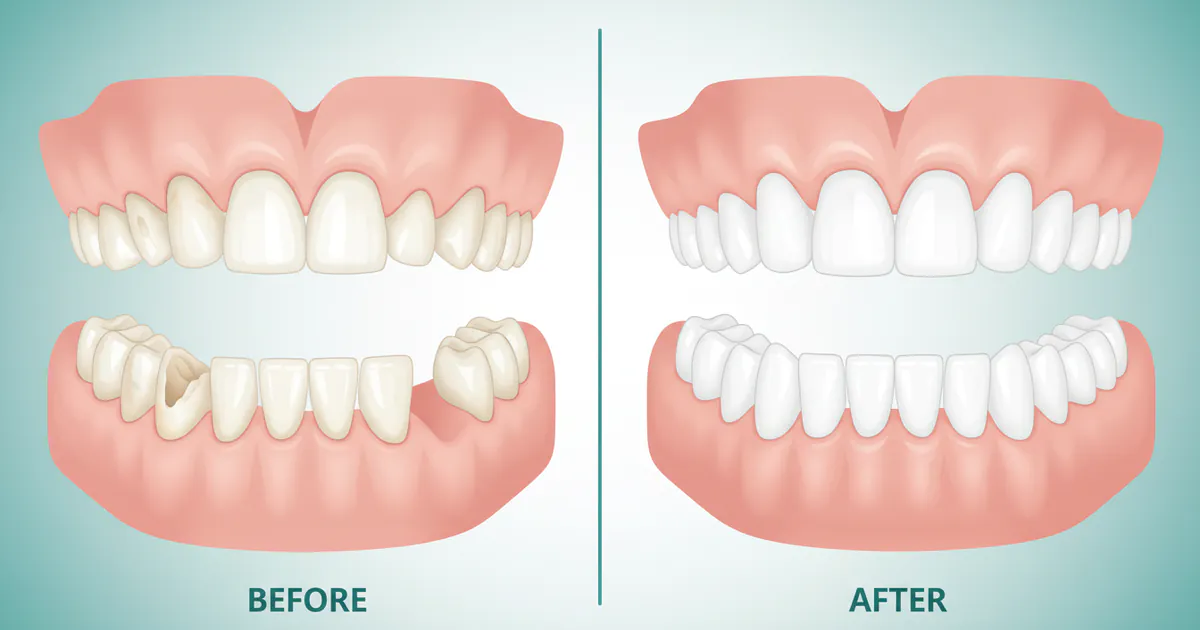
Before and After Dentures: Complete Guide
For many Americans, a vibrant smile isn't just about aesthetics; it's fundamental to speaking clearly, enjoying favorite foods, and maintaining self-confidence. Yet, over 36 million Americans are completely edentulous (have no natural teeth), and millions more suffer from significant tooth loss,
February 22, 2026
Teeth Whitening Cost: Complete Price Guide 2026
Brighter smiles are more than just a fleeting trend; they're a significant confidence booster and a common aesthetic goal for many Americans. In fact, a recent survey indicated that over 80% of adults aged 18-49 believe a beautiful smile is important for success, and teeth whitening remains one
February 22, 2026
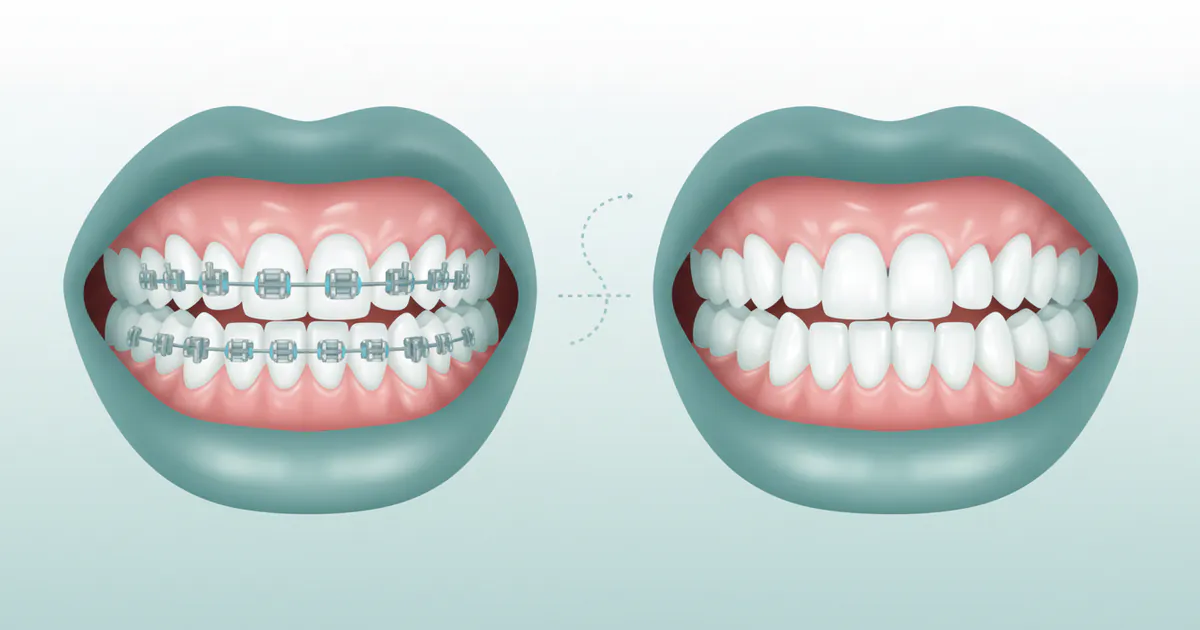
Braces Before and After: Complete Guide
For many, the journey to a confident, healthy smile begins with orthodontics. The transformation seen in braces before and after photos isn't just cosmetic; it represents improved oral health, function, and self-esteem. Crooked teeth, misaligned bites, and gaps can lead to a host of problems, fr
February 22, 2026
Natural Teeth Whitening: Complete Guide
A radiant smile is often considered a sign of health and confidence, which is why teeth whitening has become one of the most popular cosmetic dental procedures in the United States. In fact, surveys suggest that a significant majority of Americans, around 80%, desire whiter teeth, and the teeth
February 22, 2026