What Are Veneers
Key Takeaways
- Did you know that over 60% of adults are dissatisfied with the appearance of their teeth? From stubborn stains to minor chips and gaps, these imperfections can significantly impact self-confidence and even social interactions. If you've ever found yourself wishing for a brighter, more uniform sm
Did you know that over 60% of adults are dissatisfied with the appearance of their teeth? From stubborn stains to minor chips and gaps, these imperfections can significantly impact self-confidence and even social interactions. If you've ever found yourself wishing for a brighter, more uniform smile that doesn't require extensive orthodontic treatment, you're likely wondering: what are veneers? Dental veneers offer a transformative solution, providing a durable and aesthetically pleasing way to achieve the smile you've always dreamed of. Unlike superficial treatments or temporary fixes, veneers are custom-made shells designed to cover the front surface of your teeth, creating a flawless façade. This comprehensive guide from SmilePedia.net will delve deep into the world of dental veneers, exploring their types, the process, costs, aftercare, and everything you need to know to make an informed decision about this popular cosmetic dentistry procedure.
Key Takeaways:
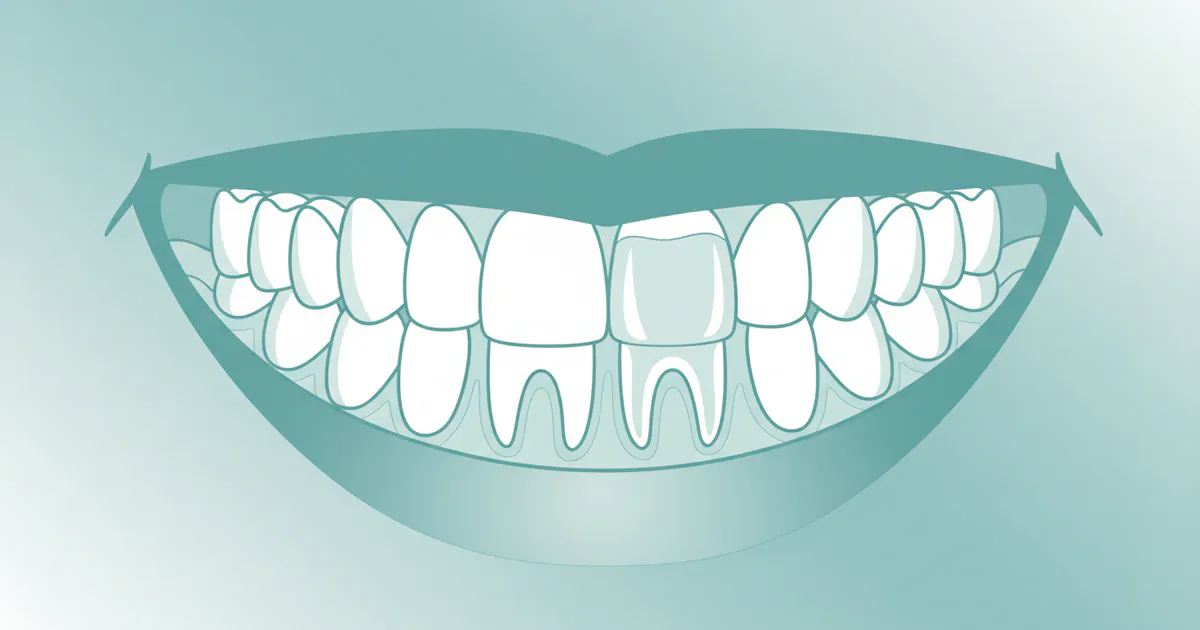
- Veneers are thin, custom-made shells bonded to the front surface of teeth to improve appearance, addressing issues like discoloration, chips, gaps, and minor misalignment.
- Two primary types exist: Porcelain veneers (durable, stain-resistant, more expensive, typically require tooth preparation) and Composite veneers (more affordable, direct application, shorter lifespan, can be repaired).
- Cost ranges significantly: Porcelain veneers generally cost $925 to $2,500 per tooth in the US, while composite veneers range from $250 to $1,500 per tooth. Insurance rarely covers cosmetic veneers.
- The process for porcelain veneers involves an initial consultation, tooth preparation (enamel removal), temporary veneers, impression-taking, lab fabrication, and final bonding, usually spanning 2-3 appointments over several weeks.
- Lifespan: Porcelain veneers can last 10-15 years or more with proper care; composite veneers typically last 5-7 years.
- Not a permanent solution for severe alignment issues: While veneers can correct minor aesthetic flaws, significant orthodontic problems require treatments like braces or aligners.
- "Snap on veneers" are temporary: These are removable, non-custom dental appliances that offer a quick cosmetic fix but are not a substitute for permanent, custom veneers.
What Are Veneers? An Overview
At its core, a dental veneer is a thin, custom-fabricated shell of tooth-colored material designed to cover the front surface of a tooth. Much like a false fingernail covers a natural nail, a veneer conceals aesthetic imperfections, creating a uniform, aesthetically pleasing surface. They are an elective cosmetic treatment primarily used to enhance the appearance of teeth, improving their color, shape, size, or length.
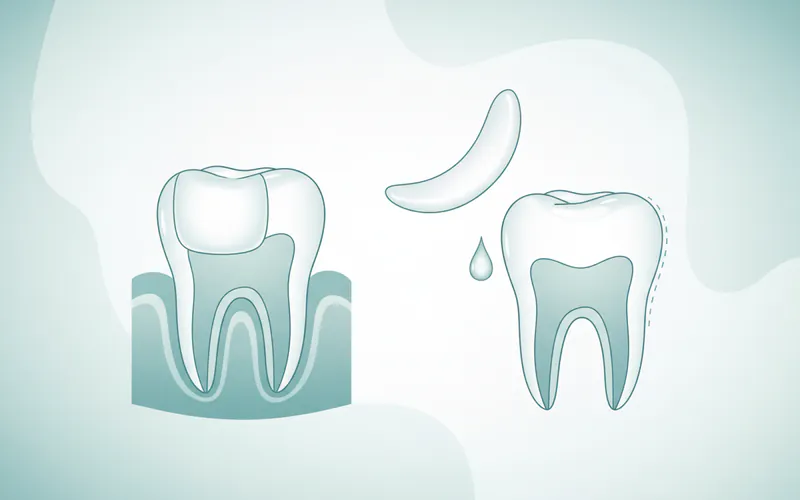
Veneers are not merely a superficial coating; they are a dental restoration that becomes an integral part of your tooth. Once bonded to the enamel, they provide a durable and long-lasting solution for a variety of dental concerns that are not typically addressed by routine treatments like teeth whitening or dental bonding alone. The goal is to achieve a natural-looking smile that blends seamlessly with your existing teeth, or to transform an entire smile with a complete set of veneers.
The Purpose of Dental Veneers
People choose veneers for a multitude of reasons, predominantly related to improving smile aesthetics. They are an excellent solution for:
- Severe Discoloration: Teeth that are deeply stained and resistant to professional whitening treatments, often due to tetracycline antibiotics, excessive fluoride, root canal treatment, or large resin fillings.
- Chipped or Broken Teeth: Repairing minor chips or fractures that do not compromise the structural integrity of the tooth.
- Gaps Between Teeth (Diastema): Closing small to moderate spaces between teeth without the need for orthodontics.
- Misaligned or Uneven Teeth: Correcting minor irregularities in tooth shape, size, or alignment to create a more uniform smile.
- Worn Down Teeth: Restoring the natural length and shape of teeth that have become shortened due to grinding or aging.
- Irregularly Shaped Teeth: Enhancing the appearance of teeth with an undesirable shape, such as teeth that are too small or have craters or bulges.
The decision to get veneers is a significant one, and it's essential to understand that while they offer remarkable cosmetic benefits, they also involve an irreversible process, particularly for traditional porcelain veneers.
Types of Veneers and Their Variations
When considering veneers, you'll encounter a few primary types, each with distinct materials, application methods, advantages, and cost implications. Understanding these differences is crucial for making an informed choice.
1. Porcelain Veneers (Traditional)
Porcelain veneers are the most common and widely recognized type of dental veneer. They are custom-fabricated in a dental laboratory from high-strength dental porcelain, which closely mimics the light-reflecting properties of natural tooth enamel.
- Material: Made from ceramic materials like feldspathic porcelain, pressed ceramic, or zirconia. Porcelain is highly durable, stain-resistant, and aesthetically superior.
- Process: Typically involves two to three dental appointments. The first appointment involves initial consultation and smile design. The second involves minimal reduction of the natural tooth enamel (usually about 0.5-0.7 millimeters) to create space for the veneer, followed by taking impressions. These impressions are sent to a dental lab where skilled technicians custom-create the veneers. Temporary veneers may be placed. The final appointment involves bonding the permanent veneers to the teeth using a strong dental adhesive.
- Advantages:
- Exceptional Aesthetics: Highly translucent and reflective, closely resembling natural teeth.
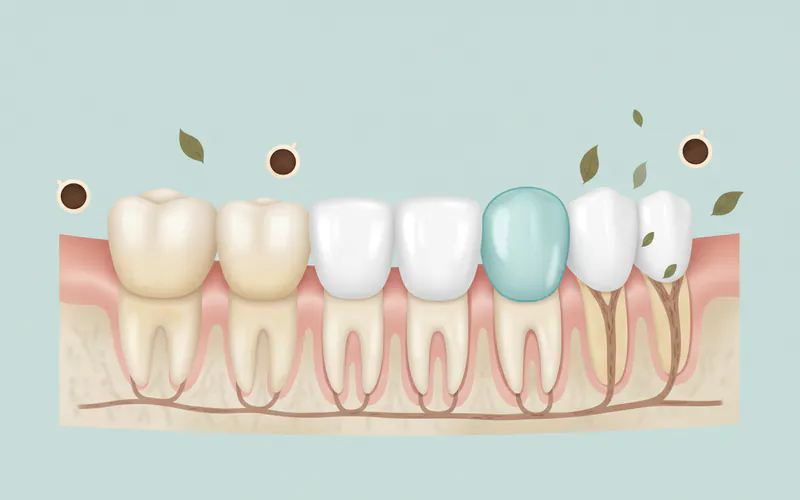
- Superior Stain Resistance: Porcelain is non-porous, making it highly resistant to staining from coffee, tea, wine, and tobacco. This makes them a more effective and permanent solution than repeated "best teeth whitening" treatments for deep internal stains.
- Durability: Very strong and can last 10-15 years or even longer with proper care.
- Biocompatible: Well-tolerated by gum tissues.
- Disadvantages:
- Irreversible: Requires removal of a small amount of tooth enamel, making the process irreversible.
- Higher Cost: More expensive than composite veneers.
- Time-Consuming: Requires multiple appointments and laboratory fabrication time.
- Not Repairable: If a porcelain veneer chips or breaks, it usually needs to be replaced entirely.
No-Prep Veneers (e.g., Lumineers, Vivaneers)
A sub-category of porcelain veneers, "no-prep" or "minimal-prep" veneers are ultra-thin (around 0.2-0.3 mm). They are designed to be bonded directly to the tooth surface with little to no removal of tooth enamel.
- Advantages:
- Minimal/No Tooth Reduction: Preserves more of the natural tooth structure.
- Potentially Reversible: In some cases, if no enamel was removed, they can be removed without damage to the underlying tooth.
- Less Invasive: No need for anesthetic in most cases.
- Disadvantages:
- Limited Application: Only suitable for certain cases, often when teeth are small or recessed.
- Can Appear Bulky: If added to already prominent teeth, they can make the teeth look larger or "thicker."
- Less Durable: Being thinner, they may be more prone to chipping than traditional porcelain veneers.
- Stain Resistance: Still excellent, as they are porcelain.
2. Composite Veneers (Direct Bonding)
Composite veneers, also known as dental bonding, are made from a tooth-colored resin material (a mixture of plastic and fine glass particles) that is applied directly to the tooth surface.
- Material: Dental composite resin, similar to what's used for tooth-colored fillings.
- Process: Often completed in a single dental appointment. The dentist applies the composite resin directly to the tooth, shapes it, and hardens it with a special light. The veneer is then polished to achieve a natural look. No impressions or lab work are typically required.
- Advantages:
- More Affordable: Significantly less expensive than porcelain veneers.
- Single Appointment: Can often be completed in one visit.
- Reversible/Repairable: Less (or no) tooth reduction required, making it more reversible. Chips or breaks can often be repaired directly.
- Less Invasive: No enamel removal in some cases.
- Disadvantages:
- Less Durable: Generally last 5-7 years, less than porcelain veneers.
- Prone to Staining: Composite resin is more porous than porcelain and can stain over time, requiring touch-ups or replacement.
- Less Aesthetic: While good, they may not achieve the same level of translucency and natural appearance as porcelain.
- Requires Skill: The aesthetic outcome heavily depends on the dentist's artistic skill.
3. "Snap On Veneers" / Removable Veneers
It's crucial to understand that "snap on veneers" are fundamentally different from permanent dental veneers. These are typically temporary, removable appliances made from a flexible resin material that fit over your existing teeth. They are NOT custom-bonded by a dentist to alter tooth structure.
- Purpose: Primarily a quick, non-invasive, and much cheaper cosmetic fix for special occasions or short-term aesthetic improvement.
- Process: You may take impressions yourself at home or have a dentist take them. A lab then creates a removable shell that "snaps" over your teeth.
- Advantages:
- Affordable: Much cheaper than traditional veneers, often ranging from $300 to $1,500 for a full arch.
- Non-Invasive: No tooth preparation required.
- Removable: Can be taken out at any time.
- Quick Solution: Fast turnaround time from impression to delivery.
- Disadvantages:
- Temporary: Not a long-term solution.
- Not Custom-Fitted by a Dentist for Dental Health: Can affect speech, eating, and oral hygiene. They don't have the precise fit or longevity of professional veneers.
- Bulky Appearance: Can often look unnatural or bulky.
- Oral Health Concerns: Can trap food particles, increasing the risk of cavities and gum disease if not meticulously cleaned and used intermittently.
- Not a Medical Device: Many brands are not regulated medical devices and should be approached with caution.
Pro Tip: While snap on veneers offer a low-cost, quick aesthetic boost, they should never be considered a substitute for professionally applied dental veneers or other medically necessary dental treatments. Consult with your dentist if you're considering them to ensure they won't negatively impact your oral health.
Veneers vs. Crowns vs. Bonding: What's the Difference?
It's common to confuse veneers with other dental restorations. Here's how they compare:
| Feature | Dental Veneer (Porcelain) | Dental Crown (Cap) | Dental Bonding (Composite) |
|---|---|---|---|
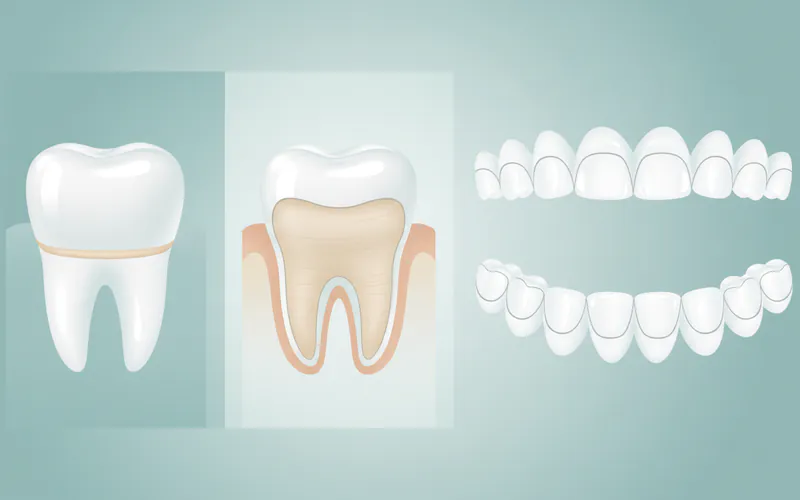
| Coverage | Covers only the front surface of the tooth. | Covers the entire visible portion of the tooth. | Applied to specific areas of the tooth. |
| Tooth Prep | Minimal enamel removal (0.5-0.7 mm). | Significant reduction of the entire tooth (1-2 mm). | Minimal to no enamel removal. |
| Primary Goal | Cosmetic improvement (color, shape, size, alignment). | Restore severely damaged, decayed, or weakened teeth. | Repair minor chips, cracks, gaps, or change tooth shape. |
| Strength/Durability | High, 10-15+ years. | Very high, 10-15+ years, protects entire tooth. | Moderate, 5-7 years, prone to staining/chipping. |
| Cost (per tooth) | $925 - $2,500 | $800 - $3,000 (can be higher for specialty materials) | $250 - $1,500 |
| Insurance | Typically not covered. | Often covered if medically necessary. | Sometimes covered, depending on extent and necessity. |
Why People Choose Veneers: Indications and Candidates
While veneers are a cosmetic procedure, they address a range of issues that can profoundly impact a person's confidence and quality of life. Understanding the common reasons and who makes a good candidate is important.
Common Reasons for Getting Veneers:
- Intrinsic Stains: Discoloration from within the tooth structure (e.g., tetracycline staining, fluorosis) that cannot be resolved by even the "best teeth whitening" treatments. Veneers provide a permanent, bright solution.
- Enamel Defects: Hypoplasia or hypomineralization, where the enamel did not form properly, leading to white spots, rough textures, or sensitivity.
- Minor Chips and Fractures: Repairing small imperfections from trauma or wear.
- Diastema (Gaps): Closing small to moderate spaces between teeth without orthodontic intervention, creating a more uniform smile.
- Slight Misalignment or Irregular Shape: Correcting teeth that are mildly crooked, uneven, or have an undesirable form. This is often referred to as "instant orthodontics."
- Worn Enamel: Protecting teeth whose enamel has been significantly eroded by acid reflux, aggressive brushing, or bruxism (teeth grinding).
- Cosmetic Desires: Simply wanting a more aesthetically pleasing, symmetrical, and brighter smile.
Who is a Good Candidate for Veneers?
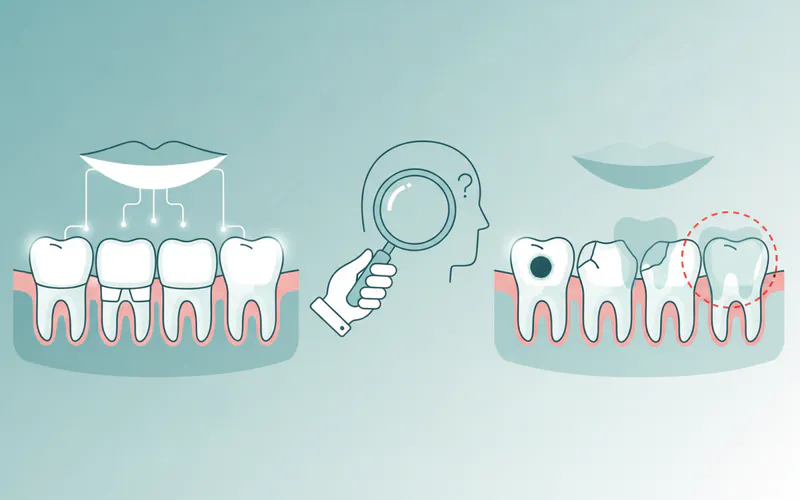
Not everyone is an ideal candidate for dental veneers. A thorough consultation with a qualified cosmetic dentist is essential to determine suitability. Good candidates generally have:
- Good Overall Oral Health: Free from active gum disease, extensive tooth decay, or infections. These issues must be resolved before veneer placement.
- Sufficient Tooth Enamel: Especially for traditional porcelain veneers, there needs to be enough healthy enamel to bond the veneer securely.
- Reasonable Expectations: Understanding what veneers can and cannot achieve. While transformative, they are not a perfect, lifelong solution without maintenance.
- Good Occlusion (Bite): Patients with severe bite issues, bruxism (teeth grinding), or clenching habits may need to address these first, as they can put excessive pressure on veneers and cause them to chip or break. A nightguard may be recommended.
- Commitment to Oral Hygiene: Willingness to maintain excellent oral hygiene and attend regular dental check-ups.
Contraindications for Veneers:
- Severe Tooth Decay or Gum Disease: These must be treated before veneers can be considered.
- Significant Tooth Loss or Large Fillings: Veneers are not suitable for severely damaged teeth; crowns might be a better option.
- Insufficient Enamel: If there isn't enough enamel for bonding, veneers may not adhere properly.
- Severe Misalignment or Bite Problems: Orthodontic treatment is usually a more appropriate solution for complex malocclusions.
- Active Bruxism (Teeth Grinding): While a nightguard can help, severe grinders may risk fracturing veneers.
The Step-by-Step Process of Getting Porcelain Veneers
The journey to a new smile with porcelain veneers typically involves several appointments and careful planning. Here's what you can expect:
Step 1: Initial Consultation and Smile Design (1st Appointment)
- Discussion of Goals: You'll discuss your aesthetic concerns, desired outcomes, and expectations with your dentist.
- Comprehensive Examination: The dentist will perform a thorough oral examination, including X-rays, to assess your oral health and determine if veneers are suitable.
- Smile Analysis: Digital photos, videos, and possibly digital smile design software are used to plan the ideal shape, size, and color of your future veneers, ensuring they complement your facial features and skin tone.
- Wax-Up/Mock-Up: In some cases, a diagnostic wax-up (a model of your teeth with the proposed veneer design) or a temporary composite mock-up is created directly on your teeth. This allows you to visualize the potential outcome and provide feedback before any irreversible steps are taken.
Step 2: Tooth Preparation (2nd Appointment)
- Anesthetic: Local anesthetic is typically administered to ensure your comfort during the procedure.
- Enamel Removal: A small amount of enamel (approximately 0.5 to 0.7 millimeters, roughly the thickness of a fingernail) is carefully removed from the front and sides of the teeth receiving veneers. This creates space for the veneer, preventing the teeth from appearing bulky and allowing for proper adhesion.
- Impressions: Highly accurate impressions (molds) of your prepared teeth are taken. These can be traditional putty impressions or digital scans, which are then sent to a specialized dental laboratory.
- Temporary Veneers: While your custom porcelain veneers are being fabricated, the dentist may place temporary veneers to protect your prepared teeth, maintain aesthetics, and allow you to try out the new tooth shape. These temporary veneers are usually made from a composite resin and are designed to be easily removable.
Step 3: Laboratory Fabrication
- Dental technicians in the lab use the impressions and your dentist's specifications to custom-craft your porcelain veneers. This process typically takes 1-2 weeks. They meticulously layer and shade the porcelain to achieve the desired translucency, color, and natural appearance.
Step 4: Bonding and Final Placement (3rd Appointment)
- Temporary Removal: The temporary veneers are carefully removed, and the underlying teeth are cleaned.
- Trial Placement: Your dentist will first place the permanent veneers on your teeth without bonding them, allowing you both to review the fit, color, and shape. Any minor adjustments to the veneer's shape or color can sometimes be made at this stage.
- Etching and Bonding: Once you and your dentist are satisfied, the teeth are cleaned and polished. The front surface of each tooth is then lightly etched with an acidic gel to create a microscopic texture, improving the bonding surface. A dental cement (resin adhesive) is applied to the back of the veneer, and the veneer is carefully positioned onto the tooth.
- Curing: A specialized light beam is used to quickly cure (harden) the dental cement, permanently bonding the veneer to the tooth.
- Final Adjustments: Excess cement is removed, and your bite is checked to ensure proper occlusion. Any final minor adjustments are made, and the veneers are polished to a natural luster.
Pro Tip: After your veneers are bonded, it's normal to experience some temporary sensitivity to hot or cold temperatures for a few days. This usually subsides as your teeth adjust.
Cost of Veneers and Insurance Coverage in the US
The cost of dental veneers is a significant factor for most patients, and it can vary widely based on several elements.
Average US Costs (Per Tooth):
- Porcelain Veneers: Generally range from $925 to $2,500 per tooth. Some high-end cosmetic practices in major metropolitan areas may charge up to $3,000 or more per tooth.
- No-Prep Veneers (e.g., Lumineers): Can be slightly higher than traditional porcelain, ranging from $1,000 to $3,000 per tooth, due to specialized materials and techniques.
- Composite Veneers: Typically range from $250 to $1,500 per tooth.
Factors Influencing Cost:
- Type of Veneer: Porcelain is more expensive than composite.
- Number of Veneers: Most patients opt for 4-8 veneers to create a symmetrical smile, significantly increasing the total cost.
- Geographic Location: Costs can be higher in urban areas and regions with a higher cost of living.
- Dentist's Expertise and Reputation: Highly experienced cosmetic dentists with advanced training often charge more.
- Laboratory Fees: The quality and artistry of the dental lab fabricating porcelain veneers play a role.
- Ancillary Treatments: Any preparatory treatments like gum contouring, old filling replacement, or addressing underlying dental issues will add to the total cost.
Insurance Coverage:
Dental veneers are overwhelmingly considered a cosmetic procedure by insurance companies, and as such, are typically NOT covered by dental insurance.
- Medical Necessity Exception: In very rare cases, if veneers are deemed medically necessary to restore tooth function (e.g., after a severe trauma where a crown is not suitable), a portion might be covered. However, this is uncommon.
- Pre-Determination: Always submit a pre-determination to your insurance company if you believe there's a chance of coverage, but prepare for denial.
Payment Plans and Financing Options:
Given the high out-of-pocket cost, many dental offices offer various payment solutions:
- In-Office Payment Plans: Monthly installment plans arranged directly with the dental practice.
- Third-Party Financing: Companies like CareCredit or LendingClub offer healthcare credit cards or personal loans with various interest rates and repayment terms.
- Flexible Spending Accounts (FSAs) / Health Savings Accounts (HSAs): These tax-advantaged accounts can be used to pay for qualified medical expenses, including dental work, effectively reducing your taxable income.
Cost-Saving Tips:
- Consider Composite Veneers: If budget is a major concern, composite veneers are a more affordable option, though with a shorter lifespan and less stain resistance.
- Start with Fewer Veneers: If a full smile makeover is out of budget, consider veneers for just the most visible teeth (e.g., the front two or four).
- Dental Schools: University dental schools often offer services at a reduced rate, as treatments are performed by students under the supervision of experienced faculty.
- Dental Tourism: Some individuals travel to other countries where dental procedures are significantly cheaper. However, this comes with risks regarding quality control, follow-up care, and legal recourse.
- Negotiate: Don't hesitate to ask your dentist if they offer any discounts for paying cash or for multiple veneers.
| Veneer Type | Material | Average Cost (per tooth) | Lifespan | Main Advantages | Main Disadvantages |
|---|---|---|---|---|---|
| Porcelain | Dental Porcelain | $925 - $2,500 | 10-15+ years | Highly aesthetic, very durable, stain-resistant | Irreversible, higher cost, multiple appointments |
| No-Prep | Ultra-thin Porcelain | $1,000 - $3,000 | 7-10 years | Minimal/no tooth reduction, potentially reversible | Can appear bulky, limited applications, less durable |
| Composite | Resin Composite | $250 - $1,500 | 5-7 years | Affordable, single appointment, repairable | Less durable, prone to staining, less aesthetic |
| Snap-on (Removable) | Flexible Resin | $300 - $1,500 (full arch) | Varies, temporary use | Affordable, non-invasive, removable | Not a permanent solution, can affect speech/eating, bulkier |
Recovery and Aftercare for Veneers
Proper care and maintenance are crucial for maximizing the lifespan and aesthetic appeal of your dental veneers.
Immediate Post-Procedure (Porcelain Veneers):
- Sensitivity: It's normal to experience some temporary sensitivity to hot or cold temperatures for a few days or weeks after the bonding procedure, as the tooth and gums adjust. This typically subsides. Over-the-counter pain relievers can help.
- Gum Irritation: Minor gum irritation or soreness might occur, but should resolve quickly.
- Bite Adjustment: Your dentist will check your bite after placement. If you notice any discomfort or an "off" feeling when biting, contact your dentist for an adjustment.
Long-Term Care and Maintenance:
- Maintain Excellent Oral Hygiene: Brush your veneered teeth just as you would your natural teeth – at least twice a day with a soft-bristled toothbrush and non-abrasive fluoride toothpaste. Floss daily. Veneers do not protect against gum disease or decay on the back of the tooth or beneath the veneer margin.
- Avoid Abrasive Products: Do not use abrasive toothpastes or harsh cleaning agents, as these can scratch the veneer surface.
- Regular Dental Check-ups: Continue with your routine dental examinations and professional cleanings (typically every six months). Your dentist can monitor the health of your veneers and surrounding gums. Inform your hygienist that you have veneers so they can use appropriate tools and polishing techniques.
- Dietary Habits:
- Avoid Biting Hard Objects: Do not bite down on hard candies, ice, nuts, or use your teeth to open packages, as this can chip or fracture your veneers (both porcelain and composite).
- Minimize Staining Foods/Drinks (Composite Veneers): While porcelain is highly stain-resistant, composite veneers can stain over time. Limit consumption of coffee, tea, red wine, and berries, or rinse your mouth thoroughly after consuming them.
- Address Bruxism/Clenching: If you grind or clench your teeth, especially at night, your dentist may recommend a custom-fitted nightguard. This protects your veneers and natural teeth from excessive force and potential damage.
- Mouthguards for Sports: If you participate in contact sports, always wear a protective mouthguard to prevent accidental trauma to your veneers and teeth.
Pro Tip: Even though porcelain veneers are highly stain-resistant, your natural teeth are not. If you only have veneers on some teeth, your natural teeth might darken over time, creating a color mismatch. Discuss a long-term whitening strategy for your natural teeth with your dentist.
Risks and Complications of Veneers
While veneers are generally safe and effective, it's important to be aware of potential risks and complications:
- Irreversibility (for Traditional Porcelain Veneers): Once enamel is removed, the process cannot be undone. Teeth will always require coverage, either with veneers or crowns.
- Tooth Sensitivity: Some patients experience temporary sensitivity to hot or cold after tooth preparation, which usually subsides. In rare cases, sensitivity can persist or worsen if the underlying tooth nerve is irritated.
- Chipping or Cracking: While durable, veneers can chip or crack, especially if subjected to excessive force (e.g., biting hard objects, teeth grinding). Chipped porcelain veneers usually require replacement, while composite veneers can often be repaired.
- Debonding: Though rare with modern bonding techniques, a veneer can sometimes separate from the tooth. If this happens, it may be re-bonded if intact, or replaced.
- Decay Beneath the Veneer: Veneers don't prevent tooth decay. If decay forms underneath a veneer, it will need to be removed, the decay treated, and a new veneer or crown placed. Maintaining excellent oral hygiene is critical.
- Gum Irritation: Poorly fitted veneers or improper bonding techniques can irritate the gums, leading to inflammation or gingivitis.
- Color Mismatch: While carefully matched, the color of veneers might not perfectly match existing natural teeth, especially if only a few veneers are placed. Porcelain color cannot be changed after bonding.
- Bulky Appearance: If too much enamel is not removed, or if "no-prep" veneers are applied to already prominent teeth, the veneers can make the teeth appear bulky or unnatural.
- Need for Replacement: Veneers are not permanent. They will eventually need to be replaced due to normal wear and tear, damage, or changes in the underlying tooth or gum line.
Children / Pediatric Considerations for Veneers
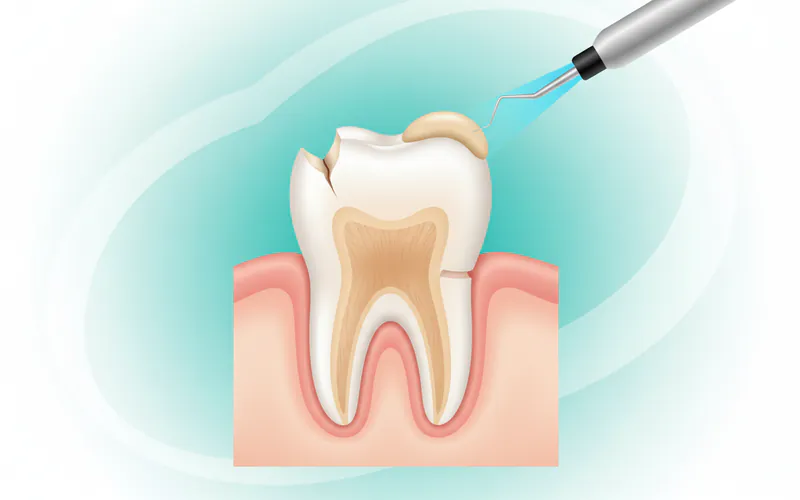
Generally, permanent dental veneers, especially porcelain veneers requiring enamel reduction, are not recommended for children or adolescents. Here's why:
- Developing Teeth: Children's teeth, particularly permanent ones, have larger pulp chambers (containing nerves and blood vessels) that are closer to the tooth surface. Enamel reduction could significantly risk pulp exposure or severe sensitivity.
- Jaw Growth: A child's jaw is still growing and developing. Veneers placed on developing teeth might not align correctly as the jaw matures, leading to complications or the need for premature replacement.
- Risk of Trauma: Children are more prone to dental injuries through play or sports, which could easily damage expensive veneers.
- Commitment to Care: Long-term veneer care requires a level of diligence that might be challenging for younger individuals.
Alternatives for Pediatric Cosmetic Concerns:
- Dental Bonding (Composite): For minor chips, cracks, or small gaps, direct composite bonding is a much more conservative and reversible option for children and teens. It can be easily repaired or removed as the child grows.
- Orthodontics: For alignment issues, braces or clear aligners are the appropriate long-term solution.
- Icon Resin Infiltration: For treating white spot lesions (e.g., from fluorosis or after orthodontic treatment), this non-invasive technique can mask the spots without drilling.
- Crowns: In cases of severe tooth damage or extensive decay where function needs to be restored, a full dental crown might be considered, but only after careful evaluation.
If a child has significant aesthetic concerns due to trauma or developmental issues, a pediatric dentist or a general dentist with experience in pediatric cosmetic cases should be consulted to explore the most appropriate, conservative, and age-appropriate solutions.
Cost Breakdown (Detailed)
Let's dive deeper into the financial aspects of veneers in the US. As established, this is largely an out-of-pocket expense for most.
Average US Costs (Recap & Further Detail):
- Porcelain Veneers:
- Low End: $925 - $1,500 per tooth (often found in practices with lower overheads or in less competitive markets).
- Mid-Range: $1,500 - $2,200 per tooth (most common range in suburban practices).
- High End: $2,200 - $3,000+ per tooth (typically in highly specialized cosmetic practices in major cities, reflecting premium materials, advanced technology, and extensive experience).
- Composite Veneers:
- Low End: $250 - $700 per tooth.
- Mid-Range: $700 - $1,000 per tooth.
- High End: $1,000 - $1,500 per tooth (for complex cases or highly artistic dentists).
With vs. Without Insurance:
As mentioned, veneers are almost universally considered cosmetic, meaning dental insurance will typically not cover any portion of the cost. This means the "with insurance" cost is effectively the same as the "without insurance" cost – the full amount out-of-pocket.
It's crucial not to confuse cosmetic veneers with "restorative" dental procedures like crowns, which are often covered by insurance if medically necessary to save a tooth. Always verify with your insurance provider directly if you believe your case might have a functional component.
Payment Plans and Financing Options (Expanded):
- CareCredit & LendingClub: These are popular medical and dental financing options. They offer credit lines specifically for healthcare costs, often with promotional periods of 0% APR if paid in full within a certain timeframe (e.g., 6, 12, 18, or 24 months). Be sure to understand the terms and interest rates after the promotional period.
- In-House Payment Plans: Many dental offices understand the financial burden and offer their own interest-free payment plans, allowing patients to spread the cost over several months or even a year. These often require an initial down payment.
- Personal Bank Loans: You might consider a personal loan from a bank or credit union, which can sometimes offer lower interest rates than healthcare-specific financing, depending on your credit score.
- Credit Cards: While an option, be mindful of high interest rates if you cannot pay off the balance quickly.
- Health Savings Accounts (HSAs) & Flexible Spending Accounts (FSAs): These accounts allow you to set aside pre-tax money for qualified medical expenses. Dental veneers, being a dental expense, typically qualify. Using these funds can save you money by reducing your taxable income.
Cost-Saving Tips (Expanded):
- Phased Treatment: Instead of getting all your desired veneers at once, consider doing a few at a time (e.g., the top front four teeth first, then the next four later). This can make the expense more manageable.
- Consult Multiple Dentists: Obtain quotes from a few different reputable cosmetic dentists in your area. This can help you understand the average cost and compare expertise and services. Be cautious of drastically lower prices, as they might indicate lower quality materials or less experienced practitioners.
- Ask About Package Deals: If you're getting multiple veneers, inquire if the dentist offers a reduced per-veneer rate for a larger case.
- Dental Tourism Research: For those willing to travel, countries like Mexico or Costa Rica often offer significant cost savings. However, thoroughly research clinics, ensure they use ADA-approved materials and techniques, and consider the logistics and costs of travel, accommodations, and potential follow-up care.
Frequently Asked Questions
Are veneers painful to get?
The procedure for traditional porcelain veneers involves some enamel removal, so a local anesthetic is typically used to ensure you don't feel any pain during the preparation. You might experience some mild sensitivity or discomfort after the anesthetic wears off, especially while wearing temporary veneers, but this is usually manageable with over-the-counter pain relievers and subsides within a few days. Composite veneers usually involve little to no tooth preparation, so they are generally pain-free.
How long do veneers last?
Porcelain veneers are highly durable and can last an average of 10 to 15 years, with many patients enjoying them for 20 years or more with excellent oral hygiene and care. Composite veneers have a shorter lifespan, typically lasting 5 to 7 years before needing repair or replacement, primarily due to their susceptibility to staining and chipping.
Can veneers whiten my teeth permanently?
Yes, veneers provide a permanent whitening solution for the teeth they cover. Porcelain veneers are highly resistant to stains from coffee, tea, and other foods, maintaining their bright color over time. This makes them an excellent option for deeply discolored teeth that do not respond to professional "best teeth whitening" treatments.
What is the difference between veneers and crowns?
Veneers cover only the front surface of the tooth to improve aesthetics, requiring minimal enamel removal. Dental crowns, or caps, cover the entire tooth, addressing more significant damage, decay, or structural issues, and require more substantial tooth reduction. Veneers are primarily cosmetic, while crowns are restorative.
Are veneers permanent? Can they be removed?
Traditional porcelain veneers are considered a permanent commitment because they require the removal of a small amount of tooth enamel, an irreversible process. Once teeth are prepared, they will always need to be covered by veneers or crowns. No-prep veneers, if no enamel was removed, may be reversible, but this is specific to the individual case. Composite veneers are often reversible or easily repairable.
What are "snap on veneers" and are they a good alternative?
"Snap on veneers" are temporary, removable dental appliances that fit over your existing teeth. They are not custom-bonded by a dentist and are not a permanent dental solution. While they offer a quick, affordable cosmetic fix, they can be bulky, affect speech, trap food, and are not a substitute for professional, custom-made veneers that integrate with your dental health. They are generally not recommended for long-term use.
What kind of maintenance do veneers require?
Veneers require the same diligent oral hygiene as natural teeth: regular brushing twice a day with non-abrasive toothpaste, daily flossing, and routine dental check-ups every six months. It's crucial to avoid biting on hard objects and to wear a nightguard if you clench or grind your teeth to protect them from damage.
Can veneers get cavities?
Veneers themselves cannot get cavities because they are made of porcelain or composite resin, not natural tooth structure. However, the underlying natural tooth can still develop decay if proper oral hygiene is not maintained, or if the veneer-to-tooth margin becomes compromised. If decay occurs, the veneer would need to be removed to treat the cavity.
How many veneers do I need?
The number of veneers depends on your individual goals and the visibility of your smile. Many people opt for 4, 6, 8, or even 10 veneers on their upper front teeth to create a symmetrical and uniform smile that's visible when they talk and smile. Your dentist will help you determine the ideal number during your consultation.
Will my veneers look natural?
When done by an experienced cosmetic dentist using high-quality materials, porcelain veneers are designed to look incredibly natural. Dental porcelain mimics the translucency and light-reflecting properties of natural tooth enamel, and the veneers are custom-shaped and colored to blend seamlessly with your facial features and skin tone.
When to See a Dentist
If you're considering enhancing your smile, knowing when to consult a dental professional is the first and most critical step.
Seeking a Consultation for Veneers:
- You're Dissatisfied with Your Smile: If you have concerns about tooth discoloration, chips, gaps, minor misalignment, or uneven tooth shapes and are seeking a long-term cosmetic solution, schedule a consultation with a cosmetic dentist.
- Exploring Options: Even if you're unsure whether veneers are right for you, a consultation allows you to discuss all available cosmetic options, including veneers, bonding, "best teeth whitening," and orthodontics.
- Understanding Suitability: A dentist can assess your oral health, discuss your expectations, and determine if you are a good candidate for veneers or if other treatments would be more appropriate.
When to See a Dentist Immediately for Existing Veneers:
- Chipped, Cracked, or Fractured Veneer: While durable, veneers can sustain damage. Contact your dentist as soon as possible to prevent further damage to the veneer or the underlying tooth.
- Veneer Feels Loose or Has Debonded: If a veneer feels wobbly or completely detaches, collect the veneer if possible and contact your dentist immediately. The underlying tooth will be exposed and may be sensitive.
- Pain or Persistent Sensitivity: If you experience new or worsening pain, or prolonged sensitivity to hot/cold that doesn't subside, it could indicate an issue with the veneer or the underlying tooth.
- Gum Irritation or Swelling Around a Veneer: This could be a sign of gum disease, an improperly fitted veneer, or an infection, and requires prompt attention.
- Unusual Odor or Taste: These symptoms might suggest decay beneath the veneer or a gum issue.
Red Flags vs. Routine Care:
- Red Flags (Immediate Attention): Any sudden pain, breakage, severe sensitivity, or significant changes in the feel or appearance of your veneers or surrounding gums.
- Routine Care (Scheduled Appointments): Regular 6-month check-ups and cleanings are essential for maintaining your veneers and overall oral health. These appointments allow your dentist to monitor the integrity of your veneers, check for any early signs of decay or gum issues, and ensure your bite remains balanced.
Remember, early detection and intervention are key to preserving your veneers and maintaining your oral health. Don't hesitate to reach out to your dental professional with any concerns.
Frequently Asked Questions
Medically Reviewed Content
This article was written by our dental health editorial team and reviewed for medical accuracy. Our content follows strict editorial guidelines for reliability and trustworthiness.
Medical Disclaimer
This article is for informational purposes only and does not constitute medical advice. Always consult with a qualified dental professional for diagnosis and treatment. Do not delay seeking professional advice because of something you read on this website.
Related Articles
Before and After Dentures: Complete Guide
For many Americans, a vibrant smile isn't just about aesthetics; it's fundamental to speaking clearly, enjoying favorite foods, and maintaining self-confidence. Yet, over 36 million Americans are completely edentulous (have no natural teeth), and millions more suffer from significant tooth loss,
February 22, 2026
Teeth Whitening Cost: Complete Price Guide 2026
Brighter smiles are more than just a fleeting trend; they're a significant confidence booster and a common aesthetic goal for many Americans. In fact, a recent survey indicated that over 80% of adults aged 18-49 believe a beautiful smile is important for success, and teeth whitening remains one
February 22, 2026
Braces Before and After: Complete Guide
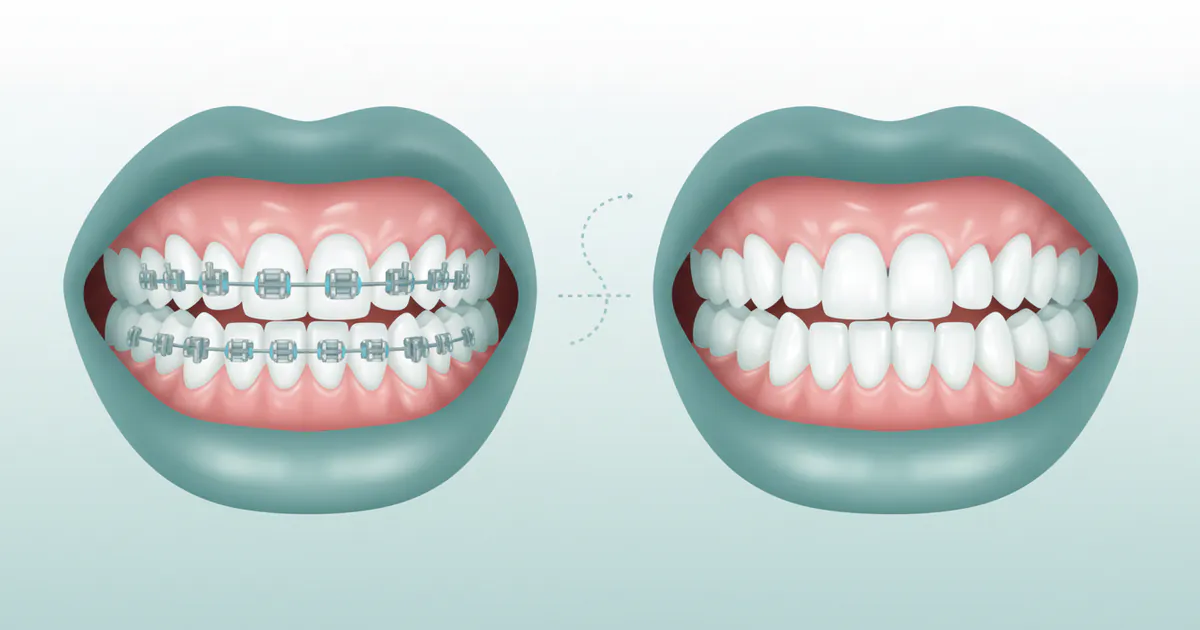
For many, the journey to a confident, healthy smile begins with orthodontics. The transformation seen in braces before and after photos isn't just cosmetic; it represents improved oral health, function, and self-esteem. Crooked teeth, misaligned bites, and gaps can lead to a host of problems, fr
February 22, 2026
Natural Teeth Whitening: Complete Guide
A radiant smile is often considered a sign of health and confidence, which is why teeth whitening has become one of the most popular cosmetic dental procedures in the United States. In fact, surveys suggest that a significant majority of Americans, around 80%, desire whiter teeth, and the teeth
February 22, 2026