Complete Guide to Holistic & Alternative Dentistry: Everything You Need to Know

Key Takeaways
- More than half of American adults experience some form of gum disease, and nearly 26% of adults aged 20-64 have untreated tooth decay. While conventional dentistry remains the cornerstone of oral health, a growing number of individuals are exploring complementary approaches. This includes holistic a
More than half of American adults experience some form of gum disease, and nearly 26% of adults aged 20-64 have untreated tooth decay-conditions-diseases-everything-you-need-to-know "Complete Guide to Dental Conditions & Diseases: Everything You Need to Know"). While conventional dentistry remains the cornerstone of oral health, a growing number of individuals are exploring complementary approaches. This includes holistic and alternative dentistry practices, with oil pulling emerging as one of the most widely discussed and ancient techniques. But what exactly is oil pulling, and can it truly benefit your dental health?
This article delves deep into the world of holistic and alternative dentistry, focusing specifically on oil pulling for teeth. We’ll explore its origins, claimed benefits, the scientific perspective, and how it compares to traditional oral hygiene methods. From understanding the step-by-step process of coconut oil pulling to addressing potential coconut oil pulling dangers and the buzz around products like Gurunanda oil pulling, you'll gain a comprehensive understanding of this unique practice and its place in your overall wellness journey.
Key Takeaways:
- Oil pulling is an ancient Ayurvedic practice involving swishing oil in the mouth for an extended period, primarily for oral hygiene benefits.
- Commonly used oils include coconut oil pulling, sesame oil, and sunflower oil, with coconut oil being popular due to its lauric acid content.
- Claimed oil pulling benefits include reducing harmful bacteria, preventing cavities, improving gum health, and whitening teeth, though scientific evidence is limited for many claims.
- The process typically takes 15-20 minutes daily, often on an empty stomach, and involves gently swishing, not gargling, before spitting out.
- Cost is minimal, usually just the price of the oil (e.g., $5-$15 for a bottle of organic coconut oil), making it a highly accessible practice.
- Risks are generally low but can include upset stomach if swallowed, potential for lipid pneumonia if aspirated, and, most importantly, the danger of delaying or replacing professional dental care.
- The American Dental Association (ADA) considers oil pulling an unproven adjunctive therapy and emphasizes that it does not replace brushing, flossing, or regular dental check-ups.
What is Holistic and Alternative Dentistry? An Overview
Holistic dentistry, often referred to as biological or natural dentistry, is an approach to oral health care that considers the patient's entire physical and emotional well-being, not just their teeth and gums. Practitioners in this field believe that oral health is intricately linked to overall systemic health, and they emphasize minimally invasive procedures, biocompatible materials, and lifestyle factors. Alternative dentistry, within this broader scope, refers to specific practices or therapies that are not typically part of conventional Western dental medicine but are used for oral health purposes.
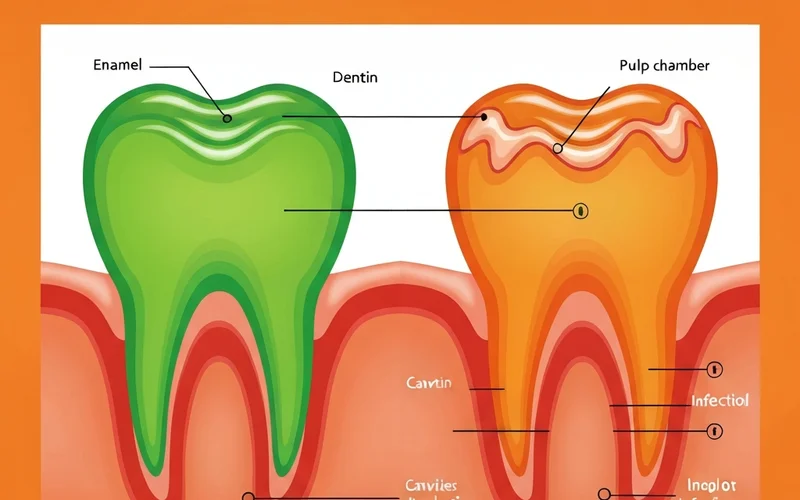
Oil pulling is perhaps one of the most recognizable and widely discussed practices within this alternative realm. Originating from ancient Ayurvedic medicine, a traditional Indian healing system, it involves swishing a tablespoon of oil (typically sesame, sunflower, or coconut oil) in the mouth for a period of 15 to 20 minutes before spitting it out. The proponents of this technique suggest that the oil "pulls" toxins, bacteria, and other harmful microorganisms from the mouth, leading to various health benefits.
It's important to understand that while holistic dentists may incorporate or recommend certain alternative practices like oil pulling, they are still trained and licensed dental professionals. They adhere to standard safety and sterilization protocols but integrate a broader perspective on health and wellness into their practice.
Oil Pulling: Types, Mechanisms, and Claims
The core concept of what is oil pulling is consistent across various approaches, but the choice of oil and the specific claims vary.
Types of Oil Used for Oil Pulling
While any edible vegetable oil can theoretically be used for oil pulling, certain types are more popular due to their composition and claimed properties:
- Coconut Oil Pulling: This is by far the most popular choice. Coconut oil contains a high percentage of lauric acid, a medium-chain triglyceride known for its antimicrobial, anti-inflammatory, and antifungal properties. Many users choose virgin or unrefined organic coconut oil for its purity. The distinct taste of coconut oil is also generally well-tolerated.
- Sesame Oil: Traditionally used in Ayurvedic medicine, sesame oil is another common option. It is rich in antioxidants, including sesamol and sesamin, which some believe contribute to its detoxifying and healing effects.
- Sunflower Oil: Like sesame oil, sunflower oil has been used in some traditional practices. It is high in linoleic acid, which is an omega-6 fatty acid.
- Other Oils: Olive oil, palm oil, and even specific blends (like Gurunanda oil pulling products) are also available. Gurunanda, for instance, often combines coconut oil with essential oils like peppermint or clove for enhanced flavor and additional purported benefits.
The Proposed Mechanism: How Does Oil Pulling Work?
The traditional explanation for oil pulling teeth benefits is that the oil acts as a solvent, "pulling out" toxins, bacteria, and debris from the oral cavity. Proponents suggest that the lipids in the oil can attract and bind to the lipid membranes of bacteria and other microorganisms, effectively removing them from the mouth when the oil is spit out.
Specific claims for coconut oil pulling often highlight lauric acid's role. Lauric acid is known to react with saliva to form a soap-like substance that can cleanse the teeth and gums. It also forms a barrier against bacteria, particularly Streptococcus mutans, a primary bacterium responsible for tooth decay.
!Illustration comparing a healthy tooth and gum with bacteria being "pulled" into oil droplets during oil pulling, showing an abstract representation of the mechanism.
Oil Pulling Claims: What Are the Supposed Benefits?
Advocates of oil pulling claim a wide array of health improvements, both oral and systemic. Here are the most frequently cited oil pulling benefits:
- Reduced Harmful Bacteria: The most common claim is that oil pulling significantly reduces the population of bacteria in the mouth, including Streptococcus mutans, thereby lowering the risk of cavities, gingivitis, and bad breath-everything-you-need-to-know "Complete Guide to Bad Breath (Halitosis): Everything You Need to Know").
- Improved Gum Health: Regular oil pulling is often suggested to reduce gum inflammation, bleeding, and sensitivity, thus helping to prevent and manage gingivitis.
- Fresher Breath: By eliminating bacteria and food debris, oil pulling is claimed to combat halitosis (bad breath).
- Whiter Teeth: Some users report a noticeable whitening effect, possibly due to the removal of extrinsic stains on the tooth surface.
- Detoxification: Broader holistic claims include systemic detoxification, improved energy levels, clearer skin, and relief from headaches or sinus issues, though these claims lack scientific backing specific to oral health.
Scientific Perspective and ADA Guidelines
While anecdotal evidence and traditional wisdom abound, the scientific community, particularly the American Dental Association (ADA), maintains a cautious stance on oil pulling.
- Limited Scientific Evidence: Most studies on oil pulling have been small-scale, short-term, or of varying methodological quality. While some studies suggest a reduction in S. mutans bacteria and a decrease in plaque and gingivitis scores similar to chlorhexidine mouthwash, these findings are not universally conclusive or robust enough for widespread recommendation. More rigorous, large-scale, placebo-controlled studies are needed.
- Not a Replacement for Conventional Care: The ADA does not endorse oil pulling as a standalone treatment or a substitute for established oral hygiene practices like brushing twice daily with fluoride toothpaste, flossing daily, and regular dental check-ups. They classify it as an "unproven adjunctive therapy," meaning it might complement, but not replace, standard care.
- Fluoride is Key: The ADA emphasizes the proven cavity-preventing benefits of fluoride, which oil pulling does not provide.
Pro Tip: If you choose to incorporate oil pulling into your routine, view it as a supplementary step, not a replacement for your toothbrush, floss, or fluoride toothpaste. Always discuss new health practices with your dentist.
Step-by-Step Process for Effective Oil Pulling
Embarking on oil pulling for teeth is a simple process, but adherence to the correct technique is crucial for safety and potential efficacy.
What to Expect During the Process
The experience of oil pulling can take some getting used to, especially for beginners.
- Initial Sensation: When you first put the oil in your mouth, it might feel thick and unusual, particularly if you're using solid coconut oil that melts.
- Saliva Production: As you swish, the oil will mix with your saliva, becoming thinner and more watery. Your mouth may produce more saliva than usual.
- Facial Muscle Engagement: You'll be using your facial and jaw muscles to gently swish the oil. It shouldn't be strenuous or cause strain.
- Taste and Smell: Depending on the oil, you might notice its natural taste and smell. Some people prefer flavored varieties like Gurunanda oil pulling products with peppermint for a more pleasant experience.
- Duration: The recommended duration is 15-20 minutes. It's often suggested to do it in the morning before eating or drinking anything.
The Step-by-Step Guide
Here's how to perform oil pulling correctly:
- Choose Your Oil: Select a high-quality, organic, cold-pressed oil like coconut oil, sesame oil, or sunflower oil. For coconut oil pulling, ensure it's virgin unrefined for the most natural form.
- Measure the Amount: Take one tablespoon (approximately 15 ml) of oil. If this feels like too much initially, you can start with a teaspoon and gradually increase the amount.
- Place in Mouth: Put the oil into your mouth. If using solid coconut oil, it will liquefy within seconds from your body heat.
- Swish Gently: Begin to gently swish the oil around your mouth. Push it, pull it, and draw it through your teeth. It's important not to gargle or swallow the oil, as it is believed to contain toxins and bacteria from your mouth.
- Time It: Continue swishing for 15 to 20 minutes. If you're new to oil pulling, start with 5-10 minutes and gradually increase the duration as you become comfortable.
- Spit It Out: When the time is up, or if your jaws feel tired, spit the oil into a trash can. Avoid spitting it into a sink or toilet, especially if you live in a colder climate, as coconut oil can solidify and clog pipes over time. The oil should appear milky or foamy due to emulsification with saliva.
- Rinse Thoroughly: Immediately rinse your mouth thoroughly with warm water. Many advocates suggest using warm salt water for added antimicrobial benefits and to help remove any remaining oil residue.
- Brush Your Teeth: Follow up by brushing your teeth as usual with fluoride toothpaste and flossing. This ensures complete removal of any residual oil and provides the proven benefits of fluoride.
Risks and Complications of Oil Pulling
While generally considered safe for most people, it's crucial to be aware of the potential coconut oil pulling dangers and other risks associated with the practice.
Oral Health Risks
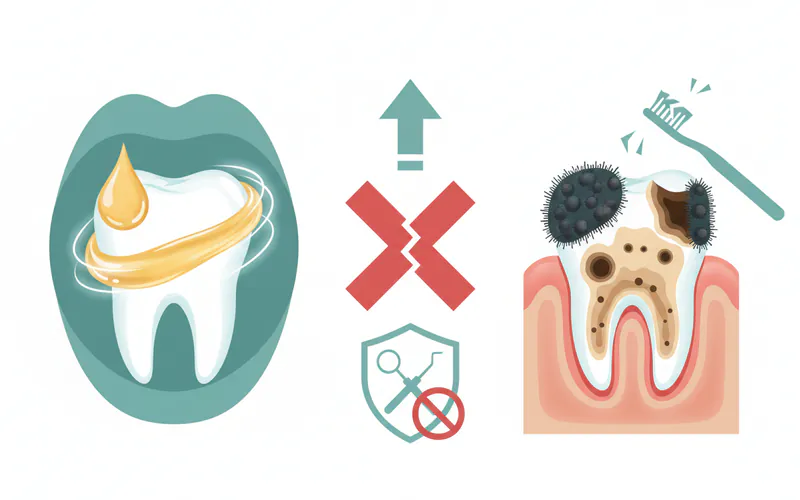
- Delaying or Replacing Professional Care: This is the most significant risk. Relying solely on oil pulling for oral hygiene can lead to neglecting crucial dental care like regular brushing, flossing, and professional cleanings. This can result in undiagnosed and untreated conditions such as cavities, gum disease, and other serious issues that require a dentist's intervention.
- Masking Symptoms: Oil pulling might temporarily alleviate symptoms like bad breath or minor gum inflammation, giving a false sense of security and potentially masking a more serious underlying dental problem that needs professional diagnosis and treatment.
- Allergic Reactions: Though rare, some individuals may have an allergic reaction to certain oils (e.g., sesame oil allergy).
- Damage to Dental Work: There's no strong evidence to suggest oil pulling damages fillings or crowns, but excessive vigorous swishing could theoretically impact loose restorations.
Systemic Risks
- Lipid Pneumonia: This is a rare but serious complication that can occur if the oil is accidentally aspirated (inhaled) into the lungs. This is more of a concern for individuals with impaired gag reflexes or swallowing difficulties.
- Upset Stomach/Diarrhea: Swallowing the oil, even accidentally, especially after it has absorbed oral bacteria, can sometimes lead to digestive upset.
- Exacerbation of Existing Conditions: For individuals with certain medical conditions, especially those affecting respiratory or digestive systems, oil pulling might not be advisable without consulting a healthcare provider.
Lack of Fluoride and Proven Cavity Protection
One of the primary concerns from a conventional dental perspective is that oil pulling does not provide fluoride, the most effective ingredient for preventing tooth decay. While oil pulling might reduce bacteria, it doesn't remineralize enamel or offer the same level of cavity protection as fluoride toothpaste.
Pro Tip: Never substitute oil pulling for your daily brushing and flossing routine. Always use fluoride toothpaste as recommended by the ADA to protect against cavities.
Cost and Insurance Considerations
One of the attractive aspects of oil pulling is its minimal cost.
Average US Costs
The primary cost associated with oil pulling is the oil itself.
- Coconut Oil: A large jar (14-16 oz) of organic, virgin coconut oil typically costs between $8-$20 and can last for several weeks to months, depending on daily use.
- Sesame Oil/Sunflower Oil: Similar pricing, usually ranging from $7-$15 for a comparable size.
- Gurunanda Oil Pulling: Branded oil pulling products, often infused with essential oils, may be slightly more expensive, typically ranging from $10-$25 per bottle, but often provide a pre-measured amount or specific blend.
When considering holistic dentistry in general, the costs can vary significantly. A consultation with a holistic dentist might be comparable to a conventional dentist, ranging from $75-$250 without insurance, depending on the region and the dentist's experience. However, any specific treatments (e.g., amalgam filling removal, biocompatible restorations) can be more expensive than conventional options, ranging from $200-$500 per filling or $800-$2,500 for a crown, for example, due to the specialized materials and techniques used.
Insurance Coverage
- Oil Pulling Products: Dental insurance typically does not cover the cost of oils or oil pulling products, as they are considered over-the-counter wellness items.
- Holistic Dental Treatments: Coverage for treatments performed by a holistic dentist is generally the same as for conventional dentistry, provided the procedures are recognized and coded by the ADA. However, some specialized procedures or materials favored by holistic dentists (e.g., specific biocompatibility testing) may not be fully covered or might require out-of-pocket payment, even with dental insurance. It's crucial to verify with your insurance provider and your holistic dentist's office about specific coverage.
Payment Plans and Financing Options
For more expensive holistic dental treatments, many dental offices, both conventional and holistic, offer:
- In-house payment plans: Spreading the cost over several months.
- Third-party financing: Such as CareCredit, which offers interest-free periods for qualified applicants.
- Dental discount plans: These are not insurance but offer reduced rates for services at participating dentists.
Pro Tip: Always get a detailed treatment plan and cost estimate from your dentist before proceeding, and thoroughly check with your insurance provider to understand your coverage for specific procedures and materials.
Oil Pulling in Comparison to Other Oral Hygiene Methods
Understanding how oil pulling fits into the broader landscape of oral hygiene requires comparing it with established and scientifically proven methods.
Oil Pulling vs. Mouthwash
| Feature | Oil Pulling | Conventional Antiseptic Mouthwash |
|---|---|---|
| Active Ingredient | Oils (e.g., coconut oil, sesame oil) | Chlorhexidine, cetylpyridinium chloride, essential oils, fluoride |
| Mechanism | "Pulls" bacteria into oil via saponification/lipid binding | Kills bacteria via chemical agents; fluoride remineralizes |
| Duration | 15-20 minutes daily | 30-60 seconds, 1-2 times daily |
| Cost | Low (cost of oil, ~$8-$20/jar) | Moderate (cost of mouthwash, ~$5-$15/bottle) |
| Scientific Backing | Limited, mostly small studies, not ADA-approved as primary care | Extensive, many products ADA-approved for specific claims (e.g., gingivitis, cavities) |
| Fluoride | No | Yes, in some formulations (e.g., fluoride mouthwash) |
| Systemic Claims | Holistic "detox" claims, lack scientific evidence | No systemic claims |
| ADA Stance | Unproven adjunctive therapy, not a replacement for standard care | Approved for specific therapeutic benefits, often as adjunct to brushing/flossing |
Oil Pulling vs. Brushing & Flossing
Brushing and flossing remain the gold standard for mechanical removal of plaque and food debris.
- Brushing: With a soft-bristled toothbrush and fluoride toothpaste for two minutes, twice a day, effectively removes plaque biofilm and food particles, and delivers fluoride to remineralize enamel and prevent cavities.
- Flossing: Daily flossing removes plaque and food debris from between teeth and under the gumline, areas that toothbrushes cannot effectively reach, preventing interproximal cavities and gum disease.
Oil pulling does not mechanically remove plaque in the same way brushing and flossing do. While it may help reduce bacteria, it doesn't physically dislodge sticky plaque from tooth surfaces or between teeth. Therefore, it is not an alternative to these essential practices.
Holistic & Alternative Approaches in Prevention
Prevention in holistic dentistry often integrates dietary advice, stress reduction techniques, and alternative oral care products alongside conventional preventive measures.
- Dietary Guidance: Emphasizes whole, unprocessed foods, reduced sugar intake, and nutrient-dense diets to support overall health and immune function, which in turn impacts oral health.
- Supplements: Recommendations for vitamins (e.g., Vitamin D, K2) and minerals (e.g., calcium, magnesium) important for bone and tooth strength.
- Herbal Remedies: Use of various herbs or essential oils for their purported anti-inflammatory or antimicrobial properties.
- Biocompatible Materials: Use of materials that are less likely to cause adverse reactions in the body.
Children and Pediatric Considerations for Oil Pulling
The practice of oil pulling for children warrants particular caution and is generally not recommended for young children.
Age-Specific Guidance
- Children Under 5-6 Years Old: Absolutely not recommended. Young children lack the control and understanding to effectively swish without swallowing, posing a significant risk of aspiration or upset stomach.
- Children 6-12 Years Old: Even for older children, parental supervision is essential, and the child must be old enough to understand not to swallow the oil. Starting with a very small amount (e.g., half a teaspoon) and a shorter duration (e.g., 5 minutes) might be considered, but generally, it's best to avoid it or consult with a pediatric dentist first.
- Teenagers: Teenagers who demonstrate maturity and an understanding of the technique might be able to safely practice oil pulling, similar to adults. However, it should never replace their regular brushing and flossing routine.

Risks Specific to Children
- Swallowing Oil: Children are more likely to accidentally swallow the oil, which can lead to stomach upset or, if significant amounts are ingested, potentially more serious issues.
- Aspiration Risk: The risk of aspirating the oil into the lungs is higher in children who may struggle with the technique or have conditions affecting their swallowing reflex.
- Delaying Professional Care: Emphasizing alternative practices over proven preventive measures like fluoride toothpaste in children can have serious consequences for their developing teeth, leading to early childhood caries.
Pro Tip: For children, focus on the proven and ADA-recommended practices: brushing twice daily with fluoride toothpaste (age-appropriate amount), daily flossing, a balanced diet low in sugar, and regular dental check-ups with a pediatric dentist. If considering any alternative therapy for your child, always consult their dentist first.
Frequently Asked Questions
What is oil pulling exactly?
Oil pulling is an ancient Ayurvedic practice where you swish a tablespoon of edible oil, like coconut or sesame oil, in your mouth for 15-20 minutes, then spit it out. It's believed to "pull" toxins and bacteria from your oral cavity.
What are the main oil pulling benefits?
Proponents claim oil pulling benefits include reducing harmful bacteria, improving gum health, freshening breath, and potentially whitening teeth. However, scientific evidence supporting these claims is limited, and the ADA considers it an unproven adjunctive therapy.
Is coconut oil pulling better than other oils?
Coconut oil pulling is popular due to coconut oil's lauric acid content, which has antimicrobial properties. While some studies suggest it may be effective, other oils like sesame and sunflower oil have also been traditionally used. The "best" oil often comes down to personal preference and tolerance.
How often should I do oil pulling for teeth?
Most advocates suggest performing oil pulling once a day, typically in the morning on an empty stomach. Consistency is key, but it should not replace your regular brushing and flossing routine.
Are there any dangers or side effects of coconut oil pulling?
Potential coconut oil pulling dangers include upset stomach if swallowed, and rarely, lipid pneumonia if the oil is aspirated. The biggest risk is using it as a replacement for conventional dental care, which can lead to untreated dental issues. Allergic reactions are also possible.
Does oil pulling whiten teeth?
Some users report that oil pulling teeth leads to a noticeable whitening effect, possibly due to the removal of extrinsic stains on the tooth surface. However, there is no strong scientific evidence to support significant tooth whitening, and it won't change intrinsic tooth color like professional whitening treatments.
Can oil pulling cure cavities?
No, oil pulling cannot cure cavities. Once a cavity forms, it requires professional dental intervention, such as a filling, to prevent further decay. While oil pulling might help reduce bacteria that contribute to decay, it cannot reverse existing damage.
How much does oil pulling cost?
The cost of oil pulling is very low, as it primarily involves purchasing edible oil. A large jar of organic coconut oil, for example, typically costs $8-$20 and can last for several weeks to months, making it a highly economical practice.
Can pregnant women do oil pulling?
Generally, oil pulling is considered safe during pregnancy, as it's a topical treatment and avoids systemic drugs. However, always consult with your healthcare provider or dentist before starting any new health regimen during pregnancy.
What is Gurunanda oil pulling?
Gurunanda oil pulling refers to a popular brand that offers specialized oil pulling formulations, often blending coconut oil with essential oils like peppermint or clove. These products are marketed for their convenience, taste, and additional purported benefits from the essential oils.
When to See a Dentist
While exploring holistic and alternative dental practices like oil pulling can be part of a comprehensive wellness routine, it's absolutely critical to understand when professional dental intervention is necessary. Oil pulling is not a substitute for regular dental care or for addressing specific dental problems.
You should schedule an appointment to see a dentist immediately if you experience any of the following warning signs:
- Persistent Toothache or Pain: Any tooth pain that doesn't subside, is sharp, throbbing, or worsens with hot/cold temperatures or pressure, could indicate a cavity, infection, cracked tooth, or other serious issue.
- Bleeding, Swollen, or Tender Gums: While some minor bleeding during brushing can occur, persistent or severe bleeding, coupled with red, swollen, or tender gums, are classic signs of gingivitis or more advanced gum disease (periodontitis).
- Loose or Shifting Teeth: This is a serious indicator of advanced gum disease and requires immediate attention to prevent tooth loss.
- Swelling in the Face, Jaw, or Neck: This can be a sign of a severe infection (abscess) that could spread and become life-threatening if not treated promptly.
- Persistent Bad Breath (Halitosis) Not Improved by Routine Care: While oil pulling claims to help, if bad breath persists despite good oral hygiene, it could be a sign of gum disease, tooth decay, or an underlying medical condition.
- Difficulty Chewing or Swallowing: This could point to jaw problems, dental pain, or a serious infection.
- White Spots, Sores, or Lumps in the Mouth: Any unexplained changes, especially those lasting more than two weeks, should be examined by a dentist to rule out oral cancer or other conditions.
- Increased Sensitivity to Hot or Cold: While normal with exposed roots, sudden or severe sensitivity could indicate new decay, a cracked tooth, or gum recession.
Red Flags vs. Routine Care Guidance: Routine dental care, including check-ups and professional cleanings every six months, is crucial for preventing issues and catching problems early. If you're experiencing any of the "red flags" listed above, do not delay seeing a dentist by attempting to treat it with alternative methods. These symptoms often indicate conditions that require professional diagnosis and treatment that oil pulling or other home remedies cannot provide.
Emergency vs. Scheduled Appointment Guidance: Severe pain, significant swelling, trauma (like a knocked-out tooth), or uncontrolled bleeding are dental emergencies that require immediate attention, often within hours. For less acute but persistent symptoms, schedule a regular appointment as soon as possible. Your dental health impacts your entire body, so prioritize professional care.
Frequently Asked Questions
Medically Reviewed Content
This article was written by our dental health editorial team and reviewed for medical accuracy. Our content follows strict editorial guidelines for reliability and trustworthiness.
Medical Disclaimer
This article is for informational purposes only and does not constitute medical advice. Always consult with a qualified dental professional for diagnosis and treatment. Do not delay seeking professional advice because of something you read on this website.
Related Articles
What Coconut Oil to Use for Oil Pulling
For centuries, across various cultures, people have sought natural remedies to maintain oral health and enhance their smiles. One practice that has gained significant traction in the modern wellness landscape is oil pulling. While many are curious about its potential benefits, a common question aris
February 23, 2026

What Are the Benefits of Oil Pulling
More than 80% of American adults experience some form of periodontal (gum) disease, and a significant number struggle with issues like chronic bad breath or sensitivity. In the pursuit of optimal oral health, many people explore various practices beyond routine brushing and flossing. One such an
February 23, 2026

How Long to Do Oil Pulling
More than half of all American adults suffer from some form of periodontal disease, a condition that can lead to tooth loss and impact overall health. For those seeking complementary approaches to traditional oral care, ancient practices like oil pulling have garnered significant attention. But
February 23, 2026

Does Oil Pulling Actually Work
Imagine a simple, ancient practice capable of transforming your oral health – reducing bad breath, whitening teeth, and even preventing cavities, all with a spoonful of oil. This is the promise of oil pulling, an age-old tradition that has seen a significant resurgence in popularity across the Unite
February 23, 2026