Gum Inflammation: Complete Guide
Key Takeaways
- Few dental issues are as widespread and potentially devastating as gum inflammation. You might have noticed a subtle pink tinge after brushing, a tender spot along your gumline, or perhaps even persistent bad breath that mouthwash can't conquer. These seemingly minor annoyances are often early w
Gum Inflammation: Complete Guide
Few dental issues are as widespread and potentially devastating as gum inflammation. You might have noticed a subtle pink tinge after brushing, a tender spot along your gumline, or perhaps even persistent bad breath that mouthwash can't conquer. These seemingly minor annoyances are often early warnings of gum inflammation, a condition that affects nearly half of all adults aged 30 and older in the United States, according to the Centers for Disease Control and Prevention (CDC). Ignoring these signals can lead to a cascade of problems, from discomfort and tooth loss to serious systemic health complications. This comprehensive guide will equip you with everything you need to understand, prevent, and treat gum inflammation, ensuring you maintain a healthy smile and protect your overall well-being. We'll delve into its causes, various stages, treatment options, costs, and crucial preventive measures to empower you in your dental health journey.

Key Takeaways:
- Gum inflammation (gingivitis) is the reversible initial stage, primarily caused by plaque buildup. If untreated, it can progress to periodontitis, an irreversible, destructive form of gum disease.
- Common signs include red, swollen, tender gums that bleed easily, bad breath, and receding gums. Early detection is key to effective treatment. Scaling and root planing ("deep cleaning") is a primary non-surgical treatment, costing anywhere from $250 to $1,500 per quadrant, depending on severity and location.
- Surgical options for severe periodontal disease, such as flap surgery or bone grafts, can range from $500 to $10,000 or more per quadrant/site, often with partial insurance coverage.
- Prevention hinges on consistent oral hygiene (brushing twice daily, flossing once daily) and regular dental check-ups (every 6 months).
- Untreated severe periodontal disease significantly increases risks for tooth loss, heart disease, diabetes complications, and other systemic health issues.
- Recovery from deep cleaning typically takes a few days, while surgical recovery can take several weeks, requiring careful adherence to post-operative instructions.
What is Gum Inflammation?
Gum inflammation, medically known as gingivitis, is the mildest form of periodontal disease. It's a non-destructive type of periodontal disease, meaning it doesn't yet involve the destruction of the bone and connective tissue supporting your teeth. Essentially, it's an inflammatory response of the gum tissue (gingiva) to bacterial plaque accumulation around the teeth.
When plaque—a sticky film of bacteria, food particles, and saliva—is not adequately removed from your teeth, it starts to irritate the gum tissue. This irritation triggers an immune response, leading to the characteristic signs of inflammation: redness, swelling, tenderness, and bleeding. While seemingly benign, gingivitis is a critical warning sign. If left untreated, the inflammation can spread and deepen, eventually leading to more severe and irreversible forms of gum disease, collectively known as periodontitis. Recognizing and addressing gum inflammation early is crucial for maintaining both your oral health and overall well-being.
Types of Gum Inflammation (Gingivitis vs. Periodontitis)
Understanding the distinction between gingivitis and periodontitis is fundamental, as it dictates the severity, prognosis, and treatment approach. Both are forms of gum inflammation but represent different stages of progression.
Gingivitis: The Reversible Stage
Gingivitis is the initial and often reversible stage of gum inflammation. It primarily affects the gum tissue without damaging the underlying bone or ligaments that hold your teeth in place.
- Definition: Inflammation of the gingiva caused by plaque accumulation at the gumline.
- Characteristics:
- Redness and swelling of the gums.
- Tenderness or soreness when touched.
- Bleeding gums, especially during brushing or flossing.
- Persistent bad breath (halitosis).
- No bone loss or attachment loss around the teeth.
- Reversibility: With proper oral hygiene and professional dental cleaning, gingivitis can be completely reversed, and your gums can return to a healthy state. This makes early intervention incredibly important.
Periodontitis: The Irreversible, Destructive Stage
If gingivitis is left untreated, the inflammation can progress, causing the inner layer of the gum and bone to pull away from the teeth, forming pockets. These pockets then become breeding grounds for harmful bacteria, leading to the development of periodontitis, which is a more advanced and destructive form of gum disease.
- Definition: A serious infection that damages the soft tissue and destroys the bone that supports your teeth.
- Characteristics:
- All the symptoms of gingivitis, often more pronounced.
- Gum recession: Gums pull away from the teeth, making teeth appear longer.
- Pocket formation: Spaces between the teeth and gums deepen, harboring bacteria.
- Bone loss: X-rays reveal deterioration of the bone supporting the teeth.
- Persistent bad breath/bad taste: Due to bacterial accumulation.
- Pus between teeth and gums: A sign of active infection.
- Changes in bite: Teeth may shift or feel loose.
- Loose or mobile teeth: The ultimate sign of significant bone loss.
- Irreversibility: While the damage to bone and tissue cannot typically be fully reversed naturally, periodontitis can be managed and controlled with professional treatment to prevent further progression and save existing teeth.
- Stages of Periodontitis:
- Mild Periodontitis: Early bone loss and deeper periodontal pockets (4-5 mm).
- Moderate Periodontitis: More significant bone loss and deeper pockets (5-7 mm), with increasing gum recession and potential tooth mobility.
- Severe Periodontal Disease: Extensive bone loss (7 mm+ pockets), significant gum recession, advanced tooth mobility, and potential tooth loss. This stage often requires complex surgical interventions.
Causes and Risk Factors for Gum Inflammation
Understanding what causes gum inflammation and what factors increase your risk is the first step toward prevention and effective management.
Primary Cause: Bacterial Plaque Buildup
The overwhelming primary cause of gum inflammation is the accumulation of bacterial plaque. Plaque is a colorless, sticky film that constantly forms on your teeth. It consists of bacteria, their byproducts, and food debris.
- How it happens: When you eat, especially sugary or starchy foods, bacteria in your mouth feed on these carbohydrates and produce acids. These acids, along with the bacteria, form plaque. If plaque isn't removed daily through effective brushing and flossing, it hardens into tartar (calculus). Tartar is rough and porous, providing a perfect surface for more plaque to accumulate and is impossible to remove with a toothbrush alone, requiring professional dental cleaning. The bacteria in plaque and tartar release toxins that irritate the gum tissue, leading to inflammation.
Contributing Factors
While plaque is the direct cause, several factors can increase your susceptibility to gum inflammation or worsen its progression.
- Poor Oral Hygiene: Inconsistent or ineffective brushing and flossing are the most significant contributing factors. If plaque isn't removed regularly, inflammation is almost inevitable.
- Smoking and Tobacco Use: Smoking is one of the strongest risk factors for periodontitis. It weakens the immune system's fight against bacteria, hinders healing, and masks the bleeding symptoms often seen in gingivitis, making early detection difficult.
- Hormonal Changes: Fluctuations in hormones, such as those during pregnancy, puberty, menstruation, or menopause, can make gums more sensitive and increase their reaction to plaque. "Pregnancy gingivitis" is a common example.
- Genetics: Some individuals are genetically predisposed to more severe forms of gum disease, even with good oral hygiene.
- Systemic Diseases:
- Diabetes: People with uncontrolled diabetes are at a significantly higher risk for developing severe periodontal disease because high blood sugar levels impair the body's ability to fight infection.
- Autoimmune Diseases: Conditions like Crohn's disease or lupus can affect the body's inflammatory response.
- HIV/AIDS: Weakens the immune system, making individuals more susceptible to infections, including gum disease.
- Certain Medications: Some drugs can cause dry mouth (xerostomia), which reduces saliva flow. Saliva helps wash away food particles and neutralize acids, so a dry mouth allows plaque to accumulate more easily. Examples include antihistamines, decongestants, painkillers, and diuretics. Other medications, like some anti-seizure drugs (e.g., phenytoin) and certain calcium channel blockers, can cause gingival enlargement, making oral hygiene more challenging.
- Poor Nutrition: A diet lacking essential nutrients, especially Vitamin C, can compromise the immune system and make it harder for gum tissue to repair itself.
- Stress: Chronic stress can weaken the immune system, making the body more vulnerable to infections, including gum disease.
- Clenching or Grinding Teeth (Bruxism): While not a direct cause, excessive force on teeth can accelerate bone loss in individuals already susceptible to gum disease.
- Ill-fitting Dental Restorations: Crowns, bridges, or fillings that don't fit properly can create areas where plaque can easily accumulate and are difficult to clean, irritating the gums.
Signs and Symptoms of Gum Inflammation
Recognizing the signs and symptoms of gum inflammation is crucial for early intervention. Pay close attention to changes in your gum health.
Early Signs (Gingivitis)
These are usually mild but indicate that action is needed.
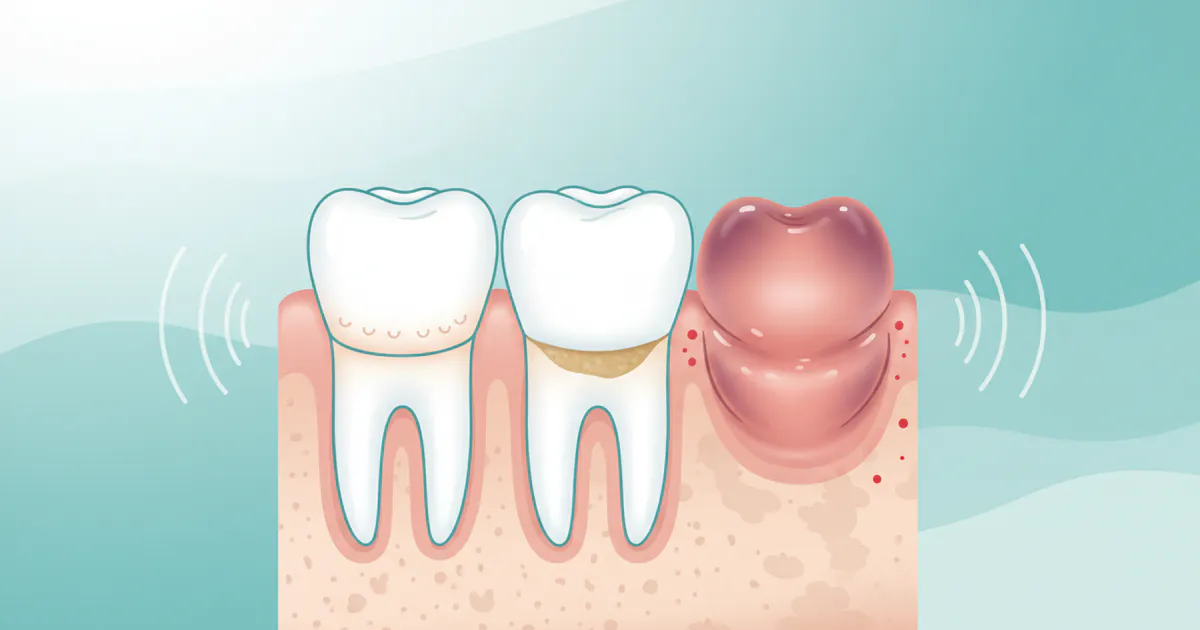
- Red, Swollen, or Puffy Gums: Healthy gums are typically pink and firm. Inflamed gums will appear reddish, purplish, or darker than normal, and feel soft or spongy.
- Bleeding Gums: Gums that bleed easily during brushing, flossing, or even when eating hard foods are a classic sign of gingivitis. This is often the first symptom people notice.
- Tender or Sore Gums: Your gums might feel sensitive or painful to the touch.
- Persistent Bad Breath (Halitosis): The bacteria responsible for gum inflammation produce foul-smelling gases.
- Changes in Gum Contour: Healthy gums tightly hug the teeth. Inflamed gums may appear slightly pulled away or swollen around the teeth.
Advanced Symptoms (Periodontitis)
If early signs are ignored, the condition progresses, and more severe symptoms emerge.
- Receding Gums: The gum tissue pulls back, making your teeth look longer than usual and exposing the tooth roots, which can lead to sensitivity.
- Deep Pockets Between Teeth and Gums: As the gums pull away, spaces (periodontal pockets) form, trapping food and plaque, and leading to further infection and bone loss. A dental professional uses a special probe to measure these depths.
- Persistent Bad Breath or a Bad Taste in Your Mouth: Even more pronounced than in gingivitis, due to the increased bacterial activity and infection.
- Pus Between Your Teeth and Gums: A clear sign of active infection. You might notice this when pressing on your gums.
- Loose or Shifting Teeth: As the bone supporting the teeth is destroyed, teeth may become mobile, shift position, or even fall out. This is a hallmark of severe periodontal disease.
- Changes in Your Bite: Your teeth may not fit together as they once did.
- Dull Aches: A persistent, low-grade ache in your gums or jaw.
Pro Tip: Don't wait for pain to see a dentist. Gum disease often progresses silently, with discomfort only appearing in later, more advanced stages. Regular check-ups are essential for catching issues early.
Diagnosing Gum Inflammation
A thorough dental examination is necessary to accurately diagnose gum inflammation and determine its severity. Your dentist or periodontist (a specialist in gum disease) will use a combination of methods.

1. Dental Examination
Your dentist will visually inspect your gums for signs of inflammation such as redness, swelling, and bleeding. They will also look for gum recession, exposed tooth roots, and any pus around your teeth.
2. Periodontal Probing
This is a key diagnostic tool. A small, sterile ruler called a periodontal probe is gently inserted into the sulcus (the small groove between the tooth and gum). The depth of this groove is measured in millimeters.
- Healthy Gums: Pocket depths of 1-3 millimeters (mm) are generally considered healthy.
- Gingivitis: Pockets might be slightly deeper (up to 4 mm) due to swelling, but there is no attachment loss.
- Periodontitis: Pockets of 4 mm or more usually indicate periodontitis, with deeper pockets correlating to more severe disease and bone loss. The dentist will also assess for bleeding upon probing, which is another indicator of inflammation. Measurements are taken at multiple sites around each tooth.
3. Dental X-rays (Radiographs)
X-rays are crucial for assessing the health of the bone supporting your teeth.
- They reveal any bone loss that has occurred due to periodontitis.
- They can show the presence of tartar buildup below the gumline.
- They help rule out other potential causes of symptoms, such as cavities or abscesses.
Based on these findings, your dentist will classify your gum health as either healthy, gingivitis, or one of the stages of periodontitis (mild, moderate, or severe periodontal disease) and develop a personalized treatment plan.
Treatment Options for Gum Inflammation
The treatment for gum inflammation depends entirely on its severity. Gingivitis is typically resolved with non-surgical methods, while periodontitis often requires more intensive, sometimes surgical, interventions.
Non-Surgical Treatments (for Gingivitis and Mild-to-Moderate Periodontitis)
These treatments aim to remove plaque and tartar and control bacterial infection.
1. Professional Dental Cleaning (Prophylaxis)
- What it is: A routine dental cleaning performed by a dental hygienist or dentist to remove plaque and tartar from above the gumline.
- When it's used: Primarily for healthy patients or those with mild gingivitis where no bone loss has occurred.
- Pros: Non-invasive, relatively inexpensive, prevents progression of gum disease, helps maintain fresh breath.
- Cons: Not sufficient for periodontitis where tartar is below the gumline.
- Process: Scaling with ultrasonic and hand instruments, polishing, flossing.
2. Scaling and Root Planing (Deep Cleaning)
- What it is: A more intensive, non-surgical procedure that goes deeper than a regular cleaning. It involves two main parts:
- Scaling: Removing plaque and tartar from above and below the gumline, including deep within the periodontal pockets.
- Root Planing: Smoothing the root surfaces of the teeth. This helps remove bacterial toxins and makes it more difficult for plaque to reattach, allowing the gums to reattach to the teeth.
- When it's used: The first line of treatment for mild-to-moderate periodontitis.
- Pros: Can effectively reduce pocket depths, remove infection, and halt disease progression without surgery. Often performed with local anesthetic for comfort.
- Cons: Can cause temporary sensitivity, discomfort, and gum tenderness. Requires multiple appointments (usually 2-4 quadrants treated separately). Not effective for very deep pockets or advanced bone loss.
- Process: Often performed under local anesthesia. Each quadrant of the mouth is treated in separate appointments.
3. Antibiotics (Topical or Oral)
- What it is: Medications used to help control bacterial infection.
- Topical: Antibiotic gels, chips, or threads inserted directly into deep pockets after scaling and root planing (e.g., Arestin, PerioChip).
- Oral: Systemic antibiotic pills prescribed for aggressive infections or as an adjunct to deep cleaning in certain cases.
- When it's used: As an adjunct to scaling and root planing for more stubborn infections or specific bacterial strains.
- Pros: Helps reduce bacterial load, can improve treatment outcomes.
- Cons: Potential side effects (e.g., digestive upset with oral antibiotics), risk of antibiotic resistance with overuse.
4. Antimicrobial Mouthrinses
- What it is: Prescription mouthrinses containing chlorhexidine gluconate, a powerful antiseptic.
- When it's used: Used short-term after scaling and root planing or to manage gingivitis.
- Pros: Reduces bacterial plaque and helps control gum inflammation.
- Cons: Can cause temporary tooth staining and altered taste with prolonged use, not a substitute for mechanical cleaning.
Surgical Treatments (for Moderate-to-Severe Periodontal Disease)
When non-surgical treatments are insufficient to manage periodontitis, surgery may be recommended to reduce pocket depths, regenerate lost tissue, or stabilize teeth.
1. Flap Surgery (Pocket Reduction Surgery)
- What it is: The periodontist makes small incisions in the gum tissue to lift back a section of the gum, exposing the roots and underlying bone. This allows for thorough cleaning of plaque and tartar from deep pockets and reshapes the bone if necessary to reduce pocket depth. The gum tissue is then repositioned and sutured back into place.
- When it's used: For moderate to severe periodontitis with deep pockets that cannot be adequately cleaned with scaling and root planing alone.
- Pros: Reduces pocket depths significantly, making areas easier to clean and preventing further bacterial accumulation. Can save teeth that might otherwise be lost.
- Cons: Invasive, involves sutures, potential for post-operative discomfort, swelling, and temporary increased tooth sensitivity. Requires a recovery period.
2. Bone Grafts
- What it is: Uses fragments of your own bone, synthetic bone, or donated bone to rebuild bone lost to periodontitis. The graft material serves as a scaffold for new bone growth.
- When it's used: When significant bone loss has occurred, threatening tooth stability.
- Pros: Can regenerate lost bone, improve tooth stability, and potentially save teeth.
- Cons: More complex procedure, longer recovery, potential for graft rejection (though rare), higher cost.
3. Soft Tissue Grafts (Gum Grafts)
- What it is: Involves taking tissue from another area of your mouth (usually the palate) or using donor tissue and grafting it to an area where gums have receded.
- When it's used: To cover exposed tooth roots (reducing sensitivity and preventing further recession) or to thicken thin gum tissue.
- Pros: Reduces tooth sensitivity, protects roots from decay, improves aesthetics, and prevents further gum recession.
- Cons: Involves two surgical sites (for autogenous grafts), potential for discomfort and swelling, requires careful healing.
4. Guided Tissue Regeneration (GTR)
- What it is: A regenerative procedure used in conjunction with flap surgery or bone grafts. A small piece of mesh-like fabric (a membrane) is inserted between the gum tissue and the bone. This membrane prevents the gum tissue from growing into the area where bone should be, allowing slower-growing bone and ligament cells to regenerate.
- When it's used: When there is specific bone loss that can be encouraged to regenerate.
- Pros: Can regenerate lost bone and periodontal ligament, improving tooth support.
- Cons: More complex, longer healing time, higher cost.
Treatment Comparison Table
| Treatment Type | Target Condition | Procedure Overview | Pros | Cons | Average Cost (US) |
|---|---|---|---|---|---|
| Professional Cleaning | Gingivitis, healthy gums | Removes plaque/tartar above gumline. | Non-invasive, preventative, quick. | Not for subgingival plaque/tartar, no bone loss reversal. | $75 - $200 |
| Scaling & Root Planing | Mild-to-Moderate Periodontitis | Deep cleaning below gumline, root smoothing. | Non-surgical, effective for halting progression. | Can cause temporary sensitivity, discomfort, multiple visits. | $250 - $1,500/quad |
| Antibiotics (Adjunctive) | Gingivitis/Periodontitis (stubborn infection) | Topical gel/chip or oral pills. | Boosts bacterial control, improves deep cleaning outcomes. | Side effects (oral), potential resistance, not standalone treatment. | $50 - $300 |
| Flap Surgery | Moderate-to-Severe Periodontitis (deep pockets) | Lifts gum tissue to clean roots and reshape bone, then re-sutures. | Significantly reduces pocket depths, preserves teeth. | Invasive, discomfort, swelling, temporary sensitivity, recovery time. | $500 - $3,000/quad |
| Bone Graft | Significant Bone Loss | Uses graft material to stimulate new bone growth. | Regenerates lost bone, improves tooth stability. | Complex, longer recovery, higher cost, potential for graft failure (rare). | $600 - $3,000/site |
| Soft Tissue Graft | Gum Recession, Exposed Roots | Tissue from palate or donor to cover exposed roots or thicken gums. | Reduces sensitivity, protects roots, improves aesthetics. | Invasive, discomfort, potential for two surgical sites, recovery time. | $400 - $1,500/site |
| Guided Tissue Regeneration | Specific Bone/Ligament Loss | Membrane placed to guide bone/ligament regeneration. | Encourages natural tissue regeneration, saves teeth. | Most complex, longest healing, highest cost, specialized technique. | $1,000 - $4,000/site |
The Treatment Process: What to Expect
Navigating gum disease treatment can feel daunting, but understanding the typical process can ease concerns.
1. Initial Assessment and Diagnosis
- First Visit: Your dentist or periodontist will perform a comprehensive oral exam, including periodontal probing (measuring pocket depths), assessing gum recession, checking for tooth mobility, and taking full-mouth X-rays.
- Diagnosis: Based on these findings, you'll receive a diagnosis of gingivitis or a specific stage of periodontitis.
- Treatment Plan: A personalized treatment plan will be discussed, outlining recommended procedures, expected outcomes, and estimated costs. You'll have the opportunity to ask questions.
2. Non-Surgical Treatment Phase (e.g., Scaling and Root Planing)
- Preparation: If scaling and root planing is recommended, it's typically done under local anesthesia to numb the gums and ensure comfort. This may be done over 2-4 appointments, treating one or two quadrants of your mouth at a time.
- Procedure: The hygienist or dentist will use specialized instruments (ultrasonic scalers and hand scalers) to meticulously remove plaque and tartar from above and below your gumline, reaching into the periodontal pockets. The root surfaces are then smoothed (planed) to remove toxins and encourage gum reattachment.
- Post-Procedure: You might experience some gum tenderness, swelling, and sensitivity for a few days. Over-the-counter pain relievers and a soft diet are often recommended. You'll receive specific aftercare instructions, including proper oral hygiene techniques.
- Follow-up: A follow-up appointment, usually 4-6 weeks after the last scaling and root planing appointment, is crucial to assess healing and re-measure pocket depths.
3. Surgical Treatment Phase (If Needed)
- Consultation: If non-surgical methods don't achieve desired results or if you have severe periodontal disease, your periodontist will discuss surgical options in detail.
- Preparation: Surgical procedures are typically performed under local anesthesia, sometimes with sedation for patient comfort. You'll receive pre-operative instructions (e.g., fasting, medication adjustments).
- Procedure: The specific steps depend on the type of surgery (e.g., flap surgery, bone graft). The periodontist will meticulously clean the affected areas, reshape bone, apply graft materials, or reposition gum tissue, and then suture the area.
- Post-Procedure: You will receive detailed post-operative instructions, including pain management, dietary restrictions (often soft foods), oral hygiene modifications (e.g., rinsing with antiseptic mouthwash instead of brushing the surgical site), and activity limitations. Swelling, bruising, and discomfort are common for several days to weeks.
- Follow-up: Multiple follow-up appointments are scheduled to remove sutures, monitor healing, and provide further guidance.
4. Maintenance and Continuing Care
- Crucial Step: Regardless of the treatment received, long-term success hinges on a rigorous maintenance program. This typically involves more frequent recall appointments (periodontal maintenance cleanings) every 3-4 months, rather than the standard 6-month check-ups.
- At Home: Meticulous daily oral hygiene, including proper brushing techniques (often electric toothbrushes are recommended), daily flossing, and potentially interdental brushes or water flossers, is paramount.
- Ongoing Monitoring: During maintenance visits, the hygienist and dentist will continue to monitor your gum health, measure pocket depths, remove new plaque and tartar, and reinforce oral hygiene instructions. This vigilance is vital to prevent recurrence and maintain the results of your treatment.
Cost and Insurance Coverage for Gum Disease Treatment
The cost of gum disease treatment in the US can vary significantly based on the severity of the condition, the type of treatment required, the geographic location, and the specific dental practice.

Average US Costs
Here's a general overview of common costs, keeping in mind these are ranges and can fluctuate:
- Initial Oral Exam & X-rays: $100 - $350 (often covered by insurance)
- Professional Dental Cleaning (Prophylaxis): $75 - $200
- Scaling and Root Planing (per quadrant): $250 - $1,500. Most mouths have four quadrants, so a full mouth deep cleaning could range from $1,000 to $6,000.
- Topical Antibiotics (e.g., Arestin, PerioChip): $50 - $150 per site (added to scaling and root planing).
- Oral Antibiotics: $10 - $100 (depending on medication and dosage).
- Flap Surgery (Pocket Reduction Surgery - per quadrant/site): $500 - $3,000. For multiple quadrants, this could easily be $2,000 - $12,000.
- Bone Graft (per site): $600 - $3,000.
- Soft Tissue Graft (per site): $400 - $1,500.
- Guided Tissue Regeneration (per site): $1,000 - $4,000.
- Periodontal Maintenance Cleaning (after active treatment): $100 - $250 per visit (usually every 3-4 months).
Insurance Coverage Details
Dental insurance typically offers some coverage for gum disease treatment, but the extent varies greatly depending on your plan.
- Preventive Care (e.g., routine cleanings, exams, X-rays): Usually covered at a high percentage (70-100%).
- Basic Procedures (e.g., scaling and root planing): Often covered at 50-80% after you meet your deductible. Many plans have limitations on how often deep cleanings are covered (e.g., once every 2-3 years, or for specific pocket depths).
- Major Procedures (e.g., periodontal surgery, grafts): Typically covered at 20-50% after your deductible. These procedures often fall under the "major" category and have lower coverage percentages.
- Annual Maximums: Most dental insurance plans have an annual maximum benefit (e.g., $1,000 - $2,500). Once you reach this limit, you are responsible for 100% of additional costs for that year. Gum disease treatment, especially severe periodontal disease requiring surgery, can quickly exceed these maximums.
- Waiting Periods: Some plans have waiting periods (e.g., 6-12 months) before they will cover basic or major procedures.
Pro Tip: Always contact your dental insurance provider directly before starting treatment to understand your specific benefits, deductibles, co-pays, annual maximums, and any pre-authorization requirements. Your dental office can often help you submit a pre-treatment estimate.
Payment Plans and Financing Options
For procedures not fully covered by insurance or for patients without insurance, several options can help manage costs:
- In-Office Payment Plans: Many dental practices offer internal payment plans, allowing you to pay for treatment in installments over time.
- Third-Party Financing: Companies like CareCredit or LendingClub offer specialized healthcare credit cards with deferred interest options if paid within a certain timeframe (e.g., 6-24 months).
- Dental Schools: University dental schools often provide high-quality care at reduced costs because procedures are performed by students under the close supervision of experienced faculty.
- Flexible Spending Accounts (FSAs) / Health Savings Accounts (HSAs): If you have an FSA or HSA through your employer, you can use these tax-advantaged accounts to pay for dental treatment costs.
Recovery and Aftercare
Proper recovery and diligent aftercare are essential to the success of any gum disease treatment, whether non-surgical or surgical.
Post-Scaling and Root Planing Care
- Discomfort: Expect some gum tenderness, mild swelling, and sensitivity to hot/cold for a few days. Over-the-counter pain relievers (e.g., ibuprofen, acetaminophen) can help.
- Bleeding: Slight bleeding during brushing/flossing is normal for a few days.
- Oral Hygiene: Continue brushing gently with a soft-bristled toothbrush and flossing daily, avoiding aggressive scrubbing of sensitive areas. Your hygienist may recommend a temporary antiseptic mouthwash (e.g., chlorhexidine) for a week or two.
- Diet: Stick to soft foods initially, gradually reintroducing your regular diet as comfort allows. Avoid extremely hot, cold, spicy, or crunchy foods immediately after.
- Smoking: Avoid smoking, as it significantly impairs healing.
- Follow-up: Attend all scheduled follow-up appointments for evaluation and maintenance.
Post-Surgical Care (e.g., Flap Surgery, Grafts)
Surgical recovery is more involved and requires strict adherence to your periodontist's instructions.
- Pain Management: Prescription pain medication will likely be provided. Take it as directed. Over-the-counter options may be sufficient after the initial few days.
- Swelling: Apply an ice pack to the outside of your face intermittently for the first 24-48 hours to minimize swelling. Swelling usually peaks on day 2-3.
- Bleeding: Some oozing or light bleeding is normal for the first day. Bite gently on gauze if directed.
- Diet: A soft diet is crucial for 1-2 weeks or longer, depending on the surgery. Avoid chewing on the treated side. Examples include soups, smoothies, yogurt, mashed potatoes, soft pasta. Avoid hard, sticky, or spicy foods.
- Oral Hygiene:
- Do NOT brush or floss the surgical site for the first 1-2 weeks, or as directed.
- You will typically be given a prescription antiseptic mouthwash (e.g., chlorhexidine) to rinse gently, usually twice a day.
- You can carefully brush and floss other areas of your mouth.
- Sutures: If non-dissolvable sutures were used, they will be removed at a follow-up appointment (typically 7-14 days). Dissolvable sutures will fall out on their own.
- Activity: Avoid strenuous exercise or heavy lifting for several days to a week to prevent increased bleeding or swelling.
- Smoking: Absolutely avoid smoking. It dramatically compromises healing and can lead to surgical failure.
- Follow-up: Attend all post-operative appointments. These are critical for monitoring healing, removing sutures, and providing further instructions.
Long-Term Maintenance
Regardless of the treatment type, long-term success of gum disease management relies heavily on continuous effort.
- Meticulous Oral Hygiene: This is non-negotiable. Brush twice daily for two minutes with a soft-bristled brush (an electric toothbrush is often recommended). Floss daily. Consider using interdental brushes or a water flosser as recommended by your dental professional.
- Regular Periodontal Maintenance: After active treatment, standard 6-month cleanings are usually insufficient. You will likely need periodontal maintenance appointments every 3-4 months. These specialized cleanings remove new plaque and tartar, monitor pocket depths, and reinforce oral hygiene.
- Healthy Lifestyle: Maintain a balanced diet, manage systemic conditions like diabetes, and quit smoking.
- Self-Monitoring: Be vigilant for any recurring signs of inflammation (bleeding, swelling, tenderness) and report them to your dentist promptly.
Prevention of Gum Inflammation
Preventing gum inflammation is far easier and less costly than treating it. The cornerstone of prevention lies in excellent daily oral hygiene and regular professional dental care.
1. Excellent Oral Hygiene Practices
- Brush Twice Daily: Brush your teeth for at least two minutes, twice a day, using a soft-bristled toothbrush. Angle the brush at 45 degrees toward the gumline and use gentle, circular strokes. An electric toothbrush can often be more effective at removing plaque.
- Floss Daily: Flossing is crucial for removing plaque and food particles from between your teeth and under the gumline, areas your toothbrush cannot reach. Use about 18 inches of floss, curving it around each tooth in a C-shape.
- Use Antimicrobial Mouthwash: Over-the-counter therapeutic mouthwashes (containing ingredients like cetylpyridinium chloride or essential oils) can help reduce plaque and gingivitis when used in conjunction with brushing and flossing. For specific needs, your dentist might recommend a prescription chlorhexidine rinse for short-term use.
- Clean Your Tongue: Bacteria can accumulate on your tongue, contributing to bad breath and potentially spreading back to your teeth. Use a tongue scraper or your toothbrush to gently clean your tongue daily.
Pro Tip: Consider investing in an electric toothbrush with a pressure sensor. It can significantly improve plaque removal and prevent overly aggressive brushing that can damage gums.
2. Regular Dental Check-ups and Professional Cleanings
- Bi-annual Visits: Schedule dental check-ups and professional cleanings every six months (or more frequently if you have a history of gum disease).
- Plaque and Tartar Removal: Even with diligent home care, some plaque can harden into tartar, which can only be removed by a dental professional. Regular cleanings prevent tartar buildup from irritating your gums and leading to inflammation.
- Early Detection: Your dentist can identify early signs of gum inflammation that you might miss, allowing for prompt intervention before it progresses.
3. Healthy Lifestyle Choices
- Balanced Diet: Eat a diet rich in fruits, vegetables, and whole grains. Limit sugary and starchy foods, which fuel plaque-forming bacteria.
- Stay Hydrated: Drinking plenty of water helps wash away food particles and maintains saliva flow, which naturally cleanses your mouth.
- Quit Smoking and Tobacco Use: Smoking is a major risk factor for severe periodontal disease. Quitting is one of the most impactful steps you can take for your oral and overall health.
- Manage Stress: Chronic stress can weaken your immune system, making you more susceptible to infections, including gum disease.
- Avoid Clenching and Grinding (Bruxism): If you grind your teeth, talk to your dentist about a nightguard, as excessive force can worsen gum disease progression.

4. Manage Systemic Health Conditions
- Control Diabetes: If you have diabetes, diligently managing your blood sugar levels is crucial. Uncontrolled diabetes significantly increases your risk for severe gum disease.
- Discuss Medications with Your Dentist: Inform your dentist about all medications you are taking, as some can cause dry mouth or other side effects that impact gum health. They may suggest strategies to mitigate these effects.
By integrating these preventive measures into your daily routine, you can significantly reduce your risk of developing gum inflammation and maintain a healthy, vibrant smile for years to come.
Risks and Complications of Untreated Gum Inflammation
Ignoring gum inflammation, particularly when it progresses to periodontitis, carries significant risks not just for your oral health but for your entire body.
1. Tooth Loss
This is the most direct and devastating consequence. As periodontitis advances, the bone and ligaments that support your teeth are progressively destroyed. Without this support, teeth become loose, shift, and eventually fall out or require extraction. Tooth loss can lead to difficulties with chewing, speech, and can impact your facial aesthetics.
2. Systemic Health Impacts
The chronic inflammation and bacterial infection in your gums don't stay confined to your mouth. The bacteria and inflammatory mediators can enter your bloodstream, traveling to other parts of your body and contributing to or worsening various systemic diseases.
- Heart Disease and Stroke: Studies show a strong link between periodontitis and an increased risk of heart attack and stroke. The inflammation in the gums can contribute to the hardening of arteries (atherosclerosis) and increase the risk of blood clots.
- Diabetes Complications: There's a bidirectional relationship between diabetes and gum disease. Periodontitis can make it harder for people with diabetes to control their blood sugar levels, while uncontrolled diabetes exacerbates gum disease.
- Respiratory Diseases: Oral bacteria can be inhaled into the lungs, potentially leading to respiratory infections such as pneumonia, especially in individuals with compromised immune systems.
- Pregnancy Complications: Pregnant women with periodontitis may have an increased risk of pre-term birth and low birth weight babies.
- Rheumatoid Arthritis: Research suggests a connection between gum disease and rheumatoid arthritis, with similar inflammatory pathways.
- Alzheimer's Disease: Emerging research indicates a potential link between the bacteria found in periodontitis and an increased risk of Alzheimer's disease.
3. Abscesses and Infections
Deep periodontal pockets can become severely infected, leading to painful abscesses. These localized collections of pus can cause significant swelling, fever, and if left untreated, can spread the infection to other areas of the face and neck.
4. Bone and Tissue Damage
Untreated periodontitis leads to irreversible destruction of the alveolar bone that anchors your teeth. This bone loss can compromise the stability of adjacent teeth and make future dental treatments, such as dental implants, more complex or impossible without extensive bone grafting. It also leads to significant gum recession, exposing sensitive tooth roots.
Comparison: Gingivitis vs. Periodontitis
| Feature | Healthy Gums | Gingivitis | Periodontitis (Mild/Moderate/Severe) |
|---|---|---|---|
| Appearance | Pink, firm, scalloped, tightly hugging teeth | Red, swollen, puffy, sometimes shiny, darker red/purple | Red, swollen, receding, sometimes purplish, exposed roots |
| Bleeding | None | Often bleeds during brushing/flossing | Frequent bleeding, even spontaneously or during probing |
| Tenderness/Pain | None | Mild tenderness | Can be dull aches, pain with chewing, sensitivity to hot/cold |
| Pocket Depth (mm) | 1-3 mm | 3-4 mm (due to swelling, no attachment loss) | 4mm+, increasing with severity (Mild: 4-5mm, Moderate: 5-7mm, Severe: >7mm) |
| Bone Loss | None | None | Present, irreversible. Severity increases with pocket depth. |
| Gum Recession | None | Minimal or none | Often present, significant in advanced stages |
| Bad Breath | None | Mild to moderate | Persistent, often severe, bad taste in mouth |
| Pus/Infection | None | None | Present in moderate to severe stages, indicates active infection |
| Tooth Mobility | None | None | Mild to severe, teeth may shift, become loose, or be lost |
| Reversibility | N/A | Completely reversible with professional cleaning & home care | Not reversible (damage cannot be fully undone), but can be managed/halted to prevent further loss |
| Treatment | Routine cleanings & home care | Professional cleaning, improved home care | Scaling & root planing, antibiotics, surgery, ongoing periodontal maintenance, strict home care |
Children / Pediatric Considerations
While gum inflammation is more common in adults, children and adolescents are not immune. Gingivitis can affect children, and in rare cases, even early forms of periodontitis can occur.
- Causes in Children: Similar to adults, the primary cause is inadequate oral hygiene leading to plaque buildup. Contributing factors can include:
- Poor Brushing/Flossing Habits: Children may not have the dexterity or discipline for thorough oral hygiene.
- Orthodontic Appliances: Braces create more surfaces for plaque to accumulate and make cleaning more challenging.
- Hormonal Changes: Puberty can lead to "puberty gingivitis" due to increased hormone levels.
- Systemic Conditions: Certain medical conditions (e.g., diabetes, Down syndrome, some genetic disorders) or medications can predispose children to gum disease.
- Signs and Symptoms: Look for red, swollen, or bleeding gums, especially during brushing. Bad breath can also be an indicator.
- Prevention:
- Teach Good Habits Early: Start brushing as soon as the first tooth erupts. Supervise and assist children with brushing until they are about 7-8 years old. Teach them how to floss effectively.
- Regular Dental Check-ups: Ensure your child sees a pediatric dentist every six months for cleanings and exams.
- Balanced Diet: Limit sugary snacks and drinks.
- Monitor Orthodontic Care: If your child has braces, ensure they are diligent with specific cleaning instructions provided by their orthodontist.
- Treatment: For gingivitis, professional cleaning and improved home care are usually sufficient. For more advanced cases, a pediatric dentist may refer to a periodontist for specialized treatment, similar to adult procedures but tailored for younger patients. Early detection is especially important to prevent long-term damage to developing permanent teeth.
Frequently Asked Questions
Is gum inflammation always a sign of periodontitis?
No, gum inflammation (gingivitis) is the earliest and most common form of gum disease. It's an inflammation of the gums caused by plaque buildup, but it doesn't involve bone loss. If untreated, gingivitis can progress to periodontitis, which is a more severe form characterized by bone and tissue destruction. Gingivitis is reversible, while periodontitis damage is not.
Can gum inflammation go away on its own?
Mild gum inflammation (gingivitis) can often resolve with meticulous daily oral hygiene (brushing twice a day, flossing once a day) and a professional dental cleaning. However, if plaque has hardened into tartar, or if the inflammation has progressed to periodontitis, professional intervention is necessary, and it will not go away on its own.
How long does it take to treat gum inflammation?
For gingivitis, improvement can often be seen within a few days to a couple of weeks after a professional cleaning and consistent home care. For periodontitis, active treatment (like scaling and root planing) may take 2-4 appointments, with several weeks for initial healing. Long-term management and maintenance for periodontitis is an ongoing process with regular check-ups every 3-4 months.

Is gum disease treatment painful?
Non-surgical treatments like scaling and root planing are typically performed under local anesthesia to numb the gums, making the procedure comfortable. You might experience some sensitivity or tenderness for a few days afterward. Surgical treatments also use local anesthesia and sometimes sedation, with prescription pain medication provided for post-operative discomfort.
What happens if gum inflammation is left untreated?
If left untreated, gum inflammation will progress from gingivitis to periodontitis. This leads to irreversible bone and tissue destruction, resulting in gum recession, deep periodontal pockets, persistent bad breath, loose teeth, and eventually tooth loss. Untreated gum disease also increases the risk of serious systemic health issues like heart disease, diabetes complications, and stroke.
Does dental insurance cover gum disease treatment?
Most dental insurance plans provide some coverage for gum disease treatment. Preventive care (cleanings, exams) is usually covered at a high percentage. Basic procedures like scaling and root planing are often covered at 50-80%, while major procedures like surgery might be covered at 20-50%. Coverage varies widely, and annual maximums apply, so it's crucial to check with your specific provider.
Can gum inflammation affect overall health?
Absolutely. The chronic inflammation and bacteria associated with gum disease can enter the bloodstream and impact overall health. It has been linked to an increased risk or exacerbation of conditions such as heart disease, stroke, diabetes, respiratory problems, and adverse pregnancy outcomes. Oral health is a critical component of systemic health.
Are there home remedies for gum inflammation?
While good oral hygiene (brushing, flossing) is the best "home remedy" for preventing and managing mild gingivitis, there are no effective home remedies for treating established gum disease or periodontitis. Professional dental care is essential to remove hardened plaque (tartar) and address underlying infection and bone loss. Natural rinses like salt water may offer temporary soothing but do not treat the root cause.
Can I get gum inflammation if I brush regularly?
Yes, it's possible. While regular brushing is essential, it might not be enough if your technique is poor, if you're not flossing daily, or if you have risk factors like smoking, uncontrolled diabetes, or genetic predisposition. Brushing alone often misses plaque between teeth and below the gumline, where inflammation typically begins.
What is "severe periodontal disease" specifically?
Severe periodontal disease is the most advanced stage of periodontitis. It involves extensive damage to the bone and connective tissues supporting the teeth, characterized by very deep periodontal pockets (often 7mm or more), significant gum recession, severe bone loss visible on X-rays, considerable tooth mobility, and often pus discharge. At this stage, tooth loss is imminent without aggressive treatment, often requiring complex surgical interventions.
When to See a Dentist
Knowing when to seek professional dental care for gum inflammation is vital for preventing its progression and preserving your oral and overall health.
Clear Warning Signs That Need Immediate Attention:
- Persistent Bleeding Gums: If your gums bleed consistently every time you brush or floss, or if they bleed spontaneously, it's a significant red flag.
- Red, Swollen, or Tender Gums: Gums that are noticeably inflamed, puffy, or painful to the touch are indicative of an active problem.
- Persistent Bad Breath or a Bad Taste: If chronic bad breath or a metallic/foul taste doesn't improve with regular brushing and mouthwash, it could be a sign of bacterial infection.
- Visible Pus: Any pus coming from your gums when you press them or when you brush is a clear sign of infection and requires immediate professional evaluation.
- Receding Gums or Exposed Tooth Roots: If your teeth appear longer or you notice areas where the gum has pulled away, exposing the root surface, this indicates gum recession.
- Loose or Shifting Teeth: This is a late-stage symptom of severe periodontal disease and requires urgent dental attention to try and save the affected teeth.
- Changes in Your Bite: If your teeth don't fit together the same way when you bite, or if you notice new spaces developing between your teeth, it could be due to bone loss.
- Sudden, Severe Pain or Swelling: While gum disease is often painless until advanced stages, sudden severe pain or swelling around a tooth or in your jaw could indicate an abscess or acute infection, requiring emergency dental care.
Red Flags vs. Routine Care Guidance
- Routine Care: Even if you experience no symptoms, schedule dental check-ups and cleanings every six months. This is crucial for prevention and early detection of issues before they become noticeable to you.
- Red Flags: If you notice any of the warning signs listed above, do not delay. Make an appointment with your general dentist as soon as possible. They can diagnose the issue and, if necessary, refer you to a periodontist (a gum disease specialist).
Emergency vs. Scheduled Appointment Guidance
- Emergency Appointment: If you have severe pain, significant swelling, signs of an abscess (pus, fever), or a rapidly worsening condition, seek emergency dental care. These could indicate an acute infection that needs immediate attention to prevent it from spreading.
- Scheduled Appointment: For all other warning signs (bleeding gums, bad breath, mild tenderness, receding gums, loose teeth without severe pain), schedule a regular dental appointment to be seen by your dentist promptly. While not always an emergency, these issues should not be ignored.
Taking proactive steps when you notice any changes in your gum health is the best way to safeguard your smile and prevent more serious and costly complications down the line.
Frequently Asked Questions
Medically Reviewed Content
This article was written by our dental health editorial team and reviewed for medical accuracy. Our content follows strict editorial guidelines for reliability and trustworthiness.
Medical Disclaimer
This article is for informational purposes only and does not constitute medical advice. Always consult with a qualified dental professional for diagnosis and treatment. Do not delay seeking professional advice because of something you read on this website.
Related Articles
Normal Gums vs Gingivitis: Complete Comparison Guide
Did you know that nearly half of American adults over 30 show signs of gum disease, a condition that can range from mild inflammation to severe infection leading to tooth loss? Understanding the difference between healthy gums and those affected by early gum disease, known as gingivitis, is cruc
February 22, 2026
Can You Get Rid of Gingivitis
More than 50% of American adults aged 30 or older suffer from some form of gum disease, with gingivitis being the earliest and most common stage. This often silent condition, marked by inflammation of the gums, can seem daunting, leading many to wonder: can you get rid of gingivitis? The good ne
February 22, 2026
What Causes Receding Gums
Receding gums, a condition where the gum tissue surrounding the teeth pulls back or wears away, exposing more of the tooth or the tooth's root, affects a significant portion of the adult population in the United States. In fact, estimates suggest that **up to 88% of people over the age of 65 have on
February 22, 2026
Signs of Gingivitis: Complete Guide
Did you know that nearly half of American adults aged 30 and older suffer from some form of gum disease? While that statistic might sound alarming, the good news is that the earliest and most common stage, gingivitis, is entirely reversible. Recognizing the signs of gingivitis early is your
February 22, 2026