What Causes Receding Gums
Key Takeaways
- Receding gums, a condition where the gum tissue surrounding the teeth pulls back or wears away, exposing more of the tooth or the tooth's root, affects a significant portion of the adult population in the United States. In fact, estimates suggest that **up to 88% of people over the age of 65 have on
Receding gums, a condition where the gum tissue surrounding the teeth pulls back or wears away, exposing more of the tooth or the tooth's root, affects a significant portion of the adult population in the United States. In fact, estimates suggest that up to 88% of people over the age of 65 have one or more sites with gingival recession, and it can begin much earlier in life. While often overlooked in its initial stages, understanding what causes receding gums is crucial for maintaining optimal oral health and preventing potentially severe complications like tooth sensitivity, root decay, and even tooth loss. This comprehensive guide from SmilePedia.net will delve into the underlying factors contributing to gum recession, explore its signs and symptoms, detail available treatment options, and provide actionable strategies on how to stop receding gums from progressing, ensuring you have the knowledge to protect your smile.
Key Takeaways:
- Primary Cause: Periodontal disease is the leading cause, but aggressive brushing, genetics, and teeth grinding also contribute significantly.
- Early Signs: Increased tooth sensitivity, visible changes in gum line, longer-looking teeth, and sometimes swollen or tender gums are key indicators.
- Treatment Options: Range from non-surgical deep cleanings (scaling and root planing) for mild cases to surgical gum grafts for more advanced recession.
- Cost Variation: Treatment costs in the US can range from $200-$500 for non-surgical options to $600-$4,000 per tooth for surgical procedures, often covered partially by dental insurance.
- Prevention is Key: Regular dental check-ups, proper brushing technique, daily flossing, and addressing underlying issues like bruxism are vital to prevent and manage recession.
- Recovery Timeline: Non-surgical recovery is typically a few days; surgical recovery can take 1-2 weeks for initial healing, with full healing taking several months.
- Actionable Data: Studies show that improving oral hygiene habits can halt or slow recession progression in over 90% of non-surgical cases.
What Receding Gums Are: An Overview
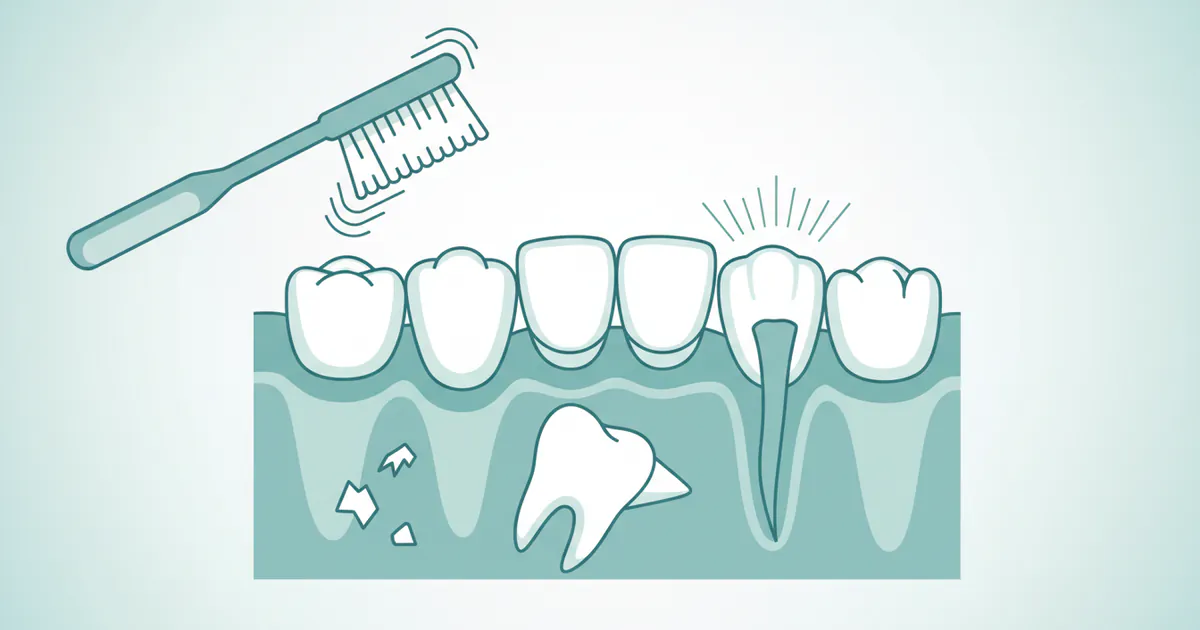
Gingival recession, commonly known as receding gums, is the process by which the margin of the gum tissue surrounding the teeth pulls back, exposing more of the tooth or the tooth's root. This exposure creates small pockets or gaps between the teeth and gum line, making it easier for harmful bacteria to build up. If left untreated, the supporting bone structures and tissue can be severely damaged, ultimately leading to tooth loss.

It's a gradual process, meaning many people don't realize they have receding gums until the condition becomes more advanced and noticeable. One of the most common initial complaints is increased tooth sensitivity, especially to hot, cold, or sweet foods and drinks. As the recession progresses, the exposed root surfaces become vulnerable to decay, and the aesthetic impact on one's smile can be significant, making teeth appear longer than usual.
Types and Variations of Gum Recession
While the core issue of gum tissue pulling away remains the same, the presentation and underlying causes can lead to different classifications or "types" of gum recession. Understanding these variations can help dentists tailor the most effective treatment plan.
1. Localized vs. Generalized Recession
- Localized Recession: Affects one or a few specific teeth. This is often seen in cases of aggressive brushing in a particular area, a misaligned tooth, or a specific dental appliance causing irritation.
- Generalized Recession: Affects most or all teeth in an arch (upper or lower jaw). This type is frequently associated with systemic issues like widespread periodontal disease, long-term aggressive brushing habits across the mouth, or significant genetic predisposition.
2. Miller Classification of Gingival Recession
The Miller Classification System, developed by Dr. P.D. Miller Jr., is a widely used method to classify the extent of gingival recession and predict the outcome of gum grafting procedures. It categorizes recession based on the tissue loss relative to the mucogingival junction (the line separating the attached gum from the looser alveolar mucosa) and interdental papilla (the gum tissue between teeth).
- Class I: Recession does not extend to the mucogingival junction. No loss of interdental bone or soft tissue. Prognosis for complete root coverage with grafting is generally excellent.
- Class II: Recession extends to or beyond the mucogingival junction. No loss of interdental bone or soft tissue. Prognosis for complete root coverage with grafting is generally excellent.
- Class III: Recession extends to or beyond the mucogingival junction, with some loss of interdental bone or soft tissue, or malpositioning of the tooth. Partial root coverage may be achieved, but complete coverage is less predictable.
- Class IV: Recession extends to or beyond the mucogingival junction, with severe loss of interdental bone or soft tissue, and/or severe tooth malpositioning. Complete root coverage is not expected.
3. Cairo Classification (Newer System)
More recently, the Cairo Classification of Gingival Recession (RT1, RT2, RT3) has gained traction for its improved predictability and simpler criteria based on interproximal (between teeth) clinical attachment loss.
- Recession Type 1 (RT1): Gingival recession with no interproximal attachment loss. The interproximal cemento-enamel junction (CEJ) is apical (below) to the buccal (cheek side) CEJ. Similar to Miller Class I and II.
- Recession Type 2 (RT2): Gingival recession with interproximal attachment loss. The amount of interproximal attachment loss is less than or equal to the buccal attachment loss. Similar to Miller Class III.
- Recession Type 3 (RT3): Gingival recession with interproximal attachment loss. The amount of interproximal attachment loss is greater than the buccal attachment loss. Similar to Miller Class IV.
These classifications help dental professionals accurately diagnose the severity of recession and determine the most appropriate and predictable treatment approaches.
What Causes Receding Gums: The Root Factors
Understanding what causes receding gums is the first step toward effective prevention and treatment. While it might seem like a single issue, gum recession is often the result of a complex interplay of several factors, both biological and behavioral.
1. Periodontal Disease (Gum Disease)
This is by far the most common and significant cause of receding gums. Periodontal disease is an infection of the gums and supporting bone structure around the teeth, primarily triggered by bacterial plaque buildup.
- Gingivitis: The mildest form, characterized by inflammation, redness, and swollen gums. If left untreated, gingivitis can progress to periodontitis.
- Periodontitis: A more severe form where the inner layer of the gum and bone pull away from the teeth, forming pockets. These pockets become infected, and the body's immune response to the bacteria, combined with bacterial toxins, starts to break down the bone and connective tissue that hold teeth in place. As this support structure is destroyed, the gums recede, and teeth may loosen or even fall out. The ongoing inflammation contributes to the overall tissue destruction leading to recession.
2. Aggressive or Incorrect Brushing Techniques
Brushing too hard or using a toothbrush with hard bristles can physically abrade the gum tissue over time. This mechanical trauma can wear away the delicate gum margin, causing it to recede. It's often seen localized to certain areas where pressure is consistently applied. Many people believe harder brushing equals cleaner teeth, but this is a misconception that can be very damaging.
3. Genetics
Some individuals are simply predisposed to gum disease and gum recession due to their genetic makeup. If one or both of your parents experienced receding gums, you might have a higher susceptibility. This genetic factor can influence the thickness and resilience of your gum tissue, making it more vulnerable to recession.
4. Hormonal Changes
Fluctuations in hormone levels, particularly in women, can make gums more sensitive and susceptible to gum disease and recession.
- Puberty: Increased hormone levels can make gums more sensitive.
- Pregnancy: "Pregnancy gingivitis" is common due to hormonal shifts, which can increase gum sensitivity and inflammation, potentially contributing to recession if not managed.
- Menopause: Hormonal changes during menopause can lead to dry mouth, reduced bone density, and increased susceptibility to gum issues.
5. Tobacco Use (Smoking and Smokeless Tobacco)
Tobacco products, whether smoked or chewed, are major risk factors for gum disease and recession. They weaken the immune system, making it harder for the body to fight off gum infections. Tobacco also restricts blood flow to the gums, hindering their ability to heal and regenerate, thereby accelerating tissue breakdown and recession.
6. Bruxism (Teeth Grinding or Clenching)
Chronic teeth grinding (bruxism) or clenching puts excessive force on the teeth and the surrounding gum tissue and bone. Over time, this constant pressure can lead to structural damage, bone loss, and eventually, gum recession, especially around the neck of the tooth. The added stress can also exacerbate existing periodontal issues.
7. Misaligned Teeth or Orthodontic Forces
Teeth that are misaligned, crowded, or crooked can put undue pressure on certain areas of the gums and bone. It can also make it difficult to clean these areas effectively, leading to plaque buildup and inflammation. In some cases, aggressive orthodontic treatment that moves teeth too quickly or into positions where there isn't enough supporting bone can also contribute to recession.

8. Lip or Tongue Piercings
Jewelry in lip or tongue piercings can constantly rub against the gum tissue, leading to chronic irritation and eventually causing the gums to recede in the area of contact. This is a direct physical trauma, similar to aggressive brushing but continuous.
9. Poor Dental Hygiene (Plaque and Tartar Buildup)
Neglecting daily brushing and flossing allows plaque (a sticky film of bacteria) to accumulate and harden into tartar (calculus). Tartar cannot be removed by brushing alone and provides a rough surface for more plaque to adhere to. The bacteria in plaque and tartar produce toxins that irritate and inflame the gums, initiating the progression of gum disease and subsequent recession.
10. Trauma or Injury
A sudden injury to the mouth, such as a sports injury or an accidental fall, can sometimes cause localized gum recession. Dental procedures, if not performed carefully, can also sometimes lead to localized recession.
11. Certain Medications
Some medications, such as those that cause dry mouth (xerostomia), can indirectly contribute to gum disease and recession. Saliva plays a crucial role in washing away food particles and neutralizing acids. A lack of saliva can lead to increased plaque buildup and a higher risk of gum problems.
12. Age
While not a direct cause, age is a significant contributing factor. As we age, our gum tissue can naturally become thinner and more fragile, making it more susceptible to recession from other causes. The cumulative effect of years of wear and tear, along with potential neglected oral hygiene over time, also plays a role.
``
Signs and Symptoms of Receding Gums
Recognizing the early signs of receding gums is vital for prompt intervention and preventing further damage. Since the process can be gradual, some symptoms might be subtle initially.
- Increased Tooth Sensitivity: This is often the first noticeable symptom. As the root surface of the tooth becomes exposed, the dentin (the layer beneath the enamel) is no longer protected. Dentin contains microscopic tubules that lead to the tooth's nerve, making the tooth highly sensitive to hot, cold, sweet, or acidic foods and drinks, and even to touch.
- Teeth Appearing Longer: As the gum line pulls back, more of the tooth structure (including the root) becomes visible, making the affected tooth or teeth appear longer than their neighbors.
- Visible Root Exposure: You might be able to see the yellowish or darker root surface of the tooth, which is typically covered by gum tissue. The root does not have the protective enamel layer of the crown.
- A "Notch" or Indentation at the Gum Line: You might feel a small indentation or groove where the gum meets the tooth, especially when running your fingernail along the gum line.
- Bleeding Gums: While not exclusive to receding gums, bleeding during brushing or flossing is a common sign of gingivitis or periodontitis, which can lead to recession.
- Red, Swollen, or Tender Gums: Inflamed gums are a hallmark of gum disease. While recession itself is a pulling away, the underlying inflammation from periodontitis is often the driving force, hence swollen gums treatment is often linked.
- Bad Breath (Halitosis): The accumulation of bacteria in the pockets formed by receding gums can lead to persistent bad breath.
- Loose Teeth: In advanced stages where significant bone loss has occurred alongside recession, teeth may become loose or shift positions.
- Spaces Between Teeth: As gums recede, gaps between teeth can become more noticeable.
- Pain at the Gum Line: While sensitivity is more common, some individuals might experience mild discomfort or pain along the gum line, especially during brushing or eating.
Pro Tip: Pay close attention to changes in your mouth. If you notice any of these symptoms, even if they seem minor, schedule an appointment with your dentist for an evaluation. Early detection can significantly improve treatment outcomes.
Treatment Options for Receding Gums
The approach to treating receding gums depends heavily on the underlying cause, the extent of the recession, and the patient's overall oral health. Treatments range from conservative, non-surgical methods to more advanced surgical procedures. The primary goals are to stop the progression of recession, protect exposed root surfaces, and, if possible, restore the gum line.
Non-Surgical Treatments
These options are typically recommended for mild to moderate recession, especially when driven by periodontal disease or improper oral hygiene.
1. Scaling and Root Planing (Deep Cleaning)
- What it is: This is a more thorough cleaning than a routine dental cleaning. Scaling removes plaque and tartar from above and below the gum line. Root planing then smooths the root surfaces, making it harder for bacteria to reattach and easier for gums to reattach to the teeth.
- Pros: Highly effective for treating periodontal disease, can halt the progression of recession, relatively non-invasive, less expensive than surgery. Often the first line of defense.
- Cons: Not effective for significant gum tissue loss, may require multiple appointments, can cause temporary sensitivity.
- Cost: Typically ranges from $200 to $500 per quadrant or full mouth, depending on severity and location.
2. Improved Oral Hygiene and Brushing Techniques
- What it is: Guidance from your dentist or hygienist on using a soft-bristled toothbrush, proper brushing angle (45 degrees towards the gum line), gentle pressure, and consistent daily flossing. Electric toothbrushes with pressure sensors can be very beneficial.
- Pros: Cost-effective, prevents further recession, improves overall oral health. Essential for all patients.
- Cons: Requires consistent patient adherence, can be difficult to change long-standing habits.
- Cost: Minimal (cost of toothbrush/floss) plus professional guidance often included in check-ups.
3. Desensitizing Agents, Varnishes, or Bonding
- What it is: For exposed root surfaces causing sensitivity, fluoride varnishes, desensitizing toothpastes, or bonding agents (like dental composites) can be applied to cover the exposed root and block the tubules responsible for sensitivity.
- Pros: Relieves sensitivity, non-invasive, relatively quick.
- Cons: Does not address the underlying recession, temporary relief (especially with toothpastes), bonding can wear over time.
- Cost: Desensitizing toothpastes are $5-$20. In-office applications or bonding can range from $50-$250 per tooth.
4. Custom Nightguards or Occlusal Splints
- What it is: For recession caused or worsened by bruxism (teeth grinding/clenching), a custom-fitted nightguard protects teeth from excessive forces, reduces wear, and can alleviate stress on gums and supporting bone.
- Pros: Addresses a root cause, protects teeth and gums, can relieve jaw pain.
- Cons: Requires consistent wear, cost can be higher than over-the-counter options, does not directly restore gum tissue.
- Cost: Custom nightguards typically range from $300 to $800.
Surgical Treatments
When non-surgical options are insufficient, or recession is severe, surgical interventions may be necessary to restore lost gum tissue and protect the tooth roots.
1. Gum Grafting (Gingival Grafting)
This is the most common surgical procedure for receding gums. It involves taking gum tissue from another area of your mouth or using donor tissue and attaching it to the receded area.
- Pros: Effectively covers exposed roots, reduces sensitivity, improves aesthetics, protects against further bone loss and decay.
- Cons: Invasive, requires recovery time, potential for pain and swelling, multiple types with varying success rates and donor site considerations.
- Cost: Ranges from $600 to $2,500 per tooth, depending on the type of graft and complexity. Some complex cases involving multiple teeth can reach $4,000+.
There are several types of gum grafts:
- Connective Tissue Graft (Subepithelial Connective Tissue Graft): This is the most common and generally considered the most effective type. A small flap of skin is cut on the roof of your mouth (palate), and tissue from under the flap (subepithelial connective tissue) is removed. The flap is then stitched back down. The harvested tissue is then stitched to the gum tissue surrounding the exposed root.
- Pros: Excellent aesthetic results, good blood supply for healing, good prognosis for root coverage.
- Cons: Involves two surgical sites (donor and recipient), potentially more discomfort at the donor site.
- Free Gingival Graft: Similar to a connective tissue graft, but a small piece of tissue is directly removed from the roof of the mouth and then stitched to the gum area being treated.
- Pros: Good for increasing the amount of attached gingiva, durable.
- Cons: Can result in a noticeable color or texture difference at the recipient site, often less aesthetic than connective tissue grafts, more discomfort at the donor site compared to connective tissue grafts.
- Pedicle Graft (Lateral Sliding Flap): This procedure uses gum tissue from adjacent to the tooth needing repair. A flap of gum tissue is partially cut, leaving one edge attached, and then stretched over the exposed root and sewn into place.
- Pros: Only one surgical site, good blood supply to the graft.
- Cons: Only possible if there is sufficient healthy gum tissue adjacent to the receded area, limited to one or two teeth, donor tissue might recede slightly.
- Allograft (Cadaveric Dermis Graft) / Xenograft (Animal-Derived Graft): Instead of using the patient's own tissue, a processed donor tissue (human cadaveric dermis, e.g., AlloDerm, or animal-derived material) can be used.
- Pros: No second surgical site (palate), unlimited supply of tissue.
- Cons: Potential for less predictable healing or integration compared to autogenous (patient's own) tissue, slightly higher risk of immune response (though rare with current processing).
2. Pinhole Surgical Technique (PST)
- What it is: A minimally invasive alternative to traditional gum grafting. A small hole is made in the gum tissue above the receded area, and special instruments are used to loosen the gum tissue and gently slide it down to cover the exposed root. Collagen strips are then inserted through the pinhole to stabilize the gums.
- Pros: Minimally invasive, no incisions or sutures, faster recovery, less pain, good aesthetic results for multiple teeth in one visit.
- Cons: Not suitable for all types of recession (e.g., severe bone loss), requires specialized training for the dentist, long-term data is still accumulating compared to traditional grafts.
- Cost: Can be comparable to or slightly higher than traditional grafts, typically ranging from $1,500 to $4,000 per tooth.
3. Guided Tissue Regeneration (GTR)
- What it is: In cases where recession is accompanied by significant bone loss, GTR can be combined with gum grafting. A small piece of mesh-like material (membrane) is placed between the gum tissue and the bone. This membrane creates space for bone and connective tissue to regenerate, preventing gum tissue from growing into the area where bone should be.
- Pros: Promotes regeneration of bone and tissue, can improve prognosis for tooth retention.
- Cons: More complex surgical procedure, longer healing time, higher cost.
- Cost: Often added to gum grafting costs, increasing the total by $500-$2,000.
``
Step-by-Step Process for Common Treatments
Understanding what to expect during a procedure can alleviate anxiety. Here’s a general overview for common treatments.
Scaling and Root Planing (Deep Cleaning)
- Diagnosis: Your dentist or hygienist will assess the extent of gum disease, measure pocket depths, and identify areas of plaque and tartar.
- Anesthesia: Local anesthetic will be applied to numb the specific areas being treated, ensuring comfort.
- Scaling: Using specialized instruments (manual scalers and/or ultrasonic devices), the hygienist or dentist will meticulously remove plaque and tartar from above and below the gum line, extending into the periodontal pockets.
- Root Planing: The root surfaces are then smoothed to remove bacterial toxins and rough spots, which helps prevent future plaque accumulation and allows the gum tissue to reattach to the tooth.
- Polishing and Irrigation (Optional): Teeth may be polished, and antibacterial rinses might be used to flush out pockets.
- Post-Treatment Instructions: You'll receive guidance on aftercare, including temporary dietary restrictions, pain management, and revised oral hygiene instructions. Follow-up appointments for re-evaluation are common.
Gum Grafting (Connective Tissue Graft Example)
- Preparation: Your periodontist will review your medical history and discuss the procedure.
- Anesthesia: Local anesthetic will be administered to both the donor site (usually your palate) and the recipient site (where the graft will be placed). Sedation options might also be available.
- Donor Tissue Harvest: A small incision is made on the roof of your mouth, and a piece of subepithelial connective tissue is carefully removed. The incision on the palate is then closed with sutures.
- Recipient Site Preparation: The periodontist prepares the area of recession by gently cleaning the exposed root surface and creating a small pocket or flap of existing gum tissue to receive the graft.
- Graft Placement: The harvested connective tissue is carefully positioned over the exposed root surface and secured with very fine sutures.
- Suture and Dressing: Both the donor and recipient sites are sutured to ensure proper healing. A protective dressing (periodontal pack) may be placed over the graft to protect it during the initial healing phase.
- Post-Operative Instructions: Detailed instructions for pain management, diet (soft foods), oral hygiene (avoid brushing the surgical site), and activity restrictions will be provided. You'll likely have follow-up appointments to monitor healing and remove sutures.

Cost and Insurance for Receding Gums Treatments
The cost of treating receding gums in the US can vary significantly based on the type of procedure, the number of teeth affected, the severity of the recession, the dental professional's fees, and geographic location.
Average US Cost Ranges:
- Scaling and Root Planing (Deep Cleaning):
- Per quadrant: $75 - $200
- Full mouth (4 quadrants): $300 - $800
- Desensitizing Treatments (in-office): $50 - $250 per tooth
- Custom Nightguard: $300 - $800
- Gum Grafting (per tooth):
- Connective Tissue Graft: $600 - $2,500
- Free Gingival Graft: $500 - $2,000
- Pedicle Graft: $500 - $2,000
- Allograft/Xenograft: $700 - $2,500
- Pinhole Surgical Technique (PST) (per tooth): $1,500 - $4,000 (often discounted for multiple teeth)
- Guided Tissue Regeneration (GTR): Adds $500 - $2,000 when combined with grafting.
Regional Variations: Costs can be higher in major metropolitan areas (e.g., New York, Los Angeles) compared to rural areas.
Insurance Coverage Details:
- Dental Insurance: Most dental insurance plans offer coverage for treatments related to receding gums, especially if they are deemed medically necessary (e.g., to prevent tooth loss or manage periodontal disease) rather than purely cosmetic.
- Scaling and Root Planing: Typically covered at 50-80% after your deductible. Many plans classify this as a "basic" or "major" procedure.
- Gum Grafting: Often covered at 50%, sometimes up to 80%, as a "major" restorative procedure. Coverage limits and annual maximums will apply.
- PST and GTR: Coverage for these newer or more complex procedures can vary more widely. Some plans may cover them similarly to traditional grafts, while others may have restrictions or require pre-authorization.
- Cosmetic Exclusion: If a procedure is deemed purely cosmetic (e.g., only to improve the appearance of long teeth without underlying disease or sensitivity), insurance may not cover it.
- Waiting Periods: Many plans have waiting periods (e.g., 6-12 months) for major procedures like gum grafts.
- Understanding CPT Codes: Dental offices use specific Current Procedural Terminology (CPT) codes to bill insurance. For gum grafting, codes like D4271 (Free Gingival Graft), D4273 (Connective Tissue Graft), or D4270 (Pedicle Graft) are common. Your dental office can provide these codes to help you check with your insurance provider.
Pro Tip: Always get a detailed treatment plan and cost estimate from your dentist. Then, contact your dental insurance provider directly to confirm your specific coverage, deductible, co-pay, and annual maximums. Ask if pre-authorization is required for surgical procedures.
Recovery and Aftercare
Proper recovery and diligent aftercare are crucial for the success and longevity of any receding gums treatment.
Scaling and Root Planing:
- Immediate: Mild sensitivity, tenderness, and slight bleeding are common for a few days.
- Pain Management: Over-the-counter pain relievers (e.g., ibuprofen, acetaminophen) usually suffice.
- Diet: Avoid extremely hot, cold, or spicy foods for the first day. Stick to soft foods if your gums are very tender.
- Oral Hygiene: Continue gentle brushing and flossing, but be extra careful around sensitive areas. Your hygienist may recommend a specific antiseptic mouthwash.
- Follow-up: A follow-up appointment is typically scheduled 4-6 weeks later to check healing and measure pocket depths.
Gum Grafting (and other surgical procedures):
- Immediate (First 24-48 hours):
- Bleeding: Minor oozing is normal; apply gentle pressure with a clean gauze if needed.
- Swelling: Expect some swelling in the treated area and possibly your cheek. Apply ice packs intermittently for the first 24 hours.
- Pain: Pain medication (prescription or OTC) will be necessary. Take it as directed.
- Diet: Stick to soft, cool foods. Avoid chewing on the surgical site. Avoid straws, as suction can dislodge the graft.
- First Week:
- Oral Hygiene: Do NOT brush or floss the surgical site directly. You may be given a special antiseptic mouth rinse (e.g., chlorhexidine) to use. Gently brush other areas.
- Activity: Avoid strenuous exercise or heavy lifting.
- Smoking/Alcohol: Absolutely avoid smoking and alcohol, as they significantly impair healing and can cause graft failure.
- Donor Site (if applicable): If you had a connective tissue or free gingival graft, the palate might be more uncomfortable than the recipient site. Keep it clean and follow specific instructions.
- Weeks 2-4:
- Suture Removal: If non-dissolvable sutures were used, they will be removed at a follow-up appointment (usually 1-2 weeks post-op).
- Gradual Return to Normal: You can slowly introduce softer solid foods and gradually resume gentle brushing with a soft toothbrush around the treated area, as advised by your periodontist.
- Avoid Trauma: Be cautious to avoid any trauma to the healing graft.
- Long-Term Healing: Full maturation and blending of the grafted tissue with existing gums can take several months (3-6 months).
- Prevention of Recurrence: Maintaining excellent oral hygiene, regular dental check-ups, and addressing any underlying causes (like bruxism or aggressive brushing) are crucial to prevent further recession.
Pro Tip: Strict adherence to your post-operative instructions is paramount for successful graft integration and optimal healing. Do not pick at the site, avoid vigorous rinsing, and report any unusual symptoms (excessive bleeding, severe pain, signs of infection) to your periodontist immediately.
Prevention: How to Stop Receding Gums
Preventing gum recession, or at least stopping its progression, is far easier and less costly than treating advanced cases. Most strategies focus on meticulous oral hygiene, regular dental care, and addressing causative factors. Learning how to stop receding gums involves a multi-faceted approach.
1. Master Proper Brushing Technique
- Soft-Bristled Brush: Always use a soft or extra-soft bristled toothbrush.
- Gentle Pressure: Brush gently in small, circular motions. Think "massaging" your gums, not "scrubbing." Avoid horizontal scrubbing.
- Angle: Hold your brush at a 45-degree angle to the gum line, allowing bristles to reach slightly under the gum.
- Electric Toothbrush: Consider an electric toothbrush with a pressure sensor, which alerts you if you're brushing too hard.
- Duration: Brush for at least two minutes, twice a day.
2. Floss Daily
- Remove Plaque: Flossing removes plaque and food particles from between your teeth and under the gum line, areas your toothbrush can't reach. This is critical for preventing periodontal disease.
- Correct Technique: Use about 18 inches of floss, wrap it around your middle fingers, and gently slide it between teeth, curving it into a C-shape against each tooth. Move it up and down gently, making sure to go slightly beneath the gum line without snapping it.
3. Regular Dental Check-ups and Cleanings
- Professional Plaque Removal: Visit your dentist and dental hygienist at least twice a year (or more frequently if you have risk factors for gum disease). They can remove hardened plaque (tartar) that you can't remove at home.
- Early Detection: Regular visits allow your dentist to spot early signs of gum disease or recession and intervene before it worsens.
- ADA Recommendation: The American Dental Association (ADA) recommends routine professional cleanings and examinations.
4. Address Periodontal Disease Promptly
- If diagnosed with gingivitis or periodontitis, follow your dentist's recommendations for swollen gums treatment, which may include scaling and root planing, antibiotics, or more frequent clean-ups. Controlling gum disease is paramount to preventing recession.
5. Quit Tobacco Products
- Smoking and smokeless tobacco are major risk factors. Quitting can significantly improve your gum health and reduce your risk of recession and other oral health problems.

6. Manage Bruxism (Teeth Grinding)
- If you grind or clench your teeth, especially at night, talk to your dentist. A custom-fitted nightguard can protect your teeth and gums from excessive forces. Stress management techniques can also help.
7. Correct Misaligned Teeth
- Orthodontic treatment can straighten misaligned teeth, making them easier to clean and reducing uneven pressure that can contribute to recession. Discuss this with your dentist or orthodontist.
8. Monitor Oral Piercings
- If you have lip or tongue piercings, regularly check for signs of gum irritation or recession. Consider removing them if they are causing damage.
9. Healthy Diet
- A balanced diet rich in vitamins and minerals supports overall gum health. Limit sugary foods and drinks that promote plaque formation.
10. Stay Hydrated
- Drinking plenty of water helps wash away food particles and bacteria. If you experience dry mouth, discuss it with your dentist, as it can increase the risk of gum disease.
Pro Tip: Many people underestimate the importance of gentle brushing. If you're unsure about your technique, ask your dental hygienist for a demonstration during your next visit. They can provide personalized guidance.
Risks and Complications of Receding Gums
If left untreated, receding gums can lead to a cascade of oral health problems, and even treatment carries some potential risks.
Complications if Untreated:
- Increased Tooth Sensitivity: Persistent and worsening sensitivity to hot, cold, and sweets, making eating and drinking uncomfortable.
- Root Decay and Cavities: Exposed tooth roots lack the protective enamel layer, making them highly susceptible to decay and cavities. This can lead to significant structural damage and potential tooth loss.
- Tooth Loss: As gum recession progresses, the supporting bone and ligaments holding the tooth in place are destroyed, eventually leading to tooth loosening and loss.
- Periodontal Disease Progression: Recession is often a symptom of underlying gum disease. If left untreated, the infection can spread, causing more widespread tissue and bone destruction.
- Halitosis (Bad Breath): Bacterial accumulation in the deepened pockets contributes to chronic bad breath.
- Aesthetic Concerns: Uneven gum lines and "long" teeth can negatively impact smile aesthetics and self-confidence.
- Difficulty Cleaning: Irregular gum lines and exposed roots can make proper brushing and flossing more challenging, creating a vicious cycle of plaque buildup and further recession.
Risks and Complications of Treatment:
While generally safe and effective, surgical treatments for receding gums do carry some risks:
- Pain and Swelling: Common after surgery, usually manageable with medication.
- Bleeding: Minor bleeding is normal; excessive or prolonged bleeding should be reported to your periodontist.
- Infection: Although rare, any surgical site can become infected. Your dentist may prescribe antibiotics.
- Graft Failure: The gum graft may not take successfully, or may partially recede again, requiring additional procedures. Factors like smoking, poor oral hygiene, or trauma can increase this risk.
- Donor Site Discomfort (for autogenous grafts): The palate (donor site) can be more uncomfortable than the graft site itself and may take longer to heal.
- Nerve Damage: Very rare, but possible, potentially leading to temporary or permanent numbness in the treated area.
- Root Sensitivity: Can persist even after grafting, though often reduced.
- Aesthetic Mismatch: With free gingival grafts, the color or texture of the grafted tissue might not perfectly match the surrounding gums.
``
Comparison Tables
To help visualize the differences between various treatment options, here are two comparison tables.
Table 1: Non-Surgical vs. Surgical Treatments for Receding Gums
| Feature | Non-Surgical Treatment (e.g., Scaling & Root Planing) | Surgical Treatment (e.g., Gum Grafting) |
|---|---|---|
| Primary Goal | Remove bacterial irritants, halt disease progression, promote reattachment, manage symptoms | Cover exposed roots, increase gum tissue, prevent further recession, improve aesthetics, reduce sensitivity |
| Invasiveness | Minimally invasive | Invasive (requires incisions and sutures or specialized tools) |
| Best For | Mild to moderate recession caused by periodontal disease, managing sensitivity, prevention | Moderate to severe recession, significant root exposure, aesthetic concerns, cases where non-surgical failed |
| Effectiveness | Highly effective for controlling gum disease and preventing further recession | Highly effective for restoring lost gum tissue and covering roots |
| Typical Cost | $200 - $800 (per full mouth cleaning) | $600 - $4,000+ (per tooth, depending on type and complexity) |
| Recovery Time | A few days of mild sensitivity | 1-2 weeks for initial healing, several months for full tissue maturation |
| Insurance Cover | Often covered 50-80% as a "basic" procedure | Often covered 50% as a "major" procedure, but varies |
| Aesthetic Result | Gums may appear healthier, but lost tissue is not replaced | Can significantly improve the appearance of the gum line and length of teeth |
Table 2: Types of Gum Grafts
| Graft Type | Donor Tissue Source | Invasiveness Level | Typical Recovery at Donor Site | Aesthetic Outcome | Typical Cost Range (per tooth) | Key Benefit |
|---|---|---|---|---|---|---|
| Connective Tissue | Under palate surface | Moderate | Moderate discomfort, 1-2 weeks | Excellent, blends well | $800 - $2,500 | Best for root coverage, most predictable results, natural look. |
| Free Gingival | Palate surface | Moderate | More discomfort, 1-2 weeks | Good, but may have color/texture mismatch | $600 - $2,000 | Good for increasing attached gum tissue, durable. |
| Pedicle (Lateral Flap) | Adjacent gum tissue | Low | Minimal | Excellent, matches well | $500 - $2,000 | Only one surgical site, good blood supply, natural look (if adjacent tissue available). |
| Allograft (Donor Tissue) | Human cadaveric dermis | Low | N/A (no donor site in mouth) | Good, blends well | $700 - $2,500 | No donor site discomfort, unlimited tissue supply. |
| Pinhole Surgical Technique (PST) | Existing gum tissue (repositioned) | Very Low | Minimal | Excellent, very natural | $1,500 - $4,000 | Minimally invasive, no incisions/sutures, immediate aesthetic improvement for multiple teeth. |
Children / Pediatric Considerations
While more common in adults, receding gums can affect children and adolescents, though it's less frequent. The causes are often similar but with some unique pediatric considerations:

- Aggressive Brushing: Children, especially those who are eager to "do it themselves," may brush too hard or with improper technique, leading to localized recession. Parents should supervise brushing and teach gentle methods.
- Orthodontic Treatment: While orthodontics typically improves overall oral health, in some cases, aggressive tooth movement or insufficient bone support can contribute to recession, especially on the front teeth. Close monitoring by the orthodontist is crucial.
- Trauma: Accidental falls or sports injuries can sometimes cause gum recession, particularly in the anterior (front) teeth.
- Poor Oral Hygiene and Early Periodontitis: Though rare, children can develop gum disease, especially those with certain systemic conditions or genetic predispositions. Poor hygiene can lead to localized inflammation and recession.
- Genetic Factors: Just like adults, some children may be genetically predisposed to thinner gum tissue.
- Eruption of Permanent Teeth: Sometimes, during the eruption of permanent teeth, if there's insufficient attached gingiva, recession can appear.
Guidance for Parents:
- Supervise and Teach: Ensure your child uses a soft-bristled toothbrush and learns proper, gentle brushing techniques. Make it a fun, not forceful, activity.
- Regular Dental Check-ups: Routine pediatric dental visits are essential for early detection of any gum issues.
- Address Orthodontic Concerns: If your child is undergoing orthodontic treatment, discuss any concerns about gum health with the orthodontist.
- Promptly Report Changes: If you notice any signs of gum recession, redness, or bleeding in your child's mouth, consult their pediatric dentist immediately.
- Mouthguards: For children participating in contact sports, a custom-fitted mouthguard can prevent dental trauma.
Cost Breakdown (Reiteration and Payment Options)
While we've touched upon costs, let's consolidate the payment and financing aspects.
Average US Costs (Recap):
- Non-Surgical (Scaling & Root Planing): $300 - $800 for a full mouth.
- Surgical (Gum Grafting per tooth): $600 - $4,000, depending on type and complexity.
- Pinhole Surgical Technique (PST per tooth): $1,500 - $4,000.
With vs. Without Insurance:
- With Insurance: As discussed, major procedures are often covered at 50% after deductibles, up to annual maximums (which are commonly $1,000 - $2,000). This means a significant portion of surgical costs will still be out-of-pocket for more extensive treatments. Non-surgical treatments usually have better coverage.
- Without Insurance: You will be responsible for the full cost. This makes prevention and early intervention even more critical.
Payment Plans and Financing Options:
- In-Office Payment Plans: Many dental offices offer flexible payment plans, allowing you to spread the cost over several months.
- Dental Financing Companies: Services like CareCredit or LendingClub offer specialized healthcare financing with various interest rates and payment terms, often including interest-free periods for qualified applicants.
- Health Savings Accounts (HSAs) / Flexible Spending Accounts (FSAs): If you have an HSA or FSA through your employer, you can use these tax-advantaged accounts to pay for dental treatments.
- Discount Dental Plans: These are not insurance but membership plans that offer a reduced fee schedule for dental services from participating providers. They can provide significant savings for those without traditional insurance.
Cost-Saving Tips:
- Prevention: The absolute best way to save money is to prevent recession through excellent oral hygiene and regular check-ups.
- Early Intervention: Addressing gum disease or early recession promptly can prevent the need for more expensive surgical treatments later.
- Shop Around (Carefully): Get quotes from a few different periodontists or dental offices. However, prioritize experience and reputation over just the lowest price, especially for complex procedures.
- Maximize Insurance Benefits: Understand your plan's annual maximums, deductibles, and waiting periods. Plan your treatment strategically to maximize coverage.
- Discuss Alternatives: Always ask your dentist about all viable treatment options and their associated costs, pros, and cons.
Frequently Asked Questions
What is the main cause of receding gums?
The primary cause of receding gums is periodontal disease, a bacterial infection that damages the gum tissue and supporting bone. However, aggressive brushing, genetic predisposition, tobacco use, and teeth grinding also contribute significantly to the condition.
Can receding gums grow back naturally?
No, once gum tissue has receded, it cannot grow back naturally on its own. The lost tissue is permanent. However, treatments like gum grafting can surgically restore the gum line, and proper oral hygiene can stop further recession.
How painful is gum grafting surgery?
During the procedure, you'll be thoroughly numbed with local anesthetic, so you shouldn't feel pain. After the surgery, some discomfort, swelling, and soreness are common, especially at the donor site (if your own tissue was used). This is typically manageable with prescribed or over-the-counter pain medication for several days.
How long does it take for gums to heal after treatment?
For non-surgical treatments like scaling and root planing, initial healing of the gums takes a few days to a week. For surgical gum grafts, initial healing of the soft tissue takes 1-2 weeks, with sutures typically removed around that time. However, full maturation and integration of the grafted tissue can take several months (3-6 months).
What are the alternatives to gum grafting?
Alternatives to traditional gum grafting include minimally invasive techniques like the Pinhole Surgical Technique (PST), which repositions existing gum tissue without incisions or sutures. For mild recession, non-surgical approaches like improved oral hygiene, desensitizing agents, and addressing causes like bruxism can help manage symptoms and prevent progression, but they do not restore lost tissue.
How much does it cost to fix receding gums without insurance?
Without insurance, the cost to fix receding gums can range from approximately $300-$800 for non-surgical deep cleanings to $600-$4,000 per tooth for surgical procedures like gum grafting or PST. These figures vary based on the procedure's complexity and your location.
Can aggressive brushing cause receding gums?
Yes, aggressive brushing with a hard-bristled toothbrush or applying too much force is a common and direct cause of gum recession. The physical trauma wears away the delicate gum tissue over time. Using a soft-bristled brush and gentle technique is crucial for prevention.
Is receding gums a sign of something serious?
Receding gums are often a sign of underlying periodontal disease, which is a serious condition that can lead to tooth sensitivity, root decay, bone loss, and eventually tooth loss if left untreated. It's also been linked to systemic health issues, making prompt dental evaluation essential.
How effective are home remedies for receding gums?
Home remedies are generally not effective for reversing or "curing" receding gums. While good oral hygiene (brushing gently, flossing) is crucial for preventing further recession and managing gum health, it cannot regrow lost tissue. Always consult a dental professional for diagnosis and treatment.
Can I stop receding gums from getting worse?
Yes, you can significantly slow down or stop the progression of receding gums. This involves establishing excellent oral hygiene habits, quitting tobacco, managing teeth grinding, treating any underlying periodontal disease, and regular dental check-ups. Your dentist can provide a personalized plan.
When to See a Dentist
Given the progressive nature of receding gums and its potential long-term consequences, knowing when to seek professional dental care is crucial.
See a Dentist for a Scheduled Appointment If You Notice:
- Increased Tooth Sensitivity: Especially to hot, cold, or sweet foods/drinks.
- Teeth Appearing Longer: A noticeable change in the length of one or more teeth.
- Visible Root Exposure: You can see the yellowish root surface of your teeth.
- A "Notch" or Indentation at the Gum Line: You can feel or see a groove where the gum meets the tooth.
- Bleeding Gums During Brushing or Flossing: This can indicate gum inflammation or disease.
- Chronic Bad Breath: Persistent bad breath that doesn't improve with brushing.
- Minor Gum Swelling or Redness: Early signs of gingivitis.
Seek Immediate Dental Attention (or an Emergency Appointment) If You Experience:
- Sudden, Severe Gum Pain: Pain that is intense and localized.
- Rapidly Worsening Recession: Gums receding very quickly over a short period.
- Loose or Shifting Teeth: This indicates significant bone loss and requires urgent evaluation to prevent tooth loss.
- Signs of Infection: Such as pus around the gum line, fever accompanying gum symptoms, or severe swelling.
- Trauma to the Gums: Any injury that results in immediate gum recession or damage.
Do not wait for pain to become severe or for teeth to loosen before seeking help. Early intervention for receding gums can prevent more complex and costly treatments, preserve your teeth, and protect your overall oral health. If you suspect you have receding gums, schedule an appointment with your dentist or a periodontist (a gum specialist) to get a proper diagnosis and discuss your treatment options.
Frequently Asked Questions
Medically Reviewed Content
This article was written by our dental health editorial team and reviewed for medical accuracy. Our content follows strict editorial guidelines for reliability and trustworthiness.
Medical Disclaimer
This article is for informational purposes only and does not constitute medical advice. Always consult with a qualified dental professional for diagnosis and treatment. Do not delay seeking professional advice because of something you read on this website.
Related Articles
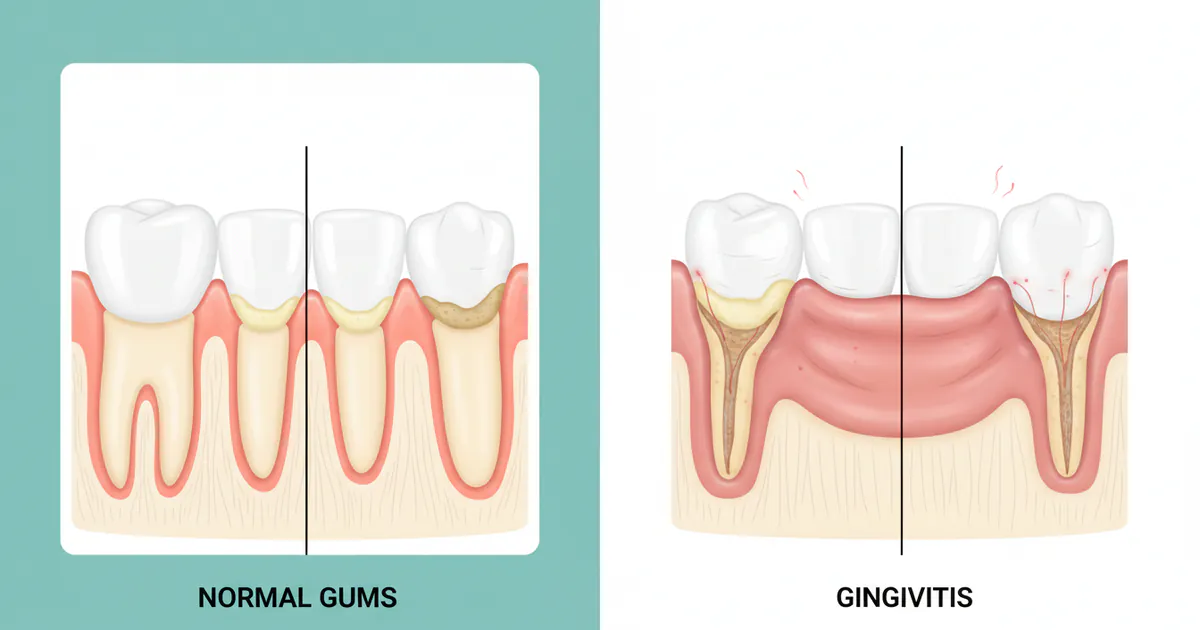
Normal Gums vs Gingivitis: Complete Comparison Guide
Did you know that nearly half of American adults over 30 show signs of gum disease, a condition that can range from mild inflammation to severe infection leading to tooth loss? Understanding the difference between healthy gums and those affected by early gum disease, known as gingivitis, is cruc
February 22, 2026
Can You Get Rid of Gingivitis
More than 50% of American adults aged 30 or older suffer from some form of gum disease, with gingivitis being the earliest and most common stage. This often silent condition, marked by inflammation of the gums, can seem daunting, leading many to wonder: can you get rid of gingivitis? The good ne
February 22, 2026
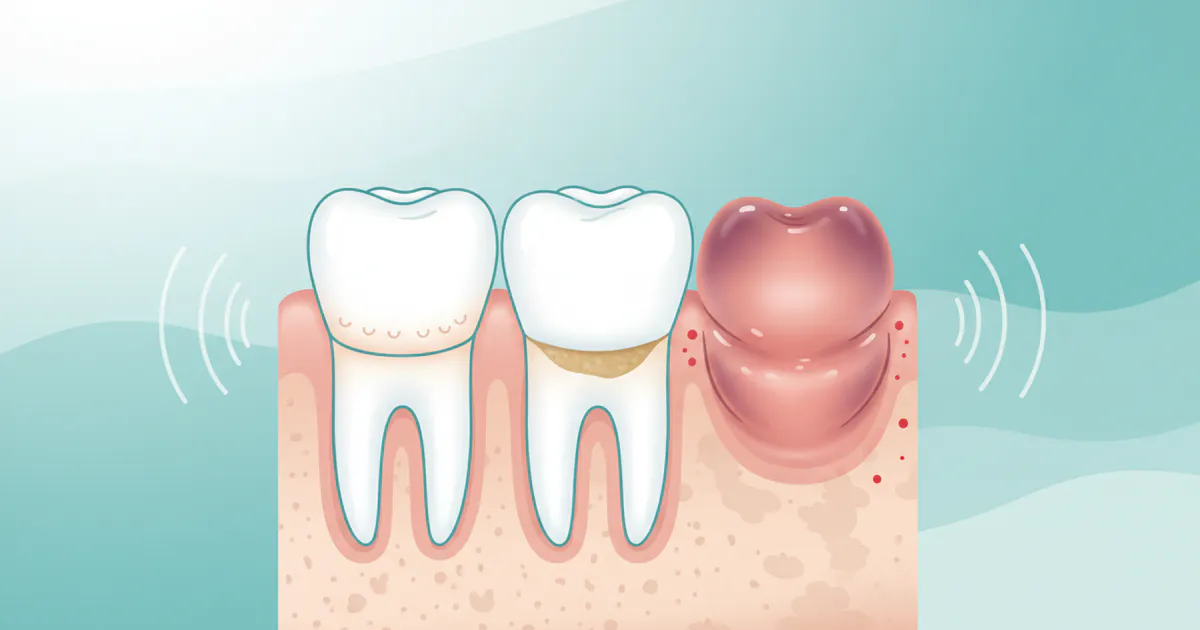
Signs of Gingivitis: Complete Guide
Did you know that nearly half of American adults aged 30 and older suffer from some form of gum disease? While that statistic might sound alarming, the good news is that the earliest and most common stage, gingivitis, is entirely reversible. Recognizing the signs of gingivitis early is your
February 22, 2026
Gum Disease Medical Procedure: Complete Guide
Gum Disease Medical Procedure: Complete Guide
February 22, 2026