What Are the Benefits of Oil Pulling

Key Takeaways
- More than 80% of American adults experience some form of periodontal (gum) disease, and a significant number struggle with issues like chronic bad breath or sensitivity. In the pursuit of optimal oral health, many people explore various practices beyond routine brushing and flossing. One such an
More than 80% of American adults experience some form of periodontal (gum) disease, and a significant number struggle with issues like chronic bad breath or sensitivity. In the pursuit of optimal oral health, many people explore various practices beyond routine brushing and flossing. One such ancient Ayurvedic tradition gaining modern traction is oil pulling. You might be wondering, what are the benefits of oil pulling? This centuries-old technique involves swishing oil in your mouth for an extended period, promising a range of advantages from reducing harmful bacteria to freshening breath and even contributing to a brighter smile. While it has become a popular topic in holistic health circles, understanding its mechanisms, scientific backing, and proper application is crucial. This comprehensive guide will delve deep into the reported advantages of oil pulling, explore different methods, discuss scientific insights, provide a step-by-step process, and offer practical advice to help you decide if it’s a beneficial addition to your dental hygiene regimen.

Key Takeaways:
- Oil pulling is an ancient Ayurvedic practice involving swishing edible oil (typically coconut, sesame, or sunflower oil) in the mouth for 15-20 minutes daily.
- Reported benefits include reduced harmful oral bacteria, fresher breath, decreased plaque and gingivitis, and potentially whiter teeth, though scientific evidence varies in strength.
- Cost: Extremely low, typically less than $10-$20 per month for quality edible oil, making it highly accessible.
- Timeline for observable results: Some users report fresher breath and cleaner-feeling teeth within 1-2 weeks, while significant reductions in plaque or gum inflammation may take 3-6 months of consistent use.
- Actionable Tip: Always spit the used oil into the trash, not the sink, to prevent plumbing clogs. Do not swallow the oil after pulling.
- Important Note: Oil pulling should complement, not replace, your regular oral hygiene routine of brushing twice daily and flossing once daily, as recommended by the American Dental Association (ADA).
- Best Oil for Teeth: Virgin coconut oil is often favored due to its lauric acid content, which has antimicrobial properties.
What Is Oil Pulling? An Overview
Oil pulling, known as "Kavala Graha" or "Gandusha" in Ayurvedic medicine, is a traditional Indian folk remedy that dates back thousands of years. It involves swishing a tablespoon of edible oil in your mouth, much like you would with a mouthwash, for a period ranging from 5 to 20 minutes, typically on an empty stomach in the morning. The theory behind oil pulling is that the oil "pulls" toxins, bacteria, and other impurities from the mouth, trapping them within the oil as it's moved around the oral cavity.
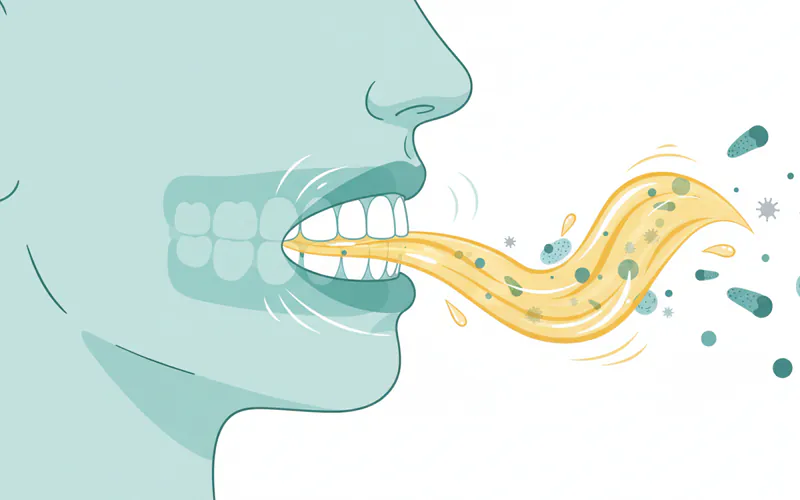
This practice is rooted in the belief that many systemic diseases and conditions have their origin in the mouth. By cleansing the mouth, proponents suggest, one can improve overall health. Historically, sesame oil was the most commonly used oil due to its traditional healing properties in Ayurveda, but today, virgin coconut oil has become exceedingly popular, largely owing to its pleasant taste and specific antimicrobial fatty acid profile. The goal is to detoxify the oral cavity, which proponents claim leads to a cascade of benefits for both oral and general systemic health. It's important to differentiate oil pulling from simply rinsing with oil; the extended swishing motion is critical for the "pulling" effect.
How Does Oil Pulling Work? The Proposed Mechanisms
While still largely considered a complementary or alternative therapy by mainstream dentistry, the proposed mechanisms of action for oil pulling are fascinating. The primary hypothesis centers on the oil's ability to mechanically dislodge and saponify (turn into soap-like substances) bacteria and their byproducts, along with other debris present in the mouth.
- Saponification and Emulsification: When you swish oil in your mouth, it mixes with saliva, forming an emulsion. The fatty acids in the oil are thought to react with the alkaline saliva, leading to a saponification process. This creates a soap-like substance that can effectively trap and bind bacteria, viruses, fungi, and other toxins present on the surfaces of teeth, gums, and tongue.
- Antimicrobial Properties: Many oils, especially virgin coconut oil, contain specific fatty acids with known antimicrobial properties. For instance, coconut oil is rich in lauric acid, which makes up about 50% of its fatty acid content. Lauric acid has been shown in some studies to exhibit strong antibacterial, antiviral, and antifungal properties. When digested by enzymes in saliva, lauric acid forms monolaurin, which can disrupt bacterial cell membranes, particularly those of Streptococcus mutans, a primary bacterium responsible for tooth decay.
- Mechanical Cleansing: The act of swishing itself provides a mechanical cleansing action, similar to a mouthwash. This physical agitation helps to loosen and remove food particles, plaque, and microorganisms from hard-to-reach areas, including around the gums and in between teeth, though it cannot replace flossing.
- Biofilm Disruption: Oral bacteria often organize themselves into sticky communities called biofilms, or plaque. The lipids in the oil are thought to penetrate these biofilms, weakening their structure and making them easier to remove. This disruption is crucial for preventing plaque accumulation and subsequent issues like gingivitis and cavities.
While these mechanisms are proposed, it's crucial to acknowledge that scientific research is still evolving, and many claims require more rigorous, large-scale studies to be definitively proven. The ADA maintains that there is no reliable scientific evidence to show that oil pulling provides oral health benefits. However, an increasing number of smaller studies suggest potential positive effects, prompting further investigation into this ancient practice.
Types of Oil for Pulling: Which One is Best?
The choice of oil is a central component of the oil pulling practice, with different oils offering varying properties and user experiences. The most commonly recommended oils are coconut, sesame, and sunflower oil, each with its unique profile.
Virgin Coconut Oil
Why it's popular: Virgin coconut oil is by far the most popular choice for oil pulling today, primarily due to its pleasant taste and specific chemical composition. It solidifies at room temperature, but quickly melts in the mouth. Key benefits:
- Lauric Acid: As mentioned, coconut oil is rich in lauric acid, a medium-chain triglyceride (MCT) known for its potent antimicrobial properties. Lauric acid breaks down into monolaurin in the mouth, which is effective against a broad spectrum of bacteria, including Streptococcus mutans (a major contributor to tooth decay) and Candida albicans (a common oral yeast).
- Anti-inflammatory: It also possesses anti-inflammatory properties, which can be beneficial for irritated gums.
- Taste: Many find its mild, slightly sweet taste more palatable than other oils, making it easier to swish for extended periods. Considerations: Ensure you choose virgin or unrefined coconut oil for the purest form and maximum benefit. Refined coconut oil may lack some beneficial compounds.
Sesame Oil
Traditional Choice: Sesame oil holds historical significance as the traditional oil used in Ayurvedic oil pulling practices. Key benefits:
- Antioxidants: Rich in antioxidants like sesamol and sesamin, which can help combat oxidative stress in the oral cavity.
- Anti-inflammatory: Possesses anti-inflammatory properties that may help soothe irritated gums.
- Antibacterial: Some studies suggest sesame oil may also have antibacterial effects, though perhaps not as strong as coconut oil against specific oral pathogens. Considerations: The taste of sesame oil can be quite strong and distinct, which some individuals may find less appealing for prolonged swishing. Opt for cold-pressed, unrefined sesame oil for the best quality.
Sunflower Oil
Alternative Option: Sunflower oil is another common recommendation for oil pulling, offering a neutral taste. Key benefits:
- Fatty Acids: Contains a high amount of linoleic acid (an omega-6 fatty acid) and oleic acid (an omega-9 fatty acid). While these are healthy fats, their specific antimicrobial properties in the oral cavity are less researched than lauric acid.
- Neutral Taste: Generally has a very mild, neutral flavor, making it a good option for those sensitive to stronger tastes. Considerations: Choose organic, cold-pressed sunflower oil to ensure it hasn't undergone extensive refining processes that might diminish its quality.
Other Oils
While less commonly recommended for oil pulling due to taste, cost, or specific properties, some people explore other oils:
- Olive Oil: Contains antioxidants and healthy monounsaturated fats, but its strong taste and texture can be challenging for swishing.
- MCT Oil (medium-chain triglyceride oil): Often derived from coconut oil, it's highly concentrated in MCTs like lauric acid, making it a powerful option. It's usually tasteless and remains liquid, but can be more expensive.
Comparison of Popular Oil Pulling Oils
| Feature | Virgin Coconut Oil | Cold-Pressed Sesame Oil | Cold-Pressed Sunflower Oil |
|---|---|---|---|
| Primary Active Component | Lauric Acid (Antimicrobial) | Sesamol, Sesamin (Antioxidant, Anti-inflammatory) | Linoleic Acid, Oleic Acid (General healthy fats) |
| Taste/Palatability | Mild, slightly sweet, generally well-tolerated | Distinct, nutty, strong flavor; some find it challenging | Very mild, neutral, good for sensitive palates |
| Antimicrobial Potency | Strong against S. mutans, C. albicans (well-studied) | Moderate (some antibacterial effect) | Less specific oral antimicrobial evidence |
| Texture | Solid at room temp, melts quickly; smooth | Liquid, slightly thicker | Liquid, light |
| Cost (approx. per 16oz) | $8 - $15 | $10 - $20 | $8 - $15 |
| Availability | Widely available in supermarkets, health stores | Widely available, sometimes in Asian food sections | Widely available |
| Recommendation | Excellent starting point for beginners, strong evidence | Traditional choice, good for those who like the taste | Good alternative for those sensitive to other oil tastes |
Pro Tip: If you're new to oil pulling, start with virgin coconut oil due to its widely reported benefits and palatable taste. Experiment to see which oil works best for you and your preferences.
What Are the Benefits of Oil Pulling? Deep Dive into Claims and Evidence
The primary motivation for people to try oil pulling is the extensive list of benefits attributed to it. While anecdotal evidence is plentiful, it's important to examine what scientific research has to say.
1. Reduction of Harmful Oral Bacteria
Claim: Oil pulling significantly reduces the population of harmful bacteria in the mouth. Evidence: This is one of the most consistently supported claims by scientific studies. Several research papers have shown that oil pulling, particularly with coconut oil, can reduce the number of Streptococcus mutans bacteria, which are major contributors to tooth decay and acid production.
- A 2016 study published in the Journal of Clinical and Diagnostic Research found that oil pulling with coconut oil significantly reduced S. mutans counts in children after one week.
- Another study in the Journal of Contemporary Dental Practice reported a significant decrease in S. mutans counts and overall bacterial load in participants using sesame oil pulling. Impact: Fewer harmful bacteria mean a reduced risk of cavities and other oral infections.
2. Freshening Breath (Halitosis Reduction)
Claim: Oil pulling is an effective natural remedy for bad breath. Evidence: Bad breath, or halitosis, is primarily caused by volatile sulfur compounds (VSCs) produced by bacteria in the mouth, often on the tongue and around the gums. By reducing the overall bacterial load, oil pulling can directly address the root cause of halitosis.
- Studies comparing oil pulling to chlorhexidine mouthwash (a common prescription mouthwash for gum disease) have shown comparable reductions in VSCs and improvement in bad breath scores. For example, a 2011 study in the Journal of Indian Society of Periodontology found that both sesame oil pulling and chlorhexidine rinse were equally effective in reducing halitosis. Impact: A noticeable improvement in breath freshness, boosting confidence and overall oral hygiene.
3. Reducing Plaque and Gingivitis
Claim: Oil pulling can decrease plaque accumulation and alleviate gingivitis (inflammation of the gums). Evidence: Plaque is a sticky biofilm of bacteria that forms on teeth, leading to gingivitis if not removed. The antimicrobial and mechanical actions of oil pulling are thought to disrupt this biofilm.
- Multiple studies have demonstrated a significant reduction in plaque index and gingival index scores in participants who regularly perform oil pulling. A 2017 systematic review concluded that oil pulling could be an effective adjuvant to conventional oral hygiene practices for reducing plaque and gingivitis.
- One study published in the Journal of Clinical and Diagnostic Research showed a significant reduction in plaque and gingival scores after 30 days of sesame oil pulling, comparable to a chlorhexidine mouthwash. Impact: Healthier gums, less bleeding, and a reduced risk of progressing to more severe periodontal disease.
4. Contributing to Whiter Teeth
Claim: Oil pulling can naturally whiten teeth. Evidence: This benefit is more anecdotal and less scientifically robust. Proponents suggest that by "pulling" surface stains and impurities from the teeth, oil pulling can reveal a naturally brighter smile. The removal of extrinsic stains caused by coffee, tea, and tobacco might contribute to a perception of whiter teeth. However, oil pulling does not change the intrinsic color of your teeth (the underlying dentin color) and is not a bleaching agent like hydrogen peroxide. Impact: A cleaner, potentially brighter smile due to the removal of surface discoloration. Manage expectations, as it's not a substitute for professional teeth whitening.
5. Alleviating Dry Mouth (Xerostomia)
Claim: Oil pulling can help moisturize the mouth and relieve symptoms of dry mouth. Evidence: While not directly increasing saliva production, the act of swishing oil can coat the oral tissues, providing lubrication and a temporary sense of relief for individuals suffering from xerostomia. The oils act as emollients, creating a barrier that can help retain moisture. Impact: Temporary relief from the discomfort and challenges associated with dry mouth, such as difficulty speaking or swallowing.
6. Supporting Overall Oral Hygiene
Claim: Oil pulling enhances the overall cleanliness and health of the mouth. Evidence: By reducing bacteria, plaque, and contributing to fresher breath, oil pulling acts as a complementary tool in maintaining a cleaner oral environment. It can reach areas that brushing might miss and help dislodge debris. Impact: A feeling of a thoroughly clean mouth, complementing the benefits of brushing and flossing.
7. Other Reported Systemic Benefits (Less Scientific Evidence)
Beyond direct oral health, some proponents of oil pulling claim broader systemic benefits, including:
- Detoxification of the body
- Relief from headaches and migraines
- Improved sleep
- Clearer skin
- Support for kidney and liver function
- Reduced inflammation throughout the body Evidence: These systemic claims are largely anecdotal and lack strong scientific backing or clinical trials. Mainstream medical and dental communities do not endorse oil pulling for these broader health benefits, and it's essential to approach such claims with skepticism. Focus on the direct oral health benefits that have some level of scientific inquiry.
Important Note: The American Dental Association (ADA) states that "oil pulling has not been shown to have any oral health benefits." They caution that it should not be used as a substitute for standard oral hygiene practices like brushing twice daily and flossing once daily, which are proven to prevent cavities and gum disease. If you choose to engage in oil pulling, consider it an adjunct to your established routine, not a replacement.
Step-by-Step Process for Effective Oil Pulling
For those interested in experiencing the potential benefits of oil pulling, consistency and proper technique are key. Here’s a detailed guide on how to perform oil pulling safely and effectively.
The Best Time to Oil Pull
The most common recommendation is to oil pull first thing in the morning, on an empty stomach, before you've eaten or even consumed water. This ensures your mouth is relatively free of food particles and allows the oil to interact directly with bacteria and salivary enzymes. Some people also perform it before lunch or dinner, again ensuring an empty stomach.
Step-by-Step Instructions:
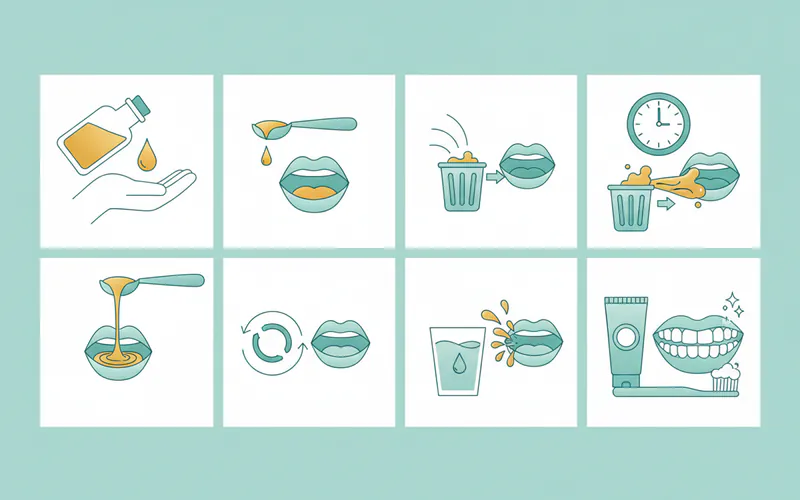
- Choose Your Oil: Select a high-quality, organic, cold-pressed oil. Virgin coconut oil is often recommended for beginners due to its taste and reported benefits.
- Measure the Oil: Take about 1 tablespoon (15 ml) of oil. If using coconut oil that's solid, scoop out a tablespoon, and it will quickly melt in your mouth. For children (who can safely swish without swallowing, generally 8+ years), use a smaller amount, like 1-2 teaspoons.
- Place in Mouth: Put the oil into your mouth.
- Swish, Don't Gargle: Gently swish the oil around your mouth. You want to move it back and forth, side to side, and through your teeth. The motion should be relaxed, not vigorous, like rinsing with a mouthwash. The goal is to allow the oil to mix with saliva and reach all corners of your mouth. Do not gargle or let the oil go down your throat, as it's full of bacteria and toxins you want to expel.
- Duration: Continue swishing for 15 to 20 minutes. If you're new to oil pulling, start with 5 minutes and gradually increase the duration as you get comfortable. It can feel strange at first, but you'll adapt. The oil will likely turn milky white and become thinner as it emulsifies with saliva.
- Spit It Out: Once the time is up, spit the oil into a trash can, not the sink or toilet. The oil will contain toxins and bacteria, and spitting it into plumbing can lead to clogs, especially with coconut oil which solidifies.
- Rinse Thoroughly: After spitting, rinse your mouth thoroughly several times with warm water. This helps to remove any remaining oil and trapped toxins. Some people use a pinch of salt in their rinse water for an added cleansing effect.
- Brush Your Teeth: Follow up by brushing your teeth as usual. This ensures any remaining oil residue and dislodged plaque are completely removed.
Pro Tip: If you find 15-20 minutes too long, try doing it while showering, preparing breakfast, or reading the news. This multitasking approach can make the time pass more quickly.
What to Expect During and After Oil Pulling
- During: You might experience increased salivation, especially at the beginning. The oil will thicken, then thin out and become milky as it mixes with saliva. If your jaw starts to ache, you're swishing too vigorously; ease up.
- Immediately After: Your mouth should feel exceptionally clean and fresh. Your teeth might feel smoother, similar to after a dental cleaning.
- Long-term: With consistent daily practice, many users report fresher breath, reduced gum inflammation, and a generally healthier oral environment. Remember, results vary from person to person.
Risks and Complications of Oil Pulling
While generally considered safe when performed correctly, it's important to be aware of the potential risks and complications associated with oil pulling.
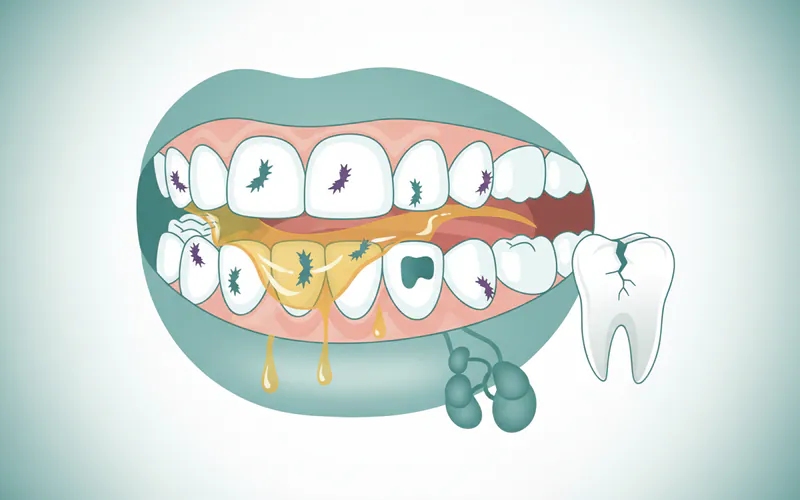
- Accidental Swallowing: The most significant risk is accidentally swallowing the oil after swishing. The oil is believed to contain bacteria and toxins "pulled" from your mouth, so ingesting it is counterproductive and could potentially lead to stomach upset, nausea, or diarrhea. This risk is particularly relevant for children, making it generally unsuitable for very young kids.
- Lipid Pneumonia: A rare but serious complication, lipid pneumonia can occur if oil is accidentally aspirated into the lungs. This is more of a concern if one attempts to gargle with the oil or has impaired swallowing reflexes. This underscores why it's crucial to swish gently and not gargle.
- Allergic Reactions: While rare, some individuals may have an allergic reaction to specific oils, such as sesame or coconut. Symptoms can include rash, swelling, or difficulty breathing. If you experience any allergic symptoms, discontinue use immediately.
- Jaw Soreness: Swishing too vigorously for an extended period can lead to jaw muscle fatigue or temporomandibular joint (TMJ) discomfort. If you experience this, try a shorter duration or a gentler swishing motion.
- Not a Substitute for Traditional Care: The most critical "complication" is when individuals mistakenly believe oil pulling can replace established oral hygiene practices (brushing, flossing) or professional dental care. Relying solely on oil pulling for oral health can lead to untreated cavities, gum disease progression, and other preventable issues. The ADA consistently emphasizes that there is no scientific evidence to support oil pulling as a primary oral health therapy.
Pro Tip: If you have pre-existing dental conditions, sensitive teeth, or any concerns, consult with your dentist before incorporating oil pulling into your routine.
Prevention: How Oil Pulling Can Contribute to a Healthier Mouth
While oil pulling itself isn't a "prevention" against specific diseases in the same way a vaccine is, it can play a supportive role in preventing common oral health issues when used as an adjunct to standard care.
- Plaque Build-up: By reducing the bacterial load and disrupting biofilms, oil pulling can help prevent the excessive accumulation of plaque, which is the precursor to most dental problems. Less plaque means less acid production and less irritation to the gums.
- Gingivitis and Periodontitis: Regular reduction of plaque and bacteria, combined with potential anti-inflammatory effects of certain oils (like coconut oil), can help prevent the onset and progression of gingivitis (early gum inflammation) and potentially reduce the risk of more severe periodontitis.
- Cavities (Dental Caries): Since Streptococcus mutans is a primary bacterium linked to cavities, its reduction through oil pulling could theoretically contribute to a lower cavity rate. However, oil pulling is not a substitute for fluoride toothpaste and dental sealants in cavity prevention.
- Bad Breath (Halitosis): Consistent oil pulling helps maintain a lower bacterial population in the mouth, thereby preventing the production of foul-smelling volatile sulfur compounds and keeping breath fresher.
It is crucial to reiterate that oil pulling is a complementary practice. It does not prevent cavities on its own, nor does it replace the need for professional dental cleanings or restorative treatments for existing issues. The best prevention strategy remains a combination of:
- Brushing twice daily with fluoride toothpaste.
- Flossing once daily.
- Eating a balanced diet low in sugar.
- Regular dental check-ups and professional cleanings (typically every six months).
Children / Pediatric Considerations for Oil Pulling
Oil pulling is generally not recommended for young children. There are several important reasons for this:
- Risk of Aspiration: Young children have less developed control over their swallowing reflexes. There is a significant risk that they might accidentally swallow the oil, which could lead to an upset stomach or, more seriously, aspiration into the lungs, potentially causing lipid pneumonia.
- Understanding Instructions: The practice requires sustained swishing and the ability to spit out the oil without swallowing. Young children typically lack the coordination and understanding to perform this safely and effectively for the recommended duration.
- Lack of Scientific Evidence for Children: While some studies have included children, there isn't sufficient evidence to definitively recommend oil pulling as a routine oral hygiene practice for children by major dental associations.
Age-Specific Guidance:
- Under 6 years old: Absolutely do not recommend oil pulling. The risk of swallowing or aspiration is too high.
- Ages 6-12 years old: Exercise extreme caution. Only consider if the child is mature enough to understand and follow instructions precisely, can swish for a period (starting short, e.g., 5 minutes), and reliably spit out without swallowing. Even then, it's generally best to avoid or only introduce with direct parental supervision and dentist's approval.
- Ages 12 and up: Teenagers with good oral hygiene habits and the ability to follow instructions are generally considered old enough to try oil pulling, but parental guidance on proper technique and duration is still advisable.
Alternative Oral Health Practices for Children: Instead of oil pulling, parents should focus on established, evidence-based practices for children:
- Supervised brushing twice daily with a fluoride toothpaste (pea-sized amount for children 3-6 years, a smear for under 3).
- Flossing daily once teeth are touching.
- Limiting sugary snacks and drinks.
- Regular dental check-ups and fluoride treatments/sealants as recommended by a pediatric dentist.
Always consult a pediatric dentist before introducing any new oral health practice, including oil pulling, for a child.
Cost of Oil Pulling & Accessibility
One of the significant advantages of oil pulling is its exceptionally low cost and high accessibility, making it an attractive option for many.
Average US Costs:
The only recurring cost associated with oil pulling is the purchase of the oil itself.
- Low Cost: For generic, store-brand virgin coconut oil, you can find a 16-ounce (473ml) jar for around $6 - $10. This amount would typically last an individual 1-2 months of daily use.
- Mid-Range: Organic, cold-pressed virgin coconut oil or high-quality sesame/sunflower oil usually falls in the $10 - $15 range for a similar 16oz size.
- High-End: Specialty brands or unique blends (e.g., infused oils, pre-portioned sachets) might cost $15 - $25 or more for a comparable quantity, but these are not necessary for the core benefits of oil pulling.
Monthly Cost: Assuming daily use of 1 tablespoon (15ml) per day, a 16oz (473ml) jar will provide roughly 30-31 uses. Therefore, the monthly cost of oil pulling is generally between $6 and $25, depending on the oil chosen and brand.
With vs. Without Insurance:
Dental insurance does not cover the cost of oil or any related expenses, as oil pulling is considered a personal care item and an alternative health practice, not a medically necessary dental treatment. Your regular dental insurance benefits will only apply to conventional dental procedures and preventive care (cleanings, exams, fillings, etc.).
Payment Plans and Financing Options:
Since oil pulling is a DIY, low-cost at-home practice, there are no payment plans or financing options relevant to its cost. You simply purchase the oil from a grocery store, health food store, or online retailer.
Cost-Saving Tips:
- Buy in Bulk: If you're committed to oil pulling, purchasing larger containers of oil (e.g., 32oz or 54oz jars) can significantly reduce the per-ounce cost.
- Opt for Store Brands: Generic or store-brand organic virgin coconut oil often provides the same quality as name brands at a lower price point.
- Use the Recommended Amount: Stick to 1 tablespoon. Using more oil does not necessarily increase the benefits and will only make your oil run out faster.
- Compare Prices: Check prices at different retailers, including supermarkets, warehouse clubs, and online stores, to find the best deals.
In summary, oil pulling is one of the most affordable complementary oral health practices you can adopt, making it accessible to virtually anyone interested in trying it.
Frequently Asked Questions
1. How long does it take to see results from oil pulling?
Many individuals report noticing fresher breath and a cleaner feeling in their mouth within 1-2 weeks of consistent daily oil pulling. Reductions in gum inflammation or plaque may take 3-6 months to become apparent, and consistent use is key for any sustained benefits.
2. Can oil pulling replace brushing and flossing?
No, absolutely not. Oil pulling is a complementary practice and should never replace regular brushing twice a day with fluoride toothpaste and daily flossing. These are the foundational practices for preventing cavities and gum disease, as recommended by the American Dental Association (ADA).
3. What kind of oil is best for oil pulling?
Virgin coconut oil is widely considered the best choice due to its palatable taste and high concentration of lauric acid, which has proven antimicrobial properties against common oral bacteria. Cold-pressed sesame oil and sunflower oil are also traditional alternatives.
4. What happens if I accidentally swallow the oil?
If you accidentally swallow a small amount of the oil, especially at the beginning of the swishing process, it's generally not harmful. However, swallowing the oil after it has been swished for several minutes is not recommended, as it contains bacteria and toxins. It might lead to an upset stomach or nausea.
5. Can oil pulling whiten teeth permanently?
Oil pulling may help remove extrinsic surface stains from teeth, leading to a perception of a brighter or cleaner smile. However, it does not contain bleaching agents and cannot change the intrinsic color of your teeth. It is not a substitute for professional teeth whitening procedures.
6. Is oil pulling safe for sensitive teeth or gum disease?
Oil pulling is generally considered safe for sensitive teeth, as it is a gentle practice. For gum disease (gingivitis), some studies suggest it can help reduce inflammation and bacteria as an adjunct to professional care. However, if you have advanced periodontal disease, consult your dentist before starting.
7. How often should I perform oil pulling?
Most proponents recommend performing oil pulling once daily, typically in the morning on an empty stomach, for optimal results. Consistency is more important than infrequent, prolonged sessions.
8. Are there any side effects of oil pulling?
Most people experience no adverse effects. However, some may report jaw soreness if swishing too vigorously, or an initial feeling of nausea if the taste is too strong. Accidental swallowing of the "toxic" oil is the main concern. Allergic reactions to specific oils are rare but possible.
9. Can oil pulling cure cavities?
No, oil pulling cannot cure or reverse existing cavities. Once tooth decay has eroded tooth enamel and dentin, professional dental treatment (like a filling) is required. While oil pulling may reduce bacteria that contribute to cavities, it cannot repair damaged tooth structure.
10. Does oil pulling cause weight loss?
There is no scientific evidence to suggest that oil pulling contributes to weight loss. Any claims linking oil pulling to weight reduction are anecdotal and not supported by research. Its primary purported benefits are focused on oral health.
When to See a Dentist
While oil pulling can be a beneficial complementary practice for some, it is never a substitute for professional dental care. It's crucial to know when to seek professional advice.
You should see a dentist for:
- Routine Check-ups and Cleanings: Schedule these at least every six months, or as recommended by your dentist. Regular visits are essential for preventing problems, catching issues early, and maintaining overall oral health, regardless of whether you oil pull.
- Persistent Bad Breath: If, despite consistent oil pulling and good oral hygiene, you still experience chronic bad breath, it could indicate an underlying dental issue (like gum disease, large cavities, or infection) or a systemic health problem.
- Bleeding or Swollen Gums: These are classic signs of gingivitis or more advanced periodontal disease. While oil pulling might help manage symptoms, a dentist needs to diagnose the cause and provide appropriate treatment. Delaying professional care can lead to irreversible gum and bone loss.
- Tooth Pain or Sensitivity: Any persistent pain, throbbing, or heightened sensitivity in a tooth could signal a cavity, crack, infection, or other serious issue that requires immediate dental attention. Oil pulling will not resolve these problems.
- Visible Cavities or Stains: If you notice dark spots on your teeth, holes, or significant discoloration that oil pulling doesn't resolve, it's time for a professional assessment.
- Loose Teeth: This is a serious sign of advanced gum disease and requires immediate intervention from a dentist or periodontist.
- Jaw Pain or Clicking: If you develop jaw pain, clicking sounds, or difficulty opening and closing your mouth, this could be a sign of a temporomandibular joint (TMJ) disorder.
- Any Concerns or Questions: If you're unsure about starting oil pulling, have pre-existing oral health conditions, or experience any adverse effects, consult your dentist. They can provide personalized advice based on your individual oral health profile.
Red Flags Needing Immediate Attention (Emergency vs. Scheduled):
- Emergency (see a dentist immediately, ideally within hours): Severe, throbbing toothache, facial swelling, difficulty swallowing, pus discharge, trauma (chipped, broken, or knocked-out tooth).
- Scheduled Appointment (book within a few days to a week): Persistent bad breath, chronic bleeding gums, prolonged sensitivity, visible changes in tooth color or shape, or a loose filling/crown.
Always prioritize professional dental care. Oil pulling can be a useful addition, but it's crucial to rely on your dentist for diagnosis, treatment, and comprehensive oral health management.
Frequently Asked Questions
Medically Reviewed Content
This article was written by our dental health editorial team and reviewed for medical accuracy. Our content follows strict editorial guidelines for reliability and trustworthiness.
Medical Disclaimer
This article is for informational purposes only and does not constitute medical advice. Always consult with a qualified dental professional for diagnosis and treatment. Do not delay seeking professional advice because of something you read on this website.
Related Articles
What Coconut Oil to Use for Oil Pulling
For centuries, across various cultures, people have sought natural remedies to maintain oral health and enhance their smiles. One practice that has gained significant traction in the modern wellness landscape is oil pulling. While many are curious about its potential benefits, a common question aris
February 23, 2026

How Long to Do Oil Pulling
More than half of all American adults suffer from some form of periodontal disease, a condition that can lead to tooth loss and impact overall health. For those seeking complementary approaches to traditional oral care, ancient practices like oil pulling have garnered significant attention. But
February 23, 2026

Does Oil Pulling Actually Work
Imagine a simple, ancient practice capable of transforming your oral health – reducing bad breath, whitening teeth, and even preventing cavities, all with a spoonful of oil. This is the promise of oil pulling, an age-old tradition that has seen a significant resurgence in popularity across the Unite
February 23, 2026

Does Oil Pulling Really Work
When it comes to maintaining excellent oral health, many individuals in the United States seek a balance between traditional dental care and holistic approaches. In this quest, ancient remedies often resurface, sparking curiosity and discussion. One such practice, oil pulling, has garnered significa
February 23, 2026