Is Oil Pulling Safe
Key Takeaways
- More than 80% of American adults have at least one cavity by age 34, and a staggering 47.2% of adults aged 30 years and older have some form of periodontal disease. Faced with these pervasive oral health challenges, it's no wonder many individuals seek out alternative and complementary metho
More than 80% of American adults have at least one cavity by age 34, and a staggering 47.2% of adults aged 30 years and older have some form of periodontal disease. Faced with these pervasive oral health challenges, it's no wonder many individuals seek out alternative and complementary methods to boost their dental hygiene routines. Among these, oil pulling has garnered significant attention, often hailed as a natural remedy for everything from bad breath to gum disease. But the critical question many people ask is: is oil pulling safe? This traditional Ayurvedic practice involves swishing oil in the mouth for an extended period, promising a range of benefits. Yet, despite its growing popularity, the scientific community and mainstream dentistry approach oil pulling with caution, emphasizing the need for evidence-based practices. This comprehensive article delves deep into oil pulling, exploring what it entails, its purported benefits, the scientific evidence (or lack thereof), its potential risks, and ultimately, whether it's a safe and effective addition to your oral care regimen. We'll cover the step-by-step process, common variations like oil pulling with coconut oil, and what the American Dental Association (ADA) has to say, helping you make an informed decision about your dental health.
Key Takeaways:
- What it is: Oil pulling is an ancient Ayurvedic practice involving swishing a tablespoon of oil (commonly coconut, sesame, or sunflower) in the mouth for 15-20 minutes, then spitting it out.
- Primary Keyword Relevance: While some anecdotal reports suggest benefits, scientific evidence supporting the safety and efficacy of oil pulling as a standalone oral hygiene method is limited and often contradictory. It is not a replacement for brushing, flossing, or regular dental check-ups.
- Common Oil: Oil pulling with coconut oil is the most popular due to its pleasant taste and lauric acid content, which some studies suggest has antimicrobial properties.
- Proposed Benefits: Enthusiasts claim it reduces harmful bacteria, freshens breath, whitens teeth, and improves gum health, but these claims are largely unproven by robust clinical trials.
- Potential Risks: Reported adverse effects include dry mouth, excessive thirst, muscle stiffness in the jaw, and allergic reactions. More serious, though rare, concerns include aspiration of oil, particularly in individuals with impaired swallowing reflexes, and lipoid pneumonia. Dental concerns include damage to existing dental restorations.
- Cost & Time: The cost is minimal, typically under $10-$20 for a bottle of virgin coconut oil, lasting several weeks. The time commitment is significant, requiring 15-20 minutes daily.
- ADA Stance: The American Dental Association (ADA) does not recommend oil pulling as a therapeutic oral hygiene practice, citing insufficient scientific evidence to support its claims or to verify its safety and effectiveness. They recommend sticking to fluoride toothpaste, daily flossing, and regular dental visits.
What It Is / Overview
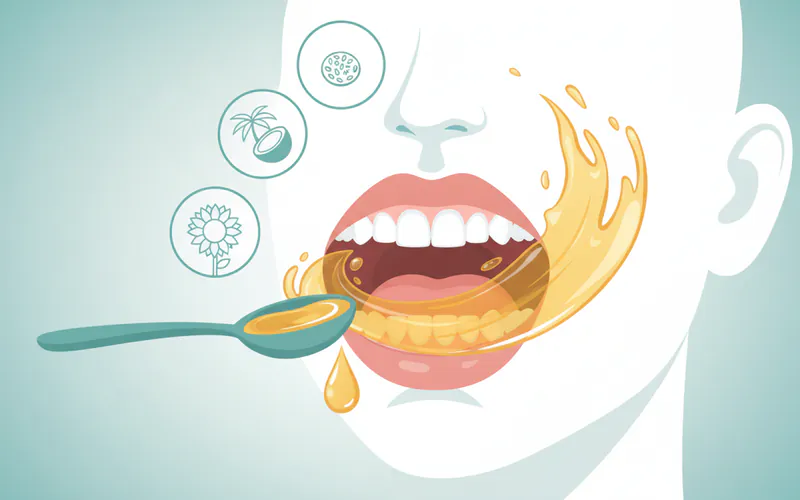
Oil pulling, also known as "kavala" or "gundusha" in Ayurvedic tradition, is a centuries-old holistic health practice originating from India. At its core, it's a simple, natural detoxification method aimed at improving oral and systemic health. The process involves taking a tablespoon of edible oil, typically coconut, sesame, or sunflower oil, and swishing it around the mouth for a sustained period, usually between 15 and 20 minutes, before spitting it out. The theory is that as the oil is swished, it "pulls" out bacteria, toxins, and other debris from the oral cavity.
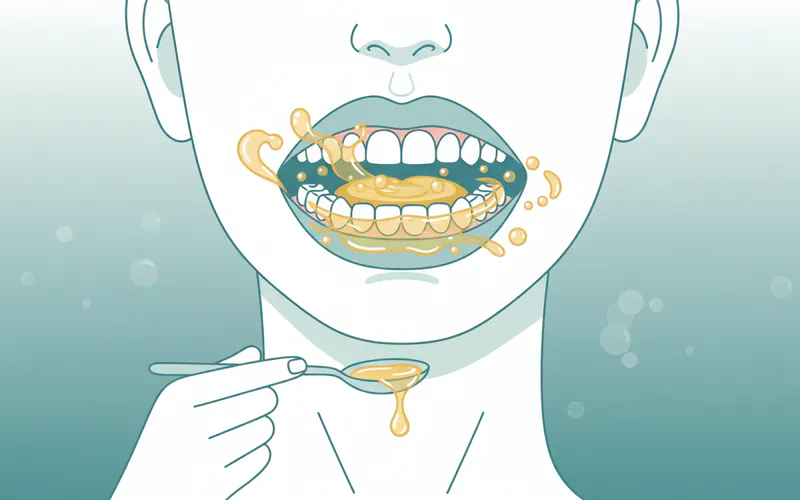
The history of oil pulling dates back thousands of years, with mentions in ancient Ayurvedic texts like the Charaka Samhita and Sushruta Samhita, which describe its use for maintaining oral hygiene and treating various ailments, from bad breath to cracked lips. Traditional beliefs posit that the mouth is a mirror of overall health, and by detoxifying the mouth, one can positively impact the entire body.
From a modern perspective, the proposed mechanism of action suggests that the oil's viscous nature allows it to emulsify and saponify (turn into soap-like substances) when mixed with saliva. This emulsification process helps to "trap" bacteria, fungi, and other microorganisms present in the mouth. The lipids in the oil are thought to act as a solvent, attracting fat-soluble toxins and microbes from the oral mucous membranes. Additionally, some oils, particularly coconut oil, contain compounds like lauric acid, which possess known antimicrobial and anti-inflammatory properties, potentially contributing to their purported benefits.
However, it's crucial to understand that while the practice has deep historical roots and a growing modern following, the scientific community's understanding of its efficacy and safety is still evolving and largely limited. Mainstream dentistry emphasizes that while oil pulling might offer some localized benefits, it should not replace established oral hygiene practices like brushing with fluoride toothpaste and daily flossing.
Types / Variations
While the core principle of oil pulling remains consistent – swishing oil in the mouth – the primary variations lie in the type of oil used. Each oil brings its own unique properties, flavors, and proponents.
Oil Pulling with Coconut Oil
Coconut oil is by far the most popular choice for oil pulling in Western countries, and for good reason. It's often favored for its pleasant taste, relatively easy availability, and specific chemical composition.
- Properties: Virgin coconut oil contains a high percentage of medium-chain triglycerides (MCTs), particularly lauric acid (about 50%). Lauric acid is well-known for its antimicrobial, anti-inflammatory, and antifungal properties. When ingested, lauric acid reacts with enzymes to form monolaurin, which has been shown to be effective against various bacteria, including Streptococcus mutans, a primary contributor to tooth decay, and Candida albicans, a common oral yeast.
- Benefits: Proponents suggest that oil pulling with coconut oil is particularly effective at reducing plaque, gingivitis, and bad breath due to its antimicrobial action. Its mild flavor also makes it more palatable for prolonged swishing compared to other oils.
- Usage: Typically, a tablespoon of unrefined, virgin coconut oil is used. If the oil is solid, it will melt quickly once it enters the mouth.
- Pro Tip: Choose organic, cold-pressed, virgin coconut oil to ensure maximum purity and nutrient content.
Sesame Oil
Traditionally, sesame oil was the most common choice for oil pulling in Ayurvedic medicine.
- Properties: Sesame oil is rich in antioxidants like sesamol, sesamin, and sesamolin, which are believed to protect cells from damage. It also contains polyunsaturated fatty acids.
- Benefits: Ayurvedic texts suggest sesame oil is particularly good for strengthening teeth and gums. Some studies have shown it to be effective in reducing plaque and gingivitis due to its ability to lower bacterial counts and reduce inflammation.
- Usage: Often, cold-pressed sesame oil is recommended. Some people find its nutty flavor strong, so a high-quality, unrefined oil is preferred.
Sunflower Oil
Sunflower oil is another option, though less commonly discussed than coconut or sesame oil.
- Properties: Sunflower oil is high in linoleic acid, an omega-6 fatty acid. It's typically a mild-tasting oil.
- Benefits: Similar to other oils, it's believed to help draw out toxins and reduce bacterial load. Research specifically on sunflower oil for oil pulling is more limited compared to coconut and sesame oil, but it shares the general mechanism of emulsification and saponification.
- Usage: Choose cold-pressed, organic sunflower oil if possible.
Other Oils
Less common but also used are:
- Olive Oil: Contains monounsaturated fats and antioxidants, but its heavier consistency and stronger taste might be less appealing for prolonged swishing.
- Flaxseed Oil: Rich in omega-3 fatty acids, but it has a distinct flavor and can become rancid quickly.
Regardless of the oil chosen, the method remains the same: swish, don't swallow, and spit it out after 15-20 minutes. The choice often comes down to personal preference for taste, availability, and specific perceived benefits of the oil's compounds.
What Does Oil Pulling Do? (Proposed Benefits and Scientific Evidence)
The central question for many considering this practice is: what does oil pulling do? Proponents of oil pulling attribute a wide array of benefits to the practice, extending beyond just oral health to overall well-being. However, it's critical to differentiate between anecdotal claims and benefits supported by scientific research.
Claimed Oral Health Benefits:
-
Reduces Harmful Bacteria: This is perhaps the most frequently cited benefit. The theory is that the oil's lipids attract and bind to the lipid membranes of bacteria, effectively "pulling" them out of the mouth when the oil is spit out.
- Scientific Evidence: Some small-scale studies, primarily comparing oil pulling (often with coconut or sesame oil) to chlorhexidine mouthwash or placebo, have shown a reduction in Streptococcus mutans counts, a bacterium strongly associated with tooth decay. Other studies have noted a decrease in total bacterial count in plaque and saliva. However, these studies are often limited by small sample sizes, short durations, and methodological variations, making it difficult to draw definitive conclusions.
-
Freshens Breath (Halitosis Reduction): Bad breath is often caused by volatile sulfur compounds produced by bacteria in the mouth. If oil pulling reduces these bacteria, it stands to reason it could improve breath.
- Scientific Evidence: A few studies have indicated that oil pulling can be as effective as some commercial mouthwashes in reducing halitosis, likely due to its antimicrobial effect on the bacteria responsible for foul odors.
-
Reduces Plaque and Gingivitis: Plaque is a sticky film of bacteria, and gingivitis is inflammation of the gums caused by plaque accumulation.
- Scientific Evidence: Several studies suggest that oil pulling can reduce plaque index and improve gingival health parameters, such as reducing gum inflammation and bleeding. The anti-inflammatory properties of certain oils, particularly coconut oil's lauric acid, are thought to contribute to this effect.
-
Whitens Teeth: This is a popular cosmetic claim, suggesting the oil can remove stains or naturally brighten teeth.
- Scientific Evidence: There is no credible scientific evidence to support the claim that oil pulling whitens teeth. The mechanism for stain removal would involve abrasion or chemical bleaching, neither of which is a property of edible oils. Any perceived whitening might be due to the removal of surface stains and debris, making teeth appear cleaner, but not actually changing their shade.
-
Strengthens Gums and Jaws: Traditional claims suggest it can make gums stronger and improve jaw muscle tone.
- Scientific Evidence: While the act of swishing might provide some mild muscle exercise, there's no scientific evidence that oil pulling inherently strengthens gums or jawbones in a significant or clinically relevant way. Gum health is primarily influenced by effective plaque removal and good nutrition.
Claimed Systemic Health Benefits (Less Scientific Support):
Beyond oral health, proponents of oil pulling often claim it can:
- Alleviate headaches and migraines.
- Improve skin conditions like acne and eczema.
- Detoxify the body and boost the immune system.
- Reduce systemic inflammation.
- Improve sleep and reduce hangovers.
Scientific Evidence for Systemic Benefits: There is virtually no scientific evidence to support these broad systemic health claims. While some oral bacteria have been linked to systemic diseases (e.g., periodontal disease and heart disease), directly attributing systemic improvements to a simple oral swishing practice lacks rigorous scientific backing. The idea of "detoxification" through oral means for systemic effect is largely unproven in conventional medicine.
Overall Assessment of Effectiveness:
While some studies indicate that oil pulling may offer a mild benefit in reducing certain oral bacteria and inflammation, potentially aiding in the management of plaque and gingivitis, these findings are often from small-scale trials and require more extensive, well-designed, randomized controlled trials to be considered conclusive.
The American Dental Association (ADA) clearly states that "based on the currently available evidence, oil pulling is not recommended as a supplementary oral hygiene practice, nor as a replacement for standard mechanical and chemical plaque control methods like brushing with fluoride toothpaste and flossing." They emphasize that without robust scientific evidence from reputable sources, dentists cannot recommend oil pulling as a reliable oral health therapy.
Therefore, while oil pulling may contribute to a feeling of cleanliness in the mouth, its role as a scientifically proven therapeutic intervention for oral or systemic health is limited and should not overshadow the established benefits of conventional oral hygiene practices.
Step-by-Step Process: How to Do Oil Pulling
If you choose to incorporate oil pulling into your routine, understanding the correct technique is crucial for maximizing any potential benefits and minimizing risks. It's a relatively simple practice, but consistency and proper execution are key.
Before You Begin:
- Choose Your Oil: Most commonly, virgin coconut oil, sesame oil, or sunflower oil are used. Many people find oil pulling with coconut oil the most palatable due to its mild flavor.
- Time of Day: It's traditionally recommended to perform oil pulling first thing in the morning, on an empty stomach, before brushing your teeth or drinking any liquids. This is when the bacterial load in the mouth is typically highest after a night's sleep.
- Duration: Aim for 15-20 minutes. If you're new to it, you can start with 5 minutes and gradually increase the duration.
The Step-by-Step Guide:
-
Measure the Oil: Take approximately one tablespoon (about 15 ml) of your chosen oil. If using solid coconut oil, scoop it into your mouth – it will liquefy within seconds due to your body heat.

-
Swish Gently: Begin to gently swish the oil around your mouth. Do not gargle or swallow the oil. The motion should be slow and deliberate, allowing the oil to reach all areas of your mouth, including between your teeth and gums. Imagine it's like mouthwash, but much gentler and for a longer duration.
- Important: Avoid aggressive swishing, as this can cause jaw fatigue or make it more likely to swallow the oil accidentally.
-
Continue for 15-20 Minutes: Maintain the gentle swishing for the recommended duration. This might feel long at first, so consider distractions like showering, getting dressed, or preparing breakfast. The oil will likely become thicker and milky as it emulsifies with saliva and "collects" bacteria and debris.
-
Spit Out the Oil: When the time is up, spit the oil into a trash can. Do NOT spit it into a sink or toilet, especially if using coconut oil, as it can solidify and clog pipes over time. The oil should appear milky or foamy due to the emulsification process. If it's still clear, you likely didn't swish long enough, or your bacterial load was low.
- Pro Tip: Having a dedicated trash can in the bathroom for spitting oil can prevent plumbing issues.
-
Rinse Thoroughly: Immediately after spitting, rinse your mouth thoroughly with warm water. You can also use a saltwater rinse. This helps to remove any residual oil and bacteria.
-
Brush Your Teeth: Follow up with your regular oral hygiene routine: brush your teeth with a fluoride toothpaste and floss. This is essential, as oil pulling is not a substitute for these practices.
What to Expect:
- Taste: You might experience a change in taste during and after the process. Coconut oil often leaves a mild, pleasant aftertaste for some.
- Jaw Fatigue: Beginners might experience slight jaw fatigue due to the prolonged swishing. If this happens, reduce the swishing intensity or shorten the duration until your jaw muscles adapt.
- Nausea/Gag Reflex: Some individuals might experience a gag reflex or nausea, especially when first starting. This can often be mitigated by using a smaller amount of oil (e.g., half a tablespoon) and gradually increasing.

Consistency is often emphasized for any potential benefits. Many practitioners perform oil pulling daily, while others do it a few times a week. Listen to your body and adjust the frequency and duration as needed. Remember, oil pulling is considered a complementary practice and should never replace your dentist's recommendations for comprehensive oral care.
Risks and Complications: Is Oil Pulling Safe?
The question "is oil pulling safe?" is paramount for anyone considering this practice. While generally considered low-risk for healthy individuals, there are potential side effects, complications, and situations where it might be contraindicated. It's crucial to be aware of these before incorporating oil pulling into your routine.
Common and Minor Side Effects:
- Jaw Muscle Stiffness/Fatigue: Prolonged swishing can lead to temporary soreness or stiffness in the jaw muscles, especially for new users. This usually subsides with practice or by reducing the swishing intensity/duration.
- Dry Mouth or Excessive Thirst: Some individuals report feeling a dry mouth or increased thirst after oil pulling, though the exact mechanism isn't clear.
- Upset Stomach/Nausea: If oil is accidentally swallowed, particularly the "toxin-laden" oil, it can lead to an upset stomach, nausea, or diarrhea. This is why spitting out the oil completely is crucial.
- Taste Changes: Temporary alterations in taste perception can occur.
- Allergic Reactions: Though rare, individuals can be allergic to specific oils (e.g., sesame oil allergy). Symptoms could include itching, swelling, or rash. If you have known food allergies, exercise caution.
More Serious (Though Rare) Complications:
- Aspiration Pneumonia/Lipoid Pneumonia: This is a rare but serious risk. If oil is accidentally inhaled into the lungs, it can cause aspiration pneumonia. For individuals with compromised swallowing reflexes (e.g., elderly, those with neurological conditions, or very young children), the risk of aspirating the oil is higher. Lipoid pneumonia, specifically caused by the inhalation of fatty substances, is a documented, albeit rare, complication of oil pulling. Symptoms include persistent cough, shortness of breath, and chest pain, and it requires immediate medical attention.
- Damage to Dental Restorations: There are anecdotal reports and theoretical concerns that oil pulling, particularly if done aggressively, could potentially loosen existing dental restorations like fillings, crowns, or veneers. While specific scientific studies on this are lacking, the mechanical action over time could contribute. It is advisable to consult your dentist if you have extensive dental work.
- Enamel Erosion (Hypothetical): While not directly proven, if acidic oils were used (which are not typical for oil pulling) or if the practice somehow interfered with the protective properties of saliva and enamel, there could be a theoretical risk. However, with recommended oils, this is unlikely.
- Delaying Professional Dental Care: Perhaps one of the most significant indirect risks is that individuals might delay or skip essential dental check-ups and treatments, relying solely on oil pulling to solve oral health problems. This can allow serious conditions like cavities, advanced gum disease, or oral infections to progress unchecked, leading to more extensive and costly treatments down the line. The ADA strongly warns against this, emphasizing that oil pulling is not a substitute for professional dental care.
When Not to Use Oil Pulling (Contraindications):
- Children: Due to the risk of accidental swallowing or aspiration, oil pulling is generally not recommended for young children (see Pediatric Considerations section).
- Individuals with Impaired Swallowing Reflexes: Anyone with conditions that affect their ability to swallow safely (e.g., stroke survivors, those with certain neurological disorders, or severe gag reflex issues) should avoid oil pulling due to the heightened risk of aspiration.
- Existing Severe Oral Conditions: If you have active oral infections, open sores, or recently undergone oral surgery, it's best to consult your dentist before attempting oil pulling, as it could potentially exacerbate irritation or interfere with healing.
- Allergies: Do not use oils to which you are allergic.
In summary, while oil pulling is often presented as a natural and benign practice, it's essential to approach it with caution. For most healthy adults, minor side effects are the most likely outcome. However, the potential for rare but serious complications like aspiration pneumonia, combined with the lack of robust scientific evidence for its efficacy as a primary oral hygiene tool, means it should be undertaken with awareness of these risks and never as a replacement for conventional dental care. Always consult your dentist if you have concerns or before making significant changes to your oral hygiene routine.
Comparison: Oil Pulling vs. Traditional Oral Hygiene
Understanding how oil pulling stands in relation to established oral hygiene practices is crucial for making informed decisions about your dental health. The goal of all oral hygiene is to reduce harmful bacteria, prevent plaque buildup, and maintain the health of teeth and gums.
| Feature / Practice | Oil Pulling (e.g., with Coconut Oil) | Brushing (with Fluoride Toothpaste) | Flossing | Antiseptic Mouthwash (e.g., Chlorhexidine, Essential Oils) |
|---|---|---|---|---|
| Primary Mechanism | Physical removal of bacteria/debris through emulsification; some antimicrobial properties of oil. | Mechanical scrubbing, fluoride remineralization, abrasive removal of plaque. | Mechanical removal of interdental plaque and food particles. | Chemical killing/inhibition of bacteria; reduction of volatile sulfur compounds. |
| Key Benefits | Proposed reduction of bacteria, plaque, gingivitis, bad breath. | Proven plaque removal, cavity prevention (fluoride), gum health. | Proven plaque/food removal from between teeth/below gum line, preventing cavities & gum disease. | Reduces bacteria, freshens breath, can help manage gingivitis. |
| Scientific Evidence | Limited, small-scale studies with mixed results; ADA does not recommend as therapeutic. | Extensive, robust evidence; universally recommended. | Extensive, robust evidence; universally recommended. | Moderate to strong evidence, especially for specific formulations and conditions. |
| Cavity Prevention | No proven direct cavity prevention (no fluoride). | Highly effective (fluoride). | Highly effective by removing interdental plaque. | Can reduce bacteria linked to cavities, but less direct than fluoride. |
| Gum Disease Prevention | Some evidence for plaque/gingivitis reduction. | Highly effective by removing plaque from gum line. | Highly effective by removing plaque from between teeth. | Can aid in reducing inflammation, but not a substitute for mechanical cleaning. |
| Bad Breath | Some evidence for reduction. | Indirectly by removing bacteria. | Indirectly by removing trapped food/bacteria. | Highly effective, direct antimicrobial action. |
| Tooth Whitening | No proven effect. | Can remove surface stains. | No direct effect. | No direct effect. |
| Required Time | 15-20 minutes daily. | 2 minutes, twice daily. | 1-2 minutes, once daily. | 30-60 seconds, once or twice daily. |
| Cost (US Average) | $10-$20/bottle (lasts weeks-months). | $3-$6/tube, $5-$15/brush. | $3-$5/pack of floss. | $5-$15/bottle. |
| Risks/Side Effects | Accidental swallowing, aspiration (rare), jaw fatigue, potential damage to restorations (anecdotal). | Abrasive damage (if aggressive brushing), gum recession (if aggressive). | Gum irritation/bleeding (if aggressive or incorrect technique). | Staining (chlorhexidine), dry mouth (alcohol-based), altered taste. |
| ADA Recommendation | No official recommendation; not a replacement for standard care. | Strongly recommended. | Strongly recommended. | Recommended as an adjunct, not a replacement. |
As the table illustrates, while oil pulling might offer some auxiliary benefits related to bacterial reduction, it lacks the scientific backing and critical components (like fluoride for cavity prevention or direct mechanical plaque removal) that make traditional oral hygiene practices indispensable. The ADA's stance underscores that brushing with fluoride toothpaste and flossing daily are the foundational elements of effective oral care, and oil pulling should not be seen as an equivalent or superior alternative.
Children / Pediatric Considerations
When considering any alternative health practice for children, safety becomes an even more critical concern. For oil pulling, the consensus among dental professionals is to generally avoid it for young children.
The primary reason for this recommendation is the significant risk of accidental swallowing or aspiration. Young children often lack the motor control and understanding required to consistently swish a liquid for an extended period without swallowing it. Swallowing the oil, especially after it has supposedly "pulled" toxins and bacteria, can lead to stomach upset, nausea, or diarrhea. More seriously, accidental inhalation of oil into the lungs (aspiration) can result in aspiration pneumonia or lipoid pneumonia, which can be a severe and potentially life-threatening condition for children with smaller airways and developing respiratory systems.
Furthermore, there is no scientific evidence to support the efficacy or safety of oil pulling specifically for pediatric oral health. Children's oral health needs are primarily focused on:
- Preventing early childhood caries (ECC): This is best achieved through proper brushing with fluoride toothpaste (age-appropriate amounts), limiting sugar intake, and regular dental visits.
- Establishing good habits: Teaching children to brush and floss correctly is foundational.
- Monitoring development: Dentists monitor tooth eruption, jaw growth, and orthodontic needs.
The benefits claimed for oil pulling (like reducing Streptococcus mutans or gingivitis) can be effectively and safely achieved through established pediatric dental care practices.
Age-Specific Guidance for Parents:
- Infants to 3 years old: Absolutely do not use oil pulling. They cannot understand or perform the technique safely.
- 3-6 years old: Still not recommended. Swallowing reflexes are still developing, and compliance with swishing for 15-20 minutes is highly unlikely.
- 6-12 years old: While some older children might theoretically be able to perform the technique without swallowing, the risks still outweigh any unproven benefits. It's best to focus on consistent brushing, flossing, and professional dental care.
- Teenagers: Generally, once a child is old enough to understand and reliably perform the technique without swallowing (typically mid-to-late teens, similar to being able to safely use alcohol-free mouthwash), the risks become similar to those for adults. However, even then, it's not a recommended practice by the ADA.
Pro Tip for Parents: Instead of considering unproven practices like oil pulling, focus on these scientifically backed methods for your child's oral health:
- Brush twice daily with a fluoride toothpaste (a smear for under 3, pea-size for 3-6).
- Floss daily once teeth touch.
- Limit sugary snacks and drinks.
- Ensure regular dental check-ups, starting with their first tooth or by age one.
Always consult your pediatric dentist before introducing any new oral health regimen, especially alternative therapies, for your child.
Cost Breakdown
One of the appealing aspects of oil pulling is its relatively low cost compared to some professional dental treatments. Since it's a home remedy, the primary expense is the purchase of the oil itself. There are no associated professional fees, insurance claims, or recovery costs.
Average US Costs for Oils:
The cost will vary depending on the type of oil, brand, whether it's organic, cold-pressed, and the size of the container.
| Oil Type | Typical Size (US) | Average Cost Range (US) | Duration (approx. daily use) |
|---|---|---|---|
| Virgin Coconut Oil | 14-16 oz (400-450g) | $8 - $18 | 1-2 months |
| Organic Sesame Oil | 16-24 fl oz (470-700ml) | $7 - $15 | 1-2 months |
| Organic Sunflower Oil | 16-32 fl oz (470-940ml) | $6 - $12 | 1-2 months |
- Low End: You might find conventional, non-organic oils for slightly less, around $6-$7, especially for larger bottles of sunflower or basic sesame oil.
- Mid-Range: Most organic, cold-pressed, or virgin varieties will fall into the $8-$15 range. This is where most reputable brands of coconut oil are found.
- High End: Specialty brands, larger sizes, or very specific types of oils (e.g., highly purified, artisanal) could push the price up to $20-$30, but this is less common for standard oil pulling.
With vs. Without Insurance:
- Insurance Coverage: Dental insurance does not cover the cost of oils for oil pulling, as it is considered an over-the-counter health supplement or food product, not a recognized medical or dental treatment. You will be paying out-of-pocket for all oil purchases.
Payment Plans and Financing Options:
- Since the costs are minimal and for consumer goods, payment plans or financing options are not applicable to the purchase of oils for oil pulling. You simply buy the oil at a grocery store, health food store, or online retailer.
Cost-Saving Tips:
- Buy in Bulk: If you decide to commit to oil pulling, purchasing larger containers of oil can significantly reduce the per-ounce cost.
- Look for Sales: Keep an eye out for sales at grocery stores, health food stores, or online retailers.
- Store Brands: Sometimes store-brand organic oils can be just as good quality as national brands but at a lower price.
- Consider Multi-Purpose Oils: If you use coconut oil for cooking or skincare, buying a larger tub might be more economical, as you're using it for multiple purposes.
In essence, the financial investment in oil pulling is quite modest. However, it's essential to remember that this low cost does not equate to proven efficacy or safety, especially when compared to the investment in professional dental care and ADA-recommended oral hygiene products like fluoride toothpaste and floss. The real "cost" could be neglecting proven preventive measures in favor of an unproven alternative.
Frequently Asked Questions
What exactly is oil pulling, and how does it work?
Oil pulling is an ancient Ayurvedic practice where you swish about a tablespoon of edible oil (commonly coconut, sesame, or sunflower) in your mouth for 15-20 minutes, then spit it out. It's believed that the oil attracts and binds to bacteria, toxins, and debris in the mouth, effectively "pulling" them out as the oil is swished and then discarded.
Is oil pulling safe for everyone?
While generally considered low-risk for healthy adults, oil pulling is not recommended for young children due to the risk of accidental swallowing or aspiration. Individuals with impaired swallowing reflexes, severe gag reflexes, or active oral infections should also avoid it. Always consult your dentist before starting if you have underlying health conditions or extensive dental work.
What does oil pulling do for your teeth and gums?
Proponents claim oil pulling can reduce harmful bacteria, plaque, gingivitis (gum inflammation), and bad breath. Some small studies suggest it may have mild antimicrobial effects. However, there's no strong scientific evidence that it prevents cavities, whitens teeth, or offers systemic health benefits, and the ADA does not recommend it as a primary oral hygiene method.
How often should I do oil pulling, and for how long?
Traditionally, oil pulling is done daily, first thing in the morning on an empty stomach, for 15-20 minutes. If you're new to it, you can start with 5 minutes and gradually increase the duration. Consistency is often emphasized for any potential benefits.
Can oil pulling replace brushing and flossing?
Absolutely not. The American Dental Association (ADA) is clear that oil pulling is not a substitute for brushing with fluoride toothpaste, daily flossing, and regular dental check-ups. These established practices are scientifically proven to prevent cavities, gum disease, and other oral health issues, which oil pulling is not.
What kind of oil is best for oil pulling?
Coconut oil is the most popular choice due to its pleasant taste and lauric acid content, which has antimicrobial properties. Sesame oil is traditionally used in Ayurveda and also has some research backing its use. Sunflower oil is another option. The choice often comes down to personal preference.
Will oil pulling whiten my teeth?
There is no credible scientific evidence that oil pulling whitens teeth. Any perceived whitening is likely due to the removal of surface debris and plaque, making teeth appear cleaner, but not actually changing their natural shade. For true tooth whitening, professional treatments or ADA-approved whitening products are required.
What should I do if I accidentally swallow the oil during oil pulling?
If you accidentally swallow a small amount of oil, it's generally harmless, though some people might experience mild stomach upset, nausea, or diarrhea, especially if the oil is thought to contain "pulled" toxins. If you swallow a significant amount or experience severe symptoms, contact a healthcare professional. To avoid swallowing, swish gently and focus on keeping your head slightly tilted forward.
What are the main risks or side effects of oil pulling?
Common minor side effects include jaw fatigue, dry mouth, or upset stomach if swallowed. More serious, though rare, risks include aspiration pneumonia (inhaling oil into the lungs), particularly for those with impaired swallowing, and potential damage to existing dental restorations. It can also lead to neglecting proven dental care.
When should I see a dentist if I'm doing oil pulling?
You should continue your regular dental check-ups and cleanings, typically every six months, regardless of whether you do oil pulling. If you experience any new or worsening oral symptoms while oil pulling (e.g., pain, bleeding gums, loose fillings, persistent bad breath), or if you have concerns about the practice, schedule an appointment with your dentist immediately.
When to See a Dentist
While oil pulling might be an interesting complementary practice for some, it's absolutely crucial to understand its limitations and recognize when professional dental attention is necessary. Oil pulling is never a substitute for professional dental care.
You should continue your routine dental check-ups and cleanings as recommended by your dentist, typically every six months, or more frequently if you have specific dental concerns or gum disease. These appointments are vital for:
- Early detection of issues: Dentists can spot cavities, gum disease, and other problems before they become severe.
- Professional cleaning: Removing hardened plaque (calculus) that brushing and flossing cannot.
- Oral cancer screenings: A critical part of every check-up.
- Personalized advice: Your dentist can offer guidance tailored to your specific oral health needs.
Clear Warning Signs That Need Immediate Attention:
Seek immediate dental care if you experience any of the following, regardless of whether you practice oil pulling:
- Severe or persistent toothache: This could indicate a deep cavity, infection, or abscess.
- Swelling in your mouth, face, or jaw: This is a serious sign of infection that needs prompt treatment.
- Bleeding that doesn't stop: While some gum bleeding during brushing can be a sign of gingivitis, persistent or heavy bleeding from the gums or mouth warrants immediate attention.
- Painful, swollen, or persistent sores in your mouth: These could indicate an infection, irritation, or in rare cases, a more serious condition.
- Loose teeth in adults: This is a significant sign of advanced periodontal disease or trauma.
- Difficulty swallowing or breathing: Especially if accompanied by oral pain or swelling, this is an emergency.
- Broken or knocked-out teeth: Requires immediate care to potentially save the tooth or prevent further complications.
Red Flags vs. Routine Care Guidance:
- Red Flag (Seek prompt dental care): If you notice your existing fillings or crowns feel loose, or if you experience any discomfort around dental restorations while oil pulling. While anecdotal, there are concerns about oil pulling potentially affecting restorations.
- Red Flag (Seek prompt dental care): If you develop new or worsening gum sensitivity, bleeding, or pain that persists beyond a few days of starting oil pulling.
- Routine Care Guidance: If you're considering starting oil pulling, it's a good idea to discuss it with your dentist during your next scheduled appointment. They can provide personalized advice based on your oral health status and medical history.
Remember, the goal of modern dentistry is prevention and early intervention. Relying solely on unproven methods like oil pulling can delay necessary treatment and lead to more complex and costly problems down the line. Always prioritize scientifically backed oral hygiene practices and regular professional dental care.
Frequently Asked Questions
Medically Reviewed Content
This article was written by our dental health editorial team and reviewed for medical accuracy. Our content follows strict editorial guidelines for reliability and trustworthiness.
Medical Disclaimer
This article is for informational purposes only and does not constitute medical advice. Always consult with a qualified dental professional for diagnosis and treatment. Do not delay seeking professional advice because of something you read on this website.
Related Articles
What Coconut Oil to Use for Oil Pulling
For centuries, across various cultures, people have sought natural remedies to maintain oral health and enhance their smiles. One practice that has gained significant traction in the modern wellness landscape is oil pulling. While many are curious about its potential benefits, a common question aris
February 23, 2026

What Are the Benefits of Oil Pulling
More than 80% of American adults experience some form of periodontal (gum) disease, and a significant number struggle with issues like chronic bad breath or sensitivity. In the pursuit of optimal oral health, many people explore various practices beyond routine brushing and flossing. One such an
February 23, 2026

How Long to Do Oil Pulling
More than half of all American adults suffer from some form of periodontal disease, a condition that can lead to tooth loss and impact overall health. For those seeking complementary approaches to traditional oral care, ancient practices like oil pulling have garnered significant attention. But
February 23, 2026

Does Oil Pulling Actually Work
Imagine a simple, ancient practice capable of transforming your oral health – reducing bad breath, whitening teeth, and even preventing cavities, all with a spoonful of oil. This is the promise of oil pulling, an age-old tradition that has seen a significant resurgence in popularity across the Unite
February 23, 2026