Does Oil Pulling Actually Work

Key Takeaways
- Imagine a simple, ancient practice capable of transforming your oral health – reducing bad breath, whitening teeth, and even preventing cavities, all with a spoonful of oil. This is the promise of oil pulling, an age-old tradition that has seen a significant resurgence in popularity across the Unite
Does Oil Pulling Actually Work? Separating Fact from Fiction
Imagine a simple, ancient practice capable of transforming your oral health – reducing bad breath, whitening teeth, and even preventing cavities, all with a spoonful of oil. This is the promise of oil pulling, an age-old tradition that has seen a significant resurgence in popularity across the United States. With millions searching for natural and holistic approaches to wellness, it's no wonder that many are asking: does oil pulling actually work?
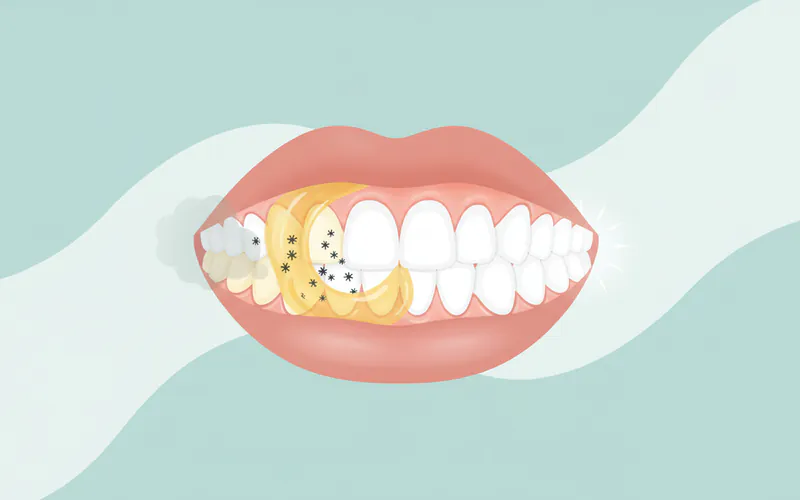
Originating in Ayurvedic medicine, a holistic healing system developed in India thousands of years ago, oil pulling involves swishing oil in your mouth for an extended period. Proponents claim it can draw out toxins, reduce harmful bacteria, and improve overall oral and systemic health. But in an era where scientific evidence is paramount, discerning the truth behind these claims is crucial. This comprehensive guide from SmilePedia.net will delve deep into the practice of oil pulling, exploring its historical roots, proposed mechanisms, the scientific evidence (or lack thereof), practical application, potential risks, and ultimately, whether it deserves a place in your daily oral hygiene routine. We'll examine various oils, including the specifics of olive oil pulling dangers, and provide a balanced perspective to help you make informed decisions about your dental health.
Key Takeaways:
- What it is: Oil pulling is an ancient Ayurvedic practice involving swishing edible oil (typically coconut or sesame) in the mouth for 15-20 minutes.
- Primary Claims: Proponents suggest benefits like reduced bad breath, plaque, gingivitis, and teeth whitening, with some claiming systemic detoxification.
- Scientific Consensus: While some limited studies show modest reductions in specific oral bacteria and gingivitis, the American Dental Association (ADA) states there is insufficient evidence to support oil pulling as an effective alternative or adjunct to conventional oral hygiene.
- Cost: Minimal, typically the cost of a bottle of edible oil (e.g., $5-$15 for a bottle of coconut oil, lasting several months).
- Time Commitment: Requires 15-20 minutes daily, which can be a barrier for some.
- Risks: Potential for lipoid pneumonia (if aspirated), upset stomach, jaw strain, or allergic reactions. Relying solely on oil pulling can lead to neglected cavities and gum disease.
- Actionable Advice: If you choose to try oil pulling, consider it an adjunct to brushing twice daily with fluoride toothpaste, flossing daily, and regular dental check-ups, not a replacement. Consult your dentist first.
What It Is: An Overview of Oil Pulling
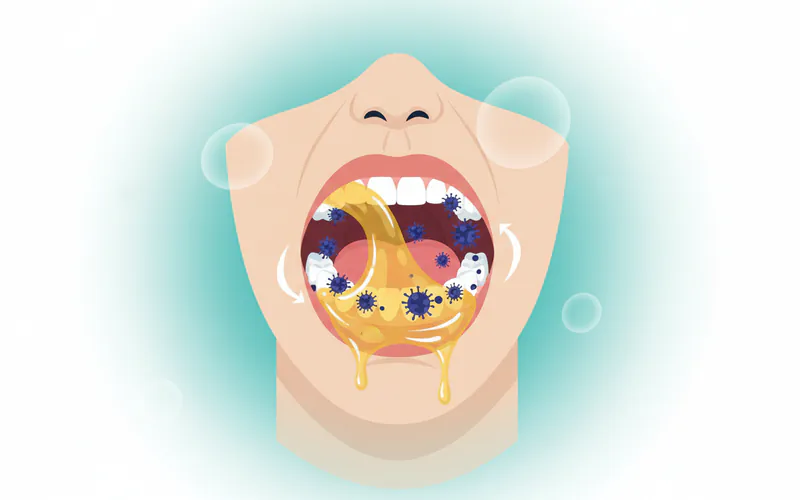
Oil pulling, known as "Kavala" or "Gandusha" in Ayurveda, is a traditional Indian folk remedy that dates back thousands of years. The practice involves placing a tablespoon of edible oil into the mouth and swishing it around for approximately 15 to 20 minutes on an empty stomach, usually in the morning. The oil is then spit out, followed by rinsing the mouth thoroughly with water.
The fundamental concept behind oil pulling is that the oil "pulls" or "draws out" toxins, bacteria, and other harmful microorganisms from the mouth. According to Ayurvedic texts, the tongue is connected to various organs, and the act of oil pulling is believed to stimulate these connections, leading to both oral and systemic health benefits. Historically, sesame oil was the most commonly used, prized for its purported healing properties. In modern times, coconut oil has surged in popularity due to its pleasant taste and recognized antimicrobial components, particularly lauric acid.
This practice is often promoted as a natural remedy for a wide array of conditions, from bad breath and gingivitis to more systemic issues like headaches, diabetes, and even arthritis. However, it's crucial to differentiate between traditional beliefs and evidence-based science.
Types and Variations of Oil Pulling
While the core method remains consistent – swishing oil – there are variations primarily based on the type of oil used. Each oil brings its own set of properties and ayurvedic oil pulling traditions.
Common Oils Used for Oil Pulling:
-
Coconut Oil:
- Properties: Rich in lauric acid, a medium-chain fatty acid known for its strong antimicrobial and anti-inflammatory properties. It has a pleasant taste and solidifies at room temperature, making it easy to portion.
- Claims: Most popular choice, often touted for its ability to fight Streptococcus mutans (a primary bacteria responsible for cavities), reduce plaque, prevent gingivitis, and whiten teeth.
- Availability: Widely available in most grocery stores and health food markets.
-
Sesame Oil:
- Properties: Traditionally used in Ayurveda. Contains sesamol, an antioxidant, and is rich in omega-6 fatty acids.
- Claims: Believed to strengthen teeth and gums, reduce inflammation, and has a warming effect according to Ayurvedic principles. Some studies have investigated its role in reducing oral bacteria.
- Availability: Common in Asian markets and increasingly in mainstream grocery stores.
-
Sunflower Oil:
- Properties: High in linoleic acid (omega-6 fatty acid) and vitamin E.
- Claims: Similar to sesame oil, it's been explored in some studies for its potential to reduce plaque and gingivitis. It's generally flavor-neutral.
- Availability: Readily available in most grocery stores.
-
Olive Oil:
- Properties: Rich in monounsaturated fatty acids and antioxidants like polyphenols. Extra virgin olive oil (EVOO) is often preferred for its higher nutrient content.
- Claims: While less common than coconut or sesame for oil pulling, some individuals use it for its anti-inflammatory and antioxidant properties.
Olive Oil Pulling Dangers: While generally safe for consumption, some users report a strong, sometimes unpleasant taste when swishing for extended periods. There's no specific unique "danger" compared to other oils, but potential for lipoid pneumonia exists with any oil if accidentally inhaled, particularly in individuals with compromised gag reflexes. It's also less studied for oral health benefits than coconut or sesame oil.
Choosing Your Oil:
The choice of oil often comes down to personal preference for taste and texture, as well as specific health claims. Coconut oil is currently the most researched and popular choice for its specific lauric acid content. Regardless of the oil, the method of swishing remains the same.
Proposed Mechanisms of Action: How Oil Pulling is Claimed to Work
Understanding does oil pulling actually work requires examining the scientific hypotheses behind its supposed effects. While traditional Ayurvedic texts attribute benefits to "drawing out toxins," modern science seeks more tangible explanations.
1. Saponification and Emulsification:
When oil mixes with saliva, particularly in the presence of alkali compounds in saliva, a process called saponification can occur. This creates a soap-like substance that could potentially disrupt bacterial cell walls and aid in cleansing. The oil also emulsifies, creating a solution that can penetrate plaque and biofilm more effectively than water alone.
2. Antimicrobial Properties:
Many edible oils possess natural antimicrobial properties.
- Coconut Oil: Contains lauric acid, caprylic acid, and capric acid. Lauric acid, in particular, is known to interact with the cell membranes of bacteria, viruses, and fungi, leading to their disruption and death. This is often cited as the primary mechanism for reducing oral bacteria like Streptococcus mutans and Candida albicans.
- Sesame Oil: Contains lignans like sesamin and sesamol, which have antioxidant and some antimicrobial properties.
- Olive Oil: Contains oleuropein, tyrosol, and hydroxytyrosol, which exhibit antioxidant and anti-inflammatory effects, and some minor antimicrobial activity.
3. Biofilm Disruption:
Plaque is a sticky biofilm composed of bacteria, their byproducts, and food particles. Oil is lipophilic, meaning it attracts other fats. It is hypothesized that oil pulling can bind to the lipid layers of bacterial cell walls and biofilm, loosening them from tooth surfaces and allowing them to be expelled when the oil is spit out. This physical action, combined with antimicrobial effects, could contribute to plaque reduction.
4. Mechanical Cleansing:
The physical act of swishing the oil vigorously around the mouth helps to dislodge food particles and debris, similar to how mouthwash works. This mechanical action alone can contribute to a cleaner mouth and fresher breath.
5. Anti-inflammatory Effects:
Some oils, especially coconut and olive oil, contain compounds with known anti-inflammatory properties. These could theoretically help reduce gum inflammation (gingivitis), contributing to healthier gums.
6. Detoxification (Traditional Claim):
From an Ayurvedic perspective, oil pulling is believed to draw out "ama" (toxins) from the body through the mucous membranes of the mouth. This concept, however, lacks scientific validation in Western medicine. There is no evidence that oil pulling detoxifies the entire body or cures systemic diseases.
Pro Tip: While these proposed mechanisms offer theoretical explanations, the scientific community emphasizes that robust, large-scale clinical trials are still needed to definitively prove oil pulling's efficacy as a stand-alone or even a primary adjunctive treatment for oral health issues.
Reported Benefits and What the Research Says
Many anecdotal reports praise oil pulling for a variety of dental and even general health improvements. Let's explore these claims and what current scientific literature suggests regarding does oil pulling actually work.
Claimed Oral Health Benefits:
- Reduced Halitosis (Bad Breath): One of the most common claims. Bad breath often stems from volatile sulfur compounds produced by bacteria in the mouth. If oil pulling reduces these bacteria, it could logically improve breath.
- Whiter Teeth: Some users report naturally brighter teeth. This could be due to the removal of extrinsic stains on the tooth surface by the oil, or simply a perceived whitening due to a cleaner mouth.
- Reduced Plaque and Gingivitis: By disrupting bacterial biofilms and reducing bacterial load, oil pulling is claimed to decrease plaque accumulation and subsequent gum inflammation.
- Prevention of Cavities: Less Streptococcus mutans and less plaque theoretically lead to fewer cavities.
- Stronger Gums and Jaw: The act of swishing is sometimes believed to strengthen jaw muscles and improve gum health.
- Alleviation of Dry Mouth: The oil can temporarily coat the oral tissues, providing lubrication.
Claimed Systemic Health Benefits (Traditional Ayurveda):
- Headaches and Migraines
- Sinus Congestion
- Diabetes
- Asthma
- Arthritis
- Skin conditions
- Hormonal imbalances
- Improved sleep
It is critical to note that there is NO scientific evidence to support these systemic health claims in Western medicine. Any improvements experienced are likely coincidental or a placebo effect.
What the Scientific Research Actually Shows:
The scientific evidence supporting the efficacy of oil pulling is limited and often comes from small-scale studies.
- Halitosis: Some studies, predominantly on sesame and coconut oil, have shown a modest reduction in bad breath, comparable to chlorhexidine mouthwash in some cases. This is likely due to the mechanical removal of bacteria and the antimicrobial properties of the oils.
- Plaque and Gingivitis: Several studies indicate that oil pulling (especially with coconut or sesame oil) can lead to a moderate reduction in plaque index and gingival index (a measure of gum inflammation) after several weeks of consistent use. These effects are often similar to or slightly less pronounced than those achieved with conventional mouthwashes like chlorhexidine, but significantly less effective than proper brushing and flossing.
- Streptococcus mutans (Cavity-causing Bacteria): A few studies have reported a decrease in the number of S. mutans colonies in saliva after regular oil pulling. This is a promising finding, as S. mutans is a primary contributor to tooth decay.
- Teeth Whitening: There is currently no scientific evidence to support claims of teeth whitening directly attributable to oil pulling. Any perceived whitening is likely due to surface stain removal, not bleaching of the tooth structure.
- ADA (American Dental Association) Stance: The ADA acknowledges the historical use of oil pulling but states that "currently, there isn't reliable scientific evidence to show that oil pulling reduces cavities, whitens teeth, or improves oral health." They emphasize that oil pulling should not replace standard oral hygiene practices like brushing twice daily with fluoride toothpaste and flossing once a day. This is a consistent message across most mainstream dental organizations.
Conclusion on Efficacy: While oil pulling may offer some minor adjunctive benefits for reducing certain oral bacteria and gingivitis, it is NOT a replacement for comprehensive oral hygiene. Its effects are generally modest compared to established methods, and the evidence for widespread or systemic benefits is lacking.
Step-by-Step Process for Oil Pulling
If you're considering trying oil pulling, understanding the correct technique is essential to maximize potential benefits and minimize risks.
Materials Needed:
- 1 tablespoon of your chosen edible oil (e.g., organic virgin coconut oil, sesame oil, or sunflower oil).
- A clock or timer.
- A trash can or paper towel to spit into.
- Warm water for rinsing.
The Process:
- Choose Your Oil: Select a high-quality, edible oil. Coconut oil is a popular choice due to its mild taste and potential antimicrobial properties.
- Timing is Key: The best time for oil pulling is in the morning, right after waking up, and before eating or drinking anything. This ensures your mouth is relatively empty and the oil can interact most effectively with oral bacteria accumulated overnight.
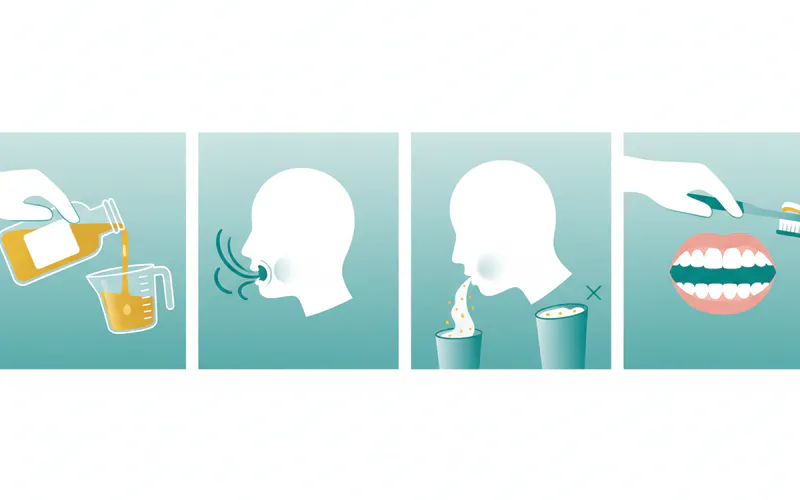
- Measure the Oil: Place one tablespoon of oil into your mouth. If using coconut oil, it might be solid; it will melt quickly once in your mouth. For children or those with a smaller mouth, half a tablespoon might be sufficient.
- Swish Gently: Begin to swish the oil around your mouth. Do not swallow the oil, as it is believed to contain bacteria and toxins. Swish gently but thoroughly, making sure the oil reaches all areas of your mouth, including between your teeth and around your gums. Avoid vigorous gargling.
- Duration: Aim to swish for 15 to 20 minutes. If you're new to oil pulling, start with 5 minutes and gradually increase the duration as you become more comfortable. Swishing for less than 5 minutes may not be effective, and exceeding 20 minutes offers no additional benefits and can increase the risk of accidental swallowing.
- Recognizing the Change: As you swish, the oil will typically become thinner, milky white, and frothy. This is believed to be a sign that it has mixed with saliva and absorbed toxins.
- Spit It Out: When you're done, spit the oil into a trash can. Do NOT spit it into a sink or toilet, as it can solidify and clog plumbing, especially coconut oil.
- Rinse Thoroughly: Immediately after spitting, rinse your mouth thoroughly with warm water. This helps remove any residual oil and bacteria. Some people use salt water for an added antimicrobial effect.
- Brush and Floss: Follow up with your regular oral hygiene routine: brush your teeth with fluoride toothpaste and floss. This ensures a comprehensive clean and removes any lingering oil or loosened debris.
Recovery and Aftercare
Since oil pulling is a daily practice rather than a one-time treatment, "recovery" isn't the typical term. However, there are important aftercare steps to ensure the practice is safe and effective.
- Immediate Post-Pulling: As detailed in the step-by-step guide, it is crucial to never swallow the oil after swishing. It contains bacteria and debris. Spit it into a trash can and rinse thoroughly with warm water to cleanse your mouth.
- Maintain Regular Oral Hygiene: Oil pulling should never replace your established oral hygiene routine. Continue to brush twice a day with fluoride toothpaste for two minutes, and floss once a day. These practices are scientifically proven to prevent cavities, gum disease, and maintain overall oral health. The ADA explicitly states this.
- Hydration: Drink plenty of water throughout the day to support overall oral and systemic health.
- Listen to Your Body: If you experience any discomfort such as jaw pain, nausea, or gagging, reduce the swishing time or discontinue the practice. Some people might find the sensation unpleasant.
- Observe Changes: If you are trying oil pulling for specific benefits, monitor your oral health. While you might notice subjective improvements like fresher breath, it's important to remember that significant changes to plaque, cavities, or gum disease require professional dental assessment.
Prevention of Dental Issues (with Oil Pulling as an Adjunct)
While oil pulling isn't a direct "prevention" method in the same way fluoride toothpaste is for cavities, it is positioned by its proponents as a complementary strategy to prevent various oral health problems. However, this must be viewed through the lens of scientific evidence.
How Oil Pulling Might Contribute to Prevention:
- Reduced Bacterial Load: By potentially reducing harmful bacteria like Streptococcus mutans, oil pulling could theoretically decrease the risk of new cavity formation.
- Plaque Control: If oil pulling helps disrupt plaque biofilm, it might contribute to less plaque accumulation, which is a key factor in both cavities and gum disease.
- Reduced Inflammation: For individuals prone to gingivitis, the purported anti-inflammatory properties of certain oils could help keep gum inflammation in check.
The Most Effective Prevention Strategies (ADA Recommended):
It is vital to reiterate that the gold standard for preventing dental issues remains conventional oral hygiene practices and professional dental care:
- Brush Twice Daily: Use a fluoride toothpaste and a soft-bristled toothbrush. Brush for two minutes each time, covering all tooth surfaces.
- Floss Daily: Flossing removes plaque and food particles from between teeth and under the gumline, areas your toothbrush can't reach.
- Regular Dental Check-ups: Visit your dentist every six months for a professional cleaning and examination. Early detection and treatment of issues are critical.
- Balanced Diet: Limit sugary and acidic foods and drinks, which contribute to tooth decay and erosion.
- Avoid Tobacco Products: Smoking and chewing tobacco significantly increase the risk of gum disease, oral cancer, and other oral health problems.
- Use Fluoride: Ensure adequate fluoride intake through fluoridated water, fluoride toothpaste, and potentially fluoride rinses or professional treatments if recommended by your dentist.
Pro Tip: If you choose to incorporate oil pulling into your routine, view it as an additional step, much like using a specialized mouthwash. It should support, not replace, these foundational prevention strategies.
Risks and Complications
While oil pulling is generally considered safe for most healthy individuals, it's not without potential risks and contraindications. Understanding these is essential, especially concerning olive oil pulling dangers and general cautions.
1. Accidental Aspiration and Lipoid Pneumonia:
This is arguably the most significant risk. If oil is accidentally inhaled into the lungs (aspirated) during swishing, it can lead to lipoid pneumonia, a rare but serious lung inflammation. This risk is higher for individuals with impaired gag reflexes, difficulty swallowing, or certain neurological conditions. Children and the elderly may also be at higher risk.
2. Digestive Upset:
Accidentally swallowing the oil, especially after it has absorbed bacteria and debris, can lead to digestive upset, nausea, or diarrhea. This is why it's critical to spit out the oil completely.
3. Allergic Reactions:
While rare, some individuals may have an allergic reaction to specific oils (e.g., coconut, sesame, or olive). Symptoms can include itching, swelling, or rash around the mouth. If you have known food allergies, exercise caution.
4. Jaw Strain and TMJ Issues:
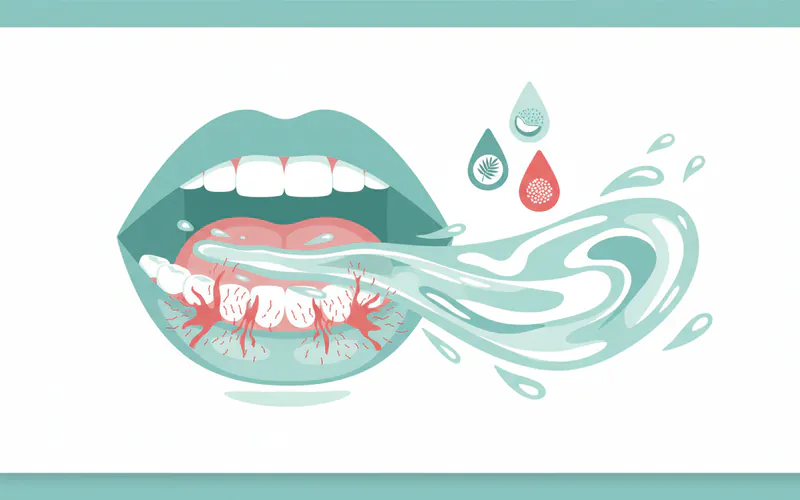
Swishing for 15-20 minutes, particularly if done vigorously, can cause temporary jaw fatigue or exacerbate existing temporomandibular joint (TMJ) disorders. If you have jaw pain or TMJ issues, this practice might not be suitable for you.
5. Delayed Professional Dental Treatment:
This is a critical concern for dental professionals. Some individuals might rely on oil pulling as a "cure-all" and delay seeking professional dental care for issues like cavities, severe gum disease, or dental pain. Oil pulling cannot cure cavities, reverse gum disease, or treat dental infections. Delaying treatment can lead to more serious and costly complications, including tooth loss and systemic infections.
6. Clogged Plumbing:
While not a health risk, it's a common practical problem. Spitting oils like coconut oil (which solidifies at cooler temperatures) into sinks or toilets can lead to clogged drains and expensive plumbing repairs. Always spit into a trash can.
Specific Olive Oil Pulling Dangers:
As mentioned earlier, olive oil is generally safe. The primary "dangers" associated with it for oil pulling are the same as with other oils: potential for aspiration, allergic reaction (though rare), and digestive upset if swallowed. Its taste can also be strong and unpalatable for some during extended swishing. There are no unique chemical properties of olive oil that make it inherently more dangerous for oral use than other edible oils.
Pro Tip: Always discuss any alternative health practices, including oil pulling, with your dentist, especially if you have existing health conditions or are taking medications.
Children / Pediatric Considerations
The practice of oil pulling is generally not recommended for young children. Several factors contribute to this caution:
- Risk of Swallowing: Young children have underdeveloped gag reflexes and may struggle with the concept of not swallowing the oil. Accidentally ingesting a large amount of oil, especially oil filled with bacteria, can cause an upset stomach, vomiting, or diarrhea.
- Risk of Aspiration: The danger of inhaling oil into the lungs, leading to lipoid pneumonia, is a significant concern for children who may not have the coordination or control to swish properly without aspirating.
- Jaw Strain: The prolonged swishing motion can be strenuous for a child's developing jaw and could lead to discomfort or jaw fatigue.
- Lack of Comprehension: Explaining the 15-20 minute commitment and the "no swallowing" rule can be challenging for younger children.
Age-Specific Guidance:
- Infants and Toddlers (0-3 years): Absolutely not recommended.
- Preschoolers (3-6 years): Not recommended. The risks outweigh any potential unproven benefits.
- School-Aged Children (6-12 years): Generally not recommended. Some older children (e.g., 9-12 years) might be able to manage it, but supervision is essential, and the duration should be very short (e.g., 5 minutes) initially. It should only be considered if a child demonstrates exceptional control and understanding, and always with a dentist's approval.
- Teenagers (13+ years): Teenagers can typically understand and perform oil pulling safely if they choose to, but the same caveats about lack of scientific evidence and risks apply. It should still be considered an adjunct to regular oral hygiene.
Pediatric Dental Advice: For children, the most effective and safest methods for preventing dental issues remain:
- Brushing twice daily with fluoride toothpaste (pea-sized amount for ages 3+, smear for under 3).
- Flossing daily.
- Limiting sugary snacks and drinks.
- Regular visits to the pediatric dentist.
Parents considering oil pulling for their children should discuss it thoroughly with their pediatric dentist, who can assess the child's readiness and potential risks.
Cost Breakdown of Oil Pulling
Unlike most dental treatments which come with significant price tags, the cost of oil pulling is remarkably low, making it an attractive "alternative" for some.
Average US Costs:
The primary cost associated with oil pulling is the oil itself.
- Low End: $5 - $10 for a large bottle (16-32 oz) of basic virgin coconut oil or sesame oil.
- Mid-Range: $10 - $20 for organic, cold-pressed, or specialty oils.
- High End: $20 - $30+ for premium, ethically sourced, or specifically marketed "oral health" oils.
A single 16 oz bottle of coconut oil, for instance, could provide enough oil for daily pulling for 1-2 months or more, depending on the exact amount used per session. This translates to a monthly cost of approximately $2 - $5.
With vs. Without Insurance:
Dental insurance does not cover oil pulling or the purchase of oils, as it is considered an elective holistic practice, not a medically recognized or recommended dental treatment.
Payment Plans and Financing Options:
No specific payment plans or financing options exist for oil pulling, given its minimal cost. This contrasts sharply with dental procedures, which often offer various financing solutions.
Cost-Saving Tips:
- Buy in Bulk: Purchasing larger containers of oil can reduce the per-ounce cost.
- Generic vs. Brand Name: Opting for store-brand or generic virgin coconut oil can be just as effective as more expensive brands.
- Simple Oils: Stick to commonly available oils like coconut or sesame, which are typically more affordable than specialized "dental" oils.
Comparison Table: Cost of Oil Pulling vs. Traditional Oral Hygiene Tools
| Item / Practice | Average US Cost (Monthly/Annual) | Insurance Coverage | Notes |
|---|---|---|---|
| Oil Pulling | $2 - $5 / month | None | Cost of edible oil. No proven significant clinical benefits as a primary method. |
| Fluoride Toothpaste | $2 - $5 / month | None | Essential for cavity prevention. |
| Toothbrush (Manual) | $1 - $2 / month | None | Replace every 3-4 months. |
| Electric Toothbrush Head | $2 - $5 / month | None | Replacement heads needed every 3 months. Initial cost $30-$200+. |
| Dental Floss | $1 - $2 / month | None | Crucial for interdental cleaning. |
| Antiseptic Mouthwash | $5 - $10 / month | None | Adjunctive; can reduce bacteria/bad breath. |
| Dental Check-up & Cleaning | $100 - $300 / visit (biannual) | Partial to Full | Essential for professional cleaning and early issue detection. |
This comparison highlights that oil pulling is a low-cost, additional oral care option, but its cost-effectiveness in preventing serious dental issues is unproven when compared to established, scientifically validated practices.
Frequently Asked Questions
Does oil pulling whiten teeth?
While some users report brighter teeth, there is currently no scientific evidence to suggest that oil pulling can actually whiten teeth by changing their intrinsic color. Any perceived whitening is likely due to the removal of extrinsic surface stains and debris, similar to the effect of regular brushing.
How long does it take to see results from oil pulling?
Anecdotal reports vary widely, with some people claiming to see minor improvements in breath or gum health within a few days to a few weeks. However, objective scientific studies showing reductions in plaque or bacteria often span several weeks or months of consistent daily practice. It's important to have realistic expectations.
Is olive oil pulling dangerous?
Olive oil pulling is generally safe, similar to other edible oils, provided it is not swallowed and not aspirated. The main "dangers" are the same as with any oil pulling: potential for aspiration into the lungs, stomach upset if swallowed, or rare allergic reactions. Its taste can be quite strong for prolonged swishing compared to coconut oil.
Can oil pulling cure cavities?
No, oil pulling cannot cure cavities. Once tooth decay has started and a cavity has formed, it requires professional dental intervention, such as a filling, by a dentist. Relying on oil pulling for cavities can lead to the progression of decay, resulting in more pain and extensive, costly treatments like root canals or extractions.
Is oil pulling better than mouthwash?
Some small studies have shown that oil pulling can reduce certain oral bacteria and plaque similar to some over-the-counter mouthwashes, particularly antiseptic rinses like chlorhexidine. However, the scientific evidence for oil pulling is much more limited and less conclusive than for established mouthwashes. The ADA does not recommend oil pulling as a replacement for mouthwash or other oral hygiene tools.
What happens if you accidentally swallow oil pulling oil?
If you accidentally swallow a small amount of oil pulling oil, it's generally not harmful, though it might cause mild stomach upset or nausea, especially if it's full of bacteria. However, swallowing a larger amount or frequently swallowing can increase the risk of digestive issues. The primary concern is accidental aspiration into the lungs, not swallowing.
Can oil pulling help with gum disease?
Oil pulling may offer some mild anti-inflammatory and antibacterial benefits that could potentially help reduce gingivitis (the mildest form of gum disease). However, it cannot cure advanced gum disease (periodontitis), which requires professional dental cleaning (scaling and root planing) and ongoing management by a periodontist. It's an adjunct, not a cure.
How often should you oil pull?
Most traditional and contemporary recommendations suggest oil pulling once daily, typically in the morning on an empty stomach. There is no evidence to suggest that oil pulling more frequently offers additional benefits, and it could increase the risk of jaw strain or other discomforts.
Are there alternatives to oil pulling for natural oral care?
Yes, there are several effective and scientifically supported natural approaches to oral care. These include dry brushing teeth (without toothpaste initially to physically remove plaque), using a tongue scraper to reduce bacteria causing bad breath, choosing fluoride-free toothpastes with natural ingredients (though fluoride is highly recommended for cavity prevention), and maintaining a diet rich in fruits, vegetables, and whole grains while limiting sugar. Always discuss these with your dentist.
Does the ADA recommend oil pulling?
No, the American Dental Association (ADA) does not recommend oil pulling as a routine oral hygiene practice. While acknowledging its traditional use, the ADA states there is insufficient scientific evidence to support claims that oil pulling effectively reduces cavities, whitens teeth, or significantly improves oral health beyond what is achieved with conventional brushing and flossing.
When to See a Dentist
While oil pulling is a low-risk practice for many, it's crucial to understand its limitations and when professional dental care is absolutely necessary. Oil pulling is NOT a substitute for routine dental check-ups, cleanings, or treatment of existing dental conditions.
Red Flags: Seek Immediate Dental Attention If You Experience:
- Persistent Toothache or Sensitivity: This could indicate a cavity, cracked tooth, infection, or gum disease that requires immediate diagnosis and treatment. Oil pulling will not resolve a toothache.
- Bleeding, Swollen, or Painful Gums: While oil pulling might mildly reduce gingivitis, persistent gum symptoms, especially with pus or recession, could signify advanced gum disease (periodontitis) which needs professional intervention to prevent bone loss and tooth loss.
- Signs of Infection: Swelling in the face or jaw, a fever, severe pain, or a foul taste in your mouth could indicate a dental abscess or serious infection that requires antibiotics and professional drainage or treatment. This is an emergency.
- Loose Teeth: This is a serious sign of advanced gum disease or trauma and needs immediate dental assessment.
- Difficulty Swallowing or Opening Your Mouth: These can be symptoms of a severe infection spreading, requiring urgent medical and dental care.
Routine Care Guidance:
- Scheduled Appointments: Regardless of whether you oil pull, continue your routine dental check-ups and professional cleanings every six months. These visits are vital for:
- Detecting cavities early when they are small and easier to treat.
- Removing hardened plaque (calculus/tartar) that cannot be removed by brushing or flossing alone.
- Screening for oral cancer and other oral pathologies.
- Assessing your overall oral health and providing personalized advice.
- Concerns About Oil Pulling: If you're experiencing any discomfort, jaw pain, or have questions about how oil pulling might interact with your specific oral health conditions, discuss these with your dentist during your regular appointment.
Pro Tip: Think of your dentist as your primary partner in oral health. They have the training, tools, and scientific knowledge to diagnose and treat dental conditions effectively. Oil pulling, if chosen, should be seen as a complementary practice only after consulting with your dental professional.
Frequently Asked Questions
Medically Reviewed Content
This article was written by our dental health editorial team and reviewed for medical accuracy. Our content follows strict editorial guidelines for reliability and trustworthiness.
Medical Disclaimer
This article is for informational purposes only and does not constitute medical advice. Always consult with a qualified dental professional for diagnosis and treatment. Do not delay seeking professional advice because of something you read on this website.
Related Articles
What Coconut Oil to Use for Oil Pulling
For centuries, across various cultures, people have sought natural remedies to maintain oral health and enhance their smiles. One practice that has gained significant traction in the modern wellness landscape is oil pulling. While many are curious about its potential benefits, a common question aris
February 23, 2026

What Are the Benefits of Oil Pulling
More than 80% of American adults experience some form of periodontal (gum) disease, and a significant number struggle with issues like chronic bad breath or sensitivity. In the pursuit of optimal oral health, many people explore various practices beyond routine brushing and flossing. One such an
February 23, 2026
How Long to Do Oil Pulling
More than half of all American adults suffer from some form of periodontal disease, a condition that can lead to tooth loss and impact overall health. For those seeking complementary approaches to traditional oral care, ancient practices like oil pulling have garnered significant attention. But
February 23, 2026
Does Oil Pulling Really Work
When it comes to maintaining excellent oral health, many individuals in the United States seek a balance between traditional dental care and holistic approaches. In this quest, ancient remedies often resurface, sparking curiosity and discussion. One such practice, oil pulling, has garnered significa
February 23, 2026