Does Oil Pulling Really Work
Key Takeaways
- When it comes to maintaining excellent oral health, many individuals in the United States seek a balance between traditional dental care and holistic approaches. In this quest, ancient remedies often resurface, sparking curiosity and discussion. One such practice, oil pulling, has garnered significa
When it comes to maintaining excellent oral health, many individuals in the United States seek a balance between traditional dental care and holistic approaches. In this quest, ancient remedies often resurface, sparking curiosity and discussion. One such practice, oil pulling, has garnered significant attention in recent years, with proponents claiming a myriad of benefits from brighter teeth to improved gum health. But does oil pulling really work? This question lies at the heart of much debate within the dental community and among consumers looking for natural ways to enhance their oral hygiene. Understanding the origins, purported mechanisms, scientific evidence, and potential risks of oil pulling is crucial for making informed decisions about your dental health.
This comprehensive article by SmilePedia.net delves into the world of oil pulling, examining its historical roots, how it's performed, what the science says (and doesn't say), and how it compares to conventional dental practices. We'll explore its claims regarding everything from reducing bad breath to its alleged impact on cavities, provide a step-by-step guide, discuss cost implications, and ultimately, equip you with the knowledge to understand this popular alternative therapy within the broader context of maintaining a healthy smile.
Key Takeaways:
- Limited Scientific Evidence: While anecdotal reports are common, robust, peer-reviewed scientific studies supporting the comprehensive benefits of oil pulling are largely insufficient, especially when compared to established oral hygiene practices.
- Not a Replacement for Traditional Care: The American Dental Association (ADA) does not endorse oil pulling as a primary oral hygiene method. It should never replace brushing, flossing, or regular professional dental check-ups and cleanings.
- Potential Complementary Role: Some studies suggest oil pulling may offer minor benefits like reducing certain oral bacteria or alleviating gingivitis symptoms, but these findings require further research to be conclusive.
- Cost-Effective Practice: The primary "cost" of oil pulling is minimal, typically involving a bottle of cold-pressed virgin coconut or sesame oil, usually ranging from $8-$25 for a supply lasting several months.
- Time Commitment: The process typically involves swishing oil in the mouth for 15-20 minutes daily, which can be a significant time commitment for many.
- Risks: Potential risks include accidental aspiration, upset stomach, and, most critically, delaying necessary conventional dental treatment for serious issues like oil pulling for cavities.
- No Impact on Tooth Color: While some claim whitening, there is no scientific evidence that oil pulling changes the inherent natural teeth colour chart of your teeth.
What It Is / Overview
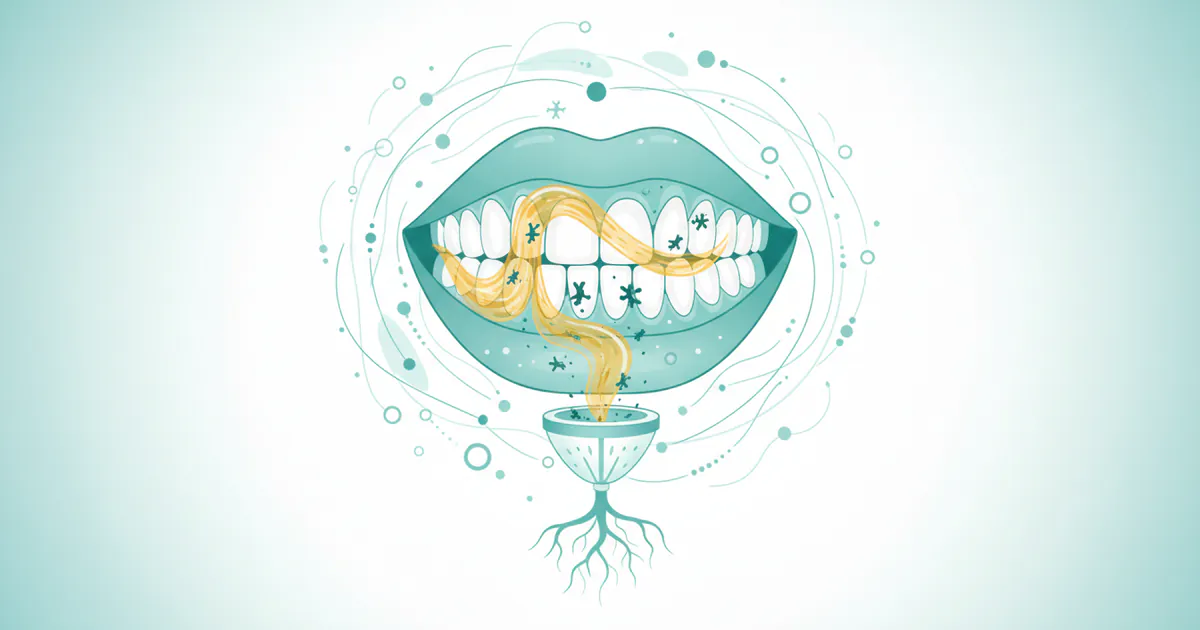
Oil pulling, also known as "kavala" or "gundusha," is an ancient Ayurvedic dental technique that dates back thousands of years. Originating in India, this holistic practice involves swishing a tablespoon of edible oil—typically virgin coconut oil, sesame oil, or sunflower oil—in the mouth for an extended period, usually between 15 and 20 minutes, then spitting it out. The fundamental concept behind oil pulling is that the oil "pulls" out toxins, bacteria, and other harmful microorganisms from the mouth, much like a magnet, thereby improving overall oral and systemic health.

According to Ayurvedic texts, oil pulling is believed to "draw out" lipid-soluble toxins, bacteria, and debris from the oral cavity. Proponents suggest that as the oil is swished around, it mixes with saliva, creating a thin, soapy solution. This mixture then supposedly penetrates the hard-to-reach crevices of the mouth, emulsifying plaque and dislodging bacteria and food particles. When the oil is expelled, these "toxins" are theoretically removed from the body.
Historically, oil pulling was used as a daily ritual to purify the body, prevent various diseases, and maintain oral hygiene. Ancient texts like the Charaka Samhita and Sushruta Samhita describe its use for strengthening teeth and gums, alleviating oral diseases, and enhancing sensory perceptions. In modern times, its resurgence is largely driven by a growing interest in natural and alternative health remedies, coupled with widespread sharing of anecdotal success stories on the internet. However, despite its long history and popular appeal, the scientific community continues to scrutinize the actual mechanisms and verifiable benefits of this practice.

Types / Variations of Oil Pulling
While the core principle of oil pulling remains consistent—swishing oil in the mouth—there are variations primarily concerning the type of oil used, the duration of the practice, and its frequency. Each oil is chosen for its unique properties and purported benefits.
Oils Commonly Used
- Virgin Coconut Oil: This is by far the most popular choice for oil pulling in the Western world. Coconut oil contains a high concentration of lauric acid, a medium-chain fatty acid known for its antimicrobial and anti-inflammatory properties. Studies have shown lauric acid to be effective against Streptococcus mutans, a primary bacterium responsible for tooth decay. Its pleasant taste and widely available forms make it a favored option.
- Sesame Oil: Traditionally, sesame oil was the oil of choice in Ayurvedic medicine. It is rich in antioxidants, such as sesamol, sesamin, and sesamolin, which are believed to protect cells from damage. It also has anti-inflammatory and antibacterial properties. Many traditional practitioners recommend cold-pressed, unrefined sesame oil for best results.
- Sunflower Oil: Another common choice, sunflower oil is high in polyunsaturated fatty acids and Vitamin E. While less studied than coconut or sesame oil for oral health, some proponents claim similar benefits regarding bacteria reduction and gum health.
- Olive Oil: Less commonly used but occasionally recommended, olive oil is known for its anti-inflammatory properties and antioxidants. However, its taste can be stronger and less palatable for some during prolonged swishing.
Duration and Frequency
The standard recommendation for oil pulling involves:
- Duration: Swishing the oil for 15 to 20 minutes. Some sources suggest a minimum of 5 minutes for benefits, while others extend it to 30 minutes. The idea is to allow enough time for the oil to emulsify and interact with oral microorganisms.
- Frequency: Typically performed once a day, often in the morning before eating or drinking anything. Some individuals may practice it multiple times a day, though this is not standard and could potentially lead to discomfort or excessive oil consumption.
Pro Tip: Regardless of the oil chosen, opt for high-quality, cold-pressed, organic oils. This ensures fewer additives and preserves the natural beneficial compounds of the oil.
Claims and Why People Consider It
People turn to oil pulling for a variety of reasons, often driven by a desire for natural health solutions and the widespread claims of its efficacy. These claims range from basic oral hygiene improvements to more ambitious assertions about systemic health benefits. It's crucial to understand that many of these are claims and not necessarily backed by extensive scientific evidence.
Primary Oral Health Claims
- Reduction of Harmful Bacteria: This is the most frequently cited benefit. Proponents suggest that the oil's fatty acids attract and dissolve the lipid outer membranes of bacteria, effectively "pulling" them from the mouth. Specific claims include reduction of Streptococcus mutans (linked to cavities) and Porphyromonas gingivalis (linked to gum disease).
- Freshens Breath (Halitosis Reduction): Bad breath is often caused by volatile sulfur compounds produced by bacteria in the mouth. By reducing these bacteria, oil pulling is claimed to naturally eliminate halitosis.
- Reduces Gingivitis and Gum Inflammation: Given its supposed antibacterial and anti-inflammatory properties, oil pulling is believed to reduce plaque accumulation and alleviate symptoms of gingivitis, such as bleeding and swollen gums.
- Whitens Teeth: Many users report brighter teeth after consistent oil pulling. The mechanism is speculated to be the removal of extrinsic stains (surface stains) from coffee, tea, and tobacco, rather than changing the inherent natural teeth colour chart of the teeth. It's important to distinguish between stain removal and actual tooth bleaching, which only professional treatments can achieve.
- Prevents Cavities (Oil Pulling for Cavities): This is one of the most controversial claims. It is suggested that by reducing Streptococcus mutans and other cavity-causing bacteria, oil pulling can prevent the formation and even reverse early stages of dental caries. This claim is largely unsubstantiated by scientific research. While it might reduce some bacteria, it cannot repair existing enamel damage or replace the need for fluoride and professional cavity treatment.
- Soothes Dry Mouth (Xerostomia): The oil can help lubricate oral tissues, offering temporary relief for individuals suffering from dry mouth.
Systemic Health Claims
Beyond oral health, some proponents of oil pulling claim it can contribute to a wide array of systemic health improvements, including:
- Alleviating headaches and migraines
- Reducing joint pain and arthritis symptoms
- Detoxifying the body and improving kidney function
- Boosting the immune system
- Improving sleep
- Clearing up skin conditions
It is essential to reiterate that these broader systemic health claims are almost entirely anecdotal and lack any credible scientific backing. The focus of scientific inquiry has primarily been on its direct impact on oral microorganisms.
Signs and Symptoms (What Issues Oil Pulling is Claimed to Alleviate)
To understand why someone might consider oil pulling, it's helpful to look at the common oral health issues it purports to address. If you experience these signs or symptoms, you might be seeking remedies, and oil pulling might come up in your search for solutions. However, it's crucial to remember that these symptoms also indicate issues that require professional dental attention.
- Persistent Bad Breath (Halitosis): While temporary bad breath can result from certain foods, persistent halitosis often points to bacterial overgrowth, gum disease, or other underlying oral or systemic issues. Oil pulling claims to combat the bacteria responsible for offensive odors.
- Bleeding or Inflamed Gums (Gingivitis): Gums that are red, swollen, tender, or bleed easily, especially during brushing or flossing, are classic signs of gingivitis, an early stage of gum disease. Proponents suggest oil pulling can reduce inflammation and bacterial load in the gums.
- Plaque Buildup: A sticky film of bacteria constantly forming on teeth. While normal, excessive plaque hardens into tartar and contributes to cavities and gum disease. Oil pulling is claimed to "pull" plaque from the tooth surfaces.
- Tooth Sensitivity: While often a symptom of underlying issues like exposed roots or enamel erosion, some individuals might mistakenly believe oil pulling could help strengthen teeth or reduce bacteria contributing to sensitivity.
- Surface Stains on Teeth: Discoloration from coffee, tea, red wine, or tobacco can make teeth appear dull or yellow. Oil pulling is claimed to remove these superficial stains, leading to a brighter smile, though it doesn't change the intrinsic shade of the tooth on the natural teeth colour chart.
- Minor Mouth Sores or Ulcers: Some users report that oil pulling helps to soothe or accelerate the healing of minor canker sores or mouth ulcers due to its alleged anti-inflammatory and antimicrobial effects.
It's vital to stress that while oil pulling is claimed to alleviate these symptoms, experiencing any of these issues warrants a visit to your dentist for a proper diagnosis and appropriate, evidence-based treatment. Relying solely on oil pulling can lead to the progression of serious dental conditions.
Treatment Options (Oil Pulling vs. Evidence-Based Dentistry)
When evaluating oil pulling, it's essential to compare its claims against established, evidence-based dental treatments for common oral health issues. Oil pulling is not considered a "treatment" by mainstream dentistry but rather a complementary practice, if at all.
Conventional, Evidence-Based Treatments
For the issues that oil pulling claims to address, here are the proven treatments:
-
For Bad Breath (Halitosis):
- Treatment: Regular brushing and flossing, tongue scraping, professional dental cleanings, antiseptic mouthwashes (containing ingredients like chlorhexidine or cetylpyridinium chloride), and addressing underlying causes (e.g., gum disease, dry mouth, sinus infections).
- Pros: Highly effective, addresses root causes, recommended by the ADA.
- Cons: Requires consistent effort, some mouthwashes can stain teeth with prolonged use.
-
For Gingivitis and Gum Inflammation:
- Treatment: Improved oral hygiene (brushing twice daily with fluoride toothpaste, daily flossing), professional dental cleanings (scaling and root planing to remove plaque and tartar below the gumline), and in some cases, antimicrobial rinses.
- Pros: Proven to reverse gingivitis and prevent progression to periodontitis.
- Cons: May require multiple dental visits and consistent home care.
-
For Plaque Buildup:
- Treatment: Daily brushing (electric toothbrushes are often more effective), daily flossing, and regular professional dental cleanings every 6-12 months. Fluoride toothpaste strengthens enamel against plaque acids.
- Pros: Prevents cavities and gum disease, fundamental to oral health.
- Cons: Requires daily discipline.
-
For Tooth Whitening (Stains):
- Treatment: Professional dental cleanings (to remove extrinsic stains), over-the-counter whitening strips/gels, custom-fit trays with professional-grade whitening gel, in-office power bleaching procedures.
- Pros: Scientifically proven to change the color of teeth. Professional options offer significant, lasting results.
- Cons: Can cause temporary sensitivity, cost can be higher for professional options. Oil pulling only addresses surface stains, if any, and does not alter the underlying natural teeth colour chart of the tooth.
-
For Cavities (Oil Pulling for Cavities):
- Treatment: For early demineralization (not yet a hole), fluoride varnishes or prescription fluoride toothpaste can help remineralize enamel. Once a cavity (hole) has formed, the only effective treatment is to remove the decayed portion of the tooth and fill it with a dental filling (amalgam, composite, gold, or porcelain). Root canals or crowns may be necessary for larger decay.
- Pros: Restores tooth function and prevents further decay/infection.
- Cons: Invasive, can be costly, requires a dental professional. Oil pulling has absolutely no scientific evidence to treat or reverse existing cavities. Relying on it for cavities can lead to severe tooth decay, infection, pain, and eventual tooth loss. The ADA strongly recommends against using oil pulling as a substitute for traditional cavity treatment.
Oil Pulling as a Complementary Practice
The ADA states that there is currently no reliable scientific evidence to show that oil pulling reduces cavities, whitens teeth, or improves oral health and well-being. Therefore, it does not recommend oil pulling as a supplemental oral hygiene practice. If an individual chooses to incorporate oil pulling into their routine, it should only be as a complementary measure and never as a replacement for proven oral hygiene practices.
Pro Tip: If you're considering incorporating alternative therapies like oil pulling, discuss it with your dentist first. They can provide guidance based on your specific oral health needs and help you understand the potential benefits and risks.
Step-by-Step Process for Oil Pulling
If you decide to try oil pulling as a complement to your regular oral hygiene routine, here is a standard step-by-step guide on how to perform it correctly and safely. Remember, this should never replace brushing, flossing, or professional dental care.
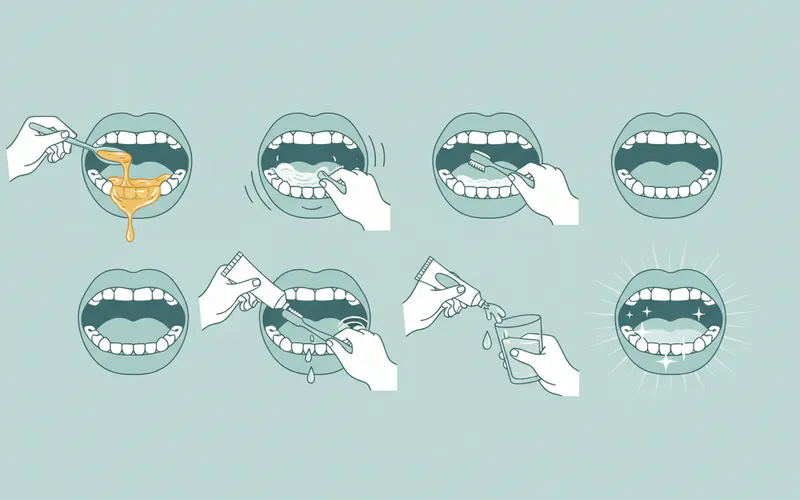
- Choose Your Oil: Select a high-quality, cold-pressed, organic edible oil, such as virgin coconut oil, sesame oil, or sunflower oil. Coconut oil is often preferred for its pleasant taste and potential antimicrobial properties.
- Measure the Oil: Take approximately one tablespoon (about 10-15 ml) of the chosen oil. If using coconut oil, it may be solid at room temperature; you can scoop it out, and it will quickly melt in your mouth.
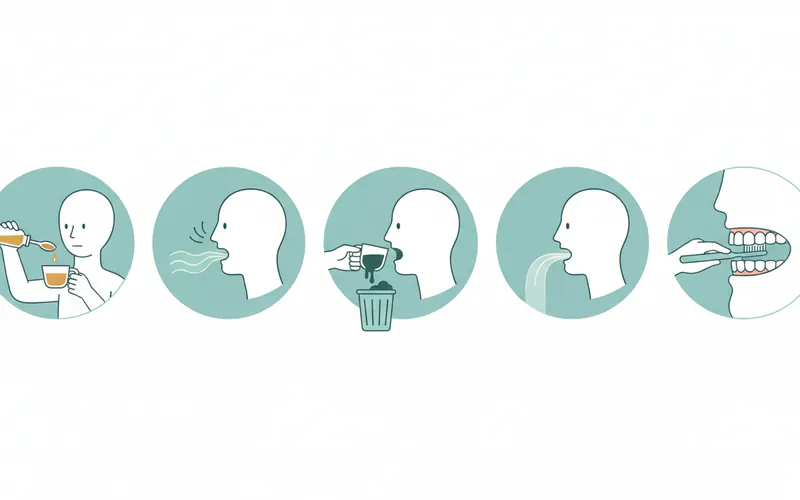
- Optimal Timing: The best time to oil pull is first thing in the morning, on an empty stomach, before you eat or drink anything, and before brushing your teeth. This is when bacterial load might be highest after a night's sleep.
- Swish, Don't Gargle: Put the oil into your mouth. Gently swish, suck, and pull the oil through your teeth. The motion should be gentle, not aggressive, to avoid jaw fatigue. Imagine it "pulling" through the crevices of your teeth and gums. Do not swallow the oil, as it is believed to contain bacteria and toxins.
- Duration: Continue swishing for 15 to 20 minutes. If you're new to oil pulling, you can start with 5-10 minutes and gradually increase the duration as you become more comfortable. The oil will become thinner and milky as it mixes with saliva.
- Spit It Out: After 15-20 minutes, or when your jaw starts to feel tired, spit the oil out. It should look milky white or yellowish, indicating it has emulsified. Crucially, spit the oil into a trash can, not down a sink or toilet. Oil can solidify and clog plumbing over time, especially coconut oil.
- Rinse Thoroughly: Immediately after spitting, rinse your mouth thoroughly with warm water. You can also use a salt water rinse or an antiseptic mouthwash to ensure all oil and bacteria residue is gone.
- Brush and Floss: Proceed with your regular oral hygiene routine: brush your teeth thoroughly with fluoride toothpaste and floss to remove any remaining oil or loosened debris.
Cost and Insurance
One of the attractive aspects of oil pulling is its perceived low cost compared to traditional dental treatments. However, it's vital to frame the cost discussion by distinguishing between the minimal expense of the oil itself and the potentially high costs of dental problems if professional care is neglected.
Cost of Oil Pulling
The direct cost associated with oil pulling is solely the purchase of edible oil:
- Virgin Coconut Oil (Organic, Cold-Pressed): A 16-ounce jar (about 473 ml) typically costs $8-$20. This amount can last for several months, depending on daily usage.
- Organic Sesame Oil (Cold-Pressed): A 16-ounce bottle usually ranges from $10-$25.
- Organic Sunflower Oil (Cold-Pressed): Similar in price to sesame oil, often $8-$20.
Thus, the monthly cost for oil pulling is generally very low, likely between $3-$8 if performed daily.
Insurance Coverage
- No Insurance Coverage: Dental insurance plans in the U.S. do not cover oil pulling, as it is considered an alternative, non-medical practice with no recognized scientific efficacy in mainstream dentistry. You will not be reimbursed for the cost of oils.
Indirect Costs and Financial Risks (Neglecting Professional Care)
Here's where the cost narrative shifts dramatically. If an individual relies on oil pulling in place of evidence-based dental care, the financial consequences can be severe. This is particularly relevant for claims like oil pulling for cavities.
| Dental Procedure | Average US Cost (No Insurance) | What Oil Pulling Claims to Prevent | Financial Risk if Oil Pulling Fails |
|---|---|---|---|
| Routine Check-up & Cleaning | $150 - $300 | Plaque, gingivitis, initial decay | Neglecting this leads to major issues |
| Dental Filling (1-2 surfaces) | $100 - $400 | Cavities (unproven) | Need for more extensive and costly repair |
| Root Canal (Molar) | $800 - $2,000 | Deep decay (unproven) | Tooth loss, severe infection, systemic issues |
| Dental Crown | $800 - $3,000 | Extensive decay, weakened teeth | Tooth loss, severe infection, systemic issues |
| Tooth Extraction (Simple) | $75 - $300 | Untreated decay, gum disease | Pain, infection, need for replacement |
| Periodontal Scaling & Root Planing | $200 - $500 per quadrant | Gum disease (gingivitis) | Progression to advanced periodontitis, tooth loss |
| Teeth Whitening (Professional) | $300 - $800+ | Surface stains (minor impact) | Cost of professional whitening anyway |
Pro Tip: View the low cost of oil pulling as a benefit only if it is genuinely complementary and does not lead you to forego essential, proven dental care. The true cost of not seeing a dentist when needed far outweighs the savings on oil.
Recovery and Aftercare
For oil pulling itself, there is no "recovery" period in the traditional sense, as it is not an invasive procedure. However, proper aftercare is crucial to ensure optimal oral hygiene and to mitigate any potential issues.
Immediate Aftercare
- Thorough Rinsing: As mentioned in the step-by-step guide, rinsing your mouth thoroughly with warm water immediately after spitting out the oil is vital. This helps remove any residual oil, bacteria, and debris that might still be present. A salt water rinse (1 teaspoon of salt in 8 ounces of warm water) can also be beneficial due to its antiseptic properties.
- Regular Brushing and Flossing: After rinsing, proceed with your standard oral hygiene routine. Brush your teeth thoroughly with a fluoride toothpaste for at least two minutes, and then floss to clean between teeth and below the gumline. This ensures that any loosened plaque or bacteria are physically removed from your mouth.
Long-Term Considerations
- Consistency is Key (for any claimed benefits): If you choose to continue oil pulling, consistency is often emphasized by proponents. Daily practice is usually recommended to potentially see any of the purported minor benefits.
- Do Not Neglect Routine Dental Care: This is the most critical aftercare instruction. Oil pulling is not a substitute for professional dental cleanings, check-ups, and necessary treatments. Continue to visit your dentist every six months, or as recommended, for comprehensive oral health evaluations. Your dentist is the only one who can properly diagnose and treat issues like cavities, gum disease, and other oral health concerns.
- Monitor for Side Effects: Pay attention to any adverse reactions such as jaw pain, upset stomach, or allergic responses, and discontinue the practice if they occur.
- Listen to Your Body: If you find the practice uncomfortable, causes gagging, or leads to any negative feelings, it's perfectly fine to stop. Oral health should not be a source of stress or discomfort.
Prevention
While oil pulling is touted by some as a preventive measure against various oral ailments, it's important to understand what genuinely prevents dental problems according to scientific consensus and organizations like the American Dental Association (ADA). The most effective prevention strategies are simple, consistent, and evidence-based.
Gold Standard for Oral Disease Prevention
-
Consistent and Proper Brushing:
- Brush your teeth twice a day, every day, for at least two minutes each time.
- Use a soft-bristled toothbrush (manual or electric). Electric toothbrushes with oscillating-rotating or sonic technology are often more effective at plaque removal.
- Use fluoride toothpaste. Fluoride is a natural mineral that strengthens tooth enamel, making it more resistant to acid attacks from plaque bacteria and sugars, thus preventing cavities. It can even reverse early signs of tooth decay.
- Brush all surfaces of your teeth, including the outer, inner, and chewing surfaces. Don't forget your tongue to reduce bacteria and freshen breath.
-
Daily Flossing:
- Clean between your teeth at least once a day using dental floss or an interdental cleaner. This removes plaque and food particles that your toothbrush cannot reach, preventing cavities between teeth and gum disease.
-
Balanced Diet and Limiting Sugar Intake:
- Reduce your consumption of sugary foods and drinks (sodas, juices, candies, processed snacks). Sugar feeds oral bacteria, which then produce acids that erode enamel.
- Opt for a diet rich in fruits, vegetables, whole grains, and lean proteins.
- Drink plenty of water, especially fluoridated tap water, which helps rinse away food particles and provides topical fluoride.
-
Regular Dental Check-ups and Professional Cleanings:
- Visit your dentist for a comprehensive examination and professional cleaning typically every six months, or as recommended by your dentist based on your oral health status.
- These appointments allow your dentist to identify and address problems early, remove hardened plaque (tartar) that cannot be removed by brushing and flossing, and provide preventive treatments like fluoride applications or dental sealants.
-
Avoid Tobacco Products:
- Smoking and chewing tobacco significantly increase the risk of gum disease, oral cancer, and other oral health issues. Quitting is one of the most impactful preventive steps you can take.
Comparison of Oil Pulling vs. Proven Prevention Methods
| Feature | Oil Pulling | Proven Prevention Methods (Brush, Floss, Dental Visits, Fluoride) |
|---|---|---|
| Scientific Evidence | Limited and inconclusive for most claims | Extensive, robust, peer-reviewed evidence |
| Effectiveness | Anecdotal; potential minor antibacterial effect | Highly effective in preventing cavities, gum disease, bad breath |
| ADA Recommendation | Not endorsed as primary or supplemental | Strongly endorsed and recommended |
| Primary Mechanism | "Pulls" toxins/bacteria (unverified) | Mechanical removal of plaque, fluoride remineralization, professional intervention |
| Impact on Cavities | No evidence for prevention or reversal | Fluoride strengthens enamel; fillings treat existing decay |
| Impact on Gum Health | Minor antibacterial/anti-inflammatory claimed | Physical removal of plaque/tartar; professional cleaning reverses gingivitis |
| Cost | Low ($8-$25 for oil) | Varies (toothbrush $5-20, floss $3-10, toothpaste $3-8, dental visits $150-300 uninsured) |
| Risks | Aspiration, delaying care, upset stomach | Minimal with proper technique |
The most effective "prevention" against oral diseases comes from a consistent, disciplined approach to daily oral hygiene combined with regular professional dental care.
Risks and Complications
While often promoted as a natural and harmless remedy, oil pulling is not entirely without potential risks and complications. It's crucial for individuals considering this practice to be aware of these issues.
- Aspiration Pneumonia: This is arguably the most serious risk, especially for individuals with impaired gag reflexes, neurological conditions, or very young children. If the oil is accidentally inhaled into the lungs, it can lead to lipoid pneumonia, a serious lung inflammation.
- Upset Stomach/Diarrhea: Swallowing even a small amount of oil, especially after it has been swished with oral bacteria and debris, can cause nausea, indigestion, or diarrhea in some individuals.
- Allergic Reactions: While rare, some individuals may have an allergic reaction to specific oils (e.g., sesame allergy). Symptoms can range from mild oral irritation to more severe systemic reactions.
- Exacerbation of Existing Conditions: For individuals with certain oral conditions, oil pulling might worsen symptoms. For instance, vigorous swishing could irritate sensitive gums or loose fillings.
- Jaw Pain/TMJ Issues: The prolonged and repetitive motion of swishing for 15-20 minutes can strain the temporomandibular joint (TMJ) and surrounding muscles, potentially leading to jaw pain or aggravating existing TMJ disorders.
- Delaying Professional Dental Care: This is arguably the most significant indirect risk. If individuals believe oil pulling can "cure" or prevent serious issues like oil pulling for cavities, they might delay or avoid necessary professional dental treatment. This delay can lead to the progression of conditions like untreated cavities, severe gum disease, and infections, resulting in more extensive, painful, and costly treatments down the line, including tooth loss.
- Harm to Dental Restorations: There is some anecdotal concern that certain oils or the prolonged swishing action might potentially loosen or compromise some types of dental restorations (e.g., fillings, crowns), although scientific evidence for this is lacking. It's a theoretical concern worth considering.
- Plumbing Issues: While not a health risk, consistently spitting oil down a drain can lead to clogged pipes, especially with coconut oil which solidifies at cooler temperatures. This can result in costly plumbing repairs.
Pro Tip: If you experience any discomfort, pain, or adverse reactions while oil pulling, stop immediately and consult with a healthcare professional or your dentist. Prioritizing proven dental care remains paramount for your oral and overall health.
Children / Pediatric Considerations
Oil pulling is not recommended for children, especially young children. There are several significant concerns and risks associated with this practice in pediatric dentistry.
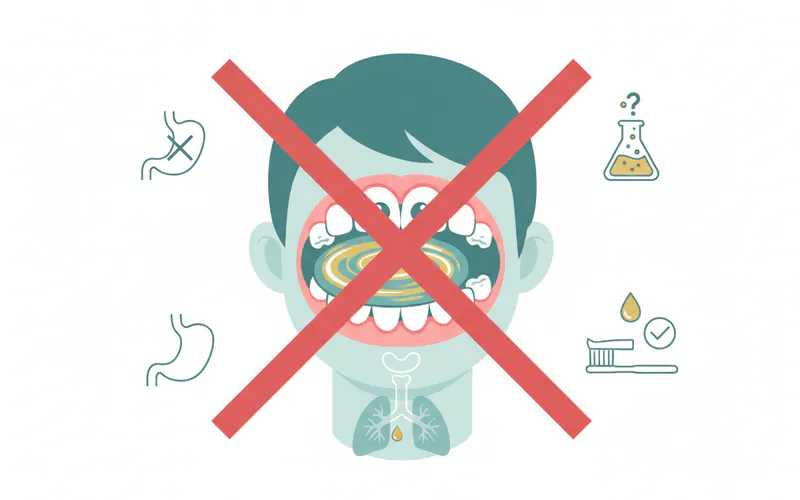
- Risk of Aspiration: The primary concern for children is the high risk of accidental aspiration. Young children may not have fully developed gag reflexes or the coordination necessary to safely swish oil for an extended period without swallowing or inhaling it. This could lead to aspiration pneumonia, a serious and potentially life-threatening lung infection.
- Difficulty with Prolonged Swishing: The recommended duration of 15-20 minutes is a long time for any child to comfortably and effectively swish without swallowing. Boredom, discomfort, or inability to understand the instructions can lead to improper practice.
- Lack of Scientific Evidence: Just as with adults, there is no scientific evidence to support the use of oil pulling as an effective oral hygiene practice for children. The proven methods of brushing with fluoride toothpaste, flossing, and regular dental check-ups are sufficient and safe for pediatric oral health.
- Taste and Palatability: Many children may find the taste and texture of oil unpleasant, making it difficult to adhere to the practice.
- Delaying Necessary Care: Parents might be tempted to use oil pulling as an alternative to traditional dental care if their child has early signs of decay or gum inflammation. This delay can have severe consequences for a child's developing teeth and overall health.
What Parents SHOULD Do for Pediatric Oral Health:
- Start Early: Begin cleaning your baby's gums even before teeth erupt. Once teeth appear, brush twice daily with a soft-bristled, child-sized toothbrush and a tiny smear (rice-grain size) of fluoride toothpaste. For children aged 3-6, use a pea-sized amount.
- Fluoride is Key: Ensure your child uses fluoride toothpaste and, if recommended by a dentist, receives topical fluoride treatments. Fluoride is essential for strengthening developing tooth enamel and preventing cavities.
- Healthy Diet: Limit sugary snacks and drinks. Encourage water consumption.
- Regular Dental Visits: Schedule your child's first dental visit by their first birthday or within six months of their first tooth erupting, and continue with regular check-ups as recommended by their pediatric dentist.
- Dental Sealants: Discuss dental sealants with your dentist, which can protect the chewing surfaces of molars from decay.
For parents seeking to maintain their child's oral health, focusing on these evidence-based strategies is the safest and most effective approach. Do not introduce oil pulling to children.
Frequently Asked Questions
What does the scientific community say about oil pulling?
While some small studies suggest potential minor benefits, such as a reduction in certain oral bacteria or improvement in gingivitis symptoms, the scientific consensus is that there is insufficient robust evidence to recommend oil pulling as a primary or even supplemental oral hygiene practice. Major dental organizations like the American Dental Association do not endorse it.
Can oil pulling reverse cavities?
No, there is absolutely no scientific evidence that oil pulling can reverse or cure existing cavities. Cavities, which are holes in the tooth enamel caused by decay, require professional dental treatment such as fillings, crowns, or other restorative procedures. Relying on oil pulling for cavities can lead to severe tooth decay and infection.
How long does it take to see results from oil pulling?
Anecdotal reports vary widely, with some users claiming to see benefits like fresher breath or slightly whiter teeth within a few weeks of daily practice. However, without strong scientific evidence, it's difficult to establish a reliable timeline for any purported effects. Any perceived benefits are typically temporary and require consistent practice.
Is oil pulling safe for everyone?
Oil pulling is generally considered safe for healthy adults, but it carries risks like accidental aspiration, especially for individuals with compromised gag reflexes. It is not recommended for young children due to the high risk of choking or inhaling the oil into the lungs. Always consult with your dentist before trying new oral health practices.
What are the best oils to use for oil pulling?
Virgin coconut oil is the most popular choice due to its pleasant taste and lauric acid content, which has antimicrobial properties. Other traditional options include organic, cold-pressed sesame oil and sunflower oil. The key is to use a high-quality, edible oil.
Can oil pulling whiten teeth permanently?
Oil pulling may potentially help remove some superficial stains from the tooth surface, which could make teeth appear slightly brighter. However, it does not alter the intrinsic color of your teeth on the natural teeth colour chart and cannot achieve the significant whitening results provided by professional bleaching treatments. Its effect on whitening is minimal and temporary at best.
What happens if you accidentally swallow the oil?
While generally advised against, accidentally swallowing a small amount of oil from oil pulling is usually not harmful. However, since the oil is believed to accumulate bacteria and toxins from your mouth, swallowing larger amounts could potentially lead to an upset stomach, nausea, or diarrhea. If you swallow a significant amount, especially if you feel unwell, consult a doctor.
Does oil pulling replace brushing and flossing?
Absolutely not. Oil pulling is not a substitute for standard oral hygiene practices like brushing twice daily with fluoride toothpaste, flossing daily, and regular dental check-ups. These established methods are scientifically proven to effectively remove plaque, prevent cavities, and maintain gum health.
Can oil pulling help with bad breath?
Some small studies suggest oil pulling may help reduce the bacteria responsible for bad breath (halitosis). By reducing the bacterial load in the mouth, it might offer temporary relief. However, effective management of persistent bad breath typically involves addressing underlying causes with proper oral hygiene and professional dental care.
Are there any alternatives to oil pulling for natural oral health?
For those seeking natural approaches, maintaining a balanced diet, drinking plenty of water, and consuming crunchy fruits and vegetables can support oral health. However, these should always complement, not replace, scientifically proven methods. For genuine improvements in oral health, consistent brushing, flossing, fluoride use, and professional dental care are the most effective and natural options.
When to See a Dentist
While the allure of natural remedies like oil pulling is strong, it is paramount to understand that it is not a substitute for professional dental care. Knowing when to see a dentist is crucial for maintaining optimal oral health and preventing minor issues from escalating into serious problems.
Schedule a routine check-up and cleaning:
- Every six months (or as recommended): This is the standard recommendation for most adults and children. Regular check-ups allow your dentist to catch potential problems early, perform professional cleanings to remove plaque and tartar, and offer preventive advice. This is foundational, regardless of any complementary practices you choose.
Seek dental attention promptly if you experience any of these warning signs:
- Persistent Toothache or Sensitivity: Any tooth pain that lasts more than a day or two, or new sensitivity to hot, cold, or sweet foods, could indicate a cavity, cracked tooth, gum recession, or infection. This requires immediate professional evaluation.
- Bleeding, Swollen, or Red Gums: These are classic signs of gingivitis (early gum disease). If left untreated, it can progress to periodontitis, which can lead to tooth loss. Do not rely on oil pulling to fix these issues.
- Chronic Bad Breath (Halitosis) or Bad Taste in Your Mouth: While oil pulling claims to help, persistent halitosis or a metallic/sour taste could signal advanced gum disease, dry mouth, or infection that needs professional diagnosis and treatment.
- Loose Teeth: This is a serious sign of advanced gum disease or other underlying issues that require urgent dental attention to prevent tooth loss.
- Sores, Lumps, or Bumps in Your Mouth: Any abnormal lesions, especially if they are persistent, painful, or change in appearance, should be examined by a dentist to rule out oral cancer or other serious conditions.
- Difficulty Chewing or Swallowing: This can be a symptom of a wide range of dental or medical problems and warrants prompt investigation.
- Jaw Pain or Clicking Sounds: Symptoms related to the temporomandibular joint (TMJ) can be debilitating and often require professional diagnosis and management.
- Noticeable Cavities or Dark Spots on Your Teeth: If you can see a hole or a dark spot, it means a cavity has formed and requires a filling or other restorative treatment. Oil pulling cannot fix this.
- Broken or Chipped Teeth or Fillings: These issues can expose sensitive tooth structures or create sharp edges that can injure your mouth, requiring immediate repair.
Emergency Dental Situations (Seek immediate care):
- Severe, excruciating tooth pain.
- Abscess (a pimple-like bump on your gums, often with pus) or significant facial swelling.
- Knocked-out tooth.
- Cracked or broken tooth exposing the pulp.
- Trauma to the mouth or jaw.
Remember, your dentist is your primary partner in maintaining lifelong oral health. Never let the pursuit of alternative remedies deter you from seeking timely, evidence-based professional care when it's needed.
Frequently Asked Questions
Medically Reviewed Content
This article was written by our dental health editorial team and reviewed for medical accuracy. Our content follows strict editorial guidelines for reliability and trustworthiness.
Medical Disclaimer
This article is for informational purposes only and does not constitute medical advice. Always consult with a qualified dental professional for diagnosis and treatment. Do not delay seeking professional advice because of something you read on this website.
Related Articles
What Coconut Oil to Use for Oil Pulling
For centuries, across various cultures, people have sought natural remedies to maintain oral health and enhance their smiles. One practice that has gained significant traction in the modern wellness landscape is oil pulling. While many are curious about its potential benefits, a common question aris
February 23, 2026

What Are the Benefits of Oil Pulling
More than 80% of American adults experience some form of periodontal (gum) disease, and a significant number struggle with issues like chronic bad breath or sensitivity. In the pursuit of optimal oral health, many people explore various practices beyond routine brushing and flossing. One such an
February 23, 2026
How Long to Do Oil Pulling
More than half of all American adults suffer from some form of periodontal disease, a condition that can lead to tooth loss and impact overall health. For those seeking complementary approaches to traditional oral care, ancient practices like oil pulling have garnered significant attention. But
February 23, 2026

Does Oil Pulling Actually Work
Imagine a simple, ancient practice capable of transforming your oral health – reducing bad breath, whitening teeth, and even preventing cavities, all with a spoonful of oil. This is the promise of oil pulling, an age-old tradition that has seen a significant resurgence in popularity across the Unite
February 23, 2026