Does Oil Pulling Work
Key Takeaways
- In the pursuit of optimal oral health, many individuals explore a variety of methods, both conventional and alternative. One such ancient practice that has gained significant traction in recent years is oil pulling. Originating from traditional Ayurvedic medicine in India, this technique involves sw
Does Oil Pulling Work: A Comprehensive Look at an Ancient Practice
In the pursuit of optimal oral health, many individuals explore a variety of methods, both conventional and alternative. One such ancient practice that has gained significant traction in recent years is oil pulling. Originating from traditional Ayurvedic medicine in India, this technique involves swishing oil in the mouth for an extended period, similar to using a mouthwash. But does oil pulling work? This question is at the forefront of many health-conscious individuals' minds, especially as anecdotal evidence proliferates across the internet. At SmilePedia.net, we delve deep into the science, history, and practical application of oil pulling to provide you with a comprehensive, evidence-based understanding.
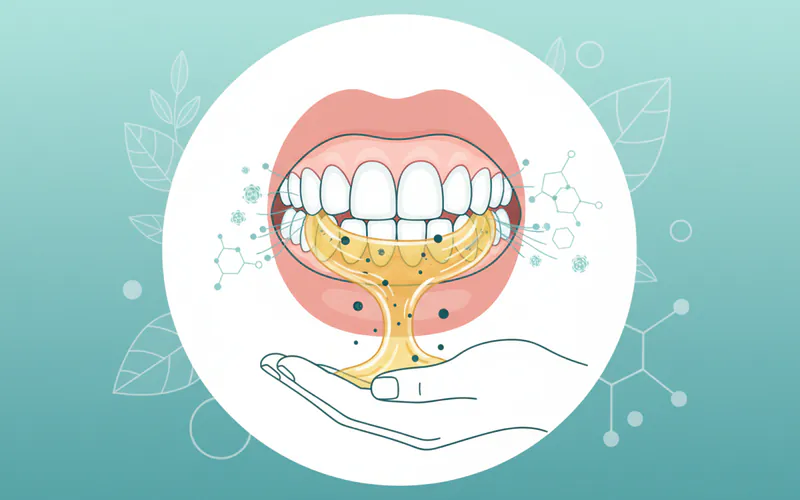
This article will explore what oil pulling entails, the various oils used, its purported benefits, the scientific research (or lack thereof) supporting these claims, potential risks, and how it compares to established dental hygiene practices. We'll also cover a step-by-step guide, cost considerations, and specific advice for different age groups, helping you make an informed decision about integrating this practice into your dental care routine.
Key Takeaways:
- What it is: Oil pulling is an ancient Ayurvedic practice involving swishing edible oil (typically coconut, sesame, or sunflower) in the mouth for 10-20 minutes to "pull" toxins and bacteria.
- Claimed Benefits: Advocates suggest benefits like reduced plaque, gingivitis, bad breath, and even tooth whitening, though scientific evidence for most claims is limited or preliminary.
- Scientific Consensus: The American Dental Association (ADA) does not recommend oil pulling as a substitute for conventional oral hygiene (brushing, flossing, antiseptic mouthwash) due to a lack of sufficient scientific evidence demonstrating its efficacy and safety.
- Cost: The primary cost is the oil itself, ranging from $5 to $20 for a bottle that could last weeks or months, making it a relatively inexpensive practice.
- Time Commitment: Requires 10-20 minutes daily, which can be a barrier for some individuals.
- Risks: Potential risks include upset stomach if swallowed, lipoid pneumonia (rare, from accidental inhalation), and allergic reactions. It should not replace professional dental care.
- Integration: If practiced, it should be an adjunct to, not a replacement for, twice-daily brushing with fluoride toothpaste and daily flossing.
What is Oil Pulling? An Overview of the Ancient Practice
Oil pulling, known as "Kavala Graha" or "Gandusha" in Ayurveda, is a traditional Indian folk remedy that dates back thousands of years. The practice involves placing a tablespoon of edible oil in the mouth and swishing it around for approximately 10 to 20 minutes on an empty stomach, usually in the morning. The oil is then spit out, supposedly carrying bacteria, toxins, and other debris that have been "pulled" from the oral cavity.
The fundamental premise behind oil pulling is that the oil acts as a solvent, trapping oral bacteria and toxins through saponification (the process of converting fat into soap) and emulsification. These microorganisms, many of which are fat-soluble, are believed to adhere to the oil, which is then expelled from the body. Proponents suggest that this process cleanses the mouth, removes plaque, freshens breath, and even contributes to overall systemic health by reducing the bacterial load that can enter the bloodstream from the mouth.
Historically, the practice was not widely known outside of India but has gained significant popularity in Western cultures over the past two decades, largely fueled by celebrity endorsements and internet discussions. Many who incorporate it into their routine report a sense of improved oral hygiene and overall well-being. However, it's crucial to examine the scientific basis behind these claims, which we will explore in detail.
Proposed Mechanisms of Action
While the exact scientific mechanisms are still under investigation and not fully understood, several theories explain how oil pulling might work:
- Saponification: Some oils, particularly coconut oil due to its high lauric acid content, interact with the alkali in saliva to form a soap-like substance. This "soap" can help clean the oral cavity.
- Emulsification: The oil emulsifies with saliva, creating a thin film that can trap bacteria and food debris.
- Antimicrobial Properties: Certain oils, especially coconut oil, contain fatty acids (like lauric acid) that possess known antimicrobial properties against various microorganisms, including some responsible for dental decay and gum disease. When these fatty acids are broken down by enzymes, they can form monoglycerides that are toxic to bacteria.
- Mechanical Cleansing: The act of swishing itself provides a mechanical scrubbing action, similar to a mouthwash, which can dislodge loose debris and bacteria.
It's important to note that these are proposed mechanisms, and direct, robust scientific evidence proving their efficacy specifically in the context of oil pulling for comprehensive oral health improvement is still emerging.
Types of Oils Used and Their Variations
While various oils can be used for oil pulling, some are more popular due to their flavor profile, accessibility, or specific properties. The most commonly recommended oils include:
1. Coconut Oil
Coconut oil is arguably the most popular choice for oil pulling today, primarily due to its pleasant taste and widespread health claims.
- Pros:
- High in Lauric Acid: This medium-chain fatty acid is known for its potent antimicrobial, antifungal, and antiviral properties. Studies suggest lauric acid can effectively kill Streptococcus mutans, a primary bacterium responsible for tooth decay, and Candida albicans, a yeast that can cause oral thrush.
- Palatable: Many find the mild, slightly sweet flavor of coconut oil more agreeable than other oils.
- Readily Available: Easily found in most grocery stores.
- Cons:
- Solid at Room Temperature: Can be slightly inconvenient, requiring a moment to melt in the mouth before swishing.
- Cost: Can be slightly more expensive than basic vegetable oils.
2. Sesame Oil
Traditional Ayurvedic texts primarily recommend sesame oil for oil pulling.
- Pros:
- Rich in Antioxidants: Contains lignans like sesamol and sesamin, which have antioxidant and anti-inflammatory effects.
- Historical Use: Backed by centuries of traditional practice in Ayurveda.
- Plaque Reduction: Some studies, albeit limited, have suggested sesame oil may help reduce plaque and gingivitis.
- Cons:
- Stronger Flavor: Some individuals find the nutty, distinct flavor of sesame oil less palatable for prolonged swishing.
- Availability: May be less common than coconut oil in standard grocery stores for large quantities.
3. Sunflower Oil
Another commonly cited oil, particularly in some Eastern European traditions.
- Pros:
- Neutral Flavor: Generally has a milder flavor compared to sesame oil, making it more agreeable for some.
- Cost-Effective: Often one of the most affordable options.
- Availability: Widely available.
- Cons:
- Less Research: Less specific research on its antimicrobial properties compared to coconut oil in the context of oral health.
- Omega-6 Content: High in Omega-6 fatty acids, which in excessive amounts, relative to Omega-3s, could contribute to inflammation, though the amount used in oil pulling is unlikely to have a systemic effect.
Other Oils
While less common, other edible oils like olive oil or avocado oil could technically be used. However, they lack the specific antimicrobial fatty acid profiles of coconut oil or the traditional backing of sesame oil, making them less frequently recommended. The key is to use a high-quality, cold-pressed, organic oil to avoid any additives or undesirable processing byproducts.
[IMAGE: A collage showing three different types of oil (coconut oil, sesame oil, sunflower oil) in clear glass jars, with their respective benefits listed as small text bubbles next to each.
Benefits of Oil Pulling: What the Research Says About "Does Oil Pulling Work?"
The core question, "does oil pulling work," hinges on its purported benefits versus scientific validation. Advocates of oil pulling claim a wide array of oral and systemic health benefits. Let's examine the most common claims and review the scientific literature.
1. Reduction of Harmful Bacteria
Claim: Oil pulling reduces the total bacterial count in the mouth, including those responsible for cavities and gum disease. Evidence: Several small studies, primarily conducted in India, have shown that oil pulling, particularly with coconut and sesame oil, can reduce the number of Streptococcus mutans (a bacteria strongly linked to tooth decay) in saliva and plaque. A 2016 study published in the Journal of Clinical and Diagnostic Research observed a significant reduction in S. mutans counts after 15 days of oil pulling with coconut oil, comparable to chlorhexidine mouthwash in some aspects, though chlorhexidine generally shows stronger effects. Verdict: Promising, but more robust, larger-scale studies are needed.
2. Reduction of Plaque and Gingivitis
Claim: Oil pulling can significantly reduce plaque accumulation and alleviate symptoms of gingivitis (gum inflammation). Evidence: A review of multiple studies in the Journal of Traditional and Complementary Medicine (2014) suggested that oil pulling might be an effective adjunctive therapy for reducing plaque and gingivitis. For instance, a 2009 study found that sesame oil pulling significantly reduced plaque and improved gingivitis in adolescents. Another study in the Journal of Indian Society of Pedodontics and Preventive Dentistry (2017) indicated that coconut oil pulling reduced plaque and gingivitis in adolescents. Verdict: Some evidence suggests it may help as an adjunct, but it's not a replacement for brushing and flossing.
3. Freshening Breath (Halitosis Reduction)
Claim: Oil pulling effectively eliminates bad breath. Evidence: Bad breath is often caused by volatile sulfur compounds (VSCs) produced by bacteria in the mouth. By reducing the overall bacterial load, oil pulling theoretically could reduce VSCs. A 2011 study in the Journal of Indian Society of Pedodontics and Preventive Dentistry demonstrated that sesame oil pulling was as effective as chlorhexidine mouthwash in reducing halitosis in a group of adolescents. Verdict: Likely to be effective if it reduces the bacteria that cause bad breath, but still needs broader research.
4. Tooth Whitening
Claim: Oil pulling naturally whitens teeth. Evidence: This is a very popular anecdotal claim, but there is no scientific evidence to support that oil pulling directly whitens teeth. The perception of whiter teeth might stem from the removal of surface stains and improved oral hygiene, making teeth appear cleaner, but it does not alter the intrinsic color of the tooth enamel. Verdict: No scientific basis.
5. Alleviating Dry Mouth (Xerostomia)
Claim: Oil pulling can help lubricate the mouth and reduce symptoms of dry mouth. Evidence: While not extensively studied, the act of swishing oil could provide temporary lubrication, and the potential reduction in oral bacteria might reduce some symptoms associated with dry mouth. However, it doesn't address the root causes of xerostomia (e.g., salivary gland dysfunction, medication side effects). Verdict: Anecdotal, no strong scientific support.
6. Strengthening Gums and Jaws
Claim: The swishing action helps "exercise" the jaw muscles and strengthens gums. Evidence: This claim is largely anecdotal. While any muscle use provides some exercise, there's no evidence that oil pulling significantly strengthens jaw muscles beyond normal chewing, or that it has a direct strengthening effect on gum tissue. Verdict: No scientific basis.
7. Detoxing the Body / Systemic Health Benefits
Claim: Oil pulling draws out toxins from the entire body, leading to benefits like headache relief, improved skin, and better sleep. Evidence: There is no scientific evidence whatsoever to support that oil pulling "detoxes" the entire body or provides systemic health benefits beyond what might result from reduced oral inflammation. The idea of "pulling toxins" through the mouth into oil is not supported by physiology. Verdict: Unsubstantiated and highly questionable.
Comparison Table: Claimed Benefits vs. Scientific Evidence
| Claimed Benefit | Current Scientific Evidence | Verdict |
|---|---|---|
| Reduces harmful oral bacteria | Several small studies show reduction in S. mutans counts, sometimes comparable to chlorhexidine, especially with coconut and sesame oils. | Promising (Adjunct) |
| Reduces plaque and gingivitis | Multiple studies suggest it can reduce plaque index and gingival index, especially with sesame and coconut oils. Effects often modest compared to conventional methods. | Some Evidence (Adjunct) |
| Freshens breath (reduces halitosis) | Studies indicate reduction in volatile sulfur compounds and overall halitosis, comparable to some chemical mouthwashes. | Likely Effective |
| Whitens teeth | No scientific evidence. Perceived whitening likely due to surface stain removal and improved cleanliness, not intrinsic tooth color change. | Unsubstantiated |
| Alleviates dry mouth | Anecdotal reports, but no robust scientific studies confirming effectiveness or addressing underlying causes. | Anecdotal |
| Strengthens gums and jaws | No scientific evidence. The swishing motion does not provide significant muscle strengthening beyond normal activities, nor does it directly strengthen gum tissue. | Unsubstantiated |
| "Detoxifies" the body | No scientific evidence. This claim is not supported by human physiology or current medical understanding. Oral cavity cleansing does not translate to systemic detoxification in the manner implied. | Highly Questionable |
Pro Tip: Always remember that "natural" does not automatically mean "effective" or "safe." While some studies show promising results for specific oral health benefits, oil pulling is generally considered an adjunctive therapy. It is not a substitute for brushing twice daily with fluoride toothpaste and flossing once a day, which are proven methods for preventing cavities and gum disease. The American Dental Association (ADA) specifically states that there is no scientific evidence to show oil pulling offers any therapeutic benefits.
The Step-by-Step Oil Pulling Process
If you're considering trying oil pulling, understanding the correct procedure is essential. This method is generally simple, but consistency and proper technique are key.
What You'll Need:
- 1 tablespoon of high-quality, cold-pressed edible oil (coconut, sesame, or sunflower oil are most common).
- A clock or timer.
- A waste bin or toilet to spit into (do NOT spit into a sink).
Step-by-Step Instructions:
- Choose Your Oil: Select a high-quality, organic, cold-pressed oil. Coconut oil is often recommended for beginners due to its mild taste and reported antimicrobial properties.
- Morning Ritual: The best time to oil pull is first thing in the morning, on an empty stomach, before you've eaten or even had water. This is believed to maximize the "pulling" effect.
- Measure the Oil: Take approximately one tablespoon (about 15 ml) of oil. If using coconut oil, which is often solid at room temperature, it will melt quickly once it's in your mouth.
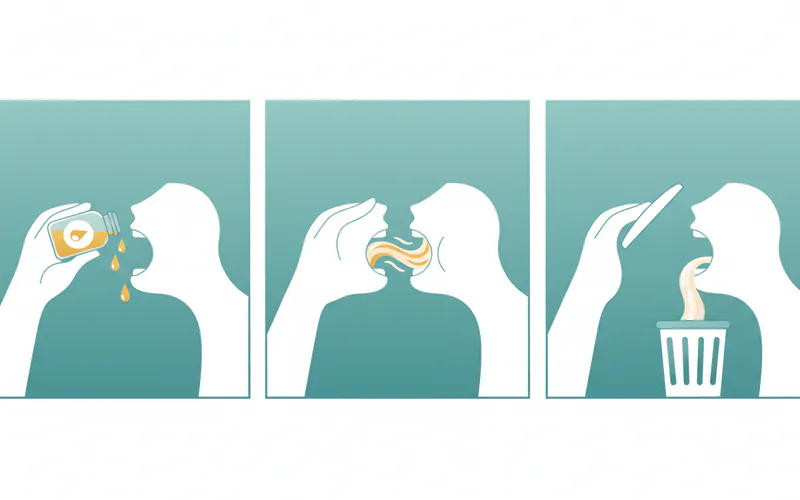
- Begin Swishing: Place the oil in your mouth. Do not swallow it. Gently swish, suck, and pull the oil through your teeth and around your mouth. The motion should be gentle, not aggressive, to avoid straining your jaw muscles.
- Duration: Continue swishing for 10 to 20 minutes. For beginners, 5 minutes might be a good starting point, gradually increasing the duration as you get comfortable. The oil will thicken and become milky white as it mixes with your saliva and, theoretically, absorbs toxins.
- Spit It Out: When the time is up, or if your jaws feel tired, spit the oil into a waste bin or toilet. DO NOT spit it into a sink. The oil can solidify and clog plumbing over time, especially coconut oil. DO NOT swallow the oil, as it is believed to contain bacteria and toxins.
- Rinse Thoroughly: After spitting, rinse your mouth thoroughly with warm water. Some prefer to use salt water for an added antiseptic effect. This helps remove any residual oil and bacteria.
- Brush Your Teeth: Proceed with your regular oral hygiene routine: brush your teeth with fluoride toothpaste and floss.
Pro Tip: If the idea of 10-20 minutes of swishing sounds daunting, try multitasking. Oil pull while you shower, get dressed, prepare breakfast, or read the news. This can make the time pass more quickly.
Risks and Complications of Oil Pulling
While oil pulling is generally considered safe for most people when performed correctly, it is not without potential risks and contraindications. It's crucial to be aware of these before incorporating it into your routine.
1. Swallowing the Oil
- Risk: Accidental swallowing of the oil, especially after it has been swished for an extended period, is the most common concern.
- Complication: If the oil contains bacteria and toxins "pulled" from the mouth, ingesting it could lead to an upset stomach, nausea, or diarrhea. While minor, it defeats the purpose of the practice.
2. Lipoid Pneumonia (Rare but Serious)
- Risk: In extremely rare cases, individuals can accidentally aspirate (inhale) small amounts of the oil into their lungs, especially if they have conditions that impair swallowing reflexes or during coughing fits while oil pulling.
- Complication: Aspiration of oil can lead to lipoid pneumonia, a severe and potentially chronic lung inflammation. This risk is higher in young children, the elderly, or individuals with neuromuscular disorders.
3. Allergic Reactions
- Risk: Like any food product, individuals can be allergic to specific oils (e.g., coconut, sesame).
- Complication: Allergic reactions can range from mild oral irritation, itching, or swelling to more severe systemic reactions.
4. Jaw Pain or Strain (TMJ Issues)
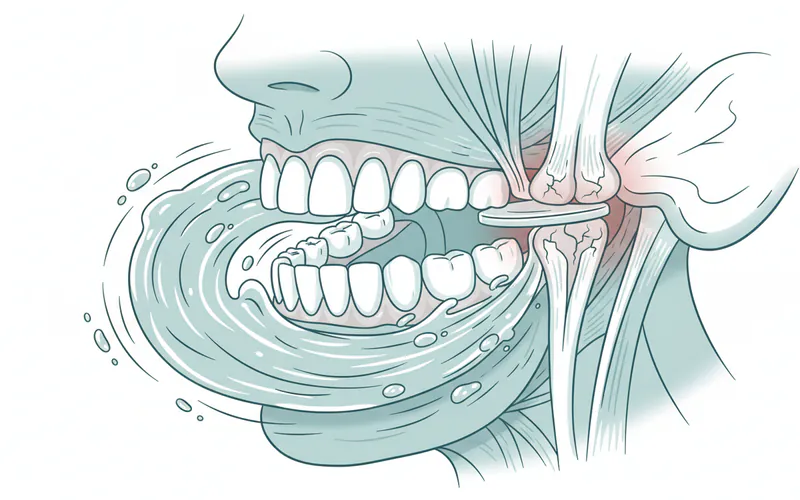
- Risk: Overly vigorous or prolonged swishing, especially for those new to the practice or with pre-existing temporomandibular joint (TMJ) disorders.
- Complication: Can exacerbate TMJ pain, cause muscle fatigue, or even lead to discomfort in the jaw.
5. Delayed Dental Treatment
- Risk: The biggest risk from a dental health perspective is that individuals might rely solely on oil pulling as a "cure-all" and neglect conventional, evidence-based dental care.
- Complication: Delaying necessary professional dental treatment (fillings for cavities, deep cleaning for severe gum disease) can lead to worsening conditions, increased pain, more complex and expensive treatments, and even tooth loss. Oil pulling cannot remove established plaque or tartar, nor can it fill cavities or treat advanced periodontal disease.
6. Erosion of Restorations (Theoretical)
- Risk: Some dental professionals theorize that certain oils or the prolonged mechanical action could, in theory, negatively interact with existing dental restorations like fillings or crowns over time. However, there is no strong evidence to support this.
- Complication: While largely theoretical and without clinical backing, it's a consideration for those with extensive dental work.
Official Stance of the American Dental Association (ADA)
The American Dental Association (ADA) does not recommend oil pulling as a therapeutic dental treatment. Their stance is that there is insufficient scientific evidence to support its efficacy or safety for any oral health benefit. They emphasize that oil pulling should not replace standard oral hygiene practices like brushing twice daily with fluoride toothpaste and flossing once daily, or regular dental check-ups and cleanings. If someone chooses to oil pull, the ADA advises them to do so in addition to, not instead of, their established oral hygiene routine.
Children / Pediatric Considerations
The concept of oil pulling for children requires careful consideration due to their developing oral structures and varying abilities to follow instructions.
Age-Specific Guidance for Parents:
- Under 5 years old: Oil pulling is not recommended for children under 5. There's a significant risk of accidental swallowing or aspiration of the oil, especially if they haven't mastered the ability to swish and spit reliably without swallowing. The potential for lipoid pneumonia, though rare, is a serious concern.
- 5-12 years old: For children in this age range, oil pulling might be considered only under close parental supervision and if the child demonstrates excellent control over their swallowing and spitting reflexes. Start with a very small amount of oil (e.g., 1 teaspoon) and a very short duration (1-2 minutes), gradually increasing if they are comfortable and proficient. It should be presented as a "fun experiment" rather than a critical dental routine. Emphasize never to swallow the oil. However, the benefits are not proven for this age group, and established methods like brushing and flossing are far more critical.
- Adolescents (13+ years old): Adolescents who are mature enough to understand the instructions and potential risks, and who can reliably swish and spit for 10-20 minutes without swallowing, may try oil pulling if they wish. Again, it should always be an adjunct to their regular oral hygiene, not a replacement.
Key Concerns for Children:
- Risk of Swallowing: Children are more prone to accidentally swallowing the oil, which could lead to gastrointestinal upset.
- Aspiration Risk: The risk of aspirating oil into the lungs, leading to lipoid pneumonia, is a serious concern for younger children.
- Not a Substitute: It is paramount that parents understand oil pulling is not a substitute for established pediatric dental care:
- Brushing teeth twice a day with fluoride toothpaste.
- Flossing daily once teeth touch.
- Regular dental check-ups and cleanings as recommended by a pediatric dentist.
- A healthy diet, limiting sugary snacks and drinks.
Pro Tip for Parents: If your child is interested in alternative oral health practices, focus on making brushing and flossing fun and consistent first. Use flavored fluoride toothpastes, electric toothbrushes with timers, and disclose tablets to help them see where they need to brush. These are scientifically proven and safe methods for children.
Cost Breakdown of Oil Pulling
One of the appeals of oil pulling is its relatively low cost compared to some other dental treatments. The primary expense is the oil itself, as there are no specialized tools or professional fees involved.
Average US Costs for Oils:
- Coconut Oil:
- Low-End: A 16-ounce jar of unrefined, organic coconut oil can range from $5 to $10 at discount retailers or larger grocery stores.
- Mid-Range: A 32-ounce jar of a reputable brand (organic, virgin, cold-pressed) typically costs between $12 and $20.
- High-End: Specialty or gourmet brands in smaller quantities might go up to $25-$30 for 16-32 ounces, but this is usually unnecessary for oil pulling purposes.
- Sesame Oil:
- Low-End: A 16-ounce bottle of unrefined sesame oil can be found for $6 to $12.
- Mid-Range: Larger or organic bottles (32 ounces) usually cost between $15 and $25.
- Sunflower Oil:
- Low-End: A large 32-ounce bottle of organic, cold-pressed sunflower oil can be quite affordable, often ranging from $8 to $15.
- Mid-Range: Specialty brands might be slightly more, but rarely exceed $20.
Usage and Duration:
Assuming you use one tablespoon (approx. 15 ml) per day:
- A 16-ounce (approx. 473 ml) jar/bottle would last about 31 days.
- A 32-ounce (approx. 946 ml) jar/bottle would last about 63 days (over two months).
Therefore, the monthly cost for oil pulling is generally quite low, ranging from $5 to $10 per month, depending on the oil chosen and the size purchased.
Insurance Coverage:
- No Insurance Coverage: Oil pulling is considered an alternative or home remedy and is never covered by dental or medical insurance in the US.
- Flexible Spending Accounts (FSAs) and Health Savings Accounts (HSAs): Generally, the cost of edible oils for oil pulling would not be eligible for reimbursement through FSAs or HSAs, as it is not a medically necessary treatment prescribed by a healthcare provider.
Payment Plans and Financing Options:
Since there are no professional fees, payment plans or financing options are not applicable to the direct cost of oil pulling.
Cost-Saving Tips:
- Buy in Bulk: Purchase larger jars or bottles of oil, especially when on sale, as this usually offers a lower per-ounce cost.
- Store Brands: Opt for reputable store-brand organic oils, which often provide similar quality to national brands at a lower price point.
- Compare Prices: Check different grocery stores, health food stores, and online retailers for the best prices.
Frequently Asked Questions
Does oil pulling replace brushing and flossing?
No, absolutely not. The American Dental Association (ADA) and virtually all dental professionals emphasize that oil pulling is not a substitute for standard oral hygiene practices. You must continue to brush your teeth twice daily with fluoride toothpaste and floss once daily for effective cavity and gum disease prevention.
How often should I oil pull?
Most proponents recommend oil pulling once a day, typically in the morning on an empty stomach. Consistency is believed to be key to experiencing any potential benefits.
How long does it take to see results from oil pulling?
Anecdotal reports vary widely, with some individuals claiming to notice fresher breath or cleaner-feeling teeth within a few days to a week. For more significant changes like reduced gingivitis or plaque, studies suggest consistent practice for at least 1-2 weeks, or even up to a month.
What happens if I accidentally swallow some oil?
If you accidentally swallow a small amount of the oil you've been swishing, it's generally not a cause for serious concern. You might experience a mild stomach upset, nausea, or diarrhea, as the oil is believed to contain absorbed bacteria and toxins. Simply spit out the remaining oil and rinse your mouth thoroughly.
Can oil pulling cure cavities?
No, oil pulling cannot cure or reverse existing cavities. Once a cavity has formed, it requires professional dental treatment, such as a filling, to remove the decayed portion and restore the tooth. Oil pulling might potentially help reduce bacteria that cause cavities, but it cannot repair tooth structure.
Is oil pulling painful?
Oil pulling should not be painful. If you experience jaw pain, it might be due to swishing too vigorously or for too long. Try a shorter duration or a gentler motion. If you experience gum irritation or discomfort, discontinue the practice and consult your dentist.
Does oil pulling detoxify my body?
There is no scientific evidence to support the claim that oil pulling "detoxifies" the entire body. While it may help reduce the bacterial load in the mouth, the idea that it draws out systemic toxins through the oral mucosa is not supported by physiological science.
What are the best alternatives to oil pulling for oral health?
The most effective and scientifically proven alternatives for superior oral health are:
- Brushing twice daily for two minutes with fluoride toothpaste.
- Flossing daily.
- Using an antimicrobial mouthwash (e.g., those containing essential oils, cetylpyridinium chloride, or chlorhexidine as prescribed by a dentist).
- Regular dental check-ups and professional cleanings (typically every 6 months).
Can I oil pull if I have sensitive teeth or gum disease?
If you have sensitive teeth or existing gum disease (gingivitis or periodontitis), it's best to consult your dentist before starting oil pulling. While some studies suggest it may help with gingivitis, it should only be used as an adjunct to professional treatment and not as a replacement. It will not treat the underlying causes of advanced gum disease.
Should I rinse with water after oil pulling?
Yes, it is highly recommended to rinse your mouth thoroughly with warm water (or salt water) after spitting out the oil. This helps to wash away any residual oil and bacteria that may still be in your mouth. Then proceed with your regular brushing and flossing routine.
When to See a Dentist
While oil pulling is a personal practice that some incorporate into their routine, it is crucial to understand that it is never a substitute for professional dental care. Here's when you should always prioritize seeing a dentist, regardless of whether you oil pull or not:
- Persistent Toothache or Pain: Any lasting discomfort, sharp pain, or throbbing in a tooth or jaw is a clear sign of a potential issue like a cavity, abscess, or gum infection. Oil pulling cannot treat these conditions.
- Bleeding Gums: While some minor bleeding during flossing might occur initially, persistent or excessive bleeding from your gums, especially when brushing, is a primary indicator of gingivitis or more advanced periodontal disease. A dentist needs to diagnose and treat this.
- Swelling in the Gums or Face: Swelling can indicate a serious infection, such as an abscess, which requires immediate professional attention to prevent it from spreading.
- Persistent Bad Breath (Halitosis) Not Improved by Routine Hygiene: If despite regular brushing, flossing, and even oil pulling, your bad breath persists, it could be a sign of an underlying oral issue (like gum disease, decaying teeth) or even a systemic health problem.
- Sensitivity to Hot or Cold: Increased tooth sensitivity could signal tooth decay, exposed root surfaces, or a cracked tooth, all of which need dental evaluation.
- Difficulty Chewing or Swallowing: These symptoms can indicate serious issues ranging from dental problems to more severe medical conditions.
- Changes in Your Bite or Jaw Pain: If your bite feels "off," or you experience clicking, popping, or pain in your jaw joints (TMJ), a dentist can diagnose the cause.
- Loose Teeth: This is a late sign of advanced gum disease and requires immediate dental intervention to try and save the teeth.
- Oral Sores or Lesions That Don't Heal: Any sore, white patch, or red lesion in your mouth that doesn't heal within two weeks should be examined by a dentist, as it could be a sign of oral cancer.
- Routine Check-ups and Cleanings: Even if you experience no symptoms, regular dental visits every six months (or as recommended by your dentist) are vital for preventive care, early detection of problems, and professional cleaning to remove plaque and tartar that brushing and flossing can miss.
Red Flags vs. Routine Care:
- Red Flags (See a dentist immediately): Severe pain, swelling, signs of infection (fever accompanying oral issues), uncontrolled bleeding, trauma to the mouth or teeth.
- Routine Care (Schedule an appointment): Persistent mild symptoms, questions about oral hygiene, desire for a check-up and cleaning, cosmetic concerns.
Remember, a dentist is your primary partner in maintaining optimal oral health. While you might choose to explore complementary practices like oil pulling, they should never overshadow or replace the proven benefits of professional dental care.
Frequently Asked Questions
Medically Reviewed Content
This article was written by our dental health editorial team and reviewed for medical accuracy. Our content follows strict editorial guidelines for reliability and trustworthiness.
Medical Disclaimer
This article is for informational purposes only and does not constitute medical advice. Always consult with a qualified dental professional for diagnosis and treatment. Do not delay seeking professional advice because of something you read on this website.
Related Articles
What Coconut Oil to Use for Oil Pulling
For centuries, across various cultures, people have sought natural remedies to maintain oral health and enhance their smiles. One practice that has gained significant traction in the modern wellness landscape is oil pulling. While many are curious about its potential benefits, a common question aris
February 23, 2026

What Are the Benefits of Oil Pulling
More than 80% of American adults experience some form of periodontal (gum) disease, and a significant number struggle with issues like chronic bad breath or sensitivity. In the pursuit of optimal oral health, many people explore various practices beyond routine brushing and flossing. One such an
February 23, 2026

How Long to Do Oil Pulling
More than half of all American adults suffer from some form of periodontal disease, a condition that can lead to tooth loss and impact overall health. For those seeking complementary approaches to traditional oral care, ancient practices like oil pulling have garnered significant attention. But
February 23, 2026

Does Oil Pulling Actually Work
Imagine a simple, ancient practice capable of transforming your oral health – reducing bad breath, whitening teeth, and even preventing cavities, all with a spoonful of oil. This is the promise of oil pulling, an age-old tradition that has seen a significant resurgence in popularity across the Unite
February 23, 2026