Best Whitening Strips: Complete Guide
Key Takeaways
- A dazzling, bright smile isn't just a confidence booster; it's often perceived as a sign of good health and vitality. In fact, studies show that nearly 90% of people believe an attractive smile makes a person more appealing. However, daily habits and natural aging can dull your pearly whites, leadin
A dazzling, bright smile isn't just a confidence booster; it's often perceived as a sign of good health and vitality. In fact, studies show that nearly 90% of people believe an attractive smile makes a person more appealing. However, daily habits and natural aging can dull your pearly whites, leading many to seek effective solutions. Among the most popular and accessible options for at-home teeth whitening are dental whitening strips. But with a dizzying array of products on the market, how do you choose the best whitening strips for your specific needs?
This comprehensive guide from SmilePedia.net will dive deep into everything you need to know about whitening strips. We'll explore how they work, what ingredients to look for, their effectiveness, and crucial safety considerations. Whether you're battling stubborn coffee stains, curious about how strips compare to professional treatments, or wondering if they're suitable for sensitive teeth or even certain dental work like veneer teeth, we've got you covered. By the end, you'll be equipped with the knowledge to make an informed decision for a brighter, more confident smile.
Key Takeaways:
- Whitening Strip Mechanism: Most strips utilize hydrogen peroxide or carbamide peroxide to penetrate enamel and break down stain molecules.
- Efficacy & Duration: Visible results typically appear within 3-7 days, with full results in 10-14 days. Results can last 6 months to a year with proper maintenance.
- Cost-Effectiveness: Over-the-counter whitening strips range from $25 to $75 per box, making them the most affordable whitening option compared to professional treatments which can cost $300 to $800+.
- Potential Side Effects: Temporary tooth sensitivity and gum irritation are common but usually mild and resolve after use.
- Limitations: Whitening strips are ineffective on dental restorations like crowns, fillings, and veneer teeth. They also do not change the appearance of gum tissue in cases of a gummy smile.
- Safety First: Always follow product instructions and consult your dentist, especially if you have existing dental issues, restorations, or significant sensitivity.
- Application Time: Most strips require 30 minutes of application once or twice daily for a specified period (e.g., 14 days).
What Are Whitening Strips and How Do They Work?
Whitening strips are thin, flexible pieces of plastic coated with a peroxide-based whitening gel. Designed for at-home use, they adhere to the surface of your teeth, delivering the active whitening agent directly to the enamel. They are a popular choice for their convenience, accessibility, and relatively low cost compared to in-office professional whitening treatments.

The Science Behind the Brightness
The magic behind whitening strips lies in their active ingredients: hydrogen peroxide or carbamide peroxide.
- Hydrogen Peroxide: This is a powerful oxidizing agent that directly penetrates the enamel and dentin layers of your teeth. Once inside, it breaks down the complex organic molecules responsible for stains into smaller, colorless compounds. This process lightens the overall shade of your teeth. Concentrations in OTC strips typically range from 3% to 10%.
- Carbamide Peroxide: Often found in higher concentrations (e.g., 10% to 20% in strips, and even higher in professional gels), carbamide peroxide breaks down into hydrogen peroxide and urea when it comes into contact with water (saliva in your mouth). This means it releases hydrogen peroxide more gradually, which can be beneficial for reducing sensitivity for some users, while still achieving effective whitening. A 10% carbamide peroxide solution is roughly equivalent to 3.5% hydrogen peroxide.
When applied, the gel on the strip adheres to the tooth surface, allowing the peroxide to begin its work. Over the recommended treatment period, repeated applications gradually break down the stains, revealing a brighter smile. It's important to understand that whitening strips don't physically remove stains from the surface in the way a professional dental cleaning does; rather, they bleach the tooth structure itself.
Types of Whitening Strips and Variations
The market for whitening strips is diverse, catering to different needs and preferences. Understanding the various types can help you select the best whitening strips for your situation.
1. Standard Whitening Strips
These are the most common type, designed for general use to remove surface stains and lighten tooth shade. They typically contain hydrogen peroxide or carbamide peroxide in moderate concentrations.
- Pros: Widely available, cost-effective, noticeable results for most users.
- Cons: Can cause temporary sensitivity or gum irritation in some individuals.
2. Strips for Sensitive Teeth
Formulated with lower concentrations of peroxide or alternative whitening agents, these strips are designed for individuals who experience tooth sensitivity with standard whitening products. They may also contain desensitizing agents like potassium nitrate or strontium chloride.
- Pros: Reduced risk of sensitivity, comfortable for prolonged use.
- Cons: May take longer to achieve desired results, potentially less dramatic whitening effect.
3. Professional-Strength Strips
These strips typically feature higher concentrations of whitening agents than standard OTC versions, often comparable to gels used in custom dental trays. They are designed for more significant stain removal and faster results. Some brands offer "professional effects" or "intense" versions that aim to mimic in-office results to a degree.
- Pros: Faster and more dramatic results, deeper stain removal.
- Cons: Higher risk of sensitivity and gum irritation, generally more expensive.
4. Charcoal Whitening Strips
While charcoal itself is often touted for its purported whitening properties (due to its abrasive nature), charcoal whitening strips usually combine activated charcoal with a traditional peroxide-based gel. The charcoal component is often more for marketing appeal.
- Pros: Can feel like a "natural" option for some, may aid in surface stain absorption.
- Cons: Scientific evidence specifically supporting charcoal's whitening efficacy in strips is limited, potential for enamel abrasion if used excessively with abrasive charcoal products (though strips are less abrasive).
5. LED Light-Activated Strips
Some whitening strip kits include a small LED light device that users hold up to their teeth after applying the strips. The theory is that the LED light accelerates the whitening process by activating the peroxide, similar to some in-office treatments.
- Pros: Potentially faster or enhanced results, mimicking professional methods.
- Cons: Adds to the cost and complexity, scientific evidence for significant additional benefit from at-home LED lights is still debated and less conclusive than for professional-grade lights.
6. Specialty Strips (e.g., for specific stains)
Some brands may offer strips targeting specific types of stains, though the underlying mechanism remains peroxide-based. Always check the active ingredients and concentrations.
When choosing, consider your sensitivity levels, the extent of staining, and your budget. It's often wise to start with a standard or sensitive-formula strip and progress if needed, always keeping an eye on how your teeth and gums react.
Understanding Tooth Discoloration: Why Teeth Stain
Before you choose the best whitening strips, it's helpful to understand why your teeth become discolored in the first place. Tooth discoloration is a common concern and can stem from a variety of factors, broadly categorized into extrinsic and intrinsic stains.
Extrinsic Stains (Surface Stains)
These are stains that accumulate on the outer surface of your tooth enamel. They are typically caused by what you eat, drink, or consume.
- Foods and Beverages: Coffee, tea (especially black tea), red wine, dark sodas, berries (blueberries, blackberries), soy sauce, and highly pigmented foods can leave color particles on your enamel.
- Tobacco Use: Smoking or chewing tobacco is a major culprit for brown and yellow stains due to nicotine and tar.
- Poor Oral Hygiene: Inadequate brushing and flossing allow plaque and tartar to build up, which can absorb stains and make teeth appear dull or yellow.
- Age: As you age, your tooth enamel naturally thins, revealing more of the yellowish dentin underneath. The enamel also becomes more porous, making it more susceptible to staining.
Extrinsic stains are generally the easiest to remove with whitening strips and other over-the-counter whitening products.
Intrinsic Stains (Internal Stains)
These stains are located within the tooth structure, specifically in the dentin or underlying enamel. They are more challenging to remove and often require professional intervention or can be resistant even to strong whitening agents.
- Medications: Certain antibiotics, most notably tetracycline and doxycycline, can cause intrinsic staining if taken during tooth development (in childhood). Antihistamines, antipsychotics, and high blood pressure medications can also sometimes cause discoloration.
- Excessive Fluoride: While fluoride is crucial for dental health, consuming too much fluoride (fluorosis) during tooth formation can lead to white, brown, or black spots on the enamel.
- Trauma: An injury to a tooth, especially in childhood, can disrupt enamel formation or cause internal bleeding, leading to discoloration.
- Dental Restorations: Fillings, crowns, and veneer teeth do not whiten and can appear discolored if the surrounding natural teeth lighten.
- Genetics: Some individuals naturally have whiter or yellower teeth due to genetic predisposition influencing enamel thickness and dentin color.
- Dental Diseases: Certain dental conditions or treatments can also cause internal discoloration.
Understanding the cause of your stains is crucial for choosing the most effective whitening method. While whitening strips are excellent for extrinsic stains, intrinsic stains might require different approaches, such as professional in-office bleaching or cosmetic solutions like veneer teeth.
Signs and Symptoms of Tooth Discoloration
Recognizing tooth discoloration is usually quite straightforward, as it's a visual change. However, understanding the nuances of how stains appear can provide clues about their origin and potential treatment.
What to Look For:
- Yellowish Tint: This is the most common type of discoloration and often indicates extrinsic staining from food, drinks, and aging. It's also the easiest to address with most whitening products, including the best whitening strips.
- Brown Spots or Streaks: These can result from heavy coffee or tea consumption, tobacco use, or certain medications. Darker brown spots may indicate more deeply set extrinsic stains or, occasionally, early stages of fluorosis or even decay.
- Grayish or Bluish Tones: This type of discoloration is often intrinsic and more challenging to treat. It can be a tell-tale sign of tetracycline staining or, in some cases, a tooth that has experienced trauma and is no longer vital.
- White Spots: While some people seek overall whitening, white spots can indicate fluorosis or demineralization of the enamel, which can sometimes become more noticeable after general whitening. This is an important consideration, as whitening strips will whiten the surrounding tooth, potentially making the white spots appear even brighter in contrast.
- Uneven Coloring: You might notice that some teeth are whiter than others, or that the edges of your teeth are lighter than the areas near the gums. This can be due to uneven enamel thickness or varying levels of exposure to staining agents.
It's important to differentiate between general discoloration and specific dental issues. If you notice a single tooth significantly darker than others, especially after trauma, it could indicate a dead or dying nerve, requiring immediate dental evaluation, not just whitening. Similarly, severe, rapidly appearing discoloration could signal other underlying health issues. While whitening strips are generally safe, always consult your dentist if you're unsure about the cause of your discoloration or if you experience any pain or discomfort.
Treatment Options for Tooth Discoloration
When it comes to achieving a brighter smile, you have several options, ranging from at-home remedies to professional dental procedures. The best whitening strips are a popular choice, but it's essential to understand their place alongside other treatments.
1. Whitening Strips (Over-the-Counter)
As discussed, these are thin strips coated with a peroxide-based gel.
- Pros:
- Cost-effective: Typically range from $25 to $75 per box, making them highly accessible.
- Convenient: Easy to use at home, no dental appointments required.
- Effective: Can produce noticeable whitening results for extrinsic stains.
- Readily Available: Found in most drugstores and supermarkets.
- Cons:
- Temporary Sensitivity: Can cause temporary tooth sensitivity or gum irritation.
- Uneven Whitening: Strips may not fully cover irregularly shaped teeth, leading to uneven results.
- Limited Efficacy: Less effective on intrinsic stains or very dark discoloration compared to professional treatments.
- Ineffective on Restorations: Do not whiten crowns, fillings, or veneer teeth.
- Adherence Issues: Can sometimes slip or fail to adhere properly, especially on lower teeth.

2. Other Over-the-Counter (OTC) Whitening Products
- Whitening Toothpastes: Contain mild abrasives or chemical agents (like blue covarine) to remove surface stains.
- Pros: Easiest and most integrated into daily routine, very low cost ($5-$15).
- Cons: Limited whitening power, primarily for surface stains, results are minimal.
- Whitening Rinses: Contain low concentrations of peroxide.
- Pros: Freshens breath, mild whitening effect, easy to use ($8-$20).
- Cons: Very limited effectiveness, requires longer contact time than strips.
- Whitening Gels/Pens: Brush-on gels or pens deliver peroxide directly to teeth.
- Pros: Targeted application, good for touch-ups ($15-$40).
- Cons: Can be messy, inconsistent coverage, saliva can dilute effectiveness.
3. Professional Dental Whitening (In-Office)
Performed by a dentist, this involves applying a high-concentration peroxide gel to teeth, often activated by a special light or laser.
- Pros:
- Dramatic Results: Can lighten teeth by several shades in a single visit.
- Fast: Results are immediate, typically within 1-2 hours.
- Controlled: Dentist monitors the process, protecting gums and soft tissues.
- Effective for Intrinsic Stains: Can address more stubborn discoloration.
- Cons:
- High Cost: Ranges from $300 to $800+, depending on location and clinic.
- Increased Sensitivity: Higher risk of post-treatment sensitivity due to higher peroxide concentrations.
- Requires Appointments: Less convenient than at-home options.
4. Professional Take-Home Whitening Trays
Your dentist creates custom-fitted trays that you fill with a professional-strength whitening gel (typically carbamide peroxide) and wear at home for a specified duration each day.
- Pros:
- Custom Fit: Trays ensure even coverage and minimal gum irritation.
- Effective: Stronger and more consistent results than OTC products.
- Long-Lasting: Can be used for touch-ups, trays are reusable.
- Cons:
- Higher Cost: Ranges from $200 to $500.
- Requires Dental Visit: Initial visit for impressions and fitting.
- Still At-Home: Requires discipline for consistent use.
5. Dental Veneers
For severe intrinsic stains, structurally compromised teeth, or individuals also concerned about tooth shape, size, or a gummy smile (where veneers can be part of a larger cosmetic plan), veneer teeth are a transformative option. Veneers are thin, custom-made shells of porcelain or composite resin that are bonded to the front surface of your teeth.
- Pros:
- Complete Transformation: Can completely mask severe discoloration, chips, cracks, and minor misalignments.
- Durable and Long-Lasting: Porcelain veneers can last 10-15 years or more.
- Natural Appearance: Mimic the translucency and aesthetics of natural teeth.
- Address Multiple Issues: Solve color, shape, and alignment simultaneously.
- Cons:
- Irreversible: Requires removal of a small amount of enamel.
- High Cost: Veneers are a significant investment, ranging from $900 to $2,500 per tooth for porcelain.
- Not Whitened: Veneers do not whiten; they are made to your desired shade.
- Potential for Chipping/Debonding: Though durable, they are not indestructible.
Pro Tip: If you have existing dental restorations like crowns, bridges, or veneer teeth, be aware that whitening strips will only whiten your natural teeth. This can result in a color mismatch between your natural teeth and your restorations. Always consult your dentist before attempting to whiten if you have such dental work.
Step-by-Step Process: How to Use Whitening Strips Effectively
Using whitening strips correctly is crucial for achieving the best whitening strips results and minimizing potential side effects. Always refer to the specific instructions provided with your product, as application times and frequencies can vary. Here's a general guide:
1. Read the Instructions Thoroughly
Before opening the package, carefully read all directions, warnings, and ingredient lists. Pay close attention to recommended application time, frequency, and total treatment duration.
2. Prepare Your Teeth
- Brush Gently (Optional but Recommended): Some dentists suggest brushing your teeth lightly about 30 minutes before applying strips to remove plaque and food debris, which can help the whitening agent contact the enamel directly. However, avoid aggressive brushing immediately before, as this can irritate gums and increase sensitivity.
- Dry Your Teeth (Optional): Using a clean cloth or gauze to gently pat your teeth dry can help the strips adhere better, preventing slippage and ensuring optimal contact.
3. Apply the Strips
- Open Packet: Most kits come with individual pouches containing one strip for your upper teeth and one for your lower teeth.
- Identify Upper and Lower: Strips are usually different lengths; the longer one is for the upper teeth, the shorter for the lower.
- Apply to Upper Teeth First: Peel the strip from its backing. Facing a mirror, apply the gel side of the strip to the front of your upper teeth.
- Align and Press: Line up the straight edge of the strip with your gumline. Gently press the strip firmly onto the teeth, ensuring good contact across the entire surface. Fold any excess strip material over the back of your teeth to secure it.
- Repeat for Lower Teeth: Follow the same process for your lower teeth.
- Avoid Overlap: Try to avoid getting the gel directly on your gums as much as possible, as this can cause irritation.
4. Wear for Recommended Time
Adhere strictly to the recommended wearing time, which is typically 30 minutes once or twice a day. Wearing strips for longer than instructed will not necessarily whiten teeth faster or more effectively but significantly increases the risk of sensitivity and gum irritation.
5. Remove and Rinse
- Remove Strips: After the designated time, carefully peel the strips off your teeth.
- Rinse Your Mouth: Rinse your mouth thoroughly with water to remove any residual gel. Do not swallow the gel.
- Brush (Optional): You can gently brush your teeth to remove any remaining gel.
6. Post-Application Care
- Avoid Staining Foods/Drinks: For at least an hour after application, avoid consuming highly pigmented foods and drinks (e.g., coffee, tea, red wine, berries) as your teeth may be temporarily more porous and susceptible to re-staining. Some recommend a "white diet" during the entire treatment period.
- Manage Sensitivity: If you experience sensitivity, consider using a desensitizing toothpaste. You may also skip a day of treatment to give your teeth a break.
Important Considerations:
- Consistency is Key: For optimal results, use the strips consistently as directed for the entire treatment period (e.g., 7, 10, or 14 days).
- Storage: Store unused strips in a cool, dry place away from direct sunlight and heat.
Pro Tip: If you struggle with applying strips evenly or frequently get gel on your gums, try cutting the strips into smaller pieces to better fit specific areas of your teeth, especially for lower teeth or those with irregular shapes.
Cost and Insurance
Understanding the financial aspect of teeth whitening is important, as insurance rarely covers cosmetic procedures.
Cost of Whitening Strips
Whitening strips are by far the most budget-friendly option for teeth whitening. Prices can vary based on brand, package size, and whether they are standard or "professional-strength" formulas.
- Standard Whitening Strips: Expect to pay anywhere from $25 to $50 for a typical 14-day treatment kit.
- Professional-Strength or Advanced Formulas: These can range from $40 to $75 per kit, offering potentially faster or more dramatic results.
- Strips for Sensitive Teeth: Prices are generally in the $30 to $60 range.
These prices represent the cost per box or kit, which usually provides a complete treatment cycle for a few weeks. The long-term cost depends on how frequently you choose to re-whiten.
Cost of Other Whitening Options (for comparison)
- Whitening Toothpastes/Rinses: $5 - $20 (per tube/bottle). Minimal impact.
- Whitening Gels/Pens: $15 - $40.
- Professional Take-Home Whitening Trays: $200 - $500 (initial cost, then just gel refills at $30-$70).
- In-Office Professional Whitening: $300 - $800+ per session. Some clinics may offer packages for multiple sessions.
- Dental Veneers: A significant investment, ranging from $900 to $2,500 per tooth for porcelain veneers, and $250 to $1,500 per tooth for composite veneers.

Insurance Coverage
In the vast majority of cases, dental insurance does not cover teeth whitening procedures, including the cost of whitening strips, take-home kits, or in-office treatments. This is because teeth whitening is considered an elective cosmetic procedure rather than a medically necessary treatment for oral health.
- No Coverage for OTC Strips: You will always pay out-of-pocket for whitening strips.
- No Coverage for Professional Whitening: Similarly, professional in-office or take-home whitening from a dentist is typically not covered by insurance.
- Veneers and Insurance: While veneer teeth are primarily cosmetic, if they are deemed necessary to restore a tooth's function (e.g., after severe trauma or decay) rather than just aesthetics, a portion might be covered. However, this is rare and highly dependent on your specific plan and the dentist's documentation. Always check with your insurance provider.
Pro Tip: When budgeting for whitening, consider the long-term maintenance. While strips are cheap initially, consistent re-application can add up. Professional trays, while a higher upfront cost, may be more cost-effective over time if you only need to purchase refill gel.
Recovery and Aftercare for Whitening Strips
Once you've completed your whitening strip regimen, proper aftercare is essential to maintain your results and manage any temporary side effects.
Managing Sensitivity
Tooth sensitivity is the most common side effect of using whitening strips, caused by the peroxide temporarily penetrating the enamel and irritating the nerve endings.
- Use Desensitizing Toothpaste: Switch to a toothpaste formulated for sensitive teeth (containing ingredients like potassium nitrate or strontium chloride) for a few weeks after your treatment.
- Avoid Extreme Temperatures: For a few days, try to avoid very hot or very cold foods and drinks, which can exacerbate sensitivity.
- Over-the-Counter Pain Relievers: If sensitivity is bothersome, an OTC pain reliever like ibuprofen can help.
- Consider a Break: If sensitivity is severe during treatment, consider skipping a day or two to allow your teeth to recover before resuming.
Gum Irritation
You might notice some temporary redness or irritation of your gums, especially if the strip gel came into prolonged contact with them.
- Gentle Oral Hygiene: Continue brushing and flossing gently.
- Rinse with Saltwater: A warm salt water rinse can help soothe irritated gums.
- Avoid Spicy/Acidic Foods: These can further irritate sensitive gum tissue.
- Correct Application: Ensure you're applying strips carefully, minimizing contact with gums for future treatments.
Maintaining Your New White Smile
The results from whitening strips typically last 6 months to a year, but this can vary based on your habits.
- "White Diet" for 24-48 Hours: Immediately after your final strip application, your teeth are temporarily more porous. Avoid highly pigmented foods and drinks (coffee, tea, red wine, dark berries, sodas) for at least 24-48 hours to prevent re-staining.
- Reduce Staining Habits: To prolong results, limit consumption of staining beverages and foods. Use a straw for drinks like coffee or soda to minimize contact with front teeth.
- Excellent Oral Hygiene: Brush twice daily with a fluoride toothpaste and floss once a day to prevent new stain buildup and maintain overall oral health.
- Regular Dental Cleanings: Professional cleanings every six months are crucial to remove surface stains and plaque buildup that can dull your smile.
- Touch-Up Treatments: You can use whitening strips for touch-ups every few months or as needed, but avoid overuse. Follow product guidelines for frequency.
Pro Tip: If you frequently consume staining foods and drinks, consider rinsing your mouth with water immediately after to wash away pigment particles before they can set into the enamel.
Prevention of Tooth Discoloration
While whitening strips can effectively remove existing stains, preventing new ones from forming is key to maintaining a bright smile long-term.
1. Practice Excellent Oral Hygiene
- Brush Regularly: Brush your teeth twice a day for two minutes each time using a fluoride toothpaste. This removes plaque and food debris before they can lead to stain accumulation.
- Floss Daily: Flossing removes plaque and food particles from between teeth and along the gumline, areas brushing alone can miss.
- Regular Dental Check-ups and Cleanings: Visit your dentist every six months for professional cleanings. Dental hygienists use specialized tools to remove stubborn plaque, tartar, and surface stains that at-home brushing can't tackle.
2. Limit Staining Foods and Beverages
- Be Mindful of Pigmented Items: Reduce your intake of coffee, tea, red wine, dark sodas, fruit juices (especially berry-based), and highly pigmented foods like berries, soy sauce, and balsamic vinegar.
- Use a Straw: When consuming staining liquids, using a straw can help minimize contact with the front surfaces of your teeth.
- Rinse After Consumption: If you do indulge in staining items, rinse your mouth thoroughly with water immediately afterward to wash away stain-causing particles.
3. Quit Tobacco Products
Smoking and chewing tobacco are among the most significant contributors to severe tooth discoloration. Quitting these habits will not only protect your teeth from staining but also vastly improve your overall oral and systemic health.
4. Stay Hydrated
Drinking plenty of water throughout the day helps wash away food particles and acids, reducing the chance of stain development and promoting saliva flow, which naturally cleanses the mouth.
5. Consider a Whitening Toothpaste (for maintenance)
While not a primary whitening solution, using a whitening toothpaste a few times a week can help remove new surface stains and maintain the brightness achieved with best whitening strips.
6. Address Underlying Issues
If your discoloration is intrinsic (e.g., from medication or trauma), prevention is more about managing the cause. For example, if you know certain medications cause staining, discuss alternatives with your doctor. If you have a gummy smile and are considering cosmetic procedures, discussing overall oral aesthetics with your dentist can help integrate whitening into a broader treatment plan.
By incorporating these preventive measures into your daily routine, you can significantly prolong the results of your whitening efforts and keep your smile looking its best.
Risks and Complications of Whitening Strips
While widely considered safe for most adults, using whitening strips does come with potential risks and side effects. Being aware of these can help you use them responsibly and know when to consult a dentist.
1. Tooth Sensitivity
This is the most common side effect. The peroxide in the strips can temporarily penetrate the enamel, reaching the dentin and irritating the pulp (nerve) of the tooth.
- Symptoms: Sharp, shooting pains, especially when consuming hot or cold foods/drinks, or breathing cold air.
- Duration: Usually temporary, resolving within a few days after stopping treatment.
- Mitigation: Use strips formulated for sensitive teeth, reduce application time, take breaks between applications, and use desensitizing toothpaste.
2. Gum Irritation
The whitening gel can irritate soft tissues if it comes into prolonged contact with your gums.
- Symptoms: Redness, soreness, burning sensation, or white patches on the gums (chemical burns).
- Duration: Typically resolves quickly once strips are removed and gel is rinsed.
- Mitigation: Apply strips carefully, ensuring they don't overlap onto the gums. Trim strips if necessary to better fit your tooth shape.

3. Uneven Whitening
Strips are flat and may not perfectly conform to irregularly shaped teeth, crowded teeth, or teeth with uneven surfaces.
- Symptoms: Lighter spots where the strip made good contact, and darker spots where it didn't, or a lighter perimeter with a darker center.
- Mitigation: Ensure careful application and press firmly. For significantly irregular teeth, custom trays from a dentist may be a better option.
4. Damage to Dental Restorations
Whitening strips will not whiten existing dental work such as fillings, crowns, bridges, or veneer teeth.
- Risk: After whitening your natural teeth, these restorations will stand out as being darker or a different shade, creating a color mismatch. This can necessitate replacing the restorations to match your new tooth shade, incurring additional cost.
- Mitigation: Always consult your dentist before whitening if you have any dental restorations.
5. Over-Whitening / Blueish Tint
While rare with OTC strips, excessive or prolonged use of whitening products can sometimes lead to an unnatural, chalky white or even bluish translucent appearance. This is due to excessive enamel demineralization or changes in light reflection.
- Risk: Can be aesthetically undesirable and difficult to reverse.
- Mitigation: Follow product instructions carefully and avoid using strips more frequently or for longer durations than recommended.
6. Delayed Diagnosis of Dental Issues
If you whiten your teeth without a prior dental check-up, you might mask underlying issues. For instance, whitening a tooth with an untreated cavity can lead to severe sensitivity and pain as the peroxide can reach the nerve.
- Risk: Worsening of existing conditions, unnecessary discomfort.
- Mitigation: Always have a dental check-up before starting any whitening regimen to ensure your teeth and gums are healthy.
ADA Guidelines: The American Dental Association recommends a dental examination by a dentist prior to starting any bleaching treatment to determine if it is appropriate. This is especially true for pregnant or lactating women, individuals with gum disease, or those with significant sensitivity.
Comparison Tables
To help you decide the best whitening strips for your needs, or if another option is more suitable, here are two comparison tables.
Table 1: Popular Whitening Strip Brands Comparison
| Feature | Crest 3D Whitestrips Professional Effects | Crest 3D Whitestrips Sensitive White | Snow At-Home Whitening Strips | Hismile PAP+ Whitening Strips |
|---|---|---|---|---|
| Active Ingredient | Hydrogen Peroxide | Hydrogen Peroxide | Hydrogen Peroxide | Phthalimidoperoxycaproic Acid (PAP) |
| Concentration | Moderate to High | Low to Moderate | Moderate | Peroxide-free |
| Treatment Duration | 18-20 days (30 min/day) | 14 days (30 min/day) | 15 days (15 min/day) | 14 days (30 min/day) |
| Expected Results | 18-20 shades lighter, 1-2 years | 10-12 shades lighter, 6-12 months | 8-10 shades lighter, 6-12 months | 6-8 shades lighter, 3-6 months |
| Sensitivity Risk | Moderate to High | Low | Low to Moderate | Very Low (peroxide-free) |
| Cost Range (USD) | $45 - $65 | $35 - $55 | $30 - $50 | $30 - $45 |
| Pros | Very effective, dramatic results | Good for sensitive teeth, gentle | Convenient, good for maintenance | No sensitivity, safe for restorations* |
| Cons | Can cause sensitivity/gum irritation | Slower results, less dramatic | Requires shorter wear time, less common | Less dramatic results than peroxide, newer tech |
| Good For... | Significant stains, faster results | Mild stains, first-time users | Quick touch-ups, moderate stains | Sensitive users, enamel-safe focus |
Note: While PAP+ strips claim to be safe for restorations, they won't whiten them. They are generally considered safer for the surrounding natural teeth if you have restorations.
Table 2: Comparison of Whitening Methods
| Method | Efficacy on Extrinsic Stains | Efficacy on Intrinsic Stains | Speed of Results | Sensitivity Risk | Cost Range (USD) | Longevity of Results |
|---|---|---|---|---|---|---|
| Whitening Strips | Excellent | Moderate | Days to Weeks | Moderate | $25 - $75 | 6 months - 1 year |
| Whitening Toothpaste/Rinses | Minor | Negligible | Weeks to Months | Low | $5 - $20 | Ongoing (with use) |
| Professional Take-Home Trays | Excellent | Good | 1-2 Weeks | Moderate | $200 - $500 | 1-2 years |
| In-Office Whitening | Excellent | Excellent | Immediate (1-2 hours) | High | $300 - $800+ | 1-2 years |
| Dental Veneers | N/A (cover stains) | N/A (cover stains) | Immediate (over visits) | Negligible | $900 - $2,500 per tooth | 10-15+ years |
Children / Pediatric Considerations for Whitening Strips
The use of whitening strips and other teeth whitening products is generally not recommended for children and adolescents. There are several important reasons for this:
- Developing Teeth: Children's permanent teeth are still developing. The enamel is thinner and more porous than adult enamel, making them more susceptible to sensitivity and potential damage from whitening agents. The pulp (nerve) of their teeth is also larger and closer to the surface, increasing the risk of irritation.
- Mixed Dentition: Many children and teenagers have a mix of primary (baby) teeth and permanent teeth. Whitening strips would only whiten the permanent teeth, leading to uneven results and a potentially noticeable color mismatch between the two sets of teeth.
- Inconsistent Use: Children may not understand or consistently follow the instructions for using whitening strips, potentially leading to misuse, swallowing of the gel, or increased side effects.
- Cause of Discoloration: Discoloration in children is often due to different causes than in adults, such as trauma, certain medications during tooth development (like tetracycline), or fluorosis. Whitening strips are often ineffective against these types of intrinsic stains. For example, tetracycline stains are notoriously resistant to peroxide-based whitening.
- Growth and Alignment: As children grow, their jaw and teeth continue to change and shift. Applying whitening strips to teeth that are still moving or erupting can lead to uneven whitening and frustration.
When to See a Dentist for Pediatric Discoloration:
If a child's teeth are discolored, the first step should always be a visit to a pediatric dentist. The dentist can:
- Determine the Cause: Accurately diagnose why the teeth are discolored.
- Rule Out Other Issues: Ensure there are no underlying dental problems like cavities, trauma, or developmental defects.
- Recommend Appropriate Action: Based on the cause, age, and severity, the dentist can suggest the safest and most effective approach. This might involve improved oral hygiene, dietary changes, or, in rare and specific cases for older adolescents, very mild professional options under strict supervision. For conditions like severe fluorosis or intrinsic staining, cosmetic bonding or veneer teeth (typically delayed until adulthood) might be considered as long-term solutions.
The American Dental Association (ADA) generally advises against cosmetic tooth whitening for children under 16 due to potential risks and the developmental stage of their teeth. Focus on excellent oral hygiene and regular dental check-ups for children.
Cost Breakdown for Whitening Options
A detailed look at costs can help you decide which whitening method aligns with your budget and desired results. Remember, cosmetic dentistry is generally not covered by insurance.
1. Over-the-Counter Whitening Strips
- Low End: $25 - $35 (e.g., store brand strips, basic Crest 3D Whitestrips packs).
- Mid-Range: $35 - $55 (e.g., Crest 3D Whitestrips Sensitive, Snow, Hismile).
- High End: $55 - $75 (e.g., Crest 3D Whitestrips Professional Effects, advanced formulas).
- Average Cost: Around $45 per treatment kit.
- With vs. Without Insurance: No insurance coverage; 100% out-of-pocket.
- Payment Plans/Financing: Not applicable for OTC products.
- Cost-Saving Tips: Look for sales, use coupons, buy larger packs for a lower per-treatment cost if you plan frequent touch-ups.
2. Professional Take-Home Whitening Trays
- Low End: $200 - $300 (for basic custom trays and initial gel supply).
- Mid-Range: $300 - $400 (standard custom trays and comprehensive gel kit).
- High End: $400 - $500 (premium materials, extended gel supply, potentially faster-acting gels).
- Average Cost: Around $350 for initial setup. Refill gels are typically $30 - $70 per syringe.
- With vs. Without Insurance: No insurance coverage; 100% out-of-pocket.
- Payment Plans/Financing: Some dental offices may offer in-house payment plans or work with third-party medical financing companies (e.g., CareCredit).
- Cost-Saving Tips: Discuss with your dentist if only upper or lower trays are initially needed, ask about package deals if combining with other cosmetic work.
3. In-Office Professional Whitening
- Low End: $300 - $500 (for a single, basic in-office session).
- Mid-Range: $500 - $700 (standard in-office session, possibly including a take-home maintenance kit).
- High End: $700 - $800+ (premium services, advanced laser technology, multiple sessions, comprehensive aftercare).
- Average Cost: Around $600 per session.
- With vs. Without Insurance: No insurance coverage; 100% out-of-pocket.
- Payment Plans/Financing: Many dental practices offer payment plans or accept third-party financing.
- Cost-Saving Tips: Ask about promotions or package deals, especially if your dentist offers a combination of in-office and take-home whitening.
4. Dental Veneers (for severe discoloration or comprehensive aesthetic changes)
- Low End (Composite Veneers): $250 - $1,500 per tooth. Less durable, prone to staining, but reversible.
- Mid-Range (Porcelain Veneers): $900 - $1,500 per tooth. Good aesthetics and durability.
- High End (Premium Porcelain Veneers): $1,500 - $2,500 per tooth. Superior aesthetics, craftsmanship, and longevity.
- Average Cost: For porcelain, around $1,200 - $1,800 per tooth. A full smile makeover (e.g., 6-8 front teeth) can range from $7,200 to $20,000+.
- With vs. Without Insurance: Very rarely covered by insurance, unless deemed medically necessary (e.g., repairing severe trauma), and even then, often only a small portion. Mostly 100% out-of-pocket.
- Payment Plans/Financing: Dental practices are more likely to offer extensive payment plans or work with financing companies for such a significant investment.
- Cost-Saving Tips: Consider composite veneers as a more affordable, though less durable, alternative. Discuss phased treatment if multiple teeth are involved to spread the cost over time.
Choosing the right option depends on your budget, the severity of your discoloration, your desired results, and your willingness to invest time and effort. For many, best whitening strips offer an excellent balance of cost and effectiveness.
Frequently Asked Questions
What are the main active ingredients in whitening strips?
Most whitening strips use either hydrogen peroxide or carbamide peroxide as their active bleaching agents. Hydrogen peroxide works quickly to break down stains, while carbamide peroxide breaks down into hydrogen peroxide more gradually, which can be gentler for some users.

How long does it take to see results from whitening strips?
You can often start to see visible results within 3 to 7 days of consistent use. Full results typically manifest after completing the entire treatment course, which is usually 10 to 14 days, depending on the product and initial stain severity.
Do whitening strips work on all types of stains?
Whitening strips are highly effective on extrinsic (surface) stains caused by food, drinks, and tobacco. They have moderate effectiveness on some intrinsic (internal) stains, but are generally less effective on severe intrinsic stains caused by medications (like tetracycline), trauma, or excessive fluoride. They do not whiten dental restorations like crowns, fillings, or veneer teeth.
Are whitening strips safe for sensitive teeth?
Many brands offer specific whitening strips formulated for sensitive teeth, often with lower concentrations of peroxide or added desensitizing agents. While these reduce the risk, some sensitivity can still occur. Always follow instructions and consult your dentist if you have chronic sensitivity.
Can whitening strips damage my enamel?
When used as directed, whitening strips are generally considered safe and do not cause permanent damage to tooth enamel. The temporary sensitivity and gum irritation they may cause are typically reversible. Overuse or improper application, however, can increase these risks.
How long do the results from whitening strips last?
The whitening effects from strips can last anywhere from 6 months to 1 year, sometimes longer, depending on individual habits. Avoiding highly staining foods and beverages, practicing good oral hygiene, and regular dental cleanings can help prolong your results.
Can I use whitening strips if I have dental fillings, crowns, or veneers?
No, whitening strips will only whiten your natural tooth structure. If you have dental fillings, crowns, or veneer teeth, they will not change color, leading to a noticeable mismatch between your whitened natural teeth and your restorations. It's crucial to consult your dentist before using strips if you have any dental work.
How often can I use whitening strips for touch-ups?
Most manufacturers recommend waiting several months (e.g., 3-6 months) before repeating a full treatment course. For light touch-ups, some individuals might use a strip for a few days, but always adhere to product guidelines and consult your dentist to avoid overuse and excessive sensitivity.
What should I do if my gums become irritated by the strips?
If your gums become irritated, remove the strips, rinse your mouth thoroughly, and take a break from treatment. Ensure you are applying the strips carefully, avoiding direct contact with your gums. If irritation persists or is severe, discontinue use and consult your dentist.
Do whitening strips affect a gummy smile?
Whitening strips only change the color of your teeth; they have no effect on the appearance or display of your gum tissue. If you are concerned about a gummy smile, you would need to explore cosmetic procedures such as gum contouring (gingivectomy) or, in more severe cases, orthodontic treatment or orthognathic surgery, which are entirely separate from tooth whitening.
When to See a Dentist
While whitening strips are a convenient and effective at-home solution for many, there are specific situations where a visit to your dentist is essential or highly recommended.
Before Starting Any Whitening Treatment:
- Undiagnosed Tooth Discoloration: If you're unsure why your teeth are discolored, especially if it's a single tooth, a grayish tint, or sudden severe discoloration. A dentist can rule out underlying issues like decay, trauma, or nerve damage that need professional attention.
- Existing Dental Work: If you have fillings, crowns, bridges, or veneer teeth. As these do not whiten, a dentist can advise you on potential color mismatches and alternative solutions.
- Gum Disease or Oral Health Issues: If you have untreated cavities, gum recession, active gum disease, exposed tooth roots, or any open sores in your mouth. Whitening agents can exacerbate these conditions and cause severe pain or further damage.
- Extreme Tooth Sensitivity: If you already experience significant tooth sensitivity, a dentist can determine the cause and recommend appropriate desensitizing treatments or safer whitening alternatives.
- Pregnancy or Breastfeeding: While no definitive studies show harm, most dentists and manufacturers advise against tooth whitening during pregnancy or breastfeeding as a precautionary measure.
During or After Using Whitening Strips:
- Severe or Persistent Sensitivity: If you experience extreme tooth sensitivity that doesn't subside after stopping treatment, or if it interferes with eating and drinking.
- Significant Gum Irritation: If your gums are severely red, swollen, painful, bleeding, or if white patches (chemical burns) appear and do not resolve quickly after discontinuing use.
- Uneven Whitening or Unsatisfactory Results: If you're not achieving the desired whitening effect, or if the results are patchy and uneven. Your dentist can discuss professional options or other cosmetic solutions.
- Pain in a Specific Tooth: If you develop localized pain in one tooth during or after whitening, it could indicate an underlying issue like a cavity or cracked tooth that needs immediate attention.
- Allergic Reaction: While rare, if you experience symptoms like swelling of the face, lips, or tongue, or difficulty breathing, seek immediate medical attention.
General Dental Care:
- Routine Check-ups: Regardless of whitening, regular dental check-ups and cleanings (typically every six months) are vital for maintaining overall oral health and catching potential problems early.
It's always better to be safe than sorry when it comes to your dental health. A professional evaluation ensures that any whitening treatment, including the best whitening strips, is appropriate and safe for your specific situation.
Frequently Asked Questions
Medically Reviewed Content
This article was written by our dental health editorial team and reviewed for medical accuracy. Our content follows strict editorial guidelines for reliability and trustworthiness.
Medical Disclaimer
This article is for informational purposes only and does not constitute medical advice. Always consult with a qualified dental professional for diagnosis and treatment. Do not delay seeking professional advice because of something you read on this website.
Related Articles
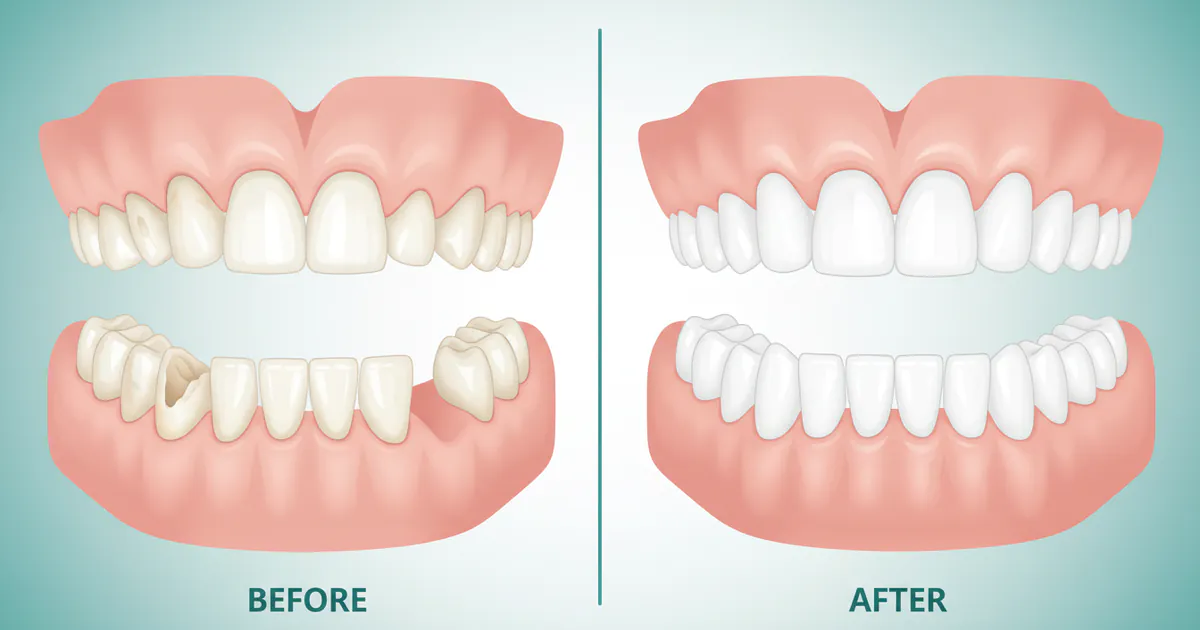
Before and After Dentures: Complete Guide
For many Americans, a vibrant smile isn't just about aesthetics; it's fundamental to speaking clearly, enjoying favorite foods, and maintaining self-confidence. Yet, over 36 million Americans are completely edentulous (have no natural teeth), and millions more suffer from significant tooth loss,
February 22, 2026
Teeth Whitening Cost: Complete Price Guide 2026
Brighter smiles are more than just a fleeting trend; they're a significant confidence booster and a common aesthetic goal for many Americans. In fact, a recent survey indicated that over 80% of adults aged 18-49 believe a beautiful smile is important for success, and teeth whitening remains one
February 22, 2026
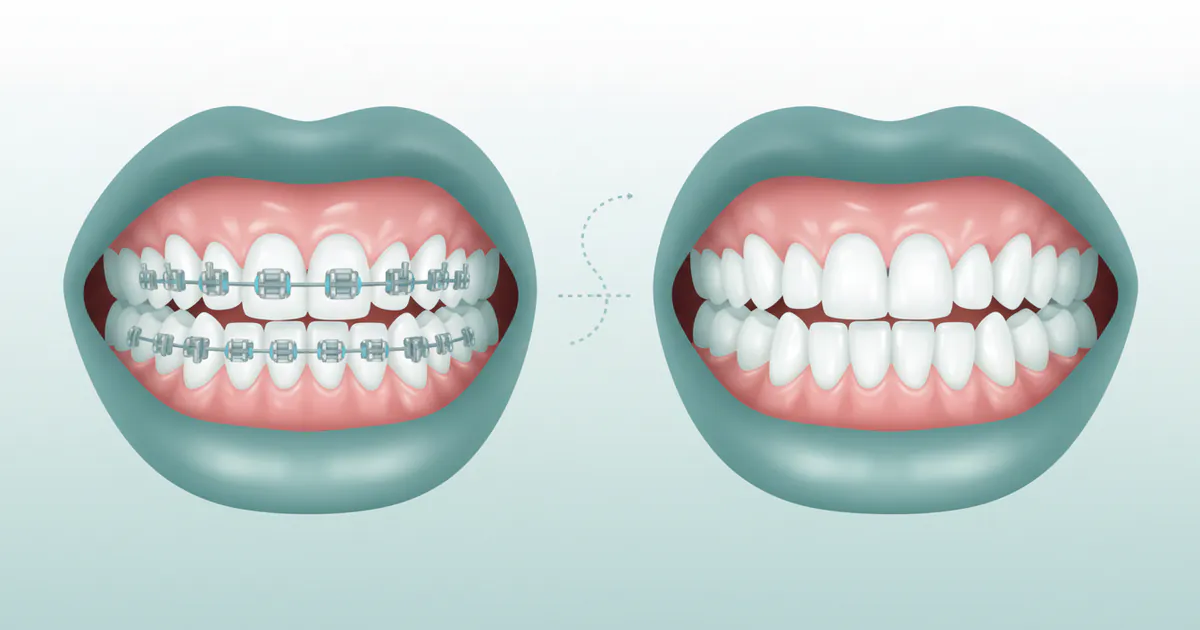
Braces Before and After: Complete Guide
For many, the journey to a confident, healthy smile begins with orthodontics. The transformation seen in braces before and after photos isn't just cosmetic; it represents improved oral health, function, and self-esteem. Crooked teeth, misaligned bites, and gaps can lead to a host of problems, fr
February 22, 2026
Natural Teeth Whitening: Complete Guide
A radiant smile is often considered a sign of health and confidence, which is why teeth whitening has become one of the most popular cosmetic dental procedures in the United States. In fact, surveys suggest that a significant majority of Americans, around 80%, desire whiter teeth, and the teeth
February 22, 2026