Full Mouth Reconstruction: Complete Guide
Key Takeaways
- When extensive dental problems compromise your oral health, appearance, and quality of life, a simple filling or crown might not be enough. Imagine struggling to eat, speak, or even smile confidently because of severely damaged or missing teeth. This debilitating reality affects millions of American
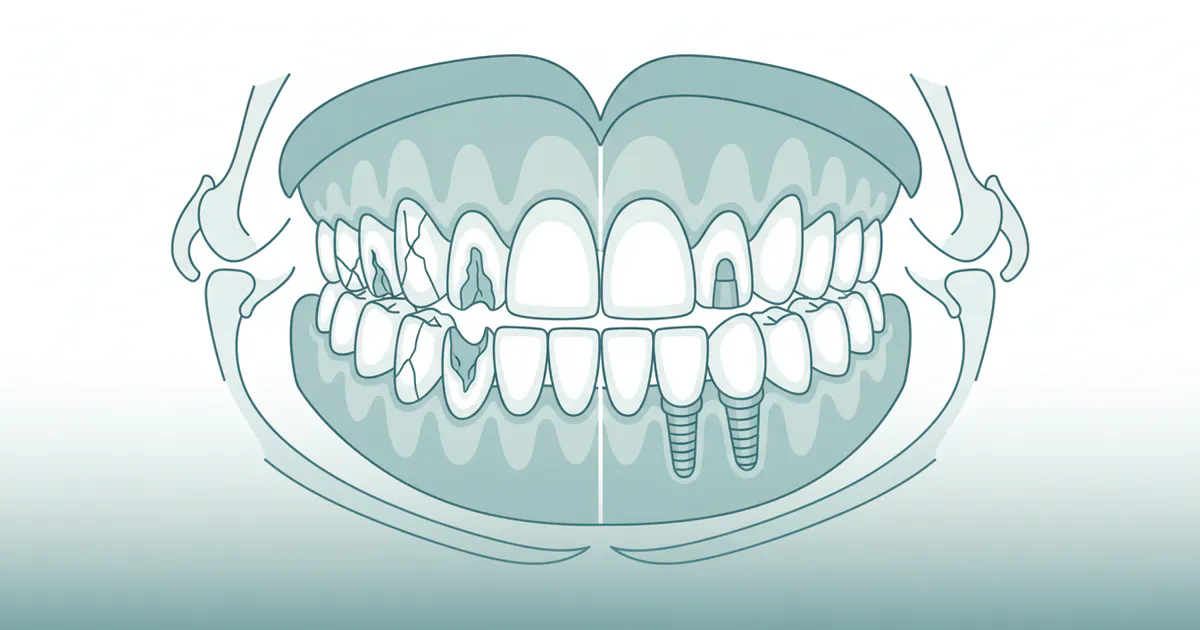
When extensive dental problems compromise your oral health, appearance, and quality of life, a simple filling or crown might not be enough. Imagine struggling to eat, speak, or even smile confidently because of severely damaged or missing teeth. This debilitating reality affects millions of Americans. In fact, over 120 million Americans are missing at least one tooth, and 36 million are missing all their teeth in one or both arches. For those facing such significant challenges, full mouth reconstruction offers a transformative solution, restoring not just teeth but overall well-being. This comprehensive guide from SmilePedia.net will demystify full mouth reconstruction, exploring everything from what it entails to costs, recovery, and how it can help you reclaim a healthy, functional, and beautiful smile.
Key Takeaways:
Key Takeaways:
- Full Mouth Reconstruction (FMR) is a highly individualized treatment plan involving multiple dental procedures to restore oral function, health, and aesthetics for patients with extensive dental damage.
- Typical Cost: FMR can range from $25,000 to $80,000 or more, depending heavily on the complexity, number of procedures, and materials used.
- Insurance Coverage: Most dental insurance plans provide partial coverage for restorative procedures (crowns, fillings), but often exclude or limit coverage for cosmetic components. Medical insurance may cover some aspects if linked to trauma or a medical condition.
- Does Medicare cover dentures? Generally, Medicare does NOT cover routine dental care, including most dentures or full mouth reconstruction, unless it's an emergency or part of another covered medical procedure (e.g., jaw reconstruction after cancer). Some Medicare Advantage (Part C) plans may offer limited dental benefits.
- Timeline: The process can take anywhere from several months to over a year, involving multiple appointments for planning, preparatory treatments, and final restorations.
- Key Procedures: Commonly includes dental implants, crowns, bridges, veneers, root canals, orthodontics, gum disease treatment, and bone grafting.
- Choosing a Dentist: Essential to select a highly experienced prosthodontist or a general dentist with advanced training in restorative and cosmetic dentistry.
What is Full Mouth Reconstruction? An Overview
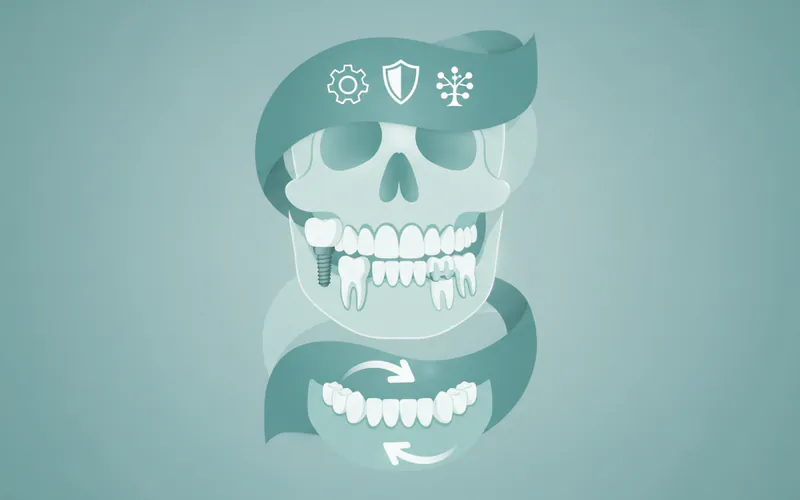
Full mouth reconstruction (also known as full mouth rehabilitation or full mouth restoration) is a highly customized treatment plan designed to rebuild and restore all of the teeth in both the upper and lower jaws. It's a complex process that combines the art and science of dentistry to correct functional problems, alleviate pain, improve health, and enhance the aesthetics of your smile. Unlike a "smile makeover," which is primarily cosmetic, full mouth reconstruction is medically necessary and addresses widespread dental damage, disease, or congenital conditions that severely impact a person's ability to eat, speak, and live comfortably.
The goal of full mouth reconstruction is to optimize the health of the entire mouth, including the teeth, gums, and jaw alignment. It involves meticulous planning and coordination among various dental specialists, often including general dentists, prosthodontists (specialists in restoring and replacing teeth), oral surgeons, periodontists (gum specialists), and orthodontists. The treatment plan is unique to each individual, tailored precisely to their specific needs and desired outcomes.
Why Full Mouth Reconstruction Might Be Necessary (Causes)
Several factors can lead to the need for full mouth reconstruction. Often, it's a culmination of multiple issues that have progressed over time, severely compromising oral health.
Common Causes:
- Extensive Tooth Decay: Widespread cavities that have compromised the structural integrity of many teeth, leading to fractures, infections, and tooth loss.
- Severe Tooth Wear (Attrition/Erosion/Abrasion):
- Attrition: Tooth wear caused by tooth-to-tooth contact, often from bruxism (teeth grinding and clenching). This can flatten chewing surfaces, reduce tooth height, and lead to sensitivity and jaw pain.
- Erosion: Enamel loss due to acid exposure, commonly from acidic diets, frequent vomiting (e.g., bulimia, GERD), or certain medications.
- Abrasion: Tooth wear from aggressive brushing or using abrasive toothpastes.
- Multiple Missing Teeth: Loss of several teeth due to decay, gum disease, trauma, or congenital conditions, leading to bite collapse, shifting teeth, and bone loss.
- Trauma or Injury: Accidents that result in fractured teeth, jaw damage, or knocked-out teeth.
- Advanced Gum Disease (Periodontitis): Untreated gum disease can destroy the bone supporting the teeth, leading to loose teeth, gum recession, and eventual tooth loss.
- Congenital Conditions: Genetic disorders that result in missing teeth (anodontia), misshapen teeth, or enamel defects (amelogenesis imperfecta) requiring extensive restoration.
- Malocclusion (Bad Bite): A bite that doesn't align properly can cause excessive wear on certain teeth, jaw pain, and difficulty chewing.
- Repeated Dental Work Failure: Patients who have had numerous dental procedures (fillings, crowns) that have failed over time, leading to a deteriorating oral condition.
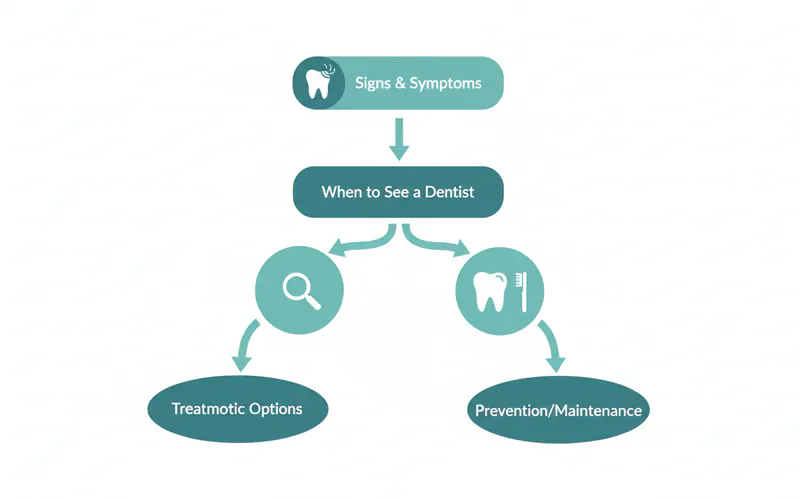
Signs and Symptoms Indicating a Need for FMR
Recognizing the signs that you might need a full mouth reconstruction is the first step toward reclaiming your oral health. While some symptoms are obvious, others may be subtle but indicative of underlying issues.
What to Look For:
- Chronic Tooth Pain or Sensitivity: Persistent pain in multiple teeth, sensitivity to hot, cold, or sweets, or pain when biting down.
- Difficulty Chewing or Biting: Inability to chew certain foods, feeling that your bite is "off," or pain when biting.
- Worn Down, Chipped, or Fractured Teeth: Teeth that appear shorter, flattened, or have visible chips and cracks.
- Missing Teeth: Gaps in your smile that affect chewing, speech, and the alignment of remaining teeth.
- Loose or Shifting Teeth: A sign of advanced gum disease or bone loss.
- Jaw Pain (TMJ/TMD): Pain, clicking, popping, or locking in your temporomandibular joints, often accompanied by headaches, earaches, or neck pain. This can be caused by an imbalanced bite.
- Frequent Headaches or Migraines: Often linked to muscle tension from an improper bite or bruxism.
- Gum Bleeding, Swelling, or Recession: Indicators of gum disease that needs addressing.
- Unsatisfactory Aesthetics: While FMR is primarily functional, severely damaged teeth often lead to aesthetic concerns, impacting self-confidence.
- Chronic Bad Breath: Can be a sign of extensive decay or gum disease.
If you experience several of these symptoms, it's crucial to consult with a dental professional for a comprehensive evaluation.
Treatment Options: The Building Blocks of FMR
Full mouth reconstruction is not a single procedure but a customized combination of various restorative, cosmetic, and surgical treatments. The specific procedures included in your plan will depend entirely on your individual needs.
Common Procedures Involved:
1. Restorative Procedures
- Dental Crowns: Caps placed over damaged or weakened teeth to restore their shape, size, strength, and appearance.
- Pros: Highly durable, restores function and aesthetics, protects remaining tooth structure.
- Cons: Requires removal of some tooth structure, can be costly.
- Dental Bridges: Used to bridge the gap created by one or more missing teeth by anchoring to adjacent natural teeth or implants.
- Pros: Restores chewing function, maintains facial structure, prevents adjacent teeth from shifting.
- Cons: Requires altering adjacent healthy teeth, not ideal for multiple missing teeth, can be challenging to clean.
- Dental Fillings: Used to repair teeth damaged by decay, restoring their original function and shape.
- Pros: Effective for smaller cavities, various material options, relatively quick procedure.
- Cons: Not suitable for large areas of decay or structural damage.
- Inlays and Onlays: Indirect restorations (made in a lab) used when a filling is too large for a traditional filling but not extensive enough for a crown.
- Pros: Conserves more natural tooth structure than a crown, durable.
- Cons: Requires two appointments, more costly than a filling.
2. Tooth Replacement Options
- Dental Implants: Titanium posts surgically placed into the jawbone to serve as artificial tooth roots, providing a stable foundation for crowns, bridges, or dentures.
- Pros: Most natural-feeling and looking replacement, prevents bone loss, highly durable and long-lasting.
- Cons: Surgical procedure, higher initial cost, longer treatment time, not suitable for all patients (bone density requirements).
- Dentures (Complete & Partial):
- Complete Dentures: Replace all teeth in an arch (upper or lower).
- Pros: Cost-effective for full arch replacement, relatively non-invasive.
- Cons: Can be unstable, may slip, require adhesives, can cause bone loss over time, impact taste and speech.
- Partial Dentures: Replace several missing teeth while retaining natural teeth.
- Pros: Good for multiple missing teeth without full arch replacement, removable.
- Cons: Can put stress on remaining natural teeth, may not feel as stable as fixed options.
- Complete Dentures: Replace all teeth in an arch (upper or lower).
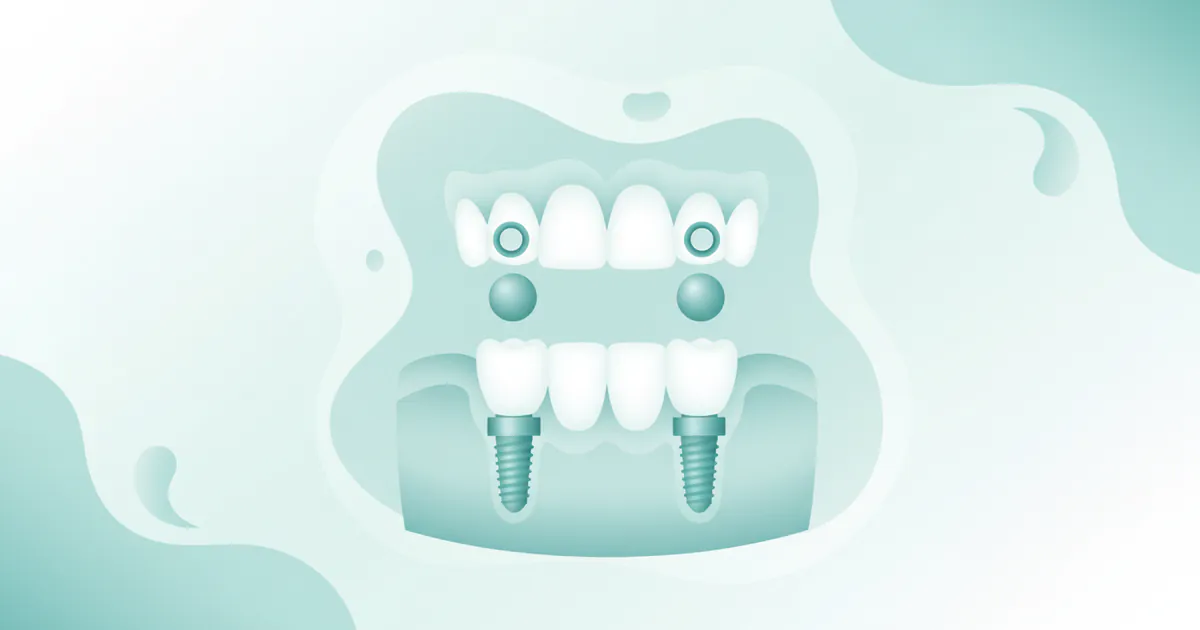
- Implant-Supported Dentures (Overdentures): Dentures that snap onto dental implants, offering significantly improved stability and retention compared to traditional dentures.
- Pros: Much more stable and comfortable than traditional dentures, prevents bone loss, improved chewing efficiency.
- Cons: Requires surgery for implants, higher cost than traditional dentures, still removable.
3. Periodontal (Gum) Treatments
- Scaling and Root Planing: Deep cleaning to remove plaque and tartar from below the gum line and smooth root surfaces to promote gum reattachment.
- Gum Grafting: Surgical procedure to cover exposed tooth roots with tissue taken from another part of your mouth or a donor, addressing gum recession.
- Osseous Surgery (Bone Reshaping): To eliminate gum pockets and reshape bone irregularities caused by periodontal disease.
4. Endodontic (Root Canal) Treatments
- Root Canal Therapy: Removes infected or damaged pulp from inside a tooth to save it from extraction. Essential if teeth designated for crowns or other restorations are infected.
5. Orthodontic Treatments
- Braces or Clear Aligners (Invisalign): May be necessary to realign teeth and correct bite issues before other restorative work can be done, creating a proper foundation.
6. Oral Surgery
- Tooth Extractions: Removal of severely damaged, decayed, or problematic teeth that cannot be saved.
- Bone Grafting: Adding bone material to areas of the jaw where bone loss has occurred (e.g., after tooth loss or due to gum disease) to provide sufficient support for dental implants.
- Sinus Lift: A specific type of bone graft procedure performed to add bone to the upper jaw in the area of the molars and premolars, often necessary before placing implants in the upper back jaw.
Pro Tip: A prosthodontist is uniquely qualified to oversee and perform full mouth reconstruction due to their specialized training in complex restorative and reconstructive dentistry. They often act as the lead dentist, coordinating with other specialists.
Step-by-Step Process of Full Mouth Reconstruction
The journey of full mouth reconstruction is a multi-phase process that requires careful planning and execution. While every case is unique, the general steps include:
Phase 1: Initial Consultation and Diagnosis
- Comprehensive Examination: The process begins with a thorough evaluation by your dentist or prosthodontist. This includes:
- A complete dental examination of teeth, gums, and oral tissues.
- Review of your dental and medical history.
- Taking a full series of X-rays (panoramic, periapical, bitewings).
- Often, a 3D Cone Beam CT scan (CBCT) to assess bone density and nerve locations.
- Impressions of your teeth to create diagnostic models.
- Photographs of your teeth and face.
- Bite Analysis: Careful assessment of your bite (occlusion) and jaw joints (TMJ) to identify any imbalances or issues.
- Discussion of Goals and Concerns: Your dentist will talk with you about your chief complaints, aesthetic preferences, and what you hope to achieve.
Phase 2: Treatment Planning
- Collaborative Planning: Based on the diagnostic information, your prosthodontist will develop a detailed, individualized treatment plan. This often involves collaboration with other specialists (oral surgeon, periodontist, orthodontist).
- Treatment Presentation: You will receive a comprehensive overview of the proposed plan, including:
- The sequence of procedures.
- Estimated timeline.
- Detailed cost breakdown.
- Expected outcomes.
- Alternative options (if any).
- This is your opportunity to ask questions and fully understand the process.
- Wax-Up/Digital Smile Design: Often, a diagnostic wax-up (a model of your proposed new teeth) or digital smile design is created. This allows you to visualize the final result and provide feedback.
Phase 3: Preparatory Procedures
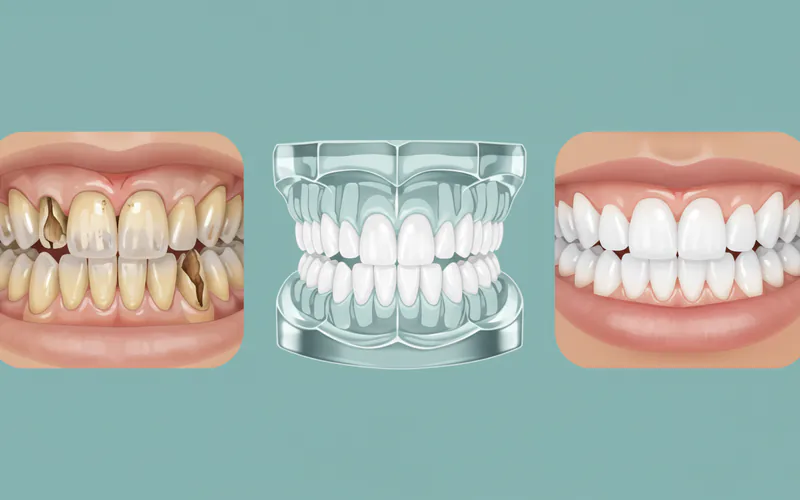
This phase addresses the foundational issues and gets your mouth ready for final restorations. It can take several months.
- Oral Surgery:
- Tooth extractions (if necessary).
- Bone grafting or sinus lifts (if implants are planned and bone density is insufficient).
- Dental implant placement. Healing for implants can take 3-6 months as the bone integrates with the implant.
- Periodontal Therapy:
- Deep cleaning (scaling and root planing) to treat gum disease.
- Gum grafting or other gum surgeries.
- Endodontic Treatment: Root canals for any infected teeth.
- Orthodontics: If needed, braces or aligners will be used to adjust the position of natural teeth and correct bite alignment. This phase can last from 6 months to 2 years.
Phase 4: Provisional Restorations
- Temporary Solutions: Once the preparatory work is complete and healing has occurred, temporary crowns, bridges, or dentures are often placed. These temporaries:
- Protect prepared teeth.
- Allow you to function (eat and speak).
- Help you adjust to your new bite and smile before the final restorations are placed.
- Provide an opportunity for you and your dentist to evaluate the aesthetics and comfort, allowing for adjustments before the permanent restorations are fabricated.
Phase 5: Final Restorations
This is the phase where the permanent restorations are fabricated and placed.
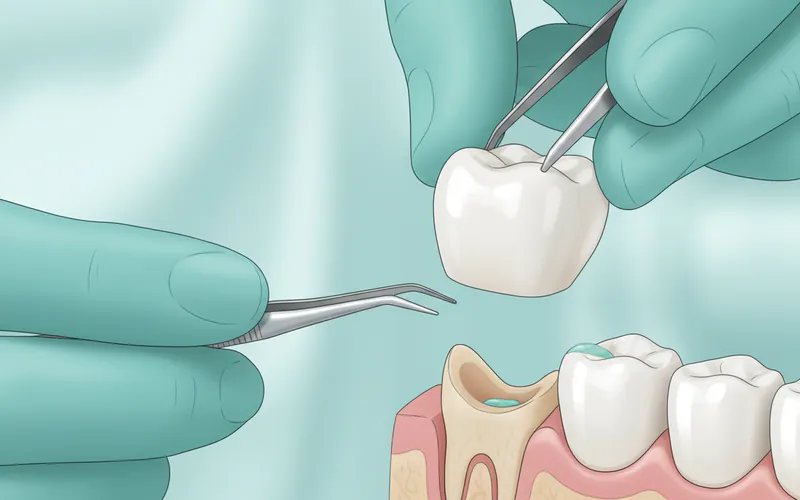
- Impressions and Fabrication: Precise impressions of your prepared teeth or implants are taken. These impressions are sent to a dental lab where skilled technicians craft your custom-made crowns, bridges, veneers, or dentures from high-quality materials (e.g., porcelain, zirconia, gold alloys).
- Fitting and Adjustment: Once the final restorations are ready, they are carefully fitted, checked for proper bite, comfort, and aesthetics. Adjustments are made as needed.
- Cementation/Attachment: The permanent restorations are then securely cemented or attached to your teeth or implants.
Cost and Insurance Considerations
The cost of full mouth reconstruction in the US is substantial and varies widely. Due to the extensive nature of the procedures, patients should expect a significant investment in their oral health.
Average US Costs for Full Mouth Reconstruction
The overall cost can range from $25,000 to $80,000 or even upwards of $100,000 for the most complex cases involving extensive implant work, bone grafting, and multiple specialists.
Here's a breakdown of typical costs for individual procedures that often comprise a full mouth reconstruction:
| Procedure Type | Average US Cost Range (Per Tooth/Unit) | Notes |
|---|---|---|
| Dental Exam & X-rays | $50 - $300 | Initial diagnostic costs. CBCT can add $300-$600. |
| Dental Filling | $100 - $400 | Amalgam (silver) is less, composite (tooth-colored) is more. |
| Dental Crown | $800 - $3,000 | Material (porcelain, zirconia, gold) and lab fees influence cost. |
| Dental Bridge | $2,000 - $5,000 (per unit, often 3 units) | Cost per unit (pontic + abutment crowns). |
| Dental Veneers | $1,000 - $2,500 | Primarily cosmetic, but can be part of aesthetic rehabilitation. |
| Root Canal Therapy | $700 - $1,500 | Front teeth are less, molars are more. Excludes cost of crown. |
| Tooth Extraction | $75 - $400 (simple); $200 - $600 (surgical) | Wisdom teeth extraction can be $250-$800 per tooth. |
| Dental Implant (Single) | $3,000 - $6,000 (implant post only) | Excludes crown and abutment, which adds another $1,000-$3,000. Total per tooth: $4,000-$9,000. |
| Bone Grafting | $400 - $2,000 (per site) | Varies based on material and extent. Sinus lift can be $1,500-$3,000. |
| Scaling & Root Planing | $200 - $400 (per quadrant) | Deep cleaning for gum disease. |
| Full Dentures (Traditional) | $1,000 - $3,000 (per arch) | Basic vs. premium materials and custom fit. |
| Implant-Supported Dentures | $10,000 - $30,000 (per arch) | Includes 2-6 implants and the custom denture. Significantly more stable. |
| Orthodontics (Braces/Aligners) | $3,000 - $8,000 | Duration and complexity influence cost. Often not fully covered by dental insurance. |
Note: These are average ranges. Costs can vary significantly by geographic location (major cities often higher), the experience of the dental team, and specific materials chosen.
Insurance Coverage: What to Expect
Navigating insurance for full mouth reconstruction is complex. Most dental insurance plans are designed to cover preventive care and basic restorative procedures, often with annual maximums typically ranging from $1,000 to $2,500. This amount is quickly exhausted by a complex FMR.
- Standard Dental Insurance: Will likely cover a percentage (e.g., 50-80%) of "medically necessary" restorative procedures like fillings, crowns, root canals, and extractions, up to your annual maximum. They generally offer less coverage for major procedures (bridges, dentures, implants), perhaps 25-50%.
- Cosmetic Exclusions: Procedures deemed purely cosmetic (like veneers when not used to restore a damaged tooth) are typically not covered.
- Medical Insurance: In some cases, if the need for reconstruction is due to a severe accident, trauma, or a medical condition (e.g., oral cancer, specific congenital defects), parts of the treatment (like jaw surgery or bone grafting) might be covered by your medical insurance. This usually requires pre-authorization and careful documentation by your dentist and doctor.
- Does Medicare Cover Dentures? This is a critical question for many older Americans. Original Medicare (Parts A and B) does NOT cover routine dental care, including fillings, extractions, full mouth reconstruction, or most dentures. There are very limited exceptions, such as dental services needed in an inpatient hospital stay before a kidney transplant or heart valve replacement, or emergency care for accidental injury.
- Medicare Advantage (Part C): These private plans may offer supplemental benefits, including some dental coverage. However, the extent of coverage varies greatly by plan and region. Many offer basic dental benefits, but comprehensive coverage for full mouth reconstruction is rare, and out-of-pocket costs can still be high. It's crucial to check specific plan details and annual limits.
- One Day Dentures: While one day dentures (often same-day immediate dentures) are available, they are typically a temporary solution placed immediately after extractions to allow for healing. They are not the final, custom-fitted dentures used in a full mouth reconstruction and are not covered differently by insurance than traditional dentures. They still fall under the general "denture" category for insurance purposes.
Payment Plans and Financing Options
Because of the high cost, many patients explore financing solutions:
- In-Office Payment Plans: Some dental practices offer flexible payment plans, allowing you to pay in installments.
- Third-Party Medical Financing: Companies like CareCredit or LendingClub offer specialized healthcare credit cards with various interest rates and repayment terms, including interest-free periods for qualifying patients.
- Health Savings Accounts (HSAs) and Flexible Spending Accounts (FSAs): These tax-advantaged accounts allow you to set aside pre-tax money for qualified medical and dental expenses.
- Dental Schools: University dental schools often provide services at a reduced cost, as treatment is performed by supervised students. This can be a more affordable option, but treatment may take longer.
Pro Tip: Always get a detailed, written cost estimate from your dental provider before beginning treatment. Discuss all potential insurance coverage and financing options thoroughly with their administrative staff.
Recovery and Aftercare for Full Mouth Reconstruction
The recovery process after full mouth reconstruction varies depending on the procedures performed. It's a journey that extends beyond the final restoration placement, requiring diligent aftercare for long-term success.
Immediate Post-Treatment Recovery:
- Pain Management: You may experience soreness, swelling, and discomfort, especially after surgical procedures (implants, extractions, bone grafts). Your dentist will prescribe pain medication or recommend over-the-counter options.
- Swelling and Bruising: Common after oral surgery. Apply ice packs to the outside of your face for the first 24-48 hours.
- Diet: Initially, a soft diet is recommended. As healing progresses, you can gradually reintroduce solid foods. Avoid very hot, cold, spicy, or hard foods that could irritate surgical sites or damage temporary restorations.
- Oral Hygiene: Follow specific instructions for cleaning. This may include gentle rinsing with saltwater or prescribed antiseptic mouthwash and very careful brushing around surgical sites.
- Temporary Restorations: Be gentle with temporaries. They are not as strong as permanent restorations and can break or come loose. If a temporary comes off, contact your dentist immediately.
Long-Term Aftercare and Maintenance:
Once your full mouth reconstruction is complete and your permanent restorations are in place, ongoing care is vital for their longevity and your overall oral health.
- Excellent Oral Hygiene:
- Brushing: Brush at least twice a day for two minutes with a soft-bristled toothbrush and fluoride toothpaste. Consider an electric toothbrush for superior cleaning.
- Flossing: Floss daily to remove plaque and food particles from between teeth and around restorations. Special flossing tools may be recommended for implants or bridges.
- Mouthwash: An antiseptic or fluoride mouthwash can be beneficial.
- Regular Dental Check-ups and Cleanings: Continue to see your dentist for routine check-ups and professional cleanings, typically every six months. Your dentist will monitor the health of your gums, teeth, and restorations.
- Protect Your Investment:
- Nightguard/Splint: If you grind or clench your teeth (bruxism), a custom-fitted nightguard is crucial to protect your new restorations from excessive forces.
- Avoid Hard Foods: Be cautious with extremely hard, sticky, or chewy foods (e.g., hard candy, ice, certain nuts) that could chip or dislodge restorations.
- No Non-Food Items: Never use your teeth as tools (e.g., opening bottles, tearing packages).
- Prompt Attention to Issues: If you notice any discomfort, sensitivity, chipping, or loosening of a restoration, contact your dentist immediately. Early intervention can prevent minor issues from becoming major problems.
- Healthy Lifestyle: A balanced diet, adequate hydration, and avoiding tobacco products contribute significantly to overall health, including oral health.
Prevention: Avoiding the Need for FMR
While full mouth reconstruction is a life-changing solution for severe dental problems, prevention is always the best approach. Many of the issues that necessitate FMR can be avoided or minimized with consistent care.
- Consistent Oral Hygiene: Brush twice a day, floss daily. This is the foundation of preventing decay and gum disease.
- Regular Dental Check-ups and Cleanings: Visit your dentist every six months for professional cleanings and examinations. Early detection of issues like small cavities or early gum disease can prevent them from escalating.
- Balanced Diet: Limit sugary foods and drinks, acidic beverages, and snacks between meals. Choose water over soda and fruit over candy.
- Protect Your Teeth from Trauma: Wear a mouthguard during sports activities.
- Address Bruxism: If you grind or clench your teeth, especially at night, talk to your dentist about a custom nightguard to protect your teeth from excessive wear.
- Treat Gum Disease Early: Don't ignore bleeding gums. Early intervention for gingivitis can prevent it from progressing to destructive periodontitis.
- Don't Ignore Small Problems: A small cavity or a chipped tooth might seem minor, but if left untreated, it can lead to larger, more complex issues over time.
- Quit Smoking: Smoking significantly increases the risk of gum disease, tooth loss, and oral cancer.
Risks and Complications of Full Mouth Reconstruction
While highly successful, full mouth reconstruction is a complex medical undertaking, and as with any extensive treatment, there are potential risks and complications:
- Infection: At surgical sites (e.g., implant placement, extractions) or around newly placed restorations.
- Nerve Damage: Though rare, temporary or permanent nerve damage can occur during surgical procedures, leading to numbness or altered sensation in the lips, tongue, or chin.
- Failure of Restorations: Crowns, bridges, or fillings can fracture, debond, or develop secondary decay. Implants can fail to integrate with the bone (osseointegration failure).
- Sensitivity: Teeth can be sensitive to hot or cold temperatures after procedures, often temporarily.
- TMJ Discomfort: Changes to your bite can, in some cases, initially cause or exacerbate jaw joint pain, though careful planning aims to alleviate these issues.
- Aesthetic Dissatisfaction: Despite careful planning, you might not be entirely happy with the final appearance. Open communication throughout the process is crucial to minimize this risk.
- Long Treatment Time: The extensive nature of FMR means it can take many months or even over a year, which can be challenging for some patients.
- High Cost: The financial investment is significant, and unforeseen complications can add to the expense.
- Allergic Reactions: Though rare, reactions to materials used (e.g., metals, adhesives).
Your dental team will discuss these risks with you thoroughly before treatment and take all necessary precautions to minimize them.
Frequently Asked Questions
Is full mouth reconstruction painful?
Most procedures are performed under local anesthesia, so you won't feel pain during the treatment. For surgical phases or multiple procedures, sedation options (oral, IV, or general anesthesia) are often available to ensure comfort. You can expect some soreness and discomfort during the recovery periods, which can be managed with prescribed or over-the-counter pain medication.
How long does full mouth reconstruction take?
The timeline varies significantly depending on the complexity of your case and the specific procedures involved. It can range from several months to over a year, or even longer if extensive bone grafting or orthodontics are required. Dental implant integration alone takes 3-6 months.
What is the success rate of full mouth reconstruction?
With careful planning, skilled execution, and diligent patient aftercare, full mouth reconstruction has a high success rate. Individual components like dental implants boast success rates of over 95% in healthy individuals. The overall longevity of restorations depends on various factors, including oral hygiene, regular maintenance, and protection against grinding.
Can I get "one day dentures" as part of full mouth reconstruction?
One day dentures, also known as immediate dentures, are typically temporary dentures placed immediately after tooth extractions. While they provide an instant aesthetic and functional solution, they are not the permanent, custom-fitted dentures that would be part of a complete full mouth reconstruction. Permanent dentures are fabricated after gums and bone have fully healed and reshaped (which can take several months) to ensure a precise, long-lasting fit. Your dentist might use immediate dentures as a transitional phase.
Are there alternatives to full mouth reconstruction?
For patients with widespread damage, there are often no single "alternatives" that achieve the same comprehensive results. However, depending on the extent of your issues, a less extensive treatment plan focusing on specific problem areas might be considered if your overall oral health isn't severely compromised. This could include individual crowns, bridges, or partial dentures rather than a complete overhaul. Your dentist will discuss all viable options tailored to your situation.
Will my new teeth look natural?
Yes, a primary goal of full mouth reconstruction is to restore a natural-looking and aesthetically pleasing smile. Dental professionals use high-quality materials and advanced techniques to create restorations that match your natural tooth color, shape, and size, seamlessly blending with your facial features. Your input on aesthetics is crucial during the planning phase.
How long do reconstructed teeth last?
The lifespan of your reconstructed teeth depends on the type of restoration, the materials used, your oral hygiene habits, and regular dental check-ups. Dental implants are designed to last a lifetime, while crowns and bridges typically last 10-15 years or more, and dentures 5-10 years, often requiring relining or replacement. Proper care significantly extends their longevity.
Is full mouth reconstruction covered by insurance?
As detailed above, standard dental insurance plans will likely cover portions of medically necessary procedures (e.g., crowns, fillings, extractions) up to your annual maximum, but rarely the entire cost. Cosmetic aspects are often excluded. Medicare generally does not cover routine dental care, including FMR. Medicare Advantage plans may offer limited benefits. You will likely have significant out-of-pocket expenses.
What is the difference between full mouth reconstruction and a smile makeover?
Full mouth reconstruction is a medically necessary process to restore the health, function, and structure of damaged teeth, gums, and bite. Smile makeovers are primarily elective cosmetic procedures aimed at improving the aesthetics of an otherwise healthy smile (e.g., teeth whitening, veneers for shape/color issues). While FMR often results in a beautiful smile, its primary driver is functional and health restoration.
Can full mouth reconstruction improve my overall health?
Absolutely. By restoring your ability to chew properly, you can improve digestion and nutrient absorption. Eliminating chronic oral infections reduces inflammation throughout the body, potentially lowering risks for systemic diseases like heart disease and diabetes. Alleviating chronic pain (e.g., headaches, TMJ pain) and improving self-confidence also significantly enhance overall quality of life and mental well-being.
When to See a Dentist
If you suspect you might need full mouth reconstruction, or if you are experiencing any significant and persistent dental issues, it's crucial to seek professional dental advice without delay.
Schedule an appointment if you experience:
- Chronic Pain: Ongoing toothaches, jaw pain, or facial discomfort that doesn't subside.
- Difficulty with Basic Functions: Problems chewing, biting, or speaking clearly.
- Multiple Missing, Worn, or Damaged Teeth: Visible signs of extensive wear, fractures, or numerous gaps in your smile.
- Loose or Shifting Teeth: A clear indicator of advanced gum disease or bone loss.
- Persistent Headaches or Jaw Stiffness: These can be signs of an imbalanced bite or TMJ dysfunction.
- Any significant changes in your bite or how your teeth fit together.
Red Flags (Seek prompt attention):
- Sudden severe pain.
- Swelling in your face or jaw, possibly indicating a severe infection.
- Trauma to your teeth or jaw from an accident.
Do not wait for these problems to worsen. Early diagnosis and intervention can prevent further damage, reduce the complexity and cost of treatment, and significantly improve your long-term prognosis. A comprehensive examination by an experienced prosthodontist or general dentist with advanced training is the first and most critical step toward understanding your options and embarking on a path to renewed oral health.
Frequently Asked Questions
Medically Reviewed Content
This article was written by our dental health editorial team and reviewed for medical accuracy. Our content follows strict editorial guidelines for reliability and trustworthiness.
Medical Disclaimer
This article is for informational purposes only and does not constitute medical advice. Always consult with a qualified dental professional for diagnosis and treatment. Do not delay seeking professional advice because of something you read on this website.
Related Articles
Cheap Dentures: Complete Guide
Facing the prospect of tooth loss can be daunting, and the thought of replacing missing teeth often brings financial concerns to the forefront. Did you know that an estimated 36 million Americans are completely edentulous (missing all their teeth), and another 120 million are missing at leas
February 23, 2026
Full Mouth Reconstruction Near Me: Complete Guide
You've been living with dental pain, difficulty eating, or a smile you're too embarrassed to share. Perhaps years of neglect, trauma, or disease have taken a toll on your oral health, leaving you wondering if there's any hope for a complete restoration. You're not alone. **Millions of Americans face
February 23, 2026
$99 Dentures Near Me: Complete Guide
Losing teeth can significantly impact your quality of life, affecting everything from your ability to chew and speak to your self-confidence. For many, the high cost of dental care can feel like an insurmountable barrier to regaining a healthy smile. This often leads people to search for "affordable
February 23, 2026
Snap-in Dentures Cost Near Me: Complete Price Guide 2026
For many Americans navigating the challenges of significant tooth loss, the search for a stable, comfortable, and aesthetically pleasing dental solution often leads to implant-supported dentures. Unlike traditional dentures that rely on suction and adhesives, snap-in dentures offer a remarkable impr
February 23, 2026