Permanent Dentures: Complete Guide
Key Takeaways
- "Missing teeth can profoundly impact not just your smile, but your overall quality of life, affecting everything from how you eat and speak to your self-confidence. In the United States, an estimated 178 million Americans are missing at least one tooth, and about **40 million are missing all the
"Missing teeth can profoundly impact not just your smile, but your overall quality of life, affecting everything from how you eat and speak to your self-confidence. In the United States, an estimated 178 million Americans are missing at least one tooth, and about 40 million are missing all their teeth. While traditional removable dentures have long been a solution, the advent of permanent dentures has revolutionized tooth replacement, offering a stable, comfortable, and highly functional alternative. Unlike their removable counterparts, permanent dentures provide a fixed solution that mimics natural teeth more closely, eliminating the common frustrations associated with adhesives and instability.
This comprehensive guide from SmilePedia.net will delve into every aspect of permanent dentures, from understanding what they are and the various types available, to the detailed treatment process, associated costs, and essential aftercare. We’ll explore why more and more individuals are choosing this advanced option, how to determine if they are right for you, and what to expect on your journey to a restored smile."
Key Takeaways:
- Permanent dentures are typically implant-supported, fixed dental prostheses designed to replace an entire arch of missing teeth, offering superior stability and function compared to traditional removable dentures.
- Common types include All-on-4/6 implant systems and bar-retained or ball-retained overdentures, varying in their level of fixedness and cost.
- The process generally involves dental implant surgery, a healing period (3-6 months), and then the attachment of the custom-made denture.
- Cost in the US can range significantly, typically from $15,000 to $30,000 per arch for implant-supported fixed dentures, with full mouth reconstruction potentially reaching $30,000 to $60,000 or more. Removable implant-supported dentures may be slightly less.
- Denture glue is NOT used with permanent dentures; it's an adhesive for traditional removable dentures and does not provide a "permanent" solution.
- Proper oral hygiene, regular dental check-ups, and avoiding hard foods are crucial for the long-term success and longevity of permanent dentures, which can last 10-15 years or even longer with proper care.
- While initial costs are higher, permanent dentures offer significant long-term benefits in terms of comfort, function, bone preservation, and quality of life.
What It Is: An Overview of Permanent Dentures
The term "permanent dentures" often refers to dental prostheses that are securely fixed in the mouth, providing a stable and long-lasting solution for tooth replacement. Unlike traditional removable dentures, which rely on suction or denture glue for retention and can be taken out by the wearer, permanent dentures are anchored to dental implants surgically placed into the jawbone. This provides a strong, durable foundation that mimics the natural root structure of teeth.
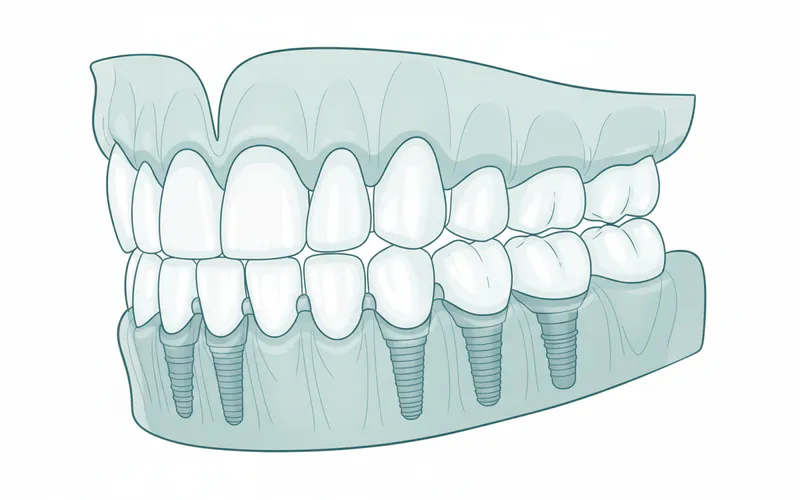
This fixed nature is the defining characteristic of permanent dentures. They do not slip, click, or cause discomfort associated with loose conventional dentures. They restore chewing efficiency, improve speech clarity, and prevent the jawbone deterioration that typically occurs after tooth loss. For individuals missing most or all of their teeth, permanent dentures represent a significant upgrade in quality of life and oral health.
While the term "permanent" implies they last forever, it's important to understand that no dental restoration is truly eternal. However, with proper care, the dental implants supporting these dentures can last a lifetime, and the denture prosthesis itself can last for many years, often 10-15 years or more, before needing replacement or relining. The key difference is their stable, non-removable nature, providing a feeling much closer to natural teeth.
Types and Variations of Permanent Dentures
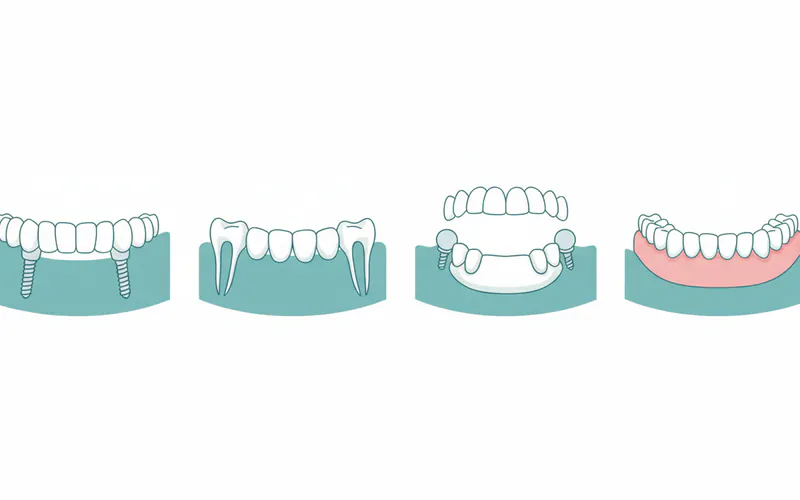
The world of permanent dentures is diverse, primarily categorized by how they are supported and whether they are truly fixed or considered "removable-yet-implant-supported." The common thread is the use of dental implants as anchors.
Fixed Implant-Supported Permanent Dentures
These are the closest you can get to having natural teeth again, as they are permanently attached and can only be removed by a dentist.
1. All-on-4® / All-on-6® Dental Implants
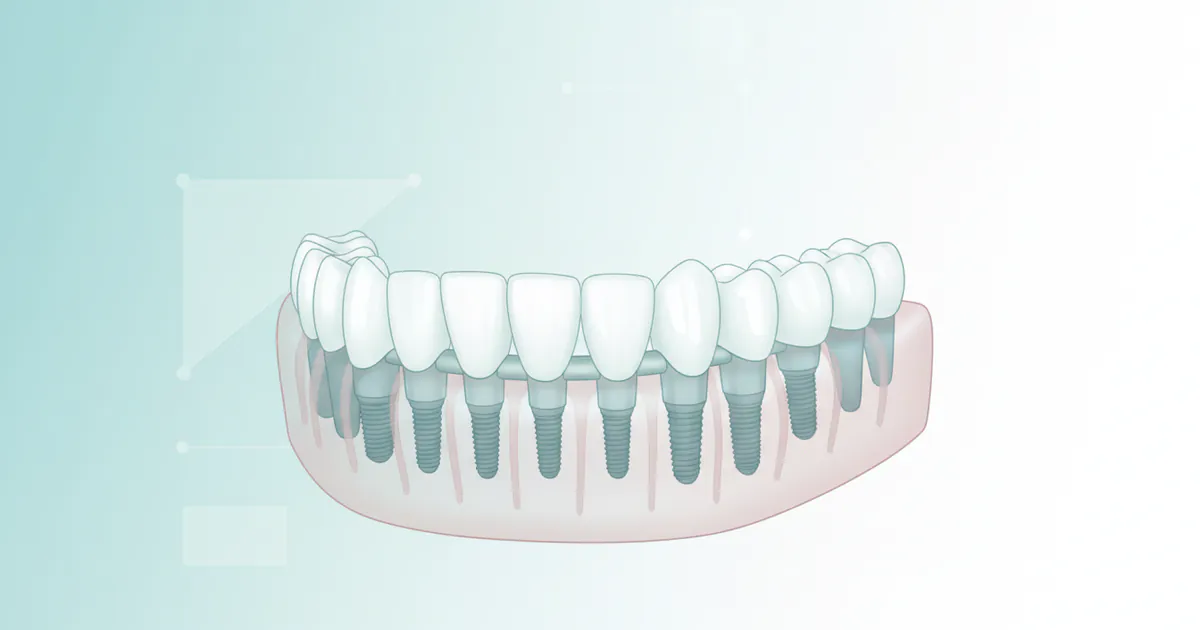
- Description: This popular technique involves placing four (All-on-4) or six (All-on-6) dental implants strategically in the jawbone to support an entire arch of teeth. The implants are angled to maximize contact with available bone, often avoiding the need for bone grafting. A full arch of prosthetic teeth is then securely fastened to these implants.
- Pros:
- High Stability: Extremely stable, allowing for powerful chewing and comfortable speech.
- Bone Preservation: Stimulates the jawbone, preventing further bone atrophy.
- Comfort: Feels very much like natural teeth, with no coverage of the palate.
- Efficiency: Often allows for immediate loading of a temporary denture, meaning you can leave with a functional set of teeth on the same day as implant placement.
- Longevity: Can last for decades with proper care.
- Cons:
- Cost: Generally the most expensive option.
- Surgical Procedure: Requires significant oral surgery.
- Maintenance: While durable, the prosthetic arch may still require professional cleaning and occasional repairs.
- Ideal For: Patients with significant tooth loss, those with some bone loss but sufficient density for implant placement, and individuals seeking the most stable and natural-feeling solution.
2. Fixed Full-Arch Bridges on Multiple Implants
- Description: Similar to All-on-4/6 but uses a greater number of implants (e.g., 6-10 per arch) for support. This might be chosen in cases with excellent bone density or when a dentist prefers a more distributed load. The bridge is permanently cemented or screwed onto the implants.
- Pros:
- Exceptional stability and strength.
- Optimal load distribution across many implants.
- Feels very natural.
- Cons:
- Higher number of implants increases complexity and cost.
- May require more extensive surgery and healing time.
- Ideal For: Patients with excellent bone quality and quantity, seeking maximum stability and willing to undergo more extensive treatment.
Removable Implant-Supported Dentures (Overdentures)
While technically removable by the patient for cleaning, these are considered "permanent" in the sense that they are anchored to implants, offering far superior stability compared to traditional dentures that rely on denture glue. They snap onto the implants.
1. Bar-Retained Overdentures
- Description: A custom-made metal bar is attached to 2-5 implants placed in the jawbone. The denture then has clips or other attachments that securely snap onto this bar, holding it firmly in place.
- Pros:
- Excellent Stability: Much more stable than traditional dentures, improving chewing and speech.
- Removable for Cleaning: Allows for thorough cleaning of both the denture and the gum tissue underneath.
- Cost-Effective: Often less expensive than fixed implant-supported options due to fewer implants and potentially less complex prosthesis.
- Cons:
- Still removable, which some patients might find less desirable than a truly fixed solution.
- May still cover part of the palate, though less than traditional dentures.
- Regular maintenance of clips/attachments required.
- Ideal For: Patients seeking enhanced stability over traditional dentures but who may have budget constraints or prefer the ability to remove their prosthesis for cleaning.
2. Ball-Retained Overdentures (Stud-Attachment)
- Description: Each implant has a ball-shaped attachment, and the underside of the denture has corresponding sockets that snap onto these balls. Typically uses 2-4 implants per arch.
- Pros:
- Significantly improves retention and stability over traditional dentures.
- More cost-effective than bar-retained or fixed options.
- Removable for easy cleaning.
- Cons:
- May offer slightly less stability than bar-retained systems, especially over time as attachments wear.
- Attachments may need replacement periodically.
- Ideal For: Patients looking for a cost-effective way to stabilize their existing or new dentures, those with limited bone density, or individuals who prioritize ease of cleaning.
| Feature | Fixed Implant-Supported Dentures (e.g., All-on-4) | Removable Implant-Supported Overdentures (Bar/Ball-Retained) | Traditional Removable Dentures (with or without denture glue) |
|---|---|---|---|
| Stability | Excellent (feels like natural teeth) | Very Good (snaps securely into place) | Poor to Fair (relies on suction/adhesive, can slip) |
| Bone Preservation | Excellent (implants stimulate jawbone) | Good (implants stimulate jawbone) | None (jawbone continues to shrink) |
| Palate Coverage | None (upper arch) - improves taste/sensation | Can be minimal or partial, improving taste/sensation slightly | Full (upper arch) - can affect taste and speech |
| Removability | Only by a dentist | By patient for cleaning | By patient for cleaning |
| Cost (per arch) | High ($15,000 - $30,000+) | Moderate ($6,000 - $15,000+) | Low ($1,500 - $5,000+) |
| Chewing Power | ~90% of natural teeth | ~60-70% of natural teeth | ~20-30% of natural teeth |
| Maintenance | Regular brushing, flossing, professional cleanings | Daily removal and cleaning, periodic attachment replacement | Daily removal and cleaning, periodic relines/adjustments |
| Longevity | Implants: Lifetime; Prosthesis: 10-15+ years | Implants: Lifetime; Prosthesis: 5-10 years (attachments may wear) | 5-7 years (due to bone changes) |
Pro Tip: While traditional dentures using denture glue offer an affordable solution, they are not considered "permanent." The adhesive is a temporary aid to improve retention, not a long-term fixed solution. True permanent dentures always involve dental implants.
Why Consider Permanent Dentures?
Permanent dentures aren't just about replacing missing teeth; they're about restoring your oral health, function, and confidence. Here are the primary reasons why individuals, typically adults with significant tooth loss, choose this advanced option:
- Extensive Tooth Loss: The most common reason is the loss of most or all teeth in an arch due to severe decay, advanced periodontal disease (gum disease), trauma, or congenital conditions.
- Failing Dentition: When remaining natural teeth are severely compromised by decay, infection, or structural damage, and cannot be salvaged or support traditional restorations.
- Dissatisfaction with Traditional Dentures: Many individuals find traditional removable dentures unstable, uncomfortable, and restrictive. Issues include:
- Slippage and Movement: Traditional dentures can shift, especially during eating or speaking, leading to embarrassment and discomfort. This often necessitates constant application of denture glue.
- Reduced Chewing Efficiency: The instability makes it difficult to chew many foods, leading to dietary restrictions and potential nutritional deficiencies.
- Speech Impediments: Loose dentures can interfere with clear pronunciation.
- Sore Spots and Irritation: Rubbing against the gums can cause chronic irritation and sores.
- Lack of Confidence: The fear of dentures falling out can lead to social anxiety.
- Prevention of Jawbone Deterioration: When teeth are lost, the jawbone that once supported them no longer receives stimulation and begins to resorb or shrink. This leads to a sunken facial appearance over time. Dental implants, which support permanent dentures, mimic natural tooth roots and stimulate the jawbone, halting or significantly slowing this process.
- Improved Quality of Life: Permanent dentures offer a superior experience by restoring:
- Natural Chewing Function: Enjoy a wider variety of foods without restriction.
- Clear Speech: Speak confidently without the worry of slippage.
- Enhanced Aesthetics: A natural-looking smile that boosts self-esteem.
- Comfort: No more rubbing, slipping, or the need for messy denture glue.
Signs You Might Need Permanent Dentures
While a definitive diagnosis comes from a dental professional, certain signs indicate that you might be a candidate for permanent dentures or a similar full-arch restoration:
- Multiple Missing Teeth: You have lost several teeth in an arch, making it difficult to chew or speak properly.
- Extensive Decay or Gum Disease: Many of your remaining teeth are severely compromised by decay that's beyond repair, or you suffer from advanced periodontal disease leading to significant tooth mobility and bone loss.
- Chronic Pain or Infection: Persistent toothaches, abscesses, or gum infections that are difficult to manage.
- Failing Restorations: Existing bridges, crowns, or fillings are breaking down, causing pain, or failing repeatedly.
- Difficulty with Traditional Dentures: You currently wear traditional removable dentures and experience chronic issues such as:
- Frequent slipping or clicking.
- Reliance on excessive denture glue.
- Sore spots or discomfort.
- Difficulty eating certain foods.
- Speech problems.
- A constantly changing fit due to bone resorption.
- Noticeable Facial Changes: Your face appears sunken or older due to significant jawbone loss after prolonged tooth absence.
If you experience any of these signs, it's crucial to schedule a consultation with a dentist, ideally a prosthodontist or oral surgeon, to discuss the best treatment options for your specific situation.
Treatment Options for Permanent Dentures
The primary treatment option for truly permanent dentures is an implant-supported system. The choice among variations depends on factors like bone quality, number of missing teeth, desired fixedness, and budget.
1. Fixed Implant-Supported Dentures (e.g., All-on-4/6)
- Description: This involves surgically placing 4-6 dental implants per arch. After a healing period (or sometimes immediately), a custom-designed full arch prosthesis (denture) is screwed or cemented onto these implants.
- Pros: Maximum stability, bone preservation, feels like natural teeth, no palatal coverage (upper arch).
- Cons: Higher cost, more extensive surgery, longer healing (if not immediate load).
- Why choose this? For the most natural feel and function, excellent long-term success, and significant improvement in quality of life.
2. Removable Implant-Supported Overdentures
- Description: This option uses fewer implants (typically 2-4 per arch) to provide anchors for a removable denture. The denture "snaps" onto the implants (ball-retained) or a bar connecting the implants (bar-retained).
- Pros: Improved stability over traditional dentures, easier cleaning of the denture, generally more affordable than fixed options.
- Cons: Still removable, may not feel as natural as fixed options, attachments may need maintenance.
- Why choose this? For patients who want significantly improved stability over traditional dentures but may have budget constraints, or those who prefer to remove their denture for cleaning.
3. Traditional Dentures with Denture Glue (Clarification)
- Description: While often sought by patients looking for a "permanent" solution, traditional dentures, even with the strongest denture glue, are NOT permanent. They are removable prostheses that rest on the gums. Adhesives merely enhance temporary retention.
- Pros: Most affordable, non-surgical.
- Cons: Unstable, poor chewing efficiency, accelerates bone loss, requires regular adjustments and denture glue, often causes discomfort.
- Why mention this? To clearly distinguish it from true permanent dentures and manage patient expectations. It is a temporary fix, not a long-term permanent solution.
Pro Tip: If you're currently struggling with the instability of traditional dentures and constantly relying on denture glue, discussing implant-supported options with your dentist is highly recommended. The difference in quality of life is substantial.
The Step-by-Step Process for Permanent Dentures
The journey to permanent dentures is a multi-stage process that typically takes several months, especially when dental implants are involved. It requires careful planning and collaboration between you and your dental team.
1. Initial Consultation and Treatment Planning
- Comprehensive Examination: Your dentist, oral surgeon, or prosthodontist will conduct a thorough oral examination, including X-rays, 3D CT scans, and possibly impressions of your mouth. This assesses your jawbone density, nerve locations, and overall oral health.
- Medical History Review: A review of your medical history ensures you are a good candidate for surgery, considering any existing conditions like diabetes or medications that might affect healing.
- Personalized Treatment Plan: Based on the examination, the dental professional will discuss the best type of permanent dentures for you (e.g., All-on-4, bar-retained overdenture), explaining the benefits, risks, costs, and timeline. Digital planning software is often used to precisely map out implant placement.
2. Tooth Extractions (If Necessary)
- If you have remaining compromised teeth, they will be extracted. This can sometimes be done on the same day as implant placement for immediate denture solutions.
3. Dental Implant Placement Surgery
- Anesthesia: You'll receive local anesthesia, and often sedation (oral, IV, or nitrous oxide) to ensure comfort during the procedure.
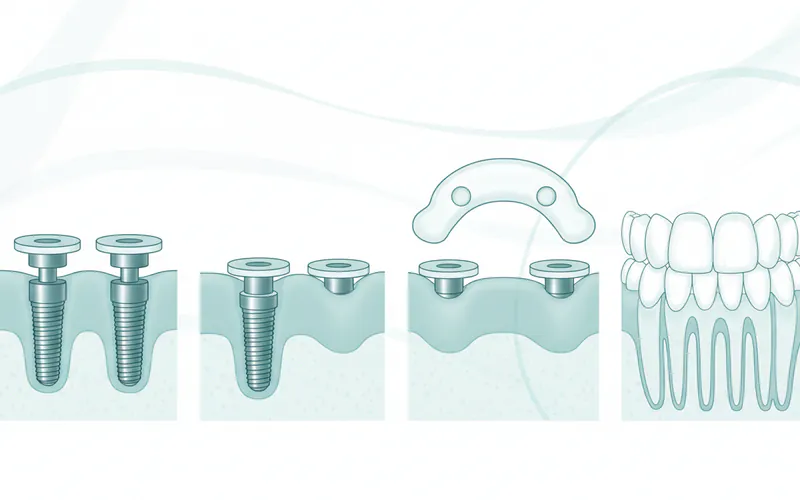
- Implant Insertion: The oral surgeon or periodontist will make small incisions in your gum tissue to expose the jawbone. Pilot holes are carefully drilled, and the titanium dental implants are then surgically placed into the bone.
- Sutures: The gum tissue is typically sutured closed around the implants, or in some cases, a healing abutment is placed.
- Immediate Load (Optional): In certain situations, particularly with All-on-4, a temporary full-arch denture can be attached to the newly placed implants immediately after surgery, allowing you to leave with functional teeth. This is not always possible and depends on implant stability and bone quality.
4. Healing and Osseointegration (3-6 Months)
- Osseointegration: This is a critical period where the dental implants fuse with your jawbone. This biological process ensures the implants become a stable, permanent anchor.
- Temporary Prosthesis: If immediate loading wasn't performed, you'd likely wear a conventional temporary denture during this healing phase. It’s important to avoid putting excessive chewing pressure on the healing implants.
5. Abutment Placement and Impression Taking
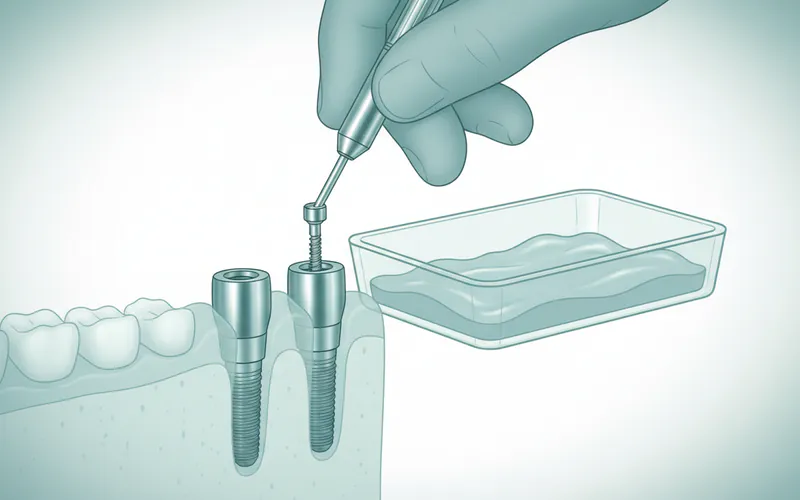
- Abutment Placement: Once osseointegration is complete, a small connector piece called an abutment is attached to each implant. These abutments will protrude through the gum line and serve as the attachment points for your permanent denture.
- Impressions: Detailed impressions (molds) of your mouth, including the abutments, are taken. These impressions are sent to a dental lab.
6. Denture Fabrication
- Custom Design: Skilled dental technicians use the impressions to custom-design and fabricate your permanent denture. This involves creating a wax try-in to ensure proper fit, bite, and aesthetics before the final prosthesis is made from durable materials like acrylic, porcelain, or zirconia. You'll have opportunities to approve the look and feel.
7. Final Placement and Adjustments
- Attachment: Your custom permanent denture is securely attached to the implant abutments. For fixed dentures, this typically involves screwing the denture into place. For removable overdentures, the denture will snap onto the attachments.
- Final Adjustments: The dentist will make any necessary adjustments to ensure a comfortable bite, proper fit, and natural appearance. You’ll be given instructions on how to care for your new permanent dentures.
The entire process, from initial consultation to final placement, can take anywhere from 4 to 9 months, depending on individual healing rates, the number of implants, and the complexity of the case.
Recovery and Aftercare for Permanent Dentures
Proper recovery and diligent aftercare are essential for the long-term success and longevity of your permanent dentures.
Immediate Post-Surgery Recovery (First 1-2 Weeks)
- Pain Management: You will likely experience some discomfort, swelling, and bruising after implant surgery. Your dentist will prescribe pain medication or recommend over-the-counter options.
- Swelling: Apply ice packs to your face for the first 24-48 hours to minimize swelling.
- Bleeding: Minor bleeding is normal. Your dentist will provide gauze pads and instructions on how to manage it.
- Diet: Stick to a soft diet initially to avoid disturbing the surgical sites. Avoid hot liquids and foods that require chewing for the first few days. Gradually reintroduce solid foods as directed by your dentist.
- Oral Hygiene: Be gentle around the surgical sites. Your dentist may prescribe an antimicrobial mouthwash to keep the area clean. Avoid aggressive rinsing, spitting, or using straws, which can dislodge blood clots.
- Rest: Get plenty of rest to aid healing. Avoid strenuous activity.
Long-Term Aftercare and Maintenance
Permanent dentures require ongoing care, much like natural teeth, to prevent complications and maximize their lifespan.
- Oral Hygiene for Fixed Dentures:
- Brushing: Brush your permanent dentures thoroughly at least twice a day using a soft-bristled toothbrush and non-abrasive toothpaste. Pay attention to the areas where the denture meets the gums.
- Flossing: Use specialized dental floss, interdental brushes, or a water flosser (like a Waterpik) to clean beneath the arch and around the implants. This is crucial for removing food particles and plaque that can accumulate and lead to peri-implantitis (gum disease around implants).
- Mouthwash: An antimicrobial mouthwash can be used as recommended by your dentist.
- Oral Hygiene for Removable Overdentures:
- Daily Removal and Cleaning: Remove your overdentures daily and clean them thoroughly with a denture brush and a non-abrasive denture cleaner.
- Clean Implant Sites: Gently brush the implant attachments and gum tissue with a soft toothbrush.
- Soaking: Soak your overdentures in a denture cleaning solution as recommended.
- Regular Dental Check-ups:
- Frequency: Schedule routine check-ups with your dentist or prosthodontist every 6 months or as advised. These visits are critical for monitoring the health of your implants, gums, and the integrity of your denture.
- Professional Cleanings: Special tools are used to clean around implants without scratching them. Your dentist will also check for any signs of peri-implantitis or other issues.
- Adjustments: Over time, attachments for removable overdentures may wear and need replacement. Fixed dentures may require occasional tightening of screws or repairs.
- Dietary Considerations: While permanent dentures allow you to eat most foods, it’s wise to avoid extremely hard or sticky foods (e.g., hard candy, ice, taffy) that could potentially damage the prosthetic teeth.
- Protect Against Trauma: If you participate in contact sports, wear a custom-fitted mouthguard to protect your implants and dentures.
- Quit Smoking: Smoking significantly increases the risk of implant failure and peri-implantitis. The American Dental Association (ADA) strongly advises against smoking for overall oral and systemic health, especially for implant patients.
Pro Tip: Think of caring for your permanent dentures like caring for a luxury car. Regular, professional maintenance is key to maximizing its lifespan and preventing costly repairs down the road.
Risks and Complications of Permanent Dentures
While permanent dentures offer remarkable benefits, like any surgical procedure and long-term prosthetic, there are potential risks and complications to be aware of:
Surgical Risks (during implant placement)
- Infection: Though uncommon, infection at the implant site can occur, requiring antibiotics or, in severe cases, implant removal.
- Nerve Damage: Rare, but can happen if implants are placed too close to a nerve, potentially causing numbness, tingling, or pain in the lips, gums, or tongue. This is minimized with advanced 3D imaging and careful planning.
- Sinus Issues: For upper jaw implants, there's a small risk of perforating the sinus cavity, which can lead to infection. Sinus lifts are often performed to mitigate this risk.
- Excessive Bleeding: Some bleeding is normal, but excessive or prolonged bleeding should be reported to your dentist.
- Swelling and Bruising: Expected post-surgery but can sometimes be more pronounced.
Implant-Related Complications
- Implant Failure (Lack of Osseointegration): The implant may not fuse properly with the bone, leading to looseness. This can be due to poor bone quality, infection, smoking, or excessive force during the healing period. A failed implant may need to be removed and replaced after a new healing period.
- Peri-implantitis: This is an inflammatory condition affecting the tissues surrounding a dental implant, similar to periodontal disease around natural teeth. It's caused by bacterial infection and can lead to bone loss around the implant, potentially causing implant failure if not treated. Poor oral hygiene is a primary contributor.
- Loose Abutments or Screws: The small components connecting the denture to the implant can sometimes loosen and need to be tightened by your dentist.
Denture-Related Complications
- Denture Fracture or Chipping: While made from durable materials, the prosthetic teeth or the acrylic base can chip, crack, or fracture, especially if subjected to excessive biting forces or trauma.
- Wear and Tear: Over time, the materials of the denture will naturally wear down, requiring maintenance, relining, or eventual replacement of the prosthesis (typically every 10-15 years).
- Aesthetic Concerns: Occasionally, the initial fit or appearance might not be perfect, requiring adjustments.
- Speech Adaptation: Some patients may need a short period to adjust their speech to the new prosthesis.
General Complications
- Allergic Reaction: Though rare, an allergic reaction to titanium (implants) or the materials used in the denture is possible.
- Bruxism (Teeth Grinding): Severe teeth grinding can put excessive stress on implants and dentures, potentially leading to complications. A nightguard may be recommended.
It's important to choose an experienced and qualified dental professional for your permanent denture treatment to minimize these risks. Adhering strictly to pre- and post-operative instructions also plays a critical role in a successful outcome.
Prevention of Tooth Loss Leading to Dentures
Preventing tooth loss is always the best approach. While some causes are unavoidable (e.g., severe trauma), many common causes of tooth loss, such as decay and gum disease, are largely preventable.
- Excellent Oral Hygiene:
- Brush Twice Daily: Brush your teeth twice a day for at least two minutes with a fluoride toothpaste. The ADA recommends using a soft-bristled brush.
- Floss Daily: Clean between your teeth daily with dental floss to remove plaque and food particles that your toothbrush can't reach. This is critical for preventing gum disease.
- Use Mouthwash: An antimicrobial mouthwash can help reduce bacteria that cause plaque and gingivitis.
- Regular Dental Check-ups and Professional Cleanings: Visit your dentist every 6 months for a comprehensive examination and professional cleaning. These appointments allow your dentist to identify and address issues like cavities or early gum disease before they become severe.
- Healthy Diet: Limit sugary foods and drinks, which contribute to tooth decay. Choose a balanced diet rich in fruits, vegetables, and lean proteins.
- Avoid Tobacco Products: Smoking and chewing tobacco are major risk factors for gum disease and oral cancer, both of which can lead to tooth loss.
- Protect Your Teeth:
- Wear a Mouthguard: If you play contact sports, wear a custom-fitted mouthguard to protect your teeth from trauma.
- Address Bruxism: If you grind or clench your teeth (bruxism), your dentist might recommend a nightguard to protect your teeth from excessive wear and potential fractures.
- Address Dental Issues Promptly: Don't ignore toothaches, bleeding gums, or sensitivity. Early intervention for cavities, gum disease, or other oral health problems can prevent them from escalating to tooth loss.
- Manage Systemic Diseases: Conditions like diabetes can impact oral health, increasing the risk of gum disease. Managing these conditions effectively with your doctor can also help protect your teeth.
Cost and Insurance for Permanent Dentures in the US
The cost of permanent dentures in the United States can vary significantly based on the type of permanent denture, the number of implants required, the materials used, the complexity of the case, geographic location, and the experience of the dental professional. This is one of the most common concerns for patients considering this life-changing treatment.
Average US Cost Ranges (per arch)
- Fixed Implant-Supported Dentures (e.g., All-on-4/6):
- Low End: $15,000 - $20,000
- Mid-Range: $20,000 - $25,000
- High End: $25,000 - $30,000+
- For a full mouth (both upper and lower arches), costs can range from $30,000 to $60,000 or more.
- Removable Implant-Supported Overdentures (Ball- or Bar-Retained):
- Low End: $6,000 - $10,000 (often for 2 implants)
- Mid-Range: $10,000 - $15,000 (for 2-4 implants)
- High End: $15,000 - $20,000+ (for 4+ implants or complex cases)
- For a full mouth, costs can range from $12,000 to $40,000+.
These figures typically include the implants, abutments, the prosthetic denture, and all surgical and restorative procedures. However, additional costs might arise from:
- Extractions: $75 - $400 per tooth (simple), $150 - $650 per tooth (surgical).
- Bone Grafting: $200 - $3,000+ per site (if necessary to build up jawbone).
- Sinus Lift: $1,500 - $3,000+ per side (if necessary for upper jaw implants).
- Temporary Dentures: $500 - $2,000 (to wear during healing).
Cost-Saving Tips:
- Shop Around (Carefully): Get consultations from multiple reputable dentists/specialists. Compare not just prices, but also experience, materials, and comprehensive treatment plans.
- Consider Removable Overdentures: If fixed options are out of budget, implant-supported overdentures offer significant improvement over traditional dentures at a lower cost.
- Dental Schools: University dental schools often provide high-quality care at reduced costs, as students perform procedures under the supervision of experienced faculty.
- Payment Plans & Financing: Many dental practices offer in-house payment plans or work with third-party medical financing companies (e.g., CareCredit).
- Dental Tourism (Caution): While some people travel abroad for lower costs, be extremely cautious. Ensure the clinic meets US standards, uses quality materials, and consider the implications for follow-up care and potential complications.
Insurance Coverage Details
Dental insurance coverage for permanent dentures, especially implant-supported ones, can be complex and varies widely.
- Dental Insurance:
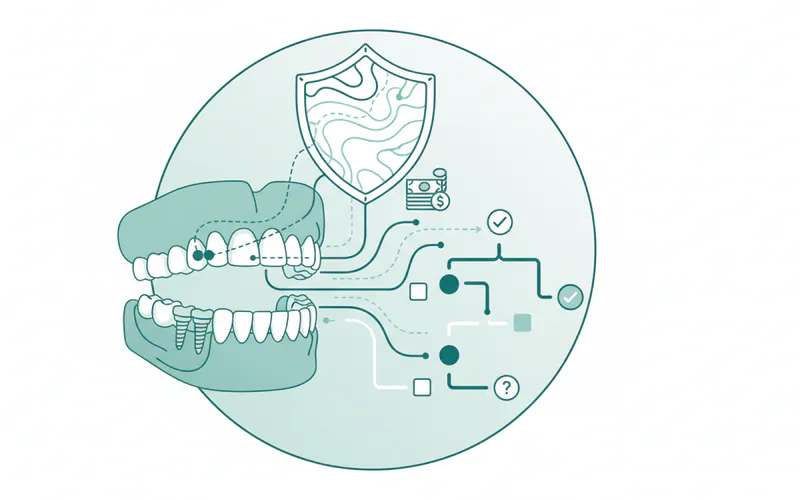
- Major Work Category: Most dental insurance plans categorize permanent dentures and dental implants as "major restorative services."
- Coverage Percentage: Typically, dental insurance may cover 30% to 50% of the cost for major procedures.
- Annual Maximums: Many plans have annual maximums, usually ranging from $1,000 to $2,500. For a treatment costing $20,000, this coverage is often minimal.
- Waiting Periods: There may be waiting periods (e.g., 6-12 months) before major services are covered.
- Missing Tooth Clause: Some older policies have a "missing tooth clause" which excludes coverage for teeth missing before you enrolled in the plan.
- Medical Insurance:
- Rare Coverage: Medical insurance rarely covers dental implants or permanent dentures unless tooth loss is due to a severe accident or a specific medical condition (e.g., cancer treatment, congenital defect) that complicates chewing function. A letter of medical necessity from your dentist and physician would be required.
- HSA/FSA Accounts: Health Savings Accounts (HSAs) and Flexible Spending Accounts (FSAs) are excellent options to pay for permanent dentures with pre-tax dollars, significantly reducing your out-of-pocket costs.
Pro Tip: Always have your dental office submit a pre-treatment estimate to your insurance provider before starting any major procedure. This will give you a clear understanding of what your insurance will and will not cover. Don't assume coverage; confirm it in writing.
| Permanent Denture Type | Average Cost (per arch, US) | Insurance Coverage Potential | Key Considerations |
|---|---|---|---|
| Fixed Implant-Supported | $15,000 - $30,000+ | Limited (30-50% up to annual max) | Highest stability, bone preservation, feels like natural teeth |
| Removable Implant-Supported | $6,000 - $20,000+ | Limited (30-50% up to annual max) | Better stability than traditional, removable for cleaning, mid-range cost |
| Traditional (Removable) | $1,500 - $5,000+ | Moderate (50-80% up to annual max) | Least stable, bone loss continues, lowest initial cost |
Children / Pediatric Considerations
The topic of permanent dentures, as discussed in this article, primarily applies to adults who have experienced significant tooth loss. True permanent dentures (implant-supported full-arch prostheses) are generally not suitable for children or adolescents.
Here's why:
- Growing Jaws: A child's jawbones are still developing and growing. Placing dental implants into a jawbone that is not fully mature can interfere with bone growth and lead to complications as the child ages, potentially causing the implants to shift or become improperly positioned.
- Bone Density: Children and adolescents typically do not have the fully developed bone density required to support dental implants long-term.
- Nature of Tooth Loss: While children can lose teeth due to trauma or severe decay, the focus in pediatric dentistry is usually on preserving primary teeth, managing early loss of permanent teeth with space maintainers, or using removable partial dentures as a temporary solution until jaw growth is complete (typically in late teens/early twenties).
When it applies: In very rare and specific cases, such as extreme congenital conditions where multiple permanent teeth fail to develop, a pediatric prosthodontist might consider interim, temporary solutions or plan for future implant placement once skeletal maturity is reached. The emphasis, however, is on careful management and planning for adulthood rather than immediate permanent denture placement.
Frequently Asked Questions
What are permanent dentures and how do they differ from traditional dentures?
Permanent dentures are dental prostheses securely fixed in your mouth, typically anchored to dental implants. Unlike traditional dentures, which are removable and rely on suction or denture glue, permanent dentures offer superior stability, chewing function, and comfort because they are integrated into your jawbone, behaving much like natural teeth.
How much do permanent dentures cost in the US?
The cost varies widely based on type and complexity. Fixed implant-supported permanent dentures (like All-on-4/6) can range from $15,000 to $30,000+ per arch, while removable implant-supported overdentures might be $6,000 to $20,000+ per arch. A full mouth restoration can cost $30,000 to $60,000 or more.
Is the process of getting permanent dentures painful?
The implant placement surgery is performed under local anesthesia and often sedation, so you won't feel pain during the procedure. You'll experience some discomfort, swelling, and bruising during the recovery phase, which can be managed with prescribed pain medication. Most patients report that the discomfort is manageable and well worth the outcome.
How long do permanent dentures last?
The dental implants themselves can last a lifetime with proper care. The prosthetic portion (the denture arch) typically lasts 10 to 15 years, or even longer, before needing replacement, relining, or repair due to normal wear and tear. Regular maintenance and hygiene are key to their longevity.
Can I get permanent dentures if I have bone loss?
It depends on the extent of bone loss. Techniques like All-on-4 are specifically designed to work with some bone loss by angling implants. If bone loss is severe, you may require bone grafting or a sinus lift procedure before implant placement can proceed. A thorough evaluation by a dental professional is necessary to determine eligibility.
What is the recovery time for permanent dentures?
The initial recovery from implant surgery typically takes 1-2 weeks for swelling and discomfort to subside. However, the implants need 3-6 months to fully integrate with your jawbone (osseointegration) before the final permanent denture is attached. If you receive an immediate load temporary denture, you can function with teeth sooner.
Are permanent dentures difficult to clean?
Fixed permanent dentures require diligent oral hygiene, similar to natural teeth. You'll need to brush twice daily, use specialized floss or a water flosser to clean beneath the arch and around the implants. Removable implant-supported overdentures are cleaned by removing them daily and brushing both the denture and the implant attachments.
What are the alternatives to permanent dentures?
Alternatives include traditional removable full dentures (which are less stable and require denture glue), partial dentures (if some natural teeth remain), or in some cases, individual dental implants and crowns for single missing teeth (though less relevant for full-arch replacement). Each has different stability, cost, and functional benefits.
Can I use denture glue with permanent dentures?
No, you absolutely should not use denture glue with permanent dentures. Permanent dentures are designed to be securely attached to dental implants and do not require adhesive. If your permanent denture feels loose, it indicates a problem with the implants or attachments, and you should contact your dentist immediately.
Who is a good candidate for permanent dentures?
Ideal candidates are individuals missing most or all teeth in an arch, in good general and oral health, with sufficient jawbone to support implants (or willing to undergo bone grafting). Those dissatisfied with traditional removable dentures are also excellent candidates. A comprehensive dental evaluation will determine your suitability.
When to See a Dentist
Given the significant impact on your health and quality of life, knowing when to consult a dentist about permanent dentures or related issues is crucial.
Red Flags Requiring Immediate Attention:
- Severe or Persistent Pain: If you experience sharp, throbbing, or continuous pain around your implants or a newly placed denture, especially if accompanied by fever or swelling, see your dentist immediately.
- Unexpected Bleeding: While some minor bleeding is normal post-surgery, heavy or prolonged bleeding that doesn't stop with pressure should prompt an emergency call.
- Denture Looseness (Fixed Dentures): If a fixed permanent denture feels wobbly or comes loose, contact your dentist right away. This could indicate a loose screw, implant failure, or other structural issue. Never attempt to fix it yourself or use denture glue.
- Signs of Infection: Swelling, redness, pus, or persistent bad taste/odor around an implant site are signs of potential infection (peri-implantitis) and require immediate evaluation.
- Denture Fracture: If your permanent denture cracks or breaks, especially if it causes sharp edges or difficulty eating, contact your dentist for repair.
When to Schedule a Routine Appointment:
- Considering Permanent Dentures: If you are missing multiple teeth, wear traditional removable dentures you're unhappy with, or have failing teeth, schedule a consultation to discuss your options.
- Difficulty Chewing or Speaking: If you struggle with these basic functions due to tooth loss, a permanent denture solution could significantly improve your quality of life.
- Changes in Denture Fit (Removable Overdentures): If your implant-supported overdenture feels less stable than before, the attachments may need adjustment or replacement.
- Discomfort or Sore Spots: Persistent irritation from any denture should be checked by a dentist to prevent further complications.
- Facial Changes: If you notice your face appears sunken or older due to bone loss from missing teeth, discussing implant options is vital for bone preservation.
- Regular Check-ups: Even with permanent dentures, adherence to your scheduled 6-month dental check-ups and professional cleanings is paramount for maintaining oral health and the longevity of your investment.
Proactive communication with your dental care team ensures the best outcomes for your permanent dentures and your overall oral health.
Frequently Asked Questions
Medically Reviewed Content
This article was written by our dental health editorial team and reviewed for medical accuracy. Our content follows strict editorial guidelines for reliability and trustworthiness.
Medical Disclaimer
This article is for informational purposes only and does not constitute medical advice. Always consult with a qualified dental professional for diagnosis and treatment. Do not delay seeking professional advice because of something you read on this website.
Related Articles
Cheap Dentures: Complete Guide
Facing the prospect of tooth loss can be daunting, and the thought of replacing missing teeth often brings financial concerns to the forefront. Did you know that an estimated 36 million Americans are completely edentulous (missing all their teeth), and another 120 million are missing at leas
February 23, 2026
Full Mouth Reconstruction Near Me: Complete Guide
You've been living with dental pain, difficulty eating, or a smile you're too embarrassed to share. Perhaps years of neglect, trauma, or disease have taken a toll on your oral health, leaving you wondering if there's any hope for a complete restoration. You're not alone. **Millions of Americans face
February 23, 2026
$99 Dentures Near Me: Complete Guide
Losing teeth can significantly impact your quality of life, affecting everything from your ability to chew and speak to your self-confidence. For many, the high cost of dental care can feel like an insurmountable barrier to regaining a healthy smile. This often leads people to search for "affordable
February 23, 2026
Snap-in Dentures Cost Near Me: Complete Price Guide 2026
For many Americans navigating the challenges of significant tooth loss, the search for a stable, comfortable, and aesthetically pleasing dental solution often leads to implant-supported dentures. Unlike traditional dentures that rely on suction and adhesives, snap-in dentures offer a remarkable impr
February 23, 2026