What Are Dentures
Key Takeaways
- As we age, or due to unforeseen circumstances, losing teeth can significantly impact not just our ability to eat and speak, but also our confidence and overall quality of life. In fact, **approximately 178 million Americans are missing at least one tooth, and about 40 million Americans are missing a
As we age, or due to unforeseen circumstances, losing teeth can significantly impact not just our ability to eat and speak, but also our confidence and overall quality of life. In fact, approximately 178 million Americans are missing at least one tooth, and about 40 million Americans are missing all of their teeth. This widespread issue often leads individuals to seek effective tooth replacement solutions, and among the most common and enduring options available are dentures. But what are dentures, exactly? They are removable prosthetic devices designed to replace missing teeth and the surrounding gum tissue, restoring both function and aesthetics to your smile. This comprehensive guide will delve deep into the world of dentures, exploring their various types, the process of getting them, their costs, and how they can profoundly improve your dental health and daily living.
![A diverse group of people smiling confidently, some clearly wearing well-fitting dentures, others showing natural teeth(/holistic-dentistry/natural-teeth-complete-guide), implying restored confidence and function.]
Key Takeaways:
- Dentures are custom-made, removable prosthetic devices that replace missing teeth and gum tissue, restoring oral function and aesthetics.
- Types of dentures vary widely, including full (conventional, immediate), partial (removable, fixed, flexible, cast metal), and implant-supported options, each suited to different patient needs.
- The process typically involves multiple appointments over several weeks, from initial impressions to final adjustments, ensuring a precise fit.
- Costs range significantly, generally from $600 to $8,000 per arch for conventional dentures, potentially reaching $15,000-$30,000+ per arch for implant-supported options, with insurance coverage varying.
- Proper care and regular dental check-ups are crucial for denture longevity, oral hygiene, and preventing complications like gum irritation and bone loss.
- Adaptation period is common, involving initial discomfort, speech adjustments, and dietary changes, typically resolving within a few weeks to months.
- Dentures offer a viable solution for millions, improving quality of life for those experiencing significant tooth loss.

What Are Dentures: An Overview
At their core, dentures are custom-made appliances designed to replace missing teeth. They consist of prosthetic teeth, typically made from acrylic or porcelain, attached to a gum-colored base made of acrylic or a combination of acrylic and metal. This base rests directly on your gums, or in some cases, is supported by dental implants or remaining natural teeth. Their primary purpose is to restore the essential functions of chewing and speaking, which become severely compromised with tooth loss. Beyond functionality, dentures also play a crucial role in maintaining facial structure, preventing the "caved-in" appearance that can result from missing teeth, and enhancing your smile and self-confidence.
Dentures are a time-tested solution in prosthodontics, the dental specialty focused on the diagnosis, treatment planning, rehabilitation, and maintenance of oral function, comfort, appearance, and health of patients with clinical conditions associated with missing or deficient teeth and/or oral and maxillofacial tissues. Advances in dental materials and techniques have made modern dentures more comfortable, natural-looking, and effective than ever before.
Types of Dentures: Finding Your Perfect Fit
The world of dentures is not one-size-fits-all. There are several distinct types of dentures, each designed to address specific needs, from replacing a single missing tooth to an entire arch. Understanding these variations is key to choosing the right solution for your oral health.
Full (Complete) Dentures
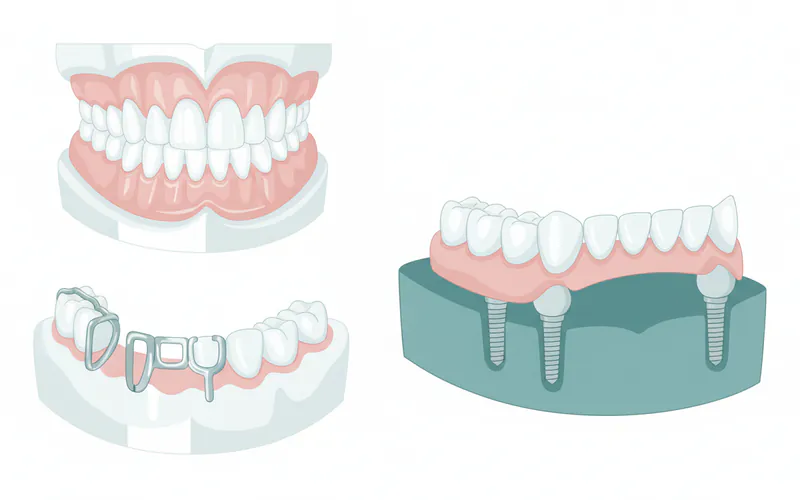
Full dentures are designed for individuals who are missing all the teeth in either their upper jaw, lower jaw, or both. They come in a few main variations:
- Conventional Full Dentures: These are made after any remaining teeth have been extracted and the gum tissues have had sufficient time to heal, which typically takes about 4 to 6 months. During this healing period, you would be without teeth. Once the healing is complete, impressions are taken, and a custom set of dentures is fabricated and fitted. This method allows for a very precise fit as the underlying tissues have fully stabilized.
- Immediate Full Dentures: As the name suggests, immediate dentures are fabricated in advance and placed immediately after the remaining teeth are extracted. This ensures you don't have to go without teeth during the healing period. However, as the gums and bone heal and shrink over time, immediate dentures will require relining or even replacement after several months to maintain a proper fit. They serve as a temporary solution while your mouth heals and before conventional dentures are made.
- Overdentures: These are a type of full denture that fits over a small number of remaining natural teeth or dental implants. The remaining teeth or implants provide stability and retention for the denture, helping to preserve the underlying bone and offering a more secure fit than traditional full dentures. This can be a great option for patients who have healthy roots or suitable implant sites.
Partial Dentures
Partial dentures are suitable for individuals who still have some natural teeth remaining. They fill the gaps created by missing teeth, preventing other teeth from shifting out of place.
- Removable Partial Dentures: These consist of replacement teeth attached to a gum-colored plastic base, which is connected by a metal framework or flexible material that holds the denture in place in your mouth. Clasps, often made of metal or a tooth-colored material, attach to your natural teeth to secure the denture. They are designed to be easily removed for cleaning and sleeping.
- Cast Metal Partial Dentures: These are considered the traditional and most durable type of removable partial dentures. They feature a rigid, custom-cast metal framework (often chrome cobalt alloy) to which acrylic teeth and gum-colored bases are attached. The metal framework provides excellent strength, stability, and a thinner profile than acrylic-only options, making them more comfortable. They are particularly effective for replacing partial dentures for back teeth, offering superior chewing efficiency.
- Acrylic Partial Dentures (Flippers): These are less expensive and less durable than cast metal partials. They are typically used as a temporary solution, for example, while waiting for a permanent bridge or implant, or for replacing just one or two teeth. They are bulkier and may not be as stable as cast metal options.
- Flexible Partial Dentures: Made from a thermoplastic material (like nylon), these dentures are incredibly comfortable, lightweight, and virtually invisible as they don't require metal clasps. Instead, they use gum-colored clasps that blend seamlessly with your natural gum tissue. They are an excellent aesthetic choice, especially for front teeth, but may not be as stable for extensive chewing forces compared to cast metal for partial dentures for back teeth.
Implant-Supported Dentures (Fixed or Removable)
These dentures represent a significant advancement in dental prosthetics, offering superior stability and retention compared to traditional removable options. They integrate dental implants (small titanium posts surgically placed into the jawbone) to anchor the denture.
- Snap-In Dentures (Removable Implant-Supported): These dentures "snap" onto a few strategically placed dental implants via special attachments, providing a much more secure fit than conventional dentures. They are still removable for cleaning, but eliminate the need for adhesives and drastically reduce movement. This option greatly improves chewing efficiency and comfort.
- Fixed Implant-Supported Dentures (All-on-4/6): These are permanently secured to a series of dental implants (typically 4 to 6 per arch). Once placed, they function much like natural teeth, do not need to be removed for cleaning, and offer the highest level of stability, chewing power, and comfort. This is often considered the closest alternative to natural teeth.
Comparison of Denture Types
| Denture Type | Description | Pros | Cons | Estimated Cost Per Arch (US) |
|---|---|---|---|---|
| Conventional Full | Replaces all teeth in an arch after gums have healed (4-6 months). | Excellent fit and stability after healing; highly customized. | Long healing period without teeth; can become loose over time due to bone resorption. | $1,000 - $3,000 (Economy); $3,000 - $8,000+ (Premium/Custom) |
| Immediate Full | Placed immediately after extractions; acts as a temporary solution while gums heal. | You never go without teeth; helps with tissue healing and muscle memory. | Requires multiple relines or replacement as gums shrink; less precise fit initially. | $1,500 - $4,000 (often includes initial denture + first reline) |
| Removable Partial | Replaces some missing teeth, attaches to remaining natural teeth; includes cast metal, acrylic, and flexible options. Effective for partial dentures for back teeth. | Preserves remaining teeth; relatively affordable; removable for cleaning. | Can feel bulky; may put stress on anchor teeth; less stable than fixed options; can be noticeable (metal clasps). | $600 - $1,500 (Acrylic/Flipper); $1,000 - $3,000 (Cast Metal); $1,500 - $3,500 (Flexible) |
| Snap-In (Implant-Supported Removable) | Full denture that snaps onto 2-4 dental implants for enhanced stability; still removable. | Significantly improved stability, chewing power, and comfort compared to conventional dentures; preserves bone; no adhesives needed. | Higher initial cost; requires minor surgery for implant placement; still needs to be removed for cleaning. | $6,000 - $15,000 (per arch, including implants) |
| Fixed (Implant-Supported) | Full arch of teeth permanently secured to 4-6 dental implants. | Most natural feel and function; highest chewing efficiency; preserves bone; no removal required; very aesthetic. | Highest initial cost; requires oral surgery; not suitable for all patients (bone density, health). | $15,000 - $30,000+ (per arch, including implants and prosthesis, e.g., All-on-4/6) |
Causes of Tooth Loss: Why Dentures Become Necessary
Tooth loss is a common problem, and while dentures offer an excellent solution, understanding the underlying causes is crucial for prevention and overall oral health. The primary reasons people lose teeth include:
- Severe Gum Disease (Periodontal Disease): This is the leading cause of tooth loss in adults. Untreated gum disease leads to inflammation and infection of the gums and supporting bone structures. Over time, the infection damages the tissues and bone that hold teeth in place, causing them to loosen and eventually fall out.
- Extensive Tooth Decay (Cavities): When cavities are left untreated, decay can progress deep into the tooth, destroying pulp tissue and potentially leading to severe infection and structural compromise of the tooth. If the damage is too extensive to be repaired with fillings, crowns, or root canals, extraction becomes necessary.
- Trauma or Injury: Accidents, sports injuries, or falls can result in knocked-out teeth or severe fractures that necessitate extraction.
- Inadequate Oral Hygiene: Poor brushing and flossing habits allow plaque and tartar to build up, leading to both gum disease and tooth decay.
- Genetics: Some individuals are genetically predisposed to certain dental conditions, including weaker enamel or a greater susceptibility to gum disease.
- Systemic Diseases: Conditions like diabetes, osteoporosis, and certain autoimmune diseases can compromise oral health and increase the risk of tooth loss. For instance, diabetes can worsen gum disease.
- Smoking and Tobacco Use: Tobacco products significantly increase the risk of gum disease and hinder the healing process, making tooth loss more likely.
When Dentures Become Necessary: Signs and Symptoms of Significant Tooth Loss
While dentures are a treatment, not a condition, the "signs and symptoms" refer to the indicators that a patient might benefit from or require dentures due to significant tooth loss or compromised oral function.
- Difficulty Chewing: One of the most immediate impacts of missing teeth is the inability to properly chew food, leading to dietary restrictions and potential nutritional deficiencies.
- Speech Impairment: Missing teeth, especially front teeth, can affect the way you form words and sounds, leading to lisping or other speech difficulties.
- Shifting of Remaining Teeth: When there are gaps from missing teeth, the adjacent teeth may drift into these spaces, altering your bite and causing further dental problems. This is particularly true if you are missing partial dentures for back teeth, as the opposing and adjacent teeth lose their anchors.
- Facial Sagging and Changes: Without the support of teeth, the facial muscles can sag, leading to a "caved-in" appearance, particularly around the mouth and cheeks. This can make a person look older.
- Jawbone Resorption: When teeth are lost, the jawbone that once supported them begins to resorb (deteriorate) due to lack of stimulation. This can lead to further changes in facial structure and potential difficulties with future tooth replacement options like implants.
- Chronic Pain or Infection: Severely damaged or infected teeth that cannot be saved often cause persistent pain and can lead to systemic health issues if left untreated, necessitating extraction and subsequent replacement.
- Self-Consciousness: Many individuals with missing teeth experience a significant drop in self-confidence, affecting their social interactions and overall quality of life.
Treatment Options for Missing Teeth
While dentures are a highly effective solution, they are not the only option for replacing missing teeth. Your dentist will discuss various treatment options based on your specific needs, the number of missing teeth, your overall health, and your budget.
Dentures vs. Other Options
| Feature | Dentures (Removable) | Dental Bridges (Fixed) | Dental Implants (Fixed) |
|---|---|---|---|
| Description | Removable appliance with artificial teeth and gum-colored base. | Artificial tooth (pontic) anchored by crowns on adjacent natural teeth. | Titanium post surgically placed in jawbone, topped with a crown, bridge, or denture. |
| Tooth Loss Scope | Single tooth (flipper/partial), multiple teeth (partial), or all teeth (full). | 1-3 consecutive missing teeth. | Single tooth, multiple teeth (implant-supported bridge), or all teeth (implant-supported denture). |
| Stability | Varies from fair (conventional full) to excellent (snap-in implant-supported). Can shift during eating/speaking. | Very good, cemented permanently. | Excellent, acts like a natural tooth root. No movement. |
| Jawbone Health | Does not stimulate bone, leading to gradual bone resorption over time (except implant-supported options). | Does not stimulate bone under the pontic, leading to some localized bone loss. | Preserves jawbone by stimulating it, preventing resorption. |
| Adjacent Teeth | Does not typically affect adjacent teeth (except partials with clasps that can add stress). | Requires grinding down healthy adjacent teeth to serve as anchors for crowns. | Does not affect adjacent teeth. |
| Cost (US) | $600 - $8,000 per arch (conventional/partial), $6,000 - $15,000 per arch (snap-in implant-supported). | $2,000 - $5,000 per bridge (for 1-3 teeth). | $3,000 - $6,000 per single implant (crown included), $15,000 - $30,000+ per arch (fixed implant denture). |
| Lifespan | 5-10 years (can be longer with good care, but relines/adjustments needed). | 5-15 years. | 15-25+ years (often lifelong with proper care). |
| Maintenance | Remove daily for cleaning, soak overnight. Regular relines/adjustments. | Brush and floss normally, special flossing tools for under the pontic. | Brush and floss normally, routine dental hygiene. |
| Pros | Cost-effective, non-invasive (traditional), replaces multiple teeth/full arch, immediate options available. | Fixed solution, natural feel, good aesthetics, relatively quick procedure (compared to implants). | Most natural look/feel, highly durable, preserves bone, no impact on adjacent teeth, long-term solution. |
| Cons | Can be less stable, may affect speech/eating initially, requires daily removal, does not prevent bone loss (traditional), can cause gum irritation. | Requires altering healthy adjacent teeth, pontic area can be hard to clean, does not prevent bone loss under pontic, limited to specific number of missing teeth. | Higher upfront cost, requires surgery, longer treatment time, not suitable for all patients (bone density, health), potential for implant failure (low risk, ~5%). |
Pro Tip: For a truly comprehensive consultation, ask your dentist to explain all viable options for your specific situation, including the long-term benefits and drawbacks of each, before making a decision.
Step-by-Step Process for Getting Dentures
The process of getting dentures is a personalized journey that typically involves several dental visits. While specific steps can vary based on the type of denture and individual needs, here's a general outline:
1. Initial Consultation and Assessment:
- Oral Examination: Your dentist will thoroughly examine your mouth, gums, and any remaining teeth. X-rays and 3D scans may be taken to assess bone structure.
- Discussion of Options: Based on the examination, your dentist will discuss which denture types are most suitable for you (full, partial, immediate, implant-supported) and explore alternatives like bridges or implants.
- Treatment Plan: A detailed treatment plan will be created, outlining the chosen denture type, timeline, estimated costs, and any necessary preliminary procedures (e.g., extractions).
2. Preliminary Procedures (If Needed):
- Tooth Extractions: If you have remaining damaged or unhealthy teeth, they will be extracted. For conventional full dentures, a healing period of 4-6 months is usually required after extractions to allow gums and bone to stabilize.
- Gum or Bone Grafting: In some cases, if there isn't enough bone to support implants (for implant-supported dentures) or sufficient gum tissue, minor surgical procedures might be necessary to augment these areas.
3. Impression Taking:
- Primary Impressions: Using a special putty-like material, your dentist will take impressions of your mouth to create initial models of your jaw and existing teeth.
- Custom Trays: From these primary impressions, custom impression trays are fabricated for a more accurate mold.
- Final Impressions: Highly precise impressions are taken using the custom trays, capturing the exact contours of your oral tissues. These impressions are crucial for creating a well-fitting denture.

4. Bite Registration and Wax Rim Trials:
- Bite Registration: Your dentist will record the relationship between your upper and lower jaws (your bite) using wax rims or other devices. This ensures that when the dentures are made, your bite is correct and your teeth meet properly.
- Choosing Teeth: You'll work with your dentist to select the size, shape, and shade of the artificial teeth to achieve a natural and aesthetically pleasing result.
- Wax Try-In: A wax model of your proposed denture, with the chosen artificial teeth set in wax, will be created. You'll try this in to check the fit, bite, appearance, and comfort. This is a critical step where you can provide feedback on aesthetics and function, and adjustments can easily be made.
5. Denture Fabrication:
- Once you and your dentist are satisfied with the wax try-in, the dental laboratory will process the wax model into the final acrylic denture using heat-curing methods. The wax is replaced with a durable, gum-colored acrylic base, and the artificial teeth are permanently bonded in place.
6. Insertion and Adjustments:
- Initial Placement: Your new dentures will be placed in your mouth. Your dentist will check the fit, bite, and comfort, making any necessary adjustments on the spot.
- Instruction and Care: You will receive detailed instructions on how to care for your dentures, proper cleaning techniques, and what to expect during the initial adaptation period.
- Follow-Up Appointments: Several follow-up appointments will be scheduled in the weeks and months following placement. During these visits, your dentist will check for sore spots, refine the fit, and make further adjustments as your mouth adapts. This is particularly important for immediate dentures, which often require multiple relines as your gums shrink.
Pro Tip: Don't hesitate to voice any concerns or discomfort during the wax try-in and initial adjustment phases. It's much easier to make changes before the denture is permanently fabricated.
Cost of Dentures and Insurance Coverage in the US
The cost of dentures in the United States can vary significantly based on several factors, including the type of denture, the materials used, the complexity of your case, the need for preliminary procedures (like extractions or bone grafting), and the geographic location of your dental practice.
Average US Cost Ranges (Per Arch):
- Economy/Budget Dentures: These are typically stock dentures with basic materials and minimal customization.
- Cost: $600 - $1,500
- Conventional/Standard Dentures: These are custom-made with better quality materials and a more precise fit.
- Cost: $1,000 - $3,000
- Premium/Custom Dentures: Utilizing high-quality, durable materials, superior aesthetics, and extensive customization for the most natural look and feel.
- Cost: $3,000 - $8,000+
- Partial Dentures:
- Acrylic Partials (Flippers): $600 - $1,500
- Cast Metal Partials: $1,000 - $3,000
- Flexible Partials: $1,500 - $3,500
- Immediate Dentures: Often priced similarly to conventional dentures, but may incur additional costs for multiple relines.
- Cost: $1,500 - $4,000 (often includes initial denture + first reline)
- Implant-Supported Dentures (Overdentures/Snap-In): These costs include the surgical placement of 2-4 implants plus the denture itself.
- Cost: $6,000 - $15,000 per arch
- Fixed Implant-Supported Dentures (e.g., All-on-4/6): This is a full arch of permanent teeth supported by 4-6 implants.
- Cost: $15,000 - $30,000+ per arch (including implants, abutments, and prosthesis)
Regional Cost Variations: Costs can fluctuate by 10-30% based on location. Major metropolitan areas and coastal regions generally have higher dental fees than rural areas or the Midwest.
Insurance Coverage Details:
- Dental Insurance: Most traditional dental insurance plans offer some coverage for dentures, typically classifying them as a "major restorative" procedure. Coverage often ranges from 50% to 80% of the cost, up to your annual maximum. However, there may be waiting periods, and cosmetic upgrades might not be fully covered. It's crucial to check your specific policy details.
- Medicare: Original Medicare (Part A and Part B) generally does NOT cover routine dental care, including dentures. However, some Medicare Advantage plans (Part C) may include dental benefits that cover a portion of denture costs. You'll need to research specific plans available in your area.
- Medicaid: Medicaid programs, which vary by state, may offer some coverage for dentures, especially for children and individuals with specific medical conditions. Coverage for adults is often limited or requires prior authorization. Check your state's Medicaid guidelines.
- Veterans Affairs (VA): The VA provides comprehensive dental care, including dentures, for eligible veterans. Eligibility criteria usually involve service-related dental conditions or specific health classifications.
Payment Plans and Financing Options:
- In-Office Payment Plans: Many dental offices offer their own payment plans, allowing you to pay in installments.
- Third-Party Financing: Companies like CareCredit or LendingClub offer specialized healthcare credit cards or personal loans for medical and dental expenses. These often have low or no-interest options for a specific period.
- Dental Schools: Dental schools often provide services at a reduced cost, as procedures are performed by students under the supervision of experienced faculty.
- Community Health Centers: Some community health centers offer sliding scale fees based on income or reduced costs for dental services.
Recovery and Aftercare for Dentures
Adapting to new dentures takes time and patience. Proper recovery and consistent aftercare are essential for comfort, oral health, and the longevity of your dentures.
Initial Adaptation Period (First Few Weeks):
- Soreness and Irritation: It's common to experience some soreness, irritation, and even mild swelling in your gums initially. This usually subsides as your mouth adjusts. Your dentist will schedule follow-up appointments to address any persistent sore spots and make adjustments.
- Increased Saliva Flow: Your salivary glands may produce more saliva as your mouth perceives the dentures as foreign objects. This usually normalizes within a few days or weeks.
- Eating: Start with soft foods cut into small pieces. Chew slowly and evenly on both sides of your mouth to prevent the dentures from tipping. Gradually introduce firmer foods as you become more comfortable. Avoid sticky or very hard foods initially.
- Speaking: Dentures can affect your speech, causing minor lisping or difficulty pronouncing certain words. Practice reading aloud and repeating challenging words. This usually improves quickly as your tongue and lips adapt.
- Wearing Schedule: Your dentist will provide specific instructions. Often, you'll wear immediate dentures constantly for the first 24 hours (even while sleeping) to help control swelling. After that, most conventional dentures should be removed nightly for at least 6-8 hours to allow your gums to rest and receive natural stimulation, promoting circulation and preventing irritation.
Long-Term Aftercare and Maintenance:
- Daily Cleaning: Dentures require daily cleaning, just like natural teeth.
- Remove and Rinse: Always remove your dentures and rinse them thoroughly under running water after meals to remove food particles.
- Brush Gently: Use a soft-bristled denture brush and a non-abrasive denture cleaner (not regular toothpaste, which can be too abrasive and scratch the surface, creating micro-grooves where bacteria can accumulate). Brush all surfaces of the denture.
- Clean Your Mouth: Gently brush your gums, tongue, and the roof of your mouth with a soft toothbrush or gauze to remove plaque and stimulate circulation before reinserting your dentures.
- Soaking: Most dentures should be soaked overnight in a denture cleansing solution (e.g., polident) or plain water. This helps keep them moist, prevents warping, and can kill bacteria. Follow the product instructions carefully.
- Handling with Care: Dentures are fragile. Always handle them over a towel or basin of water to prevent breakage if dropped.
- Regular Dental Check-ups: Even with full dentures, regular dental visits (typically annually) are crucial. Your dentist will:
- Check the fit of your dentures.
- Examine your oral tissues for signs of irritation, gum disease, or oral cancer.
- Assess bone levels, especially if you have traditional dentures, as bone resorption is an ongoing process.
- Recommend relines or adjustments as needed.
- Relining and Re-basing: Over time, your jawbone and gum ridges naturally shrink, causing your dentures to become loose.
- Reline: Your dentist adds new base material to the tissue-fitting surface of your denture to improve the fit. Relines are typically needed every 1-2 years.
- Re-base: This is a more extensive procedure where the entire base of the denture is replaced, while keeping the original artificial teeth. This may be needed if the denture base is significantly compromised.
- Denture Repair: If your denture breaks, cracks, or a tooth comes loose, do not attempt to repair it yourself with super glue or other household adhesives. See your dentist immediately for professional repair.
Prevention of Tooth Loss
While dentures are an excellent solution for missing teeth, prevention is always the best approach. Maintaining good oral hygiene and making healthy lifestyle choices can significantly reduce your risk of tooth loss.
- Excellent Oral Hygiene:
- Brush Twice Daily: Use a fluoride toothpaste and a soft-bristled brush for at least two minutes, focusing on all tooth surfaces and the gum line.
- Floss Daily: Flossing removes plaque and food particles from between teeth and under the gum line, areas your toothbrush can't reach.
- Use Mouthwash: An antiseptic mouthwash can help reduce bacteria that cause plaque and gum disease.
- Regular Dental Check-ups and Cleanings: Visit your dentist every six months for professional cleanings and examinations. This allows for early detection and treatment of issues like cavities and gum disease before they become severe.
- Balanced Diet: Limit sugary and acidic foods and drinks, which contribute to tooth decay. Consume a diet rich in fruits, vegetables, and calcium to support strong teeth and bones.
- Avoid Tobacco Products: Smoking and chewing tobacco are major risk factors for gum disease and oral cancer, both of which can lead to tooth loss.
- Manage Systemic Diseases: If you have conditions like diabetes or heart disease, work closely with your medical doctor to manage them, as they can impact your oral health.
- Wear a Mouthguard: If you play contact sports or grind your teeth at night (bruxism), wear a custom-fitted mouthguard to protect your teeth from trauma and excessive wear.
- Address Dental Issues Promptly: Don't ignore toothaches, bleeding gums, or sensitivity. Seek dental care immediately to prevent minor issues from escalating.
Risks and Complications Associated with Dentures
While dentures offer significant benefits, it's important to be aware of potential risks and complications, especially if not properly fitted or cared for.
- Poor Fit and Discomfort:
- Sore Spots and Ulcers: Ill-fitting dentures can rub against the gums, causing painful sore spots, ulcers, and inflammation.
- Difficulty Eating/Speaking: Loose dentures can make chewing difficult and affect speech, leading to embarrassment or frustration.
- Instability: Dentures that don't fit well can shift, click, or fall out unexpectedly.
- Bone Resorption (Jawbone Shrinkage):
- Traditional full and partial dentures do not stimulate the jawbone in the same way natural tooth roots do. Over time, this lack of stimulation leads to bone loss, causing the jawbone to shrink.
- This shrinkage changes the contours of your mouth, making dentures fit less securely and requiring frequent relines or replacements.
- Pro Tip: Implant-supported dentures are a key solution to preventing bone resorption, as the implants act as artificial tooth roots, stimulating the jawbone.
- Denture Stomatitis: This is an inflammatory condition affecting the tissues beneath the upper denture, often caused by poor oral hygiene and an overgrowth of yeast (Candida albicans). Symptoms include redness, swelling, and sometimes discomfort.
- Angular Cheilitis: Cracks and inflammation at the corners of the mouth can occur due to inadequate vertical dimension (when the bite is too closed) or salivary pooling, often associated with ill-fitting or old dentures.
- Allergic Reactions: Though rare, some individuals may experience an allergic reaction to the materials used in dentures (e.g., acrylic).
- Damage to Remaining Teeth (for partial dentures): If partial dentures are not designed or fitted correctly, the clasps can put undue stress on the natural teeth they attach to, potentially leading to enamel wear, decay, or loosening of those teeth over time.
- Accumulation of Plaque and Tartar: Just like natural teeth, dentures can accumulate plaque and tartar if not cleaned regularly, leading to bad breath, staining, and contributing to gum irritation.
- Fractures or Breakage: Dentures can break if dropped or subjected to excessive force. Regular chewing forces can also lead to wear and tear over time.
Regular dental check-ups are vital to monitor the fit of your dentures, assess your oral health, and address any potential complications early. The ADA emphasizes the importance of continuing professional care even for edentulous (toothless) patients.
Children / Pediatric Considerations for Dentures
While full or extensive partial dentures are primarily an adult solution, there are rare instances where children might need a type of prosthetic appliance due to congenital conditions, severe trauma, or early tooth loss.
- Congenital Conditions: Some children are born with conditions like anodontia (absence of all teeth) or hypodontia (absence of some teeth), which can necessitate the use of pediatric partial or full dentures to aid in speech development, eating, and maintaining space for permanent teeth.
- Severe Trauma or Extensive Decay: In cases of severe injury leading to premature loss of multiple primary or permanent teeth, or extensive decay that requires multiple extractions, a pediatric partial denture (often called a "space maintainer with teeth" or "pediatric dental prosthesis") may be used. These are crucial for:
- Space Maintenance: Preventing adjacent teeth from drifting into the gap, which could block the eruption of permanent teeth.
- Speech Development: Helping children learn to speak properly.
- Chewing Function: Allowing children to chew a wider range of foods, supporting nutrition.
- Self-Esteem: Restoring a natural smile can greatly benefit a child's confidence.
Pediatric dentures are temporary and need frequent adjustments or replacements as the child grows and their jaw develops. They also need to be replaced as permanent teeth begin to erupt. Parents should work closely with a pediatric dentist or a prosthodontist specializing in pediatric cases to determine the most appropriate and dynamic treatment plan.
Cost Breakdown: A Detailed Look
Understanding the financial aspect of dentures is crucial for planning. Here's a deeper dive into the cost breakdown.

What Influences the Price?
- Type of Denture: As discussed, conventional full dentures are less expensive than implant-supported options. Partial dentures generally fall in between.
- Materials: Higher quality acrylics, more durable and aesthetically pleasing teeth (e.g., porcelain vs. plastic), and custom-cast metal frameworks all increase cost.
- Customization Level: Economy dentures are often "stock," meaning they are pre-manufactured to common sizes. Premium dentures are highly customized to match your facial features, skin tone, and natural gum contours.
- Preliminary Procedures: Costs for extractions (ranging from $75 - $300 per tooth for simple extractions, more for surgical extractions), bone grafting (can be $200 - $1,200+), and implant placement (approx. $1,500 - $3,000 per implant) are added to the denture cost.
- Dentist's Experience and Location: Specialists (prosthodontists) may charge more than general dentists. Practices in urban areas with higher overheads typically have higher fees.
- Number of Arches: Getting both upper and lower dentures will cost roughly double the price of a single arch.
With vs. Without Insurance:
- Without Insurance (Out-of-Pocket): You will be responsible for 100% of the costs. This is where financing options, dental schools, and community clinics become valuable.
- With Insurance: As mentioned, most dental insurance plans cover 50% to 80% of denture costs after deductibles are met and up to your annual maximum (often $1,000 - $2,500). For very expensive options like fixed implant-supported dentures, the out-of-pocket cost can still be substantial, as the total price might exceed your annual maximum. It's essential to get a pre-determination of benefits from your insurance company for a clear understanding of your expected coverage.
Pro Tip: Always request a detailed written estimate from your dentist before starting treatment. This should include all costs, including preliminary procedures, the denture itself, and follow-up adjustments.
Frequently Asked Questions
What is the average lifespan of dentures?
The average lifespan of conventional full or partial dentures is typically 5 to 10 years. However, with excellent care and regular relines, some can last longer. Implant-supported dentures tend to have a longer lifespan, often 10-15 years for the denture itself, with the implants potentially lasting a lifetime.
Are dentures painful to wear?
Initially, new dentures can cause some discomfort, soreness, and irritation as your mouth adjusts. This is normal and usually subsides within a few weeks. Your dentist will make adjustments to relieve sore spots. Well-fitting dentures should not be painful in the long term, although minor discomfort can occur if food gets trapped underneath.
How long does it take to get used to new dentures?
The adaptation period varies for everyone but generally takes several weeks to a few months. During this time, you'll get used to eating and speaking with your new prosthetics. Immediate dentures may require more frequent adjustments in the initial months as your gums heal and shrink.
Can I sleep with my dentures in?
It is generally recommended to remove your conventional full or partial dentures at night for at least 6-8 hours. This allows your gums and oral tissues to rest, receive natural stimulation, and prevents the buildup of bacteria and plaque, which can lead to gum irritation and infections. Always follow your dentist's specific advice.
What are the alternatives to dentures?
The main alternatives to conventional dentures are dental bridges (for a few missing teeth) and dental implants (for single or multiple missing teeth, or to support full arches). Implants offer the most natural feel and function and help preserve jawbone, but they are typically more expensive and involve surgery.
Will my dentures look natural?
Modern dentures are highly customized and designed to look very natural. Your dentist will work with you to select the appropriate tooth shape, size, and shade, as well as gum-colored acrylic, to ensure your dentures blend seamlessly with your facial features and complement your smile. Premium dentures offer the highest aesthetic quality.
How do I clean my dentures?
Dentures should be cleaned daily by removing them from your mouth, rinsing them under running water, and brushing all surfaces gently with a soft-bristled denture brush and a non-abrasive denture cleanser. You should also soak them overnight in a denture cleansing solution or plain water. Avoid using regular toothpaste.
How often do dentures need to be replaced or relined?
Conventional dentures typically need to be relined every 1 to 2 years to maintain a proper fit as your jawbone changes. Complete replacement is usually recommended every 5 to 10 years, depending on wear and tear, material quality, and changes in your oral structure.
Can I eat all foods with dentures?
With time and practice, you can eat most foods with well-fitting dentures. However, it's advisable to avoid very hard, sticky, or chewy foods that can dislodge dentures or cause damage. Cut food into smaller pieces, and chew slowly on both sides of your mouth. Implant-supported dentures offer significantly improved chewing efficiency.
What if my dentures feel loose?
If your dentures feel loose, it's important to see your dentist. Loose dentures can cause discomfort, sore spots, and difficulty with eating and speaking. It's usually a sign that your gums and jawbone have changed, and your dentures may need to be relined or adjusted to restore a snug and comfortable fit.
When to See a Dentist
Regular dental check-ups are always important, even if you wear full dentures, as your dentist needs to monitor your oral health and the fit of your prosthetics. However, certain signs warrant immediate attention:
- Persistent Sore Spots or Pain: While initial soreness is normal, persistent or worsening pain, red spots, or ulcers under your dentures should be checked by a dentist. These could indicate an ill-fitting denture, infection, or other oral issues.
- Loose or Ill-Fitting Dentures: If your dentures suddenly feel significantly looser, click when you speak, or shift excessively while eating, they need professional adjustment or relining. Loose dentures can cause discomfort, affect speech and chewing, and accelerate bone loss.
- Difficulty Chewing or Speaking: If you experience ongoing difficulty chewing certain foods or notice a significant change in your speech after the initial adaptation period, your dentures may require adjustment.
- Cracked or Broken Dentures: Any damage to your dentures, no matter how minor, should be addressed by your dentist immediately. Do not attempt to repair them yourself.
- Foul Odor or Unpleasant Taste: These can be signs of inadequate cleaning, bacterial or fungal infection (like denture stomatitis), or trapped food particles.
- Bleeding or Swollen Gums: Even if you wear full dentures, your gums can still develop issues. These symptoms could indicate gum disease or other oral health problems.
- Changes in Facial Structure: If you notice significant changes in your facial appearance (e.g., sagging around the mouth), it might indicate significant bone resorption, and your dentures may need replacement or a different solution like implant support.
Routine check-ups, typically once a year for denture wearers, are crucial to catch issues early and ensure the longevity and comfort of your dentures, as recommended by the American Dental Association (ADA). If you experience any of the red flags mentioned above, do not wait for your next routine appointment; contact your dentist promptly for guidance or to schedule an urgent visit.
Frequently Asked Questions
Medically Reviewed Content
This article was written by our dental health editorial team and reviewed for medical accuracy. Our content follows strict editorial guidelines for reliability and trustworthiness.
Medical Disclaimer
This article is for informational purposes only and does not constitute medical advice. Always consult with a qualified dental professional for diagnosis and treatment. Do not delay seeking professional advice because of something you read on this website.
Related Articles
Cheap Dentures: Complete Guide
Facing the prospect of tooth loss can be daunting, and the thought of replacing missing teeth often brings financial concerns to the forefront. Did you know that an estimated 36 million Americans are completely edentulous (missing all their teeth), and another 120 million are missing at leas
February 23, 2026
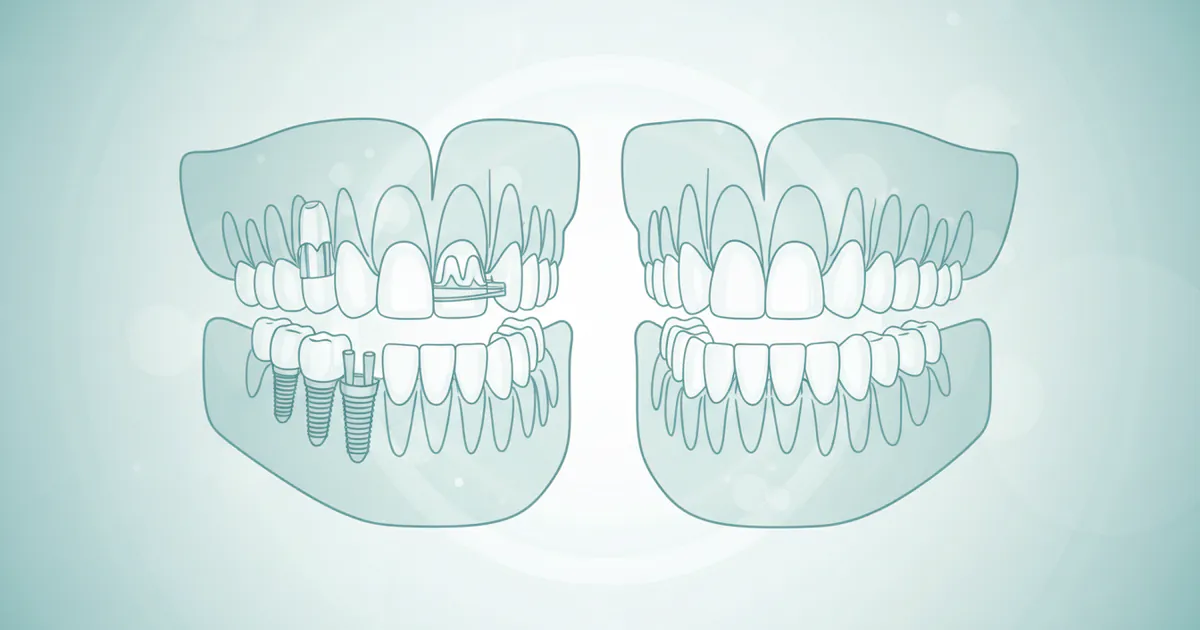
Full Mouth Reconstruction Near Me: Complete Guide
You've been living with dental pain, difficulty eating, or a smile you're too embarrassed to share. Perhaps years of neglect, trauma, or disease have taken a toll on your oral health, leaving you wondering if there's any hope for a complete restoration. You're not alone. **Millions of Americans face
February 23, 2026
$99 Dentures Near Me: Complete Guide
Losing teeth can significantly impact your quality of life, affecting everything from your ability to chew and speak to your self-confidence. For many, the high cost of dental care can feel like an insurmountable barrier to regaining a healthy smile. This often leads people to search for "affordable
February 23, 2026
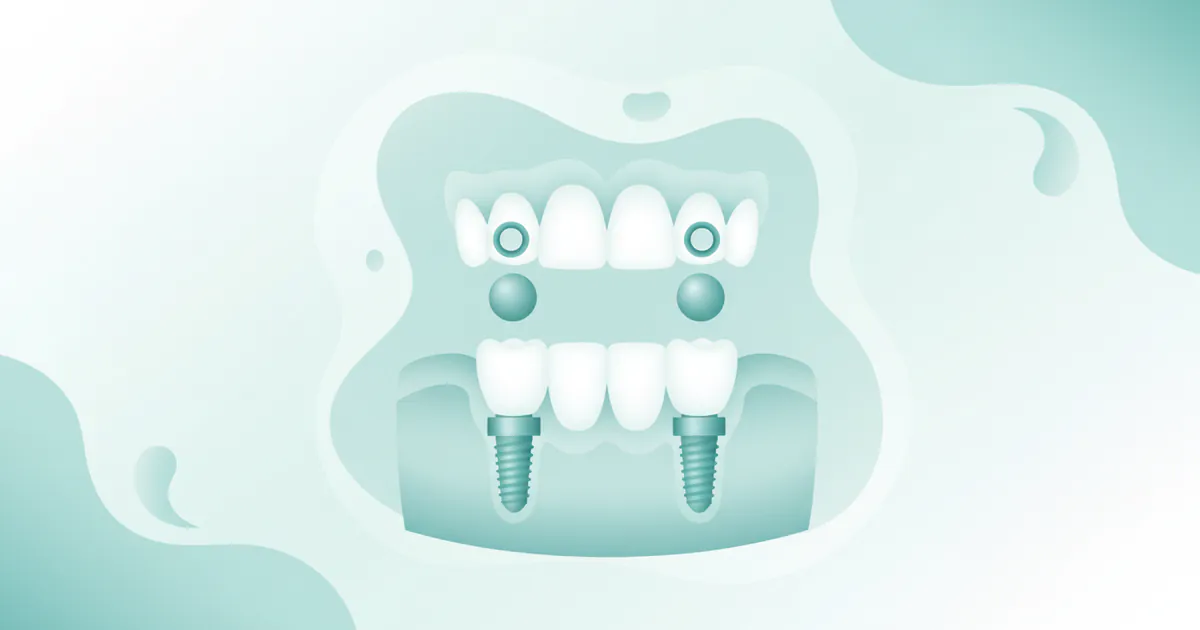
Snap-in Dentures Cost Near Me: Complete Price Guide 2026
For many Americans navigating the challenges of significant tooth loss, the search for a stable, comfortable, and aesthetically pleasing dental solution often leads to implant-supported dentures. Unlike traditional dentures that rely on suction and adhesives, snap-in dentures offer a remarkable impr
February 23, 2026