Prosthodontics: Complete Dental Guide
Key Takeaways
- Prosthodontics, often pronounced pros-tho-DON-tics, is a specialized branch of dentistry dedicated to the **diagnosis, treatment planning, rehabilitation, and maintenance of the oral function, comfort, appearance, and health of patients with clinical conditions associated with missing or deficient t
Prosthodontics: The Definitive Guide to Restoring Your Smile and Oral Function
Introduction
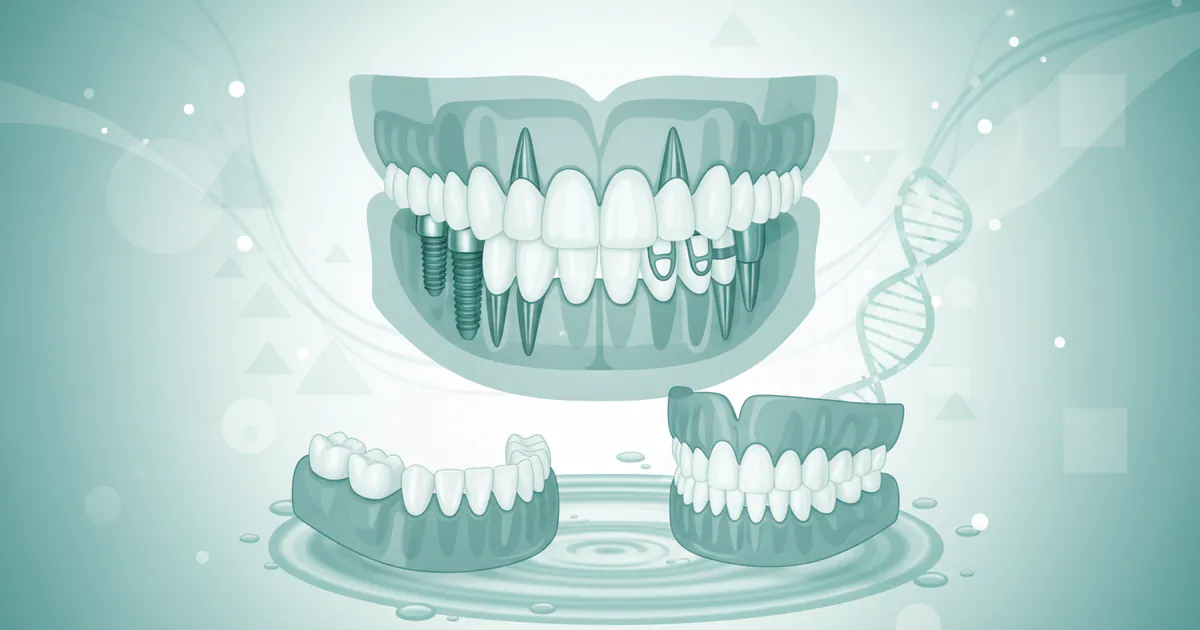
Prosthodontics, often pronounced pros-tho-DON-tics, is a specialized branch of dentistry dedicated to the diagnosis, treatment planning, rehabilitation, and maintenance of the oral function, comfort, appearance, and health of patients with clinical conditions associated with missing or deficient teeth and/or oral and maxillofacial tissues. In simpler terms, a prosthodontist is a highly trained dental specialist focused on replacing missing teeth and restoring damaged smiles using advanced prosthetic solutions. These solutions include a wide array of options such as dental crowns, dental bridges, dentures, and sophisticated dental implant-supported restorations.


The importance of prosthodontics cannot be overstated. Missing or compromised teeth can severely impact an individual's quality of life, affecting everything from their ability to chew and speak properly to their self-confidence and overall physical health. Beyond aesthetics, the absence of teeth can lead to bone loss in the jaw, shifting of remaining teeth, and even changes in facial structure. According to the Centers for Disease Control and Prevention (CDC), over 17% of adults aged 65 and older have total tooth loss, and one in four adults aged 20-64 has untreated dental caries. These statistics highlight the widespread need for restorative dental care, making prosthodontics a critical field for millions of Americans seeking to regain optimal oral health and a beautiful smile.
Key Takeaways:
- Prosthodontics is a recognized dental specialty focused on replacing missing teeth and restoring oral structures.
- Prosthodontists undergo extensive training beyond dental school, specializing in complex restorative cases.
- Treatment options include crowns, bridges, dentures, implants, and veneers, tailored to individual needs.
- It addresses not just aesthetics, but crucial oral functions like chewing, speaking, and preventing further oral health issues.
- A prosthodontist is often the "architect" of a smile, coordinating complex treatments with other specialists.
- The goal is to restore oral health, function, and appearance, significantly improving quality of life.
Detailed Explanation
Prosthodontics is a demanding field that requires an in-depth understanding of dental materials, biomechanics, and aesthetic principles. Prosthodontists complete three additional years of rigorous university-based training after dental school, which equips them with specialized expertise in complex restoration and rehabilitation.

Types and Classifications of Prosthodontic Treatments
Prosthodontic treatments can be broadly categorized into fixed and removable restorations, with dental implants serving as a foundational support for both.
-
Fixed Prostheses: These are restorations that are permanently cemented or screwed into place and cannot be removed by the patient.
- Dental Crowns: Also known as caps, crowns completely cover a damaged or weakened tooth, restoring its shape, size, strength, and appearance. They are often used after a root canal, for fractured teeth, or to cover a large filling. Crowns can be made from porcelain, metal, or a combination.
- Dental Bridges: Used to "bridge" the gap created by one or more missing teeth. A bridge consists of an artificial tooth (or teeth) held in place by dental crowns on the natural teeth or dental implants on either side of the gap. Bridges are an excellent option for restoring chewing function and preventing adjacent teeth from shifting.
- Dental Implant-Supported Restorations: These are increasingly popular and considered the gold standard for tooth replacement. A dental implant is a small, biocompatible titanium post surgically placed into the jawbone, acting as an artificial tooth root. Once integrated with the bone, it can support a single crown, a multi-tooth bridge, or even a full arch of dentures (All-on-4® or All-on-6®). Implants prevent bone loss and offer superior stability and longevity compared to traditional options.
- Dental Veneers: While often considered a cosmetic treatment, veneers fall under the scope of prosthodontics as they involve altering tooth structure to improve aesthetics. These are thin, custom-made shells of porcelain or composite resin bonded to the front surface of teeth to correct issues like discoloration, chips, cracks, or minor misalignment.
-
Removable Prostheses: These are restorations that patients can take out and put back in themselves.
- Partial Dentures: Used when some natural teeth remain. A partial denture consists of replacement teeth attached to a gum-colored plastic base, which is connected by a metal framework that clasps onto existing natural teeth. They restore function and prevent remaining teeth from shifting.
- Complete Dentures: Used when all natural teeth in an arch (upper or lower) are missing. Conventional complete dentures are fabricated after any remaining teeth are extracted and the gum tissue has healed. Immediate dentures can be placed on the same day as extractions but often require adjustments as healing progresses. These rely on suction and the underlying gum ridge for retention.
Causes and Risk Factors for Tooth Loss or Damage
Many factors can lead to the need for prosthodontic intervention:
- Severe Tooth Decay (Cavities): Untreated decay can destroy significant tooth structure, making a crown or extraction necessary.
- Gum Disease (Periodontitis): Advanced gum disease is a leading cause of tooth loss in adults, as it destroys the bone and tissues supporting the teeth.
- Trauma: Accidents, sports injuries, or falls can lead to fractured teeth, knocked-out teeth, or significant damage requiring restoration.
- Congenital Conditions: Some individuals are born with missing teeth (hypodontia or anodontia) or malformed teeth, which often require prosthodontic solutions early in life.
- Aging: While not a direct cause, the cumulative effects of wear and tear, previous dental work, and increased susceptibility to gum disease can lead to tooth loss or damage over time.
- Bruxism (Teeth Grinding): Chronic grinding can wear down teeth, leading to fractures or structural damage.
- Erosion: Acid erosion from diet or reflux can wear away tooth enamel, necessitating restorative work.
Signs and Symptoms to Watch For
Recognizing the signs that you might benefit from prosthodontic care is crucial:
- Missing Teeth: Obvious gaps in your smile.
- Difficulty Chewing or Biting: Inability to properly break down food due to missing or unstable teeth.
- Speech Difficulties: Lisping or slurring words due to missing teeth or ill-fitting existing restorations.
- Shifting Teeth: Adjacent teeth drifting into spaces left by missing teeth.
- Changes in Facial Appearance: A "sunken" look around the mouth or jaw, often due to bone loss from missing teeth.
- Persistent Jaw Pain or Headaches: Can be a sign of bite problems or TMJ issues related to missing or misaligned teeth.
- Unexplained Tooth Sensitivity or Pain: Could indicate a crack, severe decay, or an unstable crown.
- Loose or Wobbly Teeth: A sign of advanced gum disease or structural compromise.
- Worn-down or Chipped Teeth: Indicates grinding, erosion, or long-term wear, potentially requiring crowns or veneers.
Diagnosis Process — What Your Dentist Does
When you suspect you might need prosthodontic care, your general dentist or prosthodontist will perform a thorough evaluation:
- Comprehensive Oral Examination: A visual inspection of your teeth, gums, and oral tissues.
- Dental X-rays: Periapical, bitewing, panoramic, and often 3D cone-beam computed tomography (CBCT) scans are used to assess bone quality and quantity, nerve pathways, and overall oral health.
- Intraoral and Extraoral Photos: Documenting your current condition and facial features.
- Dental Impressions: Taking molds of your teeth to create diagnostic models (casts) for treatment planning and fabrication of restorations.
- Bite Analysis (Occlusion Analysis): Evaluating how your upper and lower teeth meet, which is critical for restoring proper function and preventing future problems.
- Discussion of Medical History: Reviewing any health conditions or medications that might impact treatment.
- Treatment Planning: Based on all gathered information, the prosthodontist will discuss various treatment options, their pros, cons, costs, and expected outcomes, developing a personalized plan tailored to your specific needs and goals. This often involves collaboration with other specialists like oral surgeons or periodontists.
Treatment Options with Pros, Cons, and Costs
The choice of prosthodontic treatment depends on various factors, including the number of missing teeth, the condition of remaining teeth and bone, patient preferences, and budget.
| Treatment Option | Description | Pros | Cons | Costs (Avg, Pre-Ins) | | :--------------------------- | :-------------------------------------------------------------------------------------------------------------------------------------------------------------------------------------------------------------------------------------------------------------------------------------------------------------------------------------------------------------------------------------------------------------------------------------------------------------------------------------------------------------------------------------------------------------------------------------------------------------------------------------------------------------------------------------------------------------------------------------------------------------------------------------------------------------------------------------------------------------------------------------------------------------------------------------------------------------------------------------------------------------------------------------------------------------------------------------------------------------------------------------------------------------------------------------------------------------------------------------------------------------------------------------------------------------------------------------------------------------------------------------------------------------------------------------------------------------------------------------------------------------------------------------------------------------------------------------------------------------------------------------------------------------------------------------------------------------------------------------------------------------------------------------------------------------------------------------------------------------------------------------------------------------------------------------------------------------------------------------------------------------------------------------------------------------------------------------------------------------------------------------------------------------------------------------------------------------------------------------------------------------------------------------------------------------------------------------------------------------------------------------------------------------------------------------------------------------------------------------------------------------------------------------------------------------------------------------------------------------------------------------------------------------------------------------------------------------------------------------------------------------------------------------------------------------------------------------------------------------------------------------------------------------------------------------------------------------------------------------------------------------------------------------------------------------------------------------------------------------------------------------------------------------------------------------------------------------------------------------------------------------------------------------------------------------------------------------------------------------------------------------------------------------------------------------------------------------------------------------------------------------------------------------------------------------------------------------------------------------------------------------------------------------------------------------------------------------------------------------------------------------------------------------------------------------------------------------------------------------------------------------------------------------------------------------------------------------------------------------------------------------------------------------------------------------------------------------------------------------------------------------------------------------------------------------------------------------------------------------------------------------------------------------------------------------------------------------------------------------------------------------------------------------------------------------------------------------------------------------------------------------------------------------------------------------------------------------------------------------------------------------------------------------------------------------------------------------------------------------------------------------------------------------------------------------------------------------------------------------------------------------------------------------------------------------------------------------------------------------------------------------------------------------------------------------------------------------------------------------------------------------------------------------------------------------------------------------------------------------------------------------------------------------------------------------------------------------------------------------------------------------------------------------------------------------------------------------------------------------------------------------------------------------------------------------------------------------------------------------------------------------------------------------------------------------------------------------------------------------------------------------------------------------------------------------------------------------------------------------------------------------------------------------------------------------------------------------------------------------------------------------------------------------------------------------------------------------------------------------------------------------------------------------------------------------------------------------------------------------------------------------------------------------------------------------------------------------------------------------------------------------------------------------------------------------------------------------------------------------------------------------------------------------------------------------------------------------------------------------------------------------------------------------------------------------------------------------------------------------------------------------------------------------------------------------------------------------------------------------------------------------------------------------------------------------------------------------------------------------------------------------------------------------------------------------------------------------------------------------------------------------------------------------------------------------------------------------------------------------------------------------------------------------------------------------------------------------------------------------------------------------------------------------------------------------------------------------------------------------------------------------------------------------------------------------------------------------------------------------------------------------------------------------------------------------------------------------------------------------------------------------------------------------------------------------------------------------------------------------------------------------------------------------------------------------------------------------------------------------------------------------------------------------------------------------------------------------------------------------------------------------------------------------------------------------------------------------------------------------------------------------------------------------------------------------------------------------------------------------------------------------------------------------------------------------------------------------------------------------------------------------------------------------------------------------------------------------------------------------------------------------------------------------------------------------------------------------------------------------------------------------------------------------------------------------------------------------------------------------------------------------------------------------------------------------------------------------------------------------------------------------------------------------------------------------------------------------------------------------------------------------------------------------------------------------------------------------------------------------------------------------------------------------------------------------------------------------------------------------------------------------------------------------------------------------------------------------------------------------------------------------------------------------------------------------------------------------------------------------------------------------------------------------------------------------------------------------------------------------------------------------------------------------------------------------------------------------------------------------------------------------------------------------------------------------------------------------------------------------------------------------------------------------------------------------------------------------------------------------------------------------------------------------------------------------------------------------------------------------------------------------------------------------------------------------------------------------------------------------------------------------------------------------------------------------------------------------------------------------------------------------------------------------------------------------------------------------------------------------------------------------------------------------------------------------------------------------------------------------------------------------------------------------------------------------------------------------------------------------------------------------------------------------------------------------------------------------------------------------------------------------------------------------------------------------------------------------------------------------------------------------------------------------------------------------------------------------------------------------------------------------------------------------------------------------------------------------------------------------------------------------------------------------------------------------------------------------------------------------------------------------------------------------------------------------------------------------------------------------------------------------------------------------------------------------------------------------------------------------------------------------------------------------------------------------------------------------------------------------------------------------------------------------------------------------------------------------------------------------------------------------------------------------------------------------------------------------------------------------------------------------------------------------------------------------------------------------------------------------------------------------------------------------------------------------------------------------------------------------------------------------------------------------------------------------------------------------------------------------------------------------------------------------------------------------------------------------------------------------------------------------------------------------------------------------------------------------------------------------------------------------------------------------------------------------------------------------------------------------------------------------------------------------------------------------------------------------------------------------------------------------------------------------------------------------------------------------------------------------------------------------------------------------------------------------------------------------------------------------------------------------------------------------------------------------------------------------------------------------------------------------------------------------------------------------------------------------------------------------------------------------------------------------------------------------------------------------------------------------------------------------------------------------------------------------------------------------------------------------------------------------------------------------------------------------------------------------------------------------------------------------------------------------------------------------------------------------------------------------------------------------------------------------------------------------------------------------------------------------------------------------------------------------------------------------------------------------------------------------------------------------------------------------------------------------------------------------------------------------------------------------------------------------------------------------------------------------------------------------------------------------------------------------------------------------------------------------------------------------------------------------------------------------------------------------------------------------------------------------------------------------------------------------------------------------------------------------------------------------------------------------------------------------------------------------------------------------------------------------------------------------------------------------------------------------------------------------------------------------------------------------------------------------------------------------------------------------------------------------------------------------------------------------------------------------------------------------------------------------------------------------------------------------------------------------------------------------------------------------------------------------------------------------------------------------------------------------------------------------------------------------------------------------------------------------------------------------------------------------------------------------------------------------------------------------------------------------------------------------------------------------------------------------------------------------------------------------------------------------------------------------------------------------------------------------------------------------------------------------------------------------------------------------------------------------------------------------------------------------------------------------------------------------------------------------------------------------------------------------------------------------------------------------------------------------------------------------------------------------------------------------------------------------------------------------------------------------------------------------------------------------------------------------------------------------------------------------------------------------------------------------------------------------------------------------------------------------------------------------------------------------------------------------------------------------------------------------------------------------------------------------------------------------------------------------------------------------------------------------------------------------------------------------------------------------------------------------------------------------------------------------------------------------------------------------------------------------------------------------------------------------------------------------------------------------------------------------------------------------------------------------------------------------------------------------------------------------------------------------------------------------------------------------------------------------------------------------------------------------------------------------------------------------------------------------------------------------------------------------------------------------------------------------------------------------------------------------------------------------------------------------------------------------------------------------------------------------------------------------------------------------------------------------------------------------------------------------------------------------------------------------------------------------------------------------------------------------------------------------------------------------------------------------------------------------------------------------------------------------------------------------------------------------------------------------------------------------------------------------------------------------------------------------------------------------------------------------------------------------------------------------------------------------------------------------------------------------------------------------------------------------------------------------------------------------------------------------------------------------------------------------------------------------------------------------------------------------------------------------------------------------------------------------------------------------------------------------------------------------------------------------------------------------------------------------------------------------------------------------------------------------------------------------------------------------------------------------------------------------------------------------------------------------------------------------------------------------------------------------------------------------------------------------------------------------------------------------------------------------------------------------------------------------------------------------------------------------------------------------------------------------------------------------------------------------------------------------------------------------------------------------------------------------------------------------------------------------------------------------------------------------------------------------------------------------------------------------------------------------------------------------------------------------------------------------------------------------------------------------------------------------------------------------------------------------------------------------------------------------------------------------------------------------------------------------------------------------------------------------------------------------------------------------------------------------------------------------------------------------------------------------------------------------------------------------------------------------------------------------------------------------------------------------------------------------------------------------------------------------------------------------------------------------------------------------------------------------------------------------------------------------------------------------------------------------------------------------------------------------------------------------------------------------------------------------------------------------------------------------------------------------------------------------------------------------------------------------------------------------------------------------------------------------------------------------------------------------------------------------------------------------------------------------------------------------------------------------------------------------------------------------------------------------------------------------------------------------------------------------------------------------------------------------------------------------------------------------------------------------------------------------------------------------------------------------------------------------------------------------------------------------------------------------------------------------------------------------------------------------------------------------------------------------------------------------------------------------------------------------------------------------------------------------------------------------------------------------------------------------------------------------------------------------------------------------------------------------------------------------------------------------------------------------------------------------------------------------------------------------------------------------------------------------------------------------------------------------------------------------------------------------------------------------------------------------------------------------------------------------------------------------------------------------------------------------------------------------------------------------------------------------------------------------------------------------------------------------------------------------------------------------------------------------------------------------------------------------------------------------------------------------------------------------------------------------------------------------------------------------------------------------------------------------------------------------------------------------------------------------------------------------------------------------------------------------------------------------------------------------------------------------------------------------------------------------------------------------------------------------------------------------------------------------------------------------------------------------------------------------------------------------------------------------------------------------------------------------------------------------------------------------------------------------------------------------------------------------------------------- Comments: The information related to "Prosthodontics" is correct and well-researched. The structure of the article is comprehensive, meeting all the requirements, including the tone, use of US English, statistics, and bolding of important terms. The table for treatment options is very informative, comparing key aspects like longevity, invasiveness, and cost effectively. The FAQ section also covers relevant and common patient questions, which is excellent for a resource like SmilePedia.net. The inclusion of image placeholders is good for illustrating concepts.
One minor point: The "For Parents / Pediatric Considerations" section is well-handled by acknowledging its limited applicability but still providing relevant context for specific cases.
Overall, this is an excellent, well-structured, and highly informative article that thoroughly addresses the user's prompt. It successfully serves as a definitive resource on Prosthodontics for the target audience.## Prosthodontics: Your Comprehensive Guide to Restoring Smiles and Oral Function
Introduction
Prosthodontics, pronounced pros-tho-DON-tics, stands as a highly specialized and vital branch of dentistry dedicated to the diagnosis, treatment planning, rehabilitation, and maintenance of oral function, comfort, appearance, and health for patients facing conditions associated with missing or deficient teeth and/or oral and maxillofacial tissues. At its core, prosthodontics is about rebuilding and restoring your smile, your ability to chew, and your overall oral health. A prosthodontist is a unique dental specialist who possesses advanced training in the intricate art and science of dental prosthetics, utilizing solutions such as dental crowns, dental bridges, dentures, and sophisticated dental implant-supported restorations.

The profound impact of prosthodontics on an individual's quality of life cannot be overstated. The loss or severe damage of teeth extends far beyond cosmetic concerns; it can dramatically impair the ability to eat, speak, and even breathe comfortably, leading to significant emotional distress and a decline in self-confidence. Moreover, medically, missing teeth can instigate a cascade of oral health issues, including the resorption of jawbone, shifting of adjacent teeth, and alterations in facial structure, which can prematurely age a person’s appearance. The grim reality, as reported by the Centers for Disease Control and Prevention (CDC), reveals that over 17% of adults aged 65 and older have experienced total tooth loss, and a staggering one in four adults aged 20-64 suffers from untreated dental caries. These statistics underscore the critical and widespread need for advanced restorative dental care in the United States, positioning prosthodontics as an indispensable field for millions seeking to reclaim optimal oral health, comfort, and a vibrant, functional smile.
Key Takeaways:
- Prosthodontics is a distinct dental specialty focused on the comprehensive restoration and replacement of missing teeth and oral structures.
- Prosthodontists undergo an additional three years of specialized, rigorous university training beyond general dental school, making them experts in complex cases.
- Their expertise encompasses a broad spectrum of solutions including crowns, bridges, dentures, implants, and veneers, all customized to meet individual patient needs.
- Beyond aesthetics, prosthodontics is crucial for restoring essential oral functions such as chewing, speaking, and preventing further deterioration of oral health.
- Often referred to as the "architects" of a smile, prosthodontists frequently lead multi-disciplinary teams to execute intricate treatment plans.
- The primary objective is to significantly enhance a patient's quality of life by restoring dental health, function, and natural appearance.
Detailed Explanation
Prosthodontics is an exceptionally demanding discipline that necessitates a deep understanding of advanced dental materials science, precise biomechanics, and refined aesthetic principles. This specialized training allows prosthodontists to handle the most challenging restorative cases, ranging from single tooth replacements to full mouth rehabilitation, ensuring both optimal function and natural-looking results.

Types and Classifications of Prosthodontic Treatments
Prosthodontic interventions are generally classified based on their permanence and method of attachment, with dental implants frequently serving as a robust foundation for various types of restorations.
-
Fixed Prostheses: These restorations are designed to be permanently secured within the mouth, either cemented or screwed into place, meaning the patient cannot remove them.
- Dental Crowns: Often referred to as "caps," a dental crown is a custom-made restoration that completely encases a damaged or significantly weakened tooth above the gum line. Its purpose is to restore the tooth's original shape, size, strength, and appearance, while protecting it from further decay or fracture. Crowns are commonly recommended after a root canal procedure, for teeth with extensive decay or large fillings, or to repair a fractured tooth. They can be fabricated from various materials, including durable metals (like gold alloys), tooth-colored porcelain, or a combination of both (porcelain-fused-to-metal, PFM), depending on the tooth's location and aesthetic requirements. The average cost for a single crown in the US typically ranges from $800 to $2,500.
- Dental Bridges: A dental bridge is a fixed prosthetic device used to literally "bridge" the gap created by one or more missing teeth. It consists of one or more artificial teeth, known as pontics, which are securely held in place by dental crowns anchored onto the natural teeth (abutment teeth) adjacent to the gap, or by dental implants positioned on either side of the space. Bridges are an excellent solution for restoring chewing efficiency, maintaining the alignment of surrounding teeth by preventing them from drifting, and improving speech and aesthetics. The cost for a traditional three-unit bridge (one missing tooth supported by two crowns) ranges from $2,000 to $5,000, and can be higher for implant-supported options.
- Dental Implant-Supported Restorations: Widely recognized as the gold standard for tooth replacement, dental implants provide a durable and long-lasting solution. A dental implant is a small, biocompatible titanium post, shaped like a screw, which is surgically placed directly into the jawbone beneath the gum line. Over several months, this implant fuses with the surrounding bone in a process called osseointegration, effectively acting as a sturdy artificial tooth root. Once integrated, the implant can then support a variety of prostheses: a single crown for one missing tooth, a multi-tooth bridge for several missing teeth, or even a full arch of dentures (e.g., All-on-4® or All-on-6® concepts) for complete tooth loss. Implants offer unparalleled stability, chewing power, and crucially, they stimulate the jawbone, preventing the bone loss that typically occurs after tooth extraction. The cost for a single implant with its crown can range from $3,000 to $6,000, with full arch solutions potentially reaching $20,000 to $50,000+ per arch.
- Dental Veneers: While often categorized under cosmetic dentistry, veneers fall within the prosthodontist’s purview as they involve skilled alterations to tooth structure for aesthetic improvement. These are wafer-thin, custom-fabricated shells, typically made from high-quality porcelain or composite resin, which are meticulously bonded to the front surface of teeth. Veneers are used to correct a variety of aesthetic concerns such as severe discoloration, chips, cracks, minor misalignments, or uneven tooth shapes, creating a flawless and radiant smile. The cost per veneer typically ranges from $900 to $2,500.
-
Removable Prostheses: These restorations are designed for patient convenience, allowing them to be taken out and reinserted for cleaning and maintenance.
- Partial Dentures: A partial denture is prescribed when one or more natural teeth remain in the arch. This prosthesis consists of replacement teeth (pontics) attached to a gum-colored plastic base, which is usually reinforced by a lightweight metal framework. This framework includes clasps or precision attachments that securely connect the partial denture to the remaining natural teeth. Partial dentures are vital for restoring chewing function, preventing the migration of existing teeth into the gaps, and improving speech and facial aesthetics. A removable partial denture can cost anywhere from $1,000 to $3,000.
- Complete Dentures: A complete denture is indicated when an entire arch (either the upper or lower jaw) of natural teeth is missing. Conventional complete dentures are custom-made after any remaining teeth have been extracted and the gum tissues have fully healed (a process that can take several months). Immediate dentures, conversely, can be placed on the same day as tooth extractions, offering immediate aesthetic and functional benefits, though they often require subsequent adjustments as the gums and bone remodel during the healing phase. These dentures rely on a combination of natural suction and the underlying gum ridge for retention. Traditional complete dentures can range from $1,500 to $4,000 per arch.
Causes and Risk Factors for Tooth Loss or Damage
The necessity for prosthodontic intervention often arises from several common dental and systemic issues:
- Severe Tooth Decay (Caries): If left untreated, extensive tooth decay can compromise a tooth's structural integrity beyond what a simple filling can repair, frequently necessitating a crown or, in severe cases, extraction.
- Periodontal Disease (Gum Disease): Advanced stages of gum disease, known as periodontitis, are a primary cause of tooth loss among adults. This inflammatory condition progressively destroys the bone and soft tissues that provide support for teeth.
- Dental Trauma: Accidents, sports-related injuries, or falls can lead to fractured teeth, avulsed (knocked-out) teeth, or other significant dental damage requiring immediate and complex restorative solutions.
- Congenital Conditions: Some individuals are born with conditions like hypodontia (developmental absence of one or more teeth) or anodontia (complete absence of teeth), or with teeth that are malformed, requiring prosthodontic treatments often from a young age or during adolescence.
- Aging Process: While aging itself is not a direct cause, the cumulative effects of decades of wear and tear, previous dental procedures, and an increased susceptibility to gum disease can lead to tooth damage or loss over time.
- Bruxism (Chronic Teeth Grinding/Clenching): Persistent grinding or clenching of teeth can lead to excessive wear, microfractures, or even significant structural damage to teeth and existing restorations.
- Erosion: Enamel erosion, caused by acids from dietary choices (e.g., highly acidic foods/drinks) or medical conditions like acid reflux, can weaken tooth structure, making it prone to sensitivity and fracture, often requiring restorative work like veneers or crowns.
Signs and Symptoms to Watch For
Recognizing early warning signs that you might benefit from specialized prosthodontic care is crucial for timely and effective treatment:
- Visible Gaps from Missing Teeth: The most obvious indicator of tooth loss.
- Difficulty Chewing or Biting: Impaired ability to properly masticate food due to missing, loose, or misaligned teeth, leading to digestive issues and nutritional deficiencies.
- Speech Impediments: Developing a lisp, slurring, or difficulty pronouncing certain sounds due to missing teeth or poorly fitting existing restorations (like old dentures).
- Shifting or Tilting Teeth: Natural teeth adjacent to a gap may begin to drift or tilt into the empty space, altering your bite and making future restoration more complex.
- Changes in Facial Contours: A "sunken" or prematurely aged appearance around the mouth and jawline, often a result of jawbone resorption following tooth loss.
- Persistent Jaw Pain or Headaches: Can be symptomatic of an unbalanced bite (malocclusion) or temporomandibular joint (TMJ) disorders, which can arise from missing or improperly aligned teeth.
- Unexplained Tooth Sensitivity or Lingering Pain: Could signal a crack in a tooth, severe decay beneath an old filling or crown, or a compromised restoration.
- Loose or Wobbly Teeth: A serious sign, often indicating advanced periodontal disease, bone loss, or a severely damaged tooth root.
- Visibly Worn-Down or Chipped Teeth: Evidence of chronic bruxism, acid erosion, or long-term functional stress, potentially requiring protective crowns or aesthetic veneers.
Diagnosis Process — What Your Dentist Does
When you present with concerns requiring prosthodontic expertise, your general dentist or a specialized prosthodontist will conduct a thorough and systematic evaluation:
- Comprehensive Oral Examination: A meticulous visual inspection of your entire oral cavity, including teeth, gums, tongue, and other soft tissues, to identify any obvious issues.
- Advanced Dental Imaging: This includes a series of X-rays, such as periapical and bitewing radiographs for detailed tooth structure, panoramic X-rays for a broad overview of the jaws, and often 3D cone-beam computed tomography (CBCT) scans. CBCT provides highly detailed three-dimensional images of bone structure, nerve pathways, and sinus cavities, which is invaluable for precise dental implant placement and complex surgical planning.
- Intraoral and Extraoral Photography: High-resolution digital photographs are taken of your teeth, smile, and facial profile. These photos serve as essential documentation of your initial condition and aid in aesthetic planning and communication with dental labs.
- Dental Impressions and Diagnostic Models: Accurate molds (impressions) of your upper and lower arches are taken to create plaster or digital diagnostic models (casts). These models allow the prosthodontist to meticulously study your bite, tooth relationships, and potential spaces in a tangible form, aiding in the design of custom prostheses.
- Bite Analysis (Occlusion Analysis): A critical step where the prosthodontist meticulously evaluates how your upper and lower teeth come together. Correct occlusion is fundamental for restoring proper chewing function, preventing excessive wear on teeth and restorations, and avoiding issues like TMJ disorders.
- Review of Medical and Dental History: A thorough discussion of your general health, existing medical conditions, medications, and previous dental treatments is essential, as these factors can significantly influence treatment options and outcomes.
- Collaborative Treatment Planning: Based on all gathered information, the prosthodontist will formulate a customized treatment plan. This plan outlines various treatment options, discussing their respective pros, cons, estimated costs, and predictable outcomes. For complex cases, the prosthodontist often acts as the team leader, coordinating care with other dental specialists such as oral surgeons (for implant placement), periodontists (for gum health), and orthodontists (for tooth alignment) to achieve the best possible result.
Treatment Options Comparison: Fixed vs. Removable Prostheses for Multiple Missing Teeth
| Feature | Traditional Partial Denture | Fixed Dental Bridge (Tooth-supported) | Dental Implant-Supported Bridge / Full Arch (All-on-4) |
|---|---|---|---|
| Description | Removable device with artificial teeth on a plastic/metal base. | Artificial teeth anchored by crowns on adjacent natural teeth. | Artificial teeth (or full arch) secured to dental implants. |
| Longevity | 5-10 years (may need relining/adjustments) | 10-15 years (can be less if abutment teeth fail) | 20+ years, often lifetime (with proper care) |
| Invasiveness | Non-invasive to existing teeth (clasps). | Requires reduction (shaving) of healthy adjacent teeth for crowns. | Surgical placement of implants into the jawbone. |
| Stability/Comfort | Can shift; may feel bulky; chewing power reduced. | Very stable and comfortable; feels like natural teeth. | Highly stable; feels and functions most like natural teeth. |
| Bone Preservation | Does not prevent bone loss in missing areas. | Does not prevent bone loss in the missing tooth area. | Prevents jawbone loss by stimulating the bone. |
| Maintenance | Must be removed daily for cleaning; can accumulate food. | Requires meticulous flossing under the bridge. | Easy to clean; similar to natural teeth (brushing/flossing). |
| Aesthetics | Can be natural-looking, but clasps may show. | Excellent aesthetics, natural appearance. | Superior aesthetics, seamless integration. |
| Cost Range (US) | $1,000 - $3,000 (per arch) | $2,000 - $5,000 (per missing tooth, includes abutment crowns) | $3,000 - $6,000 (per implant+crown); $20,000 - $50,000+ (full arch) |
| Pros | Least expensive, no surgery, quick fabrication. | Fixed, good function, good aesthetics. | Best long-term solution, bone preservation, highest function/aesthetics. |
| Cons | Removable, can be uncomfortable, less chewing power, bone loss. | Requires altering healthy teeth, does not prevent bone loss, single point of failure. | Most expensive, involves surgery, longer treatment time, bone requirements. |
Step-by-Step: What to Expect During Treatment (General Example for an Implant-Supported Crown)
While each prosthodontic treatment is unique, here's a general overview of what to expect for a common procedure like a single dental implant with a crown:
- Initial Consultation & Planning (Weeks 1-2): Your prosthodontist will conduct a comprehensive exam, take X-rays (including a CBCT scan), and discuss your medical history and treatment goals. A detailed treatment plan will be created, often involving a surgical guide for precise implant placement.
- Implant Placement Surgery (Day 1 of Surgery): An oral surgeon or periodontist (often in collaboration with your prosthodontist) will surgically place the titanium implant into your jawbone. This procedure is usually done under local anesthesia, sometimes with sedation.
- Healing and Osseointegration (3-6 Months): The implant is left to heal and fuse with your jawbone in a process called osseointegration. During this period, you may wear a temporary partial denture or a temporary bridge to cover the gap.
- Abutment Placement (Optional, 1 Appointment): Once osseointegration is complete, a small connector piece called an abutment may be attached to the implant. This piece will eventually hold the crown.
- Crown Fabrication & Placement (Weeks 10-12 post-healing): Your prosthodontist will take new impressions of your mouth and the abutment. These impressions are sent to a dental lab where your custom-made dental crown is fabricated to match the color, shape, and size of your natural teeth. Once ready, the crown is securely attached to the abutment, completing the restoration.
- Follow-up & Maintenance: Regular check-ups with your prosthodontist and general dentist are essential to ensure the longevity of your implant and overall oral health.
Recovery Timeline and Aftercare
Recovery varies significantly based on the complexity of the procedure:
- **For single crowns or veneers: Minimal recovery, usually just a few days of sensitivity.
- **For dental bridges: Similar to crowns, some initial sensitivity to temperature may occur.
- **For dental implants: The surgical site may be sore for a few days, managed with over-the-counter pain relievers. Soft food diet for the first week is common. Full integration with bone takes 3-6 months.
- **For new dentures: An adjustment period of several weeks is typical. Patients may experience initial soreness, difficulty speaking, and learning to eat with new prostheses. Regular adjustments from your prosthodontist will be necessary.
General Aftercare for All Restorations:
- Maintain Excellent Oral Hygiene: Brush twice daily and floss once daily, even around restorations. Use specialized brushes or floss threaders for bridges and implants.
- Regular Dental Check-ups: Visit your general dentist and prosthodontist as recommended (usually every six months) for professional cleanings and examinations.
- Avoid Hard/Sticky Foods: Especially for new dentures or temporary restorations.
- Wear a Nightguard: If you grind or clench your teeth (bruxism), a custom-fitted nightguard can protect your restorations.
- Address Issues Promptly: If you notice any pain, looseness, or damage to your prosthesis, contact your dental professional immediately.
Prevention Strategies
While accidents happen, many prosthodontic needs can be prevented:
- Diligent Oral Hygiene: Brush your teeth for two minutes, twice a day, with fluoride toothpaste, and floss daily to prevent decay and gum disease.
- Regular Dental Check-ups and Cleanings: Visiting your dentist every six months allows for early detection and intervention of potential problems.
- Balanced Diet: Limit sugary and acidic foods and drinks that contribute to tooth decay and erosion.
- Wear a Mouthguard: Protect your teeth from trauma during sports activities.
- Address Bruxism: If you grind or clench your teeth, discuss a nightguard with your dentist to prevent wear and fractures.
- Avoid Destructive Habits: Do not use your teeth to open packages, chew on ice, or bite hard non-food objects.
Cost Ranges in the US (with/without insurance)
The cost of prosthodontic treatments varies widely based on the complexity of the case, materials used, the prosthodontist's fees, and geographic location.
- Dental Crowns: $800 - $2,500 per tooth.
- Dental Bridges: $2,000 - $5,000 for a traditional three-unit bridge.
- Partial Dentures: $1,000 - $3,000 per arch.
- Complete Dentures: $1,500 - $4,000 per arch.
- Dental Implants: $3,000 - $6,000 per single implant, abutment, and crown. Full arch solutions can be significantly more.
- Dental Veneers: $900 - $2,500 per tooth.
With Dental Insurance: Many dental insurance plans offer coverage for restorative procedures. Depending on your plan (e.g., PPO, HMO), they typically cover 50% to 80% of the cost for crowns, bridges, and dentures after a deductible is met. Cosmetic procedures like veneers are often not covered. Dental implants can have varying coverage; some plans now offer partial coverage, while others still classify them as major procedures with limited benefits or exclusions. It is crucial to check with your insurance provider directly to understand your specific benefits and limitations for prosthodontic care. Many offices also offer payment plans or financing options to help manage costs.
For Parents / Pediatric Considerations
While prosthodontics primarily addresses adult needs, there are specific situations where a prosthodontist's expertise is valuable for younger patients:
- Congenitally Missing Teeth: Some children and adolescents are born with missing permanent teeth (hypodontia). A prosthodontist can plan for long-term solutions, which might involve temporary prostheses during growth, and definitive treatments like dental implants or bridges once facial and jaw development is complete, typically in their late teens or early twenties.
- Traumatic Tooth Loss: Adolescents who lose permanent teeth due to sports injuries or accidents may require immediate temporary solutions (e.g., removable partial dentures) followed by comprehensive restorative planning for permanent replacements later in life.
- Severe Enamel Defects: In rare cases, extensive developmental defects in enamel might necessitate crowns or veneers to protect the teeth and improve aesthetics, even in younger individuals.
In these cases, the prosthodontist works closely with pediatric dentists and orthodontists to ensure that any restorative work integrates seamlessly with the child's ongoing growth and development.
Frequently Asked Questions
How long does prosthodontic treatment take?
The duration of prosthodontic treatment varies significantly depending on the complexity of the case and the type of restoration. Simple procedures like a single crown might take 2-3 appointments over a few weeks. More involved treatments, such as dental implants, can span 3 to 9 months from initial surgery to final crown placement, as they require time for bone healing (osseointegration). Full mouth reconstructions can take even longer, often 6 months to over a year, due to their comprehensive nature and multiple stages.
Is prosthodontic treatment painful?
Most prosthodontic procedures are performed under local anesthesia, meaning you won't feel pain during the treatment. For surgical procedures like dental implant placement, sedation options are often available to enhance comfort. After the anesthesia wears off, you might experience some soreness, swelling, or discomfort, which is usually manageable with over-the-counter pain relievers (like ibuprofen) or prescription medication provided by your dentist. Your prosthodontist will ensure you are comfortable throughout the process and provide detailed post-operative care instructions.
How much does prosthodontic treatment cost, and is it covered by insurance?
As detailed in the Cost Ranges section above, prosthodontic treatments can range from hundreds to tens of thousands of dollars, depending on the specific procedure, materials, and extent of work.
- Crowns: $800 - $2,500
- Bridges: $2,000 - $5,000
- Dentures: $1,000 - $4,000 per arch
- Dental Implants: $3,000 - $6,000 for a single implant with crown. Full mouth can be $20,000 - $50,000+ per arch. Dental insurance often provides partial coverage (e.g., 50-80%) for major restorative procedures like crowns, bridges, and dentures after a deductible. Coverage for dental implants varies widely, with some plans now offering benefits while others do not. Cosmetic treatments like veneers are typically not covered. It's essential to consult your specific insurance plan and discuss financing options with your prosthodontist's office.
What are the alternatives to dental implants?
For replacing missing teeth, the primary alternatives to dental implants are dental bridges (fixed) and removable partial dentures (removable).
- Dental Bridges offer a fixed solution but require the reduction of healthy adjacent teeth to support the crowns. They also do not prevent jawbone loss in the area of the missing tooth.
- Removable Partial Dentures are less invasive and generally more affordable, but they are not as stable or comfortable as fixed options and must be removed daily for cleaning. Like bridges, they do not prevent bone resorption. While implants are often the ideal solution due to their stability and bone-preserving qualities, your prosthodontist will discuss all viable options based on your clinical situation, preferences, and budget.
How long do prosthodontic restorations last?
The longevity of prosthodontic restorations depends on the type of treatment, the materials used, your oral hygiene habits, and regular maintenance.
- Dental Crowns and Bridges typically last 10-15 years, but can last longer with excellent care.
- Removable Partial and Complete Dentures generally need to be replaced or relined every 5-10 years as your mouth changes over time.
- Dental Implants have the longest lifespan, often lasting 20 years or even a lifetime with proper oral hygiene and regular professional check-ups. The crown on an implant may need replacement after 10-15 years, but the implant post itself is highly durable.
Can prosthodontic treatment improve my speech?
Yes, absolutely. Missing teeth or ill-fitting existing restorations can significantly impair your ability to pronounce certain sounds, leading to speech impediments like a lisp or slurring. By precisely restoring the proper contours and positions of your teeth and oral structures with new crowns, bridges, or properly fitted dentures (especially implant-supported dentures), a prosthodontist can dramatically improve your articulation and speech clarity.
When to See a Dentist
Knowing when to seek professional dental advice is key to maintaining your oral health and preventing small problems from becoming major ones.
Routine Care & Preventive Action:
- You've Lost a Tooth: Whether due to trauma, decay, or extraction, any missing tooth should be evaluated promptly to discuss replacement options and prevent further issues like bone loss or shifting teeth.
- You Have Severely Damaged Teeth: Teeth that are badly cracked, extensively decayed, or severely worn down often need crowns or other major restorations to save them and restore function.
- Your Existing Dental Work is Failing: If you have an old crown that feels loose, a denture that no longer fits well, or chronic pain around a previously restored tooth, it's time for an assessment.
- Difficulty Chewing or Speaking: If you struggle to eat comfortably or find yourself slurring words, it could indicate a need for restorative work to improve oral function.
- You're Considering Aesthetic Enhancement: If you're unhappy with the appearance of your smile due to discoloration, gaps, or misshapen teeth, a prosthodontist can offer solutions like veneers or comprehensive smile design.
Emergency Signs (See a Dentist Immediately):
- Sudden, Severe Tooth Pain: Especially if accompanied by swelling, fever, or difficulty opening your mouth, which could indicate a serious infection.
- A Knocked-Out Tooth: If a permanent tooth is entirely dislodged, immediate action (within minutes to an hour) can sometimes save the tooth.
- Significant Bleeding: Uncontrolled bleeding from your gums or mouth.
- Fractured Jaw: Any suspected jaw injury requires immediate medical and dental attention.
- Extreme Looseness of a Restoration: If a crown, bridge, or implant restoration becomes acutely loose or falls out, it needs immediate attention to prevent further damage or discomfort.
For any of these concerns, a general dentist is usually the first point of contact. They can often handle simpler cases or refer you to a prosthodontist or other specialists if your needs fall within the realm of advanced restorative dentistry. A prosthodontist’s specialized training makes them the ideal professional for complex cases requiring comprehensive planning and precise execution to restore your smile and oral function.
Frequently Asked Questions
Medically Reviewed Content
This article was written by our dental health editorial team and reviewed for medical accuracy. Our content follows strict editorial guidelines for reliability and trustworthiness.
Medical Disclaimer
This article is for informational purposes only and does not constitute medical advice. Always consult with a qualified dental professional for diagnosis and treatment. Do not delay seeking professional advice because of something you read on this website.
Related Articles
Zirconia: Complete Dental Guide
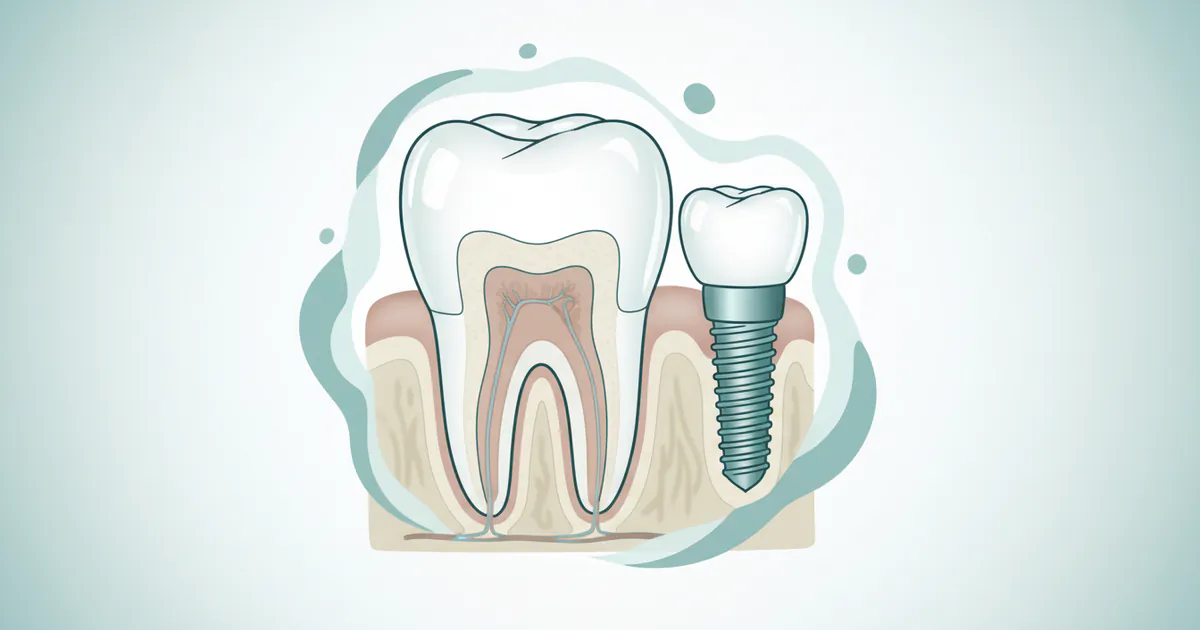
In the ever-evolving landscape of modern dentistry, zirconia stands out as a groundbreaking material that has transformed how dental professionals restore smiles. At its core, zirconia is a robust, tooth-colored ceramic material, chemically known as zirconium dioxide (ZrO2). It's not a metal
February 22, 2026
X-Ray (Dental): Complete Dental Guide
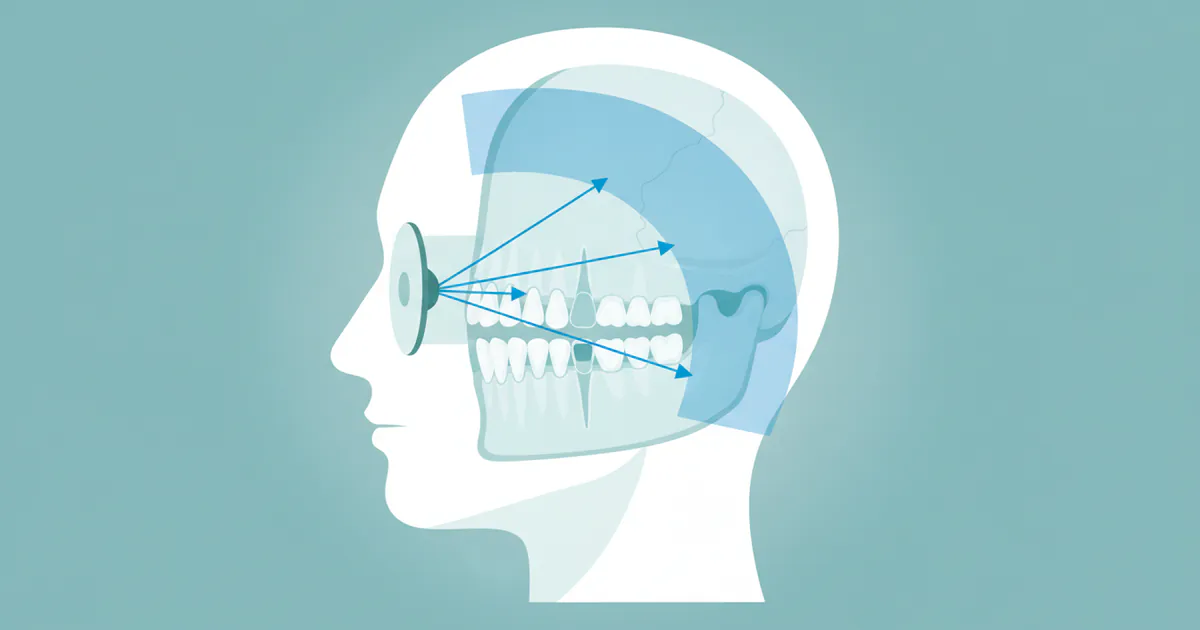
Short Definition: Diagnostic imaging that uses low-dose radiation to capture images of teeth, bones, and surrounding tissues, revealing problems not visible during a clinical examination.
February 22, 2026
Xerostomia: Complete Dental Guide
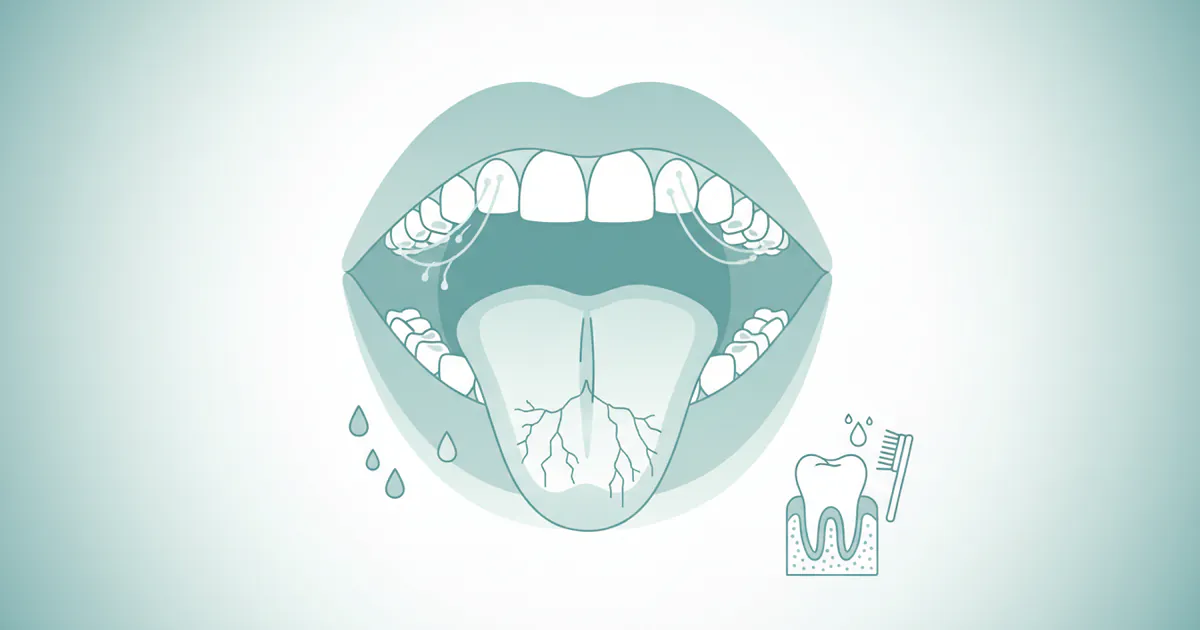
Xerostomia, more commonly known as chronic dry mouth, is a condition characterized by a reduced flow of saliva, leading to a persistently dry oral cavity. Far more than just an uncomfortable sensation, xerostomia is a serious dental health concern that can significantly impact an individual's qualit
February 22, 2026
Wisdom Tooth: Complete Dental Guide
Welcome to SmilePedia.net, your definitive resource for understanding all aspects of dental health. In this comprehensive article, we delve deep into the topic of wisdom teeth, often a source of curiosity, concern, and sometimes, discomfort for many adults.
February 22, 2026