Same Day Dentures Near Me: Complete Guide
Key Takeaways
- When significant tooth loss impacts your daily life, the thought of enduring weeks without teeth while waiting for conventional dentures can be daunting. You're not alone if you've searched for "same day dentures near me," seeking a faster, more convenient solution to restore your smile and chewing
When significant tooth loss impacts your daily life, the thought of enduring weeks without teeth while waiting for conventional dentures can be daunting. You're not alone if you've searched for "same day dentures near me," seeking a faster, more convenient solution to restore your smile and chewing function immediately. In the United States, an estimated 36 million adults are missing all of their teeth, and many more suffer from partial tooth loss. Losing teeth not only affects your appearance and confidence but also impairs your ability to eat, speak, and maintain proper nutrition, significantly impacting your overall quality of life.
Fortunately, advancements in dental prosthetics have made immediate, or same-day, dentures a widely available and highly effective option. This innovative approach allows you to walk out of your dental office with a complete or partial set of teeth on the very same day your natural teeth are extracted. This article from SmilePedia.net will serve as your comprehensive guide to same-day dentures, exploring what they are, how they work, the different types available (including flexible partial dentures), the process involved, costs, aftercare, and everything you need to know to make an informed decision. We'll delve into the practicalities, addressing common concerns and ensuring you have a clear understanding of this life-changing dental solution.
Key Takeaways:
- Immediate Solution: Same-day dentures allow you to leave your dental appointment with a full or partial set of teeth immediately after extractions, preventing a period without teeth.
- Temporary by Design: Initial same-day dentures are typically temporary, designed to protect gum tissues and aid healing, requiring eventual relines or replacement with a conventional denture.
- Cost Variation: The cost of same-day dentures in the US can range from $800 to $4,000 per arch for immediate dentures, with conventional permanent dentures adding another $1,500 to $5,000 per arch. Prices vary significantly by region and materials.
- Adjustment Period: Expect an adjustment period of several weeks to months as your gums heal and shrink, necessitating multiple reline appointments for proper fit.
- Multiple Appointments: While delivery is "same day," the overall process involves pre-extraction impressions, extractions, denture delivery, and follow-up adjustments and relines.
- Insurance Coverage: Many dental insurance plans offer partial coverage for dentures, typically 15-50% of the cost, often subject to annual maximums and waiting periods.
- Oral Health Impact: Same-day dentures immediately improve aesthetics, speech, and chewing function, significantly boosting quality of life post-extraction.
What Are Same-Day Dentures? An Overview
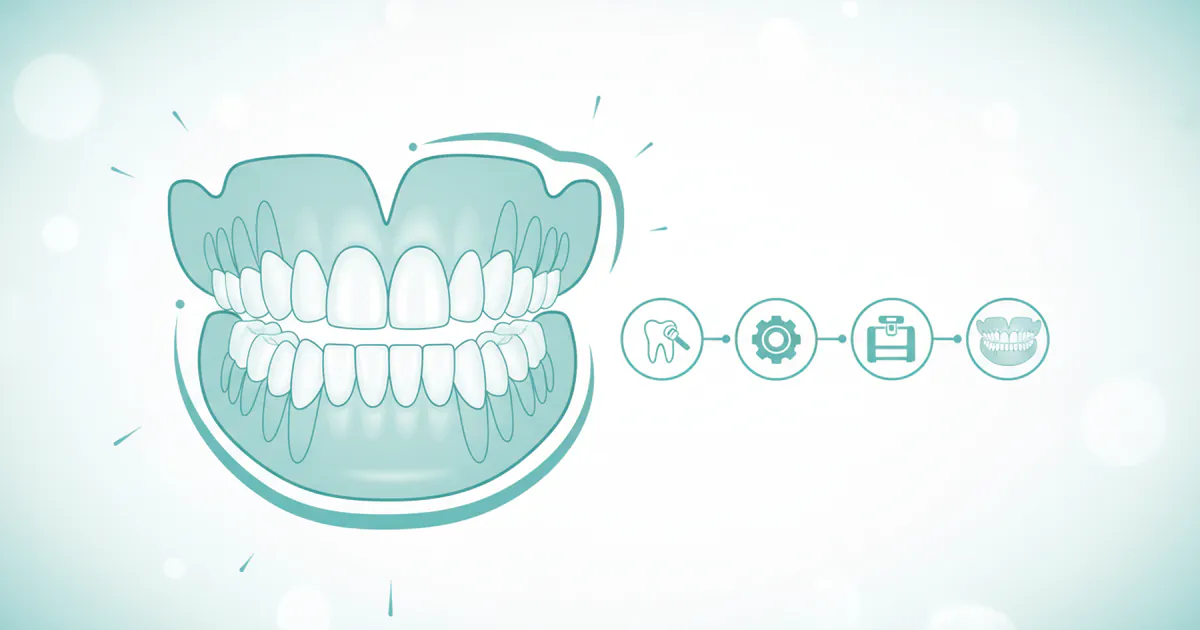
Same-day dentures, also known as immediate dentures, are a type of dental prosthetic designed to be inserted directly into your mouth immediately following the extraction of remaining natural teeth. The primary benefit of this approach is that you avoid the embarrassment and functional difficulties of being without teeth for an extended period. Unlike conventional dentures, which require a healing period (typically 6-8 weeks) after extractions before impressions can be taken, same-day dentures are fabricated before your teeth are removed.

The process involves taking precise impressions of your existing teeth and gums while your natural teeth are still present. These impressions are then used by a dental laboratory to create a denture that closely matches the anticipated post-extraction gum contours. On the day of your extractions, once the teeth are removed, the immediate denture is placed right away. This acts as a bandage, protecting the healing tissues, reducing bleeding, and maintaining a more consistent appearance and function during the initial recovery phase.
It's crucial to understand that immediate dentures are often considered a transitional prosthetic. As your gums and underlying bone heal and resorb (shrink) over the next several months, the fit of the denture will inevitably change. This shrinkage is a natural part of the healing process and is why immediate dentures will require multiple adjustments, relines, or even a replacement with a conventional (permanent) denture once the healing is complete and the gum tissues have stabilized. The goal is to provide immediate aesthetics and function while facilitating the healing process, making them an excellent solution for those who cannot or do not wish to be without teeth.
Types of Same-Day Dentures and Variations
While the core concept of immediate placement remains the same, same-day dentures come in several variations, largely dependent on the extent of tooth loss and the long-term plan for your oral health.
Immediate Complete Dentures
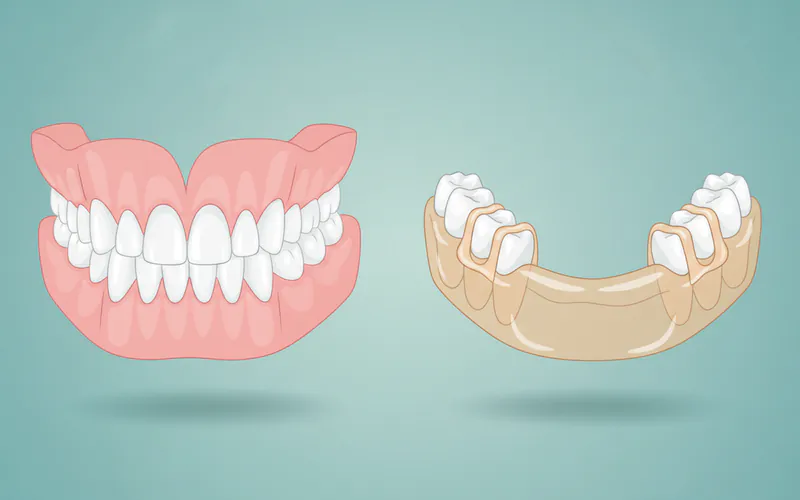
These are designed for individuals who need all of their remaining natural teeth extracted from an entire arch (either upper, lower, or both). The immediate complete denture replaces all teeth and rests directly on the gum tissue and underlying bone. They are the most common type of same-day denture, offering a full restoration of the smile and chewing surfaces immediately after extensive extractions.
Immediate Partial Dentures
For those who are only missing a few teeth or need only a few specific teeth extracted, immediate partial dentures are an excellent solution. These prosthetics replace only the missing teeth, utilizing clasps or other attachments to secure to your remaining natural teeth. They prevent the shifting of adjacent teeth and maintain chewing function while awaiting healing.
Flexible Partial Dentures
A popular subset of partial dentures, flexible partial dentures are often used as immediate partials or as a permanent solution for those who prefer their unique properties. Made from a thermoplastic material like nylon, these dentures are significantly more flexible and lighter than traditional acrylic partials. They offer several advantages:
- Comfort: Their flexibility allows them to conform better to the contours of your mouth, often resulting in less bulk and greater comfort.
- Aesthetics: The clasps are typically gum-colored or clear, making them less noticeable than the metal clasps of traditional partials.
- Durability: They are highly resistant to breakage, making them a good option for those concerned about dropping or damaging their appliance.
- Biocompatibility: The materials are often hypoallergenic, making them suitable for individuals with allergies to acrylic or metal.
However, flexible partial dentures can be more difficult to reline or repair than conventional acrylic partials, and their flexibility can sometimes lead to less stability for certain chewing forces. They are an excellent choice for immediate aesthetic and functional restoration in the short term, and for long-term use if suitable for the patient's bite and remaining dentition.
Temporary vs. Permanent Same-Day Dentures
It's important to distinguish between "temporary" and "permanent" in the context of same-day dentures.
- Temporary (Initial Immediate) Dentures: These are the dentures you receive on the day of your extractions. Their primary purpose is to provide immediate function and aesthetics while protecting the extraction sites during healing. They are designed to fit the initial gum contours but will become progressively loose as your mouth heals and changes shape. They will require relines or adjustments.
- Permanent (Conventional) Dentures: After a healing period, typically 6-12 months, your gums and bone will have stabilized. At this point, new impressions are usually taken to fabricate a conventional, permanent denture that will fit the completely healed contours of your mouth. This "final" denture offers a much more precise and stable fit. Some patients choose to have their immediate denture converted into their permanent denture through a "hard reline" process, while others opt for an entirely new prosthetic.
Why Same-Day Dentures Become Necessary: Causes of Tooth Loss
The need for dentures, including same-day options, arises from significant tooth loss or irreversible damage to existing teeth. Understanding the root causes can help individuals recognize when they might need to explore options like immediate dentures.
1. Severe Tooth Decay (Cavities)
Extensive, untreated tooth decay can progressively destroy tooth structure, leading to infections, pain, and eventually, the inability to save the tooth. When multiple teeth are affected beyond repair, extraction becomes necessary, often paving the way for complete or partial dentures.
2. Advanced Periodontal (Gum) Disease
Periodontal disease, particularly its advanced stage (periodontitis), is a leading cause of tooth loss in adults. This inflammatory condition affects the gums and the supporting bone structure around the teeth. As the disease progresses, it destroys the bone and ligaments holding teeth in place, causing them to loosen, shift, and eventually fall out or require extraction. The American Dental Association (ADA) emphasizes that regular dental check-ups and good oral hygiene are crucial in preventing and managing gum disease.
3. Trauma and Injury
Accidents, sports injuries, or falls can result in chipped, fractured, or knocked-out teeth. While some traumatic injuries can be repaired with crowns or dental bonding, severe damage that extends to the tooth root or fractures the jaw can necessitate tooth extraction and subsequent prosthetic replacement.
4. Bone Resorption and Jawbone Deterioration
Chronic conditions or prolonged absence of teeth can lead to the deterioration of the jawbone. When teeth are missing, the jawbone no longer receives the stimulation it needs from chewing, causing it to shrink (resorb). This can make it difficult to support remaining teeth or other dental prosthetics, sometimes requiring extractions and the use of dentures.
5. Congenital Conditions or Genetic Factors
Some individuals are born with conditions that lead to missing teeth (anodontia or hypodontia) or weaker tooth structures, making them more susceptible to early tooth loss and the need for dentures at a younger age.
6. Medical Conditions and Medications
Certain systemic diseases like diabetes can compromise oral health and increase the risk of gum disease and tooth loss. Additionally, some medications, particularly those that cause dry mouth (xerostomia), can reduce saliva flow, making teeth more vulnerable to decay and gum disease.
When any of these factors lead to a situation where multiple teeth are failing or need to be extracted, same-day dentures offer an immediate pathway to restoring oral function and aesthetics without a prolonged period of toothlessness.
Signs and Symptoms Indicating a Need for Dentures
While the ultimate decision for dentures is made in consultation with a dentist, certain signs and symptoms can indicate that your natural teeth are failing and that a prosthetic solution, such as same-day dentures, may be necessary.
- Persistent Tooth Pain: Chronic or severe pain in multiple teeth that is not resolved by fillings, root canals, or other conservative treatments. This often indicates deep decay, infection, or fractures beyond repair.
- Loose or Shifting Teeth: Teeth that feel wobbly, have visibly moved from their original positions, or show gaps developing between them are strong indicators of advanced gum disease or bone loss.
- Difficulty Chewing or Biting: Inability to comfortably chew certain foods, leading to avoidance of healthy dietary choices, suggests compromised dental function.
- Chronic Gum Inflammation and Bleeding: While mild gum bleeding can be a sign of gingivitis, persistent, severe inflammation, pus around the gums, or recurring infections point to advanced periodontal disease.
- Recurrent Abscesses or Swelling: Repeated dental infections or swelling in the jaw and gums that don't respond well to antibiotics or conservative treatments can mean the underlying tooth is unsalvageable.
- Multiple Missing Teeth: Obvious gaps from missing teeth compromise chewing, speech, and the alignment of remaining teeth, making partial or full dentures a practical solution.
- Severe Bone Loss: Detected via X-rays during a dental exam, significant bone loss around tooth roots indicates a diminished ability for teeth to be retained, often due to aggressive gum disease.
- Denture Relatability (e.g., George Washington Dentures): While not a "sign" of need, the historical context of George Washington's dentures (which were not wood, but made of various animal and human teeth, ivory, and metal) illustrates the long-standing human quest for effective tooth replacement when natural teeth fail. His dentures were notoriously ill-fitting and uncomfortable, a stark contrast to the comfortable, custom-fitted solutions available today, including immediate dentures. This historical reference underscores the vast improvements in dental prosthetics, making modern same-day dentures a far superior solution for current patients facing similar challenges.
If you experience any of these signs, it's crucial to schedule a comprehensive dental examination. Early intervention can sometimes save teeth, but when the damage is too extensive, your dentist can guide you through the options for tooth replacement, including immediate dentures.
Treatment Options: Immediate Dentures vs. Alternatives
When facing extensive tooth loss, several treatment options exist, each with its own advantages and disadvantages. Same-day dentures offer a unique set of benefits, particularly the immediate aesthetic and functional restoration.
1. Same-Day Dentures (Immediate Dentures)
- Pros:
- Immediate Aesthetics and Function: You never have to go without teeth, maintaining your appearance, speech, and ability to eat immediately after extractions.
- Protection for Healing Gums: The denture acts as a bandage, protecting extraction sites and aiding in blood clot formation, which can reduce post-operative bleeding and discomfort.
- Guided Healing: The denture helps train your facial muscles and tongue to adapt to the new oral environment.
- Temporary Solution: Serves as an excellent temporary bridge until permanent dentures can be fabricated after healing.
- Cons:
- Frequent Adjustments/Relines: As gums heal and shrink, the fit will change, requiring multiple appointments for relining or adjusting.
- Initial Discomfort/Sore Spots: The fit may not be as precise initially, leading to sore spots that need addressing.
- Potentially Higher Overall Cost: If a completely new "permanent" denture is made after healing, the total cost can be higher than conventional dentures.
- Limited Initial Stability: The fit will progressively loosen, potentially affecting stability until relines are performed.
2. Conventional Dentures
- Pros:
- Precise, Stable Fit: Fabricated after the gums have fully healed and stabilized (typically 6-12 months post-extraction), leading to a highly accurate and stable fit from the outset.
- Potentially Lower Overall Cost: No need for an initial "temporary" denture.
- Cons:
- Period of Toothlessness: Patients must go several weeks or months without any teeth while their gums heal, which can be socially and functionally challenging.
- Changes in Facial Structure: Without teeth, the face can take on a sunken appearance during the healing period.
3. Implant-Supported Dentures (Overdentures)
- Pros:
- Superior Stability and Retention: Dental implants are surgically placed into the jawbone, providing a solid anchor for the denture, significantly improving chewing efficiency and preventing slippage.
- Preserves Jawbone: Implants stimulate the jawbone, preventing the bone resorption that typically occurs with conventional dentures.
- Increased Comfort and Confidence: Less movement and better fit lead to greater comfort and confidence in eating and speaking.
- Cons:
- Higher Cost: Significantly more expensive than traditional dentures due to the surgical placement of implants.
- Longer Treatment Time: Requires surgical procedures and a healing period for the implants to integrate with the bone (osseointegration), typically 3-6 months, before the denture can be attached.
- Surgical Procedure: Involves minor oral surgery, which carries associated risks and recovery time.
4. Dental Bridges and Crowns
- Pros:
- Fixed Solution: Permanently cemented onto existing teeth or implants.
- Excellent Aesthetics and Function: Mimic natural teeth very closely.
- Cons:
- Limited to Partial Tooth Loss: Only viable for replacing one or a few missing teeth.
- Requires Healthy Adjacent Teeth: Bridges rely on neighboring teeth for support, which must be strong and healthy.
Choosing the right option depends on the number of teeth missing, your overall oral health, bone density, budget, and personal preferences. For many, same-day dentures offer the immediate relief and functional restoration needed to transition smoothly to a more permanent solution.
Step-by-Step Process for Same-Day Dentures
The process for receiving same-day dentures is meticulously planned to ensure a smooth transition and immediate restoration of your smile. While clinics may vary slightly, the general steps are as follows:
Step 1: Initial Consultation and Treatment Planning
Your journey begins with a comprehensive dental examination. Your dentist will assess your oral health, take X-rays, and discuss your goals and concerns. They will determine if same-day dentures are the best option for you, considering the number of teeth to be extracted, your gum health, and overall medical history. This is also the time to discuss the type of denture, such as conventional acrylic or flexible partial dentures, and plan for the long-term solution.
Step 2: Impressions and Fabrication
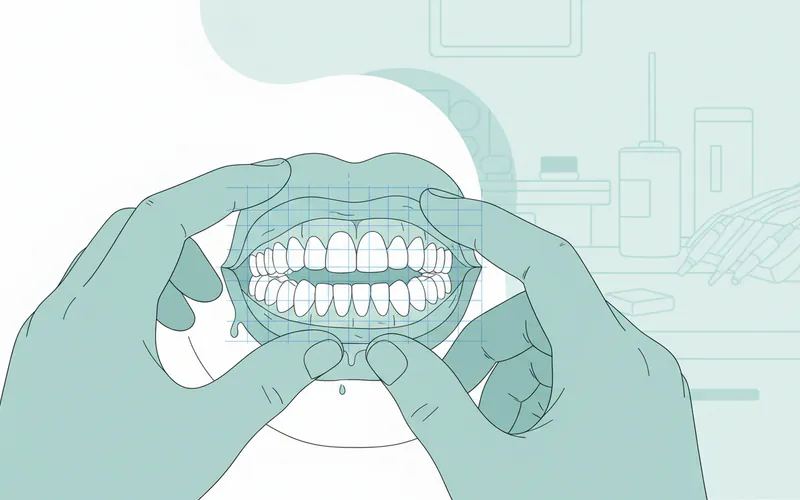
Once a treatment plan is established, your dentist will take highly accurate impressions (molds) of your existing teeth and gums. These impressions are crucial, as they will be used by a specialized dental laboratory to custom-fabricate your immediate dentures before any extractions take place. The lab will approximate the shape and position of your gums once your teeth are removed to create a denture that fits as closely as possible. You may also choose the shade and shape of your new teeth during this phase.
Step 3: Tooth Extractions
On the scheduled appointment day, your remaining natural teeth are carefully extracted. This is typically done under local anesthesia, and depending on the number of extractions and your comfort level, sedation options (like nitrous oxide or oral conscious sedation) may be offered. The dentist will ensure your comfort throughout the procedure.

Step 4: Immediate Denture Insertion
Immediately after the extractions, the custom-made denture is inserted into your mouth. This is the "same-day" aspect of the treatment. The denture acts as a protective bandage for the extraction sites, helping to control bleeding and minimize swelling. Your dentist will check the fit and make any initial minor adjustments necessary to ensure it's as comfortable as possible.
Pro Tip: Your initial immediate denture may feel bulky or strange at first. This is completely normal. Your mouth needs time to adjust to the new prosthetic.
Step 5: Post-Operative Instructions and Initial Recovery
You will receive detailed instructions on how to care for your immediate dentures, including when to remove them, how to clean them, and what to expect during the healing period. You'll likely be advised to wear your dentures continuously for the first 24-48 hours (even overnight) to help manage swelling and bleeding, only removing them for cleaning after this initial period. Pain management, diet recommendations (soft foods), and oral hygiene routines will also be covered.
Step 6: Follow-Up Appointments and Adjustments
This is a critical part of the process. As your gums and bone heal over the next several weeks and months, they will naturally shrink and change shape. This process, known as bone resorption, will cause your immediate dentures to become loose. You will need several follow-up appointments for adjustments and relines (adding material to the denture base to improve fit). These appointments are vital for maintaining comfort and function.
Step 7: Permanent Denture Fabrication (Optional)
After approximately 6-12 months, once your gums and bone have fully stabilized, your dentist will re-evaluate your fit. At this point, you may choose to have a "hard reline" performed on your existing immediate denture to make it a more permanent fit, or you might opt for the fabrication of an entirely new conventional (permanent) denture. A new denture will be custom-made to fit the fully healed contours of your mouth, providing superior stability and longevity compared to the immediate denture.
Cost and Insurance for Same-Day Dentures in the US
Understanding the financial aspect of same-day dentures is crucial for planning. Costs can vary significantly based on several factors, including the type of denture, materials used, the number of extractions required, the region of the US, and the dentist's expertise.
Average US Cost Ranges (Per Arch, Low to High)
It's important to differentiate between the cost of the immediate denture and the potential cost of a permanent denture that may follow.
- Basic Immediate Dentures: These are often made with standard acrylic and teeth, primarily for immediate aesthetics and function.
- Cost per Arch: $800 - $2,500
- Mid-Range Immediate Dentures: Utilize slightly higher quality materials, offering better aesthetics and durability.
- Cost per Arch: $2,000 - $3,500
- Premium Immediate Dentures: Made with the highest quality materials, often personalized for aesthetics, with more durable teeth and a precise fit.
- Cost per Arch: $3,000 - $4,000+
- Flexible Partial Dentures: For immediate or permanent use.
- Cost per Partial: $1,000 - $3,000 (can vary based on the number of teeth)
- Extractions: The cost of tooth extractions is typically separate and can range from $75 - $300 per simple extraction to $200 - $600+ per surgical extraction, depending on complexity and location.
- Relines: Soft relines (temporary) may cost $100 - $300. Hard relines (more permanent) may cost $250 - $600.
Example Regional Cost Differences (Approximation for Mid-Range Immediate Full Denture per arch):
- Midwest (e.g., Kansas, Missouri): $2,000 - $3,000
- South (e.g., Florida, Texas): $2,200 - $3,500
- Northeast (e.g., New York, Massachusetts): $2,500 - $4,000
- West Coast (e.g., California, Washington): $2,800 - $4,500+
These figures generally do not include the cost of subsequent conventional dentures if you opt for a completely new set after healing. A new set of conventional dentures can add another $1,500 to $5,000 per arch.
Dental Insurance Coverage
Most dental insurance plans offer some level of coverage for dentures, as they are considered a major restorative procedure.
- Coverage Percentage: Typically, plans cover 15% to 50% of the cost of dentures.
- Annual Maximums: Most plans have an annual maximum benefit (e.g., $1,000 - $2,000), which may not cover the full cost of immediate dentures, especially if extractions are also covered under the same maximum.
- Waiting Periods: Many plans impose a waiting period (often 6-12 months) for major procedures like dentures, meaning you must be enrolled for a certain period before coverage applies.
- Types of Plans:
- PPO (Preferred Provider Organization): Offers flexibility to choose any dentist, with higher benefits for in-network providers.
- HMO (Health Maintenance Organization) / DHMO (Dental Health Maintenance Organization): Requires you to choose a dentist within a specific network and typically has lower out-of-pocket costs but less flexibility.
- Medicaid/Medicare Advantage: Eligibility and coverage for dentures under Medicaid vary widely by state. Some Medicare Advantage plans offer dental benefits that may include partial coverage for dentures, but original Medicare does not.
Pro Tip: Always contact your insurance provider directly before starting treatment to confirm your specific benefits, waiting periods, and annual maximums. Ask for a pre-treatment estimate from your dental office.
Payment Plans and Financing Options
For out-of-pocket expenses, many dental offices offer or work with third-party financing solutions:
- In-house Payment Plans: Some offices allow patients to pay in installments over several months.
- Third-Party Financing (e.g., CareCredit, LendingClub): These companies offer healthcare credit cards with various interest rates and payment terms, including interest-free periods for qualified applicants.
- Dental Schools: University dental schools often provide services at a reduced cost, as treatment is performed by students under the supervision of experienced faculty. This can be a significant cost-saving option, though treatment times may be longer.
- Community Dental Clinics: Non-profit or government-funded clinics may offer services on a sliding scale based on income.
Recovery and Aftercare for Same-Day Dentures
Proper recovery and diligent aftercare are essential for the success and comfort of your same-day dentures. The initial days and weeks require careful attention as your mouth heals and adjusts.
Immediate Post-Delivery Care (First 24-48 Hours)
- Keep Dentures In: Your dentist will likely instruct you to wear your dentures continuously for the first 24-48 hours, even while sleeping. This acts as a bandage, helps control bleeding and swelling, and aids in the formation of blood clots at the extraction sites.
- Bleeding Control: You may experience some oozing or minor bleeding. Gently biting on gauze pads can help. Avoid rinsing vigorously or spitting, as this can dislodge blood clots.
- Pain Management: Take prescribed pain medication or over-the-counter pain relievers as directed by your dentist.
- Swelling: Apply ice packs to the outside of your face in 20-minute intervals to help minimize swelling.
- Soft Diet: Stick to soft, easy-to-chew foods. Avoid hot liquids, hard, sticky, or crunchy foods that could dislodge clots or irritate healing tissues.
- No Smoking or Alcohol: These can significantly impair healing and increase the risk of complications.
Ongoing Daily Care (After the First 48 Hours)
- Denture Removal and Cleaning: After the initial period, remove your dentures for cleaning. Brush them thoroughly with a denture brush and a non-abrasive denture cleanser (never use regular toothpaste, which is too abrasive). Rinse them thoroughly.
- Oral Hygiene: Gently clean your mouth, gums, and tongue with a soft toothbrush or a damp cloth. If you have a partial denture, brush your remaining natural teeth thoroughly.
- Soaking: Most dentures should be kept moist when not in your mouth. Store them in a denture cleaning solution or water to prevent them from drying out and losing their shape.
- Overnight Removal: After the initial healing, many dentists recommend removing your dentures at night to give your gums a rest and promote tissue health. Always follow your dentist's specific instructions.
Adjustments and Relines
- Sore Spots: It's common to develop sore spots as your gums heal and the denture settles. Do not try to adjust the denture yourself. Contact your dentist for an adjustment appointment. Small adjustments can make a big difference in comfort.
- Relining: As your gums shrink over several months, your immediate denture will become loose. This is a natural and expected part of the healing process. Your dentist will perform relines – adding material to the fitting surface of the denture – to improve the fit and stability.
- Soft Reline: A temporary, softer material is added to improve comfort during the initial healing phase.
- Hard Reline: After significant healing (e.g., 6 months), a more durable, permanent material is added for a more stable fit.
- Speech and Eating: Practice reading aloud to help adapt your speech. Start with soft foods, cutting them into small pieces, and gradually introduce more varied textures. Chew on both sides of your mouth simultaneously to help stabilize the denture.
Pro Tip: Consistent follow-up appointments with your dentist are non-negotiable for immediate dentures. These visits ensure proper healing, address comfort issues, and prevent potential complications. The average patient needs 3-5 adjustments and 1-2 relines during the first 6-12 months.
Prevention: Maintaining Oral Health to Avoid Dentures
While same-day dentures are an excellent solution for tooth loss, preventing the need for them in the first place is always the best approach. Maintaining optimal oral health can significantly reduce your risk of needing extractions and subsequent dentures.
1. Daily Oral Hygiene
- Brush Twice Daily: Use a soft-bristled toothbrush and fluoride toothpaste to brush for at least two minutes, twice a day. This removes plaque and food debris.
- Floss Daily: Flossing once a day removes plaque and food particles from between teeth and under the gum line, areas your toothbrush can't reach.
- Mouthwash: Consider using an antiseptic or fluoride mouthwash to further reduce bacteria and strengthen enamel.
2. Regular Dental Check-ups and Cleanings
- Professional Cleanings: Visit your dentist for professional cleanings at least once every six months, or more frequently if recommended due to specific oral health concerns. These cleanings remove hardened plaque (tartar) that cannot be removed by brushing and flossing alone.
- Comprehensive Exams: Regular check-ups allow your dentist to detect and treat dental problems like cavities or gum disease in their early stages, preventing them from escalating to tooth loss. Early intervention is key.
3. Healthy Diet
- Limit Sugary and Acidic Foods/Drinks: Sugars feed bacteria that produce acids, leading to tooth decay. Acidic foods and drinks can erode tooth enamel.
- Eat Nutrient-Rich Foods: A balanced diet rich in fruits, vegetables, lean proteins, and dairy products (for calcium) supports strong teeth and healthy gums.
4. Protect Your Teeth
- Wear a Mouthguard: If you play contact sports, always wear a custom-fitted mouthguard to protect your teeth from trauma.
- Avoid Grinding/Clenching: If you grind or clench your teeth (bruxism), especially at night, talk to your dentist about a nightguard to protect your teeth from excessive wear and potential fractures.
- Don't Use Teeth as Tools: Avoid opening bottles, tearing packages, or biting on hard objects (like ice or pens) with your teeth.
5. Lifestyle Choices
- Quit Smoking/Tobacco Use: Smoking and other tobacco products are major risk factors for gum disease, tooth loss, and oral cancer. Quitting significantly improves your oral and overall health.
- Manage Chronic Health Conditions: Conditions like diabetes can impact oral health. Work with your medical doctor and dentist to effectively manage these conditions.
By adhering to these preventive measures, you can dramatically reduce your risk of tooth decay, gum disease, and trauma, thereby preserving your natural teeth and potentially avoiding the need for dentures altogether.
Risks and Complications Associated with Same-Day Dentures
While same-day dentures offer significant benefits, it's important to be aware of potential risks and complications that can arise, particularly during the initial healing phase.
1. Poor Fit and Discomfort
- Initial Looseness: As gums and bone heal and shrink, the denture will naturally become loose. This is the most common and expected "complication" and necessitates multiple adjustments and relines.
- Sore Spots: Pressure points from the denture on healing or delicate gum tissues can cause painful sore spots. These must be addressed by your dentist with adjustments; attempting to self-adjust can damage the denture or your gums.
- Rubbing and Irritation: Ill-fitting dentures can rub against soft tissues, leading to irritation, inflammation, and even ulcers.
2. Difficulty with Eating and Speaking
- Chewing Efficiency: Immediate dentures may initially reduce chewing efficiency. It takes practice and muscle memory to learn to eat effectively with dentures, especially during the period of gum shrinkage.
- Speech Changes: New dentures can affect speech patterns, causing lisping or difficulty pronouncing certain words. This typically improves with practice as your tongue and lips adapt.
3. Infection
- Extraction Site Infection: While the denture protects the extraction sites, improper care or poor oral hygiene can still lead to infection in the healing sockets.
- Denture Stomatitis: A common fungal infection (Candida) that appears as redness or inflammation under the denture, often due to poor denture hygiene or continuous wear.

4. Bone Resorption and Changes in Facial Structure
- Accelerated Bone Loss: While dentures help maintain aesthetics, they do not stimulate the jawbone in the same way natural teeth or dental implants do. Over time, the jawbone under the denture will continue to resorb (shrink), leading to a gradual loss of facial support and potentially a sunken appearance.
- Frequent Relining: Continued bone resorption is why dentures require periodic relining or replacement every 5-10 years.
5. Damage to Dentures
- Breakage: Dropping dentures, especially when cleaning them, can cause them to crack or break.
- Wear and Tear: Over time, the plastic teeth can wear down, affecting chewing efficiency and aesthetics.
6. Allergic Reactions
- Though rare, some individuals may experience an allergic reaction to the acrylic materials used in dentures. Symptoms can include redness, itching, or swelling of the gums.
7. Gagging Reflex
- Some patients, particularly with upper dentures that cover the palate, may experience an initial gagging sensation. Most people adapt over time, but severe cases may require specific design modifications.
Pro Tip: Open and honest communication with your dentist is paramount. Report any discomfort, pain, or functional issues promptly. Addressing problems early can prevent them from escalating into more serious complications.
Comparison Tables
Here are two comparison tables to help illustrate the differences between various denture options and their costs.
Table 1: Same-Day Dentures vs. Conventional Dentures
| Feature | Same-Day (Immediate) Dentures | Conventional (Permanent) Dentures |
|---|---|---|
| Placement Time | Immediately after extractions (never without teeth) | After gums have fully healed (typically 6-12 weeks post-extraction) |
| Initial Fit | Good, but designed for pre-extraction contours; will loosen quickly | Precise, designed for stable, healed gum contours |
| Healing Period | Worn during healing, protecting tissues | Healing occurs without dentures in place |
| Adjustments Required | Many adjustments and multiple relines (soft then hard) are essential | Few initial adjustments; periodic relines every few years |
| Comfort | Initial discomfort and sore spots common, improves with adjustments | Generally more comfortable and stable from the start |
| Aesthetics | Immediate improvement, but may change as tissues heal | Excellent, custom-designed for long-term aesthetics |
| Cost | $800 - $4,000 per arch (often considered "temporary" cost) | $1,500 - $5,000 per arch (for the final, permanent denture) |
| Long-Term Use | Transitional; often replaced by or hard-relined into a permanent denture | Designed for long-term use (5-10 years before replacement) |
| Bone Resorption Impact | Accommodates initial rapid gum/bone changes | Less dramatic immediate changes, but bone resorption still occurs long-term |
Table 2: Types of Dentures - Material and Cost Comparison
| Denture Type | Material | Key Characteristics | Average US Cost (per Arch/Partial) |
|---|---|---|---|
| Conventional Acrylic (Full) | Acrylic resin (base), acrylic or porcelain teeth | Most common, rigid, durable, economical | $1,500 - $5,000 |
| Conventional Acrylic (Partial) | Acrylic resin, metal clasps | Replaces missing teeth, uses clasps on natural teeth | $800 - $2,500 |
| Flexible Partial Dentures | Thermoplastic nylon (e.g., Valplast) | Flexible, comfortable, aesthetically pleasing (no metal clasps) | $1,000 - $3,000 |
| Cast Metal Partial (Removable) | Metal framework (cobalt-chrome), acrylic teeth | Very strong, precise fit, good stability, often thinner | $1,500 - $4,000 |
| Implant-Supported Overdenture | Acrylic denture, metal attachments, dental implants | Superior stability, prevents bone loss, higher cost | $5,000 - $25,000+ (includes implants) |
Frequently Asked Questions
What are the main advantages of choosing same-day dentures?
The primary advantage of same-day dentures is that you never have to be without teeth. You walk out of your dental office immediately after extractions with a full or partial set of teeth, maintaining your appearance, speech, and ability to eat. They also serve as a protective bandage for your healing gums, aiding in blood clot formation and reducing post-operative discomfort.
How long does it take to get used to same-day dentures?
The adjustment period varies for everyone but typically ranges from several weeks to a few months. Initially, you might experience soreness, changes in speech, and difficulty eating. With practice, consistent wear (as advised by your dentist), and necessary adjustments, your mouth will adapt, and comfort will significantly improve.
Will my same-day dentures need to be replaced?
Often, yes. Same-day dentures are typically considered transitional prosthetics. As your gums and jawbone heal and shrink over 6-12 months, the fit will change. You'll need several relines to maintain comfort and function. Many patients eventually opt for a completely new, conventional denture after their mouth has fully healed, which provides a more stable and permanent fit.
Are same-day dentures painful?
The extraction procedure itself will be performed under local anesthesia, so you won't feel pain during the extractions. Post-operative discomfort and soreness are common but can be managed with prescribed pain medication and over-the-counter pain relievers. Any sore spots from the denture's fit should be addressed by your dentist with adjustments.
Can I eat normally with same-day dentures?
Immediately after insertion, you'll need to stick to a soft diet. As you heal and adjust, you can gradually introduce more varied foods. However, even with the best fit, dentures have about 25-30% of the chewing efficiency of natural teeth. It's best to cut food into small pieces and chew on both sides of your mouth to stabilize the denture.
What is the average cost of same-day dentures in the US?
The cost for a basic immediate denture can range from $800 to $2,500 per arch, while mid-range to premium options can be $2,000 to $4,000+ per arch. This typically doesn't include extractions or subsequent permanent dentures. Costs vary by region, materials, and the number of teeth being replaced.
How do modern dentures compare to historical ones, like George Washington's dentures?
Modern same-day dentures are vastly superior to historical dentures like those worn by George Washington. His dentures, made from materials like animal and human teeth, ivory, and metal, were notoriously uncomfortable, ill-fitting, and caused him significant pain and speech difficulties. Today's dentures are custom-made from lightweight, biocompatible acrylics and advanced plastics, offering a precise fit, improved comfort, natural aesthetics, and far better function, making them a more humane and effective solution for tooth loss.
Is it possible to get flexible partial dentures on the same day?
Yes, flexible partial dentures can be designed and fitted as immediate partial dentures. Because of their inherent flexibility and aesthetic appeal (often with gum-colored clasps), they are an excellent option for immediate tooth replacement, especially for anterior teeth, providing comfort and a natural look right after extractions.
How long do immediate dentures last before needing replacement or a hard reline?
Immediate dentures are designed to last through the healing phase, typically 6-12 months. During this time, they will require multiple soft relines and adjustments. After the healing is complete, they will likely need a hard reline to become a more permanent solution, or you may opt for a completely new, conventional denture that is precisely fitted to your stabilized gums.
Can I sleep with my same-day dentures in?
For the first 24-48 hours after placement, your dentist will likely instruct you to wear them continuously. After this initial period, it is generally recommended to remove your dentures at night. This allows your gum tissues to rest, promotes blood circulation, and helps maintain oral hygiene, reducing the risk of irritation and infections like denture stomatitis. Always follow your dentist's specific recommendations.
When to See a Dentist
Knowing when to seek dental care for your same-day dentures is critical for both comfort and to prevent potential complications.
Red Flags Requiring Immediate Attention (Emergency)
- Severe or Worsening Pain: If you experience intense, throbbing pain that doesn't subside with medication, especially if accompanied by swelling or fever, it could indicate an infection at an extraction site or an abscess.
- Uncontrolled Bleeding: Persistent, heavy bleeding that doesn't stop after an hour of biting on gauze requires immediate attention.
- Swelling or Pus: Significant swelling around the jaw or gums, or the presence of pus, indicates a serious infection.
- Denture Breaks or Fractures: If your denture breaks, especially if it creates a sharp edge that cuts your mouth, you should see your dentist right away for repair. Do not attempt to fix it yourself.
- Difficulty Breathing or Swallowing: While rare, severe swelling can impact these functions and necessitates emergency medical care.
Routine Care and Scheduled Appointments
- Sore Spots: Any persistent sore spots or rubbing from your dentures, even if not severe, should prompt a call to your dentist for an adjustment appointment. Ignoring them can lead to ulcers and infection.
- Looseness of Denture: As your mouth heals, your immediate denture will naturally become loose. Schedule follow-up appointments for relines to improve the fit and comfort.
- Speech or Eating Difficulties: If you continue to struggle significantly with speaking clearly or eating after several weeks, your dentist can assess the fit and suggest solutions.
- Annual Check-ups: Even with complete dentures, regular dental check-ups are vital. Your dentist will examine your oral tissues for any signs of disease, check the fit of your dentures, and perform oral cancer screenings. This is crucial for long-term oral health.
Pro Tip: Never ignore persistent discomfort or unusual symptoms with your dentures or oral tissues. Your dentist is your best resource for ensuring the health and comfort of your mouth after receiving same-day dentures.
Frequently Asked Questions
Medically Reviewed Content
This article was written by our dental health editorial team and reviewed for medical accuracy. Our content follows strict editorial guidelines for reliability and trustworthiness.
Medical Disclaimer
This article is for informational purposes only and does not constitute medical advice. Always consult with a qualified dental professional for diagnosis and treatment. Do not delay seeking professional advice because of something you read on this website.
Related Articles
Cheap Dentures: Complete Guide
Facing the prospect of tooth loss can be daunting, and the thought of replacing missing teeth often brings financial concerns to the forefront. Did you know that an estimated 36 million Americans are completely edentulous (missing all their teeth), and another 120 million are missing at leas
February 23, 2026
Full Mouth Reconstruction Near Me: Complete Guide
You've been living with dental pain, difficulty eating, or a smile you're too embarrassed to share. Perhaps years of neglect, trauma, or disease have taken a toll on your oral health, leaving you wondering if there's any hope for a complete restoration. You're not alone. **Millions of Americans face
February 23, 2026
$99 Dentures Near Me: Complete Guide
Losing teeth can significantly impact your quality of life, affecting everything from your ability to chew and speak to your self-confidence. For many, the high cost of dental care can feel like an insurmountable barrier to regaining a healthy smile. This often leads people to search for "affordable
February 23, 2026
Snap-in Dentures Cost Near Me: Complete Price Guide 2026
For many Americans navigating the challenges of significant tooth loss, the search for a stable, comfortable, and aesthetically pleasing dental solution often leads to implant-supported dentures. Unlike traditional dentures that rely on suction and adhesives, snap-in dentures offer a remarkable impr
February 23, 2026