Same Day Dentures: Complete Guide
Key Takeaways
- Over 36 million Americans are missing all their teeth in at least one arch, and millions more suffer from significant tooth loss, impacting their ability to eat, speak, and smile with confidence. For many, the thought of spending weeks or even months without teeth during the denture fabrication proc
Over 36 million Americans are missing all their teeth in at least one arch, and millions more suffer from significant tooth loss, impacting their ability to eat, speak, and smile with confidence. For many, the thought of spending weeks or even months without teeth during the denture fabrication process is a significant barrier to seeking treatment. Fortunately, advances in dental technology have made same day dentures a reality, offering an immediate solution for restoring your smile and oral function. This innovative approach allows patients to walk out of the dental office with a new set of teeth on the very same day as their extractions, significantly reducing the emotional and social challenges often associated with traditional denture treatment.
This comprehensive guide from SmilePedia.net will explore everything you need to know about same day dentures, including their different types, the step-by-step process, associated costs (including insights into typical dentures cost in the US), recovery, and how they compare to conventional options. Whether you're considering a full arch replacement or exploring options like snap in dentures, understanding the intricacies of same day solutions will empower you to make informed decisions about your dental health.
Key Takeaways:
- Same day dentures provide immediate tooth replacement, allowing patients to leave the dental office with a new smile the same day as extractions.
- They are primarily immediate dentures, designed for placement immediately after tooth removal, serving as a temporary or transitional solution before a permanent denture is made.
- The average dentures cost for a full upper or lower immediate denture typically ranges from $800 to $2,500 per arch in the US, with full sets (upper and lower) ranging from $1,500 to $5,000.
- Snap in dentures (implant-supported same day dentures) offer enhanced stability and can cost significantly more, often ranging from $15,000 to $30,000+ per arch.
- Expect multiple follow-up adjustments and relines as your gums heal and shrink over the initial 6-12 months post-extraction.
- Most dental insurance plans offer some coverage for immediate dentures, typically 15-50%, but comprehensive plans may cover more.
- Proper care and regular dental visits are crucial for the longevity of your dentures and overall oral health.
What Are Same Day Dentures?
Same day dentures, also widely known as immediate dentures, are a type of removable dental prosthesis designed to be inserted into a patient's mouth immediately after the extraction of natural teeth. The primary purpose of this approach is to ensure that you don't have to go without teeth for any period, maintaining both your appearance and oral function from day one. Unlike traditional dentures, which require a healing period of several weeks or months after extractions before impressions can be taken and the denture fabricated, same day dentures are made in advance. This pre-fabrication relies on impressions taken while your natural teeth are still present, or through advanced digital scanning techniques.

The concept of immediate denture placement offers significant psychological and social benefits, preventing the self-consciousness and functional difficulties associated with a toothless period. It means you can continue to eat (with modifications), speak, and smile immediately following your extractions. However, it's crucial to understand that due to the ongoing healing and bone remodeling that occurs after tooth removal, immediate dentures often serve as a transitional solution. Your gums and jawbone will change shape as they heal, necessitating several adjustments, relines, or even the eventual fabrication of a new, permanent denture to ensure a long-term, comfortable, and stable fit. The initial "same day" solution prioritizes immediate aesthetics and function, with the understanding that further modifications will be required.
Types of Same Day Dentures
The term "same day dentures" primarily refers to immediate dentures, but within this category, there are variations based on fabrication method, coverage, and support. Understanding these types is key to choosing the right solution for your needs.
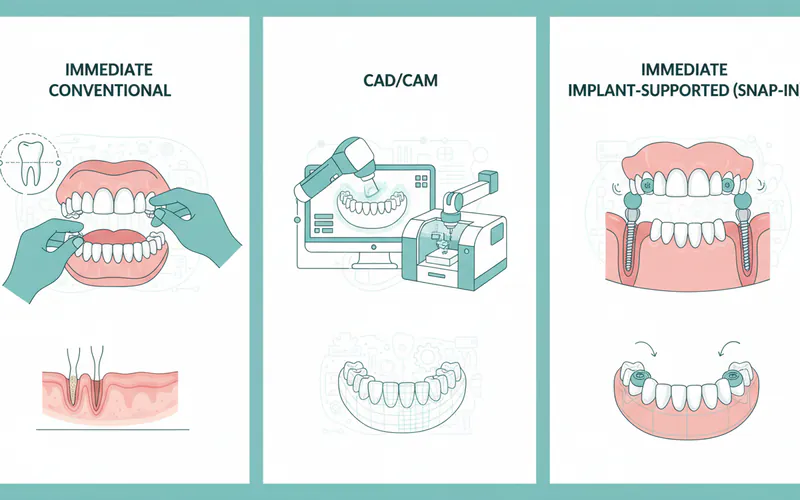
Immediate Dentures (Conventional Method)
This is the most common form of same day dentures. The process begins with your dentist taking impressions of your mouth and existing teeth before any extractions occur. These impressions are then used by a dental laboratory to create a custom denture that mimics the appearance and position of your natural teeth. On the day of your scheduled extractions, your teeth are removed, and the pre-fabricated immediate denture is inserted directly into your mouth.
Pros:
- Immediate Aesthetics: You never have to go without teeth.
- Maintained Function: Allows for immediate eating (soft foods) and speaking.
- Acts as a Bandage: Helps protect the extraction sites and control bleeding.
- Guidance for Healing: The denture can help guide the healing process of your gums.
Cons:
- Requires More Adjustments: As your gums heal and shrink, the denture will become loose, requiring frequent relines and adjustments.
- Initial Discomfort: The fit might not be as precise as a permanent denture made on fully healed tissues.
- May Need Replacement: Often considered a temporary or transitional denture, eventually replaced by a conventional permanent denture.
- Predicting Fit: It's challenging to perfectly predict the final shape of the gums after extractions, which can sometimes lead to minor fit issues initially.
CAD/CAM Dentures (Digital Method)
With advancements in digital dentistry, some practices can now offer immediate dentures fabricated using Computer-Aided Design (CAD) and Computer-Aided Manufacturing (CAM) technology. Instead of traditional physical impressions, digital scans of your mouth are taken. This data is then used to design your denture digitally, and in some cases, the denture can be milled or 3D printed on-site in the dental office. This significantly speeds up the fabrication process.
Pros:
- Enhanced Precision: Digital scanning and design can lead to a more accurate fit.
- Faster Fabrication: On-site milling can dramatically reduce turnaround time.
- Digital Archiving: Your dental records are stored digitally, making future replacements or modifications easier.
- Material Quality: Often uses high-quality, durable materials.
Cons:
- Higher Upfront Cost: The technology and materials can make this option more expensive.
- Limited Availability: Not all dental practices have the necessary CAD/CAM equipment for in-house denture fabrication.
- Still Requires Adjustments: While precise, gum healing still necessitates relines.
Temporary vs. Permanent Same Day Dentures
It's important to distinguish between the immediate solution and a long-term one:
- Temporary/Transitional Same Day Dentures: Most immediate dentures fall into this category. They are designed to provide aesthetics and function during the initial healing period (typically 6-12 months). Due to the significant changes in gum and bone structure that occur post-extraction, these dentures will loosen. They require multiple relines (adding material to the denture base for a tighter fit) and often a complete replacement with a permanent, conventional denture once healing is complete and the tissues have stabilized.
- Permanent Same Day Dentures (Less Common, but Possible with Digital): In some specific cases, particularly with advanced digital workflows and precise planning, an immediate denture might be designed with the intention of being the permanent solution, requiring fewer adjustments. However, this is less common for full arch replacements where significant bone remodeling is expected. Even then, relines are almost always necessary.
Full vs. Partial Same Day Dentures
Same day dentures can address varying degrees of tooth loss:
- Full Same Day Dentures: Used when all remaining teeth in an arch (upper, lower, or both) need to be extracted and replaced. This is the most common application of immediate dentures.
- Partial Same Day Dentures: If you are missing only a few teeth, but require extractions of others, a partial immediate denture (often called an immediate removable partial denture or "flipper") can be fabricated. This prosthetic replaces the extracted teeth and is held in place by clasps around your remaining natural teeth.
Same Day Snap-In Dentures (Implant-Supported)
This advanced option combines the immediate benefits of same day dentures with the long-term stability and bone preservation of dental implants. Same day snap in dentures, also known as "immediate load implant-supported dentures" or "all-on-4/6," involve placing a limited number of dental implants (typically 4 or 6 per arch) into the jawbone on the same day as tooth extractions. A specially designed denture is then immediately attached to these implants.
Pros:
- Superior Stability: Implants prevent the denture from slipping or rocking, providing excellent chewing power.
- Bone Preservation: Implants stimulate the jawbone, preventing the bone loss that typically occurs with conventional dentures.
- Enhanced Comfort: No need for denture adhesives.
- Improved Quality of Life: Closer to natural teeth in termsability to eat and speak.
Cons:
- Significantly Higher Cost: This is a major investment due to the implants and surgical procedure.
- Surgical Procedure: Requires oral surgery, which carries typical surgical risks.
- Healing Period: While the denture is immediate, the implants themselves need several months to integrate with the bone (osseointegration) before a final, stronger restoration can be placed. The "same day" denture is typically provisional.
- Not for Everyone: Requires sufficient bone density and good general health.
Why Choose Same Day Dentures? (Benefits and Indications)
Choosing same day dentures offers a compelling solution for many individuals facing significant tooth loss. The primary reasons patients opt for this treatment often revolve around maintaining continuity in their daily lives and improving their overall well-being.
Key Benefits:
- Immediate Aesthetics: The most significant advantage is never having to experience a period without teeth. You can walk out of your dental appointment with a full smile, which is a massive psychological boost for many. This prevents the social embarrassment and self-consciousness associated with being toothless.
- Continued Function: While you will need to adjust to eating softer foods initially, immediate dentures allow you to continue to chew, speak, and swallow without significant disruption. This maintains your quality of life.
- Acts as a Protective Bandage: The immediate placement of the denture can act as a protective covering over the extraction sites, helping to control bleeding and protect the delicate healing tissues from food particles and tongue irritation.
- Aids in Speech: Losing teeth can severely impact speech clarity. Immediate dentures help maintain proper tongue and lip positioning, facilitating clearer communication.
- Maintains Facial Structure: Teeth provide support for your facial muscles. Without them, your face can sag, making you look older. Immediate dentures offer crucial support to maintain facial contours.
- Guidance for Tissue Healing: The denture can guide the healing gum tissues into a shape that is more conducive to wearing a future, definitive denture comfortably.
Indications for Same Day Dentures:
- Multiple Tooth Extractions: Patients requiring the removal of several or all remaining teeth in an arch due to decay, gum disease, or trauma.
- Desire for Immediate Replacement: Individuals who cannot or do not want to endure a period without teeth.
- Compromised Existing Teeth: Patients with severely damaged, loose, or infected teeth that are beyond repair but still provide a guide for denture fabrication.
- Planning for Future Permanent Dentures: Often used as a transitional appliance while waiting for the gums and bone to fully heal before a custom-fitted conventional denture or implant-supported denture is made.
Pro Tip: Discuss your expectations thoroughly with your dentist. While same day dentures offer immediate benefits, it's vital to understand that they require ongoing adjustments and may not be your final, permanent solution.
The Same Day Denture Process: What to Expect
The process for obtaining same day dentures is meticulously planned to ensure a smooth transition to your new smile. It typically involves several stages, all coordinated to culminate in the immediate placement of your dentures.
Initial Consultation and Assessment
Your journey begins with a comprehensive dental examination. Your dentist will assess your oral health, including the condition of your remaining teeth, gums, and underlying jawbone. X-rays, possibly 3D cone beam CT scans, and photographs will be taken to evaluate bone density and nerve locations, crucial for successful extractions and denture fit. During this visit, your dentist will discuss your aesthetic goals, review your medical history, and determine if same day dentures are the right option for you. This is also the time to discuss the different types of same day dentures and their associated dentures cost.
Impressions and Design
Once immediate dentures are chosen as the treatment plan, accurate impressions of your mouth are taken while your natural teeth are still present. These impressions are critical because they serve as the blueprint for fabricating your custom dentures. For traditional immediate dentures, these are physical molds. For digital immediate dentures, intraoral scanners capture precise 3D images. Your dentist will work with you to select the shade and shape of your new teeth, ensuring a natural and aesthetically pleasing result. This information, along with the impressions, is sent to a dental laboratory, where skilled technicians will construct your dentures in advance of your extraction appointment.
Tooth Extraction (if necessary)
On the scheduled day, any necessary tooth extractions are performed. This procedure is usually done under local anesthesia, but sedation options (oral, IV, or nitrous oxide) are often available for patient comfort, especially if multiple teeth are being removed. Your dentist or an oral surgeon will carefully remove the problematic teeth, prioritizing minimal trauma to the surrounding tissues to facilitate healing.
Denture Placement and Adjustments
Immediately following the extractions, your pre-fabricated same day dentures are inserted into your mouth. Your dentist will make initial adjustments to ensure the best possible fit and comfort. It’s important to understand that because the dentures were made when your natural teeth were still present, and your gums will inevitably swell after extractions, the initial fit may not be perfect. Minor discomfort, pressure points, and a feeling of bulkiness are normal. Your dentist will guide you on how to wear them, often recommending that you keep them in for the first 24-48 hours continuously to help control swelling and bleeding, acting like a protective splint.
Follow-Up Appointments and Relines
The journey doesn't end on the "same day." As your gums heal and the swelling subsides, your jawbone will gradually resorb, changing the shape and contours of your mouth. This natural process means your immediate dentures will become loose over time. You will need a series of follow-up appointments over the next 6 to 12 months for adjustments and relines. A "soft reline" involves adding a soft, temporary material to the denture base to improve comfort and fit. Eventually, a "hard reline" (a more permanent refitting) or the fabrication of an entirely new, conventional denture might be recommended once your tissues have fully healed and stabilized.
Pro Tip: Be diligent with your follow-up appointments. These adjustments are critical for maintaining the comfort, fit, and effectiveness of your immediate dentures during the healing phase.
Cost of Same Day Dentures
Understanding the dentures cost is a significant factor for most patients considering same day dentures. The price can vary widely based on several factors, including the type of denture, the materials used, the number of extractions required, the complexity of your case, the geographical location of the dental practice, and the dentist's expertise.
Factors Influencing Denture Cost
- Type of Denture: Basic immediate dentures are less expensive than high-quality, custom-fabricated, or digital immediate dentures. Implant-supported snap in dentures are by far the most expensive option due to the surgical component and additional prosthetics.
- Number of Extractions: The cost of tooth extractions is typically included in the overall cost or billed separately. Multiple complex extractions will increase the total price.
- Materials Used: Dentures can be made from various materials, with acrylic being common. Higher-quality, more aesthetic, or more durable materials will increase the cost.
- Dental Lab Fees: The cost charged by the dental laboratory for fabricating the dentures.
- Number of Relines/Adjustments: While initial adjustments might be included, extensive or multiple relines over time can incur additional fees.
- Geographical Location: Dental costs tend to be higher in metropolitan areas and regions with a higher cost of living (e.g., California, New York) compared to rural areas.
- Anesthesia/Sedation: If you opt for general anesthesia or IV sedation for extractions, these will be additional costs.
Average Costs by Type (US Price Ranges)
Here's a general breakdown of average dentures cost in the United States for same day options:
| Denture Type | Average Cost per Arch (Upper OR Lower) | Average Cost for Full Set (Upper AND Lower) | Notes |
|---|---|---|---|
| Basic Immediate Denture | $800 - $1,500 | $1,500 - $3,000 | Standard materials, less customization. Often considered a temporary solution. |
| Mid-Range Immediate Denture | $1,500 - $2,500 | $2,500 - $5,000 | Better materials, more customization, includes some initial relines. |
| Premium Immediate Denture | $2,500 - $4,000+ | $4,000 - $7,000+ | High-quality materials, highly customized aesthetics, advanced digital design (CAD/CAM). |
| Immediate Partial Denture | $600 - $2,000 | (N/A) | Replaces a few missing teeth immediately. Cost depends on number of teeth and materials. |
| Immediate Snap-In Dentures | $15,000 - $30,000+ | $30,000 - $60,000+ | Requires dental implants (4-6 per arch). Includes implants, surgery, and provisional denture. Long-term solution. |
| Associated Costs | |||
| Tooth Extractions (per tooth) | $75 - $400 (simple) | Can be higher for surgical extractions ($200 - $600+). | |
| Soft Reline (per arch) | $150 - $400 | Needed frequently during healing. | |
| Hard Reline (per arch) | $250 - $600 | Done after tissues have stabilized. | |
| New Conventional Denture (after immediate) | $1,000 - $4,000+ (per arch) | $2,000 - $8,000+ | Often recommended 6-12 months after immediate denture. |
Note: These are average ranges. Actual costs may vary based on your specific case and location.
Insurance Coverage
Most dental insurance plans offer some level of coverage for dentures, including immediate dentures, as they are considered a medically necessary restorative treatment.
- Coverage Levels: Typical coverage ranges from 15% to 50% of the procedure cost, depending on your plan's specifics and whether it classifies dentures as a basic or major restorative service.
- Waiting Periods: Many insurance plans have waiting periods (e.g., 6-12 months) for major restorative procedures like dentures. Check your policy before treatment.
- Annual Maximums: Be aware of your plan's annual maximum benefit. Denture costs can quickly reach or exceed this limit, especially for full sets or implant-supported options.
- Co-payments and Deductibles: You will typically be responsible for your deductible and any co-payments.
- "Least Expensive Alternative" Clause: Some insurance plans may only cover the cost of the "least expensive alternative treatment," meaning they might cover a basic immediate denture but not a premium or implant-supported option.
For snap in dentures, coverage is more complex. While the denture component might be covered, the dental implant surgery and the implants themselves are often considered separate procedures, and coverage can vary dramatically, from minimal to none. Some medical insurance plans might offer limited coverage for implants if tooth loss is due to trauma or specific medical conditions.
Financing Options
If insurance coverage is limited or nonexistent, several financing options are available:
- Payment Plans: Many dental offices offer in-house payment plans, allowing you to pay for treatment in installments.
- Dental Credit Cards: Companies like CareCredit or LendingClub offer specialized healthcare credit cards with deferred interest or low-interest financing options for dental procedures.
- Personal Loans: Banks or credit unions offer personal loans that can cover dental costs.
- Flexible Spending Accounts (FSAs) and Health Savings Accounts (HSAs): If you have an FSA or HSA through your employer, you can use pre-tax dollars to pay for dental expenses, including dentures.
Pro Tip: Always get a detailed written estimate from your dentist outlining all anticipated costs, including extractions, the denture itself, and anticipated relines/adjustments, before committing to treatment.
Recovery and Aftercare for Same Day Dentures
Proper recovery and diligent aftercare are essential for the success and comfort of your same day dentures. The initial period after placement is critical for healing and adaptation.
Immediate Post-Placement Care
- Keep Dentures In: Your dentist will likely instruct you to keep your new dentures in for the first 24-48 hours continuously, even while sleeping. This acts as a splint, helping to control swelling and bleeding, and allows your tissues to begin healing in the contours of the denture.
- Manage Bleeding: Some oozing or light bleeding is normal after extractions. Apply gentle pressure by biting down on gauze packs if instructed. Avoid rinsing vigorously or spitting, as this can dislodge blood clots.
- Soft Diet: For the first few days, stick to soft, easy-to-chew foods like yogurt, mashed potatoes, soups, and smoothies. Avoid hot liquids, hard, sticky, or crunchy foods that could dislodge blood clots or put undue pressure on healing gums.
- Pain and Swelling Management: Your dentist will recommend pain medication, typically over-the-counter options like ibuprofen or acetaminophen, or prescribe something stronger if needed. Apply a cold compress to the outside of your face for 15-20 minutes at a time (on/off cycles) during the first 24-48 hours to help reduce swelling.
- Oral Hygiene (Initial): Follow your dentist's specific instructions. Generally, gentle saltwater rinses (after the first 24 hours) can aid healing. Do not brush the extraction sites directly.

Managing Discomfort and Swelling
- Sore Spots: It's common to develop sore spots as your gums heal and adapt to the denture. Do NOT try to adjust your denture yourself. Contact your dentist for an adjustment appointment. Small adjustments can make a big difference in comfort.
- Continued Swelling: Swelling can persist for several days. Keeping your head elevated, especially when sleeping, can help.
- Bruising: Some bruising on the face or neck is also possible after extractions, resolving within a week or two.
Eating and Speaking with New Dentures
- Eating: Gradually introduce more varied foods as your comfort improves. Cut food into small pieces and chew slowly, distributing food evenly on both sides of your mouth to prevent tipping the denture. Avoid extremely hard or sticky foods.
- Speaking: Speaking with new dentures takes practice. Read aloud, talk to yourself, and be patient. Saliva flow may increase initially, which is normal. The more you speak, the quicker you will adapt.
- Practice, Practice, Practice: The muscles of your tongue, cheeks, and lips need to learn how to hold the denture in place and work with it. Consistent practice is key.
Cleaning and Maintenance
- Daily Cleaning: Remove your dentures after meals and rinse them thoroughly to remove food particles. Brush them daily with a soft-bristled denture brush and a non-abrasive denture cleaner (not regular toothpaste, which can be too abrasive).
- Soaking: Soak your dentures overnight in a denture cleansing solution (as recommended by your dentist) to keep them moist and kill bacteria. Never soak dentures in hot water, as it can warp the material.
- Oral Hygiene for Gums: Even without natural teeth, it's vital to gently brush your gums, tongue, and palate daily with a soft toothbrush to remove plaque and stimulate circulation.
- Storage: Always store your dentures in water or denture cleansing solution when not in your mouth to prevent them from drying out and warping.
Follow-Up Appointments and Adjustments
This is perhaps the most crucial aspect of same day denture aftercare. Your immediate dentures will require multiple follow-up appointments during the 6-12 month healing period.
- Initial Adjustments: Within a few days or weeks of placement, you will likely need adjustments to address sore spots or improve fit.
- Relines: As your gums shrink, your dentures will become loose. Your dentist will perform "soft relines" periodically, adding a temporary cushioning material to the denture base to improve comfort and fit.
- Hard Reline or New Denture: Once your tissues have fully healed (typically 6-12 months), your dentist will assess whether a "hard reline" (a more permanent refitting using laboratory processing) is sufficient or if a completely new, conventional permanent denture is necessary for the best long-term fit and stability. The cost of a new permanent denture is often separate from the initial immediate denture cost.
Pro Tip: Never attempt to adjust your dentures yourself, even if they feel uncomfortable. This can damage the denture or injure your gums, leading to more significant problems. Always see your dentist for adjustments.
Potential Risks and Complications
While same day dentures offer significant benefits, it's important to be aware of potential risks and complications, especially during the healing phase. Being informed can help you recognize issues early and seek prompt dental attention.
- Poor Fit and Instability: Because immediate dentures are fabricated before extractions, they cannot perfectly account for the changes in gum and bone shape that occur during healing. This can lead to an initial fit that is less stable than conventional dentures made on fully healed tissues.
- Sore Spots and Ulcers: Pressure points from the denture on healing gums are common. If not addressed, these can lead to painful sore spots, ulcers, and even infections.
- Increased Need for Adjustments and Reline: The most predictable "complication" is the ongoing need for adjustments and relines as your jawbone and gums shrink post-extraction. Failure to get these adjustments will lead to loose, uncomfortable dentures and potential damage to your oral tissues.
- Infection at Extraction Sites: Although the denture acts as a protective barrier, there's always a risk of infection at the extraction sites. Signs include increased pain, swelling, pus, or fever.
- Delayed Healing: Pressure from a poorly fitting denture can sometimes impede proper healing of extraction sites.
- Bone Resorption: While immediate dentures provide some initial support, they do not prevent bone loss in the long term, unlike dental implants. Over time, significant bone resorption can occur, further compromising denture fit and potentially affecting facial aesthetics.
- Speech and Chewing Difficulties: While dentures provide immediate function, adapting to speaking and chewing can be challenging, even with immediate dentures. Lisping, difficulty pronouncing certain words, and reduced chewing efficiency are common initial experiences.
- Allergic Reaction: Although rare, some individuals may have an allergic reaction to the materials used in the denture (e.g., acrylic).
- Denture Fracture: Like any dental prosthetic, dentures can break or crack if dropped or subjected to excessive force.
- Psychological Adjustment: Some patients struggle with the psychological adjustment to wearing dentures, even if they provide immediate aesthetics. Feelings of foreignness, discomfort, or frustration during adaptation are not uncommon.
When to Seek Immediate Dental Attention:
- Severe or persistent pain not relieved by medication.
- Excessive bleeding from extraction sites.
- Signs of infection: fever, swelling that worsens, pus, foul taste or odor.
- Severe, persistent sore spots or ulcers that don't improve after initial adjustments.
- Denture breakage or severe damage.
- Difficulty breathing or swallowing.
Maintaining Your Oral Health and Denture Longevity
The longevity and comfort of your same day dentures, and your overall oral health, depend heavily on consistent and proper maintenance. While dentures replace missing teeth, they don't negate the need for ongoing oral care.
-
Diligent Denture Cleaning: This is paramount.
- Daily Brushing: Use a soft-bristled denture brush and a non-abrasive denture cleaner (specifically designed for dentures). Regular toothpaste is too abrasive and can scratch the denture surface, creating micro-grooves where bacteria can harbor.
- Rinse After Meals: Rinse your dentures after every meal to remove food particles.
- Overnight Soaking: Soak your dentures overnight in a denture cleansing solution. This keeps them hydrated (preventing warping) and helps eliminate bacteria and stains. Always follow the product instructions.
- Handle with Care: Always remove and clean your dentures over a folded towel or a basin of water to cushion them if dropped.
-
Care for Your Gums and Mouth: Even without natural teeth, your mouth requires attention.
- Brush Your Gums: Gently brush your gums, tongue, and palate every morning with a soft-bristled toothbrush to remove plaque, stimulate circulation, and keep your mouth fresh.
- Massage Gums: Gently massage your gums with your fingers to improve blood flow.
- Rinse Daily: Use an antiseptic mouthwash or warm salt water rinse daily to help keep your mouth clean and reduce bacterial load.
-
Regular Dental Check-ups: These are crucial, even with full dentures.
- Annual Exams: Visit your dentist at least once a year. Your dentist will examine your oral tissues for signs of gum disease, oral cancer, fungal infections, and assess the fit and condition of your dentures.
- Denture Assessment: Your dentist will check for wear, cracks, or other damage to your dentures and determine if a reline or replacement is needed.
- Oral Cancer Screening: This is a vital part of every dental check-up, regardless of whether you have natural teeth or not.
-
Address Fit Issues Promptly: As your mouth changes over time (bone resorption), your dentures will gradually become loose.
- Don't Self-Adjust: Never attempt to adjust or repair your dentures yourself with at-home kits or glues. This can cause irreparable damage to the denture and potentially harm your oral tissues.
- Schedule Relines: If your dentures feel loose, cause sore spots, or accumulate food particles underneath, schedule an appointment for a reline. Relining helps restore the fit and comfort.
-
Dietary Considerations:
- Avoid Hard/Sticky Foods: While you'll adapt to eating with dentures, extremely hard candies, sticky caramels, or tough meats can put undue stress on your dentures and potentially dislodge them or cause breakage.
- Chew Evenly: Try to chew food on both sides of your mouth simultaneously to distribute pressure evenly and prevent your dentures from tipping.
-
Consider a Second Set: Many denture wearers find it beneficial to have a spare set of dentures. This provides a backup in case your primary dentures are lost or damaged, ensuring you're never without your smile.
By adhering to these guidelines, you can significantly extend the life of your same day dentures, maintain good oral health, and enjoy the confidence of a stable, comfortable smile.
Comparison: Immediate vs. Conventional Dentures
Understanding the differences between immediate and conventional dentures is crucial for making an informed decision about your tooth replacement options. While immediate dentures offer the benefit of same-day teeth, conventional dentures typically provide a more precise and stable long-term fit.
| Feature | Immediate Dentures (Same Day) | Conventional (Traditional) Dentures |
|---|---|---|
| Placement Time | Inserted immediately after tooth extractions. | Inserted after extraction sites have fully healed (6-12 weeks or months). |
| Toothless Period | None; patient leaves with teeth. | Patient is toothless for several weeks/months during healing. |
| Fabrication | Impressions taken before extractions (with teeth present). | Impressions taken after all healing is complete (no teeth present). |
| Initial Fit | Often requires more initial adjustments due to post-extraction swelling and ongoing tissue changes. | Generally more precise and stable from the outset, as impressions are taken from stable tissues. |
| Number of Visits | Initial impression, extraction/placement, numerous follow-up adjustment/reline appointments. | Initial impression, try-in appointments, final placement, fewer follow-up adjustments. |
| Healing Phase | Denture acts as a bandage, protecting extraction sites and guiding healing. | Gums and bone heal without the denture in place. |
| Cost (Initial) | Generally comparable to or slightly higher than conventional, often due to extractions and multiple relines. | Often lower than immediate if extractions are not included or extensive. |
| Long-Term Use | Often considered a transitional or temporary denture; will require multiple relines and possibly a new permanent denture. | Designed as a permanent, long-term solution. |
| Bone Resorption | Does not prevent bone loss; significant bone changes occur during healing under the denture. | Does not prevent bone loss, which continues slowly over years. |
| Aesthetics | Good initial aesthetics, but may degrade slightly as fit loosens. | Excellent long-term aesthetics and fit once made on stable tissues. |
Children / Pediatric Considerations
While the focus of same day dentures is overwhelmingly on adult patients experiencing significant tooth loss, it is important to briefly address pediatric considerations. The concept of "same day dentures" as described in this article (full arch replacement for adults) is generally not applicable to children.
Children typically do not experience widespread tooth loss that necessitates full dentures. When children lose primary (baby) teeth prematurely due to decay, trauma, or congenital issues, the primary concern is usually to maintain space for the developing permanent teeth and to allow for normal speech and chewing development.
In cases where a child loses a primary tooth prematurely, a space maintainer or a pediatric partial denture (sometimes called a "flipper" or "pedo-partial") might be used. These are custom-made appliances that fill the gap, prevent adjacent teeth from drifting, and preserve the space for the permanent tooth to erupt correctly. These are usually fabricated in advance and can often be placed on the same day as an extraction, similar to a partial immediate denture for adults, but their purpose is fundamentally different – focused on growth and development rather than long-term replacement of an entire dentition.
If a child experiences the rare event of permanent tooth loss, the treatment approach would focus on future implant placement (once jaw development is complete in late teens/early adulthood) or bridges, with a temporary partial denture or space maintainer filling the gap in the interim.
Therefore, for the typical scope of "same day dentures," pediatric considerations are minimal, as this treatment is almost exclusively for adults.
Frequently Asked Questions
What exactly are "immediate dentures" compared to other types?
Immediate dentures are pre-fabricated dentures inserted into your mouth immediately after your natural teeth are extracted. This ensures you don't have to go without teeth. They differ from conventional dentures, which are made after your gums have fully healed (a process that takes several weeks to months). While immediate dentures provide instant aesthetics, they require more adjustments as your mouth heals and changes shape.
How painful is getting same day dentures?
The extraction process itself is managed with local anesthesia, so you shouldn't feel pain during the procedure. Post-extraction pain can be managed with prescribed or over-the-counter pain medication. You may experience discomfort, soreness, and swelling for several days to a week. The dentures might also cause pressure points or sore spots initially, which your dentist can adjust.
How long does the same day denture process take from start to finish?
The "same day" aspect refers to the insertion of dentures on the day of extractions. However, the overall process involves an initial consultation, impression taking (which can be weeks before extractions), the extraction and insertion day, and then a series of follow-up adjustments and relines over the next 6-12 months as your mouth heals.
Will I be able to eat normally with my new immediate dentures?
You will need to start with a soft diet and gradually introduce more solid foods. Eating with new dentures takes practice and adjustment. Cut food into small pieces and try to chew on both sides of your mouth evenly. Avoid very hard, sticky, or chewy foods, especially initially. Your ability to eat will improve significantly with practice and proper adjustments.
How much do same day dentures cost with and without insurance?
The cost for a full upper or lower immediate denture typically ranges from $800 to $2,500 per arch, with full sets (upper and lower) ranging from $1,500 to $5,000. These costs generally include the extractions and initial adjustments. With dental insurance, coverage typically ranges from 15% to 50%, depending on your plan, leaving you with an out-of-pocket expense of potentially $750 to $4,000 for a full set.
Are snap in dentures also considered same day dentures?
Yes, in some cases. "Same day snap in dentures" refer to immediate load implant-supported dentures where dental implants are placed on the same day as extractions, and a provisional denture is immediately attached to them. This provides immediate stability. However, the final, permanent snap-in denture typically replaces the provisional one after the implants have fully integrated with the bone, which takes several months.
How often will I need adjustments or relines for my immediate dentures?
During the initial 6-12 month healing period, your gums and jawbone will change significantly. You will likely need several "soft relines" (adding a soft material to the denture base) and multiple adjustments to maintain comfort and fit. After healing, a "hard reline" or the fabrication of a new conventional denture is often recommended for a stable, long-term fit.
Can I sleep with my same day dentures in?
Initially, your dentist will likely recommend keeping your dentures in for the first 24-48 hours continuously to help control swelling and bleeding. After this initial period, it is generally recommended to remove your dentures overnight to allow your gum tissues to rest, breathe, and receive proper circulation. Always store them in water or denture cleaner when not in your mouth.
What are the alternatives to same day dentures?
Alternatives include traditional conventional dentures (made after healing, requiring a toothless period), partial dentures (for fewer missing teeth), dental bridges (for replacing one or a few teeth using adjacent teeth for support), and dental implants (individual tooth replacement or supporting permanent dentures, offering superior stability and bone preservation). Each has its own pros, cons, and cost implications.
How long do immediate dentures last?
While the immediate dentures provide instant teeth, they are often considered transitional. With proper care and regular relines, they can last for several years. However, due to ongoing bone resorption and tissue changes, most patients will eventually need a new, conventional permanent denture or consider implant-supported options within 5-10 years for optimal fit and comfort.
When to See a Dentist
Regular dental check-ups are always important, especially when you wear dentures. However, certain signs and symptoms warrant immediate attention from your dentist to prevent minor issues from becoming major problems.
Routine Care Guidance:
- Annual Check-ups: Even with complete dentures, you should visit your dentist at least once a year. These appointments allow your dentist to check the fit of your dentures, examine your oral tissues for signs of irritation, infection, or oral cancer, and assess the overall health of your mouth.
- Scheduled Reline Appointments: Be diligent about attending all scheduled follow-up appointments and relines, especially during the initial 6-12 months after immediate denture placement. These are crucial for maintaining the fit and comfort of your dentures as your mouth heals.
Red Flags / When to See Your Dentist Promptly (Non-Emergency):
- Persistent Sore Spots: If you develop sore spots or ulcers that don't go away within a day or two, or if they are causing significant pain. Do not try to adjust the denture yourself.
- Loose Dentures: If your dentures feel noticeably loose, unstable, or tend to shift when you eat or speak, it's a sign that a reline or adjustment is needed.
- Difficulty Eating or Speaking: If your ability to chew food or speak clearly is persistently compromised despite practice.
- Denture Damage: If your denture cracks, chips, or breaks, or if a tooth comes loose.
- Foul Odor or Taste: A persistent bad odor or taste in your mouth, even after cleaning, could indicate a fungal infection or bacterial buildup.
- Change in Facial Structure: If you notice your facial contours changing, looking sunken, or your bite feels off, it could indicate significant bone loss or an ill-fitting denture requiring assessment.
Emergency Situations / When to Seek Immediate Dental Attention:
- Severe or Uncontrolled Pain: Pain that is intense, worsening, and not relieved by prescribed or over-the-counter pain medication.
- Excessive Bleeding: Bleeding from extraction sites that is heavy, bright red, and persistent, not slowing down after applying pressure.
- Signs of Infection: Fever, pus discharge from extraction sites or under the denture, worsening swelling, severe redness, or a throbbing pain.
- Difficulty Breathing or Swallowing: Any sudden difficulty in breathing or swallowing, especially if accompanied by swelling.
- Trauma to the Mouth or Denture: If you've experienced a fall or accident that significantly damaged your denture or caused injury to your mouth.
Always contact your dental office if you are unsure whether a symptom is serious. Early intervention can prevent minor issues from escalating into more significant and painful complications, ensuring the long-term success of your same day dentures and your continued oral health.
Frequently Asked Questions
Medically Reviewed Content
This article was written by our dental health editorial team and reviewed for medical accuracy. Our content follows strict editorial guidelines for reliability and trustworthiness.
Medical Disclaimer
This article is for informational purposes only and does not constitute medical advice. Always consult with a qualified dental professional for diagnosis and treatment. Do not delay seeking professional advice because of something you read on this website.
Related Articles
Cheap Dentures: Complete Guide
Facing the prospect of tooth loss can be daunting, and the thought of replacing missing teeth often brings financial concerns to the forefront. Did you know that an estimated 36 million Americans are completely edentulous (missing all their teeth), and another 120 million are missing at leas
February 23, 2026
Full Mouth Reconstruction Near Me: Complete Guide
You've been living with dental pain, difficulty eating, or a smile you're too embarrassed to share. Perhaps years of neglect, trauma, or disease have taken a toll on your oral health, leaving you wondering if there's any hope for a complete restoration. You're not alone. **Millions of Americans face
February 23, 2026
$99 Dentures Near Me: Complete Guide
Losing teeth can significantly impact your quality of life, affecting everything from your ability to chew and speak to your self-confidence. For many, the high cost of dental care can feel like an insurmountable barrier to regaining a healthy smile. This often leads people to search for "affordable
February 23, 2026
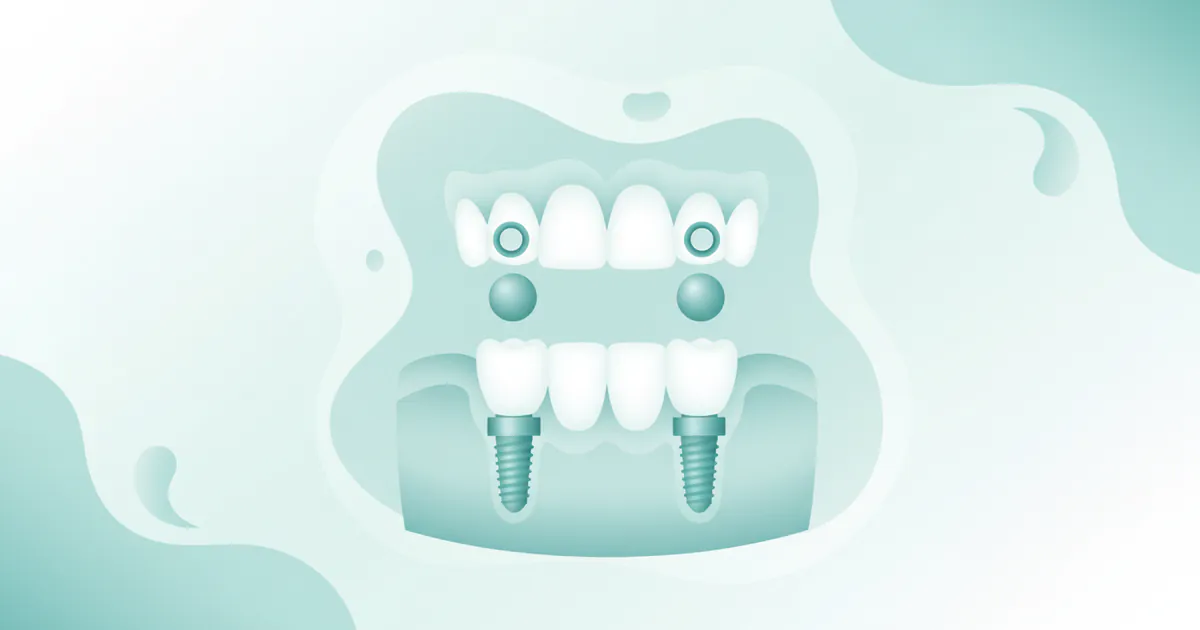
Snap-in Dentures Cost Near Me: Complete Price Guide 2026
For many Americans navigating the challenges of significant tooth loss, the search for a stable, comfortable, and aesthetically pleasing dental solution often leads to implant-supported dentures. Unlike traditional dentures that rely on suction and adhesives, snap-in dentures offer a remarkable impr
February 23, 2026