Sudden Bad Breath in Toddlers: Complete Guide
Key Takeaways
- When your toddler, who usually smells sweet and innocent, suddenly develops an unpleasant odor in their breath, it can be an alarming experience for any parent. Sudden bad breath in toddlers, also known as halitosis, is more common than you might think, affecting a significant number of young ch
When your toddler, who usually smells sweet and innocent, suddenly develops an unpleasant odor in their breath, it can be an alarming experience for any parent. Sudden bad breath in toddlers, also known as halitosis, is more common than you might think, affecting a significant number of young children at some point. While often benign and easily remedied, it can sometimes signal an underlying health issue that requires attention. Understanding the potential causes, from simple oral hygiene lapses to more complex medical conditions, is crucial for addressing the problem effectively and ensuring your child's overall well-being. This comprehensive guide from SmilePedia.net will equip you with the knowledge to identify the reasons behind your toddler's sudden bad breath, explore various treatment options, and provide practical steps for prevention, empowering you to navigate this common pediatric concern with confidence.
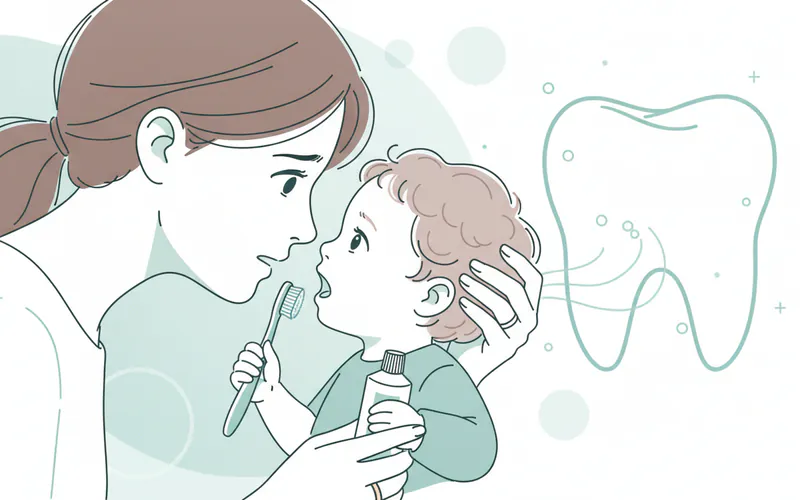
![A worried parent gently smelling their toddler's breath, with a toothbrush and dental(/general-dentistry/dental-complete-guide) floss visible in the background on a bathroom counter.]
Key Takeaways:
- Common Causes: Most cases of sudden bad breath in toddlers stem from poor oral hygiene, food particles, or temporary infections like colds. Less common but serious causes include cavities, foreign objects, or systemic illnesses.
- First Steps: Begin by improving your toddler's oral hygiene (brushing twice daily, flossing). Ensure adequate hydration and check for lodged food particles.
- When to See a Dentist: Consult a pediatric dentist if bad breath persists for more than a few days, is accompanied by fever, pain, visible decay, or difficulty eating.
- Cost of Dental Visits: A typical pediatric dental exam in the US ranges from $50-$200, with cleanings adding $75-$250. Fillings can cost $100-$500 per tooth, and extractions $150-$600. Insurance coverage varies but often covers preventive care.
- Prevention is Key: Regular brushing from the first tooth, daily flossing, a balanced diet, and bi-annual dental check-ups are the best defenses against toddler halitosis.
- Timelines: Simple causes like dietary breath resolve within hours. Infections may take days to weeks with treatment. Addressing cavities or foreign objects could take one or more dental visits.
What It Is / Overview
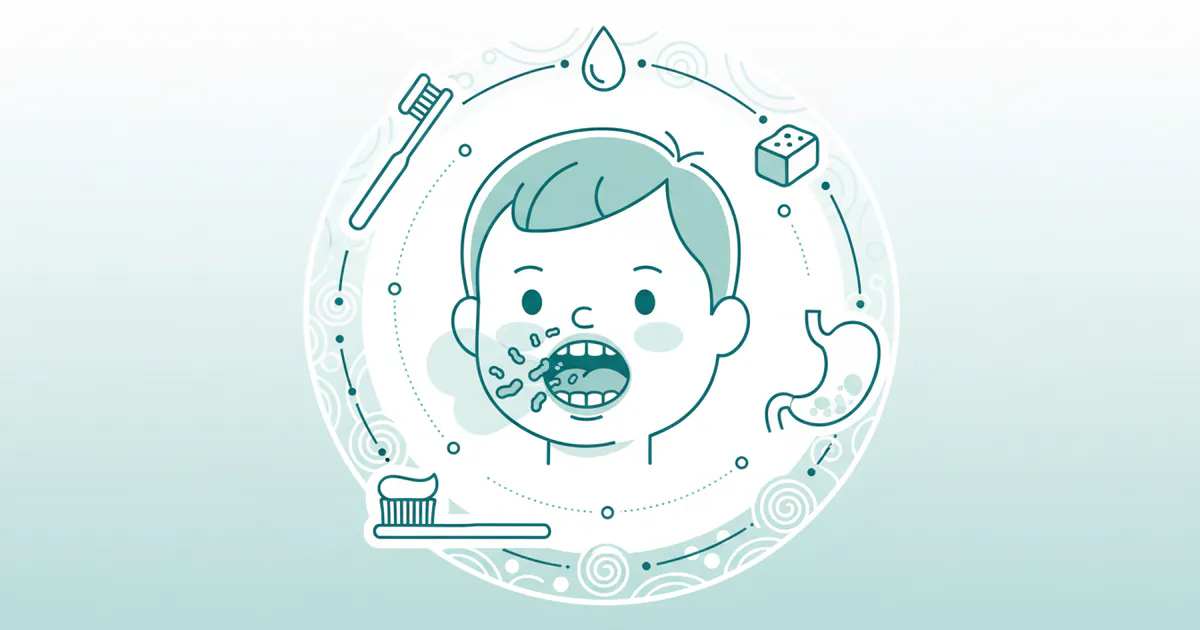
Halitosis, the medical term for bad breath, occurs when volatile sulfur compounds (VSCs) are produced by bacteria, primarily in the mouth. In toddlers, "sudden bad breath" refers to a noticeable and often uncharacteristic change in the smell of their breath that develops relatively quickly, rather than a chronic condition. While morning breath is a common and usually harmless occurrence due to reduced saliva flow during sleep, sudden bad breath warrants closer attention. It can range from a mild, slightly stale odor to a strong, foul smell, and its presence is a signal that something has changed in the child's oral or overall health environment.

Unlike adults who might be more self-conscious or able to articulate discomfort, toddlers cannot always explain what's bothering them. Therefore, parents must rely on observation, including the characteristic odor of their child's breath, along with any other accompanying signs or symptoms. The sudden onset of bad breath can be particularly concerning because it deviates from the child's normal state, prompting parents to investigate its origin. Understanding this distinction between transient, normal breath variations and concerning sudden changes is the first step in addressing the issue effectively.
Types / Variations
When discussing sudden bad breath in toddlers, it's helpful to categorize it based on its origin:
Oral Halitosis
This is the most common type and originates from within the mouth. Bacteria in the mouth break down food particles and dead cells, releasing VSCs that cause the odor.
- Physiological (Transient) Oral Halitosis: This includes typical morning breath, which usually resolves after brushing and eating, and "food breath" from consuming strong-smelling foods like garlic or onions. While often temporary, persistent morning breath or food breath may indicate underlying issues.
- Pathological Oral Halitosis: This type points to an issue that requires attention. It can stem from:
- Poor oral hygiene: Accumulation of plaque, food debris on teeth, gums, and tongue.
- Dental caries (cavities): Decaying teeth create pockets where bacteria thrive and food gets trapped, leading to foul odors.
- Gum disease (gingivitis): Inflammation of the gums, often due to plaque buildup, can cause an unpleasant smell. While periodontitis (severe gum disease) is rare in toddlers, gingivitis is more common.
- Oral infections: Thrush (oral candidiasis), herpetic gingivostomatitis (cold sores inside the mouth), or other bacterial infections.
- Dry mouth (xerostomia): Reduced saliva flow means fewer natural cleansing mechanisms, allowing bacteria to proliferate. This can be due to medications, dehydration, or mouth breathing.
- Tongue coating: Bacteria and food debris can accumulate on the rough surface of the tongue, producing VSCs.
Non-Oral (Extra-Oral) Halitosis
This type of bad breath originates from outside the mouth, often indicating an issue in the respiratory tract, gastrointestinal system, or other systemic conditions.
- Upper Respiratory Tract Infections (URTIs): Colds, flu, tonsillitis, strep throat, sinusitis, or allergies causing post-nasal drip can lead to bad breath. Mucus and bacteria can accumulate in the back of the throat or nasal passages, producing a foul odor.
- Foreign Objects in the Nasal Passage: A common cause in toddlers is a small object (e.g., a bead, a toy piece) lodged in one nostril. This can cause a foul-smelling, often unilateral (one-sided) nasal discharge, which contributes to bad breath.
- Gastroesophageal Reflux Disease (GERD): Stomach acid and partially digested food can travel back up the esophagus, causing a sour or acidic odor.
- Enlarged Tonsils or Adenoids: These can harbor bacteria and trap food particles, contributing to chronic bad breath, or become infected.
- Systemic Diseases: Although rare, certain conditions like diabetes (fruity breath due to ketones), kidney disease (ammonia-like breath), or liver disease (musty or "fishy" breath) can manifest as distinctive breath odors.
- Medications: Some medications can cause dry mouth or release chemicals that contribute to bad breath.
- Dietary Factors: While typically transient, a consistent diet high in certain pungent foods can contribute to persistent odors.
Causes / Why It Happens
Understanding the root causes of sudden bad breath in toddlers is critical for effective intervention. Here's a deeper dive into the most common reasons:
Oral Health Issues
- Poor Oral Hygiene: This is the leading cause. If teeth are not brushed thoroughly twice a day for two minutes and flossed daily, food particles, sugar, and bacteria accumulate. This forms plaque, a sticky film that releases foul-smelling gases as bacteria break down sugars and food debris. The tongue can also harbor bacteria and dead cells, forming a white or yellow coating that contributes significantly to bad breath.
- Dental Cavities (Caries): Decay in a toddler's teeth creates holes or pits where food particles can easily get trapped and decay further. Bacteria thrive in these environments, producing VSCs and leading to a noticeably foul odor, often accompanied by tooth sensitivity or pain. The American Dental Association (ADA) emphasizes the importance of early detection and treatment of caries in children to prevent pain, infection, and potential impact on developing permanent teeth.
- Gum Disease (Gingivitis): While full-blown periodontitis is rare, gingivitis—inflammation of the gums—is more common. It's often caused by plaque buildup along the gum line, leading to red, swollen, and sometimes bleeding gums. The inflamed tissues and bacterial activity contribute to an unpleasant smell.
- Oral Infections:
- Thrush (Oral Candidiasis): A yeast infection in the mouth, common in infants and toddlers, appears as white patches on the tongue, inner cheeks, and roof of the mouth. The yeast growth can produce an unpleasant, sometimes sour, odor.
- Herpetic Gingivostomatitis: Caused by the herpes simplex virus, this can lead to painful sores and blisters in the mouth and on the gums, along with fever and general malaise. The open sores and accompanying inflammation can cause significant bad breath.
- Abscesses: An untreated cavity can lead to a dental abscess, a pocket of pus caused by bacterial infection, resulting in severe pain, swelling, and a very strong, foul-smelling breath, often described as metallic or pus-like.
- Dry Mouth (Xerostomia): Saliva acts as a natural cleanser, washing away food particles and bacteria. If a toddler experiences dry mouth, bacteria can multiply rapidly. Causes can include:
- Dehydration: Insufficient fluid intake.
- Mouth Breathing: Often due to nasal congestion or enlarged tonsils/adenoids, drying out the mouth, especially at night.
- Certain Medications: Antihistamines, decongestants, and some other drugs.
- Tonsil Stones (Tonsilloliths): Small, hard formations of calcified debris, bacteria, and food particles can get trapped in the crypts (grooves) of the tonsils. These stones are often visible as white or yellowish spots and emit a potent, rotten-egg-like odor. While more common in older children and adults, they can occur in toddlers, especially if tonsils are frequently inflamed.
Non-Oral Health Issues
- Upper Respiratory Tract Infections (URTIs) and Allergies:
- Colds, Flu, Sinusitis: Mucus and phlegm, especially with post-nasal drip (mucus dripping down the back of the throat), become a breeding ground for bacteria. The bacteria break down the proteins in the mucus, releasing foul-smelling compounds.
- Tonsillitis/Adenoiditis: Inflamed or infected tonsils/adenoids can harbor bacteria and pus, directly contributing to bad breath.
- Allergies: Allergic reactions can lead to nasal congestion and increased mucus production, mimicking cold symptoms and subsequently causing bad breath due to post-nasal drip and mouth breathing.
- Foreign Object in the Nose: This is a surprisingly common cause of foul breath in toddlers. If a small object like a bead, a piece of food, or a small toy is lodged in a nostril, it can lead to a localized infection and a foul-smelling, often unilateral, nasal discharge that contributes to bad breath. The odor is typically very strong and persistent.
- Gastroesophageal Reflux Disease (GERD): Acid reflux can cause stomach contents, including partially digested food and stomach acid, to come back up into the esophagus and mouth. This can result in a sour, acidic, or even vomitus-like breath odor. Toddlers with GERD might also experience frequent spitting up, discomfort during or after feeding, or refusal to eat.
- Dietary Factors: Certain foods, such as garlic, onions, some spices, and even specific dairy products, contain strong-smelling compounds that are absorbed into the bloodstream and then released through the lungs, affecting breath odor. While this is usually temporary, a consistent diet heavy in these foods can lead to persistent bad breath.
- Systemic Illnesses (Less Common):
- Diabetes: Uncontrolled diabetes can lead to diabetic ketoacidosis, a serious condition where the body burns fat for energy, producing ketones. This results in a distinctive sweet or fruity breath odor.
- Kidney Disease: Impaired kidney function can lead to an accumulation of waste products in the body, causing an ammonia-like or urine-like breath odor.
- Liver Disease: Severe liver issues can produce a musty or "fishy" odor on the breath (foetor hepaticus). These conditions are usually accompanied by other significant symptoms.
- Medications: Some medications can cause dry mouth, which indirectly contributes to bad breath. Others might directly cause an odor as they are metabolized and released via breath.
Signs and Symptoms
Beyond the obvious foul odor, several other signs and symptoms can accompany sudden bad breath in toddlers, helping to pinpoint the underlying cause:
- Distinctive Odors:
- Sweet/Fruity: May indicate uncontrolled diabetes (diabetic ketoacidosis).
- Ammonia-like/Urine-like: Suggests kidney problems.
- Musty/Fishy: Can point to liver issues.
- Foul/Putrid/Rotten-Egg: Common with severe oral infections, dental decay, tonsil stones, or foreign objects in the nose.
- Sour/Acidic: Often associated with acid reflux (GERD) or sometimes oral infections.
- Oral Symptoms:
- Visible Plaque/Food Debris: On teeth, gums, or tongue.
- White/Yellow Coating on Tongue: A thick coating often indicates bacterial buildup.
- Red, Swollen, or Bleeding Gums: Signs of gingivitis.
- Visible Cavities/Dark Spots on Teeth: Indicates dental decay.
- Sores, Blisters, or White Patches: May suggest oral infections like thrush or herpes.
- Drooling: Excessive drooling can be a sign of oral pain or difficulty swallowing.
- Refusal to Eat or Drink: Due to oral pain or discomfort.
- Nasal/Respiratory Symptoms:
- Runny or Stuffy Nose: Especially if accompanied by discolored discharge, indicating a cold, allergy, or sinus infection.
- Unilateral (One-Sided) Foul-Smelling Nasal Discharge: A strong indicator of a foreign object lodged in the nostril.
- Coughing or Sneezing.
- Mouth Breathing: Particularly at night, leading to dry mouth.
- Snoring or Difficult Breathing During Sleep: Suggests enlarged tonsils/adenoids or nasal obstruction.
- Gastrointestinal Symptoms:
- Frequent Spitting Up/Vomiting: Common with GERD.
- Fussiness/Irritability During or After Meals: Can be due to reflux discomfort.
- General Symptoms:
- Fever: Indicates an infection.
- Lethargy/Irritability: Can be a sign of systemic illness or significant discomfort.
- Swelling of Face or Gums: Points to a severe dental infection (abscess).
Treatment Options
Treatment for sudden bad breath in toddlers depends entirely on the underlying cause. A thorough examination by a pediatric dentist or pediatrician is often necessary for accurate diagnosis.
Home Care and Lifestyle Adjustments
These are the first line of defense for most common causes:
- Improved Oral Hygiene:
- Brushing: Brush your toddler's teeth twice daily for two minutes using a soft-bristled, age-appropriate toothbrush and a tiny smear (rice grain size for under 3, pea-size for 3+) of fluoride toothpaste.
- Flossing: Once teeth are touching, floss daily.
- Tongue Cleaning: Gently brush or wipe the tongue with a soft cloth or a tongue cleaner to remove bacteria and debris.
- Pro Tip: Make brushing fun! Use toothbrushes with cartoon characters, sing songs, or brush together as a family.
- Hydration: Encourage your toddler to drink plenty of water throughout the day. Water helps rinse away food particles and keeps the mouth moist, preventing dry mouth.
- Dietary Modifications: Limit sugary snacks and drinks, which feed bacteria. If specific strong-smelling foods are the culprit, temporarily reduce their intake.
- Avoid Prolonged Bottle/Pacifier Use: Do not allow your toddler to sleep with a bottle containing anything other than water, as this can lead to severe tooth decay (bottle rot) and contribute to bad breath.
- Address Dry Mouth: If mouth breathing is the issue, try to address nasal congestion. For severe cases, discuss with a pediatrician.
Dental Treatments
If the cause is oral, a pediatric dentist will provide targeted treatment.
- Dental Cleaning: A professional cleaning removes plaque and tartar buildup that regular brushing cannot.
- Fillings/Restorations: If cavities are present, the dentist will remove the decayed part of the tooth and fill it. This eliminates the bacterial breeding ground and stops the decay process.
- Pros: Resolves the source of infection, stops pain, prevents further decay.
- Cons: Requires cooperation from the child (sometimes sedation), can be intimidating for toddlers.
- Extractions: In cases of severe decay or infection where a tooth cannot be saved, extraction may be necessary.
- Pros: Eliminates severe infection and pain.
- Cons: Can affect speech and eating, may require space maintainers for proper development of permanent teeth.
- Fluoride Treatments: Can strengthen enamel and prevent new cavities.
- Treatment for Oral Infections:
- Antifungals: For thrush (e.g., nystatin oral suspension).
- Antivirals: Rarely used for herpes simplex in toddlers unless severe.
- Antibiotics: For bacterial abscesses or severe gum infections.
Medical Treatments
If the cause is non-oral, a pediatrician or specialist (ENT, GI) will be involved.
- Antibiotics: For bacterial infections such as strep throat, sinusitis, or severe tonsillitis.
- Antihistamines/Decongestants: For allergies or colds causing post-nasal drip.
- Acid Reflux Medications: For GERD, often antacids or H2 blockers, or proton pump inhibitors (PPIs) in more severe cases.
- Removal of Foreign Object: If a foreign object is lodged in the nose, a doctor will carefully remove it.
- Tonsillectomy/Adenoidectomy: In rare cases of persistently enlarged or infected tonsils/adenoids contributing to chronic bad breath and other issues (e.g., sleep apnea), surgical removal might be considered.
- Pros: Can resolve chronic breathing issues, infections, and bad breath.
- Cons: Surgical risks, recovery period, usually a last resort.
Step-by-Step Process (What to Expect During Diagnosis and Treatment)
If your toddler's sudden bad breath persists despite improved home hygiene, here’s what you can expect:
-
Initial Consultation (Pediatrician or Pediatric Dentist):
- Medical History: The doctor will ask about the onset of bad breath, its characteristics, associated symptoms (fever, pain, discharge, diet changes), medications, and your child's general health.
- Physical Examination:
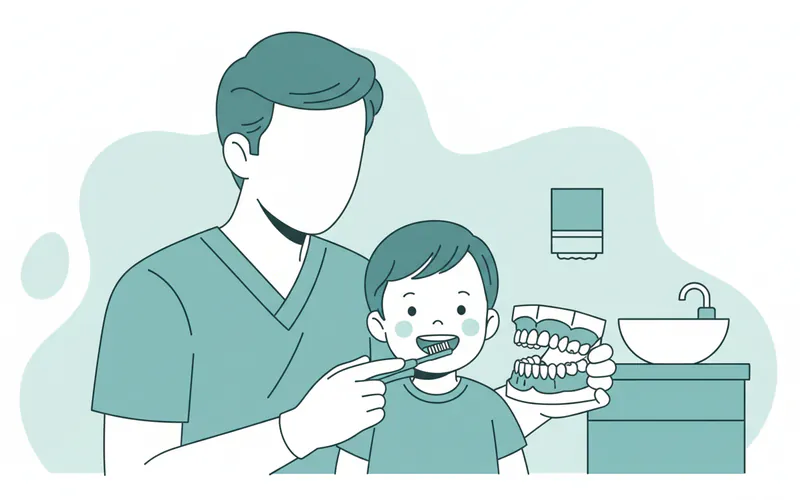
- Oral Exam: The dentist will thoroughly examine your toddler’s teeth, gums, tongue, and other oral tissues for cavities, gum inflammation, plaque, infections (like thrush or sores), and general oral hygiene. They may gently smell your child's breath directly.
- Nasal Exam: The pediatrician may check the nasal passages for congestion, discharge, or signs of a foreign object.
- Throat Exam: The pediatrician will examine the tonsils and throat for redness, swelling, pus, or enlarged tonsils/adenoids.
- Abdominal Exam: If GERD is suspected, a pediatrician might perform a gentle abdominal exam.
- Diagnostic Imaging (If Needed): Dental X-rays may be taken to detect hidden cavities or infections beneath the gums.
- Referrals: Depending on the findings, the doctor may refer your child to a specialist, such as an Ear, Nose, and Throat (ENT) doctor for recurrent infections or suspected foreign objects, or a pediatric gastroenterologist for persistent GERD.
-
Diagnosis:
- Based on the examination and history, the doctor will identify the most likely cause. For example, visible decay points to cavities, a one-sided foul nasal discharge suggests a foreign object, and white patches in the mouth indicate thrush.
-
Treatment Plan:
- Oral Hygiene Instruction: You'll receive specific guidance on brushing and flossing techniques tailored for your toddler.
- Dental Procedures: If cavities or gum issues are present, the dentist will schedule cleanings, fillings, or extractions. These procedures might require local anesthesia or, for very young or anxious toddlers, mild sedation (nitrous oxide or conscious sedation) in accordance with ADA guidelines for pediatric dentistry.
- Medication Prescriptions: For infections (antibiotics, antifungals) or reflux (anti-reflux medications).
- Referral to Specialist: If a non-oral cause is confirmed or strongly suspected, the specialist will devise a treatment plan (e.g., removing a foreign object, managing allergies, or treating GERD).
-
Follow-Up and Monitoring:
- Regular follow-up appointments may be necessary to monitor the effectiveness of treatment and ensure the underlying issue is resolved.
- For dental issues, routine check-ups every six months are recommended by the ADA.
Cost and Insurance
The cost of addressing sudden bad breath in toddlers in the US can vary widely based on the cause, geographic location, and whether your child has dental and medical insurance.
Dental Costs (Out-of-Pocket Estimates Without Insurance)
- Pediatric Dental Exam (D0120/D0140/D0150): ~$50 - $200
- Dental Cleaning (D1120): ~$75 - $250
- Fluoride Treatment (D1206): ~$30 - $70
- Fillings (D2391-D2394 for composite):
- One surface: ~$100 - $300
- Multiple surfaces: ~$250 - $500 per tooth
- Extraction (D7140 for non-surgical): ~$150 - $600 per tooth
- Pulp Therapy (D3220, D3221, "baby root canal"): ~$200 - $600
- Crowns (D2930 for primary teeth): ~$300 - $800
- Antibiotics (if prescribed): ~$10 - $50 (generic)

Medical Costs (Out-of-Pocket Estimates Without Insurance)
- Pediatrician Visit (for cold, allergy, infection): ~$100 - $300
- Specialist Visit (ENT, GI): ~$150 - $500 (initial consultation)
- Medications (antihistamines, acid reflux meds): ~$10 - $100+ depending on generic/brand.
- Foreign Object Removal (non-surgical): ~$200 - $1000+ (can be higher if sedation or ER visit is needed).
- Tonsillectomy/Adenoidectomy (surgical): $3,000 - $7,000+ (includes surgeon, anesthesia, facility fees).
Insurance Coverage
- Dental Insurance: Most pediatric dental plans (often part of Medicaid/CHIP or employer-sponsored plans) cover preventive care (exams, cleanings, fluoride) at 80-100%. Restorative procedures like fillings and extractions are usually covered at 50-80% after a deductible.
- Medical Insurance: Standard health insurance plans typically cover pediatrician visits, specialist consultations, medications for non-dental infections, and procedures like foreign object removal or tonsillectomies, often subject to deductibles, co-pays, and co-insurance.
Payment Plans and Financing Options
Many dental and medical offices offer:
- Payment Plans: In-house payment plans for larger treatments.
- Third-Party Financing: Options like CareCredit, which provide low- or no-interest payment plans.
- Discount Plans: Some dental discount plans offer reduced rates for services.
- Medicaid/CHIP: Government programs providing comprehensive dental and medical coverage for eligible children.
Cost-Saving Tips
- Preventive Care: Regular brushing, flossing, and dental check-ups are the most cost-effective way to prevent costly treatments.
- Utilize Insurance: Understand your policy benefits and use in-network providers.
- Health Savings Accounts (HSAs) / Flexible Spending Accounts (FSAs): Use pre-tax dollars for eligible medical and dental expenses.
- Community Clinics: Some community health centers offer reduced-cost dental and medical services.
Recovery and Aftercare
Recovery and aftercare depend entirely on the treatment received.
- After Dental Procedures (Fillings, Extractions):
- Pain Management: Mild discomfort can be managed with over-the-counter pain relievers (e.g., children's ibuprofen or acetaminophen) as directed by the dentist.
- Diet: Soft foods for a day or two, avoiding very hot or cold items.
- Oral Hygiene: Continue gentle brushing around the area, avoiding direct pressure initially on extraction sites.
- Monitoring: Watch for signs of infection (fever, increased swelling, persistent pain).
- After Oral Infections (Thrush, Gingivitis):
- Medication Adherence: Complete the full course of prescribed antibiotics or antifungals.
- Oral Hygiene: Maintain excellent oral hygiene to prevent recurrence.
- Sterilize: For thrush, sterilize pacifiers, bottle nipples, and toys that go in the mouth to prevent reinfection.
- After Respiratory/GI Issues (Colds, GERD):
- Medication Adherence: Administer prescribed medications as directed.
- Lifestyle Changes: Continue to encourage hydration and follow dietary recommendations for GERD.
- Monitor Symptoms: Watch for improvement and report any worsening or new symptoms to your pediatrician.
- General Aftercare:
- Continued Excellent Oral Hygiene: This is paramount regardless of the cause. Twice-daily brushing and daily flossing are non-negotiable.
- Regular Dental Check-ups: Ensure your toddler visits the pediatric dentist every six months for preventive care and early detection of any new issues.
Prevention
Preventing sudden bad breath in toddlers primarily involves establishing excellent oral hygiene habits and promptly addressing underlying health issues.
- Start Oral Hygiene Early:
- Infancy: Wipe your baby's gums with a soft, damp cloth even before teeth erupt.
- First Tooth: Begin brushing twice daily with a rice-grain smear of fluoride toothpaste and a soft-bristled toothbrush.
- Age 3-6: Increase fluoride toothpaste to a pea-sized amount.
- Supervision: Always supervise brushing until your child is 7-8 years old to ensure thoroughness and proper spitting technique.
- Daily Flossing: Once teeth are touching, floss daily to remove trapped food particles and plaque.
- Tongue Cleaning: Gently brush or wipe your toddler's tongue to remove bacteria.
- Pro Tip: Make brushing a family activity. Children learn by imitation!
- Regular Dental Check-ups:
- Schedule your toddler's first dental visit by age one or when their first tooth appears, as recommended by the ADA and the American Academy of Pediatric Dentistry (AAPD).
- Regular bi-annual check-ups allow the dentist to identify and address issues like cavities or gum inflammation early, preventing them from causing bad breath.
- Healthy Diet:
- Limit Sugary Foods and Drinks: These promote bacterial growth and cavity formation.
- Encourage Water: Water helps rinse the mouth and maintain saliva flow.
- Balanced Nutrition: A diet rich in fruits, vegetables, and whole grains supports overall health, including oral health.
- Avoid Prolonged Bottle/Pacifier Use:
- Do not put your child to bed with a bottle containing anything other than water.
- Limit pacifier use and ensure it's clean.
- Address Nasal Congestion and Mouth Breathing:
- Work with your pediatrician to manage allergies or frequent colds that lead to nasal congestion and mouth breathing.
- Consider humidifier use in dry environments.
- Stay Hydrated: Ensure your toddler drinks enough water throughout the day to prevent dry mouth.
- Promptly Address Illnesses: Treat colds, flu, strep throat, and other infections promptly to prevent them from becoming chronic or leading to complications that contribute to bad breath.
Risks and Complications
Ignoring sudden bad breath in toddlers or failing to address its underlying cause can lead to various risks and complications:
- Progression of Dental Decay: Untreated cavities can enlarge, causing severe pain, infection, and potentially leading to dental abscesses that can spread to other parts of the face or neck. This can damage developing permanent teeth.
- Worsening Gum Disease: Untreated gingivitis can lead to more advanced forms of gum disease, causing discomfort and potentially affecting permanent tooth eruption.
- Spread of Infection: Oral infections (like abscesses) can spread throughout the body, causing systemic illness, fever, and requiring more intensive medical intervention.
- Nutritional Deficiencies: Pain from dental issues or discomfort from reflux can make eating difficult, leading to poor nutrition and failure to thrive.
- Speech and Development Issues: Severe dental problems or persistent mouth breathing can impact speech development and facial growth.
- Chronic Health Conditions: Underlying systemic issues like undiagnosed diabetes, kidney disease, or severe GERD, if left untreated, can lead to serious long-term health complications.
- Social and Emotional Impact: While less pronounced in toddlers, persistent bad breath can eventually lead to self-consciousness and social anxiety as children get older.
Comparison Tables
Here are two comparison tables to help illustrate common causes and treatment options for sudden bad breath in toddlers.
Table 1: Common Causes of Sudden Bad Breath in Toddlers & Key Distinguishing Signs
| Cause | Primary Type of Halitosis | Key Distinguishing Signs & Symptoms |
|---|---|---|
| Poor Oral Hygiene | Oral | Visible plaque/food debris, white/yellow tongue coating, no other specific symptoms, resolves with brushing. |
| Dental Cavities/Decay | Oral | Visible dark spots/holes on teeth, tooth sensitivity/pain (may be subtle), foul odor localized to mouth. |
| Oral Infections (Thrush, Abscess) | Oral | White patches (thrush), localized swelling/pain (abscess), fever, reluctance to eat, very strong foul odor. |
| Foreign Object in Nose | Non-Oral | Unilateral (one-sided) foul-smelling nasal discharge, very strong odor, child may pick at nose. |
| Upper Respiratory Infection (URI) | Non-Oral | Runny/stuffy nose, cough, fever, post-nasal drip, mouth breathing, general cold symptoms. |
| Gastroesophageal Reflux (GERD) | Non-Oral | Frequent spitting up/vomiting, fussiness during/after meals, sour/acidic breath, sometimes a cough. |
| Tonsil Stones | Oral (can be extra-oral due to location) | Small white/yellowish spots on tonsils, recurrent sore throats, chronic foul odor. |
Table 2: Treatment Options for Common Causes & Associated Costs/Timelines
| Treatment Option | Common Use For | Estimated US Cost (Out-of-Pocket) | Estimated Timeline for Resolution | Pros | Cons |
|---|---|---|---|---|---|
| Improved Oral Hygiene | Poor hygiene, general prevention | $0 (tools are existing cost) | Days to weeks | Non-invasive, fundamental, prevents future issues | Requires consistent parental effort |
| Dental Filling | Cavities, minor decay | $100 - $500 per tooth | 1-2 visits (1-2 hours each) | Resolves decay, prevents pain & infection | Requires cooperation, potential sedation |
| Antibiotics/Antifungals | Oral infections, bacterial URIs | $10 - $100 (generic) | 7-14 days for course | Eliminates infection quickly | Potential side effects, resistance if overused |
| Foreign Object Removal | Nasal foreign body | $200 - $1000+ | Immediate (after removal) | Instant relief, prevents infection | Child discomfort during procedure, sedation sometimes needed |
| Acid Reflux Medication | GERD | $10 - $100 per month | Weeks to months (ongoing if chronic) | Reduces reflux symptoms, improves comfort | May require long-term use, dietary changes also needed |
| Tonsillectomy/Adenoidectomy | Severe recurrent tonsillitis, enlarged tonsils/adenoids causing issues | $3,000 - $7,000+ | Surgical recovery 1-2 weeks; full benefit months | Resolves chronic issues, breathing problems | Surgical risks, recovery pain, expensive |
Children / Pediatric Considerations
Addressing sudden bad breath in toddlers requires a unique approach, as children are not just small adults. Here are specific pediatric considerations:
- Age-Appropriate Oral Hygiene:
- Fluoride Toothpaste: For children under three, the ADA recommends a "smear" (size of a grain of rice) of fluoride toothpaste. For children aged 3-6, a "pea-sized" amount is appropriate. It's crucial to use fluoride toothpaste from the first tooth to prevent cavities.
- Spitting: Toddlers often swallow toothpaste. Using the correct, small amount minimizes fluoride ingestion. Parents should teach and encourage spitting as soon as the child is able.
- Brushing Technique: Parents must actively brush their toddler's teeth. A gentle, circular motion covering all tooth surfaces is effective. Focus on the gum line.
- Parental Involvement: Direct parental supervision and assistance with brushing are essential until a child develops sufficient manual dexterity, typically around age 7 or 8.
- First Dental Visit: The AAPD recommends the first dental visit by the age of one or upon the eruption of the first tooth. This visit is crucial for establishing a "dental home," providing preventive care education, and identifying potential issues early.
- Fear and Anxiety: Dental visits can be intimidating for toddlers. Pediatric dentists specialize in making the experience positive and child-friendly, using special language and techniques to ease anxiety.
- Communication Challenges: Toddlers may not be able to articulate pain or discomfort accurately. Parents need to observe behavioral cues (fretting, refusing food, pulling at ears/nose) and changes in habits.
- Foreign Objects: Toddlers are notorious for putting small objects in their mouths, noses, and ears. This is a common and often overlooked cause of foul odor.
- "Baby Bottle Tooth Decay": This severe form of decay can occur when infants and toddlers are given bottles containing sugary liquids (milk, juice, formula) at bedtime or for prolonged comfort. The sugars bathe the teeth, leading to rapid decay and severe bad breath.
Cost Breakdown
A specific cost breakdown for addressing sudden bad breath in toddlers often depends on the diagnostic path and necessary treatments. Here are average US costs:
Average US Costs (Low, Mid, High)
- Initial Evaluation (Pediatrician/Pediatric Dentist):
- Low: $50 (established patient check-up)
- Mid: $150 (new patient exam)
- High: $300 (specialist consult, e.g., ENT)
- Basic Dental Treatment (e.g., Cleaning + 1 Filling):
- Low: $175 ($75 clean + $100 fill)
- Mid: $350 ($150 clean + $200 fill)
- High: $750 ($250 clean + $500 fill)
- Treatment for Oral Infection (e.g., Antibiotics + Follow-up):
- Low: $70 ($20 meds + $50 visit)
- Mid: $180 ($30 meds + $150 visit)
- High: $350 ($50 meds + $300 specialist visit)
- Foreign Object Removal (Nasal):
- Low: $200 (in-office, simple)
- Mid: $500 (requires more time/skill)
- High: $1000+ (ER visit, sedation)
With vs. Without Insurance
- With Insurance (assuming 80% coverage for restorative, 100% for preventive after deductible):
- Preventive care (exam, cleaning, fluoride): Often $0-$50 out-of-pocket after copay/deductible.
- Basic Dental Treatment (e.g., Filling): $50-$200 per tooth out-of-pocket, depending on the plan and deductible.
- Specialist visits/complex procedures: You might pay 20% of the negotiated rate after meeting your deductible, which can range from hundreds to thousands for surgery.
- Without Insurance: You will be responsible for 100% of the provider's billed charges. Many providers offer a cash discount for uninsured patients, or you can use a dental discount plan.

Payment Plans and Financing Options
- In-Office Payment Plans: Many dental and medical practices are willing to set up monthly payment plans, especially for larger treatment costs. Be sure to ask about this.
- CareCredit & Other Medical Credit Cards: These specialized credit cards offer promotional financing options, often with 0% interest for a set period, allowing you to pay for treatment over time.
- Health Savings Accounts (HSAs) & Flexible Spending Accounts (FSAs): If you have access to these through your employer, you can use pre-tax dollars to cover dental and medical expenses, offering significant savings.
- Medicaid/CHIP: For eligible families, these government programs provide comprehensive dental and medical benefits for children, significantly reducing or eliminating out-of-pocket costs.
Cost-Saving Tips
- Preventive Care is Paramount: The least expensive dental care is preventive care. Regular brushing, flossing, and check-ups prevent expensive problems like root canals or extractions.
- Shop Around: For non-emergency dental work, you can call different pediatric dental offices to inquire about their fees.
- Ask About Cash Discounts: Many practices offer a discount (e.g., 5-10%) for patients paying in full with cash at the time of service.
- Community Dental Clinics/Dental Schools: These often offer services at a reduced rate compared to private practices.
Frequently Asked Questions
Is morning bad breath in toddlers normal?
Yes, morning breath is very common and usually normal in toddlers. Saliva production decreases during sleep, allowing bacteria to multiply and produce odor-causing compounds. It typically resolves after brushing, drinking water, and eating breakfast. If it's unusually strong or persistent, it might indicate underlying issues like mouth breathing or poor overnight oral hygiene.
Can allergies cause bad breath in a toddler?
Absolutely. Allergies can lead to nasal congestion, increased mucus production, and post-nasal drip. This mucus, dripping down the back of the throat, becomes a breeding ground for bacteria, leading to a foul odor. Allergies can also cause mouth breathing, which dries out the mouth and contributes to bad breath.
How often should my toddler brush their teeth?
The American Dental Association (ADA) recommends brushing your toddler's teeth twice a day, once in the morning and once before bed, for two minutes each time. Use a soft-bristled, age-appropriate toothbrush and a small amount of fluoride toothpaste (rice-grain size for under 3, pea-size for 3+).
What if my toddler swallows toothpaste?
It's common for toddlers to swallow toothpaste. Using the recommended small amount of fluoride toothpaste (rice-grain or pea-sized) minimizes fluoride ingestion, which is important because excessive swallowed fluoride can lead to dental fluorosis (white or brown spots on adult teeth). Encourage spitting as they learn, but don't worry about small amounts swallowed.
When should I worry about my toddler's bad breath?
You should worry and seek professional advice if your toddler's bad breath is persistent (lasting more than a few days despite good oral hygiene), is very strong, or is accompanied by other symptoms like fever, pain, visible tooth decay, bleeding gums, foul-smelling nasal discharge, difficulty eating, or changes in behavior.
Is sudden bad breath always a sign of a cavity?
No, sudden bad breath isn't always a cavity, but cavities are a common cause. Other frequent culprits include poor oral hygiene, oral infections, tonsillitis, colds, and even foreign objects in the nose. A dental professional can accurately diagnose the cause through a thorough examination.
How long does it take for bad breath to go away after treatment?
The timeline depends on the cause and treatment. For simple causes like dietary breath, it resolves within hours. For infections treated with antibiotics, bad breath usually improves within a few days to a week. If caused by cavities, the breath improves immediately after the filling, though overall mouth freshness may take longer as oral hygiene improves.
Are there any natural remedies for toddler bad breath?
The most effective "natural" remedies are excellent oral hygiene (brushing, flossing, tongue cleaning), ensuring adequate water intake, and a healthy, balanced diet. For temporary relief, a warm salt water rinse (for toddlers who can spit) can help reduce bacteria. However, persistent bad breath needs professional evaluation, not just natural remedies.
Is bad breath painful for toddlers?
The bad breath itself is not painful, but the underlying cause often can be. For example, cavities can cause toothache, gum disease can make gums sore, and infections like tonsillitis can cause a sore throat. Toddlers may express this pain through fussiness, refusal to eat, or holding their hand to their mouth.
Can teething cause bad breath?
Teething itself doesn't directly cause bad breath. However, the inflammation of the gums during teething can lead to increased bacteria, and toddlers might drool more or put more objects in their mouths, which can indirectly contribute to a temporary, mild odor. It's usually not a strong or persistent foul smell, which would suggest another cause.
When to See a Dentist
It's natural for parents to feel concerned when their toddler develops sudden bad breath. While many causes are benign and temporary, certain warning signs warrant a visit to the dentist or pediatrician:
Schedule a Dental Appointment (Routine Care):
- If bad breath persists for more than a few days despite improved oral hygiene (regular brushing, flossing, hydration).
- If you notice any visible plaque, yellow/white coating on the tongue, or slightly red/swollen gums.
- If your toddler's last dental check-up was more than six months ago.
- For routine check-ups every six months, starting from age one.
See a Dentist/Pediatrician Promptly (Within a Few Days):
- If you observe any dark spots, holes, or obvious decay on your toddler's teeth.
- If your toddler complains of tooth pain, sensitivity, or has difficulty chewing.
- If you see any white patches (thrush) or sores in their mouth.
- If the bad breath is accompanied by a persistent runny or stuffy nose, especially with discolored discharge, suggesting a cold, allergy, or sinus infection.
- If your toddler frequently breathes through their mouth, particularly at night, which can indicate enlarged tonsils/adenoids or nasal obstruction.
Seek Immediate Medical Attention (Emergency/Urgent Care):
- Red Flags: If the bad breath is accompanied by any of these severe symptoms:
- Fever: Especially high fever, indicating a significant infection.
- Swelling: Of the face, jaw, or gums, which could signify a serious dental abscess or cellulitis (spread of infection).
- Severe Pain: Intense toothache or pain that prevents eating, drinking, or sleeping.
- Lethargy or Irritability: Unexplained weakness, sleepiness, or constant fussiness beyond normal toddler behavior.
- Difficulty Breathing or Swallowing: This is a medical emergency and needs immediate attention.
- Unilateral Foul-Smelling Nasal Discharge: This is a strong indicator of a foreign object lodged in the nostril and needs prompt removal by a medical professional.
- Distinctive Breath Odors: Such as a very sweet/fruity smell (diabetes), ammonia-like (kidney issues), or musty/fishy (liver issues), which require urgent medical evaluation.
Trust your parental instincts. If something feels genuinely concerning about your toddler's bad breath or overall health, it's always best to consult with a dental or medical professional to rule out serious conditions and ensure your child receives the care they need.
Frequently Asked Questions
Medically Reviewed Content
This article was written by our dental health editorial team and reviewed for medical accuracy. Our content follows strict editorial guidelines for reliability and trustworthiness.
Medical Disclaimer
This article is for informational purposes only and does not constitute medical advice. Always consult with a qualified dental professional for diagnosis and treatment. Do not delay seeking professional advice because of something you read on this website.
Related Articles
What Cause Bad Breath
For many, a quick mint or a swig of mouthwash is the go-to solution for an unpleasant taste or odor in the mouth. But what if that bad breath, medically known as halitosis, is a persistent problem that no amount of peppermint can conquer? It’s a far more common issue than you might think, affecting
February 23, 2026
Dogs Bad Breath: Complete Guide
One whiff is all it takes: that distinctly unpleasant odor emanating from your beloved canine companion. If you've ever wondered, "Why does my dog's breath smell so bad?" you're not alone. It's a common concern among pet owners, with over 80% of dogs showing signs of oral disease by age three. W
February 23, 2026
Mouth Wash for Bad Breath: Complete Guide
Bad breath, medically known as halitosis, is an incredibly common and often embarrassing condition that affects a significant portion of the global population. In the United States alone, more than 80 million people suffer from chronic bad breath, impacting social interactions, professional conf
February 23, 2026
Home Remedies for Bad Breath: Complete Guide
Bad breath, clinically known as halitosis, is a common and often embarrassing condition that affects millions of Americans. Surveys suggest that up to 50% of adults experience chronic bad breath at some point in their lives, making it a significant concern for personal confidence and social inte
February 23, 2026