Home Remedies for Bad Breath: Complete Guide
Key Takeaways
- Bad breath, clinically known as halitosis, is a common and often embarrassing condition that affects millions of Americans. Surveys suggest that up to 50% of adults experience chronic bad breath at some point in their lives, making it a significant concern for personal confidence and social inte
Bad breath, clinically known as halitosis, is a common and often embarrassing condition that affects millions of Americans. Surveys suggest that up to 50% of adults experience chronic bad breath at some point in their lives, making it a significant concern for personal confidence and social interactions. While store-bought mouthwashes promise quick fixes, many people seek sustainable and natural solutions. Understanding the underlying causes of halitosis and exploring effective home remedies for bad breath can empower you to achieve lasting fresh breath and improve your overall oral health. This comprehensive guide from SmilePedia.net will delve into what causes bad breath, explore a variety of evidence-based home remedies, discuss when professional intervention is necessary, and provide practical tips to keep your breath consistently fresh. We'll cover everything from simple daily habits to dietary adjustments, ensuring you have all the tools to tackle this common issue head-on.
Key Takeaways:
- Primary Cause: Over 85% of bad breath cases originate in the mouth, primarily due to bacteria on the tongue and between teeth.
- Immediate Relief: Chewing sugar-free gum, rinsing with water, or munching on fresh parsley or mint can offer temporary relief within minutes.
- Long-Term Solution: Consistent oral hygiene (brushing, flossing, tongue scraping) is the most effective long-term home remedy, costing minimal (e.g., a toothbrush $3-$8, floss $3-$6) and showing results within days to weeks.
- Hydration is Key: Dry mouth significantly contributes to bad breath; aim for 8-10 glasses of water daily to maintain salivary flow, a free and highly effective remedy. Professional Check: If bad breath persists despite diligent home care for more than 2 weeks, consult a dentist to rule out underlying dental issues (like gum disease) or systemic health problems. A dental check-up typically ranges from $80-$250 without insurance.
- Dietary Impact: Avoiding strong-smelling foods (garlic, onions) and reducing sugary snacks can prevent bacterial overgrowth, costing nothing and yielding benefits immediately.
- Tongue Scraping: A highly effective, low-cost (tongue scrapers $5-$15) practice that can reduce odor-causing bacteria by up to 75% immediately after use.
What Is Bad Breath (Halitosis)?
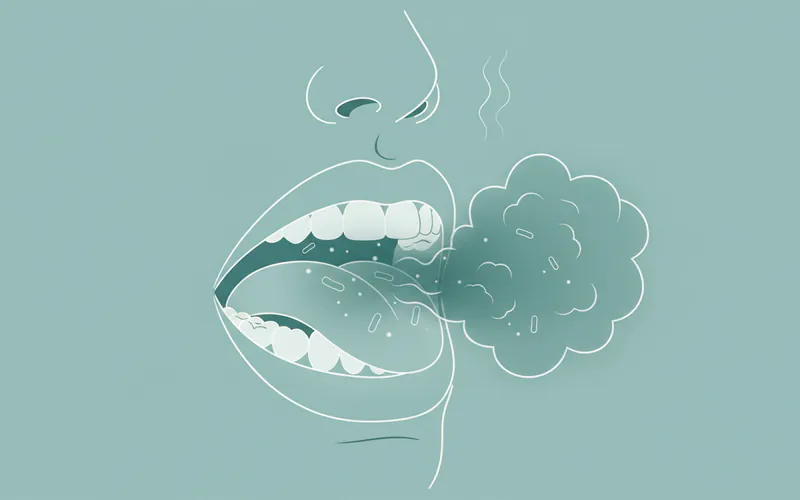
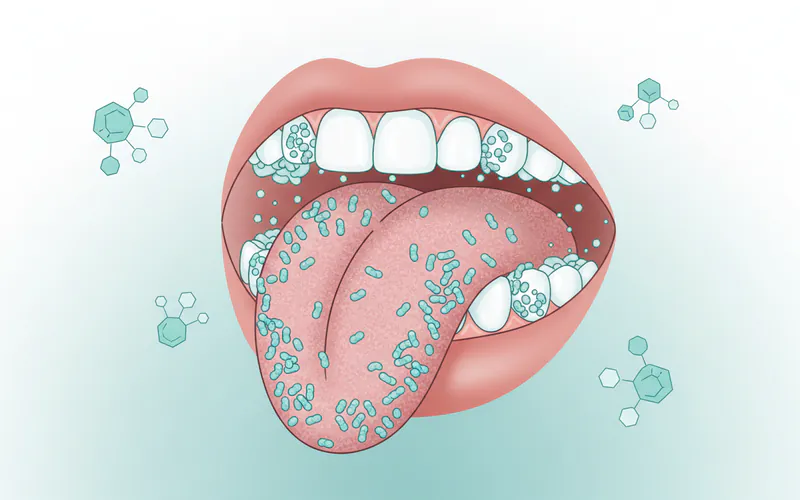
Bad breath, medically termed halitosis, refers to an unpleasant odor emanating from the mouth. It's an incredibly common condition, affecting people of all ages and backgrounds. While many individuals might experience temporary bad breath after consuming certain foods like garlic or onions, chronic halitosis is a persistent issue that can significantly impact one's self-esteem and social interactions. The odors associated with halitosis are primarily caused by volatile sulfur compounds (VSCs), such as hydrogen sulfide, methyl mercaptan, and dimethyl sulfide. These compounds are byproducts of anaerobic bacteria breaking down proteins in the mouth, often found on the tongue, between teeth, and in gum pockets.
Types of Bad Breath
Understanding the different types of bad breath can help in identifying its origin and selecting the most appropriate remedies.
1. Transient Bad Breath
This is the most common and least concerning type. It's typically temporary and resolves quickly with good oral hygiene or by avoiding specific foods. Examples include "morning breath" (due to reduced saliva flow during sleep) or breath after eating strong-smelling foods.
2. Chronic (Persistent) Bad Breath
When bad breath is a continuous problem, even after brushing and flossing, it's considered chronic halitosis. This type often indicates an underlying issue, either oral or systemic, that needs addressing.
3. Pathological Bad Breath (Oral Origin)
Approximately 85-90% of all bad breath cases originate from within the mouth. This is typically due to:
- Bacteria on the tongue: The rough surface of the tongue, especially towards the back, provides an ideal breeding ground for anaerobic bacteria that produce VSCs.
- Periodontal disease: Gum disease, including gingivitis and periodontitis, creates deep pockets where bacteria thrive and release foul-smelling compounds.
- Poor oral hygiene: Inadequate brushing and flossing leave food particles to decompose and plaque to accumulate, feeding bacteria.
- Dry mouth (Xerostomia): Saliva helps cleanse the mouth and neutralize acids. Reduced saliva flow allows bacteria to multiply more rapidly.
- Dental issues: Cavities, abscesses, ill-fitting dental appliances, or even impacted wisdom teeth can harbor bacteria.
4. Pathological Bad Breath (Extra-Oral Origin)
In about 10-15% of cases, bad breath originates from outside the mouth. These can be more serious and often require medical intervention. Common extra-oral causes include:
- Respiratory tract infections: Sinusitis, tonsillitis, bronchitis, or lung infections can produce foul odors.
- Gastrointestinal issues: Conditions like GERD (gastroesophageal reflux disease) or Helicobacter pylori infections can cause odors.
- Systemic diseases: Diabetes (fruity odor), kidney failure (fishy odor), or liver disease (musty odor) can manifest as distinctive breath odors.
- Medications: Certain drugs can cause dry mouth or release chemicals that create specific odors.
5. Pseudohalitosis
Some individuals genuinely believe they have bad breath, even when objective measurements show no detectable odor. This condition, known as pseudohalitosis, often stems from psychological factors or an exaggerated perception of normal physiological odors.
6. Halitophobia
This is a more severe psychological condition where individuals have a persistent and irrational fear of having bad breath, despite repeated reassurance from others and dental professionals. This can severely impact their quality of life.
Causes of Bad Breath: Why It Happens
Understanding the root causes is the first step toward effective treatment. As mentioned, the vast majority of cases originate in the mouth.
Oral Hygiene and Lifestyle Factors
- Bacteria on the Tongue: The primary culprit. The dorsal (top) surface of the tongue, particularly the posterior one-third, is often coated with a biofilm of bacteria, food debris, and dead cells. These anaerobic bacteria metabolize proteins and produce VSCs.
- Poor Dental Hygiene: Infrequent or improper brushing and flossing allow food particles to remain in the mouth, decomposing and attracting odor-producing bacteria. Plaque buildup provides a sticky surface for these bacteria to thrive.
- Gum Disease (Periodontal Disease): Gingivitis (inflammation of the gums) and periodontitis (more advanced gum disease) create deep pockets around teeth where bacteria can accumulate, protected from oxygen, and release VSCs. Over 47% of adults aged 30 and older have some form of periodontal disease, according to the CDC.
- Dry Mouth (Xerostomia): Saliva is crucial for rinsing away food particles, neutralizing acids, and fighting bacteria. Reduced saliva flow, whether due to medications (antihistamines, antidepressants, diuretics), mouth breathing, salivary gland issues, or certain medical conditions, allows bacteria to proliferate rapidly.
- Food and Drink:
- Strong-Smelling Foods: Garlic, onions, specific spices, and coffee are notorious for temporarily affecting breath. Their compounds are absorbed into the bloodstream and exhaled through the lungs.
- Sugary Foods: Sugars provide fuel for bacteria in the mouth, leading to increased acid production and VSCs.
- Alcohol: Contributes to dry mouth and can directly cause an odor.
- Dieting/Fasting: During prolonged periods without food, the body starts breaking down fats and proteins for energy, releasing ketones that can cause "keto breath," often described as fruity or metallic.
- Tobacco Products: Smoking and chewing tobacco cause dry mouth, contribute to gum disease, and leave their own distinct and unpleasant odors in the mouth.
Dental and Oral Health Issues
- Cavities: Untreated tooth decay can trap food particles and bacteria.
- Abscesses or Infections: Pockets of pus from dental infections emit foul odors.
- Ill-fitting Dentures or Appliances: Food and bacteria can accumulate under or around these, leading to odor.
- Oral Yeast Infections (Thrush): Can produce a distinct, unpleasant smell.
Medical Conditions (Extra-Oral Causes)
- Respiratory Infections: Sinus infections (sinusitis), post-nasal drip, tonsillitis (tonsil stones are a common culprit), bronchitis, and lung infections can all cause bad breath.
- Gastrointestinal Disorders: Acid reflux (GERD) can cause stomach contents and odors to rise into the mouth. H. pylori bacterial infections, irritable bowel syndrome (IBS), or even liver issues can also lead to distinct breath odors.
- Systemic Diseases:
- Diabetes: Uncontrolled diabetes can lead to diabetic ketoacidosis, producing a distinct sweet or fruity odor on the breath.
- Kidney Failure: Can result in a fishy or ammonia-like breath odor.
- Liver Disease: May cause a sweet, musty, or "foul" breath.
- Autoimmune Diseases: Some, like Sjögren's syndrome, can cause severe dry mouth.
Medications
Hundreds of medications, including certain antidepressants, antihistamines, diuretics, and blood pressure drugs, can cause dry mouth as a side effect, contributing to halitosis.
Signs and Symptoms of Bad Breath
The most obvious sign of bad breath is an unpleasant odor. However, it can be difficult to detect your own breath odor because your nose quickly adapts to smells. Here's what to look for:
-
Self-Assessment:
- Lick Test: Lick the inside of your wrist, let it dry for a few seconds, then smell it. The odor on your wrist is often indicative of your breath.
- Floss Test: Floss between two teeth and smell the floss. A foul odor here strongly suggests bacterial buildup.
- Tongue Appearance: A thick white or yellow coating on the back of your tongue is a common sign of odor-producing bacteria.
- Taste in Mouth: A persistent sour, metallic, or generally unpleasant taste in your mouth, even after brushing.
- Dry Mouth Sensation: A feeling of stickiness or dryness in your mouth.
-
Observation by Others: Often, friends, family members, or your dentist will be the first to notice and inform you. While it can be embarrassing, their honesty is crucial for addressing the issue.
Home Remedies for Bad Breath: Your Complete Guide
For the vast majority of bad breath cases originating in the mouth, a combination of diligent oral hygiene and simple home remedies can be incredibly effective.
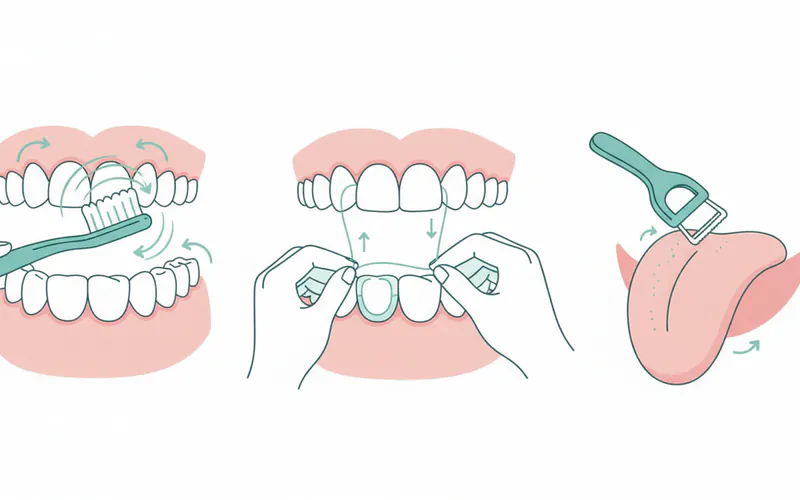
1. Optimize Your Oral Hygiene Routine
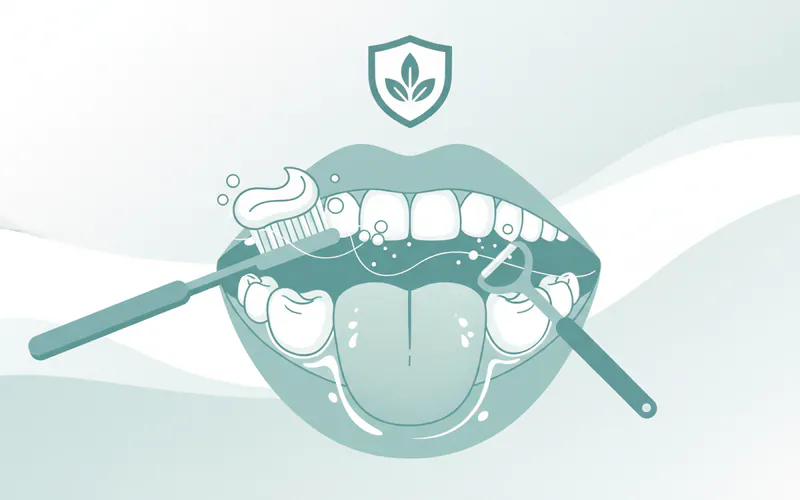
This is the cornerstone of fresh breath and overall oral health. The American Dental Association (ADA) strongly recommends these practices.
-
Brush Your Teeth Twice Daily:
- Method: Use a soft-bristled toothbrush and fluoride toothpaste. Brush for at least two minutes, covering all surfaces of your teeth, including the chewing surfaces, outer surfaces, and inner surfaces. Pay special attention to the gum line.
- Benefits: Removes food particles, plaque, and bacteria. Fluoride strengthens enamel and fights decay.
- Cost: Toothbrush ($3-$8), Fluoride Toothpaste ($3-$7).
- Pro Tip: Consider an electric toothbrush for more effective plaque removal. Studies show electric toothbrushes can be up to 21% more effective at removing plaque than manual ones.
-
Floss Daily:
- Method: Use about 18 inches of floss, winding most of it around your middle fingers. Gently guide the floss between your teeth, curving it around each tooth in a C-shape, and slide it gently beneath the gum line. Use a fresh section of floss for each tooth.
- Benefits: Removes food particles and plaque from between teeth and under the gum line where a toothbrush can't reach. This is critical for preventing gum disease and VSC production.
- Cost: Dental Floss ($3-$6).
- Pro Tip: If you find traditional flossing difficult, consider water flossers or interdental brushes.
-
Clean Your Tongue:
- Method: Use a tongue scraper or the back of your toothbrush. Gently scrape from the back of your tongue forward multiple times, rinsing the scraper after each pass, until no more residue comes off.
- Benefits: Removes the thick bacterial biofilm, dead cells, and food debris that accumulate on the tongue, which is a major source of VSCs. Studies indicate tongue scraping can reduce VSCs by up to 75%.
- Cost: Tongue Scraper ($5-$15).
- Pro Tip: Make tongue scraping a non-negotiable part of your morning routine.
-
Mouthwash (Therapeutic):
- Method: Use an antimicrobial mouthwash (containing ingredients like cetylpyridinium chloride, chlorhexidine, or essential oils) after brushing and flossing. Swish for 30-60 seconds as directed.
- Benefits: Reduces bacteria, temporarily masks odors, and provides a feeling of freshness.
- Caution: Avoid alcohol-based mouthwashes, as alcohol can dry out the mouth, potentially worsening bad breath in the long run.
- Cost: Mouthwash ($5-$15 per bottle).
2. Hydration and Saliva Production
Saliva is your mouth's natural cleansing agent. A dry mouth is a breeding ground for odor-producing bacteria.
-
Drink Plenty of Water:
- Method: Aim for at least 8-10 glasses (64-80 ounces) of water throughout the day.
- Benefits: Rinses away food particles, keeps the mouth moist, and helps maintain a healthy oral environment.
- Cost: Free.
- Pro Tip: Carry a reusable water bottle to remind yourself to sip frequently.
-
Stimulate Saliva Flow:
- Method: Chew sugar-free gum (especially those with xylitol), suck on sugar-free candies, or eat crunchy fruits and vegetables.
- Benefits: Chewing stimulates salivary glands, increasing saliva production. Xylitol, a natural sweetener, also helps inhibit the growth of bacteria that cause cavities and bad breath.
- Cost: Sugar-free gum/candies ($2-$5).
3. Dietary Adjustments
What you eat can significantly impact your breath.
-
Avoid Odor-Causing Foods:
- Method: Limit or avoid strong-smelling foods like garlic, onions, certain spices, and coffee, especially before social interactions.
- Benefits: Prevents the absorption of odorous compounds into your bloodstream and their subsequent exhalation.
- Cost: Free (requires self-discipline).
-
Include "Breath-Freshening" Foods:
- Method: Incorporate foods known for their natural breath-freshening properties.
- Examples:
- Parsley, Mint, Cilantro: These herbs contain chlorophyll, which can neutralize odors. Chew on a sprig after a meal.
- Crunchy Fruits & Vegetables: Apples, carrots, celery, and pears act as natural toothbrushes, scraping away plaque and stimulating saliva.
- Yogurt (Plain, Unsweetened): Contains beneficial probiotics (live active cultures) that can reduce levels of odor-causing bacteria in the mouth. Choose varieties with Lactobacillus bulgaricus and Streptococcus thermophilus.
- Green Tea: Contains polyphenols, powerful antioxidants that can combat the growth of bacteria and neutralize sulfur compounds.
- Cost: Varies by food, generally affordable.
-
Limit Sugary Foods and Drinks:
- Method: Reduce your intake of candies, sodas, and processed foods high in sugar.
- Benefits: Starves the odor-producing bacteria that thrive on sugar.
- Cost: Free (requires dietary changes).
4. Natural Rinses and Solutions
Several kitchen staples can be repurposed as effective mouth rinses.
-
Saltwater Rinse:
- Method: Dissolve ½ teaspoon of salt in 8 ounces of warm water. Swish vigorously for 30 seconds, then spit. Repeat a few times a day.
- Benefits: Saltwater acts as a natural disinfectant, helps to draw out bacteria, and can soothe inflamed gums.
- Cost: Minimal (table salt is inexpensive).
-
Baking Soda Rinse:
- Method: Mix 1 teaspoon of baking soda in 8 ounces of warm water. Swish for 30-60 seconds, then spit.
- Benefits: Baking soda (sodium bicarbonate) is a natural deodorizer. It can neutralize acids in the mouth and kill odor-causing bacteria.
- Cost: Minimal (baking soda is very cheap).
-
Apple Cider Vinegar (ACV) Rinse:
- Method: Dilute 1-2 tablespoons of organic apple cider vinegar in 8 ounces of water. Swish for 10-20 seconds and then rinse thoroughly with plain water to protect tooth enamel from the acidity.
- Benefits: ACV has natural antibacterial properties and can help balance the pH in the mouth.
- Caution: Due to its acidity, use sparingly and always dilute well. Do not use daily.
- Cost: ACV ($5-$10 per bottle).
-
Essential Oil Rinses (Diluted):
- Method: Add 1-2 drops of food-grade essential oils like peppermint, tea tree oil, or spearmint to a cup of water. Swish and spit.
- Benefits: Many essential oils have antimicrobial properties and provide a refreshing sensation. Tea tree oil, in particular, is a potent antiseptic.
- Caution: Never swallow essential oils. Always dilute them properly. Tea tree oil should not be ingested.
- Cost: Essential oils ($5-$20 per bottle, lasts a long time).
- Pro Tip: For a quick breath freshener, a single drop of peppermint oil on the tongue can be surprisingly effective.
5. Other Considerations
- Replace Your Toothbrush: The ADA recommends replacing your toothbrush every 3-4 months, or sooner if the bristles are frayed. Frayed bristles are less effective at cleaning and can harbor bacteria.
- Clean Dental Appliances: If you wear dentures, retainers, or other oral appliances, clean them thoroughly every day as directed by your dentist to prevent bacterial buildup.
Step-by-Step Process: Implementing a Bad Breath Home Remedy Routine
To effectively combat bad breath, consistency and a multi-pronged approach are key. Here’s a sample daily routine:
-
Morning Routine (Upon Waking):
- Tongue Scrape: Gently scrape your tongue until no more residue appears.
- Brush Teeth: Brush thoroughly for 2 minutes with fluoride toothpaste.
- Floss: Clean between all teeth and along the gum line.
- Rinse: Use an antimicrobial mouthwash or a DIY baking soda/saltwater rinse.
- Hydrate: Drink a large glass of water.
-
Throughout the Day:
- Hydrate Continuously: Sip water regularly.
- After Meals: Rinse your mouth with water or chew sugar-free gum for 5-10 minutes to clear food particles and stimulate saliva. If possible, brush your teeth after lunch.
- Snack Smart: Opt for crunchy fruits and vegetables over sugary snacks.
-
Evening Routine (Before Bed):
- Floss: A thorough flossing is crucial to remove the day's accumulated food and plaque.
- Brush Teeth: Brush thoroughly for 2 minutes.
- Tongue Scrape: Another quick scrape can be beneficial.
- Rinse: Use an antimicrobial mouthwash or a DIY rinse.
-
Weekly/Bi-Weekly:
- Review your diet and identify any trigger foods.
- Check your toothbrush for wear; replace every 3-4 months.
By adhering to this routine, you address the primary sources of bad breath and establish habits that promote overall oral health.
Cost of Home Remedies vs. Professional Care
Home remedies are, by definition, cost-effective. The main costs are for basic oral hygiene tools and ingredients. However, if home remedies aren't enough, professional care incurs greater costs.
| Item/Service | Average US Cost (Range) | Description |
|---|---|---|
| Toothbrush (Manual) | $3 - $8 | Essential for daily cleaning. |
| Toothbrush (Electric) | $30 - $150 | More effective plaque removal, but higher initial investment. |
| Fluoride Toothpaste | $3 - $7 | Daily use for plaque and cavity prevention. |
| Dental Floss/Picks | $3 - $6 | Essential for interdental cleaning. |
| Tongue Scraper | $5 - $15 | Highly effective for reducing tongue bacteria. |
| Antimicrobial Mouthwash | $5 - $15 | Non-alcohol based, for reducing bacteria and freshening breath. |
| Baking Soda/Salt | $1 - $3 | Inexpensive ingredients for DIY mouth rinses. |
| Sugar-Free Gum/Candies | $2 - $5 | To stimulate saliva. |
| Dental Check-up & Cleaning | $80 - $250 | Recommended twice a year to identify and address underlying dental issues. Often covered by dental insurance. |
| Periodontal Treatment | $500 - $4,000+ | Deep cleaning (scaling and root planing) or more extensive procedures for gum disease if home remedies are insufficient. Costs vary widely based on severity and number of teeth involved. May be covered by insurance. |
| Cavity Filling | $75 - $300 per filling | If bad breath is caused by decay. Costs vary by material and size. |
Insurance Coverage: Most basic dental insurance plans cover preventive care, which includes two annual check-ups and cleanings. More extensive treatments like periodontal care or fillings will have varying levels of coverage (typically 50-80% for basic restorative, less for major). Home remedy products are generally out-of-pocket expenses.
Recovery and Aftercare
The "recovery" from bad breath isn't a one-time event but rather a continuous commitment to good oral hygiene and healthy lifestyle choices.
- Consistency is Key: The benefits of home remedies are cumulative. Adhering to your routine daily is crucial for sustained fresh breath. Skipping days will allow odor-causing bacteria to repopulate.
- Monitor Your Breath: Periodically use the self-assessment methods (wrist lick, floss sniff) to gauge your progress.
- Regular Dental Check-ups: Even with diligent home care, professional cleanings and examinations are vital. Your dentist can identify early signs of gum disease, cavities, or other issues that home remedies cannot fully address. The ADA recommends visits every 6 months.
- Address Underlying Conditions: If your bad breath is linked to dry mouth or a systemic condition, work with your medical doctor to manage that condition effectively. This is a critical aspect of long-term bad breath management.
Prevention of Bad Breath
Prevention largely mirrors the effective home remedies, emphasizing a proactive approach to oral health.
- Establish a Robust Oral Hygiene Routine: Brush, floss, and tongue scrape daily.
- Stay Hydrated: Drink plenty of water throughout the day.
- Eat a Balanced Diet: Limit sugars and highly processed foods, and incorporate fresh fruits, vegetables, and probiotics.
- Avoid Tobacco Products: Quitting smoking or chewing tobacco will significantly improve breath and overall health.
- Regular Dental Visits: Don't skip your bi-annual check-ups and cleanings.
- Manage Underlying Health Issues: Work with your physician to control conditions like diabetes, GERD, or sinusitis.
Risks and Complications
While home remedies are generally safe, there are some risks and complications to be aware of:
- Masking Serious Issues: The biggest risk of relying solely on home remedies is that they might mask a more serious underlying dental or medical condition. Persistent bad breath, despite diligent home care, could be a symptom of gum disease, an oral infection, or even a systemic disease like diabetes or kidney failure. Delaying professional diagnosis and treatment can lead to more advanced and costly health problems.
- Ineffectiveness: If the bad breath is due to a significant dental problem (e.g., large cavities, severe gum disease) or an extra-oral medical condition, home remedies will likely be ineffective in the long term.
- Enamel Erosion: Overuse of acidic rinses (like undiluted apple cider vinegar) can erode tooth enamel over time, leading to sensitivity and decay. Always dilute acidic solutions and rinse with plain water afterward.
- Allergic Reactions: While rare, some individuals may experience allergic reactions to ingredients in natural remedies (e.g., essential oils).
- Gastric Upset: Ingesting certain homemade solutions (e.g., large amounts of baking soda) can lead to stomach upset. Remember, most rinses are for swishing and spitting, not swallowing.
Comparison Tables
Here are two tables to help compare various aspects of bad breath management.
Table 1: Comparison of Common Home Remedies for Bad Breath
| Home Remedy | Primary Mechanism | Efficacy (Oral Origin) | Cost (Per Use/Month) | Pros | Cons |
|---|---|---|---|---|---|
| Brushing & Flossing | Mechanical plaque/food removal | High | Low ($0.05-$0.15) | Fundamental, prevents decay & gum disease | Requires proper technique; may miss tongue bacteria |
| Tongue Scraping | Direct removal of tongue biofilm | High | Low ($0.01-$0.05) | Highly effective for VSC reduction, quick results | Can cause gag reflex initially |
| Water Intake | Saliva stimulation, rinsing | Moderate-High | Free | Easy, essential for overall health | Not effective if underlying cause is severe dry mouth (medication-induced) |
| Sugar-Free Gum | Saliva stimulation, temporary mask | Moderate | Low ($0.05-$0.10) | Quick, convenient, portable | Temporary effect, doesn't treat root cause |
| Parsley/Mint Chewing | Chlorophyll, temporary mask | Moderate | Low ($0.10-$0.50) | Natural, pleasant taste | Temporary effect, limited availability for some |
| Baking Soda Rinse | Neutralizes acids, antibacterial | Moderate | Very Low ($0.01) | Inexpensive, effective deodorizer | Can taste unpleasant for some; not for long-term daily use if teeth sensitivity is an issue |
| Saltwater Rinse | Antiseptic, soothing | Moderate | Very Low ($0.01) | Soothes gums, general oral health | Does not directly target VSCs as effectively as scraping |
| Antimicrobial MW | Reduces bacteria, masks | Moderate-High | Low ($0.15-$0.50) | Immediate freshness, targets bacteria | Can cause dry mouth if alcohol-based; some contain dyes; temporary effect if root cause unaddressed |
Table 2: Comparison of Bad Breath Causes and Recommended Management Strategies
| Cause | Primary Issue | Recommended Home Remedies | When to See a Dentist/Doctor |
|---|---|---|---|
| Tongue Bacteria | VSC production on tongue | Tongue scraping, proper brushing, plenty of water. | If persistent despite diligent scraping. |
| Poor Oral Hygiene | Plaque, food debris | Daily brushing, flossing, tongue scraping, water intake. | Routine check-ups, if cavities or gum disease suspected. |
| Gum Disease (Gingivitis) | Bacterial pockets, inflammation | Enhanced brushing/flossing, saltwater rinses. | Immediately. Requires professional cleaning (scaling and root planing) to prevent progression to periodontitis. |
| Dry Mouth (Xerostomia) | Reduced saliva, bacterial growth | Increased water intake, sugar-free gum/candies with xylitol. | If persistent, dentist can recommend artificial saliva or discuss medication side effects with your physician. |
| Dietary (Garlic/Onion) | Systemic absorption, exhalation | Avoid trigger foods, chew parsley/mint, water rinse. | Not necessary, typically self-resolves. |
| Cavities/Abscesses | Bacterial traps, infection | No effective home remedy. | Immediately. Requires professional intervention (fillings, root canals, drainage). |
| Tonsil Stones | Bacterial accumulation in tonsils | Gargle with salt water, gentle removal if visible. | If frequent, painful, or causing difficulty swallowing; ENT referral may be needed. |
| Sinus/Respiratory Infect. | Mucus, bacterial growth | Saline nasal rinse, steam inhalation. | If symptoms persist (fever, colored discharge, prolonged cough), see a medical doctor for diagnosis and antibiotics if bacterial. |
| Systemic Diseases (e.g., Diabetes, Liver/Kidney disease) | Metabolic byproducts exhaled | No effective home remedy for the underlying cause. | Immediately. Requires medical diagnosis and management by a physician. Bad breath is a symptom, not the problem here. |
Children / Pediatric Considerations
Bad breath in children is also common and often responds well to home remedies. Parents should be vigilant as it can sometimes signal underlying issues.
-
Common Causes in Children:
- Poor Oral Hygiene: Just like adults, inadequate brushing and flossing are primary culprits.
- Dry Mouth: Mouth breathing (due to allergies, colds, or enlarged tonsils/adenoids) is a frequent cause.
- Foreign Objects: Small children sometimes insert objects into their nostrils, leading to foul-smelling nasal discharge that affects breath.
- Tonsillitis/Adenoiditis: Enlarged or infected tonsils can harbor bacteria and food debris.
- Cavities: Untreated tooth decay.
- Diet: Sugary drinks and snacks feed oral bacteria.
-
Age-Specific Guidance:
- Infants/Toddlers: Wipe gums with a soft cloth after feeding. As soon as teeth erupt, brush twice daily with a smear of fluoride toothpaste (size of a grain of rice for under 3, pea-sized for 3-6 years old).
- Young Children (3-7 years): Parents should supervise and assist with brushing and flossing until the child develops sufficient dexterity (around age 6-8). Emphasize tongue cleaning.
- Older Children/Teens: Encourage independent and thorough oral hygiene. Discuss diet and hydration.
- For all ages: Ensure they drink plenty of water. If mouth breathing is suspected, consult a pediatrician or ENT.
-
When to See a Dentist for a Child: If bad breath persists despite good oral hygiene, if there's a visible coating on the tongue, signs of cavities, or if the child complains of a bad taste, schedule a dental visit. For suspected foreign objects or chronic nasal congestion, see a pediatrician.
Cost Breakdown (Professional Bad Breath Treatment)
While home remedies are low-cost, professional intervention can range significantly depending on the underlying cause.
Average US Costs (Without Insurance):
- Dental Check-up and Cleaning:
- Low: $80 (basic exam, simple cleaning)
- Mid: $150 (comprehensive exam, standard cleaning)
- High: $250 (initial visit, panoramic X-rays)
- Periodontal Scaling and Root Planing (Deep Cleaning):
- Low: $200 per quadrant (one-quarter of the mouth)
- Mid: $350 per quadrant
- High: $500+ per quadrant (up to $2,000 for full mouth)
- Cavity Filling:
- Amalgam (silver): $75 - $150
- Composite (tooth-colored): $100 - $300
- Dental Crown: $800 - $2,500 (if decay is extensive)
- Tonsillectomy (if tonsil stones are severe and chronic): $3,000 - $6,000+ (medical, not dental, but can impact breath)
With Insurance:
- Preventive Care (Check-ups, Cleanings, X-rays): Typically 80-100% covered. You might pay a co-pay ($10-$50).
- Basic Restorative Care (Fillings): Usually 50-80% covered after deductible.
- Major Restorative Care (Crowns, Periodontal Surgery): Often 20-50% covered after deductible.
Payment Plans and Financing Options:
- In-Office Payment Plans: Many dental offices offer interest-free payment plans for larger treatments.
- Third-Party Financing (e.g., CareCredit): Medical credit cards designed for healthcare costs, often with promotional 0% APR periods.
- Dental Schools: May offer reduced costs for treatment as part of their training programs.
- Community Health Clinics: Often provide affordable dental care options based on income.
Cost-Saving Tips:
- Maintain Excellent Home Care: The best way to save money is to prevent dental problems in the first place.
- Regular Preventive Visits: Catching issues early is always cheaper than treating advanced problems.
- Compare Prices: If you need significant work, get quotes from multiple dentists.
- Understand Your Insurance: Know your plan's coverage, deductibles, and annual maximums.
Frequently Asked Questions
### What is the main cause of chronic bad breath?
The primary cause of chronic bad breath, or halitosis, in over 85% of cases is the accumulation of bacteria on the tongue and between teeth. These bacteria break down food particles and dead cells, releasing volatile sulfur compounds (VSCs) that have a distinct foul odor. Poor oral hygiene, gum disease, and dry mouth are significant contributing factors.
### How can I instantly get rid of bad breath at home?
For instant, temporary relief, you can chew on a sprig of fresh parsley or mint, pop a piece of sugar-free gum (especially with xylitol), or quickly rinse your mouth with plain water. Brushing your teeth and scraping your tongue will offer more significant, albeit still temporary, immediate improvement.
### Why do I have bad breath even after brushing my teeth?
If you have bad breath even after brushing, it's likely due to bacteria lingering on your tongue (which brushing often misses), in pockets from gum disease, or from food particles trapped between your teeth that flossing would remove. Dry mouth, certain foods, or an underlying medical condition could also be contributing factors not addressed by simple brushing.
### Can home remedies truly cure bad breath, or just mask it?
Effective home remedies, particularly those focusing on consistent oral hygiene (brushing, flossing, tongue scraping) and proper hydration, can absolutely "cure" bad breath when its origin is oral bacteria. They address the root cause by removing the bacteria and their food source. However, remedies like chewing gum or mints only mask the odor temporarily without tackling the underlying issue.
### What is the best natural mouthwash for bad breath?
A simple and effective natural mouthwash is a baking soda rinse (1 teaspoon in 8 ounces of warm water). Baking soda neutralizes acids and combats odor-causing bacteria. A saltwater rinse (½ teaspoon in 8 ounces of warm water) is another excellent choice with antiseptic properties, and diluted essential oil rinses (like peppermint) can also be beneficial.
### How do I get rid of bad breath from my dog?
For dogs, bad breath is often a sign of dental disease. You should not use human home remedies. The best way to address a dog's bad breath is through veterinary care. A veterinarian can assess their oral health, recommend professional dental cleaning, and suggest specific dental diets, chews, or toothpastes formulated for pets.
### Is bad breath a sign of a serious health problem?
While most bad breath originates in the mouth and isn't serious, persistent bad breath that doesn't improve with diligent home care can sometimes be a sign of an underlying health problem. These can include gum disease, sinus infections, diabetes, kidney disease, or liver conditions. If your bad breath persists, a professional dental or medical evaluation is crucial.
### How much does it cost to get bad breath treated professionally?
The cost of professional treatment for bad breath varies widely based on the underlying cause. A standard dental check-up and cleaning typically costs $80-$250 without insurance. If gum disease requires deep cleaning (scaling and root planing), it can range from $200-$500 per quadrant. Addressing cavities can cost $75-$300 per filling.
### Can certain foods make bad breath worse?
Yes, certain foods can significantly worsen bad breath. Garlic and onions are notorious due to their sulfur compounds that are absorbed and then exhaled. Coffee can also contribute to dry mouth and cause an odor. Sugary foods fuel odor-producing bacteria in the mouth. Highly processed foods often stick to teeth, providing more food for bacteria.
### How long does it take for home remedies to work for bad breath?
Some home remedies like tongue scraping, chewing gum, or rinsing can provide immediate, temporary relief. For chronic bad breath, consistent adherence to a comprehensive oral hygiene routine (brushing, flossing, tongue scraping, hydration) combined with dietary adjustments typically shows significant improvement within a few days to two weeks. If no improvement is seen after two weeks, professional consultation is advised.
When to See a Dentist
While home remedies are highly effective for most cases of bad breath, there are clear warning signs that indicate it's time to seek professional dental or medical attention:
- Persistent Bad Breath: If your bad breath doesn't improve significantly after two weeks of diligent home care (daily brushing, flossing, tongue scraping, and proper hydration), it's a red flag. This suggests an underlying issue that home remedies cannot address.
- Pain or Discomfort: Any accompanying tooth pain, gum swelling, bleeding gums, or tenderness could point to cavities, abscesses, or advanced gum disease, which require immediate professional treatment.
- Unusual Taste: A persistent metallic, sour, or foul taste in your mouth that doesn't go away.
- Dry Mouth: If you experience chronic dry mouth despite adequate water intake, your dentist or doctor can investigate causes and recommend solutions.
- Fever or Other Systemic Symptoms: If bad breath is accompanied by a fever, swollen lymph nodes, persistent cough, or other general health symptoms, it could indicate a respiratory infection or another systemic illness requiring a medical doctor's diagnosis.
- Visible Oral Issues: If you notice large cavities, pus around your teeth or gums, white patches in your mouth, or inflamed tonsils, schedule an appointment promptly.
Red flags vs. routine care: Routine bad breath that responds to good hygiene falls under routine care. However, persistent, unexplained bad breath or bad breath accompanied by other concerning symptoms warrants a prompt, scheduled appointment with your dentist first. They can determine if the origin is oral or if a referral to a medical doctor is necessary. Do not delay seeing a professional if you suspect a serious underlying condition, as early diagnosis can prevent more significant health complications.
Frequently Asked Questions
Medically Reviewed Content
This article was written by our dental health editorial team and reviewed for medical accuracy. Our content follows strict editorial guidelines for reliability and trustworthiness.
Medical Disclaimer
This article is for informational purposes only and does not constitute medical advice. Always consult with a qualified dental professional for diagnosis and treatment. Do not delay seeking professional advice because of something you read on this website.
Related Articles
What Cause Bad Breath
For many, a quick mint or a swig of mouthwash is the go-to solution for an unpleasant taste or odor in the mouth. But what if that bad breath, medically known as halitosis, is a persistent problem that no amount of peppermint can conquer? It’s a far more common issue than you might think, affecting
February 23, 2026
Dogs Bad Breath: Complete Guide
One whiff is all it takes: that distinctly unpleasant odor emanating from your beloved canine companion. If you've ever wondered, "Why does my dog's breath smell so bad?" you're not alone. It's a common concern among pet owners, with over 80% of dogs showing signs of oral disease by age three. W
February 23, 2026
Sudden Bad Breath in Toddlers: Complete Guide
When your toddler, who usually smells sweet and innocent, suddenly develops an unpleasant odor in their breath, it can be an alarming experience for any parent. Sudden bad breath in toddlers, also known as halitosis, is more common than you might think, affecting a significant number of young ch
February 23, 2026
Mouth Wash for Bad Breath: Complete Guide
Bad breath, medically known as halitosis, is an incredibly common and often embarrassing condition that affects a significant portion of the global population. In the United States alone, more than 80 million people suffer from chronic bad breath, impacting social interactions, professional conf
February 23, 2026