Bad Breath Remedy: Complete Guide
Key Takeaways
- Bad Breath Remedy: Complete Guide
Bad Breath Remedy: Complete Guide
Bad breath, medically known as halitosis, is an incredibly common yet often distressing condition that impacts millions of Americans. In fact, an estimated 25-50% of adults suffer from chronic halitosis at some point in their lives, making it a widespread concern that can significantly affect self-confidence and social interactions. If you're constantly wondering how to get rid of bad breath, or perhaps you've been searching for an effective bad breath remedy, you're not alone. This comprehensive guide from SmilePedia.net will delve into the multifaceted nature of bad breath, from its various causes and underlying conditions to the most effective treatment options and long-term prevention strategies, empowering you to achieve lasting fresh breath and improved oral health. We'll cover everything you need to know, from home care solutions to professional interventions, ensuring you have the knowledge to tackle halitosis head-on.
Key Takeaways:
- Primary Cause: Approximately 85-90% of bad breath cases originate in the mouth, often due to bacterial buildup and volatile sulfur compounds (VSCs).
- Home Remedies: Daily brushing (at least twice), flossing (once), and tongue scraping are foundational. Over-the-counter mouthwashes can offer temporary relief, typically costing $5-$15.
- Professional Treatment: A dental cleaning (prophylaxis) ranges from $75-$200 without insurance and is crucial for removing plaque and tartar. Deep cleanings (scaling and root planing) for gum disease can cost $600-$1,800 per quadrant.
- Underlying Conditions: Persistent bad breath not resolved by good oral hygiene may signal systemic issues like dry mouth, sinus infections, or even diabetes, requiring medical evaluation.
- Timelines: Improvements from daily hygiene can be seen within 1-2 weeks. Treating underlying dental issues might take several weeks to months, depending on severity.
- Prevention: Consistent oral hygiene, regular dental check-ups (every 6 months, approx. $100-$300 without insurance), hydration, and dietary awareness are key to long-term fresh breath.
- Children & Pets: Bad breath in children often points to poor hygiene or infections. Bad breath in dogs can indicate dental disease and requires veterinary attention, often costing $500-$1,500+ for professional cleaning.
What Is Bad Breath (Halitosis)?
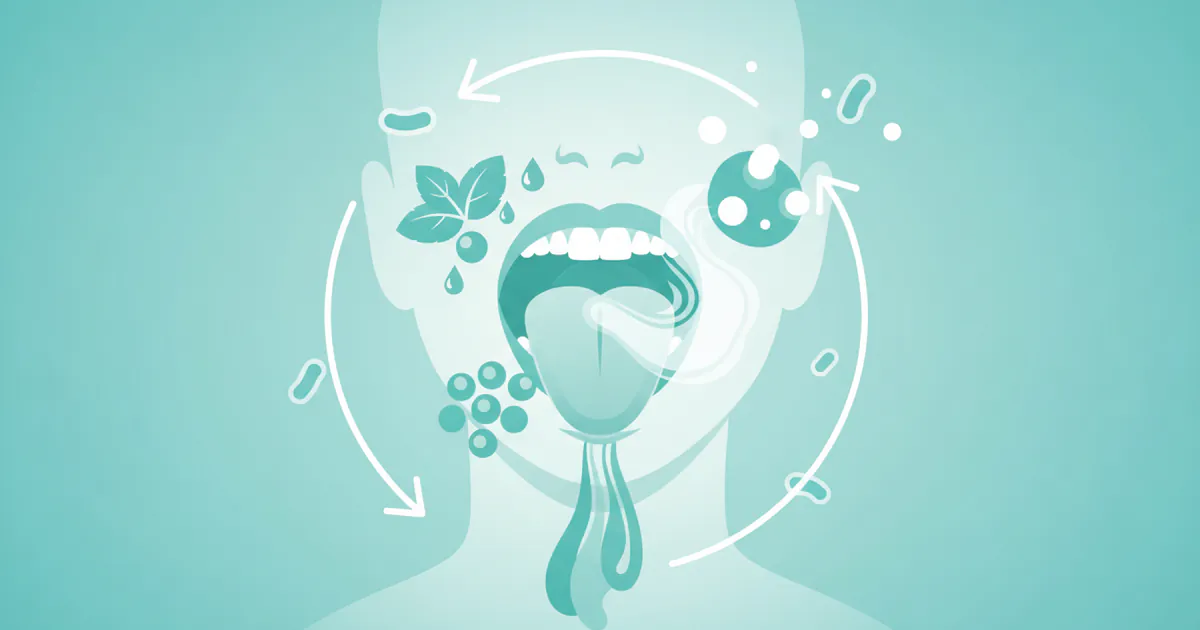
Bad breath, or halitosis, refers to an unpleasant odor emanating from the mouth. It's a common condition that can range from a minor annoyance to a chronic issue that severely impacts an individual's quality of life. The vast majority of halitosis cases (approximately 85-90%) originate within the oral cavity itself, primarily due to the activity of anaerobic bacteria. These bacteria thrive in oxygen-poor environments, such as on the back of the tongue, between teeth, and under the gumline. As they break down food particles, dead cells, and other debris, they produce odorous compounds, most notably volatile sulfur compounds (VSCs) like hydrogen sulfide, methyl mercaptan, and dimethyl sulfide, which are responsible for the characteristic smell of bad breath.

While often perceived as merely a social problem, halitosis can also be a significant indicator of underlying oral health issues, such as gum disease or dental decay. Less commonly, it can signal systemic health problems originating outside the mouth. Understanding halitosis involves recognizing its causes, types, and the most effective strategies for managing and eliminating it.
Types / Variations of Bad Breath
Bad breath isn't a single condition but rather a spectrum of issues categorized by their origin and persistence. Understanding these types helps in determining the most effective bad breath remedy.
Transient Bad Breath (Morning Breath, Food-Related)
This is the most common and generally harmless type of bad breath. It occurs due to temporary factors and usually resolves with simple oral hygiene.
- Morning Breath: During sleep, saliva production decreases significantly. Saliva helps cleanse the mouth and neutralize acids, so its reduction allows bacteria to multiply and produce VSCs more readily, leading to morning breath.
- Food-Induced Halitosis: Certain foods, such as garlic, onions, coffee, and specific spices, contain sulfur compounds that are absorbed into the bloodstream after digestion. These compounds are then expelled through the lungs, causing a temporary but noticeable odor on the breath. This type of halitosis cannot be resolved by brushing alone, as the odor originates from the lungs.
- Lifestyle Factors: Smoking and alcohol consumption can also lead to temporary bad breath. Tobacco products dry out the mouth and leave specific chemical odors.
Chronic Halitosis (Persistent Bad Breath)
When bad breath persists despite regular brushing and flossing, it's considered chronic. This often indicates a more significant underlying issue, either oral or extra-oral.
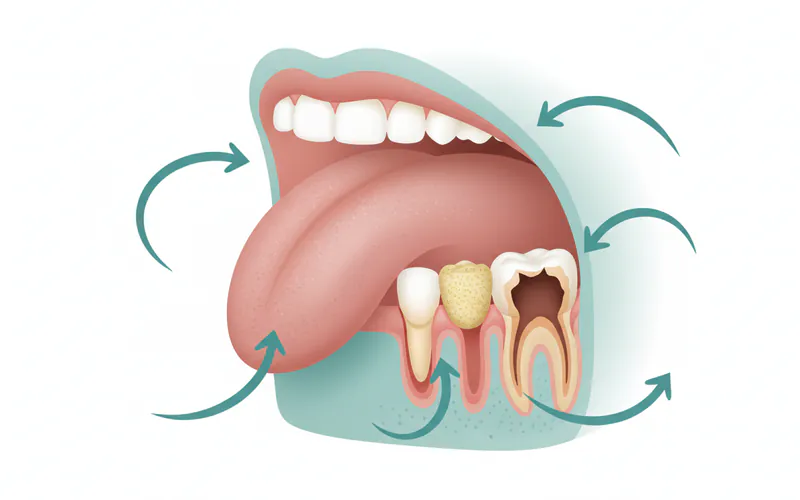
- Oral Halitosis: The vast majority of chronic cases stem from issues within the mouth, including:
- Poor Oral Hygiene: Inadequate brushing and flossing allow plaque and food particles to accumulate, providing a feast for odor-producing bacteria.
- Gum Disease (Periodontitis and Gingivitis): Inflamed and infected gums create deep pockets where bacteria thrive, releasing VSCs. Gum disease is a leading cause of persistent bad breath.
- Dental Cavities: Decay creates holes in teeth where food particles can get trapped and decompose, leading to foul odors.
- Oral Infections: Abscesses, fungal infections (like thrush), or wounds from oral surgery can produce odors.
- Dry Mouth (Xerostomia): Reduced saliva flow, often caused by medications, certain medical conditions, or aging, means fewer natural cleansing agents, leading to bacterial overgrowth.
- Tongue Coating: The back of the tongue is a prime location for bacteria to accumulate, forming a whitish or yellowish coating that traps debris and produces VSCs.
- Faulty Restorations: Old, ill-fitting fillings, crowns, or dentures can trap food and bacteria.
- Extra-Oral Halitosis: Less common, but sometimes bad breath originates outside the mouth. These cases require medical diagnosis and treatment, and a dental professional will usually refer you to a physician if they suspect an extra-oral cause.
- Sinus and Respiratory Conditions: Post-nasal drip, sinusitis, chronic tonsillitis (tonsil stones), bronchitis, and other respiratory infections can cause odors.
- Gastrointestinal Issues: Acid reflux (GERD), stomach ulcers, or certain digestive disorders can contribute.
- Systemic Diseases: Diabetes (ketone breath), kidney failure (ammonia-like breath), liver disease (musty breath), and some cancers can manifest with distinct breath odors.
- Medications: Many medications can cause dry mouth, indirectly leading to halitosis. Others may release chemicals through the breath.
Causes / Why It Happens
Understanding the root causes of bad breath is the first step towards finding an effective bad breath remedy. As mentioned, most cases stem from oral sources, but systemic factors are crucial to rule out.
Oral Causes (85-90% of cases)
- Bacteria on the Tongue: The rough surface of the tongue, particularly the posterior dorsal surface (the back of the tongue), is an ideal environment for anaerobic bacteria to hide and multiply. These bacteria break down proteins from food, saliva, and dead cells, releasing VSCs. A visible white or yellowish coating is often a strong indicator.
- Gum Disease (Gingivitis and Periodontitis): This is one of the most significant dental causes. Bacteria accumulate in the pockets between the teeth and gums, releasing toxins and foul-smelling gases. As gum disease progresses, these pockets deepen, creating more space for bacteria and exacerbating the odor.
- Dental Caries (Cavities): Tooth decay creates holes in the tooth structure where food particles can become lodged and decompose, leading to localized, foul odors.
- Poor Oral Hygiene: Infrequent or ineffective brushing and flossing allow food particles to remain in the mouth, providing fuel for bacteria. Plaque buildup can harden into tartar, which traps more bacteria and contributes to both bad breath and gum disease.
- Dry Mouth (Xerostomia): Saliva is crucial for washing away food particles, neutralizing acids, and fighting bacteria. When saliva production is reduced (due to medications, medical conditions like Sjogren's syndrome, breathing through the mouth, or aging), the mouth's natural cleansing mechanism is compromised, leading to increased bacterial activity and odor.
- Oral Infections: Abscesses, oral thrush (candidiasis), or healing wounds post-extraction can harbor bacteria and produce unpleasant odors.
- Food Impaction: Food getting stuck between teeth, under restorations, or in wisdom tooth flaps can rot and release VSCs.
- Faulty Dental Work: Ill-fitting crowns, bridges, or dentures can create areas where food and bacteria can accumulate and are difficult to clean.
- Tobacco Products: Smoking and chewing tobacco dry out the mouth, stain teeth, and contribute to gum disease, all of which worsen bad breath. Tobacco itself leaves a distinctive, unpleasant odor.
Extra-Oral Causes (10-15% of cases)
When oral causes have been ruled out, a medical investigation into systemic conditions may be necessary.
- Ear, Nose, and Throat (ENT) Conditions:
- Post-Nasal Drip: Mucus from the nasal passages and sinuses can drain down the back of the throat, serving as a food source for bacteria, especially in cases of allergies or sinus infections.
- Sinusitis: Infection or inflammation in the sinuses can cause a foul-smelling discharge.
- Tonsillitis/Tonsil Stones (Tonsilloliths): Bacteria and debris can collect in the crypts of the tonsils, forming calcified stones that emit a strong, unpleasant odor.
- Respiratory Tract Infections: Bronchitis, pneumonia, and other lung infections can produce a distinct, often foul, odor on the breath.
- Gastrointestinal Conditions:
- Gastroesophageal Reflux Disease (GERD): Stomach acids and partially digested food can reflux into the esophagus and mouth, leading to sour or foul breath.
- Hiatal Hernia: Can exacerbate GERD symptoms.
- Other Digestive Issues: Rare cases of intestinal obstructions or malabsorption syndromes might contribute.
- Systemic Diseases:
- Diabetes (Diabetic Ketoacidosis): Uncontrolled diabetes can lead to the body burning fat for energy, producing ketones that give the breath a distinct fruity or acetone-like smell.
- Kidney Failure: Impaired kidney function can lead to a buildup of waste products in the body, causing the breath to smell fishy or like ammonia.
- Liver Disease: Severe liver dysfunction can result in "fetor hepaticus," a sweetish, musty odor on the breath.
- Metabolic Disorders: Certain rare metabolic conditions can produce unique breath odors.
- Medications: Many medications, including antihistamines, diuretics, antidepressants, and blood pressure drugs, can cause dry mouth as a side effect, indirectly leading to halitosis.
Pro Tip: Keep a "breath diary" for a week. Note what you eat, when you brush/floss, and when you notice bad breath. This can help you and your dentist identify patterns and potential triggers.
Signs and Symptoms
The primary sign of halitosis is, of course, an unpleasant odor from the mouth. However, it can be challenging for individuals to detect their own bad breath due to olfactory adaptation (the nose getting used to the smell).
How to Self-Diagnose
- The Wrist Test: Lick the inside of your wrist, let it dry for a few seconds, then smell it. This can give you an indication of your breath odor, especially if the source is the front of your tongue.
- The Spoon Test: Scrape the back of your tongue with an inverted spoon. Let the residue dry and smell it. This is often a more accurate reflection of the back-of-tongue bacteria.
- Ask a Trusted Friend or Family Member: This is often the most reliable method for an objective assessment.
- Dental Floss Test: Floss between your back teeth and smell the used floss. A foul odor indicates decaying food particles or gum issues.
Other Indicators to Look For
- Persistent Dry Mouth: A feeling of stickiness or dryness in the mouth.
- White or Yellowish Coating on the Tongue: Especially noticeable towards the back of the tongue.
- Frequent Sore Throat or Tonsil Stones: These can be related to the accumulation of bacteria.
- Sour, Metallic, or Bitter Taste in the Mouth: A persistent unpleasant taste can accompany bad breath.
- Bleeding Gums: A sign of gum disease, which is a major contributor to halitosis.
- Signs of Dental Decay: Visible holes in teeth, tooth sensitivity, or pain.
Treatment Options
Effective bad breath remedy strategies depend entirely on identifying and addressing the underlying cause. Treatment options range from simple home care adjustments to professional dental and medical interventions.
1. Oral Hygiene Enhancements (First Line of Defense)
For the vast majority of cases, improving daily oral hygiene is the most effective first step.
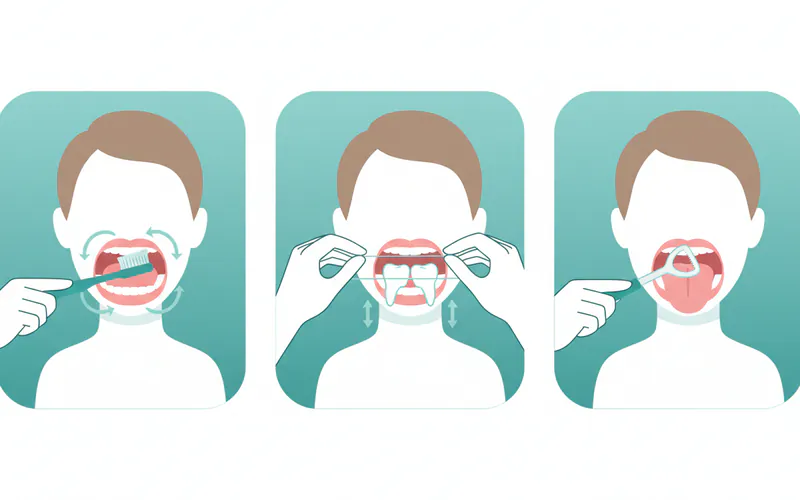
- Brushing: Brush your teeth at least twice a day for two minutes each time, using fluoride toothpaste. Focus on all surfaces of your teeth, including the gumline. An electric toothbrush can be more effective at removing plaque.
- Pros: Inexpensive, accessible, foundational to oral health.
- Cons: Requires consistency and proper technique.
- Cost: Toothbrushes $3-$20, toothpaste $3-$8.
- Flossing: Floss daily to remove food particles and plaque from between teeth and under the gumline where a toothbrush can't reach.
- Pros: Essential for preventing gum disease and interdental decay.
- Cons: Can be challenging for some individuals; requires proper technique.
- Cost: Dental floss $2-$7.
- Tongue Scraping: This is highly effective in reducing VSCs. Use a tongue scraper or the back of your toothbrush to gently scrape the white/yellowish coating off your tongue, moving from back to front. Rinse the scraper after each pass.
- Pros: Directly removes odor-causing bacteria from the tongue; quick and effective.
- Cons: Can trigger gag reflex for some; needs to be done regularly.
- Cost: Tongue scraper $3-$10.
- Mouthwash: Therapeutic mouthwashes containing antiseptic agents like chlorhexidine, cetylpyridinium chloride (CPC), or essential oils can help kill bacteria. Cosmetic mouthwashes only mask the odor temporarily. Look for ADA-approved mouthwashes.
- Pros: Provides immediate, temporary fresh breath; some can reduce plaque and gingivitis.
- Cons: Overuse of alcohol-based mouthwashes can dry out the mouth, potentially worsening bad breath in the long run. Chlorhexidine can stain teeth with prolonged use.
- Cost: $5-$15 per bottle.
- Hydration: Drinking plenty of water throughout the day helps keep the mouth moist, wash away food particles, and stimulate saliva flow.
- Pros: Natural, no cost, beneficial for overall health.
- Cons: None.
2. Professional Dental Treatments
If home care isn't enough, a dental professional can identify and treat underlying oral issues.
- Routine Dental Cleanings (Prophylaxis): Regular cleanings remove plaque and tartar buildup, especially around the gumline, which harbors odor-causing bacteria.
- Pros: Essential for preventing and managing gum disease; removes hard-to-reach deposits.
- Cons: Requires regular appointments.
- Cost: $75-$200 without insurance, typically covered by insurance.
- Treatment of Gum Disease: For gingivitis, enhanced oral hygiene and professional cleanings are usually sufficient. For periodontitis, deeper cleaning procedures like scaling and root planing (deep cleaning) may be necessary to remove plaque and tartar from below the gumline.
- Pros: Directly addresses a major cause of chronic halitosis; preserves gum and bone health.
- Cons: Can be more invasive and costly; may require multiple appointments and local anesthesia.
- Cost: Scaling and root planing: $150-$450 per quadrant (mouth divided into 4 sections); total $600-$1,800 for a full mouth. Insurance coverage varies, typically 50-80%.
- Filling Cavities or Replacing Faulty Restorations: Repairing decayed teeth or replacing old, ill-fitting fillings or crowns eliminates food traps and sources of bacterial accumulation.
- Pros: Eliminates odor source; restores tooth function and health.
- Cons: Involves dental procedures, costs vary.
- Cost: Fillings $100-$400 per tooth; crowns $800-$2,000+ per tooth.
- Addressing Dry Mouth (Xerostomia):
- Prescription Medications: Your dentist or physician may prescribe saliva stimulants like pilocarpine or cevimeline.
- Over-the-Counter Products: Using artificial saliva substitutes, dry mouth rinses, or lozenges can help.
- Lifestyle Changes: Avoiding caffeine, alcohol, and salty foods; using a humidifier; sipping water frequently.
- Pros: Relieves discomfort and reduces halitosis caused by lack of saliva.
- Cons: Products provide temporary relief; medications may have side effects.
- Cost: OTC dry mouth products $10-$30; prescription medications vary.
3. Medical Interventions (For Extra-Oral Causes)
If dental causes are ruled out, your dentist will likely refer you to a physician or specialist.
- ENT Specialist: For tonsil stones, sinusitis, or post-nasal drip. Treatments can range from antibiotics for infections to tonsillectomy for recurrent tonsil stones.
- Gastroenterologist: For GERD or other digestive issues. Treatment often involves diet modification, antacids, or proton pump inhibitors.
- Primary Care Physician/Endocrinologist: For systemic diseases like diabetes, kidney failure, or liver disease. Managing these underlying conditions is key to resolving the associated breath odor.
Step-by-Step Process: What to Expect During a Dental Visit for Bad Breath
If you're seeking a professional bad breath remedy, here's a typical flow for a dental appointment:
-
Comprehensive Oral Examination (Initial Visit):
- Discussion: Your dentist will start by asking about your oral hygiene routine, diet, medications, general health, and when you first noticed the bad breath. They may ask if you've tried any home remedies.
- Examination: A thorough visual inspection of your teeth, gums, tongue, and other oral tissues. The dentist will check for cavities, gum inflammation, oral infections, and any obvious sources of odor.
- Breath Assessment: The dentist may ask you to exhale, or they might use a specialized device called a halimeter to measure VSCs in your breath. They will also look for a tongue coating.
- Palpation: Gentle examination of your neck and jaw for swollen lymph nodes or other abnormalities.
- X-rays: Dental X-rays may be taken to check for hidden cavities, abscesses, or bone loss due to gum disease.
- Diagnosis: Based on the findings, the dentist will identify if the bad breath is oral in origin.
-
Professional Cleaning (If Oral Cause Identified):
- If plaque and tartar are present, a routine dental cleaning (prophylaxis) will be performed. This involves scaling (removing hardened plaque/tartar) and polishing.
- If gum disease is advanced, a deep cleaning (scaling and root planing) may be scheduled for one or more quadrants of your mouth. This involves numbing the area with local anesthesia and meticulously cleaning below the gumline.
-
Treatment of Underlying Oral Conditions:
- Cavities: If decay is found, a filling will be recommended.
- Faulty Restorations: Old fillings or crowns that trap food may be replaced.
- Gum Disease Management: Beyond deep cleaning, specific antimicrobial rinses or localized antibiotic treatments might be prescribed. Regular follow-up appointments (periodontal maintenance) will be crucial.
- Dry Mouth: Recommendations for specific products (e.g., Biotene), lifestyle changes, or referral to your physician for medication review.
-
Oral Hygiene Education:
- Your dental hygienist will provide detailed instructions on proper brushing and flossing techniques, demonstrate how to use a tongue scraper effectively, and suggest appropriate mouthwashes or other adjuncts.
-
Referral (If Extra-Oral Cause Suspected):
- If no oral cause is found, or if systemic symptoms are present, your dentist will refer you to your primary care physician or a specialist (e.g., ENT, gastroenterologist) for further investigation and diagnosis.
Cost and Insurance
The cost of a bad breath remedy in the US can vary significantly based on the underlying cause, the type of treatment needed, your geographical location, and whether you have dental insurance.
Average US Price Ranges (Without Insurance)
| Treatment/Service | Low End | Mid-Range | High End | Notes |
|---|---|---|---|---|
| Initial Dental Exam & X-rays | $50 | $150 | $250 | Can be higher for full mouth series. |
| Routine Dental Cleaning (Prophylaxis) | $75 | $120 | $200 | Varies by clinic and region. |
| Scaling & Root Planing (per quadrant) | $150 | $300 | $450 | For deep cleaning, often 2-4 quadrants needed. |
| Simple Filling (Amalgam/Composite) | $100 | $250 | $400 | Composite (tooth-colored) generally more expensive. |
| Dental Crown | $800 | $1,300 | $2,000+ | Material (porcelain, ceramic, metal) affects cost. |
| Prescription Dry Mouth Medication | $30 | $70 | $150+ | Per month, varies by drug and dosage. |
| Tonsillectomy (Medical) | $3,000 | $5,000 | $8,000+ | If required for recurrent tonsil stones (medical insurance). |
| Veterinary Dental Cleaning (Dog) | $500 | $800 | $1,500+ | Includes anesthesia, exam, cleaning, extractions if needed. |
Prices are estimates and can vary.
Insurance Coverage Details
- Dental Insurance:
- Most dental insurance plans in the US follow a 100-80-50 rule for coverage:
- 100% coverage for preventive care (routine exams, cleanings, X-rays). This means your initial visit and regular cleanings to address bad breath causes are likely fully covered, minus any deductible.
- 80% coverage for basic restorative care (fillings, simple extractions).
- 50% coverage for major restorative care (crowns, bridges, dentures) and often deep cleanings (scaling and root planing).
- Waiting Periods: Some plans have waiting periods (e.g., 6-12 months) before major procedures are covered.
- Annual Maximums: Most plans have an annual maximum benefit, typically ranging from $1,000 to $2,000. Once this is reached, you pay 100% of costs for the remainder of the year.
- Deductibles: You may need to pay a deductible (e.g., $50-$100) before your insurance starts covering costs.
- Most dental insurance plans in the US follow a 100-80-50 rule for coverage:
- Medical Insurance:
- If your bad breath is diagnosed as stemming from an extra-oral, systemic condition (e.g., GERD, diabetes, kidney disease, tonsil stones requiring surgery), the diagnostic tests, specialist consultations, and treatments for these conditions would typically fall under your medical insurance.
- Coverage for medical conditions varies greatly depending on your plan's deductible, co-pays, and network restrictions.
Pro Tip: Always call your dental and/or medical insurance provider before treatment to understand your specific coverage, out-of-pocket costs, and any pre-authorization requirements.
Recovery and Aftercare
Once the specific bad breath remedy has been implemented, proper recovery and consistent aftercare are vital for long-term fresh breath and preventing recurrence.

Post-Treatment Care Instructions
- After Dental Cleanings (Prophylaxis or Deep Cleaning):
- You might experience temporary gum sensitivity or bleeding for a day or two. Rinse with warm salt water to soothe.
- Maintain meticulous oral hygiene as instructed by your hygienist: brush twice daily, floss once daily, and use a tongue scraper.
- For deep cleanings, avoid hard, crunchy, or sticky foods for a few days. You might be prescribed an antimicrobial rinse.
- Follow up with recommended periodontal maintenance appointments (often every 3-4 months after deep cleaning).
- After Cavity Fillings or Restorations:
- Avoid eating until the local anesthetic wears off to prevent biting your tongue or cheek.
- Report any persistent sensitivity, sharp edges, or discomfort with your bite to your dentist.
- Maintain excellent oral hygiene around the new restoration.
- For Dry Mouth:
- Continue to sip water frequently throughout the day.
- Use recommended saliva substitutes, moisturizing rinses, or lozenges as needed.
- Avoid alcohol-based mouthwashes, excessive caffeine, and tobacco.
- Use a humidifier in your bedroom.
- For Systemic Conditions:
- Adhere strictly to your physician's treatment plan for conditions like diabetes, GERD, or sinus infections. Managing these conditions is the primary aftercare for this type of halitosis.
Lifestyle and Dietary Adjustments
- Diet:
- Limit Odor-Causing Foods: Reduce consumption of garlic, onions, spicy foods, and strong cheeses, especially before social interactions.
- Avoid Sugary Foods and Drinks: These promote bacterial growth and contribute to tooth decay and gum disease.
- Increase Fibrous Fruits and Vegetables: Apples, carrots, and celery can act as natural toothbrushes, helping to clean teeth and stimulate saliva.
- Consume Probiotics: Yogurt with live active cultures can help balance oral and gut bacteria, potentially reducing bad breath.
- Hydration: Continuously emphasize drinking plenty of water. It's the simplest and most effective way to maintain saliva flow and rinse away bacteria.
- Quit Smoking/Reduce Alcohol: These habits are detrimental to oral health and major contributors to bad breath. Quitting smoking is one of the most impactful changes for overall health and fresh breath.
- Chewing Sugar-Free Gum: Chewing stimulates saliva flow, which helps wash away food particles and bacteria. Look for gum with xylitol, which has antibacterial properties.
- Regular Dental Check-ups: Adhere to your dentist's recommended schedule, typically every six months, for professional cleanings and examinations. This allows for early detection and treatment of potential issues.
Prevention
Preventing bad breath is largely about maintaining excellent oral hygiene and addressing underlying health issues proactively. Consistent habits are key to a lasting bad breath remedy.
Daily Oral Hygiene Regimen
- Brush Twice Daily: Use a fluoride toothpaste and brush for at least two minutes, covering all tooth surfaces and along the gumline.
- Floss Daily: Clean between your teeth and under the gumline where brushes can't reach.
- Scrape Your Tongue Daily: This is crucial for removing the bacterial film that often harbors VSCs.
- Use an ADA-Accepted Mouthwash: If desired, choose an antiseptic, alcohol-free mouthwash for additional bacterial control, but do not rely on it as a substitute for brushing and flossing.
Lifestyle Factors
- Stay Hydrated: Drink water throughout the day to encourage saliva flow.
- Eat a Balanced Diet: Limit sugary and processed foods. Incorporate plenty of fruits, vegetables, and whole grains.
- Avoid or Limit Odor-Causing Foods: Be mindful of garlic, onions, and strong spices, especially before social events.
- Quit Tobacco: Tobacco use is a primary contributor to dry mouth, gum disease, and inherent breath odors.
- Limit Alcohol and Caffeine: Both can contribute to dry mouth.
- Manage Stress: Stress can sometimes lead to dry mouth.
Regular Dental Check-ups
- Twice-Yearly Visits: Schedule professional cleanings and exams every six months. This allows your dentist to remove plaque and tartar buildup and detect any potential issues like cavities or gum disease early, before they become major contributors to bad breath.
- Periodontal Maintenance: If you have a history of gum disease, you may need more frequent cleanings (e.g., every 3-4 months) to manage the condition and prevent recurrence of bad breath.
Addressing Systemic Health
- Manage Existing Conditions: If you have diabetes, GERD, or other chronic conditions, diligent management under your physician's care is essential.
- Review Medications: Discuss any medications that cause dry mouth with your doctor. They may be able to suggest alternatives or strategies to mitigate the side effect.
Pro Tip: Invest in a good quality electric toothbrush. Studies have shown they can be more effective at removing plaque than manual toothbrushes, leading to better overall oral hygiene and fresher breath.
Risks and Complications
While often perceived as merely a social nuisance, untreated or persistent bad breath can indicate or lead to more serious health issues.
Untreated Oral Conditions
- Aggravated Gum Disease: Left untreated, gingivitis can progress to periodontitis, leading to bone loss, receding gums, and eventually tooth loss. This creates more deep pockets for odor-producing bacteria.
- Increased Cavities: Poor oral hygiene, a common cause of bad breath, directly contributes to tooth decay, leading to pain, infection, and potential tooth extraction.
- Oral Infections: Untreated infections like abscesses can spread to other parts of the body, potentially leading to serious health complications.
- Impact on Oral Appliances: Poorly maintained dentures or retainers can harbor bacteria and contribute to oral infections and odors.
Undiagnosed Systemic Diseases
- Delay in Diagnosis: Relying solely on temporary fixes for bad breath (like mouthwash) can delay the diagnosis and treatment of serious underlying medical conditions such as diabetes, kidney failure, or liver disease. Early diagnosis is often critical for better treatment outcomes.
- Progression of Illness: If bad breath is a symptom of an undiagnosed systemic disease, the disease itself can progress, leading to more severe health problems if not addressed promptly.
Psychological and Social Impact
- Reduced Self-Esteem: Chronic bad breath can severely impact self-confidence, leading to anxiety and social withdrawal.
- Social Isolation: People may consciously or unconsciously avoid close interactions with individuals suffering from persistent bad breath.
- Relationship Strain: Halitosis can cause significant strain in personal and professional relationships.
Comparison Tables
Comparison of Bad Breath Remedies (Oral Origin)
| Remedy | Primary Action | Effectiveness (Oral Origin) | Cost Range (USD) | Pros | Cons |
|---|---|---|---|---|---|
| Brushing & Flossing | Removes plaque, food particles | High (foundational) | $5 - $20 (monthly) | Essential for overall oral health, inexpensive | Requires consistency and proper technique |
| Tongue Scraping | Removes tongue bacteria | High | $3 - $10 (one-time) | Directly targets major odor source, quick | Can trigger gag reflex, needs consistent use |
| Antiseptic Mouthwash | Kills bacteria, masks odor | Moderate (temporary relief) | $5 - $15 (monthly) | Provides quick freshness | May contain alcohol (drying), temporary, does not remove plaque/tartar |
| Dental Cleaning | Removes plaque, tartar | High (professional) | $75 - $200 (per visit) | Thoroughly cleans, prevents gum disease | Requires professional appointment, cost without insurance |
| Scaling & Root Planing | Deep cleaning below gumline | Very High (for gum disease) | $150 - $450 (per quadrant) | Addresses advanced gum disease, long-lasting | Invasive, local anesthesia, multiple visits, higher cost, potential post-op sensitivity |
| Cavity Fillings | Eliminates food traps, decay | High (for decay-related) | $100 - $400 (per tooth) | Restores tooth integrity, removes odor source | Dental procedure, cost depends on material/size |
Comparison of Costs for Dental Treatments Addressing Bad Breath
| Treatment/Service | Average Cost (Without Insurance) | Average Cost (With Insurance) | Typical Frequency / Timeline |
|---|---|---|---|
| Initial Exam & X-rays | $150 - $250 | $0 - $50 (often 100% covered after deductible) | Once per year |
| Routine Dental Cleaning | $75 - $200 | $0 - $30 (often 100% covered after deductible) | Every 6 months |
| Scaling & Root Planing (Full Mouth) | $600 - $1,800 | $300 - $900 (50% coverage, depends on plan/deductible) | Initial treatment, then 3-4 month recall |
| Simple Composite Filling | $150 - $250 | $30 - $100 (80% coverage, depends on plan/deductible) | As needed |
| Dental Crown | $800 - $2,000+ | $400 - $1,000+ (50% coverage, depends on plan/deductible) | As needed |
| OTC Dry Mouth Products | $10 - $30 (per month) | Not typically covered by dental/medical insurance | Daily use |
Children / Pediatric Considerations
Bad breath in children is common and usually benign, but it can sometimes signal underlying issues. Understanding the unique causes of bad breath in kids is important.
Common Causes in Children:
- Poor Oral Hygiene: Just like adults, inadequate brushing and flossing can lead to food particles and bacteria accumulating. Children often need supervision and assistance with their brushing technique, especially until they develop good manual dexterity (around age 7-8).
- Tongue Coating: Bacterial buildup on the tongue is a frequent culprit.
- Dry Mouth: Children can experience dry mouth due to mouth breathing (often associated with allergies, enlarged tonsils/adenoids, or nasal congestion), certain medications, or insufficient hydration.
- Food Choices: Odor-causing foods like garlic and onions affect children's breath too.
- Dental Issues: Untreated cavities, particularly deep ones, can trap food and cause odors.
- Foreign Objects in Nose: Toddlers and young children occasionally put small objects (like beads or toy parts) into their nostrils, leading to a foul-smelling discharge that can manifest as bad breath. This requires immediate medical attention.
- Tonsil Stones: While more common in adults, children can also develop tonsil stones.
- Sinus Infections/Allergies: Post-nasal drip from allergies or infections can cause a sour taste and odor.
- Enlarged Adenoids/Tonsils: These can cause chronic mouth breathing, leading to dry mouth and bacterial overgrowth.
- Systemic Conditions: Though rare, metabolic disorders, diabetes, or liver/kidney issues can manifest with bad breath in children.
Bad Breath in Dogs (and other Pets)
While this article primarily focuses on human health, it's worth noting that bad breath in dogs is a significant indicator of their oral health. Just like humans, the most common cause is dental disease.

- Dental Disease: Plaque and tartar buildup, gingivitis, and periodontitis are rampant in pets. Bacteria thrive, leading to VSC production.
- Other Causes: Oral tumors, foreign objects stuck in the mouth, kidney disease, diabetes, or gastrointestinal issues can also cause bad breath in pets.
Guidance for Parents:
- Supervise Brushing: Help your child brush their teeth for two minutes, twice a day, using a pea-sized amount of fluoride toothpaste (for children over 3) or a smear (for children under 3).
- Introduce Flossing: Start flossing when teeth begin to touch.
- Consider Tongue Scraping: Introduce a child-friendly tongue scraper as they get older and can manage it.
- Ensure Hydration: Encourage water intake throughout the day.
- Regular Pediatric Dental Visits: Schedule check-ups every six months starting from their first tooth (or by age one).
- Address Mouth Breathing: Consult a pediatrician or ENT if your child consistently breathes through their mouth, snores, or has frequent nasal congestion.
- Check for Foreign Objects: If a child has sudden, severe, unilateral (one-sided) bad breath with nasal discharge, consider the possibility of a foreign object in the nostril and seek medical help.
- Veterinary Care for Pets: If your dog or cat has bad breath, schedule a veterinary visit. They may need a professional dental cleaning under anesthesia, which often costs $500-$1,500+ depending on the severity and need for extractions.
Cost Breakdown
While individual treatments were discussed, here's a consolidated overview of typical costs for addressing bad breath in the US.
Average US Costs (Low, Mid, High)
| Service/Treatment | Low Range | Mid Range | High Range | Description |
|---|---|---|---|---|
| Initial Assessment (Exam & X-rays) | $50 | $150 | $250 | Comprehensive evaluation to determine the cause. |
| Routine Preventative Care (per visit) | $75 | $120 | $200 | Cleaning and check-up for general oral hygiene. |
| Targeted Periodontal Treatment (Deep Clean) | $600 | $1,200 | $1,800 | For gum disease (scaling and root planing, typically 4 quadrants). |
| Cavity Treatment (1-2 fillings) | $200 | $500 | $800 | To eliminate decay and food traps. |
| Dry Mouth Management (OTC products/Rx) | $10/month | $50/month | $150+/month | Ongoing cost for saliva substitutes, rinses, or prescription medications. |
| Medical Specialist Consultation | $100 | $250 | $500+ | If referral to ENT, GI, or other specialist is needed (medical insurance often applies). |
These are average costs without insurance. Specific costs vary widely by region and provider.
With vs. Without Insurance
- With Dental Insurance: For most oral causes, a good dental insurance plan will significantly reduce your out-of-pocket expenses. Preventive care (exams, cleanings) is often covered at 80-100%. Basic restorative care (fillings) typically at 70-80%. Major restorative care (crowns, deep cleanings) at 50%. You'll still be responsible for deductibles and co-pays, and costs above the annual maximum.
- Without Insurance: You will pay the full cash price for all dental services. Many dental offices offer discounts for cash payments or payment plans.
- Medical Insurance: If the cause is systemic (e.g., GERD, diabetes, chronic sinusitis), your medical insurance will cover diagnostic tests, specialist visits, and medical treatments according to your plan's terms (deductibles, co-pays, coinsurance).
Payment Plans and Financing Options
- In-Office Payment Plans: Many dental practices offer interest-free payment plans for larger treatments, allowing you to pay in installments.
- Third-Party Financing (e.g., CareCredit): These are healthcare credit cards that offer deferred-interest or low-interest financing options for medical and dental expenses.
- Dental Savings Plans: These are not insurance but membership programs where you pay an annual fee and receive discounts (typically 10-60%) on dental services from participating providers.
- Community Dental Clinics: Some community clinics or dental schools offer services at reduced rates.
Cost-Saving Tips
- Prioritize Prevention: Regular brushing, flossing, and professional cleanings are the most cost-effective ways to prevent bad breath and more expensive treatments down the line.
- Utilize Insurance Benefits: Maximize your annual cleanings and check-ups, which are often fully covered.
- Shop Around: Get quotes from different dental providers, as prices can vary.
- Ask About Discounts: Inquire about cash payment discounts or new patient specials.
- Address Issues Early: Don't delay treatment for cavities or gum disease; they only get more expensive as they progress.
Frequently Asked Questions
### What is the best immediate bad breath remedy?
For immediate relief, brush your teeth, floss, and thoroughly scrape your tongue. Follow up with an alcohol-free antiseptic mouthwash. Chewing sugar-free gum can also stimulate saliva flow, which helps to wash away odor-causing bacteria and food particles. However, these are temporary fixes if an underlying condition exists.
### How long does it take to get rid of bad breath?
If bad breath is due to poor oral hygiene, you can see significant improvement within a few days to a week of consistent, meticulous brushing, flossing, and tongue scraping. If it's due to gum disease or cavities, resolution will depend on the completion of professional dental treatment, which can take weeks to months. Systemic causes require managing the underlying medical condition.
### Can bad breath be a sign of a serious illness?
Yes, while most bad breath originates in the mouth, persistent halitosis that doesn't improve with good oral hygiene can be a sign of systemic diseases. These include diabetes (fruity breath), kidney failure (ammonia-like breath), liver disease (musty breath), chronic sinusitis, or gastroesophageal reflux disease (GERD). If you suspect a systemic cause, consult a medical doctor.
### Is bad breath in dogs a common issue?
Yes, bad breath in dogs is extremely common, often indicating dental disease, such as plaque and tartar buildup, gingivitis, or periodontitis. It can also signal other health problems like kidney disease or diabetes. It's crucial to have your dog's bad breath evaluated by a veterinarian, as dental disease can lead to more serious systemic health issues for pets if left untreated.
### What role does the tongue play in bad breath?
The tongue is a major contributor to bad breath. Its rough surface, especially the back, traps bacteria, food debris, and dead cells. These bacteria break down proteins and produce volatile sulfur compounds (VSCs), which are the primary cause of oral malodor. Regular tongue scraping is a highly effective bad breath remedy.
### Are there specific foods that cause bad breath?
Yes, foods like garlic, onions, certain spices, and coffee contain volatile compounds that, once digested, enter the bloodstream and are expelled through the lungs, causing temporary bad breath. Avoiding or limiting these foods can help, but the odor won't be resolved by brushing alone, as it comes from the lungs.
### Is chronic dry mouth linked to bad breath?
Absolutely. Saliva plays a crucial role in cleansing the mouth, neutralizing acids, and washing away food particles and bacteria. When saliva production is reduced, leading to dry mouth (xerostomia), bacteria can proliferate unchecked, significantly contributing to chronic bad breath. This is why staying hydrated and addressing dry mouth is a key bad breath remedy.
### What if I still have bad breath after improving my oral hygiene and seeing a dentist?
If you've maintained excellent oral hygiene and your dentist has ruled out oral causes, your bad breath may stem from an extra-oral (systemic) source. Your dentist will likely refer you to your primary care physician or a specialist (e.g., ENT, gastroenterologist) for further diagnosis and treatment of conditions like sinus infections, GERD, or other medical issues.
### How much does a professional dental cleaning cost without insurance?
A routine professional dental cleaning (prophylaxis) in the US typically costs between $75 and $200 without insurance. This price can vary based on your location and the specific dental office. Regular cleanings are essential for removing plaque and tartar, which are major contributors to bad breath.
### Can mouthwash cure bad breath permanently?
No, mouthwash cannot permanently cure bad breath. While antiseptic mouthwashes can kill bacteria and temporarily mask odors, they do not address the root cause of chronic halitosis, such as plaque buildup, gum disease, or systemic issues. It should be used as an adjunct to thorough brushing, flossing, and tongue scraping, not a replacement.
When to See a Dentist
While occasional bad breath is normal, persistent or severe halitosis warrants a visit to your dental professional. Knowing when to seek professional help is crucial for both your oral and overall health.
Red Flags That Need Immediate Attention:
- Sudden Onset of Severe Bad Breath: Especially if accompanied by pain, swelling, or fever in your mouth or face, as this could indicate a rapidly developing infection (like an abscess).
- Foul Breath Accompanied by Pus or Discharge: This suggests an active infection or abscess.
- Bad Breath with Difficulty Swallowing or Breathing: While rare, this could point to a severe infection or a blockage.
- Fruity, Ammonia-like, or Musty Breath Odor: These distinct odors can signal serious underlying medical conditions such as uncontrolled diabetes, kidney failure, or liver disease, requiring immediate medical evaluation by a physician.
When to Schedule a Routine Dental Appointment:
- Persistent Bad Breath: If bad breath doesn't improve after 1-2 weeks of diligent oral hygiene (brushing, flossing, tongue scraping) and hydration, it's time to see your dentist. This is the most common reason to seek professional help.
- Bleeding, Swollen, or Tender Gums: These are classic signs of gum disease, a primary cause of bad breath.
- White or Yellowish Coating on the Tongue that Won't Scrape Off: While tongue scraping helps, a stubborn coating might indicate an oral fungal infection or another issue.
- Persistent Dry Mouth: If you frequently experience a dry mouth, your dentist can help identify the cause and suggest solutions.
- Unpleasant Taste in Your Mouth: A lingering sour, metallic, or foul taste could be linked to an oral infection or other dental issues.
- Visible Cavities or Damaged Fillings/Crowns: These can trap food and bacteria, contributing to bad breath.
Your dentist is the first and most important step in diagnosing the cause of bad breath. If they determine the issue is not oral in origin, they will refer you to the appropriate medical specialist. Don't let bad breath impact your quality of life; professional help is readily available.
Frequently Asked Questions
Medically Reviewed Content
This article was written by our dental health editorial team and reviewed for medical accuracy. Our content follows strict editorial guidelines for reliability and trustworthiness.
Medical Disclaimer
This article is for informational purposes only and does not constitute medical advice. Always consult with a qualified dental professional for diagnosis and treatment. Do not delay seeking professional advice because of something you read on this website.
Related Articles
What Cause Bad Breath
For many, a quick mint or a swig of mouthwash is the go-to solution for an unpleasant taste or odor in the mouth. But what if that bad breath, medically known as halitosis, is a persistent problem that no amount of peppermint can conquer? It’s a far more common issue than you might think, affecting
February 23, 2026
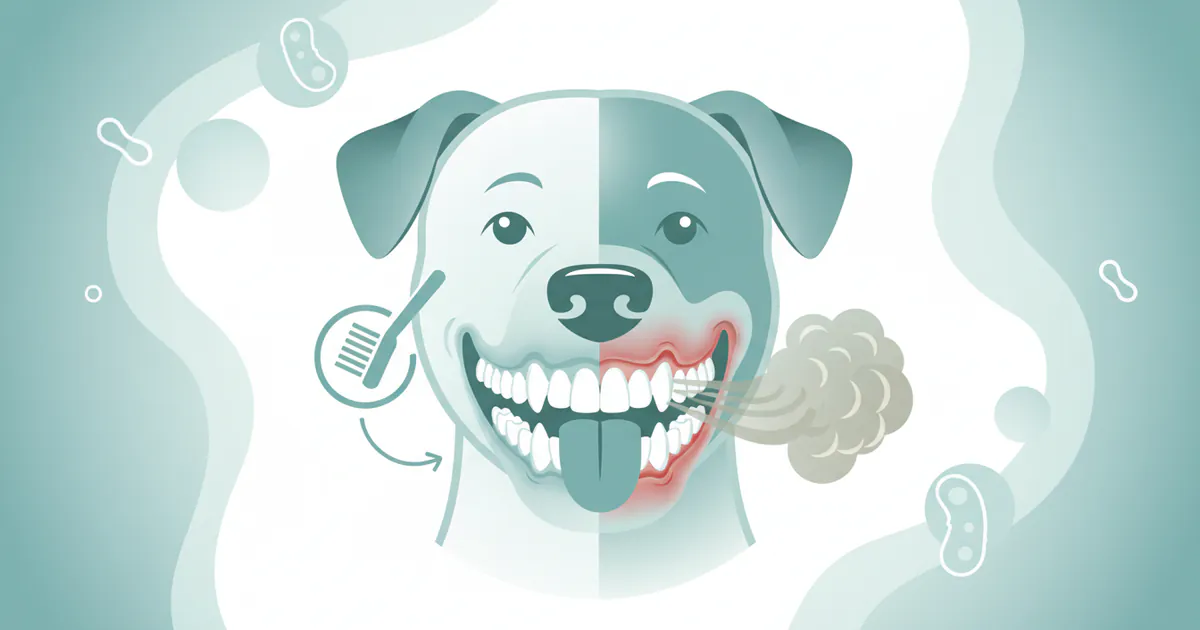
Dogs Bad Breath: Complete Guide
One whiff is all it takes: that distinctly unpleasant odor emanating from your beloved canine companion. If you've ever wondered, "Why does my dog's breath smell so bad?" you're not alone. It's a common concern among pet owners, with over 80% of dogs showing signs of oral disease by age three. W
February 23, 2026
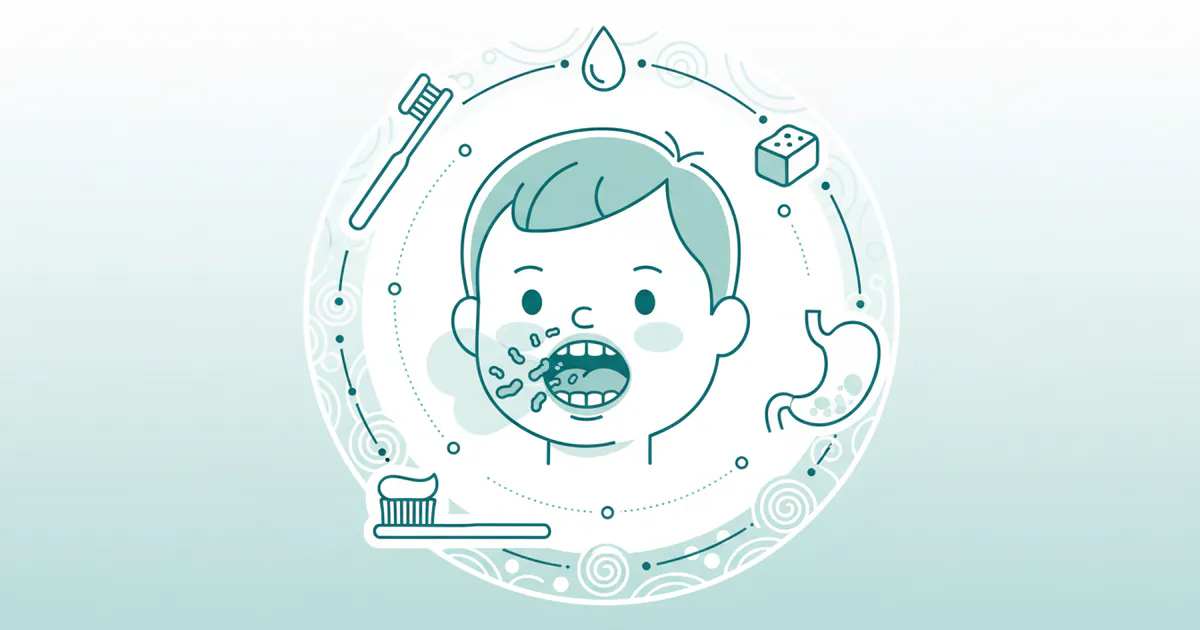
Sudden Bad Breath in Toddlers: Complete Guide
When your toddler, who usually smells sweet and innocent, suddenly develops an unpleasant odor in their breath, it can be an alarming experience for any parent. Sudden bad breath in toddlers, also known as halitosis, is more common than you might think, affecting a significant number of young ch
February 23, 2026
Mouth Wash for Bad Breath: Complete Guide
Bad breath, medically known as halitosis, is an incredibly common and often embarrassing condition that affects a significant portion of the global population. In the United States alone, more than 80 million people suffer from chronic bad breath, impacting social interactions, professional conf
February 23, 2026