Bridge Teeth Cost: Complete Price Guide 2026
Key Takeaways
- Losing a tooth can be more than just an aesthetic concern; it can impact your ability to chew, speak clearly, and even lead to shifting teeth, affecting your overall oral health. If you're considering solutions for missing teeth, a dental bridge is a common and effective restorative option. But what
Bridge Teeth Cost: Complete Price Guide 2026
Losing a tooth can be more than just an aesthetic concern; it can impact your ability to chew, speak clearly, and even lead to shifting teeth, affecting your overall oral health. If you're considering solutions for missing teeth, a dental bridge is a common and effective restorative option. But what is the actual bridge teeth cost you can expect in 2026? This comprehensive guide from SmilePedia.net will break down all the financial aspects, types, procedures, and considerations for dental bridges, helping you make an informed decision for your smile and your wallet.
We'll delve into the various factors that influence the price, from the type of bridge and materials used to insurance coverage and payment plans. Understanding these elements is crucial, as the investment in a dental bridge not only restores your smile but also prevents further complications that can lead to more extensive and costly dental work down the line. By the end of this article, you'll have a clear picture of what goes into the cost of a dental bridge, ensuring you're well-prepared for your consultation with a dental professional.
Key Takeaways:
- Average Cost: A traditional 3-unit dental bridge in the US typically ranges from $2,500 to $8,000, with variations based on materials, location, and complexity.
- Material Impact: Zirconia and all-ceramic bridges are often pricier but offer superior aesthetics and durability compared to porcelain-fused-to-metal (PFM).
- Insurance Coverage: Most dental insurance plans classify bridges as a "major restorative" procedure, covering around 50% of the cost after deductibles, up to your annual maximum.
- Procedure Time: The process usually takes 2-3 appointments over 2-4 weeks, though some advanced clinics may offer quicker solutions, potentially impacting the cost.
- Lifespan: With proper care, a dental bridge can last 5 to 15 years, sometimes longer.
- Alternatives: Dental implants (higher initial cost, longer-term solution) and partial dentures (lower cost, removable) are alternative options to consider.
- Cost Factors: The number of missing teeth, the type of bridge, materials, geographic location, and additional necessary procedures (e.g., extractions, gum treatment) significantly influence the final price.
What Is a Dental Bridge? An Overview
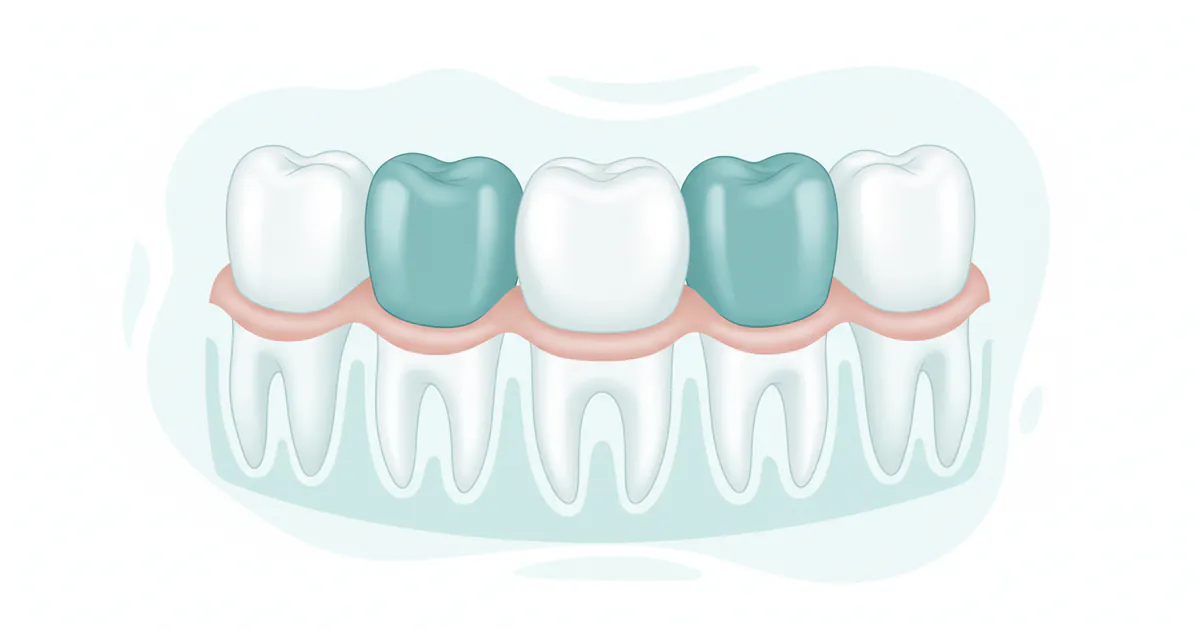
A dental bridge is a fixed (non-removable) dental prosthesis designed to "bridge" the gap created by one or more missing teeth. It consists of two main parts: the abutment teeth (the natural teeth or implants on either side of the gap) and the pontic(s) (the artificial tooth or teeth that fill the space). Crowns are placed on the abutment teeth, and these crowns are then fused to the pontic(s), creating a single, stable unit.
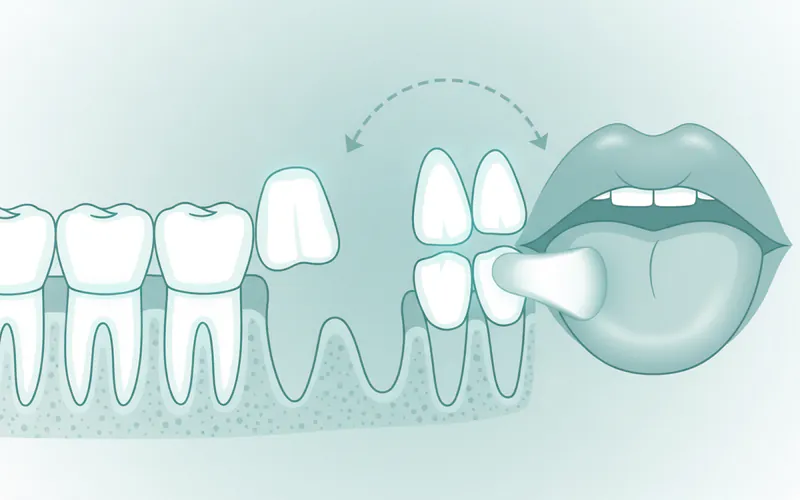
The primary purpose of a dental bridge is to restore function and aesthetics. When a tooth is lost, adjacent teeth can begin to shift into the empty space, leading to bite problems (malocclusion), temporomandibular joint (TMJ) disorders, and difficulty cleaning. Over time, this shifting can even cause opposing teeth to super-erupt (grow out of the socket), further complicating oral health. A bridge prevents these issues, maintaining facial structure, improving chewing efficiency, and restoring a complete, confident smile.
``
Types of Dental Bridges and Their Cost Implications
The type of dental bridge chosen is a significant factor in the overall bridge teeth cost. Each variation has different requirements for preparation, materials, and longevity, directly impacting the price.
1. Traditional Dental Bridge
This is the most common type of bridge and is used when you have natural teeth on both sides of the gap created by the missing tooth. The adjacent teeth are prepared by removing some enamel, and then crowns are placed over them. These crowns anchor the pontic (the replacement tooth) in between.
- Materials: Traditional bridges can be made from various materials:
- Porcelain Fused to Metal (PFM): A metal alloy base covered with porcelain. Offers good strength and reasonable aesthetics. The metal substructure can sometimes show through as a gray line at the gumline, especially over time.
- All-Ceramic (Porcelain): Provides excellent aesthetics, blending seamlessly with natural teeth. Often chosen for front teeth where appearance is paramount. Less durable than zirconia or PFM for heavy biting forces in the back of the mouth.
- Zirconia: Extremely strong, durable, and highly aesthetic. Zirconia is quickly becoming a preferred material for both front and back teeth due to its natural appearance and resistance to chipping and fractures. It's often the most expensive option.
- Cost Range (per unit, 3 units typically needed):
2. Cantilever Dental Bridge
A cantilever bridge is similar to a traditional bridge but is used when there are only natural teeth on one side of the missing tooth gap. While it can be an option in specific situations, it's generally not recommended for back teeth or areas subject to heavy biting forces due to the increased risk of leverage-related complications, such as loosening or fracture of the abutment tooth. It's less common than traditional bridges.
- Cost Range: Similar to traditional bridges per unit, but typically requires only one or two abutment teeth, which can slightly reduce the overall cost compared to a traditional 3-unit bridge. However, the potential for complications might lead to higher long-term costs if failure occurs.
3. Maryland Bonded Bridge (Resin-Bonded Bridge)
Also known as a Maryland bridge, this option is considered more conservative because it requires minimal preparation of the adjacent teeth. Instead of crowns, a pontic is held in place by metal or porcelain wings that are bonded to the inside surfaces of the adjacent natural teeth.
- Pros: Less invasive, preserves more natural tooth structure, often less expensive than traditional bridges.
- Cons: Not as strong as traditional bridges, can be prone to debonding (coming loose), and may not be suitable for areas with heavy biting forces or for multiple missing teeth. Aesthetics can sometimes be compromised if the metal wings show through.
- Cost Range: $1,500 - $4,000 for a single pontic.
4. Implant-Supported Bridge
This type of bridge is considered the most stable and long-lasting. Instead of relying on natural teeth for support, it's anchored by dental implants surgically placed into the jawbone. If you have several missing teeth in a row, two implants can be placed (one at each end of the gap) to support a bridge of three or more pontics.
- Pros: Does not require altering adjacent natural teeth, provides excellent stability, maintains jawbone density (which traditional bridges don't), and offers superior longevity.
- Cons: Significantly higher initial cost due to the implant surgery, longer treatment timeline (osseointegration can take several months), and not all patients are candidates (requires sufficient bone density).
- Cost Range: Highly variable, as it includes the cost of the implants, abutments, and the bridge itself. A 3-unit implant-supported bridge (two implants, one pontic) can range from $5,000 to $15,000+, depending on the number of implants, bone grafting needs, and materials.
Pro Tip: When discussing costs, always ask your dentist for a breakdown by bridge type and material. This allows you to understand where your investment is going and compare options effectively.
Causes of Missing Teeth (Why You Might Need a Bridge)
Missing teeth are a common problem with various root causes that often necessitate restorative solutions like a dental bridge. Understanding these factors can emphasize the importance of prevention and timely treatment.
- Severe Tooth Decay: Untreated cavities can progress, destroying tooth structure and reaching the pulp. If the tooth becomes too compromised to be restored (even with a root canal and crown), extraction may be the only option.
- Gum Disease (Periodontal Disease): This is a leading cause of tooth loss in adults. Advanced gum disease leads to inflammation, infection, and destruction of the bone and tissues supporting the teeth. As the bone deteriorates, teeth become loose and may eventually fall out or require extraction.
- Trauma or Injury: Accidents, falls, sports injuries, or even biting on something hard can cause teeth to fracture severely or be knocked out entirely.
- Congenital Absence: In some rare cases, individuals are born without certain permanent teeth (a condition known as hypodontia).
- Failed Restorations: Old, failing crowns, fillings, or even root canal treatments can sometimes lead to further tooth breakdown, necessitating extraction.
- Orthodontic Reasons: Sometimes, teeth are extracted as part of an orthodontic treatment plan to create space or improve alignment, leading to intentional gaps that may later require restoration.
Signs and Symptoms of Missing Teeth
Beyond the obvious gap, missing teeth can manifest in several ways that indicate a need for restorative intervention:
- Difficulty Chewing: The most immediate impact is often on your ability to chew food properly, leading to discomfort or changes in diet.
- Speech Changes: Missing teeth, especially front teeth, can affect articulation, leading to lisps or altered speech patterns.
- Shifting of Adjacent Teeth: Without a neighboring tooth to hold them in place, remaining teeth can drift into the empty space, altering your bite and potentially creating new gaps.
- Super-eruption of Opposing Teeth: The tooth directly opposite the gap can begin to "erupt" further out of its socket, seeking contact, which can cause bite problems and increase its vulnerability to decay.
- Changes in Facial Structure: Over time, the jawbone where the tooth was lost can begin to resorb (deteriorate) due to lack of stimulation. This can lead to a sunken appearance of the cheeks and lips, making the face look older.
- TMJ Pain: Misalignment due to shifting teeth can put undue stress on your temporomandibular joints, leading to pain, clicking, or difficulty opening and closing your mouth.
- Increased Risk of Decay/Gum Disease: Shifting teeth can create new areas that are difficult to clean, making them more susceptible to cavities and gum disease.
Treatment Options for Missing Teeth
While dental bridges are an excellent solution, it's important to be aware of all the available treatment options for missing teeth. Each has its own benefits, drawbacks, and bridge teeth cost implications.
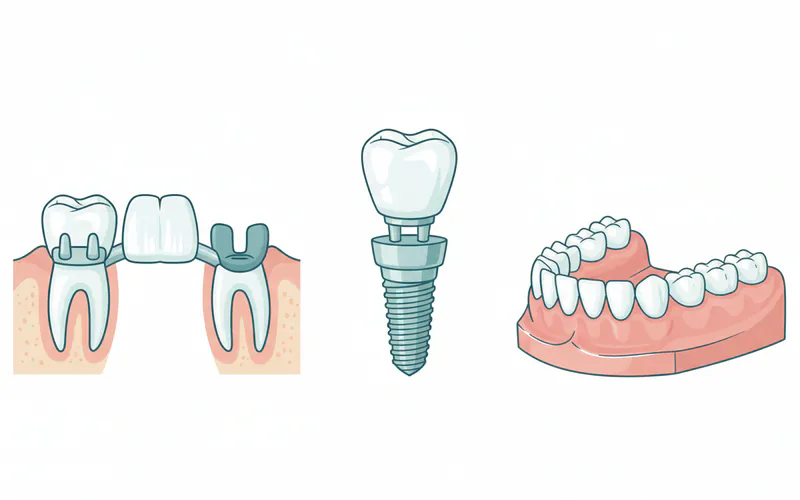
1. Dental Bridges (As discussed)
- Pros: Fixed solution, restores function and aesthetics, prevents tooth shifting, generally more affordable than implants for multiple teeth.
- Cons: Requires preparation (shaving) of healthy adjacent teeth, does not stimulate the jawbone (which can lead to bone loss over time), lifespan is typically 5-15 years.
2. Dental Implants
Considered the "gold standard" for tooth replacement, a dental implant involves surgically placing a titanium post into the jawbone, which then fuses with the bone. A crown is then attached to this post. For multiple missing teeth, an implant-supported bridge can be used.
- Pros: Most natural look and feel, preserves adjacent teeth (no drilling required), prevents jawbone loss, highly durable and long-lasting (can last a lifetime with proper care).
- Cons: Higher initial cost (per tooth), longer treatment timeline (several months for osseointegration), surgical procedure required, not suitable for all patients (e.g., insufficient bone density without grafting).
- Cost Range (per single implant with crown): $3,000 - $6,000+
3. Partial Dentures
A removable appliance that consists of replacement teeth attached to a gum-colored base, often with metal clasps that attach to existing natural teeth.
- Pros: Most affordable option, non-invasive (no tooth preparation or surgery), relatively quick to fabricate.
- Cons: Removable (can feel less secure than fixed options), may affect speech or chewing, can accumulate food particles, less aesthetically pleasing for some, does not prevent bone loss.
- Cost Range: $600 - $3,000+ (depending on complexity and materials).
Comparison Table: Missing Tooth Treatment Options
| Feature | Dental Bridge (Traditional) | Dental Implant (Single) | Partial Denture (Removable) |
|---|---|---|---|
| Cost Range (US) | $2,500 - $8,000 (3 units) | $3,000 - $6,000+ (per tooth) | $600 - $3,000+ (per arch) |
| Longevity | 5-15 years | 15-25+ years (often lifetime) | 5-10 years (may need relining) |
| Invasiveness | Moderate (abutment tooth prep) | High (surgical) | Low (non-invasive) |
| Aesthetics | Good to Excellent | Excellent, most natural | Good, but can look less natural |
| Bone Preservation | No (bone loss can occur) | Yes (stimulates jawbone) | No |
| Adjacent Teeth | Requires support from adjacent teeth | Preserves adjacent teeth | Attaches to adjacent teeth (clasps) |
| Maintenance | Good oral hygiene, special flossing | Regular brushing, flossing | Daily removal and cleaning |
Step-by-Step Process for Getting a Dental Bridge
Understanding the journey involved in getting a dental bridge can help alleviate anxiety and set realistic expectations for the timeline and appointments.
``
Step 1: Initial Consultation and Planning
- Examination: Your dentist will conduct a thorough oral examination, including X-rays and possibly 3D scans, to assess the health of your remaining teeth, gums, and jawbone. This determines if a bridge is the most suitable option and which type.
- Treatment Plan: Based on the assessment, your dentist will discuss the recommended bridge type, materials, and the overall treatment plan, including the estimated bridge teeth cost and timeline.
- Pre-Procedure Work: Any necessary preparatory work, such as treating gum disease, root canals on abutment teeth, or extractions, will be planned at this stage.
Step 2: Tooth Preparation and Impressions (First Appointment)
- Anesthesia: Local anesthetic will be administered to numb the area, ensuring comfort during the procedure.
- Abutment Tooth Preparation: For traditional bridges, the natural teeth on either side of the gap (the abutment teeth) will be reshaped. A small amount of enamel is carefully removed to make space for the crowns that will cap them. If you're getting a crown on front tooth as part of a bridge, precise shaping is crucial for aesthetics.
- Impressions: After preparation, your dentist will take highly accurate impressions (molds) of your prepared teeth and the surrounding area. These impressions are sent to a dental laboratory, where skilled technicians will custom-fabricate your permanent bridge. Some modern dental offices use digital scanners (CAD/CAM technology) to take optical impressions, which can speed up the process. This technology is also used for creating CEREC crowns in-office, though full bridges usually still go to a lab.
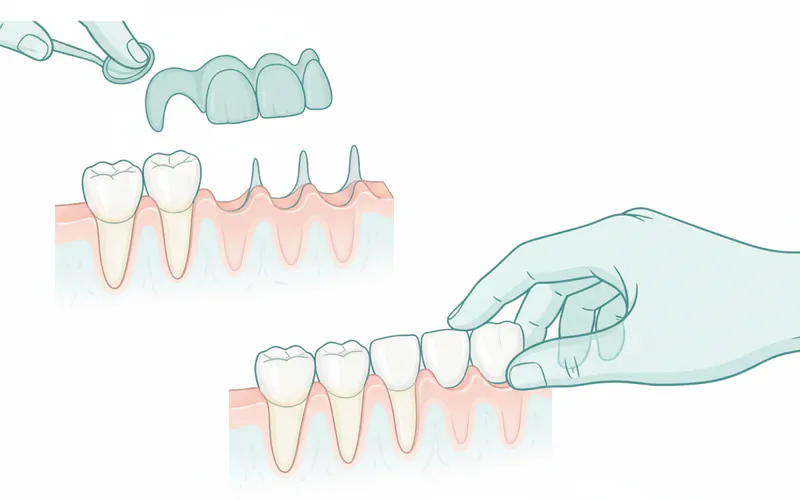
- Temporary Bridge: A temporary bridge made of acrylic will be placed over your prepared teeth. This temporary bridge protects your exposed teeth, prevents shifting, and maintains your smile while the permanent bridge is being made.
Step 3: Bridge Fabrication (Lab Work)
- The dental lab typically takes 1-3 weeks to custom-fabricate your permanent bridge. They use the impressions and your dentist's specifications (including color matching) to create a bridge that fits perfectly and looks natural. The choice of material (PFM, all-ceramic, zirconia) will dictate the fabrication process and often the timeline.
Step 4: Final Bridge Placement (Second Appointment)
- Removal of Temporary Bridge: Upon your return, the temporary bridge will be carefully removed.
- Trial Fitting: Your dentist will carefully place the permanent bridge to check its fit, bite, and aesthetics. Adjustments may be made to ensure comfort and proper occlusion (how your teeth come together).
- Cementation: Once you and your dentist are satisfied with the fit and appearance, the bridge will be permanently cemented into place using a strong dental adhesive.
- Final Adjustments: After cementation, your dentist will make any last-minute adjustments to your bite to ensure comfort and prevent excessive force on the bridge.
Step 5: Follow-up (Optional, but Recommended)
- Some dentists schedule a follow-up appointment a week or two after placement to check how your gums are responding, ensure the bite is still comfortable, and address any initial concerns.
The entire process, from initial preparation to final placement, usually takes 2-3 appointments spanning 2-4 weeks. Implant-supported bridges will have a significantly longer timeline due to the healing period required after implant surgery.
Cost and Insurance: A Detailed Breakdown for 2026
Understanding the comprehensive bridge teeth cost involves more than just the price tag of the bridge itself. It encompasses various factors, potential additional procedures, and the role of dental insurance.
Average US Costs for Dental Bridges (Without Insurance)
The cost of a dental bridge varies widely across the United States. Factors like geographic location (urban vs. rural, cost of living), the dentist's experience, and the complexity of your case all play a role. These ranges are for a typical 3-unit bridge (two crowns, one pontic).
- Traditional Porcelain Fused to Metal (PFM) Bridge:
- Low End: $2,400 - $3,500
- Mid-Range: $3,500 - $4,500
- High End: $4,500 - $5,500
- Traditional All-Ceramic/Porcelain Bridge:
- Low End: $3,000 - $4,500
- Mid-Range: $4,500 - $6,000
- High End: $6,000 - $7,500
- Traditional Zirconia Bridge:
- Low End: $3,600 - $5,000
- Mid-Range: $5,000 - $7,000
- High End: $7,000 - $8,000+
- Maryland Bonded Bridge:
- Range: $1,500 - $4,000 (typically for a single pontic)
- Cantilever Bridge:
- Range: Similar to traditional per unit, typically $2,000 - $5,000 depending on units.
- Implant-Supported Bridge:
- This is the most variable. For a 3-unit bridge supported by two implants, the cost can range from $5,000 to $15,000+, encompassing implant surgery, abutments, and the bridge itself. This can easily escalate if bone grafting is required.
Additional Procedures that Increase Cost:
- Extractions: If a damaged tooth needs to be removed before bridge placement: $75 - $400 per tooth (simple extraction).
- Root Canal Treatment: If an abutment tooth requires a root canal before crowning: $700 - $1,500+ per tooth.
- Core Build-up/Post and Core: If an abutment tooth has significant decay or damage and needs rebuilding before a crown: $200 - $500.
- Gum Disease Treatment: If periodontal issues need to be addressed before placing a bridge: $500 - $3,000+ for scaling, root planing, or other periodontal therapies.
- Bone Grafting: Essential for many implant-supported bridges if bone density is insufficient: $200 - $1,200+ per site.
- Temporary Bridge: While usually included in the overall cost, some practices might itemize it.
Dental Insurance Coverage for Bridges
Most dental insurance plans in the US consider a dental bridge a "major restorative" procedure. This means:
- Coverage Percentage: Typically, insurance will cover around 50% of the allowed cost for major restorative procedures.
- Deductible: You will likely need to meet your annual deductible first (e.g., $50 - $150) before your insurance starts paying.
- Annual Maximum: Most plans have an annual maximum benefit (e.g., $1,000 - $2,000 per year). Once you hit this cap, you are responsible for the remaining costs.
- Waiting Periods: Some plans have waiting periods (e.g., 6-12 months) for major restorative work, meaning you can't get coverage immediately after signing up.
- Pre-authorization: It's highly recommended to get a pre-authorization (sometimes called a pre-determination of benefits) from your insurance company before starting treatment. Your dentist's office can usually submit this on your behalf. This tells you exactly what your plan will cover.
Example with Insurance: If a 3-unit traditional bridge costs $4,000 and your insurance covers 50% after a $100 deductible, with a $1,500 annual maximum:
- Cost after deductible: $4,000 - $100 (deductible) = $3,900
- Insurance pays 50% of this: $3,900 * 0.50 = $1,950
- However, insurance has a $1,500 annual maximum. So, they will only pay $1,500.
- Your out-of-pocket cost: $4,000 (total) - $1,500 (insurance) = $2,500.
Pro Tip: Always clarify your specific plan's details with your insurance provider. Plans vary widely, even within the same company.
Payment Plans and Financing Options
Even with insurance, the out-of-pocket bridge teeth cost can be substantial. Many dental offices offer or work with third-party financing solutions:
- In-house Payment Plans: Some dentists offer interest-free payment plans, allowing you to pay for the bridge over several months.
- CareCredit: A popular healthcare credit card that offers promotional financing options, often with 0% interest for a set period (e.g., 6, 12, or 18 months) if the balance is paid in full.
- Flexible Spending Accounts (FSAs) / Health Savings Accounts (HSAs): If you have an FSA or HSA through your employer or individually, you can use these tax-advantaged accounts to pay for dental bridges.
- Dental Savings Plans: These are not insurance but membership programs where you pay an annual fee and get discounts (typically 10-60%) on dental services from participating dentists.
Cost-Saving Tips
- Preventive Care: The best way to save on bridge teeth cost is to prevent tooth loss in the first place through diligent oral hygiene and regular dental check-ups.
- Shop Around: Get quotes from 2-3 different dentists. While price shouldn't be the only factor, it can help you understand the average cost in your area.
- Dental Schools: Dental schools often offer treatments at a reduced cost, as procedures are performed by students under the supervision of experienced faculty.
- Consider Alternatives: If cost is a major barrier, discuss whether a partial denture is a temporary or long-term viable option for your situation.
Recovery and Aftercare for Your Dental Bridge
Proper recovery and diligent aftercare are crucial for the longevity and success of your dental bridge, protecting your investment and preventing future complications.
Immediate Post-Procedure Care
- Numbness: The local anesthetic will wear off within a few hours. Avoid chewing hard or sticky foods until the numbness subsides to prevent accidental biting of your cheek or tongue.
- Sensitivity: It's normal to experience some mild sensitivity to hot or cold temperatures, or some soreness in the abutment teeth and gums, for a few days after the bridge is cemented. Over-the-counter pain relievers (like ibuprofen or acetaminophen) can help manage this discomfort.
- Bite Adjustment: Your bite might feel slightly "different" initially. If you notice any persistent discomfort, uneven pressure when biting, or if it feels "high," contact your dentist for an adjustment. A proper bite is essential to prevent damage to the bridge and your natural teeth.
Long-Term Aftercare and Oral Hygiene
- Brushing: Brush your teeth and bridge twice a day for at least two minutes with a soft-bristled toothbrush and fluoride toothpaste.
- Flossing: This is critical! Unlike natural teeth, you cannot floss between the crowns and pontic of a fixed bridge. You must clean under the pontic.
- Bridge Threaders: These are plastic loops that help you thread regular dental floss under the pontic to clean the gumline.
- Water Flossers (Oral Irrigators): Devices like Waterpik can effectively dislodge food particles and plaque from under the bridge and around the abutment teeth.
- Interdental Brushes: Small brushes designed to clean in tight spaces may also be useful for cleaning around the abutment teeth.
- Diet: While your bridge is strong, avoid excessively hard or sticky foods (e.g., hard candies, caramels, chewing ice) that could potentially damage the bridge or cause it to debond.
- Regular Dental Check-ups: Continue to visit your dentist for routine check-ups and professional cleanings at least twice a year, or as recommended. Your dentist will monitor the health of your bridge, abutment teeth, and surrounding gums.
- Nightguards: If you grind or clench your teeth (bruxism), your dentist might recommend a custom nightguard to protect your bridge and natural teeth from excessive forces.
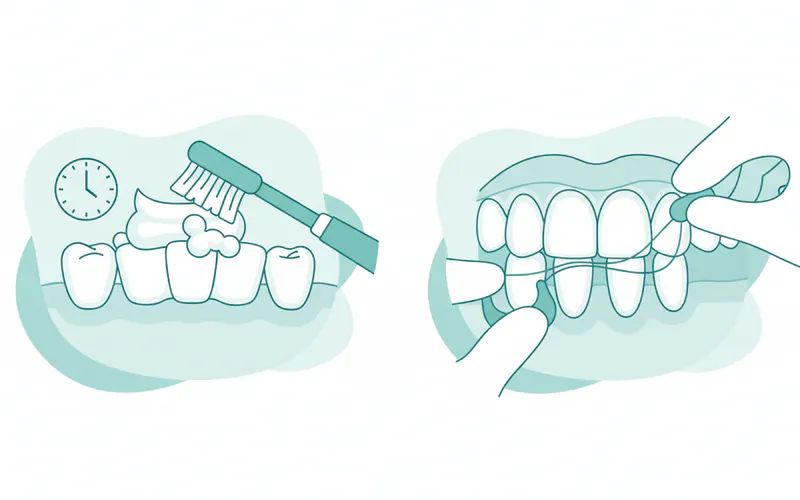
Pro Tip: The lifespan of your dental bridge (typically 5-15 years, but sometimes longer) heavily depends on your oral hygiene habits and regular dental visits. Neglecting care can lead to decay in the abutment teeth or gum disease, which can cause bridge failure and necessitate costly replacement.
Prevention of Missing Teeth
Preventing tooth loss is the most effective way to avoid the need for costly restorative procedures like dental bridges or implants.
- Excellent Oral Hygiene:
- Brush your teeth twice a day with fluoride toothpaste.
- Floss daily to remove plaque and food particles from between teeth and under the gumline.
- Use an antiseptic mouthwash to reduce bacteria.
- Regular Dental Check-ups and Cleanings: Visit your dentist every six months (or as recommended) for professional cleanings and examinations. Early detection of cavities or gum disease can prevent them from becoming severe enough to cause tooth loss. The American Dental Association (ADA) recommends regular preventive care.
- Balanced Diet: Limit sugary and acidic foods and drinks, which contribute to tooth decay. Emphasize fruits, vegetables, and lean proteins for overall health.
- Protect Your Teeth:
- Wear a mouthguard during sports or activities where there's a risk of facial injury.
- If you grind or clench your teeth at night, discuss a nightguard with your dentist to prevent wear and fractures.
- Avoid Harmful Habits: Don't use your teeth as tools to open packages or crack nuts. Avoid chewing on ice or other hard objects.
- Address Dental Problems Promptly: Don't ignore toothaches, bleeding gums, or sensitivity. Seek dental care immediately to address issues before they escalate.
Risks and Complications of Dental Bridges
While dental bridges are generally safe and effective, like any medical procedure, there are potential risks and complications to be aware of:
- Decay of Abutment Teeth: The teeth supporting the bridge are still susceptible to decay, especially at the margins of the crowns if oral hygiene is poor. Decay under a crown can compromise the tooth and lead to bridge failure.
- Nerve Damage to Abutment Teeth: During the preparation process, in rare cases, the nerve of an abutment tooth can become irritated or damaged, potentially leading to the need for a root canal treatment.
- Sensitivity: Abutment teeth may experience temporary sensitivity to hot or cold after preparation and bridge placement.
- Bridge Fracture or Chipping: While strong, bridges can fracture or chip, especially if made of porcelain or if subjected to excessive biting forces (e.g., from chewing hard foods or teeth grinding).
- Debonding or Loosening: The cement holding the bridge in place can fail, causing the bridge to loosen or fall off. This usually requires recementation by your dentist.
- Gum Irritation/Inflammation: Poor oral hygiene can lead to plaque buildup under the pontic, causing gum inflammation or gingivitis.
- Bite Problems: If the bridge is not perfectly aligned with your bite, it can lead to discomfort, jaw pain (TMJ issues), or excessive wear on other teeth.
- Changes in Abutment Tooth Structure: The preparation of abutment teeth is irreversible. Once they are shaped, they will always need to be covered by a crown or bridge.
- Bone Loss (for Traditional Bridges): Traditional bridges do not stimulate the jawbone beneath the pontic. Over time, the bone can resorb (deteriorate), leading to a sunken appearance in the area of the missing tooth and potentially creating a gap between the pontic and the gum.
Pro Tip: Discuss all potential risks and complications with your dentist before committing to treatment. A thorough understanding helps you make an informed decision and enables you to recognize issues early if they arise.
Comparison Table: Bridge Material Cost vs. Benefits
The material chosen for your dental bridge significantly impacts not only the bridge teeth cost but also its aesthetics, durability, and suitability for different areas of the mouth.
| Feature | Porcelain Fused to Metal (PFM) | All-Ceramic / All-Porcelain | Zirconia (Solid or Layered) |
|---|---|---|---|
| Cost Range (per unit) | $800 - $1,500 | $1,000 - $2,000 | $1,200 - $2,500 |
| Aesthetics | Good, but metal margin may show over time; can look opaque. | Excellent, most natural translucency. | Excellent, very natural appearance; highly customizable. |
| Durability | Good, strong metal base. Can chip porcelain. | Good, but more prone to fracture than PFM/Zirconia. | Excellent, extremely strong and fracture-resistant. |
| Use Case | Back teeth, some front teeth, where strength is primary. | Front teeth, highly aesthetic areas. | Front and back teeth; ideal for patients who clench/grind. |
| Biocompatibility | Good, but some rare metal allergies. | Excellent, highly biocompatible. | Excellent, highly biocompatible. |
| Advantages | Strong, proven track record, less expensive. | Highly aesthetic, no metal, good for metal allergies. | Strongest, most aesthetic (metal-free), highly durable. |
| Disadvantages | Metal may show, can cause gum discoloration. | More fragile, can be abrasive to opposing teeth. | Can be more challenging to bond; higher cost. |
``
Children / Pediatric Considerations
While the focus of dental bridges is primarily on adults with permanent teeth, the loss of a permanent tooth in a child due to trauma or congenital absence does require careful consideration.
- Space Maintainers: If a primary (baby) tooth is lost prematurely, a space maintainer is typically used to hold the space open until the permanent tooth erupts. This prevents adjacent teeth from shifting and blocking the eruption path.
- Temporary Solutions for Permanent Tooth Loss: If a child loses a permanent tooth, especially a front tooth, a fixed dental bridge is generally not placed immediately. This is because a child's jaw is still growing and developing. Placing a permanent bridge too early could interfere with this growth and may need replacement as the jaw matures.
- Removable Partial Dentures ("Flippers"): These are often used as temporary, aesthetic solutions to fill the gap.
- Bonded Composites/Space Maintainers: Aesthetic options that can temporarily replace a single tooth until the child's jaw development is complete.
- Long-Term Planning: Once jaw growth is complete (typically in late adolescence or early adulthood), permanent solutions like dental implants or traditional bridges can be considered. Early tooth loss requires a long-term treatment plan developed in consultation with a pediatric dentist, orthodontist, and possibly an oral surgeon.
Cost Breakdown: A Summary of Average US Costs 2026
To reiterate, here’s a simplified breakdown of the average bridge teeth cost in the US for 2026, without insurance, focusing on the most common types:
- Traditional 3-Unit Bridge (PFM):
- Low: $2,400
- Mid: $3,500
- High: $5,500
- Traditional 3-Unit Bridge (All-Ceramic/Zirconia):
- Low: $3,000
- Mid: $5,000
- High: $8,000+
- Maryland Bonded Bridge (Single Pontic):
- Low: $1,500
- Mid: $2,500
- High: $4,000
- Implant-Supported Bridge (3 units, 2 implants):
- Low: $5,000
- Mid: $9,000
- High: $15,000+ (and can be much higher with bone grafting or more implants)
With Insurance (General Guideline):
As established, dental insurance typically covers around 50% of the allowed cost for major restorative procedures, after your deductible is met and up to your annual maximum. Your actual out-of-pocket will vary significantly based on your specific plan's details, including your deductible, annual maximum, and specific fee schedules. Always get a pre-authorization for an accurate estimate.
Payment Plans and Financing
Don't let the initial bridge teeth cost deter you from necessary treatment. Most dental practices understand the financial investment and offer solutions:
- In-house financing: Many practices offer interest-free payment options over a few months.
- Third-party medical credit: Services like CareCredit are widely accepted and provide flexible payment plans, including deferred interest options for qualified applicants.
- Dental Savings Plans: An alternative to insurance, these plans offer discounted rates at participating dentists for an annual membership fee.
- Health Savings Accounts (HSAs) & Flexible Spending Accounts (FSAs): Utilize these pre-tax dollars for eligible dental expenses.
Frequently Asked Questions
How long does a dental bridge last?
With proper oral hygiene and regular dental check-ups, a dental bridge can last anywhere from 5 to 15 years, and sometimes even longer. The lifespan depends on factors like the bridge type, materials, the health of the abutment teeth, and your personal care habits.
Is getting a dental bridge painful?
The procedure for getting a dental bridge is typically performed under local anesthesia, so you should not feel any pain during the actual tooth preparation or placement. You may experience some mild soreness or sensitivity in the gums and abutment teeth for a few days after the procedure, which can usually be managed with over-the-counter pain relievers.
What are the alternatives to a dental bridge?
The primary alternatives to a dental bridge for replacing missing teeth are dental implants and removable partial dentures. Dental implants are considered the most natural and long-lasting, while partial dentures are a more affordable and less invasive option, though they are removable.
Can I get a bridge if I have gum disease?
Active gum disease (periodontitis) must be treated and brought under control before a dental bridge can be placed. Healthy gums are crucial for the stability and longevity of the bridge and the abutment teeth. Your dentist will likely recommend periodontal therapy first.
How do I clean a dental bridge?
Cleaning a dental bridge requires special attention to the area under the pontic (the artificial tooth). You should brush twice daily and use specialized tools like bridge threaders or a water flosser to clean beneath the pontic and around the abutment teeth, removing food particles and plaque.
Are dental bridges covered by insurance?
Yes, most dental insurance plans typically cover a portion of the bridge teeth cost. Dental bridges are usually classified as "major restorative" procedures, with coverage often around 50% after you meet your deductible, up to your plan's annual maximum. It's essential to get a pre-authorization from your insurer.
How long does the bridge procedure take?
The entire process usually involves two to three dental appointments over a period of 2 to 4 weeks. The first appointment is for tooth preparation and taking impressions, and the second (and sometimes third) is for the final cementation of the custom-made bridge.
What's the difference between a dental bridge and a dental implant?
A dental implant replaces a missing tooth with a titanium post surgically placed into the jawbone, topped with a crown. It's a stand-alone solution. A dental bridge, conversely, uses existing natural teeth (or implants) on either side of a gap to support a false tooth or teeth. Implants are generally more expensive but offer superior longevity and bone preservation.
Can a bridge replace a single crown?
No, a bridge is designed to replace missing teeth by being anchored to existing teeth that are crowned. A single crown is used to cover and protect a damaged or weakened existing tooth. If an existing crown fails, it might be replaced with a new crown, not an entire bridge unless the underlying tooth is lost.
What happens if an abutment tooth fails?
If one of the abutment teeth supporting your dental bridge fails (e.g., due to severe decay or fracture), the entire bridge will likely need to be replaced. This could involve extracting the failed abutment tooth and considering new treatment options, such as an implant-supported bridge or a partial denture.
When to See a Dentist
It's crucial to seek professional dental attention if you experience any of the following:
- A missing tooth or teeth: This is the most obvious sign that you need restorative care. The sooner a missing tooth is addressed, the less likely adjacent teeth are to shift.
- Difficulty chewing or speaking: If missing teeth are affecting your ability to eat comfortably or articulate words clearly, it's time to explore solutions.
- Shifting teeth or changes in your bite: If you notice that your remaining teeth are moving, or if your bite feels "off," this can indicate problems caused by a missing tooth.
- Persistent pain or discomfort: While not always related to missing teeth directly, pain, sensitivity, or discomfort in your mouth should always prompt a dental visit.
- A broken or damaged existing bridge: If you have an existing bridge that feels loose, has chipped, or fractured, contact your dentist immediately to prevent further damage or discomfort.
- Red flags for emergency care: Severe, sudden pain, uncontrolled bleeding, facial swelling, or an avulsed (knocked-out) tooth requires immediate emergency dental attention.
Don't wait for minor issues to become major problems. Regular check-ups are key to preventing tooth loss, but if it occurs, prompt action can prevent more extensive and costly treatments down the line. A consultation with your dentist will help you understand the best options for your unique situation, including a detailed breakdown of the bridge teeth cost specific to your needs.
Frequently Asked Questions
Medically Reviewed Content
This article was written by our dental health editorial team and reviewed for medical accuracy. Our content follows strict editorial guidelines for reliability and trustworthiness.
Medical Disclaimer
This article is for informational purposes only and does not constitute medical advice. Always consult with a qualified dental professional for diagnosis and treatment. Do not delay seeking professional advice because of something you read on this website.
Related Articles
Teeth Crown: Complete Guide
Imagine the confidence of a strong, healthy smile. Yet, for many Americans, dental issues like decay, cracks, or large fillings can compromise not just aesthetics, but also the vital function of their teeth. In fact, over 15 million Americans have undergone crown and bridge procedures, highlight
February 22, 2026
How Long Do Fillings Take
When you discover a cavity or experience tooth pain, one of the first questions that might come to mind is, how long do fillings take? Understanding the duration of a dental filling procedure is crucial for managing your schedule and expectations, but it's just one piece of the puzzle. Dental fi
February 22, 2026
Root Canal and Crown: Complete Guide
When a tooth suffers from significant damage or infection, a combination of two powerful restorative dental procedures often becomes necessary to save it: a root canal and crown. This comprehensive approach not only eradicates infection and alleviates pain but also restores the tooth's structura
February 22, 2026
Gold Crown Tooth: Complete Guide
The quest for a strong, durable, and long-lasting dental restoration often leads patients and dentists alike to consider the gold crown tooth. While modern dentistry offers a plethora of aesthetic options, the classic gold crown has maintained its esteemed position for centuries, revered for its
February 22, 2026