Gold Crown Tooth: Complete Guide
Key Takeaways
- The quest for a strong, durable, and long-lasting dental restoration often leads patients and dentists alike to consider the gold crown tooth. While modern dentistry offers a plethora of aesthetic options, the classic gold crown has maintained its esteemed position for centuries, revered for its
The quest for a strong, durable, and long-lasting dental restoration often leads patients and dentists alike to consider the gold crown tooth. While modern dentistry offers a plethora of aesthetic options, the classic gold crown has maintained its esteemed position for centuries, revered for its unparalleled strength and biocompatibility. In the United States, millions of dental crowns are placed annually, addressing issues from significant decay and fractures to post-root canal protection. For many, a gold crown represents a definitive, highly reliable solution, ensuring the longevity and functionality of a compromised tooth. This comprehensive guide from SmilePedia.net will explore every facet of the gold crown, from its unique properties and placement process to cost considerations, aftercare, and why it remains a top choice for those prioritizing durability and a precise fit. We'll delve into its history, compare it to other materials, and address common concerns, providing you with all the knowledge needed to make an informed decision about your oral health.
Key Takeaways:
- Unmatched Durability: Gold crowns offer superior strength, wear resistance, and longevity, often lasting 15-20 years or more, making them ideal for back molars.
- Biocompatibility & Fit: Gold alloys are highly biocompatible, causing minimal gum irritation, and can be cast with exceptional precision for an ideal seal against bacteria.
- Cost Variation: A gold crown typically ranges from $800 to $2,500 per tooth in the US, varying by location, dentist's fees, and the specific gold alloy used. Insurance may cover 50% or more after deductible.
- Preparation & Placement: The process usually involves two appointments: the first for tooth preparation and impressions, and the second for permanent cementation after lab fabrication (approx. 2-3 weeks).
- Minimal Tooth Removal: Due to gold's strength, less natural tooth structure needs to be removed compared to ceramic crowns, preserving more of your original tooth.
- Ideal for Specific Cases: Excellent for patients with strong bites, bruxism (teeth grinding), or those seeking a restoration that won't wear down opposing teeth.
- Care & Longevity: With proper oral hygiene and regular dental check-ups, a gold crown can serve as a lifelong restoration, often outperforming other materials.
What It Is / Overview
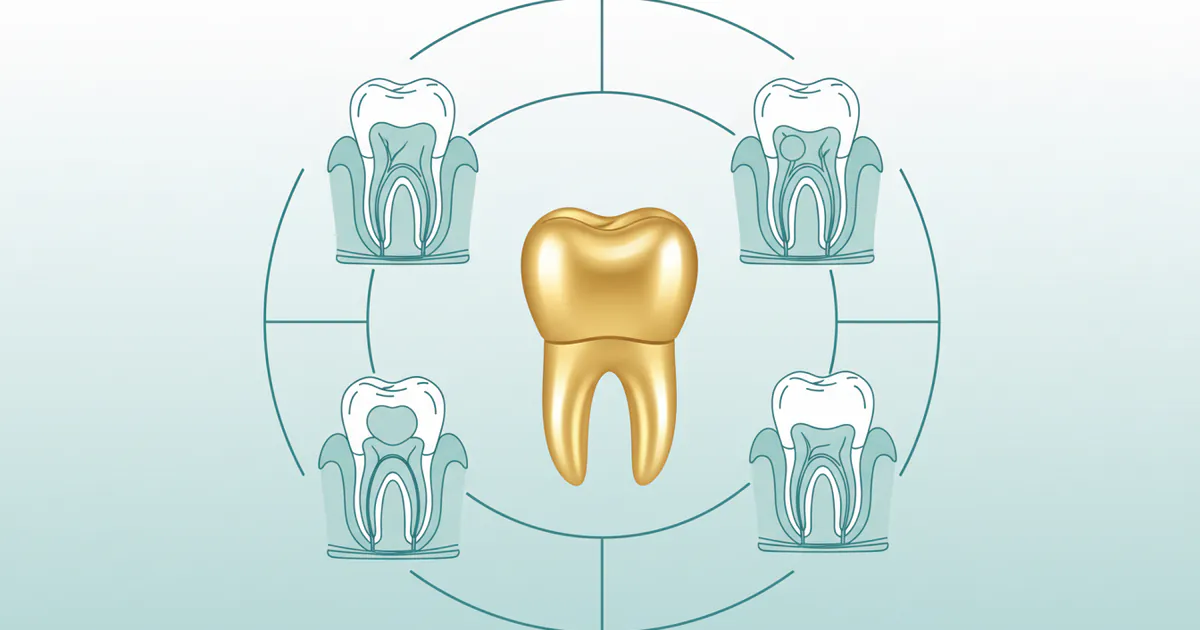
A gold crown tooth is a type of dental restoration that completely caps or encircles a tooth or dental implant. Often referred to as a "full-cast gold crown," it's fabricated from a high-gold alloy, usually containing other metals like platinum, palladium, silver, and copper to enhance its strength and workability. Unlike ceramic or porcelain crowns designed to blend seamlessly with natural teeth, gold crowns are distinct in color and are typically chosen for their functional benefits, primarily for posterior teeth (molars) where chewing forces are greatest and aesthetics are less of a primary concern.

The history of using gold in dentistry dates back thousands of years, with ancient civilizations like the Etruscans and Romans employing rudimentary forms of gold to repair teeth. Its true potential began to be realized in modern dentistry in the late 19th and early 20th centuries. Dentists discovered gold's unique properties: its malleability allowed for an incredibly precise fit, while its strength ensured durability under the immense pressures of mastication. Furthermore, gold is highly biocompatible, meaning it is well-tolerated by the body and rarely causes allergic reactions or gum inflammation. This combination of strength, precision, and biocompatibility has cemented the gold crown's reputation as a "gold standard" in restorative dentistry, especially for situations demanding maximum longevity and resistance to wear.
Today, while ceramic materials have gained popularity for their aesthetic appeal, gold crowns continue to be a preferred choice for many dentists and patients who prioritize a long-term, reliable solution over an invisible restoration. They are often recommended for molars that bear the brunt of chewing forces, where the strength of gold can prevent fractures and provide years of trouble-free service.
Types / Variations
When discussing gold crown tooth restorations, it's important to understand that "gold" isn't always 100% pure gold. Dental gold alloys are meticulously formulated to achieve the perfect balance of strength, durability, and workability. The primary variations relate to the percentage of precious metals in the alloy.
High-Noble Alloys (Gold-Rich)
These alloys contain at least 60% noble metals, with at least 40% being gold. They are often considered the "purest" form of dental gold and offer the best properties:
- High Gold Content (e.g., 75% Gold): These are extremely corrosion-resistant, highly biocompatible, and possess excellent malleability, allowing for an incredibly precise fit. They have a distinct yellow-gold appearance. Their high cost reflects their precious metal content.
- Gold-Platinum Alloys: Sometimes, platinum is added to gold alloys to increase hardness and strength without significantly compromising malleability or corrosion resistance.
Noble Alloys
Noble alloys contain at least 25% noble metals, but less than 60%. The gold content can vary significantly. They are less expensive than high-noble alloys but still offer good corrosion resistance and strength. They might contain higher percentages of palladium or silver, which can influence their color and hardness.
Predominantly Base Metal Alloys
These alloys contain less than 25% noble metals, with the majority being base metals like nickel, chromium, cobalt, or beryllium. While they can be strong and cost-effective, they are generally not classified as "gold crowns" in the traditional sense, even if they contain some gold. They are less biocompatible for some individuals and can be more prone to corrosion or allergic reactions, which is why high-noble gold crowns are typically favored for their superior biological properties.
Porcelain-Fused-to-Metal (PFM) Crowns (Gold-Based)
While not a full gold crown, a significant variation involves using a gold or gold-rich alloy as the metal substructure for a porcelain-fused-to-metal (PFM) crown. In these cases:
- A gold alloy coping is created for strength and a precise fit.
- Layers of dental porcelain are then fused over the gold, providing a tooth-colored aesthetic.
- This combines the strength and biocompatibility of gold with the aesthetic appeal of porcelain. However, a drawback can be the potential for a dark line at the gum line over time as gums recede, revealing the underlying gold. The porcelain can also chip.
- These are distinct from full gold crowns, which are entirely metallic.
For the purpose of this guide, we focus primarily on full-cast gold crowns made from high-noble or noble gold alloys, as these embody the classic gold crown tooth characteristics.
Causes / Why a Gold Crown Tooth is Needed
A dental crown, whether made of gold or another material, is typically recommended when a tooth has been severely compromised and can no longer be effectively restored with a traditional filling. The decision to opt for a gold crown specifically often comes down to the location of the tooth and the patient's functional needs. Here are the primary reasons why a gold crown might be indicated:
1. Extensive Decay
When a cavity is too large for a filling to repair, a gold crown provides the necessary strength and coverage. Large fillings, especially in molars, can weaken the remaining tooth structure, making it susceptible to fracture. A crown encapsulates the tooth, distributing chewing forces evenly and protecting the compromised tooth from further damage.
2. Fractured or Broken Tooth
Teeth can fracture due to trauma, biting on something hard, or from years of wear and tear, especially if they have large, old fillings. A gold crown can hold the fractured pieces together and reinforce the tooth, preventing the fracture from propagating further. Gold's resistance to fracture is a significant advantage here.
3. Weakened Tooth After Root Canal Treatment
Teeth that have undergone root canal therapy often become brittle and more prone to fracture because the pulp (which supplies nutrients) has been removed, and the tooth structure has been accessed. A crown, particularly a strong material like gold, is almost always recommended to protect these devitalized teeth from breaking under chewing pressure.
4. Severe Wear or Erosion
Chronic teeth grinding (bruxism) or acid erosion (from acidic foods, reflux, or bulimia) can wear down tooth enamel, leading to sensitivity, changes in bite, and an increased risk of fracture. Gold crowns can restore the tooth's original shape, height, and function, providing a highly wear-resistant surface that can withstand grinding forces better than many other materials.

5. Large, Failing Fillings
Old, large amalgam or composite fillings can eventually break down, crack, or pull away from the tooth, creating gaps where bacteria can enter and cause recurrent decay. If the remaining tooth structure is insufficient to support a new, larger filling, a gold crown is often the next best restorative step.
6. Correcting Bite Problems
In some cases, gold crowns are used to correct malocclusion (bad bite) or to build up teeth that are too short, helping to restore proper chewing function and alleviate jaw pain. Their precise fit and predictable wear patterns make them excellent for occlusal adjustments.
7. As a Component of a Dental Bridge
If you are missing one or more teeth, a dental bridge may be used to replace them. This often involves crowning the natural teeth adjacent to the gap to serve as anchors (abutments) for the artificial teeth. Gold crowns are excellent choices for these abutment teeth due to their strength and ability to withstand the stresses of supporting a bridge.
``
Signs and Symptoms Indicating a Need for a Crown
It's not always obvious that you need a dental crown, but your body often gives subtle (or not-so-subtle) clues. Recognizing these signs and symptoms early can help you seek timely dental care and prevent more extensive damage.
- Persistent Toothache or Sensitivity: While common with many dental issues, persistent pain, especially when chewing or biting down, can indicate a cracked tooth, deep decay, or a failing filling. Sensitivity to hot or cold that lingers for more than a few seconds is also a red flag.
- Visible Crack or Fracture: You might see or feel a crack on your tooth surface. Even a small crack can allow bacteria to enter, leading to decay, or compromise the tooth's structural integrity.
- Large, Old, or Failing Filling: If you have a filling that is visibly worn down, chipped, fractured, or has separated from the tooth, it's likely no longer protecting your tooth effectively. You might notice a gap, a rough edge, or a dark shadow beneath it.
- Discomfort After a Root Canal: While a root canal alleviates infection, the tooth itself can become brittle. If you feel any tenderness or sensitivity in a root-canal-treated tooth, it might signal the need for a protective crown.
- Changes in Bite: If your bite feels "off," or you notice certain teeth no longer meet correctly, it could be due to tooth wear, shifting, or a need to restore a tooth's original height.
- Swelling or Tenderness Around a Tooth: This can indicate an underlying infection or inflammation, potentially caused by deep decay or a crack, which might necessitate a crown after treatment.
- Darkening of a Tooth: A tooth that has darkened might indicate internal damage, extensive decay, or a previous root canal, all of which could make it a candidate for a crown.
Your dentist is the best person to diagnose the need for a crown. They will use X-rays, clinical examination, and sometimes special tests (like a biting test for cracks) to determine the best course of action.
Treatment Options: Gold Crown vs. Alternatives
While our focus is the gold crown tooth, it's crucial to understand its place among other restorative options. The choice of crown material depends on several factors: the tooth's location, functional demands, aesthetic concerns, cost, and your dentist's recommendation.
Gold Crowns: Pros and Cons
Pros:
- Exceptional Durability and Longevity: Gold is incredibly strong and resistant to fracture and wear, often lasting 15-20 years, with many lasting much longer. It's ideal for heavy chewers or those with bruxism.
- Gentle on Opposing Teeth: Gold wears down at a rate similar to natural tooth enamel, meaning it won't excessively wear down the opposing teeth in your bite.
- Biocompatibility: Gold alloys are highly biocompatible, minimizing allergic reactions or gum inflammation.
- Minimal Tooth Reduction: Gold's strength allows for less tooth structure to be removed during preparation compared to ceramic crowns, preserving more of your natural tooth.
- Precise Fit: Gold's malleability allows dental labs to create an extremely precise fit, which helps seal out bacteria and prevents recurrent decay.
- Resistance to Chipping: Unlike porcelain, gold does not chip or fracture.
Cons:
- Aesthetics: The most significant drawback is its metallic appearance, which is why it's typically reserved for molars that are not visible when smiling.
- Cost: Gold crowns are generally more expensive due to the cost of precious metals.
- Thermal Conductivity: Gold can conduct temperature changes more than natural enamel, potentially causing temporary sensitivity to very hot or cold foods immediately after placement.
Other Crown Materials:
- Porcelain-Fused-to-Metal (PFM) Crowns:
- Pros: Offer a blend of strength (metal substructure) and aesthetics (porcelain outer layer). More affordable than full gold.
- Cons: Porcelain can chip or fracture. A dark line can appear at the gum line over time. Requires more tooth reduction than gold. Can cause wear on opposing natural teeth if the porcelain surface is too rough.
- All-Ceramic (Porcelain) Crowns:
- Pros: Excellent aesthetics, virtually indistinguishable from natural teeth. No dark gum line. Biocompatible.
- Cons: Can be more brittle than gold or PFM, especially under heavy biting forces, making them less ideal for some molars. May require more tooth reduction than gold. Can wear opposing teeth if not properly polished.
- Zirconia Crowns:
- Pros: Extremely strong and durable, rivaling gold in strength. Good aesthetics, though not as translucent as traditional porcelain. Biocompatible.
- Cons: Can be very opaque, making it less ideal for front teeth requiring high translucency. Can be harder on opposing teeth if not highly polished. More expensive than PFM, often comparable to gold.
- E-max (Lithium Disilicate) Crowns:
- Pros: Outstanding aesthetics with good strength, often used for front teeth due to its natural translucency.
- Cons: Not as strong as zirconia or gold, making it less suitable for very high-stress back molars.
``
Comparison Table: Dental Crown Materials
| Feature | Gold Crown | All-Ceramic/Porcelain Crown | Zirconia Crown | PFM Crown (Gold Substructure) |
|---|---|---|---|---|
| Aesthetics | Metallic, highly visible | Excellent, natural | Good, opaque | Good, but potential dark line |
| Strength | Excellent (Highest) | Good, can chip/fracture | Excellent | Very Good |
| Durability | Excellent (Longest lasting) | Good | Excellent | Very Good |
| Biocompatibility | Excellent | Excellent | Excellent | Excellent (if noble metal used) |
| Tooth Reduction | Minimal | Moderate to High | Minimal to Moderate | Moderate |
| Cost (US Avg.) | $800 - $2,500 | $800 - $2,000 | $1,000 - $2,500 | $700 - $1,800 |
| Wear on Opposing | Similar to natural tooth | Can be abrasive | Can be abrasive | Can be abrasive |
| Primary Use | Molars, heavy chewers, bruxism | Front teeth, visible areas | Back teeth, strong bite | Back teeth, bridges |
Pro Tip: For patients who suffer from bruxism (teeth grinding) or have a very strong bite, a gold crown on a back molar can be a game-changer, offering unparalleled resistance to wear and fracture, thereby protecting the tooth and extending the life of the restoration.
Step-by-Step Process for a Gold Crown Tooth
Getting a gold crown tooth typically involves two dental appointments. The overall process is designed to ensure a precise fit, optimal function, and long-term success of your restoration.
Appointment 1: Preparation and Impression
- Numbing the Area: Your dentist will begin by administering a local anesthetic to numb the tooth and surrounding gum tissue. This ensures you are comfortable throughout the procedure.
- Tooth Preparation: The dentist will carefully reshape the tooth. This involves removing a specific amount of enamel and dentin from all surfaces (top, sides) to create enough space for the gold crown to fit over it without making the tooth appear bulky or interfering with your bite. For a gold crown, often less tooth structure needs to be removed compared to ceramic crowns due to gold's inherent strength.
- Decay Removal (if present): Any existing decay will be thoroughly removed before reshaping the tooth. If the decay is extensive or reaches close to the pulp, a protective base or core buildup material might be placed to support the crown.
- Impressions: Once the tooth is prepped, an impression of your tooth (and sometimes the opposing arch) will be taken. This can be done using traditional putty-like impression materials or, increasingly, with modern digital scanners like CEREC Primescan. These highly accurate impressions or digital scans are then sent to a dental laboratory.
- Regarding "cerec primescan invisalign compatibility": While CEREC typically refers to same-day ceramic crowns, the underlying digital scanning technology (like Primescan) is widely used across all areas of dentistry. A digital scan of your prepped tooth for a gold crown provides an incredibly precise 3D model, which can be sent electronically to the lab. This same scanning technology is also used to generate digital models for orthodontic treatments like Invisalign, demonstrating how modern dental tech streamlines various procedures, even if the final crown material isn't ceramic.
- Shade Selection (if PFM): If you were opting for a porcelain-fused-to-metal crown with a gold substructure, the dentist would choose a shade that matches your natural teeth during this appointment. For a full gold crown, this step is omitted.
- Temporary Crown Placement: A temporary crown, usually made of acrylic, will be custom-fitted over your prepped tooth. This protects the sensitive tooth, prevents it from shifting, and maintains your ability to chew while the permanent gold crown is being fabricated in the dental lab. You'll receive instructions on how to care for your temporary crown. This fabrication process typically takes about 2-3 weeks.

Appointment 2: Permanent Crown Cementation
- Temporary Crown Removal: When you return for your second appointment, the temporary crown will be carefully removed.
- Cleaning and Inspection: The underlying tooth will be cleaned thoroughly, and your dentist will meticulously check the new gold crown for fit, bite, and marginal integrity. They will ensure it seats properly, without any gaps between the crown and your natural tooth structure, which is critical for preventing future decay.
- Adjustments: Minor adjustments to the crown's shape or bite may be made at this stage to ensure it fits perfectly and doesn't interfere with your natural bite. Gold crowns are particularly amenable to these small adjustments.
- Permanent Cementation: Once you and your dentist are satisfied with the fit and appearance, the gold crown will be permanently bonded to your tooth using a strong dental cement.
- Final Polish and Instructions: Any excess cement will be removed, and the crown will be polished. Your dentist will provide final aftercare instructions.
The entire process, from initial consultation to final cementation, usually spans a few weeks. The precision of this multi-step approach is what contributes to the long-term success and durability of a gold crown.
Cost and Insurance for a Gold Crown Tooth
Understanding the cost and insurance coverage for a gold crown tooth is a critical part of the decision-making process. Prices can vary significantly based on location, the dentist's fees, the specific gold alloy used, and the complexity of the case.
Average US Cost Ranges
In the United States, the average cost for a single gold crown tooth typically ranges from $800 to $2,500.
- Low End ($800 - $1,200): You might find prices in this range in areas with a lower cost of living or at dental schools.
- Mid-Range ($1,200 - $1,800): This is the most common range for a high-quality gold crown in many general dental practices across the country.
- High End ($1,800 - $2,500+): Prices can reach this level in major metropolitan areas, for specialists, or for crowns requiring particularly high gold content or complex fabrication.
Factors Influencing Cost:
- Location: Dental costs are generally higher in large cities and on the coasts compared to rural areas or the Midwest.
- Dentist's Experience/Practice Type: A specialist or a practice with advanced technology might charge more.
- Lab Fees: The quality and location of the dental lab fabricating the crown play a significant role.
- Gold Content: High-noble gold alloys (with a higher percentage of gold and other precious metals) will naturally be more expensive than noble alloys due to the fluctuating market price of precious metals.
- Complexity of Case: If extensive core buildup is needed, or if there are other complicating factors, the overall cost may increase.
Insurance Coverage Details
Dental insurance typically categorizes crowns under "major restorative procedures." Most dental insurance plans in the US will cover a portion of the cost for a gold crown, usually 50% of the Usual, Customary, and Reasonable (UCR) fee after your deductible has been met.
- Deductible: This is the amount you must pay out-of-pocket before your insurance coverage kicks in (e.g., $50-$150 annually).
- Annual Maximum: Most dental insurance plans have an annual maximum benefit, typically ranging from $1,000 to $2,000. Once you reach this limit, you are responsible for 100% of additional costs for the remainder of the year.
- Waiting Periods: Some plans have waiting periods (e.g., 6-12 months) for major procedures like crowns, meaning you can't get coverage until that period has passed.
- Pre-authorization: Your dental office will often submit a pre-treatment estimate to your insurance company. This isn't a guarantee of payment but gives you a clearer idea of what your out-of-pocket expenses will be.
- Medical Necessity: Insurance typically covers crowns when deemed medically necessary to restore a damaged tooth, rather than for purely cosmetic reasons. Gold crowns are almost always considered medically necessary when indicated for strength and function.
Example Scenario: If a gold crown costs $1,500, and your insurance covers 50% after a $100 deductible:
- You pay the $100 deductible.
- Insurance covers 50% of the remaining $1,400 = $700.
- Your out-of-pocket cost = $100 (deductible) + $700 (your 50% share) = $800.
Pro Tip: Always have your dental office submit a pre-treatment estimate to your insurance provider before starting the crown procedure. This will give you the most accurate understanding of your financial responsibility.
Recovery and Aftercare for Your Gold Crown Tooth
Proper recovery and diligent aftercare are essential to ensure the longevity and success of your new gold crown tooth. While gold crowns are incredibly durable, they still require good oral hygiene and attention.
Immediate Post-Cementation Care (First Few Days)
- Sensitivity: It's normal to experience some sensitivity to hot, cold, or pressure for a few days or even weeks after the permanent crown is cemented. This is usually due to the tooth being worked on and the cement used. Over-the-counter pain relievers like ibuprofen or acetaminophen can help manage discomfort.
- Numbness: The local anesthetic will wear off within a few hours. Be careful not to bite your cheek, tongue, or lips while still numb.
- Diet: Stick to soft foods for the first 24-48 hours. Avoid very sticky or hard foods that could potentially dislodge the crown before the cement has fully set.
- Bite Adjustment: Your bite might feel slightly "off" initially. If it still feels high or causes discomfort after a few days, contact your dentist. A slight adjustment can usually resolve this.
- Gum Soreness: Your gums around the crowned tooth might be tender or slightly irritated. Rinsing with warm salt water (1/2 teaspoon of salt in 8 ounces of warm water) several times a day can help soothe and promote healing.
Long-Term Aftercare
The long-term care for a gold crown is essentially the same as caring for your natural teeth, with a few specific considerations:
- Maintain Excellent Oral Hygiene:
- Brushing: Brush your teeth at least twice a day with a soft-bristled toothbrush and fluoride toothpaste. Pay close attention to the gum line around the gold crown to prevent plaque buildup and gum disease.
- Flossing: Floss daily. Flossing around the crown is crucial to remove food particles and plaque that can accumulate at the margin (where the crown meets the tooth). Gently slide the floss down below the gum line and curve it around the tooth, then move it up and down.
- Mouthwash: An antiseptic mouthwash can be used to further reduce bacteria, but it's not a substitute for brushing and flossing.
- Regular Dental Check-ups: Visit your dentist for professional cleanings and examinations at least twice a year, or as recommended. Your dentist will check the integrity of your gold crown, look for any signs of decay around the margins, and assess your overall oral health.
- Avoid Hard and Sticky Foods (Excessively): While gold crowns are strong, consistently chewing on extremely hard items (ice, hard candy, unpopped popcorn kernels) or very sticky foods can potentially damage the crown or the underlying tooth over many years.
- Address Bruxism/Clenching: If you grind or clench your teeth (bruxism), especially at night, discuss this with your dentist. They might recommend a nightguard to protect your gold crown and other teeth from excessive wear and potential damage. Gold is excellent for bruxers because it resists wear and doesn't damage opposing teeth, but a nightguard adds an extra layer of protection.
By following these aftercare instructions, your gold crown tooth can provide decades of reliable service, often outlasting other restorative materials.
Prevention
Preventing the need for a gold crown tooth (or any crown) primarily involves preventing the underlying issues that necessitate such a restoration in the first place. Good oral hygiene, regular dental visits, and a healthy lifestyle are your best defenses.
- Consistent Oral Hygiene:
- Brush Twice Daily: Use a fluoride toothpaste and a soft-bristled brush for at least two minutes, focusing on all tooth surfaces and the gum line.
- Floss Daily: Flossing removes plaque and food particles from between teeth and under the gum line, areas your toothbrush can't reach. This is crucial for preventing interdental decay and gum disease.
- Regular Dental Check-ups and Cleanings:
- Professional Cleanings: Every six months (or as recommended by your dentist) for professional cleaning to remove calculus (hardened plaque) that cannot be removed by brushing alone.
- Examinations: During these visits, your dentist can detect early signs of decay, cracks, or gum disease before they become severe enough to require a crown. X-rays are also vital for spotting issues not visible to the naked eye.
- Balanced Diet and Hydration:
- Limit Sugary and Acidic Foods/Drinks: Sugars feed bacteria that produce acids, leading to decay. Acidic foods and drinks (sodas, citrus, sports drinks) can erode enamel.
- Drink Plenty of Water: Water helps rinse away food particles and acids, and tap water often contains fluoride, which strengthens enamel.
- Protect Your Teeth from Trauma:
- Wear a Mouthguard: If you play contact sports, always wear a custom-fitted mouthguard to protect your teeth from injury, which can lead to fractures requiring crowns.
- Avoid Chewing Hard Objects: Don't chew on ice, hard candies, pen caps, or use your teeth as tools to open packages. These habits can cause cracks and chips.
- Address Bruxism (Teeth Grinding): If you clench or grind your teeth, especially at night, your dentist can provide a custom nightguard. This protects your teeth from excessive wear and fracture, significantly reducing the likelihood of needing crowns.
- Treat Existing Dental Issues Promptly: Don't delay treatment for cavities or failing fillings. Smaller problems are easier and less invasive to fix than waiting until they become large enough to require a crown.
Pro Tip: If you notice why does my tooth filling hurt after months or any new sensitivity, don't wait. This could be a sign of recurrent decay under the filling, a crack in the tooth, or the filling itself failing. Addressing this early might allow for a simpler repair rather than necessitating a crown.
Risks and Complications of a Gold Crown Tooth
While a gold crown tooth is a highly successful and durable restoration, no dental procedure is entirely without risks or potential complications. Being aware of these can help you understand what to look for and when to contact your dentist.
-
Sensitivity or Discomfort:
- Post-Procedure Sensitivity: It's common to experience temporary sensitivity to hot or cold after the tooth preparation and crown placement. This usually subsides within a few days or weeks.
- Peristent Pain or Sensitivity: If sensitivity or pain persists, it could indicate a need for a root canal due to irritation of the nerve during preparation, or the crown being too "high" and affecting your bite.
- "why does my tooth filling hurt after months" related: If a new gold crown is placed on a tooth that previously had deep decay or a large filling, the nerve might react adversely, leading to pain that feels similar to a deep filling pain. In some cases, previous pain from a failing filling might have been masked, and the underlying issue becomes more apparent or exacerbated after crowning.
-
Allergic Reaction: While gold alloys are highly biocompatible, some individuals can have rare allergic reactions to other metals present in the alloy (e.g., nickel, palladium, copper). Symptoms might include gum irritation, itching, or a rash. This is extremely rare with high-noble gold crowns but can occur with less noble alloys.
-
Loose or Dislodged Crown: The cement holding the crown can sometimes wash out or fail, leading to the crown becoming loose or falling off. This can happen if the preparation wasn't ideal, if there's recurrent decay under the crown, or due to trauma. If this happens, keep the crown and contact your dentist immediately for re-cementation.
-
Chipped or Fractured Tooth Under the Crown: Although the gold crown itself is resistant to fracture, the underlying natural tooth can still chip or break, especially if significant tooth structure was already compromised. This can make the crown loose or cause pain.
-
Recurrent Decay: While a crown protects the tooth, decay can still form at the margin where the crown meets the natural tooth structure, especially if oral hygiene is poor. This type of decay can compromise the crown's seal and lead to nerve involvement.
-
Gum Problems:
- Gingivitis/Periodontitis: Poor oral hygiene around the crown can lead to gum inflammation (gingivitis) or more severe gum disease (periodontitis).
- Margin Irritation: If the crown's margin is rough or extends too far below the gum line, it can irritate the gum tissue, leading to inflammation or recession.
-
Esthetic Concerns (if not placed on molars): While a gold crown is chosen for its strength, its metallic appearance is a primary concern for some. If it's placed on a tooth that becomes visible during speech or smile, it might be an esthetic compromise for some individuals.
-
Wear on Opposing Teeth (less common with gold): While gold is known for wearing similarly to natural enamel, if the gold crown has a surface that is too rough or an incorrect bite adjustment, it could theoretically cause accelerated wear on the opposing tooth. However, this is far less common than with some ceramic materials.
Most of these complications are rare, especially with proper treatment planning, skilled placement, and diligent patient aftercare. Regular dental check-ups are key to identifying and addressing any issues early.
Children / Pediatric Considerations
The use of gold crown teeth in pediatric dentistry is generally uncommon, especially for primary (baby) teeth. The primary goal in pediatric dentistry is often to use materials that are cost-effective, quick to place, and aesthetically acceptable for temporary teeth.

- Primary Teeth: For primary molars with extensive decay or after pulp therapy, stainless steel crowns are the standard of care. They are durable, relatively inexpensive, and can be placed in a single appointment, which is ideal for children. Aesthetic composite or zirconia crowns are also gaining popularity for primary teeth. Full gold crowns are rarely, if ever, used on primary teeth due to cost, the multi-appointment process, and the temporary nature of baby teeth.
- Permanent Teeth in Adolescents: In rare and specific circumstances, a gold crown might be considered for a permanent molar in an adolescent, particularly if the tooth has been severely compromised (e.g., due to extensive decay, fracture, or endodontic treatment) and aesthetics are not a concern. This might be considered for:
- Adolescents with severe bruxism where other materials fail prematurely.
- Patients with specific medical conditions that might make them susceptible to dental issues, and where a highly durable, biocompatible restoration is paramount.
- Situations where cost is not a barrier and the family prioritizes longevity and strength over aesthetics for a back molar.
However, even in these cases, other durable options like zirconia or PFM crowns are often preferred due to their tooth-colored appearance. The decision to place a gold crown on an adolescent's permanent tooth would be made after a thorough discussion between the pediatric dentist, the patient, and the parents, weighing all factors including longevity, function, aesthetics, and cost. For the vast majority of children, stainless steel or tooth-colored alternatives remain the preferred crown options.
Cost Breakdown: Detailed US Averages
To provide a more granular view of the investment in a gold crown tooth, let's break down the costs and explore options for managing expenses.
Average US Costs (Low, Mid, High)
As mentioned, the typical range is $800 to $2,500 per tooth.
| Cost Tier | Price Range (per crown) | Typical Factors |
|---|---|---|
| Low | $800 - $1,200 | Lower cost of living areas, general practice, less complex case, lower gold content alloy |
| Mid | $1,200 - $1,800 | Most common range, standard high-noble gold alloy, moderate cost of living |
| High | $1,800 - $2,500+ | Major metropolitan areas, highly experienced specialists, high-grade gold alloy, complex case |
What's included in the cost? The quoted price for a crown typically includes:
- Local anesthetic.
- Tooth preparation (reshaping, decay removal).
- Impression (traditional or digital scan).
- Temporary crown.
- Laboratory fabrication of the permanent gold crown.
- Cementation of the permanent crown.
- Follow-up adjustments if needed.
Additional Costs (if applicable):
- Core Buildup: If significant tooth structure is lost, a core buildup (a restorative material placed to create a stable foundation for the crown) may be needed, adding $200 - $400.
- Post and Core: For teeth with extensive damage after a root canal, a post (a rod inserted into the root canal) and core buildup might be required, adding $300 - $600.
- Gum Contouring/Surgery: In rare cases, minor gum reshaping might be needed for proper crown placement, which could add $100 - $300.
- Root Canal Therapy: If an infected nerve is diagnosed before or during crown preparation, a root canal will be performed first, which is a separate procedure with its own significant cost ($700 - $2,000+).
With vs. Without Insurance
- Without Insurance: You will be responsible for 100% of the total cost, plus any additional procedures (like a core buildup).
- Example: $1,500 for a gold crown + $300 for core buildup = $1,800 out-of-pocket.
- With Insurance: As detailed previously, most plans cover 50% of major restorative services after a deductible.
- Example: For a $1,500 crown with a $100 deductible and 50% coverage, your out-of-pocket might be around $800. If there's also a $300 core buildup, it might also be covered at 50%, adding another $150 to your share.
Important Note: Always verify your specific plan's benefits with your insurance provider.
Payment Plans and Financing Options
Many dental practices understand that crown procedures can be a significant investment and offer various payment solutions:
- In-Office Payment Plans: Some practices allow patients to pay for their treatment in installments over a few months, often without interest.
- Third-Party Financing (e.g., CareCredit): These services offer special healthcare financing with low-interest or interest-free periods, allowing you to pay for your treatment over a longer duration (6, 12, 18, or 24 months, for example).
- Health Savings Accounts (HSAs) or Flexible Spending Accounts (FSAs): If you have an HSA or FSA through your employer, you can use these tax-advantaged accounts to pay for dental crowns and other qualified medical expenses.
- Dental Discount Plans: These are not insurance but membership programs where you pay an annual fee and receive discounts (typically 10-60%) on dental services from participating dentists.
Cost-Saving Tips
- Get a Treatment Estimate: Always ask your dentist for a detailed written estimate of all costs before starting treatment.
- Check Insurance Benefits: Maximize your insurance by understanding your deductible, annual maximum, and coverage percentages.
- Compare Dentists: While not always recommended to choose solely on price, getting a second opinion from another qualified dentist might reveal slight cost differences or alternative treatment plans.
- Preventive Care: The best cost-saving tip is to prevent the need for crowns in the first place through excellent oral hygiene and regular check-ups. Addressing small cavities with fillings is far less expensive than waiting until a crown is needed.
Frequently Asked Questions
Is a gold crown better than a porcelain crown?
A gold crown is generally considered superior in terms of durability, longevity, and being gentler on opposing teeth due to its wear characteristics similar to natural enamel. It also requires less tooth reduction during preparation. However, porcelain crowns offer superior aesthetics, blending seamlessly with natural teeth. The "better" choice depends on the tooth's location (gold for back molars, porcelain for front teeth) and your priorities (strength vs. appearance).
How long does a gold crown last?
With proper care, a gold crown can last 15-20 years or even a lifetime. Many patients report their gold crowns lasting 30, 40, or even 50 years. Their exceptional strength, resistance to fracture, and precise fit contribute to their remarkable longevity, often outperforming other crown materials.
Do gold crowns look noticeable?
Yes, gold crowns are noticeable due to their metallic, gold color. This is why they are predominantly used for back molars (first or second molars) that are not typically visible when you smile or speak. For teeth in the aesthetic zone, tooth-colored options like ceramic or zirconia crowns are preferred.
Is it painful to get a gold crown?
The procedure itself is not painful because your dentist will use local anesthetic to numb the tooth and surrounding area. You might feel pressure during the preparation and impression taking. After the anesthetic wears off, it's common to experience some mild sensitivity or soreness for a few days, which can usually be managed with over-the-counter pain relievers.

Can a gold crown cause allergies?
While gold itself is highly biocompatible and rarely causes allergies, the alloys used in dental gold crowns may contain other metals (e.g., palladium, copper, silver) to enhance strength. It is possible, though rare, for individuals to have an allergic reaction to one of these other constituent metals. If you have known metal allergies, inform your dentist.
Why is a gold crown so expensive?
The cost of a gold crown is influenced by several factors: the fluctuating market price of gold and other precious metals in the alloy, the skilled craftsmanship required by the dental lab to fabricate the crown precisely, and the dentist's professional fees which include overhead, expertise, and technology.
Can I get a root canal through a gold crown?
Yes, if a tooth under a gold crown develops an infection (e.g., due to recurrent decay), a root canal can often be performed by drilling a small access hole through the top of the gold crown. After the root canal is complete, the access hole is then filled and sealed with a restorative material. While this is possible, it's always preferable to avoid needing a root canal after a crown is placed.
How do I clean a gold crown?
Cleaning a gold crown is just like cleaning your natural teeth. You should brush it twice a day with a fluoride toothpaste and floss around it daily. Pay special attention to the gum line around the crown to prevent plaque buildup and maintain gum health. Regular dental check-ups and professional cleanings are also vital.
Will a gold crown affect an MRI scan?
Generally, gold crowns do not pose a significant risk or contraindication for MRI scans. While metal in the mouth can cause some image distortion (artifact) in the immediate vicinity of the crown, especially for brain or facial MRIs, it typically does not interfere with the diagnostic quality for other parts of the body. Always inform the MRI technician about all dental restorations, including gold crowns.
Is a gold crown magnetic?
No, dental gold alloys are not magnetic. The precious metals like gold, platinum, and palladium used in high-noble alloys are non-ferromagnetic, meaning they will not be attracted to magnets or cause issues in magnetic fields, such as during an MRI.
When to See a Dentist
Knowing when to seek dental care is crucial for maintaining your oral health, especially with a significant restoration like a gold crown tooth. Some issues require immediate attention, while others warrant a routine check.
Red Flags: Seek Immediate Dental Attention (Emergency)
Contact your dentist or seek emergency dental care if you experience any of the following:
- Severe, Persistent Pain: If you develop intense, throbbing pain around your gold crown that doesn't subside with over-the-counter pain relievers, it could indicate an infection under the crown or nerve damage.
- Swelling Around the Crown or Jaw: Swelling, especially if accompanied by pain or fever, suggests an infection or abscess that needs urgent treatment.
- Crown Falls Off: If your gold crown becomes loose or completely falls off, collect the crown and contact your dentist immediately. They will advise you on temporary care and arrange for re-cementation or replacement. Leaving the tooth exposed can lead to sensitivity, damage, or shifting of surrounding teeth.
- Visible Crack in the Tooth Under the Crown: If you notice a crack in the remaining tooth structure beneath the crown, it could compromise the tooth's integrity and potentially lead to further issues.
- Difficulty Biting or Chewing: If your bite feels severely "off" or you're experiencing sharp pain when biting down, it may indicate an issue with the crown's fit or the underlying tooth.
- Persistent Bleeding or Pus: Any sign of pus or persistent bleeding from the gum around the crown could signify a serious gum infection.
Routine Care Guidance: Schedule an Appointment
Schedule an appointment with your dentist if you notice:
- Mild or Intermittent Sensitivity: Some sensitivity after crown placement is normal, but if it persists for several weeks or gradually worsens, it's worth getting it checked.
- Slight Discomfort When Biting: If your bite feels slightly uneven but not painful, it might require a minor adjustment from your dentist.
- Loose-Feeling Crown: Even if the crown hasn't fallen off, if it feels loose or wiggly, it needs to be examined and potentially re-cemented.
- Changes in Gum Appearance: Redness, mild swelling, or tenderness of the gums around the crown that doesn't resolve with improved oral hygiene could indicate a need for professional cleaning or assessment.
- Any Concerns About the Crown's Appearance or Function: If you have any questions or worries about your gold crown, don't hesitate to contact your dental office.
Regular dental check-ups (every six months) are the cornerstone of preventive care, allowing your dentist to monitor your gold crown and overall oral health, identifying potential problems before they become emergencies.
Frequently Asked Questions
Medically Reviewed Content
This article was written by our dental health editorial team and reviewed for medical accuracy. Our content follows strict editorial guidelines for reliability and trustworthiness.
Medical Disclaimer
This article is for informational purposes only and does not constitute medical advice. Always consult with a qualified dental professional for diagnosis and treatment. Do not delay seeking professional advice because of something you read on this website.
Related Articles
Teeth Crown: Complete Guide
Imagine the confidence of a strong, healthy smile. Yet, for many Americans, dental issues like decay, cracks, or large fillings can compromise not just aesthetics, but also the vital function of their teeth. In fact, over 15 million Americans have undergone crown and bridge procedures, highlight
February 22, 2026
How Long Do Fillings Take
When you discover a cavity or experience tooth pain, one of the first questions that might come to mind is, how long do fillings take? Understanding the duration of a dental filling procedure is crucial for managing your schedule and expectations, but it's just one piece of the puzzle. Dental fi
February 22, 2026
Root Canal and Crown: Complete Guide
When a tooth suffers from significant damage or infection, a combination of two powerful restorative dental procedures often becomes necessary to save it: a root canal and crown. This comprehensive approach not only eradicates infection and alleviates pain but also restores the tooth's structura
February 22, 2026
Bridge Teeth Cost: Complete Price Guide 2026
Losing a tooth can be more than just an aesthetic concern; it can impact your ability to chew, speak clearly, and even lead to shifting teeth, affecting your overall oral health. If you're considering solutions for missing teeth, a dental bridge is a common and effective restorative option. But what
February 22, 2026